The Spirit of Voodoo
A skeleton dressed in a fine black suit and top hat, a cigar between his teeth and a glass of rum close at hand, hardly seems the most conventional image of a sacred figure. Add a fondness for outrageous jokes, flamboyant behaviour and a distinctly irreverent attitude towards death, and the picture becomes stranger still. Yet Baron Samedi, one of the most recognisable spirits within Haitian Vodou, embodies something far more profound than his theatrical appearance might initially suggest. He is associated with graveyards and the dead, but also with sexuality, fertility, resurrection and the stubborn persistence of life. In his character, death and vitality are not opposites. They are inseparable parts of the same existence.
There is something almost defiant about this imagery. The skull reminds us of our mortality, while the top hat, cigar and outrageous humour seem to laugh in its face. Baron Samedi is traditionally associated with the Gede, a family of spirits connected with death and the ancestors, and is sometimes described as the spirit of the first man buried in a cemetery. His appearance, behaviour and offerings all carry significance. Rum and cigars are not simply decorative additions to his character but part of a wider language of spiritual relationships, in which particular foods, drinks, colours, objects and gestures may be associated with individual spirits. His irreverence challenges the assumption that death must always be approached with solemnity. There can be laughter at the graveside, and even in the presence of mortality, an exuberant celebration of being alive.
It is a fascinating introduction to a spiritual world in which symbols are rarely as straightforward as they first appear. A skull may represent death, but also renewal. A crossroads may be an ordinary meeting of paths, but also a place of spiritual passage. A bottle, a candle, a piece of cloth or a carefully prepared charm may possess a significance extending far beyond its physical appearance. Music and dancing may be expressions of joy, but also essential elements of religious ceremony. To understand these traditions requires looking beyond their surface imagery and considering the histories, beliefs and communities that give them meaning.
New Orleans provides a particularly compelling setting in which to explore these ideas. Its Voodoo traditions developed through a complex meeting of African spiritual practices, Catholic influences, Caribbean connections and the experiences of enslaved and free people of African descent in Louisiana. The city became a place where religious knowledge was preserved, adapted and transformed, where African deities and spiritual practices encountered European Christianity and where different traditions existed alongside one another, sometimes blending and sometimes remaining distinct.
Voodoo, however, is not a single, uniform religion practised identically wherever the name appears. Haitian Vodou, New Orleans Voodoo and related African diasporic traditions have different histories, practices and spiritual understandings, even where they share certain influences. The distinction is important, particularly when discussing figures such as Baron Samedi, Maman Brigitte and Papa Legba, whose roles are especially well established within Haitian Vodou. Their imagery and symbolism offer valuable insights into the wider religious world from which aspects of New Orleans spiritual culture emerged, but the traditions should not simply be treated as interchangeable.
The African foundations of these beliefs are extraordinarily rich. Spiritual practices carried across the Atlantic by enslaved Africans drew upon religious traditions from different regions of West and Central Africa. In the Caribbean, these encountered Catholic observances and other influences, creating new forms of religious expression. Haitian Vodou, for example, developed within the particular history of Saint-Domingue and Haiti, while New Orleans Voodoo took shape under different social and cultural circumstances in Louisiana. Both demonstrate the resilience of spiritual traditions that survived profound displacement, oppression and attempts at suppression.
Central to many of these traditions is the understanding that the visible world exists in relationship with a spiritual one. Ancestors may remain important presences within family and community life, while spirits can be honoured through prayer, offerings, music and ceremony. Within Haitian Vodou, these spirits are known as the lwa. They possess distinctive identities, associations, preferences and characteristics, and relationships with them are maintained through acts of service and devotion. The objects used in worship, the colours displayed and the movements performed are therefore not arbitrary embellishments. They form part of a complex spiritual vocabulary.
Few occasions demonstrate this more vividly than Fèt Gede, the Haitian Vodou festival associated particularly with the beginning of November. Taking place around the Catholic commemorations of All Saints' Day and All Souls' Day, it is a period dedicated to honouring the Gede spirits and remembering the dead. In Port-au-Prince, public celebrations have included processions, cemetery visits, music, dancing and ceremonies in which participants may experience what practitioners understand as spirit possession. The dead are honoured with offerings that can include coffee, corn, rum and preparations combining alcohol with hot peppers. Graves become places of devotion, while the cemetery itself takes on a significance that is both communal and deeply personal.
The inclusion of strong drink, hot peppers and exuberant behaviour may seem surprising to those accustomed to quieter forms of remembrance. Yet these elements are associated with the distinctive personalities and preferences of the Gede spirits. The pungency of peppers, the warmth of alcohol and the intensity of the music all contribute to a sensory language through which spiritual relationships are expressed. Rather than treating the dead as remote or forgotten, these celebrations acknowledge them as continuing members of a spiritual community.
The imagery of Baron Samedi is especially prominent within this world of remembrance. His skull-like face, dark suit and top hat make him instantly recognisable, while his association with cigars and rum reflects the importance of particular offerings. His character is deliberately provocative, bringing together death, humour and sexuality in ways that unsettle conventional expectations. He is associated not only with the grave but also with resurrection and regeneration. It is as though the certainty of death becomes an invitation to recognise the urgency and vitality of life.
Alongside him stands Maman Brigitte, another powerful spirit associated with cemeteries and the protection of the dead. Often described as Baron Samedi's wife, she is characterised by fierce independence, formidable authority and a willingness to defend those under her protection. Her name has sometimes been connected with Saint Brigid and Irish religious traditions, an intriguing example of the cultural associations that can develop around spiritual figures, although the precise history of these connections remains open to interpretation. What is particularly striking is the strength of her character. She is no passive guardian of the grave but an active, powerful presence within the spiritual world.
Other lwa embody very different qualities. Ezili, or Erzulie, is associated in various forms with love, beauty and aspects of femininity, while Agwe is connected with the sea. Papa Legba occupies an especially important position as a figure associated with opening the way for communication between human beings and the spirits. His connection with gateways and crossroads introduces another recurring symbol: the threshold.
A crossroads is an ordinary feature of the landscape, yet it has acquired extraordinary spiritual significance in many different cultures. It is a place of meeting, decision and transition, where one direction becomes several possibilities. Within Haitian Vodou, the opening of spiritual pathways is fundamental to ceremony, and Papa Legba is commonly invoked to facilitate communication with the lwa. The symbolism is powerful because it transforms a familiar physical location into an image of movement between different states of existence. Gates, doors and crossroads become reminders that the boundaries between the material and spiritual worlds are not always understood as absolute.
This sense of transition is also expressed through ritual objects. A candle may represent illumination, devotion or an offering. Water may signify cleansing and renewal. Coloured fabrics, flowers, beads and particular foods can be associated with different spirits and ceremonial purposes. The meaning of an object depends upon the tradition, the circumstances of its use and the knowledge of those preparing it. What might appear to an outsider as an attractive arrangement of everyday materials can possess layers of religious and symbolic significance.
Within Haitian Vodou, the beautiful ceremonial banners known as drapo demonstrate the importance of visual symbolism. Often elaborately decorated with sequins and beads, they may depict the sacred symbols or images associated with particular lwa. Their shimmering surfaces create extraordinary displays of colour, but their significance extends far beyond decoration. They identify and honour spiritual figures, while the labour involved in making them reflects devotion, craftsmanship and the transmission of knowledge between generations. Colour becomes a means of communication, and artistic creation becomes an act of religious expression.
The tradition of gris-gris offers another example of how objects can be invested with spiritual meaning. Particularly associated with Louisiana and New Orleans folk magic, a gris-gris may consist of a small cloth bag containing carefully selected materials, prepared with a particular intention. Such charms have been used for protection, good fortune, love, financial concerns and the removal of harmful influences. The significance lies not merely in the contents of the bag but in the knowledge, preparation and purpose surrounding it.
There are interesting parallels with protective and spiritually charged objects found in different African traditions. In parts of Central Africa, for example, nkisi may refer to objects or assemblages associated with spiritual powers, sometimes incorporating shells, horns, containers or other materials. In parts of West Africa, particularly Benin and Togo, bocio figures may be prepared using cloth, bindings and other objects. These practices have their own distinct cultural meanings and should not be treated as identical to Louisiana gris-gris. Nevertheless, they demonstrate the widespread importance of material objects as ways of expressing relationships with spiritual forces, seeking protection or responding to uncertainty.
The popular image of the Voodoo doll belongs within this wider discussion, although it is also one of the most misunderstood aspects of the tradition. Dolls pierced with pins have become almost synonymous with Voodoo in films, fiction and tourist souvenirs, generally portrayed as instruments of curses or revenge. Yet effigies and poppets have appeared in magical practices across many cultures, including European and Mediterranean traditions, and have been associated with healing and protection as well as harmful intentions.
Accounts of Louisiana folk magic include the use of figures made or bound with different materials, but the modern commercial Voodoo doll is not an adequate representation of a complex religious tradition. The popularity of such objects reveals as much about the development of sensational imagery and the commercialisation of spiritual practices as it does about historical belief. It is worth asking how many people encounter the doll long before they learn anything about the spiritual traditions, communities and histories with which the word Voodoo is associated.
Ceremony provides another opportunity to appreciate the depth of these beliefs. In Haitian Vodou, ritual gatherings may involve drumming, singing, dancing, prayers, offerings and the invocation of the lwa. Particular rhythms and songs are associated with particular spirits, while changes in movement, voice and behaviour may be interpreted as evidence of their presence. Spirit possession, often described through the expression that a lwa 'rides' a person, is understood within the tradition as a religious encounter rather than simply a theatrical performance.
The physical nature of these ceremonies is significant. The body becomes part of religious expression through movement, rhythm and gesture. Music is not merely an accompaniment but can be integral to the ceremonial process, helping to establish the conditions through which practitioners seek contact with the spiritual world. The recognition of a particular lwa may depend upon distinctive behaviours, preferences or mannerisms associated with that spirit. Such experiences are interpreted through established religious knowledge and the understanding of the community gathered around them.
New Orleans has its own traditions of public and private spiritual ceremonies, among the most enduring of which are those associated with St John's Eve on 23 June. The occasion has long been connected with the city's Voodoo history and particularly with Marie Laveau, whose reputation as a nineteenth-century Voodoo leader remains inseparable from the spiritual identity of New Orleans. Gatherings associated with Bayou St John became part of the history and folklore surrounding her, while contemporary observances continue to bring together participants for acts of cleansing, prayer and renewal.
White clothing, candles, altars and ritual washing may all form part of these ceremonies. The symbolism of water is especially fitting in a city whose history has been shaped by rivers, bayous and the Gulf Coast. Within the ritual setting, water can represent purification, spiritual renewal and the washing away of unwanted influences. The physical act of cleansing becomes an expression of a hoped-for transformation, a movement from one condition towards another.
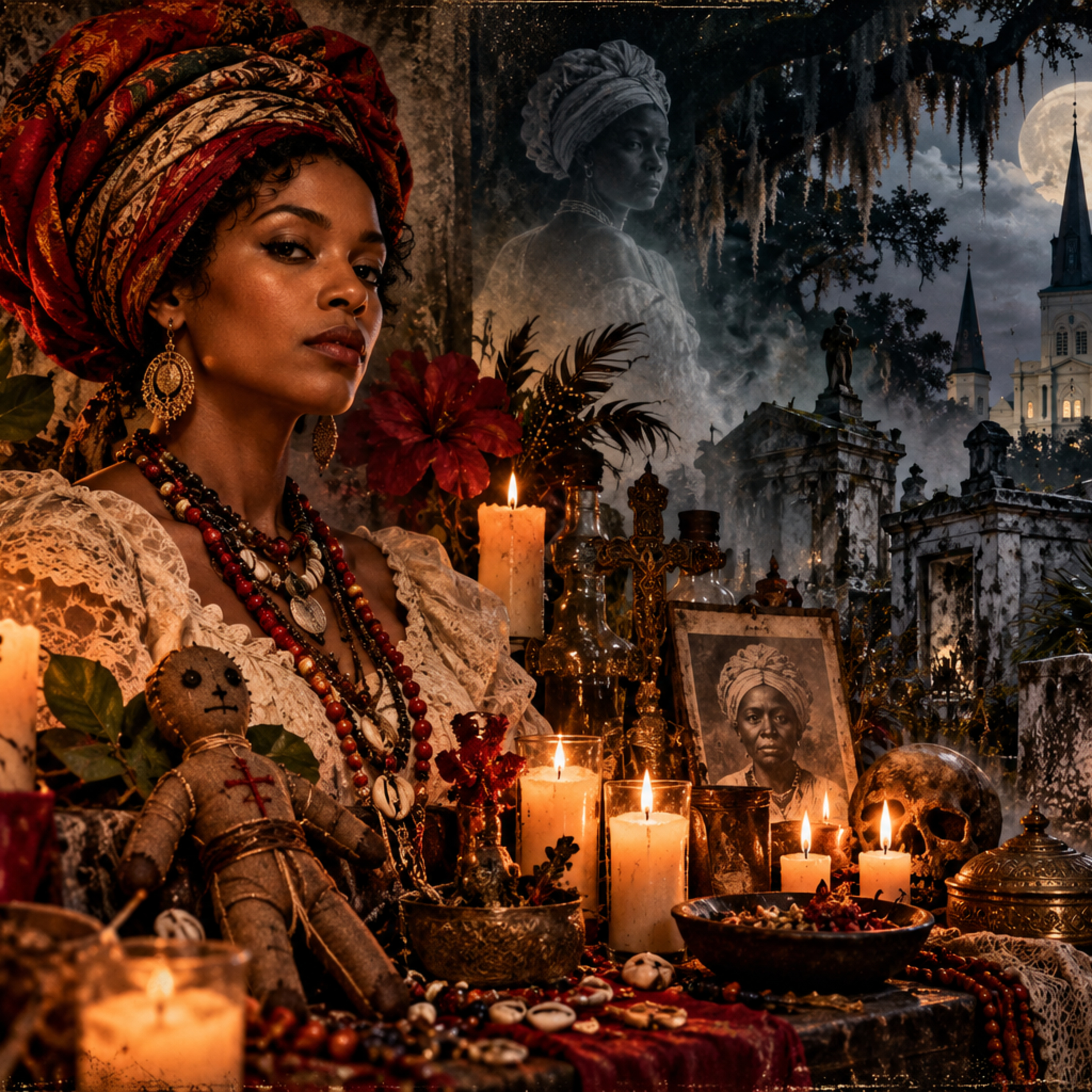
Marie Laveau herself embodies the complicated relationship between spiritual authority, historical memory and popular mythology. Born in the late eighteenth or early nineteenth century, she became one of the most celebrated figures associated with Louisiana Voodoo. Her reputation extended through nineteenth-century New Orleans, where stories circulated about her spiritual knowledge, influence and connections with people from different sections of society. Accounts of her life also became entangled with sensational newspaper reporting, oral traditions and later tourist folklore.
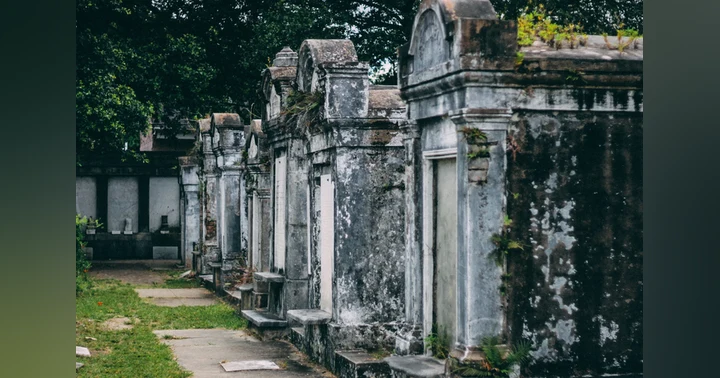
Her death in 1881 did little to diminish her reputation. St Louis Cemetery No. 1, where she is generally believed to be buried, became closely associated with her memory, and stories about her continued influence helped transform her into one of the city's most recognisable historical figures. The fascination surrounding Laveau raises an important question about the ways spiritual traditions are preserved and represented. How much of what survives reflects the experiences of practitioners, and how much has been shaped by the expectations of outsiders eager for mystery and spectacle?
The history of Voodoo in New Orleans also includes periods of suspicion and attempted regulation. Accounts of early gatherings describe spiritual practices taking place in spaces such as Congo Square, where people of African descent assembled for music, dance and social interaction. Such gatherings were important to the preservation and development of African American cultural expression, although their precise relationship to specific Voodoo ceremonies should not be assumed in every instance. Over time, the city's spiritual landscape continued to change, with new practitioners and organisations contributing to its development.
In the twentieth century, figures such as Mary Oneida Toups became associated with the public revival and reinterpretation of occult and magical traditions in New Orleans. Toups, who established the Religious Order of Witchcraft in 1972, belonged to a different religious current from historical Louisiana Voodoo, but her presence illustrates the diversity of magical and spiritual movements that have become part of the city's wider reputation. Today, New Orleans contains practitioners of several different traditions, alongside businesses and attractions that trade upon the city's longstanding association with the supernatural.
This distinction between spiritual practice and public spectacle becomes particularly interesting when considering the wider celebrations of New Orleans. Music, costume and procession occupy an extraordinary place within the city's cultural life. Although not all of these traditions are Voodoo ceremonies, they share broader themes of remembrance, identity, community and the expression of meaning through public performance.
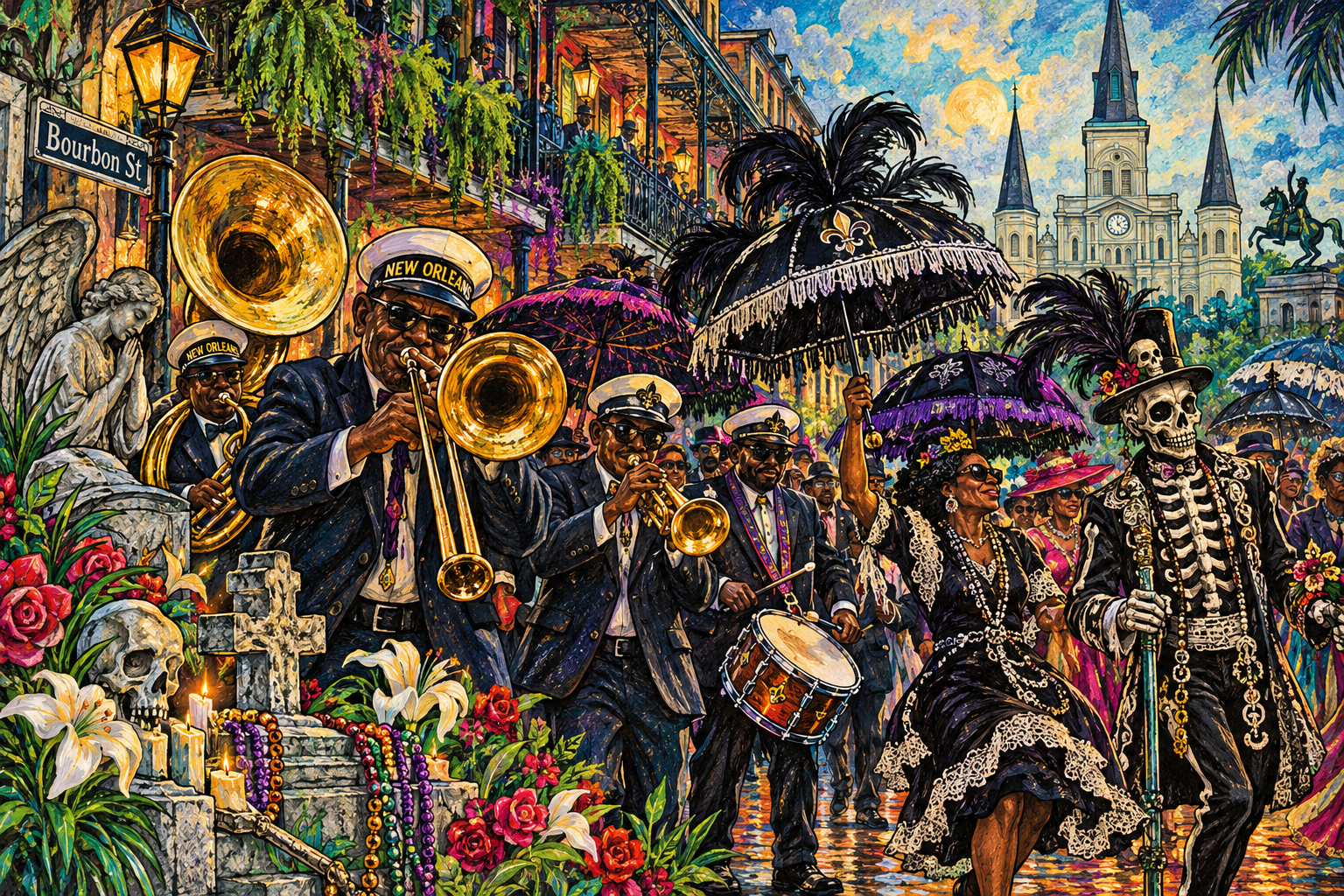
The jazz funeral is perhaps the most recognisable example. Rooted in African American traditions and shaped by West African cultural influences, Christian observance and the musical history of New Orleans, it transforms the funeral procession into a communal expression of grief and remembrance. The journey towards burial may be accompanied by slow, mournful music, with the atmosphere changing afterwards as the band begins to play more exuberant rhythms. Dancing and celebration follow, creating a movement from sorrow towards an affirmation of the life that has ended.
The second line, formed by those following the principal funeral procession, is an important part of this tradition. It allows the wider community to participate, turning remembrance into a shared public experience. Music becomes a means of carrying memory through the streets, while movement and celebration acknowledge that grief does not necessarily exclude joy. These processions should not be described simply as Voodoo rituals, but they belong to a cultural landscape in which music, ancestry and communal remembrance have developed especially powerful forms of expression.
Another striking tradition appears on Mardi Gras morning, when members of the North Side Skull and Bone Gang move through neighbourhood streets dressed as skeletons. Their costumes are designed to attract attention, but their purpose extends beyond entertainment. They deliver warnings about mortality and encourage people, especially children, to live responsibly. The skeleton becomes a messenger, a reminder that death is inevitable and that the choices made during life matter.
The symbolism is particularly effective because it appears during one of the city's most exuberant celebrations. Mardi Gras is associated with music, elaborate costumes, feasting and festivity, yet here are figures whose appearance demands reflection upon mortality. They introduce a moral dimension into the festivities, reminding those who encounter them that celebration and responsibility need not be mutually exclusive.
The traditions of the Black Masking Indians, often called Mardi Gras Indians, offer another extraordinary expression of cultural identity and remembrance. Elaborate suits covered in feathers, beads and intricate designs can take months to create, with individual makers devoting enormous care to the symbolism and craftsmanship involved. These traditions have deep roots within Black New Orleans communities and reflect histories of cultural creativity, resistance and relationships with Indigenous peoples.
The suits themselves may carry personal and communal meanings, sometimes honouring deceased loved ones or commemorating significant events. Songs, prayers and performances preserve memories and traditions across generations, while the labour of creating each suit becomes part of that inheritance. The result is something far more significant than a colourful costume. It is a visible expression of history, identity and continuity, a way of carrying the past into the present through artistic creation and communal celebration.
These traditions have their own histories and should not be absorbed indiscriminately into the category of Voodoo. Yet they help illuminate something important about the wider cultural environment of New Orleans. Spirituality, remembrance and celebration are not always confined to private reflection. They can be expressed through movement, music, clothing, colour and the shared occupation of public spaces. Memory can be worn, sung, danced and carried through the streets.
The same richness that makes these traditions so compelling has also contributed to their commercialisation. New Orleans is a city in which visitors can readily encounter Voodoo dolls, charms, spiritual readings and shops filled with imagery associated with magic and the supernatural. Some establishments and practitioners offer opportunities for respectful engagement with living traditions, while others present a more theatrical or commercial version of the city's spiritual identity. The distinction is important, particularly given the histories of enslavement, religious suppression and cultural misunderstanding that form part of Voodoo's development.
To encounter the symbols without understanding their meaning is to risk mistaking the outward appearance for the tradition itself. A skull is not necessarily a threat. A charm is not simply a curiosity. An offering is not merely a collection of unusual ingredients. A ceremony involving drumming and dancing is not automatically entertainment. Each belongs to a context in which history, devotion, cultural knowledge and spiritual relationships help determine its significance.
Perhaps this is what makes the symbolism of Voodoo so compelling. It asks us to consider the possibility that ordinary things can carry extraordinary meanings. A crossroads becomes a place of spiritual passage. A small cloth bag becomes an expression of protection or hope. A candle becomes an offering. A beautifully decorated banner communicates the identity of a spirit. A cemetery becomes a place not only of burial but of continuing relationship and remembrance.
And then there is Baron Samedi, still grinning beneath his top hat, surrounded by the imagery of death while embodying a vitality that seems almost impossible to contain. His presence brings us back to the central contradiction that runs through so many of these traditions. Mortality is unavoidable, but the recognition of death need not extinguish joy. It may instead intensify our appreciation of life, of the people who came before us and of the relationships that continue to shape us.
In the colours, ceremonies and celebrations of New Orleans, we find a remarkable cultural inheritance in which the sacred can be expressed through music and movement, where remembrance can be both solemn and exuberant, and where spiritual traditions continue to adapt without entirely surrendering their past. Beneath the familiar imagery of dolls, skulls and mysterious rituals lies something much richer: a history of survival, an enduring respect for ancestors and a belief that the material world is only one part of a larger spiritual existence.
Perhaps the most enduring message is not simply that death awaits us all, but that life deserves to be lived, remembered and celebrated. The spirits may be honoured with offerings, the ancestors remembered through prayer, and the living brought together through music and ceremony. In each, there is an acknowledgement of connection — between past and present, between individuals and communities, and between the visible and the unseen.
And somewhere within that extraordinary tapestry of faith, history and tradition, a skeleton in a top hat continues to laugh.

Host, author and producer
Hi I’m Michelle.
Teacher, podcaster, history and paranormal enthusiast and woman who wears many hats and spins many plates including dog whisperer- as you will often find Archie my dog- joining me during podcast recordings where he promptly falls asleep clearly not as enthusiastic about the subject as I am. It does mean his dulcet snoring can often be heard gently in the background- his contribution as occasional co- host needs a little work.
I live in Oxford in the United Kingdom and I love travelling and exploring historical sites throughout the UK for its history and haunted activity. One of the best gifts I ever received was English Heritage vouchers to use to explore various different historical sites. I had the best summer that year. (For friends and family possibly reading this please note that hint for future gift ideas!)
I started this podcast as an adventure through some of my passions. It has been immensely exciting getting to know lots of other people around the world who have these same common interests. I’ve been humbled by the encouragement and support from strangers and people who have become new friends! I truly could not do this without you.
This isn’t something I have done before and I’m learning everything as I go along - from equipment, to editing, to even creating this website. I’m loving it though- it’s a lot of work - but worth every second. Thank you for being patient as I learn and improve along the way. I have big dreams of where to take this podcast and community I hope we build here. If you wish to support that dream and this c… Read More
The Devil in the Dock: Crime, Folklore and the Changing Face of Evil