Hidden Histories Uncovered
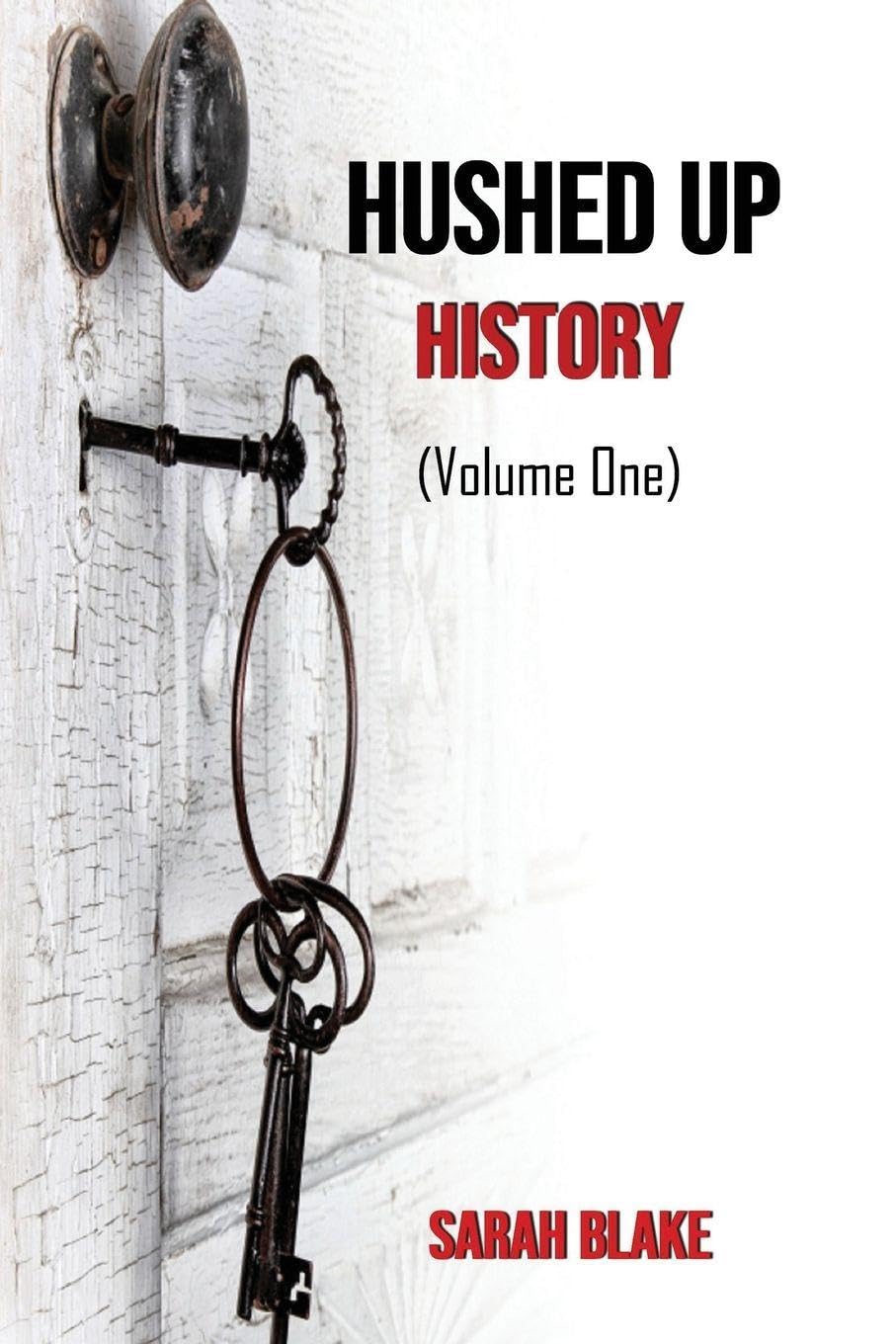
Hushed Up History: Volume 1 by Sarah Blake is not a book that seeks to overwhelm with dense academic argument or narrow itself to a single thread of historical enquiry. Instead, it occupies a space that feels both refreshing and necessary, offering an accessible yet thoughtfully constructed journey into the overlooked, the unusual, and the quietly extraordinary corners of the past. Much like the histories it uncovers, the book itself seems to exist between worlds: grounded in careful research, yet driven by a clear desire to engage, intrigue and invite curiosity from a wide readership.
Where so many historical works can feel either prohibitively scholarly or frustratingly superficial, Sarah Blake strikes a careful balance. She presents a collection of stories that are at once strange and compelling, ranging from maritime disasters such as the final voyage of the SS Morro Castle, to accounts that brush up against the edges of the inexplicable, including purported encounters that challenge conventional historical narratives. These are not presented as sensational fragments, but as considered glimpses into moments that have, for one reason or another, slipped through the cracks of mainstream retelling.
Sarah Blake’s approach is one of quiet excavation. There is a sense throughout that these are stories long buried, not through irrelevance, but through discomfort, complexity, or simple neglect. By drawing them together, she constructs a broader reflection on how history is shaped—not only by what is recorded, but by what is omitted. In doing so, Hushed Up History becomes more than a collection of curiosities; it becomes an invitation to reconsider the boundaries of historical significance itself.
The tone is measured yet engaging, allowing the material to speak without unnecessary embellishment, while still maintaining a clear narrative drive. Each account feels deliberately chosen, contributing to a wider tapestry of human experience that encompasses survival, belief, mystery and, at times, the deeply bizarre. The structure, built around concise and digestible entries, makes the work particularly accessible, encouraging readers to dip in and out while still retaining a cumulative sense of depth and cohesion.
What is particularly effective is Sarah Blake’s ability to retain a sense of wonder without sacrificing credibility. The more unusual elements—stories of animal intelligence, unexplained encounters, or peculiar historical claims—are handled with a steady hand, neither dismissed outright nor exaggerated beyond their evidential limits. This balance lends the collection a quiet authority, allowing readers to engage with the material thoughtfully rather than defensively.
In many ways, Hushed Up History reflects a growing appetite for histories that sit outside traditional frameworks, favouring the marginal, the forgotten and the strange. Sarah Blake meets this demand with clarity and purpose, offering a work that is both informative and genuinely enjoyable to read. It is a book that respects its audience, trusting them to navigate ambiguity and draw their own conclusions, while providing enough context to ground even its most unusual accounts.
Ultimately, this first volume succeeds in opening a door into history’s less illuminated spaces. It is an accessible, engaging and carefully curated collection that lingers long after reading, not simply because of the stories it tells, but because of the questions it leaves behind.

Host, author and producer
Hi I’m Michelle.
Teacher, podcaster, history and paranormal enthusiast and woman who wears many hats and spins many plates including dog whisperer- as you will often find Archie my dog- joining me during podcast recordings where he promptly falls asleep clearly not as enthusiastic about the subject as I am. It does mean his dulcet snoring can often be heard gently in the background- his contribution as occasional co- host needs a little work.
I live in Oxford in the United Kingdom and I love travelling and exploring historical sites throughout the UK for its history and haunted activity. One of the best gifts I ever received was English Heritage vouchers to use to explore various different historical sites. I had the best summer that year. (For friends and family possibly reading this please note that hint for future gift ideas!)
I started this podcast as an adventure through some of my passions. It has been immensely exciting getting to know lots of other people around the world who have these same common interests. I’ve been humbled by the encouragement and support from strangers and people who have become new friends! I truly could not do this without you.
This isn’t something I have done before and I’m learning everything as I go along - from equipment, to editing, to even creating this website. I’m loving it though- it’s a lot of work - but worth every second. Thank you for being patient as I learn and improve along the way. I have big dreams of where to take this podcast and community I hope we build here. If you wish to support that dream and this c… Read More
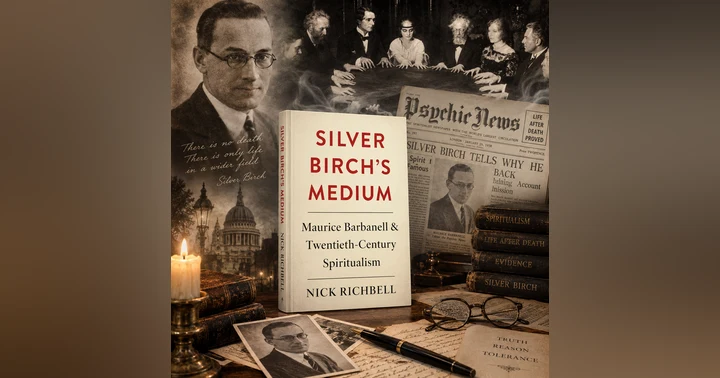
Silver Birch’s Medium: Restoring Maurice Barbanell to the History of Modern Spiritualism