#319 Loving Your Life: Healing Anxiety and Trauma Through Expressive Art with Elke Scholz


 Spotify
 RSS Feed
 Overcast
 Castbox
 PocketCasts
 RadioPublic
 Apple Podcasts
 In this episode, Roy sits down with Elke Scholz, a registered psychotherapist, internationally registered expressive art consultant and educator, and internationally certified EMDR therapist, to talk about anxiety, trauma, expressive art therapy, and what it actually takes to love your life. Elke shares her own journey with undiagnosed anxiety, how EMDR therapy helps the brain release the energy trapped in traumatic memories, and why slowing down and getting present in the body matters more than any technique. She speaks candidly about how expressive art can help both children and adults process grief, trauma, and bullying, and walks through her own daily gratitude and grounding practice that has kept her grounded for over twenty years.
Timestamps
0:02 – Welcome and guest introduction
1:37 – Elke's journey into writing and expressive art
3:25 – Growing up with undiagnosed anxiety
7:36 – Different learning styles and being told "something is wrong with you"
11:45 – What EMDR (Eye Movement Desensitization and Reprocessing) actually is
17:05 – Healing frequencies, sound, and censorship of alternative health content
18:42 – Brainwaves, slowing down, and learning to notice your body
23:17 – Near-death awareness and reversing cognitive decline
25:18 – Focusing on what you want and training the brain
27:54 – Why what you watch and read shapes your subconscious
30:53 – The news cycle, fear, and why our brains are wired for it
32:58 – Inside the Loving Your Life book, 40 intermodal exercises
37:02 – Drawing as meditation and seeing the world differently
38:40 – Choosing quality art materials and finding the right teacher
44:22 – Talking to children honestly about death and grief
47:19 – Bullying, trauma, and why art changes how people treat each other
51:27 – Elke's daily routine: meditation, gratitude, movement
57:29 – What's covered in the Anxiety Warrior books (Vols 1 & 2)
1:01:53 – Where to find Elke and her books
About Elke Scholz
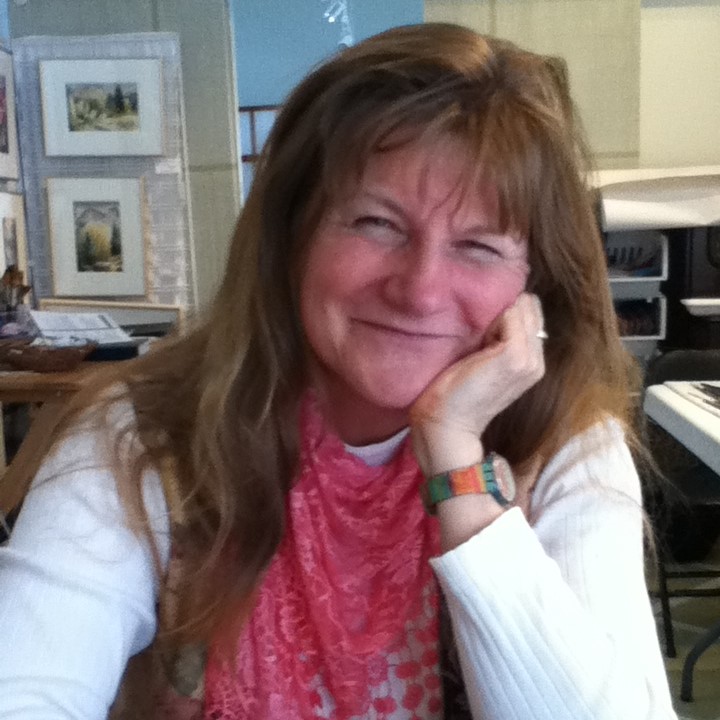
Elke Scholz, MA, RP, REACE, is a registered Psychotherapist, an internationally registered Expressive Art Consultant/Educator, and internationally certified EMDR Therapist. She is the well-known author of the 3rd edition of Loving Your Life, internationally available and teen friendly. Elke has also launched Anxiety Warrior Vol 1 & 2, both with powerful tools for the journey to emotional freedom. Elke manages her own anxiety and believes strategies to lower anxiety levels can be accessible and easy for people. As an Energy Rich Vitality Specialist living with passion and abounding energy, Elke is excited to announce her new webinar "Energy Rich: Overcome Exhaustion, Win with Vitality" and her audio meditation series based on her book, Loving Your Life.
Connect with Elke:
🌐 Website: https://www.lovingyourlifebook.com
🌐 Website: https://www.elkescholz.com
📧 Email: ESCHOLZ@VIANET.CA
🐦 X: https://x.com/AnxietyWarrior1
▶️ YouTube: https://www.youtube.com/channel/UCYf99EPFC3m01ft5ugIIC-g
💼 LinkedIn: https://www.linkedin.com/in/elke-scholz-a2aa6b17/
📘 Facebook: https://www.facebook.com/elke.scholz.71
📷 Instagram: https://www.instagram.com/lovingyourlife1
🔗 About Your Host (Roy Coughlan)
🎙️ Explore more podcasts: Find all podcasts at the PodFather Network
🌐 Website: https://roycoughlan.com/
🤝 Need help running your business? If you are looking for a Virtual Assistant and get reliable support for your daily operations.
👥 Virtual Assistants: https://va.world/
🧠 Brain Upgrade: https://brainupgrade.org/
🌟 Private Members Group: The Authority Alliance — A Foundation of Experts for entrepreneurs, coaches, and thought leaders to connect, collaborate, and grow their authority together: https://theauthorityalliance.com/
🤝 Connected Leaders Academy: A Private Networking Group in 50 US States & 49+ Countries with 700+ Members: https://connectedleaders.academy
🌿 Health & Wellness: https://podfather.thefrequencyawakening.com/
#MeditationPodcast #Anxiety #EMDR #Trauma #ExpressiveArtTherapy #Mindfulness #MentalHealth #Grief #SelfHealing #Gratitude #AnxietyWarrior #LovingYourLife
Elke Scholz
[Speaker 2] (0:02 - 0:58)
Welcome to the Meditation Podcast. You can find all our episodes on meditationpodcast.org. My guest today is a registered psychotherapist, internationally registered expressive art consultant and educator, and internationally certified EMDR therapist.
She's the author of Living Your Life, now in its third edition, and translated into German, along with Anxiety Warrior Volumes 1 and 2. She's known as the Anxiety Warrior, someone who has managed her own anxiety and now spends her days helping others do the same. And she's an energy-rich vitality specialist with a new webinar and audio meditation series built around her books.
Elke Schulz, please welcome to the show.
[Speaker 1] (0:58 - 0:59)
Thank you, Roy.
[Speaker 2] (0:59 - 1:14)
These are the books because you were kind enough to send them to me. I just finished this one, and then there's the other two there that are for those that are watching on Bitchu Chuchu Brumble. I enjoyed reading the Loving Your Life.
[Speaker 1] (1:16 - 1:24)
Nice. Well, it is a reference book too, so I'm pleased that you did go through it and read it.
[Speaker 2] (1:25 - 1:35)
So I suppose, I mean, we have to kind of learn your own journey first, kind of, and then we delve into the books. You might kind of tell us your story.
[Speaker 1] (1:37 - 3:06)
Yeah. As a child, I always was writing, and I didn't look at myself as a writer, not until after my first book, which is interesting. And the book, if I'm talking specifically about that book, it came out of conversations with workshops.
It came out of conversations with other people and what they were giving me feedback on. And so I would go back after and start writing on the computer. And I've written and been published many articles, been in other books.
I just kept on writing. And then one day, I think I had counted over 300 pages, and I went, oh, I think there's a book here and took it to a developmental editor. And so she organized that.
And it actually follows a very traditional learning model, which is so interesting because it's proof as to the learning model. It's proof that we learn intermodal, that it's a holistic experience. And that is my passion.
And, you know, it's about brain science and energy, all those things rolled into one. So that's kind of an edited version of an answer.
[Speaker 2] (3:07 - 3:24)
Well, if we touch on the anxiety, because I know, I mean, they claim there could be two billion people are suffering from anxiety. And the more that you kind of go down that route, the more you meet people, the more you realize it's getting worse and not getting better.
[Speaker 1] (3:25 - 6:39)
Yes, 100%. And I did not know I had anxiety myself. And we didn't talk about it.
I mean, I had migraines. I was one of those kids that would get sick to my stomach with the flu or whether there were tests coming up or projects. I also, English is not my first language.
And being German, my grammar is backwards. So having a little bit of dyslexia and all that mixed in made it for a pretty rough childhood and schooling. And yet, and the other piece was, I'm very, my genius is the nonverbal world, like a phenomenon.
I'm a great therapist. I'm, I think I'm a good writer. And having that understanding and that connection.
However, my father being a high school teacher, and then my brother's, you know, engineer there, they have very photographic, factual minds. And again, we didn't have the discussions, I think. And that's what makes me passionate now is let's have these discussions.
Because I thought, honestly, Roy, I thought something was wrong with me. I felt like I was pretending, I felt like I was hiding the secret of this suffering. And I didn't have a language for it.
And I did not discover that anxiety or the name of that until I was in my 20s. And I came by accident, I was reading a book about it for somebody else. And I'm just going, Oh, no, this is about me.
And of course, the way my mind works is, there was this mystery. And, and, you know, where does anxiety come from? And why is some days, it's only two minutes and other days, it's all day.
And, you know, that evolved into this, this research and collaboration with clients and other professionals. And you're right, it is growing because of more uncertainty in the world. We're faster, there's more chaos.
And, you know, as humans, we want certainty. We want safety, we want some routine. And, and so part of it is understanding and managing it.
And then how do we support ourselves? So that's, that's kind of why I did the books. And the other reason is, it doesn't have to be so hard.
And I think because I suffered, people don't have to suffer like that. You know, they don't, the strategies are accessible. You don't have to buy things, you can, you can just do it.
And we don't have to suffer like this. So that's kind of why, some of the why.
[Speaker 2] (6:41 - 7:35)
And because, you know, you were talking about like your brothers and, you know, their, their memory. And I found that in school as well, that like those that have, you know, good memory, that's, they're the ones that excelled because they were, but they lacked, like, even if you were looking at technical drawing or art, usually they weren't great at things like that. And they don't really rate art.
I remember when you go into secondary school, you're 13, the first year we did it. I loved it. I was the best in the class.
Then they took it out, you know what I mean? Like I struggled with English, I struggled with most subjects, you know, and it was like technical drawing then I was very good at. So I was either coming first in the class or the end, you know, and it's like, you do, you feel like there's something wrong with you.
You think it might take or something like that. Cause I could read history for three hours and still fail in the exam. And I'm like, what's going on?
I'm trying. And it just going in that area and out the other.
[Speaker 1] (7:36 - 9:42)
Yeah. And for, yeah, we're all different learners and you're right. For those that could memorize and school was easy for my brothers that I don't even think I ever saw them doing homework or studying and they did very well.
And me, I, I struggled with it. And I think it's interesting. And this is a general thing though.
I think it is very common is that parents think that we need more math, that we need more history. We need more of these, you know, physics and science. Well, we only need those if those are going to be our professions.
What we weren't getting is skills to talk with each other, skills to express skills, to understand we didn't get skills to how would we settle our nerves? How do we function in the world? How do we look after ourselves?
I didn't get that. I had a few good teachers, which is why I'm here today. Because as a kid, I, I didn't, I didn't want to be around anymore.
I just thought, what's the point? I don't, I love to learn, but I didn't like school, you know, and that it was confusing for me. And I also had a difficult childhood.
And I just went, well, if this is life, I don't want to be here. However, I had two really good teachers that, you know, showed me another way and opened me up. And it was basically to the arts and to drama and to writing and to nurture that.
And yeah, and, and, and we don't tend to do that. Our world, a lot of our world is very production. And I want to say left brain, if that makes sense, that linear kind of thinking.
And, and we don't, we tend not to put emphasis on the softer skills, whatever we call, we call them soft, and they're not even soft, but I don't know, those quieter skills, let's put it that way. And yeah, I know it's, yeah.
[Speaker 2] (9:43 - 11:10)
That's what I found is with teachers, and it still happens today, is they either steal your dreams, or they give you a dream. And unfortunately, there's very few that, but I've been lucky as well. I've had, you know, good teachers later on that actually, you know, I went from being worst in the class in history to the best in the class, just by a different teacher.
I mean, how was that possible? And it just shows what I've seen so many times where somebody would say to somebody, oh, you're never, you know, among to anything. And it's like, how dare they say that where somebody else can see someone struggling and they just give them hope and they can change them like that.
And I think it's the parents have to pay attention because sometimes they use them like a babysitting service and they just kind of park them in the school and they don't even know what's going on. And you need to know what's going on because some of them teachers should never be teachers. Like I had a school reunion just in May and the teacher that I didn't like, that I came worst in the class.
And it was because he was screaming at you, like he was screaming at everybody. So you're going terrified. So I could read for hours, go in there and just go blank.
And one of the guys that I met and he had serious problems like over the years, like, you know, not wanting to be around. And the teacher basically told him, yeah, you shouldn't be around you'll amount to nothing. And he became, that teacher was like the principal of a good school where the leader of our country, you know, like he should be locked up for that kind of behaviour.
[Speaker 1] (11:11 - 11:39)
You know, so I think. That's the work I try and reverse in my private practice. Yeah.
Yeah. They're wrong things to say to children for sure. And you're right there.
It's devastating. And and they shouldn't be there. Yeah.
Either the teacher has issues or they're too busy. And then they're saying things that are very hurtful. Man, that's terrible.
I'm sorry that they said that to your friend. That's awful.
[Speaker 2] (11:40 - 11:45)
So there's a few EMDR therapy. What exactly?
[Speaker 1] (11:45 - 14:18)
Yeah. Well, EMDR is Eye Movement Desensitization and Reprocessing. It's a big term.
And Francine Shapiro, she coined that term about 40, 50 years ago, and it became very well known to help trauma with veterans. So that's how that started. It's become a top tier therapy in the world since 2013 and has expanded.
And so what it is, is she said if she could, she would rename it. It's bilateral stimulation. So I'm just showing on my shoulder so people can see it.
It could be eye movement. It could be sound, bilateral sound. It could be tapping.
And it stimulates the brain. So a memory. So trauma is like our brain.
Actually, let me go a little bit backwards. The brain is equipped to process trauma. Sometimes it doesn't.
And then what happens is the trauma lives here in the front. And the body feels like it just happened. And it could be a trigger or it just doesn't go away at all.
And so what EMDR does, it takes the energy out of that trauma and puts it in the library. So in the memory, it doesn't change the memory, except it takes the energy out of it. Very fascinating work.
And the cool part about that, and your good vet there, he talked about this energy is, you know, when we're happy, when we're content, when we're healthy, our brains and bodies are meant to heal themselves. It's incredible. And when I've healed traumas, I've actually seen people heal in front of me.
And it's not magic or woo-woo. The body keeps this memory, this tension, and actually creates an illness somewhere, a stress. And when those tensions are healed or released, the symptoms just go away.
And people have come back and say, this doesn't happen to me anymore. Is it going to come back? I said, no, it's not going to come back.
And it's really fascinating. So yeah, it's a very powerful therapy for sure. And it goes back to energy.
And I think, you know, you had guests talk about energy is everything. And I believe that 100%.
[Speaker 2] (14:20 - 15:33)
And even with, like, I had a trapped nerve and I tried 20 different things, physically or healer, spiritual healer, acupuncture, the whole lot. And then I got the epidural and they kind of put you under and then they manipulate you, the other leg was sore. And then I got the operation, assuming it was good.
You know, they cut the back saying, oh, the nerve is being pressed and it's all a lie. And I was like, I was like, I was ready to throw in the towel. It was like, I was just in constant pain.
And I came across the book, Healing Back Pain by Dr. John Sarno, read it within a few weeks of it started. And so many people I've recommended that book to that some people get it down the arm and the leg. And I know, no, it was stress because I was working from eight in the morning until 12 at night with a construction company, you know, like as a engineer running the whole thing.
And it was a stress. Yeah, my body. So I know the way it is.
And yeah, unfortunately, the way society is, it's like they organize that, you know, and so how many people have back pain? But do they really have back pain? It's just a stress, the anxiety, stress coming out in your body.
And you think you've a back issue.
[Speaker 1] (15:33 - 17:04)
I understand. I mean, I, I, I work out every day. And I also do long distance cycling, hiking.
And it's when you're active, right? Sometimes, you know, things get misaligned. And I have a very good chiropractor, in the sense that I just go every two weeks, and he might just tweak or, you know, yeah, this is a little sore, this is a whatever.
And when you understand it, and, you know, even if it's emotional, I mean, they can feel your body and I'm not I'm not pushing chiropractic. I know there's many modalities out there. It's just, let's call it a body worker.
They can feel it in your body and our bodies keep score. There's actually a book that that says that our body keeps score. It does.
And there are strategies that we can let that go or help the body move that energy. So that's super. I'm so glad that your back feels better.
And it's really cool, too, because sometimes I had a client and she said, now I understand my back pain, because her back got, you know, miraculously better after our sessions. And she said, my back was always trying to get my attention. So now I listen, and it's just a little tweak.
And then she knows that what shifts that she has to make. So it's very cool. Yeah, so that's neat.
[Speaker 2] (17:05 - 17:30)
And, you know, because, you know, we'd say the meditations, everything, but there's also the healing frequencies, because I think from the Tartarian empire, I mean, I've heard of all like the bells and everything that there was areas that you just a sound. But I know from my meditation podcast that I had healing frequencies and Spotify removed them all. You know, it's like, why would you do that now?
You know? Yeah, exactly. So.
[Speaker 1] (17:30 - 17:31)
Wow.
[Speaker 2] (17:31 - 17:31)
Yeah.
[Speaker 1] (17:33 - 17:36)
So that's, that's terrible. I'm so sorry.
[Speaker 2] (17:36 - 18:09)
But it's like anything else, you know, if I talk about, say, say 15 minutes of these are cars that are tracking and it's removed from TikTok or different platforms, I go, okay, so now I know that's true. And it is true. They're just confirming to me what I know already by hiding it because they, they allow terrible things to be seen, nothing about it.
But when they take away stuff like that, I mean, how was that hurting anybody? It's not. So it's just kind of, so maybe touch on the different meditations that, that you've done or you're kind of.
[Speaker 1] (18:09 - 18:30)
Yeah. And, and so, and you're, it's interesting that you said that because I have friends that are musicians. My meditations is part of a series and they do have the healing hurts in that series.
So that's very cool. And, um, ask me the question again, cause I got distracted.
[Speaker 2] (18:30 - 18:42)
With the meditations and like, suppose maybe touch on the frequencies as well, because is it the music is at 432 and the 440 is the healing one or is it the other way around?
[Speaker 1] (18:42 - 21:02)
Oh yeah. I, yeah, I, it's interesting because I go more into brainwaves with my study. And then when I use the, um, I use an app and then I just go into what brainwave I want to enhance.
So, but I do want to dial it back for people is slowing down. We need to slow down our, we're animals. We haven't caught up yet.
Everything is going so fast and we need to take time. Like we're very resilient. However, we need to take that time to slow down.
And that means going into nature, um, you know, sitting on a rock, just being on the grass, grounding yourself and slow down, slow down your breath, slow down your thoughts. You want what you, your goal is to be aware of yourself, aware of what's going on for you. And it's interesting when you do that.
And that's one of the first things I teach my clients day one is getting them to notice. And it's a, it's amazing, Roy, because people have said, I've never done that before. I've never, you know, like notice how your body shifts when maybe you like the sunshine and it's like, Oh, notice how your body shifts.
And, and I also like the rain because it nourishes my garden, um, notice your body, but then also notice your body when you're stuck in traffic or, you know, there's a lot of chaos around you just notice you don't have to decide if it's right or wrong, notice what it's doing for yourself. And the more you can do that when you're aware, that's when you can make changes. Right.
So, and we naturally want to feel good. So then we're going to, you know, I have people come back and say, you know what, I didn't know that was bothering me so much because we get trapped into the cycle of we should, we must, whether, you know, work or duties or identities. And the more we can slow down, that's where we're going to get our information.
[Speaker 2] (21:04 - 21:30)
And I mean, I'm, I'm, even though I'm barefoot, I love grumbling. I like going outside in the garden. I know, even in the morning, I just, I love the sun.
I sun gaze. I like it. So it's safe for the first hour, hour and a half and sunset.
And I make sure in the evening I go for a walk and I'm staring at away and people, when I was younger, it was dangerous. It's dangerous. I don't wear glasses.
I have good vision. It was perfect. And it's like, you know, sometimes everything they tell you, it's actually the opposite.
[Speaker 1] (21:31 - 22:39)
Yeah. And that's true. And that's why it's so important to listen to your body because, and you're right about, you know, you're getting told things and it's like here in the head, right?
All of this thinking, these thoughts, beliefs, whatever you've heard advertising, and you want to come back to who you are, not what what's whirling around or what you've been fed. You want to drop into your body, drop back into your heart. That's where you're going to get the information.
It's like what you said, you know what the truth is. You know that when you're doing your sun in the morning, that it's safe. It's your truth.
It's your, and you feel good then trust it, right? You don't have to trust me. I always tell people, you don't have to trust me, trust yourself.
And, and the more that we can do that, and we have a lot of power, we have a lot of energy. We have this supercomputer in our head, 4 billion bits of information per second, it processes the back office. Like it's incredible.
And we just need to start being open to it. And yeah.
[Speaker 2] (22:41 - 23:16)
And even cause I've just heard some information today because we see a lot of people getting Alzheimer's and everything, but it was kind of talking about the near death and they're saying that all the cells are damaged and everything. And now I'm hearing people, they're able to stop it and even reverse it. But what they were saying is in hospices, they started to study in people and a couple of days before they die, they're talking, they know who they're talking to and everything does, I'd say 80%.
That is a high. So that straight away throws out the information where there's, I know all the cells are destroyed.
[Speaker 1] (23:17 - 23:19)
Cause it's not destroyed. Yeah.
[Speaker 2] (23:19 - 23:31)
And they're making it look like it is. So the files have just, you know, you just can't access them. It's like you're going into your computer and you go, I know I have that file somewhere and I can't find it, but eventually it comes back.
So yeah. I mean, that's easy.
[Speaker 1] (23:32 - 24:43)
They've been able to reverse Alzheimer's. They've been able to do that with, there've been some studies, they're out there and they're part of this brain tap and the brain fitness. We can exercise our brain.
We can, yeah. People have reversed their Alzheimer's, their stimulation, their memory. We don't have to lose all our Vivi and our energy.
Yeah. A hundred percent. I believe in that.
And, and, you know, I love, I love, I don't know if we said it already, but even the vet said, you know, when your animals are happy, they heal and we're the same. Our, our brains are capable. I think when our brain is healthy and I don't know how they tracked it.
So don't ask me 30,000 chemicals we can produce in our bodies to heal ourselves just like that. We can do it. And I think you've probably heard stories, how people have had these miraculous healings and miracles.
We can do it. We have that. We have that energy and that power.
Yeah.
[Speaker 2] (24:43 - 25:17)
Like there's a person that's going to come on my show now and they were paralyzed. I don't know, was it from, and they, through their mind healed themselves. So, I mean, that is something because sometimes people, they listen to the doctor and the doctor says this, and they buy their story instead of the truth.
And unfortunately, if you start following the story and that's your belief system, then you affect what's really going on. So it's always good to find alternatives and understand what's really going on.
[Speaker 1] (25:18 - 26:47)
Yeah. I, one of the practices I have is focus on what I want. And I share that too, with clients is focus on what you want and put that first.
And then what your brain does, it's beautiful. It starts to scan and you can train your brain and, and you start scanning and going, well, let's say I want health or I want luck. I'm, I feel I've always felt like I'm lucky.
Well, my brain is trained to feel luck and it just does this scan. And, and, and, you know, people I've seen people do the opposite and I can't really be around them very much because they're, Oh, you know, I'm getting old. I don't buy that.
Like, okay, maybe you do. And then it's, Oh, you know, so they're programming themselves to be old and they're programming themselves to be unlucky and, and, and whatever. And yeah, we don't have to go that direction.
It's the same world. You can walk outside and it's beautiful park and yet somebody else could go, Oh, well, you know, I'm tripping over the dirt or there's weed, whatever. I don't know.
I just can't do that. And, and, and, and, you know, when you focus on what you want, that's where you're going to go. And that's the direction.
And, and the brain is, you know, when we look at these things, whether it's a weakness or not, we can, can change it and reverse it.
[Speaker 2] (26:48 - 27:54)
I had one guest and she bought the rights to a book, but she was winning stuff, you know, just basically things she entered competitions, but the person that she bought the rights to, she was elderly at the time, but she was telling her the story and like, she was winning houses, cars. It was like, she, and then she got the family involved and it was all like in their belief system. I'm going to get this.
So you would think not in a million years is that possible, but it's like, you're putting it out there and the same thing. I mean, like what I've noticed is people that are watching, like I know somebody in particular now and they just constantly watch horror films and they're just attracting every single thing in their life is bad. And I tell them, stop watching it.
It's like, it's your brain doesn't know, you know, you just, you know, look, if you're watching things, try to look at things that are upbeat and positive or read stuff. But I, yeah, I think it affects you even though some people think, no, it's grand. It's okay.
That's what I love. I don't think the brain can actually decipher what's real and what's not.
[Speaker 1] (27:54 - 29:43)
And you're right. The brain, you're right. The subconscious does not know what is real and not real.
And that's why focusing on positive things or your dreams, your brain starts accepting that. And you're right about the horror show. One of my clients, she said, she's watching this horror show.
And she was telling me, I said, oh, you can't unsee those things. And, and she was having terrible sleeps. I said, stop it.
Like, what are you doing? You know, why are you, why are you putting that? It's like, you know, if we eat good food, then that's going to nourish our body.
So why would we eat something that was moldy and gooey and put it in our system and then think we're not going to be sick? Like the brain, like we're putting that into our brain. And I had a very good teacher.
She was a ballerina. Then she became a monk and then a calligraphy teacher. So what a great background.
And she said, whatever you ingest, it's going to come out somehow. Somehow it will come out. And, and whether that's, you know, when you're watching things or listening to things.
So a long time ago, I stopped listening to commercial radio. I stopped, I never was a TV watcher. And I even stopped reading regular newspapers because I would be in the newspaper and I'm going, I was at that meeting.
That's not what I said. That's not what it was. And I just went, that's it.
I'm not, not participating in that anymore. And I've been doing just fine, you know, with journals and journalism and, um, you know, even podcasts are so amazing because we do have this intelligence.
[Speaker 2] (29:44 - 30:53)
And, you know, like if we come back to the start about the anxiety, I mean, now you've got 24, seven news. It's never, Hey, we've just created 2000 jobs or Hey, look who this person is helping people in Uganda or Hey, no, it's doom and gloom. And it's like, even on the radio, every 30 minutes, it was every hour for five minutes.
Now it's every 30 minutes and you're like, who wants to hear that? But yet people, and then that became the conversation at the water cooler or the coffee. And that was another thing as well.
I just did yesterday or whenever it was like studies that when people are like a negative experience early, they're putting it out or if something bad happens for the whole, for eight hours, they've done so many tests on that and the opposite works as well. So you have to be conscious or even if something does not happen and go, well, that just happened. I don't know what's going on with them.
Maybe there's a crying child. That's why they cut me off or something instead of carrying it with you, having hatred for the day and then just spreading it around. It's like, we can nip it in the bud, but we have to be conscious of it.
[Speaker 1] (30:53 - 32:39)
Well, and I agree, right. And I wonder, you know, are people, even maybe your listeners, are they noticing that we have energy, right? We do have this energy.
And, you know, I tell people, I tell them, don't watch the news and they're horrified. And then I have journalists have told me that they were told if it didn't bleed, it didn't read. So they were told to get the bad stories.
And some journalists just said, no, I'm not doing that anymore. They've quit. And now my mentors and coaches are finally, they're very clear.
Stop watching the news. And I'm like, yes. And making bigger noise about it.
And it's a business and it's meant to captivate you. And there's a reason, actually. And I just thought, why are people so addicted to it?
And there's something in our brain that it's an old part of the mammalian brain that says, am I going to be in danger? Do I need to protect my family? What do I have to know?
And then it makes it addictive because you think, oh, maybe I need to know about this. And it's not true, actually. Usually you do find out through word of mouth or in your community.
I want to say the traditional way of narrative and talking to each other, that's where we find out the real news. And I have people, they'll phone and they know people from all over the world. They'll phone and say, hey, what's going on?
Is this true? And they'll go, no, we're all fine. OK, good.
Just checking. Yeah.
[Speaker 2] (32:40 - 32:46)
Yeah. Fortunately. So the book, let's still do this.
Because the art in it is beautiful.
[Speaker 1] (32:47 - 32:51)
Oh, thank you. Thank you.
[Speaker 2] (32:51 - 32:57)
I mean, there's a lot of different things, but you might just kind of tell the listeners what you're covering in it.
[Speaker 1] (32:58 - 36:16)
I created it as a smorgasbord. And because, you know, some days we just want an inspiration. Another day, maybe we want to look at some nice art and be inspired that way.
Or maybe we want to actually have some meat and potatoes and we want to read about listening or we want to read about certain meditations or maybe we want to do an exercise. So it has 40 different exercises and they're intermodal. So they have levels.
And what that means is you can do one exercise and then there's another and another and it deepens the work. And I designed it in a way that you could do it with things you have. I'm practical.
I'm like going, no, this has to be portable. This has got to be accessible. And I had a very good editor.
He was able to articulate the instructions and he would say, Elka, you know, you have to say this different or because they're not, you know, you're not in the room teaching them. So he was very good at that and the whole purpose of the book. And I struggled with the name of it because, you know, it's, I don't know, there was that inner critic going on.
And then I thought it is about loving your life. It's about finding this inner passion. And we're created, we're all created.
We're created out of passion. And, you know, we come into this world and we're fresh. And then all this stuff gets kind of jumped in and piled in, not with everybody, but certainly happened with me and my clients.
And so the idea of the book was how do we start opening this up? How do we start freeing this and expressing? And it's not about painting or making beautiful things.
It's about getting this expression out. And I love, you know, Third World, or I don't know if that's even correct, but in more simpler societies, everybody dances, everyone sings, everybody drums. And yet, I know in my world, it was, well, if you couldn't play properly or follow the notes or draw something, then it wasn't worth doing.
And that's not true. And so the book is a way of coming back to that. And people, facilitators have used it definitely, occupational therapists, and they do the exercises with their clients.
And when we do that, the other piece of that is, as soon as we express, it moves. It transcends somehow. And that's pretty cool.
And it's fun to facilitate. It's fun to participate and do it.
[Speaker 2] (36:17 - 37:01)
I suppose for those that wouldn't do it, like, for example, one of them is, you look at something and you're drawing it without looking, you know, that you're just, without looking at it, you're kind of not looking at what you're drawing, but you're looking at the picture and you're drawing it. And, you know, you're showing what you've done and obviously what you were copying. And like all things like that, I think even if you do with your kids and stuff like that, they go, oh, this is cool.
And they just develop from there and never kind of, like, as you say, in school or whatever, sometimes they're going, oh, this is no good. And they're just giving out to you, but everyone sees things differently. And the main thing is just enjoyment.
If you're in the moment, in the present, as you're doing it, and then just developing it.
[Speaker 1] (37:02 - 38:18)
All of the above, exactly everything you said. What I notice is when I go into the woods and when I draw, it's such an intimate meditation because you're so present with nature and there's no separation. And I've had otters come up and dance in front of me and play because I was just really quiet and drawing.
And the other thing with drawing is you see it different. So I've had even clients come back and say, you know, I didn't notice that the road is actually pink because we have pink rocks here in Muskoka. And of course they crush that and they use it for the road.
I go, yeah, the roads are pink. And they'll come back and I didn't realize that the trees actually have purple in them. I go, yeah, they have purple.
So what happens with the arts and drawing is you see deeper into this world and the miracle and the beauty. And that's really very cool. Yeah.
Yeah. And it actually changes your brain too. It gives your brain a break.
It does so much. All the things you said and more.
[Speaker 2] (38:19 - 38:39)
And as you're developing then, like how do people know, like the paints or the canvases and stuff that are, because sometimes there's people that are selling them and they're poor quality. How do they know what's actually good? Is it just by playing around with it and you kind of feel it yourself?
How do you realize what's good and what's not?
[Speaker 1] (38:40 - 38:42)
You mean for yourself or for?
[Speaker 2] (38:42 - 39:20)
Yeah, even if you're doing it for yourself, like if you're painting and you're developing and you're different places, but I've heard of sometimes like somebody was saying, Oh, the canvases aren't that good. I just thought, I mean, for me, you know, I wouldn't know. I taught canvases canvas, but obviously there's different levels, but the same with the paints.
And how does a person know that? Because obviously people are trying to, even if they're on a budget, you know, like if there's some stores that are selling stuff, you know, 20%, you have to go to the arts and craft store that are charging you an arm and a leg. And are you getting 10 times better quality?
[Speaker 1] (39:21 - 42:04)
That's a great question. And that's a little bit bigger question. It's funny you say that because you know what I would do when I was teaching watercolors, I would go around and look at what I, I would suggest what my clients should bring.
And if they didn't I would just say, you know, I'm just going to give you a good paper today. And we're going to, you can do the exercise on both because I want you to have that experience. And I did that with paint as well.
And they would just see the difference because it's like a chef cooking with a dull knife and a rotten tomato versus, you know, state-of-the-art knife and this beautiful fruit. And I even gave one of my art stores heck because I had sent my clients there and I said, why are you selling this stuff? I'm having them take it back to you.
And he apologized. And I think what you've got to ask, you've got to ask the store and say, look, you know, I want something that's good quality and it may not have to be, you know, the Rolls Royce or the Ferrari, but don't give me the clunker, you know, and that's going to, because you have to ask and otherwise the store may assume that you want to save money or, and in the end people have gotten discouraged with poor materials. So that's a great question and very heartfelt because it's a tragedy when somebody thinks that they can't do something and it's really the materials. So that's really something to look to pay attention to for sure.
And then, you know, if you want to study with somebody, study with somebody where you like their style already. And what I would do when I was learning is I would interview the teacher. I would call them up and whether they were part of a school or, or university or whatever they, wherever they were.
And I, I just say, you know, can we talk about, you know, how you, what you do in the class, how you handle things. And you get a, you get a good sense of people and who they are and if they're supportive or not, because that's another really big thing. You want somebody really just to be gentle because as we're doing the art, it's very vulnerable sometimes.
And, and yeah, so you want somebody that's gentle for sure.
[Speaker 2] (42:05 - 42:49)
Just a little tangent, because you were mentioning about the chef, something just came to my mind. I, I love cooking and, and I, like I, I, I got say masterclasses where, you know, like Gordon Ramsay or lots of different chefs. And sometimes I'd be watching videos of, and I see them sharpening their knives and then they just start cutting.
And I always wonder, anytime I sharpen my knife, I clean it because I think the shards come off it, like, cause if you're doing that and none of them do that. And I just, I just found it strange. I don't know why I thought that, I didn't think that.
But you would think that they'd actually clean it off because if there's little specks, cause if you're sharpening it, there would be little shards there, but none of them do. I've never seen any of them do that.
[Speaker 1] (42:50 - 42:59)
Yeah. It makes sense. Doesn't it?
You sit there and just go, wait a minute. Yeah, that would kind of get me. Wow.
Cool.
[Speaker 2] (43:00 - 44:21)
So there was one of the things, because you touch on a lot of stuff that's, it gets you thinking as well in the book and it's an enjoyable read, but you were talking about with a child and when a loved one passes and how we deal with that. And I thought that was a very, it's a brilliant thing to have because I think people don't, they don't talk about it or they just kind of, and like, for example, my father passed three years ago and he just got a massive heart attack and, but he looks so peaceful. And my youngest son, he's nine.
And I made sure I wanted him to look and like, I told him first, but I saw, cause he was so peaceful. Cause when later, you know, like the hands are smaller and you know, the soul is gone in that life, but and I think he accepted it and it was okay with him. But just last week, a friend, I went for a meal with a friend and he was telling me that, some of them know the child is six and the father, the father died.
Apparently he got stoned. That's what killed him. And they never told the child and they're pretending that dad is coming back and he's already been buried.
And I was like, Oh my God. And also that's why I'm bringing that up because I think you've covered it very well in that. And yeah, you know, you can even feel the pain because I mean, that was the wrong way to do it.
You know what they've done.
[Speaker 1] (44:22 - 47:18)
Yeah. And it's interesting. And, and yeah, that is a big chapter in the book that wasn't in the first edition.
It's in the second and third that I talk about death and we have sanitized death and you know, we've put our elderly away. We've lost our connection with food. So we've for farm life, right.
With livestock. And so children to what you ask and speak about is I see them as adults in or teenagers in my clinic. And their complaint is that they weren't told the truth.
They really had wanted to know the truth. And, and as children, they, and we, I sense something is wrong. Like we were so connected and it comes back to energy and connection and they sense it, but they don't understand it.
And the hurt of not knowing the truth. I mean, you're still going to have the grief. They're not protecting the child by not telling them.
They're, they're, they're adding to the grief and they're adding betrayal and dishonesty on top of that. And I know that the parents, they're probably thinking they're doing the right thing and they're not. One of the things that you can do as a parent is also give the child a choice, you know, is tell them the truth.
And maybe the child wants to see the parent or maybe the child doesn't want to, but at least they have a choice. And later they can always, you know, think, okay, well, I was given a choice. I was just six.
I didn't know, you know, whatever, but yeah, the truth is always better. And, and to make it appropriate for the child, you know, we don't, we, we can say different language that they can understand. And if it was, like, it sounds like an overdose maybe, but we could just say, you know, that they were sick and that maybe, maybe dad didn't make the best choices.
And, and, you know, and as the child gets older, and that's the other thing that happens with children is their grief changes. So I've done a lot of work with children around grief. So as a six-year-old, they have grief a certain way.
And then, so how I prepare the parent is that, you know, at another stage at nine and 10, there's another developmental stage. So that grief changes, it will change again as a teenager. And it changes again when they're in their twenties.
So they, their grief evolves, whereas adults, we, we still have grief though, it, it is in our age development, if that makes sense.
[Speaker 2] (47:19 - 48:42)
And, you know, if we're looking at kids as well, I mean, even if we look at, say, adults with the anxiety, a lot of them, it's the bullying, you know, a lot of them have been bullied. And I think the education, it's like, it's encouraged. And even recently, like my son was telling me, it wasn't in his school, but his friend's school, and the child bullied and, you know, they ended their life.
And you hear a lot of that. And it's like, even when they report that they've been bullied, they don't do anything about it. And it's, it's kind of rampant.
And that's not just in Poland, that's international. And, you know, same thing as the parent, parents have to know what's going on and not tolerate it and just accept this is, oh, this is just what it is, you've been bullied. You have to nip it in the bud.
And if the, if the principal or the teacher aren't doing that, that you come in. But I think with, and going a long way around it, but I think when you get people involved in art and embraced and all that, I think it changes people. Like the you know, it's like they become, like you're saying, loving your life, they love their life.
So it's the people that start bullying, hate their life. And when you get the child to love their life, and that's down to the teachers as well, and the parents to try to find what's their passion in life, which in turn stops all of this and has a knock on effect for people that even when they become an adult.
[Speaker 1] (48:43 - 51:09)
Actually, that's true, because part of that learning model starts with the breath. And then as because here's the interesting thing is when when we're anxious, it's we, we, we have, it's almost like we're blocking the brain. So your neuroceptors, they're just blocking because all you're doing is you're in survival mode.
When we're relaxed, when we can feel safe, what happens is our creativity blossoms, it opens up. And this empathy, and like you said, this appreciation for life, then we're not going to be hurting that other life beside us. It's different.
And yeah, you're, you're right, again, so much. And it's interesting, I just did. I go up north, I fly into a First Nations community in Canada, so northern Canada, and I, I work with the teens.
And I had the privilege, they asked me to do professional development day for the teachers and the TAs and the staff, so 53 staff. And they wanted me to talk about the power of the arts and trauma. And it was powerful, because they had not had that training.
So to give them the understanding of, you know, why it was so important to understand these kids, because the reason they're upset is because of their trauma. And as a teacher, that they can now look at it differently. And it did change things.
And, and you're right, I mean, if I'm skipping around, I don't mean to, but bullying, the reason it's so devastating and traumatizing is, again, we're going back to the hunter gatherer times, if we're not part of the tribe, it meant death. So bullying at any place, whether it's the, you know, at school, the workplace, anywhere, our brain sees it as death, because it's a separation. And, yeah, it's, it is very, very serious.
And, and you're right, the arts does do the opposite. So thank you for that. That's a, that's like an edited version, for sure.
[Speaker 2] (51:11 - 51:26)
So you're on kind of daily, because you, you know, you said you're, you're active. And then, you know, if there's something off, you're a chiropractor every two weeks. But kind of what's your kind of daily routine between art and everything that keeps you, you know, loving your life?
[Speaker 1] (51:27 - 55:28)
Yeah. And you know what, that is so important. I, I, my daily routine, I have done this, I think I'm on to 20 years, I struggled, as I told you a lot, with anxiety and depression.
And I would do meditation and chanting, and then I'd feel good, and I'd stop. Well, I did that a few times. And then the last big hole that I ended up, it was very difficult to get out.
And I promised myself because I knew that a daily practice was going to keep me grounded, would give me resources. So I, I actually have a very strong daily practice that I take care of. And it takes me sometimes, two hours, sometimes longer.
And I don't even see it as that. I do it in the morning, I get up very early. And I start as soon as I wake up, I start thinking about good thoughts.
Even though maybe there's a not a good thought or an anxiety, and I just go, you know, that's just the thought you just woke up and did it. And then I do a meditation and some brain training. And then I have a gratitude practice.
And I have gratitude journals. So I do my gratitude in the morning, and then I set my intentions. And then I do a gratitude at night, and also an inventory, what went well, why did it go well.
So this, again, training of my brain, and it's a practice. One of my favorite words is practice. And then after that, I get up and I do my stretches and my exercise.
And that takes probably, I don't know, 40 minutes at least. And I make it interesting, of course, and because I want to be able to do whatever I want. I want to dance, I want to work in the garden, I want to shovel dirt, if I have to, I want to cycle and hike or kayak, I want to keep living and living well.
And so after that, I usually have a very good breakfast. And then a lot of times we'll do the longer exercises, but not every day, do I go cycling or anything like that. But the daily practice of the gratitude is my mainstay.
And I, I will take that book to the airport, if I have to get up at four in the morning, and I can't do my routine, that book I have to do it. Otherwise, now I don't feel right. So it's that's, it's interesting.
And I want to, it's important because we can choose, like I tell people, you know, just because I'm here, just because I'm sitting in the therapy chair, doesn't mean I wake up every morning, and I'm dancing going woohoo, you know, life is great. No, I'm just human. I'm human.
So the difference is I'm choosing. I'm choosing how I enter the world. I'm choosing how I enter my day.
And I want to enter it with energy. I want to enter it with love and grace and kindness. That's a choice.
And sometimes, right, it takes work. It takes work. It's practice.
And do I always feel like doing it? No, no, sometimes I just don't want to. I, you know, no, but I'll do it.
I mean, I just I do it. Sometimes I don't want to exercise. I still do it.
And after though, you know what, even this morning, I'm just going, Yep, I forgot something upstairs. But I guess I'm getting my cardio. And it gets your blood going.
And then you have energy again, because I want to come to, to you, to our listeners, to my clients with energy so I can best serve. So and it feels good.
[Speaker 2] (55:28 - 56:29)
No, beautiful. And I think what you said there is very important where, you know, you're tracking kind of at the end of the day, what went right and how I did it, because what I've noticed is really kind of pay attention. I'm not writing it down, but I'm paying attention.
What kind of threw me off or what was very good. And then I get maybe one or two blues days in a month, you know, so not bad. But I know what, okay.
Sometimes I go, all right, I'm not going to sit down with a computer because that's not serving me well. And I, you know, put on music that I love, do things that change, that shifted, because you can't have two emotions at once. You can't be down and up.
So you just go, okay, what does it? And you do that by actually paying attention to the things that you're doing that does that. And by doing that, you're reducing it.
That is not a full blues day. It's a couple of hours or something like that. Did you just feel out of whack or just, I don't know, is it the moon?
Is it what I haven't a clue, but it just happens. And I think we all have it. Some people pretend it doesn't happen to them, but I think we all have a little curve ball and we just, why?
I don't know.
[Speaker 1] (56:30 - 57:14)
Well, we're human. And when we're human, we have a full spectrum of feelings. We have it all.
So why get upset about having a blues day? And you're right. I do similar is, you know, I just go, okay, you know, I'm dragging my feet, but what's going to make it better?
You know, can I give myself a treat or can I do something fun or, or, or maybe it's about relaxing or I don't always watch TV, but maybe I'll watch a movie just so I'm not thinking, I don't know, just, it's like that self-care and, and to be human, just to be human. Yeah. So very good for you that, yeah, that's great.
I'd say that's very successful. So yeah.
[Speaker 2] (57:15 - 57:28)
Just finally, cause I've read that one and I really enjoyed these next two to read, but you might tell the listeners these two, what, what exactly you're covering in them? I know you kind of mentioned at the start, but if you could just kind of tell them a bit more about what you're covering in them books.
[Speaker 1] (57:29 - 1:01:45)
Sure. How they started was I, like I said, I was gathering information for myself and with my clients and I felt like this broken record. And so I started out speaking because people were saying they didn't have the strategies.
They wanted something practical. They wanted, you know, how, how are we going to manage this? Because we don't teach it in school or a camp or a church.
We don't teach it. So I I realized there were that one, because I'm a teacher as well, in the sense that that's who I am, is if we understood what we were going through, then we can do something about it. It's back to that awareness.
If we are aware of it, then we can change it. So the book has different types of anxiety and different panics and describes different symptoms. And then the other piece is where does it come from?
And with my clients, my daughter and family, and, and, you know, when I would go out to speak, came up with 11 sources of anxiety and I talk about it and it's, it's interesting because most of them people can fix almost instantly, if not in a day. And so, so I talk about these layers and then the books are full of strategies. And because I'm not an expert in everything, I had good friends, a financial, a financial guy that wrote, we did an interview, so it's in there, a spiritual woman, she actually is like a death doula.
I don't know that that wouldn't be maybe, but she has, she sits with people that are dying. And so she wrote a chapter on spirituality. And so and then another one about connection.
And another one about health. And then when I did the first one, we did this big celebration and more came out, people were going, well, you know, we, they wanted to hear the stories they, they wanted. And then there were people that, you know, there were experts with tea that was specifically for anxiety or perhaps essential oils or, or certain yoga poses, all for anxiety and nature.
So the second book has professors in it, has tea experts, yoga teachers. And what I love about each of the contributors is that they put so many resources in there. And, you know, we're all different people.
I don't have a formula. I don't have, I don't put people into cookie cut. We're not cookie cutters.
We're all different. So again, those books are, they're smorgasbord. It's like, okay, maybe I have anxiety about money.
Well, then I'm going to read that chapter about money. And maybe I want some strategies and the strategies again. And so the second book, it also has stories of people that I've met.
And I wrote in the back, I, the different strategies that they used. And so again, to encourage people that we're just people going through different things. And I feel those two books are very complete for strategies for managing anxiety.
I really do. There won't be a third volume. So that, that's how the book, that's what's in the books.
And I always welcome people in the back of all my books. If they want to contact me, if they have questions or they don't understand something, they can certainly email me and ask me and I'll help them. And actually the contributors all have their information and I know people have contacted them.
So that's been really cool. And yeah, cause yeah, we, I, we can do this. That's another thing.
I believe it. I just do. So thank you.
Thank you for asking me.
[Speaker 2] (1:01:46 - 1:01:52)
Beautiful. Listen, totally enjoyed it. Love what you're doing.
I love your writing style. You might let the listeners know where they can find you.
[Speaker 1] (1:01:53 - 1:02:34)
Yeah. So the easiest is lovingyourlifebook.com because that's easy to remember. So lovingyourlifebook.com will take them to my website. The books are available internationally. Some of them are audio, some are translated. There's different resources.
There's free, there's a free beautiful opt-in page with calming techniques that work in minutes. They're tried and proven and yeah, there's, they can find lots on the website. They can find us cause it'll be on there and my, the YouTube channel and podcasts and everything like that.
So yeah. So thank you.
[Speaker 2] (1:02:34 - 1:02:39)
Thank you very much. And make sure I put all the links out on the audio and the video. Thank you very much.
[Speaker 1] (1:02:39 - 1:02:41)
Thank you, Roy. Pleasure.
[Speaker 2] (1:02:42 - 1:03:09)
So that's all for the meditation podcast. You can find all our episodes on meditationpodcast.org. Find everything about me, scan the QR code, go to roycolin.com.
If you're looking for virtual assistance, go to va.world. And when you get the books, do the same thing. Make sure you give it a five star rating and a nice review because what it does is it shows it to more people and it definitely helps. It's a very good book and I'm looking forward to reading the other one.
So thank you. Thank you.

Therapist, Author, speaker
Elke Scholz, MA, RP, REACE, is a registered Psychotherapist, an internationally registered Expressive Art Consultant/Educator, and internationally certified EMDR Therapist. She is the well-known author of 3nd edition, Loving Your Life. This book is internationally available, teen friendly.. Elke has launched Anxiety Warrior Vol 1 & 2, both with powerful tools for your journey to emotional freedom. Elke manages her own anxiety. She believes strategies can be accessible and easy for people to lower their anxiety levels.
As an Energy Rich Vitality Specialist: living with passion and abounding energy,
Elke is excited to announce her new webinar “Energy Rich: overcome exhaustion , WIN with Vitality” and her audio meditation series based on her book, Loving Your Life. www.lovingyourlifebook.com