Reclaiming Khmer Identity: Vanny Whitchelo on Storytelling & Diaspora through Khmer Voices

 Apple Podcasts

 Spotify

 Amazon Music

 Overcast

 Castro

 iHeartRadio

 PocketCasts

 Podchaser

 RSS Feed
Thanks for reading Bánh Mì Bites! This post is public so feel free to share it.
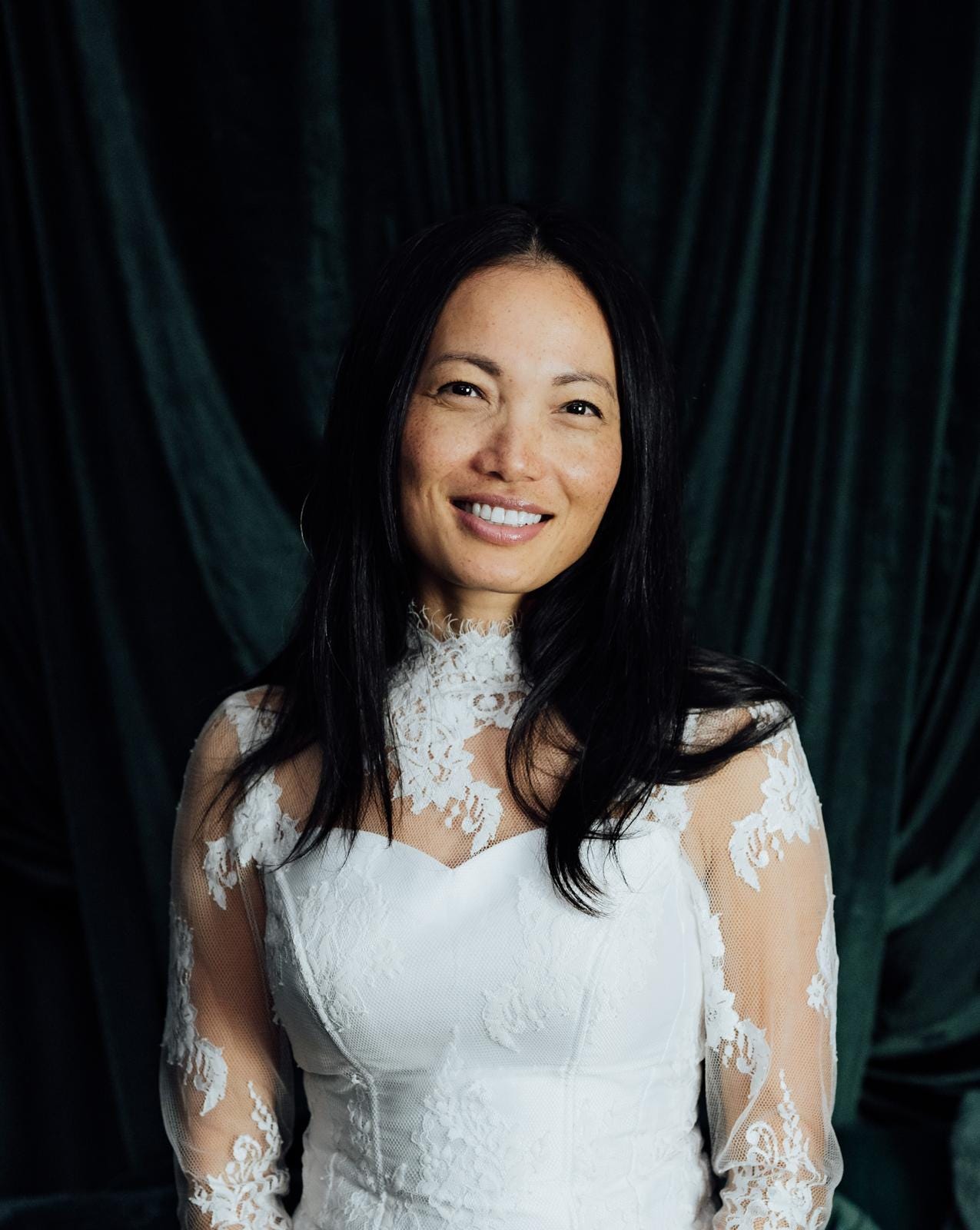
Celebrating AAPI Heritage Month with a deep dive into the stories that shape us. In this episode, I’m joined by fellow Khmer diaspora podcaster and friend Vanny Whitchelo, the Host and Producer of Khmer Voices.
Based in Vancouver, BC, Vanny is at the forefront of preserving Khmer culture, not only through her podcast but also as the Co-Founder and Director of the Cambodian Cultural Centre. We sit down to discuss the complex, often non-linear journey of understanding and reclaiming Khmer identity as an adult.
In this episode, we explore:
* The “Later in Life” Awakening: What triggers the desire to reconnect with Khmer heritage after years of navigating the diaspora?
* The Power of the Mic: What Vanny has learned from interviewing a wide spectrum of Cambodian voices and how those stories have reshaped her own perspective.
* Reclamation in Action: Moving beyond just “knowing” your history to actively building community and driving meaningful change.
* Regional Ties: The unique experience of the Khmer community in the Pacific Northwest and Canada.
Vanny’s work has been recognized by Apple Podcasts for its impact on cultural preservation and storytelling. Join us for a candid conversation about what we do with our identity once we find it, and how we can uplift the next generation of Khmer creators.
Connect with Vanny Whitchelo:
* Podcast: Khmer Voices Also on IG (Khmer Voices)
* Organization: Cambodian Cultural Centre (Vancouver, BC)
Note: As we recognize AAPI Heritage Month, this episode serves as a reminder that our stories are our greatest legacy. Feel free to share this episode with your community!
Check out: Randy as a guest on Khmer Voices Podcast
Bio
Vanny Whitchelo is the Host & Producer of Khmer Voices, a podcast shining a spotlight on achievements of the Cambodian diaspora, while sharing stories of resilience, healing, and impact. Since launching in October 2024, the show has been recommended by Apple Podcasts and ranked among top podcasts for hundreds of listeners. Vanny is passionate about using storytelling to uplift communities, preserve culture, and drive meaningful change.
She is also Co-Founder and Director at the Cambodian Cultural Centre. Established in May 2025, it is a non-profit organization in Vancouver, BC, Canada dedicated to celebrating Khmer culture and heritage through the arts, cuisine, and community.
Thanks for reading Bánh Mì Bites! This post is public so feel free to share it.
Get full access to Bánh Mì Bites at randykim.substack.com/subscribe
0:04 Hey everyone, so welcome to the Bunda Me Chronicles Podcast. I am your host, Randy Kim. So today I'm joined by a really good friend, and her name is Vani Bucello. Vani is the host and producer of Khmer Voices, a podcast shining a spotlight on achievements of the Cambodian diaspora, while sharing stories of resilience, healing, and impact. Since launching in October 2024, the show has been recommended by Apple Podcasts and ranked among top podcasts for hundreds of listeners. Vani is passionate about using storytelling to uplift communities, preserve culture, and drive meaningful change. She's also the co-founder and director of the Kimberlin Culture Center, which was established last year in May 2025.
0:47 It is a non-profit organization in Vancouver, Canada, dedicated to celebrating Kamae culture and heritage through the The Arts, Cuisine, and Community And I want to say welcome to the show I really appreciate having you on We connected several months back When I was gearing up for the return of my podcast And you had me on as a guest on your show I really enjoyed the experience and I really enjoy not only the experiences of being on the Kamae Voices podcast but also listening to your previous episodes and I truly admire the deep dive conversations that you have with Kamae diasporic people not just in America but also in Canada and other places of the diaspora and allowing them to bring their fullness to the table so Welcome, welcome, welcome.
1:37 And, you know, now that we're coming out of Kamae New Year's, how are you feeling where you are at this time? Well, Randy, thank you for having me on your show. It's such an honor that your guests, they're just such a high caliber. So I'm just honored to be amongst the roster of guests that you have on your show. You're high caliber too, so. um but in terms of how I'm feeling after Khmer New Year I I'm feeling awesome you know it's been the it was the first time I celebrated Khmer New Year um in a long time um I was one to I'm just in this phase of rediscovering my heritage and I thought it was important to obviously celebrate Khmer New Year so I went to the Wat this year with um A couple friends and I didn't go in previous years because I felt disconnected to it.
2:38 And now that you know I'm trying to immerse myself in our culture and heritage and just learning about our history and rediscovering how rich it is. I felt it necessary to go to Watt and have my friend explain like why do we do this why do we do that that was one of the things that prevented me from going there on my own before because I didn't know what the heck I was doing when when I was there and I still you know I'm not I wouldn't say comfortable but I'm just uh unaware of how I should be around monks You know, I don't know. It's basically a different language when you speak to them.
3:19 So I'm not really well versed in that. But yes, it's been fabulous. Just reconnecting. What do you think was a turning point for you to step into the temple and to celebrate Kamai New Year's? Because I know you talked about the hesitation of not knowing the traditions. I'm guilty of that too. I feel like when I'm going into a Cambodian space, especially when it comes to rituals and cultural events, I tend to feel a little bit lost. So what made you feel like this was a time for you to be like, yeah, I'm going to do this. I'm going to celebrate Kamai New Year's. You know what, I had no excuses.
3:59 So one of my friends, he used to be a monk for 14 years. He was a guest on Khmer Voices as well. And he teaches Khmer lessons at the Cambodian Cultural Center. So I just thought like, this is my opportunity. This is one of the biggest celebrations in our culture. So I'm going to ask him to kind of guide me through it. So I joined his family and he and his wife. explained everything to me. So I really appreciated that. And how was the experience that coming out of it? You know, does it make you feel more inclined to, to be more curious about Buddhism and, and, and, you know, being connected to the watch?
4:40 What's your feeling? What's your takeaway from from that experience? You know, I wasn't sure how I would be received when I arrived because I didn't know anybody. Like my friend wasn't there yet. That's his name. He wasn't there yet. So I walked in with my friend, Justin, who he he's white, but his dad lived in Cambodia for several years before he passed away. And he's just, you know, he wants to learn more about Cambodian culture, too, because he feels connected to Cambodia through his dad or he feels connected to his dad through Cambodia that's better yes so he wanted to attend as well so it was just me and him but as soon as we walked in we were welcome they're like oh yeah come in and you know they explained where to put our food and stuff um so coming out of it I felt like I had really no reason to be to feel hesitant about going because I just Again, I felt like I didn't know what I was doing.
5:45 I was lost, but, you know, just showing up, there were people there to help me, even though my friend wasn't there. So I felt very welcomed. And if there's something that I learned from it, it's that I should go in and I should just go in and face my fear. It wasn't really a fear. It was more of a like a loss, like that sense of lostness. So I should just go in and just kind of discover anyways, because of what's the worst that can happen. Yeah, yeah. And I think this is great that you took a deep dive in because I think when we live in the diaspora, we feel this loss.
6:28 We feel this loss when we meet other Khmer folks who are from, like whether we visit the homeland, whether we interact with Khmer elders. I think that there's always this reminder of this language loss and that there's this sense of like, I don't know where I really belong in this. I don't feel enough of this or enough of being Khmer. I don't feel enough of being a Canadian or an American in this case too. So it's like you're in this weird purgatory space of what do all my identities mean? Does it feel like a watered down version of me?
7:09 And I think that we have to come to a place of not having to to deal with gatekeepers of the community that you know says well you're not doing this right you're not doing that right well who are you to judge that I think that what I think about is like leaning into the abundance leaning into the community that that are willing to support you and I feel like the last several years you know whether it's in the Khmer community or in the Vietnamese community I've been able to be the recipient of that grace and and being able to To ask silly questions and not feel like ashamed of it. And I think it's very powerful because you and I are like similar in age, you know, and I think that, you know, we've right crossed the 50 year mark from the fall of Phnom Penh.
7:58 to now and our elders our parents generation are slowly dissolving away and how do we handle being stewards right and and what does it mean for you to when you look back in the past 51 years now of the American refugee experience how How do you sit with this period of time right now, especially when we are now starting to become the stewards of our parents and grandparents' history?
8:38 I feel like we're in what Catera calls the Khmer Renaissance right now where you know we're learning a lot are a lot about our past and we're learning how freaking badass we are too like I remember when I was in Lowell I was doing a walking tour and the guide he is of I want to say he was of Irish descent or he was white but he was saying that when the when his family arrived in Lowell it took them like two to three generations to own property but the Cambodians when they arrived it was the same generation one generation to buy a house because we were very resourceful and we came together and lived in multi multi family homes yeah and saved our money that and pulled our resources and saved our money that way and able to buy property and become homeowners so it just showed me how that was another example of showing me how you know how we came from nothing basically we came from nothing like the during the genocide that's what happened everything was taken away from our families our culture was um 90 they estimate that 90 percent of artists and creatives were killed during the genocide so it's pretty
10:13 amazing 51 years from now what we've been able to achieve and I'm highlighting that in my podcast My Voices and I'm just so excited to be part of this like transcontinental shift in how we view ourselves as well you know and I'm seeing a lot of Uplifting in our community because growing up there was a lot of that crab in the bucket mentality, crabs in the bucket mentality where there's a lot of jealousy happening and if someone was achieving some sort of success. We can't just be happy for each other, you know, we were talking behind each other's backs, whereas now.
10:57 Some of that still happens, but maybe because I'm not surrounding myself with those sort of people, I don't see it as often. And that's, that's sort of energy that I want to put out in the world. And I see a lot of creators like you and Zatera and Dorothy and all my guests, my voices, that's the sort of energy that we want to put out into the world too. So I'm excited for the next 50 years beyond this too yeah yeah and also with Kamae Voices I'm curious about the genesis of getting it started and what did you see with the podcasting landscape at that time when you were about to start Kamae Voices like what was the the uh the motivation that brought you to that what was the motivation that brought that platform in yeah there was no sort of like um turning point or like one specific event that happened it was more of like a amalgamation of different things happening in from like COVID.
11:56 I would say it started at COVID, but the formation of the podcast didn't happen until 2024. So, you know, during COVID, everything was closed. People couldn't go into the office. So I was working from home. My husband was working from home. I had a two-year-old. I was pregnant as well at that time. And I was sitting in front of my computer like while my daughter was in front of the TV trying to get work done. And it just didn't feel right. You know, I thought it was only going to be two weeks and it became like a month. It became two months. And I was just like, oh my gosh, like what is the point of life? And, you know, during that time, the Black Lives Matter movement was happening as well.
12:38 So I have to give credit to African-Americans for their push in Advocating for themselves and for the rest of us. It really resonated with me. I like to say that when you tell your stories, even though you're sharing it from your perspective, other people can see the humanity in that too. So it connects more people than you actually think. And that's what happened when The African American community shared their stories more loudly.
13:23 And I remember hearing someone say like, you know, I'm so tired of connecting through trauma. Mm hmm. I want to connect through joy because this is look look what we've been able to accomplish we were enslaved people and look at us now like there we have so many successful stories to share so many stories of joy why can't we connect through that lens and that really struck a chord in me because I felt the same with Cambodian people like we we trauma bond too right and Obviously, we have to talk about that.
14:04 But I just was so tired of feeling this heaviness every time that every time I spoke about being Cambodian, it was always connected to the genocide. Or if we really wanted to be excited and proud of our history, it would be about Angkor Wat. And that was like years ago. But I'm like, you know what, we I know some kick ass people like I'm, I want people to know us from that from that perspective so that's how you know in the next over the years I I started my voices like I was thinking like oh maybe I should start a a blog and I'm like oh do people read blogs I don't know but I think blogs are going to come back now right yes um but at that time I don't I wasn't really sure about blogging and then I was like you know what I was listening to a lot of podcasts and there were some fabulous podcasts out there as well especially with the Asian diaspora um but as you mentioned when you first came on my podcast that you know you're excited to see me because during COVID there were a slew of podcasts but they have have eventually dwindled down a bit um so there were a lot of podcasts that I was listening to and that's how I got the idea for my voices because I wanted to shine a spotlight on what we're what we're doing yeah no I think this is great and thank you for you know capturing the the backstory behind it because it takes me back to that time of 2020 like I started my
15:35 podcast like in fall of 2019 a couple months before COVID like I would have not known. I think it was just kind of like, okay, let's see where this project goes. I'm probably going to keep it loco. And next thing you know, once COVID happened, I felt like I had a little more time on my hands. And also because I was trying to cope with grad school. So I'm like, okay, let me try to not think of the horrors of this world. And I got to keep myself busy. But yeah, it's quite amazing to see what that platform What not only what that platform can bring but also like on social media too because I think that at that time I started to connect with more Southeast Asians, fellow Vietnamese and Khmer folks and I wonder and I think I wonder about this a lot because whenever I see a Cambodian person out of nowhere there's this excitement you know like we were like oh my god you're Cambodian it's kind of like that Spider-Man pointing the two Spider-Mans pointing that's exactly what it is because I get this kind of weird excitement they get this weird excitement about it too because I don't feel like there's ever enough of us I'm from the Chicagoland area so our community is a little bit more insular and a little smaller versus like a low or a long beach um But yeah, when I step outside into other community spaces, it's a whole breath of fresh air.
16:59 But the Vietnamese community, I think it's kind of funny because I'm like, oh yeah, well, that excitement is not quite there. It's curious. But I get more excited about it because I wasn't around a lot of Vietnamese people in terms of being at school and doing my college years. But my other Vietnamese peers are like, oh yeah, well, I'm around Vietnamese people all the time so yeah yeah it's kind of funny there's also more Vietnamese people in the diaspora right well in general like there's the population of Vietnam is a lot more than Cambodia as well yeah and were there were there other Khmer diaspora content creators that you were following and what did you observe from the lens of the Khmer and Southeast Asian podcasting landscapes Sorry, what was the last question?
17:51 What did you observe from your lens of the Khmer and Southeast Asian podcasting landscape at that time? Well, excuse me. There was Dorothy from Death in Cambodia, Life in America. She shared her dad's story on the podcast. That was really focused on the genocide. I think that's absolutely necessary because we still don't know details of what our parents went through during that time. But again, you know, her podcast was focused on that, right? And I didn't, I don't have the, I don't think I am equipped to do that.
18:33 Like I'm just, I probably would have gone into a depression if I were to do something like that too. And I know that she did the work to get through it. And Satera, he was more of, What I was kind of going along with like celebrating our culture. So Tara from my Renaissance. So I saw what he was doing on Instagram and I wanted to do something similar for my voices, like have that sort of similar energy, you know, that pride, that celebration. But in terms of Southeast Asian podcasts, a lot of it was about discovering identity.
19:16 And I think that's something that you can't really get away from in our culture. Well, I'd like to say third culture because we're in this unique position where we understand both parts. We understand life in Canada or the US and life in Cambodia somewhat because our parents brought that over with them. Yeah, like what kind of like tells me about this experience is... I think when we talk about Cambodian experiences, the first thing that comes up is the Khmer Rouge genocide. And to outsiders, if they know about Cambodia, that's a big if.
20:00 It usually turns into the genocide. And it's kind of like we get this weird, awkward silence. And what do we say to that? Because that's how we Oftentimes begin our conversations when it comes to the Cambodian experience or with a Cambodian person for that matter. And like, how do we shift from that experience? I mean, like same with the Vietnam War or the Lao Civil War in this case. How do we shift from that mindset? Not to say that we should forget about it. No, I don't. You can't forget about it. And we shouldn't be allowed to forget about this part of history that affected our generations of family.
20:42 But what do we tap into that we're very proud of? And what joys were you seeing? Because I know that you had talked about Kamai Renaissance, which shout out to Satira. I think it does some great, abundant work there. And, you know, Dorothy and Kamai Collectives and so forth. But what joys were you seeing that you're like, wow, you know this person or this community is doing some really fantastic things that we really need to highlight I have to give props to the Long Beach community because I see them on social media I'm like man I have serious FOMO So I get inspiration from that too.
21:23 Mind you, they have a larger population of Cambodians there, but that doesn't mean that we can't celebrate ourselves the same way in smaller Cambodian communities. Based on my interview with guests, I noticed that people, when they reach a certain career level or career status or title, They feel like it's not enough. And that's what I was feeling when I started My Voices Do. I'm like, man, you know, my job is fine. You know, pays the bills, whatever. But like, it doesn't, there's something missing, right? And a lot of people that I've come across, they want to do more for our community.
22:14 And Shining a spotlight on what we're doing too. Not necessarily like in the same way, but they want to bring attention to like what it means to be Khmer. You know, they'll wear like Khmer textiles and they are taking Khmer language classes or implementing Khmer language classes or creating music, creating art and, you know, being unapologetically Khmer. And if you don't know where Cambodia is, let me tell you about it. Yeah, that's the sort of joy that I'm seeing right now with my guests. And I just, I want more of that, especially, you know, with the recent headline, the headline that came out from the Wall Street Journal, what, two days ago about Cambodia and us being the epicenter, well, Cambodia being the epicenter of...
23:10 these scam centers but the thing is Rich coming from the Wall Street Journal might I add so yeah but you know I didn't read the full article but I didn't also want to give it much attention to I just in terms of I didn't want to bring traffic there that's that was my point I'm like but based on what I saw and what people have summarized my friend he said that he actually read the full article is like you know It's not true, but it's not fully true. And we shouldn't be tagged with the stereotype too. Exactly. It's all across Southeast Asia.
23:50 And there's complacency in other countries as well. And to only focus on Cambodia is, in my opinion, contributing to the negative narrative that some nationalists, I won't name what country are spewing about Cambodia um and I'm not about that like I'm not about like creating division I want to I want to shout loud about who we are and not the not constantly be on defense mode Yeah, and I think what I've learned, maybe a couple of years ago if you remembered, there was a time where Vice News was featuring a white man who used the photos from the dual slang civilians that were getting murdered and colorizing them, putting smiles on their faces.
24:51 And being on the board for the museum at the time, I wrote the statement. that got passed around quite a bit and then there were more Cambodians starting to speak out and I felt like maybe this was the first time in my own experience that we're seeing our own people standing up and demanding accountability you know it wasn't just the peep the the people in Cambodia but it was also the diaspora really rallying around and being like no um this is very wrong you're stealing You're creating a false narrative. And especially from a non Cambodian perspective, it was very problematic.
25:32 And, and I think that made me very proud to see that, you know, we're not like, because I think for a time, we were taught in some ways to not create noise, because when you come from a genocide, and then before that war, and then colonialism, Silence is survival. Silence of Survival, right? But there comes a time when how long can silence protect you at this point because it won't protect you at the end and so I think that was a very bold move so yeah I think what we've seen with Wall Street Journal is kind of like another it's just kind of a continuing response of how we have had to stand up for ourselves in in these moments when people are painting a narrative without consent and without the full context yeah that's why it's so important for us to I want there to be so many more Cambodian content creators.
26:33 You don't have to be on Instagram. You can create in any way that you like. And you know what? I shouldn't even say content. Create. Write books. Create podcasts. Pop-ups. Yeah, pop-ups. Just make ourselves visible. Let us be the people who tell our stories rather than having a dominant um uh dominant media dictate who we are because I I remember uh Keith narrow on Instagram he wrote a really good post about like saying like little by little if you know we all contribute to the storytelling that will help shift the narrative of who we actually really are like coming straight from us that's that's truly reflecting who we are um but when we have these other people writing about us and you know they're not really truly reflecting us as well and like you said they're not there's no input from the actual people that they're writing about like that's that's completely harmful to us um so yes call out to more creators out there just go do it yeah get our stories out there I wonder about your experiences like living in Vancouver in the Vancouver community I went to Vancouver like a year ago around this time and what can you describe about the Cambodian community or the Cambodian experience in Vancouver and throughout Canada I know that's a huge um country
28:07 we're talking about here but but more locally from yeah you know what I I grew up in Ontario and Hamilton Ontario which has a larger Cambodian community um they there's two watts there two I think yeah um There's two watts here in Vancouver as well, but I think the population in the lower mainland of British Columbia is only about 2,500 in Metro Vancouver. So we're not a big community. I wasn't immersed in the community and I don't even know if I am. I'm sort of like just kind of dipping my toes in it now, I think.
28:48 we started the Cambodian Cultural Center last year because we wanted something that was that where people can feel safe you know they don't they don't have to feel like they're being criticized for not knowing the language not knowing the customs and traditions and people who are just inquisitive about our culture um so I I I think before the Cambodian community was more like dispersed, but we're trying to, you know, get those who didn't feel like part of the Cambodian community to feel part of it with a through the Cambodian Culture Center.
29:35 And we're trying to get people who are not of Cambodian descent to know more about our culture as well. Because we're really good at like trying to we're really good at getting media attention I have to say like we've gotten local and national coverage from for the center and most recently we had Vancouver magazine join us at one of our cooking classes and They're all about, you know, food and dining and stuff. So it really worked out for us that Nobichok was highlighted in that. And I honestly think that Nobichok should be like our national dish instead of the amok.
30:18 But anyways, yeah, in terms of like how the Cambodian community is in Vancouver, I think we're becoming more unified now, now that we have like the Cambodian Cultural Center. If you ask someone else who's more involved at the Watt, they may think differently. But I feel like we're making that connection with the Watt and with people who don't attend the Watt. Because not everyone is Buddhist, obviously, as you know. There's Christians, there's Muslims as well in the community. So we wanted to welcome everybody.
30:59 How has the response been from the community and from the public and what you've experienced with the Cambodian Culture Center? It's been positive. I think in the beginning, we did get a lot of like, who are these people starting Cambodian Cultural Center? You know, gatekeepers, right? Like, what do they know about Cambodia? what do they know about being Cambodian they don't even speak Khmer properly that sort of thing but you know you just gotta keep going at it and I think we've warmed them up as well because we've invited some of the leaders to our event and we've welcomed them to be part of our community as well and we'll always have our doors open to them and in terms of like the larger community, like outside the Cambodian community, I think it's being well received.
31:59 I mean, it's not even a year yet that we formed the Cambodian Cultural Center. So I feel like we've done a lot in the less than one year that we've been together and it helps to have like these passionate people who not, they work full-time jobs, they have families, but they're dedicating their free time in Letting the general public know about Cambodia and creating a safe space for Cambodians that don't feel very comfortable in the typical Cambodian setting. Yeah. And I know that you're a mother and you're a mother of two kids, I believe.
32:44 And what's their knowledge of their Khmer roots and what do you hope to pass to them they don't you know it's it's saddens me sometimes because um you know when the younger you start the the easier it is for them to understand what's happening um my kids are five and eight right now and you know it's it's never too late um but they're slowly getting there like I bring them to the Cambodian Cultural Center when I have my language classes when we have our our daytime events they're slowly getting there and I'm not putting any pressure on them but you know I talk about Cambodia I we're in touch with my parents they they say that sort of stuff but I can't really teach them the language because I don't really know the language either but eventually I I want them to know the language I want them to be proud of being Cambodian They're like you said in what kind of Asian are you you're 100% Cambodian you're 100% Vietnamese like they're 100% Cambodian they're 100% Canadian and 100% English like they're they're every they're all of that and I want them to not forget about the Cambodian part of them and especially know the history of their yayin tha and my history too because I didn't really have the easiest.
34:13 I didn't have the sort of childhood that they had. I mean, I'm making it sound like, you know, I had a horrible childhood. I didn't. I didn't have the sort of childhood that they had where it was just like, oh, here's your money if you want to buy something. What would you say was the difficult part of being Cambodian growing up then, you know, especially as an adolescent and in the relationship that you had with your parents? Just a cultural clash. I think especially as a teenager, they, you know, they want you to be this quiet Cambodian girl. And I'm like this loud, boisterous little girl and who is defying everything that they asked me not to do.
34:56 So yeah, the culture clash and talking to boys and that sort of thing and being modest and quiet. And yeah, it's just was not me and still isn't me. Yeah. And how Is your relationship with your parents now? Oh, it's completely different. I think they like, you know, I'm a lot closer to my mom now. I've learned more about her history. I still don't know that much about my parents' history. I think like you said on my podcast, it's, you know, do you want to open a can of worms? Like you don't really know where it's going to lead to, right? And I kind of just probe when I can and leave it at that.
35:40 I want to get I want to get more information. I just don't know how to approach it yet. And I want to get on record because my I want my kids to know about their history, too. But would you ever do what Dorothy did? No, no, I cannot. I wouldn't be able to put it on on air. Like, I asked my mom to share her story with me. She's like, well, what do you want me to tell you? I'm like, everything. Like, when you were a little girl, before my go home, everything, right? And so she started telling me and she sent me, like, voice recordings. She's like, please don't put it anywhere on the internet. So, yeah, I wouldn't do that.
36:20 It would be more for my family. Because my brother and sisters, they're interested in my parents' history, too. But, like, me, they don't really know how to approach it. Yeah, because I know with them getting older too, it's like... You don't want to lose it. There's also this pressure like time is not on our side and I hear this all the time for the last several years and how do we engage but also how do we help better our relationships with them because I think that it's also like when they're starting to heal then it helps us heal too so it's a crossroads that our community is going through right now because I think the fear is walking around with question marks for the rest of our lives, you know?
37:07 That's exactly it. And that's a struggle that I sometimes contend with, you know, especially when I have conversations with other people who have yet to have this conversation. And, you know, when I was with the Cambodian Museum, one of the things that I would remember is when I would give, you know, some periodic tours once in a while and there would be like a Cambodian family and an adult kid would, you know, take them around and then and then their parents would start talking about it and what I would find out is this was actually the first time that they're talking about this in real time and what a thing to witness and it's something that I have seen time and time again and it never ceases to move me the way it does because you're witnessing something so sacred and so deeply personal and so deeply traumatizing and how do we not feel like we're exploiting them but how do we help to understand but also to better our relationships and how do we create a space for them to feel safe and it's hard because anything as they get older sometimes the PTSD when they get older they lose some of the filter and certain things will come out of nowhere and yeah I think that certain things I don't think there's a clear-cut answer to that.
38:32 There's no uniform way of bringing it up. We just hope that they're in a position to do it and that whenever they're ready to share, I hope that people are ready to receive it with kindness and compassion. My girlfriend, she's Vietnamese and her father passed away. So after that, she started talking to her mom about her childhood because she realized she didn't really know anything about her mom's life either. So she started like asking her mom, but candidly recording the conversations so that her mom doesn't feel like she has to filter anything, you know, so she feels at ease.
39:16 So she's comfortable and she is when she told me she was like excited that she was able to capture these stories because then she can share them with the rest of her family and share them with her sons as well yeah no I think this is beautiful and also they I mean these stories often need to be archived you know this is this is our collective history too you know and I hope that that You know, in the next several years, we will start to collect more stories and that we'll sort of have a fuller narrative of what's the experience like, you know, because I think that there's so much uncertainty.
39:57 There's a lot of, unfortunately, not a lot of stories that came out of the Dangrek genocide, the second genocide that Thailand committed. and I didn't know about it until like two years ago yeah mind you mind you I've been with the Cambodian Museum for like a number of years I've been around a lot of Cambodian diasporic leaders and that never talked about it was never talked about until like less than two years ago and I'm like and I had to research it and did you find it on the the did you find it through the documentary gross excuse me ghost mountain I didn't get a chance to watch it because I don't think I'm able to do it.
40:39 I have a very weak stomach for violence and trauma. But I will say that reading about it, I can't remember how I learned about it, but I think it was during Thailand's aggression. That's kind of when things started to come out. And when I had that conversation with Dorothy on my podcast, she really got into a deep dive with that. And it was really hard. I mean, I'll be honest with you, it was very hard to listen to her perspectives and what she had come across because it was very visceral and Deeply heartbreaking so yeah I think that that there's so much of history that's still uncovered and that hasn't been given the light and I hope that more people get to hopefully share before we may not be able to reach them.
41:33 Yeah, but I know we had talked about some of the episodes that you've done with, you know, fellow Cambodian diaspora folks. What else have you seen, like from their experiences, especially from the US side, because I know you're based in Canada. What have you learned about those folks? And how does in a way stand in contrast to your own experiences? Folks in the U.S. versus Canada? Yeah. Yeah, I think it depends on like what part of the U.S. that you're talking to because obviously like Long Beach, completely different experience from people in say Minnesota.
42:16 I think in Minnesota is more similar to what people in say Edmonton or Calgary experience. You know, there's a small population but not huge. And it was mostly white people. In Vancouver, I can't say what it was like growing up in Vancouver, but I know that it was pretty rough for the Cambodian community here as well. In Hamilton, it was the same. I remember I grew up in this these low rise buildings they're like walk up apartment buildings like four levels and a bunch of Cambodian and Lao and Vietnamese people live there and um at that time I didn't know it was kind of ghetto but but because you know you had enough food to eat you're with your friends and stuff and you don't know any better right but then you I You're driving through the city and stuff.
43:21 You see other parts of the city and how people have single family homes and yards and stuff. You're like, wow, I want to live there. But I forget the question now because I'm reminiscing. Well no I think that because I think everyone's experiences is different like especially when you interview guests where they think that like maybe in a way surprised you like wow I didn't know about this community I didn't know about that part of history I did move to an area where there was more white people in high school and it was like an area that the city of Hamilton wanted didn't want to They wanted to like, they didn't want to ghettoize like certain parts of the city, right?
44:11 So they wanted to disperse like lower income families with like the middle class. And in high school, I lived in social housing, but it was amongst like the homes were amongst like homeowners as well. So like lower middle class homes, population. and it was mostly like around white people there so I really felt out of touch with the Cambodian community there too and I think that my my parents did that on purpose they saw that you know a lot of the Cambodian people were kind of getting into gangs gangs yeah we didn't have like a I don't think anyways a gang problem like in Long Beach and other parts of the US but there were there were problems too like I don't I hear stories of drive-bys from guests that grew up in Long Beach and even in Tacoma because Salon was saying that he that happened but I didn't ever experience that but I have to say that I did experience violence in a different way like um I didn't experience it directly but when I was in grade four uh there was a robbery gone wrong like we lived in the basement apartment and it was like three Cambodian families and there was a laundry room and um there were the there was like a little gathering happening
45:45 at the apartment across from us which was a Cambodian family and then my neighbor Cambodian family as well she went over to The apartment across from us but she just went over to the apartment at the wrong time there was a they were trying to rob the place and then they they shot her and I was I saw I didn't see that happening but I saw the commotion and my mom was like you know trying to like not have me see it and I was only in grade four and I I didn't really process it then like I didn't know what was happening then and I didn't know um I don't know. I didn't really feel anything. I don't know if that makes sense.
46:26 Yeah. You know, it kind of reminds me. Go on. No, it kind of reminds me of this episode that I did with Rose Kun. You know, when she talked about growing up in the San Jose area, in the Bay Area, and her father was murdered by a group of Cambodian gang members that were breaking into his video store when she was seven years old. And it's still very profound. I mean, I think it was one of the more tougher episodes I've done. But it was also... A beautiful episode because she was able to share, you know, the idea of forgiveness, but also find ways to heal herself, you know, and to help her family through what was a deeply, deeply tragic story, you know, and and yeah, I think that it kind of resonates because I wasn't around a lot of Cambodian people during that time either because I grew up in a fairly suburban area and there were I guess reports of gangs coming into the suburbs because what they'll do is they could rob certain Vietnamese Cambodian Lao households because they would be afraid to call the cops and the cops are likely not to care and so you know my school was worried about that at one point so I remember as a seven eight year old I was terrified you know for a while yeah yeah I don't yeah just going back to just seeing my
47:57 friend's mom like on the floor by the couch yeah I don't know I remember writing like a short story about it in grade four And then it's sort of like, I never really, we never really talked about it after that. And it keeps coming up in my memory every now and then too. And I wonder sometimes like, oh, should I do like this internet thing where I try and find my best friend and see what she's up to now? Because I know that we kept in touch later in like grade five. I remember her calling and saying, oh, what's your teacher's name? Yeah.
48:38 I don't know if I should say her name, but if she's watching this, reach out to me because I'd like to see what she's up to. She has an older brother and a younger brother as well, so I'm sure she has a family of her own too, but it would be so nice to see what she's up to because her dad and her brothers, they moved to Stockton where they had family. Yeah, I hope that you guys get to reunite. I hope that putting that out there into the ether would be useful. Because, you know, you never know. You never know. I hope that people on social media sleuths out there do your job.
49:20 So, you know, make that reunion happen. Yeah, so I know that... You are continuing to come by voices. What are you currently looking to do so far with that podcast moving on for this year and also with other projects? I know you were talking about a newsletter. You're talking about, you know, maybe potential projects you're flirting with. So what does it look like? Man, I just want to get our stories out there and the newsletter. So I have some I sometimes feel like I don't have the right words to Articulate what I'm saying and when I slow down and write them out it helps a bit too so that's what I'm hoping with through the newsletter and I also want to I'm seeing a lot of you know parallels with what's happening in the world now and you know our situation and I kind of want to tie in like current events with what I'm talking about from my history too and I just don't know how to approach that yet because It's gonna get out there you know it's only gonna be it's a newsletter that comes out like every two weeks and it's gonna be letters to my younger self and to my daughter so you'll understand right away who I'm talking to based on you know how it's written and yeah that's just another avenue for me to get our stories out there but also tie it back into like what's happening
50:51 um in the world right now and showing that you know people in people experiencing war in other parts of the world showing their humanity and showing that we're not actually that dissimilar and this is um in that our stories I think there's a lot of, you know, someone said something about like, oh, we're watching a war movie.
51:33 And I'm like, that just seems so insensitive. Like, no, this is people's real lives. Like, these are people's homes being bombed. And you're calling it that? I don't know and it's kind of like the Ken Burns it's kind of like the Ken Burns language it's like well if the U.S. did this they could have won the war it's like oh yeah you're forgetting people yeah people that were affected by the wars mister yeah I want to bring the humanity into like what's being reported and tie that into my personal story so that's how I want my newsletter to be um I I Just imported emails.
52:15 You can't sign up just yet. So if you want to get my newsletter, just send me a DM on my voices. Yeah, so that's my newsletter should be coming out in two weeks. And then I also want to start Cambodian voices because a lot of people in the diaspora, not just the diaspora, like people you know our allies and stuff too are interested in possibly doing business in Cambodia in some capacity so I wanted to talk to people in Cambodia and get their take on what it's like working there and um basically the showing the world also like look at this is what they're doing this is how we're rebuilding like since 19 79 it was nothing right and that that wasn't that long ago and look how far we've come like we're the fastest growing economy in Southeast Asia right now um yeah this is what's happening like if you want to get in this is who you should be contacting um I also want to uh I don't know I also want to tie that into most recently because I told you before we hit record that I was having a hard time just coordinating schedules with people in Cambodia because of the 14 hour time difference.
53:38 So I was thinking okay to get around that well maybe someone in Cambodia who wants to learn more about podcasting. Bites Bites Bites Bites Bites Bites Bites Bites Bites Bites um another thing I want to do with my voice is I'm not sure no everyone you know kind of tells you like oh your podcast is you make you make me feel seen and so good but they don't really criticize it right like they don't really give you negative feedback do you get it oh do you or do you ask for it you know what you know what I mean I'll get some feedback every now and then I mean a lot of it's been praised but I will say that when I Do like the more controversial episodes like the ICE episodes like on YouTube I would get some nasty comments Oh of course that's gonna happen Which is fine I mean bringing on haters You know I think I remember I got my first one star review and I was actually kind of excited because I'm like yes I'm actually legit you know finally finally I got a hater because I'm like I want to be I know this is kind of like really goofy and selfish of me but I'm like yeah but I also kind of want to be provocative in some ways and I'm like if I'm getting a five star review Yeah, no, I understand what you mean.
55:04 I'm like, I don't want to be. I obviously want people to like my podcast, but I also don't want to. Yeah, I don't want to be too people pleasing either. That's why I haven't really if you have any feedback or constructive feedback to give me I'd love to hear it. Because I want to be able to improve my podcast and I feel like I'm almost stagnant in my in the delivery of it now, you know, like, I feel like it needs some pizzazz to it.
55:46 So I think going forward, I want to do more my seasons will be more local like I'll have I'll focus on like for example Vancouver and Hamilton Ontario and the next will be like Lowell and Long Beach like that sort of thing season yeah just so I can better understand so that they'll force me to kind of do some research on the city as well and perhaps like get some sponsorships from the city and promoting them in some way I hope so too because I feel like that would be great to just like you know pop in like okay 10 episodes of like okay Chicago and interview a couple folks there interview a couple folks in Lowell you know because what you did with the Kamae Diaspora Conference I watched I listened to your episode the other day where you were just kind of doing the drive-by recording with other with other random Cambodian folks and you got some really good snapshots.
56:46 Some were very emotional. I think one guest in particular was very overwhelmed. Just trying to process. But also when you're a room full of Cambodians, especially for the first time for a lot of people, it can be very... It could be very overwhelming. And I know I've definitely been there before where, you know, I tend to get overwhelmed easily when I'm at a conference, but especially if it's your own peers, you're just like, where do I go? What do I do? What's happening to me right now? But yeah, that must have been quite an experience. Do you see yourself doing more of those too? Because I think it's kind of fun. Definitely. Yeah, that's why I want to go to Long Beach. I was like, okay, I'm going to put Long Beach my new year.
57:27 on the list for next year because I want to do something that like that there and it's definitely a tourist attraction it really is because it's cultural events right and I remember talking to someone in Lowell I forget his name and I forget the organization that he works for or works with but he says that he wants to make Lowell a tourist attraction and Cambodiatown a tourist attraction so that's when the idea kind of like he planted a seed in me there I was like oh Maybe I should put my, like, create my podcast in, not create, but maybe I should shift my podcast to doing more local things each season.
58:07 So that people can better understand. Yeah, people can better understand like what life in that certain city was like. Yeah, no, I think this is going to be great. Who knows? You could be in Minneapolis, you could be in France, you could be in somewhere in Europe, for all I care. Maybe in Vietnam, where there's the Camacron part. See, I'm going to support this idea. I really put this to the universe. I think this could be a good thing. Because I would totally be into that. I think a lot of people would be... you know like I mean especially from an outsider perspective but also like stepping in and also kind of having this cultural exchange you know yeah exactly and then I'll have like tons of content for my newsletter too because I'm having these new experiences so it's just it seems like it's the right way to go with my voices and I yeah I sometimes wonder if I can like take this on plus like everything else I want to do with Cambodian voices but I think I can do it Like, you know, or it could be a combination of other things.
59:10 It could be a combination or kind of like a melding of, you know, so. Yeah. Yeah. So, yes, that's what I have planned. So I'm really excited about the future. I'm really excited to be sharing more of our stories and just showing the world how badass we are. And yes. Yeah. And how we're just our history. I'm really excited about documenting our the nuances of our experiences in different parts of the world because right now it's very like individual focused but I think like if I can take it from like a macro level but not too macro like the city level and then like hone in on individual experiences in that city I think that would just tie it in beautifully you're getting me very excited because I know so you know I'm gonna hold you to that but I'll be rooting for you on and I hope that people I think this is gonna be great because like a year or two from now when we revisit this I'll have you back on and be like see this is this is the conversation where it all started to land you know so I not that I'm trying to take credit for it but I want to take credit for being the witness just being a witness to your um ideas here and yeah you can also do like some co-hosting sessions in Chicago when I'm there yeah Yeah, I know.
1:00:28 Hopefully there's people that still want to talk to me because I know I'm a bit of a handful for some of these Chicagoans, you know, so. Well, even in the Kami community? Mm-hmm. You know how loudmouthed I am sometimes, you know? That's a whole nother story one of these days. Okay, yeah, I'm going to have to learn about that. I have love. I have love. I have nothing but love. I have nothing but love. So, you know, but anyways... yeah so as far as um when you look back in the last several years if you had to tell yourself like five years ago or six years ago what would you tell that person um what would you tell your the younger version of you like six years ago and I don't want to steal Salong's uh Salong's um advice but it's so good I would say pursue your curiosity just go at it you don't know what the heck's gonna happen and I think I've met not I think but I definitely have met like so many amazing people that have inspired me and even you you're telling me like oh don't just don't don't even worry about the length of mm-hmm The episode just do it do what feels right and yeah I'm
1:02:01 releasing these shorter episodes now too and I'm just like my contents out there that's that's all that matters right now right contents out there. Exactly, and I think that as long as the curiosity is clearly there and if you feel happy with it, why not? I mean, I've done two-hour episodes and my friend asked me, he's like, are you sure that they're going to listen to a two-hour episode? Well, I have listened to podcasts that are that long, whether episodes are that long, but as long as it's interesting enough and hey, if Hey some people will like stop and then we'll go back to it like or if they're on a road trip so you know what exactly yeah I know some people think that in hours too I'm like you know what an hour you just started to get into it I feel like um yeah but also like if I'm driving like I have a long commute sometimes to the city or if I'm on the train I'm like an hour would work perfectly exactly you know but if it's two hours I'm like okay one hour in and then I'll go back one hour back so you know win-win So I want to add to that.
1:02:58 Pursue your curiosity and it'll all work out. It'll all work out. You know what? This is what I'm following right now. I don't know like how the heck I'm going to be making money podcasting full time. You and me both. But it'll all work out. You know, if worse comes to worse, I go back to working for someone else, but I'm going to give myself some time and Because I don't want to have any regrets. I want to be able to say, hey, I gave it my all. I did what I could and this is what happened. And if it doesn't work out, it's going to work out though.
1:03:40 How can it not work out? It's only been October 2024 and it's changed my life. This podcast has changed my life. So there's only good things coming out of it. Yeah and you've stepped away from work too so I think that the hardest thing to do is betting on yourself as I mentioned to you earlier before the conversation started and I'm like yeah I'm in that mode for the past year and it's like my creativity has been emerging so I think that when you step away all these ideas start to pour in. You know what I didn't have time to Be creative you know you have to be bored to be creative right like you need that boredom you need that like yes the rest yeah you need the rest like you can't just go go go and that's what I was doing it was like go go go go go and then wake up early in the morning and okay if I could just work on the podcast for 15-20 minutes that's good but you know I was getting burnt out and I couldn't I didn't have any any time to just just sit there and think about well B��nh b��nh b��nh b��nh b��nh b��nh b��nh b��nh b��nh b��nh b��nh b��nh b��nh b��nh b��nh b��nh b��nh b��nh b��nh b��nh b��nh b��nh b��nh b��nh b��nh b��nh b��nh b��nh b��nh b��nh b��nh b��nh b��nh b��nh b��nh b��nh b��nh b��nh b��nh b��nh b��nh b��nh b��nh b��nh b��nh b��nh b��nh b��nh b��nh b��nh b��nh b��nh b��nh b��nh b��nh b��nh b��nh b��nh b��nh b��nh b��nh b��nh b��nh b��nh b��nh b��nh b��nh b��nh b��nh b��nh b��nh b��nh b��nh b��nh b��nh b��nh b��nh b��nh b��nh b��nh b��nh b��nh b��nh b��nh b��nh b��nh b��nh b��nh b��nh b��nh b��nh b��nh b��nh b��nh b��nh b��nh b��nh b��nh b��nh b��nh b��nh b��nh b��nh b��nh b��nh b��nh b��nh b��nh
1:05:13 b��nh b��nh b��nh b��nh Yeah. And where can people find your work? They can find me on Instagram, my voices. I am not as active as others because I'm trying not to be on social media too much. but you know I'm there you send me a DM and I'll respond to you you can find my podcast and all major streaming sites and yeah you can sign up for my newsletter just send me a DM with your email and you'll be getting my newsletters every two weeks make sure that you have my email in there I want to get your news awesome okay I'll put your email down And I hope that everyone gets to check out Khmer Voices and any streaming platforms.
1:06:03 And thank you so much from the bottom of my heart, Rani, for having this wonderful conversation. And best of luck to the work that you're doing. And yeah, looking forward to seeing what comes next for you. Thanks, Randy. I just want to say I just want to give you your flowers too because you're doing important work like you're not only sharing our stories but you know you're advocating for marginalized groups that not necessarily I mean a lot some people in our community don't really talk about other people outside of you know our community right so I applaud you for that because we all are um we all are humans yeah thank you so much Yeah, you're doing some kick-ass work and keep it up.
1:06:49 Yeah, you two together, okay? All right. Thanks, Randy.
