Aaliyah’s Legacy: 25 Years Later w/Brittany Spanos
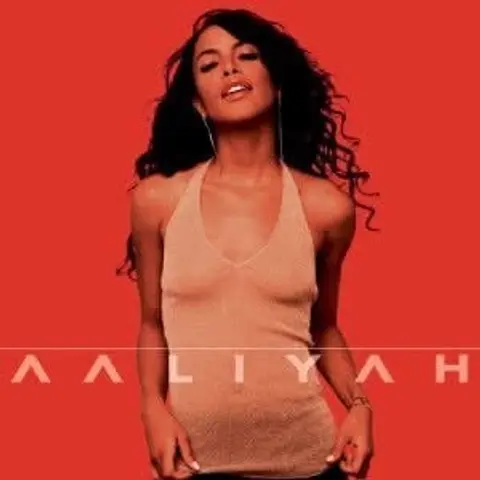

 Apple Podcasts

 Spotify

 Amazon Music

 Overcast

 Castro

 iHeartRadio

 PocketCasts

 Podchaser

 RSS Feed
Thanks for reading Bánh Mì Bites! This post is public so feel free to share it.
How is Aaliyah remembered and celebrated 25 years after her untimely passing at age 22? Do you remember where you were when you found out the tragic news?
Aaliyah’s fast rise from a teen R&B idol into global superstardom showed so much promise for what could have been. From her final critically acclaimed self-titled album to a potential world tour, to being a highly sought-after film star, and whether she could have been a fashion and cosmetics entrepreneur like Rihanna, these are all possibilities that will never be realized.
Returning guest and veteran music journalist brittany spanos and I discuss the pop culture impact of Aaliyah’s legacy, from her early upbringing, controversial pairing with R. Kelly, her introduction of Missy Elliott and Timbaland, who would change the R&B landscape, the trajectory that her final album released weeks before her passing would have taken her into, and her promising film career after her debut in the hit movie alongside Jet Li, “Romeo Must Die.”
We talk about the messy rollout of her posthumous legacy, led by her uncle Barry Hankerson, where for a long period, her music (except her debut album) was out-of-print and not available for digital purchase or streaming, leading to years of squandered opportunities to honor her legacy and introduce Aaliyah’s music to a new generation. We think of the impact that she is making today and where it can lead to next.
Bio:
Brittany Spanos is a renowned music journalist and former senior writer for Rolling Stone. Throughout her tenure at the magazine, she authored more than 15 cover stories, profiling era-defining artists including Lorde, Adele, Harry Styles, Janelle Monáe, Jennie and Addison Rae.
Beyond her long-form profiles, Spanos has gained acclaim for her insightful commentary on music history and internet culture. She currently produces BRIT POP, a weekly newsletter where she reviews new music and rounds up the week’s most essential pop news for a dedicated community of subscribers.
To reach out to Sohaib for the Virtual Queer POC Group (NY residents only): sohaib@fullyintergratedtherapy.com
Bánh Mì Bites is a reader-supported publication. To receive new posts and support my work, consider becoming a free or paid subscriber.
Get full access to Bánh Mì Bites at randykim.substack.com/subscribe
0:01 Before we begin this episode, I want to talk to you about mental health and the importance of finding a meaningful community. It's been a topic that is often shared on my podcast and an ongoing reminder of the support we need to get through our day-to-day journey in an environment that can feel so overwhelming. If you are a queer person of color living in New York, there is a wonderful resource that I would like to share with you. My friend Sohab Haved, a licensed mental health counselor based in NYC, is launching a virtual adult queer POC group on September 22nd. It's a dedicated communal space designed to help you navigate the challenges of our intersecting identities. Together, the group will explore key topics such as managing identity-related stress, including rejection sensitivity, internalized stigma, and concealment pressures.
0:50 Then there's strengthening relational safety like creating healthy boundaries and repairing harm in relationships and building community through people with similar lived experiences and backgrounds. If you're looking for support and tools with connecting with community, then check out Sohab's Virtual Adult Queer POC Group. You can find more details in the show notes and you can email for more at sohaib at fullyintegratedtherapy.com. So welcome to the Bun Me Chronicles podcast and I am so excited to bring back my returning guest Brittany Spanos.
1:34 Brittany was on my episode that I did about Janet Jackson's 60th birthday back in May and so I've been a big fan of Brittany's work for quite some time through her work with Rolling Stone but also you know her being a recurring guest on DJ Louie's Pop Pantheon podcast and so We're going to talk about the 25th anniversary of Aaliyah's passing, which happened on August 25th. It is wild to think back about how many years it has been, but at some points it feels like it's been yesterday, you know? And so we'd like to talk about her upbringing, the controversy, her short-lived music success, and also the untimely passing of what could have been and, you know, the messy rollout of her posthumous legacy and her cultural musical impact today.
2:27 So Brittany, again, welcome. How are your feelings coming up with Aaliyah's 25th anniversary of her passing? I mean, it is so crazy that, you know, I think for a lot of people, especially with everything that happened in 2001, like it's like her passing happened so soon before 9-11 that it was almost kind of like not that much time, I think, in the cultural consciousness to even process or grieve that she, someone so young, had Died so tragically. And I feel like it's still kind of always this strange thing of remembering that she's gone and remembering that.
3:09 But it is, yeah, I mean, it's just really depressing to look through how little work we got from her or how much more we didn't get to experience of Alia. Yeah. And how old were you when she passed? And do you remember where you were at during that time you found out? I don't really remember at all. I was nine, I think. Yeah, I must have just turned nine. But yeah, I don't have any memory of learning it. I feel like, I mean, I'm sure it was through MTV. Mm-hmm. And, you know, I think this was still like a period of time where I was kind of still like really discovering and solidifying my music taste.
3:55 I think everything was just through MTV and VH1. And so that was my big experience of pop music and pop culture. But I feel like it was probably like MTV news, to be honest. Like, I feel like that was how I learned all of my pop culture news at that time. Yeah, I remember my first... My music celebrity death was Kurt Cobain. I was 11 years old, but I wasn't listening to alternative rock at the time. I remember it was all over the news, but I didn't seem to understand what the big deal was around it because I never listened to Nirvana. And looking back on it now, it's like, wow, what a cultural turning point. And Aaliyah, I was about 18 years old. I had just turned 18. I had graduated from high school. I remember the first half of 2001 felt so optimistic.
4:38 I was finally ready to get out. And it felt very optimistic at that time. And Aaliyah was coming out of a very successful run with the Romeo Must Die and the Try Again song. Here she was releasing that album. And I got that red album, the last album, a week before she died. And I remember the first song was Rock the Boat that really stuck with me. And when she passed, I was coming home from work. I was having a summer job and my bird just came in and said, oh, Aaliyah passed away.
5:20 And I was like, you got to be kidding me. And I was kind of in this weird daze. Yeah. You know, I think I was listening to a radio and people were calling in. They were crying. Radio callers were crying. And it was very jolting. I just remembered I felt like I couldn't talk. You know, I mean, this was before social media. So I didn't really have anyone to really talk to about this. It felt kind of like. This is a person who I listened to from late junior high to throughout high school. So it felt like part of my childhood was already affected. And as you mentioned, 9-11 would soon happen, maybe a few weeks after that.
6:03 And then the war in Afghanistan, Iraq, and I was like, wow, I'm starting my adulthood in this very ominous state. Yeah. Life that I never would have imagined. So I felt like Aaliyah's death was the first beginning of that. So that's the way I look at it. And, you know, it's kind of interesting because I saw Brandi and Monica tour last year and Maya was a surprise guest, which was unbelievable. And I always think to myself, wow, I mean, those three came back with a vengeance. They're having a renaissance. And I'm like, wow, I wish Aaliyah could be there to be a part of that whole You know, the celebration of that era.
6:44 Yeah. And I think about that quite a bit. And, you know, to kind of go over like maybe Aaliyah's background, you know, she was born in January 16th, 1979. She was born as Aaliyah Dana Houghton. She has an older brother or she had an older brother, Rashad, who she was very close to and even accompanied her to the MTV VMAs in 2000. Barry Hankerson was her uncle and he was an entertainment lawyer. He was married to Gladys Knight, which provided like the first connection to The music industry for Aaliyah. And Aaliyah was born in Brooklyn, but spent most of her years in Detroit. High achieving student, attended the Detroit High School for the fine And performing arts.
7:30 She was on Star Search at 10 years old. Performed last night in Vegas. So, you know, it's interesting because when we look at her upbringing, she was raised in show business. And, you know, we look at stars like Britney Spears, Brandy, Whitney Houston, who started very young and were pushed very heavily in the entertainment business. How would you describe Aaliyah's upbringing, especially with her Uncle Barry, who would be a pivotal figure in her music career? Yeah, you know, I think this was such... An era of trying to find the next child prodigy like I think that was constantly like a thing that was happening over you know from the 70s through the 90s and I think people looked at like Michael and Janet Jackson as like emblems of this like you know anything is possible or like you know this kid from you know the middle of nowhere from someplace you know that's like maybe a Lower income or working class, like they can become the biggest stars in the world.
8:31 And we had sort of seen it repeatedly. And we had all these like, you know, on the outside, very, very fairytale seeming trajectories for a lot of young artists. And so, you know, I think this was a period where there was also a lot more opportunities, right? Like there was like a star search that happened that people could use. There was paths to child stardom, of course, you know, it's like most of our Big pop stars from this specific era were in Mickey Mouse Club. They were doing things that gave them these little ins to being a singer and an actor or whatever it was that they wanted to be.
9:14 And so it was just a specific moment in time that existed. I feel like not unlike this moment in time where people have social media to do the same. But it was also a time, of course, of Really exploitative practices in the industry, especially from family members. I mean, this was kind of the dawn of... I mean, not even the dawn of it had already existed, but I think the toxic parent manager was a big part of a lot of these stories. And in Alia's case, it was her uncle having this music industry connection, but also being able to create a label called Blackground that she could be signed to.
9:56 So I think it was a little bit of this very... Complicated, weird, kind of unchecked, you know, like looking at, well, these child stars became famous because they had a family connection who could, you know, push them or these other child stars became famous because they had a, you know, Svengali-like creator who could, you know, make them a label and make them, you know, put them in rehearsals and put them into vocal lessons and kind of train them into a star. So it was a very, like, unchecked, continuously unchecked time in the industry, where I don't think people, again, like, had a lot of information on how bad it had been for a lot of the previous stars.
10:41 I think they saw here and there, like, you know, I think by this, by the point, probably early in, Ali, like, starting to explore, like, Michael Jackson, like, I feel like we were just starting to see the signs of and starting to understand the... Trauma that he was experiencing via his father, but, you know, and also starting to see the effects of it in his changes in physical appearance and his lawsuits. And that was still pretty, that's probably, you know, like she was probably already deep in pursuing her own career by that point. I believe like that was after, you know, she had been on Star Surge. So, you know, I think some truths are starting to come up.
11:22 I don't think people have the full stories yet of how bad those experiences had been. Yeah, no, I think this is a great point because it is interesting that you pointed out Michael Jackson's upbringing, but also... What he had revealed during Oprah Winfrey interviewing back in 93, which is right before her debut album. So the conversation was just starting. But when we look at a lot of Black artists, especially young Black artists growing up in the 70s and 80s with the Jacksons, and then you got what happened with New Edition to... I'm trying to remember who was, TLC. I mean, we started seeing like the documentaries. We started seeing their stories come out about the predatory practices that they had to go through, especially when they had no guidance about, you know, the business of that world, signing predatory contracts and having to overwork themselves, being in a position where, you know, a lot of Really dark things have happened early on, which would affect them in the later years.
12:25 And Aaliyah would go on to release her debut album at 15 years old. It's called Age Ain't Nothing But a Number, which is such a... You know, such a very uneasy title when you think about the context it was done in. And she was working with and was mentored by R. Kelly, who was becoming a rising star in the R&B world. And I wonder about how did their interaction happen? And, you know, it was interesting because it was still quite rare for pop stars this young, especially under 18, aside from the Jacksons, to... To be lifted into the mainstream. Like, what do you think was the if factor for the people around Aaliyah to push her to be this next child priority star?
13:11 Yeah, I mean, you know, she has like such a, I feel like even from that first album, you can really sense a sense of style and identity to her that It's so rare to kind of find immediately in a young artist, especially someone as young as her. And obviously, of course, had the vocal chops as well. And I think it all sort of created almost like a package of a pop star that didn't need a lot of further molding to kind of be able to appeal to A wide variety of audiences. You know, there was something a little bit pop about her voice, but there's obviously her interests lied mostly in R&B and hip hop music.
13:55 So there's a little bit of a mix of she could potentially appeal to both white and black audiences or like to like a diverse array of audiences that go beyond just like one one genre niche, you know, so. I think that might have been a big part of it. And also, yeah, they were molding very, very young stars at this time. Like, they really wanted very young kids already starting to be workshopped towards being big superstars. Yeah, and also, like, her emergence also would lead to people like Brandy, Monica, and later Maya, who came around that same period and are of that age. But also you can include Dusty's child, you know, With a young Beyonce.
14:37 Aaliyah was the first of that crop. And R. Kelly helped to author, well, authored many of her, practically all of the albums. Sorry, I can't even say it. Practically all of her songs on that album, with the exception of Edgar First, which was actually an Isley Brothers cover. And when I look back on this album, this is an album that I have not And still will not listen to, except at first You Are Loved. I have a lot of uneasy feelings about listening to anything that's R. Kelly related because of the darkness. And also R. Kelly, you know, being from Chicago, I came from the Chicagoland area when his music was very present during that time.
15:23 And, you know, you think about the... The ominous presence that he had in Aaliyah's career. And you look at the cover of the album and you see R. Kelly in the background kind of leering at her and it just gives you the ick, right? And it calls into questions about what his motives were and as we would soon see, like, They would wear matching outfits. They would be on shows together. R. Kelly was in his late 20s, so he was not of her age by any means. And they secretly got married in Chicago, and R. Kelly was the one that manufactured it and had Aaliyah lying about her age.
16:08 And this created a firestorm of controversy. And similar to what happened with Jerry Lee Lewis, who... Married his 13-year-old first cousin and that would later doom his career, you know, And I wonder about that particular era or that particular period in her life and how Aaliyah's family immediately forced the annulment and Aaliyah would no longer be able to have contact with R. Kelly and anything about her past where R. Kelly would be shunned out. I don't think Aaliyah has ever mentioned the name R. Kelly ever since their ties were severed. So I kind of want to get your thoughts on that particular period.
16:52 I mean, you know, I think there are just like so many countless examples of young artists being exploited by older mentors. And, you know, I think in this case, specifically, of course, R. Kelly was brought in by her uncle to Be this kind of mentor figure to a, you know, 14 year old, like kind of very, like very green R&B star with the person who is a big, already a pretty big and, you know, kind of still, still at the dawn of his career, but still really, you know, already kind of massive artist. And, you know, I think there's a lot of lessons that a lot of artists since have gleaned or a lot of people who, you You know, manage much younger artists have gleaned about leaving a child, a young girl alone with an adult man for days and months to record an album.
17:50 You know, I don't think that would happen in the same way now at all. But I think there was a lot of trust put into this. I think largely from her parents because her uncle was the one who introduced them. R. Kelly probably seemed like a very upstanding gentleman to them at the time to trust with their daughter. It's just a really tragic thing. It's hard. I feel like I have such mixed feelings with the idea of how we engage with art by recreated or Produced or anything, people who have a problematic history or are bad people.
18:32 And I think with this, I don't not listen to the Ronettes because Phil Spector was evil. And it's like, I don't not listen to Ike and Tina Turner review because Ike was evil. Because at the end of the day, the voices on there that make those songs so powerful are... Ronnie Spector or Tina Turner. And I think with this, I have so much discomfort listening to R. Kelly's voice and especially his songs because his music at this time was not yet as hypersexual as it would become as his career continued on.
19:13 And I find the hypersexual music from R. Kelly really horrible to listen to. Whereas this, I'm like, there is so much of Alia in here like I mean it's her album where I'm like I it's a it does feel like a celebration of her to like appreciate what she kind of experienced and also you know I don't know I feel like I have like a little bit less of a A thing with listening to this album. Even though it's not even my favorite album by her, I feel like her sound gets so much better with Timbaland and Missy. But I feel like there are such moments here where you can still hear so much of that very young powerhouse that she already was.
19:55 Yeah, because I know that when you think of Aaliyah, you don't think of powerhouse vocals immediately. You don't think of like Mariah Carey, Whitney Houston, but more along the lines of Janet Jackson and Diana Ross. You know, her debut album had the street savvy Jackson. And so she brought this kind of grittiness and this kind of like cute but spunky attitude that, you know, It was very endearing to her young fans. This was an album that was certified multi-platinum and selling over 3 million copies, peaked at number 18 on the Billboard 200, but was a very big on the top R&B hip-hop albums chart.
20:42 The song Back and Forth was a debut single, landed at number 5 on the top 100, and also At Your Best, You Are Loved, the Ronald Isley Brothers cover was number 6 on the Billboard Hot 100. And R. Kelly falling out would kind of paint this picture, this really grim picture about where her future was going to go at that time. And R. Kelly, meanwhile, which, you know, I had no idea about the R. Kelly marriage during that time when I was like 11 years old. And I had no idea about that marriage until after her death. And R. Kelly around 95, 96, and I started listening to him then. His music became bigger and bigger.
21:22 Like, you know, the song, Down Low, you talk about I Can't Sleep, Baby. And of course, I Believe I Can Fly, which I think everyone knew that song in middle school from me in 96. And yeah, like his career somehow withstood me. That kind of controversy where it doomed Jerry Lee Lewis, which I thought was very interesting. And for Aaliyah, it's kind of like, okay, now she's got to have to pick up the pieces from it. And this would lead to her second album, One in a Million. I think I've been hearing this and I kind of want a little more clarification but I think that there were a lot of producers and writers that were very hesitant to work with Aaliyah by this point because of what happened with R.
22:08 Kelly and the taintedness and unfortunately it was painted the burden was put on Aaliyah and she was only a 15 year old girl and this is something that we see with Black girls being seen as adults and And how consequential that ends up being. And so, you know, he, R. Kelly, escaped major scrutiny. And for Leah, with this album, like, she started working with Timbaland and Missy Elliott. They were unknowns by this point. And they brought a new sound that no one had ever heard of. I mean, we were listening to Jack Swing. We were listening to more of, like, the gritty R&B sound.
22:51 But this felt like more of a very... Unorthodox, very futuristic sound. And the way her vocals blended in felt like it was more of a, you know, what we see now is the talking, singing voice. It's very talk sing, like, you know, when we look at talk rap, you know, and how it's being produced. So for her, it was more like she just had that real chill vibe. And also you see how her looks have started to evolve to like the sunglasses, the baggy jeans, you know, the hair flipped over her left eye. Yeah. What do you feel was important with this particular second album, One in a Million, where she started to really Take Ascension.
23:39 Yeah, there's something so, and this is such a mark of Timberland and Missy Elliott as producers generally, but there is this like futurism to the music that makes it, and sets it apart, sets it apart from so much of everything else going on in R&B in this decade. Like I feel like there was such a, you know, you look at kind of the fusion of like, Hip-hop and soul music at this time and New Jack Swing. And there's a little bit of this nostalgia almost. That was a nostalgia cycle that was sort of like coming through in a lot of like the really huge, huge R&B hits of this era. I feel like with One in a Million, there was something very...
24:24 Like sophisticated and strange and like a fusion happening with like, you know, trip hop and electronica and like it was some, you know, and it was still so purely R&B and it was still so purely a distinct moment in this very specific genre, but that it pushed it kind of just further into the feature and it has this like very sleekness to the production. And there's again, like you said, like there's a coolness to her and it's effortless cool in her vocals and in her performance style that Is very, very apparent across this album. Yeah. And also, I also felt like that album was a bit disjointed in a way because Tim Bland and Missy did not produce the entire album of it.
25:05 I think half of it was like a very different sound. So it's like, it didn't feel cohesive, but the main singles that came from it were that Missy and Tim Bland produced songs. And that's what would stand out. The song One in a Million, It was, again, as you mentioned, it was very unorthodox, but it was so unique. You've never heard before, but it's got such a, you could feel like you could slow dance to it, kind of do a little bit of a robot dance to it, I guess. But then the song, If Your Girl Only Knew, was this definitive statement. And then you got the Diane Warren song that people forgot about, the one I gave my heart to.
25:47 I think people really forgot about that song, but it was a fairly big hit too. It was a very ballad and it was a very typical Diane Warren. Diane Warren would work with Celine Dion, Toni Braxton, so very balladeer. And a little melancholy. I'm not always the biggest fan of her work, to be honest with you, but she did get to work with her. So that kind of showcased a little bit of her versatility. And Hot Like Fire remix, I love that song so much. I remember when it came back onto streaming, I was super excited because that was a song I've been wanting to get. I couldn't get that song as a single back then because it wasn't released as such.
26:28 There were some really transformative songs. There was the Got To Give It Up cover by Marvin Gaye that she did. Choosy Lover is a very interesting song. It's an interesting song. It's like a two part, you know, you got the very old school. And I love that version. And she kind of goes back into that R. Kelly, AJ, nothing but a number five, you know, towards the end. So, you know, I think that there was a lot of potential that was emanating from that, from that album, and it would sell over three and a half million copies in the US, 8 million worldwide. If Your Girl Only Knew was a big hit as the lead single and song Four Page Letter. I think Four Page Letter, what is so unique about the way the song starts off where the volume increases, you know, for the next 30 seconds.
27:15 And she said, turn my music up. And, you know, it felt like such a poetic, you know, soft and tender song. And, yeah, like, were there any songs that really, like, Stood out for you from that era? I mean, Four Page Letter is my favorite from the album, that and in the title track. You know, yeah, I think I just really, I think there's nothing as special as kind of this moment in time for all three of them making these songs for the album of like her and Elia and Tim Lan and Missy Elia kind of coming together. I think there's something so beautiful and just like a great synergy of the three of them together on this that's Really incredible to even have documented of this moment in time for these three really influential artists.
28:07 Yeah. And she was 17 years old at the time. So again, people forget that she was still a kid, making a very grown adult album with these songs. I mean, these are the songs that people who have a long romance history, long relationship history, Yeah. Right from that, right from the get go, their career really took off.
28:49 Missy Elliott would release her debut album in 97, like around that time. Became a critical acclaimed album, Timbaland, and then also they would bring in Genuine, they would bring in other artists too, to the fold. And like all of a sudden the music of R&B just changed exponentially, like almost overnight, you know, like the song Pony, like it still lives on. I mean, I think it's still, you know, I think it's, I think it's still played at strip clubs for all I care, you know? Um, and it's still like a song that people recognize and, um, and she would work with, uh, Tim Blandon again for the Dr.
29:30 Doolittle soundtrack, um, Are you that somebody in 1998? And that was a summer. And that was a huge hit alongside The Boy Is Mine and ghetto superstar Brandy, Monica, Maya. And it just felt like you could not get away from those songs. They were very much an MTV BET rotation constantly. And yeah. And what were your thoughts about that song in particular? Because it was a song that just really caught on and just, you know. Yeah, I mean, that was probably my introduction to Halia. Like, I feel like already that somebody was very likely the first I had ever heard of her because it came out, yeah, 98.
30:15 So I must have been like six. And I, again, like was just watching so much MTV as a kid. So that song, I have such an early radio memory of. Listening to and seeing the video, that and try again, like were such heavy rotation videos on MTV and songs that were, like you said, inescapable. Like they were just like literally on the radio constantly. So those were my earliest instructions to her. And I just remember thinking like, she's like so beautiful and like so cool. And I was like, I want to dress like her. I want my hair to look like her. I want to like wear like little sunglasses and like baggy pants and tiny tops.
30:56 And I want to be able to dance like that. And I... Just like absolutely adored those two songs. It's so funny because I feel like it took so long for me to realize. I was like, these are like for like, I was like, this is like the Dr. Doolittle soundtrack. Like that really crazy era of the late 90s where like the best songs were for the most insane movies. Like really dumb comedy, like big comedies. Like I was going to see like Beautiful Stranger by Madonna recently. I was like, this is like for Austin Powers. Like this is crazy that this is like, it's like Dr. Doolittle having this song is absolutely psychotic. But I'm like, it's like, it's just such a good song. Yeah.
31:36 And, yeah, I think I just never, I think it just took me so long in my life to even put together. I was like, oh, that wasn't even for, it wasn't like it was like a one in a million track that like made it onto the soundtrack. I was like, this is just fully, this is what it was made for. Yeah. I loved, I loved that era. I feel like that was, I feel like that was the era for a lot of people. Yeah. Of really recognizing her star power because it was that combination of, you know, she had these like, you know, one-off singles that were taking off. She had her first movie role in Romeo Must Die, like the Tommy Hilfiger campaign was happening.
32:17 Like this was sort of that moment that is so crucial to any young pop star of really kind of Becoming a very dominant force within the industry and like really becoming, making your presence known as an entertainer. And it was also pretty rare, I feel like for an artist like that to so quickly even transition into other fields, like her doing a movie so soon after One in a Million comes out, you know, it feels like for a lot of people that was her debut album in a way. And I feel like there was a reintroduction of her at that time with One in a Million.
32:57 So it's like a lot of stars don't do that until they've established their music career even more so. And it was very cool and interesting that she so quickly was trying to make it very clear that she was this multidimensional performer who's very interested in showcasing her talents in as many fields as possible. Yeah, I'll also be remiss if I didn't mention that she also performed at the Oscars around that time. The song Journey to the Past, which I don't think that's a song that people really get to hear of, but she was the youngest performer at the time to sing at the Oscars. And so she was also trying to reach to a wider audience.
33:42 And like you mentioned about this movie career that she would start to signal. She would land a feature role in Romeo Must Die alongside Jet Li and then with an unbecoming Anthony Anderson. And this would also come in with the soundtrack, which would have the song Try Again in 2000. And this part of the Romeo Must Die era became, again, another Another next stop into stardom and to a level of superstardom because she was really excelling pretty fast.
34:25 And interestingly enough, because R&B music at the time in 98 was hitting a renaissance. It was really taking its stride. And also hip hop was kind of taking a pause at the moment after Notorious B.I.G. and Tupac's Untimely Death. Now, in 2000, the landscape has changed once again. Teen pop music, especially with white pop stars, really began to emerge. The Backstreet Boys, NSYNC, Britney Spears, Christina Aguilera, they were really starting to catapult themselves. And I felt that Aaliyah, in some ways, was kind of an outlier in a way, because there weren't many Black stars, I think, Randy and Monica were kind of taking a seat back after The Boy Is Mine.
35:13 And so at this point, it felt like I think maybe Maya was still trying to have her ascension there. But like Aaliyah was kind of in a way like her own island at the moment. And I could be wrong, but... But when that song came out, I mean, it just flew off the handles. I mean, the video was iconic. The movie Romeo Must Die was a box office success, despite the fact that it didn't get really good reviews at all. And, you know, there were criticisms like that... Especially years later when we revisited, Jet Li and Aaliyah, being a romance couple, felt really out of place during that time.
35:58 For an Asian man and a Black woman to be connected felt really unorthodox. And so they decided to not have the kissing scene. And it felt like there was a missed opportunity. But at that time, it kind of showed where people's minds were at. Was it before or after Brandy's Cinderella? Oh, good question. I think, I think Brandy, Brandy Cinderella was right before that. I think it was like 98, 99, I believe. Yeah. So crazy. Yeah. Yeah. Yeah. And yeah. Cinderella was 97. Yeah. Oh, okay. Thank you so much for that too. I mean, that was also very groundbreaking in of itself.
36:38 And, um, And yeah, did you see Romeo Must Die? Like, I don't know what your thoughts are on that movie. I mean, I used to watch that movie. I haven't seen it in forever. It's been a really, really long time. Also, just like one quick backup aside, I was looking at the performers for the Academy Awards that Alia performed at, and it's like the most insane lineup. It's like Elliot Smith, Miss Misery, Celine Dion, My Heart with Alain, Trisha Yearwood, How Do I Live, and Michael Bolton, Go the Distance. Like, that is like the craziest, I like the craziest one you can ever perform at. Yeah, I mean, it's, like, some of the most iconic songs ever. Some of the most, like, you know, it's also just, like, such a straight, like, it's, like, literally such a great, like, it's, like, Elliot Smith as, like, the, like, kind of indie singer-songwriter, Celine Dion, like, obviously, you know, it's, like, Trisha Yearwood Country, like, it's, like, such a weird, like, it's, anyway, I just wanted to say that, because I was just, like, this is, I'm looking at it, I was, like, this is crazy.
37:29 But, yeah, I mean, I, I don't remember the last time I've watched Romeo Almost Die. It's been a really long time, and I've been meaning to re-watch it Um, probably will soon, but I like, I feel like I loved, and this was the same thing with Queen of the Damned, where I was just like, and also, of course, you know, the other thing was that she was going to be in The Matrix. Um, her, like, vibes were very goth. Like, she, like, kind of has, like, a weird, like, I think that was something, you know, that I really, there was an interview I saw shared recently with her where she was talking about how she, like, was a huge fan of, like, Nine Inch Nails and, like, really loved, like, I was like, there was such an untapped, I mean, thankfully it was tapped in her acting and in her movie roles, but there was such an untapped side of her musically that I think we still would have gotten and seen.
38:21 But her taste was, like, extremely, extremely, like, goth and, like, um, I think that's like kind of, that was one of my favorite things about her. I think also like, I think for a lot of young women of color who loved also like old stuff and like, you know, kind of like loved like, you know, like darker movies and like things that were like a little more like, you know, kind of like, you know, like a vampire or like, I don't know, things like that. Like, it's like, I feel like there was a lot of representation from her in this way that It was really cool because it was cool to see a black girl do the stuff that's usually reserved for white people.
39:02 It's like a lot of that kind of roles like that were not really typically given to young black women to be in these types of action movies. And these movies that were just kind of a little bit darker and more different and big budget. I don't know. It was really... I think that was the really cool part for me growing up. And I think what I appreciate about her, I think what made me, you know, because I feel like at the time that she died, I mean, her career was so short. And I think my experience with her because I was still so young was just like the radio singles. And like, that's pretty much all I knew before 2001 and specifically argue that somebody would try again.
39:46 But I think when I started to dig into her... Career and life later, like going to these movies and seeing kind of like this like very less spoken about side of her taste and like aesthetic was just like the coolest thing because I was like, this is, I know this is exactly my taste too. Like I was like, this is such like an interesting element of her that I didn't realize when I was, you know, seven, eight, nine. Yeah, and I think that there was some inspiration from Janet Jackson when she did the Velvet Robe where Janet was also transforming herself to a more goth, more very darker look, more darker and greedy look that also gave permission, like, okay, there's other possibilities that are there for us.
40:34 And I think for Aaliyah, she was... That launching pad for it. And she really set herself apart from the teeny boppers at the time because when I think of teeny boppers, I wouldn't think of Aaliyah as one of them because I felt like her music was more mature and there was a sense of assuredness that she had that other pop stars felt like they needed more of a training wheels, kind of like where Aaliyah when she first started. So by that point, she was already a veteran, which is hard to believe because she was only like 20 years old Or 20, 21 years old at that time. And you're like, wow, she's already a veteran at this. And when we get into her film career, Brandy was a successful TV star with Moesha in the Cinderella movie.
41:21 Whitney Houston was a great example because she had the bodyguard, which was very transcendent. And we saw how that took her career to a zenith. And You know, Aaliyah had this potential to really become like, I mean, she could be a great rom-com star, you know? She could be, I guess, in a way that's very alluring. And I don't know if she would be an Oscar-winning actress. I mean, who the heck knows? I mean, you know, we only got a very, very small footprint of it. But I certainly think that she would have been in demand because she's got the beauty, she's got the sexiness, and the confidence that is very important.
42:03 I mean, if she did get to be in The Matrix, you know? Two and three. Yeah, I mean, it's anyone's guess what could have happened, too, because it's like, those are some of the biggest movies ever made. Yes. I feel like there's something, you know, obviously, again, very devastating on many levels already, but it's just like this, like, untapped thing for her, you know? It's like this thing that we don't know what would happen, but She very clearly was interested in action and sci-fi and those types of movies. And so it could have been really interesting to see her become a big action star.
42:43 Because I feel like that maybe would have been what she wanted to do. She could have been a huge, huge action star. In the Marvel series, perhaps. Yeah, or anything. She could have been Catwoman. I don't know. She could have done any... Better than Halle Berry, I would hope. But I think that was kind of where she was seeming to hide. I mean, at least again, you know, she was so young. Like, that seemed to be her interest in the movies that she was picking at this time. And... Who's to say what would have happened if she had been able to star in the rest of the Matrix trilogy? Yeah. And she also was slated to be in the movie Honey, which Jessica Alba took her part instead.
43:24 I mean, that was also a popular film. And Sparkle, which, you know, Jordan Sparks would replace her, and that movie wouldn't be made until like a decade later, which was Whitney Houston's last role. And... That would have been very interesting to see that connection. So I think there was a lot of versatility that she was really trying to showcase besides being an action star, but also being a rom-com star, being a person who is more vulnerable. So there's very different levels that I think she was really trying to tap into that people saw that potential. And it felt like by this point, a lot of people were starting to think that she started to spend more time with film the way Whitney Houston was throughout most of the 90s.
44:06 Yeah. We're getting to 2001. It's been five years since her last album. And that is unheard of, especially for a very young star to have this long of a gap. But somehow she was still very present. I mean, like, you know, the Dr. Dolittle song, the Romeo Must Die era. It swallowed up a lot of the attention. It made it easy for her to get away with not having an album for five years, especially in this day and age where you gotta release an album at least two years. One year might be a little bit too much, but artists have been doing that.
44:47 So she wasn't trying to overwork herself with the albums. But when she came to her third and final album, I mean, it was released. And she decided to stray away from Missy and Timbaland, which is interesting because the two known singles, We Need a Resolution, which featured Timbaland, which I have to admit, as much as I don't care for Timbaland's rap, that was one of the better raps that he's done. And it's very catchy. It's very slick. And then you also have More Than A Woman. And then the Missy Elliott song, I Care For You.
45:29 So those were like songs that were kind of like in the back burner from like, you know, during that particular transition period. But we need a resolution. And I guess that, you know, he swooped in under Aaliyah's request and You know, brought under a classic masterpiece. And it was very unique, again, like similar to Try Again, but it had the Arabic sound. It was very unorthodox once again. And, you know, the music video was very slick. It was very sexy. I mean, especially what she was wearing.
46:10 You had the snake, you know, slithering around her, which is right before Britney Spears, by the way. You know, I think people forget that part, but it was very... She's highly sexual and you get to see her maturation take shape. And that song wasn't very successful on the show. It was only number 59 at the time. So I think it was too ahead of its time. People just had a hard time figuring that song out. And even then, her lead single was supposed to be Loose Rap, which I did not think it would have been a good first single, which I don't seem to get it. It just didn't have that That strong banger that a lead single should have, especially of her stature.
46:53 So yeah, what were your thoughts on that third album and also the lead single? Yeah, I feel like it was an album that was clearly her transitional adulthood album. It was the album that was much more mature, much more trying to showcase that she's a grown woman now, that she's... An adult pop star. It's kind of the classic thing that happens, obviously, with every child or teen idol that is trying to make a statement as they enter adulthood. And this was very clearly that. And it's very sleek. It's much more pop, I feel like.
47:33 I feel like there's so much more of when I hear Rock the Boat or More Than a Woman, I feel like there is a pop radio essence to those singles that... Feel like a statement in and of itself of her own sort of positioning in pop culture at that point. And very clearly, you know, this was sort of the step and the moment of pushing her to the next step of her career. You know, she already, again, established her film career, her fashion presence, you know, the success of many singles already. Like this album was very clearly primed to be the, you know, the pop sort of statement from her.
48:14 Yeah, I mean, it also garnered her best reviews ever. And I was very blown away by the rest of that album because she was trying to get away from the Timbaland and Missy Elliott. So in a way, kind of similar to Madonna, and even though Janet would work with Jimmy Jam and Terry Lewis through most of her career, she wanted a different sound, a different direction. And so she garnered more into the very sad R&B, the very dark side of it, than to the more... Into the more futuristic, industrial sound that she was going for. I think that she was supposed to do a song with Beck, I Am Music, which that would have been very interesting. You know, I think Tim Lange was supposed to work on that song and that never, like, Saw its full potential.
48:58 And, you know, that album, you know, contrary to a lot, I think what people have forgotten was that that album was starting to slide off the charts pretty quickly after a couple of weeks. And I think that was when her record label decided, which was part of Black Round, which was a part of Virgin, Virgin Records had some very expensive contracts. They had Janet Jackson's contract at the time, which was one of the biggest, and then Mariah Carey's contract that they signed her to, which was record-breaking, and there was a lot of questions about About the profitability because Mariah Carey's Glitter was supposed to come out, but there was a lot of bad reviews and she was going through a very difficult period.
49:42 So they're like getting very nervous. Aaliyah's first single didn't really hit it out of the ballpark as they had hoped. So they were trying to rush Rock the Boat and More Than a Woman to be the next singles. And they had her film those two music videos back to back within a week. And this would be happening right before she passed away. And it's kind of a It's kind of wild to me how the reaction from the record label, I presume, would lead to the events that would later happen, unfortunately. So, yeah, when I think about, you know, the Rock the Boat video, I mean, this was the very last music video she had done.
50:25 And, you know, it was very beautiful. You know, her dancer, her choreographer, Fatima Robinson, did the beautiful choreograph. And, you know, I don't want to get more into the, you know, the plane crash, but it was deeply devastating. Yeah. A lot of what ifs, you know, and I think it really also set the death knell to Virgin Records, but also with Black Round Records altogether because of the lawsuits and, you know, you lose your biggest star. And that just created a hole. And yeah, I think about songs like I Can Be, Extra Smooth, those are songs with just Like songs that you can listen to like a decade or two decades from now, it's very timeless.
51:12 And she had always talked about wanting to be like Sade. And she had that kind of persona, like, you know, the smoothness, the calm collectiveness that a lot of pop stars didn't have that she had. And yeah, and there would later be a posthumous greatest hits album that would come Greatest Hits and Unreleased Cuts that was released the following year. It was very sobering. It was a very sobering reminder of what could have been. And in the years following, her background became bankrupt and her albums were out of print.
51:54 And then when streaming was available and original music purchases were available, It was nowhere to be found. The only album that was available was her debut album. And for me and for a lot of her fans, it's hard for any of them to use that as a launchpad. And I felt like her posthumous era was very, very messy. Unlike what we see with Michael Jackson, Amy Winehouse to some level. It is really depressing how I feel like the people in charge of keeping her legacy alive have not yet figured out how to actually do that besides I feel like it's literally the biggest way people have done that is through putting her face on t-shirts at Fashion Nova.
52:52 That's kind of all that I've continuously seen. The fact that it took so long to get her music on streaming is absolutely absurd. You know, I feel like the use of her music has, you know, there's so many opportunities to keep her music alive and keep her legacy alive and celebrated and like actually have like real, you know, substantial kind of posthumous things that can occur. And, you know, obviously, again, there's always kind of some, like, exploitative stuff with that type of, you know, state kind of handling with it. But it's just, it's really, like, strange how, like, how little has been done for that.
53:37 And I just don't know that there's anyone who's, like, properly handling it in a way that makes sense with any business savvy or care. But, yeah, I don't know. I... And, you know, it's obviously, again, it's hard with the fact that she did not release that much music in her lifetime. And her, you know, her life was cut so short. But it's like, I don't know, Kurt Cobain only released a few albums, too. And, like, we have, like, continued to celebrate and, like, continued to find ways to, like, let that legacy exist and thrive in whatever manner possible. So... I don't know.
54:18 I would love to see. I think there's a statement about Alia in the sense that she herself was such a dynamic person and dynamic artist and dynamic public figure that that legacy has fed itself without much help from her estate or any of the business hands at play where... She's still, you know, her songs are still played and people still care about her in a deep way. And there's still a relationship to her style and her, you know, even if it was just her aesthetic for a long time for people, like that's still a really powerful relationship that people had with who she was.
55:05 And so I think that is something really beautiful is that there's like still growing fandom that exists around her. Yeah. And also like her music, um, Despite the fact that her streaming of her music only became available five years ago, I believe, for Aaliyah, her music would inspire the likes of Frank Ocean, SZA, Solange, Kalani, and so you could really see her musical influence really You know, casting a spell on the current landscape. And then also, yeah, I just hope that there's a better biopic movie of her because the one that Wendy Williams produced was so widely panned.
55:46 And yeah, like to your point, like I actually, people have said that she could have been big as Beyonce. I don't know. Musically, I'm not so sure about that part. I mean, I think we, yeah, we don't know, but I think it was very clear that she had Much more than music as her goals. I don't doubt that there was still a huge fashion presence yet to be unearthed from her. I don't doubt, like we were just talking about, that her movie career would have really become something really incredible.
56:27 I think that's the thing is that She was already so great at creating a presence in so many different entertainment worlds. And she was a theater kid when she was a kid. She could have done Broadway. She could have done anything. There were so many things that she could have been able to do. So I don't doubt that there is a world where she could have been You know, on the level of Beyonce now, I think maybe just in a different way. I think in a different way. Or a different facet. Like, I don't think, you know, I think they're so different. I was kind of like, I think the comparisons between them are always kind of a little just kind of like, okay, two Black women who existed at the same time type of thing.
57:11 But like, you know, I think like she is obviously a mark of that type of success that existed from that era versus like a lot of other artists that existed in that era. And, you know, I would have to hope that Alia would be able to have had a very like wonderful career that could have been very big and successful for many years instead of you know I think there was still obviously again like a lot of trauma that was not being addressed at that time like I know that especially with the R. Kelly stuff like she didn't talk about it even with people close to her besides calling him bad and it was very triggering for her to talk about him um And, you know, I hope that that's something that she could have been able to recover from in her lifetime.
58:02 I think that's, you know, I think that's something that also has to be taken to as a factor is that we have to hope that that would have been something she could have been able to get over and, you know, not get over, but, you know, process and heal from in a healthy way. Yeah. But who knows? I mean, could have also been, you know, she could have had like Her life devastated even further by that experience. I don't know. It's really hard to even imagine because she's still so, so young. It is really horrible. She's so, so young. Yeah.
58:42 And also, I think she could have been more on the level of Rihanna with Fenty and Savage X because I felt like that's where I felt like she would have really... Yeah, I feel like there has to be questions.
59:25 Where is that? People. I think it would be smart for them to take control of it. It's like, okay, this is what we need to do now. Let's get some songs into, you know, it's like, why not do that? Why not? Agreed. Where are they? Get a good biopic this time, too. Yeah. I'm like, I don't know. I don't know. I feel like sometimes that tarnishes in its own ways. I know it is. It is. It depends. I mean, if it's done really well, but after that, yeah. Why is there no, like, the first one? I'm not sure if they could do it really well. That's true. That's true. Especially with the casting. But, yeah. But, yeah, as we, yeah, as I'm wrapping up this episode here, I wanted to thank you so much for being on my show.
1:00:11 This was a It's been a very important conversation for me to have about Aaliyah's legacy. And also, I'm really glad that you've been able to share your own experiences, your own thoughts, you know, about your own legacy. And I hope that people get to tune into your work, you know, through Instagram, but also through Substack, which is about Britpop. So please check it out for the latest happenings in... In the pop music culture world. And also, yeah, I mean, she did some great cover stories. Like she did one on Jenny recently. So check that one out. So yeah. Other than that, yeah, thank you so much for your time. And yeah, so long live baby girl.
1:00:54 Thank you.
