How Does Grief Influence Our Relationships and Decision-Making? w/Dr. Rahman Fazlur

 Apple Podcasts

 Spotify

 Amazon Music

 Overcast

 Castro

 iHeartRadio

 PocketCasts

 Podchaser

 RSS Feed
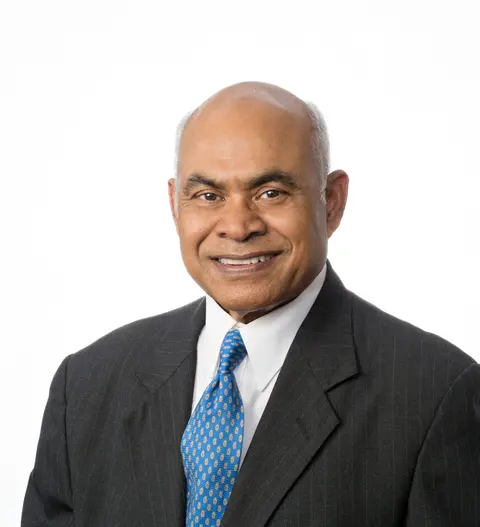
Fresh off releasing his second book, The Temple Road: A Doctor’s Journey, retired oncologist and professor Fazlur Rahman, M.D. shares his process of writing his memoir. Losing his mom at 7 years old, Dr. Rahman has been navigating his journey through grief, his relationship with his family and community in Bangladesh, his homeland, immigrating to the US and living in a rural town in Texas, and his decades-long medical career working closely with cancer patients and their families. Check out this episode and his latest book available now.
Bio:
Fazlur Rahman, M.D. was born and brought up in what is now Bangladesh. After his medical education in Dhaka, New York, and Houston, he practiced cancer medicine for thirty-five years in San Angelo, Texas. He is an adjunct professor of biology (medical humanities and ethics) at Angelo State University, a senior trustee of Austin College in Sherman, Texas, and an advisory council member of the Charles E. Cheever Jr. Center for Medical Humanities and Ethics at the University of Texas Health Science Center in San Antonio. His articles, essays, and stories have appeared in many publications, including the New York Times, Wall Street Journal, Guardian Weekly, International Herald Tribune, Christian Science Monitor, Newsweek, Harvard Review, Short Story International, Dallas Morning News, and Houston Chronicle. He is the author of Our Connected Lives: Caring for Cancer Patients in Rural Texas and The Temple Road: A Doctor’s Journey.
He and his wife, Jahanara (Ara), have lived in West Texas for most of their lives and have raised four children. They love walking in nature and going on wildflower adventures.
Get full access to Bánh Mì Bites at randykim.substack.com/subscribe
0:09 Hi, everyone. So welcome to the Bunmi Chronicles podcast. My name is Randy Kim, and I am joined by a special guest today. His name is Dr. Fazlur Rahman. He was born and brought up in what is now called Bangladesh. After his medical education in Dhaka, he practiced cancer medicine for 35 years in san angelo texas he is an adjunct professor of biology at angelo state university a senior trustee of austin college in sherman texas and an advisory council member of the charles e cheever junior center for medical humanities and ethics at the university of texas health science center in san antonio his articles essays and stories have appeared in many publications including the new york times wall street journal guardian weekly uh harvard review newsweek and so much more and he is the author of our connected lives caring for cancer patients in rural texas and now his latest uh book uh the temple road a doctor's journey and he and his wife ara have lived in west texas for most of their lives and have raised four kids they love walking in nature and going on wildflower adventures so welcome to the show dr uh raman um congratulations on your latest book a temple road a doctor's journey what is your feeling right now with the release of your book and sharing it to an audience that's a good question randy first thank you so much for having me
1:43 and i believe i'm the first bangladeshi in your show and i feel that because if you don't mind bangladesh is the fifth largest country in asia out of 48 countries and then fifth or sixth in the world so if you take the population account not just the wealth when you count the human beings so that country should count you know so thank you for having me uh the book uh my premise was that if i want to understand my present then I have to understand my past and so that's why after leaving all these years growing up in Bangladesh what is now Bangladesh and living in the US 57 years I thought that my book The Temple Road A Doctor's Journey will illuminate some part of the another culture and another world of medicine it's a medical and cultural memoir and I've been very pleased so far by the reception and again my hope is that it will illuminate the path for some people maybe some soot or get inspired that someone coming that circumstances you know difficult circumstances has made it perhaps I have a chance to make it too so that's the purpose of the book and that is the reason for writing the book to share my experiences and my you know thoughts and ideas
3:13 as much as I could yeah and you talk about you were growing up in what is now bangladesh what can you describe about the environment that you were growing up in during that particular period okay remember that you're young so it's 60 70 years ago when i was growing up you know i'm 81 now uh it was food forested countries there's a small number of population much smaller and a lot of nature you know trees forest birds rivers some of them have dried up now and most of them are gone all those meats and superstitions and palaces and mosques and temples so they had their own charms and I grew up in that environment both different cultures together Muslim culture and Hindu culture together so those things obviously influenced me the way I was grew up at that time and another reason some of the things I remember some people have asked me how I remember so much is simply because remember we did not have any TV 78 years ago we or very few people have radio or very few have some gramophone listen to the music records what is that called not the tape or anything the discs and all that so that's rare too so we did not have too much distractions like we have now you know children are
4:44 so busy cell phone this and that and music and all sorts of things i'm not blaming technology we didn't have any of that so i grew up in a quieter environment and in a beautiful nature and all that so those things also affected me uh when i grew up and that's what i write about in the book too to meet superstitions nature and all that including the you know people's palaces and all and mosque temples doctor you shared about in your book you share about the loss of your mother at an early age and what did you remember about your mom okay um first and foremost is that um the in those days she was a very brilliant student you know uh that's what my grandparents told me and others told me to her classmates and others and at that time primary school was up to fourth grade so she became top in the class and in those days girls couldn't do that very uncommon mostly upper class hindus and upper class muslim boys had the upper hand and the headmaster told her parents that you know hasina her name hasina is a very bright girl and send her to junior high school and then to high school she will go further but
6:16 the at that time parents village parents even the hindu parents they wouldn't send any girl to a town you know for um education in the sense that they didn't feel comfortable with that and the junior high school was in a town far away and the primary school was in the village and the villa's name is Bajitpur B-A-G-I-T-P-U-R which is in India now and so she couldn't go to high school or junior high school but she always was very interested in reading and she read the stories of the prophet mama then Noah's flood and all those and she was a good storyteller and then the second that she also grew up from the Ramayana Mahavata and all those kind of things those days I grew up in a kind of like both cultures and I'm predominantly obviously being a Muslim Muslim culture but both cultures you seep into you seep into you seep into you and so I was very close to her because I was a very sickly child you know stomach trouble since i was a kid i'll have diarrhea and all that and i'll have fever and seals and all sorts of things but i'll get better with treatments this and that herbal medicine covid others sometimes what you call regular doctor uh very rare and then one day when she got sick she was at the end of her pregnancy
7:46 while she was helping the maidservant during the harvesting season when the hired hands fell behind you know and she said she wasn't feeling well I remember that vividly and then she went to bed and told me to get a glass of water which i did and told me to call one of the midwives who is kind of like a village aunt you know you have if you grew up in asian culture you'll know that in the village everybody is aunt and uncle or something okay and you're supposed to respect that too so call her name is saira but it's a color answer i wrote i think the color answer i went to her and she started smiling and i said my mother is sick why is she smiling and she says that you're going to have another sibling so she came and my grandmother own grandmother she was a very wise lady they went inside the room and I could hear from the baranda they wouldn't let me go inside baranda that she is screaming whatever else that is in between the pregnancy spasms you know delivery spasm and the grandmother and that aunt trying to console her and they wouldn't let even my father go in inside the room that was the way in those days you know like even in the hospital even in this country actually in those days they didn't allow male males to go inside you know now any going husbands and partners and all that
9:17 so she couldn't go so and um then at the almost midnight or so then the midwife came out on the veranda and told my father said that you know she's not doing well get the doctor that at that time the tigers used to come from Sundarbans to our area in the north. Tiger's habitat is the royal Bengal tiger habitat is the Sundarbans which is one of the world heritage site uh it's a forested area swamps and forests and all that two-third of it belong to bangladesh and one-third belongs to west bengal of india but in the winter months when the food got short as you know uh the tigers came to our area in the north which is only 40 50 miles maybe maximum 60 miles and continuous jungle in between the villages and the fields and um uh you're from cambodia cambodia and i have family from vietnam and cambodia yes you will see that yeah i mean those 60 70 years ago how forested those countries were okay okay so um the doctor didn't want to come because they were everybody scared of the tiger and all that at that time and um even though people went to get him he came next morning and it was too late but he said his arrival wouldn't have made any difference but she had
10:48 a breach delivery what happens is that he does get stuck you know and you can actually manually move them and it's not that you know it's not that complicated we have the dexterity and you know how to do it but she couldn't do it the midwag waited too long so she was already dead that's so about my mother is that i was so close to her since i was sickly i spent more time with her than my brother older brother was two three years older than me because he was healthy and busy with the other boys like the homeless boys do and so that was um then she called me and my father she knew that her hand was there and she tried to I remember that she tried to lift her hand to touch my face but it was having a hard time and in between these spasms she was talking so those things are hard to forget seven year old can remember a lot you know especially i told you that it was a different kind of post-med and i answered those questions something before that if my mother lived eight years you know like i have lived people have told me all kinds of things and advised me all sorts of things like mothers do you know and i would have forgotten that but the fact that she was there asked me for a glass of water and then a couple of hours later she was gone and that was very hard in a difficult part and my father my brother my grandmother they all tried to explain to me
12:18 but it was very confusing to me that i thought my mother was invincible she wouldn't die you know seven year old that's what you think so that's what i remember mother and her storytelling her closeness to me or my closeness to her her sudden death after I gave her glass of water which she asked for so those things are remained in my memory and you know Randy that is as we go through life we go through a lot of traumas okay some big some small obviously and luckily we forget most of them that's how we can go on with life some memories some incidents and some events stay etched in your memory yeah and you know oh yeah i was just gonna say because you know my father um his mother um died when he was a very young kid and i think he's maybe like five or six years old i think the only he doesn't talk about her very much i think the only thing he mentioned was that i remembered you know seeing her body laying and you know peacefully and and i think that's hard to as a kid to ever um get that out of your memory it stays with you it revisits you know and yeah and i think about grief and quite a bit in our greater asian communities across the board and i wonder what did your mom's passing teach you about grief growing up
13:53 and what were you taught about what that looked like because i think as a kid when you have families trying to explain to you what your mom's death meant it's very confusing for a little boy well that yeah first thing you are right uh confession is the one thing and then like i still remember my grandmother i think she was trying desperately to console me my brother and other members of the family she was the matriarch and in those days in male dominator society she was the matriarch in the family and she had the say she started to tell me it's god's will it's god's will you know it didn't make any sense to me why god would take my mother she didn't do any harm to anybody you know things like that so confusion and grief is that it's a kind of a sense of emptiness and sense of loss and sense of of not having anything even though you have everybody else around you you feel like that there is no mother to go to and if i have some problem who i whom do i tell it to who will understand me even there are other people that they are definitely want to care for me want to help me want to console me but it's not like that mother did you know because that's that's what she was doing i was very close to and she taught me um too she taught me reading writing arithmetic and all that
15:23 and uh so grief was definitely a problem and what it taught me is that sometimes you have to give time to people you can obviously have to console them give your time and give your patience and give your understanding to someone who is going through grief and don't expect that suppose like uh to give you an example my father had a very difficult time when she died suddenly very close and in retrospect i feel like he had depression you know now that i went after but um people kept saying oh you know uh man can become sad but if he's strong enough he can come out of it okay uh so this kind of related to sadness and grief kind of go together so people didn't understand except my grandmother did he got the hired hands to keep him busy you know take a hand here and there business whatever he had and that definitely helped in the same way i also learned how to uh how to find find a wall in the sense that my mother got me interested in books my brother is still he's a novelist his name is bosom bhezi ali i can see why you have so many books behind you thank you so so um i started reading books this and that i started my mother you know and
16:58 that was also another word uh to sort of console me in the sense you know uh reading the stories this and that and i immersed myself into that so it taught me what grief that first but for most things understanding you know understanding guess when you're a cancer doctor you see you know death and dying and especially when i started practicing 51 years ago at that time um cancer medicine was not as progressed you know a lot of mortality was high now we do much much better and so some of the things i'm not saying that that is absolutely followed it but definitely those things stayed in my mind you know that these people are going through grief and as difficult as for me to see it every day the same thing more or less you know I still have to have an understanding that everybody has a different way to handling grief and that thing definitely we need to understand everybody has a different way to understand the grief we cannot force people to bring out of grief and first you have to give time and second you have to give understanding and perhaps sometimes not to give too much lecture in the sense that oh you know you should accept it it's god's will which is okay and if you're a believer that's fine and if you're not doesn't matter i mean grief is grief it happens to everyone when they have a great loss you know one of the things that struck me about your writing is the level of vulnerability you share
18:29 and you know it's often easy to think about how older asian men um tend to be very stoic private and guarded about their own vulnerabilities what do you think has allowed you to be open with your vulnerability no you brought up a real good point and that's um some people in the west i think many understand but they have a little difficult understanding the issue of culture um we tend to you know the families everything tend to be very close-knit correct in a village like they say it takes a village to raise a child all right it is true if you did something wrong in the other part of the village it's going to come to your parents all right so if you remember that so anyway the vulnerability is that I have been asked that before it's a difficult question to answer the question is that if you want to be I'm not saying that I'm any more honest than any more memorist okay so the book actually was quite long and even after cutting down it was 130 words and I think what is it only 150,000 words and what I was doing is that I'm connecting all kinds of peripheral characters they're interesting you know in the village in our school in here and there college medical school but then
20:00 to answer your question i went to a breadlock writers conference you know breadlock that's the most prestigious writers conference in the country luckily accepted i submitted the temple to the title chapter and sherry listrade s-t-r-a-y-e-d her book wild became very famous memoir you know and also there is a movie at it she was the instructor that's been a long time in 2013 i think and she looked at it and she read it she liked it very much she said you know although the stories are very interesting what you are saying but you are telling about everybody except your own story getting diluted with that memoir is a matter of selection and memoir is a matter of what is necessary what is not necessary in the story itself so you need to write about your own story more than you write about other people's stories they are interesting alright but after all it's your memoir not theirs and the characters that are absolutely necessary obviously they have to be there but to think about your own story and that helped me a lot also i did quite a bit of thinking that what is my story what i'm trying to say and i realized that i have a lot of points that are not easy to write or easy to discuss or easy to tell you know vandy i mean you do these things
21:34 what is in your mind and what you want to put on the paper don't always go together okay on the paper then i decided that you know i have to tell my own story so that's what good or bad whatever it is you know but that's what the vulnerability i'm talking about i didn't think in the sense of vulnerability at that time obviously I just didn't know what is my own story and what I went through and what I did not go through and what had mattered to me at least at that time when you wrote the book so that's I hope that answers your question if you want to tell your own story you have to tell it if you want to be macho that's up to you but what your real life you went through do the best you can so I try to do that have you had that discussion with your family your own children when you were writing this book and were they aware of your story prior to you writing this memoir i think that yes indeed what happened is that remember the lot of these stories some of it actually were published here and there like personalized and harvard review which became you know what is the notable assets two of them uh then also two chapters came out at lancet which is our more one of the most prestigious medical journal they have an ss section and they had the picture of my village and picture of me as a pre-med student and all that and lancet
23:05 so they did all those things plus i inserted fragments of my you know memoir here and there essays and articles so they had an understanding but they didn't know that this degree suffering was this degree until they read the whole thing but they definitely had an understanding that dad had a difficult time after mother died and probably the person who knew most is my wife you know because you've been married so long that we know about it so when i was writing she had she knew what i was trying to get at with yes they had an understanding but until they read the whole book probably they didn't get the full picture and how did they react to hearing the intimacy well I'm biased but they liked it very much I think they appreciated understanding their father and appreciated what their parents came through and all that and remember their life here is quite different than what our life was yes they like it thank you very much and they also encouraged my writing too mhm uh so i appreciate that also yeah what brought you to the journey to america um what was uh what was the um because i know you were going to medical school and training right and uh what was the um what was the thinking of yes what was the thinking of you going to america are they well it's
24:40 a very convoluted answer to keep it simple i don't know if you remember the history of bangladesh there's a and brutal civil war between pakistan and east pakistan east pakistan was bangladesh before and i came here in 69 and all those um unrest started between 69 70 71 that became the country became bangladesh and the country was run and i'm not getting political i'm just telling answering a question bengalese had not too many chances we are bengalese you know that is bangladesh's and country was mostly run by the west pakistan non-bengalese and they are good people too but military dictators were brutal you know so i wanted to have a higher education and on those days all the people of the Indian subcontinent went to UK and there we got what they call MRCP member of Royal College of Physicians FRCS fellow of Royal College of Surgeons they were prestigious you know so that's what I was supposed to do but I found out you have to go through a certain amount of bureaucracy and all that and then I inquired about American medicine I got curious because
26:14 so many Nobel laureates are coming from US and all that so I used to read it in science and medicine and I found out that I have more control coming to the US for higher education I have to pass an exam called ECF-CMG what stands for educational council for foreign medical graduates and he took this exam in consul in Dhaka u.s. consul and if you passed it then you applied for internship in the u.s. at that time so that's how i figured that rather than waiting for england or uk if you want to call it then i got a chance i need to get out before things get worse here then i won't be able to get out at all you know at in retrospect my family suffered a lot in that civil war and so my wife too came at the right point right after right before the brutal civil war she came really after me so that was the reason to come to the us mainly because of the chances of higher education with so many science and medicine novel barriers i thought novel barriers are a very special breed and secondly because i had more control i could appear in exam and come and get the offer mm-hmm so that was the main reason mm-hmm to come into the answer yeah you've been doing your practice in rural texas for years and years
27:46 and i'm curious about what you saw about the community you were serving and living in and terms of what you've observed in terms of health in terms of the demographic and how you were trying to fit in and raise your family there that's a good question we remember that after you leave your relays okay that's what is called temple road because remember literal temple road and metaphorical temple road they wrote about after living in dhaka so many years which is a huge city and then new york and then houston these are all some of the biggest cities in the world and in the country and coming to west texas which was at that time i think 60 000 population it was quite different and i i write the reason why i came and like everything else you know that most people welcomed us certainly some people didn't want us you know because we are brown skinned or you know at that time when I came and was trained actually even in trainings in New York Houston the you know top places almost all doctors white males very few women doctors you know company percentage wise and all that
29:17 including Baylor College of Medicine also which is about five years for post-kazi training you know a small number compared to so many others female physicians so here I was the first foreign burn doctor in this town and first Muslim actually in this town so Some people are difficult accepting, you know, but they accepted me because what I do, not necessarily what I am. I don't always look at that way, you know, I don't know if you have noticed it or not. So it was a little bit difficult in getting adjusted because of the isolated community.
30:01 Obviously later I made friends and once I get involved with my patients and their lives, you know it was i was more absorbed with them to answer your question most of it was good but somewhere a little difficult especially in the beginning you know now a lot of people know me and respect me and i respect them there is even a i don't know if i sound like an publicity recently uh angelo state university where i teach you know it happened for a while but uh medical humanities ethics to pre-med students a lectureship prestigious lectureship called the distinguished science lectureship has been named after me and my wife and it's called the fuzuran johanaravan distinguished lectureship in science honoring dr roy moon dr moon was a was our mentor and so we had we have had so far 14 novel degrees in science and all the world class scientists so those things came after a long time remember but not in the beginning in the beginning i had some difficulty until people got to know me and i got to know them they died we did you know and then my wife made a lot of friends and they loved her and she loved them um if that answers your question yeah and you know in your long time career as an oncologist how does one frame the conversation around hope and death with patients and their families
31:35 and especially like within even your own community it's a very you know you get all this training from big places some of it's a little bit ivory tower You don't know a whole lot about them in practical life until you start practicing it, because we are right in front of the patient's website. And patient is looking at and asking your question. I think that in the beginning its little bit hard to answer questions but two things are most important as I learned from one of my mentors Dr S M Robb he said that patience healing begins with your empathy and with your reassuring presence at the bedside and I'm not saying that I followed it all the time but I always stayed in my mind and I have my share of failings so you learn as you go along you look at your own life you have been through suffering and grief yourself alright and secondly that my family members my teachers gave me hope otherwise i wouldn't make it despair is the worst thing that can happen to you then you give up everything so you find out suppose somebody has breast cancer a woman has a breast cancer you find the best points you can good points
33:05 and then as you go along you learn better and explain to them that you know every breast cancer patient is different and every biologically every human being is different just because somebody died of breast cancer something happened to someone it doesn't mean it will happen to you so you have to give hope not necessarily false hope because if you take care of a patient say for months and years then you become very close and you know each other at that time patients themselves will know you know you don't have to be MDP during that you know I have tried everything my doctor has tried everything nurses have tried everything and there's not much left this is time for me to go to hospice and make the quality of life the best I can yes you have to give hope and you have to give them moral and support and you have to give the patience especially when they're very vulnerable very difficult situation one of the problems with cancer and it bothers me more it's becoming more and more in personal i don't want to pontificate but i see i have written about it too and giving time that's the hardest part do you follow me giving time you know giving time is the hardest part so giving some time giving hope that there are things we can do and cancer treatments are progressing all the time which is actually true and
34:37 that you know i've had patients that i thought not going to make it the first patient that if you if my read book our connected life caring for cancer patients in rural texas i'd like you to read it to randy when you have some and the first patient started that i thought the patient will die and everything i sent out to hospice and that patient lived 23 or 24 years you know and even though it says caring for cancer for rural texas is that that stories those stories apply to all patients whether chicago houston boston doesn't matter rural texas because that's where i got my practical experience and personal experience with my patients and our connected lives because my life was connected with them and their lives were connected with me as long as we are with each other that took care of each other yeah i just think about like hospice and palliative care especially when you have to have difficult conversations not just with the patient but their families especially if you are not of white descent or european descent like the conversation The conversation around death is very, very taboo and much a struggle, especially whatever belief system you come from and having to tell patients or family members that hospice is the quality of life. And I think that's hard thing to get around because for them hospice is the end is here it's like this is it you know this is the final road
36:08 and palliative care is kind of like this pathway to hospice it's like if you're chronically ill you're not going to get better but you're not in in an immediate six month or less final stage so i wonder what that must be like to have to like get through the cultural of intergenerational context of it all um i don't know how much exposure to have the hispanic patients some of south america and mexico they have some we have a lot of hispanic patients something in common i'm talking about older generation not younger generation they will come and say please don't tell my mother and my father it's cancer you know just talk to us and then i have to be you know honest with them I said look I'm going to give the chemotherapy for months or I'm going to send her to radiation she's going to know more than you think as time goes many of them don't speak English you know and the second is that if she doesn't have an understanding of what she's going through she's going to be more frightened which is true if you don't know something it's not always easy to accept some bad news but at least you have an understanding what it is then it's really easier okay versus you're going blindly without knowing so i try to explain to them look they have to know she has to know he has to know otherwise it's going to be hard for her or hard for him
37:38 and also hard for the doctors and nurses to take care so you need to let me at least explain and if you don't want to do it that's fine with me you need to let me explain and almost all patients appreciate that nobody likes it obviously the bad news but that's to some extent Asian culture too I also remember and even here in big centers in New York and Houston a lot of times in 60-70 years ago we didn't talk about cancer openly not at all and like cancer and psychiatric diagnosing top openly and cancer he said mitosis mitosis means cell division patient mitosis this and that patient has a growth patient has a tumor everything except cancer all right so slowly slowly we have understanding now people go to online pc all kinds of things so it's not the same way it was like 60 70 56 years ago so we have to understand the cultural medicine is very important because now it has become more acceptable, popular than it was before.
38:47 Cultivament is important for two reasons. One, let's start with the first psychological understanding of patients, okay, that these patients, elderly, they are respected, and we try our best to keep them from harm we get sometimes, so we don't know how to hurt them. which is a good intention but sometimes there's no other way of shorting short of being honest with them without being blunt that's one and secondly we give all kinds of diet recommendations correct so a diet recommendation somebody from say uh brazil or somebody from some remote part of mexico somebody from remote part of bangladesh or vietnam or cambodia if you give the same kind of advice that you get a western diet it's not going to make any it's not going to do much help so you have to understand what they eat and i'm not saying you have to have an expert on that but have some understanding okay because nutrition is a big part of cancer treatment so culture, understanding the patient and patient's philosophy in that sense is very important I've always been interested in patients' lives beyond medicine itself that's why I wrote The Our Connected Lives Caring for Cancer Patients in Rural Texas where the temporary doctor's journey stops caring for cancer patients in rural Texas starts those two work are connected
40:19 so yes cultural understanding is very very important even here like there's a long article in new york times when i was teaching i was reading all those things and i had you know i was a part of it i was in langoland jewish hospital um training is that some orthodox jews sometimes they wouldn't uh lock talk about their cancers and all that to others and not only that there used to be i don't know if it's still there in a cancer center in new york cancer clinic there is no sign of cancer clinic there because patients want to they feel like that it will be bad for their families marriage and all that and acceptance it's not just the asian culture or sallocan culture or mexican culture all cultures have their quirks there's nothing good or bad about it so that orthodox jews sometimes are like that too but you have to understand that as well you don't want to impose your kind of thinking bluntly to them yeah i've been thinking a lot about mortality quite a bit in recent years because there's been losses in my family and friends circles as i'm now in my 40s and like how do you navigate with the mounting illnesses and deaths as you continue to age i know that you have seen a lot in your work and also in your own personal life what does grief and healing look like when it can feel very exhausting
41:49 well that's the truth sometimes you feel like very exhausting but you get a certain amount of mental discipline and you're not going to learn in one or two months is you keep you're going to make your share of uh missteps not necessarily blunder but and as you go along you learn through life and learn through patience you can learn from the patience a lot if you just listen to them carefully and you don't need a whole lot of time you know you obviously have to have certain number of patience a day but if you concentrate when you're talking to them it doesn't take a whole lot of time you see so in time you learn sometimes you read and watch your mentors when you're in training and that's a lot a good mentor can help you a lot plus you learn from patients also then learn from your family so all these things kind of seep into your mind medical school alone is not going to teach you all these things no medical school is a little bit ivory tower okay so i don't know if that answers your question as you go along you learn through patience you learn through reading and learn through your mentors what you have learned before and you put it together and as you go along it comes to you thank you and also these days are you still practicing and what does your time look like and especially in the work or just in your own personal life what does the time
43:23 that you have now look like for you these days uh no i have been retired since 2011 now i spent most of my time in writing i've been writing for a long life i said but i started book writing seriously from 2011 so this is my second book and i'm working on third book so my time is very very occupied I teach once in a while here and there and then just formally I'm not teaching for this right now but if I'm called to teach a class I will just like I did you know two three weeks ago to a group of pre-made students selected students they wanted to talk about the Our Connected Lights okay caring for Cancer of Heroic Texas so I talked in the class the university class you know uh that but mostly goes my writing and taking care of my family and then the second is that the you know i mean i don't mean to be any quantitative to help people as much as i can in a voluntary work working at you know uh and then the second is that i get a lot of emails and then calls about patients have cancer even though i'm retired since i've been here so long and i can't help them directly but indirectly I try to help them that this is the kind of doctor to go to or this is the kind that you should give a try but make sure to talk to your doctor first you know it's very difficult to give advice on the telephone without the details you know or examining patient
44:57 and i get calls from bangladesh and nowadays communication is so fast emails and all that so that takes quite a bit of my time and now i do quite a bit of book interview two book interviews that kept me busy one came out 24 and i'm now so my schedule is quite full and then keeping up with the children grandchildren say one thing or the other and i work with the university also you know yeah if you were to go back to your seven-year-old self what would you tell that little boy that's a very difficult question to answer i think that probably in retrospect i obviously cannot he didn't have a crystal i tell that boy that you know you have a life ahead of you this is the end of it and listen to your parents or whatever seniors trying to help you out you know that they really mean well they want to help you the way i felt at that time at least right after my mother died you know for these weeks and months i don't have anybody which is really wrong correct but i probably tell that seven don't feel that way okay your mother is born but you have others to love you too that's very beautiful and actually i hope that people there's a copy of your book the temple road i hope that people get to check out your book um doctor i want to say how much i really appreciate having you on my show and telling
46:30 about your journey um as a child and also giving us a scope just like a snapshot of the of the work you've been doing in the medical field especially specifically with oncology and cancer treatment and having the very difficult conversations with families and patients about that because i i do think that um that we have so much to unlock about how we talk about grief and the kinds of grief that we experience along the way and i think that to get that from the medical professional field really helps to kind of get an idea of how that has been changing and how empathy is the the center of it all for to build trust yes uh to have patients and families build trust with the the medical uh uh the medical uh field i agree completely randy i think you summarized my feelings that's why you're a podcaster i'm not but thank you so much for having me too first bangladesh i suppose and it doesn't matter bangladesh or not or vietnamese or cambodian or chinese and human beings are human beings we all have the same griefs same feelings same mental strength or weakness you know so as human beings it matters to all of us about empathy and about understanding each other that's what worries me now that both in medicine
48:03 and social life look like we have become so fragmented now and that's not good for none of us whether you're white black brown it won't really matter it will hurt everybody yeah yeah absolutely and and thank you and i hope that you have more time to yourself and with your family too and yeah i really appreciate this and i hope people get a chance to pick up um your book and uh yes and all the best to you thank you thank you same to you all the best to you and i i saw some of the interviews really i'm glad you bring good people that's the only way you can understand each other sharing ideas and thoughts okay it's not a monolithic human beings they're not monolithic you all have our different eyes we may not agree but we have to keep an open mind so thank you very much for having me and i like the thing that you're breaking the bread it is but breaking the bread it is it really is i'm sorry social terms you know that's a very good good title i like that you know how did you get to that well i think when i did the banhmi chronicles podcast um i wanted to the idea of breaking bread but i thought banhmi was like the first vietnamese food that i embraced and because it felt very western looking because you know i grew up in a fairly predominantly white school so the idea of me bringing in pho or anything that felt very foreign was very scary to me you know so i thought that b��nh m�� was the more palatable choice and
49:35 and i thought about how the idea of assimilation was very prevalent in my life for a long time until I realized that it's not helping me in my journey nor is it helping people in their journeys especially when you are forced to to assimilate to western traditions or western normalization you know and i realized that no there's nothing to be ashamed of so that's like the more uh complicated or more longer explanation of the title itself and then you know of course the idea of breaking bread is very important to me because there's so much to unlock and there's and my mind runs a thousand miles a minute and i feel like there's so many interests that i have but i think that what i have always get more drawn to is the vulnerability and and the empathy aspect of this work yeah if i may add i think that you made certain good points no culture no people no country has all the monopoly on goodness or badness i think our talent for that matter and so i think we have we can learn from each other from different even doesn't matter white black brown uh we can learn from each other and with the benefit of all of us i don't think any culture any group has a monopoly talent or understanding or knowledge they have different knowledge and different talent
51:06 but they're important too as part of life so yes I think that breaking the bread is very important in that sense that we need to understand each other and we need to learn from each other I feel always strongly actually since I was a little I mean I wouldn't say little kid but since I was in college this and that started reading here and there I realized that you know i i'm just insulary that doesn't make any sense you know there are other people in the world there are other stories there are other it tells and all so they must there must be something there so that always very curious there must be something there to know not that i knew a whole bunch but curiosity was in my mind and it still is you know but you know i have my limits of my talent and i have my share of it but i do what i can but thank you so much you have been so kind and appreciate that okay
