Examining the Many Facets of The Evolving Vietnamese Narrative

 Apple Podcasts

 Spotify

 Amazon Music

 Overcast

 Castro

 iHeartRadio

 PocketCasts

 Podchaser

 RSS Feed
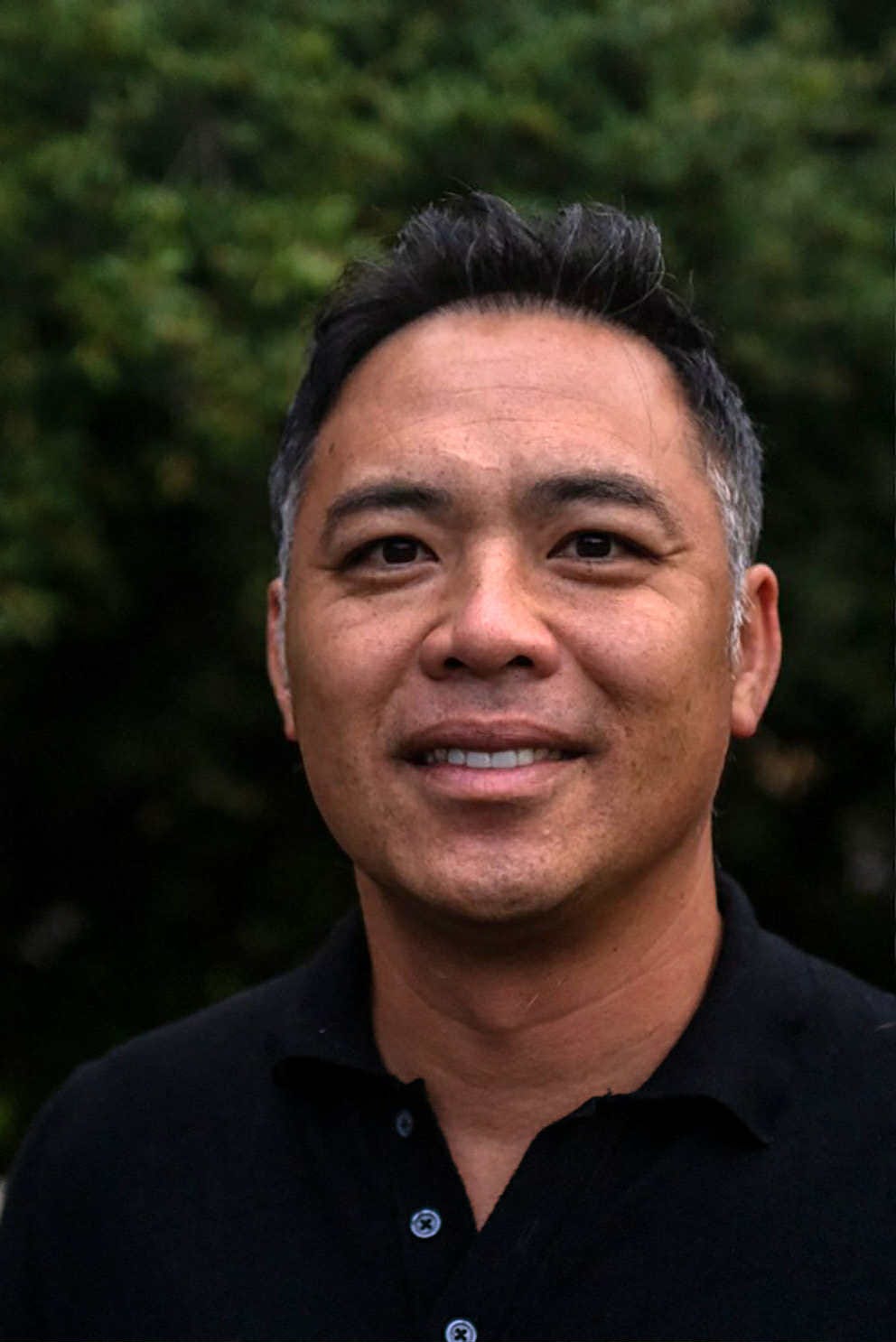
This week, I’m joined by my friend and fellow podcaster, Kenneth Nguyen, the host and creator of the acclaimed The Vietnamese Podcast. He was my guest host on my then-farewell episode in 2023 when I was sunsetting the podcast, and he’s back on my show, to remind me that he was right that I would come back to the podcasting sphere, and here I am now! With hundreds of episodes recorded, Kenneth has built a platform highlighting Vietnamese creatives, educators, historians, entrepreneurs, and many others across the global diaspora and homeland.
In this fun and insightful conversation, we dive into:
* The Current Podcasting Landscape: Our thoughts on the industry since I returned to podcasting, and what podcasting means now these days.
* Kenneth’s Journey into Podcasting: The story of how The Vietnamese Podcast began and the lessons he’s learned about the Vietnamese community both in the US and in Vietnam.
* Navigating Political Nuances: Discussing the delicate and complex political divisions within the community, and how both Vietnamese Americans and Vietnam view the history of the war fifty years later.
* Shaping Future Narratives: How we can actively work to influence and shape the evolving story of the Vietnamese American community moving forward.
Kenneth brings a wealth of experience from over two decades in the Vietnamese media space, including his work as a film producer and co-founder of EAST Films. His podcast aims to show the Vietnamese experience “from a transpacific lens, in all its facets and complexities.”
Bio:
Kenneth Nguyen is a Los Angeles-based podcaster and film producer with over two decades in the Vietnamese media space. Kenneth hosts and produces The Vietnamese podcast with over 400 episodes recorded. Kenneth is a founding partner at EAST Films with several film projects in development and production.
Check out The Vietnamese Podcast on Instagram: TheVietnamesePodcast
https://www.youtube.com/c/TheVietnamesewithKennethNguyen
Get full access to Bánh Mì Bites at randykim.substack.com/subscribe
0:01 a good friend of mine, podcasting colleague, Kenneth Nguyen, host of the Vietnamese podcast with Kenneth Nguyen. And this podcast has featured vast stories of Vietnamese people from the diaspora and from Vietnam and from artists, educators, entrepreneurs, actors, and filmmakers. And I will say that I'm a huge fan of his show. Me being a Vietnamese person of descent, I've really appreciated hearing so many very different stories from our communities, whether it's in the US here or across the globe or in the homeland of Vietnam. And Kenneth is someone that I have an immense respect for.
0:43 I have been Really honored to be on his show. I know that we did a show together with Tracy Nguyen from the Vietnamese Boat People podcast. And then he actually happened to be my guest host of my last show when I was sunsetting the podcast like two years ago. And at that time, I was very pretty clear at that time that I really did not want to be doing this. I'm like, I'm done. I'm ready to move on. But now here I am two years later, I'm bringing it back at different capacity. So it feels right to have you on as a guest this time. So thank you so much, Kenneth, for being on my show.
1:24 And first of all, how have you been doing this year with 2025 almost concluding? Thank you so much for having me on, first of all. And Randy, I want to, two years ago, even though we did the last one for you, I knew you were gonna come back because this is something that people are giving you the information, the experience in their lives. how could you turn that down right it's an addiction and i think yeah you might take a two-year break but i in my heart of hearts i knew that you would be back at it and i can't tell you how happy i am that you are back because you know you brought up tracy and the vietnamese boat people i think she's closing that out right i think she is but i know that's her but her organization itself very much is doing things yeah yeah and i hope they bring the podcast back or another iteration of it you know some uh different form would be beautiful to to to see because you know i think when you limit it to the vietnamese boat people um it might be a limited uh topic um you know within you know 50 years or is is over and we can keep talking about it but i think you know tracy and you uh have a plethora of things to to talk about you know as the future of the vietnamese continue to to prosper and blossom Yeah, you know, it's kind of interesting when I left the podcast, I was going into Substack.
2:54 I want to do more writing. I wanted to kind of like feature more BIPOC folks. I wanted to tap into reading BIPOC authored books. I was still bringing in the interview component to it, but it was a very different format. I was doing more of a Q&A. And I'll be honest with you, that felt very unnatural to me because I realized how much of a conversationalist I am. There are times when I felt like I had to move on to the next question. I wanted to add more follow-up after follow-up. And I was like, I really couldn't do that. I felt restricting.
3:35 And I think after having to deal with a lot of things going on in my life for the past year and then having to finally step away completely and try to live life. I think that there's a sense of it, like you have to like live life and come back in a different capacity. And I felt very reinvigorated. And I think that is something that really sparked my motivation and my drive to come back and have further discussions. There's a lot that has changed in the podcast game. I know that you've been doing this podcast for several years and in those several years, um and i've experienced this too that i have seen so many asian podcasters vietnamese podcasters have come in and come out and to be honest with you coming back like now i don't really know who's doing what to be honest with you i feel like most of the people that i knew from the podcasting world have since transformed or left the platform altogether.
4:41 I'm curious about for you, what has that looked like for the past two years as a podcaster and seeing how the podcasting landscape has changed both in the Asian communities, but also across all demographics. You know, I, I share that sentiment with you, uh, in the last two years, I think there's a lot of people who dropped off. There's, um, you know, and for, for one reason or another, you know, there's, you know, more, uh, there's different paths that they can pursue. Uh, there's different formats that they can pursue that makes more sense. And I think the statistic is like nine episodes is sort of like where people land.
5:29 But I believe in this. I believe that a lot of people can step off like you and they'll come back. That's fine too. And I think that that's important because then we can gain insight on what you did on your two years off. Right. We can see the growth of Randy Kim and we can experience that together. So I'm here for it. I'm here for all of it. You know, you want to drop off for five years, come back. I think that, you know, anybody who's followed you can see five years or two years ago, you know, how you left off and now where you are with with your thinking. i think it's all beautiful because at the end of the day it's just a conversation we're just in conversation with each other and um this happens to be my sixth year now like i just started my sixth year and uh i don't um i i pace myself by um taking actually taking long breaks you know today i have five uh yours is number five today i have five episodes um but then i won't podcast for like three months, you know, I'll do that.
6:29 So I have enough saved up so I don't get burned out. And that's the way I kind of like roll through this is is I avoid burnout by by recording a lot in like a week or two and then like letting you know, just free falling for the next three months. Wow, that's a very interesting approach because I think coming back for myself, I have been recording since the last two months. I have been recording quite a bit. I don't record like five times a day the way you do. have been doing like that's a little too much for my own social battery but i used to do seasons i used to do curations of how i release them and now i'm more like look this is what you're gonna get this is within my own mission my own theme and it's half the process.
7:20 And when I need to step out, I'm going to step out. And I think that's something that I'm learning to do as a podcast. And I've been watching your work the last two years, specifically since I left. And I have seen you evolve to not just interview, you know, different prolific folks in the community, but you've also decided to go further in terms of specific topics, such as like, the Vietnam War and the implications and the politics that we are afraid to talk about or that we don't have a lot of knowledge, especially from the millennial Gen Z folks that are not aware of why does our South Vietnamese folks feel this way in the US about current US politics in Vietnam versus how Vietnamese folks feel about it from the diaspora and from the homeland.
8:18 And I felt like you were taking on some very difficult topics. And I'm very curious about how that got you to that place to start having these very layered conversations with, I can't remember his name, but I know he's a historian and educator on this. And yeah, what was that coming of age for you to take on this part? You know, that's a great question because he is actually the person who kicked this all off. His name is Kevin Pham and he is a professor out of the University of Amsterdam and he focuses on Vietnamese political theorists.
8:58 And he wrote a book that talked about six of these like central figures that talk about political theory. ho chi minh is one of them and those characters are sort of like the bedrock of the anti-colonial sort of like rise up of vietnam of current day modern vietnam so being children of the south which is me and kevin fam we are uh direct descendants of the other side of the vietnamese current government So as we started to like explore, I started to explore more, more knowledge about, oh my God, before the American war, the Vietnam war, there was this whole colonial, like Japan was like, you know, in the mix and France was in the mix and China was in the mix, all these colonial powers were in the mix.
9:53 And when you look at it from that point of view, it's like a more of a 30,000-foot view. You could see that the Vietnam War with America was just kind of inevitable. And from the point of... Going much further back in history to analyze the different things that happened leading up to the Vietnam War, it allowed me a lot more neutrality. And I think going into it with facts and neutrality, there's no backlash. I mean, there's only backlash when... You sort of take, you go heavy on one side and you defend one side blindly. But I think Kevin and I are really there to kind of open it up historically to all the facts.
10:36 And we talk about the bad sides of both sides. We talk about the good sides of both sides. And I think we lack that in today's environment with the Trump administration. You know, maybe... Yeah, 99% of the stuff that he's doing is not what we like. But, you know, hey, America voted for him. And for better or for worse, we got to live with this for the next, you know, three and a half more years or so. And it's painful as hell. But, you know, I think it's painful as hell for the South Vietnamese people who landed in America. But with all pain. It will pass. And what do we do in the moment of pain?
11:18 What do we do right now? We organize, we strategize, we figure out what we need to do. And I don't think that we need to be loud and fight crazy. Because, I mean, it's not working. I don't know. Yeah, I think that's to your point. Because when I came back to the podcast, one of the things that I... don't want to get involved in doing is rage baiting like i want to provide content that like yes i do have my own uh views that are very obvious and a progressive lens however um if i'm gonna do it i do it from a place of community i do it from a place of protection of community like let's how do we offer information intercept bad narratives because i think one thing that i have noticed in the podcasting landscape is it has this manual sphere there's this you know like a lot of the talking the right wing fringe voices the talking heads that have really been infiltrating the podcast spaces and it sure played a role in the election and i felt that was very important for other voices especially marginalized voices whether you're asian black latino indigenous, LGBTQIA, disabled.
12:35 It was very important to also bring these voices into this platform. And I felt like how do we intercept harmful narratives and also bring the narratives that actually show people that are doing the work so people are not falling into despair. And I think that's something I think about very constantly. So I think when I hear your podcast, I think It brought a lot of nuance that I was afraid to bring up because, yes, I do think with dating in the Vietnam War, I want to both honor my family's suffering and their trauma from... you know, the war and also the forced migration, the forced exodus.
13:20 And our community members who have been very traumatized and knowing that, you know, unfortunately, our current political system knows how to really weaponize their traumas. And I've seen this a lot, you know, with the Cuban communities and so forth. But I think to learn from other, like, you know, the North Vietnamese and other folks living in Vietnam now as as technology has become more prevalent and more accessible, I learned that the things that I learned has a lot of nuance. There's no binary to, you know, North Vietnamese bad, South Vietnamese good people, victims, or vice versa, which, you know, both of them, you know, were victims, you know, colonization happened, you know, there's a whole lot, textual layer of, you know, of people that were in positions of power that had different ideas and how they approached how what they feel um is right in their way and you know unfortunately a lot of people um were displaced and killed as a result so i don't think that there is an easy answer to it there never is i don't think there ever will be but i do think that what you bring is that let's let's unpack this up here and then let's talk about it from a more um nuanced perspective especially as our
14:51 parents are aging and now passing away because we are at the 50 year mark. So this is a very critical time of being stewards of their stories and and pretty much our stories right now. And how do we focus on it? You know, somebody asked me last night at dinner and they asked me, what do you mean you're a moderate? Does that mean that you're Republican and Democrat and progressive and conservative? I'm like, no, I thought about that a lot. It wasn't last night. It was like a few nights ago. I thought about that a lot. And I, you know, there's some issues that I live in in the right. And then there's issues that I live in the left. However, this is where I consider myself a moderate is that I want to listen and I want to consume what other people are thinking.
15:40 That doesn't mean that I'm going to immediately broadcast my thoughts and let, you know, what I'm thinking, nor am I in it for the fight, right? Like I'm not in it to fight you. I'm still processing my thoughts. I'm still wondering, hey, is that right? Or is that right? You know, is that on the left? Is that progressive right? And I think my job, my job in the world, is to really process this stuff and think about it and not really i don't need to make commentary on it i just need to ask questions that may or may not reflect my stance on certain things but i tell you um i do lean heavily progressive now liberal is built with its own context right like there are liberal people that believe what israel is doing to gaza is okay right that's a liberal way of thinking and and you could be liberal and think that that's okay but are you a progressive and you can think that i don't know if those two things you know exist in that sphere and when it comes to gaza for me just for me i don't want to get political but i have to sometimes When you're killing that many innocent people, you have to analyze what the heck is going on with that.
17:03 The uneven, the imbalance of that is something to really raise the... Now, when you go into fiscal sort of like spending and when you go into like abortion rights and all these things, I pause about those things. And sometimes pro-life for me is something that I think about deeply. Because I was raised a deeply believing Catholic and God and fetuses, human, all of that. But this is where I draw the line. I am not a woman. Mm-hmm. I should not be in that conversation. I should not be legislating a woman's body. Women should be making decisions.
17:44 Women should be having control over their... They should have agency over their bodies and the way they want to conduct life. And whatever they decide... And they decide as a majority, then we as men should we should really listen and follow in line with that sort of, you know, that's my logic on everything. Like we have to listen to everybody. Yeah, I do think that this is a very important take the important nuanced conversation that we're having here, because I think when we are. thinking of what is moderate, what is liberal, what is progressive, what is right wing, the goal post keeps moving in a way.
18:26 And that's the thing that we also have to recognize too, what was, what i thought was my moderate positions like 10 years ago is now considered radically progressive all of a sudden so it's like it's a different way of like you know how people are like viewing these issues in real time so you know i think that that's also something to really um consider and i am also like at the beginning of starting the vietnamese podcast um in early 2020 i believe what was the genesis for you creating it for it and what were you doing prior to it that kind of led you to this podcast world So I was a I came out of USC with the background.
19:09 I couldn't major in it because I had transferred in and you can't get into the film program at USC because it's like the oldest institution in the world about filmmaking. And you have to apply a certain way. You have to submit different types of your portfolio. So by the time I got out, I knew that I wanted to be a film producer. So I started being a production assistant. I was a assistant at a literary agency. And I began to make friends with a lot of Vietnamese directors and producers. And I kind of like grew up with these guys. And I spent so many years in the early years, the first 10 years of my life in film, that I was like, I'm probably the only one qualified at the time to write a biography on every one of these guys because I spent so much time, not everyone, not 100%, but like the majority of these guys, I was like really close friends.
20:01 And I'm like, one day I'm gonna be the biographer. in that like that one movie almost famous where the you know the little kid travels he's like a teenager and he's traveling with he as a journalist on these planes with rock stars and that's how i literally felt that way and um i was like i want to document all of their stories and and the growth of the vietnamese film industry from america to vietnam and where it's at today i was like i'm gonna be that guy and then so when the podcast forum really started to take off 15 years ago i was like i really want to do this but i was like busy and i was afraid of technology and i still am slightly afraid of technology but um the pandemic came around and by that time i had been like five years thinking about so i've been thinking about this for like 11 years 12 years seriously i was like i have to do this And then the pandemic came around and all these kids were on Zoom recording their studies.
20:56 I was like, if they could do it, I got to be able to do it. And then that's when I launched into it. I started recording 20 or 30 of my close friends in the entertainment industry. And then I broke my leg. on a hike. So I recorded 20 or 30 by October, by December. The end of December, I released in January, I remember. I released in January 2021, but I'd already recorded like 20, 30 episodes. And then by January 19th, I go on a hike. I break my leg on a hike. I've already released half of those episodes. So 10 is already released. And I'm in bed for 12 weeks. And I was like, okay, I'm going to slow release the next 15.
21:38 But then I'm researching and I'm like contacting more people. And I'm like building up this library. I was like, this is like a deliberate sign from the universe saying, this is what you're going to be doing for the rest of your life. And so I just went all in. wow that is incredible i mean it's kind of like i hate to say like it had to like this injury in in a way like gave you this opportunity it opened the floodgates for you to really go into this podcasting world and what did you discover like in the first year of being a podcaster with the audience that you were looking to connect with?
22:21 And how did they respond? What was the Vietnamese podcasting landscape done that to you? And what did you notice that people were not doing that you felt this is what I have to be doing? I realized that there were not enough people spotlighting these artists, these creators, these business people, these historians, these academic politicians, not enough people were recording them. Not enough people were, you know, it's like not even a percent of like them were getting their stories out. And six years later, I feel an even bigger need than I did six years ago. I feel like we're amplifying enough.
23:04 And that's why I'm so happy that you're back. Because we need more voices to help amplify and spotlight the members of our community. Because if we don't do it, who else is doing it? Right. That's the bottom line. So that's what I've learned. I learned the first year, it's like, oh my God, there's a dearth. There's a huge... missing chunk of people being spotlighted and we don't know who these people are. Yeah, I think I remember I was listening to our episode with Tracy Nguyen. I remember you were upset about Saigonier stopping their podcast and we had talked about people like, oh my gosh, need them to keep going you know this is an opportunity and i think what was i i was kind of losing my thought there for a moment but um i remember you had talked about like let's have a seminar let's have like this conference like virtual in person which i think it could still happen you know not to say that it won't you know um but i think it really shows that there is a need for these stories because for a long time we have seen stories about Vietnam, the Vietnamese people done from a white lens, from a Vietnam War mindset that is more from the American side.
24:19 So how do we push or offer, actually I was just saying, how do we offer a narrative that actually comes from the people, from the families who have lived through it, from the people who are part of this identity? And I think that is very powerful to have that because it humanizes us, it humanizes our history and gives a different perspective that yes, it's not a binary way of thinking that there's so many ethnic ethnicities in Vietnam.
24:59 I think that there's so many different political ideologies that are not linear, you know, they're not universal here. And I think that I think this is what really made me realize is that, you know, the more I got into podcasting, the more I became very interested in both my Vietnamese and Cambodian history. And, you know, it led me to finally go on my solo trip last December. And gosh, I felt so rejuvenated from that trip and so much to absorb because I know you've been back several times. What has that been like for you to come back the last i'd say maybe the last 10 years um in terms of what you have seen with vietnam and what you have been documenting from the vietnam homeland You know, I have a lot of different viewpoints about it because I'm like if you if I put on the Vietnamese American hat in Vietnam, that becomes a different perspective.
25:56 But if I put on the Vietnamese Vietnamese hat, it's a different perspective. And if I put on like an Anglo sort of white like lens on it, it's a totally different thing. And what I'm learning is like having friends in the multicultural space who sometimes parents are like, half uh you know mexican half vietnamese and then with the little splash of dominican and we are all immigrants even white people are immigrants that is the funniest thing right we are all like imposter syndrome walking around so when i get to vietnam i have to like let go Of thinking that I am Vietnamese American or Vietnamese or take off my Anglo-Sax.
26:43 It's the weirdest thing. I have to keep a very open mind about the changes and the developments. Because for everything that they do, it benefits somebody and it really takes away from somebody. All that development in Tao Te Ching, District 2, all of these French villas. Yeah, I mean... Somebody's benefiting from that, but a lot of people are getting hurt and things are being taken away, right? And that's just the equation of society. It's a brutal way of looking at it. My brother's living a great life. He's from here, from the US and LA with me, and he's been there for 21 years.
27:26 And he's part of the landscape in Vietnam now. And when I go back, I stay with him. It's like going to my second home. I go once or twice a year. It becomes a very regular routine. So if I wear my Vietnamese-American kind of like I'm family with family, it's a very different approach. And I... blinded to the growth of Vietnam beyond District 7 because that's kind of where my brother stays and I don't go out and I'm just like a hermit at his house and I'll go to dinners but I don't like really go out and rage and the gradual sort of progression of Vietnam and the skyscrapers I mean yeah you could clock that visually but in terms of like really getting to know it you got to really dig deeper to know how sinister the changes can be For one group of people and how abundantly like advantageous it is for another group of people.
28:19 Yeah, I remember going to Vietnam the first time in 2009 to Ho Chi Minh City, Saigon, whichever you want to spend it. But like I went there with my uncle and this was my first time I had lived in Korea just a couple months, you know, for a couple months in. And I was very green to the idea of traveling, let alone to a homeland that I really can't speak Vietnamese very well at all. And I remembered like the servers, the taxi cab drivers, they were all like criticizing the fact that I can't speak Vietnamese. And it felt, I felt very unwelcome the first time that I went. And even though I really did like my family hometown, I really enjoyed being away from the city life.
29:01 I was below the Mekong was in the An Yang province. And I felt like it's at least some sense of, I don't want to say closure, but at least a deeper understanding of my roots. And I didn't go back to Vietnam for another 15 years until very recently. And I decided to go to Hanoi, Northern Province, and Central Vietnam, Hue, Da Nang, and Hoi An. I chose not to do Saigon or visit family members because when I also was trying to visit Cambodia, so I was in a short timeline, but also because I didn't want to be I didn't want to be like obligated to family and I didn't want to be stuck with family.
29:47 I feel like I need to discover things about myself now that I'm in my forties, now that I'm in a different space in my life now, because where I was at 25, 26 is very different to this version. So how do I, how do I build the kind of relationship that I want to have for myself? And that also meant getting rid of expectations of what going to Vietnam and Cambodia was going to be for me. And because of that, I felt like I came away with a lot more. And it's definitely made me want to tap more into my identities. I'm very curious about what that has looked like when you visit places like, you know, the enemy territory that we were told for so long.
30:33 I'm curious about like, you know, visiting other places outside of the hometown. That's a great question. Really great question. Enemy territory, quote unquote. But, you know, I could feel the same way if I go to D.C. now. Right. It's the same. Right. And a lot of people listening to this might go, that's unfair. Come on now. But we we choose to label things and I don't label D.C. as enemy territory, nor do I label Vietnam's government today as enemy territory. So let's be clear about that. I don't dare to say that. Maybe, you know, in honoring the people that died and passed away and displaced, you know, in honoring their legacies, maybe that's enemy territory for them.
31:21 But it's not enemy territory for me anymore. Growing up, it was programmed for you and I, right? We were programmed to think that. So I drive by Hanoi and Ho Chi Minh's mausoleum with a very sort of like a neutral feel, right? I try to like... check in and and see what i'm feeling why do i feel this way you know but that guy is a hero to like a million people that are doing people that are living in vietnam but not my hero but but i can also recognize his contribution to that independence that country's independence right i can i can recognize it free and and and clear of of any moral sort of feeling inside of me but also not i can't do that when i think about my dad and my uncles and stuff i can't like let that go because of them but for me i mean it's like i think that's the nuance that i always preach about it's like we have to be able to kind of identify we can't take on the enemies of our parents that's just like that is draining man that is like the first That is like the first order of business when you go to Vietnam is like remove this idea that, you know, these people or this government is your enemy, too, because that's not that's not healthy.
32:45 That's never going to be healthy. So, yeah, I mean, looking at the red flag with the yellow star, sometimes a little uncomfortable. But that's programming that we have to identify inside of us. Why do we feel that way? But now there's a new programming, which is when January 6th happened, you see the yellow flag with the three stripes. It's like, wait a minute. That's weird, too. Those symbols are like... on the footsteps of our capital and it's representing something that me you know a child of the south i don't align with that that's like that's like the weirdest thing to to to have happen in the modern times for vietnamese american it it is something that i struggle with in terms of like when i went to hanoi i had a great time had a wonderful time there's friends that i know that live in hanoi and And this is my reality that I work with here.
33:48 I don't have the prior history that I lived through. So I had to get rid of that and thought that way about Cambodia to some extent. when you walk into these places like, yeah, like I have to drop a lot of those biases that, you know, were in my head for so long. But even when I go to like Orange County or San Jose, you know, there's always this weird, like I look at the South Vietnamese flag and I also serve on an association, a Vietnamese association, and there's this weird traumatic response to the flag, you know, it feels like it's anger, anger, anger, you know, and I know I'm not in that place because, and also people younger than us, we're not, this is not our, this is not our battle.
34:45 I think a lot of us instead want to go back to Vietnam to really connect or to define what Vietnamese, being Vietnamese American is like here, you know, like doing our own things and not being so tied heavily to the war and to the ongoing trauma from our parents and grandparents, what have you. And I know that you have lamented many times that how much you do not want to like, you know, beat the Vietnam War as a drum. Like it's, I mean, for me, I feel the same way with that and Khmer Rouge. I get really bogged down by it because I don't want to see myself having that history as an identity marker it's an experience it's it's part of the package but this is just there's so much that we have done since then and where we have evolved to but i think when you look back in the vietnamese communities in america um what is that feeling because i feel like what our parents are there's this there's a lot of resentment that, yes, they lost their land.
35:50 They lost, they had to deal with so much and, you know, the South Vietnamese flag is this last reminder. I think it goes both ways because I do see it as a reminder of the pain and past, but there's also pride. It's like, you know what, we're still here, you know, we're, you know, we're still more powerful or however you want to define it. There's something about that flag that raises a lot of emotions. And I think as it should, you know, things that we, as a community, we should honor, you know, we should honor that old flag. Sure. I get it. But we shouldn't ignore that. There's another conversation too. We're having right now, the nuances of, of all of these modern identity sort of, um, um, I think there's like a resistance from the younger generation, people who are born here to kind of ignore like, I mean, it's this natural tendency for humans to grow out of what, you know, and rebel against what your parents think.
36:52 And I think that's okay. But it's also okay to challenge. I think it's also okay to really question. But I don't think it's okay to disrespect the people who have died and the people who have suffered. I don't think that's okay. I don't think that's okay on either side. I think when you're attacking either side and laughing at people who's dying and lost, that's when it's not okay. Mm-hmm. You know, look, I go by this. It's like, and this is the hardest thing to go by. Like, I don't care if you're Christian. I don't care if you're like Muslim. I don't care if you're Jewish. I don't care if you're anything. But if you come to me and you can't practice this idea and show love and kindness.
37:37 then what good is all these religions, right? What good is all these parameters and these doctrines and these canons and these doctorates who write about like your religious text and breaking it down? Like all that means crap to me. If you can't just simply love, be kind to your neighbor, right? That's just like 101, life 101. And they're always like, you know, whoever it is, it's like, bible thumpers or like you know muslim you know we live in these like weird extremist views when all you got to do is ask yourself pull out the litmus test is this love and kindness or is it not that's all we gotta ask and typically if you are uh you know in business That question can be compromised.
38:29 You know, if you're in the business of the military, and you got to follow orders, that litmus test is or politics, it's compromised. And then you got people who use the compromise to cloak it with religion and all of that. So There's all these weird concoctions of symbols like the flag. And we all use that excuse. But at the end of the day, do I look at people in Vietnam with love, compassion, kindness? Am I looking at people in Gaza with love, compassion, kindness? And that is the most important thing. You know the government and the politicians are up to their funny business, right? We just know that. So at the end of the day, it's really just about that for me, love, compassion, kindness, and that, that itself takes maybe, um, several lifetimes to master the black belt, you know, of that, uh, practice to love and to seek that kind of, um, behavior.
39:24 Yeah. And I always, I always think about how do we deepen compassion, you know, and deepen our empathy. And I think this is something I think about constantly. Yes. Do I get angry? Do I, you know, wish horrible things for, unredeemable people, in my opinion. Yeah, I've done that before, but I'm also like... But there's always this wanting... to see people transform themselves, to become more open, to be more tender and to be more vulnerable in that sense. And I think that we have to be okay with our vulnerabilities. And I think that's also a big step to this. I also wonder about your audiences, like with the Vietnamese folks in America, Canada, France, wherever.
40:12 to vietnam what have the audiences how do they respond to your podcast especially since you take it from such a full angle full broader angle you know because i know that you're not just going from a vietnamese american perspective i mean or a vietnamese diaspora perspective but really the fullness of it what has that been like navigating between so many different worlds great question a really good question uh i think and this is me showing off i'm gonna i'm gonna show off and i'm gonna be i'm gonna boast about what i'm about to say this is the biggest form of flattery for me is that people say that my conversations with my guests has been very open and very fair and i think that for me is the the the the the thing that I'm most proud about with the podcast is that ability to admit, Hey, I'm a little biased in this department right now, or I'm a little bit biased on that side.
41:16 And I'm open and I'm, and I'm, I'm free with that idea that, Hey, I got these biases, but when I'm coming to the table to talk with the guests, I gotta let the guests know, Hey, I'm, I'm biased here. And I know that I'm biased. I know I shouldn't be feeling this way, but this is how I feel. And then we can talk about, we can open it up, but that's, I'm very proud of that fact that people all over the world says, like, I don't feel like people come and say, Man, you're leaning one way and it shows the hate, right? I think people are saying, man, you're like being very honest. You don't know what you're talking about. You don't know what you're talking about. You're being very honest about it. And I think that's why we're here. We're here to like chip away at our ignorance.
41:57 And, you know, I'll bring in this example. I was at a bar the other night with two of my friends and there was a table. of people. And I looked at the table and my friend made a comment. I like a really nice comment. And I made a really negative comment. I won't repeat what that comment is, but I made a really negative comment. And then my friend looked at me and said, now, now, that's not kind. I'm 50 years old this month, November, and I am still having to check myself with this toxicity. This idea of kindness, like I said, it's lifetimes of growth, of saying, you know what?
42:40 My God, I turned to my buddy, Daniel, and I was like, yo, man, you are right. And I felt the sting of that for days after that. So when I think about the comments or all of these people across the world, Vietnamese people or not, because there's a lot of people who are not Vietnamese that chime in, I realized that... the more open and aware of our biases and being honest with it is key. And knowing that like things that we say, I mean, I personally, like as a public figure, things that I say, um, have a lot of room for for growth and improvement and i think that um that has to show that has to be something that you kind of have to always put that out there because um it's hard to be perfect it's impossible and you shouldn't be like aiming for perfection you should be aiming for authenticity and honesty i i also think about you sharing about having imposter syndrome.
43:43 I know that you have said this to me several times in the past. You're like, whenever I would compliment you, you would feel very embarrassed. You would feel that like, uh, you know, no, I mean, you would, I, I will always get the fat. I would, I would always get the responses from you that you're downplaying yourself. And I'm like, dude, um, Kenneth, I know you're a better interviewer than me. And I say this with full honesty, not to say that I'm a bad interviewer. Like I, I do feel like I'm good at what I do. But I'm like, yeah. But I also take a lot of inspiration from your curiosity and your genuineness to really learn. And also being able to have high level conversations from like all aspects of of like different sectors whether it's in entertainment whether it's in um education whether it's in finance i mean like i think being a journalist being a person that does this work you have to have a level of curiosity you have to have some knowledge at least enough of a knowledge to ask questions and you don't necessarily have to be the expert in everything.
44:56 I think this is something that I always have to tell people, like at least do enough work, at least do enough work so you can ask the right questions and that you can get to the heart of the matter and know the work that you want to do and what you want as an outcome. How do you or how are you still managing this imposter syndrome that you have been feeling as a podcaster and as a public figure now? I think that the more reps you do, the that eventually gets eroded the imposter syndrome. I'm on my sixth year starting my sixth year now and I feel like it has diminished. It has diminished because just knowing, just reviewing the tape in my mind, like, no man, I am lifting heavy weights and not heavy weights in terms of like meeting people and no, the heavy weights of doing this all the time, right?
45:51 I'm constantly doing it. Like I can't take that away from myself anymore. And I just have to be like very proud of the fact that like I'm hitting the proverbial gym of this all. a lot, like I'm obsessed with it. And, you know, I have to challenge myself and say, find somebody else who's more obsessed about this subject than me. And that helps with the imposter syndrome. After five years now, you know, it really puts a wet cloth over that fire of imposter syndrome. I'm learning to look around and go, wait, everybody's not, not everybody's here. um you're in the gym you're the only one in the gym at four o'clock in the morning and you're you're you're cranking this out and by the way I am in the gym every morning at five you know like that's sort of like I get up at 4 30 and I'm like in the gym by five and I'm just you know this is this is what is is is is required to have that imposter syndrome be chipped away Yeah, I'm really glad that it has chipped away tremendously because for people like you, you help put in the work.
47:00 I mean, you could speak very well to it. It's also the quality of guests, the quality of conversations that you're having, and the way you connect with community. I think that's something that we have to remind ourselves. you know, being both in identities with Vietnamese and Cambodian, Cambodians especially, there is this idea of humility and that we have to keep downplaying ourselves. And for me, I've had to like, no, I should be taking up space. Now, should I take up space all the time when it's not necessary? No, of course not. But I think that when I'm doing the work and it speaks to it, then hell yeah, I will enter in whether I'm invited or not.
47:43 Like, I feel like, yeah, I have something to say about it. I could speak to this work. And I remember when I started, like maybe several months in, and this was during the pandemic, I had interviewed Viet Thanh Nguyen, who's a friend of yours as well. And he is a Pulitzer Prize winner of The Sympathizer. He's a commentator. He's an author of several books. and he was my first big guest and i think time highlight was like around that same time too i believe but for me that was like my white whale at that time because i was only several months into it i had no idea where this podcast was gonna go into and honestly i felt like massive imposter syndrome because i'm like here i am i am kind of a rookie in this i don't have the platform the big platform i don't have like the name recognition or whatever and i remember trying to catch up with him intellectually because he is a very intense interviewer like he's very hyper he's very energetic in what he does and he brings so much knowledge and wisdom to his interviews to the point where i'm like by the time i got done with him i told a friend i was like god i am i'm done for the rest of the day i need to be in in a dark realm and just take a long nap because i was so exhausted but i think what i learned during that time was I felt a lot of my people pleasing tendencies really come into
49:14 play where I felt like I know I'm not as smart as this guest. I'm not as knowledgeable as this guest. And I would kind of tell myself that and I guess in some false way of humility. And I felt like I was trying to like cater way too much. Like, oh, you know, let me try to make sure that everything is in your favor. And I realized that no, this is not how I want to go about my work as time went on. And I think coming back, I noticed that change has happened. Like when I interviewed me at the second time, I was already feeling like confident and self-assured about what I was doing.
49:56 Let's have a real conversation. And I've had that with a few of my return guests coming back to this podcast. And there's more assertiveness. There's more curiosity. There's me not pulling any punches. So I think that that's what I've learned. Do you find yourself noticing the changes that you have made over the years, especially with, you know, people pleasing tendencies and this feeling like, oh my gosh, I feel a little intimidated to talk to this guest. I don't know if I can handle it, you know, from both, you know, speaking in Vietnamese and the native language and with English speaking Vietnamese folks.
50:41 That's not only a good question, but it's a very insightful question because you have to kind of have to live that experience to actually ask questions like that. And I recognize that. And I'm very grateful for that question. And the reason I am is because nobody's ever asked me that before. And I always think about that experience of getting the door slammed, the door slammed, quote unquote, in your face saying no. And it's like, I have been reaching out to friends of mine who are famous friends and getting no response back, right? That's been good over years. And then out of the blue, there is a, hey, Ken, can I get on your show, right?
51:25 That has happened to me so many times. And for one reason or another, they're busy. They're like, they're shooting or they're, you know, they're just not into it or they're just like, you're not big enough. Or they're just like, you know, I've been going through a rough three year patch and, or I'm going through some legal hell. There's so many different reasons, but I am here now to not ask why I'm just, I'm going to knock on the door and I'm going to do my reps. I'm going to show up at the gym at 5 a.m. every morning to knock on the door of my guests. And I'm not going to worry about how I feel because sometimes I get to the gym and I'm like thinking like, oh, my God, I'm so tired. But once you start to warm up with like a few ��� and I use this because I use this ��� analogy a lot in my life now is that oh my god there's days where my body is there's no more gym and then i get there and then i'm like all right i'll just do a few lightweight sets for the first 10 minutes and i get revved and warmed up same thing with this like this question is um people have their own ideas of what you are but we can't be bogged down with why they are.
52:39 Because then you're going to realize like, oh my God, some bigger people will reach out and want to be a guest on the show. And they're very humble, but they're like, wait a minute. Those people are like knocking on your door to be on your show and they're bigger than other of your friends and their fame. And you're like, this is weird. So my point is the more you do something like in your field and you just keep doing it over and over and over again, you will find some funny things, some funny patterns, like bigger names will hit you up and really be sort of like humble about getting on your show. And you're like, this is so weird. And then smaller names will say, well, flat out ignore you or deny you.
53:20 And then they'll see you in public. And they're like, oh, oh my God, I just want to let you know. I just felt like an imposter. I didn't, I couldn't come. I have, I've had that before too. And even in story time, before I got on a podcast, like I, yeah, I know like some of these friends for years and I'm like, I know you have a story to tell. And I would always hear that I don't have a story to tell. I don't think anybody wants to listen. It's not important enough. And I'm like saying, says who, you know, who's telling you that? And I think that's something I try to tell with folks because there are folks that community members that I've reached out specifically, you know, when I like well deep into the podcast, well, some have said i don't know if i could be on your show if i'm good enough to be on your show yeah and i would tell them i already know why i want to join my show and uh and here's what i'll tell you i feel you have something very important and this is what i want this is what i need and this is what the people need this is what our communities need and i know that in my heart of hearts, I do believe that, yes, I like to work with the idea of, I think this is what people should need.
54:36 And I don't care if you are a $10 million per movie actor to someone who is just working within the community, working soup kitchens, I don't care. I feel like as long as I feel like it's connecting to something that really hits my mission and my audience, this is important i don't want to like stray away from it and actually some of the better episodes i've had have been from community grassroots community folks that no one knows no one knows and i really firmly believe in that so but this is what i do want to say um what i've learned now is this if you are here to get the big names and blah blah blah on um and to and to boost numbers and this is not going to work what you need to what this is for me what i've learned is that oh my God, these people are willing to share their lives with me.
55:38 I'm here for it. And I feel like it's a privilege to be able. So even if this was not broadcasted to people and nobody listened, if somebody said, hey, here's like a thousand doors, you can come in and mine for information. And these people are willing to sit and talk with you for two, three hours or whatever, have at it. I'm picking that. I'm picking that. And if they're like, oh, you'll never ��� we don't want it to be broadcasted and it's just for you. What kind of a privileged life am I leading by having ��� thousands of people allow me to walk into their lives and record their brains and and their thoughts uh and their legacies of uh their their lives within the vietnamese context oh my god i'm so lucky to like so i look at that it's a gift so i'm like if the university is gifting that to me i will take it and i don't need the big numbers i really don't i mean i I truck along and I get motivated because people are opening doors and letting me into their minds and their mind space.
56:43 And you've done the work. I think you've really showed it. And it's also being genuine. And people can tell when you're authentic or not. And I have seen people that get so fixated on feeling like they have to get the high, big names. And I don't think that makes a podcast. Otherwise, it's going to be the same thing. boring shit that you hear from other podcasters. And I feel like you have to really stand out in a different way. What is it that you actually offer that other people who have not listened to podcasts would tune into? You know who I've always wanted, and I've told this to people, and I think you know the answer to this, i have been so jealous that you've gotten ocean vong on i've been trying to get this guy for the last six years and you know i think i'm kind of like that point where i'm ready to move on i mean i think once he got an oprah i'm like you know what i think i need to move on but how i mean that was like one of my favorite interviews i don't know how you got them but yeah can i say something yeah can i say something about that i i um it was a fluke i think at the time and um i uh have friends who who know him and and made the introductions and i think he was a lot less busy and and he wasn't that big at the not he was big but not like he's like massive now but i think it's like one of those things because i've come back and asked several times for another interview because he's put out two more books since uh you know the book the poem book and then the the other the most recent one
58:14 um so i've reached out several times to his his team and i don't get i i don't get him it's it's just um and i've been to his readings in la and uh you know um we have friends who know him personally and who have you know been in his life and still it's um an uphill battle and i think that uh if i continually think about any one person it's unhealthy for me because the doors like it was open the first time on on earth we were briefly gorgeous the door for me then and then the last two books um were not and You know, I get that.
58:59 And I understand how that plays out. And then somebody like Viet Thanh Nguyen is somebody that I am fortunate enough to go to dinner with a few times a year and see him at all the events. And, you know, he lives near me and my kids and his kids, like, we'll be out in town and we'll run into each other at the mall. You know, this is... But how many people are at that Ocean Vuong level that we can't access? And I'm blessed. And when I think about that one time I got to interview him, but if that never happens again, it's a sad thing for me for sure. I'm not denying that.
59:40 It's a tough thing to think about. And I'd love to have him on back again. And if I ever talk to him and get him on, I will let him know that it is a lifelong dream that Randy Kim from the Bundy Chronicles wants him on the show. Yeah, because I feel like I can have a very good conversation. Yeah, we'll see what happens. But don't give up. I say don't give up. But there's also so many people that I really want to... know bringing on like you know indie authors that there's like there's like people that have not reached the surface quite yet but i really do value their work and i do see importance in what they're talking about in this day and age and like so what do you see yourself doing in the next several months leading with 2026 what does it look like for you in terms of your project and your podcast So I will hopefully do more films.
1:00:38 I have a passion obviously for producing films and producing more, more podcast episodes. But the most important thing is this challenge to speak into the camera and have, I have these monologues, you know, have these really controversial thoughts and I really want to get them out there. You know I started, telling you earlier about this idea of, you know, Dean Cain signed up to be an ICE agent, right? And I'm like, if he knew people of color and was close to the communities of people that were just trying to make a living and just trying to be supporting their families, I don't know if he would do that.
1:01:25 I don't know if you would become an ICE agent. I think people are really disconnected from from people. And here's the example I want to give. For 35 years, I'd been going to Home Depot every few months to have a project, a building project, or I have to move a whole factory. that would take like a week. And I've done this about seven or eight times. But I've also had little projects where I needed to build something and I needed guys to help me put it together, move a house, remodel something. So what happens ends up happening is I used to when I first started as a teenager, I would go to the Home Depot and drive and then scan people's faces and workers, you know, day laborers without papers.
1:02:10 And I would look at their face and I'd be like, hmm, you know, based on your face, you look like you're going to steal something from my house or you're going to rob me and call people in to to rob my factory. Right. Those were the thoughts that I was having because we just didn't know. Right. And then over the years, I started to develop this sort of like this comfort of picking up day laborers from Home Depot and within a few minutes, we're joking about like food and eating dog tacos. That's what I am serving them for lunch and making all these cultural jokes about like, they are and i speak a little spanish so we go back and forth and then by the end of the day what i recognize is all of those guys become like brothers to me and for 35 years i've been doing that and in the last maybe two years because of like all of the political stuff i i just started to drop this whole idea of like looking at faces i'm just i'm gonna pick up anybody right anybody who's standing out there the first guy that comes up i'm just gonna pick them up I take them in.
1:03:13 Within five, 10 minutes, we're bantering. We're talking about like funny things. And I'll just jab at them and, you know, joke around. And so what I realized is like we can get close to people fairly quickly if we can recognize there are other human beings. And this whole idea of ICE and this politicization of... immigrants and all of that it's a multifaceted thing it's a very nuanced thing you know one of my political heroes is barack obama he deported more people than any president in in the history of the united states he did a lot of that oh yeah i used to work in immigration yeah of course so yeah i definitely Definitely remember that very well.
1:03:55 But how he did it was different from how they're doing it today. So, I mean, there's that nuance. But my point is I want to talk about that. I want to come at it. And so I have like 100 of those episodes that I don't have the courage to do. And it's just like me back in five years before I started the podcast. I had this idea that I wanted to do it one day. But once I start locking in and I do one or two or five or ten, I think I'm going to have that like ��� It's like an ancillary thing to the podcast, which is me going off on my rant into the camera. And I want to do that. I really want to do that in 2026. If not now, I want to start now. But I don't have the courage to do it.
1:04:37 I think that's great that you're capturing these stories that you have in real life. And I think that... that you're a conversationalist by nature and to see you do monologues, especially for your podcast, I think would be awesome to do. Like I, when I first got back on my podcast, like I was doing like, you know, my own mono episodes, like the first two, and I hope to do more of that as well. And I used to feel very nervous about going off script and, and, and, you know, being able to just talk like without anyone, you know, to have a conversation with. And I think, you know, being on TikTok, doing like Instagram videos and blah, blah, blah, that has helped me a lot.
1:05:21 And I realized like, wow, I can really, you know, feel very comfortable stepping in. I read your sub stack. So that is what basically I want to do on the video form. Yeah. So you have that courage to put the words out there and you have that like intestinal fortitude to say, you know, I'm going to speak my truth and I haven't reached that point yet. So that, that's that question that you're saying, what does the future look like? I want to be able to do what you do on Substack in video form. And I just want to click. I really want to live in that space. You inspire me that way. You know, I've wanted to do this for five years. When I started the podcast, I had this itch to give the monologue and I'm seeing you do it with your sub stack.
1:06:03 And I'm like, I want that. I want to be able to do that in video form. Yeah, no, I'm really glad that, you know, we continue to inspire each other. And I'm so glad that you're still doing the podcast and you've never given up And that's not to shame previous podcasters. I mean, people have their own different direction and ambitions to tap into. I think that's awesome. And I've seen people really evolve because of that. I am so glad that I can listen to you every other day and just hearing the conversations that are happening in our communities constantly. And I feel like that has only deepened my curiosity about the community.
1:06:46 You know, I think at the end of the day, as funny as this is going to sound, I really do believe it. Uh, it sounds hippy dippy, but at the end of the day, we are all like one big organism. We're just one part of one big, massive Petri Petri dish. We're like existing as one unit. Um, but there's some like on the outer edges of the other side and, you know, we're all over the place in this massive Petri dish, but we're all one organism. And I think that, um, a living organism is battling within itself constantly to grow and split molecules and cells and all this growth is happening and it's happening violently.
1:07:30 But I think in the overall picture, I don't know if the universe will ever stop, but if it ever stopped, we recognize that we're all like part of one, one big giant organism and, um, That's the way I look at life and there's no reason to kind of stress out over like the people in the Trump administration doing their thing and people in the far left doing their thing. And, you know, I mean, it's painful to see death and destruction and loss. But at the end of the day, I don't know if focusing on all of that negativity is going to really heal us, you know. Mm hmm. Yeah, no, I really appreciate this conversation. And I'm so glad that I can finally have an interview with you and learn about the work that you have been doing.
1:08:19 I hope that my listeners can check into the Vietnamese podcast with Kenneth Nguyen. It's available on all streaming platforms, YouTube. Apple Podcasts, Spotify, Amazon, and so forth. Please follow the Vietnamese Podcast on Instagram. And yeah, any closing remarks that you have? Randy, I am so happy that you are back in the fold. I'm very inspired by the work that you've done when you took the time off because it wasn't like you went dark. You just took up another form. And I think that's a form of growth. And now that you're back, I think even your relaxed style today is very different from two years ago.
1:09:03 And it shows tremendous amount of growth. And I'm here for it. And I'm so glad that I'm here today and that you brought me on. And it's an honor, truly is an honor to be part of your growth and be part of our community together. So I'm very proud of our relationship, by the way. Yeah. I'm very grateful for our friendship and hope to see you very soon. And we'll talk again. Thank you, Randy. Thank you so much. Stay tuned.
