EMERGENCY EPISODE: ICE Raids Picking Up Steam in Chicago w/Francia Garcia Hernandez


 Apple Podcasts

 Spotify

 Amazon Music

 Overcast

 Castro

 iHeartRadio

 PocketCasts

 Podchaser

 RSS Feed
Thanks for reading Bánh Mì Bites! This post is public so feel free to share it.
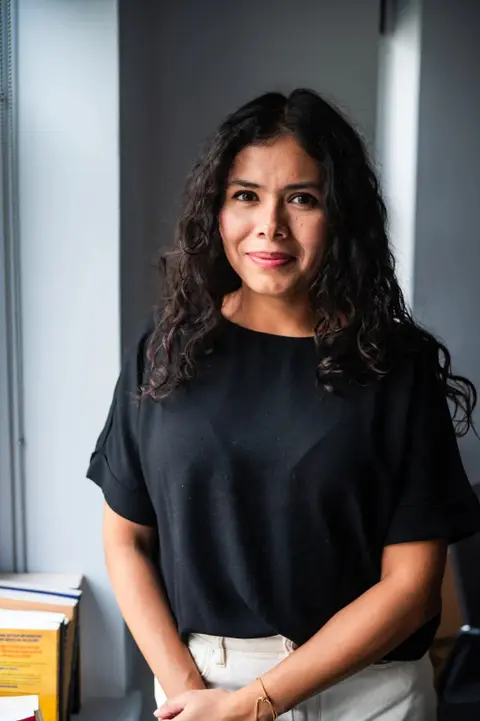
Award-winning Block Club Chicago journalist, Francia Garcia Hernandez returns as a guest to share the latest breaking updates regarding the ICE raids in Chicago. Since Operation Midway Blitz, Chicago has been the target of the federal government’s deployment of ICE and Border Patrol agents, which has led to unlawful and violent detainments of residents, aggressive escalation against residents and protestors, and defying court orders and local elected officials. Recently, there has been an uptick of ICE raids happening in the city, but this time, it is happening in the courthouses where immigrants who are showing up to their court hearing, and then being met with ICE agents for arrest. Francia shares about what the community and elected officials are experiencing and how they have been responding to these current tactics.
Please like and share!
Bánh Mì Bites is a reader-supported publication. To receive new posts and support my work, consider becoming a free or paid subscriber.
Bio:
Francia covers Pilsen, Little Village and Back of the Yards. Before joining Block Club, she covered stories from the West and Southwest Sides as a freelancer.
Her work has been published in the Austin Weekly News, Yes! Magazine, Chicago Sun-Times, Yes! Magazine, Streetswise, AustinTalks and more. She is also the host, writer and co-producer of CAN TV’s show ¡Presente!
Francia is originally from Mexico City, where she earned a bachelor’s degree from Universidad Anahuac Mexico Norte. She later moved to Chicago and earned an M.A. in Civic Media from Columbia College Chicago. When she’s not working, she is probably exploring the city’s neighborhoods, trying a new restaurant or swimming at the lake. Email Francia.
Get full access to Bánh Mì Bites at randykim.substack.com/subscribe
0:03 Hey everyone, so welcome to the Burn Me Chronicles Podcast. I am your host Randy Kim and so I am going back into more of the emergency episodes that I was doing recently with the ICE raids and I'm bringing on a familiar guest, a returning guest. Francia Garcia Hernandez, who has been doing a lot of coverage on the ICE Chicago raids since Operation Midway Blitz happened last fall, and she serves as the journalist for Bánh Bánh Bánh A growing or has a very large Latino Hispanic population.
0:57 And so thank you again for joining me this week. I know you've been very busy right now. So yeah, when you were on my show, you were reporting on the operation. that ICE and Border Patrol were conducting in Chicago. And during that time, we saw tear gases being thrown in neighborhoods, even in neighborhoods like Lakeview, which is predominantly very white. We have seen the attacks on a city council member or a Latino woman getting shot numerous of times while driving. We've seen Tear gas violence being met against protesters and bystanders in random neighborhoods and we've seen that against protesters outside of the Broadview ICE detention centers and of course the many forced arrests and detainment of many residents including those who have U.S.
1:51 citizenship status or legal status so We are seeing now reports of ice escalations happening again in Chicago and the timestamp is June 24th, 12.05pm. And what have you been observing so far? Yeah, thank you for having me. As you very well summarized, we had a lot of intense, very violent, very rowdy operations last fall. And that kind of wound down at this end of last year, which leads many people to probably believe ICE is not as active or immigration agents are not as active in the Chicago area.
2:36 What we've seen instead is a shift in enforcement, and it appears numbers are, you know, significantly lower than they were last fall, where people were getting detained by Border Patrol, by ICE and immigration agents throughout the city, seemingly at random, seemingly targeting Latino and neighbors who really don't look like definition of what Border Patrol considered to be Americans or US citizens. What we're seeing now is a shift in ICE tactics where immigration agents have been targeting local courthouses to arrest people who are showing up for a court appointment.
3:17 This could be anything from a domestic violence hearing to a traffic ticket or a misdemeanor case or something along those lines. And they're getting arrested after attending their court hearing while arriving to the courthouse or before, you know. So that's one of the tactics that we've seen. This, I have to say, has been widely condemned by local officials and advocates who worked really hard last year to pass a state law that bans immigration agents from making civil immigration arrests in courthouses. These groups have been speaking out against that.
3:57 Yeah, and has it been exclusive to just Chicago courthouses or has it been across Illinois? It has been across Illinois. We've seen that in multiple Cook County courthouses in the Chicago area and nearby, but we've also seen it in other counties is what officials have said. Local rapid response groups also continue to report those arrests and other neighborhood arrests that continue to happen pretty much several times a week, if not daily throughout the city in the different neighborhoods. It appeared for a while that some of these arrests were taking place in the northwest side of the city, you know, in neighborhoods like Albany Park, where a few weeks ago we also saw a traffic incident where where people raise alarms about violent tactics used by immigration agents.
4:52 But nevertheless, we're seeing reports from local rapid response groups throughout the city of the tensions happening. Yeah. What has the response from the courthouses been like from the judicial to the mayor's office and to Governor Pritzker? You know, that's a great question. So my conversations with advocates and my reporting has found that The local sheriff is serving notices to immigration agents who try to enter courthouses saying you're not allowed to be here for a civil immigration arrest and asking them to leave. It appears immigration agents are aware that they're not allowed to do so under state law.
5:32 The Department of Homeland Security, however, disagrees and they say, you know, that Federal officials have the ability to arrest anyone wherever they encounter them and they're fighting in the courts. They've sued the state of Illinois for that lawsuit that bans those arrests. Beyond that, the law allows for someone who was detained at a courthouse in violation of that state law, if that's proven, to sue for damages starting at $10,000 and it could go up depending on how they say their families or themselves were harmed by this unlawful arrest.
6:13 We have not seen, however, anyone come forward and try to file a lawsuit in that case. So it is unclear whether that could be a successful case, but advocates and lawyers who were involved in passing this state law have talked about this being a possibility for enforcement. Last week, we reported, my colleague Mina Bloom and I reported that Unfortunately, as immigration agents are targeting courthouses, some immigrant street vendors who appeared at a local courthouse in Chicago for not having a license and being in Millennium Park selling goods without a license were then subject to arrests by immigration authorities.
6:56 The response there from the mayor's office was that the city is aware of what happened and they are working on An alternative or evaluating how people can attend these court hearings over these type of violations while not being subject to these arrests by immigration agents. We're still waiting to hear more about what that means and what that could look like. I wonder about CPD because we talked about Chicago police and it's very murky line between cooperating with the feds, but also cooperating with the state and the city. What has their response been and have they also made their presence in these courthouses when ICE has been present?
7:42 So for the arrest of street vendors who are also immigrants, What we heard from Chicago Police is that they had, you know, arrested these vendors or cited them or give them citations because the Chicago Police Department enforces all laws and regulations for the city. That's what we were told in the statement. We don't have more insight as to why there was suddenly an uptake in enforcement for street vendors. The Chicago Police Department has routinely denied collaborating or violating sanctuary policies that don't allow them to work with federal agents and that has continued to be the case.
8:22 It has been up to the local sheriff's office to notify Immigration agents appearing at courthouses that they're not allowed to be there under the way that the courts work, according to advocates. I am not aware of any instances where Chicago police have shown up to a courthouse to either assist or prevent or interfere with any sort of immigration arrest. I think that's different in some suburban counties where there have been concerns about that, but I am not as familiar with that specific case. But I know there were some concerns and some news reports about that happening a few weeks ago, maybe last week. And what can you say about those who have been detained recently in these courthouses and how many, what are the conditions that they are currently having to experience while being detained so far?
9:14 Yeah, so what we know in the case of the street vendors who were detained, they were both Ecuadorian nationals. It's our understanding that they had been here for about three years. in Chicago have been selling as street vendors for three years. One of them, a woman was taken to a detention center in Kentucky and her nephew, who was also detained, was taken to a detention center in Indiana, according to ICE records. As for other people who have been detained at courthouses, we follow the case of a Venezuelan immigrant. He's an asylum seeker. He had been in Chicago since 2023, filed for asylum and had a pending case.
9:59 He appeared at court for a misimmune ogre battery that he had been battling since or appearing at court for since last summer. And at one of the court hearings he was detained or after his court hearing he was detained. He was transferred to a detention center. It's operated from his family. He has a wife and three children. And just last week or in the last few weeks, he was deported to Venezuela. So he's no longer in the country. Thank you. And I know since the Chicago raids and what happened in Minneapolis and also in other places across the US, how has this changed the way residents and community and business leaders communicate with one another, specifically with Chicago?
10:49 And what has changed as a result of these earlier raids? And how has that impacted the relationship and the way they respond to these emergencies? You know, that's an interesting question. I think for many, it depends on where you go, but for many immigrant communities in Chicago, they're still seeing the effects of Operation Midway Blitz, and they're still seeing the raids or like the enforcement actions taking place in their communities. So it leaves people with a sense of of fear, a sense of anxiety. What I've heard from some local business owners is that, you know, whenever there's a report of an ICE arrest in the neighborhood, usually if that's near their business, they'll see kind of like business plummet for that day or the next few days as people are afraid of what could happen.
11:44 Rapid response groups continue to be working, continue to be on alert and posting online Announcements about where and when they're seeing detentions and when those are recorded and reported. Beyond that, it's clear that many families are still suffering from the detention of a family member or the deportation of a family member. And there are a number of concerns and real challenges that arise from that, from people being separated from a loved one, from parents being separated from their children and now having someone else take care of their of their child, mental health concerns and challenges, legal challenges as they try to seek attorneys to help them with those cases, financial challenges when people lost their main provider, housing stability.
12:38 It's just a number of things that we continue to see. And for many of these families, they had someone detained in October And they might not be able to bring them home yet. So that operation is still very top of mind and impacting their lives. So that's some of the things I continue to hear. And also Broadview Ice Detention Center has been the epicenter of what has been going on with the raids, but also with the protests. What are you observing or what have you been hearing about what's been going on at the Broadview Center and and the protests that I'm sure is still very ongoing. Maybe not in the kind of numbers that happened during the peak, but what have we noticed so far from that particular hotspot?
13:27 Yes, Broadview continues to operate as a processing center. As we mentioned, ICE is still detaining people around the city and most of them are transferred to Broadview first and then transferred to other detention centers around the country. As you mentioned, there were much larger protests and much more violence happening during Midway Blitz outside the Broadview facility. That is not the case. The scale of that has significantly been reduced. But there are still people who organize and protest in Broadview and many of them did so for years before Midway Blitz happened. Faith leaders also have fought for access to the Broadview facility and they were granted that by a judge last May.
14:15 So now they are able to visit the Broadview Detention Center and provide like faith services to people who are being helped there. What we also know is there's an ongoing in lawsuit that was filed during Midway Blitz when there were several reports that conditions in the center were inhumane, that many people were being detained there beyond the capacity of the center, that they had no access to lawyers, that they were not being given like proper meals or water or medical care. Access to Medicine, among other things. There was a lawsuit that was filed. That lawsuit is ongoing. And it appears that for now, conditions have improved according to some of the people familiar with that lawsuit.
15:01 And there is a temporary restraining order that a judge had issued on that. asking federal authorities to comply with some of these minimum requirements and that's still in place. So technically federal authorities are still under the order to keep good conditions in the center and what we know is it's not being used in the same capacity that it used to be during midway blitz. Yeah, with Kristi Noem and Greg Bovino out of the picture in terms of what they were instrumental in creating with ICE and Border Patrol, what are we seeing in terms of indications? Because now that they have already been going in courthouses, have they also indicated any other plans to, you know, be in other locations like at schools or any kind of strategic raids that they're also looking to enforce?
15:59 Yeah, well, you know, DHS, the Department of Homeland Security, went under a leadership change earlier this year. So Kristi Noem and Bovino, the very familiar faces of the Operation Midway Blitz, are gone. We have new leaders at the Department of Homeland Security. It appears that one of the tactics or one of the priorities for the Trump administration is to target courthouses and immigration court as well. So that is the other type of arrest that we continue to hear and have been reporting on. People who show up for an appointment at immigration court or people who show up for an ICE check-in. and are then detained and then taken to detention centers, kicking off that process.
16:43 That is something that continues to be like a priority for the administration. We recently reported on a very famous case here in Chicago of a Chicago public school student who was detained with his mother after they showed up for an immigration appointment in the spring. They were released last month after almost three months of being detained. There were asylum seekers from Colombia. And they are now back in their Rogers Park home, but they have to continue to, you know, pursue their asylum claims and move on with that process. Those are the types of arrests that seem to be also like a priority.
17:24 And what has the response been from the Illinois Coalition of Immigrant Refugee Rights, otherwise known as ICER? I know that they have been doing their hotlines and they have been like speaking out very actively. Very much against what has been happening with the ICE raids. What has their approach been to in terms of having to respond to this current enforcements? Well, what we have heard from past reporting from them is, you know, the hotline continues to operate. ICEAR continues to provide know your rights information and refer to families of someone detained to services that they might need and to other nonprofits that might be able to provide that help.
18:09 And they've continued to condemn and speak out against some of the tactics used by immigration agents, including some of the arrests that were made without warrants during Operation Midway Blitz, which would have fallen on their consent decree that banned them from doing that. So they've been trying to continue to push for accountability over those arrests, along with other groups like the National Immigrant Justice Center, the ACLU, and others. And as far as we know, rapid response groups are still coordinated by ICER. So that network continues to be in place for monitoring and alerting neighbors about ICE activity throughout the city and putting that out in real time.
18:54 And what has been the recommendation of immigration advocates to community members in order to protect themselves? What tactics have they been or what recommendations could they be providing to make sure that people do know their rights? Yeah, I think the key one is people knowing their rights and understanding that. I think that can be spelled out in different ways. But one of the other Key points that advocates have made is having a family preparedness plan. So for immigrants who are at risk of being detained or fear they could be detained, to have all of their documents ready and have a plan that states very clearly with legal authority.
19:43 Like who would be responsible for taking care of their children if they were to be detained? What would happen with their property and their assets and their money and bank accounts if they were to be detained? And having like kind of like all of their documents and immigration information ready so that an attorney could take their case and have all that they need handy. That's part of the measures that they've taken. I know advocates have also recommended that, you know, if someone is due to appear in court, They could request a virtual hearing so they don't have to go in person and have been putting out information about how they can do that and shift from going to the court physically to appearing online. And the other continuous recommendation is to keep monitoring, keep recording immigration agents and reporting that to the hotline.
20:32 And as we start to wrap up, What are the things that you're currently working on or what other things that you haven't been able to share so far that you would like to give light to in terms of what's been going on with ICE and Chicago's community response to it? One of the stories that I have continued to follow, and I've done, you know, several stories this year, is what happens to many of the people who were detained during Operation Midway Blitz, and what is the effect of their detentions in the Chicago area, right? We know this impacts their families. We know this impacts possibly, you know, if they were employers, their employees, if they had businesses, that impacts them as well.
21:18 but we also know that throughout the country there are reports about inhumane conditions in detention centers violations of due process and other claims so that's one of the stories that I've kept an eye out for you know just like what does that look like for many of the thousands of Chicagoans who were detained during Operation Midway Blitz how has that upended or changed their lives and the other part of that is like how has How have the Trump administration's policies made life harder or easier for immigrants in Chicago, whether they're asylum seekers going to court or whether they've been here for 30 years or they're DACA recipients?
22:01 What has made their lives more difficult or easier in the last year or so after experiencing Midway Blitz and seeing some of the national policies shift? And I also want to say because I know that you are going to be heading off to other things right now but like I also want to say you know thank you so much for being on my show and also like really giving a brief scope about what we are expecting because I think a lot of people have this misconception that the ICE raids have been over even though a lot of the pomp and circumstance you know the the um The spectacle nature of what was happening the last several months has died down.
22:52 We haven't seen these upticks. And I think it's very important for viewers, listeners to really be able to understand What that has shifted into and how do community members community leaders and local elected officials are responding to this moment so I really appreciate you shitting a lot of light into it I hope that people follow the Block Club Chicago on their website on their Instagram to get more like the Cotinual updates, the day-by-day updates of what's been going on. Also want to shout out Unraveled for also doing a lot of the labor in this work. And also Borderless has been doing a lot of great work in terms of being able to analyze and getting the full big picture on it.
23:39 So I really am glad that we are still having local journalists on the ground still being able to still inform community members. So thank you so much, Francia, for your time. No, thank you for having me. And yes, definitely agree. We're lucky to have lots of local media outlets doing important work in Chicago. So thanks for having us.
