Beyond the Headlines: Reimagining Immigrant-Centered Journalism w/Katrina Pham

 Apple Podcasts

 Spotify

 Amazon Music

 Overcast

 Castro

 iHeartRadio

 PocketCasts

 Podchaser

 RSS Feed
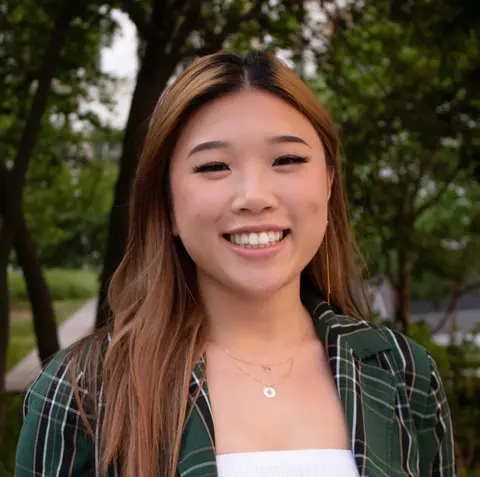
This week on The Banh Mi Chronicles, I sit down with Katrina Pham, a Vietnamese American journalist with Borderless Magazine, a Chicago-based, immigrant-centered news publication.
Katrina shares her reflections on the recent ICE raids in Chicago and the weight of reporting on stories that directly impact the safety and livelihoods of our neighbors. We dive deep into how the digital media landscape has shifted and why “extractive” journalism no longer works. Instead, Katrina explains the rigorous work of building long-term, trusting relationships with the communities being covered.
In this episode, we discuss:
* Reporting on the Frontlines: Katrina’s firsthand reflections on documenting the ICE raids in Chicago.
* The Evolution of Digital Media: How the current landscape affects the way immigrant stories are told—and who gets to tell them.
* Community Journalism as Advocacy: What it means to practice “immigrant-centered” reporting in 2026.
* Building Radical Trust: The strategies Borderless Magazine uses to ensure sources feel seen, safe, and respected.
Bio:
Katrina is a multimedia journalist whose focus is on race and social justice reporting. Most recently, she’s worked for The Yappie as a staff writer and newsletter contributor. There, she reported on solutions for inaccessible mental health care for Southeast Asian American refugees, among other topics relating to Asian Americans and Pacific Islanders. Before Borderless, she interned for ABC 7 Chicago’s Race & Culture News team, connecting with community organizations in Chicago to pitch stories for the newsroom.
Katrina was born in Chicago, where both her parents settled after arriving in the United States as refugees from Vietnam following the end of the war. These experiences inform Katrina’s work, and she cares deeply about social justice issues.
About Borderless Magazine:
Borderless Magazine is reimagining immigration journalism for a more just and equitable future.
As a nonprofit and nonpartisan news outlet, Borderless:
* Reports and publishes stories in English and Spanish
* Mentors emerging journalists in our Pathways program
* Gives journalists from other news outlets the tools they need to report on immigration issues fairly and accurately through our Immigration Reporting Lab
Borderless was named “The Future of Journalism” in the 2024 national Next Challenge.
Follow Borderless on these platforms:
Instagram: borderless_mag
Get full access to Bánh Mì Bites at randykim.substack.com/subscribe
0:03 Hey, everyone. So this is Randy Kim from the Band Me Chronicles podcast. So today I've been joined by Katrina Pham, who is the journalist for Borderless magazine. And so to give a background of who she is, Katrina is a multimedia journalist whose focus is on race and social justice reporting. Most recently, she worked for the YAPI as a staff writer and newsletter contributor. There, she reported on solutions for inaccessible mental health care for Southeast Asian American refugees, among other topics relating to Asian Americans and Pacific Islanders. Before Borderless, she interned for ABC7 Chicago's Race and Culture news team, connecting with community organizations in Chicago to pitch stories for the newsroom.
0:48 Katrina was born in Chicago, where both of her parents had settled after arriving in the United States as refugees from Vietnam following the end of the war. These experiences inform Katrina's work, and she cares deeply about social justice issues. So about Borderless Magazine, its mission is reimagining immigration journalism for a more just and equitable future. And as a nonprofit and nonpartisan news outlet, they report and publish stories in both English and Spanish. They mentor emerging journalists in their Pathways program. And they give journalists from other news outlets the tools they need to report on immigration issues fairly and accurately through media.
1:30 their immigration reporting lab and borderless was named the future of journalism in the 2024 national next challenge so welcome welcome welcome katrina i really am so glad to uh finally have you on i know that the work that you've been doing and what you and your colleagues have been doing with borders has been very thankless but also very essential in this very unpredictable changing landscape Yeah, thank you so much for having us on, Randy, and for continually spotlighting local journalists who know the community well and are invested in being there even when the breaking news stops.
2:12 Yeah, and so I know that several months ago there was Operation Midway where ICE and CBP agents were swarming all over Chicagoland area. There was a lot of confusion as to what information is being issued from traditional media outlets and the lack of urgent coverage. And I look at Black Club Chicago Borderless and Unraveled among those few that were dedicated to covering the ICE raids and its impact on community members alike. And I remember I was doing a bunch of a number of emergency episodes, talking with community leaders and community members. And I thought about how important it is to start spreading the news, because when I would look at ABC7 or NBC, there was very few, if any, talking points about or coverage about what was going on with ICE, despite the fact that they were very present, they were doing tear gases, arresting citizens and non-citizens alike.
3:09 And I am curious, when you look back in this moment, what were the circumstances like for you and your colleague trying to be on the front lines and covering these rapid escalations of ICE-related violence? Yeah, I mean, I think during the fall, Operation Midway Blitz was really unprecedented in the ways that federal agents were using force on Chicago streets, using tear gas, for example, or using like rubber bullets when you saw like at the Broadview processing facility and also in different neighborhoods throughout Chicago, like from Lakeview to Little Village. protesters, community organizers, and general people, right, who never may have interacted with immigration before in their lives, were being impacted by tear gas being deployed in their neighborhoods.
4:01 And it was really unpredictable, right, to be able to follow all of these actions by the federal government and by federal agents and DHS in Chicago. But fortunately, with Borderless, our mission is, you know, as you mentioned, to reimagine immigration journalism. And in doing so, we find that our position in the media media ecosystem here in Chicago is not to cover like breaking news, but to really talk about like the aftermath of what's happening after something like that. I feel like there's a lot of breaking news happening. newsrooms, particularly like Block Club Chicago Unraveled Press, who do a really amazing job of being able to inform people about what's happening in their neighborhoods as it's happening.
4:44 And on Borderless, we really try to do like the follow up about that conversation of like, When, for example, Silverio Villegas Gonzalez was shot and killed in Franklin Park last fall, how did the community change in response to that like a month after his killing? And that's a story that Borderless tries to like fill in the gaps, right? When we talk about, you know, the work we do and we talk about changing immigration journalism. Yeah. Because a lot of times, like with breaking news, for instance, it can be hard to know all of the facts of the situation immediately as it's happening, especially when you're communicating with like an agency like DHS, for example.
5:24 Who shares like press releases immediately after that may have like unverified information, for example, like DHS immediately after the shooting of Marimar Martinez, it was not fatal, but they released a statement and characterize her as like a domestic terrorist. And that's not something that they've walked back. And it's something that was just like in the immediately after that is something, and especially like even not in Chicago, right? Similar thing happened with Alex Preddy in Minnesota after he was killed by federal agents. And it's hard to trust, right? Everything that the administration is saying and all of the press releases they're sharing because there have been multiple situations, right?
6:10 Where the information they're sharing is inaccurate. So I guess that long like long story short is a long winded way of saying like breaking news is extremely hard to cover in a situation where it can be hard to get information from federal agencies like DHS, like ICE, like CBP. And so Borderless, our mission is really about following up with people. being in communities even when the news passes, right? Especially since we're a newsroom that's focused on immigration, even though you don't see all the tear gas in the streets in the same way you saw in the fall people are still being detained and still being arrested in the chicagoland area right these are things i'm in rapid response chats where people are still talking about ice sightings and there's still a fear of ice like in the communities and obviously like that the level of fear has changed over time right but like at borderless it's really about continuing to report on communities even when they're out of the you know, mainstream media, you know, their focus and their eye.
7:21 Yeah, which also makes me wonder about what community members or communities are still experiencing with ICE, with still ICE raids that are ongoing, even though it has not been in the mainstream conversation unnecessarily. But I'm curious, what has that been looking like? What do the rapid response community networks have looked like? Because they have been propped up since... since really started Operation Midway, but how has that evolved since the months after? like how has rapid response organizing? Yes. And how has it looked and how has it adapted to this current landscape too, especially since things have at least quieted down, but still harm is being, harm is still happening from ICE.
8:14 And also, especially now with the airports and the reinforcements that are happening. So I'm curious to see how has that evolved from what you've observed previously. Yeah, I feel like there's a few different important conversations that, you know, I've been hearing between like rapid response organizers and also my colleague, Camila Forte, she just did a series called After Operation Midway Blitz. And it was talking to a few organizers about how their work changed, like after Midway Blitz. And so I'll reference some of her reporting too. But some of what I've been seeing and hearing is like, how do we build a system that can sustain itself and continues even after the emergency sort of ends.
8:59 Because in the fall, like this was sort of like an all hands on deck thing, right? With rapid response organizers, just like day and night when you hear a call, respond to the call. But now there's sort of this question, right, of now that there's less federal agents here in Chicago, still here, but less, how do you take care of yourself, like as an organizer and your mental health, right, when you experience something like Operation Midway Blitz, where you're being woken up, like at random hours, right, or pulled away from whatever you're doing, to try your best to be able to get to a neighbor who might be experiencing like an interaction with law enforcement, right, or maybe doesn't know their rights or who is scared and trying to navigate that situation.
9:46 And so some rapid response organizers I've talked to have really been thinking about like mental health and balance and how to sustain themselves in this kind of work, which is rewarding, right? To know that you're supporting your neighbors, but at the same time can be taxing when you have other things like full-time jobs. A lot of like rapid response organizers that I know are volunteers, right? This is like not their full-time job. They don't get paid to do this. This is something that they care about and are passionate about and continue to do it. And then on top of that, right, like how do you build something that lasts beyond like you know, the Trump administration, for example, like immigration enforcement in the United States is not new.
10:32 ICE is not a new agency. And like rapid response, some people that I've talked to have been wondering, you know, what it can look like or what it will look like after the Trump administration, right? Like, because ICE, well, there's been some calls to like abolish ICE and things like that. But But realistically, a change like that to the agency might not be happening underneath the Trump administration. But some organizers that I've talked to are thinking about, okay, how do we build something that lasts, that can continue to support people? And then how do we advocate for a change in the system that...
11:15 that changes the conditions that create the need for rapid response organizers in the first place. I hope that answers the question. Oh yeah, it does. Yeah. And I'm also like, since the Chicago raids have changed the way you're covering your news, what, what methods, what approaches are you now using? starting to put in practice, especially with this unpredictable nature? Because I know that since you are not breaking news necessarily, but do you work with other community journalists, other community members? What is the relationship like? And what does it mean to have to make these important pivots now to better position yourself to make sure that you are getting...
12:03 the faux facts and the resources and that communities are more informed of what is going on in the ground. Yeah, I think actually, interestingly enough, I think with borderless, we are positioned to be able to meet this moment because a lot of the things that we're doing in the current moment, maybe at like a larger scale, are things that we already sort of had in practice even before, like the Trump administration, even before Operation Midway Blitz. Like, for example, we have like our policies surrounding anonymity and using pseudonyms, for example, to protect people who may be vulnerable because of their immigration status. And even before Trump was elected for his second term, like I had been reporting stories where people had different like struggles with the immigration system, and we were able to use like our practices of like ethical reporting with immigrants to offer things like anonymity or pseudonyms.
13:03 And now we're doing that on an even larger scale, right? Because there are more people now than before perhaps who are afraid, right, to share their name and their photo or their face on the internet, especially people who are from vulnerable backgrounds, like people with without legal status or people whose legal statuses are being challenged in court, right? People with TPS, you might've had legal status, but now it's being repealed and that's changing. And I know a recent example, a colleague of mine, she reported on a story about a man who, or He's like 18, I think.
13:45 So like a young adult whose father was deported and signed a voluntary departure form. And we had been very careful about using his full name because he's like a young person. His father, which is the breadwinner for his family, you know, is no longer in the country and was deported. And then the mom had previously passed away. And so he was the sole caretaker left for his two younger siblings. And so we have always been very mindful of like, it is important to tell immigrant stories, but it's also important to tell the story in a way that protects them as well. And we had chosen not to publish his last name because he had asked us not to.
14:25 And I know another outlet, and I don't want to name them. And I don't want to like throw shade. But I think it's just like an example, right of like, how we need to be extremely mindful of these things. They had published his last name. And then He shared that he had been receiving like threats and like, you know, just harmful messages. And I think that's because like his, you know, entire information was, you know, put out there. And at the end of the day, right, there's only so much you can do. to protect people, especially when so much information is online. Like if people really want it, they can like research and search up and like all of that stuff. But that's why it's extremely important, like while we're writing the story and while we're publishing it to be mindful of the consequences of putting someone's like full name out on the internet and having it be like an open conversation with the people we're reporting with about how to do that in a way that protects them and in a way that they feel most comfortable with.
15:22 So that's like one of the things I feel like that positioned us to meet this moment in a way that protected our sources. But I do think there are ways that our newsroom and other newsrooms have had to like adapt and change and I think that that's like through collaboration because we're a small team like we're nine full-time staff and you know I'm a reporter and then we have another reporter on our team and we have a photojournalist and a part-time reporter right but that's much smaller than a lot of these like big newsrooms and so I think a lot of the last six months has really showed us the importance of collaborating with other people, right, and other journalists, because we're all working together for the same mission of sharing information, right, and empowering people to be civically engaged in, like, a democratic society.
16:15 And I think that like some other outlets, for example, who are really spearheading that partnership were like Cicero Independiente, Invisible Institute, and they were reaching out to other news outlets and really asking like, how can we work together in this moment? And there was like a story that was published about documenting the uses of force and uses of tear gas, like in different neighborhoods. That was a collaborative effort between like those newsrooms. And I think that's like an example of how Borderless and so many other newsrooms have had to like reshape to meet the moment by working together and like sharing information, co-reporting stories, because at the end of the day, like we're all working toward the same mission.
16:56 So yeah, some things like sort of were the same from before and after, you know, this time and some things, you know, we've had to evolve like other newsrooms in that way. Yeah, thank you so much. And on the topic of safety, what does digital safety or physical safety look like for you and other local journalists? Because, you know, we see the rapid surveillance of people's social media of what you're putting in and. what we saw with TikTok more recently, I'm curious about what it means to have to navigate like critical information that you're holding. And also, obviously you've shared about the people you're interviewing, but what does it mean for your collective safety in all of this?
17:43 Like our safety as journalists? Yes, safety as journalists and also with other colleagues in this work. Yeah, I mean, I think that Journalists are facing challenges that make it extremely difficult, right, to do the work that we care about. Like you look at Broadview, the ICE processing facility, and the abuses that were happening there in the fall with use of force and how journalists were being tear gassed or pepper sprayed or shot with pepper bullets. And my colleague, Camila Forte, the photojournalist I was telling you about, she was at Broadview like week after week and seeing these things happening.
18:25 And we had to like prepare for these things by doing more safety trainings in the newsroom and buying things like gas masks, right? To be ready for if or when federal agents used gas on us, like indiscriminately, right? Even though we're journalists. And not that, you know, any individual should be tear gas, but journalists also have like additional protections, right? to do our job, right? And to tell stories under the First Amendment and freedom of speech. This is something that we've had to think about more about how just wearing a press badge or saying you're oppressed doesn't automatically protect you from anything that federal agents may be doing.
19:12 And you see that with the Chicago Headline Club case against the Department of Homeland Security, right? And this was a case that was litigated in court about what was happening in Broadview and showed evidence of, Like this use of force against journalists and protesters and clergy. And I think there's another layer of that, too, to where like when you are reporting on something and you're part of the community, right, that you're reporting on, there's like a unique connection. set of issues right that you might face that I face like as a woman as a person of color reporting on immigration whereas someone who is not a person of color or a man like a white man wouldn't have the same like safety considerations right because we're not perceived or seen the same way because of like our outward facing identities and that's something that I'm constantly thinking about, like, when I'm out in the field, like, not only, like, what privileges am I granted because I'm Asian and not, like, Latino, for example, and because I look that way, but also, like, how that could still impact, like, the way that people see me, like, as a journalist, right, or respect, like, you I don't know, like my access, right, to certain spaces.
20:35 So yeah, those are some things that I'm like, definitely thinking about. And then you mentioned digital safety. And I think that's an extremely important one too, right? Because I personally, like I'm posting a lot of videos on our social media. That's like a large part of my job is to break down immigration policy for social media. And Because of that, I'm just naturally have to be like in public and people have to see my face and I'm sharing my face publicly. And I've had to talk to family members, for example, about, you know, being careful about what they're posting on social media, right? Because they could find my family. Like I'm not quiet about the fact that, you know, my parents are like from Vietnam and we're refugees after the war.
21:19 And it's not too hard to like, you know, go through social media maybe and find my family. And then you can find like information about them or about me. And so that's something that I've been thinking about. And I have received like messages from other people Like people or community members or like people like people on Instagram. Right. Like trying to. Like, obviously, I don't know what their intent is, but these messages can make me feel unsafe or like the way that people comment on our posts about like it being fake news or about like sharing negative comments. It can make me feel unsafe, especially as someone who's like posting my face on the Internet.
22:00 And so that's something that I've been thinking about and how to protect myself online by making sure that, you know, all my bases are covered, that my family is protecting themselves. And so that I'm protecting myself as well and making sure I'm very private about like the information I share. And like when I'm recording videos, for example, I'm not recording it in front of myself. my apartment like I'm going somewhere else and if I'm in my apartment I'm making sure people can't see anything like from my personal life that they could use to like find me or if I'm posting about like where I am I'm not doing that like immediately when I'm there like if I'm at a parade or a protest I'm not posting that like right at that moment but I'm gonna post that maybe a few hours later when I'm somewhere else so I know that like because you never know you just always have to be careful Yeah, no, these are very important tips and important reminders.
22:52 And also, like, for those that are listening, I hope that people get to tune into my previous episode with Kalah, your protest safety kuya, who does a lot of work revolving around digital and physical safety for civilians. And I'm also, like, we are in this very... challenging what obviously journalism is in a very very challenging state right now with the increasing censorships and also with a lot of publications going out of business and losing a lot of the communities especially like in suburban and rural areas.
23:32 And I am just wondering, like, how are people going to continue to receive accessible hyperlocal news? I mean, I think this is the ecosystem seems to be to have shrunken. But do you feel like what has happened now, are people now turning to you or are they turning to social media or podcasts? I'm curious to see where people's heads are at with this and I'm curious to get your perspective on it. Like what I'm hearing from everyday people about how they want their news or like as journalists and like within the industry, like what our concerns are like for them?
24:13 Yeah, I think that I know it's like a two-part question, but I'm definitely interested in seeing how people... are consuming their news or what's the demand for it right now? And for journalists, as far as trying to navigate this very unpredictable economic uncertainty regarding for many publications and news outlets... Yeah, I think for the for the first part of the question about how people want their news, I think there's like this misconception that people aren't reading the news anymore. And I don't think that's true.
24:53 I think people are just not reading the news in the way that we have traditionally seen what news looks like. For example, like different generations, like I can think about my parents generation or like older adults who really think about the news as like a magazine that they get on their doorstep or they turn on the TV, they see CNN or NBC or ABC and they're like, OK, like this is the news. Whereas I feel like the idea of what news looks like has really changed. And now people are getting a lot of news through like trusted sources. who is an individual that they trust in their life to give them information.
25:35 And for a lot of people that might be like a content creator on social media, who is digesting news and like sharing it with them, or that might be like their friend posting about something on their social media. And then they're like, Oh, I didn't know that was happening. Now I know that's happening. And like, maybe let me repost it, for example, or post it somewhere else. So I think that like, There's still an appetite for news and information, but it just has sort of evolved in the ways that people are getting their news. And at Borderless, we're a completely online magazine and we have some zines and resource guides that we print in person, but most of our products are online and most of our stories are online.
26:15 And our Instagram has really been a huge part of how we define our audience. And on our Instagram, it's been continually growing ever since I started in Borderless in 2023, because I think there's such an appetite for the kind of information we share on there, which I think is unique because we share a lot of explainers or resource guides, or we have videos like breaking down policy instead of just saying like, oh, this thing is happening. We'll be like, oh, this thing is happening and this is how it will impact you. Or like, for example, SNAP, certain immigrants with certain legal statuses were taken off of SNAP recently because of the big, beautiful bill that passed last year.
26:56 Mm-hmm. And our post about it wasn't just like immigrants are getting taken off of SNAP. So sad. It's like, okay, immigrants are taking off getting taken off of SNAP. If you have this status, you could be impacted by it. And here's what you should do. Or here's where you can find free food near you. And I've noticed, especially since I'm like creating our Instagram posts and creating these videos, I noticed that that sort of information, like information that people can really use has been really essential, right, for Instagram because people are sharing it to their friends. They're saying like, oh, like if if you need to know this, like, let me share this thing that's happening.
27:38 And so a lot of like our news has been disseminated through like digital means and through Instagram. And a lot of the news that I see resonating with people, at least from Borderless is content that really breaks down how to make sense of the world around you and something that you can use right in this very moment. Like during the fall, like when there were, you know, reports of National Guard potentially coming to Chicago, we made a post that was like, okay, this is what a National Guard agent would look like. And this is what an ICE agent would look like. And this is what the police looks like. This is CPD. Because they're all law enforcement, right? But they're all different states.
28:18 they have very different responsibilities and they have different like protocols, for example. So it was important for people to know that. And that is a post that did like extremely well. And a lot of people were sharing it, I think, because it's like information, not just like saying, OK, the National Guard might come to Chicago. But like if they do come, this is how you can know like whether or not like that person on the street is a National Guard agent or an ICE agent or CPD, because it's really important because in Chicago, CPD isn't supposed to work with ICE or they're not supposed to conduct civil immigration enforcement. so that's you know maybe answering like the first part of the question about um like what people are searching for and and you know what kind of news is resonating and for the second part about like the future of news and especially amid all of these funding cuts i think it's it's scary right to think about like what will happen to news because like you see these massive layoffs at like Newsrooms like the Washington Post, for example, right, where a lot of people get their news and information.
29:29 And when there's less information, I don't think that's a better world for anyone. Right. Because information is what empowers us. Information is what helps us make decisions to our best way. you know, information is what helps us make decisions in our best interest, right? Whether that's making a decision about your immigration case, right? And about knowing like, you know, what is happening with legal statuses and knowing whether or not you should, you know, try to get like your legal status in court or just making those sort of decisions for yourself based on the news and information. And so having less newsrooms is, you know, a scary thing and could have serious impacts on people.
30:14 But at the same time, I think that like nonprofit newsrooms like Borderless, for example, like we feel a different like we have a different approach to like news and revenue. And over the last few years, while many newsrooms have been shrinking, we've been growing, growing in revenue and growing in our team. And I think it's because we have a clear mission and for-profit legacy newsrooms, I think, not only like have a struggle of being like bought out by like corporate interests perhaps, or like, I don't know, Jeff Bezos buying the Washington Post and then everyone gets laid off.
30:58 But like nonprofit newsrooms, like, you know, it's a different financial structure. So they don't have to worry about like, there's different concerns like with money and things like that, but like they don't have that same concern about, okay, we need to publish something to make sure we make ad money and make revenue. So I think there is hope. And I think like, for everyday people, like the important thing is just like continuing to support your local news outlet, like whoever that may be, or continuing to support news, because like, it's critical. And also with the algorithms and social media, I'm very curious about how does this start to change the way you're trying to push out content to the audience that needs to hear this?
31:46 I mean, as a content creator, as a podcaster myself, I'm actually feeling like I have to completely rewire and rethink the playbook because it has changed again, you know, where likes and follows are not as important as comments or DMs or saves and shares. So I'm curious about how or what steps are you trying to do to make sure that the community news is accessible to everyone? Yeah, I think like, It's hard, right? Because like at the end of the day, we can post stuff on our website and we own that. But when you post something on Instagram, like I don't own the algorithm.
32:29 I have no control over the algorithm. And so I think it's just making sure that we stay up to date about like what's going on with the algorithm. Like I try my best, for example, to stay up to date on Instagram, TikTok and YouTube shorts like news because that's where we publish all of our vertical video content. And then making sure our information is interesting because I think that to break through the noise, you have to tell your story in an interesting way. And a lot of newsrooms, maybe, the way they approach their social media is like, let's just screenshot and repost whatever we posted on our website or just copy and paste it and hope that that's good enough.
33:14 But no, you have to take that extra step and think about, okay, this isn't a website. This is Instagram. How can I publish something that people on Instagram, it will make sense, right, for them that they're reading that sort of thing on that platform? Like, you have to make it look like it belongs on Instagram. You have to make it look like it belongs on TikTok or look like it belongs on YouTube. And so that's something that I always try to do, like with our work, like with the social media and trying our best. It's like, okay, those things are out of our control. But what's in our control is like the content that we create and how we present it. And so I always try to be extremely mindful about what is one thing that I want someone or to take away or learn from this post or video.
33:58 Right. And then I use that mindset to craft like everything that we put out on our social media channels. So hopefully whoever sees something like they can, you know, learn something from it. Or I see like the social media platforms as a storytelling device. Right. Like in the same way a magazine is a storytelling device or like. A YouTube video or like broadcast on TV, like social media and Instagram post or TikTok is a storytelling device. You're telling a story and you're sharing information and that's what's in our control. And so I tried to to do that to like the best of my ability to make sure that. I'm doing everything in my power to get information in the hands of people who need it.
34:42 And then at the same time, making sure I'm not just relying on social media and algorithms and that I'm going out and touching grass and like telling people's stories and going on stuff like this, like your, like your podcast. And like, yeah, going on people's like owned channels right where you have like control of like what people are like what you know you're sharing um and to to share information in that way and just like continuing to be creative like yeah and i know you had you know this kind of goes on the same topic but how do you look to strategize your community outreach and community building? Because as this starts to get heightened, it is always very important to make sure that the community trusts you as a news organization.
35:28 But how are you looking to find ways to make sure that the trust is being built and working in conjunction with community members and community leaders? Yeah, I think one of the ways that we build trust at Borderless is we have this method of storytelling called the as told to method of storytelling, where we'll talk to immigrants or people involved in the immigrant community about their story, about their immigration journey or about an aspect of their life. And then we'll work together with them to collaboratively publish a story that's written in their words. So we'll do an interview with them.
36:08 And then the reporter, whoever's working on it, will sort of condense that interview, right? And like edit it for clarity. But it's at the end of the day, it's all of their words. Like I'm not gonna rewrite it or like paraphrase anything. I'm literally taking their quotes in that interview and cleaning it up. And then we send it back to the source and we're like, hey, does this look like, you know, is the things we cut, was that okay to cut that? And is there anything else that you want to add? Or do you feel like this represents you and represents your story? And then once we get there, okay, we publish it on our website. And we have a number of stories that are written in this, you know, as told to method of storytelling. That I think is, that I think builds trust, right?
36:50 With the community, right? Because we're not, I think so often trust is broken when people's stories are told in a way that they don't feel like represents them. And when we tell stories like from the first person perspective, I feel like, and working with them, right? To show them the story before it's published, to make sure it's something that they're proud of and feel like represent them. I feel like that's just a way to collaborate with people and make them an active partner in the act of storytelling. Because so often journalism... is extractive, right? Journalists are talking to people, taking their quotes, and then never talking to them again and just publishing them on the internet.
37:32 And then maybe they'll get an award for it later. Maybe they'll get recognized for it. But the person who had to be vulnerable and share their experience, they don't really get recognition for that at all. And I think at Borderless, we're constantly thinking about how can we make people active partners in the work, that, you know, is theirs, right? At the end of the day, because it's their story. It's not my story. Like my name is on it. My byline is on it. But I would have nothing to say if these people didn't talk to me in the first place. And I think re-centering, right, on the individuals that we're speaking to and making sure, reminding ourselves that this is about, you know, their stories, you know, not us, I think is essential.
38:17 And, you know, for building trust, making sure that people feel like um they're represented right and and represented in a way that is accurate and fair yeah yeah no thank you for sharing that and also what are you what are you looking to do with borderless for this year at least what what is borders looking to do for in the next coming months and also and also which will also lead to well what does self-care look like for you in this time Yeah, I mean, with borderless, I think it's continuing to do what we know works, which is working with people and being extremely thoughtful and ethical about the way we do our reporting and the way that we interact with people, the way that we build relationships, the way that we interact.
39:06 you know, constantly ask people like if they're still okay with being in the story, right? Because sometimes like your immigration status or your comfort might change over time. And, you know, consent to be in the story is not just right when we interview you. It's an ongoing process. And if someone later on tells us like before we're publishing the story, like, hey, actually I was sitting on it after we did our interview and I Don't feel comfortable with what I said. Like, I don't want to be in the story. Is that okay? Of course that's okay. And making sure that's an ongoing conversation and process. So continuing to use like the strategies that we know work and like the ethics that we know work.
39:47 And I think with the self-care aspect, I think that's extremely important, especially like being like an immigrant or person of color. Like I was born in the US. I was born in Chicago, right? But like seeing family separations, for example, or like being in a position where like my peers and my friends, right, who are not in the immigration world might not ever cross paths with someone who had a family member who was detained or arrested or deported. But that's something that month by month right that i'm like interacting with people who are going through extremely like traumatic experiences right and it's not like my experience but i'm listening to them and and you know sharing their stories and it can be a lot right to to take in and so i think for me taking care of myself has really been setting boundaries between like my work and like you know outside of work because it can feel so all-encompassing especially like So much of my work is on social media and like some people like you go at the end of the day, you can go on social media and sort of brain rot the day away.
40:57 And I do that. But also sometimes it can be a lot because people are sharing more news on social media. And I've been looking at news all day or I've been looking at graphic imagery all day and then. I have to see it more, right? Like when I'm logging off of work, like I don't always get to log off. So like tapping into my hobbies outside of work has been really important and spending time with friends and setting boundaries and just like reminding myself about like the happy moments too, right? Because it's not just, like there's a lot of hard and heartbreaking things that are happening in the immigration world right now. But there's a lot of systems that are being built and there's a lot of like moments of resistance or people like shining through like the pain that they're experiencing or the pain that their community is experiencing.
41:50 And I never want to like overshadow or undermine the fact that people are going through difficult experiences. But for me, like reminding myself of those moments of hope is extremely important to protecting like my mental health and reminding myself like why this is all worth it. And like, you know, seeing the light at the end of the tunnel that there will be a better world like in the future, right? Where immigrants are seen like as humans, right? And are covered by newsrooms as humans. And that, you know, we create like a world that is more just and equal for all people, right? you I really appreciate the work that you and your colleagues have been doing.
42:30 I mean, Borderless Magazine is a publication that I have a lot of immense respect for, especially since it has helped me to be more informed about what's going on with Chicago, but also specifically with the immigration raids that have been happening. And so it is a very valued work. And I was wondering if you want to share any lasting comments or anything that we might have not talked about, but also where can people find Borderless Magazine? yeah borderless we're borderlessmag.org um and we also have instagram tiktok and youtube so you can find us on all those platforms and we also have an email newsletter so we're right in your inbox twice a week sharing information about the immigration world immigration policy and about immigrant communities here in chicago um so yeah that's like where you can find us and As for last words, I feel like we touched on a lot of like topics.
43:27 These are great questions. So thanks for asking me. And I love talking about all of our work. And I think that like, you know, just reiterating that last piece of what I said is that like, let's all continue to find like the joy in the world around us and the solutions to like challenges that we're facing and really think about how we can continue to grow and challenge ourselves in those ways. to protect ourselves right and to protect our mental health and protect our communities. So yeah, and if people feel like overwhelmed by immigration and the news going on in the world, you know, I hope people understand that that's not, not to feel guilty about that because I feel like almost everyone who is touched by immigration is feeling that way, right?
44:16 Or people who are involved with the immigration world, like lawyers, advocates, like even judges, right? Who are in immigration court. Because it can be a lot. So take care of yourself because, you know, it's not a sprint. It's a marathon. That's something that we say all the time in the newsroom. Yeah. I think that's like the last thing. Yeah, I want to say thank you so much for being on my show. And I know that you've been doing such great work. And I hope that you and your colleagues will continue to keep this work going. And also, I hope that people who are listening will get to follow Borderless and be able to invest more time on on community journalism whether it's in chicago or in your own community and i hope that this is the spark that needs people to be invested in this not only as information but also as a dialogue too and and and understanding of what's going on so many many thanks to you katrina for being on my show today Yes.
45:22 Thanks so much for having me, Randy. And thanks for always spotlighting local journalists. And I feel like you yourself are also a local journalist, right? Because you're doing this work. You're telling stories. Oh, stop it. Yeah. You're reporting and you're sharing essential information, right? Like your episode with Protest Kuya, right? And sharing information about safety while protesting. That is information reporting as well. That's journalism as well. Oh, thank you. Thank
