51 Years Later: The Unfinished Mission After the Fall of Saigon

 Apple Podcasts

 Spotify

 Amazon Music

 Overcast

 Castro

 iHeartRadio

 PocketCasts

 Podchaser

 RSS Feed
Bánh Mì Bites is a reader-supported publication. To receive new posts and support my work, consider becoming a free or paid subscriber.
On April 30, 1975, the Fall of Saigon changed the course of history forever, sparking a mass migration of Vietnamese refugees to the United States and across the globe. Today, 51 years later, we reflect on that legacy not just through the stories of those who left, but through the tireless work of those who went back to find the pieces left behind.
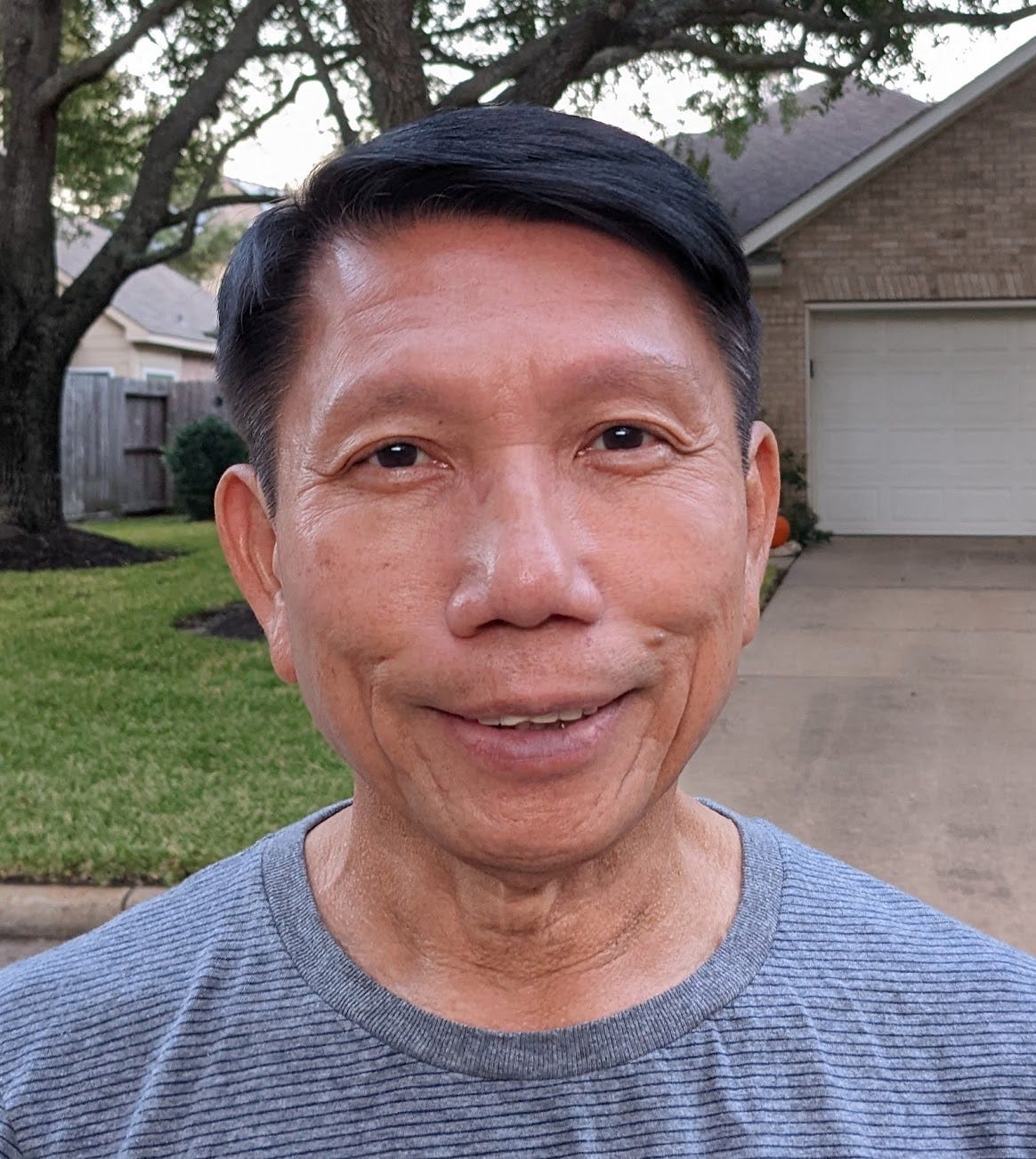
In this episode (and with special thanks to my friend and his son, Huy Nguyen), I’m joined by Mr. Hung Nguyen, a retired U.S. federal government employee who spent decades leading high-stakes missions to recover the remains of U.S. soldiers listed as Missing in Action (MIA).
In this conversation, we dive into:
* Childhood Memories: Hung shares vivid recollections of life in Vietnam before 1975 and the atmosphere of a country on the brink of change.
* The Mission: The logistics and emotional weight of traveling through Vietnam starting in 1993 to locate the whereabouts of missing soldiers.
* Diplomacy & Humanity: What it was like to cooperate with the Vietnamese government and local villagers to bring closure to American families.
* The Barriers: The bureaucratic, physical, and emotional obstacles Hung faced in a mission that required navigating the scars of a war that most wanted to forget.
Hung’s perspective is a rare bridge between two worlds—the refugee experience and the official U.S. effort to provide a measure of closure for families of US soldiers. You won’t want to miss this profound look at service, memory, and the long journey towards healing.
Thanks for reading Bánh Mì Bites! This post is public so feel free to share it.
Get full access to Bánh Mì Bites at randykim.substack.com/subscribe
0:03 Hey, everyone. So welcome to the Bunda Me Chronicles podcast. My name is Randy Kim. And so I would like to introduce you a special guest and many thanks to his son, who is a dear friend of mine, Hui Wen. We had a dinner. almost a year ago and when author uh chi win uh fun quem i came to chicago i was hosting the event and we had dinner and you joined us um you and your family joined us and you know we were talking about the fall of saigon we were talking about the vietnam war experiences and you brought up a very important story about your own childhood but also what you did uh in your adult years working with the U.S.
0:52 and the Vietnamese government to help reclaim the bodies of MIAs and POWs back to America to loved ones. And I felt like this is a story that really needs to be told because there's a lot of different contexts as to what happened but also you know since it's over now 50 years since the end of the the american involvement in the vietnam war um i think it's important to make sure that these stories are told so i want to say thank you so much uh joe hung for being on my show and so so far how are you doing today i'm good uh i'm trying to uh get ready for this.
1:38 This is my first time being interviewed. So a little nervous, but I'll make it. Yeah, you do great. And, you know, and I wonder, so how long have you lived in America? Like, when did you arrive or what age did you arrive to America? I came to the United States in 1973, December 23rd, a couple of days before Christmas. And Back then, I was about 14 years old. My mom, she used to work for the South Vietnamese Ministry of Foreign Affairs, like our State Department.
2:20 And I was with her in Thailand. She was at the Vietnamese Embassy in Thailand. And she said, hey, go go to the U.S. and stay with a family friend. So she sent me over and that's when I traveled to the U.S. in 1973. And that was like two years before the fall of Saigon. What do you remember about the Vietnam War during that period of time? What was your own experience growing up and being able to try to make sense of what was going on as a young teenager?
3:06 I was a little bit about my family. My dad, he was in the South Vietnam Army. He was a captain. And my mom, like I said, she used to work for the foreign ministry in South Vietnam. And my dad died when I was young during the war, when I was seven. So I remember a lot of shooting that I can see from our rooftop, you know, regularly. And that's even in Saigon itself.
3:50 You see tracer bullets and stuff like that from the balcony. But my dad died, and then my mom, she took me with her when she was working in the embassies in the Philippines. She did a tour there a couple years, and in Italy, and then in Thailand. That was her last assignment, and that's when she sent me to the U.S. as a small studying in junior high school and stay in the U.S.
4:34 And I was traveling alone. I remember, I guess I didn't know much. And, you know, of course, I didn't know much English back then. And I was younger. And but I guess if you don't know a lot, you're not too scared. So I got on the plane with my backpack. I remember my backpack and my guitar in my back. And we I mean, I travel alone over. And I remember I arrived in Virginia. That's where I end up living in Lynchburg, Virginia.
5:16 uh, in 73. And, uh, I stay there temporarily for, um, a few months. And then I'll, I move up to Arlington, Virginia, uh, and stay and study in Arlington, Virginia, um, until I graduate high school. When, and I was also wondering, did you also grow up with siblings or were you an only child? No, I have two sisters, two older sister, um, They didn't come to the U.S. until after the war, much later. One is deceased, is passed on, my oldest one.
5:59 And my second sister, she's in California now. So there's just three of us. I think because... No, I think there was a draft in Vietnam for male, you know, who are, when they get the age to join the military, so they get drafted. And so I think my mom was seeing that coming. So she said she took the action she did. That's what I think. Of course, I didn't talk with her about all that detailed stuff.
6:41 Yeah. Yeah. And did you feel like when you were going through with the war during that period as a young kid, how, I think when you experienced the gunshots, hearing the noise of helicopters and what have you, how did you and your family feel try to stay safe under those circumstances, especially when there's so much confusion. This was before the internet and before cell phones came into existence. What was that like? Well, I think in Vietnam, during the wars, it's very confusing for local Vietnamese because you have the South Vietnamese government that they You can see them operate during the day.
7:39 But at nighttime, especially in a province where my grandparents are at, you know, at nighttime, the Viet Cong and so on, they come out and they will do the operation there. They either collect taxes or trying to... pass on propaganda and try to recruit people and so on so it's very the two the two government are you know the vietcong and the the south vietnam army were operating day and night you know uh and then and of course um my mom's side she has uh uh brothers and and sister who work for the south vietnam government um and they The Viet Cong would come and pressure my grandfather to tell my uncles and auntie to turn to the other side and, you know, and basically recruiting them or tell them to go.
8:43 So you have to balance, you know, how you work during the day or how to live during the day and how to live during the night when, you know, when the other side come out. So it was a very confusing situation during the war. And of course, my grandfather got, in the end, they didn't, I guess they didn't think he was doing enough, so they kidnapped him. and took him away. We just don't know where he ended up or what happened to him, you know, because he, yeah, they show up at nighttime and took him away.
9:26 That's what my grandfather did. And then because in our family, my uncles were in the South Vietnamese Army, and my mom worked for the foreign ministry and stuff like that. So it was a challenge, I think, for them to live and to be secure and so on. I wonder about, and I think I'll probably get more into this later on, but I know when you were doing your work with the U.S. government and trying to work with the Vietnamese government, Were you also trying to find what happened to your grandfather?
10:09 Did it feel like a mission to you? Because the more I think about it, the more I'm like, wow, I could see the connection you made here. Well, yeah, I'll expand that in a little bit. But basically, I worked as a U.S. government employee. I was in the military. I work for the DOD. And we had a mission back then that we would have a specific time that we operate on a mission, normally like 30 days.
10:51 We're only in country to do specific cases, investigate or excavate cases. So there's really... only time to do American looking for an account for U.S. service member. And that was our mission. Other things were, we just don't have the resource and the time and we're not tasked to do the South, the local Vietnamese citizen. But that doesn't mean that when we come across information, that we disregard, we actually bring any information we know about missing Vietnamese citizen to the Vietnamese government and ask them to follow up for themselves.
11:48 When we interview witnesses, when we come across any material evidence or or we hear anything or during our research, we will pass that information on. But we cannot, you know, we were just there to investigate an account for Americans. So that's what I do. And how did the American government, how did you get involved with the American, working with the American government in this specific work? And how did it all begin when they were starting to try to build build a commission, or I don't know if it's the right word, but to start working with, cooperating with the current Vietnamese government after the war, which obviously the relations between the U.S.
12:39 and Vietnam was very frosty. So I'm very curious about that particular timeline, like when you first entered in and how they got you into this work. Okay. I, I, I graduated high school in 1978. So from 73 when I arrived, I went through junior high and high school and graduated in 78. And then I joined the U.S. Air Force in 78, September. And I was, I came in as a, a medical, uh, uh, lab, uh, um, field.
13:24 That's what I was trained to do, uh, medical for, uh, you know, in the air force. And then, um, then in, in 19, in 19, uh, uh, 1993, 1993, that's when, um, I got a call and they said, hey, they were gearing up for missions to Vietnam. At that time, the Joint Task Force for Accounting, which is tasked for the U.S. government to go search for POWMIA from the Vietnam War, That's ramping up.
14:10 So JTFFA, Joint Task Force for Accounting, formed up in 92, I think. In 93, they said, hey, we need some linguists. We need somebody that can speak, translate, and go on missions to Vietnam. So they called me up and they said they need me to go. So that's, and this is before the normalized relationship between the U.S. and Vietnam government. In 1993, there was this POWMIA mission is the bridge to open up the relationship between Vietnam and the U.S.
14:53 government because we didn't have normalized relationship yet until 1996. In 1996, then, you know, the US and Vietnam normalized and, you know, all the foreign companies and develop and travel to Vietnam and open businesses and that. But during the early years, you know, I think they weren't sure what I was doing there. You know, in 1993, when I first traveled to Vietnam, on the mission uh normally we have it's called uh uh uh we have uh uh joint field activity that's called what j uh jfa joint field activities and normally that's like a 30 days mission that we were sent in as as team some are investigation team some are on a recovery team and some do research So we operate in a small team in Vietnam, you know, especially investigation team.
16:04 There's about five people or so. Recovery team has a little bit more because they have to excavate, they have to dig the site. And that's how we operate. We travel. We were stationed in Hawaii and we travel from Hawaii to on military airplane to Thailand and Vietnam as a group. And then once we get to Vietnam, we split up in small teams. Some, like I did with investigations, so we just have like five people on a small team.
16:45 Is it okay if I talk like that? Yes, yes, yes, please do. The team are small because we're just trying to find witnesses. We're trying to find a crash site. We're trying to find a burial site. We're trying to find or go back to the incident location, the battlefield, you know, and search because these are very old cases, you know, and sometimes you just don't know if there's any witnesses left. So we have to search for them. So For example, in an investigation team, we have a team leader, a medic to take care of us during the operation, an EOD, explosive ordnance technician.
17:41 just in case that we come across an explosive ordinance, bombs or whatever. And that still exists. Those dangers are still in the jungle stuff at that time. And of course, the natural danger out there is the snake and the leeches and, you know, all the terrains are also difficult because most of the battlefield are in the deep woods, in the deep jungle, or the airplane crash normally in the mountaintop. So we have to go and hike and climb the mountain just to get there before we can work, you know.
18:29 and not talking about beside all the other dangers that we face. So the team itself for investigation team is very small. Of course, there's a linguist and there's an anthropologist to make sure that if we do get a crash site that it is and remains that they can identify that looks like You know, Western remain or not just on preliminary, you know, or Asian remain so we can just, you know, or not cow or animal remain so on. And we also have on the team a they call life support technician who.
19:14 knows about airplane crash, airplane wreckage. So he can, he or she can take up a piece of, pick up from the ground, a piece of wreckage, and they can say, hey, this is this type of airplane or this type of, you know, are we on the right place or not? You know, because there are a lot of airplane crash in Vietnam during the war. So we need to know that we're, you know, we're at the right location Or, you know, and the story from the witnesses also have to, you know, tell us that we're, you know, the right time frame, the right airplane crash site, if they see any...
19:58 A crew member that died or what happened to the crew member when they, you know, when they went to the crash site or so on, were the crew members alive or not, what they did with the crew members. So there are a lot of things going on once we get the location. So, but that's just on the investigation side. I did pretty much all the operation on the recovery site, the excavation site. It's a bigger team that they just, once the investigation team found the good site, then we sent in the recovery team and the recovery team will occupy that site for a duration of 30 days or whatever time that they need and they will excavate.
20:51 Sometimes it's deep in the jungle, so they have to be self-sufficient. They have to take all their logistics with them. And they dig an airplane crash site, which takes a lot of work, you know, and just to find the remains. Sometimes it's just some small pieces or a tooth or more. Because there's so many years that have gone by, And that's how difficult it is for the site. After the war, the jungle reclaimed the land. You know, what they fought at a battlefield back then is now, you know, covered with trees and wild animals and so on.
21:40 So it's a difficult terrain, especially on a mountain too. And we were operating all over the country a lot of time in North Vietnam and Central Vietnam, because that's where a lot of battle in the central and a lot of bombing in North Vietnam. So that's where we operate most of the time. But anyway, we worked. 38 or so, sometimes 45 days. And then we return back to Hawaii. That's where we stationed in a military base and we operate from there.
22:24 And we did about four to six missions a year like that. So I travel frequently on those missions and later on even investigate, I mean, do research in Vietnam. And I work with the local, we have to work with the local officials in Vietnam system, you know, because we're foreign. We're just a representative of the U.S. government. So we have to work with the local government in all levels. Yeah. And how did the local officials and the local townspeople treat you and your team?
23:07 Were they viewing you with suspicion? Or what was their willingness to open up about some of their own witness accounts or some of their own knowledge? How were they able to confide in you about these very critical information? Well, during the early years when I first started in 1993, before the normalized relationship between the U.S. and Vietnam government, they weren't sure exactly what I'm doing there. They were not fully trusting me because they didn't.
23:49 You know, they weren't sure if I'm a spy or I'm really looking for POWMIA or what am I doing there? So it was a little harder because not they don't fully trust me. So they would, you know, they will have a like a handler or somebody who who who watch out for for not just me, I think just for the U.S. the U.S. team in itself. And, uh, we were, we were working and we were, uh, uh, like that, uh, for, for the first few years. Then after 1993, uh, in 1996, well, after the normalized relationship, uh, uh uh it's the relation you know the the cooperation is much better they they you know we have a few years working together so uh it's it's easier to to to uh work and communicate i think what what they didn't um uh at the beginning is it's harder um but uh we have more cases a lot more a lot of cases sometimes we did like 50 cases in a mission with just so much to do.
25:08 And working with the Vietnamese government, you have to work with all level. Like I mentioned before, there's the central government official, and then there's the province officials, and then there's the district official, and then there's the village officials. And then if you manage to work with all those people, then you get to see the witness and talk to the witness, you know, who claim to have some information or not. And you have to understand the language, the culture.
25:51 you know the custom uh otherwise you can't really work they every country you go there's certain things you know in that country that you have to understand you have to understand the people so they will be willing and to work with you you have to talk you have to be respectful you have to do all those things um and of course we want to accomplish our mission. So we want them to cooperate with us. So as a linguist, it's important for us to work together and we try to negotiate between one kind of Vietnam country, Vietnam government, and then the US government too, because there's a lot of information, there's a lot of There's resource involved.
26:42 There's money involved. There's planning involved. Moving by helicopter, moving by, you know, other transportation. So there's a lot of things going on throughout the day just to get through the day and then try to plan for the next day and the next day, you know, for the whole joint field activity. And then as a... The person who knows about the language, we have to be mindful and make sure that everybody's happy and understand what we need to do and do it correctly.
27:25 Otherwise, we can't accomplish all the number of cases we're assigned for that mission. Yeah. Yeah, a question that stood out for me is that you come back to Vietnam as an adult for the first time. And I wonder, were you also curious about looking for family members? Was your mom telling us like, okay, is there a possible way to find this relative or places that you remembered were, was that also going through your own mind too? Or was that even possible at that time? Or was it so specifically focused that you really couldn't allow yourself to process, you know, that you escaped from?
28:10 I thought about that, but it doesn't work out in our situation because, again, we're limited to the number of days in country on each joint field activity, like 30 days or so. And we're assigned so many cases to do during that time frame. And most of those cases are are not from where my family came from, you know, in the Deep South. Most of our cases that I work on are in Central Vietnam or North Vietnam. So there's just really no chance to work on family information, anything like that.
28:56 So we're there to find answers to find information for the U.S. families, the missing family members, family are still waiting for answers. They want to know what happened to their loved ones, you know, they want to know. what happened to their son, their brother, their uncle, you know, they just one day, they just disappear, you know, and, you know, they might be in the battlefield or they might be on an airplane crash and they just don't know what happened.
29:38 They want to know what happened to their loved one and they want to bring their loved one home like everybody do. Everybody does. And so that they can bury their loved ones at home. uh in their um i mean in in uh in their um in their house family cemetery and so on so it's just it's just uh we're we're just uh only have time to uh investigate the u.s cases uh and account for americans uh during that time frame that that i was doing uh either uh investigation team or recovery team um and research also.
30:28 And how many US POWs, MIs were you looking for? What was the caseload when you first started it? What was the total number, do you recall? Well, we have, I think the U.S. government, and of course I'm retired now for a few years, but I think there's around a little more than 1,500 cases of an account for Americans from the Vietnam War. A lot of them are in Vietnam. We do have some are in Laos and some in Cambodia, very few in Cambodia, a few hundreds in Laos and majority in Vietnam.
31:15 But we do have, because during the war, you know, we bombed the Ho Chi Minh Trail between Vietnam and Laos. So there's airplane crash there. There's cases missing Americans in Laos and also in Cambodia. So we work in all three countries. You know, just different teams searching and basically the concept and team is similar. It's just the location in, you know, in Vietnam, Laos or Cambodia. But if if we have again, of course, there's there's the restrictions are different in different countries.
32:04 The languages barrier, the witnesses, a lot of witnesses are either old now or dead, you know, so many years gone by. And of course their memory are not perfect, you know, so you have to take what they tell you, the witness statement, And then you have to cross check with our U.S. data information that we have that, you know, on one day we send in a helicopter or a jet or whatever. It has to match, you know, before we can correlate that information. And also, like at the beginning, I mean, I don't remember the exact number of POWs and MIAs that were missing back in say 1993 I mean was it like several hundred thousand what's the what number do you recall oh you like all together yeah all together I think I think when we have in 1973 if I I try to remember back in those numbers because I my memory are not very good but we have about I think 26 missing 2600 uh american missing and then from then on we we we identify and recover um approximately a thousand that probably leave around
33:35 1500 or so now a little bit more or so uh around 1500 left um about When I left, it's about a little over 1,200 in Vietnam and, you know, a few hundred in Laos and some in Cambodia. But most of them are Vietnam losses because that's where the battlefields were. That's where the airplane crashes were. And of course, we do have some underwater cases too off the coast of Vietnam. So we have teams that goes for all those cases, you know, underwater cases, too.
34:20 We have divers. And so the U.S. government is kind of unique that we actually, you know, have resources, have mission to search for missing Americans. And that's just talking about the Vietnam War. and later on when I was working as the JTFFA Joint Task Force for Accounting it evolved after the time that I was there I mean the time I was there it changed from Joint Task Force for Accounting into Joint POW Accounting Command, and then it later on become DPAA, Defense, POW, MIA Accounting Agency.
35:24 But they actually have section that does the Vietnam War, the Korean War, World War II. So we are just different team, a different section looking for missing, unaccounted for service member from those different wars. So it's very unique operation that the U.S. government has for searching for missing Americans. I think one of the things I remember in our dinner conversation a year ago was that working with the local townspeople was also very tricky because you would find that there were those that were starting to do grave robbing or that they were falsifying the remains of folks that you were looking for.
36:22 And so What was that experience like in trying to navigate, you know, the falsehoods, your experiences and, you know, hearing more about the grave robbing and the many different narratives that you were given? You know, Vietnam went through different stages after the war. And like I mentioned before, they do have a lot of losses, you know, Vietnamese loss during the war. So some places that we travel to, the family, like all families, some of them still remember that, hey, you know, somebody in their family, you know, perished from the war or from American bombing or so on.
37:18 So Sometimes it's difficult to walk in a village and local has family in that situation. So we always rely on the Vietnamese government officials to act as a barrier and help us understand and let us know if this place is okay or so on. In regarding to the misinformation about or the remains and stuff, back in 19, around in the 1980s, this was very, that's I was told, it was a very difficult time in Vietnam in economic sense.
38:03 And then so they would, they would they heard or they passed rumors that if you have remains from Americans remain or U.S. servicemen, then you see that you either get a visa to the United States or you get paid money and you get different treatments from the U.S. So there's a period of time when when that information got passed on and word of mouth in, you know, local. So they would go out and they, you know, they find remains, you know, sometime that they, their animal bones, you know, cow or pig or whatever, or just large bone.
38:59 And they figured they can pass it that, you know, to somebody and who's willing to hear and pay for those things. or they will find or they will go and dig the grave and found and get the remains. And of course, later on, the Vietnamese government put out, make it illegal for the locals to do those things for, you know, robbing the cemetery and so on. But, you know, It was difficult and trying to, you know, they tried to, some of them tried to pass the remains on and thinking that, you know, nobody would know. It's just that the U.S.
39:40 government as a team, we travel with an anthropologist and anthropologists can't you know, basically determine whether it's an animal bone or whether it's a human bone, you know, they know those things. And just on the preliminary, they can say, hey, this is not right. But, you know, also another thing that also shows up during our investigation is, you know, a period of time during the Vietnam War, there's about 50,000 U.S. troops, you know, Crossed through Vietnam, you know, during their deployment there.
40:23 And a lot of them, you know, came back, you know, so they either and they they have their they call dog tag identification tag, you know, so they either throw it through away. or give it to a girlfriend or somebody that they know or something like that and didn't bring that home or they lost it or something happened to that. Well, if the local pick up the identification tag, you know, and they figure if they can match it up with a set of bone and they can say, hey, this is American, but they don't realize that we have a list of unaccounted for by name.
41:06 You know, on account for a U.S. service member by name. So we know who's missing and who's not. You know, so if the person is not missing, then we're, you know, that ID tag is just somebody tossed it or somebody didn't bring it home. um and you know on occasion that it you know it's it's actually a real dog tag then we say hey let's follow up let's find about uh what happened you know where did this witness find this this uh uh dog tag id tag you know and let's pursue that some more you know and and uh and trying to find Either where the burial site is or where they found the ID tag and hopefully to lead us to the remains, you know, and to recover.
41:54 So, yes, there's a time that people were doing that and but much later, later on. The Vietnamese government put out a law saying you can't or they can't just go out and rob or dig up other families' graves and get their remains. But, you know, if they sell, they sell those remains and they You know, to a few people, they'll tell to a lot of people, but if they manage to sell to one or two, they make some money, you know, but the local doesn't have all the scientific information.
42:37 They don't have a list of an account for Americans. They don't have, you know, all the data, you know. So they don't know. They just look at a set of bones. If I see a dog tag, ID tag, then it must be American. So, you know, it's a different thinking in the local than how we pursue things in a scientific way, you know. Yeah. And also, like, as time went on, as you got further into your work, I also, the advancement of technology also grew. I mean, DNA testing and different ways to, you know, search.
43:20 What do you think was the biggest breakthrough in terms of technology and that made it easier to find additional POWs and MIAs? The laboratory at DPA is one of the most modern labs that I know of, the anthropologists that work there. They can do all kind of testing from the bone, the tooth, you know, and that's just part of it. I think they also get, you know, we also look at where the remains.
44:03 were found, what other evidence we have, you know, that would match up, whether it's from the same airplane, aircraft type, whether it's, you know, the uniform, did you find the right uniform, whether it's a crew uniform or just this, you know, the ground troop uniform. So there's a lot of information that they go through to make sure that, you know, we identify the right person. But yeah, you're right, technology has improved and it helps us to make determination. And of course, when they identify somebody that I think is the right one, they have to write up and present that information and the remain to the family and make sure that all those things are accurate, make sure that the family understand why they determine those who may belong to their family.
45:06 And it's a challenge, but it's also rewarding. The thing about it is that sometimes you don't have, because so many years have gone by, you don't have a lot of remains. Sometimes you just have a tooth or some teeth. Because the grounds are very acidic in the jungle. And after years, it deteriorates. And you have animals that scrounge in the jungle for food and things like that. And we also have After the war, there's economic development. You know, people build roads, houses, bridges.
45:49 And so sometimes the site gets disturbed, you know, and they didn't know, you know, until they start construction. They say, hey, look, you know, they found a crash site or something like that. So we get information like that, too. So we always tell them. the local or the Vietnamese governments, you know, to be aware that, you know, we have a case in a nearby, if they know of anybody find something, you know, they have to let us know so we can go there and investigate to confirm or, you know, whether it is or not the case that we're actively looking for. So there's a lot of challenge because Vietnam changed a lot after the war.
46:36 If you've been there, you will know that high rises, highway get built, you know, they have, you know, a new modern tunnel that they build now. The transportation changed, a lot of roads and bridges. Vietnam is not the same as during the war time, you know, so it's always a challenge. But we're hoping that there's somebody to tell us where to find, you know, if they come across some good information, you know, we're always trying to develop that out.
47:19 Mm-hmm. And did you have contact or were you allowed to have contact with the families of missing soldiers? Yeah, we do have like, uh, Every year we have some family, they call family updates that we actually, it's different meeting around the country, around the U.S. in different cities. So because we try to make it so that the family in certain area can travel easier to travel. and the family will come and there will be an analyst for that case, for their case, and they will brief the family on what's going on with their case, you know, whether it's an investigation going on, whether it's a recovery excavation going on, or still some research, any information, any witnesses.
48:21 So basically, keep the family... update with information. And we see that, or I, in my time when I met with the family after investigation, it's that they still wanting to know, wanting to know more. It's just that the time, a lot of time has passed. A lot of the parents are not with us anymore. They pass on. But, you know, now it's up to the relatives, the brother, sister, niece, and nephew.
49:02 And so they pass that down to the younger generation. And they still come, those people still come to the family update to find out about their loved ones. And so we know that... People are not giving up on that, you know, because we will they will notify the families that, hey, we're going to be in certain city throughout the country, different time during the year. And if they want to know or are available, you know, they come in and meet the analysts and talk about their case, you know. And a lot of family I've met, you know, very, very nice people.
49:46 It's just that they want closure. They want to, you know, to know what happened. And hopefully, you know, work will become successful that bringing the remains of their loved ones home, you know, to bury the in the cemetery or the family cemetery or so on. It's rewarding when you see the other side of it with the family because a lot of time, you know, when we operate in the field, you know, away from, you know, in the remote jungle and mountains like that, You know, we were busy doing investigation and recovery, you know, but behind each case, behind each case number, there's actual family waiting for answer.
50:39 So I just had the privilege of doing this. uh, all, all, all that, you know, work in the field and also meet up with the family and breathe the family. So it's, it's, it's, it's rewarding to, to, to, to do that, you know, um, and, and, uh, the people are getting older, um, and it's, it's, uh, it, they, they, but they pass on to their new generation and say, Hey, keep looking for, you know, grandpa, uncle, whatever, you know, that we're still missing from the war. I mean, imagine we're still looking for missing, you know, servicemen from the World War II and some, you know, some other ones.
51:30 And, you know, in Europe, yeah, World War II, we work on both sides, in Europe and in Asia, too. We have, you know, we were fighting, you know, two different areas. back then. But we do have teams that operate like that. And Korea, also Korea too. Those are even older than the Vietnam War. Yeah. So what does it look like for this kind of work moving forward then? Because especially as more time comes on, we're over 50 years, the adult survivors are starting to pass on. like do you see this work concluding in the next 10 15 years like to the point where like they may no longer be any interest in doing the search what's your feeling on that i i just well i i cannot say what the u.s because i'm retired now so i i cannot say what the u.s government gonna do in the next year or so or what they're gonna uh um but i think There's a family interest in this, specifically this mission.
52:43 That's why they were still team looking for the missing, the unaccounted for from the Korean War and World War II. So there's still that. But as time goes by, the witnesses are not available anymore. They, you know, they die or, you know, they are very few still around. So Vietnam War, you know, are getting to be like Korean, you know, talking about witnesses now, like witnesses are less and less, you know, in Korean War and World War II and so on, because the World War II members are like in their hundreds or so years old, you know.
53:25 So it's more of a, you know, you have to find the right side and you have to find the matching information, like if somebody found something that, like an identification tag that was matching or the right airplane type, crash site, or CERN on a burial. Also too, oh, I forgot to mention that during my work there, I also bring witnesses, you know, both the U.S. veterans And the Vietnamese veteran, the North Vietnamese soldiers or so on, that they fought against each other during the war.
54:10 But, you know, we're not at war anymore. So regarding the U.S. veterans, you know, if they say, hey, I remember my buddy. die at certain location, you know, and I can, I bury him or I, you know, I know what happened to that, in that incident, we'll talk with that veteran, US veteran. And we will also, if it's the information correlates, we'll also bring that US veterans to Vietnam and help us find the incident location and hopefully the remains, lead up to the remains.
54:58 On the Vietnamese veteran, like the North Vietnamese soldiers, you know, they fought, they traveled, a lot of them traveled from North through South through the Ho Chi Minh Trail and so on. They fought the U.S. on that timeframe. But the Ho Chi Minh Trail traveled through Laos at the border of Vietnam, Laos, and Cambodia. So we do, during our research, we do order battle. We search for the unit, both, you know, the North Vietnamese unit that fought in certain area. And we try to ask for veterans, Vietnamese veterans.
55:41 who operate at the border in Laos and who might know something about an incident, you know, like a shoot down or something like that, relating to an account for Americans. And we will bring, I remember I brought some Vietnamese veterans two Laos at the border. And we found, you know, the incident location. We found a crash site. The witness tell a story about how he saw the U.S. serviceman perish, you know, and point out the location. So all that information really helps.
56:22 So it's not just... It's straightforward going to one location, but we also use witnesses, veterans, to help us search for U.S. soldiers missing from the war. Mm-hmm. And as far as your grandfather, do you also feel like it's been a mission to search for his whereabouts or what other potential missing relatives or people that your family was connected to? Well, I think for the U.S. government, I wasn't doing that during my time there.
57:12 I'm sure there are interests in searching for their loved ones in both countries, you know, in the U.S. and in Vietnam, too. Vietnam has an office called a VNO SMP. It's Vietnam Office Searching for Missing Person. That also searching for their missing soldiers, their, you know, missing family members and so on. So any information that we have or they have, you know, that goes through that office. And that's the one that we work with in Vietnam.
57:55 So they send representatives from that office, mostly are from The Vietnamese ministries, like the Ministry of Defense and Foreign Affairs and Interior, representative in that make up that group, the VNOSMP. And that's who we work with. We travel around. They have to have, they provide information. security resources and transportation for our team to coordinate with local officials to make sure that we're safe to do that.
58:35 But yeah, Vietnam has their own office searching for missing Vietnamese citizens. For us, I just for me specifically, I haven't searched for my grandfather, but he was gone when I was really young. So I just don't have that information. And I wasn't doing that when I was working this mission. And what does it feel like to you nowadays when you go back to Vietnam? Obviously not on a mission related work, but for you, you know, having to escape, you know, as a young kid to coming back and being able to experience Vietnam as it is now.
59:29 Vietnam, we, my family, I traveled my family back as recently as like two years ago. my wife and kids, two kids. And we, you know, we, I think we don't talk about the war much. I think the new generation of Vietnamese, they don't talk about the war anymore. They don't really know about the war much anymore. They don't discuss that. They were The new generation in Vietnam are very open to foreigners. You know, they're curious. They want to practice English.
1:00:11 They want to learn about... And I think we have... We're just visiting as tourists, you know, and we don't discuss the war. Because what I was doing during my time in the military... It's far away from where I travel now as a tourist. You know, when I was working, I was like deep in the jungle or high up in the mountain with leeches and snakes and so on. and those places are not open to tourists you know you can't even if you want to go there the local official won't let you go there because those are very remote so a lot of tourists a lot of tourists spend time in the main city like in Ho Chi Minh City or Saigon and in in Da Nang at the beach or so on in Hanoi, the capital.
1:01:21 But I don't think they dwell on, you know, on the POW as we in the military, you know, are searching for them. We had a mission or they still do. Some of my friends still working the mission. So I think, and the family, you know, the family, a lot of people now are not aware that, yeah, the family are still out there searching for answer, trying to find closure to, you know, what happened to their loved ones. So it's a totally different thing. And, you know, I...
1:02:03 I've told my kids about that, you know, what I did back then. But it's just a different time, you know. And for me, I think it's unique because, again, going back to the beginning that I came to U.S. alone when I joined the military, I left behind my, I joined the U.S. Middle Air Force, you know, just my mother is still home alone. And from then on, I served this country and I did 23 years with the U.S.
1:02:44 Air Force. I retired from the U.S. Air Force. And then I worked for defense contracting for a short period of time. And then I joined the Department of Defense Civil Service. and i did another 18 years so together i have 41 years with the department of defense 41 years you know so when they told me that hey i have enough time you know uh if i i can retire if i want to so i did that um i i i i want to give back to my wife uh and and kids as much time as I can because when I was working, I deployed all the time.
1:03:31 I'd travel between Hawaii and Vietnam back and forth, spending 30, 45 days, sometimes longer. Sometimes I did three months of research in Vietnam and so much time away from the family that I want to give back to the family as much as I can. But looking at how this whole thing turned out from when I was growing, when I was small till now. It's amazing. Life is amazing. Because at a certain point during my work, I was one of the very few Vietnamese that actually doing this thing, doing this mission, actually finding a missing American, bring home, you know, to the U.S.
1:04:29 for their family. And it's amazing when you think about it because the war was a long time ago. And, you know, I told my, I have a friend that did it with me during that time. I said, There was just a time when there's just two of us, you know, who came from Vietnam, who's searching for missing Americans. And we travel, we did research. I was later on running the research and investigation team that we... I actually take a team to research in Vietnam at their national library and searching for their books and information records.
1:05:17 And I also search in the U.S. archives, you know, different archives in the U.S. and also the university library and so on, depending on the case. We have certain case that we know we target certain location. to find information, you know, who's missing where, if they operate in the north or south, central, or they operate in the water, the loud water. You know, we have case like, you know, like that. especially operate during the Ho Chi Minh Trail and so on.
1:06:00 So we searched for those things. We went to the CIA. We searched for things. But it's just kind of, in a way, amazing to me, you know. And life is good. Life turned out, you know. But it was a challenge. It was... it was work, but it's also rewarding because I did get to meet the family. I need, I did talk with them and listen to, to what they have to say and then trying to research, investigate and recover, um, the cases.
1:06:45 And, and, uh, and, um, this is, it's amazing. Um, journey in life, you know, from coming here alone when I was younger. So it's an amazing life for me. That is an incredible life that you have lived. And, you know, as each time goes on, we're already 51 years. What goes through your mind every April 30th, which is the date of the fall of Saigon. What comes to your mind, especially with so much time has passed, with all the work that you have done for the past 40 years, working with the U.S. government and the Vietnamese officials, what does it look like to you now as a person, as a Vietnamese American?
1:07:32 I think right now the relationship is much different from when I first started. You know, the U.S. government and especially the U.S. company bring a lot of business to Vietnam. So technology changes. A lot of Vietnamese citizens now are very mindful with technologies. They, you know, they communicate. You can see... They have cell phone. They play a lot of video game and so on. It's changed. Vietnam has changed quite a bit.
1:08:13 And if you travel there, you see a lot of kids are similar to American kids where they play computer games and so on. Actually, they they don't play as much soccer like they used to do when I was a kid. You know, we go out and we play in the yard and kick balls around. A lot of Vietnamese kids now are in the internet cafe and so on playing games, you know. So Vietnam is changing. If you travel to Thailand, you see Thailand is like, you know, more...
1:08:56 in front than Vietnam did. But Vietnam's getting there. As far as technologies, you hear they build a lot of stuff now. They're catching up with electric vehicles and all kinds of things. So it is changing. And I think the relationship is good between the two countries. But the government is what it is, you know, so you have to try when you travel to Vietnam, you have to understand there's laws and there's rules and there's local officials and so on.
1:09:36 And, you know, so you have to be mindful about that. You cannot do anything you want, you know, because it's not, you're not in the U.S. anymore when you travel to Vietnam or any other country, you know, they have their own laws. So, uh, and, uh, if you, uh, if you watch out, uh, uh, and, and, uh, and just be aware of the situation awareness, um, you'd be okay. Uh, the locals are friendly people, you know, uh, nowadays, they, uh, they want to practice English with you.
1:10:17 They talk and they, you know, um, And the economy is fairly good. The exchange rate, you can live pretty good or eat well in Vietnam. Might be my retirement. Who knows? Yeah. Yeah. But if, you know, if people have a chance to visit, you know, plan in with the local, do what the local do. I do that, not just in Vietnam, but other country too, you know. If I want to experience what local eat, what they do, or listen to how they communicate and learn.
1:11:00 Basically, you know, I'm learning. I'm still learning. So it's... But be mindful that it's a different government, you know. Yeah. And a different system, different kind of hospital. So you be aware, you know, your surrounding and what you need to do, you know. Yeah. yeah and one of the last questions i have for you is uh so now that you've been retired how has retirement been how has retirement life been treating you and what do you do these days on your free time because i know that you are i know your son loves to post pictures of you guys together and it's always so adorable to watch you know so i'm very curious about what does free time look for you these days and um yeah Yeah, well, so far this year has been starting out pretty good.
1:11:57 We just got, we just welcomed our first granddaughter. Congratulations. My son, my oldest son and his wife who lives in Connecticut. They just have a baby on 7th of March. So we travel there to spend some time with them. My youngest son, Huy, he also asked for time off to be there. So anytime when we can get together, we try to do that and travel again.
1:12:39 We like to travel as much as I can or we can either road trip or we fly somewhere. And meet up, you know, so we have, so, so we just came back from Connecticut. And then we, we have planned to go to Vietnam next month for, for a friend's wedding. They want to have one in Vietnam. And then they travel to Seoul, Korea. And that brings us to about half a year gone by already.
1:13:21 So we do a lot of travel. So road trip a lot here that while we're not traveling together, I take my wife on road trips and just enjoy. The U.S. is huge. You know, we have 50 states. So there's a lot of things to see, a lot of things to do. But, you know, and so not just going traveling abroad, but, you know, see things that this amazing country has to offer. you know? Um, but yeah, anytime when my kids say, Hey, they are available, you know, they, they, they have time. Uh, and, and so we say, Hey, we're there, you know, we, we want to, to spend as much time together as a family.
1:14:07 And, and, um, and, uh, and, uh, because, you know, life is short. So we have to, to, uh, to enjoy, uh, the family, enjoy, uh, uh, each other um because time is more valuable to me now you know money is not as much anymore there's a time for money you know that'd be uh because when you're raising a family when you uh when you're paying for diaper or college or you know buy a car or house but you know those time come and then now uh um Being together is more valuable, you know, spending time with each other, talking.
1:14:51 That's why I love road trip. Road trip force you, you know, to sit in a car with somebody and talk. That's the thing that we're missing a lot nowadays, that talking. We're on a phone and text messages and, you know, phone and everything. Uh, but we, we need to talk and say, Hey, you know, how's thing going on in your life? You know, anything troubling you, you know, how's your job? How's it? So when you do like a road trip, we just did a nine hour drive road trip to Palo Duro Canyon, but we get a chance to talk and just share, say, Hey, you know, uh, this, uh, uh, this is happening right now.
1:15:33 This is what I'm thinking. This is what, uh, uh, bothering me. or just tell jokes and laugh laughter is important you know so we share and we laugh and it's fun that way life becomes fun you know not just texting you don't hear the voice you're missing something yeah yeah it kind of made me appreciate my past road trips with my late brother because I used to hate going on road trips with them because we have disagreements about how we should take our stops and you know all the logistics and but then like you know as i look back on it's like gosh i do miss those moments even though yeah drove me crazy sometimes but yes i think that there is value where you can find that time and space to, to really think about how do I want to have a good lasting effect on the people that I care about.
1:16:35 And I think that's really important. And also, also congratulations on, you know, being a grandfather. I hope that now you have more time, maybe more babysitting perhaps. Yeah. Well, tell me that too. Yeah. want to have more you want to add more to the collection okay yeah yeah yeah well it's it's you know uh everything you become a moment in time now you know once the moment's gone you can't get it back so you're trying to do the best you can try to enjoy as much as you can you know that's where we're at if i talk too much let me know Oh, you're fine.
1:17:16 And actually, but yeah, I just want to say lastly, but, you know, thank you so much for being on my show. This is a great conversation. And I hope that people get to tune in to this and also be able to share, you know, these stories because it is very important to American history, but also Vietnamese history and how that's so important to think about the impact of the war and what has happened afterwards so much thanks to you thank you for helping having me i appreciate it very much i enjoy talking with you you're a fun guy
