May 22, 2026
'Hold That Thought' - T-Minus 40: Starship Scrubs, Mars Beckons
Sponsor Link: To check out our special money saving deal and upgrade your online security with NordVPN - https://www.bitesz.com/nordvpn SpaceX came agonisingly close to launching the most powerful rocket ever built in its newest configuration — but a...
Sponsor Link:
To check out our special money saving deal and upgrade your online security with NordVPN - Click Here
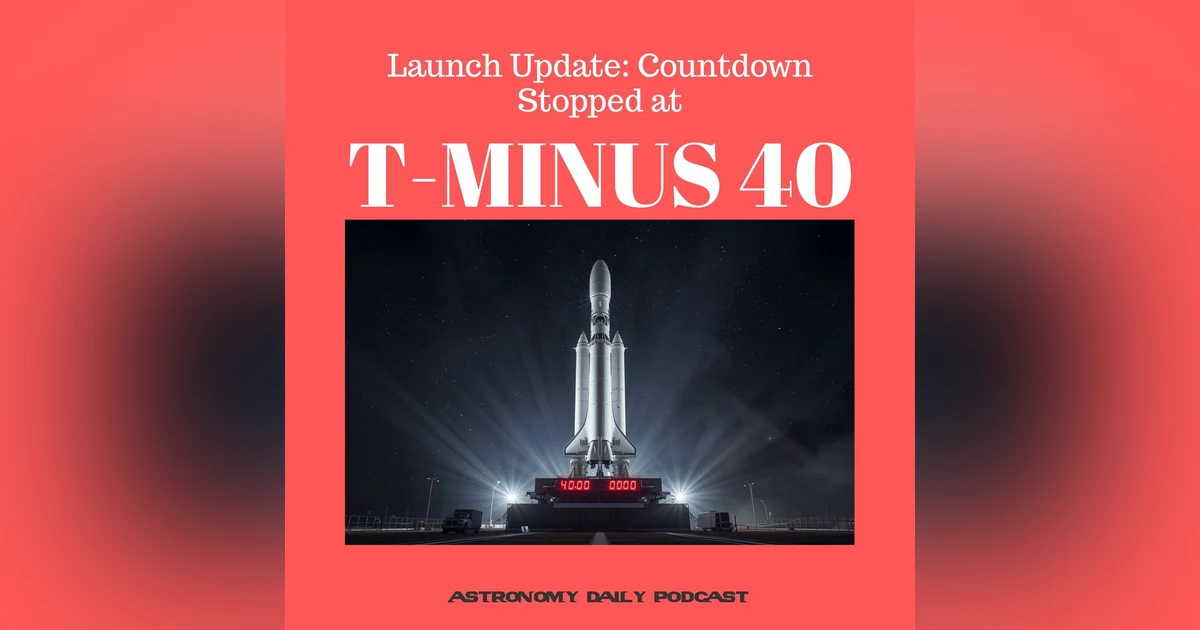
SpaceX came agonisingly close to launching the most powerful rocket ever built in its newest configuration — but a technical halt at T-minus 40 seconds sent Starship V3's debut back to the drawing board, with another attempt window opening this evening (6:30–8:00 p.m. EDT). Anna and Avery dig into what went wrong, what makes V3 different, and the stunning announcement buried in the webcast: a named commander for humanity's first crewed Mars flyby mission. Plus: JWST rewrites exoplanet atmospheric science with unexpected ice clouds on a distant super-Jupiter, researchers map a mysterious magnetic 'flip' inside the Milky Way, and Rocket Lab launches from New Zealand.
Links & Further Reading • Starship Flight 12 live updates: space.com • SpaceX launch webcast (tonight): spacex.com • Chun Wang Mars announcement: universetoday.com • JWST Epsilon Indi Ab paper (ApJL): doi.org/10.3847/2041-8213/ae5823 • Milky Way magnetic field study (ApJ): doi.org/10.3847/1538-4357/ae28d1 • Rocket Lab Viva La Strix mission: rocketlabusa.com • Astronomy Daily website: astronomydaily.io
Become a supporter of this podcast: https://www.spreaker.com/podcast/astronomy-daily-space-news-updates--5648921/support.
Sponsor Details:
Ensure your online privacy by using NordVPN. To get our special listener deal and save a lot of money, visit www.bitesz.com/nordvpn. You'll be glad you did!
Become a supporter of Astronomy Daily by joining our Supporters Club. Commercial free episodes daily are only a click way... Click Here
This episode includes AI-generated content.
To check out our special money saving deal and upgrade your online security with NordVPN - Click Here
SpaceX came agonisingly close to launching the most powerful rocket ever built in its newest configuration — but a technical halt at T-minus 40 seconds sent Starship V3's debut back to the drawing board, with another attempt window opening this evening (6:30–8:00 p.m. EDT). Anna and Avery dig into what went wrong, what makes V3 different, and the stunning announcement buried in the webcast: a named commander for humanity's first crewed Mars flyby mission. Plus: JWST rewrites exoplanet atmospheric science with unexpected ice clouds on a distant super-Jupiter, researchers map a mysterious magnetic 'flip' inside the Milky Way, and Rocket Lab launches from New Zealand.
Links & Further Reading • Starship Flight 12 live updates: space.com • SpaceX launch webcast (tonight): spacex.com • Chun Wang Mars announcement: universetoday.com • JWST Epsilon Indi Ab paper (ApJL): doi.org/10.3847/2041-8213/ae5823 • Milky Way magnetic field study (ApJ): doi.org/10.3847/1538-4357/ae28d1 • Rocket Lab Viva La Strix mission: rocketlabusa.com • Astronomy Daily website: astronomydaily.io
Become a supporter of this podcast: https://www.spreaker.com/podcast/astronomy-daily-space-news-updates--5648921/support.
Sponsor Details:
Ensure your online privacy by using NordVPN. To get our special listener deal and save a lot of money, visit www.bitesz.com/nordvpn. You'll be glad you did!
Become a supporter of Astronomy Daily by joining our Supporters Club. Commercial free episodes daily are only a click way... Click Here
This episode includes AI-generated content.
WEBVTT
0
00:00:00.320 --> 00:00:02.640
Anna: 40 seconds. That's all that stood between
1
00:00:02.720 --> 00:00:05.440
humanity and the most powerful rocket ever
2
00:00:05.440 --> 00:00:08.040
built, taking its first flight in a whole New
3
00:00:08.040 --> 00:00:08.400
form.
4
00:00:08.880 --> 00:00:11.520
Avery: 40 seconds. The countdown was running. The
5
00:00:11.520 --> 00:00:13.760
rocket was fueled. Tens of thousands of
6
00:00:13.760 --> 00:00:16.280
people were watching, including a certain pop
7
00:00:16.280 --> 00:00:18.320
star who really should have been a good omen.
8
00:00:18.720 --> 00:00:21.400
Anna: And then it stopped. Ground equipment
9
00:00:21.400 --> 00:00:24.120
issues, rising propellant temperatures, a
10
00:00:24.120 --> 00:00:24.640
scrub.
11
00:00:24.960 --> 00:00:27.280
Avery: But here's the thing. Even in the scrub,
12
00:00:27.360 --> 00:00:29.760
SpaceX dropped a bombshell that had nothing
13
00:00:29.760 --> 00:00:32.290
to do with the rocket. A crewed mission to
14
00:00:32.290 --> 00:00:35.250
Mars. A real one, with a commander already
15
00:00:35.250 --> 00:00:35.810
named.
16
00:00:36.130 --> 00:00:39.010
Anna: We have got a lot to unpack today. I'm
17
00:00:39.010 --> 00:00:39.490
Anna.
18
00:00:39.570 --> 00:00:40.450
Avery: I'm, um, Avery.
19
00:00:40.530 --> 00:00:43.468
Anna: And, um, this is Astronomy Daily. May 22,
20
00:00:43.632 --> 00:00:45.650
2026. Let's get into it.
21
00:00:45.970 --> 00:00:48.130
Avery: Alright, let's set the scene. Thursday
22
00:00:48.210 --> 00:00:51.210
evening, South Texas Starbase. The
23
00:00:51.210 --> 00:00:53.650
brand new Starship version 3 is sitting on
24
00:00:53.650 --> 00:00:56.650
the pad, fueled, stacked, frosted white
25
00:00:56.650 --> 00:00:59.450
from cryogenic propellant. And the crowd has
26
00:00:59.450 --> 00:01:00.610
been building all day.
27
00:01:01.150 --> 00:01:04.110
Anna: This was supposed to be Flight 12, the debut
28
00:01:04.110 --> 00:01:07.070
of the most powerful rocket ever built in its
29
00:01:07.070 --> 00:01:10.030
most advanced configuration yet. And for
30
00:01:10.030 --> 00:01:12.790
context, this is the first starship test
31
00:01:12.790 --> 00:01:15.230
flight since way back in October of last
32
00:01:15.230 --> 00:01:17.790
year. Seven months of development work,
33
00:01:18.110 --> 00:01:21.110
two explosive setbacks on the test stand that
34
00:01:21.110 --> 00:01:23.950
destroyed hardware. And now, finally,
35
00:01:23.950 --> 00:01:24.750
here they are.
36
00:01:25.230 --> 00:01:27.790
Avery: The launch window opens, weather clears.
37
00:01:27.790 --> 00:01:30.230
SpaceX pushes to the back of the 90 minute
38
00:01:30.230 --> 00:01:32.660
window to wait for upper level winds to ease.
39
00:01:33.050 --> 00:01:35.370
And then the countdown starts ticking toward
40
00:01:35.370 --> 00:01:38.250
Anna: T0 and it gets to T minus
41
00:01:38.250 --> 00:01:41.210
40 seconds and it stops. It
42
00:01:41.210 --> 00:01:43.850
restarts, goes back to T40,
43
00:01:44.250 --> 00:01:47.210
stops again. Engineers are on the webcast,
44
00:01:47.210 --> 00:01:49.890
working through it in real time. SpaceX
45
00:01:49.890 --> 00:01:52.410
communications manager Dan Hoot is telling
46
00:01:52.410 --> 00:01:54.370
viewers they're seeing issues with quick
47
00:01:54.370 --> 00:01:56.890
disconnect lines and water diverters on the
48
00:01:56.890 --> 00:01:57.610
launch tower.
49
00:01:58.010 --> 00:02:00.290
Avery: And then propellant temperatures start rising
50
00:02:00.290 --> 00:02:02.610
in the tanks. That's the clock running out.
51
00:02:02.610 --> 00:02:03.770
The window closes.
52
00:02:04.240 --> 00:02:07.120
Anna: Scrubbed a ah scrub at T minus 40
53
00:02:07.120 --> 00:02:09.920
is genuinely frustrating. You're that close.
54
00:02:10.320 --> 00:02:13.280
But it's also, as SpaceX themselves say,
55
00:02:13.600 --> 00:02:16.320
completely expected behavior for a brand new
56
00:02:16.320 --> 00:02:19.120
rocket on a brand new pad. You learn things
57
00:02:19.120 --> 00:02:21.520
about these systems that you simply cannot
58
00:02:21.520 --> 00:02:22.800
learn any other way.
59
00:02:23.440 --> 00:02:25.280
Avery: So let's talk about what they're actually
60
00:02:25.280 --> 00:02:28.040
trying to fly. Because Starship V3 is a
61
00:02:28.040 --> 00:02:30.280
substantial step up from everything that came
62
00:02:30.280 --> 00:02:30.560
before.
63
00:02:31.230 --> 00:02:33.870
Anna: The V3 Starship. That's the upper stage
64
00:02:33.870 --> 00:02:36.790
called ship 39 in this case and its
65
00:02:36.790 --> 00:02:38.910
super heavy booster, booster 19
66
00:02:39.550 --> 00:02:42.270
together generate around 18 million
67
00:02:42.430 --> 00:02:45.030
pounds of thrust at liftoff. That is a
68
00:02:45.030 --> 00:02:47.310
significant Increase over the V2
69
00:02:47.310 --> 00:02:50.190
configuration. New engines on both stages.
70
00:02:50.830 --> 00:02:53.270
Avery: The mission profile for Flight 12, when it
71
00:02:53.270 --> 00:02:56.110
does fly, has Booster 19 splashing down in
72
00:02:56.110 --> 00:02:59.090
the Gulf of Mexico while Ship 39 continues
73
00:02:59.090 --> 00:03:01.570
on a suborbital trajectory and targets a
74
00:03:01.570 --> 00:03:03.770
controlled splashdown in the Indian Ocean.
75
00:03:04.010 --> 00:03:06.610
And critically, the mission includes a Raptor
76
00:03:06.610 --> 00:03:09.050
engine test during the coast phase. Important
77
00:03:09.050 --> 00:03:11.530
Data for future DE orbiting burns on orbital
78
00:03:11.530 --> 00:03:12.010
flights.
79
00:03:12.410 --> 00:03:15.130
Anna: And if, uh, Flight 12 goes well, the word
80
00:03:15.130 --> 00:03:18.130
from SpaceX is that Flight 13 could be the
81
00:03:18.130 --> 00:03:20.970
first orbital starship launch. That's a
82
00:03:20.970 --> 00:03:23.770
massive milestone. Now there's a bigger
83
00:03:23.770 --> 00:03:26.590
picture here too, Avery. SpaceX recently
84
00:03:26.670 --> 00:03:29.670
filed for an IPO. The company is expected to
85
00:03:29.670 --> 00:03:32.510
go public within weeks. And Starship is
86
00:03:32.510 --> 00:03:34.870
central to that story, demonstrating
87
00:03:34.870 --> 00:03:37.110
meaningful progress on the next generation
88
00:03:37.110 --> 00:03:40.030
rocket program. Right now matters in a very
89
00:03:40.110 --> 00:03:41.470
real financial sense.
90
00:03:41.950 --> 00:03:43.950
Avery: The good news is they get another shot
91
00:03:43.950 --> 00:03:46.870
tonight. The launch window opens at 6:30pm
92
00:03:46.870 --> 00:03:49.750
Eastern, closing at 8. Engineers have been
93
00:03:49.750 --> 00:03:51.190
working through the night on those ground
94
00:03:51.190 --> 00:03:53.200
systems. If you're listening to this and the
95
00:03:53.200 --> 00:03:55.560
window hasn't opened yet, watch to space.
96
00:03:56.200 --> 00:03:59.120
Anna: And now the part that honestly might be the
97
00:03:59.120 --> 00:04:01.600
bigger story. Because while engineers were
98
00:04:01.600 --> 00:04:04.600
troubleshooting at T minus 40, the SpaceX
99
00:04:04.600 --> 00:04:07.440
webcast team did something remarkable. They
100
00:04:07.440 --> 00:04:09.640
cut to a pre recorded interview
101
00:04:09.800 --> 00:04:12.280
Avery: with a man sitting on Bouvet island, which
102
00:04:12.280 --> 00:04:14.680
for context is widely considered the most
103
00:04:14.680 --> 00:04:17.680
remote island on Earth. A tiny volcanic rock
104
00:04:17.680 --> 00:04:20.120
in the South Atlantic, a nature reserve,
105
00:04:20.120 --> 00:04:21.660
population zero.
106
00:04:21.980 --> 00:04:24.380
Anna: This is Chun Wang, Chinese born
107
00:04:24.380 --> 00:04:27.340
cryptocurrency entrepreneur, citizen of Malta
108
00:04:27.420 --> 00:04:30.140
and the commander of the Fram 2 mission last
109
00:04:30.140 --> 00:04:32.860
year. The first ever crewed spaceflight to
110
00:04:32.860 --> 00:04:35.700
polar orbit. The man has form when it comes
111
00:04:35.700 --> 00:04:38.140
to doing genuinely novel things in space.
112
00:04:38.380 --> 00:04:40.660
Avery: And SpaceX announced that Chun Wang has
113
00:04:40.660 --> 00:04:42.660
signed on to fly on the first commercial
114
00:04:42.660 --> 00:04:45.460
starship Circumlunar mission, joining Dennis
115
00:04:45.460 --> 00:04:47.820
Tito and his wife Akiko, who bought seats
116
00:04:47.820 --> 00:04:50.690
back in 2022. A loop around the moon
117
00:04:50.690 --> 00:04:51.610
on starship.
118
00:04:51.610 --> 00:04:54.090
Anna: But that's not the headline. The headline is
119
00:04:54.090 --> 00:04:55.890
what comes after the lunar flight.
120
00:04:55.890 --> 00:04:58.050
Avery: Chun Wang will command the first crewed
121
00:04:58.050 --> 00:05:00.610
Starship interplanetary mission. A
122
00:05:00.610 --> 00:05:03.490
flyby of Mars. A two year mission.
123
00:05:03.570 --> 00:05:06.210
And in Wang's own words, a lot of people talk
124
00:05:06.210 --> 00:05:08.610
about going to Mars. We like Mars, we're
125
00:05:08.610 --> 00:05:10.410
going to land on Mars, we're going to build a
126
00:05:10.410 --> 00:05:12.730
colony on Mars. But let's get it started with
127
00:05:12.730 --> 00:05:15.410
a flyby. It will light the fire, it will
128
00:05:15.410 --> 00:05:18.090
ignite the imagination, it will build the
129
00:05:18.090 --> 00:05:18.730
momentum.
130
00:05:18.810 --> 00:05:21.130
Anna: No launch date was given, no full crew
131
00:05:21.130 --> 00:05:23.810
manifest, but a commander is named, a
132
00:05:23.810 --> 00:05:26.650
mission is defined. That's a real step
133
00:05:26.650 --> 00:05:29.450
beyond the language of we intend to and
134
00:05:29.450 --> 00:05:32.250
into the language of this person is going.
135
00:05:32.410 --> 00:05:35.410
Avery: Remember, SpaceX's own timeline has Uncrewed
136
00:05:35.410 --> 00:05:37.650
starships launching for Mars in the November
137
00:05:37.650 --> 00:05:40.650
December 2026 transfer window. The pace
138
00:05:40.650 --> 00:05:42.650
of this program, even with scrubs and
139
00:05:42.650 --> 00:05:45.130
setbacks, is like nothing we've seen before.
140
00:05:45.290 --> 00:05:48.130
Anna: One scrub doesn't change any of that. It will
141
00:05:48.130 --> 00:05:50.370
simply become a footnote in space history
142
00:05:50.370 --> 00:05:53.250
books. What matters is that the rocket is on
143
00:05:53.250 --> 00:05:56.130
the pad. The ambition is extraordinary.
144
00:05:56.370 --> 00:05:59.170
And tonight, maybe tonight, Starship
145
00:05:59.170 --> 00:06:01.490
V3 flies for the first time.
146
00:06:01.650 --> 00:06:03.730
Avery: And meanwhile, in other space news today,
147
00:06:04.050 --> 00:06:05.930
staying with the theme of extraordinary
148
00:06:05.930 --> 00:06:08.410
things happening in space, the James Webb
149
00:06:08.410 --> 00:06:10.690
Space Telescope has given us another one.
150
00:06:10.850 --> 00:06:13.690
Astronomers have directly imaged an exoplanet
151
00:06:13.690 --> 00:06:16.490
called Epsilon Indi Ab, a cold
152
00:06:16.490 --> 00:06:19.090
super Jupiter sitting about 12 light years
153
00:06:19.090 --> 00:06:21.630
from ear, and found something nobody expected
154
00:06:21.630 --> 00:06:22.510
to find there.
155
00:06:22.590 --> 00:06:25.510
Anna: Water ice clouds. Not ammonia clouds,
156
00:06:25.510 --> 00:06:27.270
which is what Jupiter, like planets are
157
00:06:27.270 --> 00:06:29.990
supposed to have. Hatchy, thick water
158
00:06:29.990 --> 00:06:32.710
ice clouds similar to cirrus clouds here on
159
00:06:32.710 --> 00:06:35.310
Earth, hiding in the atmosphere of a world
160
00:06:35.550 --> 00:06:38.190
seven and a half times the mass of Jupiter.
161
00:06:38.270 --> 00:06:40.150
Avery: The discovery comes from a team led by
162
00:06:40.150 --> 00:06:42.350
Elizabeth Matthews at the Max Planck
163
00:06:42.350 --> 00:06:44.870
Institute for Astronomy, using Webb's mid
164
00:06:44.870 --> 00:06:47.590
infrared imager, the MIRI camera, which was
165
00:06:47.590 --> 00:06:49.710
able to directly image the planet's faint
166
00:06:49.710 --> 00:06:52.390
heat emission. The planet orbits its star at,
167
00:06:52.390 --> 00:06:54.880
uh, roughly Neptune's distance from our sun,
168
00:06:55.120 --> 00:06:57.840
making it far colder than most exoplanets.
169
00:06:57.840 --> 00:07:00.080
Webb has studied surface temperatures
170
00:07:00.080 --> 00:07:03.000
somewhere between -70 and positive 20
171
00:07:03.000 --> 00:07:03.920
degrees Celsius.
172
00:07:04.000 --> 00:07:06.360
Anna: What makes this significant isn't just the
173
00:07:06.360 --> 00:07:09.280
discovery itself. It's what it says about our
174
00:07:09.280 --> 00:07:11.720
models. Current atmospheric models for
175
00:07:11.720 --> 00:07:14.720
exoplanets didn't predict water ice clouds in
176
00:07:14.720 --> 00:07:17.280
a world like this. They expected ammonia.
177
00:07:17.790 --> 00:07:20.070
The fact that thick water ice layers appear
178
00:07:20.070 --> 00:07:22.910
to be masking the ammonia signal means our
179
00:07:22.910 --> 00:07:24.430
frameworks need updating.
180
00:07:24.510 --> 00:07:26.790
Avery: And it has practical implications for how we
181
00:07:26.790 --> 00:07:29.790
search for other cold planets. If water ice
182
00:07:29.790 --> 00:07:31.870
clouds make some wavelengths look much
183
00:07:31.870 --> 00:07:34.270
fainter than expected, we may be missing
184
00:07:34.270 --> 00:07:36.470
worlds that don't fit the standard brightness
185
00:07:36.470 --> 00:07:36.910
profile.
186
00:07:36.910 --> 00:07:39.550
Anna: The researchers put it this JWST
187
00:07:39.790 --> 00:07:42.350
is finally letting us study solar system
188
00:07:42.350 --> 00:07:45.350
analog planets in detail. As lead author
189
00:07:45.350 --> 00:07:48.270
Elizabeth Matthews said, if we were aliens
190
00:07:48.350 --> 00:07:50.550
several light years away, looking back at our
191
00:07:50.550 --> 00:07:53.270
sun, this is the first telescope that could
192
00:07:53.270 --> 00:07:56.270
study Jupiter in detail. We are living in the
193
00:07:56.270 --> 00:07:59.270
golden era of exoplanet science, from 12
194
00:07:59.270 --> 00:07:59.870
light years
195
00:07:59.870 --> 00:08:02.190
Avery: away to right here in our own galaxy.
196
00:08:02.190 --> 00:08:04.270
And a discovery that reshapes how we
197
00:08:04.270 --> 00:08:06.550
understand the invisible forces holding the
198
00:08:06.550 --> 00:08:07.470
Milky Way together.
199
00:08:07.790 --> 00:08:10.470
Anna: Astronomers at the University of Calgary
200
00:08:10.470 --> 00:08:13.310
have produced one of the most detailed maps
201
00:08:13.310 --> 00:08:16.110
ever made of the Milky Way's magnetic field
202
00:08:16.630 --> 00:08:19.390
and found something deeply unexpected hidden
203
00:08:19.390 --> 00:08:22.310
inside it. A magnetic flip, a
204
00:08:22.310 --> 00:08:24.870
reversal in the field's direction cutting
205
00:08:24.870 --> 00:08:27.630
diagonally through one of our galaxy's main
206
00:08:27.630 --> 00:08:30.550
spiral arms, the Sagittarius arm.
207
00:08:30.710 --> 00:08:33.310
Avery: The data came from a new radio
208
00:08:33.310 --> 00:08:35.830
telescope at the Dominion Radio
209
00:08:35.910 --> 00:08:38.790
Astrophysical Observatory in British
210
00:08:38.790 --> 00:08:41.270
Columbia, Canada. The instrument
211
00:08:41.270 --> 00:08:44.150
scans the sky at multiple radio
212
00:08:44.150 --> 00:08:47.130
frequencies simultaneously, allowing
213
00:08:47.130 --> 00:08:49.530
researchers to trace the galaxy's
214
00:08:49.530 --> 00:08:52.290
magnetic structure using a technique
215
00:08:52.290 --> 00:08:55.130
called Faraday rotation, measuring
216
00:08:55.130 --> 00:08:58.130
the way radio waves shift when they pass
217
00:08:58.130 --> 00:09:00.130
through magnetized plasma.
218
00:09:00.370 --> 00:09:03.090
Anna: In most of the galaxy, the magnetic field
219
00:09:03.170 --> 00:09:05.850
flows in a consistent direction along the
220
00:09:05.850 --> 00:09:08.610
spiral arms. But in the Sagittarius
221
00:09:08.610 --> 00:09:11.170
arm, the team found a, uh, diagonal
222
00:09:11.170 --> 00:09:14.010
reversal. The field essentially flips
223
00:09:14.010 --> 00:09:16.930
orientation across a diagonal line, cutting
224
00:09:16.930 --> 00:09:19.570
through space. This is the first time this
225
00:09:19.570 --> 00:09:21.370
structure has been mapped in three
226
00:09:21.370 --> 00:09:21.970
dimensions.
227
00:09:22.450 --> 00:09:24.890
Avery: The finding matters because the galaxy's
228
00:09:24.890 --> 00:09:27.810
magnetic field isn't just a curiosity. It
229
00:09:27.810 --> 00:09:30.610
shapes where gas flows, where new stars can
230
00:09:30.610 --> 00:09:33.370
form, and how the galaxy itself evolves
231
00:09:33.370 --> 00:09:36.290
over billions of years. A detailed map of
232
00:09:36.290 --> 00:09:38.570
that field gives astronomers a reliable
233
00:09:38.570 --> 00:09:41.170
baseline for future studies that reach far
234
00:09:41.170 --> 00:09:42.610
beyond our own galaxy.
235
00:09:43.010 --> 00:09:46.010
Anna: Bead researcher Dr. Rebecca Booth described
236
00:09:46.010 --> 00:09:48.370
it as revealing a hidden structure.
237
00:09:48.770 --> 00:09:51.490
What looks like empty space is anything
238
00:09:51.490 --> 00:09:54.370
but empty. And thanks to this work, the
239
00:09:54.370 --> 00:09:57.090
invisible architecture of our own galaxy
240
00:09:57.090 --> 00:09:59.770
is no longer just a theory. It can be
241
00:09:59.770 --> 00:10:01.890
studied, tested, and built upon.
242
00:10:02.210 --> 00:10:04.930
Avery: And finally today, a successful launch close
243
00:10:04.930 --> 00:10:07.490
to home, at least for our Australian and New
244
00:10:07.490 --> 00:10:08.370
Zealand listeners.
245
00:10:08.890 --> 00:10:11.810
Anna: Rocket Lab fired off another electron rocket
246
00:10:11.810 --> 00:10:14.370
this morning from its Launch Complex 1 on the
247
00:10:14.370 --> 00:10:17.210
Mahia Peninsula in New Zealand. Mission
248
00:10:17.210 --> 00:10:20.130
name Viva Le Strix. The payload was
249
00:10:20.130 --> 00:10:22.850
a synthetic aperture radar satellite called
250
00:10:22.850 --> 00:10:25.770
Strix 7, built for the Japanese Earth
251
00:10:25.770 --> 00:10:27.530
imaging company Synspective.
252
00:10:27.930 --> 00:10:30.290
Avery: This is the ninth time Rocket Lab has
253
00:10:30.290 --> 00:10:33.010
launched a Strix satellite for Synspective. A
254
00:10:33.010 --> 00:10:35.650
relationship going back to 2020. And with
255
00:10:35.650 --> 00:10:38.370
another 18 missions already booked through to
256
00:10:38.370 --> 00:10:40.540
2030, the constellation
257
00:10:40.540 --> 00:10:42.980
Synspective is building will eventually
258
00:10:42.980 --> 00:10:45.860
provide continuous SAR imaging of Japan
259
00:10:45.860 --> 00:10:48.620
and surrounding regions. Data used for
260
00:10:48.620 --> 00:10:50.780
urban development, planning, infrastructure,
261
00:10:50.780 --> 00:10:52.700
monitoring, and disaster response.
262
00:10:53.340 --> 00:10:56.100
Anna: Synthetic aperture radar is worth a quick
263
00:10:56.100 --> 00:10:58.660
note for those unfamiliar. It's a type of
264
00:10:58.660 --> 00:11:01.100
imaging that works in total darkness and
265
00:11:01.100 --> 00:11:03.500
through cloud cover, While optical
266
00:11:03.500 --> 00:11:05.700
satellites can't see through weather or at
267
00:11:05.700 --> 00:11:08.400
night. SAR satellites illuminate the
268
00:11:08.400 --> 00:11:10.920
surface with radar pulses and build a
269
00:11:10.920 --> 00:11:13.720
detailed image from the return signal. That's
270
00:11:13.720 --> 00:11:15.880
why Synspective called the Constellation
271
00:11:15.880 --> 00:11:18.760
Strix, the genus of owls they
272
00:11:18.760 --> 00:11:19.800
see in the dark.
273
00:11:20.200 --> 00:11:23.080
Avery: The electron rocket itself is now 70
274
00:11:23.080 --> 00:11:25.720
flights into its operational life. Small,
275
00:11:25.960 --> 00:11:28.440
dedicated, reliable, it's become the
276
00:11:28.440 --> 00:11:31.200
workhorse of the smallsat launch market. And
277
00:11:31.200 --> 00:11:33.720
this mission is a textbook example of what it
278
00:11:33.720 --> 00:11:36.350
was designed for. A commercial customer. A
279
00:11:36.350 --> 00:11:39.310
specific orbit, a uh, clean deployment Rocket
280
00:11:39.310 --> 00:11:41.190
Lab doing what Rocket Lab does.
281
00:11:41.670 --> 00:11:44.230
Anna: And that is your Astronomy daily for Friday,
282
00:11:44.310 --> 00:11:47.230
May 22, 2026. What a
283
00:11:47.230 --> 00:11:48.230
morning to be alive.
284
00:11:48.230 --> 00:11:50.749
Avery: And following space news, Starship
285
00:11:50.749 --> 00:11:53.550
V3 gets another shot tonight. A crewed
286
00:11:53.550 --> 00:11:56.310
Mars flyby has a Commander Webb is
287
00:11:56.310 --> 00:11:58.950
rewriting Exoplanet atmospheric science.
288
00:11:59.270 --> 00:12:01.470
Our own galaxy just revealed a hidden
289
00:12:01.470 --> 00:12:04.230
magnetic structure and rocket Lab quietly
290
00:12:04.230 --> 00:12:06.930
keeps building humanity's eyes in Orb, a
291
00:12:06.930 --> 00:12:08.130
hillside in New Zealand.
292
00:12:08.450 --> 00:12:10.130
Anna: If you're watching the starship launch
293
00:12:10.130 --> 00:12:12.492
tonight, you can follow live coverage@sp
294
00:12:12.688 --> 00:12:15.410
SpaceX.com window opens 06:30
295
00:12:15.410 --> 00:12:18.210
Eastern and as always, all the links, show
296
00:12:18.210 --> 00:12:19.890
notes and further reading are at
297
00:12:19.890 --> 00:12:21.730
astronomydaily IO.
298
00:12:21.970 --> 00:12:24.410
Avery: If you're enjoying the show, a uh subscribe a
299
00:12:24.410 --> 00:12:26.930
review, a uh share it all helps us reach more
300
00:12:26.930 --> 00:12:29.130
space enthusiasts around the world. We
301
00:12:29.130 --> 00:12:31.250
genuinely appreciate every single one.
302
00:12:31.410 --> 00:12:33.890
Anna: And before we go, a quick reminder about the
303
00:12:33.890 --> 00:12:36.210
special money saving deal our uh, sponsor
304
00:12:36.210 --> 00:12:39.190
NordVPN has put together for you as you
305
00:12:39.190 --> 00:12:41.470
think about upgrading or implementing your
306
00:12:41.470 --> 00:12:44.350
online privacy. We did it and you should too.
307
00:12:44.670 --> 00:12:46.910
And currently for not very much money.
308
00:12:47.230 --> 00:12:49.510
Avery: 2 check out deal and be surprised by how good
309
00:12:49.510 --> 00:12:51.550
it is. Just click on the link in the show
310
00:12:51.550 --> 00:12:51.950
notes.
311
00:12:52.030 --> 00:12:52.990
Anna: I'm Anna.
312
00:12:53.070 --> 00:12:54.869
Avery: And I'm Avery bae.
313
00:12:54.869 --> 00:12:57.390
Anna: Curious. Keep looking up. We'll see you
314
00:12:57.390 --> 00:12:59.070
tomorrow on Astronomy Daily.
315
00:12:59.390 --> 00:13:00.830
Avery: Astronomy Daily
316
00:13:02.430 --> 00:13:03.630
Stories we told
317
00:13:05.630 --> 00:13:05.870
Love.
0
00:00:00.320 --> 00:00:02.640
Anna: 40 seconds. That's all that stood between
1
00:00:02.720 --> 00:00:05.440
humanity and the most powerful rocket ever
2
00:00:05.440 --> 00:00:08.040
built, taking its first flight in a whole New
3
00:00:08.040 --> 00:00:08.400
form.
4
00:00:08.880 --> 00:00:11.520
Avery: 40 seconds. The countdown was running. The
5
00:00:11.520 --> 00:00:13.760
rocket was fueled. Tens of thousands of
6
00:00:13.760 --> 00:00:16.280
people were watching, including a certain pop
7
00:00:16.280 --> 00:00:18.320
star who really should have been a good omen.
8
00:00:18.720 --> 00:00:21.400
Anna: And then it stopped. Ground equipment
9
00:00:21.400 --> 00:00:24.120
issues, rising propellant temperatures, a
10
00:00:24.120 --> 00:00:24.640
scrub.
11
00:00:24.960 --> 00:00:27.280
Avery: But here's the thing. Even in the scrub,
12
00:00:27.360 --> 00:00:29.760
SpaceX dropped a bombshell that had nothing
13
00:00:29.760 --> 00:00:32.290
to do with the rocket. A crewed mission to
14
00:00:32.290 --> 00:00:35.250
Mars. A real one, with a commander already
15
00:00:35.250 --> 00:00:35.810
named.
16
00:00:36.130 --> 00:00:39.010
Anna: We have got a lot to unpack today. I'm
17
00:00:39.010 --> 00:00:39.490
Anna.
18
00:00:39.570 --> 00:00:40.450
Avery: I'm, um, Avery.
19
00:00:40.530 --> 00:00:43.468
Anna: And, um, this is Astronomy Daily. May 22,
20
00:00:43.632 --> 00:00:45.650
2026. Let's get into it.
21
00:00:45.970 --> 00:00:48.130
Avery: Alright, let's set the scene. Thursday
22
00:00:48.210 --> 00:00:51.210
evening, South Texas Starbase. The
23
00:00:51.210 --> 00:00:53.650
brand new Starship version 3 is sitting on
24
00:00:53.650 --> 00:00:56.650
the pad, fueled, stacked, frosted white
25
00:00:56.650 --> 00:00:59.450
from cryogenic propellant. And the crowd has
26
00:00:59.450 --> 00:01:00.610
been building all day.
27
00:01:01.150 --> 00:01:04.110
Anna: This was supposed to be Flight 12, the debut
28
00:01:04.110 --> 00:01:07.070
of the most powerful rocket ever built in its
29
00:01:07.070 --> 00:01:10.030
most advanced configuration yet. And for
30
00:01:10.030 --> 00:01:12.790
context, this is the first starship test
31
00:01:12.790 --> 00:01:15.230
flight since way back in October of last
32
00:01:15.230 --> 00:01:17.790
year. Seven months of development work,
33
00:01:18.110 --> 00:01:21.110
two explosive setbacks on the test stand that
34
00:01:21.110 --> 00:01:23.950
destroyed hardware. And now, finally,
35
00:01:23.950 --> 00:01:24.750
here they are.
36
00:01:25.230 --> 00:01:27.790
Avery: The launch window opens, weather clears.
37
00:01:27.790 --> 00:01:30.230
SpaceX pushes to the back of the 90 minute
38
00:01:30.230 --> 00:01:32.660
window to wait for upper level winds to ease.
39
00:01:33.050 --> 00:01:35.370
And then the countdown starts ticking toward
40
00:01:35.370 --> 00:01:38.250
Anna: T0 and it gets to T minus
41
00:01:38.250 --> 00:01:41.210
40 seconds and it stops. It
42
00:01:41.210 --> 00:01:43.850
restarts, goes back to T40,
43
00:01:44.250 --> 00:01:47.210
stops again. Engineers are on the webcast,
44
00:01:47.210 --> 00:01:49.890
working through it in real time. SpaceX
45
00:01:49.890 --> 00:01:52.410
communications manager Dan Hoot is telling
46
00:01:52.410 --> 00:01:54.370
viewers they're seeing issues with quick
47
00:01:54.370 --> 00:01:56.890
disconnect lines and water diverters on the
48
00:01:56.890 --> 00:01:57.610
launch tower.
49
00:01:58.010 --> 00:02:00.290
Avery: And then propellant temperatures start rising
50
00:02:00.290 --> 00:02:02.610
in the tanks. That's the clock running out.
51
00:02:02.610 --> 00:02:03.770
The window closes.
52
00:02:04.240 --> 00:02:07.120
Anna: Scrubbed a ah scrub at T minus 40
53
00:02:07.120 --> 00:02:09.920
is genuinely frustrating. You're that close.
54
00:02:10.320 --> 00:02:13.280
But it's also, as SpaceX themselves say,
55
00:02:13.600 --> 00:02:16.320
completely expected behavior for a brand new
56
00:02:16.320 --> 00:02:19.120
rocket on a brand new pad. You learn things
57
00:02:19.120 --> 00:02:21.520
about these systems that you simply cannot
58
00:02:21.520 --> 00:02:22.800
learn any other way.
59
00:02:23.440 --> 00:02:25.280
Avery: So let's talk about what they're actually
60
00:02:25.280 --> 00:02:28.040
trying to fly. Because Starship V3 is a
61
00:02:28.040 --> 00:02:30.280
substantial step up from everything that came
62
00:02:30.280 --> 00:02:30.560
before.
63
00:02:31.230 --> 00:02:33.870
Anna: The V3 Starship. That's the upper stage
64
00:02:33.870 --> 00:02:36.790
called ship 39 in this case and its
65
00:02:36.790 --> 00:02:38.910
super heavy booster, booster 19
66
00:02:39.550 --> 00:02:42.270
together generate around 18 million
67
00:02:42.430 --> 00:02:45.030
pounds of thrust at liftoff. That is a
68
00:02:45.030 --> 00:02:47.310
significant Increase over the V2
69
00:02:47.310 --> 00:02:50.190
configuration. New engines on both stages.
70
00:02:50.830 --> 00:02:53.270
Avery: The mission profile for Flight 12, when it
71
00:02:53.270 --> 00:02:56.110
does fly, has Booster 19 splashing down in
72
00:02:56.110 --> 00:02:59.090
the Gulf of Mexico while Ship 39 continues
73
00:02:59.090 --> 00:03:01.570
on a suborbital trajectory and targets a
74
00:03:01.570 --> 00:03:03.770
controlled splashdown in the Indian Ocean.
75
00:03:04.010 --> 00:03:06.610
And critically, the mission includes a Raptor
76
00:03:06.610 --> 00:03:09.050
engine test during the coast phase. Important
77
00:03:09.050 --> 00:03:11.530
Data for future DE orbiting burns on orbital
78
00:03:11.530 --> 00:03:12.010
flights.
79
00:03:12.410 --> 00:03:15.130
Anna: And if, uh, Flight 12 goes well, the word
80
00:03:15.130 --> 00:03:18.130
from SpaceX is that Flight 13 could be the
81
00:03:18.130 --> 00:03:20.970
first orbital starship launch. That's a
82
00:03:20.970 --> 00:03:23.770
massive milestone. Now there's a bigger
83
00:03:23.770 --> 00:03:26.590
picture here too, Avery. SpaceX recently
84
00:03:26.670 --> 00:03:29.670
filed for an IPO. The company is expected to
85
00:03:29.670 --> 00:03:32.510
go public within weeks. And Starship is
86
00:03:32.510 --> 00:03:34.870
central to that story, demonstrating
87
00:03:34.870 --> 00:03:37.110
meaningful progress on the next generation
88
00:03:37.110 --> 00:03:40.030
rocket program. Right now matters in a very
89
00:03:40.110 --> 00:03:41.470
real financial sense.
90
00:03:41.950 --> 00:03:43.950
Avery: The good news is they get another shot
91
00:03:43.950 --> 00:03:46.870
tonight. The launch window opens at 6:30pm
92
00:03:46.870 --> 00:03:49.750
Eastern, closing at 8. Engineers have been
93
00:03:49.750 --> 00:03:51.190
working through the night on those ground
94
00:03:51.190 --> 00:03:53.200
systems. If you're listening to this and the
95
00:03:53.200 --> 00:03:55.560
window hasn't opened yet, watch to space.
96
00:03:56.200 --> 00:03:59.120
Anna: And now the part that honestly might be the
97
00:03:59.120 --> 00:04:01.600
bigger story. Because while engineers were
98
00:04:01.600 --> 00:04:04.600
troubleshooting at T minus 40, the SpaceX
99
00:04:04.600 --> 00:04:07.440
webcast team did something remarkable. They
100
00:04:07.440 --> 00:04:09.640
cut to a pre recorded interview
101
00:04:09.800 --> 00:04:12.280
Avery: with a man sitting on Bouvet island, which
102
00:04:12.280 --> 00:04:14.680
for context is widely considered the most
103
00:04:14.680 --> 00:04:17.680
remote island on Earth. A tiny volcanic rock
104
00:04:17.680 --> 00:04:20.120
in the South Atlantic, a nature reserve,
105
00:04:20.120 --> 00:04:21.660
population zero.
106
00:04:21.980 --> 00:04:24.380
Anna: This is Chun Wang, Chinese born
107
00:04:24.380 --> 00:04:27.340
cryptocurrency entrepreneur, citizen of Malta
108
00:04:27.420 --> 00:04:30.140
and the commander of the Fram 2 mission last
109
00:04:30.140 --> 00:04:32.860
year. The first ever crewed spaceflight to
110
00:04:32.860 --> 00:04:35.700
polar orbit. The man has form when it comes
111
00:04:35.700 --> 00:04:38.140
to doing genuinely novel things in space.
112
00:04:38.380 --> 00:04:40.660
Avery: And SpaceX announced that Chun Wang has
113
00:04:40.660 --> 00:04:42.660
signed on to fly on the first commercial
114
00:04:42.660 --> 00:04:45.460
starship Circumlunar mission, joining Dennis
115
00:04:45.460 --> 00:04:47.820
Tito and his wife Akiko, who bought seats
116
00:04:47.820 --> 00:04:50.690
back in 2022. A loop around the moon
117
00:04:50.690 --> 00:04:51.610
on starship.
118
00:04:51.610 --> 00:04:54.090
Anna: But that's not the headline. The headline is
119
00:04:54.090 --> 00:04:55.890
what comes after the lunar flight.
120
00:04:55.890 --> 00:04:58.050
Avery: Chun Wang will command the first crewed
121
00:04:58.050 --> 00:05:00.610
Starship interplanetary mission. A
122
00:05:00.610 --> 00:05:03.490
flyby of Mars. A two year mission.
123
00:05:03.570 --> 00:05:06.210
And in Wang's own words, a lot of people talk
124
00:05:06.210 --> 00:05:08.610
about going to Mars. We like Mars, we're
125
00:05:08.610 --> 00:05:10.410
going to land on Mars, we're going to build a
126
00:05:10.410 --> 00:05:12.730
colony on Mars. But let's get it started with
127
00:05:12.730 --> 00:05:15.410
a flyby. It will light the fire, it will
128
00:05:15.410 --> 00:05:18.090
ignite the imagination, it will build the
129
00:05:18.090 --> 00:05:18.730
momentum.
130
00:05:18.810 --> 00:05:21.130
Anna: No launch date was given, no full crew
131
00:05:21.130 --> 00:05:23.810
manifest, but a commander is named, a
132
00:05:23.810 --> 00:05:26.650
mission is defined. That's a real step
133
00:05:26.650 --> 00:05:29.450
beyond the language of we intend to and
134
00:05:29.450 --> 00:05:32.250
into the language of this person is going.
135
00:05:32.410 --> 00:05:35.410
Avery: Remember, SpaceX's own timeline has Uncrewed
136
00:05:35.410 --> 00:05:37.650
starships launching for Mars in the November
137
00:05:37.650 --> 00:05:40.650
December 2026 transfer window. The pace
138
00:05:40.650 --> 00:05:42.650
of this program, even with scrubs and
139
00:05:42.650 --> 00:05:45.130
setbacks, is like nothing we've seen before.
140
00:05:45.290 --> 00:05:48.130
Anna: One scrub doesn't change any of that. It will
141
00:05:48.130 --> 00:05:50.370
simply become a footnote in space history
142
00:05:50.370 --> 00:05:53.250
books. What matters is that the rocket is on
143
00:05:53.250 --> 00:05:56.130
the pad. The ambition is extraordinary.
144
00:05:56.370 --> 00:05:59.170
And tonight, maybe tonight, Starship
145
00:05:59.170 --> 00:06:01.490
V3 flies for the first time.
146
00:06:01.650 --> 00:06:03.730
Avery: And meanwhile, in other space news today,
147
00:06:04.050 --> 00:06:05.930
staying with the theme of extraordinary
148
00:06:05.930 --> 00:06:08.410
things happening in space, the James Webb
149
00:06:08.410 --> 00:06:10.690
Space Telescope has given us another one.
150
00:06:10.850 --> 00:06:13.690
Astronomers have directly imaged an exoplanet
151
00:06:13.690 --> 00:06:16.490
called Epsilon Indi Ab, a cold
152
00:06:16.490 --> 00:06:19.090
super Jupiter sitting about 12 light years
153
00:06:19.090 --> 00:06:21.630
from ear, and found something nobody expected
154
00:06:21.630 --> 00:06:22.510
to find there.
155
00:06:22.590 --> 00:06:25.510
Anna: Water ice clouds. Not ammonia clouds,
156
00:06:25.510 --> 00:06:27.270
which is what Jupiter, like planets are
157
00:06:27.270 --> 00:06:29.990
supposed to have. Hatchy, thick water
158
00:06:29.990 --> 00:06:32.710
ice clouds similar to cirrus clouds here on
159
00:06:32.710 --> 00:06:35.310
Earth, hiding in the atmosphere of a world
160
00:06:35.550 --> 00:06:38.190
seven and a half times the mass of Jupiter.
161
00:06:38.270 --> 00:06:40.150
Avery: The discovery comes from a team led by
162
00:06:40.150 --> 00:06:42.350
Elizabeth Matthews at the Max Planck
163
00:06:42.350 --> 00:06:44.870
Institute for Astronomy, using Webb's mid
164
00:06:44.870 --> 00:06:47.590
infrared imager, the MIRI camera, which was
165
00:06:47.590 --> 00:06:49.710
able to directly image the planet's faint
166
00:06:49.710 --> 00:06:52.390
heat emission. The planet orbits its star at,
167
00:06:52.390 --> 00:06:54.880
uh, roughly Neptune's distance from our sun,
168
00:06:55.120 --> 00:06:57.840
making it far colder than most exoplanets.
169
00:06:57.840 --> 00:07:00.080
Webb has studied surface temperatures
170
00:07:00.080 --> 00:07:03.000
somewhere between -70 and positive 20
171
00:07:03.000 --> 00:07:03.920
degrees Celsius.
172
00:07:04.000 --> 00:07:06.360
Anna: What makes this significant isn't just the
173
00:07:06.360 --> 00:07:09.280
discovery itself. It's what it says about our
174
00:07:09.280 --> 00:07:11.720
models. Current atmospheric models for
175
00:07:11.720 --> 00:07:14.720
exoplanets didn't predict water ice clouds in
176
00:07:14.720 --> 00:07:17.280
a world like this. They expected ammonia.
177
00:07:17.790 --> 00:07:20.070
The fact that thick water ice layers appear
178
00:07:20.070 --> 00:07:22.910
to be masking the ammonia signal means our
179
00:07:22.910 --> 00:07:24.430
frameworks need updating.
180
00:07:24.510 --> 00:07:26.790
Avery: And it has practical implications for how we
181
00:07:26.790 --> 00:07:29.790
search for other cold planets. If water ice
182
00:07:29.790 --> 00:07:31.870
clouds make some wavelengths look much
183
00:07:31.870 --> 00:07:34.270
fainter than expected, we may be missing
184
00:07:34.270 --> 00:07:36.470
worlds that don't fit the standard brightness
185
00:07:36.470 --> 00:07:36.910
profile.
186
00:07:36.910 --> 00:07:39.550
Anna: The researchers put it this JWST
187
00:07:39.790 --> 00:07:42.350
is finally letting us study solar system
188
00:07:42.350 --> 00:07:45.350
analog planets in detail. As lead author
189
00:07:45.350 --> 00:07:48.270
Elizabeth Matthews said, if we were aliens
190
00:07:48.350 --> 00:07:50.550
several light years away, looking back at our
191
00:07:50.550 --> 00:07:53.270
sun, this is the first telescope that could
192
00:07:53.270 --> 00:07:56.270
study Jupiter in detail. We are living in the
193
00:07:56.270 --> 00:07:59.270
golden era of exoplanet science, from 12
194
00:07:59.270 --> 00:07:59.870
light years
195
00:07:59.870 --> 00:08:02.190
Avery: away to right here in our own galaxy.
196
00:08:02.190 --> 00:08:04.270
And a discovery that reshapes how we
197
00:08:04.270 --> 00:08:06.550
understand the invisible forces holding the
198
00:08:06.550 --> 00:08:07.470
Milky Way together.
199
00:08:07.790 --> 00:08:10.470
Anna: Astronomers at the University of Calgary
200
00:08:10.470 --> 00:08:13.310
have produced one of the most detailed maps
201
00:08:13.310 --> 00:08:16.110
ever made of the Milky Way's magnetic field
202
00:08:16.630 --> 00:08:19.390
and found something deeply unexpected hidden
203
00:08:19.390 --> 00:08:22.310
inside it. A magnetic flip, a
204
00:08:22.310 --> 00:08:24.870
reversal in the field's direction cutting
205
00:08:24.870 --> 00:08:27.630
diagonally through one of our galaxy's main
206
00:08:27.630 --> 00:08:30.550
spiral arms, the Sagittarius arm.
207
00:08:30.710 --> 00:08:33.310
Avery: The data came from a new radio
208
00:08:33.310 --> 00:08:35.830
telescope at the Dominion Radio
209
00:08:35.910 --> 00:08:38.790
Astrophysical Observatory in British
210
00:08:38.790 --> 00:08:41.270
Columbia, Canada. The instrument
211
00:08:41.270 --> 00:08:44.150
scans the sky at multiple radio
212
00:08:44.150 --> 00:08:47.130
frequencies simultaneously, allowing
213
00:08:47.130 --> 00:08:49.530
researchers to trace the galaxy's
214
00:08:49.530 --> 00:08:52.290
magnetic structure using a technique
215
00:08:52.290 --> 00:08:55.130
called Faraday rotation, measuring
216
00:08:55.130 --> 00:08:58.130
the way radio waves shift when they pass
217
00:08:58.130 --> 00:09:00.130
through magnetized plasma.
218
00:09:00.370 --> 00:09:03.090
Anna: In most of the galaxy, the magnetic field
219
00:09:03.170 --> 00:09:05.850
flows in a consistent direction along the
220
00:09:05.850 --> 00:09:08.610
spiral arms. But in the Sagittarius
221
00:09:08.610 --> 00:09:11.170
arm, the team found a, uh, diagonal
222
00:09:11.170 --> 00:09:14.010
reversal. The field essentially flips
223
00:09:14.010 --> 00:09:16.930
orientation across a diagonal line, cutting
224
00:09:16.930 --> 00:09:19.570
through space. This is the first time this
225
00:09:19.570 --> 00:09:21.370
structure has been mapped in three
226
00:09:21.370 --> 00:09:21.970
dimensions.
227
00:09:22.450 --> 00:09:24.890
Avery: The finding matters because the galaxy's
228
00:09:24.890 --> 00:09:27.810
magnetic field isn't just a curiosity. It
229
00:09:27.810 --> 00:09:30.610
shapes where gas flows, where new stars can
230
00:09:30.610 --> 00:09:33.370
form, and how the galaxy itself evolves
231
00:09:33.370 --> 00:09:36.290
over billions of years. A detailed map of
232
00:09:36.290 --> 00:09:38.570
that field gives astronomers a reliable
233
00:09:38.570 --> 00:09:41.170
baseline for future studies that reach far
234
00:09:41.170 --> 00:09:42.610
beyond our own galaxy.
235
00:09:43.010 --> 00:09:46.010
Anna: Bead researcher Dr. Rebecca Booth described
236
00:09:46.010 --> 00:09:48.370
it as revealing a hidden structure.
237
00:09:48.770 --> 00:09:51.490
What looks like empty space is anything
238
00:09:51.490 --> 00:09:54.370
but empty. And thanks to this work, the
239
00:09:54.370 --> 00:09:57.090
invisible architecture of our own galaxy
240
00:09:57.090 --> 00:09:59.770
is no longer just a theory. It can be
241
00:09:59.770 --> 00:10:01.890
studied, tested, and built upon.
242
00:10:02.210 --> 00:10:04.930
Avery: And finally today, a successful launch close
243
00:10:04.930 --> 00:10:07.490
to home, at least for our Australian and New
244
00:10:07.490 --> 00:10:08.370
Zealand listeners.
245
00:10:08.890 --> 00:10:11.810
Anna: Rocket Lab fired off another electron rocket
246
00:10:11.810 --> 00:10:14.370
this morning from its Launch Complex 1 on the
247
00:10:14.370 --> 00:10:17.210
Mahia Peninsula in New Zealand. Mission
248
00:10:17.210 --> 00:10:20.130
name Viva Le Strix. The payload was
249
00:10:20.130 --> 00:10:22.850
a synthetic aperture radar satellite called
250
00:10:22.850 --> 00:10:25.770
Strix 7, built for the Japanese Earth
251
00:10:25.770 --> 00:10:27.530
imaging company Synspective.
252
00:10:27.930 --> 00:10:30.290
Avery: This is the ninth time Rocket Lab has
253
00:10:30.290 --> 00:10:33.010
launched a Strix satellite for Synspective. A
254
00:10:33.010 --> 00:10:35.650
relationship going back to 2020. And with
255
00:10:35.650 --> 00:10:38.370
another 18 missions already booked through to
256
00:10:38.370 --> 00:10:40.540
2030, the constellation
257
00:10:40.540 --> 00:10:42.980
Synspective is building will eventually
258
00:10:42.980 --> 00:10:45.860
provide continuous SAR imaging of Japan
259
00:10:45.860 --> 00:10:48.620
and surrounding regions. Data used for
260
00:10:48.620 --> 00:10:50.780
urban development, planning, infrastructure,
261
00:10:50.780 --> 00:10:52.700
monitoring, and disaster response.
262
00:10:53.340 --> 00:10:56.100
Anna: Synthetic aperture radar is worth a quick
263
00:10:56.100 --> 00:10:58.660
note for those unfamiliar. It's a type of
264
00:10:58.660 --> 00:11:01.100
imaging that works in total darkness and
265
00:11:01.100 --> 00:11:03.500
through cloud cover, While optical
266
00:11:03.500 --> 00:11:05.700
satellites can't see through weather or at
267
00:11:05.700 --> 00:11:08.400
night. SAR satellites illuminate the
268
00:11:08.400 --> 00:11:10.920
surface with radar pulses and build a
269
00:11:10.920 --> 00:11:13.720
detailed image from the return signal. That's
270
00:11:13.720 --> 00:11:15.880
why Synspective called the Constellation
271
00:11:15.880 --> 00:11:18.760
Strix, the genus of owls they
272
00:11:18.760 --> 00:11:19.800
see in the dark.
273
00:11:20.200 --> 00:11:23.080
Avery: The electron rocket itself is now 70
274
00:11:23.080 --> 00:11:25.720
flights into its operational life. Small,
275
00:11:25.960 --> 00:11:28.440
dedicated, reliable, it's become the
276
00:11:28.440 --> 00:11:31.200
workhorse of the smallsat launch market. And
277
00:11:31.200 --> 00:11:33.720
this mission is a textbook example of what it
278
00:11:33.720 --> 00:11:36.350
was designed for. A commercial customer. A
279
00:11:36.350 --> 00:11:39.310
specific orbit, a uh, clean deployment Rocket
280
00:11:39.310 --> 00:11:41.190
Lab doing what Rocket Lab does.
281
00:11:41.670 --> 00:11:44.230
Anna: And that is your Astronomy daily for Friday,
282
00:11:44.310 --> 00:11:47.230
May 22, 2026. What a
283
00:11:47.230 --> 00:11:48.230
morning to be alive.
284
00:11:48.230 --> 00:11:50.749
Avery: And following space news, Starship
285
00:11:50.749 --> 00:11:53.550
V3 gets another shot tonight. A crewed
286
00:11:53.550 --> 00:11:56.310
Mars flyby has a Commander Webb is
287
00:11:56.310 --> 00:11:58.950
rewriting Exoplanet atmospheric science.
288
00:11:59.270 --> 00:12:01.470
Our own galaxy just revealed a hidden
289
00:12:01.470 --> 00:12:04.230
magnetic structure and rocket Lab quietly
290
00:12:04.230 --> 00:12:06.930
keeps building humanity's eyes in Orb, a
291
00:12:06.930 --> 00:12:08.130
hillside in New Zealand.
292
00:12:08.450 --> 00:12:10.130
Anna: If you're watching the starship launch
293
00:12:10.130 --> 00:12:12.492
tonight, you can follow live coverage@sp
294
00:12:12.688 --> 00:12:15.410
SpaceX.com window opens 06:30
295
00:12:15.410 --> 00:12:18.210
Eastern and as always, all the links, show
296
00:12:18.210 --> 00:12:19.890
notes and further reading are at
297
00:12:19.890 --> 00:12:21.730
astronomydaily IO.
298
00:12:21.970 --> 00:12:24.410
Avery: If you're enjoying the show, a uh subscribe a
299
00:12:24.410 --> 00:12:26.930
review, a uh share it all helps us reach more
300
00:12:26.930 --> 00:12:29.130
space enthusiasts around the world. We
301
00:12:29.130 --> 00:12:31.250
genuinely appreciate every single one.
302
00:12:31.410 --> 00:12:33.890
Anna: And before we go, a quick reminder about the
303
00:12:33.890 --> 00:12:36.210
special money saving deal our uh, sponsor
304
00:12:36.210 --> 00:12:39.190
NordVPN has put together for you as you
305
00:12:39.190 --> 00:12:41.470
think about upgrading or implementing your
306
00:12:41.470 --> 00:12:44.350
online privacy. We did it and you should too.
307
00:12:44.670 --> 00:12:46.910
And currently for not very much money.
308
00:12:47.230 --> 00:12:49.510
Avery: 2 check out deal and be surprised by how good
309
00:12:49.510 --> 00:12:51.550
it is. Just click on the link in the show
310
00:12:51.550 --> 00:12:51.950
notes.
311
00:12:52.030 --> 00:12:52.990
Anna: I'm Anna.
312
00:12:53.070 --> 00:12:54.869
Avery: And I'm Avery bae.
313
00:12:54.869 --> 00:12:57.390
Anna: Curious. Keep looking up. We'll see you
314
00:12:57.390 --> 00:12:59.070
tomorrow on Astronomy Daily.
315
00:12:59.390 --> 00:13:00.830
Avery: Astronomy Daily
316
00:13:02.430 --> 00:13:03.630
Stories we told
317
00:13:05.630 --> 00:13:05.870
Love.


