A Life on the Farm
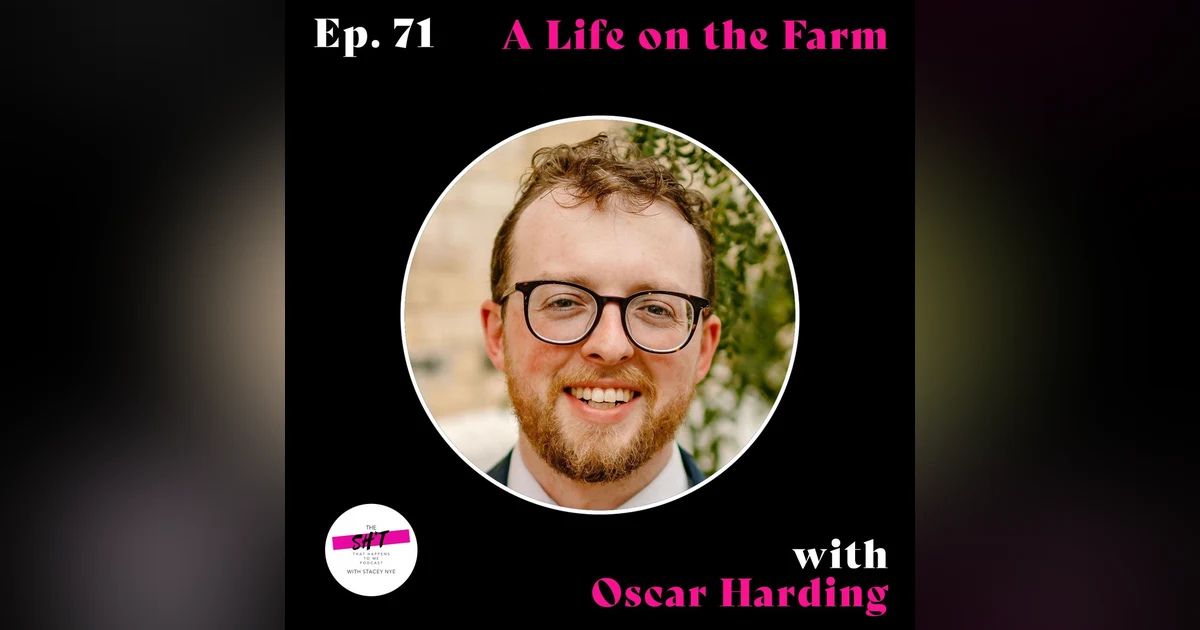
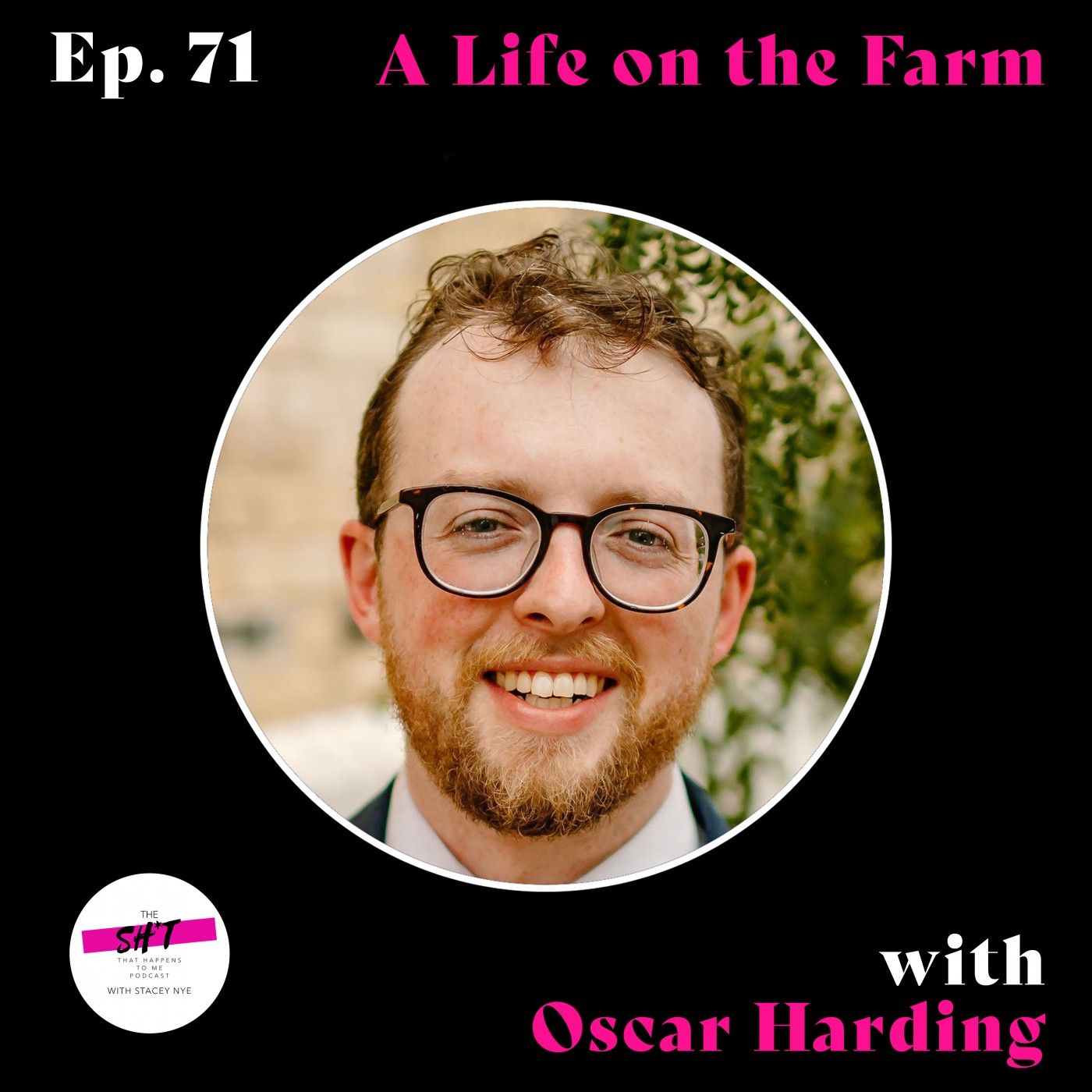
In Episode 71 of The SH*T That Happens to Me, Stacey sits down with filmmaker OscarHarding to talk about what it was like to create his quirky, award-winning documentary during COVID!+
New Podcast Up Here Click the link to Listen:...


In Episode 71 of The SH*T That Happens to Me, Stacey sits down with filmmaker OscarHarding to talk about what it was like to create his quirky, award-winning documentary during COVID!+
New Podcast Up Here Click the link to Listen:
Straw Hut Media Up Here Podcast
From Straw Hut Media
0:00 Shit happens, bad shit, good shit, crazy shit, and it usually happens when we least expect it. So tuned into the Shit that Happens to Me podcast and hear me and everyone I meet tell they're shitty stories. You'll laugh, you'll cry. You probably won't cry. Why would you cry? These are mostly funny stories. You'll learn a few lessons, probably not. It's definitely not that kind of podcast, but you will have a great time. Honestly, you can't make this shit up. Hey, everyone, Oscar Harding is on the show today. Oscar is a producer and screenwriter, most recently known for his documentary film A Life on the Farm, A strange story from Somerset, England about an eccentric filmmaking farmer and the inspiring legacy of his long lost home movies. I met Oscar at the Milwaukee Film Festival, where his film won the Cream City Jury Award. Oscar has a personal connection to this film, which makes it all the more interesting. Oscar is also one of the founders of Sonderbar Pictures, a production company focused on developing and producing short and feature length narrative and documentary films. They have some new secret projects in the works, and although I offered my acting services, I'm not sure he took me seriously. Oscar is going to tell us a lot of great stories about what it was like to film a movie during a global pandemic.
1:25 So let's get to the show. Hi, everyone, welcome to another episode of This Shit That Happens to Me podcast. I'm so excited to be here today with my guest, Oscar Harding. Hi. Oscar, how are you? I'm good? How are you? I'm good. So you are a bit of a celebrity here in Milwaukee and probably overseas. I wouldn't go that far, but I'll take it. No, I think so, I'm I almost think you had a little blue check by your name in Okay. Yeah, but you are one of the co founders of Sunderbar Pictures, which is a film company. Correct it is. Indeed, it's spread now between initially started London with my two partners, but now it's sproken to Milwaukee, London and Sydney, so you can imagine the time differences. Are fun to plan meetings, Oh yes, absolutely, It's hard enough for me to plan meetings with straw Hut and they're only in California. But I hope that made Tyler chuckle on the other end. But you you just created. You just made this film called Life on the Farm, and so that's gotten all kinds of fun recognition and stuff. So let's let's here, and that's how I'm supposed to say to you, how did I meet you? But I'm so excited that I just went to the punchline right away. That's how I met you.
2:51 So tell us about your film. Absolutely. So, this took about four years to make and we've started to get more to announcements. I can't reveal them yet. I wish I could, but they're very, very exciting, some of the biggest of my career certainly. So there's more announcements coming soon for the film itself. Yeah, it's really excited. Just I'm bursting to tell people. But we've got our UK and our European premiere. I can't say anything more than that. I wish I could. I really want to. So the film my grandfather, my late grandfather, I should say, in the rural English county of Somerset. If people have ever seen the movies Straw Dogs and Hot Fuzz, that might give you a little idea of where this takes place. Yeah, he passed away in two thousand and six.
3:38 So the family goes to his house and we're claring his possessions and one of my aunts rediscovers this videotape and they had vague recollections of all his neighbor had given it to him, some farmer because this is a very rural area. So she digitized to put on DVD, and my dad and I and my kids sister, we sit down to watch it. He vaguely remembers watching from years back. This was made in the eighties by this neighbor called Charles Carston, and he switched off the tape halfway through. So I kind of have all these images and grained in my mind, and for over a decade, I'm wondering what was on the other half of that tape. And then I bring it up in conversations with my aunts. We'd lost our couple of years ago when we moved house, and she casually goes, oh, yeah, I'm surprised you never asked me. I have a copy here. So I sit down and watch this movie, and everyone thinks I'm sort of hyping this up to market it, but I promised the easiest way to describe this home movie, this feature length home movie called Life on the Farm. Is it's Monty Python meets the Texas Chainsaw Massacre, and you've seen the movie.
4:40 I think that's a I think. So we went around the UK and then eventually came to the US and to Northern Ireland finding out Charles's life story. And there's all kinds of twists and turns around the way that I don't want to give away in case people would like to see it and have the surprises kept. I assume when you went in, you went in pretty blind. It was all coming new to you. Absolutely. So um. I went to see the film at the Milwaukee Film Festival, and I had found out about it because you are a Murderino. She got me into it, yes, and so you had posted something on the Milwaukee and probably the Wisconsin Murderino page, and I thought, oh, this looks like fun. Let's go see this movie. And one of the things about all I kind of one of the things I knew about the movie was that Karen Kilgareth has a has a role in it, you know, because it's a documentary, so she's talking about her reactions to the film, and so that was you know, very exciting for all the murderinos. And so I went with my friend m to see the movie, yeah, not really knowing much about it. Like I saw the preview and it looked kind of kooky. You know, this guy, Charles Carson looks kind of kooky. And it was much more more than I even thought it was going to be, which was so exciting, Like it's can I say, can I say why? Like I know it's
6:11 not that I want to keep it a secret, but also the home movies themselves, I mean, we talk about some of the earlier stuff. So it starts off normal enough and he's repeating himself constantly, and then it starts to turn a little bit odd when he has a funeral for one of his cats. Yes, and it all just kind of spirals from there. But you know, you were at the I think the second screening, and that was a great one to just watch everyone's reactions and the way we kind of made the movie. If you sit down to watch, you go on the exact same journey we did from watching this stuff to try and figure out what the hell's happening. As it gets darker and more twisted and weird on the surface, of it. So then finding out, you know, it turns into this surprisingly sweet story about this man and he leaves by this incredible legacy internationally on his wildest dreams. Well, and that's the beauty of what you did, Oscar. I mean, I don't really know much about making a movie, but it's not it's very hard. Well that's that's what I hope we're going to talk about. But um, it wasn't just like you know, you weren't just like we're playing this this very strange you know, man's movies. But you you were able to really like bring us all into that, like his humanity, and you know it, you did just a beautiful job of you know, putting it all together for us and telling us the story. And um, you won, you won all of these like you won the award at the MILAM. I was a complete surprise because I was
7:43 fortunate to see a lot of the lineup and being a local movie on you a lot of the other filmmakers. I thought, it's an honor. And everyone says this and they you know, they say they don't mean it, but really for it to be and what is now my hometown was there just the biggest honor to get to screenings is amazing. Go to the awards we set, I'm, you know, kind of placing bets and friends, but who was going to win? And my wife was should I even come because I've worked deadlines like I'm not gonna win. I'm just gonna grabte drinks a come. I wish I'd told you to come. And then they just yeah, called my name. My jaw dropped. I'm absolutely in shock still, and for it's come from Milwaukee means the world. Absolutely. Yeah, that was really it was so I felt like I was connected to it somehow, even though I'm not connected to it at all other than I saw the movie and I met you that day. But um, yeah, so I felt really, you know, happy for you. What was the name of the award that you want at the film Bust, the Cream City Jury Cinema Cream City Cinema Jury Award. Yeah yeah, so, um I think I even talked about it on one of the other episodes because I saw a second movie that wasn't very good. But I won't name any names, no, no, so um so yeah, so tell me um some I'm sure there was you know, so it took you four years to make this film, and I'm sure there were all kinds of you know, like shit that happened to you along the way. So um, let's let's hear. Let's hear what
9:15 happened in making it. You can tell me the good stuff and the bad stuff whatever. So bro, I'm trying to think probably the biggest ship moment was it was the rap day. Actually, so this movie we started shooting it in twenty nineteen, and we'll get into how this basically became a movie where I wasn't present to shoot over half the movie. Right. That was fun, Thanks COVID. But I'm in Savannah, Georgia, and it's my wife's very good friend's wedding and there's this one person in the film, and I don't want to give away who it is because this person is very, very reclusive. It's this person, this first person's this person's first time on screen in almost forty years, and it was a big get. This person is lovely, but the very secret for various reasons which are very understandable.
10:03 You'll see who this person is in the film. But it took me two years to track them down and a lot of back and forth over the course of maybe six, seven, eight, nine months involving this person's family members to convince them to come on board because they play a key role which they didn't know about in Charles's story. So this is the biggest achievement. I had sort of written off this person, go We'll make the movie without involving them, just because I can't get in touch with them. So it's the big day and it's five am, so you're in sweltering heat and Savannah. I promised myself I wouldn't drink on the wedding day. So it's five am. I'm hungover. We have an airbnb with my wife's entire family, so I'm trying to wake them up. You know, I'm trying to just hold it together when it's just this piercing headache, trying to do all this over zoom in a hotel in London when we didn't really have the budget to get this hotel. But so that's what movie making is. I suppose that was pretty painful. So we wrapped that and then I immediately jump onto a zoom call in New York to do what is the fourth reshoot with a couple of subjects here in the film. So first time it was great. That the audio and the video quality who wasn't great? Second time, the lighting was screwed up, Third time, the sound was screwed up. Fourth time.
11:24 Finally we get it done and then we've got to drive eight nine hours back to Milwaukee that same day. So it should have been a real celebration. I could have been more miserable. So you said something about a zoom shoot, tell us about that. Absolutely. So we started shooting this in twenty nineteen. I still lived in my native England at that point, and things were going well. We were studying to wheeze into this. We'd only just started production, was still figuring all this stuff about Charles's life and meeting people who knew him. And we didn't even know the biggest west in terms of his life story yet, so it's still very early days. This was going to be a short originally, and we were making this out of our own park of no money basically, so we you know, were a few months into this and then I get a job off from the United States and my wife lived out here in Milwaukee. We met when I was an exchange student up at the UWM here. So I just tell the production partners look We've got a good amount of stuff in the can. Let's start editing this together, maybe as a proof of concept, and then I'll come back in summer twenty twenty and we'll finish the whole thing off. Sure you well, we all know how that one. Yeah. So we're there, and we've got some Americans on board as producers, and we started kickstart a campaign in the middle of I think the second recession of my lifetime. So that's always fun saying hello, please give us money for this ridiculous little film that wasn't even
12:54 a feature at that point, or it was about to stet into a feature. We've found more of Charles's footage and his life story, and I'm there trying to direct this film, and we have pressure on us because now we have tens of thousands of dollars involved. So I can't leave Wisconsin. My partners can't come over to the US, I can't go over to the UK. There's still a travel ban, and they can't pretty much go anywhere out of England within the UK to shoot this thing. So Karen, I've not met her in person. That was all done on FaceTime a couple other people in LA and never met them shot a bunch of stuff in New York. I wasn't even there, So who are hiring people who I've never even met?
13:35 But I'm doing this over zoom and all kinds of different time differences. I'm helping prep my two production partners, one of whom was the assistant director. The other one was the director of photography. So I'm going to bed waking up with all this footage shots and I'm just praying it's exactly what we wanted. And a big part of documentary filmmakers you've got to develop a relationship of trust with these other people, especially when it's involving one who you know has passed away. Isn't there to talk for themselves and defend themselves to tell the story. So you want to make sure that you're being respectful. And the problem is when you're shouting down Skype to the sort of eighty year old person who's very hard of hearing, trying to make sure that you know they trust they trust me enough to get people they've not even gotten the phone with to go and meet them with masks with social distancing, to go and tell this story about this guy who has been dead for over a decade at this point, and they're barely remembering stories. I suppose a one guy who's ninety five years old, So I'm screaming down the phone because he's very, very hard of hearing, trying to convince him and he doesn't remember any stories.
14:43 That took me about fifteen minutes to remind him who Charlie Carson was. So yeah, there was about a year of just ringing around every single person who probably ever knew him ever, trying to see who would be comfortable with it, and trying to tell them, oh, great, you come on board. Now I'm not going to be there. Yeah, you're going to have to meet my two other partners. I promised they're nice, and I'm not even there to interview because the problem these are rural areas with the reception is horrible. So then my assistant director has to become the interviewer. So I can't imagine a worse way to make a film. But all involved, Oh my goodness, you did it, you did it, and it's a beautiful film. Oh my goodness. So you have these other people in these other locations like camp camp, like cameraman and yes, camera sound, all of the above, right, and they're all there, and then y're somehow on someone's phone maybe or their computer doing FaceTime or zoom or whatever you're doing, and watching watching them film this interview. And well, the thing is, I'm technically part of it. So they set me on a camera laptop just out of frame. It's all pointed at our interview subject. And I'm trying to do back and forth with my cinematographer who's in London. He's a horrible reception. I can't get him on the course. So I have to get my cameraman in LA to take a picture of his camera monitor. He sends
16:18 it to me. I have to email that to my cinematographer in London. Wait for him, go now move it left a little bit. It was absolutely painful, and karenter Credit was had the patience of a saint. Yeah. I think you can write a manual about this. Now, how to film a movie and you know, three different locations all at once. Oh my goodness. Wow, that's that's really something. I never want to make a film away again. No, of course, now no, no, I mean I don't know when Monkey Parks comes, who knows what what we'll have to be doing that I'm going to get in a bubble and I'll just drive for the Yeah. Yeah, I mean aside from all of those stories, I mean any other like, um, crazy things that happened during the filming. During the filming, I mean, the thing was, it was so staggered, and a lot of it is remote. It's kind of hard to have crazy stories. So I was kind of thinking of crazy. There was one documentary we almost made about shit that happened to me. Yeah, and then we scrapped it just because things won't work out with kind of legal issues and all kinds of stuff. Um, partially because this man was one of the most powerful cult leaders in India and a convicted murderer and that didn't go ahead, which might be for the best probably. Yeah, pretty extraordinary
17:51 story. Oh boy, Well, so this is not the only film that you've made. You've made some other film, so Kenach has a little bit about those. Sure. So I've largely worked on other people's movies and long after they've made them, because I have a background in distribution and marketing and social media promotion that kind of thing. So I'm kind of hearing crazy stories that have happened and I'm not there but I've made plenty of films in my own right now, a lot smaller them modering my college days. Probably the worst one was it was the first time I had made a big, big short film of my own money. I've raised about three grand, so I shoot every penny is of my own. Pretty much my partner so I still work with. So I'm one of the actors in it. And We've got this beautiful field and this farm in the middle of nowhere for one day.
18:48 It's the It's in the nineties temperature wise. I have a swap team dressed up in just this thick, heavy black clothing, and we have no ac because we're in the middle of nowhere. It's all these big monologues that I've got to give. And it was the worst time of year for the certain crop harvest, and I had the worst havee but so we had lost our makeup person. They'd driven off after getting everyone set up, and then all of a sudden, this havever kicks in. I'm sneezing, I'm wheezing when I'm trying to give this big monologue. My eyes are sort of red and puffy and streaming, and we try everything we can to work around that with the camera so it doesn't look like I'm in the middle of the worst hay fever attack in my life. And that was the sort of six seven hours shoots in ninety degree heats that was not fun. So that that film didn't win any awards. Then that one, That one took about three years to make because all the visual effects was on my one partner. He works on Star Wars, he works on Jurassic Worlds, but everything was on him and his computer broke down halfway through, so that took three is to release.
20:00 Oh boy, Yeah, so I didn't know. Does it normally, I mean, I don't know what anything about making a film. Does it normally take that long to make a film? Well, not necessarily. We shot the thing about two weeks and then it was three years of post production, which was just miserable. And then you've run out of money. Yeah, I don't want to get people to do it for free or any of the crap they say of oh, do it for the exposure. And I've just been very lucky to work very talented people who've done it for next to no money and they've gone on to bigger and better things, and rightly so yeah. Well, now you will be two fingers crossed will say yeah, so you act as well and you write right, yes, acting, I am long past those days. That's just one of those things when you're in college and no one will do it, so you just have to step in front of the camera and do it yourself. I'm not much of an actor.
20:51 I'd rather hire people who know what they're doing. Okay, so I've probably talked about this. I mean, I used to think I wanted to be an actor. I love films and you know, plays and everything like that. And I used to try out for every play in high school and um, the director and he was a great guy. Name was James Batts. He was such a great guy. He always made me the assistant director. And I should have known that that meant that I wasn't that good at acting. Um. But you know, and then I remember, you know, Um, when we moved to Milwaukee, I tried out for some local theater productions. I just like, I'm wincing at the thought of that. I did that, um, but didn't didn't get any parts. So you know, I've always had this like kind of fascination with Hollywood and movies and pictures and you know, wanting to be on that scene. Just just hearing you talk about, you know, some of those things is really exciting to me.
21:51 But I think you may, oh really, yeah, probably I'm probably a much better so coologist then I am. Then I would have been as an actor, um, and I'm probably ah, I was gonna say, a mediocre podcaster. But no, I think, like I think I think of anything, this is this is my I'm better at this being yeah, my calling, thank you, just being me, you know, and talking to people and maybe telling some funny stories then pretending to be someone else, which I wasn't. I don't think I was very good at it. But no, I did not particularly enjoy my very brief acting extent I was in.
22:38 I was in Damn Yankees as an exchange student in Milwaukee, and it was maybe the most miserab books French of my life. It was brutal. Let's hear, let's hear more? Tell us more about that? So I just thought it would be fun to get into some production, and the one thing going was Damn Yankees the musical. I auditioned and did the kind of cringe worthy thing every young actor does where they do the Alec Baldwin monologue from Glen Garry Glen Ross. At the time, you think this is the most original monologue anyone could ever do. I'm the best actor in existence, and then got relegated to an extra pretty much quite rightly. So yeah, but put it this way, if anyone seemed glee. American theater kids are a very very very different breeds. The British take acting very seriously, but in a different way. They sit more as a day job. So you sort of hear these stories of how Laurence Olivier sort of witheringly looks at Dustin Hoffman for being met and and just saying it's called acting, dear boy. So this is a very different culture to me. And I have some friends who have theater kids and then the loveliest people, but it feels very life for death and dent life or death intense, and I'm just sat there in the corner just waiting for rehearsals to end. And the directors take it a lot more seriously, and even in college, so they're sort of five days out of my week, um, sort of three to four hour day, three four hour rehearsals a day, just to be an extra in Damn Yankees,
24:08 and it could not have ended sooner, so you didn't actually, oh, you were an extra. So I was doing the singing and the dancing, the choreography, and I have two left feet, so I tried to avoid dancing where I camp. But that's all I was doing. Okay, but that's that's a lot. Oh yes, yeah, yeah I would. I would not recommend unless you take acting very seriously and you're planning to do it for a living. Yeah. I don't know why. I think I can just like waltz in and you know, like I was an extra. Um last February, someone was making a film here in Milwaukee and some I think someone shared it on in Urderino group and I was like, oh, I'm free, I'm gonna I can go do that. So I don't know.
24:53 There's a lot of standing around, a lot of the Weather's not so bad, right and it was pretty cold out. But yeah, but it was fun. It was fun, you know, the whole scene and everything. So so you're from England and it was funny when you said hat fuzz because I did remember. I do remember them running through those fields. So that's literally like where you grew up. That was maybe fifteen minutes drive. Because that movie is set in the city where the director of Edgar Wright grew up. That's about fifteen minutes from me, actually, the one story about that city. And I've never been more devastated. I was spending New Year's with my family. My wife was over and she and I both love Nicholas Cage and he has he has a home in the nearby city of Bath, which you might have heard of Jane Austen, very famous picturesque English town. And the next day I'm just on social media and it turns out he was at this pub that I know about a twenty minute drive away, and he was spending New Years there within twenty minutes drive. Even having New Year's Eve with Nicholas Cage. Yeah, I've never been more furious that I missed that.
26:06 Oh yeah, for sure. Opportunity. Yeah, a missed opportunity. Well, I think that you should invite him to screening. I'd love to if he ends up anywhere near it, as you can't tell us about now, I wish I could. Can you give me, can you give me some hand signal? Like can you tell me? Are you gonna be like no, no, no, that they were very nice about it. They got some lovely feedback. We just want a good fit. I can tell you we're doing the US again, We're doing Canada again. I've got our UK and European premiere. And I would say anything more than that, I'll probably be shot. So okay, okay, I wish I could say, well, it's coming in a few weeks, that's what. Yeah, all right, so there'll be a big announcement then, oh yes, yeah, I'm looking forward to it. So the average person, like, how would they see the film? Would they have beside while coming to one of these you know, um screenings or film festivals? Is there other ways to see the film? Well, this is the one of the joys of no budget indie filmmaking. We are currently playing festivals around the world at different times, and right now that's the only place you can see it. Okay. The people do the kickstart of the beginning their DVDs pretty soon, so the people invested at the start, they will begin to see it soon. Okay. Well for your average person, and believe me, all we want to do is share Charles a story with the rest of the world. That's going to come as soon as we can either get distribution or we don't get distribution. We
27:37 have to distribute ourselves and it will go on streaming, VOD that kind of thing. But that probably won't be until next year. And I just hate happy that I have family members saying, oh, when can we say and I would tell them wait around another nine months, then we'll talk. Well, they could go to the film festivals right right, and do some of the film festivals also streamed a movie. They do, So we're actually streaming in Australia the entirety of Australia for the entirety of July, so there'll be multiple opportunities. And then again I can't say where it is, but there'll be opportunities in Canada in the US to stream it again in the coming months. Okay, but yeah, probably the best thing is just to keep an eye on all social media pages, yeah, for sure. And you can see the trailer there which is which is very funny. So I want to go back to that for a minute, because well, first of all, so I was at the second screening. I inadvertently bought a ticket for the first screening and showed up on the second screening day, which apparently I wasn't the only person who did. That's the ship that happens to me all the time. I come home and tell my husband and he goes, don't you like look at those things more carefully? And I was like, yeah, I thought that I did anyway, So it were I mean one of the kind of really fun things was the audience, Like you must have known a lot of people in the audience right there was this was the big test because
29:11 obviously it's a lot easier and all your friends and family are there and they go, this is the greatest film ever made. Yeah, Cloud nine. But pretty much everyone I knew was that the world premiere, which was the first screen, which you weren't able to go to. Okay, so that was a lot smaller. It was Sunday at you know, sort of nine at night, so you know, it was a lovely little cinema. Yeah, it's a weird kind of time. You know, parents have got to look after the kids as a school not that kind of thing. So I didn't know a whole lot of people At the second screening that was about twice as busy. So I was really nervous because if people hated it, it's going to be very, very obvious. But that one turned out even better, which is great. So people were very you know, like really into it that I thought that they knew you so, but that was the good thing because everyone watching was reacting the exact same way we reacted. Every time we'd showed the footage, someone including people who Numa, had never seen it.
30:10 They oh, Charlie was a filmmaker, was he? And then you showed them this footage and you know a lot of these people didn't know this side to his life. Yeah right, oh boy, so many sides to that man's life. But so, and what's the light going to these film festivals? Because I know so there was like a meet up prior at this bar and it was pouring rain that night, by the way, that was just serrential rainstorm, and you're everyone to come out on that. Yeah, but you know, like, um, I thought the meet up, Well, tell me what you thought about that meet up or just like this whole like, you know, festival thing. I don't know what step been like.
30:56 Sure, well, you know it's tough. It's tougher festivals over the last couple years because obviously no one's been going to So the thing is this is your first feature film, it's your hometown, it's the world premiere screenings. It's going to be pretty you know, bad if no one really shows up and it's just dead quiet. So best to get a little bit of Dutch courage and people and somewhere nearer by enough that they can stagger over the few drinks them didn't the cerrential downpour, but that's that's probably my favorite bar in the city. So it's just nice to have everyone there. We had, we had the Murderingos, we had the Melindas, that is the fan base for two of the people who are in the film, who are also producers on it. And then you know, I've got people from work there.
31:41 I've got some family there, I've got some friends there. It's just, you know, it's like at a wedding rights of all these different people, all these different facets of your life coming together, and you just don't ever expect that bizarre combination of people making small to oh, how do you know so and so it's because of him? Right? Did you say the Melendos, Like there's other people who have who have named themselves like the Murderinos. Yeah. Yeah, So we had the Melinda Murderino Meetup Month. Essentially a lot of m's who and who are the Melendo's answer? So this is the Found Footage Festival. So when I moved here and we couldn't film anything in the UK and this before COVID, I thought, well, I'm in America. There's plenty of comedians who make a living finding crazy stuff like this.
32:30 Why don't I show it to them and get their thoughts on it? And every single one I send it to them not only were like, yeah, sure whatever, fine, but they were asking me questions. So I'm getting interview at the same time I'm interviewing them. And two of these people, Nick and Joe, who you see in the film, they're the Found Footage Festival. They came on board as investors, they came on board as producers, and the Melendas are their fan base and they factor into Charles's story a lot more than some of the other Americans who were in it. Like like Karen, I've never heard of this Found Footage Festival. I I loved them before I had even met them, so it was great to me. They can read of their names, these guys as Joe Pickett and Nick Prue, and they've just been the absolute heroes of this film, Like it wouldn't be as good a movie without them. So this is a thing people like find add footage like in their like attic or something, or or someone else's attic. Well, yeah, other people's atticts. Thrift stores is the big one. Nick and Jones or the other people who are in the movie.
33:32 It's got to the point where their fan bases are big enough that people send them stuff and that's the really interesting stuff. Okay, okay, huh, well that's no. There's a whole subculture there which I really wasn't aware of before diving into this. Yeah, and okay, so that that got me a little off. But so so when you do these festivals, Like one of the things that occurred to me was you were saying, like a wedding, like you you have to smile for like eight hours straight because now people are all coming like to see your film, and you have to kind of act interested in them, and you know, meet a lot of new people and you know they're saying great film. You're like, thank you very much, and you know, so that's I would imagine that's somewhat exhausting. Also, well, yeah, it's nice when the festival was very generous with complimentary drinks before and after the screening, so that I helped steady the nerves.
34:24 Yeah. I mean we've only just started the festival cycle, so I know filmmakers who are very, very jaded, and I haven't got to that point yet. I hope it's a while, but you know, we're about to Yeah, we're about to hit the road in a big way. So that's going to be fun to figure that out. Yeah. Yeah, I think the film festival. I mean I I act like I'm an expert. I've been to Sundance once sou but that was really exciting and really a lot of fun. And yeah, I imagine it's stressful to you know, have a film, you know, be acting or you know directing, or you hear about the Can Film Festival where there's sort of twenty minutes standing ovations or people boo and walk out. Oh I would hope I don't ever have to screen it Can because that justus like a different kind of nightmare. Yeah. Then in the in the kind of summer heat and the South France, they insist on black tie. You can't wear the T shirt and shorts. Yeah, so you didn't submit the film there. No, I did not think we were a good fit for the French right, okay, so what other projects are you working on? What's next? Because you're probably always like two or three steps ahead, right, Yeah. No, we're already shooting our next stock And all I can say is it's about an exiled ruler. And I'm not allowed to say any more than that. I hate to be one of those people. Is a loose Yeah, yeah, so much in the works right now that Yeah, you don't want to let anything slip. But it's about an exiled ruler. Huh. Okay, it's a Dutch manory. Yes,
36:00 it's an exiled ruler. Who uh. One of the territories he claimed was about an eighth of Antarctica Okay, huh claimed it? Yeah, very different terms. Interesting. That's the next big ones that's shooting in Milwaukee this summer, okay. Huh. Well, if you need any extras, oh absolutely, I just told you I'm like a mediocre actress. But you know, yes, let's do it. I would love to do. You have to find the budget for that first, yeah, yeah, yeah, I would. I would pay for it if to have an opportunity to go there and be in your film. You're like, well, now i'd pay for the opportunity as well. Be amazing. Yeah, yeah, for sure.
36:52 Um and so is our Is that going to be your your niche? Your niche niche is just the documentaries. Well again, that's a funny story. We'd set up this company in college and everything we'd shot had been you know, science fiction, comedy, that kind of thing. The plan was always we're going to make narrative stuff. We're going to do script and stuff. I love documentaries, always did, but I thought, well, we're never going to find the right story. And that's such a different skill set. You don't just you know, swager in and go yeah, I can make a documentary. That's easy, right, It's a very different kind of filmmaking. And then this tape fell back into my lap, and you know, we just had to make it. And then this other story comes along when I'm living here, Okay, I guess I'm in this little niche now.
37:37 But I'm hoping to dance around. Everyone says that, and then you know, trying to be a filmmaker and also pay the bills, it's not a lot of fun. So you follow the money, right, right, and do you still have So you came here because you've got a job here. Yeah, so I had. I had been a long distance relationship with my now wife, Yeah, about three d years, so that it's not easy for it has been long distance relationships and then this opportunity to come up. Milwaukee's always basically been at home. I'd come over whenever I could when we were dating, and then, yeah, it's been home over since it's going to be home for the long run now. And how long have you lived in Milwaukee? Um? Well, I tell people that I moved here temporarily almost twenty Yeah, twenty seven years ago. So you'll be leaving anytime soon, you're great? Yeah? Yeah, Well, you know, I was never supposed to live here. I'm from Chicago, and I met my husband, Steve, who's from Milwaukee, and we met in Chicago, and we went to the East Coast to do our training, and we were supposed to come back to Chicago duh. But he couldn't find a job in Chicago right away. He's a scientist, so we moved to Milwaukee temporarily because he was offered and as a psychologist, I can work anywhere, you know, so we moved to Milwaukee temporarily because he got a job offer, and then you know, like you start having kids, you get settled in a place it's
39:08 a low hard to move then yeah, yeah, yeah, and so but we've had like a really great life here. It's it's I mean, there's like things that aren't great about it, of course, but we can say that about anywhere. It's funny, Lackey was my fifth choice. When you so when you're at college, numbered your choices. Yeah. The way it works, or the British college system is when you go to America on the exchange system, you have to choose from the system network of British of American colleges. They give you a choice of five, so you know, rank it from most favorable to least. So I've got three California ones because obviously naive idiot starting at eighteen year old, I'm going to go to California and make movies. Then you realize you dodged a bullet because it's just wildfires and rent costs of fortunes. So I think I dodged a bullet. That yeah, fourth one, I was just you know, pulling them out of my ass and go oh, I know someone who went to Massachusetts. I'll, you know, put Massachusetts my fourth, so then you start with the fifth.
40:07 I didn't really want to go anywhere in the Southwest. There wasn't anywhere down south that really interested me. Saw some articles saying that Milwaukee one of the top film schools in the country. I was doing a history degree on a film degree, so I thought, I'll just put this down. Maybe if it's you know, I'm stuck here, I will just meet a few people to make films with. And I'm thinking it's California, worst case scenario, Massachusetts. About three months later, I get a letter saying, congratulations, You're going to Milwaukee. First thing I had to do was going Google Maps and find out where it was and what Wisconsin was, because no one really wants Wisconsin. I was, no, but the best thing that could happen. It's really it's really it's a very nice place to live. And I've been able to be, you know, very successful, like in my chosen career. You know, here in Milwaukee, and you know, I'm at the university for the last five years, and you know, there's just a lot of really great smart people there, and um, I mean the winters are long for sure, but you know that's not Milwaukee spot. Um, we have beautiful, fun summers. And you know, the city has really grown since I've moved here. Like when I first came, there was nothing there was I was I was having Starbucks coffee delivered, like there was no boys to get like a good cup of coffee. And yeah, and so like yeah, there's like five places like just within like a mile now.
41:40 Um, so I still I miss Chicago. Um, and I would go and visit um often, but my parents are past now, so I have less of a reason to like and I I mean like the city I loved in the City of Chicago, but um, I know, like you know, my cousin lived there for many years. She couldn't wait to leave Chicago because the crime and it was so expensive and you know everything. But I think that's pretty much any Yeah, for sure, we consider moving to New York, We consider moving to LA And yeah, I'm very happy staying for being able to afford to keep a roof over man and actually have food on the table. Absolutely, yeah, absolutely, And now you know my kids are here and so you know, um, it's really it's nice to it's nice to live here. So so, UM, I have one other question. Are you are you a soccer player? In the soccer picture, I'm a terrible soccer player. Are you talking about the Photoways sent you?
42:44 No? Um, I'm this is just I I told you you're a bit of a celebrity. This is like the first thing that came up on Google. Um, men's men's soccer must be I didn't think there are many ol s garidings, but that one's definitely not me. That was not you do not want me on your team? Okay, what you played? Do you played soccer when? I mean just when you're in school. It's the kind of thing everyone plays the playground. But I was absolutely one of those kids who's picked last on the team. And I'm kind of glad they did. You know, you kind of get dragged into Rugby is a sport I'm not a fan of, but you would get roped into it. Of course they say, right, well, you can't wear your glasses, You've got to play this violent contact sport. Great, so I can't see what the hell do you want me to do? So I feel like Calvin and Calvin Hobbs.
43:31 They just sent me way back to the end of the field and I'm just standing there in the freezing rain as a kid, and the MUDs just waiting to get off the rugby pitch. And it was the same with cricket in the sweltering heat. Yeah, not a cricket player either. So I'm I'm now wondering if when I said soccer you thought I meant football. Yeah, that's the problem. You get so conditioned after you life. I immediately know, yeah, because my dad's the world's biggest Liverpool supporters, So oh, okay, I'm kept up to day and what's happening with soccer? Okay, and you watched ted Lasso and everything like that. My funnily enough of our assistant director is in the pilot of ted Lasso. Really well, he's a he was a semi pro American football player and he played for Alabama College and then moved back to the UK and he was semi pro out there, and you semi pro in Germany. So when they go to shoot Ted Lasso, he got asked to be an extra, so he's one. I think the opening few minutes perhaps I wanted Ted Lasso fun. That's so fun.
44:40 That's a great show. I love it. It's such a great it's so much fun. I love that show. Okay, well, Oscar, no kidding. UM, if you need an extra for your Antarctica film, I'm I'm available. I want to wish you all the luck in the world with the more festivals that you have coming up that shall remain nameless and your new project that shall remain nameless, and um, you know, but great, great luck with Life on the Farm. And everyone should try to see it. Um. I'll try to put a link somewhere. I'll put it. Oh, I'll link to it on UM when the when the episode comes out on my social media pages, to the film anywhere. You'll be sick hearing about it. No, no, everyone should see it. It's really great.
45:31 So thanks so much for being on the show. I really appreciate it. And take care. Okay, bye bye. Right. So that was Oscar Harding, producer of the award winning film A Life on the Farm. I learned a lot about filmmaking during this interview, much of which didn't sound very glamorous, I suppose. I also learned about the Found Footage Festival, a one of a kind event showcasing footage from videos found at garage sales and thrift stores around the country. Tyler, have you ever found any crazy home movies? No, I haven't, But I have a really good friend who lives in LA who goes to these estate sales. Yeah, basically wait in line, and it's kind of like first come, first serve. And what she does is she takes all the film that, like if any of these estate sales have available, and she loves to develop all these old photos and they're really beautiful, amazing things that she ends up developing. Like it, she'll post them on Instagram and stuff, like like a random couple and it says, you know, Hawaii trip nineteen sixty two and these photos have never been seen even by them. They were taken by them, but they're still undeveloped. So she develops them and seeing them for the first time, and you know, they're traveling through you know, visiting Pearl Harbor and going through all these different Hawaii type landscapes. And she also posts like these ones that she found from the early sixties of like farm life and it's like actual cowboys,
47:05 you know, like in the and they're like smoking cigarettes next to their horses and leaning against barns and it's just like it's cool to see that authentic actual history that we see in movies documented all the time for like Hollywood, but really seeing these real life, you know, early sixties, late fifties cowboys who are sitting there smoking and doing their doing their cowboy work whatever that may be, wrestling up horses or something. Yeah, but this sounds kind of similar to that, you know, like the found footage and I've heard of people doing that, you know, and kind of trying to make a story around found footage, which is really cool kind of art type of film art movement that I remember people were doing in like kind of similar to in Denmark, there was a film movement called dog Maine ninety five, which was the rule. It was invented by all these Danish guys, and the rule was no script, no story. Basically, it just has to be from You just start shooting and it's all improv and you have to make a movie out of it, and you put it like a certain set of days that you shoot and then whatever you have, you have to make a movie out of it. It's kind of similar to that, but yeah, it was it was great to hear him talk about the documentary aspect of things and the found footage and I haven't seen have you watched any of his work yet?
48:34 Which work the found footage work? Yeah? No, In fact, I'm trying to I'm trying to get a hold of these guys. I'd love to have him on the podcast. Yeah, but because it's more than just a festival, like they're calling it a festival, but it's just like a whole a huge website and you can send in your videos to them and maybe they'll respond, maybe they won't, but they're on the festival circle circle it right now. Also, so I think they're Oscar told me they're kind of busy. But yeah, I mean it sounds right up my alley. I love like old artifacts and things like that, and obviously I have a background in film and things like that, so combining the two is pretty pretty unique.
49:17 I had never heard of people really doing it to that level. So right, no man neither come a new follower of it. Cool. I mean it makes me want to go look at all our old home movies because there's probably some silly things in there to send in, So everyone should check them out the Found Footage Festival, and of course check out A Life on the farm and if you can get that in your area, you should definitely watch it because it was really a great film and they keep winning awards as they go through the different festivals, so good for them. Yeah, I gotta see it. I don't know how to, but I'll figure it out.
49:58 Well, if I hear about it, I'll let you, okay, all right, perfect, and we'll post it too if we do, if we find more information on how to how to view it for sure. Yeah, all right, well thanks. This was a nice episode, you know it was. It was interesting to hear all these new things. Especially I'm always on the background hearing everything, so it's nice to learn new things while I also record absolutely and you know, maybe I'll be in one of Oscar's films coming up. Seems like it seems like he liked that idea. Did he definitely did not seem to like that idea, But so please, don't, you know, try to like get me gone about that, all right, I'm sorry the little things of yeah right, all right, well thanks everyone, Yeah, thanks, have a good one, see you soon. Bye.
50:53 Thanks for listening to my ship. I really appreciate it. Come back and hear more shit next time on the ship. That Happens to Me podcast Do you think I've said shit enough for one podcast episode? Tune in next time to The Ship That Happens to Me Podcasts. You got a baby,


