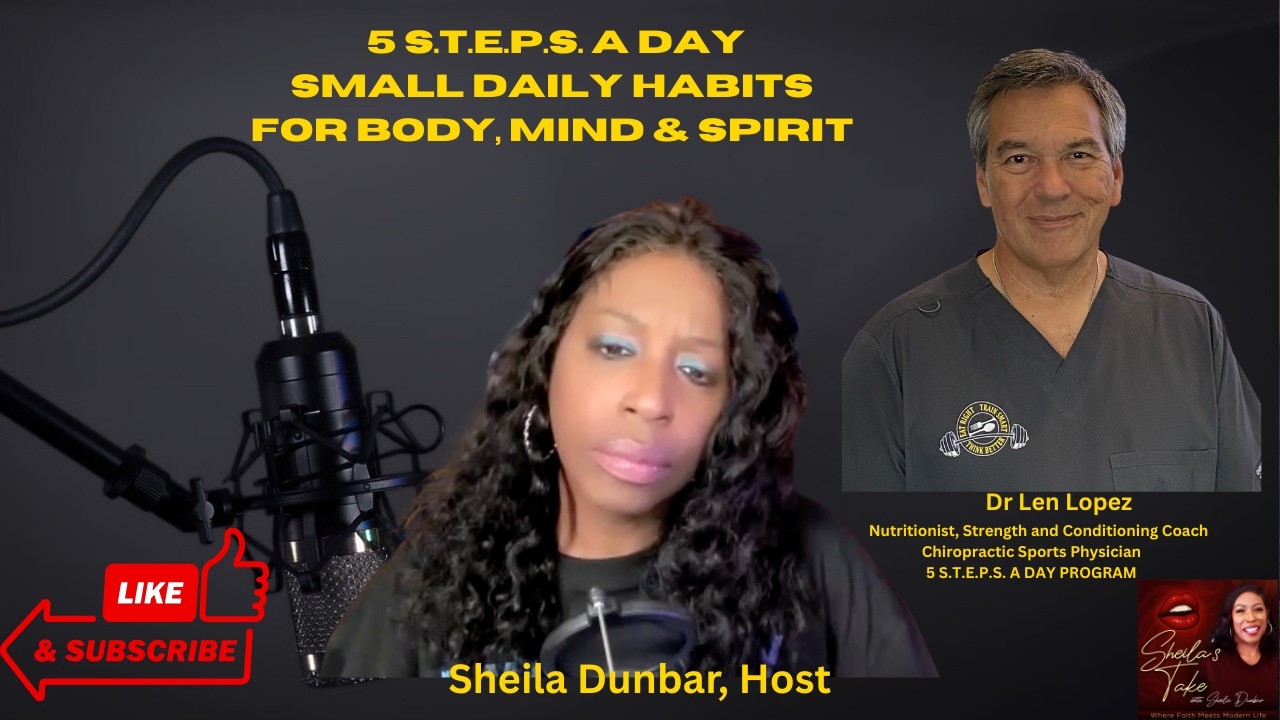
The Power of the STEPS Acronym: A Holistic Approach to Well-being
Introduction: Finding Your Balance Today

Welcome back to the blog, where we dive deeper into the conversations that shape our podcast episodes. In today's post, we're unpacking a concept that resonates deeply with the pursuit of a balanced and fulfilling life. Many of us feel like we're juggling an impossible number of demands, constantly striving to keep all the balls in the air. We might excel in one area – our career, for instance – only to feel like other essential aspects of our well-being are slipping through the cracks. This feeling of imbalance is not just a personal struggle; it's a pervasive challenge in our modern world. We are bombarded with information, expectations, and the relentless pressure to be "on" all the time. It's no wonder that so many of us are searching for practical, actionable strategies to reclaim our equilibrium. That's precisely where the framework we'll be exploring today comes in. It offers a refreshingly simple, yet profoundly effective, method for approaching our well-being from every angle. This isn't about drastic overhauls or impossible New Year's resolutions. Instead, it’s about building a foundation of sustainable habits, one small step at a time. If you've ever felt overwhelmed by the sheer scale of what it takes to feel truly well, then this post, inspired by our latest episode, is for you. We'll be dissecting the ingenious STEPS acronym, a tool designed to guide us toward a more balanced and resilient life. For a deeper dive into this topic, be sure to check out the full episode, "Five Steps a Day with Dr. Len Lopez: Small Daily Habits for Body, Mind & Spirit," available at https://www.podpage.com/sheilas-take/five-steps-a-day-with-dr-len-lopez/.
Meet Dr. Len Lopez: The Expert Behind the STEPS Acronym

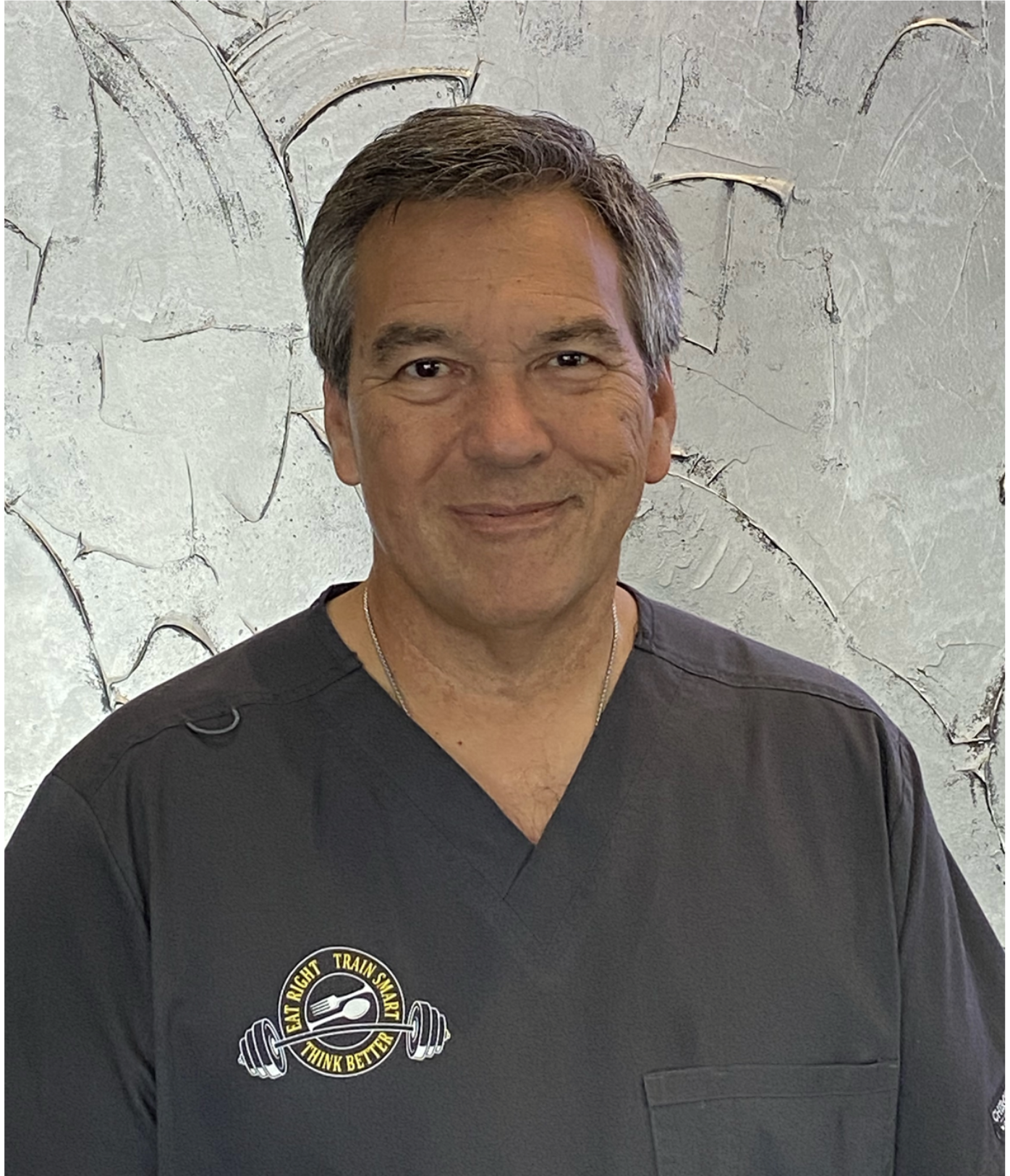
At the heart of the STEPS acronym is Dr. Len Lopez, a man whose extensive experience and unique perspective have culminated in this powerful framework. Dr. Lopez isn't just an academic; he's a practitioner with over 25 years of hands-on experience. His background is a fascinating blend of disciplines: he's a nutritionist, a strength and conditioning coach, and a chiropractic sports physician. This multidisciplinary approach is key to understanding why the STEPS acronym is so effective. It acknowledges that our well-being is not a one-dimensional pursuit. It’s a complex interplay of physical health, mental acuity, emotional balance, and spiritual connection. Dr. Lopez's journey has been one of observing patterns, understanding the science of the human body and mind, and recognizing the common struggles people face in their quest for better health. He's seen firsthand how individuals can become stuck in cycles of poor habits, feeling defeated and unable to break free. His work is driven by a desire to provide simple, yet powerful, tools that empower people to take control of their lives, one manageable step at a time. He doesn't advocate for perfection, but for progress. And the STEPS acronym is his elegant solution to achieving that progress.
The Genesis of 'Five Steps a Day': Why It Exists
The creation of Dr. Len Lopez's 'Five Steps a Day' framework wasn't born out of a vacuum. It emerged from years of clinical observation and a deep understanding of human psychology and physiology. Dr. Lopez recognized a common thread among those struggling with their health and well-being: the tendency to get overwhelmed and try to change too much, too soon. This often leads to burnout, discouragement, and a return to old habits. People would come to him with ambitious goals, but without a sustainable plan to achieve them. They were caught in what he calls "vicious cycles," where one negative habit or outcome would snowball into another. The 'Five Steps a Day' approach is a direct antidote to this overwhelm. It’s designed to be accessible, adaptable, and, most importantly, achievable for everyone, regardless of their starting point. The core idea is to focus on five key areas of well-being and to make small, consistent improvements in each. This isn't about radical transformation overnight; it's about building momentum through consistent, small wins. The framework is a testament to the power of breaking down complex goals into manageable components, making the journey towards a healthier life feel less daunting and more attainable. It’s about progress, not perfection, and building a foundation for lasting change.
The Interconnectedness of Body, Mind, and Spirit


One of the most profound insights that underpins the STEPS acronym is the undeniable interconnectedness of our body, mind, and spirit. For too long, these aspects of ourselves have been treated as separate entities, as if what happens to our physical body has no bearing on our thoughts and emotions, or how our spiritual state doesn't influence our physical health. Dr. Lopez challenges this fragmented view. He argues, and his work exemplifies, that these three pillars are inextricably linked. Consider the simple act of sleep. When we're sleep-deprived, our cognitive functions suffer. We become irritable, our focus wanes, and our ability to make sound decisions diminishes. This directly impacts our mental state. Conversely, when we're bogged down by stress and anxiety (a mental and emotional state), our physical body can react with tension, digestive issues, and a weakened immune system. And then there's the spirit – that sense of purpose, faith, and inner peace. When we feel disconnected or lack a sense of meaning, it can manifest as lethargy, a loss of motivation, and even physical ailments. The STEPS framework embraces this holistic perspective. By addressing each component – Sleep, Think, Eat, Physical, and Spirit – with intention, we create a synergistic effect. Improvements in one area naturally ripple outwards, positively impacting the others. It’s a powerful reminder that to truly thrive, we must nurture all aspects of ourselves, recognizing that they are not independent, but rather integral parts of a unified whole. This interconnectedness is the secret sauce that makes the STEPS acronym so potent.
Unpacking the STEPS Acronym: A Holistic Framework
Now, let's delve into the heart of the matter: the STEPS acronym itself. This isn't just a catchy phrase; it's a meticulously designed framework that guides us toward a comprehensive approach to well-being. Each letter represents a crucial pillar, and by focusing on these five areas, we can build a robust foundation for a healthier, happier life. The beauty of STEPS lies in its simplicity and its ability to be applied universally. Whether you're an elite athlete or someone just starting their wellness journey, these principles are fundamental. The acronym stands for: * Sleep * Think * Eat * Physical * Spirit Together, these five elements form a powerful synergy. Neglecting one can undermine progress in others. Conversely, intentionally nurturing each one creates a powerful upward spiral of positive change. Let's break down each component to understand its significance and how we can start making improvements.
S - Sleep: Dream Better, Live Better


Sleep is the often-overlooked cornerstone of our well-being. In our fast-paced world, sleep is frequently sacrificed on the altar of productivity or entertainment. However, Dr. Lopez emphasizes that sleep is not a luxury; it is a fundamental biological necessity. During sleep, our bodies and minds undertake vital repair and regeneration processes. Our brains consolidate memories, clear out toxins, and prepare us for the day ahead. Our immune system strengthens, and our hormones are regulated. When we consistently fall short on quality sleep, the consequences are far-reaching. We experience impaired cognitive function, reduced concentration, and increased irritability. Our emotional regulation suffers, making us more prone to stress and anxiety. Physically, chronic sleep deprivation can contribute to weight gain, increased risk of chronic diseases like diabetes and heart disease, and a weakened immune system. The good news is that improving sleep doesn't always require drastic measures. Simple habits can make a significant difference. Establishing a consistent sleep schedule, even on weekends, is crucial. Creating a relaxing bedtime routine – perhaps reading a book, taking a warm bath, or practicing light stretching – signals to your body that it's time to wind down. Optimizing your sleep environment by ensuring it's dark, quiet, and cool can also enhance sleep quality. Even just aiming for an extra 30 minutes of sleep can have a profound impact.
T - Think: Feeding the Right Wolf and Rewiring Negative Thoughts
The "Think" component of STEPS addresses the critical role of our mental and emotional state in our overall well-being. Dr. Lopez often uses the analogy of "feeding the right wolf." We are constantly bombarded with thoughts, both positive and negative. The wolf we choose to feed – the one we give our attention and energy to – will ultimately grow stronger. This highlights the power of our mindset and the importance of consciously choosing what we focus on. Negative thought patterns can become self-fulfilling prophecies, leading to feelings of hopelessness, anxiety, and self-doubt.

These thoughts can impact our motivation, our relationships, and our physical health. Conversely, cultivating a positive and resilient mindset can empower us to overcome challenges, build stronger connections, and experience greater joy. Rewiring negative thoughts isn't about ignoring problems or pretending everything is perfect. It's about developing a conscious awareness of our thought patterns and intentionally shifting our focus towards more constructive and empowering perspectives. This can involve practices like gratitude journaling, where you consciously identify things you are thankful for. It can also involve challenging negative self-talk by questioning the validity of those thoughts and replacing them with more realistic and compassionate affirmations. Mindfulness and meditation are also powerful tools for observing our thoughts without judgment and learning to detach from negative patterns. The act of consciously choosing what to think about is a profound act of self-care.

E - Eat: Digestion, Absorption, and Smart Nutrition

The "Eat" component of the STEPS acronym goes beyond simply what we consume; it delves into the crucial processes of digestion and absorption, emphasizing smart nutrition. What we eat directly fuels our bodies and minds, but how well we digest and absorb those nutrients determines the true benefit we receive. Poor digestion can lead to a host of issues, from bloating and discomfort to nutrient deficiencies, even if we're eating seemingly healthy foods.

Smart nutrition isn't about restrictive diets or calorie counting. It's about making conscious choices that nourish our bodies and support optimal function. This involves prioritizing whole, unprocessed foods, ensuring a balanced intake of macronutrients (proteins, carbohydrates, and fats), and incorporating plenty of fruits and vegetables for vitamins, minerals, and fiber. Dr. Lopez highlights the importance of understanding how our bodies process food. This might involve paying attention to how different foods make us feel, identifying potential sensitivities, and considering meal timing and combinations. Hydration is also a key aspect of digestion and overall health. Focusing on nutrient-dense foods and supporting our digestive system can lead to increased energy levels, improved mood, better immune function, and a greater sense of vitality. It’s about feeding our bodies what they truly need to thrive.
P - Physical: Training Smart and Moving More


The "Physical" aspect of STEPS is about engaging in regular movement and training smart. This isn't exclusive to athletes or fitness enthusiasts. It's about incorporating intentional physical activity into our daily lives in a way that is sustainable and beneficial. Dr. Lopez advocates for moving more, not necessarily training harder. This means finding activities you enjoy and making them a consistent part of your routine. The benefits of physical activity are well-documented. It strengthens our cardiovascular system, builds muscle and bone density, improves mood through the release of endorphins, and helps manage stress. Regular movement can also improve sleep quality and boost our immune system.

"Training smart" means understanding your body's needs and limitations. It's about listening to your body, incorporating rest and recovery, and choosing activities that are appropriate for your fitness level and goals. This could range from a brisk walk during your lunch break to a more structured workout routine. The key is consistency. Even short bursts of activity throughout the day can have a significant impact. The goal is to make movement a natural and enjoyable part of your life, rather than a chore.

S - Spirit: Cultivating Resilience and Faith

The "Spirit" component of STEPS is perhaps the most profound and often the most overlooked. It speaks to our inner world, our sense of purpose, our faith, and our ability to connect with something larger than ourselves. This isn't necessarily about religious dogma, but rather about cultivating inner strength, resilience, and a sense of meaning in life. When our spiritual well-being is nurtured, we are better equipped to navigate life's inevitable challenges. We develop a deeper sense of resilience, allowing us to bounce back from setbacks with greater fortitude. Faith, in its broadest sense – whether it's faith in oneself, in others, in a higher power, or in the future – provides a sense of hope and stability. Cultivating spiritual well-being can take many forms. It might involve spending time in nature, engaging in practices that bring you joy and fulfillment, connecting with loved ones, practicing mindfulness or meditation, or engaging in acts of service.

For many, spiritual practices like prayer or reflection are central. The key is to find what resonates with you and to make time for it. Nurturing your spirit provides an anchor, a source of strength and peace that underpins all other aspects of your well-being.
The Power of Accountability: Visual Tracking and Feedback Loops
A crucial element that amplifies the effectiveness of the STEPS acronym is the power of accountability, particularly through visual tracking and feedback loops. Dr. Len Lopez emphasizes that simply knowing what to do isn't always enough; we need mechanisms to ensure we're actually doing it.

This is where his 'Five Steps a Day' app or calendar comes into play, providing a tangible way to monitor our progress. Visual tracking transforms abstract goals into concrete actions. By checking off each step – Sleep, Think, Eat, Physical, Spirit – on a daily basis, we create a visual representation of our commitment. This simple act can be incredibly motivating. Seeing a string of completed days reinforces positive behavior and builds momentum. It allows us to identify patterns, both good and bad, and to make informed adjustments. Feedback loops are equally important. When we track our progress, we're essentially creating a feedback loop. We see what's working and what's not. This allows us to be honest with ourselves and to make necessary changes. If we consistently miss a particular step, it signals an area that needs more attention or a different approach. This isn't about self-criticism; it's about informed self-correction. The visual tracking provides the data, and the feedback loop helps us interpret that data and implement effective strategies for improvement. This combination of tracking and feedback is a powerful engine for sustainable habit change.
Transitioning from Vicious Cycles to Virtuous Cycles
One of the most compelling aspects of Dr. Len Lopez's philosophy, as discussed in our episode, is the concept of transitioning from vicious cycles to virtuous cycles. Many of us find ourselves trapped in patterns where one negative behavior or outcome leads to another, creating a downward spiral. For example, poor sleep can lead to poor food choices, which can lead to low energy, which can make it difficult to exercise, further impacting sleep. This is a vicious cycle. The STEPS framework offers a pathway to break free from these detrimental patterns and initiate virtuous cycles, where positive actions lead to positive outcomes, creating an upward spiral of improvement. By consciously focusing on each of the STEPS, we can interrupt the vicious cycle and start building momentum in a positive direction. For instance, prioritizing sleep (S) can improve our mental clarity and decision-making (T), leading us to make healthier food choices (E). Better nutrition then fuels our body for physical activity (P), which in turn can improve sleep quality, completing a virtuous cycle. The key is that even a small improvement in one area can create a ripple effect, positively influencing the others. The STEPS acronym provides a structured approach to identify and implement these small, yet impactful, changes that can ultimately transform our well-being from the ground up.
Starting Small: Practical Tips for Immediate Improvement
The beauty of the STEPS acronym lies in its scalability. You don't need to make massive changes overnight. In fact, Dr. Lopez advocates for starting small, focusing on making manageable improvements in each area. This approach makes the framework accessible to everyone and increases the likelihood of sustained success. Here are some practical tips for immediate improvement in each of the STEPS: * S - Sleep: Aim to go to bed 15 minutes earlier than usual for the next week. Or, try to establish a simple, consistent bedtime routine, like reading for 10 minutes before sleep. * T - Think: Before bed, write down three things you are grateful for. Or, consciously try to reframe one negative thought you have each day into a more neutral or positive one. * E - Eat: Add one serving of vegetables to your lunch or dinner. Or, swap one sugary drink for water. * P - Physical: Go for a 10-minute walk during your lunch break. Or, do 15 minutes of gentle stretching in the morning. * S - Spirit: Spend five minutes in quiet reflection or meditation. Or, reach out to a friend or loved one to connect. The goal is not perfection, but progress. By making these small, consistent efforts, you build confidence and momentum, paving the way for larger, more impactful changes over time.
Conclusion: Embracing STEPS for a More Balanced Life

As we've explored in this post and in our latest podcast episode, "Five Steps a Day with Dr. Len Lopez: Small Daily Habits for Body, Mind & Spirit," the STEPS acronym offers a powerful and holistic roadmap to achieving a more balanced and fulfilling life. Dr. Len Lopez's framework is a testament to the idea that profound change doesn't require drastic overhauls, but rather consistent, intentional effort across key areas of our well-being. By understanding the interconnectedness of our sleep, thoughts, nutrition, physical activity, and spiritual connection, we can begin to cultivate positive habits that create virtuous cycles, leading us away from the traps of vicious cycles. The simplicity of the STEPS acronym – S for Sleep, T for Think, E for Eat, P for Physical, and S for Spirit – makes it an accessible tool for everyone. Whether you're looking to improve your energy levels, manage stress, enhance your focus, or simply feel more at peace, the principles of STEPS provide a clear and actionable path. Remember, the journey begins with small steps. By focusing on manageable improvements in each area, we can build momentum, foster resilience, and ultimately create a life that is not just busy, but truly well. We encourage you to listen to the full episode at https://www.podpage.com/sheilas-take/five-steps-a-day-with-dr-len-lopez/ for more in-depth insights and practical guidance from Dr. Len Lopez. Embrace the power of STEPS, and start building your more balanced life today.
✨ If this message resonated, I’d love for you to subscribe to Sheila’s Take so you don’t miss future encouragement. Remember you are fearfully and wonderfully made. And that’s more than enough.
Blessings on your journey,
Sheila

*Listen to the full episode of "Sheila's Take" with Dr Len Lopez on your favorite podcast platform.*

Podcast Host, Author
Sheila Dunbar, is a remarkable woman who wears many hats with grace and passion. As a devoted wife, loving mother, and a strong believer in God, Sheila's life is a testament to her unwavering faith and commitment to her family.
Throughout her life, Sheila has placed God at the center of everything she does. Her faith has been a guiding light, providing her with strength, wisdom, and a deep sense of purpose. Sheila's unwavering devotion to her faith has shaped her character and influenced her interactions with others.
As a wife and mother, Sheila's love knows no bounds. She has been a pillar of support for her family, always putting their needs above her own. Her dedication to her family is evident in the love, care, and sacrifices she makes on a daily basis.
In addition to her roles as a wife and mother, Sheila is also the creative force behind the Sheila's Take podcast. With her podcast, Sheila shares her insights, experiences, and wisdom with a wider audience. Through thought-provoking discussions and heartfelt stories, she aims to inspire and uplift her listeners, encouraging them to live their best lives and deepen their relationship with God.
Sheila's podcast, Sheila's Take, has gained a loyal following due to her authentic and relatable approach. Listeners appreciate her genuine storytelling and her ability to tackle a wide range of topics, from faith and family to personal growth and overcoming challenges.
Sheila Dunbar continues to inspire others through her unwavering faith, her dedication to… Read More

The Real Jesus Isn't What Most People Expect: Choosing Authentic Faith Over Comfortable Christianity