0:00
It's bringing this awareness and this awakening to dads saying, brother, you're missing out on real.
Strength comes from being really honest with that.
How do we How do we get good men to go deep?
Most men are living a very small version of.
Life the greatest opportunities are right with our own children.
0:17
It's all for them, but it starts with me.
Men need rights of passing, but we.
Need to be really honest with what's happening to our boys right now.
There's so much.
Power when?
When men come together to support each other, to be better men.
Gentlemen, welcome to the formidable family Man podcast.
I'm your host, Greg Denning.
0:33
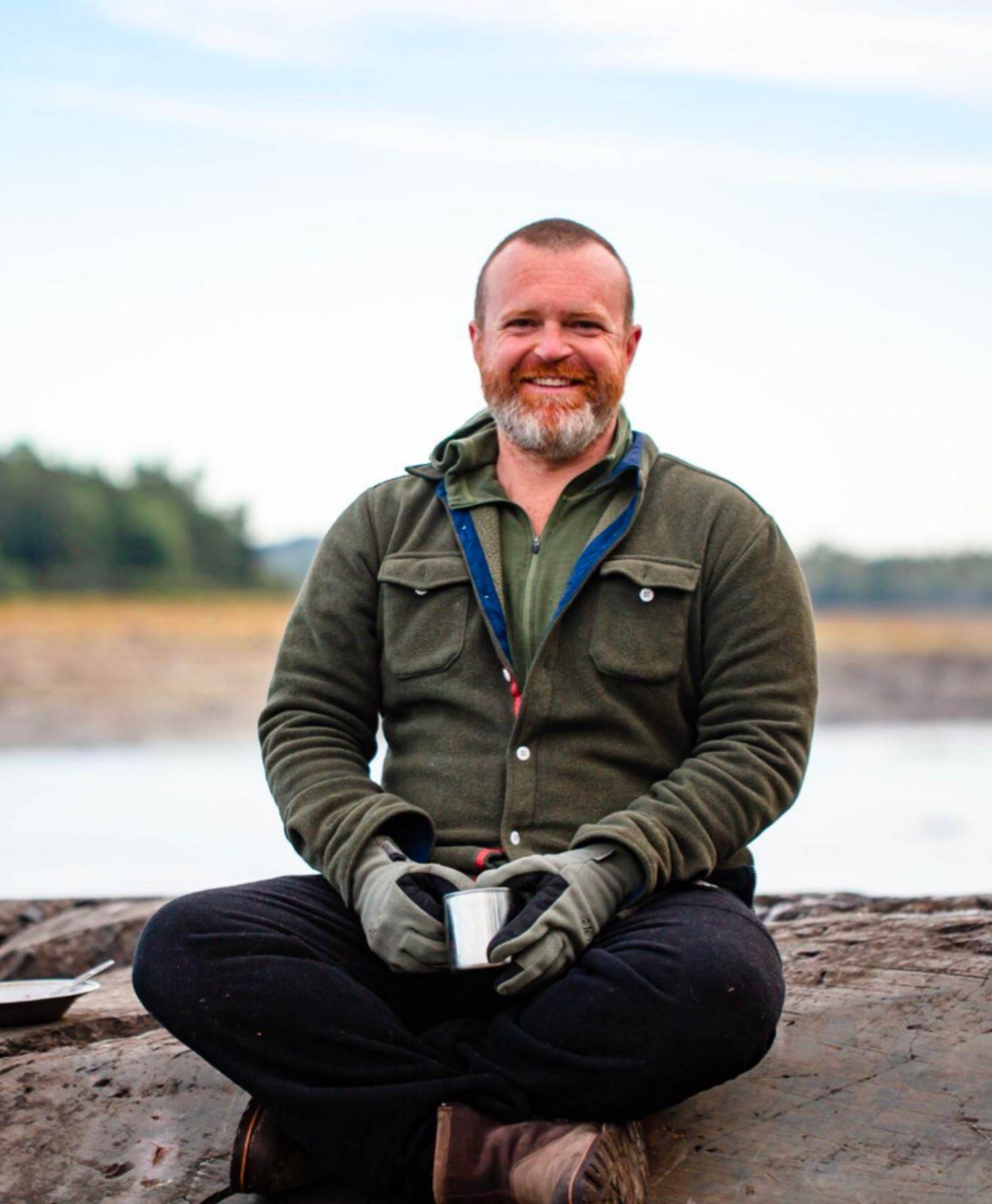
Today my guest is Dan Dottie.
Dan is a writer.
He's a men's work leader.
He's a wilderness guide and he's a meditation teacher.
Dan and his family live in Maine.
He's got a wife and three young children.
He's the Co founder of Every Man, which is an organization dedicated to emotional well-being for men.
0:50
And he's a founder of Fatherhood Unlocked.
Dan leads trips, guided trips all over the world for men.
He's been on the Joe Rogan Experience three times.
He's had works published in New York Times, Men's Health, GQ, the Washington Post.
He's just a great guy with a lot of insights to share.
1:08
In this show, he and I talked about rites of passage.
We talk about things that can be done to meet the needs of boys and men especially, you know, the social and emotional needs and how they flourish when that happens.
1:25
We talked about how most men are living a small version of life and not really leaning into who they could be.
We talked about how we have to get down to the deeper layers emotionally and unlock the things that are in there.
And of course, you share some amazing and non negotiable habits and actions that we can take today, both in our inner lives and in our outer lives to become better husbands and fathers.
1:50
So gentlemen, enjoy this episode.
All right, Dan man, super excited to have you here today, brother, and talk about some of the cool projects you're doing.
And here's some of the amazing stories you had.
Why don't you give us an introduction?
Tell us about yourself and your family and the work you're doing.
My name is Dan Doty.
2:06
I live on the coast of Maine.
I'm a dad and I think is my the first line on my biography, yes, probably says that I have 3 kids.
They're 8/6 and three, two boys and a girl.
I've been married to my wife Elise for just over 10 years now.
I got lucky.
I got kind of unlocked in my early 20s and sort of set out on a path, a professional path that has seen me do a handful of things.
2:31
But the through line through all of it is I started out as a wilderness therapy guide and LED groups of struggling teen boys in different wilderness contexts, right?
So.
Very.
Unique context and correctional context is is is the type of programs around.
2:47
I did that for 4/4 or five years and in doing that I just stumbled into my mission and purpose for life.
It was very clear it was all-encompassing.
And the moment that really like nailed it for me was the first time I did some father son programming in that context.
3:05
And I got to be there around the fire as a boy, you know, say 15 years old and his dad.
We're kind of guided into an experience where all of the walls between them came tumbling like with the force of a big bomb.
3:22
And really got to experience the absolute sort of power and possibility of first of all, connection between father and son.
But then the beyond that, what's possible for boys and men and what's missing for boys.
And that's, that's just that's what set me off on my course, right?
3:40
I'll just do a quick run through right.
I was wilderness therapy guide.
I became a inner City High school teacher in the Bronx.
I got my masters of education as a New York City teaching fellow.
Found my first men's group when I was in my late 20s.
And that that had like an equal level of changing my life, right?
3:56
I did that work with the boys in the woods and then in my late 20s, found a men's group and realized that I had all of my internal stuff to work with.
Got really obsessive about the power of men and peers coming together.
And then I had kind of a detour and I was the director and producer of ATV show called Meat Eater with Steve Rinella.
4:17
Went all over the world and made arts out of wilderness hunting trips.
And then I started having kids in my early 30s.
I founded a company called Every Man, which is a a men's work organization that has a global footprint and left that in 2020.
And I've been working specifically with mostly fathers since then, and I also make a fair amount of my Brett just as an executive coach.
4:42
So I work with CEOs and teams all over the world too.
Love it, man, what a great adventure, brother.
Already all kinds of stories and all kinds of background.
And I love this, this whole kind of panorama experience you've had with so many different people around the planet and so many different situations and, and demographics that, you know, at least, you know, way I see it, it lends so much perspective to men and boys specifically and raising families.
5:08
So let's, let's dive in right there, man.
What, what do you feel like is really missing because you, you started working with these youth on these tracks and those things are pretty awesome.
I've had a lot of friends do those and, or, and, and be guides out there in those areas.
5:25
So you start out there and so you that's been what, 20 years ish ago and.
And exactly, exactly 20 years this like next month is when I really launched my career.
Yeah.
So it's been 2 decades full.
Yeah, I worked with probably, I don't even know how to count, man.
Thousands of boys and 10s of thousands of men at this point, right.
5:43
Just like, yeah, put my time in.
For sure, love it.
So what's missing?
What do you see?
You're going to see patterns.
I mean you and I because I have the same thing.
I've been in this like 2 decades.
So we'd have to be blind, deaf, and dumb to not notice patterns that are just obvious and they're causing a lot of problems.
5:59
Well, I mean, there's probably four or five I could pick out.
The first one that I would speak to is the, I guess one way to say it would be the lack of initiation, right?
That's, that's, that's one way to to say this.
But what I'm really referring to is that as a boy develops into a man, there are these huge opportunities for the adults, specifically the male adults in these boys lives to actually slow down enough and create the conditions to see their boy for who he actually is, his inner spirits, his essence, and to and to cult and to nurture that and cultivate that and challenge that boy to find and realize that he's much bigger than the, the small cognitive based version of himself, right?
6:47
And so there's this opportunity for and, and that includes everything, right?
And that, I mean, there's a whole huge part of what we need to develop is met, right?
It's the it's the heart, it's the emotions, it's the ability to be resilient, it's toughness, it's strength.
7:04
It's it's this like whole spectrum sense of self that's available.
And so these these opportunities to really be seen for how full and true and real that these young men are is just not happening.
And part of the reasons it's not happening is because it didn't happen for the Met, right?
7:22
It didn't.
So they didn't see it.
They didn't experience it.
So are they unaware or they just don't know how to do it?
Or both.
Both.
Both because they're most men are living a very small version of life compared to what's actually available.
What's possible?
And if that is your reality, how could you parent or guide the next generation into something that you're not even aware of yourself?
7:46
So if you're in this reality and, and I like the, the way you frame that up, because then it's like it's, it's no fault of theirs.
Like it's not, you're not culpable, you're not guilty.
You said no.
So how, how do they, how do they find out?
Like how do they, how do they discover this?
How do we get?
8:01
So it's what, what I hear you saying is like it's starting with the dads.
It's bringing this awareness of this awakening to dads saying, brother, you're missing out on so many incredible opportunities right here with your boys and daughters.
Yeah, yeah.
I mean, what I found, I mean, so how, Yeah.
8:18
How do we get dads to wake up to that?
I mean, I think that, you know, the men's group and the men's retreats and the men's work that I've led and guided and been a part of is one app, right?
It's not the only Ave. but it's one Ave. where guys get together wherever they are in life.
8:36
And I'll just use myself in this as an example, right.
So I was 27 living in New York City and was teaching and just got burnt out and like, I don't know, messed up, right?
I was a wilderness dude and I moved to to inner city and I was teaching in this wild school all day and going to class at night and just real, it was intense, man.
8:55
And I had a had a bit of a breakdown And in the midst of that breakdown, I just, I got invited to a manuscript for the first time.
Didn't know what it was, never heard of it, right?
Wasn't looking for it, but I stepped into a room of nine other men, all of them substantially older than me, all of the very successful in life career wise, but also very developed emotionally and spiritually.
9:20
And just like some dudes who really were intentional about life and had somehow along the way, you know, found their way into like a wider spectrum of self and, and life.
I'll never forget it, man.
That first meeting, those first couple meetings, I just like I left with my jaw on the floor, you know, partially just so impressed by the presence of these dudes, but also that they would see that in me that they would like, you know, be willing to bring me in.
9:46
And and it was profound, you know, and I think that you know what our culture today, like there's a lot of there's a lot of sort of development that men are leaning into, right?
You know, physical development, moral development, different things.
But from my perspective, I think that there's like these layers deeper, much deeper than a lot of men go to.
10:07
And and it's interesting.
I mean, yeah, how did the question is like, how do you how do you make men more aware of what's possible, right.
So it's been a big part of my part of my world and my work for a long time is, is finding ways to message to men that more responsible.
10:24
Same, same.
And it's, it's a, it's a lifelong question.
And this journey is like, how do we, how do we get good men to go deep and to discover the underlying cause of the underlying cause and get in there and do the work.
And I think you know the what you were saying.
10:40
And I wholeheartedly believe that the greatest opportunities are right with our own children.
It's right within the walls of our own homes.
Well, and that's what I found, man, is that dads are a particularly right subset of the population to talk to and to work with.
Because you become a dad and all of a sudden the stakes get way higher, right?
11:00
Our own shortcomings, our own limits on ourselves become the limits for our kids.
And if we're paying attention, we watch that happen in real time, right?
We literally watch it happen.
It happened to me.
Yeah, I mean, it happened to me.
It still happens to me all the time, you know?
And it's, it's not a fun, it's not fun.
11:18
Doesn't feel good, you know, And so I think that naturally calls out in dads the need for the possibility for a real awakening and rite of passage for themselves, you know, and there's this added bonus of like, you know, a tagline we use at Fatherhood Unlocked is, you know, it's all for them, but it starts with me, you know, it's all for them, It starts with you.
11:42
And I think that kids also offer that accountability function of like they are constantly feeding back to you who you are, right?
And so it's kind of a perfect setup for for a man to go deeper and.
It is.
Really discover who he is.
11:57
Yeah, and they kid.
No, man, having kids is the it's the, it's the most rewarding work there is.
It's the most challenging work there is.
It's the most humbling because you're right, it's just a constant little mirror.
They're holding up right?
They're like, it's either they're, they're holding it right back up what, what you're doing, or even more importantly, who you are and who you are is is being reflected back to you.
12:18
And man, we've got to be humble enough and aware enough to to stop and be like, OK, I need to, I need to do some refining here.
I mean, yeah.
It's just but.
It doesn't take long to realize that if you talk the talk without walking a walk, if you, if you're, if you're parenting, if you're fathering from a place of just do what I say.
12:38
It's like man, but not gonna work.
You're in for.
It exactly OK so how how can we you mentioned rights of patches let's let's touch on that because I know you are big on that I I wholeheartedly believe that you lead experiences.
I'm guessing those, I mean the experiences we, we often think to get a boy to become a man, it's the right of passes, but there's a lot of men who still well, and I don't even want to make it sound like it's this lower level thing.
13:05
Men need rights of passing.
Yeah, they do.
Yeah.
So, well, it's a good time to talk about this.
It's just really fresh, right.
So it was just two weekends ago that I teamed back up with Every Man, the organization I founded to put together a first go at A, at a like a formal, the event, the formal experience that we call rite of passage.
13:27
And you know, this is something I've been thinking about for a long time and been doing in various ways, but this was, this was like the first, like, OK, we're doing this specific thing where you're showing up exactly to do this.
And it was good fit to do it with Every Man because they have an established community of healthy men all over the place, right?
13:45
There's, you know, for eight years and there are men within that community that have done their own, done their own healing work.
They've done their own refining, as you said.
And that felt like the right backdrop, right?
The, the right sort of.
So here, here's the image from the, the weekend that I kind of dreamt up and then lived out.
14:02
And it, it, it, to me, it, it lands, right?
So imagine a, a group of like 10 boys age 11 to 15 or 16 in the center of a circle right around them, their dads or uncles or mentors, whoever took the interest and the care and the time to go and do this experience with their, with their dude.
14:22
And then a 1/3 circle of men around the dads, which is just healthy male peers, right?
Like a larger men's community that are there to support the whole thing.
Yeah.
And I'll just give you a quick overview of the experience cuz I think it grounds it in reality, right.
14:39
So we had everybody cut.
It was just two days.
It was Friday through Sunday, right?
Let everybody come in the first night.
I LED a bunch of connection exercises and sort of set the tone for the whole weekend.
And then sunrise Day 2, we send the boys away for 24 hours to go through a series of challenges.
14:54
And they slept out.
They built their own shelter, Fire, ice baths.
Emotional.
Away from their dads, just the boys doing their own thing.
Just the boys with a couple facilitators and put them through a series of challenges and I gave them some framework, you know, and some understanding.
15:11
And then meanwhile, I have a couple other facilitators working the dats for a full day deep dive, like full out doing their own, you know, getting an inkling of initiation work themselves.
And then also getting schooled on what their boys need developmentally, right?
15:28
And how to how to set things up that best.
And then so after 24 hours, everybody came back together.
We had this beautiful ceremony at a Bay pipe plane.
We watched the boys March from one side of the ranch to the other and then had them pull up short and invited them 1 by 1 into the circle of men to be state who they were and to be marked by their father and to be welcomed into a community event.
15:51
Yeah.
So it's.
Beautiful, so that was.
It was amazing.
And we did have, there was another retreat on the same property of men and they were there to support the whole thing too.
So it was, it was epic.
It was terrible.
It was incredible.
Man.
There's there's so much power when when men come together to support each other to be better men.
16:10
Can I can I ask a question about the work for the the dads?
Do you find it's a lot of kind of processing, like internal processing, emotional, mental, spiritual processing, like dealing with with some of their own, their own stuff and kind of having some.
16:27
It's the inner work, right?
Yeah.
Reflects so much in the outer life.
It is that that's that's a good chunk of it.
And like that organization, every man does that insanely right.
We've we've built up the capacity and we do that in our work really, really well.
But I've also in these last couple years been very adamant about balancing out that inner work with action orientation and yeah, with action, right?
16:54
Because that inner where it kind of you can't get around it, it needs to be done.
But I've found that it also can kind of create a bit of an Eddy in a man's life where you just kind of keep going in and keep going in and keep going in on that inner work, which can be really fruitful and often times is necessary.
17:12
But it's important to me to set that context of doing that with, with the action on the other side, with the intention on, with actually living right?
Because one of the things I've found in men's work over the years is that it's really powerful, right?
17:30
It's really powerful and can have a slightly addictive flavor to it too, where you just kind of keep coming back for your catharsis.
You keep coming back for that.
So it's both but but but yes, it it does involve.
So you know like on that day the focus is with the men were just setting the conditions for them just to cut the sorry if I remember right, you try not to swear on this.
17:55
Podcast, You're good, but that phrase works.
Yeah, where you try to cut the BS and just set the conditions for just real honesty, right.
And so I mean, it's actually a very fast, beautiful process to set it up so that guys can actually look each other in the eye and, and be real about where they are.
18:17
And as soon as you start that process, it just unfolds into this really important and even predictable pattern of, you know, so many men just assume that they're going through their own unique problems when the the reality is that everybody is, you know, and as soon.
18:38
As it's real fascinating they they always feel so isolated alone.
They think I'm the only one suffering like this.
Yeah, as soon as you break that down, man, everything changes.
Everything changes as as soon as as soon as there's that.
It really is just setting the conditions, making it appropriate and safe and matter.
18:57
Just willing to be straight with you each other.
Powerful.
So let's give me some specifics.
What are some because I know the listeners would would want some specific actions.
What are things that men can start doing today to to be better fathers?
19:12
What are some of the challenges or invitations you give to the men you work with?
Say hey look, go home and do this and watch what happens.
Yeah, one really fruitful 1 and fun one I think is that regardless of how old your kids are, you can you can run some practice time.
19:32
And, and the practice time looks like taking your phone and setting a timer for, I don't know, 5 minutes, 10 minutes, turning it on airplane mode.
And then your job in that is to set your phone aside and get on the level of your kid, whatever that means.
19:47
If they're a baby, get on the floor with them.
If they're a toddler, squat down.
If they're a teenager, get on the couch, whatever that is, and just show up with all of your attention, all of your attention unbroken for that amount of time, right?
Just get in their world and treat it like a meditation where it's like, you know, you might get thought, a thought of work or something else to do.
20:11
But no, just like learn to be there, practice, just be in there.
Right, that sort of unbroken presence, unbroken attention, that's that's one very clear thing to work on.
There's another element though, where, you know, kids and I think especially adolescents and teens are incredible bullshit detectors, right?
20:33
They are, they're very they are, they are.
So if you're bringing your presence to your kids, one thing to be aware of is start practice.
So in the men's work we have, it's just something called a check in, which is like the most basic ubiquitous tool used in a lot of men's groups.
20:48
And it's just literally practicing checking in with your internal state and then just bringing it out, being honest so that there's actual coherence between what you're, how you're, what you're saying and what you're speaking and how you're showing up with what's inside.
21:05
And so that means not masking, that means not trying to project more strength.
That's actually, that's just being actually honest, being transparent.
With yourself, with.
Yourself, but doing it in front of your kids is just this massive and and that's one of the main things that gets practiced in these things is just like, can I be aware enough of what's going on inside so that what I'm presenting to the world isn't a mixed message?
21:31
Yeah, I love it.
And and we start cutting through the crap to get through the congruence.
Well, yeah, what's often happening is the incongruence that's just operating inside of there all the time.
We got the facade and the mask and the tough guy, whatever else.
But internally, there's it's off.
21:48
And until we can address the incongruence, we're not gonna make real progress.
Man, I love that.
Yeah.
OK, let's shift gears a little bit here.
I guess it's related, but I want to ask a direct question.
How can we keep from being weak and not not just physically weak, but but weak men and maybe character and and and standards and values?
22:08
Because weak men are real trouble and and weak men raise weak kids.
So if it starts with us, how can we keep ourselves from being weak?
Well, I think the first thing there is to explore what we're talking about weakness and what we're talking about strength, right?
22:24
Because I think we get, we can easily get into paint ourselves into a corner of what strength looks like and, and, and feels like, right?
And I and I do think that there's a inherited sense that strength is stoicism, discipline, not being affected by other things, not, you know, basically, you know, your old cowboy mentality.
22:51
And that's part of it.
That is part of strength, right?
That is real.
But where guys get into trouble statistically more than anything else, and they don't like to talk about it is depression and anxiety and isolation and all of the behaviors that go with that, right?
23:08
So addictions and just generally not being their best self, right?
So my definition of strength includes emotional strength, which doesn't mean that you're in control of your emotions all the time, but you learn that that develops, but it's actually learning that you do have them and that you are human and that there's more going on inside than than you think you think is OK, right?
23:33
Or that, or that you, you believe that society thinks is OK.
And so there's there's a term that comes from my meditation background called unconditional confidence.
And an unconditional confidence is not aggressive.
It is literally building the capacity to be with anything and everything, building the capacity to be with sadness, the capacity to be with pride, the capacity to be with intense things happening in the outside world.
24:05
So there's a, there's a version of strength that I think is anchored by courage, right?
And, and the courage that I see needed a lot of the time is to drop the old traditional facade, to drop all of that, not leave it behind, you know, not leave behind the discipline and all of that, but include it, right?
24:30
Like, and our kids need this from us.
They need us to be able to slow down and be present with whatever is going on.
They need us to be nurturing.
They need us to be loving, right.
And I, and I think you know what hunches that you get this.
And this makes sense for a lot of dads out there, but what ends up happening is that it a lot of men and dads will afraid the fuller expression of their love for a role that they think they have to play, right?
24:57
So.
So to me, real strength comes from doing the inner work and refining along with holding on to the values of all of the traditional masculine stuff, right?
Like there is, it's not one or the other.
And I think that's where we we need to go is great.
25:14
Yeah.
It's a combination of physical strength, mental toughness, but not not only, right.
Because because when we go down that route, we get into bad spots and we bring our family into bad spots, We're just replicating old patterns that are no longer quite up to date with what what is needed from us.
25:33
Yeah, I love that.
And there's there's a few images I'm trying want to see and and articulate here to kind of illustrate this.
But as I hear you explaining this like, no, it's, it's a very well developed set of tools or set of skills.
So it's not just a couple of things, it's expanding to where we have the wisdom and we've cultivated the practice to know what to use when and to have this deep authenticity.
26:01
And I don't know, I don't know how else I'll take it.
But like you just fully developed so you can feel all of the emotions.
It's the whole piano.
It's, it's 88 keys, not just, well, you know, there's 5 or 6 over here that men play.
Exactly right.
26:16
It's the full thing.
Yeah.
And language that I don't use a lot on purpose, and I really mean that I don't, I don't like leaning heavily on this.
But I think when we talk about strength and weakness, there is a, again, an inherited set of rules that a lot of men assume.
26:33
And that means that that if you're not strong, you're weak, right?
But but the true real reality is that there is weakness in all of us.
There are places where we are not able to fulfill our response, but we all have those holes.
26:50
Real strength comes from being really honest with that and working with that and not paving it over, not shoving it away, not pretending, right?
That's the thing, that real strength, there's a fragile strength which says, so I don't have these feelings, I don't have these weaknesses, I don't have this stuff.
27:06
So I'm going to shove it away and I'm just going to be strong, right?
But a bigger, more stable strength is turning right toward those things consistently and working with the the whole system.
And doing what let's say so you a man finds some holes.
He finds some holes in this, you know, he's doing the inner work and and the outer work and he's like, OK, here's why I'm coming up short.
27:30
What does he do about?
It, I mean, honestly the biggest, the 1st and probably most important and powerful thing is just to, is just to find a place where you can express that and be seen by other men, by other people in that space.
And, and what happens in that moment or you, you build the capacity to, to be honest with others.
27:51
Then it's almost just like, I don't know, water or energy, just like rushes in it just, it just like fills up those holes, right.
And one of my mentors would always say the antidote to shame is honor, right?
So if you can stand in front of some dudes or whatever, therapist or coach or what, whatever it is, whatever context you set up, and you can look people on the eye as you be honest about your whole truth, right?
28:18
What happens is just AI don't know.
It's hard to explain it, but you go from fragile and alone and isolated to just knowing that you're human, to just knowing that you're human.
And then from that place, from that place, then you can start leaning in, right?
28:36
Then you can start building capacity.
Then you can set goals.
Then you can be accountable.
Then you can work on shit, right?
But.
And that's like I it's just, it's courage and confidence.
Yeah, that's just building and building on that base to to go out and actually make palpable progress exactly in the right directions.
28:57
Yeah.
Love it OK, so raising boys that's I know that's one of the things that that you just absolutely love, but let's talk about that for a little bit.
What are what are the things that you feel like right now?
You know, this year are are the most important elements that dads can focus on to raise some.
29:14
Yeah.
And let me preface it by saying that it's tends to be the same stuff that men need to right.
So, so I'll, I'll give you my little overview here.
And it's designed for boys, but it's also designed for boys in a culture where a lot of men haven't had this development right.
29:30
So here's the story.
The 1st chapter of this spectrum is that we need to be really honest with what's happening to our boys right now.
The statistics about suicide and depression and doing poorly in school and not getting jobs and not dating like there is something happening.
29:49
Absolutely.
Richard Reeves has talked about it in really poignant in the last couple years.
And so we need to get clear on that, right?
That's I think that those are the stakes that we're talking about when we're talking about raising boys.
The the the next major point that I run people through parents through that there there kind of is for most people, there's no external service or institution or voice that is prescribing what a healthy man looks like anymore, right?
30:18
There's a lot of confusion out there.
And I'm sure there's some people that hear that and they're like, hold on, that's not true.
I don't know.
But if you zoom out far enough, there's a lot of confusion about masculinity.
And they're all agreed, right?
So I guide parents to do that work of defining healthy masculinity for their family.
30:38
Being like this is a North Star in our family.
This is what it means to be a healthy man.
And for my family and what I teach you, it's this full spectrum, right?
We're going to be tough as nails and soft as goo when we need to, right?
We're going to have this full spectrum in US.
So with a, with a North Star, then the, the major areas that I work with first is emotional and social development, right?
31:03
Our boys are isolating and technology is making it way worse.
So boys need to learn about their internal world.
They need to learn about their emotions.
They need to learn not to repress things.
They need to have a place to go to be seen the same way that men need to be seen in a full spectrum.
31:20
And we also, as parents, need to really, really be aware and cultivate friendships, mentorships, connections and really be on top of that, that, I mean, isolation is is killing, right?
Isolation kills boys in many ways.
Yep.
And then?
31:37
That's our first block, emotional and social capacity and connection, right?
We got to make sure.
That's can I jump in right there because I, I, I know you teach this and I, I saw it.
I wrote it down for our our notes here that that boys and men come alive when they have their social and emotional needs met.
31:53
Absolutely.
It's it's so powerful.
How like it And but that could be for some people who's listening.
That might still be a little confusing, a little vague.
Could you maybe articulate a few things?
You know, kind of like, because I guess what's happening is there's a lot of good people are like, look, I want my boys to thrive.
32:10
I want and I'm willing to meet their social, emotional needs.
What are they?
Right.
And there's just a lot of of they just don't know.
Yeah, well, so the first, which I kind of keep harping on here because it is that important, is we need to, we need to make sure our boys have somewhere to go with the things that they're unsure about, right.
32:31
So as they're going through puberty and sexuality is coming online, if we if they don't have someone who's really honest and straight and hears them and affirms them and sees them for what it is and, and makes it safe enough for them to actually have conversations and to be understood there that we're setting them up for a lot of repair work in the seat.
32:51
Yeah, we're, we're driving them into isolation and in trouble.
Yeah.
I mean, they need to be able to have a place.
I mean, an example is one of the places my oldest is 8 and you know, it's he's not going through puberty yet.
But there was things happening in life where he was starting to recognize things about sex and sexuality.
33:11
He had questions and so, you know, we were sitting in a sauna one day and I just like, I had a first sex talk with him at age 7, at age, you know, late 7, early 8.
And but just in a way that made it just like made it very clear that as this stuff develops in his life, that I'm the place to go.
33:29
I'm a, I'm a big place.
I'm not going to shame him.
I'm not going to do anything.
But it's just like he has that.
And so just even that he's a young boy, but like the level of sort of like decompression and relaxation that that washed over him because because that's too much for a little one to hold on.
33:46
They don't know what to do with that.
It's just too much.
And as adolescence comes on, it's even more, right?
Right.
So, so it really just is that, you know, and our kids are going to have all kinds of questions.
You know, my kids are one of them's wrestling with death in a big way right now.
You know, when adolescence comes, sex is going to come on board.
34:04
All all of this stuff and even small things, relationships at school and friendships, all that stuff.
They just need to be they need to have good adult awareness that helps them make sense of life.
So that's one and.
This is this is huge.
34:20
Massive yeah, we I guess the the way I like to frame it up is is that most of us it's probably subconscious or unconscious.
It's it's rarely intentional that we we make our kids afraid to come tell us the truth.
We unconsciously push them away because then later on you're like, I wish my kids would talk to me and were like, well, the way you responded made it so they never want to talk to you, right?
34:42
You blew up over small things or you were so afraid that they were going to ask you something and, and you didn't know how to answer it or you didn't want to hear about it.
And so they just, you know, consciously or subconsciously said, well, boy, next time I have a question or I make a mistake, definitely not going to that guy.
34:58
And we, we push him away.
And what you're saying is, is so critical.
We have to open those, those pathways back up so that our kids feel comfortable coming to us.
And that anytime uncertainty, fear, doubt, disappointment, whatever comes up, they think math.
35:14
I'll go talk to my dad.
Here.
Here's a way to to check it.
Here's a way to sort of frame it all along development, A boy is going to constantly be up against the place of is this part of me OK, right.
35:30
Is is.
And that part could be anything, right.
I was working with a client a few weeks ago and we were going back through his history and there was a conversation that two peers had with him.
And just like we're asking him about his appearance in a certain way, you know, and that dude at the time, it just like he internalized this huge, like, fear.
35:51
Holy shit.
I'm not OK.
This isn't OK.
What am I going to do?
Right.
And it has an identity.
And exactly.
Yeah.
And had no one to go to, had no one to to talk to, had nowhere to check that out.
So, you know, you live 30 more years with that as a major part of your identity.
36:09
That's like running the show a lot of time, right.
So that's that's critical.
The other things socially that really I think so friendships are, are a big part, right?
Boys are very social and are socialized away from friendships.
There's good data and studies that show that.
36:26
So we just like our kids just need connections, right?
We're humans, We're we're pack outs, right?
We need to be part of something.
But I also highly, highly stressed for parents that, you know, mom and dad is not enough, right, That boys as they develop need other adults that they look up to you and they respect, but are also respected by where they get to exercise parts of them.
36:48
I think about my Taekwondo instructor when I was a kid, right?
Like he just he was my guy, you know, and he pushed me in so many ways.
He said he helped me.
Gotcha.
I like went from the a little soft mama's boy at the age of 6 and seven to like bad ass, you know, second degree black belt.
37:08
It's funny.
It's probably Cobra Kai, you know, style stuff like this.
But it's as far as like transitioning and transformation for a boy, incomparable.
It's amazing.
Like martial arts I think are spot on for this.
Yeah.
So as parents, we need to be assured that our kids have a string of mentors and adults that are help bringing them forward, bringing the best on them, right?
37:33
And that's something we, you know, it's like, OK, well, how do we do that?
And it's, it's you just do it.
You just, you just make sure that that your boys are able to explore different things, maybe education, maybe sports, maybe martial arts, maybe arts, whatever it is, but just be just like be aware and do what you can to to cultivate meaningful mentoring relationships.
37:56
It's huge.
Yes, yes.
You'll appreciate this brother, so early on.
You know, Rachel and I, we recognize this like our, our kids need to be around other great human beings.
And fortunately I, I just feel, I feel so fortunate.
We just don't know why we weren't smart enough to figure it out, but we just, we just had the sense that exposure was so powerful.
38:19
We just got to get our kids out.
And so we start.
That's one of the reasons we started traveling the world.
We just took our little, little kids and we're like, we're going to go see all the coolest places and meet the coolest people.
Well, but not just that.
We're going to, we rub shoulders with the richest people on the planet and the poorest people on the planet and, and every language and that we can come across and every religion, like we're going to go see this stuff.
38:42
And then we committed early on and, and this is kind of answering the question that that you brought up, the parents asked is like, well, how do we do this?
How do I, how do I make sure my kids around good peers and good mentors or role models?
And we just committed like, we'll move heaven and earth, like we'll do whatever we have to do to make sure that our kids are having regular connections with, with inspiring people, people who've overcome horrendous things, who, who are doing great things.
39:10
And whether it's, you know, bringing in tutors or putting them in classes or we literally traveled all over the planet, like going on expeditions and, and bringing, we'll lead trips and, and bring great youth and, and great men and women.
So our kids are, we're climbing these mountains together.
39:27
We're in the jungles, on the beaches.
We're having these experience with other good men and women.
And that interaction like you described so well is happening in that environment.
Like it's, it's been worth every effort and every penny we've had to put into it to make it happen.
39:43
And, and, and I'll be honest, like we had to make it happen.
We, we hoped it would happen.
We're like, well, let's go here.
Maybe it'll work.
Like the only time it's ever really worked is when we put in the effort to make it a reality.
Yeah, I think that's right.
And that that bridges well.
So that first main bucket is social emotional conditions, right?
40:00
The second is what we call intentional challenge, right?
And that's all along the way, right.
I think, you know, an initiation or rite of passage is sort of a formal set of challenge and that's important in the process.
But all along the way, right, Like this is sort of the more traditional masculinity.
40:19
Element in a sense here is like our kids, we can push them.
We can, we can set the conditions.
Like one example is each year before school starts, I take the kids and we hike a mountain and there's a lot of mountains in Maine.
And, and each year like we go a bigger mountain and a bigger mountain.
40:36
And, and like, I don't know, I just giving them more responsibility is part of it.
Giving them, sending them in conditions to, to where they can learn to trust themselves in unknown situations, Right?
Absolutely.
That's fun.
That's super fun.
40:52
So fun.
Yeah.
And there's a lot of ways to go about that.
It's not coming from you.
Personally, I, I found this to be very effective, especially like wilderness.
Wilderness just is and, and the mountain just is and the weather just is and, and sometimes it's brutal.
41:09
And so it's not me pushing them.
It's me with them together pushing through a difficult challenge and you get so far out and you're like, hey, if we ever want to go back home to your toys and your comfortable bed and those big meals, we got a long haul like let's let's get gritty and and let's do this together.
41:31
And I found is if I go with my children into challenge, they've become just unstoppable.
And now seeing them as teenagers and young adults, like, you know, I'm, I'm, you know, 12 years ahead of you with you with your kiddos.
And like you see it play out now, it's just like, yes, yes, this is so awesome to to see, you know, these young adult men just gritty and tough right when when taking on challenges, but then also tender and and sensitive to people's struggles and emotions.
42:03
It's amazing.
Yeah, and I think one, one note on that too, the challenges is that it's different for every.
It's a kid, right?
And I think taking the time to meet your kids where they are and, you know, just being able to map out that next next step, that next level.
And, you know, I I learned so much about this on the wilderness programs with adolescents, right?
42:22
Like they get a group of 10 dudes and all different types of dudes, right?
Your, your, your 12 year old little video game addict and your 17 year old in the same group.
And you have to learn how to, how to make it work for all of them and help them each develop.
42:39
And you know, in that case, I mean, you can imagine if we're hiking a 10 mile day, then the 17 year old is not struggling with the with the hike so much, but the 12 year old is.
And that creates all kinds of dynamics, but it creates a different set of challenges for everybody involved, right?
42:55
And so I think that's, I think it's easy to prescribe for our kids what toughness means, what strength means.
But if we're not taking the time to really see them where they are, we can make some missteps, right?
And, and, and seeing that bigger picture of the, the well-rounded, fully developed toughness.
43:15
I love that brother.
What are what are some specific habits, maybe some non negotiable habits that that keep you at your best as a husband and father and some habits that are there in your family dynamics that you you found like, hey, this, this just just works.
I have, I have a therapist that I've been working with for about a year right now that has just helped immensely, immensely, immensely.
43:38
I have a men's group that I just restarted.
We're actually just starting again, but both of those for me fall under the category of not hiding out right or not, not, you know, just making sure that I have a place where I'm getting all the way down to the bottom of my truth and what's going on and not just like.
43:56
Ha.
Ha, well, going away thoughts and habits and things like that, right.
That's I just feel like that's such a, a non negotiable.
I've had a I've had a meditation practice for many years, 1415 years now.
That's a big part.
And then just, you know, physical, physical sort of challenge to like this year I'm leading a Co leading a trip to Kilimanjaro and it's, you know, it's just a great, it's a, it's just an absolutely amazing force function to have a big expedition coming up that I need to be ready for every year.
44:26
I run a couple, I run a couple first time hunts because of my my background.
And so I do men's growth oriented trips in the context of learning to hunt, which is really wonderful and powerful.
And yeah, I would.
Love to bring my kids and join you on a hunt that would be.
44:43
Awesome.
You should.
I love it.
You should, yeah.
SO11 year ago this month, I hiked, I also LED a trip up Kilimanjaro with my kids and my four teenagers and, and we LED a group.
And then I'm going back in a year from now again, I lead another group up and it's, it's amazing.
45:00
It's beautiful.
It's wonderful.
That country, those people that that mountain, the mountain is special and it's I can't wait.
My first time.
Good.
Like the first six days, it's amazing. 7th day, you earn it, you earn it.
45:16
Oh, it's tough, but everyone needs to have experiences like that or some form of that kind of experience where it tests you.
Yeah, it came across an old timer once who, who said very clearly he's like, you know, your, your boys need adventure, and if you don't provide it for them, they're going to make their own.
45:35
And I promise you, the adventure they make is not probably.
What you want?
You're a match.
Yeah, exactly.
That is awesome advice, brother.
Yes, I love it.
OK, I guess one last question is, is what talking about maybe family legacy?
45:52
Because I so this framework I came up with, I've been studying this for like 25 years, just geeking out about it.
I was, I was out on my own at a broken family step dads came and went and I was out of my own at 16 and desperate years, just this hard, brutal years.
And I was just so hungry for truth, did not want to stay in that kind of loneliness and suffering.
46:14
And so I studied it voraciously for years and I kind of came up with a framework.
I'm like, I got to figure out a way that like what, what is it that just works?
And, and I came up with a framework.
I, I called the triple trifecta and it's fitness in mind, body and spirit family.
46:29
It's marriage, fatherhood and legacy.
That's what I want to ask you about.
And then finances, income, spending and, and investments.
So it's that legacy piece where it's kind of what it does.
It draws your mind out much farther than today or the next few years.
46:45
And because we were like, you don't want to have a great marriage, but for good, like we want to, you know, raise great kids, But it's not, it's not today, it's not this month, it's just it's not this year.
Like this is legacy stuff.
It's the whole time your kids are under the roof.
And then then it's legacy for your grandkids.
So, so in that kind of framework of legacy stuff, what is it that you want your children most to remember about their time under your roof, right?
47:10
What is it that you would say if they could look back?
And it's like, what's my dad's legacy?
I don't know.
It's a big question.
I'm springing on you.
But no, he's given that some thought.
What would you want that to be?
I mean.
In terms of memories, I just, you know, my kids know they're well loved, they're well seen, right?
47:27
I would do our best to see them for who they actually are, right?
But what I would hope for them is just something that's stuck out to me for a lot of years that sometimes I come across family where each of the members of the family is distinct and fully living their own truth.
47:44
But there's just a gosh, I use my my wife's grandfather as an example on her dad's side.
And he was this dude on, on.
They lived on an island and everybody that ever talks about him just meant, just knows they they remember his laugh and his eyes and his kindness and like what?
48:04
And it wasn't just him, but it's clear that he brought this just generative love to his family and it just like infused the and it's just an incredible family.
It's a big family and everybody is so expressed and successful in different ways.
48:20
And I don't know, just like I hope the legacy that I would bring is that my family gets to live more and repair less, you know, during their lifetime.
And then that just continues to propagate through the generations.
It's just like this.
Oh yes?
48:37
Well.
Sad, brother.
It's living, you know.
Yeah.
Live more, repair less because think of the leverage we give them acceleration if they have to do less repairing because we did the inner work and we brought our best selves and like they then they get a just rocket launch from there.
48:57
Yeah, ideally right.
Ideal world.
Yeah, that.
Well, and it's possible you're doing it.
I'm doing it.
You and I both help men do it.
I think that's a a message we want to shout from the rooftops.
It's totally possible.
So we can make big changes and and bring about beautiful things in our families.
49:15
I love that.
OK brother, thank you.
Thank you so much for for everything.
Any any last thoughts or anything you want to share with with the men listening?
No, just thank you.
It's been a great conversation man.
I'm excited to to learn more about what you.
Guys, how can how can people get in touch with you brother?
Andodie.com is my personal website, fatherhoodunlock.com is the fatherhood work, and we're on Instagram at Fatherhood Unlock.
49:38
Love it.
Fantastic, Dan.
Thanks so much, man.
Great insights, great, great conversation.
I appreciate you.