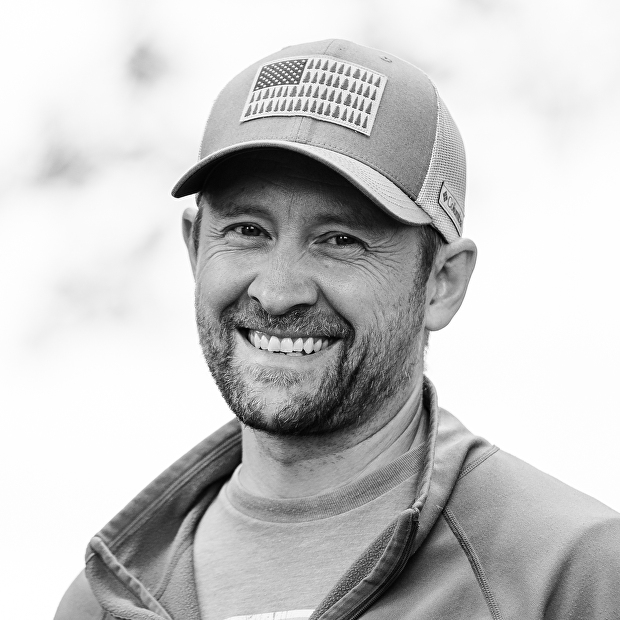
Gentlemen, welcome to the Formidable Family Man podcast.
I'm your host, Greg Denning.
Today in the house got my good friend Mark McKenna.
This is the first one I've done like in house here.
This is so fun.
That's awesome.
So well, I'm honored to be a part of it and just at all, but but especially to be the first that's.
0:19
Awesome.
It's awesome.
This is super fun.
I like this.
And Mark's here with his family.
They came over to Portugal to stay with us for for a long haul.
And Mark is a world class artist and he's going to tell some of our some of his story and how he got there.
0:38
What I, the little I know is this man can take animals.
Is it it's wildlife focus and he just does magic.
And I was going to say magic on the canvas, but you don't even use canvas, which I thought was super rad.
0:55
Anyways, we can get it, all that stuff.
So he and I, we, we started communicating, I don't know, a few months ago or whatever.
And and then he'd reach out to Rachel for something.
And, and Rachel's like, look at this guy.
He's an artist.
And we pulled up your side.
I started looking at animals.
1:11
I was like, you got to be kidding me.
I saw a Buffalo on there.
So I saw some different things like it's OK, this guy's good, really good.
And and you guys, I am just thrilled out of my mind because he is painting while he's here at our place.
1:27
He is painting me a lion.
And this thing is unbelievable.
And I, I love lion so much.
So to watch it happen in real time is awesome.
So it's.
Going to be pretty rad.
It's going to be amazing.
OK, So what I want to talk about brother, actually you give us a little bit of background, tell us about you and your family and then kind of get into the journey of of art.
1:46
What we're going to talk about today, gentlemen, is, is this path of the path of mastery and how you went from as a kid enjoying art to like becoming just phenomenal in your you.
2:02
I don't even know what you would call it like.
Your.
Style there it's your your own unique style.
Yeah.
So anyways, tell us, tell us about you and your family and then let's get on that journey of of art.
Yeah, so my wife and I, we've been married now for going well we're in our 19th year of marriage, which is awesome.
2:21
We have 6 kids, they're all boys except for five.
And we got, we got 1 little guy, he's #5 out of the six we, we thought we'd try to get another boy and that just backfired on us.
But we have spent most of our, our life in, well, we've lived mostly in Idaho and, and Wyoming.
2:47
I guess it's actually mostly Wyoming now.
We've been there for quite a while and I've always been an artist from when I was young.
I've always loved drawing, doodling, sketching.
3:03
And through high school, I was probably one of the the better art students, you know, I had probably more talent, at least visible talent that that was, you know, around at least when I was going through there and, and everybody knew of me as Mark's a good artist.
3:21
So, OK, so OK right there that that's powerful because it becomes an identity.
Absolutely for you and for others.
Absolutely you, you're you do something great.
And people were like, wow, man, you're really good.
You're the artist.
Yeah.
Yeah.
Was that happening in your home?
Was there any identity around that?
Like, hey, you're a great artist?
3:37
Was there, was there praise and identity built into that?
Yes, absolutely.
And and my parents were very always really supportive.
That's also being that talent.
OK, so gentlemen, as you're making a list here, either mentally or on notes like these, these pieces are important either for our own journey or for our kids because we're facilitating that stuff.
3:57
So supporting it, encouraging it, basing the identity.
I, I, I hate, hate the idea of talent just being natural.
Like, oh, I was just Born This Way.
I don't think anyone's born that way.
My guess is you spent a lot of time drawing and doodling even as a kid.
4:16
There was this this formative moment that happened and I should say process.
When I was in 8th grade, I had probably my first real elective art class that I was able to, to get into because I just wanted to do art.
4:33
And one of the projects we did was a, a pencil portrait of a famous person.
And I picked this random guy.
I don't even know why I picked him, but it was just like, oh, it's a fun image, I'll draw him.
And I was just kind of going through the motion.
4:49
But as I went through the project and as my teacher was teaching me how to, how to measure and get proportions accurate and things like that, and it took me a long time.
I was very meticulous, very careful.
In the end, I had a likeness of this person and it wasn't super solid, but it looked like him, like you could tell who it was and it blew my mind and and it lit my fire.
5:16
Because of the process, yeah.
And and getting getting things proportional is so it's so hard.
Even if like even if it's millimeters off, it makes a massive.
Difference and it so yeah, you're talking about millimeters.
5:32
I mean, it is so hard and any, any of us who have spent time trying to draw or trying to capture something, it's so tough absolutely to get, you know, the proportions, right.
And and I I did that too, brother.
I, I elementary, middle school, high school, I was taking the art classes classes and I just loved it and I wrestled with I struggle with it.
5:54
I remember same as you, spending hours and hours and hours with pencil or I did some dot imaging one time I did shading.
I loved shading.
I was, it was always fast.
I was shading and I, I, I loved it and I worked on the same thing.
I ended up homeless and so I stopped drawing.
6:11
That changes the changes.
Thing the course of my life went a different direction, but that's so cool and so the the work you put in and I loved it.
You just stated that like you really, you put in the work there and you had a mentor, a a coach, a teacher.
Absolutely.
6:26
And, and, and with that success, it, like I said, it lit my fire.
And from that point on, like for the next two years, I was doing portraits, I was drawing people.
Yeah.
OK, because you had a success and you're like, hey, that was awesome.
6:44
Yeah, you get this.
You get this huge win.
Absolutely.
Yeah, and you're psyching.
You're like, this was awesome.
You pay a price for it, the rewards palpable.
Yeah.
And you're like, I'm on it.
Yeah, absolutely.
And it was literally the next year in 9th grade, I had teachers who were paying me to draw portraits of their kids for them.
7:06
I got like 50 bucks a pop and I was spending probably 40 plus hours on these drawings, but I didn't care.
I was doing something I love and I was getting some money for it, so.
As a 9th grader you're like, this is amazing.
Yeah.
7:22
So just piling on that, that positive reinforcement, you know, really just it was it was unbelievable and.
Mark, you went pro as a 9th year.
Yeah, I guess that's true.
I it is.
I was professional as.
7:38
Soon as you make your first dollar for something you love, you're like, that's it, I'm in.
I'm winning now.
Yeah.
And so you're making money and you loved it.
And you were doing faces.
Yeah.
That's so cool.
Pencil portraits and, and I just kept and, and I think with each one it got better and better, you know, and now.
8:00
Kind of like you said, what's it's the natural process.
Yeah, especially if you're again, we're today we're talking about the the pursuit of mastery.
That's it.
You're like, OK, how how many you're learning a ton.
Yeah, in that journey.
And what was really neat to see was as I continued through that process where I was measuring out, I was like using a ruler, literally, and making sure that my proportions were exact.
8:29
But as time went on, my brain automated a lot of that process.
And so there were some, like when I was got into high school, we had a figure drawing portion of one of the classes where we had live models sitting in front of us.
And you can't go and measure.
8:45
You can't walk with a ruler.
Right, exactly, exactly and like and make him stand perfectly still, right.
But I was able to translate very accurately proportionally these, these drawings of these, these people are like their upper torso, their face with charcoal.
9:02
And anyway, it was, it was incredible.
This this is one thing I I said to you a few days ago.
You've learned to see things that we don't see.
Yeah.
How much of that do you think was just repetition and and the familiarity proximity to it?
9:22
I I think it's most if not all of that.
Was the.
Process of repetition because I was so I was so committed to getting it and that I that I, it didn't matter what the work was.
9:41
It didn't matter how much it was like, I'm going to get there.
There's another element.
Yeah, yeah.
Why?
What?
What drove that?
I think, I think it goes back to that identity, like I'm a good artist and, and I didn't, I didn't even, I didn't back then, I didn't know that I was going to be a, a renowned wildlife painter.
10:06
I had no clue.
In fact, I don't even know if I thought I was going to make a living with it.
I don't think that was even in my radar.
It was more like, no, I'm an artist.
I just, I draw and I, I didn't even do much painting.
It was drawing.
And you were just riven.
10:22
Yeah, that's awesome.
Like you, you had a love of it and then a determination to get better and better.
Yeah, I'm sure initially you were just like, I'm just going to be really good, really good, really good.
I don't even know if at that age you were like, I want to be one of the best.
10:41
Well, it wasn't even that.
It was more like, I want to learn how to draw out of that.
And now I see that that looks cool, I'm going to draw that.
It was like anything I could see that was interesting to me is like, I'm going to draw it.
There's another element pursuing what interests.
You.
Yeah, absolutely.
And then wanting to do it well.
10:58
What drove you to want to do it well?
Because so many of us like I want to draw.
We draw a stick figure and it's like, OK, it it, it, it, it goes absolutely against what I called the good enough attitude, where most of us live in this good enough attitude.
11:15
You're like, I'm taking art class and that's good enough.
You know, we just do enough to pass the class.
We do enough to not get fired.
What drove you to want to do it really well?
That's a good question.
I, I'm trying to think back and, and go back into that, that mental state I was in to, to, to gauge it.
11:35
And honestly, it was, to me, it was, it was, I wanted it.
I want it to look real.
I, I want it to look just like it looks.
I and, and, and until it was there, I just probably I not that I wasn't satisfied because I was always enjoying the process and every, every drawing.
11:54
I loved it and I enjoyed it and, but, but it was like, there's still more like there was, there's just, I don't know, at least there was far enough ahead of me that I could see where it was drawing me in that direction.
And, and, and then the neat thing about the whole process is you get to that destination and all of a sudden another Vista appears.
12:18
You know your heights climb, you know the standard is raised every time.
And so that's the beauty of of being an artist is that you've never like you.
You reached points, but you've never made your destination.
Another element right there.
12:34
It's like I, I masters, never feel like, oh, I've arrived, I'm here.
So you just keep chasing it and because there's another level of greatness.
There's always new heights to climb and, and it's the the growth that comes from each of those challenges.
You know, you, you, you see that apple, that carrot, whatever it is you're going for and you and you, you work hard, you get there.
12:56
And then once you're, you get there, it's kind of anticlimactic.
It's like, oh, I did it, you know, and but, but, but it's, it was the chat.
It was overcoming the challenge and the growth that was way more fulfilling.
In the end, there it is.
I was going to say the same thing.
The real meaning, the real fulfillment is in the journey.
13:14
Well, and I would call, I would say the journey of becoming absolutely, because you have to acquire the skills to be able to do the things.
So once you get the thing, you're like, oh, that was cool.
I did it.
But look who you've become.
You acquired a skill set now that you can use again and again and again.
13:30
Yeah, it's so powerful.
Hey, let's, let's talk for a second about exposure.
During this time period, let's say through high school, were you being exposed to great art or to great artists?
You know, that's a really great question.
13:45
As I think about it, I think that I had, you know, the different teachers in the art classes that I was taking, they would expose me to different art styles, genres.
There was a couple of times we had a guest artist come in at a watercolorist who was pretty renowned in the area.
14:04
He came and demonstrated and it was so cool to watch him create this, this image with very careful washes with watercolor, which I still to this day don't love watercolor 'cause I just, I don't love how unforgiving it is.
You know, it's, it's, it's a very precise, carefully planned out executed process, you know, and, and to me, it's like I, I don't, I don't like that I don't have the freedom I want like I do with oil paint.
14:31
But, but it was neat to see that.
And then there was another, another experience where there was a a pretty renowned artist and a good friend of mine.
Her her aunt, her aunt had a relationship with this family.
14:49
And his name is Arnold Freeberg.
I don't know if you've heard of Arnold.
Freeberg.
But he did a lot of the artwork for like the 10 commandments, you know, Yeah, yeah, yeah.
And, and a lot of different, you know, old school movies with these just jacked guys, you know, they're all, every one of them is ripped.
15:09
Even the 8 year old kid is ripped, you know.
But he did, he did incredible portraits for royalty like the Queen of England.
And anyway, I had the, I had the opportunity to go and, and help serve at his, like, it's like his 95th birthday party because my friend knew that I was an artist.
15:33
I loved art.
And, and she was like, she talked to her aunt and said, hey, because she had the opportunity to go do this.
And he's, she's like, I have a friend who would love this.
And so we went and helped at this party, like, you know, cleaning up dishes and, you know, just taking orders and things like that.
15:49
But I got to go into this guy's studio and from wall, from floor to ceiling and, you know, corner to corner in this this big room, it was covered with his painting with his pen.
He had stacks of paintings up against the wall.
16:04
And I was just like, so inspiring.
It was, it was a formative experience and then he, I got a book signed by him, but I was able to to, to see over his lifetime what he had created that because so much of his stuff was, was made not not necessary to sell as a as an original.
16:25
A lot of them were.
And and that's why I got to see the Queen of England's portrait that was in process and things like that.
But it was just, it was mind blowing what this guy had created and I had like it, it, it, it was this like Mount Everest, you know, I'm, I'm here at sea level, you know, and he's at Everest and it's like, holy cow, there's, there's a lot further I can go with this.
16:50
Which I think is so important to have close up exposure to greatness.
Yeah.
It's when you're at sea level to see The Everest.
Yeah.
17:06
And for you to go into his studio, that's like, that's rare sacred ground right there.
It was.
And for me, I'm I'll never forget that.
Ever.
Yeah, that's so powerful and I think it's part of the process.
So many of us are limited in what we achieve in life simply because we've never been exposed to it.
17:23
We just don't know what it looks like.
Yeah, we don't even know what's possible, right?
Yeah.
Exactly.
Absolutely.
And then if you hear it or see it on TV or something like that, it's so far away.
But to be in his house, in his studio, see his art?
OK, this guy, this guy's the real deal.
17:39
Yeah, yeah, Having that sensory experience.
And he wasn't even in the studio.
He was at his birthday party, but his it was this my friend's aunt who had permission to take me to the studio.
Yes.
And anyway, was just one of those things.
17:55
And it's funny because in this conversation, I haven't, I haven't thought a whole lot about that experience since then.
But as I look back, it's like I I, I haven't realized how formative that was.
Yeah, that is awesome.
18:10
Yeah.
OK, so you keep pursuing it.
You you're just doing it for fun, making a little money here and there, going through high school, college.
Now keep going with the story.
So so I decided when I went to college that I would be an art major because I 1.
18:26
I had familial support, which was awesome.
But did they ever say anything about a career or like.
Yeah, and and.
There's no money in art.
Right.
And I don't know if that was ever said.
I don't remember that actually being said by any of my parents, but it was kind of just this understood reality that artists don't make a lot of money, you know?
18:50
You might be an art teacher.
Right, right.
And so for me, it's like, and I didn't really have an interest in teaching at that point.
I was, I was all about, I want to get better at art.
And I, and especially when you go to college and you, you work with these art professors who had histories in the art world professionally, some most of the times they had professional experience.
19:14
You got to see their work and it was just like next level.
Absolutely.
You know, it's like awesome.
Always beyond where I was at.
There's another element, yeah.
Exposing yourself to people who are above you.
I love that.
One, and it was like, at that point I had ex executive skills like I, I could execute, I could, I could look at something and Draw Something to make it look like it.
19:38
But when I saw these other artists, I, there was this, this level of creativity that I had never seen like, or, or it's really got to see in action, you know, see the process of, of coming up with an idea and then executing that visually.
19:55
And so it was, it was just a whole new level of, of challenge, another dimension, you know, to the challenges that I, that I had.
I could, I could draw anybody or anything, you know, you put in front of me no problem.
And and I got a lot of recognition for that still and I was leaps and bounds.
20:14
Beyond most of the the students in the art program that I was in as far as that was concerned.
But as far as creativity goes, I was, I was a pup, you know, I was, I was definitely, you know, pretty, pretty infantile.
20:31
I would say it's.
Fascinating.
And, and especially with something like art, there's so many different aspects and so many avenues, so many ways to be an artist, so many ways to even be a painter, right.
And, and this is it.
This is just insightful to me.
Even that element.
20:46
You're like, Hey, I can look at something and I can, I can replicate it.
But creative art like just create some imaginary world and paint it or draw it.
Yeah, wow, yeah, that whole another yeah, like dimensions, seriously.
And, and I still to this day feel like that's definitely I, I've, I've developed a lot further in my creative capacity, but I all like use a lot of photography and Photoshop and I'll, I'll combine, but my starting point is with these images, not necessarily like a, an idea.
21:20
And so I've, I've kind of learned to work with my limitations and with the help of technology and, you know, because I, a lot of times if especially I'm doing something that's a lot more complex with multiple animals in an environment, I'm combining images in Photoshop.
21:37
I'm grabbing the animal from this one, the animal from that one, the, the clouds from this image, you know, I'm making the angles of light are, are consistent, you know, so that the shadows and everything looks, looks accurate.
You know, I'm taking this, you know, like recently I did one of a sow a bear with two Cubs and I had photographed them myself in Yellowstone National Park.
22:02
That's awesome, which was, you know, those are that's one of the funnest aspects of my job is going out and taking pictures of critters.
But but then going into the, into the studio on the computer and finding the right image for her gesture that I want where she's, she's kind of moving forward, but she's looking back.
22:23
And I placed one of her, you know, it was only, she only had One Cup, but I made it, made it 2.
I just changed one of them to look a little bit different.
So, but I placed one of them where she was looking back at it.
And then there was another one kind of ahead of her.
And it was like, just like this nice progression in the painting where they're, they're moving in a direction, but there's an interaction going on and that's really fun.
22:46
But but like to just come up with an idea in my brain and then to execute it in a realistic way.
Like I'd still don't really know how to how to approach that.
Like I don't have the skills without without really great reference material to be looking at and working with.
23:08
See, and that's, well, it's awesome to hear you say that because you know where your limitations are, you know where your strengths are.
And so you lean into your strengths.
Yeah.
Like, this is where I'm strong.
This is where I excel.
So work in that lane.
Yeah.
And then use technology, use photography, use whatever you've got to to put together like, hey, this is where, this is where I want to excel and, and work there.
23:28
Yeah, I love that.
That's a that's another great lesson.
So yeah, it's it's been A and.
And so to kind of make a Long story short, I through college, I absolutely loved it, the art program, but I still had that, that whole idea like starving artist, starving artist, starving artist.
23:46
And so I was going to be a dentist.
I was taking all the, all the pre Med, you know, anat and phys chemistry, all that stuff to so that I could take to the DAT, which is the dental exam, you know, that you take to get accepted into dental school.
And I was kind of heading, I was very much going to do that.
24:05
And then one of my art professors, he came up to me one day and he'd he'd heard that I was planning to be a dentist and he had been a professional illustrator for decades up to this point and made it a really good living and supported a family and.
24:21
OK, so he was he was a legitimate professional, Yeah.
And a professor.
Yeah, great.
And so he was just teaching adjunct at the college because he just loved it.
He wanted it to be an influence.
And so he took me aside and kind of kicked me in the butt, you know, hypothetically or metaphorically speaking, and just said, why would you want to work in people's mouths when you can make beautiful things, love it?
24:47
And, and, and he kind of told me his story, you know, or how he had made a living and provided for a family and so on.
And, and at that point, I already, I, I, yeah, we already had our first daughter or, or maybe my wife was pregnant at that point.
25:03
So I, I was very much like, we've got to figure this out.
Be like, I got to, I got to provide for this family.
And, you know, I don't want to be a starving artist.
I don't want my family to starve and and to suffer.
And when I, when I heard that from him and my wife actually was Privy to that conversation as well, which was really neat.
25:23
He happens to be a family friend of my wife's family.
And so it like just the stars aligned, you know, for that that interaction to take place and both of us needed to hear it that it was possible.
Yes.
And well, I think that's a huge point right there.
25:40
Yeah.
You both husband and wife be like, hey, that this is possible.
There's a shot here.
We can make this a reality.
And, and we were literally, it could be, we were living in Southeast Idaho at the time and we were ready to move to Texas because my grades weren't solid, like phenomenal.
25:57
And I was worried about getting accepted in dental school because I just what I didn't have the grade.
I, I knew this stuff, but I would just wasn't a phenomenal student all the time.
And so we were going to move to Texas and get residency there for spend a year, get residency work and then get into some undergraduate program and apply for dental school.
26:16
So we were ready to make a massive shift that would have altered the entire course of our lives, You know, so we were kind of at that crossroads, you know, about to happen and.
It is so wild to think about moments like that.
Yeah, yeah.
And.
And what if this guy had not said something?
26:33
Seriously.
No.
I.
Yeah, it's huge.
It's a pivot that that is the absolute hinge point for our entire life right there.
And so I, I bagged all the, the pre Med stuff and kind of jumped in full, full bore.
26:52
I applied for the illustration program, it's ABFA program that they had at, at the, the school I was at and got accepted and started learning how to create art digitally.
And I took some illustration classes which really pushed the creative, you know, compositional ideation creation side of, of my work just really opened up.
27:18
At least, you know, from my perspective, it opened up a lot of, a lot of different ways to pursue it and to, to look at the, at being an artist.
And it, it made sense to me to go that route because it was more of a commercialized aspect of art, you know, creating book covers, you know, doing magazine editorial, you know, anything like that.
27:41
And so as I was getting into that program more and more, I had some, I had some neat opportunities where I was able to do like a little picture book for a really small publisher.
The money sucked.
It was awful, but it was like my first real professional gig doing a picture book and it was really cool.
28:03
You're still like this is confirming the starving artist fear.
Right, right.
And it, and it was, and, and, and I, it wasn't long before I realized that I wasn't going to provide for my family very quickly or very well with this yet.
28:19
And so as I was getting closer to graduating and realizing that as a graduate with a degree that meant nothing, you know, like, it's what I can do and who's going to pay attention enough to me to give me the opportunity?
Yes, so meritocracy like like what?
28:37
Earning what you deserve in in your skill set and then marketing getting in front of eyeballs of people who will pay for what you can offer.
Yeah, and so I was, you know, obscurity was massive.
They know nobody knew who the heck I was.
And I was, I was contacting every publishing house I could think of, especially the big ones, which, you know, back then it was like I was a nobody.
28:59
And I had, I had nothing going for me other than I had some skills.
But I sent out all of these applications or resumes or whatever to all these different publishing houses and it was just crickets.
Yeah.
Never heard anything back from anybody, you know.
And so it was.
29:16
Discouraging, man.
Yeah, and and fearful.
Like, yeah, it was terrifying.
Yes, you already have the family.
I remember when I when I married Rachel, I was like the the pressure and to provide.
Yeah.
And and the fear of like, what if this doesn't work?
29:32
Well, and growing up in a home where that, that's what a father did, you know, that's what a man did.
He provides for his family.
And so it was very much ingrained in me.
And I'm like, dentistry doesn't look so bad.
Yeah.
Exactly, you know.
I don't know that I make the mistake and.
Yes, because then you start second guessing the choice and like that guy might have been full of it.
29:52
Yeah.
So you know, what anybody else would do when they're under pressure is you get pretty creative when the stakes get high.
You know, it's like, how can I make this work?
And so I started, I had heard a conversation from a friend of ours who was looking to get back into college after graduating and doing a post baccalaureate program to get a teaching certificate.
30:15
And, and then the school I was at, they had that program for, for people who already had a bachelor's degree but didn't have, you know, the next like the few credentials they would need or the classes and credits to, to get their certificate to teach.
And so I was able to petition and I had to makes I had to connect with some people higher up and have like just talk to some people in their office and like explain my situation.
30:43
But it made sense.
And they were, they were kind enough to, to grant me the ability to double major and, and to go.
So I I I was a ABFA major in illustration, but I also ended up going to the Bachelor of Science in our education.
31:01
OK.
And so for me, it was like, you know what, I'll be a teacher.
And, and to me it was always like for a while until I get my art career great.
OK, so you still you're still chasing?
Yes.
And so my vision was OK, I'm going to do something that I don't hate while I'm chasing the what I really want.
31:19
I love that there's another element.
And, and then, like I said, I didn't, I didn't want to be a teacher like that was, that was far from my radar, you know, for a long time.
And so it was like, it was a hard pill to swallow.
But what was neat is because I, I, I was such a, at that point, I was a pretty accomplished artist.
31:40
And so when I applied for teaching jobs, like people like they saw, they saw.
You can just show your portfolio.
Exactly, they could.
They saw that this guy isn't just.
An art degree.
Hobbyist, you know what this guy is a legitimate artist.
31:56
It's like what a great opportunity for these kids.
And so, so every, every job I applied for, I was offered, which was incredible.
And.
What a difference from all the other ones you sent out and never heard back.
Right, right.
32:13
So that, but it was it was neat to have that data for affirmation, you know on it.
It was neat and one of the jobs there was over 50 applicants and, and just to get an interview, they only interviewed 4 people and it was the, it was the teaching job in Cody, WY and the other, the other job I had tentatively accepted was in a far corner of Wyoming.
32:35
And, and the reason that we went to Wyoming is just they paid better.
The pay was significantly more than any of the other states around.
But I was going to be at a middle school in a place that I didn't want to have a family.
And I had tentatively accepted that position because it was, it looked like the only option at the time.
But then I was able to interview with Cody and absolutely loved Cody, and Cody's a wonderful place to raise a family.
33:00
You know, it was just, it was everything we wanted.
That's so cool.
And so we were, we were praying and fasting and just going through all that lots of energy, you know, to the universe or God, whatever you want to call it.
And it was just like, we, we want this so bad.
33:17
And, and when we got offered the job, they one of the things they said was we don't even know why we're choosing you.
Like out of the four people we interviewed, everybody would be phenomenal for this job, but we just keep coming back to you.
It's awesome.
So it was, it was really neat.
And then got the teaching job and I was making, I was supporting my family.
33:37
All of our needs are met with with that.
And then I was, I had had a couple oil painting classes in college that I absolutely loved.
And so I was like, I thought.
I was going to ask that where did you get introduced to the oil?
Painting so I, I had two oil painting classes in college and I just fell in love with oil paint.
33:57
But I, I didn't like because I was in the illustration program and, and commercial art, you know, it's like, you might as well do digital.
Like, why mess with my old mess with all the mess of paint when you just do it digitally on the computer and you have the capacity to edit and you know, with that comes with technology.
34:14
And so I, I kind of had pushed away the oil paints for honestly, it's probably been three or four years since I even touched them when I got that teaching dude.
This is this is a huge part of your story that I didn't know.
Like the teaching gig brought you back to oil paint where the pursuit of the digital stuff was taking away from it.
34:34
Yeah.
Yeah.
And, and what's cool though is the digital has played a very significant role in my in my process, that creative process coming up with the ideas.
And so I'm so grateful that that happened.
You had to.
Get all the building blocks for now.
Your path.
34:50
That is so awesome.
And as we're going along through life, this happens to us, too.
It's like, why are we going over here?
I don't want to go over here.
And only in hindsight, you realize, oh, I had to go over there.
Yeah.
And then then you're like, well, I'm way over here now.
What for?
And like, what's this?
35:05
And then you bring you back.
It's like God and his universe are just orchestrating.
Like you didn't say you're resistant to.
Like you need this, you need this, you need this.
You kind of piece it together.
Yeah, I love that.
And.
It's so it's so fun to look back and think about it and, and so when I got back into oils, it was ugly.
35:24
Was that, was that kind of a natural?
Was that what you started teaching?
When you?
When you?
No, honestly, I, I didn't, I wasn't even teaching it, but it was, it was the fact that I financially, I was in a position now where all of our needs were met and I had time.
I had nights, weekends, I had holidays, I had the summer break.
35:42
And it was like, I can go get another job or I can pursue the art.
And rather than pursuing the, the digital, you know, illustration stuff that, that was kind of grinding.
It was kind of soul grinding.
It was a lot of work with very little pay.
And I was like, you know what, I'm I want to do oils.
36:02
That's awesome.
And so I, I jumped into oils.
It was at least from my perspective, it was ugly.
It was ugly at first.
You.
Got to suck before you see.
Right.
And I was rusty.
It had been three or four years since I'd even touched him.
Wait, can we pause here for a second?
36:17
How much how much personal artwork did you do through college and and teaching?
Like how much there's on your own free time.
Were you still drawing, painting, creating art or just like you were just into all the projects and.
36:33
It was most of the projects and and I didn't, that didn't bother me so much.
It was, it was because I was learning so much.
And so for me, every project, it didn't matter what it was, I was enjoying it.
That's awesome.
And I was I.
Was another critical element.
Man, in an ideal life we get to enjoy what we do.
36:53
Yeah.
And the fact that you loved it, I'm sure fed so much.
Absolutely.
And I, I like back on my college experience as one of the best experiences of my life.
That's so cool, especially for where I was at.
Like I'm looking back now with what I know now, I feel like I could have probably gotten a lot of the same experience by just studying under, under other professional artists, you know, but I didn't know that that was going to be, I didn't know that that was where I was going to end up.
37:20
I I didn't have that foresight and but to me it was, it was the fact that I was learning and getting better and it was you could see it, you could see the progress.
That's awesome.
And just that that was the the fire, you know, and that's just it, it fueled everything it.
37:36
Would be the coolest thing ever to see like a time lapse.
Progression.
Progression of like all your artwork it I don't it's not probably not even possible, but like some portfolio from kid to now would be the coolest thing.
Just watch that it's.
37:52
Yeah, absolutely.
And I did some great stuff in high school, like I I did these portraits from my grandparents on their 50th wedding anniversary.
It was of them when they were young.
And I still think they're some of my best portraits I've ever done.
While you're in high.
School.
Yeah.
Pencil portraits.
38:08
That is amazing.
Man, I gifted it to him and it was.
It was one of those experiences that I'll never forget.
So special.
Because it was, it was a gift to them and it blew them off their, off their rockers, you know, just, and we all cried when it happened.
38:24
It was just, it was such a cool experience, but.
What a what a cool thing that your, your work, your your gift, as in you're giving beautiful things to the world.
So every, every time you're creating, you're giving you're you're making a contribution, you're making the world a more beautiful place, which is really awesome, but it also allows you to give gifts, right?
38:46
Your talent, your skill set is just so special, even for this lion you're doing for me.
Like I was looking at a picture last night you sent of the progress your man.
Yeah, I love this thing already.
Like there's this energy coming from it to me.
Yeah.
39:02
Like it, just it and you know this and hopefully other people know that sometimes you see, you see art that speaks to your soul and, and that's a beautiful, powerful thing.
And, and you can, you can do that like for your grandparents or for others and offers.
That's really special.
Yeah, it is really neat.
39:18
And I, I actually, I don't feel like I get to do that often enough, but.
Every time you do, you do it, man.
Like you put it in the gallery, somebody's going to buy that and be like, wow, this is going up.
I know right where it's going.
And, and every time I walk past it, right, you're you're doing that.
You may not know about it every time you're doing it.
39:34
No, and that's true.
And, and, and every time I I meet a, a new collector or, or make a, create that new relationship with somebody who wants to buy a painting or, or whatever, it's, it's so awesome to to see that emotional connection that these people get with this work and, and, and that they're they look at the price and they think it's absolutely worth it.
39:57
You know, so awesome, so cool.
OK, go back to the story.
So now you're teaching at a middle school.
High school.
I Yeah.
I was going to say middle.
School middle school is the armpit of life that.
Stuff, man.
OK, so you're teaching the high school, and when you have time, you're now diving into oil.
40:13
Yes, OK, Yep.
And so I there was the in Cody, there's a world class museum at the Buffalo Bill Center of the West is what it's called.
And with the museum, there's an art show that they do every year as a fundraising event.
40:29
And, and I didn't know this beforehand, but, but it's one of the the most prestigious Western art shows in the country in the US, it's in the top five or six at least.
40:47
And so the people that are the the artists that are involved with that are top of the line world class artists.
And there you are.
I did that little town, now knowing about it without knowing God is universe conspiring in your favor yet again?
41:04
Yeah.
And then it's hard not to just you look back, it's like, how obvious is this?
Yeah, You know, so the neat thing was I was, I think I was like 24 or 25.
And.
And they have with that art show, they have a scholarship program that they offer for young aspiring artists who live in Wyoming.
41:32
Me.
Me again.
Me also yeah.
So, so I, I, I did one I I think it was honestly my first wildlife painting.
It was of a bighorn sheep that I had photographed between Cody and Yellowstone.
There's a stretch there, beautiful, beautiful country.
41:49
And in the winter time, these, these bighorn sheep come down near the road, near the road.
And, and so I was photographing him.
And anyway, so I, I created this, this painting of a bighorn sheep ram on top of like a Rocky Mountain.
42:06
And then you could see like some, like some mountains behind him and some sky.
And it sounds better than it actually looked.
But, but I was thrilled with it, you know, and it was, it was probably my first wildlife painting ever.
42:23
And I submitted that one for this competition, you know, this app and, and, and I won, you know, and I have, I have no idea how many people actually applied for it.
I bet it was, I was like one of three or four maybe there.
42:39
It's kind of a, just a small obscure little thing that I don't think a lot of people know about, you know, But anyway, so I, I won and I got.
Again, another serendipitous beautiful moment of of a passageway store to your future.
42:55
And the cool thing, like I got 500 bucks for it, which was awesome, but to like even more so my piece was hung with all the other artists in that art show and and it was I had the little plaque underneath it.
This is the it's called the Gilly fails award.
43:13
It's a family who lost their daughter who was an artist and and they wanted to do this for young upcoming aspiring artists.
So it's just a really cool thing.
So I, I was the the Gilly fails award winner off in the corner, you know, but still my work was hanging with these seasoned professionals who were at the top of their game and the at the top of the industry, you know, and, and I was meeting all of these artists that like and which which is crazy, like you Fast forward now I'm rubbing shoulders with all those guys, you know, and.
43:48
Exposure.
There is again proximity exposure connection.
Yeah, and so with with the scholarship money, I was able to take a workshop with a phenomenal landscape painter, you know, and, and my work improved.
44:06
So you're still still?
Pursuing taking.
Classes, taking courses, even though you're a teacher, you're like, I'm, I'm going.
Oh, absolutely, yeah, yeah, 'cause especially you start seeing the art of these other guys and I know there's a gap, there's a there's still a massive gap.
Another element of exposure there, we have to constantly be exposing ourselves to those who are above us, ahead of us.
44:27
So we see the gap and then say, hey, OK, how do I bridge the gap?
How do I get there?
Yeah, And it was the next year that I had loved that workshop and I and I was looking for other workshops to pursue with professional artists and another one came available and it was with a wildlife painter and just, there was something about his work that just blew my mind.
44:53
It was so exciting and different and, and at this point I'd had probably, you know, I, I was back into the oils for probably a year and a half, you know, so I was making some good progress, but I was hitting walls and I didn't know, I didn't really know what they were.
45:09
It was just I just knew I was stuck where I was at.
I think every one of us listening can relate to that.
Hitting walls.
You're like, why am I stuck?
I don't know what I don't know.
Yeah, I exactly.
I didn't know what I didn't know, but I was working hard and I was, I was, I was actively pursuing what I could, but I was just I, I was my, my, my level was just lower than I wanted.
45:35
And it was like, but I just, I just couldn't, I couldn't get above that.
So I did this workshop it with Greg Beecham, who is a phenomenal, I think in the top five wildlife artists alive today, like and maybe even in the top three from my perspective, and maybe I'm biased, but.
45:57
But, and that was the course you took from him.
Yeah, so I took a workshop with him.
Go learn from the bed, It was like.
Four days and my work left in quality.
In four days, in four days, this is this is this principle I love to teach where you take you take decades and turn them into days.
46:16
So his decades of work he compiled into a four day thing and you went invested in the coaching.
And there's the leap.
Yeah, and it was it was crazy because it and it was so neat the way that he presented his process and I was able to talk to him like me and the other students that were there, we were just asking him questions.
46:39
So as he's working, OK, why are you doing that?
What is OK?
What did you do there?
You know, and, and just being able to pick apart his process and I was a sponge because I was so ready.
I, I had been working my tail off, hitting that wall, you know, and, and, but I was ready for the information.
46:58
Perfect.
I was in that mindset where I was just right now ready to absorb it.
And it was.
That is another.
Critical and it.
Wasn't, it wasn't several big things, it was just a few little things about some of the instruments he was using and the way he was like the ways he was using them and the way he was thinking about the process, you know, and it was and, and it was incredible because it was immediate, the new work I created after that workshop people wanted to buy.
47:35
Man, that.
Is awesome because I was I was always pushed posting it on social media, you know, I was always doing that and I'd get, you know, the people who we're like, oh, good job, Mark, you know, But then all of a sudden it was like, is that for sale?
Yeah.
Is that available?
47:51
And that artist, Greg Beecham, he actually became a mentor to me.
He saw the fire that was in me and he was really excited to work with me.
And I actually was able to teach him some Photoshop skills because I had showed him some of the stuff I had composed.
And he's like, you do that on the computer.
48:07
It's like, all right, you got to teach me.
And he he gave me one of the paintings he demoed in that class, which I still have in my studio.
And yeah, you couldn't RIP that out of my my dying hands.
It's so special.
48:23
It's meaningful.
Yeah, this was that was a huge turning point.
It was.
It was another pivot.
Yeah, yeah.
Wow.
That's so cool.
So then, then that's where, OK, you're like, OK, this this real knowledge, because you reached a new level of professionalism.
48:41
You became more of a professional.
Yeah, people started then I started applying as I applied for some different art shows that I got accepted.
You know, there was a big one up in Great Falls, Mt that I didn't even know about, but somebody who was at that workshop with Greg Beecham, who I made a connection with.
48:59
Another connection like, there's so many things that come from this.
And and I think to me like the the big lesson is like when you start moving, when you start doing and pursuing opportunities present themselves.
They're bound.
49:14
And, and, and relationships and connections are created and it all just rolls into the next thing and it just creates momentum.
And, and so I, I applied for that art show and it was funny because the art show was like a month away.
49:32
And I, I, I applied to thinking they already know who's going to be in the art show.
I'm just letting them know who I am, right.
And then maybe next year I'll I'll be in the show and I'll have like I, you know, a long time to prepare for it.
49:48
I get an e-mail.
All right, Mark, you're in.
I had a month.
I had a month to prepare for.
Meaning a month to create a piece.
No to to multiple pieces.
I, this venue, basically you go to this, it's a, it's like a big hotel and all the art rooms become little mini gallery spaces for artists, individual artists to sell, to sell.
50:12
And so I had a room, I had an art, I had a fee.
I'm like, I got to pay $1000 to get into this.
And, but I've got to have an art to sell.
And I, and I had, you know, I had worked with, with Greg Beecham for the last 6 to 8 months, you know, so I was, I had some work, but it wasn't enough, at least from what I felt, it wasn't nearly enough to go and sell an art show.
50:37
And so I, I just started working nights and weekends, beautiful.
Everything I could do to just produce as much as possible to have enough work.
And I borrowed some, somebody's display panels that I knew, you know, it's just like, I, I didn't know how to, but I just, I kind of threw it together and, and I showed up and I, I, there's a lot of things when I got there that was just like, oh, I didn't know that I didn't get the hell.
51:04
And it was just like, like thrown into the deep end.
And, and I have weights, not not floating devices.
And I'm just like I got, I got.
So it's how you learn.
Just jump in and figure it out.
And, and so you, you stumble, you fall, you fall on your face, you embarrass yourself.
51:22
So what?
But like we, you, you go learn.
Yeah.
And I had, and I had that mentality where it's like, I'm, I'm figuring this out, you know, and I had the enough of a positive outlook to not let it ruin me or wreck me or get discouraged by it.
But it was like, you know, I'm, I'm just, I'm doing the best I can.
51:39
And I was so thrilled just to be there because of the shoulders I was rubbing with is that this group of artists that were, you know, it was a massive range of different, different styles, different subject matters, you know, and it was it that group of artists kind of became my family.
51:56
Well, I was going to ask, is that a cool?
Is that a pretty cool, warm, welcoming demographic or is this competition cutthroat jobs not talking arrogant.
OK, Yeah.
And they're, they're helpful and cool and.
All they were so helpful and like.
52:14
That makes such a difference.
Yeah.
And, and that's one thing, you know, especially with people who aren't familiar with the the art world, Western art, I don't know what the other genres are like.
There's a lot of different art genres you can get involved in.
52:30
But with Western art, we're a family.
That's cool.
And we take care of our own.
And when somebody shows up who, you know, they're trying, but they're struggling, it's like all hands for deck.
Yeah.
That's.
So we're all here to help.
Now if, if more, if more industries were like that, yeah, especially in business or sports, anywhere.
52:51
It's like, hey man, you got fire and you let's go.
You got this.
You can figure this out.
Maybe try this, try that.
And if we had more encouragement, there would be more mastery worldwide.
Yeah, Amen.
And, and it's funny because it the there's so many of the artists that were at those that first year that I was there who have become some of my absolute best friends.
53:12
That's awesome.
You know, not just colleagues, but, but just good friends.
So cool.
And it's like they're my people.
Like we're, we're artists.
We, we understand the, the struggles and the challenges and, and we can geek out about all the terminology.
53:27
You know the it's just, it's like a family reunion, but you get a hand pick all the ones.
Yeah, you find your little tribe.
That's awesome.
I love that.
And and did you make some money?
Yeah, and I think I I made like 6 or 7 grand, which was like a month and a half of being a teacher.
53:44
And it was just like.
Yeah, by.
Blowing boom, you know, just this, like this is real money.
And it, it was so incredible.
And it was at that point it was like, oh, I can actually support a family as a painter.
54:05
And, and it wasn't until I experienced that that I, I didn't like, I didn't really believe it until I had that experience.
I sold four or five, maybe 5 or 6 paintings, I don't even know.
But it was, it was real money.
54:22
And it was just it, it another light to fire.
And so I came home and my wife was thrilled, you know, we had all this extra money, you know, it's like, holy crap, you know, yeah, we, we run for our vehicle.
Yeah, you know.
54:39
Teacher salary, little kids you like.
Look what I got.
Yeah, Awesome.
And and and so pursuing it nights and weekends.
It went from from pursuing it during the summer months to this is like this is my night and weekend gig too.
54:56
Love it.
So you're, you're, you're earning it, man.
You're you're paying the price.
Yeah.
And, and they got to the point as the years went on that I was working 20 to 30 hours part time every week during the school year, drawing, you know, painting, getting ready for shows and all that.
55:13
And.
So running simultaneously, simultaneously absolutely and those that's tough.
It takes a strain.
It takes strain on you.
Stay on family and work.
Where it just wasn't something that we could continue, right?
Because because I guess it's a good problem, right where you're, because a lot of, a lot of people even listening, they're wanting to have multiple streams of income, they're wanting to start their own business while they have a career or whatever.
55:36
And you're just pursuing this.
And, and I think that's a good way to do it.
It's demanding and challenging for a while, but then you get to a point you're like, this cannot continue.
Exactly.
It's there's enough.
It's it's viable enough.
I have proof of concept and I've worked.
55:52
I've paid the price.
Now I'm like OK, I can I can part ways.
Yeah, and and it it the crossroads was do I, do I keep teaching and just like minimum minimally keep pursuing art and and really cut back on my production as an artist or do I I bag the the 9:00 to 5:00 consistent paycheck benefits.
56:17
Security.
Security.
Yeah.
You know, quote security and, and run with this and you know, the, the every year I'd get like $1000 raise as a teacher, you know, which it's like barely maybe I don't even think that's beating inflation really Like and, and we, you know, more kids came along the way.
56:39
You know, it was 2018 when that happened.
I had.
I had that.
That wasn't that long ago.
I had a goal at, at that art show, that one in Great Falls, I had a a monetary goal that if I said if I hit that number, I'm going to come back and I'm going to give, give the principal my notice that this will be my last year teaching.
57:04
Yeah.
And we we rocked that goal and it was the coolest thing to walk in that next Monday.
OK, so it was back at that same show years later.
Yeah, you hit it.
And then Monday you're like, hey, yeah, that's it, I'm out.
57:20
Walk into the office and say, hey, this is my last year teaching.
Yeah.
And anyway, they could see it coming.
You know, the writing was on the wall.
They'd seen my career growing and building, and they were really kind and good about it.
And it worked out really well.
So.
57:35
Another element we got to have, you know, you realize you, you, you got something going.
You see somebody succeeding even like IA lot of people listening to this have employees and team.
If you see somebody just excelling and pursuing, don't hold them back, don't hold them down.
57:51
But like you are just crushing it.
Go yeah, go succeed.
Go make your own way.
And it was.
It tastes great.
Not that.
Yeah, that's so awesome.
OK, so now you're you're a full time artist.
Yeah, full time painter.
58:07
Yep, and you kept pursuing wildlife.
That's predominantly what you do, right?
And are there other things you enjoy doing outside of wildlife?
Absolutely.
I in fact, it doesn't really matter what I'm painting.
I like I'll, I'll paint a still life, which is you put objects in a nice, you know, organ like like a flower pot or I don't know anything.
58:29
You even like that.
Yeah, absolutely.
I really enjoy that.
That's fascinating.
I like people portraits like that.
Kind of goes back to my my beginning.
Right.
That's yeah, I landscape.
I love painting landscape too.
58:44
Yeah, absolutely.
OK.
But but for you, your careers in wildlife mostly, yeah.
And so do you find that that's where the money is too?
Like you do landscape, it doesn't.
The money's not as there as much.
Say that that because I've painted a few landscapes here and there and they've typically sold, but they've all been really little and.
59:04
Little as in small dimension.
Yeah, yeah, Smaller painting, Yeah.
Small price tag, you know, but it's like there's so much demand for my animals, these, these portraits and beautiful portraits and well, you know.
With good reason.
Yeah, they're amazing.
Yeah, they're, they're my bread and butter and and, and and so many ways there's they're a blast to paint.
59:25
Yeah, you know, and challenging and and challenging, Yeah.
And anyway, so it's, it's been a really wonderful journey, but it's, it's also got to the point where it's like, I would like to, to feel like I have a little bit more freedom to, to explore.
59:41
I would love to go take another workshop from a portrait artist and and go live models for a week or two.
That would be awesome.
And I would love to go take a, a workshop from somebody over in Italy and you know, or, or, or something like where we're painting the landscape on location or, you know, there's, there's things that I would love to still do that I, I don't feel like I, at this point, I don't feel like I have all that freedom to do.
1:00:09
I can see you in Tuscany overlooking the vineyards and this state.
The little easel setup is painting away.
Man, that sounds awesome.
Yeah, I love it.
So cool.
OK, so now and now you're also teaching horses of how to paint, which again, passing along, you're already contributing through art, but now you're contributing through helping people who want to get better, which is awesome.
1:00:37
So you have courses out available.
You have your own podcast that you're doing.
It's available as well on YouTube channel, right?
Yes, Sir.
And and you do commissions like people want something, they reach out.
And those of you listening, trust me, you want to reach out and Commission a painting.
1:00:55
Pick your pick your thing.
Rachel is, is getting a Friesian horse because that's just the speaks to her soul.
For me, it's the lions.
Yeah, going to be so awesome.
You guys just like if you have, if you have something, some image that just speaks to you or your family, like make it a reality.
1:01:14
That's that's awesome.
We talked about this and you mentioned this like there's something about original art that surpasses any kind of a, a reproduction of a painting or, or even a photograph.
There's, there's energy and life in, in an oil painting.
1:01:33
And, and I, I think it has everything to do with the creative process.
That's that human aspect of, of mixing the paint and putting it down and making all those decisions.
Like to me, it's like I look at at a this original painting, especially in person and it just, it just feeds me, you know?
1:01:52
Yeah, it's the same, Yeah.
And when and your style is unique in that like if there's a lot of texture, like you have a lot of paint on there.
Yeah, and I know I love it too.
It's like it's not, it's not flat.
You're like there's a lot on there and it's letting now I could have see you do it.
1:02:09
There's layers and layers and layers of paint drawing out the image and, and it's it and then it's.
There's just one of them.
Yep, there's just one.
One of the kind there's.
One line, it's going to be on my wall here in this room, right?
It's, it's so powerful, so awesome.
1:02:26
So as as you're still growing and progressing, you still find yourself seeking improvement.
You're still practicing techniques.
You're still exposing yourself to another level.
You still find.
Journey, I would say I'm, you know, one of the things I've been trying to push is complexity in my work, you know, multiple animals environment, you know, which is whole another whole another level of of challenge for sure.
1:02:57
And I'm I'm still working through a lot of that I've had.
I feel like I've had some really great success in some of that, but it's not where I want to be necessarily.
And, and, you know, I've even thought of potentially painting some religious subjects or I, I don't know, like I, I, I just feel like I've, I'm only 40.
1:03:20
I just turned 40 this year.
And so it's like I've got another 40 plus years to paint and I'm excited because I don't know where that's going, but I it's going to be, it's going to be an exploration.
As you go through just the phases of, of human development, your 40s are going to be different.
1:03:39
Your 50s are going to be different.
Your 60s are going to be different.
And you take all these skills that you've developed and the, the, the, the things you've cultivated, even the, the way you see the world.
Yeah.
And, and who knows what's in front of you to create.
1:03:54
Yeah, That's exciting.
Yeah.
That's great.
That's what I don't know what's excited about now, so.
Well, because it's wide open.
Well, and I, I want, I want freedom.
And that's one of the, one of the main reasons why I've tried to do this, this podcast and these courses and these online stuff is so that it can, it can give me a little less time just being a, a wildlife portrait producer, you know, which I, I don't get me wrong, I, I really enjoy it, but it's, I want the freedom to start exploring some of this without the, without the burden of having to provide, you know what I mean?
1:04:31
It's just chase, chase.
New avenues, new opportunities, new vistas.
I love that.
Yeah.
OK.
So any, any last thoughts that you've gleaned from your journey or just any last message for for anybody listening that's pursuing mastery?
1:04:48
I mean, I'm, I'm pursuing mastery and I would say multiple aspects of my life.
It, well, anything from marriage and and parenting and getting ready to be a grandpa and, but in business and in, in mentoring and coaching and speaking and learning languages.
1:05:04
I mean, I, I just love this.
I, I for me, life is the path of mastery.
I'm just chasing personal excellence.
Yeah.
But any, any last thoughts for for all those of us, all of us who are chasing this?
I would say that that to fall in love with the process, that it's not about the destination, it's about the journey there and all the growth, that it's the becoming.
1:05:30
It's all about becoming.
Exactly and and the the price whatever it is, is worth it like.
And it's going to be a high.
Price and it will be absolutely, absolutely not.
I've I've spent, I don't, I I don't even know how to quantify the time, but I know it's well over 10,000 hours.
1:05:50
Way beyond that, yeah.
Yeah.
And and so it's it's it's not something that comes cheaply.
And if it was, it wouldn't be, it wouldn't even be worth pursuing.
But yeah, fall in love with the process and, and and the challenge of it.
1:06:08
Like, love the struggle, love the the fact that you can't do it yet.
Yep.
Well, that's where most people want to give up.
You want to throw in the towel because the struggle's infuriating.
And and realize that every time you fail, like it's just one one way not to do it again, You know, it's just like it's fertilizer.
1:06:29
Eliminate.
Yeah, it's fertilizer.
It stinks, it stinks, but man, it's good for.
You.
It's good for you.
That is awesome.
What a great message brother.
Thanks.
Thanks for sharing your story.
Thanks for the the beauty you add to the world.
Hey.
It's it's inspiring.
1:06:45
I'd grateful to be a part of it, yeah.