A New Chapter for the Outdoor Business Alliance | Conner Borkowski
Send us Fan Mail The outdoor industry is about a whole lot more than the gear we make or the activities we enjoy outside. It's an entire ecosystem of businesses, nonprofits, organizations, and communities that contribute to a thriving outdoor economy. In Western North Carolina, that bigger picture is reflected in the evolution of the Outdoor Business Alliance (OBA). Originally founded as the Outdoor Gear Builders, the organization recently adopted a new name to better represent the broader in...

 Apple Podcasts

 Spotify

 Castro

 RSS Feed
The outdoor industry is about a whole lot more than the gear we make or the activities we enjoy outside. It's an entire ecosystem of businesses, nonprofits, organizations, and communities that contribute to a thriving outdoor economy.
In Western North Carolina, that bigger picture is reflected in the evolution of the Outdoor Business Alliance (OBA). Originally founded as the Outdoor Gear Builders, the organization recently adopted a new name to better represent the broader industry it serves — from manufacturers and outdoor businesses to nonprofits, tourism, and recreation.
And now, the organization is entering another important chapter.
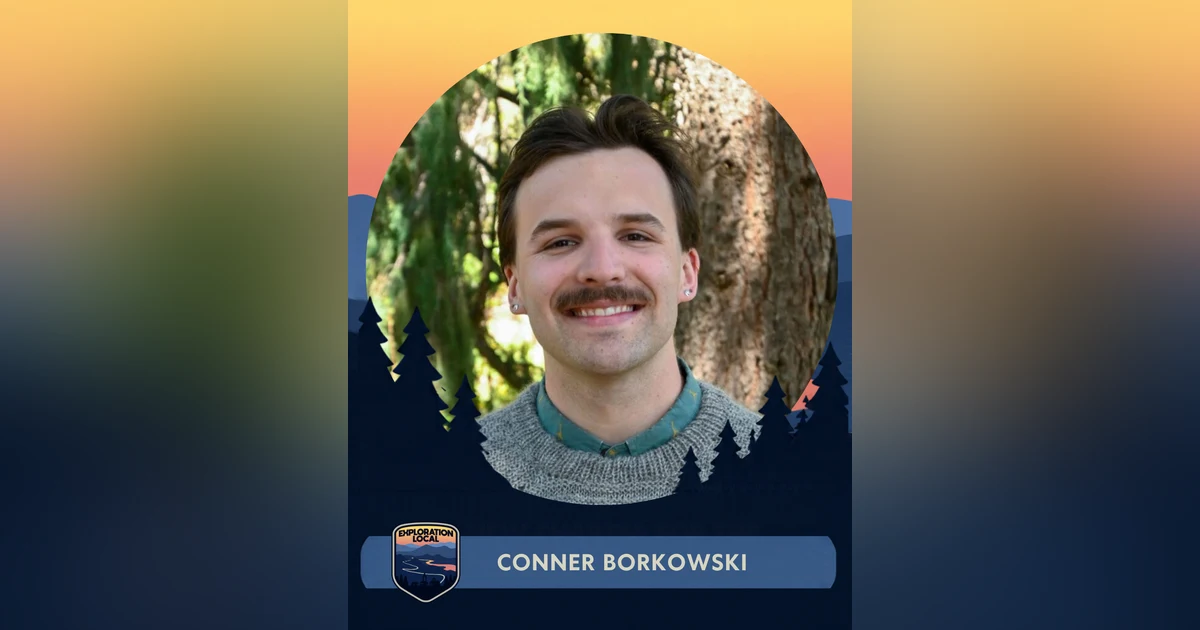
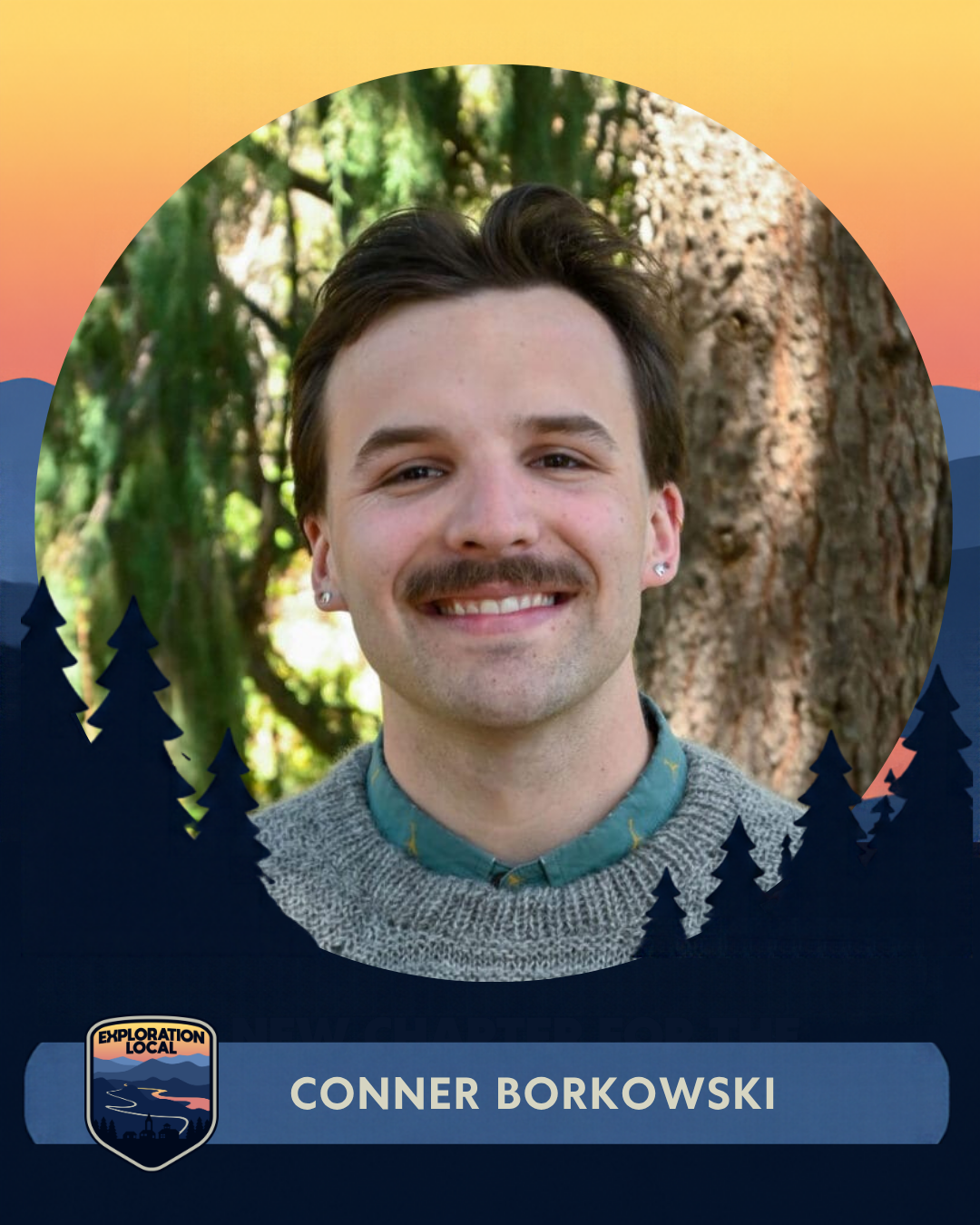
Conner Borkowski has joined the OBA as its first paid, full-time Executive Director. After working in outdoor recreation and community economic development in Colorado, Conner returned to Western North Carolina with a vision for building on the organization's foundation and creating new opportunities across the industry.
In this conversation, we explore the OBA's growing chapter network, the importance of bringing local communities together, and how collaboration can help shape the future of North Carolina's outdoor economy.
We also talk about workforce development, cross-industry partnerships, the return of the Outdoor Economy Conference in 2027, and Get in Gear Fest, the OBA's flagship spring event, returning to New Belgium Brewing in 2027.
Mike Andress
Host, Exploration Local
828-551-9065
mike@explorationlocal.com
Podcast Website
Facebook
Instagram: explorationlocal
00:00 - Welcome To Exploration Local
01:51 - Why Connor Comes Home
03:36 - Lessons From Colorado Outdoor Development
07:16 - Turning Recreation Into Community Prosperity
11:55 - Building Chapters With Local Flavor
18:45 - Why Joining OBA Opens Doors
27:41 - Outdoor Economy Conference Returns In 2027
30:48 - Resilience, Policy, And Workforce Pathways
40:51 - Final Takeaways And How To Connect
Welcome To Exploration Local
SPEAKER_00
You're listening to Exploration Local, a podcast designed to share stories about the people who shape the places we explore, the brands and ideas that get us out there, and the experiences that fuel a spirit of adventure. I'm Mike Andris, host of Exploration Local, and I believe there's always something new to discover and new stories to be told, whether it's around the corner or miles from home. I encourage you to wander far but explore local. Let's go. Founded in 2013 by a small group of gear manufacturers, the Outdoor Business Alliance now includes more than 175 member companies and organizations representing the entire outdoor industry in Western North Carolina. Members include gear builders, experienced providers, skills instructors, outfitters, outdoor retail, bike shops, supporting businesses, and nonprofits. And now the organization is entering an entirely new chapter. Connor Burkowski, my guest today, has joined the OBA as its first paid full-time executive director. After working in outdoor recreation and community economic development in Colorado, Connor returned to Western North Carolina with a vision for building on the organization's foundation and creating new opportunities across the industry. In this conversation, we explore the OBA's growing chapter network, the importance of bringing local communities together, and how collaboration can help shape the future of North Carolina's outdoor economy. We also talk about workforce development, cross-industry partnerships, the return of the Outdoor Economy Conference in 2027, and Get in Gear Fest, the OBA's flagship spring event, returning to New Belgium Brewing in 2027. Because whether you're making outdoor gear, running a guide service, building trails, or protecting the places we love, you're part of this bigger picture. And I can't wait for you to join this conversation.
Why Connor Comes Home
SPEAKER_00
Connor, you have spent a tremendous amount of time in the outdoor industry, in outdoor recreation. And you came to us, to the uh Outdoor Business Alliance from Colorado, where you spent some time out there at Pike's Peak. What made you want to look at this opportunity with the Outdoor Business Alliance as the executive director?
SPEAKER_02
I think, you know, the motivation in part was personal. This is where family is. Family's in North Carolina across the across the state. And I grew up hunting and fishing on the coast and and learned to rock climb and backpack in Western North Carolina and and everywhere in between. And so some of it was that personal piece. But then when this opportunity came up, um, there was some energy in in this opportunity that I saw that I was really excited about. A big part of it was growing the chapters and expanding the OBA geographically. But that was kind of, you know, that is the tangible to this kind of higher level piece of building out the organization and trying to offer really incredible programs in new places, having that ability to collaborate with different organizations and new communities and I think bridge my experience, you know, in grad school and in Colorado of like seeing all of the different possibilities and coming to North Carolina and hopefully being able to offer some of that. I know there's a lot of people here that are as well informed as me, if not more, but hopefully being able to help bring some energy into looking towards the future for the outdoor economy of Western North Carolina.
SPEAKER_00
Yeah. And you were specifically in Pikes Peak, right? You were with Pikes Peak and you were involved in the outdoor recreation industry there. Tell us a little bit about what your experience was, what you were doing.
Lessons From Colorado Outdoor Development
SPEAKER_02
Yeah, I went to Colorado uh first for grad school and got to kind of see what the outdoor industry looked like across the state. My it was focused on economic development, community economic development through outdoor recreation predominantly. But then after grad school, started working with an organization, Pikes Peak Outdoor Recreation Alliance, which is really like a leader in the outdoor business alliance kind of movement and the outdoor industry. Some of the leaders there, the Lion Webbers, are the founders and still leaders, and they have been, you know, supporting the some of the first state offices of outdoor recreation, early outdoor business alliance work. And for the last 10 years, have really been on the cutting edge of what the outdoor industry can be doing across the nation. And so I got to learn a lot, ranging from what does uh conservation finance and trail investment look like to how do we support our outdoor businesses and how do we connect organizations across like broad regions and how do we all work together? And so there was a lot that I'm I learned there from them and from other peers in the region. And there's still a lot of really incredible things going on there that I'm really grateful to have had that experience. And now coming back uh to North Carolina hopefully brings some of that experience as well.
SPEAKER_00
That's great. So was there like this one moment, this Eureka moment, or was there a string of experiences that sort of just worked together cumulatively that gave you a bigger perspective of maybe the outdoor recreation industry and that there's something bigger here than just fishing or kayaking or skiing or whatever your choice of adventure may be?
SPEAKER_02
Yeah, I mean, I definitely for a long time thought that outdoor recreation was just a hobby that I could partake in. That was why I started climbing. That was why I've I've always like um hunt and fished with that kind of like hobby mentality, but then was finishing up undergrad, was a guide um part-time while I was about to graduate with an engineering degree. And on both sides of that spectrum, had mentors that were like, it doesn't seem like you really want to do this as your full-time job for the rest of your life, as your career. So what's next? And that took me to grad school. And with grad school, I got to have all these experiences from working with small business, outdoor businesses to supporting regional organizations to technical assistance for local governments. And one experience that really hit home with me was um creating an economic development plan for the city of Leadville, which is an incredible place and has kind of a swath of outdoor businesses and organizations that represent the entire industry, you know, manufacturing, guiding, retail, nonprofit, government, like everyone, there's a little piece of all of it in there. And we got to create this economic development plan that was how do we elevate the outdoor industry? How do we really meaningfully do some destination stewardship and support like clean trails and clean campsites? How do we connect in nonprofits that need to be connected in and bring all of these pieces together? But then at the same time, we're thinking about how does this impact Main Street development and how do we support the gear shop that's uh, you know, on Main Street, but then also the diner that's next door. And so it it connected all of these pieces of the outdoor industry and like, oh, this makes sense. This could be a career, but then also brought in this other piece of this is more than just the thing that people come to visit to do or the what the locals do on their weekends. This is a way to sustain a prosperous, local, like vibrant community. And so I think that's really carried forward and since then have been learning so many different ways that that like rolls out in different places and with different businesses and organizations.
Turning Recreation Into Community Prosperity
SPEAKER_00
You know, as you talk about Leadville, my mind goes to Old Fort. Like I'm I'm seeing parallels and commonalities that existed there in all the things that even to the streetscape and the diners down the down the street and the bike shop and the brewery and the coffee shop and and the you know, there's seems to be some parallels there. When you thought about coming back here to Western North Carolina, and I know you have some ties and some roots here. Did you think about those experiences that you had in in Leadville and also, you know, the cumulative graduate school all the way to your experiences there, um, as something that you can look at this new opportunity, a new full time the first full-time paid executive director of the outdoor business alliance. What did you see in that opportunity?
SPEAKER_02
Yeah, I think there was uh, you know, the the growth of chapters was a huge opportunity to just like bridge with new communities and get these new flavors of what the outdoor industry looks like here. And I think that there's like I people in Western North Carolina, I think I don't I don't hear it as much as I wish I heard it, is like Western North Carolina is an example. It's a place that from across the country people look towards to understand how um collaboration and partnership and like coming together can look for the outdoor industry. And I I think seeing that and knowing that that's like core to how work gets done here was really valuable. But then seeing some energy of like, let's look at something new, let's try something else out, let's see if it works, let's see what doesn't work. I think that also opens up my mind at least to well, what else can we be trying in North Carolina, in Western North Carolina that's maybe, you know, a little different. And and that that opens up so many doors. And I think, you know, it wasn't me opening up the doors, but I just saw those opportunities uh coming. And now that I'm here, I'm really excited to start talking to people and and exploring and figuring out, you know, what makes sense for this next step.
SPEAKER_00
Yeah. You know, there's a saying of there's a season for everything, and I think that's what's coming to my mind when I think about your experiences. I'm thinking about the evolution of the outdoor gear builders to the outdoor business alliance, because it sounds like there's some synergy in what happened out west versus not versus, but that is also happening here. There's some commonalities that that exist. And so when you think about that, you think about that concept of it expanding out. One word that you use used was collaborative, and that word kind of keeps coming back to mind for me. And I feel like that word collaboration was way back in the origins of the outdoor gear builders, and I feel like in a lot of ways, it's the thread that has allowed it to exist over the last 13 or 14 years, and you see a lot of that collaboration that's going on now. Do you see that still in the outdoor business alliance? And and and how important is that collaborative spirit for something like this to not only have ex you know existed for 14 years, but for 14 years, 20, 30 years down the road?
SPEAKER_02
I think it's essential. I mean, I think uh we use the word networking, but I think we really mean collaboration. I think that is the foundation of what the OBA offers: connecting businesses, connecting nonprofits, connecting to elected officials and and local government, like bringing everyone together is that foundation. Um, and we do that through events and and different things. But then as we're looking to expand and open, you know, open up these new chapters and and figure out what that looks like, we're looking at collaboration, but in a different way of as we're growing, how do we invest in communities and show up for those communities so that they can bring their off like authentic, you know, I I've been using the word flavor. Yeah, yeah. Because I'm also a food guy, but like the their flavor of what the outdoor industry looks like into the OBA. And there's some trade-offs there of like, you know, we can't do everything. I'm not trying to say we need to do everything. I've got a lot of big ideas, but in due time, but you know, in the Catawba River Valley, there's a uh a deep history, and and I think current industry is still tied to a history of textiles. And so the needs and possibilities there are different than what's available in Asheville or in the high country or in the Smokies. And so when we're thinking about collaboration with chapters, there's a little bit of here's let's all get together, let's figure this out. But then also there's still there's can be two flavors. Like I put two flavors of ice cream in my cup all the time, right? But how do we how do we make sure that they're they're complementing each other and and working together still?
Building Chapters With Local Flavor
SPEAKER_00
I love that. So the this idea about chapters, and I remember where when I first heard about it, um, I mean, I was all in. I pushed all my chips to the middle of the table and said, this this is it, this is kind of the future because it's bigger than just Western North Carolina. A lot of the things, the policies that could be affected, the manufacturing, um, the experiences, the trails, the main street development, all these things are happening all over the state. And it seems like you have this concept of outdoor business alliance, collaborative work. How do you, you know, how does a rising tide lift all these ships? But then each area could have their own flavor, to your point. So you have the Smokies right now, you have the high country right now, you have the Catawba that you just mentioned. I'd love to kind of maybe unpack a little bit about what do those different regions look like. They probably aren't all the same, but I would imagine that there's a th there's a common thread that also runs through it.
SPEAKER_02
Yeah, well, and and I I'd like to thank you for showing up to so many of these events, even you know, across Western North Carolina, because I think you get to you get to see how those are a little different. Yeah. Um, like I said, the Catawba's got this history of manufacturing, and so they've got the Manufacturing Solutions Center and the the Industrial Commons in the Carolina Textiles District, and and they've got universities there. And that's just a different flavor. They're still trying to build up their outdoor industry around their lake. Not that there isn't outdoor industry there, but there's still growth there. And that's like why the city is involved and they did the creating outdoor recreation or core plan to help support building an outdoor economy there. Um in in in the city of Hickory, but I think that region or that chapter is like the broader region, but I think that's where the city's invested. In the high country, you've got really established outdoor businesses, some who used to be OBA members, but the a lot of the events were in Asheville, right? So how can we show up there meaningfully, bring what we've offered before but to the high country and and in invest in the differences up there where they might be more interested in engaging policymakers or they have more manufacturing. So what what not more, but that is another focus of theirs. So how does that look different? Um ski resorts up there. But they also have the ski resorts and they've got like some thriving main street like retail outdoor businesses. So there's uh that's the kind of variety up there. And then in the Smokies, right at the gateway to one of the two of the most visited national park assets of the Blue Ridge Parkway and the Smokies are kind of conjoined there. And like there's a lot of guides and outfitters, a lot of our biggest uh yeah, a lot of our biggest rafting outfitters currently that are OBA members are are out there. And so the guide and outfitter flavor is a little bit different too, because of you know, the seasonality is different. It looks different both on how they operate, when they're available, um, and also their needs. So in the smokies in the winter, sometimes a lot of the guides uh are are other places rafting other rivers or doing other, you know, jobs because the summer season is over. So that might change how we show up for events or what they need when it comes to business support. Um and so it's just trying to be understanding of these don't have to look the same way that our Asheville events or Asheville offerings or or kind of the central French broad chapter offerings look like, and and they can all support each other and elevate the kind of Western North Carolina outdoor economy umbrella voice. Yeah. And so I mean, I think I've said this to to a few folks, but like if the high country really wants to engage in advocacy of of a specific topic, they can engage, but then that uh they can engage at the local level, they can engage at the state level, but then we can also like that energy supports other people from other chapters, other organizations getting involved in that advocacy as well. And so any one program in one chapter can support everyone. Yeah.
SPEAKER_00
Um kind of like that one voice concept.
SPEAKER_02
Exactly. And it gives us an opportunity to explore a lot of different possibilities because there's just different needs.
SPEAKER_00
Yeah. You know, the in in the Western part, it seems like there's two really kind of anchor, maybe three, even anchor organizations or companies. You've got Visit the Smokies or Visit Smokies and Endless River Adventures, the NOC obviously being some of the big players. And so you have some anchor people or anchor organizations, companies that people really kind of know, and those people seem like they were all in on this concept, you know, as well. And the really cool thing that was seemed to be happening out in the western part is you look at a town like Andrews, and then again, my mind goes to Old Fort, it goes to Leadville, it goes to what can this region be kind of lifting all people up. If it's a bread and breakfast, if it's a new restaurant, if it's a guide service or whatever, that whole thing, even though it it had its own look, its own flavor, it still felt very much like OBA, like what is very, very important to OBA. And I'm signed up for a lot of the material that I get for the Cotabba Valley as well. And that one is also very, very unique because they have their own flavor, as you say, but they also have the municipality. It's the city or I don't know if it's a city government, city of Hickory. City of Hickory. They're very much into this in their core program, and I forget exactly what core stands for, but they're they're all in on this as well. And you it allows them to maybe have some of the structure or the enthusiasm or the vision, but then it looks, it gets to look like Catawba, high country, Western Park.
SPEAKER_02
The Katawba chapter's got Hickory and they've got this uh city staff support that can really like drive events and and and send out newsletters and and they've got that infrastructure built out. And then in the Smokies, it's more like I've been saying kind of grass tops where there's certain community leaders that are helping, you know, coalesce the rest of the community. And then the high country, in uh, you know, in my experience so far, it's been really like there's an existing community of outdoor businesses, and it's just about bringing people together regularly so that energy has somewhere to to live and and stoke the fire. And so I think, you know, both in what these chapters look like in terms of programs and and and like day-to-day is also influenced by how those communities already exist and being trying to come in and and and recognize that the OBA wants to show up and support this, but I I'm not the not a person that will ever come in and say, Well, this is how we did it, so this is how you have to do it. Right. Like I want to come in and say, How do you guys want to do this? I'd love to support it, let's elevate it all, right? So um that's what we're trying to do. And and I think you've you've seen some of the differences and trying to uh trying to be authentic to all those pieces and recognize that like there's differences and that's okay.
SPEAKER_00
Yeah, yeah. Yeah.
Why Joining OBA Opens Doors
SPEAKER_00
If somebody is listening in and they are from the high country or Catawba or even from the Smokies, but they're not necessarily plugged in, but this is really resonating with them. What would your encouragement be to them or what would your you know, 30-second elevator pitch be of why plugging into the OBA is so important?
SPEAKER_02
Yeah, I think the the OBA, what we really offer is an opportunity to open up doors regardless of where you're at in your business. And those doors might be just connecting to other people with the same kind of business and figuring out solutions to common problems, or it might be bigger partnerships or marketing or um professional services. Like there's so many things that we can open up doors to just because we have that collective voice and because we've got people in our network that solve a lot of that. And so I think that's the the main sell. But I think at this point in time, as we're looking to chapters, like I said before, we also get to kind of look at what the future looks like. And so there's a really cool opportunity with the OBA right now to have a voice in what the future of the outdoor economy looks like, of the future of the OBA, what programs can we offer? We've got, you know, go with a guide, just kind of was announced earlier this year and is connecting guides to hotels and concierge services and and trying to, you know, bridge that gap of when someone shows up to a hotel and has no plans for the next week, how do we get them with a local guide? Yeah. Or we've got, you know, a growing policy and advocacy committee. And how do we engage elected officials and government officials in meaningful ways and try to build relationships there? Um, and so there's a lot of opportunities and a lot of big vision things that I couldn't talk about of the future of, you know, the seeds are being planted right now.
SPEAKER_00
Yeah. Well, you just use that word visionary. And if there's one thing I know about you and getting to know you, it's not that you have to put a visionary hat on, it always stays on. So it's kind of part of your ethos and kind of who you are. So take that concept and where does that go with this chapter? Are we talking about it maybe expanding to um parts in the Piedmont or at the coast or Charlotte or whatever it may be?
SPEAKER_02
Yeah, I think um there's uh a lot of pieces there. Uh the grant that we have that's funding this work is from the Appalachian Regional Commission. And part of the the last piece of that grant is explore what chapter growth looks like beyond our three chapters. Okay. Um so this grant is really to like figure out a chapter model. And, you know, if it works, it if it doesn't work, that's I'm not I'm not here to railroad a chapter if someone doesn't want one. But what we've seen is a lot of excitement in the communities that we already have. And we've got members from across state lines all the way to east of Charlotte. And we already have some folks that are like, well, what does a what does a new chapter near me look like? I think particularly in Charlotte, we've had three or four folks reach out and it's like very cool. So there's a lot of excitement about about that opportunity. And I know from from other partners like Amy Allison that there's similar conversations going on uh about like how do outdoor businesses come together across the state. Three chapters is a lot of work already. So I'm trying to trying to be reasonable there, but also want to elevate any of these. initiatives that are going on and support them. Because I think anytime we can come together, whether it is, you know, relatively close nearby neighbors of of uh you know Old Fort and and Hickory and Asheville all coming together in these like different chapters, or, you know, some boat manufacturers making kayaks here in western North Carolina and boat manufacturers making offshore fishing boats on the coast. Like there are a lot of ways that the outdoor industry needs to come together and can come together across various you know segments of the industry. And so there's a lot just a lot of opportunity um and trying to make sure we don't you know get out in front of our skis too much.
SPEAKER_00
Yeah, yeah. No, I that that makes perfect sense to me. But also you know I I think about people who are doing the manufacturing or they're focused on growing their business and they're focused on you know trying to scale or ramp up their time is really kind of limited or they may feel like their time is limited. I I'm wondering if you can kind of speak to you know the value or or speak to the heart of that person that says man I'd really love to get involved or get plugged in somehow but I'm just so busy in this. I'm I'm I'm I'm you know in the business, on the business, I don't have any bandwidth. What do you say to somebody like that?
SPEAKER_02
My dad, when he retired from the military, he started a small farm. He had about 40 acres of farmland pigs, chickens, uh vegetables. Incredible local business. And I know for a fact he worked 18 hour days most of the days for the 10 years that he really was focusing on that. And that was like when me and my siblings were in high school. So I I think I I say that only to say I really empathize with feeling like there's not enough time. But what the OBA and and really any like network like that hopefully is offering and I know is offering with the OBA is an opportunity to have the conversations or get the tools so that there's less time that you need to spend on the business. I think I mean I think it's a little bit of a cliche sometimes that people say like outdoor business folks, they started an outdoor business because they wanted to be outside not because they wanted to have a business. But but I think that there's a lot of opportunity like regardless of of why you started your business in you know exploring new tools for you and your staff, whether that's education or like actual technology or or some tool and then also having a community that's connected around like having that same feeling. Um you know, we we could in the OBA we've already seen partnerships between members, But I think that there's a lot of conversations of people coming in and saying hey I'm having this issue and someone else being like oh yeah we had that issue. Here's how we did it like does that work for you? How can we you know how can we help support? And so having that community I think hopefully helps people feel like they have more time and can be more intentional with their business, with their life and with their community.
SPEAKER_00
And maybe there's even an element of just staying motivated being around those other people you know you you said you're a foodie and I love to camp uh and I obviously we all do and I love to camp with or cook in my Dutch oven. And so when I cook I have coals and those coals I notice that if some get just out away from all the other coals they die out much faster. But when all my coals are together there's a collective heat that just continues to happen and then there's production and then there is food and then there's enjoyment you know that comes out of that. And so but that one little one over there that I forgot to put underneath it just kind of fizzles out and fades out. You know and I don't know if there's any analogy there or not but in my brain I just kind of went there.
SPEAKER_02
So no I I mean I think I love that. And I think uh you know thinking about keeping that the coals together keeping the heat keeping that collective voice together I think a lot of times when people hear voice they think advocacy they think you know going out and saying something but also sometimes that voice at least in in this you know context is between each other like let's build partnerships let's elevate each other there's storytelling definitely and there's advocacy that we want to do for sure but the OBA also is connecting and supporting each other and you know in my role at least I also want to be reaching out to people that uh haven't been engaged or aren't aren't able to spend time and seeing like how can we better serve you. So um if anyone listening has you know ideas of of ways to work together, please always reach out. Like I am always happy to grab a coffee and figure out how we can help. And also they should probably reach out to you or is there somebody else they could reach out to if they're in one of these regions and they want to get plugged into the OBA somehow yeah if if you're working in an outdoor business or or I like to maybe take a step back too and say I think a lot of people think outdoor business and it's easy to say oh well that's an outdoor business but mine's not outdoors. But right like I said, when you do outdoor economic development and support an outdoor industry, you're also hopefully if you're being intentional about it are supporting the coffee shop and the brewery. So if you're curious about what an outdoor business really counts as or you think you're an outdoor business in Western North Carolina and want to engage in the chapters or with the OBA you can reach out to me. The next step with our chapters is to bring on some folks as regional managers for the different chapters and they will be the kind of point of contact for that region. And so they will eventually become the person that's best to reach out to because they'll know exactly what events are there and who the members are in that region. And I can find that but uh they'll be kind of the local on the ground contact.
SPEAKER_00
Love that. Yeah. So more to come. There's a lot more to come with the chapter
Outdoor Economy Conference Returns In 2027
SPEAKER_00
piece. Let's pivot a little bit and talk about this outdoor economy conference. Usually it's an annual thing and it's incredibly well attended. It's an amazing conference. But this year was great because it gave people a chance to kind of visit some other things and we also hosted the outdoor media summit or it was hosted here in Asheville this year. Uh the Great Trails State Conference is huge and a lot of our people got a chance to to to attend those. But it's coming back. It's coming back in 2027 the fall of 2027 and uh for somebody who maybe has never heard of the outdoor economy conference I'd love to sort of unpack that a little bit and maybe some some nuggets and some really cool things that you see on the horizon coming with this year's conference or next year's conference.
SPEAKER_02
Yeah I mean I'm really excited this is one of the things that uh helped me put together a lot of the pieces of the outdoor industry for me. Because the outdoor economy conference what it does really well and I think it's leading in in a lot of ways is saying this is the outdoor economy at a high level. It's not just a retail show. It's not just a conservation kind of conference. It's uh bringing everyone under the same roof and saying here are some really great case studies of how different problems have been solved and here's some conversations we need to have about solving problems that we're having right now. So it's a really great place to think about the outdoor economy across sectors, across segments and break out of some of those silos so that we can, you know, tackle some hard problems but also celebrate some big wins. And I think it it it it highlights that collaborative energy you know made by Mountains is the the main organizer there and we're happy to support and and I think they were also part of the conversation of let's go to every other year so that we can get people to the Great Trail State conference and some of these other events so that every fall it doesn't feel like we have to spend the whole month of October at conferences. We can you know pollinate ideas at different places and different times and and really be collaborative there.
SPEAKER_00
Oh I love that.
SPEAKER_02
Anything in particular that you're excited about the upcoming I think every every time it comes around I I started going about three years ago when I was in Colorado and every time it comes around I'm just excited to know like what the the next thing in the outdoor economy is last year to I yeah minus the last time it happened I learned so much about how outdoor recreation and health and wellness can come together. You know I think a lot of people who go outside and hike or or or do whatever activity they want to do, they understand that. But seeing how it can really happen at the community scale was really exciting there. And I think this next year talking about workforce development and how higher ed gets involved it's it's at the early days. So I'm sure there'll be some talks that I'm just going to be really excited about, but I don't even know that they've put out the RFP for those talks yet. But that every time there's some new piece that is the focus and is you know like I said on the innovation side of what the industry is doing across the country. And so it's always interesting.
SPEAKER_00
That's great. I'd like to kind of stay with that theme a little bit about some of the things that are going on
Resilience, Policy, And Workforce Pathways
SPEAKER_00
in the industry. Do you see or what do you see as some of the the really big opportunities or even challenges that exist in the outdoor space right now?
SPEAKER_02
Yeah I mean I think we've been tackling a lot of stuff uh in the last six years, right? COVID brought a lot of people outside and built up a lot of businesses uh but then also it was just a hard time to figure out what business looks like when people aren't coming into the workplace. Yeah and that I'll say it built up a lot of businesses on the gear side but then maybe impacted businesses on the outfitter guide side very differently. You know uh Hurricane Helene here in Western North Carolina has been a massive change for all of our businesses and still navigating what that looks like in in some cases. Um tariffs there's so many things that are impacting the business community right now and at the same time I think people are coming together and saying well we've made it through this thing and this thing and this thing so now can't we really just do anything? And so I think there's a lot of energy of looking forward and and you know with the OBA thinking about new programs with the the outdoor industry thinking about you know tackling some of these hard problems but also starting to realize like we're moving forward what else can we be doing? And so there's just a lot of creative thought going on right now that I'm really excited about.
SPEAKER_00
You think about the resilience piece and that word sort of always comes to mind but man you're so right. It's like what else can you throw at us? I mean you've thrown biblical proportion reigns and destruction our way you've thrown tariffs you have thrown policies that are looking to dismantle public lands it just keeps coming but yet people are still energized or still jazz are still stoked about just making sure that they can do their part, whatever that part is to kind of keep all of this moving forward.
SPEAKER_02
And we keep seeing people show up which makes it really easy. I I had a friend who used to say also in the outdoor industry like there's never a bad time to be in the outdoor industry because either you're on your mountain bike or on the sharp end of the rope or you know doing whatever activity or you have a really really good reason to show up. And I think that that like just resonates with me almost every day of you know either today is a day that I really just need to show up because something important is happening or today is the day I get to think about this really cool thing that I care about a lot that a lot of people in my community care about a lot and and think about how to make it better.
SPEAKER_00
I think I can give credit to Shelton Steele with this with Wrong Way Campground. He always has this this saying I think that he kind of sounds off like all forward you know and I think that's kind of and Shelton if that's not you I'm still giving you credit for it because I know you're a raft guide but it's that's it's that concept it's everybody sort of pulling hard you know four hard strokes or doing whatever together and I think the the the the together piece is really kind of the key that holds us all together.
SPEAKER_02
Exactly and and you know when it comes back to the to the OBA like there are so many things that we can look around and see examples of that we can engage in with that foundation of together right like like I said the foundation is bringing people together having that community but now we can look at what state policies do we need to to approach and how do we engage in in in state advocacy how do we connect with our universities so many of our chapter organizations as well as like this center of gravity here in Asheville have universities how can we get more students in higher ed engaged in the outdoor industry because we we we have this spectrum of of um opportunities with jobs from a seasonal raft guide to you know an MBA who's uh uh running a company like there's so many different training needs and we've seen some of those be approached there's so many different uh opportunities for shared services and shared spaces and and you know the OBA is not the only one approaching a lot of these problems but how can we lean into those conversations in meaningful ways for the outdoor economy, for our members and as a representative of such a a broad range of different organizations.
SPEAKER_00
Yeah. Well so what I just heard you say there too is the OBA is not inward looking. It's always outward looking. It's together you're looking in because you're you're seeing the people you're locking arms with but it's always outward looking and how you can sort of raise and lift up and collaborate. One thing that you just mentioned and I don't know if this is kind of in your visionary board but you came from the outdoor recreation or excuse me you came from your experience in outdoor recreation at the university level and I did too. So I started an outdoor program at the University of Tennessee Memphis and spent like six or seven years running that thing. And when you think about Appalachian State for example they have a huge outdoor program. Western Carolina huge outdoor program but a lot of that was about I hey I'm gonna take you on this fall color trip or I'm gonna take you on this overnight canoe trip or I'm gonna take the and so there are all these little experiences like little experiences. But man they really do tie into a bigger picture and helping somebody see what they're you know if they are the MBA student and I love to kayak, well guess what? You have an opportunity to use your skills in a business format in a business way other than just paddling down the river. I think of Stephen Foy you know that my mind goes to him because he's he's so much about the policy and he's so involved in in anything that revolves around a river and he draws from those experiences when he was younger but now he's at the NOC and he's also taking that to a higher level than putting on a suit and tie going to Washington DC you know I'm on a I'm on a ski lift with him and all of a sudden I'm flying out to DC in a week or so.
SPEAKER_01
Yeah.
SPEAKER_00
So there's so many other things and I love that concept because before then just now when you said that about universities I've thought about McDowell trail building I've thought about all these very important components that are coming out of it but the outdoor recreation piece, these are some of the future leaders especially people who were involved and they are leading that outdoor club or that outdoor program on a campus. And can you tell that I'm excited about outdoor recreation on universities?
SPEAKER_02
No for sure and and yeah exactly like my experience was I'm super involved with the outdoors and also didn't see a path for my choice in um degree in the outdoors. Now I can see it plenty of paths right I could be building all kinds of outdoor focused electronics now as much as some people might want to keep the electronics from the outdoors but I think that they have their place. They have their there's exactly there's tools and and you that's a whole nother conversation. But I think that um regardless of if it's in university if it's in high school if it's in you know just a conversation on the street, I think the outdoor industry is at a place where there's a huge opportunity to show people that careers can be made here. Mortgages can be paid with jobs in the outdoors and it doesn't have to like definitely I I mean like I said I was a guide there's plenty of people who make a good living as a guide and I think that those are jobs are really important because that's how people get experiences to know they want to come into the outdoors but there's also office jobs. Yeah yeah there's you know jobs where sometimes you're outside sometimes you're inside there's all kinds of opportunity because we have we're cross sector we're cross segment there is so many opportunities in the outdoor industry for people looking for a career for people looking for how to engage there's a place for everyone um in whatever you need and so just always keeping that that kind of front of mind of there is a perception that it I it's like the str the struggling artist, right? Like I think there's a perception sometimes of people say they want to go into the outdoor industry and their parents or whoever is around them is like, oh, do you really want to? But there's plenty of careers here and I think we can overcome that kind of perception.
SPEAKER_00
Yeah I think you're exactly right. And we've already used Steve Foy as an example and I have other friends that you know spent some time maybe doing some of that seasonal work sort of finding their scratching an itch to ski or to paddle or do whatever it may be. And all of a sudden now they are you know directors levels they're manager levels or owners of businesses. I don't think I've ever had anybody that signed this wall behind me that hasn't started in some kind of capacity like that. And to bring it home for me personally, my daughter is in Colorado right now at Winter Park doing the exact same thing. And I will also tell you um as a really big credit to Amy Allison, to Anna, to Joanna and to the outdoor economy conference, she had a chance to get a taste of that before she went to Colorado for the first time and it opened her eyes. So as a young person wondering where's my place and that led to a lot of different things and all of a sudden she was one of the features in the Go with a guide campaign, you know so and that means the world to her to walk into the outdoor media summit and to look up at a banner and see her face climbing the wall you know at looking glass was just amazing.
SPEAKER_02
So yes there's a lot of points of entry which is what I love about the outdoor event uh the outdoor industry but there's also a lot of leadership skills that get to be built um conflict resolution that gets to be built mental awareness mental health awareness there there's so many aspects to the outdoors man and exactly and it brings it brings back to that that piece of resilience whether it's individual resilience or community resilience um the outdoors is where a lot of people learn how to overcome things whether it is a challenge directly in front of you like a rapid or a a rock wall or something else but then those skills translate so well and right you've got outward bound instructors that went from that to leading companies that I you know all kinds of companies absolutely at the highest level like the those skills translate and I think you know as an industry again if it's whether it's people looking for a job or people looking to get into a sport or communities trying to figure out what their next opportunity is for economic development I think there is a place for outdoor recreation in all of those conversations.
Final Takeaways And How To Connect
SPEAKER_00
Yeah I could probably just hit stop and you just put the bow on this whole episode man. Oh gosh well I've enjoyed this conversation I mean every time we have a chance to sit down sharing a cup of coffee or just kind of chatting in a hallway or outside or whatever. You're definitely the right person for this job. I'm so thankful that you are here as our executive director of the Outdoor Business Alliance. I know I'm just a supporting member of that and I serve on a committee but watching your leadership and then watching how you sort of come along and definitely show up every single time every day you show up for this outdoor industry and not just for Western North Carolina man. It's obviously we we've already established that West, but where your vision is to see this thing go is huge too. So thank you brother I appreciate it. I really enjoy this conversation with Connor and I think there's an important message here about the future of the outdoor industry. The evolution from the outdoor gear builders to outdoor business alliance reflects just how much bigger the industry is than any one business, organization or community. And with Connor stepping into the OBA's first full-time leadership role there's an opportunity to build on that foundation and bring even more of those people together. During the conversation I shared an analogy about a Dutch oven and its coals. Spread these coals apart and they begin to cool, bring them together and they keep each other burning and I think it's a pretty good picture of what collaboration can do for an industry. If you're part of the outdoor business community there are plenty of ways to get involved in the OBA's local chapters, getting Deer Fest returning to New Belgium in 2027, or simply starting a conversation with Connor and the team there's a lot happening and it will be exciting to see you in this next chapter. And thanks for listening. If you enjoyed this episode please subscribe leave a review and share Exploration Local with someone who loves exploring and discovering as much as you do. You can also follow Exploration Local on Instagram and Facebook and if you have an idea for a future episode or know a story that deserves to be told I'd love to hear from you. Feel free to email me at mike at explorationlocal dot com. Until next time I encourage you to wander far but explore local