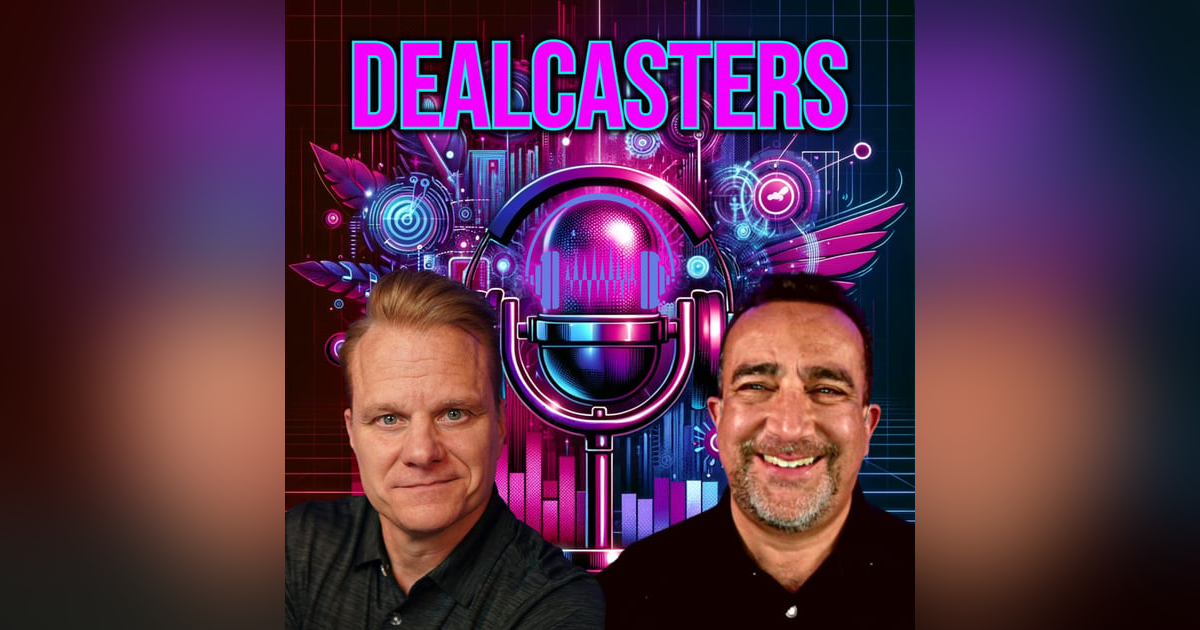
Monte Weaver - How To Build Brand Deal Success


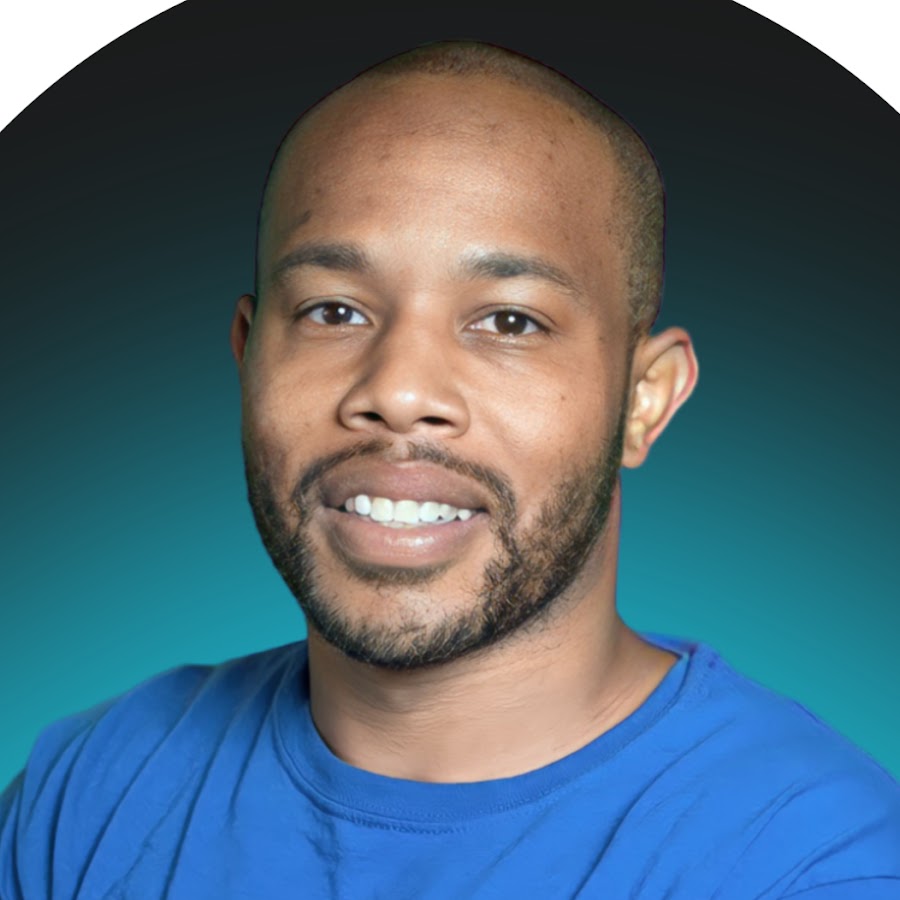
Monte Weaver’s mission is to be the support bridge for the "non-techies" of the world and navigate the hurdles of digital, technology and social media. He knows the tremendous value of these elements in today's world and the challenges that come with them, especially for entrepreneurs and non-profit organizations that are new and learning these areas. By simplifying and speaking the "non-techie" language, Monte has been able to connect with audiences around the world to help them accelerate faster than they ever imagined possible.
👤Connect With Monte:
✅ Official: https://www.monteweaver.com/
✅ Amazon Live & Shop: http://monteweaver.live
✅ YouTube: http://www.youtube.com/monteweaverofficial
✅ Instagram: http://www.instagram.com/monteweaver
This Full video episode available for free at: https://monte.dealcasters.live
All of the products discussed in this podcast can be found here: http://dealcasters.shop
All video episodes available for free at: https://dealcasters.live
👤Connect with Dealcasters:
🎧Grab all these great episodes as an audio podcast at: https://link.chtbl.com/Dealcasters
🎥Catch all the full episodes on replay or live at: https://dealcasters.live
Follow Dealcasters:
Chris Stone [00:00:02]:
Ladies and gentlemen, would you please welcome to Deal Casters, coach, speaker, consultant, influencer, YouTube, and brand expert, mr. Monty Weaver is in the house. Brand. Deal Goat. What is going on, man?
Monte Weaver [00:00:18]:
I am overly impressed by how much homework you guys do before a live show.
Jim Fuhs [00:00:25]:
Well, thank you, man.
Monte Weaver [00:00:27]:
It's amazing to be here with you all.
Chris Stone [00:00:29]:
Jim and I, when we first started this Deal Casters thing, we really thought, okay, well, we must be some of the only few that are kind of doing this right? So maybe we start a Facebook group. Yeah, that's a good idea. Let's see if there's other creators. And so we jumped on Clubhouse and we talked to Chris Williams, who joined us on Clubhouse, and he goes, oh, you know what you guys need to do? You guys need to join this Facebook group that has Amazon Live influencers in it. I was like, oh, there already is one. And so after about a week, Jim and I were like, I'm glad we didn't do it because you guys and I've told this to Melody and shout out to Melody Johnson and Chris P. Giles as well. The best Facebook group admins in the game. Monty, that you guys are really just pulling together that community. We love that we're a part of that. You guys just really do a great job of that. So thank you for that.
Monte Weaver [00:01:31]:
No problem. Yeah, it was one of those things where when I started on Amazon Live, I was like, same thing. Is there anybody else doing this? And I reached out to Melody Johnson and Chris Giles and I said, what if we just start a Facebook group and let people come? Because I couldn't find any information on Amazon Live, quite frankly. I would go to Amazon's website, there was nothing there. I would go to YouTube, couldn't find anything. I was googling, I couldn't find anything. So I just said, I'll just figure this out. And they joined me for the ride of figuring it out. And we started the group and we kind of had our ideas of what we wanted the group to look like and feel like. And quite frankly, we've actually denied more people in the group that we've accepted just to be able to kind of keep the standard there for this community. So we definitely appreciate you guys for being part of that group and obviously what you're doing with this upcoming event, because getting a chance to see everybody else on what I still think is a small group of us in this big space. So it's going to be great to see everybody together.
Chris Stone [00:02:32]:
You made it sound like it was just so easy. And I think that's one of the great things about Monty Weaver. And for those of you who are joining us on wherever you're joining and you don't know yet about this gentleman, please go. We've got all of the links in the show notes and just check out what is going on with him in terms of Masterminds, in terms of working with influencers, with brands. But you have this way about yourself that I think is attractive to a lot of people. It's no doubt in my mind you know a ton about a lot of different things, including tech. But you've carved out a niche for, I guess what you consider people who are non techies, right. You like to work and it's somewhat the premise of our show as well because we feel like a lot of people think they have to do all of the things as it relates to all these techs and there's a lot of bells and whistles everyone's seeing here, right? But it took a while to get here and we had to start with just a phone in our pocket and a webcam and all of those things. But you continue to do that with people who are non techies, I think it takes a lot of patience. So I think that speaks to that. What does it take in order for someone like yourself to deal with people at levels of high level and levels in between and be able to fill their needs on all fronts?
Monte Weaver [00:04:13]:
Yeah, I worked in a help desk for a while. It was one of my first jobs, getting into professional it. So you get out of school and you do customer service. But one of the first real jobs was the help desk support. So people were calling all the time, this is not working, that's not working. And so you learn how to deal with the issues that people were facing because computers weren't their main thing. They needed the computer to do their jobs. They needed to do contracts, they need to send out emails, they need other software. And so I really just understood how to listen to what their problem was, try to dig a little bit deeper and then give them an answer that they could actually understand. And if they couldn't fix it themselves, then okay, I would come to the rescue and I would do it for them and kind of explain to them what's happening at a higher level rather than getting so deep into the weeds of it. And so your question is really interesting because I worked with people that were just coming into working on their computers all the way up to executives and VIP levels and hive branches that support our nation. So I've worked with the whole gamut of people when it comes to their tech issues. And one thing that I found is when I came to this entrepreneurial side, a lot of people were saying go get this, go buy that. And people would go and do it, but they had no understanding of why they were doing it and they would overspend or they wouldn't get what they really needed. So now they had to go get another piece of equipment or a device. And so when I was able to really just identify, what are you trying to accomplish? And then give them a solution based around that and just not make it so tech heavy in the language because they would get confused. What's? The XLR versus USB. All right, you know what? Don't worry about that. What do you have on your computer? And I'll find you an option so you could just plug it in. And people responded to that, and that just made it so much easier for them to not feel so overwhelmed by the tech because I just always keep in my mind this is not what they do. This is what I do. So they're not going to understand this if I try to go all techy on them.
Chris Stone [00:06:18]:
Yeah, and I love the fact that everyone who's listening and watching right now, if you're a content creator, and likely there's a ton of people that are, and for good reason. Did you listen to how he was saying? He hardly ever said I or me. He was always talking about someone else and what they need and what their issues are and how he would solve their problems. And I think a lot of people, when they fire up a camera or a microphone and they want to do a podcast or they want to do a show or they want to launch a business, and they think, they've got a great idea. They're not thinking about who their customer is, who their ideal listener is, who their ideal viewer is, what their problems are, and how your content that you do can solve their problems or whatever you're developing could solve their problems. And I love how you said that because it was like, well, this person has a problem. How do I solve that problem? And it might not be what they think is the solution. Here's what I have for them to do that. I think that's amazing.
Jim Fuhs [00:07:29]:
Well, and I want to add, too, Chris, going back to something you said earlier, Monty, what a lot of people miss the boat on, and you get this, you got to speak in their language. If you start talking like you're the geek squad or whatever, you're just going to go right over people's heads. Chris and I have this challenge on a daily basis with our lovely brides when it comes to tech. And so I might have to hire you for tech support for my house because sometimes I'm like, I got to remember that they don't understand it. How do I keep it simple? But I think that's a great point, right? People are like, oh, get this. But even when we buy things, right, or we're reviewing stuff that we're talking about here on Amazon, it's like, oh, it didn't come with this cable I need. Or, oh, it doesn't have the batteries. And these are things people need to know up front because otherwise they get frustrated and then they end up sending the stuff back. And then if you're the one that told them, they'll be like, well, why.
Monte Weaver [00:08:29]:
Didn'T you tell me that? Right, yeah, I'm big on use case. I try to keep that in the front of my mind. A lot is funny we were actually talking about this in another room I was in, and our words have a lot of power. And especially if you're in front of a camera, they have so much power and you may not even realize how far your words reach. And so if I'm talking about a specific tech product, keep in mind that not everybody really understands what I'm talking about. They might see the flashy object and think they need it. And so I try to remember, okay, let me put some context around it. And I'll say it all the time. I know people probably get tired of me saying it, and I'll kind of reset and I say, let me put context around what this actually is, what this does. Who would this be a good fit for so that people know, okay, I'm not just trying to tell you to go and buy this because we're on Amazon Live and it benefits me, but I don't want you to have to go send it back. I don't like sending stuff back and they have to drive out or go print out labels. That's just an extra hassle. So if I can just be upfront with you. The reality is there's a whole bunch of options on the market. So if you don't like this one or this is not a good fit, there's probably something else that's available to you. And so I don't mind giving you the options that are out there for you.
Chris Stone [00:09:46]:
Yeah, that's so amazing. It took me a while to realize I used to slag certain microphones and, you know, here, as Amazon Live influencers, you can't really you can't really do that, right? And then I came to the realizations, like, I would hear a podcast or see a video and hear the audio and go, man, that sounds really good. I wonder what mic they're using. And then you look down in their show notes and you see they're using that mic that you didn't think so highly of. And I think it's like you just have to realize, whatever you make sound good for your voice, whatever makes you sort of look good. Obviously, Jim is different than Monty, is different than Chris, and there's so many options, there's so many products available on Amazon, products out in the marketplace. And so it's just finding the right fit for that particular person. And I love how you're sort of going down that rabbit hole with the individuals, but obviously you can't deal with every single individual here on Amazon or on the planet. And so you started to do a number of sort of masterminds and group coaching and you're creating a ton of great value there. You have this huge community of influencers that been built. But I wanted to transition into that a little bit talking about because one of the things that I found a lot very interesting with you is that you've said this before and it's true. It's true in the case of Jim and I as well, you don't need a six figure subscriber base to be an impactful influencer and to have conversations with brands that you really believe in. And obviously you're not going to give away the special sauce. But ladies and gentlemen, when you get Monty Weaver live and you ask Monty Weaver a question, this gentleman will answer your question. Now, if you try to get him on a side chat or you try to DM them, there may be a paywall involved. That's all I got to say. So you're here on dealcasters? It's the deal. You have Monty Weaver alive. And so if you have a question for him, please put it in the chat. If you do me a favor and put a queue in front of it, that way we can keep track of the questions as they come in. But Monty, what do you say to someone who is a content creator but is in the double digit followers here and doesn't have many subscribers here and really wants to get into the space, but it seems like such a huge long game for them. What are some maybe some things for them to think about, some tips, some practical use cases for them?
Monte Weaver [00:12:43]:
Yeah, you hit it right on the head, Chris. I'll tell you everything if you catch me live. I tell people, if you catch me live, I'm here. So I'll answer the question. When I'm not live, then you're probably impeding upon some time where you will hit a pay gate. So definitely I encourage you all to ask questions if you're live. But yeah, I kind of think about working with brands and sponsors a little bit different than I even did like six months ago or a year ago. Because when I first got my first brand deal, sponsorship, I got it because of YouTube. I literally had recorded a video about different software that I was using for my audience. I was helping them with tutorial videos, essentially, and a company reached out and they said, hey, would you like to try our microphone? And at the time, I think I had a right around 5000 subscribers. And so I kind of was like, in my mind, oh, okay, well, this is kind of the number that you need for brand deals and sponsorships because I had never thought about it. I thought you needed 100,000. So when I had 5000, I was like, cool, that's the number. But my channel had grew so fast that that number was really even too high because when I started working with other people and they were trying to ask me how I was getting these deals. And I would see their audience count, their follower count. They would have like 1000 subscribers, a couple of hundred subscribers. But I was really having them do the same thing that I did. Create content around the things that I like, around the things that I use. And so when the people that were having like 1800 followers and subscribers, they were getting approached by different brands, I was like, oh, there's something here to this. I'm no guru on it, but I was like, just go do what I did. And then I had this guy, not even two months ago, he had four YouTube subscribers. Four. And he was able to get a brand deal wow. By being a part of the community and some of the things that we talk about. And I was like, oh, if people just create content around the things that they like, around the things that they use, around the things that their audience needs, it's a lot easier to get the attention of these different brands and sponsors because they are looking for the content. They want to see what we are saying as consumers. And the more I talked about certain softwares that I liked and certain companies that I liked, those are the ones that began to reach out. And then it began to attract companies that I didn't talk about, I was just a fan of. And when they started reaching out, I was like, I can create more videos. I can show other people how to get their videos out there. I'm going to get in trouble on your show because sometimes I teach and I go on a rant.
Chris Stone [00:15:30]:
No, go on, preach.
Jim Fuhs [00:15:32]:
Go ahead.
Chris Stone [00:15:32]:
Come on.
Monte Weaver [00:15:33]:
I don't focus on trying to create three posts a day, morning, noon and night, or trying to make the latest and greatest real. None of that has helped me get a brand deal. The fact that I show up and I talk about the things that I know, that is what gets them to reach out to me. Now, if I wanted to create the cool reels and all that kind of stuff and spend 8 hours trying to make it all work, I could. But I would much rather collaborate with the brands because they just see me. And if I can just show up on video or in a blog post or in a picture image and get their attention, they're so much more willing to work with what I like to do. And as a content creator, if you've ever fallen into a rut, you know that sometimes create content is the last thing you want to do. But if I can just show up how I want to show up and not have to worry about being on 18 different platforms, then that just works so much easier for me. And I've had a ball working with all these different companies so far.
Chris Stone [00:16:33]:
That's amazing. And a lot of people are taking us up on asking you questions. So it's like, oh, hey, we get Monty Weeper for free today. But there's a couple of really great questions that we want to highlight and they're coming in on Amazon. So Lamont Wayne wants to know, is it worth it to work with a top selling brand for just free products to show, or should we always be charging a fee? Great question.
Monte Weaver [00:17:02]:
Yeah, I love you all's question. Good thing you all are asking and why it's free, because you might not like the answer, in my opinion. I think it really depends. It really depends because there are top brands that I'm willing to work for free for because they're the top brand. And I have this thing that I call a digital resume. So if I'm working with a top brand on my digital resume, it makes me look super good to my audience and it makes me look super attractive to opposing brands because they're like, oh, you're working with that company. My credibility has gone up. Just by doing a free YouTube video or free IG post, my credibility has instant rise. Now you will get to a point where you're like, hey, I'm bringing you a lot of sales, I'm bringing you a lot of attention. Hey, we don't have to talk about signing some checks now because there's value that I'm bringing to your brand. So it really depends, I think, on where you're at and really what you're trying to accomplish as well.
Chris Stone [00:18:03]:
Yeah. Speaking of Professor Nez, who we had spoke about earlier, who's here joining us in the chat, in the creator economy, this is really writing the script for yourself, right? And you're in control of that for sure. And I think a lot of what would you say, Monty, just as a follow up to that? There's a lot of content creators that look down on that and say where, if you're going to take products from a company and do something, take your time to create a video, to go live, to show it on Amazon to do that, that waters down all of the influencers. If we're going to create value for the entire creator economy, you shouldn't be doing all of this stuff for free. What's your take on that? I mean, I know you kind of said, well, maybe you do start for free, gain that credibility, and then nothing is for free, maybe. Or it depends. How would somebody really kind of navigate that? Because honestly, that comes about. People say, stop taking stuff for free. You're watering my influence down by doing that.
Monte Weaver [00:19:15]:
Yeah, I love the question. Again, some people might not like my answer. This is just me. I'm taking it from my girl Rob. It's just me. I have to be a little selfish. So if I'm working with a brand and it's going to be really good and beneficial to me, then I could take that brand and do it for free. But consciously I know I'm not going to always do it for free. I will charge for working with companies that I really like. Now on Amazon we have Amazon sellers, which is like a side category for me, which are just people that want to push product, but companies, that's who I really want to work with long term, I have companies that I really want to work with. And because I know I can create value and talk the language of what a deal looks like the same way I talked the language to my non techies, that is what allows me to sign the checks. I can put up content that they like and if I pull that content back from you and it was working, you're more likely to say, what does it take to create more content? Because we're all unique. Only Chris, you can resonate with a certain group of people. Jim, you can resonate with a certain group of people. I can resonate with a certain group of people and if the brand, they see the value in what we're creating and if you work with some good brands and you talk to the good people at these companies, I think building that relationship there too. I'm giving too much away, throwing out ideas and just saying, hey, what do you guys think about this? Is this something that you guys think would work? Can we try it? If you can see what these companies respond to and they're willing to do these different things, it's a lot easier to ask them for the money versus just saying, I charge X amount of dollars. If you've never done anything in the past, like if you don't have any social proof behind you don't think you can just charge five and six figures, you have nothing to show. So you might have to do some things for free. So does it bring down everybody? But if you're good enough, it doesn't bring down my rates.
Jim Fuhs [00:21:27]:
I know that, but I also know too, on the flip side, because Chris came across this talking to someone that he knows where people charge a lot and a company pays for it and they don't get the results. So then that also looks bad on us as creators, right? So it works both ways.
Monte Weaver [00:21:47]:
Yeah, it definitely looks bad on us as creators. But I keep in mind the fact that I have some things that I can show. That what I've done. So yeah, brand, you might have not got the results from that creator, but I am super transparent with a lot of the brands I work with too. Like, hey, I don't think this video is going to hit. I don't think this is going to work. This is why I'm not willing to restructure my offer. Because what you want me to do, I've tried already and it failed. So as much as I would love to work with you. I know it's not going to work, especially if you haven't done it the way I like to do it. Then I like to propose that to them. I'll even give them a discount just to show proof that this could work and let them know, hey, I'm not like the other person. Don't give me more ammunition, brand. Because if you slip up and tell me who you worked with or what they did and it didn't work, then I know how to reposition my offer better. So that if a brand is willing to pay you, I take some of those funds and make sure that I get the deliverables done and I get the execution done. And they're going to see the results of it, especially if they pay me.
Chris Stone [00:22:58]:
God, that's so good. I think a lot of people just think, okay, once I'm a creator, once I'm an influencer, all I have to do is do these same things other people are doing. And it's never true in really anything. You got to put the work in and you got to get creative to differentiate yourself from other people. And that's exactly what you're talking about. It's like, well, yeah, okay. My rate to do a product video is X. My rate to do incorporated in a live stream is Y. My rate to do that well, that's what everybody else is doing. If you're someone who's early in the game of content creation or been doing it for years, this is gold. This is how you differentiate yourself in the creator economy, is to do something that somebody else isn't doing to add value to what you're doing. That doesn't mean that you're devaluing yourself. You're actually increasing the value for yourself and separating yourself from others. I've got some other great questions here. This is Tommy and Kalamazoo on Amazon. Monty, do you work with any of the new companies on Amazon Launchpad?
Monte Weaver [00:24:07]:
I don't know who's on Amazon Launchpad, so I don't know. I could be, but I don't know if they are or not. So I have not even had I.
Chris Stone [00:24:14]:
Think we'd like to tommy so all of our details are in the show notes. But I think one company that one of the creators I worked with, worked with the guys who were on Shark Tank who did Sneaker Erasers, so we did something with them. I think the stuff on Amazon Launchpad just like anyone, I mean, these are brand new companies. They're bootstrapping. Amazon does a lot for those companies, and you could win all kinds of great funding and all kinds of great things. But yeah, the same way for Gemini. We haven't really worked directly with any of the Amazon Launch pad. Here's a question from our good friend Phil Hill. Phil Hill, who is an Amazon influencer, and it's Phil Hill knows smart home tech, a great dude, also has been on Dealcasters in the past. He says, can you address the need for an influencer to have a community coach or a Mastermind as they move to the next level.
Monte Weaver [00:25:22]:
I'm a big advocate for having coaches and being part of community and being part of Mastermind just in general. And I think this influencer space, I think you almost require at least some type of community at a bare minimum, if you don't go and hire a coach or be a part of a Mastermind, I think you at least need to be part of a community because there's so many things that are constantly changing. Literally. I have a list in my community, Chris and Jim, of all these different influencer websites that people can go sign up for. Like, Amazon Live is just like kind of where we hang our hats at because it's Amazon and it's live streaming and we like it, but there are a whole bunch of other platforms that are out there, so there's things that are constantly changing and that are out there. And if you're trying to do all of this yourself, there may be a platform that you fit really well for, but you don't even know exists. So at least being a part of a community, you can find out other avenues that you could fit really well in it. And I've directed people. I see Chris is here in the Chat. I remember Chris, he literally signed up for one of my YouTube classes, I think, and same thing with Melody. And I told them, I say, hey, I think you guys should look at YouTube or look at Amazon Live. I just think it'll be a better platform for you. Nobody's over there right now. It's super easy to just go live. Like, Chris likes going live versus recorded videos anyway, so I'm like, it just is a better fit. So being a part of the community is kind of where you can learn, hey, how much do I charge? You can look over at your friend like, hey, how much did you charge for this? Or what deliverables did you give? Versus trying to go to YouTube and never really finding the answer because nobody really tells you the answer on there, because of all the reasons that it makes it a little difficult to tell you the exact answers on YouTube. But if you're part of a community, you can. Jim, Chris, you all want a brand deal with this company? I'm like, yeah, okay, here's the email address. Stuff just happens so much faster when you're in a community.
Jim Fuhs [00:27:17]:
Well, and I'm part of Monty's Blueprint community, and let me tell you, it's amazing when I see what you find, Monty, for us as part of your community to check out. I've been blown away by it. I told Chris, I was like, this has been more than worth it for me. But you take this stuff seriously, right? Because you realize that if you didn't put the work in, we would all. See us like, oh, well, why am I part of this? And then just the conversations we have with each other. Right. Hats off to what you're doing with the blueprint. And I'm really enjoying it.
Monte Weaver [00:27:56]:
I appreciate it. We were hanging out on Monday. Just talking. Amazon live. Just kind of some of the in the weed stuff. What's working, what's not working? Do we need to spend our time doing this versus this? What do you guys like? What do we don't like? So it just gives us a chance to really understand what's going on, and then I'm in it. Every day, I'm scouring different opportunities that are out here, putting it in the group for people to go and apply for. Some are free, but there's a lot that are paid opportunities now, especially for those people that are on the Instagram. Instagram is not my thing, but when I find them, I got to give them to somebody. So I only can give them to people that are in a community.
Chris Stone [00:28:38]:
Yeah, it's like what? The rising tide lifts all ships, right? And I think a lot of it's tough to get past for some people the fact that another content creator they look at as their competition. And this is not at all what you're talking about. And I think for those that have been in it for a while, you realize, you know what? My voice is not for everyone. Jim's voice is not for everyone. Monty's voice is not for everyone. Monty specializes in certain things, and he can actually do something that's very specialized that I might not be able to do and vice versa. And so to look at any platform and any content creator as your competition, please, seriously, especially on Amazon, there are gazillion products launched every minute, and all of this stuff just makes all of this better. When you get a thriving community like what Monty has built for influencers, you're going to get better. What you said earlier, Monty, it's like the brands that Jim and I have spoken to that have already spoken to.
Monte Weaver [00:29:50]:
You.
Chris Stone [00:29:53]:
Without question and without us saying that we know you, they bring you up.
Monte Weaver [00:29:58]:
And that's what I want. I want them to know me. I want them to work with Monty, not work with the tech guy or the guy that can sell a microphone or a monitor. I want them to know my name so when I show up, they know that I can attract the same audience that they're looking for. And that's the part of this whole influencer thing that I've tapping into, is like that personal brand. So when Chris shows up, we know Chris. Yeah, because Chris has been here before. When Jim shows up, we know Jim. Jim is just not this guy. That's an influencer. No, that's a Jim. I want Jim. And so I'm looking forward to really connecting with people that come to the conference, especially on that Friday when we dive into Amazon Live to really just share with them some of these different ways of looking at how you can really work with these brands and still be you all know, you could sell community. Like, you could be a part of the brand's community and drive their community some of these products. I've been in their Facebook groups, and they're just dormant. Nobody's answering questions. Everybody has a question, but nobody's really answering the question. But you can literally sell yourself as the influencer being in the community and get paid to answer the questions in an already established Facebook community. That's just one of the things that I've done, is literally okay. I'll answer the questions. I use it all day, every day. I'm going to answer the questions for my audience anyway. I'll get paid to go into your established group, continue to build my credibility by giving people the answers that I'm going to give them anyway. I'll be quiet now.
Chris Stone [00:31:42]:
We got money. Weaver free for as long as he'll let us.
Monte Weaver [00:31:45]:
Yeah, I have no time today, but.
Chris Stone [00:31:48]:
Lamont's got a great question. What's the best way to approach a brand you'd like to work with? Is it emails on their website? Social media?
Jim Fuhs [00:31:55]:
Better.
Monte Weaver [00:31:56]:
So I focus on attracting brands. I have very seldom reached out to any brands that I've wanted to work with so far. I will in the future. All right, take notes on this. So what I do to attract a brand is I make sure that I'm following them on their social media platforms, especially the ones that I use. I look for them to run advertisements or any type of posts about their products or services. And I will literally go into, oh, gosh, don't take my favorite brands. I'll go to the brands and I'll leave a comment. Hey, love your product. Can't wait to test this out. This looks amazing. I've literally said I would love to share this on Amazon Live with my audience in the comments of the social media post, Instagram, YouTube, I've gotten the equipment sent to me as a result. I had one company say, are you part of our I think it was like, influencer program. I forgot the term they used. And I said, yeah, I had applied for it a few months ago, but they never went through the process until I responded on one of their Facebook posts and they said, oh, we'll go ahead and expedite that. So it was those little things. So I sent no emails. Like, I don't say, like, official emails, hey, my name is Monte Weaver. I do all of this. Hey, I like what you guys are doing over there, and I would like to test your product. That's literally the email. When people say, yeah, that's literally the email. It's so elementary school. That's the email. But I like to attract brands, to be honest with you. I show up on Amazon, I talk about things that I like. If a brand sees me, they'll reach out. Same thing on YouTube. I talk about what I have already. That's the easiest thing for me to do is talk about what I already have or what I already know, make some videos on it, upload it. The thing is, I upload them for my community. I talk about them for my community. So I'm bringing that element where the brands see that I'm educating people on their product. Not because I'm trying to educate people for the brand's sake, but I'm trying to educate my community. They're non techies. So for me, I got to make it simple for you. I got to tell you what each button kind of does so that you know how to actually use it. And I think the brands for my style, they appreciate the fact that I can educate on those products as well. But, yeah, I don't do a lot of email outreach.
Chris Stone [00:34:15]:
Yeah, well, it's almost like someone that gets all their business from referrals, right? You're showing if anybody wants to know, just Google my name, right. And you'll be able to see it. But I love what you said about the fact that you were already using some of the products. And I think a lot of people that are influencers and they're like, oh, man, I'd really love to work with company X, Y or Z. Well, go buy their product. If you really like that product, you likely already have something. What better way is to have some sort of demonstration to the brand that you're already using that brand? We already were talking into Shore microphones when we were having a conversation with Shore. As an example, we already had our Shore 215 ear monitors, and we've been using them for three years. And so when you start having a conversation, you're not like, well, I use this particular brand, but I'd love to use your mics. It's a different vibe. Plus, I love the education piece, but I think it kind of pulls back to what you said before. These brands see the community that you've built.
Jim Fuhs [00:35:27]:
Yeah, and I'd also add, too, Chris, and this is what Monty people, you need to listen to what Monty just said. This is the key. Monty is engaging with the brands he wants to work with. Not every brand, because I know all three of us get approached all the time come on. By these companies, hey, come talk about our microphone. It's like, I've never heard of you. I don't know about you, and I'm not going to risk my reputation just to talk about everything. And I think it goes back to just like in business, it's okay to say no to a potential client.
Monte Weaver [00:36:05]:
That's why I pass along so many. I don't think people realize how many offers I will pass along to other people, especially if they're just getting started. Yeah. Because, one, they have no credibility. So what I allow them to do. You all use my words at the beginning. Access, leverage, and execute. Those are my three words. I allow people to leverage my name. So I'll literally say, hey, I think this person will be a good fit, and I'll help them understand what that language looks like to communicate with the brand. But I literally say, hey, this person will be a good fit for you because they know going into it, it's probably going to be that person's first brand. I'm letting them know, hey, this is something that they're trying, this is what they really want to do. Can we test this idea? And they're willing to do that, but they wouldn't do that if Monty wasn't involved. So I don't even mind leveraging. They sent me an email. They want to do a deal. That's really what the brands want. They want to sell this product. So if Monty is involved, this is how Monty chooses to be involved. Monty is going to say, this person will create the content and put it on their platforms. And so I just help facilitate that because I want to see my people win. I want to see someone that never got a brand deal before get a brand deal. Even if I softball it to them, they got the deal now they can work on that relationship. Now they can cultivate something further. Maybe it's, hey, we'll live stream for a whole month on your different products. So it gives them that opportunity to see, oh, this is what a brand deal looks like. This is what the deliverables look like. Because there's a lot that goes into it when you first start off like, oh, I didn't know I was supposed to post like three times and I forgot I had that in my contract. So it allows them to kind of get their feet wet and allows the brand to still feel comfortable, know that I'm right behind that person that they're going to actually sign the contract with.
Chris Stone [00:37:54]:
And it feels like you're specializing some of these things too for the brand. You become that sort of comfortable pair of shoes that they can go back to, right? And so if it's your first brand deal with, I don't know, a headphone company, maybe you didn't charge that much and you probably gave them a little bit too much, but if they had a good experience, they may be back. And so I think that's important as well as we got another question. I don't know who's this person shout out to. Melody Johnson, best Facebook admin in the game. She wants to know what simple equipment and sort of low price items can you recommend to new creators?
Monte Weaver [00:38:41]:
Yeah, so one of the people that's in our community too is Geraldine Wilkins. And Geraldine, you mentioned it earlier, Jim, she's in the quilting business. And so one of the conversations we had and I said, okay, well, I won't focus too much on tech because she does quilts and she's like, no, I do tech, too, because companies see the tech that she's using to do the live streams. So I say that to say, if you're going to be showing up on these social media platforms to work with different brands and sponsors and tech is of some interest to you, consider looking for the products that those brands have to offer in the marketplace versus just buying something just to get the job done. Because I don't know if you all don't know about now, sure is one of my favorite companies in the world. But the sure branding could sit here all day every day. Or I could wear a lapel microphone with a branding. Or I could have stuff behind well, you all see all the short stuff behind me. I'm just a super fan, but people will ask me, what do I use? And I can tell them about that BZB gear or where did you get that on air button from? I can tell them about that because it's product placement as well. So the equipment not only think about low cost equipment, but what is going to be a good piece of investment that you could potentially work with that brand as well. But there's just so many good things on the market right now. I've used so many different microphones from companies from $40, and nobody could tell the difference to the $400 microphone that I'm using right now. I also think about infrastructure. I'm a techie. So if you get this $400 microphone, you might need a couple of extra components that might take the price up a little bit more. So kind of knowing your infrastructure and what you're looking to accomplish. Ease of use. So you don't want something that has a whole bunch of buttons on it and you never use all the buttons. I have this. I'm going to switch camera angles. I hope I'll mess you all up real quick, but I got this big old switcher right here.
Chris Stone [00:40:42]:
There we go.
Monte Weaver [00:40:42]:
Sometimes people want this. I'm like, you might not need this if you want to do two camera angles because it does break up the shot a little bit. You don't need this. But there are options that cost way less than that, that allow you to do multiple camera angles. Higher end cameras, they cost a little bit more. But the quality I've literally gotten a brand that said, hey, the quality of your video is amazing. That sold them. It wasn't even Monty at that point. It was just the quality of the video sold them and having multiple camera angles that sold them. But you can do that with three webcams and just plug those into your computer. So there's different things that you can accomplish at different price points. But I think that's kind of one of the things I think about, especially for people that I want to tap into the influencer spaces, maybe getting the equipment that aligns with some of these brands that you want to work with as well.
Chris Stone [00:41:29]:
See, now, I said earlier to all of the viewers and listeners later, when we put this out as a podcast, that you're going to get gas and then you had to hit that back camera. Sorry for the audio podcast, listeners, but we got to look into the Starship Enterprise with that big old Atem Mini Extreme available in the carousel Amazon. So we are paying attention there. But the thing is, I think we forget that most people don't need all that stuff. So it's always good. One of the greatest pieces of advice that I got from one of my clients that I work with who's a big sales trainer, and I showed him one of our shows, and we had another content creator on that had all kinds of wonderful, amazing, very expensive gear. And we thought that was a great show. It looked great. And he said, you're not talking to most people. He said, why not? When you're having a conversation and interview with a person like that, they're talking about the microphone that they had before and the microphone that they had before that or the camera they had before, or how about their iPhone? And I smacked myself on the forehead, and I was like, of course, because that is most people. Because I think a lot of times when you get up and you say, here's my $2,000 Sony camera and here's my $400 mic, they think, Well, I can't be that. I don't have that kind of budget. And that's really why Jim and I kind of started the show. And it's a lot of what you're talking about is like, that's okay, because guess what? I had a Blue Yeti mic that I bought, and so did Jim. And I had a Radio Shack piece of garbage that I've even recorded audio on. But I had to learn at that and understand what my technique was and how to put fluffy stuff in a room to get things to sound right and how I could just grab a lamp and put it in front of my face as opposed to behind so it didn't look like I was in the Witness Protection program. And all of those things are free. That stuff you've got around in your house, in your pocket, start there, and then we can help you kind of get to the Starship Enterprise level where Monty Weaver is at, right?
Monte Weaver [00:43:47]:
And I tell people that, follow me, I'm a techie. I just buy stuff sometimes just because I want it, not necessarily because it actually is going to be part. Some of this stuff is definitely not used every single day. I just want it. Like, I used to work in an environment where I had three monitors, so I've always been used to working on three monitors, like, even before I kind of showed up on social media. I've always personally had three monitors because I've always worked in that environment. And so when some of the ultra wide monitors came out, I was like, I just want ultra wide. Not because I wanted the ultra wide, but because I'm so used to the real estate of the monitors that I was working on. And it just made sense to go from three down to one because I could still get the real estate, and I'm already used to it. If I go and work on a 17 inch monitor, I probably quit working because I can't do it. So I'm just used to the real estate. That's why I have the big old monitor.
Chris Stone [00:44:43]:
Oh, man, this is amazing. The Amazon Chat is going nuts. We appreciate you all joining us, and so is YouTube. All the tubes. We appreciate it. We're here with Monty Weaver of Blueprint influencers. Monty, what's the site? If someone here is catching you for the first time, they've been under a rock and they don't know who Monty Weaver is. What's the best place your Amazon shop? And if they're interested in whether it's Blueprint Influencers or I know you're a speaker, and amongst other things, in the creator economy, there's multiple revenue streams, and this gentleman has many of those. What's the best place for people to connect with you?
Monte Weaver [00:45:33]:
They can go to the website Monteweever.com. That is kind of like the Cornerstone, one of the sites that I'm just constantly working on to improve. And from there, you can kind of find what you need on the different platforms. Amazon, YouTube, speakers, trying to put some past work I've done on there for video production. So that's the easiest place to kind of find what you need there, learn about the community, all that good stuff.
Jim Fuhs [00:46:02]:
Awesome.
Chris Stone [00:46:04]:
Amazing stuff. Amazing stuff. Monty, thank you so much for joining us today. Taking as much oh, no, we can hang out. You want to keep giving us free time.
Monte Weaver [00:46:16]:
I love hanging out with you guys.
Chris Stone [00:46:18]:
Yeah, likewise, man.
Monte Weaver [00:46:19]:
Appreciate absolutely inviting me on.
Chris Stone [00:46:21]:
Yeah, and we're really looking forward to spending some time hopefully breaking bread and really just sharpening the irons in Orlando at VIDFEST. This gentleman will be on the stage. We'll be joining just 17 other Amazon influencers on Friday at the Hilton in Orlando on May 27. I think I can get that date right, but it's also part of Podfest, and so there's just hundreds of other great speakers and thousands of people to network with. So please join us at and I know Crispy Giles is ready because he's been here and he's been super active in the chat. Thanks for joining us. Russ, as well. Yeah, Russ, we were on your show last night. You look vaguely familiar as well. And thanks, everyone, for joining Dealcasters. And as always, don't fear the gear.
Jim Fuhs [00:47:21]:
Thanks for listening to Dealcasters. Congratulations. You've taken another step forward in your content creation journey. Please don't forget to hit the subscribe or Follow button here in your favorite podcast player so you can be reminded every time we drop an episode.
Chris Stone [00:47:38]:
We love hearing from our listeners and viewers, and if you're wanting to watch our shows live on Amazon, feel free to follow Dealcasters Live as well at Dealcasters Live. Follow us on Twitter or subscribe to our YouTube channel, where we also include added content tent that you cannot find anywhere else.
Jim Fuhs [00:47:58]:
If you have questions about this episode or have something you want us to review, you can also email us at dealcasters at dealcasters live. Thanks again for listening. And you know the deal. Don't fear the gear.
Monte Weaver’s mission is to be the support bridge for the "non-techies" of the world and navigate the hurdles of digital, technology and social media. He knows the tremendous value of these elements in today's world and the challenges that come with them, especially for entrepreneurs and non-profit organizations that are new and learning these areas. By simplifying and speaking the "non-techie" language, Monte has been able to connect with audiences around the world to help them accelerate faster than they ever imagined possible.


