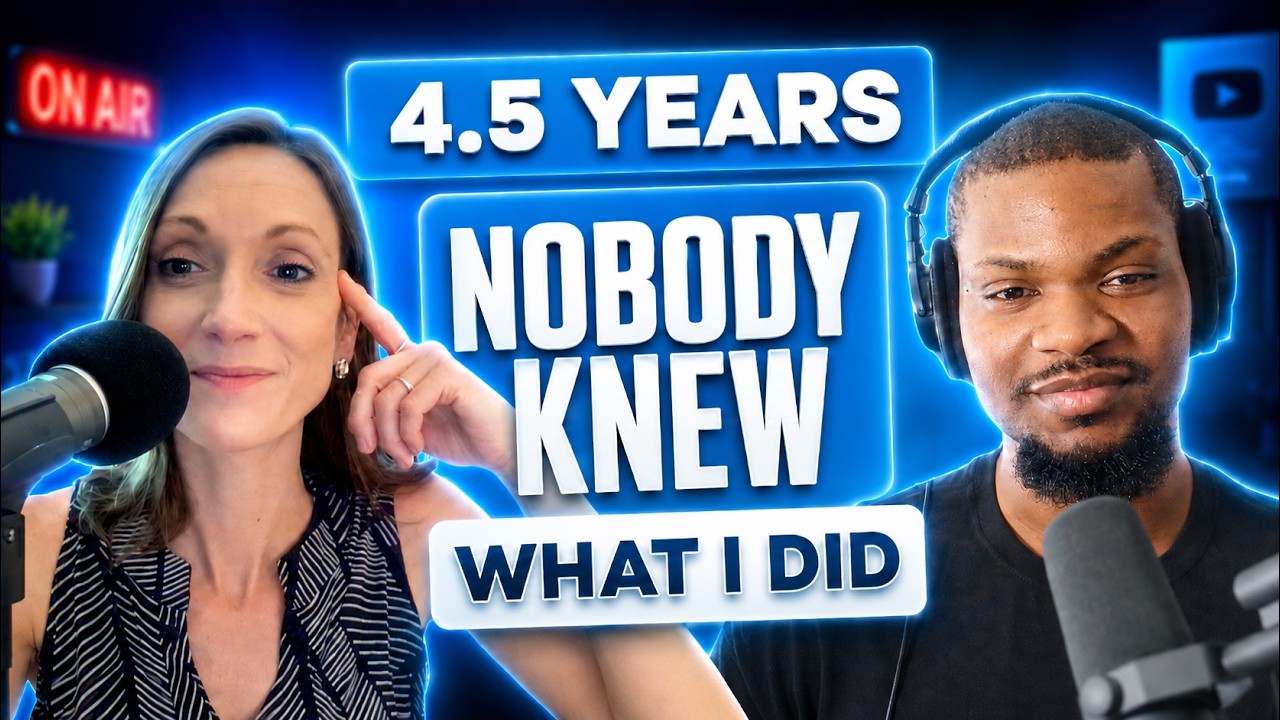
Your Podcast Has Listeners—Do They Know What You Sell?
People can enjoy your podcast, recommend it to friends, and feel connected to you without understanding what your business does.
Emily Aborn experienced that disconnect. In her Founder Podcast Lab conversation, she describes running a podcast for four and a half years while listeners did not realize she was a copywriter.
She had built attention and community. The connection to her work was missing.
For a founder using a podcast to support a business, that is an important distinction.
Make your expertise visible
Interview shows can make this particularly easy to overlook. You prepare thoughtful questions, give your guests room to speak, and highlight their expertise.
Those are valuable hosting skills. Your audience also needs opportunities to understand your perspective.
You can contribute without taking over the interview. Explain why a guest’s point matters to the customers you serve. Connect an idea to a problem you encounter in your work. Ask a follow-up that reveals how you evaluate a situation.
Listeners should gradually develop a clear picture of what you know and whom you help.
Check the connection between your topics and your offer
Emily also discusses co-hosting a podcast for a builder. The conversations answer questions homeowners have before building a home, including decisions, expectations, and investment.
The connection is easy to understand: the topics help the same people who might need the builder’s services.
Apply that test to your own show:
- Who would find this episode useful?
- Is that person someone our business serves?
- Does the conversation demonstrate relevant expertise?
- Is there a sensible next step if they need help?
An occasional broader conversation can still serve your audience. A consistent mismatch deserves attention.
Give listeners a clear next step
A listener should not have to investigate your website to work out whether you can help.
Use plain language to explain the service and who it is for. Then offer a next step that fits the episode: explore a relevant service page, read a resource, or get in touch about the problem discussed.
You do not need to repeat a full pitch throughout every recording. You do need enough clarity that someone can make the connection.
Emily chose to start a different show with a closer relationship to her expertise. That was her decision, not a requirement for every founder. Your first move can be a smaller adjustment to topics, introductions, or calls to action.
Your next step: Ask someone who has heard your podcast, “What do you think I help clients with?” Compare their answer with the business you are trying to build.