Financial Healing After Divorce: How to Rebuild Credit, Cash Flow, and Confidence
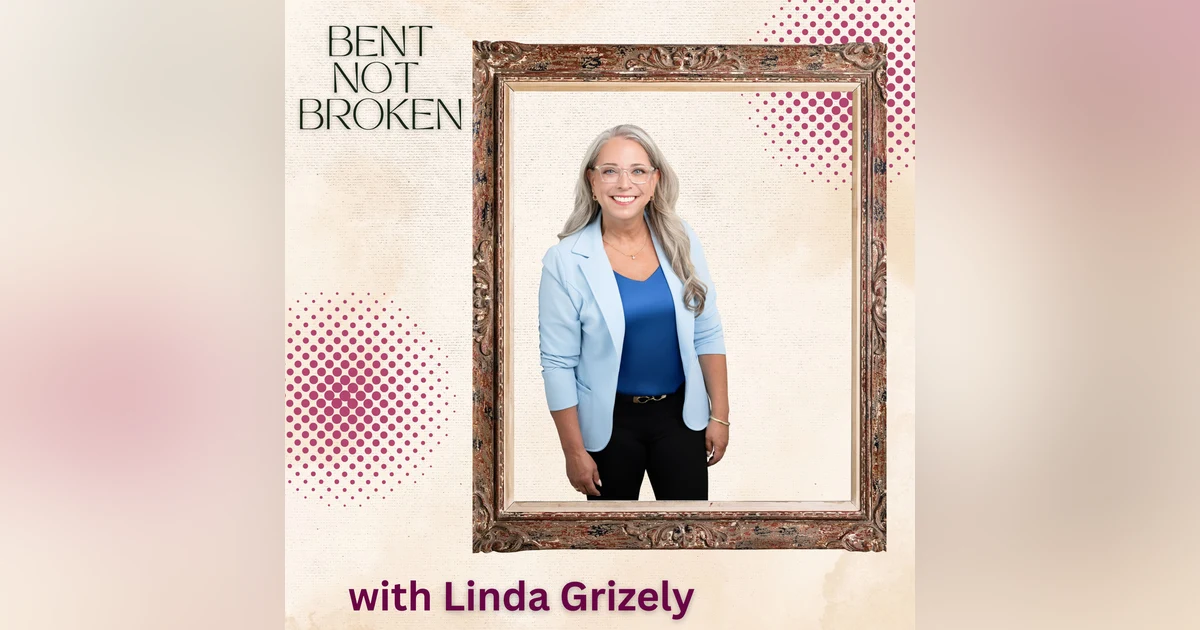


In this episode, Deborah sits down with Linda Grizzely, a financial wellness speaker, personal finance educator, and host of the Real Money, Real Life podcast.
After divorcing following 23 years of marriage, Linda found herself navigating finances she hadn’t managed in years—conflicting advice, financial stress, and survival mode. That experience reshaped how she now supports women through a judgment-free, human-centered approach to money.
Together, they explore why financial healing must be part of the divorce recovery process, how cash flow impacts confidence and decision-making, and why understanding your credit is one of the most empowering steps women can take after divorce.
In this episode, you’ll learn:
- How divorce changes a woman’s financial reality
- Why checking your credit score is empowering—not scary
- How to review your credit report and spot red flags
- The emotional impact of financial stress after divorce
- What cash flow really means—and why it matters more than income
- How Linda’s “Me Money” approach supports self-care without guilt
This episode is a reminder that rebuilding after divorce isn’t just emotional—it’s financial too. With the right support, clarity and confidence are possible.
🔗 Learn more at https://lindagriz.com
💬 Enjoyed this episode of Bent Not Broken: Life After Divorce with Deborah Griffiths?
Don’t forget to rate, review, and subscribe on Apple Podcasts and Spotify so more people searching for life after divorce, divorce recovery, co-parenting, dating after divorce, and healing from gaslighting can discover this empowering podcast. Every review helps others find hope, inspiration, and practical tools for thriving after divorce.
🌐 Explore more resources: Visit BrokenToBoldness.com
for coaching, workshops, and guidance on divorce recovery and life transitions.
📲 Follow Deborah Griffiths for daily empowerment and support:
- Instagram: @BrokenToBoldness
- Facebook: Broken to Boldness
- LinkedIn: Broken to Boldness
✨ Remember: divorce may bend you, but it does not break you. You are stronger than you think, and your bold new chapter starts now. ✨
We member their purpose. You are best. Joining me today is Linda Grizzly, a financial wellness speaker, personal finance educator, and the host of Real Money Real Life Podcast. Linda brings a human, judgment-free approach to money, helping people and organizations understand how financial stress impacts everyday decisions, confidence, and performance. Welcome, Linda.
SPEAKER_00Thanks for having me on. Deborah, I'm looking forward to the conversation. Can't wait to just dive into things with you.
SPEAKER_01Oh, I'm looking forward to it too. I love how you bring a human judgment-free approach to money. How did your own divorce shape the way you now talk about finance stress and self-trust?
SPEAKER_00I got divorced after 23 years of marriage. I got married at 22. So at that point, I had been married for half of my life. When I got divorced, my husband had been taking care of all of the finances, which is common for my generation. I'm Gen X. So when I was getting divorced and I had taken on financial responsibility again, which I had had it before, and in the beginning of my marriage and I had switched it over, I still was at this point where I needed help. And my husband had a guy that did the investments for him, and I was talking to him. And then we had a CPA that I was talking to, and they kept telling me different things. And I would ask one and they'd say, you need to ask the other. But they wouldn't talk to each other. I was just going around in circles and I didn't know what to do. I ended up finding a company that did investments and tax under one roof. I thought that was going to solve my problem, but it really didn't because I wasn't getting the help that I really needed. I wasn't having someone show me the bigger picture. You know, they were just like, okay, what do you have? Let's get it invested. Let's get it set up in your name. Let's just figure that out. But there was no guidance. There was nothing saying, hey, you know, if we look at what your future looks like, we can start to look at how you might save differently. I was just in survival mode and nobody really took me under their wings to help me figure that out. Over the years, I became a financial advisor post-divorce and learned all about financial planning. And I was helping people with financial plans. And the more women I talked to, the more I realized that we really need this. We really need someone that's a trusted person that we can just have conversations about money, not someone who's necessarily saying, send me your money, I'm going to manage it for you, or I'm going to sell you this product. Once I was into financial services and working with people, I decided to step away from that and do financial coaching and financial like life coach. Like bring your money and your person together and move forward that way so that I could help people that were, that were like me, that needed that extra help.
SPEAKER_01Define for us a little bit about the extra help that women so often need coming out of divorce, some of the things that they may not have thought about or prepared for, because as we both know, we've both been divorced, it's a culture shock. And all too often we find ourselves as women in a different standard of living sometimes change. More often than not, it does change. Not necessarily for the better. So what are some of the things that women need to know coming or even planning a divorce and coming out of that divorce?
SPEAKER_00I think one thing that they need to know is that there is a good chance that their lifestyle will need to change. They might not be able to live the same financial realm that they were living before. They might have to not live in as nice of a house or not have all the extra things that they used to have. But that's okay. It's just an adjustment period. Some women try to live the same lifestyle and fail because they're spending too much. Other women go the opposite direction and are just so afraid that they're not going to have enough, that they live in this space of scarcity where they feel like there's never going to be enough money. So they actually go the other direction. Either way, it's not a healthy place to be. It doesn't happen overnight. You have to find where you fit. And understanding your finances and leaning into that is really the key to it. Understanding your cash flow, what's coming in and what's going out. And sometimes you don't know that right away. When you're coming right off of the divorce, you're just trying to figure out what you have and where you're going to go, where you're going to live, what you're going to do, if you're going to get a different job, what is going to happen with your kids, all that stuff. You're not even thinking about like planning with your money, but it's so important to lean into that and find that healthy space for you and be financially well so that you are living within your means, but at the same time not sacrificing too much of yourself.
SPEAKER_01Do you find that women coming out of divorce, because all too often there's so many self-esteem issues, things of that nature that have to heal, that money gets put aside. Thinking about money, their budget, their finances gets kind of pushed aside. Or should that also be part of the healing process as we come out of a divorce?
SPEAKER_00It does get pushed aside, but it shouldn't be pushed aside. It should be part of the healing process is getting in tune with your money, getting a handle on what you have, what your plan is, how you can set yourself up for success, and really just understanding what you need to do. Part of my story is that when I first got divorced, I had was running a business, but it wasn't profitable enough. So I had to sell the business. And I got a job that I thought was going to be my dream job. And I undervalued myself when I was looking for the job, but I really thought that this was going to be the job for me. As it turned out, I was in a toxic environment and I wasn't getting paid enough to survive. I was going backwards every month. So I took a bold step and left my job and went back to school. I had a two-year degree, but I had never gone to a four-year college. So in my late 40s, I went to college and I got a degree because I knew that I needed to up my game. If I was going to survive, I needed and have the lifestyle that I wanted. I needed to have that in order to get the next job. So for me, that meant going backwards first. And that can be really hard too, because I took out a home equity loan to go to school. I wouldn't recommend that. So anybody that's listening, don't do that. There's lots of better ways that I know now as a financial person. I mean, that is one way, and sometimes that makes sense. I just didn't know there was so much I had to learn. You know, you have to realize where you are and figure out what your vision of your future is and find out how you get there. How do you happen?
SPEAKER_01Many women avoid looking at their credit after divorce because they're afraid of what they'll see. Why is checking your credit score one of the most empowering first steps and not something to fear?
SPEAKER_00I think that people are a little bit misinformed on how easily it is to rebuild your credit score, right? The issue lies in that when you get divorced, a lot of times many of the things were in your spouse's name and not in your name. Even if you have a card in your name, usually a credit card has one person's name as the main borrower. And so they're the one who's really building their credit. It builds your credit in a different way. Looking at your credit score will help you understand where you are. If you understand the things that affect your credit, like your credit utilization rate, and it's not just late payments, it's about how much credit you have and how much of it you're using, as well as several other factors. The idea is that you look at it and know where you're starting. And then the idea is to get better from there. And it happens faster than most people think.
SPEAKER_01How can someone check their credit score and review their credit report safely and accurately? And what should they be looking for?
SPEAKER_00They can go to Free Credit Report. I think it's freecreditreport.gov. It's a government place where they can check their credit report for free once a year. And the credit report isn't your score. The credit report gives you a list of everything that's on your credit. And at that point, you have the option to write in and you know say this isn't me or this is wrong, or and and also it allows you to see if there's any fraud on your account. I know, for instance, after my divorce, my ex-husband's new address showed up on my credit report as one of my addresses. His next two addresses still show up on my credit report as the prior addresses. I've never lived there. That was all after our divorce. Those addresses show up. I've never written in to get them changed because there's no issue. I I probably could have, but at the time I was just like, yeah, whatever. But it might be an issue for somebody. If you're attached to somebody who has bad credit, it might be important to you to make sure that nothing from them is drifting over into your credit report. So that's how you can check your credit report and your credit score. Most banking apps have a credit report or a credit score that you're allowed to access in them. But there's two different scores that are out there. There's your FICO score, that is the one that most banks and lenders look at for giving you credit. For instance, Capital One uses the FICO score. So you can get it from them. The other one is trying to remember what it's called. I don't want to say advantage something, but like for instance, Chase Bank and US Bank, they both use this other one, which is through credit-wise, I think. Anyway, it's a similar score and it's it's gives you some kind of idea of where you land, but it's not the same as your FICO score. So they can differ. So if you really want to know, then you would want to check, you would want to look at your FICO score. And looking in your bank app doesn't ding your credit. But if you go through a credit agency to have them look at your credit, it puts a ding on your credit, which might drop your score temporarily.
SPEAKER_01Okay. Sometimes women discover joint accounts, shared debt, or even credit issues after divorce, as you did. What are some of the biggest red flags to look for on a credit report post-divorce?
SPEAKER_00I would look for anything that you feel like should have been closed that was in both names, or anything that you don't recognize. It's really important that you look through that. And like I said, there's three different credit bureaus. So you want to be sure that you write into the three different bureaus and get anything taken care of that doesn't belong to you. You can also freeze your credit. You have to do it three different times to the three different credit bureaus. Freezing your credit allows anyone that's checking your credit like to get approved for a loan, it will stop them. It will freeze them from looking at it. There's are still things that people can do that don't require it going through the credit bureau, but it stops most of the larger transactions from happening.
SPEAKER_01Okay. You talk a lot about financial stress and how that impacts confidence and decision making. How does damaged or unknown credit quietly affect women emotionally after divorce?
SPEAKER_00I think if you find credit that is unknown to you or taken out wrongly, you just feel violated. It's a violation of your person. And it can be devastating at times. I think the biggest thing to know is that paying attention to these things is so important. It's important, but it's not urgent until it's urgent. And at that point, it's on fire. If it becomes urgent, then you've got a real problem. So the idea is to monitor it and hope that you never move it to that urgent section.
SPEAKER_01Let's go back to cash flow a little bit. Can you describe exactly what cash flow is and why understanding cash flow is more important than just knowing how much money you make?
SPEAKER_00A lot of times people think of the money you make as your salary, but really that's not what goes into your bank account. It's net all of those things that come out of your paycheck. Cash flow is what is actually coming in and what is going out. You might think of it as a budget, but it's not really a budget because you're not setting boundaries for each item. You're just saying this is it. This is what's coming and that's what's going out. Whether there's a that, but there's not necessarily saying you're putting restriction around it. So what's going out would be any bills that are coming out monthly, like regular bills, anything that's annual or biannual, you want to make sure that you're keeping those in mind on a monthly basis and saving money for those bills so you have money to cover the things you spend on yourself, right? In financial planning, when a client comes in, you're asking them for their income and expenses. They're giving you their income and listing out all of their expenses. But when they list out all their expenses, you might even have in there, what do you spend on vacations? What do you spend on eating out? There's all that personal stuff. But there's always a gray area where you're like, okay, where's this money going? It could be negative or positive. Like, you know, either you're spending more than you're bringing in, and how are you doing that? Or you're not saying you're spending this much and it's not going to savings anywhere. So where is it going? Well, that's why it's important to see because then you can start to see, like, oh, okay, there's a lot of this stuff that I didn't realize was happening in the background, whether it be just unknown subscriptions that you forgot if you're not haven't been paying attention, you know, or um just things that you do every day that add up that you don't realize. Are you buying a Starbucks coffee once a day, twice a day, once a week? How much is that? I hate to throw Starbucks under the bus all the time, but that's the one that people use a lot, right? Exactly. Um I knew someone at Starbucks once, and she was like, I don't understand how people can afford this. I have this one person that comes in every single day before and after work, and it's $20 a day. That's a lot of money.
SPEAKER_01It is, but it's those what did they say? I think it was Ben Franklin. Was a penny saved is a penny earned, you know. And I think we liken everything to Starbucks. I'm not sure how much a coffee is. Say it's six bucks, but that could be six bucks towards your child's school lunch or savings you can do without a coffee once in a while. It's an easy sacrifice. Well, maybe for some.
SPEAKER_00It is, yeah. So here's the thing a part of my philosophy is about me money, where money you can spend on yourself a certain amount that you put a budget around. It's not really a restriction, it's a boundary. It's actually freeing. If coffee is the one thing that you want to have, then that's fine. If it comes out of that money and you know that that's the amount of money you have to spend and that's what you're choosing to spend your money on, fantastic. But when you start looking at it through that lens, you're like, hmm, if I buy $20 worth of coffee a day, that's gonna prevent me from doing this other thing that I really want to do. Maybe I don't want to do the coffee. Maybe I'll make coffee at home at least once a day. It's all about prioritization and figuring out what you value.
SPEAKER_01You have a program called Me Money. You want to talk a little bit about that?
SPEAKER_00It's a simple strategy that anybody can do. I have a course for it, but you don't need the course if you can figure it out on your own. And it's it's all about setting aside that specific amount of money for you to spend on you. And it's the number's gonna be different for any everybody. So you you can track your expenses for a month or a couple of weeks and then start with that number and try to live within the means of that number for anything that's just for you. Now we're talking about not responsible items, right? Things like coffee, things like, you know, any like impulse by things that you don't really need that you just like or want, right? It could be a self-care item like a massage, or for me, it's I get my nails done, right? So that comes out of buy me money because that doesn't this doesn't help my husband in any way, me having my nails done. Now you might have a husband who absolutely wants you to have your nails done. In that case, it doesn't have to come from your money. It's all very unique to you. But the idea is that it works with any money personality. You can be a saver or a spender or an avoider or a risk taker or a security seeker. And there's all these different personalities around money, and there's no wrong personality. But by having me money, it gives you a lens to look at money differently through and allows you to pay more attention to it and give more intention to your purchases.
SPEAKER_01I like that concept of me money. So many times, as part of our healing process coming out of divorce, we might sacrifice putting ourselves on the back burner. Part of the healing process is to set aside some me money and even some me time to focus on building back our love tanks. We need to get refilled from time to time so that we can keep giving and doing what we need to do. From your work and your Real Money Real Life podcast, what are the most common mistakes people make with credit and cash flow after divorce? And how can they course correct?
SPEAKER_00The answer to that goes hand in hand because the most common thing that I see is that if they're not hands-on with their cash flow, they end up building up too much credit, right? And then they build something that it's harder to get out of because they're trying to get through a phase and they're trying to figure out their lifestyle while they're adjusting. And so I think that they tend to charge a little bit more and build up a credit card balance. So figuring out a good way to restructure that and get that paid off is key to getting a handle back on their finances.
SPEAKER_01If a listener feels financially behind, scared, or unsure where to begin, what's the first small doable action they can take this week to regain financial control and confidence?
SPEAKER_00I would say look at their bank statements or look at it online and go through all of the transactions. See if there's anything that stands out to you that you didn't realize you were spending. See how it adds up. How much money are you actually spending and what are you spending it on? Get familiar with that. Get in the habit of reviewing that once a month at least. Go through and look at all your transactions, what you spent, review your cash flow, what came in, what went out, and see where you can improve.
SPEAKER_01Love it. Linda, this has been a great discussion. If our listeners want to get a hold of you or want to know more about you or even hire you, how can they do that?
SPEAKER_00Sure. They can find me at lynagriz.com. It's l-i-n-d-a-g-r-z.com. From there, you can get my email. You can find all my social medias, contact me, all that good stuff is all there.
SPEAKER_01Okay, great. So and I'll be sure to put it in the show notes as well.
SPEAKER_00Thanks so much.
SPEAKER_01I really think after listening to you speak, for our women listeners out there, and even for the guys, you need an attorney when you're going through a divorce, but you need someone to handle that can discuss your finances as well. You need a team of people. Adding a financial person is crucial, along with the attorney and possibly coaching or counseling, therapy. You need it all. It's a big change in your life, and you don't have to do it alone. With people like Linda, there's a lot of help and support. Thank you so much, Linda. I really appreciate it.
SPEAKER_00You are welcome. Thanks for having me on.
SPEAKER_01Thank you for listening to today's episode of the episode.