Divorcing Differently: Mediation, Money & Financial Mistakes with Brenda Bridges
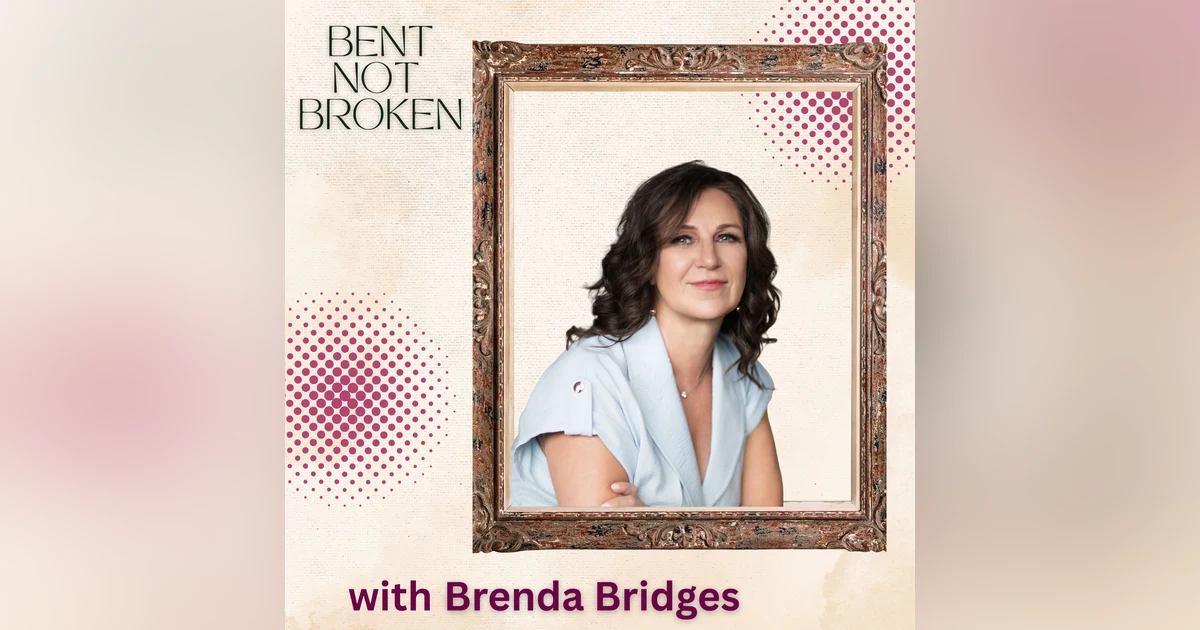


In this episode, I’m joined by Chattanooga divorce mediator, Certified Divorce Financial Analyst, and bestselling author Brenda Bridges, founder of Bridging Divorce Solutions.
We talk about how to navigate divorce without destroying your finances — and why divorce doesn’t have to mean court battles, massive legal fees, or emotional warfare.
Brenda shares:
• The biggest financial mistakes people make during divorce
• How a simple pension oversight cost tens of thousands in legal fees
• When divorce mediation works — and when litigation is necessary
• Why rushing divorce decisions can hurt your long-term financial future
• The critical financial steps people forget after the divorce is final
• How to divorce with dignity while protecting your assets
If you’re considering divorce, going through separation, or rebuilding after divorce, this episode will help you make informed decisions about mediation, divorce finances, custody, and protecting your future.
📘 Oh Shit, I’m Getting Divorced: The Guide to Keeping Your Dignity and Dollars
💬 Enjoyed this episode of Bent Not Broken: Life After Divorce with Deborah Griffiths?
Don’t forget to rate, review, and subscribe on Apple Podcasts and Spotify so more people searching for life after divorce, divorce recovery, co-parenting, dating after divorce, and healing from gaslighting can discover this empowering podcast. Every review helps others find hope, inspiration, and practical tools for thriving after divorce.
🌐 Explore more resources: Visit BrokenToBoldness.com
for coaching, workshops, and guidance on divorce recovery and life transitions.
📲 Follow Deborah Griffiths for daily empowerment and support:
- Instagram: @BrokenToBoldness
- Facebook: Broken to Boldness
- LinkedIn: Broken to Boldness
✨ Remember: divorce may bend you, but it does not break you. You are stronger than you think, and your bold new chapter starts now. ✨
Welcome to another episode of Bent Not Broken. Heartbreak and trauma may feel like the end of your story, but here it's the beginning of a bold new chapter. I'm your host, Coach Deborah Griffiths, and this is the space where women rise, rebuild, and rediscover their purpose. Remember this truth. You are bent, not broken. Based in Chattanooga, today's guest is a divorce mediator on a mission to change how people experience divorce. As a best-selling author and the founder of Bridging Divorce Solutions, they believe divorce doesn't have to be a battle. It can be a thoughtful, empowering step toward a brighter future for couples and families. Having lived through a difficult divorce themselves, they're passionate about helping others find clarity, confidence, and a path forward that truly serves them. Welcome, Brenda Bridges. Hello, I'm so glad to be here. I'm glad you're here. Let's get started. What first pulled you into this work around divorce and how did your own divorce influence the way you show up for clients today?
SPEAKER_00I, like many people, went through my divorce and afterwards, you know, I got kind of whiplash and like, what just happened there? And thought I can help others have a better go of it. It doesn't have to be the experience that I had. So that's what motivated me. It was also that there were some really significant mistakes in my divorce financially. And I'm a financial advisor by background. So then I came to specialize in divorce finances and became a certified divorce financial analyst. And a lot of that was so people understood the financial decisions that they were making that aren't often the expertise of attorneys. Sometimes, yes, but often no. Like their expert area is law, knowing the law. So having someone walk people through the finances and understanding those, I feel is really important.
SPEAKER_01What were some of those mistakes in the finances that you came across?
SPEAKER_00Okay. So the the big one for mine was there was an agreement to divide a pension as a marital asset, but it couldn't be divided. And that's a simple check. And often people or attorneys don't check to see if what you're actually agreeing to can be executed correctly before the divorce is final. And that was the case in mine. So what we agreed to split, the sponsor of that pension plan wouldn't split. And then that landed us back in court four years later. Luckily it worked out, but it, you know, many tens of thousands of dollars to figure it out to solve it. So it was a big enough error that it was worth going back to court for. It's the strife of going back into the court system many years after the divorce is final, which I also don't wish on anybody.
SPEAKER_01No, because you get to a point where the divorce is over, you've settled everything, and then you've rebuilt your life, or you're trying to rebuild your life, and then boom, you're pulled back into, and it just kind of triggers all of those memories. And especially when you're going to the divorce, that's not a pleasant time.
SPEAKER_00No, and it's it's unsettling. And it's funny, I was listening to one of your earlier podcasts, and the interviewee mentioned the impact on adult children, and that that can't be underestimated. And it was the same thing. It's years later, and your parents, there they are, your parents are back in court again. And I just felt it was needless. I wish there was a better way, which is why I practice the way I practice to help people stay out of court and still make good decisions without mistakes, with good information, but not go through the process of navigating the court system and litigation. Right.
SPEAKER_01You often talk about divorcing differently. What does that mean to you? And what did you learn the hard way through your own experience?
SPEAKER_00To me, it means starting with figuring out the option that is best for you and knowing what those options are. So it's not a one size fits all. You have to go get an attorney and you have to go through the court system in your jurisdiction because every single one is a little bit different or a lot different. Um, that there are options where a kitchen table or DIY divorce might suit you. I got a call yesterday from someone they got married in October. They're renters, they have no children, they have no shared assets, they're getting a divorce. So they've been married, what, five months? And my counsel is you don't need me or anybody. You just need to file the paperwork, and there's nothing for you all to divide. There's not going to be alimony. Like, this shouldn't be really difficult. And she was very surprised because she was looking, you know, I'm gonna have to get an intruny, I'm gonna have to spend $5,000 on a retainer. So I was like, in that case, no, you can do it yourself. I have someone else who called last week and they have a business, they have children, and they're a longer-term marriage, and they want to do a DIY divorce. Like, that's not really a good idea in your situation because what if there's a mistake in a few years down the road, your business is maybe grown, but at risk because it wasn't handled correctly because you did the paperwork yourself. Like they really need an attorney to step in. So doing it differently, I would say, is not cookie-cuttering it and saying, this is how I have to do it, but really looking at your situation and then picking the least invasive, least expensive, least angry process to match your situation and go that way. Because you can always get more aggressive, but I just don't see people walking it back and becoming less aggressive after they've already started a process. Like once they're in court, they're probably gonna stay in court. And even if they mediate, it will be done through the court system, as opposed to a lot of people can figure things out themselves and make their own decisions. So that was that was a part of the question. What was the other part of the question? What did you learn the hard way through your own experience? Oh, I don't necessarily think the process matched our situation because we did an out-of-court process. And I think I would have better served with a litigative process, which is really hard for me believing in out-of-court to say. But I would say I was almost too collaborative in my settlement. So there were things that an attorney probably would have fought for for me that I didn't fight for myself because my motivation was to not fight. My motivation wasn't to win or to get as much money as I could or any of that. My motivation was really like, let's get through this process without making it get ugly or any of that. And I was so motivated by that that there were financial things that I released that looking back, because hindsight is 2020, I would have been better off if I had an attorney basically managing those negotiations for me instead of me doing it. So that I learned the hard way.
SPEAKER_01Right. And you get to a point where you decide you need to have the divorce, and I can speak for myself. I'm not one to like confrontation. So I want to just try to be fair, try to make sure everybody's taken care of, type of thing. But that sometimes means that my best interests are not always served. Yeah. Do you find that a lot, especially coming from women coming out of divorce?
SPEAKER_00I find it, yes, I would say I do. I also find it from men. When I got into this practice, especially when I started primarily mediating instead of being an advocate, I really thought the majority of people who phoned me would be women. And it's 50-50, I would say. Just as many men want to have a peaceful, amicable, out-of-court, not expensive, not angry, not wretched divorce. It's not only women who want to do it in that manner. And flip side, there are just as many women as men who really do want to go to court and fight it out. But that way, if you match your situation to the method of divorce that you're using, I think there's likely a better outcome. You know, let's say someone's in a really imbalanced situation and maybe there's abuse, maybe it's not physical, but maybe financial abuse or verbal abuse, emotional abuse. Mediation is probably not the best way for those people to go because the abusee needs someone to stand up for them. And in cases where people maybe have just grown apart, they don't want to be married anymore, they aren't even angry, they're just done. Mediation is probably excellent for them because they're not looking to fight, they're just looking to move on with their lives.
SPEAKER_01Looking back, what are some of the biggest mistakes you see people make before, during, or after divorce, especially when those emotions are running high?
SPEAKER_00I think before divorce, the biggest mistake I see is when people don't get clear on how they want to go through it and how they want their life to look after. So they're not clear on their purpose or goals. And then that causes them to maybe hire professionals that aren't a good match for them because they haven't really thought about, you know, they're just going to hire the first fill-in-the-blank attorney, CDFA, divorce coach, whatever it might be, because maybe they were referred by a close friend that this professional did a wonderful job for. And I see this all the time, where people are going, I don't know what's going on. I can't get a call back. And the attorney's like, Well, we don't have any activity on your case. So I'm not calling you back because I don't have anything to tell you. But the person who's going through the divorce is looking for reassurance. They're looking for explanations. They want to know why nothing is happening and they're not getting that explanation. So it's a mismatch. And if people aren't clear on how they want to go through it, who they should be working with, what kind of outcome they want, you know, do they never want to speak to their spouse again or see them and they don't care? Or do they want to be celebrating Christmas and birthdays together, even after the divorce? Those are really different outcomes. And if you don't keep that in mind as you go through it, you could end up being in a place that wasn't your goal. Like you might start out if you aren't thinking about it. But if you did, you would really like to sit together at graduation, be in the same pew at a church wedding, whatever it is. But if you're going through the process fighting, the likelihood of that is very slim. So get clear on how you want to end up before you start. So that's the before. During, I think rushing. People just want to be done. But sometimes you need to sit with a lot of these decisions or you need good information to base the decisions on. So rushing, well, it might get you divorced faster, might not get you the best outcome. So I see that frequently. And then the after is not thinking about after. So very often people look at the date of their divorce decree being entered in court as like, ooh, I'm done, but they're not done. That's when the rest of their life is just starting. And there's a whole laundry list of things you need to do after the divorce is final in order to position yourself well for the rest of your life. And too often people just don't do that. Like they don't execute the financial changes or beneficiary changes or get their retirement plan in order. I mean, because I'm financial by background, a lot of my focus is financial. But people will just be like, yay, I'm done, and then not finish up with the rest of the things or execute their agreement. And that can be really detrimental.
SPEAKER_01Right. So explain to us what exactly a divorce mediator is, and when should someone come to you seeking your counsel?
SPEAKER_00Okay. A divorce mediator is a neutral third party. We practice alternative dispute resolution. So just think of it as a person who is not there to give you advice, who's not there to tell you what to do, but who is there to help you sort out the decisions that you need to make. In my case, with good information, there are all sorts of types of mediators. So if you're thinking of mediation, it would serve you well to think about what kind of mediator you want to work with and ask those questions before you hire someone. So, for example, a lot of people in my area are attorney mediators and they practice shuttle mediation. And that is when parties are in different rooms and the mediator goes back and forth between the rooms, and it's kind of more like let's make a deal. Here's the offer, what's your counteroffer? And they keep going that way until there's resolution or not. I practice with people in the same room. So we sit around this table that I'm at now. It's much more goal-based. The type of mediation is called insight mediation. And what we're looking at is how to get to a resolution that best suits both parties. And it's not really about win or lose, it's about how are you both going to be as okay as possible after this divorce? Style of mediation is something people would ask. Some people don't want to be in the same room. I wouldn't be a good resource for them. Some people are fine with it. And they want to hear what the other person has to say instead of having it go through a translator. So type of mediation is important for people considering it. A mediator is an out-of-court process. So that would be for someone who doesn't want to hire an attorney and go through the court process. That is much more formal. Some mediators don't provide any information. It's really you show up, have the meeting, and they help you talk about whatever you bring to them to mediate. My style of mediation is called informed mediation. And we gather all their financial information. It's a really transparent process where both parties are looking at the same thing cooperatively. And we do that to figure out their settlement and/or their parenting plan, if they have minor children, to come up with their agreement. So I would say people who can still communicate or can communicate with assistants, they don't have to be best buddies. They can be angry at each other and still mediate, but you have to be able to come to the table and have discussions with assistants. But if people are wanting to control their own process, control their own budget and timeline, mediation might be a good choice. There's also collaborative process where attorneys are involved and it's still out of court. So that's if someone might need someone to be on their side and have their back, but they don't want to go through the court system, that's an option. And then litigation, when people go to court and basically they have an attorney advocate who's doing the negotiating for them. And that might be for someone who I think I would have been better served by that because I was way too much in the place of I just want this to be done and I want to be a pleaser and make sure everyone is okay, instead of no, I deserve this. So if you're a person who needs that kind of advocate, that might be a better route for you. So back to the like, know how you operate and how your relationship is, then match your process and your people and your support systems to that, and you're likely to get a better outcome.
SPEAKER_01Sounds good. Divorce tends to hit people emotionally and financially at the same time. How do you help clients manage both without feeling completely overwhelmed?
SPEAKER_00Part of it for the finances is understanding what you're dealing with. And that is really when we're talking about finances, you're talking about what you have and what you're owe, your assets and liabilities that are marital. And you're talking about what you earn and what you spend. So they need to have a good, solid grasp on that in order to make good decisions. And then as far as the emotional part, it's really kind of talking through with people why they are making the decisions or what's important to them in order to make good decisions. And as long as they're clear on it, like they're empowered and they own their decisions. And sometimes I had a woman that I worked with a couple of years ago, and she started out with, you know, I want all the money, I want all the support, I want to ruin him. She was very hurt and angry. And that's totally understandable. And instead of going, oh no, like you can't do that, or yeah, go get him. What we did was really work through why. Well, the why behind it was she wanted him to feel the pain she was feeling. And once she realized that, she was better able to work towards what do I really want? You know, yes, do I want him to acknowledge how hurt I am? Absolutely. Is he going to do that? No, it's never going to happen. In her case, she did work through like that didn't happen in our marriage, the chances of it then happening afterwards, probably really slim. But then she was able to sort through the finances and get a really good grasp on what she needed to be okay. And then she was negotiating from a position of strength and empowerment because she knew what was enough. She knew what was better than enough. She also knew what wouldn't be enough. So she was able to have intelligent conversations because we acknowledged her emotions instead of saying, no, just think logically and put that away. Because it's just not realistic. We all need to work through the stuff. And if we get mired down in the there's an attorney I used to work with that, she just called it the Greek chorus. But basically, you know, the where everyone jumps on board with how awful and intriguing divorce is and who did what to who and all of that stuff. And if we stay there in that place, then we're not in a good place to make decisions and we're certainly not moving forward. We're really mired in all the past bad things that have happened.
SPEAKER_01Right. I love how you get your clients to recognize the emotions and work through that so that they can start making good decisions for themselves because the emotions and the finances and stuff are so intertwined. You can kind of separate it, then there's a sense of empowerment. I agree. For someone who's quietly wondering if it's time to leave their marriage, what inner shifts need to happen before taking that step?
SPEAKER_00I want to stay in my lane here. I don't do discernment and I look at that as what I call discernment. Basically, our when people are figuring out if they want to get divorced, it's not a space I work in. Once they've made that determination, I absolutely am there for them. But I don't want the weight of it. And I don't know that I'm qualified or trained to help people sort through that. Once they've decided they want a divorce, I am absolutely there for them to sort through how they want it to look and the decisions they need to make.
SPEAKER_01Okay. You bring wellness and somatic practices into your work, which isn't something people always assume. Associate with divorce. Why is that so important during big life transitions?
SPEAKER_00I think it goes back to being in a place where you can make good decisions. And if you're so stressed out and so out of your body that you haven't positioned yourself to make good decisions, the outcome is not likely to be good in retrospect. It's more of how do you, when you're going through what research shows, it's the second most stressful thing people can go through. First being death of a spouse. And I myself would actually argue it might be the most stressful thing because when a spouse dies, people usually come in and support the remaining partner. And there is a lot of compassion, not necessarily a lot of intrigue. When you go through a divorce, especially a long-term divorce, what we now are calling gray divorce, long-term marriage, excuse me, there's a lot of intrigue from people, and you're losing your partnership. You're losing your entire life as you knew it. Most likely, if you don't lose it, at least your relations with your in-laws dramatically shifts. But also your relationship in your community. In my case, it was also in my church. Going through divorce, it was more like, oh, I'm not going to talk to her because I might catch that, is almost how it's treated. Yes. Like I don't want that contagious thing potentially coming my way.
SPEAKER_01Exactly. Like you're branded with the scarlet letter, you know. And so people, and you're right, people don't know how to interact with someone who's gotten a divorce. I think I would agree with you on divorce being the most stressful. Yes. A lot of people feel stuck, like they don't know something isn't right, but they don't know how to move forward. What do you usually tell clients that are in that space?
SPEAKER_00I think they know when they know. And if they if they don't feel ready, they probably aren't ready. Once people start investigating their options and getting information, they're usually moving towards readiness. I do strategy sessions. I have one tomorrow with a woman, and she's most likely going to move forward with divorce. She hasn't talked to her spouse yet, but she wants to know like, what are her options? What are her finances going to look like? What's likely for parenting? She wants to educate herself on what is likely and how to mindfully move forward through the divorce process. So we do a strategy session and we talk through that because she knows her situation better than anyone. So it's time spent really trying to understand how they might react and how to manage that reaction. Divorce is governed by the rules of where you live. I'm in Tennessee here versus Texas versus Illinois, they're all likely to be very different. So understanding where you live, how those rules are going to impact you, both from a financial and a family situation, is a really good way for people to get prepared so that they're not surprised. They don't just jump into we're getting divorced. I want a divorce. Then they're like, whoa, whoa, whoa, whoa, whoa. I didn't know that these were the rules. And it is a very, well, I was gonna say it's a very structured process, but I'm gonna take that back. It can be a very structured process. It's not always. Sometimes it can be like the wild, wild west.
SPEAKER_01Well, there's some states where it's like no fault divorce and the spouse, both spouses get 50-50, and others, you know, other changes. Right. And that's something that anybody going through a divorce or thinking about going through divorce should investigate. Once the dust starts to settle, how do you help people bring their finances, mindset, and future back into alignment? Same way.
SPEAKER_00We look at like what's your fact pattern? What are you dealing with so that people understand really what they're responsible for, what likely outcomes are. So we can look at, let's say, their settlement and understand choices that they make moving forward. I had an old friend when I lived in Chicago, and she was like, oh, I wish I knew you when I got divorced. Because she got a settlement that should have put her in good stead financially for the rest of her life, but she didn't understand it. So she spent it. She lost her health, she ended up renting an apartment. She had financial her investments, her portfolio wasn't liquid and she cast it out and she had a lot of penalties and a lot of taxes. And she didn't understand the ramifications of anything she was doing until it was too late and it was gone. So a lot of the work is at the very beginning of your new single life or your new post-divorce life, understanding what you have. And are there gaps? Like if our goal is a retirement where you have freedom of choice, how close are you to getting there? And that we can just do and plan financially. Ideally, we've talked about that before the divorce, and that's part of the discussion in the settlement. Because, and this again pertains a lot more to gray divorce than younger folks. But if someone has been out of the workforce for a long time and they're getting divorced in their 50s or 60s, there's not a big runway to have a changed retirement plan or go back to work or get additional training or make more money.
SPEAKER_01Or start a new career. Yeah.
SPEAKER_00Or start a new career. So that all needs to be taken into account ideally earlier rather than later. But if it isn't, you still want to know. Take away the surprises, I guess is the best way for me to put it. Know where you stand and know if you have gaps. Can you fill them in? What does that look like? Is it going back to work at all? Is it a part-time job? Is it additional training? Does that pertain to you? And does it make sense given your age and experience? There are a lot of people whose careers just don't exist anymore, or their certifications or their training isn't applicable anymore. So what are you going to do?
SPEAKER_01That's a tough one. Can you share a story of someone who came to you feeling broken or defeated and how their life shifted on the other side of that transition?
SPEAKER_00So many stories that this one I love. She came to me, she had had a mediation. I also work as a coach and a divorced financial analyst. So I work as a mediator, which is a neutral, but I will also be an advocate, which is the coaching and the financial portion of it. So she came to me for coaching and help with finances. She had had a mediation. It was that shuttle style. So she was in the room alone with her attorney. The mediator came in and made an offer, and it was very, very low. And she looked to her attorney and he went, Great, at least you'll get some money. He hadn't even opened her file. He knew nothing about her financial circumstance. There was no context to that offer. And yet her attorney was like, Great. In other words, take the offer and I can go fishing. We're done here. And she had a, she's she's very in tune with her feelings and intuition and whether something feels good or doesn't feel good. And I think that's good advice for anyone. Like, listen to your body. Yes. Like if it's feeling out of whack or incongruous, bad, whatever, listen to your body because it probably is. So until you're in a space where it's like, okay, I might not even like what's happening, but I understand it and feel okay with that. That's a much better place to be. So that goes to the somatic part. But back to the story. So she said, no, this does not feel good to me. She found me. We worked together for another two years before her divorce was final. And she ended up with 10 times what that settlement was because we put it into context and it made in a place that made sense, but also she had good information. She had not taken care of any of the family finances. She raised the kids, she homeschooled them. She was all about that for 20 years. And she didn't have a comfort level with finances or even understanding what it meant. So we worked through that. When she settled, she knew what she was settling for, what the settlement was. She understood it completely. She knew the gap she was going to have to make up because it wasn't putting her in a position where she'd never have to work or anything like that, but it was doable. And she to this day is like, thank goodness we righted that ship. And she is beautifully rediscovering life as a woman who is in charge of herself and her own decisions. And I wish I could explain like the body language and the glow about her. Because when I first met her, she was just so agitated and that's the best word I can think of. Small and confused. And she she emanated. She was just so confused. Like, how could this be happening? I don't understand the process. She was like, this should be fair. It's not fair. And she went from that to she's running her own business that she started. She is joyful in her life. And it is such a beautiful thing to see. And most people, I think, if they release the past, get to that place. If you're still living in how your marriage was awful and mistreated and you were wronged, it's really hard to move on. But if you start taking steps into your own life, most people are like, Oh, yeah, I'm better. I'm better now.
SPEAKER_01It's very empowering to do something like that. And I loved watching your face as you told that story. I don't know. And you watch this woman absolutely blossom into a beautiful person. For women listening right now who want to feel more confident and independent again, what's one small step they could take today?
SPEAKER_00Have a good understanding of where you are. And if there's anything in that that you're not satisfied with, make yourself a long-term goal and then figure out a thing you can do to move yourself in that direction. So maybe it's, I don't know, buy a new car and you don't have $40,000 to spend on a new car right now, but that's a long-term goal, financial goal. What can you do to move yourself in that direction? Well, maybe today you open a savings account for the car, and that's all you do. You open the account. And then what's your next small step? Well, maybe you can afford to put $100 a month into that account. And little habits start to build. And as long, don't make it like, oh my gosh, it's huge. And I have to go get a car now and I'm going to take on a $40,000 loan that I can't afford. Like, that's a lot. What is the smallest movement in that direction? Just do that one and then celebrate. Maybe it's not hanging over your head anymore. You made a step in that direction. Whatever the thing is, retirement savings, better relationships with your kids. What is your one small step? And I think everyone's got to kind of identify that for themselves. Again, it's not a cookie cutter. Our lives are our lives. But where is the space in your world where you're unsatisfied? What would it take for you to be satisfied? What is the thing you the one small thing you're going to move in that direction? And when you figure it out, then you start gaining momentum and you're moving. It's a, you know, suddenly, uh, look, I'm moving in that direction. Sooner or later you're driving a new car. Or whatever the thing is. Snowball effect, right?
SPEAKER_01It is. Yeah. Start small and keep keep going. This has been a fascinating discussion today. How can our listeners get a hold of you and obtain your book?
SPEAKER_00The book is on Amazon, so it can be ordered there. And I have learned over the years that some people don't want to order it on Amazon because it shows up on a joint account and they might not be ready to talk to their partner about it. So they don't want it that way. If that's the case, they can reach out to our office and we can send a PDF of the book.
SPEAKER_01Okay. Where's that?
SPEAKER_00What's the name of your book? Oh, the name of my book is Oh shit, I'm getting divorced. The guide, you're keeping your dignity in dollars. Okay. I think odd and funny story about the title, because it still sometimes makes me go, but we tested it was divorcing with dignity and grace, was the title of the book to start with. And we tested it. And people are like, no, that's not how I feel. I feel like, oh shit, I'm getting divorced. What do I do? So that's where the name of the book came from. It came from actually people saying, This is not how I feel. This is what I need help with. And then my website is Bridging Divorce Solutions. So if you want to get in touch with us, people can set up a clarity call if it makes sense for them or they want more information or just reach out to the office.
SPEAKER_01Perfect. Thank you again, Brenda. This has been a great, great, great discussion. A lot of pearls and jewels of Brenda. Thank you. Have a great day. I really appreciate what you do. Thank you. Thank you for listening to today's episode of Bent Not Broken. I hope that this episode reminded you that even through life's toughest moments, you are bent, not broken. If this message inspired you, please share, rate, review, and subscribe, as it helps us reach more women who are ready to rise and rebuild. And until next time, keep living bold and walking in your purpose.