Dating a Partner or Managing a Project? Fix Your Picker After Divorce with Cami Boudreaux
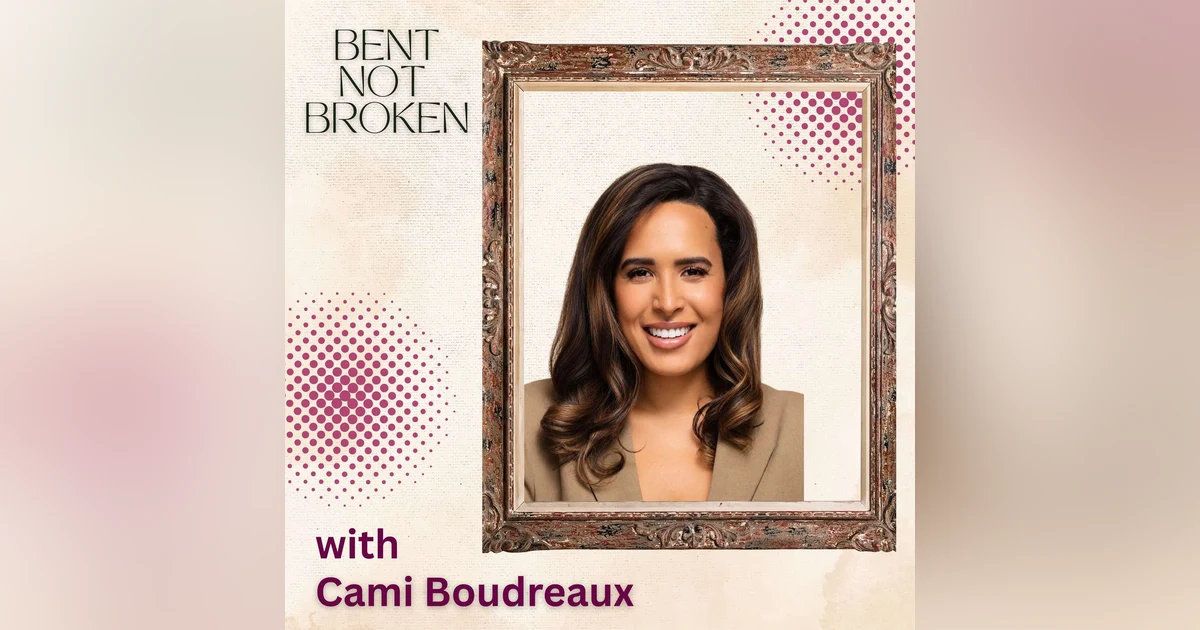


You know how to work hard, solve problems, and make things happen. But has that same determination kept you trying to turn the wrong relationship into the right one?
If you’ve ever ignored red flags, fallen for someone’s potential, or wondered whether you can trust yourself to date again after divorce, this conversation is for you.
Coach Deborah welcomes relationship coach Camille “Cami” Boudreaux, founder of Fix Your Picker, for an honest conversation about people-pleasing, overgiving, and choosing healthier relationships without losing yourself.
Camille shares how familiar relationship patterns can influence attraction—and why a powerful spark doesn’t necessarily mean you’re compatible. Together, they explore how to rebuild self-trust, practice boundaries through your actions, and create a fulfilling life that remains your own when someone new enters it.
In this episode, we discuss:
- Why successful, capable women can find themselves overworking in relationships.
- How childhood experiences and family roles may influence dating patterns.
- The difference between chemistry and compatibility.
- Breadcrumbing, love bombing, and watching actions instead of promises.
- Camille’s 30% rule for pacing your investment in early dating.
- Her Picker, Shield, and Sword framework: understanding your choices, strengthening your life, and expressing your authentic self.
- Why friendships, sleep, nutrition, and personal interests deserve protection.
- Rebuilding confidence after divorce and softening the shame of “Why did I stay?”
- Recognizing when you’re managing someone’s potential rather than building a mutual partnership.
Your takeaway:
Choose one activity this week that helps you feel like yourself again. Whether it’s a walk by the river, time with a friend, or a quiet moment alone, give yourself space to reconnect with what matters to you.
Recognizing patterns can support your healing; responsibility for abusive behavior belongs to the person choosing it.
Connect with Camille Boudreaux:
fixyourpicker.org
Enjoyed this episode of Bent Not Broken: Life After Divorce with Deborah Griffiths?
Don’t forget to rate, review, and subscribe on Apple Podcasts and Spotify so more people searching for life after divorce, divorce recovery, co-parenting, dating after divorce, and healing from gaslighting can discover this empowering podcast.
Every review helps others find hope, inspiration, and practical tools for thriving after divorce.
Explore more resources: Visit BrokenToBoldness.com for coaching, workshops, and guidance on divorce recovery and life transitions.
Follow Deborah Griffiths for daily empowerment and support:
- Instagram: @BrokenToBoldness
- Facebook: Broken to Boldness
- LinkedIn: Broken to Boldness
Remember: divorce may bend you, but it does not break you. You are stronger than you think, and your bold new chapter starts now.
Disclaimer: The commentary and opinions available on this podcast are for informational and entertainment purposes only and not for the purpose of providing legal or psychological advice. You should contact an attorney, coach, or therapist in your state to obtain advice with respect to any particular issue or problem.
Have you ever looked back at a relationship and wondered, how did I miss those red flags? After divorce, dating again can bring up an even bigger question. How can I trust myself to choose differently? Today's guest, Camille Camille Boudreau, is a relationship coach for women and the founder of Fix Your Picker. She helps women recognize unhealthy dating patterns, strengthen their boundaries, and understand the difference between chemistry and compatibility. Today, on Bent Not Broken, starting over after divorce, we're talking about rebuilding trust in yourself, recognizing the signs we sometimes explain away, and making room for healthier love. Cammy, welcome to the show.
SPEAKER_00Thanks so much for having me, Deborah. I'm excited to be here. Feels very aligned. I'm really excited.
SPEAKER_01First of all, your business is called Fix Your Picker. What led you to this work and what does that phrase mean to you?
SPEAKER_00So, what led me to this work is realizing that I had a fixer that I needed to pick. All throughout my 20s, I found myself dating men that were breadcrumbing or just not really giving me what I needed, couldn't meet me, and maybe I was managing them, and then bouncing to men who came on too strong too soon. And at some point in my late 20s, I'm now 29, I realized that this is a pattern that really needs to fix. I had the awareness, but I really had to reflect on myself. And I was talking to a friend about it, and we were like, fix your picker. I was like, you know what? That's a great title for my coaching business because I feel so connected to this work. I've lived this work. And fixing your picker is how your picker is how you choose people romantically. So, and why that happens, the patterns and the events in life that have shaped it.
SPEAKER_01Let's talk a little bit about those patterns because I found myself at a young age in a marriage that was primarily verbally abusive, was able to kind of finally figure it out, but I miss so many red flags. And what are some of those patterns that we do subconsciously or maybe even consciously that gets us into trouble? And how can we stop ourselves and fix it?
SPEAKER_00Well, I think first thing is I think it's super important, is it starts at such a young age with our relationships with our parents and our caregivers that are close to us. And if we're used to walking on eggshells, maybe not knowing where we stand, feeling misunderstood or feeling like we're not getting our needs met from these caregivers, I'm sure, as you know, that this is the familiarity that we feel in dating partners as adults and choosing people to marry or to date that just can't meet us and that fit that same anxiety, that same feeling that that we feel is chemistry. And then when we feel it's chemistry rather than compatibility, all the red flags go out the you know window.
SPEAKER_01You mentioned chemistry and compatibility. How can we enjoy that initial spark while still getting to know who someone really is?
SPEAKER_00So one of the rules that I love that I created is it's called the 30% rule. And that's whenever you're first dating someone, especially empaths and people pleasers, like a lot of us, I'm sure, of the people listening, and oldest daughters, which I didn't really realize was a whole thing. But the oldest daughter phenomenon is so interesting to me that we're the ones that kind of hold it all in and we look like we're doing great, but inside we're not expressing ourselves and our difficulties.
SPEAKER_01See the chord with me because I am the oldest daughter.
SPEAKER_00Mm-hmm. I didn't know about it, but I was reading online a lot about how it really affects us in dating and in a lot of areas And in people pleasing, especially.
SPEAKER_01Can you elaborate a little bit more about that? What exactly it is, and how maybe that can get in the way of picking the right person for ourselves?
SPEAKER_00Yeah. So the women I work with are very smart, very successful. And what happens is the traits that have made them the overachievers, straight A's, you know, doing amazing if they're doing sports or extracurricular activity, looking like they excel. Sometimes those traits, well, one, these women's pickers are turned off because they're so used to people pleasing and overgiving that they kind of just take whoever chooses them, and then they almost see it as a project of how can I take an unavailable man, not consciously, I'm sure they're not consciously doing this, and make it work and make him into a husband material. And often they say that hard work that we're used to is it's like once we get a man that just loves us as they are. I mean, there's a story of a a woman and she went through divorce and she had a couple of kids, then all of a sudden she met a man and they went, their kids went to the same school, and then it turns out their kids got along and they loved the pets. And then they moved in together, cooked dinner together every night, and went on walks every morning. And this woman just talked to me about it, and she was like, I'm waiting for the other shoe to drop. It's too perfect, it's just such a foreign feeling to just have a great intimacy and all of that. And it's successful, amazing women aren't used to just receiving that.
SPEAKER_01Boy, the light bulb is going on for me. Everything you were saying, you must have read the book that I've written. Because it's just you're hitting the nail on the head, and I can so resonate with everything that you're saying. Is it like for successful women? Is it hard to really transfer what makes us successful in other areas of our life, like maybe career, sports, whatever they may be, into to transfer those same skills into a relationship?
SPEAKER_00In a healthy way? Yes. Yeah, I would say definitely. I think the biggest thing, like we talked about before, is a lot of successful women and oldest daughters, they're told to just put their head down, don't express their emotions, and do amazing things and make businesses and do excel in every area of their life except in dating. And that brings me to my shield and sword method. And I think the biggest switch that a woman could make, and this is beyond awareness, because a lot of times we're aware that we're not in the best relationships or with people that are giving us breadcrumbs or with people that are love bombing us and doing so much at the beginning, then dropping off not long after that he has what he wants and then kind of the effort disappears. So I would say, so the shield method that I mentioned. So that's basically the different areas in our life, including the most important is alignment. You know, what am I meant to do in life? And am I doing that? And when people have purpose, it's much harder to accept poor behavior because that purpose is so strong. And it's hard to get that. So I recommend the bottom-up approach of starting with so it's beauty, body, mind, environment, and heart. And when all of those are strong, we're almost protected from the battlefield of what love feels like and dating feels like sometimes. So that means if a woman is maybe working so hard and exceeding so in many places, and I've related to this a ton, but feeling a little bit lonely socially, or maybe isn't super, maybe is super outgoing and charismatic, but loves to be alone, then once a guy comes along that really likes her, it's going to be much harder to let it go whenever he's kind of feeling that loneliness or even a little bit of a lack of self-confidence that we hide by overworking. So I would say the way women can really see lasting change, and it's hard to do, but is to truly figure out which area of the shield they are lacking, and how can they work hard to build that up. And one more thing is that the sword method, too, is the sword is authenticity. So when someone's treating us poorly or not giving us what we need, it's easy to shut down and walk on eggshells, and we don't want to say how we feel because we're afraid that if we do, it might end, or I'm not gonna get it. So why even ask? So whenever we're saying yes when we mean yes, and no, and when we mean no, as simple as it is, that truly changes the game.
SPEAKER_01It goes back to boundaries, self-respect. Exactly. Yeah. So you talked a little bit about your picker shield and sword framework. A woman coming to you, maybe after coming out of a divorce, and they approach you. What are some of the areas you would start to work on with her first?
SPEAKER_00I would say the mind is often the biggest thing. So the mindset of the words that the women are speaking to themselves of like, I'm not enough, or I can't, one of the worst is shame. Shame is just one of the kind of lowest, you know, emotions that really is just so dangerous to have, I can't believe I chose this person. I can't believe I stayed. And a lot of times confidence is just shattered after divorce. Whenever you're at the beginning, I think women are just so amazing and resilient to be hopeful that they come back stronger than ever from it. Because this is a natural process. My method is really kind of women sort of find it on their own and they get into really deep self-discovery after something as difficult as a divorce.
SPEAKER_01Yes, and I think it's all about giving yourself the time and the grace to heal and to work on yourself. Exactly. Before you jump right back into another relationship, if you haven't figured out what part of me played in this and what part of the other person had a role to play as well.
SPEAKER_00And I think the biggest thing in this one, people aren't really going to like to hear it, but I do think it's important, is to eventually not to excuse bad behavior, abusive behavior, absolutely not, but to leave and not make it all about the other person being a villain and really being able to because one who wants to hold all that anger and just be so upset about the person and how they treated you for years and years to come, sort of a letting go and not making the other person the villain, like I said, is really important and very healing because then we're able to really truly look at ourselves and say, Well, I was in this dynamic, why did I accept this? And then that's where a lot of the healing begins.
SPEAKER_01True. And at some point in time, I think you have to come to a point of forgiveness, forgiveness for yourself and forgiveness for that partner. Definitely brings eventually brings peace. For someone who learned to keep the peace by putting herself last, boundaries can feel uncomfortable. What's one dating boundary she could practice and how might she communicate it?
SPEAKER_00I think boundaries really communicate for themselves, is how I like to advocate. I think a lot of times it's an action, and that action is sometimes just walking away. But I'd say the boundaries, I mentioned it earlier, and I didn't think I I think I didn't say enough about it, is the 30% rule of whenever you first start dating someone, it's easy to put 100% into one person, and then it's if something happens or if he doesn't text back, it's just hurts so much more. But if we put 30% of ourselves into it, we're able to see so much more clearly his behavior, and then we can keep the other 70% either for ourselves or for other people, which I would recommend dating multiple people, at least for people who are chosen, and this has been me for so many years. It's kind of like someone comes along that I'm like, oh, maybe it's just meant to be. He likes me, I'm here, and it feels good, and he seems to be really interested in me. And then the boundaries go out the window and I just roll with it. But I think boundaries are through actions, through leaving, through not chasing a man, letting that be a boundary. If someone's not giving me what I need, how can I actually back away and protect myself? And I think the boundaries come from everything that's happening to build your shields. So just as simple as adequate nutrition and sleep and social time, that those are for people who put other people first, like so many women, that can drop away pretty quickly. And it's really a basic, but it's truly everything. And if we're not able to do those things that keep us healthy, that's there should be a huge boundary surrounding all of that. And if you're dating someone, then all of a sudden your plans with friends or your walks, your workouts, the things that make you you are going by the wayside, which can happen really, you know, it could sneak up on you really easily.
SPEAKER_01Sometimes we fall in love with someone's potential. What helps us recognize when we're doing more work on the relationship than our partner is?
SPEAKER_00So that's what I love to say. Are you dating a partner or are you managing a project? I'd say it really comes to observing actions. As simple as it is, but if he's saying, Oh, I can't wait to do this with you and let's cook this over the weekend, and then all of a sudden he kind of goes quiet, and you thought that he'd be putting in more effort to make plans or to think of you, and you're realizing that he's not, and then you want to text him and ask what's what's up with that. And if you're finding that you're confused when you leave a date or when you're spending time with someone, You're confused and you don't know where you are. I would say that you're probably managing someone and hoping that you're going to get what you want out of it, but that's obviously not happening if we're leaving confused, sort of empty inside, sort of lonely.
SPEAKER_01That's a good point. Especially I like the part about managing the project, and that's so true for us overachievers, you know. And if we're successful in our work or other areas of our life, that seems what we do. We're always managing something else in order to get move, move ahead, et cetera. And work in work too, exactly. Very much so, yes. For the woman listening who's afraid she'll choose the wrong partner again. What's one practical step she can take this week to feel more confident about moving forward?
SPEAKER_00Hmm. I would say think of one thing that really just makes you feel like you and really brings you back to yourself. It's as simple as maybe you live, I live by a beautiful river five minutes from my house, and I haven't gone for a couple weeks now. And going and sitting with yourself and wherever you can, whatever you can do to really sit with yourself and remind yourself, I love me, I love me, and when you love yourself, you trust yourself because you can forgive yourself. And I'd say anything that brings them back and reminds them who they are and how amazing and wonderful and smart and intelligent and beautiful, and I think that when you lose trust in yourself, that really goes away. And then we're terrified. And I think starting to date again, if you're not trusting yourself to choose a good partner, I don't think I'd be really cautious as into getting back into that.
SPEAKER_01How can my listeners find you or learn more about you? Do you have a website?
SPEAKER_00I do have a website, so it's called fixyourpicker.org.
SPEAKER_01Okay, perfect. I will have that in the show notes. This has been a fascinating conversation. I really appreciate it. Learning about the oldest daughter syndrome, the overachiever, all of that. And it all boils down to fixing your picker to choose the right person for you and coming to terms with who you are and loving yourself again.
SPEAKER_00Yeah. And I like to tell women it's not you, it's your picker, and your picker can always be fixed. Love it.
SPEAKER_01Thank you so much for being on the show. I truly appreciate it.
SPEAKER_00Thank you, Deborah.