Early United States Episodes

220
Feb. 18, 2022
220. Educating Early Americans with Drs. Mark Boonshoft and Andrew O'Shaughnessy
If you had been alive in eighteenth-century America, you would've had little opportunity for formal schooling or an advanced education. Unless you were among the elite or at least of some means, your chances of attending a local academy or Harvard College weren’t great. But the American Revolution ushered in a new era of education in the United States that paved the way for the educational opportunities we take for granted today. Education became seen as central to the survival of the republi...
Guests: Mark Boonshoft , Andrew J. O’Shaughnessy
219
Feb. 2, 2022
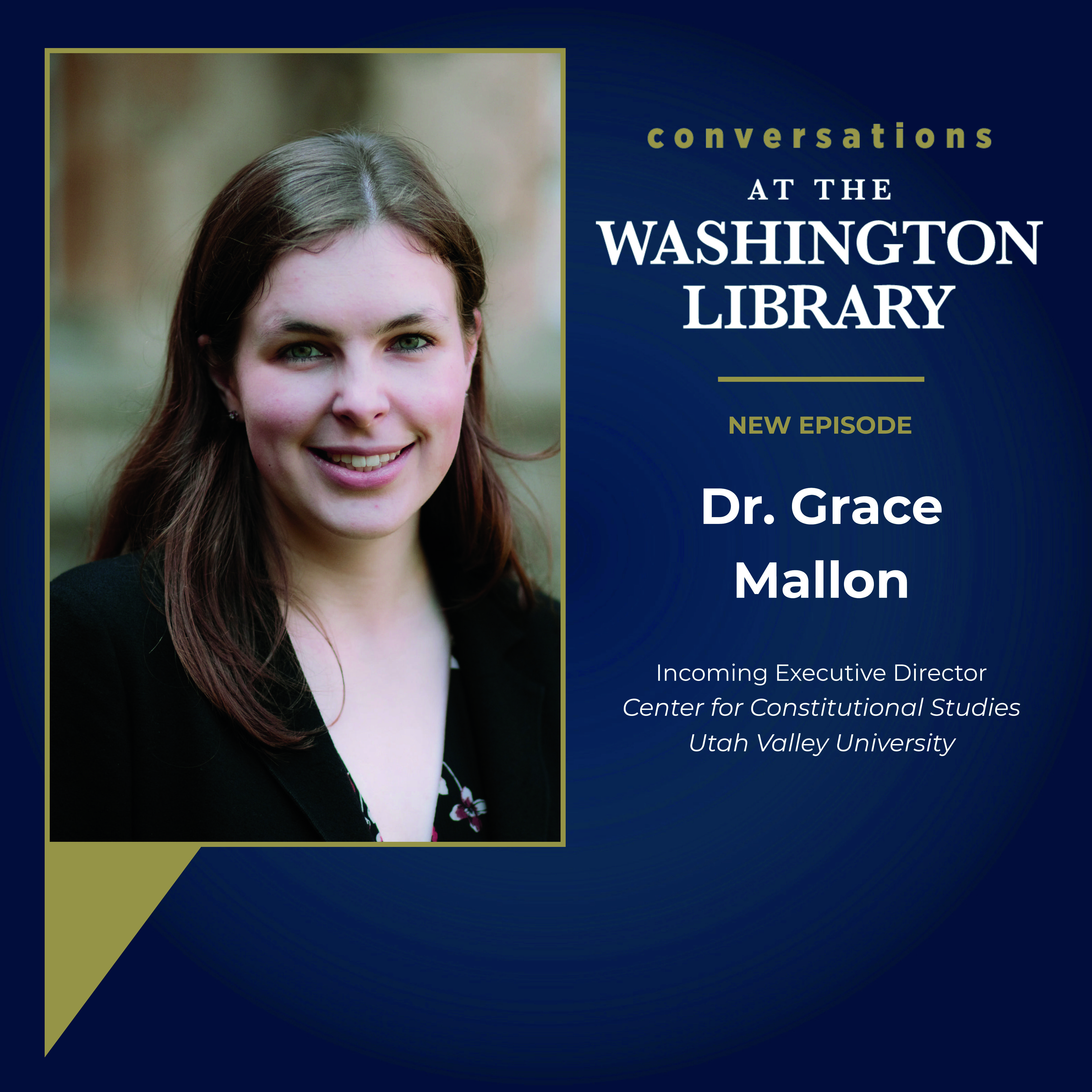
219. Negotiating Federal-State Relations with Dr. Grace Mallon
For years after the ratification of the Constitution, Americans debated how the Federal Government and the several states should relate to each other, and work together, to form a more perfect union. The success, if not the survival, of the new republic depended on these governments cooperating on any number of issues, from customs enforcement to Native American policy. But where there was collaboration there was also friction among them over matters like state sovereignty, slavery, and land. Un...
Guest: Grace Mallon
217
Jan. 6, 2022
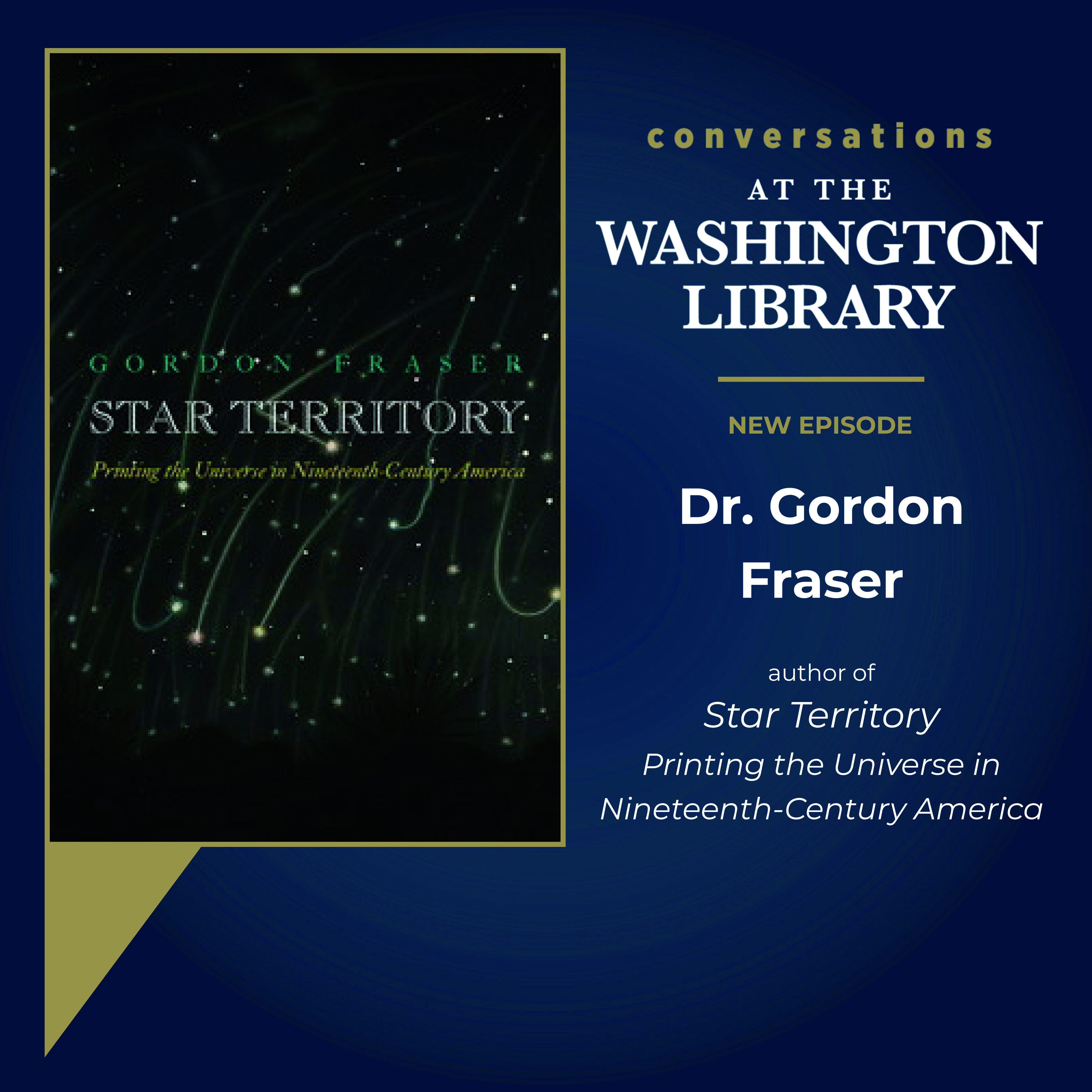
217. Exploring Star Territory with Dr. Gordon Fraser
In the 18th and 19th centuries, North Americans looked up at the sky in wonder at the cosmos and what lay beyond earth’s atmosphere. But astronomers like Benjamin Banneker, Georgia surveyors, Cherokee storytellers, and government officials also saw in the stars ways to master space on earth by controlling the heavens above. And print technology became a key way for Americans of all stripes to find ways to understand their own place in the universe and their relationship to each other. On today’s...
Guest: Gordon Fraser
215
Dec. 2, 2021
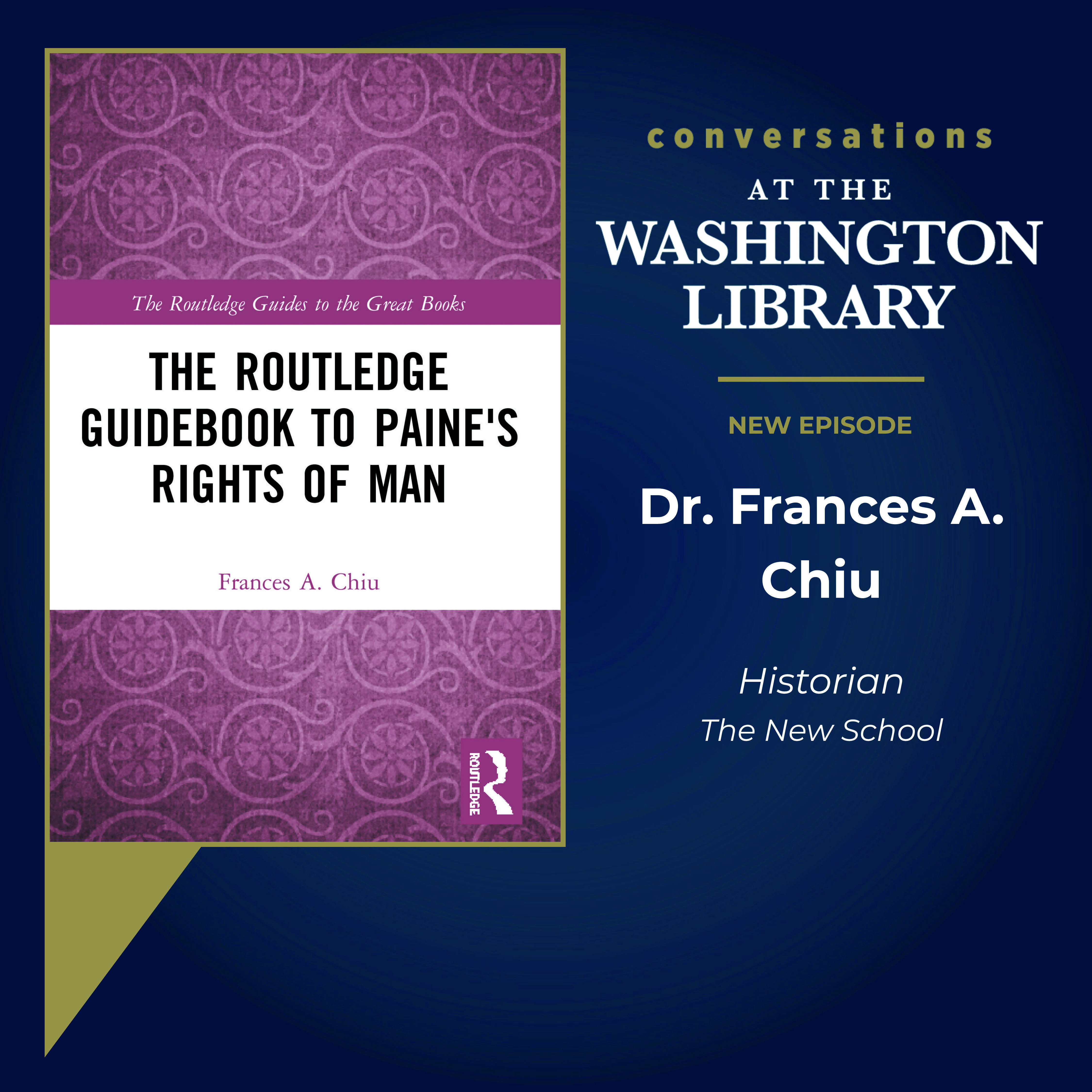
215. Reading Thomas Paine's Rights of Man with Dr. Frances Chiu
For most Americans, Thomas Paine is the radical Englishman, and former tax collector, who published Common Sense in early 1776. His claim that hereditary monarchy was an absurdity and that the “cause of America was in great measure the cause of all mankind” galvanized American rebels into thinking more seriously about independence than they had only a few months before. Paine would go on to publish The American Crisis and other writings during the America Revolution before trying to find his ...
Guest: Frances A. Chiu
213
Oct. 23, 2021
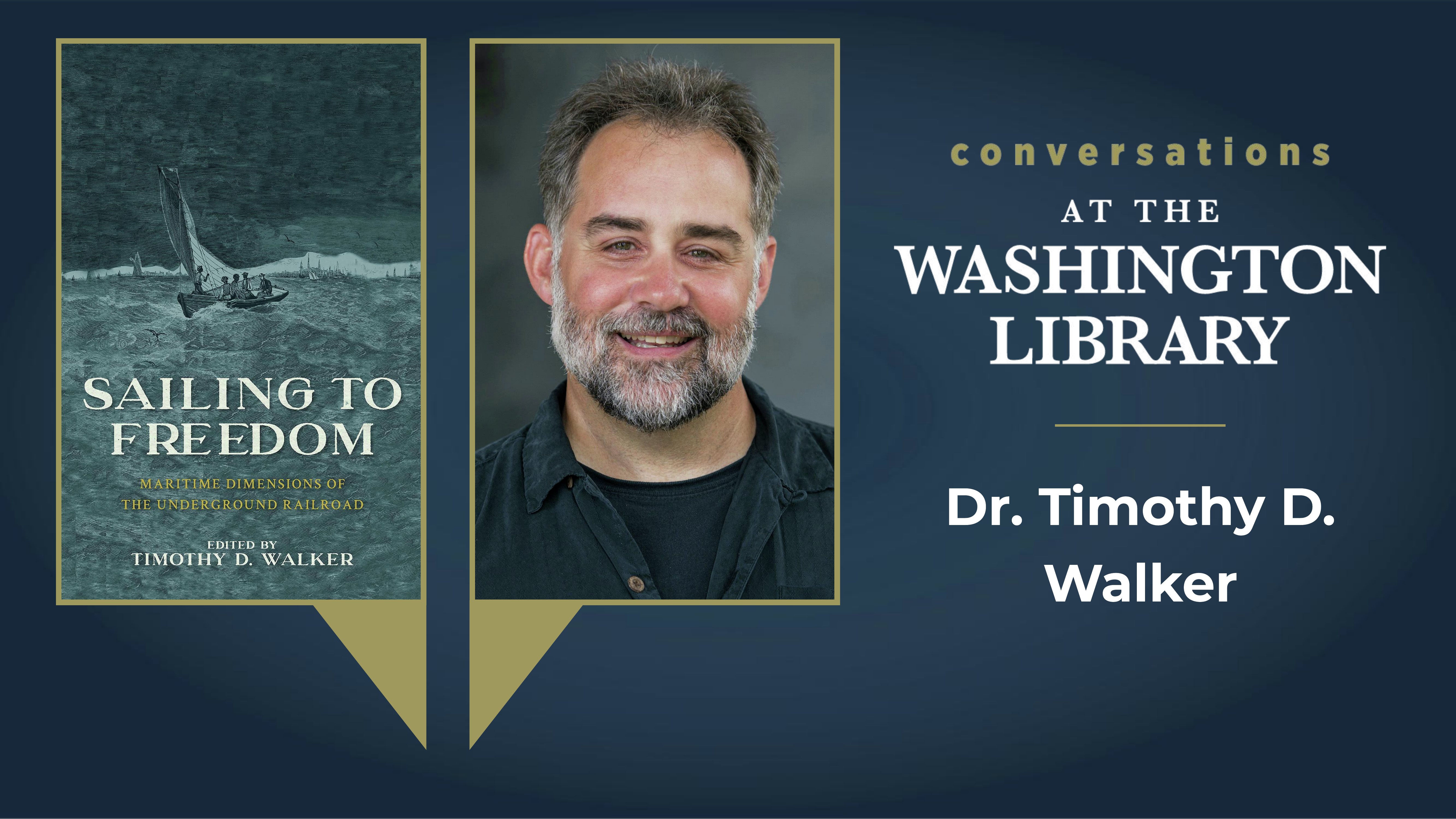
213. Sailing to Freedom with Dr. Timothy D. Walker
In May 1796, an enslaved woman named Ona Judge fled the presidential household in Philadelphia and escaped to freedom on a ship headed for New Hampshire. Judge’s successful flight was one of many such escapes by the sea in the 18th and 19th centuries. Enslaved people boarded ships docked in ports great and small and used coastal water ways and the ocean as highways to freedom. We often learn about the Underground Railroad in school, but what about its aquatic component? On today’s episode, Dr. T...
Guest: Timothy D. Walker
5
Sept. 22, 2021
211. Revitalizing Myaamia Language and Culture with George Ironstrack (Summer Repeat)
In the eighteenth century, the Myaamia people inhabited what are now parts of Ohio, Indiana, Illinois, and Wisconsin. More commonly known in English as the Miami, the Myaamia figure prominently in the early history of the United States, especially in the 1790s, when war chief Mihšihkinaahkwa (or Little Turtle) co-led an alliance of Miami and Shawnee warriors that defeated successive American armies in the Ohio valley before meeting defeat at the Battle of Fallen Timbers in 1794. In the battle’s ...
Guest: George Ironstrack
210
Sept. 15, 2021
210. Winning a Consolation Prize with Dr. Abby Mullen (Summer Repeat)
Consuls are essential to American foreign relations. Although they may not be as flashy or as powerful as an Ambassador like Thomas Jefferson or John Quincy Adams, they’re often the go-to people when an American gets in trouble abroad or when a trade deal needs to get done. Consuls operate in cities and towns throughout the world, helping to advance American interests and maintain good relations with their host countries, all while helping you replace your lost passport. Much has changed about t...
Guest: Abby Mullen
209
Sept. 1, 2021
209. Reading Letters by Early American Women with Kathryn Gehred (Summer Repeat)
If you pull any decent history book off your shelf right now, odds are that it’s filled with quotes from letters, diaries, or account books that help the author tell her story and provide the evidence for her interpretation of the past. It’s almost always the case that the quotation you read in a book is just one snippet of a much longer document. Perhaps, for example, Catharine Greene’s letters to her husband Nathanael offer the reader insight into some aspect of the family business she was run...
Guest: Kathryn Gehred

208
Aug. 18, 2021
208. Harnessing Harmony in the Early Republic with Billy Coleman (Summer Repeat)
On September 14, 1814, Francis Scott Key began composing "The Star-Spangled Banner after witnessing the British attack on Fort McHenry. Of all the things he could have done after seeing that flag, why did Key write a song? And how did his new composition fit into a much longer history of music as a form of political persuasion in the Early Republic? On today’s episode, Dr. Billy Coleman joins us explore the power of music in the early United States, and how Federalists in particular used it a...
Guest: Dr. Billy Coleman
206
July 22, 2021
206. Promoting Joseph Smith for President with Dr. Spencer W. McBride
The American Revolution dismembered a protestant empire. In the years during and after the war, states disestablished their churches, old and new denominations flourished, and Americans enshrined religious freedom into their state and federal constitutions. But claiming religious freedom in a democracy was not the same as enjoying it. In the republic’s early years, Joseph Smith, who founded the Church of Jesus Christ of Latter Day Saints, and his Mormon brethren learned all too well the diffe...
Guest: Dr. Spencer W. McBride
204
June 24, 2021
204. Raising Liberty Poles in the Early Republic with Dr. Shira Lurie
If you’ve taken part in a part in a protest recently, perhaps you carried a sign, waved a flag, or worn a special hat. But if you had grievances in the American Revolution or early Republic, you might have helped raise a Liberty Pole. Now, you may ask yourself, what good is a large wooden pole gonna do about my high taxes? And you may ask yourself, do I really want to lift this heavy thing? Turns out, as the days went by in the late eighteenth century, many Americans thought Liberty ...
199
April 15, 2021
199. Unravelling the Strange Genius of Mr. O. with Dr. Carolyn Eastman
In the early years of the nineteenth century, former Virginia schoolteacher James Ogilvie embarked on a lecture tour that took the United States by storm. Born Scotland, Ogilvie became a renowned orator, packing rooms in urban Philadelphia and rural Kentucky alike. As he crisscrossed the nation, lecturing on topics that spoke to American anxieties about the fate of their young republic, Ogilvie became a major celebrity. Many Americans admired him, some even hated him, as he asked them to look in...
198
April 2, 2021
198. Contesting Monuments and Memory in South Carolina with Dr. Lydia Brandt
The South Carolina State House Grounds is a landscape of monuments and memory. Since the capital moved from Charleston to Columbia in the 1780s, South Carolinians have been erecting, moving, and contesting monuments on the capitol’s grounds, using them to debate the past as they really argue about their present. Monuments and statues are the subject of great debate right now, not only in the United States, but around the world, and South Carolina’s commemorations can help us to understand why. I...
187
Dec. 10, 2020
187. Winning a Consolation Prize with Dr. Abby Mullen
Consuls are essential to American foreign relations. Although they may not be as flashy or as powerful as an Ambassador like Thomas Jefferson or John Quincy Adams, they’re often the goto people when an American gets in trouble abroad or when a trade deal needs to get done. Consuls operate in cities and towns throughout the world, helping to advance American interests and maintain good relations with their host countries, all while helping you replace your lost passport. Much has changed ab...
Guest: Abby Mullen
186
Dec. 3, 2020
186. Exploring New Frontiers in Early American History with Alexi Garrett, Michael Blaakman, Derek O’Leary, and Krysten Blackstone
In the eighteenth century, Benjamin Franklin and other early Americans likened themselves to a rising people who were creating something new under the sun. It’s fair to say that historians have a similar mindset: we’re constantly striving to uncover new evidence, make new arguments, and offer new interpretations that help us better explain the past. So on today’s show, we’re going to introduce you to just a few among a rising generation of historians who are doing cutting edge work in early Amer...
185
Nov. 19, 2020
185. Seeking a City of Refuge in the Great Dismal Swamp with Marcus P. Nevius
The Great Dismal Swamp is a remarkable feature of the southern coastal plain. Spanning from Norfolk, Virginia to Elizabeth City, North Carolina, the Swamp is now a National Wildlife Refuge home to Bald cypress, black bears, otters, and over 200 species of birds, among many other critters. But in the eighteenth and nineteenth centuries, it was the home to the ambitions of planters and businessmen who sought to transform the swamp into a plantation enterprise of rice, timber, and other commoditie...
183
Nov. 5, 2020
183. Trading Spaces in the Colonial Marketplace with Emma Hart
With another American presidential election behind us, talk will inevitably turn to the economy and how the president will handle it. That begs a series of questions as we turn our thoughts back to the eighteenth century: How did early Americans think about the marketplace and the economy? How did they believe that were supposed to function? How were the butcher, the baker, the candle stick maker, and their aristocratic overlords supposed to relate to one another in the marketplace? And how did...
175
Sept. 10, 2020
175. Finding Redemption from Tyranny with Bruce Stewart
Conversations at the Washington Library kicks off Season 5 by exploring the life of a radical populist who never met a revolution he didn’t like. Almost unbelievably, Herman Husband participated in some of the most significant events in eighteenth-century America: The Great Awakening; the North Carolina Regulation Movement; The American Revolution; and the Whiskey Rebellion. Husband’s story illuminates the major religious, political, and economic upheavals that reshaped North America in this pe...
174
Sept. 3, 2020
174. (Recast) Tracing the Rise and Fall of Light-Horse Harry Lee with Ryan Cole
This episode originally aired in September 2019. You may know him as Robert E. Lee’s father, but Henry “Light-Horse Harry” Lee was so much more. Born into a Virginia dynasty, the man who would become one of George Washington’s protégés came of age with the American Revolution itself. Lee was a graduate of Princeton University, a cavalry commander in the war’s brutal southern theater, and he later served two terms as Virginia’s governor. He was a dashing figure who romanticized the ancient world...
169
July 30, 2020
169. Re-investigating an Early American Murder with Jessica Lowe
Season 5 of Conversations at the Washington Library is just around the corner. Until then, we're happy to bring you Jim Ambuske's recent live stream chat with Dr. Jessica Lowe of the University of Virginia School of Law. Long-time fans of the podcast will recognize Dr. Lowe’s name from an episode Ambuske recorded with her in 2019. Their live stream conversation gave them a chance to go much deeper into the horrid crime at the heart of Lowe's book, Murder in the Shenandoah: Making Law Sovereign ...
164
June 25, 2020
164. Battling Pirates of the Chesapeake Bay with Jamie L. H. Goodall
During the American Revolution, the Chesapeake Bay was a pirate’s nest. The men who plied the Bay’s waters had shifting loyalties, competing interests, and a keen sense of how to use the law to legitimize their actions. In fact, they are part of a much richer history of piracy in the Bay. From the seventeenth through the nineteenth century, pirates were a constant feature of Chesapeake society. They connected the Bay and its communities with the wider Atlantic world, and even to the Indian Oce...
162
June 11, 2020
162. Ending Washington's Life with Jonathan Horn
In March 1797, newly-inaugurated president John Adams thought he detected a glint of joy in George Washington’s eyes as the aging Virginian stepped off the world stage. Adams told his wife Abigail it was as if Washington was thinking, “I am fairly out and you fairly in! see which of Us will be happiest.” The first president had grown tired of the partisan rancor that plagued his second term and longed to sit under his own vine and fig tree at Mount Vernon in peace. But Washington’s vision of a ...
159
May 21, 2020
159. Preserving Historic Real Estate with Whitney Martinko
In 1812, Pennsylvania state legislators contemplated something that most Americans would now find completely unimaginable: demolishing Independence Hall in Philadelphia, converting the site to a series of building lots, and using the proceeds to fund construction of a new statehouse in Harrisburg. Fortunately, Philly’s city leaders pushed back against state officials and preserved this historic landmark for future generations, allowing visitors to commune with the ghosts of the Founding Generat...
158
May 14, 2020
158. Praying to the Adams Family Gods with Sara Georgini
In November 1800, President John Adams composed a letter to his wife, Abigail, just after he moved into the new White House. He concluded his letter to his “dearest friend” this way: “I pray Heaven to bestow the best of Blessings on this House and all that shall hereafter inhabit it. May none but honest and wise Men ever rule under this roof.” As the quote suggests, God was an ever present force in the life of John Adams and his family, and while they hoped that providence would smile on the U...