Mark Deal - How To Be The Best Podcast Guest (And Host) Ever!
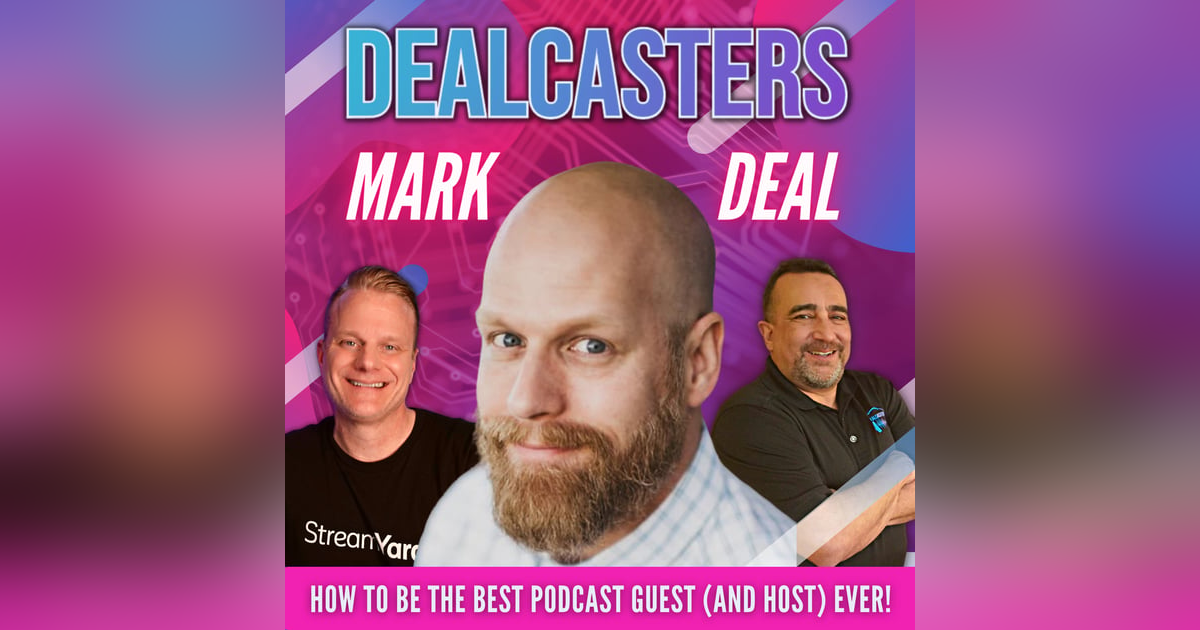


Do you know what it really takes to be the best podcast guest? How about a podcast host? It’s time for both to ‘cross the finish line together’ with an expert. Not only will you get some expert strategies, Mark Deal discusses tools that Podcast Editors can use - and even delves into the “Black Hole” that is Raspberry Pi! Mark Deal has made a livelihood helping attorneys and other service professionals showcase their talents and experience on both independent and branded podcasts. He started his own podcasting journey in 2013 when he first appeared as a guest on a top-rated show. Since then he’s hosted/co-hosted multiple interview-based podcasts and continues to be a guest expert when called upon. Mark also runs the largest growing Podcast Meetup (Podcast Atlanta) and speaks publicly at professional organization events. Mark learned early on the value of being a podcast guest and continues to demonstrate that value to others.
👤Connect With Mark:
✅ LinkedIn: https://www.linkedin.com/in/markdeal/
✅ Podcast Guest Academy: https://www.podcastguestacademy.com/
✅ Podcast Atlanta: https://www.podatl.com/
✅ Podcast Editor Academy: https://www.podcasteditoracademy.com/
✅ Podcast Guest Experts On Facebook: https://www.facebook.com/groups/900339650123064
✅ Podcast Editors Club On Facebook: https://www.facebook.com/groups/1331712173584193
Mark's favorite Podcast Host, Eric Hunley (Unstructured Podcast): https://unstructuredpod.com/
This Full video episode available for free at: https://markdeal.dealcasters.live
All of the products discussed in this podcast can be found here: http://dealcasters.shop
All video episodes available for free at: https://dealcasters.live
👤Connect with Dealcasters:
🎧Grab all these great episodes as an audio podcast at: https://link.chtbl.com/Dealcasters
🎥Catch all the full episodes on replay or live at: https://dealcasters.live
Follow Dealcasters:
Mark Deal - How To Be The Best Podcast Guest (And Host) Ever!
===
Chris Stone: [00:00:00] What we consider our best guest ever from Podcast Guest Academy, from Podcast Editor Academy, and of course, where we met here in pod at Podcast Atlanta. Would you please welcome Mr. Mark Deal.
Mark Deal: What's up, mark? You know, I should say that, you know, I'm such a snooty guest. I don't come on every show, but you name this after me Deal cast.
I'm, I'm a podcaster with the last name deal. So. Thank you for, for naming the show after me. 'cause that's why you did it, right? Named it to, to get me on. You're like, eventually we will have Mark deal on. And now you have made that, that two inch step, which is not really a big step at all. So honestly, I'm just excited to be here.
Thank you so much guys for the invite
Chris Stone: man. Thank you. And yeah, you're right. So now we can quit. Jim, we're done. We're done with the show. Ladies and gentlemen, it's been real, but this is really all we've wanted to do is have Mark deal on deal casters. Um, and so Mark, you'll just take the show from here, right?
I mean, it's your show at this point. [00:01:00]
Mark Deal: Sure. You won't need to ask me any questions at all because no one, no one really likes conversations. They don't wanna hear us talk. They wanna hear a monologue for, for 30 minutes, 60 minutes. No, no. I mean,
Chris Stone: you could just take deal casters live. Jim and I are just gonna quit altogether and from here on, on Amazon Live, it'll no longer be Jim and Chris.
It'll just be Mark deal casters.
Mark Deal: Does that work? I, I don't know. I know your attorney because I believe they're also my attorney and I don't wanna be on that side of that person that I won't name, so. No, you're good. You're good.
Chris Stone: Oh, man. So, um, the reason why I put, and for those of you who are watching, um, and, and listening now, um, the reason why I put the best guest ever is that Mark you have worked with.
Many podcast guests or perspective guests and podcasters. And as we all know, um, that's one of the inherent things with a lot of podcasters is not [00:02:00] just a solo. You wanna get guests, you wanna do interviews, you wanna get, because that's more content for your platform like we're doing right now. Right? So.
Um, I guess maybe just tell us a little bit about Podcast Guest Academy and, and how you've worked with, uh, with podcasters and working on their interview skills and, and how that's maybe translated now in the pandemic and doing things, uh, in terms of virtual, uh, engagement as well.
Mark Deal: Yeah, certainly. Thank you, Chris.
Uh, I started Podcast Guest Academy from my role as a podcast director working with law firms. I would have very knowledgeable attorneys, knowledgeable professors, and people that can talk. I. Uh, for like 30, 60 minutes, three hours at a time, like I was joking about earlier. 'cause no one really likes that.
And it was a challenge for me as not just a podcast producer and editor, but a director directing the conversation. Basically saying, cut. Alright, let's back up. This is going on way too long. We need a [00:03:00] transition in here. And from that I developed a, a set of skills and it. I don't wanna sound like I'm quoting a movie, a guy on a phone that has a certain set of skills that, that makes me particularly dangerous.
But honestly, I I, I took and boiled down some of the, the techniques and tactics that I was teaching people that were coming on the shows I was working on. I. Showing other people how to do that. So not just how to find the best podcast for them and their message or how to reach out in a way that actually gets booked.
'cause Jim, Chris, I know you probably have received more than your fair share of guest outreach is like, Hey, I wanna be on on your show. Big thing about them. But I focus a lot on how to perform those interviews well and then leverage them on their book brand or business.
Jim Fuhs: What, what do you think sometimes Mark is the, the biggest challenge for, for people when it comes to the whole idea?
Like maybe they don't have a, a podcast of their own and they want to be a guest. Do you think it's the, they're [00:04:00] just, maybe they're afraid to ask or they don't really like I. Look at like, does this show make sense for me to even approach? I mean, what do you think is one of the challenges there?
Mark Deal: I think starting out it's equipment and as you know and as regular viewers and listeners of this show know the, the equipment isn't tough and now the equipment is easily available with a couple of clicks.
It shows up at your door within a couple days. I mean, that was unheard of back in the day. So that bar. Doesn't exist anymore. But some people build it up in their mind like they need to, to, to go out and go shopping for three days and pay $300 or more for all this stuff. And, and possibly they're gonna get the wrong thing.
'cause they just listen to a salesperson, vice reading reviews from people like them. We, we know that that's not the case. So I don't think it's the equipment anymore. Uh, I think it, part of it is. How to reach out in a way that actually makes a solid connection, and then how to perform those interviews well, I mean, how long should [00:05:00] somebody spend answering a question before they get to a point?
If you have three points or five points, do you really have a point at all? And if you get stuck somewhere in a, in a podcast interview. You know, how do you help the host pull it off the rails? Do you use an analogy? Do you use a quote? How do you find those things? How do you source those things? How do you have them ready, uh, for the interview in case you need them?
And I think I. Setting up those safety nets for people, make it easier for them to reach out and get booked on shows, as well as have the best interview that that podcaster, that podcast host has ever had. So when they think about, ah, who is the best? Guest that I ever had on like, well, I, I had Obama on. I had Trump on, but you know, mark Deal was pretty good.
He was, he was the best. Right. That's what I want. For me, that's what I want for, for everybody I work with. Like, wow, it wasn't so much the big name, but it was somebody that really delivered a good show. I. Do you work with, with
Chris Stone: people who just want to be guests [00:06:00] exclusively, or both podcasters who also want to be guests on other people's shows?
Is it, is it yes or is it, is it mostly one or the other?
Mark Deal: Well, it's a different set of skills. Chris and I found that a lot of podcasters, people that are hosts, people that are used to controlling the flow of the interview, they may think they make great guests, and that might be true because. They have the hardware, so the, the microphones and everything is, is out, but controlling and pacing the side of, uh.
The guest side of the interview and the conversation is a different skill altogether. And some podcasters and even some guests, quite honestly, either side of the mic, they feel like it's a race. Like, I wanna get there first. I wanna show that I know more than the other person. Like, no, it's, it's really a, a.
A three person, uh, relay and you need to make sure that the host, the guest, and the listener crosses the finish line at the same time. And I think it's pacing yourself as a host [00:07:00] and pacing yourself as a guest and calling back to that listener and, and making sure that they're keeping up with you so you all cross the finish line together.
Those are the skills that makes a good podcaster and a good podcast guest. It's just different applications and some different tips and tactics.
Chris Stone: Because I think we've all been in, in podcasts or where we, we were the host and we would have a guest on, and it just felt like they had things that they wanted to check off.
Um, and you know, I, I gotta mention my book. I have all of these phrases. I'm going through this, I'm going through this, and they're sort of answering the questions, but they're pulling. It, it just felt like they're just using it as they're just using the platform just to deliver that. And it comes across that way.
And, and, and then they'll go on 4, 5, 6, 7 other, uh, podcasts and they all are very, very, very similar. And so it, it really works against, I think, the guest where it's like you may listen to. [00:08:00] Somebody do a, you know, a podcast and go, I really like that. I'm gonna hear them when they go on another show. And if you hear something different, then you're, then you, then you've got a fan, then you've got somebody that's gonna follow you around.
And, and that's, um, that's a skill, like you said, that, uh, really needs training.
Mark Deal: Right. And I think it's on the host to ask different questions because if somebody wants me to share a show, I want them to explore different aspects of me that wasn't uh, explored on other shows. And I think that has to do with the hosting and the questions, and if they ask me really good questions and bring out a different side of me that has been shared on other shows.
That's what I'm gonna share. But if somebody asks me the same questions over and over again, I'm like, well, I just, I just tweeted that out. I just shared that on Facebook. That was on my LinkedIn post from the show I did previous to yours. Why share it again? Mm, I agree.
Jim Fuhs: Yeah, that's a great point. And Mark, as, as I guess with the podcast Editor Academy, you're teaching people how to edit podcast.
Have you seen [00:09:00] a rise? Uh, you know, like, especially now, Amazon. You know, has their own, you know, hosting a podcast through Amazon Music. There's a lot of people talking about, oh, but I want to do a video with my podcast. And it's, it's somewhat of a challenge. I think. I mean, Chris and I talk about this a lot because you gotta remember that if you're actually doing a podcast and you're talking about things that maybe are visual, the podcast listener's not gonna see that.
Do you kind of coach them about that if they want to try to combine the two mediums?
Mark Deal: Well, for guests and, and podcasters, the people that are performing the interview, not editing it, we talk about how to use analogies and, and colorful language and adjectives so people can feel what you're talking about.
Uh, I'll be honest, I'm not a very emotional guy. My a EQ is. Pretty low, probably lower than, than, uh, your normal person. But I've learned how to talk on a podcast interview so that emotional [00:10:00] people can follow what was going on with me internally, even though that's not my, my natural language. So that's more of a role of the, the podcaster and the guest, uh, not so much the editor.
I do think there's things that the editor can do to enhance that by cutting out the, um, or ahs. So, you know, yeah, like for sure 100% all the things I just said that are filler words and there's, you're laughing 'cause you've heard them all before and I probably said a few earlier and I will say some more as we continue on, but I think editors can do a lot to, to cut out the, the filler words, uh, to, in respect of the, the listener's time, because these shows are syndicated, you know, tens, hundreds, or thousands of times, and.
If, if you could save five minutes, 10 minutes out of a show, I mean, you've, you saved the world hours and hours of horrible filler word content.
Chris Stone: I tell you the, the best way for, for, uh, at least for me, I can't say for everyone, but the best way, uh, to get rid of the [00:11:00] ums and the ahs and the ya nos, which I'm super famous for, is to edit your own voice saying those words, because it will drive you.
Through a wall, uh, doing that. I just said, uh, so it, it helps you, uh, you know, sort of go through all of that when you're editing it and you, and eventually you're like, oh my gosh, this is, this is driving me crazy. As an editor that helped me tremendously when I was doing my own podcast or showing up on other people's podcast is not just listening to yourself back.
'cause you don't always have time to do that, but when you're editing, you're listening to it over and over and over again. Sometimes 1.5. Two times speed. But in any event, you still hear those ums and ahs. So,
Jim Fuhs: and if you wanna have another solution, join Toastmasters. 'cause now, every time my wife says, so I, I, I, I had to correct her last night.
We were having a conversation. I said, do you realize how many times you said so in the last two minutes? I was like, I'm gonna make you start going to Toastmasters.
Mark Deal: [00:12:00] And Toastmasters is great for public speaking, for long monologues, but some of the tactics and tips that they teach you at Toastmasters doesn't make for a good conversational podcast interview.
But you're right, as far as the filler words, and I found. Jim, you were talking about, uh, you know, with your wife. I found that my filler words come a lot for my family. If I hop on the phone call with my, my mom and dad, I recognize the filler words that I thought I cut outta my language a, a few months ago, and, and they're saying it often, and then you, you kind of fall right in step with that and start doing the same thing.
So yeah, it's understanding where those filler words come from and then how you use them and why you use them.
Jim Fuhs: Yes.
Mark Deal: So Mark, who's your favorite podcast? Interviewer, host Eric Hunley.
Chris Stone: Okay.
Mark Deal: Yeah. Uh, wow. Yeah, I hopefully that was a good answer. I didn't know you were asking that question. Uh, yeah. You know Eric.
Chris Stone: Yeah, I know Eric and I, I know his podcast well, and the cont is it, you, you feel like his [00:13:00] content's super interesting as well, and, and he, he, he takes really, um, great risks, I think in terms of what he. You know, the, the guests that he has and yeah. Um, wow. That's, um, I, I would say it's a surprise, but not a surprise because he is great.
Uh, but Wow. Okay. Excellent. And, and why would you say, um, Eric's uh. A great host.
Mark Deal: He challenges his guests in a respectful way, and he also challenges the listener. I have been in that invisible third seat and a good podcaster and a good podcast guest, uh, and interviewee will acknowledge. The the third person, the, the empty seat, the, the, the silent listening seat and bring them along in the journey.
And I'll listen to one of Eric's, uh, shows on unstructured, and it really is unstructured, but it's so good. Uh, a and I feel like I'm going through this mental thing. What's gonna happen? What's gonna, oh, I think I know what's gonna happen. I think [00:14:00] I'm learning something. And then at the end, as Eric is challenging his guests or challenging himself.
He does it in such a way, he also challenged the listener on their understanding. And you know, there, there's been a number of times listening to, to Eric's show like, wow, he has changed my opinion on something. How often does that happen on social media? Almost never, but on Eric's show pretty frequently.
Jim Fuhs: Wow. So now I'm gonna have to go subscribe to that. You've got me?
Chris Stone: Oh yeah. Yeah. And he is got a great YouTube channel as well. Uh, we should, we should throw that up on, on the show. We'll definitely put it in the show notes afterwards. So, um, wow. Excellent answer. That was, that was, I mean, you could have went like Howard Stern, you know, or whatever, but it's like.
Yeah,
Mark Deal: you know, I feel bad. I feel bad Chris, with as many podcasters. I know that you didn't prep me with that question and like, who's your favorite? I'm like, alright, I guess I gotta be honest. Uh, Eric Huntley. So for everyone else, I apologize, but go listen to Eric and now you know why.
Chris Stone: Oh, [00:15:00] so, so there's gonna be a ton of podcasters that are like, he didn't say mine was the favorite. He told me, let's, mine was the favorite.
Jim Fuhs: Everyone else, you're a close second. It, it's like your favorite kid right there. You're all, you're all my favorite. It just at the moment. Right.
Chris Stone: Well, I'm just mad that you didn't say me, mark.
So again, close second Chris. Close Second. Yeah. Whatever.
So let's, uh, we haven't talked yet about Podcast Atlanta and Mark, uh, I just gotta thank you for putting that thing together and for those of you who watching listening podcast, Atlanta, let me see if I can get this right. It at least was when, when Meetup was, uh, you know, a thing for physical meetups. And I know people have been trying to do that virtually, but I, I am not even sure where that's at right now, but.
When, uh, physical meetings were a thing, podcast Atlanta was the fastest growing meetup on meetup.com am do I have that right?
Mark Deal: It was the fastest [00:16:00] growing, uh, podcast meetup on meetup.com in the world, and we were second largest in the world. Number one started in Florida over 10 years ago. We were about four years old and we were, we were on their hills, uh, before Covid.
So January we had a hundred people, you know, you guys were there. Uh, February we had about a hundred people. And then March, I took a break 'cause I, I did my own conference at Orlando, and then of course the world changed. So, just a little, just a little, just a little.
Chris Stone: But yeah, and, and it's, it's great to, this is kind of a weird sort of full circle thing 'cause we did have Audrey Kerney on here, um, a couple months ago as well, who, you know, I went to her meetup at first and she was like, you know, you've gotta meet Mark deal and he does podcast Atlanta.
You've got to hook up with him. And so I was like, okay. And then the next one I went to, and of course I met you and I also met this guy below me, Jim Fuss. The rest is, uh, the rest is history. So that's the way it's supposed to work, right. Uh, you know, [00:17:00] you find good people. You, you surround yourself iron, sharpening, iron, the whole thing.
So I just have to really just thank you, mark, for putting that thing together. I know you're, you're still, it's still working on that. Of course. It's, you know, the way the world is right now, it's a little difficult to, to do that. I know you, you're doing, you know, things. Remotely, uh, as, as much as you can and bringing people on and doing that.
So, um, it's just been, it's just been a great experience for Jim and I, so thank you.
Mark Deal: I'm glad, uh, I'm glad we all found each other through a local meetup. Podcasting. Let's be honest, it's pretty lonely. A lot of us do remotes, recordings, and here we are. I mean, granted, this is the age of Covid, but let, even before then, many of us did remote.
Interview recordings. We never really got together until we, we had things like podcast Atlanta and everyone really enjoyed it, and then the world changed. So, yeah. We'll, we'll get back to some sense of normalcy eventually, and I'm looking forward to that day. [00:18:00] Got it, got it. Cool.
Chris Stone: Well, uh, I know you've given us a bunch of stuff here that, uh, that you've purchased on Amazon and, and is a part of your, uh.
Part of your workflow. And I was like, are you kidding me? I, this is like the, like, I'm gonna learn along with everyone else here. Um, there's, there's some great things on here. I mean, obviously the headphones that, uh, that we have in the carousel, uh, those are, uh, you know, well-known, um, headphones, uh, that, uh, yeah.
It's funny you pulled it out and I could hear my own voice. That's how good those headphones are, sorry. Or how good that microphone probably is. Um. The headphones Wonder. Yeah,
Mark Deal: go ahead. I'm sorry. It's like x-ray vision for your ears, honestly. And I usually don't use these when I'm doing a live video. I've got the much like you're wearing Jim, I got the invisible behind the ears thing that, that work out well, even with my bald head.
But again, these are like X-ray vision for my ears. I can hear somebody like, do you [00:19:00] have a dog? Three houses over? Can you shut the door? Uh, and the people that are on the, the microphone from the, they don't know, but with these I, I can hear and, and they're pretty comfy. That, that's too funny.
Chris Stone: Yeah, those are, um, you know, Jim, I don't know if you, if we wanna share the screen on the, these are, these are headphones.
I remember when going into, uh, recording studios. These were, these are pretty much standard, um, you know, recording stu uh, studio headphones. Uh, you know, the, not only are they, um, less than a hundred dollars, uh, but they are, like you said, highly accurate too. They're not, it's not like you're gonna get like extra base.
And, and the, that, those types of, because I think for what you're doing, for what I do, I use, um, I have audio technica headphones as well that are like, what you hear is what you get. Right? You don't want extra stuff because when you're editing and you have extra stuff in your ears, what ends up, uh, you know, being exported [00:20:00] doesn't sound the right way, uh, in the end.
Right? If
Mark Deal: flavor's the mix. Yep. Right. And, and these don't.
Jim Fuhs: Yeah. And, and when you and I talked about that, Chris, I had never thought about that. Right. That you don't always realize that the headphones you're listening to can impact you in the editing space because you're not really hearing the true sound.
I think that's, it's pretty fascinating, you know, as a, as a, you know, both a podcaster, a listener to think like, oh, I, I never thought about that. You know? 'cause you do you want, it's kind of like where they call it wizzywig. What you see is what you get. Mm-hmm. Kind of the same thing with, uh. Earphones, right?
You want to hear what you're putting out. 'cause then you're like, oh gosh, I just wasted all this time and it's not what I thought it was gonna sound like. I mean, mark, why have you run into that a lot? I mean, do, how do you Yes. Coach folks in the editor academy about that? Oh,
Mark Deal: I can, I can almost tell if I listen to somebody's show.
I was like, do you have like beats by [00:21:00] Dr. Dre that you're listening to when you mix this? Like, yeah. How can you tell like, 'cause everyone sounds tinny. Basically they, they're, they're playing with the mix, wearing these, these base heavy headphones. Meanwhile, the, the rest of the world listening to in our car or earbuds or something, it all comes across tinny.
So yeah, you can almost, I could listen to a show like, wait a minute, you're not listening to, you know, big Can, flat curve, flat uh, frequency Pro or reproduction. Type, uh, type headphones. So it may seem like a lot. A hundred dollars. Do you need this to podcast? No. Do you need this to be a podcast guest? No.
If you are editing or remixing or remastering a show, do you need these or something like these? Yes. Because it will give you accurate, uh, reproduction while you're editing. And like I said, even while you're hosting, you can hear things that no one else can.
Chris Stone: Yeah, and I, I think you brought up another great point on these, mark, and it's, it's, what I like about the audio [00:22:00] technical ones that I have is comfort.
It's important if you have a job, uh, or you're, you're on, you know, videos like this many hours during the day, or you're, you're using them or you just want to listen to music or, or whatever. You've got them on for six, eight, however many hours a day, they've gotta be comfortable, you know? And so these are extremely comfortable.
I know you just replaced your ear pads, right? For, for these headphones, because you, you've worn them so long. You know, of course you know it, that that's a negligible expense when you, and that's just a testament to how great the headphones are. You're like, I'm not going to use this opportunity to buy a different pair of headphones.
I'm gonna replace the pads. I want the headphones. Right.
Mark Deal: Yeah, and, and you know, it's a good set of headphones when you type in, you know, MDR 75, 0 6 ear pads, and there's tons of options on Amazon. You can even get the right color that matches your brand if that's something for you. But the fact that there's so many, uh, [00:23:00] ear cushion, uh, replacements for these, it's not a testament that the, these cushions are bad.
It's just that no one wants to get rid of these headphones once they have them.
Chris Stone: Wow.
Jim Fuhs: It's like, it's like a nice pair of jeans, right? You you wanna wear 'em forever until your wife says there's too many holes in your certain area.
Mark Deal: It sounds like the conversation I just had recently. Thank you, COVID.
Chris Stone: Oh, good deal. Alright, so I, there it is. I keep on saying good deal. And then earlier I said, uh, so Mark, is this your deal? I mean, I. I just, I can't get away from that. It's never heard that I used, I used the word deal so much. Mark, I'm just such a huge fan of yours.
Mark Deal: No worries. Chris, I, you know, I've, I've refrained from doing the, the stoned, uh, right.
You know, think, I'm sure you've heard those jokes frequently, so Yeah. It don't worry, it's not even hitting me.
Jim Fuhs: We, we've all got those, those joke names, you know, like me, you know, with being fused, it's like, you know, don't blow a [00:24:00] fuse or, yeah. Got, you know, this, you get used to it got a short fuse. Yeah.
Right. Yeah. I'll tell you what I found fascinating. Let's talk about Mark's computer world thing that he has created This, I, I had no idea that for $114 I could start a computer because you know, when back in the nineties for those people that were alive. I used to play with computers, right? 'cause it, it was like you could pull stuff out, put stuff in.
So this reminds me of those days when like you would take the 24 4 modem and then put in the 56 6 card and everybody's like, woo hoo, we've got double dial up speed now. So this is, this is fascinating. Mark. I mean, tell us more.
Mark Deal: Yeah. This is the expensive version, uh, because it's got like two. Two cables to run two 4K monitors.
This is the the Raspberry Pi four and, uh, techno geeks already know about the [00:25:00] Raspberry Pi. Uh, if you are somebody that likes to tinker around with computers or, or code, I'll warn you, this is more of a black hole than than clubhouse. Uh, the, the raspberry Pie. You can do anything with. You. Could I set it up to, to be a retro gaming station with like 8,000 games on it.
I was setting it up for, to block the, the ads, internet ads for, for my kids and run a VPN server and a, um, a, a mirrored raid array. In fact, I, I just, uh, I, I, I bought a couple of them. Um, so I, I had one here and I, I've been really enjoy, this has been my Covid project. I'll grab it for, uh. To like, oh, I wanna try a piece of code.
I stick it on there, I'll reformat it. Like, can I get it to do the thing that, uh, that I want it to do? But it's pretty powerful. Uh, gigabit ethernet, uh, USB 3.0 and 2.02 4K. It could run two 4K monitors and like 30, uh, 30 frames for net second, not 60, but hey, [00:26:00] it's a raspberry pie and it, it runs off of, uh, five volts.
Uh, I think three amps. Super low power and it is just. You can overclock these things if you want, or just run code really efficiently. We've all had some type of crazy covid project, whether it's I'm gonna refinish furniture or knock out the, the honey to-do list. If my wife is watching this, I'll get to it eventually, sweetie, I promise.
But this has been a, a ton of fun. This has been a ton of fun.
Chris Stone: So I, I guess, what are some practical, uh, applications that someone could, could use for this?
Mark Deal: Well, me being a podcaster, I was able to install Audacity, which is a program that you can use to record at edit a, a podcast. It's, it works on Windows, it works on Mac, and it, it runs on Linux, which this thing, uh, runs on.
So, uh, a tiny little, uh, tiny little computer. Uh, yeah, I was able to [00:27:00] run, uh, a audacity. And then you mentioned Jim at the, the top of the show, you're running a Sam, uh, Samsung Q2 U. Great microphone. I plugged one of those up to the Raspberry Pi. It, it saw it and I was able to record in Audacity. Oh. And then open up a web browser and use a typical, uh, you know, web recording software.
Uh, there's various different names, but yeah, you could have a, a low power podcasting station. Off of a raspberry pie. Heck, a, a battery that you would plug up to this would be bigger than this little computer. It's been lots of fun.
Jim Fuhs: Now, can you actually, have you tried, like daisy chaining it in a sense to like a, a windows or apple?
Like, I mean, 'cause I, I could see where maybe even with a switcher. You could possibly use this in conjunction with a switcher. Is that something you've tried yet?
Mark Deal: I, I have it honestly, because you can, yes, you can have a KVM switch, a keyboard, [00:28:00] video monitor, switch, and go from like your laptop to the, to the Raspberry Pi.
But I have had this up in my right. Right now I'm in my recording studio, but I've had this up in. Two floors above in what the kids have called the smart room and running a, uh, like a video game arcade thing with a bunch of old retro games from when I was a kid. Wow. That's
Chris Stone: what I would do. It, that, that's exactly what I would do is, is to do that because yeah, those, those.
Units that you see that you can buy, the retro arcades that go up on your, uh, you know, people are, that this is what's powering those things is, is the raspberry pies.
Mark Deal: It possibly could be. Uh, now these could run up to like a PS one game. Now if you wanna play something like for, you know, PS two or, or like a really, uh.
Um, higher end game, you'd probably want some, uh, some mini, uh, computer board and graphics cards. But for like most games, and again, I am a gentleman of a certain [00:29:00] age. I enjoy my Pacman and Kubert and, uh, and, and a lot of games from the eighties and nineties. This will maybe some dig dug or definitely some joust.
How about some joust defender? J Defender, defender two. I went to the, in fact, sorting the, I was playing a lot of defenders and, and, uh, Mario games. You know, various super Marios from various Nintendos. It's, it's been lots of fun. But, and that's the, the gaming aspect. But I'm also like, oh, can I get it to edit podcasts?
Oh, I can, can I get it to record? Oh, I can, can I record, uh, a remote interview over the, uh, the web browser on this little thing? Wow. I I can do that. Uh, I can do that too. And then doing like the VPN and the tech fun stuff, it's, it's just been a lot of fun.
Chris Stone: It's tempting for me because, you know, I, I, in my upstairs office I have a Mac and I run, I do a lot of video, a lot of video editing, and when you do that, it just, I.
It's a ram hog, it takes, you basically can't do [00:30:00] much of anything else if you want it to really crank and get done and, and, and render and share and everything you need to do with, with large HD video. And so this is tempting for me to say, well, I have a bunch of other stuff and I can kind of integrate that in my workflow where I can go, okay, I'm gonna let this thing cook and instead of me like.
Doing something or not doing something else, I can actually move to a, a small workstation and be able to, to crank out something somewhat efficiently. So yeah, it's, uh, it's something that I can kind of multitask, so to speak. Oh, I see. Yeah. I wouldn't use this for like video editing. Uh oh, no, no, no. I would, yeah, I would use it, uh, for other stuff.
Let, let do video editing. Well. While my computer is like rendering the video and stuff, I would go to something like this and do something that was, uh, you know, wouldn't, wouldn't be a video for sure.
Mark Deal: Right. E exactly. I mean, if you wanted to set up like a portable podcasting thing, instead of having a laptop, you had a Raspberry Pi, you know, a [00:31:00] Zoom pod, track P four and a Pelican case, and you show up to somebody's, uh, you know, office or something and you've got your microphones there, you could hook up to like.
Big 48 inch 4K TVs to be your monitor or just have a little battery powered monitor. At some point you're like, oh, let me just bring a laptop. But yeah, this, you, you could do a lot with this. And, and like I said, there, there are a ton of fun. There's so many people that are donating, uh, contributing code that they've developed to, to get these to do, you know, different things.
I, I was looking at making a, a. A, uh, a night vision bird cam for a bird house. There's all sorts of, I'm telling you, if, uh, if you wanna look for raspberry pie, raspberry pie projects, there's tons of them. It's, it's a black hole you'll fall into. 'cause I didn't,
Jim Fuhs: well, I, I could, yeah, I could definitely see where you could do that.
'cause like I said, I used to play with this stuff all the time, and then it [00:32:00] just got to be too expensive to keep upgrading the computer. But this is like, I mean. You could buy how many of these for the cost of a, of a, like a high-end laptop and probably come up with all kinds of crazy things. And I'm sure they're gonna keep, like, you know, like this.
There's one in here, eight gigs of Ram, right? Imagine if you had 16. You're probably like, wow. It's, it's like, you know, star Wars
Mark Deal: and this kit is every, I mean, it's got two monitor cables. I'm only using one. It's got all sorts of parts that you probably don't need. Uh, and honestly, like I, I ended up buying a, a couple of raspberry pies.
If you just want the board, uh, that's like 35, $40. Uh, you know, all the extra little plastic pieces cost. Again, the kit's easy to get started. This stuff is, is super cheap. So you could have a, a four gig or maybe even an eight gig, uh, single board on a computer, very thin for like 50 bucks. It was, uh, it was very affordable [00:33:00] and fun.
Jim Fuhs: Yeah. Well, and, and I mean, if you think about it, when you ever get back to, you know, quote unquote being able to travel around, I, I actually don't disagree with your premises. Like, okay, I'll just put this in a, in a pelican case. Right. That'd be even perfect. And I can take this with me. I don't need a lot of power to run it.
Uh, and then even what you were saying, like with the, with the, the camera stuff that's in, that's intriguing, right? If you can maybe put this in something waterproof and have a way to power it. I mean Yeah. You got me, got my brain spinning. You're, you're gonna put me into that, that raspberry pie black hole.
That, that's, that's okay. Yeah.
Chris Stone: I did have a question about, um, the raspberry pie. Do you think it would be possible to. Run it to use an old iPad and use that as a monitor With that, have I, because I, I wanna say that I've, I've heard that somebody has used that, so you can somehow rig it into an, into a, uh, to an iPad and use that.
Is that. [00:34:00] Possibly. Have you heard
Mark Deal: that? Possibly Again, it would just take some quick Googling to find out. Now, I did find projects where people were using a raspberry pie for storage and putting like, uh, terabytes of storage on a raspberry pie, and then were connecting their iPad to the raspberry pie to offload videos and things.
And perhaps they even, uh, well this, this use case was with an iPad, but maybe even with a. Now with the iPhone 12 Pro and all those super amadine cameras, well, they're gonna eat storage if you're recording, uh, you know, really high def HDR videos. But they came up with a method like, oh, here's how you offload it into a raspberry pie.
I mean, I wouldn't edit on it, but it's great for storage. So, yeah, it, it really all depends, I guess the last word I have on Windows versus PEC versus Linux. It's almost the same as I tell editors that work in Audacity or Audition or Pro Tools or Reaper or Hindenberg, all those programs, you know, it's not so much that one is better than [00:35:00] the other.
It's use, learn to use whatever tool you're gonna use. Well, right. Uh, vice hopping to something else.
Chris Stone: Yeah, yeah. I, I whole, like, I use Logic Pro X and the, the only reason why I use Logic is because I used it for music for years, you know, garage Band before that, then you graduate up. It's like, I, you know, and then I've tried, you know, and played around with Hindenberg play.
I, I know enough to be dangerous with, uh, with Audacity. I've used Audition and all of those. But, uh, you know, you gotta, you have one that you master, so to speak, so that. When you're cranking it out and you need to, you know, crank out 12 podcasts in a short amount of time or whatever, uh, editing wise, you, you can't use six different programs.
You gotta use the one that you feel like is the best for you. But yeah, I'm the same way. It's like, listen, if you're, if you're in Reaper is your jam and you know how to use it really well, awesome. It doesn't mean that a podcast edited in Reaper is gonna sound better [00:36:00] than one that's, uh, edited in Audacity.
It has to do with, with the user really. That's absolutely right.
Jim Fuhs: And, and Mark, you know, your, your microphone, uh, is really Sounds good. I, I mean, and it's one of those things that kind of is that whole, uh, I don't know if you want to call it the, the battle of, you know, do you use a shotgun mic or not? And, and you obviously have been using this for a while.
I mean, uh, what are, what are your thoughts on that?
Mark Deal: Well, I started using this microphone about five, six years ago, and other podcasters told me I was doing it wrong. 'cause apparently there's a right way and a wrong way to podcast. I I should not be using a shotgun microphone. But then you look over at the, the voice artist, they were all using shotgun microphones.
Uh, so I wanted to have a microphone that I could consistently use on a podcast. I. And a video stream, a live stream like this to where it wasn't blocking my face. I didn't want to go to a shotgun for one or a lapel for one. [00:37:00] And then, uh, like a, a really nice microphone that's a couple inches from, from my face, uh, on, on a podcast.
So I ended up picking up this. If you saw, it's, it's pretty cheap when it comes to shotgun microphones. $170. That's about as cheap as you can get a shotgun, Mike. Yeah, but I never really felt the need to, to upgrade. I mean, I have other gear as well, but this. This microphone has treated me well. There's been a few times I wanted to get something else, but I'm like, ah, this one works out well.
I will say anyone that wants to get a shotgun microphone for live streaming or podcast to, to learn how to use it. 'cause it's very sensitive. You gotta have to be right in the sweet spot or else it sounds horrible.
Jim Fuhs: Right, right. Yeah. And I think that's, that's a great point. I mean, I think that's always the challenge, right?
If you're gonna switch things up, you know, you, you gotta make sure you try it out first. Like. If I were to go buy that and like tomorrow I'm going live and all of a sudden I'm like, well that's what you get for not really checking it out. And you know, Chris and I always talk about [00:38:00] too, you're gonna sound different with different microphones.
I mean, uh, I've had this Samsung Q2 U now for probably over a year and uh, I love it and it's like it was a $70 mic. Do I really want to go and buy something that's three or $400 if you know, everyone says my audio sounds fine. Um, you know, maybe I could buy some lights or go buy a couple raspberry pies.
Mark Deal: Yeah. My thing on microphones as well as cameras is, uh, you know, if. If your room doesn't have any sound treatment, if you have a $1 room and a thousand dollars mic, you're gonna have a $1 recording. If you've got, you know, $1 lighting and a thousand dollar camera, you're gonna have a $1 video. So, work on other things, obviously, as you've done, Jim, 'cause your Q2 U really easy mic, really inexpensive mic sounds great because you have figured out the other things that, uh, affect sound quality.
I mean. For example, your mic [00:39:00] technique is spot on. You're not, thank you. Puffing. The peas right in the mic, and I'm doing that just for effect, but you obviously aren't,
Jim Fuhs: but, but Chris, trust me with the sounds not below you, I'd hear about it.
Chris Stone: No, it's true. And, and a lot of people when they say to you, to me, like, what's, um, you know, they'll, they'll ask me all the time about what's the best microphone or, or, and you, you get it, I'm sure Mark all the time as well.
I. Or, or what's the best way to record all that stuff? And I say, you start with mic technique. You start, don't talk directly into, or speak directly into the microphone, 'cause that those plosives come out of your mouth and push air into your microphone. If you did it on your micro, well, you, you just did it on your microphone, but it's a condenser mic.
Right? And so those are made to, um, you know, people would say, and probably the people that told you that you shouldn't be getting that for podcasting. You know, they, those are all used in, you know, for like [00:40:00] symbols and drums, right. And. Picking up room noise and, and doing all that. But if you use it in the right way, like you're using and you're aiming it in the right way, uh, from wherever you're at, um, you used it effectively because like you're like, okay, I want something that sounds really good, but I don't want it in front of my face.
I, I just, you know, and so you found a way to directionally, you know, have a microphone and get the best sound. You didn't spend, you know, 400 hours for sure SM seven B you didn't need to. Um, nothing against that mic. I think they're great mics, but if you don't need it, why, why, you know, re-up use it for something else, like,
Jim Fuhs: yeah.
Do you have to, do you think of the lighting you could buy with that money? Right. I, I mean, or even, even, you know, buying some in ear monitors like we've talked about right there, there's so many things you could do as opposed to like, oh, I'm gonna get this, you know? 'cause really, how is that change in [00:41:00] microphone going to, I, I like to say move the needle, right?
I, I mean, is it really gonna make that big a difference? I, I, I don't know. I mean, uh, a lot of things I could think about spending that money on, I mean. Heck, we talked about it, Chris, you know, just the other day we had a, I had a guest on the Tim and Jim show last week, and it's like, if anything, I wanna improve my studio, right?
I can, you know, maybe put some, uh, board on one of my walls and now I can have multiple angles with the cameras and things. I don't need a new microphone. But this is, this is a definitely, uh, I, I, I like that. It's got me intrigued. Again, mark. I don't know, I'm gonna end up spending a lot of money on Amazon 'cause of you, but it's all right.
Mark Deal: And again, this, uh, shotgun microphones, uh, can easily hit a thousand dollars. Um, you know, movie theaters here in Atlanta, uh, have great, great mic, uh, shotgun microphones for shooting movies. I'm not using one of those. I just have this, you know, less than $200 microphone. And, and I like it. Do you have it going into, uh, any [00:42:00] particular interface?
I used to have it going into my DBX 2 86 s and I love it. It's like Photoshop for your voice. However, for this interview, I, I'm not using it because I'm in the, the process of rearranging my studio. Uh, and like I said, I love it. It's like Photoshop for your voice. You can set up the noise gate, the compression, uh, certain frequencies, desing, for example.
Forgive me for anyone that is about to listen to what I'm going to say. Superman swims in his super swimming pool. Now, with my voice in those S's, it really doesn't come off that well, especially with a condenser microphone. But when I patch and I'm pointing it O over to, even though the lights aren't flashing, my DBX 2 8 6 s.
Also available on Amazon. Does a great job with any microphone. It's powerful enough to, to power assure SM seven B, which is a very power hungry microphone. Yet, uh, there's enough configuration to make a shotgun [00:43:00] condenser sound sweet as butter. So I, I like to have my voice sound as good while recording vice trying to fix it in post, so like live streams like this, it sounds consistent.
That being said. It's currently unplugged, so it's not doing me any good as I'm moving stuff around. And then, yeah, it goes into an interface, which really doesn't do much other than turn the, the audio into, uh, to a digital signal for my computer to understand, right? Most of the, the magic happens with the, the piece of equipment that's not plugged up right now.
Chris Stone: We'll be sure to put that, uh, in the carousel after the fact. But yeah, that's a rack mount that that thing's been, uh, that, that thing's like, uh, not a new piece of gear, but it's, it's, uh, that, that DBX. But it is, uh, just a fantastic, like you said, it's, it's a bit of a Swiss army knife in terms of what you can do, um, to, to the signal before you're, you know, sending it in and, and digitizing it there.
Mark Deal: It is, it's been around for over a [00:44:00] decade. I kind of hate the fact that it's rack mount. I even built a, I have a standing desk that I built and I built my own little mount for it. Uh, and it's just, it's clunky, but it works so well, and I hate the fact that I, I then have to run it through another interface to get that analog signal into a digital signal.
I really wish they would update it and make it something that fits on a desk and, and. Digital signals come out, but they haven't, and it works so well. Maybe they're like, well, why fix something that's not broken?
Jim Fuhs: Right. And you know that, that's a great point, mark. I think that's what happens too, a lot of times with us as a, whether it's podcasters or live streamers, like you want to, you wanna get something just because it's like, it's the shiny object.
And if it's not broken, why fix it? I, I, I think, uh, you know, just like you said, you've had this mic for, for several years. I, I can't see any reason why I would upgrade my microphone. If anything, I might upgrade my [00:45:00] camera, but then I, I love the analogy of like, you know, a thousand dollars camera, $1 lights, you got a $1 camera, so you really gotta think these things through.
And I think, uh, you know, just, just great, uh, great pearls of wisdom. Thanks
Chris Stone: and welcome Jim. Mark, I can't tell you how much we appreciate you coming by. This has been, uh, you know, one of our better shows in terms of like, just, I, I mean the raspberry pie stuff alone. I mean, come on. Um, that's, uh, I mean, first time I, I, I would venture to guess, Jim, that no other Amazon Live streams have talked about raspberry pie for, right.
This is it. This, I, I bet you that, uh, we, we, uh. Uh, we, we broke the levy there. That is it. This is the first time, uh, first time that's been done on Amazon Live. But I mean, awesome. Seriously. Um, if, if nothing else, I
Jim Fuhs: mean, you and I were me to play defender when he said this. He's like, RA [00:46:00] raspberry pie is like, are we selling food?
I mean, what, what is this?
Mark Deal: And, and Amazon has all sorts of fun little cases that people have made. Uh, there's all sorts of Yeah. I'm telling you, it's a black hole. You'll fall down. But Jim, it sounds like you were an IT guy back in the day, much like I was and the ability to just have a computer that fits in your hand that you can just start playing code on and playing games.
Yeah. And whatever it's, uh. It's lots of fun.
Jim Fuhs: Yeah. I kind, I kind of miss those days. This might, you know, like you said, might give me another hobby, like, I need that.
Mark Deal: You Right. Yeah. It was a perfect Covid project.
Chris Stone: So, mark, if, uh, for our, uh, for our, uh, viewers and listeners who wanna connect with you and, you know, perhaps are interested in Podcast Editors Academy or Podcast Guest Academy, where can, uh, where can they connect with you?
Mark Deal: Well, if you're an editor and want to learn more about editing and then grow your editing business, how to find [00:47:00] clients and keep clients and raise your rates and get more clients, head over to podcast editor academy.com. That's where we, we teach people how to run their podcast editing business, and for others that want to grow their business, perhaps their book Brander Business, and they wanna do those through podcast interviews.
Then my website for that is Podcast Guest Academy. That's where we show you how to find the best podcast for you and your message. How to reach out to those podcasters in a way that actually gets you booked. How to perform them well. That's where we spend a lot of time and focus. 'cause other resources really don't talk about how to perform interviews well and then leverage them for your book brand or business.
That's over@podcastguestacademy.com. And if you're a podcaster, uh, local to Metro Atlanta, check us out at, uh, podcast Atlanta. We're on Meetup or website is POD atl.com or just type in podcast Atlanta and Google. Google will treat you right and bring you straight to us. [00:48:00] We did have monthly meetings, um, back when we could do such things.
And uh, now we're not so much, uh, but when the world turns back to normal, uh, I know I am as well as my sponsors are looking forward to, uh, to hosting events once again
Jim Fuhs: and we can't wait to attend. I know. I'm looking forward to getting back out there, you know, uh, whenever, whenever it makes sense. We'll, we'll be there, mark, with, with bells on.
Mark Deal: Excellent. Excellent. Well, I look forward to having you there,
Chris Stone: Jim. So once again, it's Podcast Editor Academy. It's podcast guest academy and it's, is it pod a TL? Is that.
Mark Deal: Pod atl.com is the, the website and for editor you could type in editor's, plural. That'll send you to us as well. We, we have all the domains.
Uh, whenever there's circular, uh, in plural, we make sure to register all of 'em and just send it to one website. 'cause who knows.
Chris Stone: And you know, what we should do is Raspberry Pie Academy, I think. I think that's the next [00:49:00] one. I think that's called YouTube. Exactly. Awesome. Well, mark, thanks again. We appreciate your time and, and your knowledge and your wisdom.
It's been, um, it's been fantastic. So thanks. Uh, thanks for
Jim Fuhs: joining us. Thanks again everyone. Thanks for listening to Deal Casters. Congratulations you've taken another step forward in your content creation journey. Please don't forget to hit the subscribe or follow button here in your favorite podcast player so you can be reminded every time we drop an episode.
Chris Stone: We love hearing from our listeners and viewers, and if you're wanting to watch our shows live on Amazon, feel free to follow deal casters live as well at deal casters live. Follow us on Twitter or subscribe to our YouTube channel where we also included added content that you cannot find anywhere else.
Jim Fuhs: If you have questions about this episode or have something you want us to review, you [00:50:00] can also. So email us at deal casters, deal casters live. Thanks again for listening and you know.
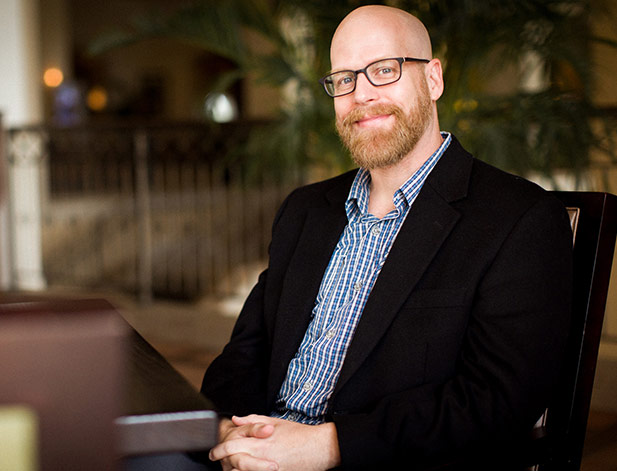
Mark Deal is a nationally recognized expert and local leader in Podcasting. He serves as the Organizer of the world’s fastest-growing local podcast meetup Podcast Atlanta, the Founder of Podcast Guest Academy, and runs a few Facebook communities in the podcasting industry (including helping Steve with the Podcast Editors Club).
Mark started podcasting in 2013 and classifies himself as a ‘Podcast Director’ while working with multi-national law firms as well as companies with headquarters in Atlanta.
He shows people how to take their podcast guest appearances from boring to soaring with measurable impact through Podcast Guest Academy.


