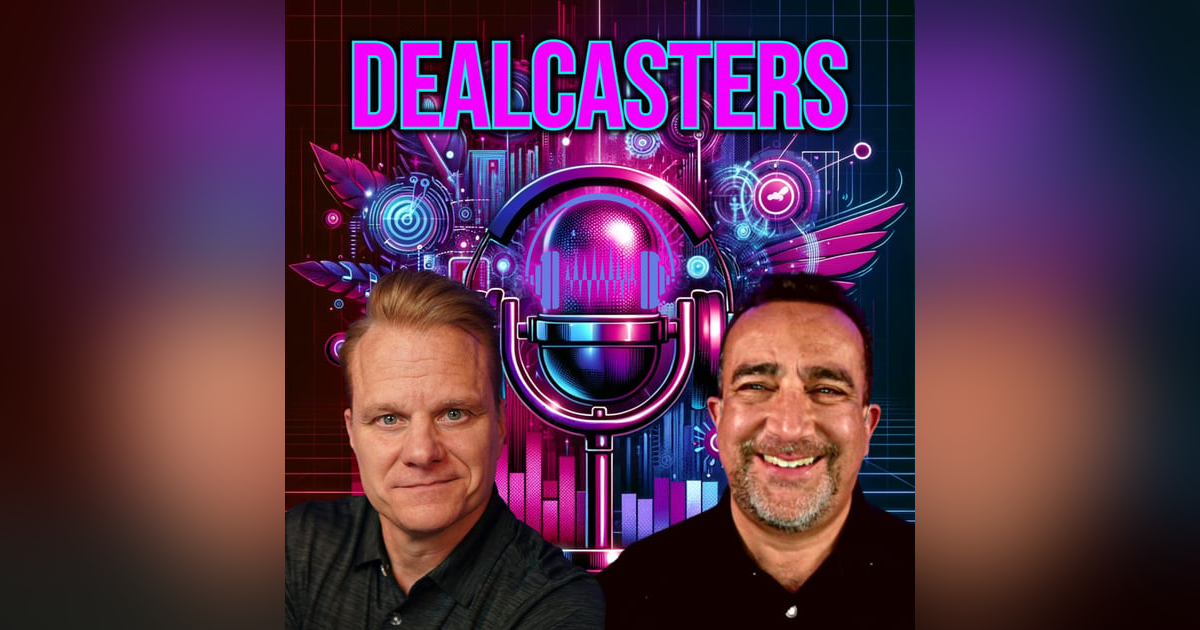
Kelly Noble Mirabella & Kendra Losee - Digital Etiquette For Dummies!


In our digital world, social media and web interaction are tailor-made for confusion and conflict. The time is right for a road map to getting your point across without getting on someone’s nerves. In their new book, Kelly & Kendra design a set of guidelines that improve clarity and positivity, limit conflict, and make virtual meetings much more productive.
Kendra Losee is a digital marketing consultant, professor of social media marketing and Founder of Mota Marketing. She’s an award-winning marketer with a passion for helping business-owners in the cannabis space tell their story, reach their audience, and grow their company!
Kelly Noble Mirabella is an internationally sought after Messenger Marketing trainer, consultant and builder. She is the creator of Baby Got Bot and the owner of Stellar Media Marketing. She has worked with such clients as ManyChat, Kerwin Rae, and AgoraPulse and has helped countless professionals get their bot-building to the next level. Before discovering Chat Marketing, Kelly had an action-packed 10 year career in social media marketing which attributes to her vast knowledge of not only digital marketing but also running a successful bootstrapped business.
👤Connect With Kelly:
✅ Pick up “Digital Etiquette For Dummies” on Amazon: https://amzn.to/3FrBilu
✅ Stellar Media Marketing Official: https://stellarmediamarketing.com/
✅ Kelly on YouTube: https://www.youtube.com/c/KellyNobleMirabella
✅ Kelly on Instagram: https://www.instagram.com/stellar247/
✅ Kelly On Facebook: http://www.facebook.com/stellar247
✅ Kelly on Twitter: http://www.twitter.com/stellar247
👤Connect With Kendra:
✅ Pick up “Digital Etiquette For Dummies” on Amazon: https://amzn.to/3FrBilu
✅ Mota Marketing Official: https://motamarketing.com/
✅ Kendra on YouTube: https://www.youtube.com/channel/UCfHbM_UWmLQZ0rH_FRFoRLQ
✅ Kendra on Instagram: https://www.instagram.com/itskendralosee/
✅ Kendra On Facebook: https://www.facebook.com/motamarketing
✅ Kendra on Twitter: https://twitter.com/klosee
This Full video episode available for free at: https://dummies.dealcasters.live
All of the products discussed in this podcast can be found here: http://dealcasters.shop
All video episodes available for free at: https://dealcasters.live
👤Connect with Dealcasters:
🎧Grab all these great episodes as an audio podcast at: https://link.chtbl.com/Dealcasters
🎥Catch all the full episodes on replay or live at: https://dealcasters.live
Follow Dealcasters:
Kelly Noble Mirabella & Kendra Losee - Digital Etiquette For Dummies!
===
Jim Fuhs: [00:00:00] Let's talk about our guest, two amazing women. In fact, I could see where, you know, Kelly Noble Mirabella is a recent new Amazon influencer. So who knows, maybe she'll be on the stage for this next year because she's an amazing speaker. She's the queen of the chatbot. And here's a little fun fact for those of you, and I hope I don't embarrass her, but I say this all the time because it's true.
So Kelly and I met at Social Media Marketing World, I wanna say 2018, and that's when this whole like live streaming thing was starting to become big. And so we met, like actually at the end of the conference there was like this beer tour. So, you know, we met over beers and she invited me to her Facebook group where she had a live challenge, uh, to get live on Facebook.
Well, that led to the Tim and Jim show that led to me, you know, being consistent. So I, I really give her. Uh, you know, a lot [00:01:00] of the responsibility for me standing here in front of you today, and I, and I'll never forget it, there's
Chris Stone: probably no deal casters if not for Kelly Noble Mirabella. That is true. Is
Jim Fuhs: that a, is that a, a, a, a stretch?
Is that a leap or not think it's true. Okay. I don't think it's a leap. I don't think it's a leap. All right. Uh, but, but Kelly is, is one of the best. She's, you know, always thinking about things in social and so it's even appropriate, right, that her and Kendra, uh, worked on this book together. And so Kelly is actually, she lives closer to us now.
She moved from California to Texas, so she's, you know, maybe we can get her to Atlanta one of these days. We'll see. And then Kendra and I got to work together as part of the connections crew at Social Media Marketing World. And let me tell you, Kendra is also an amazing individual. She runs a, um, her company is, uh, Moda Marketing.
She's working in the cannabis field, which. You're like, wow. So she's figuring out all the ways that you [00:02:00] can legally, uh, advertise for cannabis. She's an adjunct professor as well, so she teaches people, uh, you know, in college about digital marketing. Just an amazing, uh, person. I'm so glad that both of these, uh, women, I consider them friends.
I, I hope they, they feel the same way. But you know what, Chris, people are probably tart of hearing about us, so let's welcome the two amazing, uh, authors of this great book, digital Etiquette for Dummies, Kelly Noble, Mirabella, and Kendra Loey.
Kelly Noble Mirabella: Hi.
Kendra Losse: Yay. That's quite the intro.
Kelly Noble Mirabella: I know. I love the little screen thing.
It looked like we were actually sitting, standing next to each other. We stand like that all the time when we're together. Yeah, that's right. She's actually way taller than me, but I know.
Chris Stone: Well, you can do that right now. Lean in. Do you guys wanna do that
Kelly Noble Mirabella: contained here by the box?
Chris Stone: That's right. I'm sorry. Is that not being, isn't that good [00:03:00] etiquette for a host to ask a guest to do something they weren't prepared to do all of the sudden?
Because I think it
Kelly Noble Mirabella: depends on the guest, but I think on page 47, I know. I'm like, which section was that? I wrote that section. You would think I would know.
Jim Fuhs: Yeah. So you, so this is, is this the first book for both of you?
Kelly Noble Mirabella: Mm-hmm. It's, it's my first published book. Yeah,
Jim Fuhs: it's my first published book as well.
Wow. So, so let's start with you, Kelly. What kind of drove you. To, uh, to get involved in this project.
Kelly Noble Mirabella: Oh. Um, her name is Evie. She is eight fours. Um, so I've been wanting to write a book for like 14 years, and I've had book coaches, I've written chapters, I have chapters upon chapters. I have gone to writing classes, and I just never, never got over the hump of, you know, actually publishing.
And then, um, my girl, Evie Hyman came and was like, Hey, you guys wanna write a book with me? And we're all, Hmm. Okay. Yeah. And [00:04:00] so she brought us into the fold and, um, she ended up going on to a different project, but we were able to hang on to the project and, and we were signed on with Wiley Publishing with the Dummies crew and we're able to write this fantastic book.
And it was hyper speed. They, oh yeah. Like, I guess usually it takes like a year to write a book. I think we did it, what, four months? It was, yeah. Insane how fast we wrote this book. So. And, you know, speaking of words like this was my life for four months, my life right there.
Chris Stone: Well, I thought it was incredible.
And you know, I showed this earlier, but what you don't see maybe in my little, my little square is all the dog ears that I have in there. And so right now I feel like maybe Kelly and Kendra, you might be judging me a little bit because of, uh, you know, because, because I may not be doing the, the correct etiquette, but I think the thing that I liked, um, most about this was obviously I went straight to the live streaming section.
And when I went to the live streaming section, one of the [00:05:00] things you talked about, uh, very early on was the importance of sound and the importance of audio. Yes, yes. Um, and a lot of people think video is, is mostly about what you see. Um, but I, I, you know. You know, Kendra, uh, if, if you want to take that or, or Kelly, whoever you wants to jump in on that, um, uh, talk about your, your thoughts on the importance of audio for any live stream.
I think we could both talk about that. I know,
Kelly Noble Mirabella: right? Like Sure. Well, that's, my face is so big right now. I'll, I'll take the lead and then Kendra, you can jump in. Fine. I've been live broadcasting since there's been live broadcasting. Like I used to have a show on Google Hangouts. That's how old I am. Um, and so one thing I learned very quickly, especially as I went into more YouTube, the world of YouTube and, and producing higher quality video, is that if you have bad sound, people won't stick around.
They will forgive a lot. They will forgive bad lighting. They will forgive content that's kind of, you know, it's good content, but maybe needs some editing as long as you give them the [00:06:00] answers, but they will not forgive bad sound. So it took me a lot of time to really uh, hone in on good sound. Personally, I mean, I've been through Yeti mics.
I own probably. Six of those. Um, go those. What are those little Go video? Ah, dang it. GoPro. No, not the GoPros. They're like, sorry. The Road
Jim Fuhs: Wireless Go. The Road Wireless.
Kelly Noble Mirabella: I don't know why I kept saying go. Thank you. The Road Wireless. I own like three or four of them and I love them. They're my favorite lapel style.
I've been, I have probably more lapels than anyone ever needs. And of course now I have the, the, it looks like the popular mic of the channel, which is the Sure. This thing is up. Yeah.
Chris Stone: We're big fans of the MV seven. Huge,
Kelly Noble Mirabella: huge fan of this. It's like, changed my sound significantly.
Chris Stone: Amazing. Kendra, what are your thoughts on, on audio?
Anything to add?
Kendra Losse: I think Kelly covered a lot of it, but just whether you're live streaming or teaching or in a, I mean, in a meeting if you don't have sound that people can hear, you're cutting off all your [00:07:00] communication. 'cause no one wants to be.
Right. You can't hear anything. No one's talking. It's that you're on mute. Stuff that happens that we've all heard in more times than we want, but having audio that can really help you stand out makes a big difference.
Jim Fuhs: Yeah. And Kendra, you've been involved especially I, I would think as a, as an adjunct professor in a lot of virtual meetings, probably doing webinars, classes that way.
She
Kelly Noble Mirabella: wrote the chapters on it for, I did write those chapters for that very reason. Reason. So, like,
Jim Fuhs: what, it was a perfect segue. What, what have you seen as one of those issues in, in that space? Especially with, I don't know, maybe people don't take it seriously. Do you think that's part of the problem?
Kendra Losse: There's a couple things, and honestly, I just heard a couple people talking about this the other day and I was like, oh, I've got book for you. Um, a lot of people use the wrong platform for meetings and events and things. So if you're using a platform where anyone can talk and you're trying to do, whether it's a public meeting [00:08:00] or a presentation and you're using not to.
Zoom's great, but it's not always the right answer then, you know, there's a lot of different platforms that are gonna be much more effective. Somebody was telling me the other day that they were in a meeting and, you know, the CEO kept trying to present and they were trying to listen to the stock updates or whatever it was, and there was somebody's grandma on there who kept like too close to the mic, see up their nose, they were talking.
So, and actually, you know what it was, it was a graduation. It was a graduation. My ion, oh my. And so all the family members were there trying to see, and when it came time for their family member to go up, you know, somebody was opening a bag of chips or something, so they're the face that popped on. So it was just the wrong platform at the wrong time and it can really affect what people are hearing, what people are seeing and just distractions.
Chris Stone: Yeah. I think, uh, what, what Jim and I do, and you guys saw that 'cause you're your guests, is we put together a sort of a prep sheet for all of our [00:09:00] guests and, um, not everybody reads it. Which is, which is fine. Um, but, um, you know, I think at some point Jim and I keep wishing that people would kind of figure, figure this out.
It, it's, it's, it's not like it's super difficult, but, you know, clean your lens, um, you know, make sure that the light is in front of you, not behind you, so you don't look like you're in the witness protection program. Um, like all, all of the things, um, Kelly, what are, what are some of the things that, you know, you spent four months putting, uh, this was your life for four months.
Yeah. What are some of the things that you see mostly still
Kelly Noble Mirabella: in terms of live video?
Chris Stone: Well, now, in terms of what people, no, we'll, we'll keep it general in terms of, uh, you know, we can, we can segue into, um, texting or, you know, something that you spent a lot of time with. What just keeps popping up and popping up that you just wish people would?
So many things just learn already.
Kelly Noble Mirabella: So many things. Like we literally everything [00:10:00] in the book, that's why it's in there. Some things that stand out to me though are, um, social media etiquette specifically for like, groups, group etiquette is just, it is horrible. Most people just don't know what they're doing or they do know what they're doing.
I think the biggest issue that I see, and this is an issue across the board, is people just don't think, they don't think about the other person. Whether it's that the anatomy of the internet has just made us, um, unsympathetic or empathetic towards other people and we just don't care or, you know, we have to have it our way.
Um, or if it's just, we just, just forget that, you know, that there's a person on the other end and that really, I. It causes a lot of issues, whether it's, I'm gonna send a group text, you know, group texting and group messaging are very different. And this is something we address in the book group texting. I can't opt out of a group text with 20 people.
That's horrible. Please stop doing that. Um, I [00:11:00] get 'em every mother's day. Stop it. You can opt out. You have a lot more control on Messenger or what have you in a group text. So just as Kendra said, a lot of times it's deciding on what is the best platform for communicating how you you wish to communicate that's going to give everyone the ability to make it enjoyable or to opt out.
So that's one of the things that I find the, the hardest is that people just don't seem to care. And, you know, we keep running into people trying to have arguments or bringing up topics that are very taboo in moms groups or, you know, there's just this, this idea that, um, we forget that we're in a room with 5 million people and, and we're just gonna say our opinion and.
It doesn't go over well. So I think it's just overall, if we could just stop, slow down and think, oh gosh, there's other people here. I'm not just sitting at my own little, you know, computer or on my own little phone. Um, and it's just me there. It might be your screen, but there are humans on the other [00:12:00] end, and we need to keep the empathy in social media, in digital marketing, in the way we communicate.
Kendra Losse: That was one of my favorite things to address. Right. Does it meet, can it be a text message, A slack message? Mm-hmm. A messenger message, an email, a meeting, a in-person meeting. What does it need to be? Right? Yeah. Like we've all heard of those times that it doesn't need to be a meeting or it all comes back to knowing whether or not, you know, thinking about the other person and the purpose of your communication.
Exactly.
Chris Stone: Yeah. Because it's like, uh, you know, a lot of times people will, I. Basically throw you into a meeting and they're not considerate of your time. Right. Or a text. And so it's like, or text. Yeah. Yeah. Right. And so like, here's a, here's something I need, uh, I need help with, and so let me just sort of hijack your day or the next couple of hours.
Right, right. And so I'm, you know, I, I like to be mindful of that because it happens to me all the fricking time where people are just like, Hey Chris, I know you're the, you know, whatever, uh, there's [00:13:00] something to do with podcasting. It's like, yeah, you know, people pay me to, to talk about that. So my
Kelly Noble Mirabella: brain.
I mean, yeah, you can absolutely pick my brain for the $500 an hour that I charge.
Chris Stone: Right? Right. Yes. Mm-hmm. Pick all you want for as long as you want for your hour. Yeah. So we've got a lot of folks that are chiming in on Amazon. Awesome. And thank you all for, uh, for joining. And as you know, we're talking about this fantastic book, digital Etiquette for Dummies, and we have two of the authors of that book, Kelly Noble, Mirabella, and Kendra Losie here with us.
And there's some, there's some great comments here about what you guys are saying, and there's some comments here, like Dennis, uh, d Scott Smith says, etiquette is not the same for all social media platforms. And I think that's correct. You know, I, I think it would be great to kind of like go there like mm-hmm.
Um, you know, we talk about live streaming, but we're talking about texting. Mm-hmm. Let's talk about Facebook, let's, versus Instagram versus, you [00:14:00] know, all of these. So they all are, they all have their different thing, but somehow people treat, treat them the same. Um, and so what are some, maybe some, some etiquette moves on, on various platforms that are, that are your sort of favorites to, uh, you know, talk to people about?
Kelly Noble Mirabella: Well, I, I do remember that we wrote quite a few chapters about social media. So just to, to be clear, it is digital etiquette, not social media etiquette, but that we do cover quite a bit. Social media. But the idea is exactly that. It's that there are different platforms and every platform, as Kendra and I, were both kind of not alluding to, but straight up saying is that, you know, know the rules, know the communication for that space.
And so we do cover things like specifically messaging apps, specifically, um, you know, the difference between how you engage in a Facebook group versus say a Slack channel. So every platform is different. And my advice to people again is, you know, [00:15:00] understand that there are other people and be empathetic to that, but also understand the platform.
Like take time to understand the community and how it kind of is run so that you're not the one who's going out and making everyone miserable on those platforms.
Kendra Losse: And one of the things that, one of the sections that I covered in the initial social media section, what is, you know, what you do on Reddit is gonna be different than what you do on Pinterest versus Twitter versus Instagram.
Covering a lot of the mower, you know, in TikTok covering all of those social media platforms at a very, I mean, very high level. But the point is that don't just dive in. Spend some time learning what the approach is and what works and what doesn't work, and then, and then tackling it.
Jim Fuhs: Especially if you're a market.
So it's okay to be a lurker, right? You don't have to like jump right in.
Kendra Losse: Absolutely. It's recommended.
Kelly Noble Mirabella: I think we actually talk about that, especially in the live video section. We're like, you know, you guys, it's okay to have lurkers and it's okay to just show up and watch. [00:16:00] Um, it obviously a good, uh, viewer will say hi, because, you know, we get on and we're like, Hey, is anyone, can you hear me?
Um, is my sound working? But, um, but also I think those of us who've been around the digital marketing and digital world, I guess you could say for quite some time, we can tell you that lurking is not a bad thing. There are so many people that you touch with what you do online. If you're a live streamer, there's so many people who learn from you, who watch you.
Um, if you post blogs, if you have a podcast, whatever it is that you're creating content or you're engaging in. People are following you. And man, you'll find out years down the road that you impacted someone. You're like, really? I don't even know you. So, yeah, I mean, true lurking is not necessarily bad. Um, especially when you're first new to that community.
Like spend some time as instead of the content creator, spend some time as the consumer, the person who's, you know, taking it in and see how things work.
Kendra Losse: Something to point out in the book is that [00:17:00] it actually combines personal and business.
Chris Stone: Yes.
Kendra Losse: So it's posting and understanding social media as a business and doing marketing and needing, understanding the need for like a crisis management plan or something happens.
And all of the, the s you know, the terms of service and all of the guidelines for your company, but also as a person, like, I'm just going in for my personal accounts. Here's what I can handle and here's what I should do. So. The two are blended together. So it's not just for business and it's not just for personal.
You will find insights on both,
Chris Stone: right? Yeah. And, and the other thing I love about it is, you know, you don't have to learn all the things all at once. No one can, right? And so if you have interest in a particular platform or a particular, uh, form of digital media, um, you can go right into this book, which we're talking about right now, available in the carousel here on Amazon.
And if you're not over here on Amazon, go to deal casters live and you're gonna join. Wonderful people, [00:18:00] uh, that are in the chat here, deals with Mel. Melody Johnson's here. Jeff C What is good, my friend? Welcome to the show. Uh, Jeff, C's a big fan of you two. We love Jeff. Um, clearly. Um, and there's somebody where I can't even like cats something and there's all kinds of emojis in their name.
So this is a, that would be a great segue there. But I, you know, like if. If you wanted to know anything about emojis, you could look it up in the index and go to that page. Mm-hmm. If you wanted to know, okay, what's, uh, how do I, how do I handle something, um, you know, related to kids and, uh, homeschooling, which was another, um, you know, great, uh, great section, you know, it, you know, being flexible for kids behavior, things like that.
It's a good, uh, resource. It's a good, you know, sort of like, you don't have to read it cover to cover and go, I understand everything about digital etiquette. You know, you can just kind of use it as a reference piece. So I, I love that aspect of it.
Kendra Losse: I was just looking by the way, at page 73 is where you can find mm-hmm.
The etiquette tips for each of the [00:19:00] different platforms. Um, yeah. It starts in 73,
Jim Fuhs: so, so Kendra too, uh, kind of along those lines too, my, I have a question for you and Kelly, what do you do? Like, one of the challenges, you know, 'cause we're talking about texting, we're talking about email. But it's like, how do you get that message to your group?
Because like, some people don't like emails, some people don't like text. Some people never check their Facebook messenger and then they get upset with you. 'cause it's like, oh, I didn't know that's where you sent the information.
Kendra Losse: I think that's part of, and I teach this too, right? It's the same as marketing versus personal.
If you have a goal with your communication, whatever that goal is, whether it's to inform, entertain, you know, monitor and track a project, who are you communicating with? And does the information need to go into like a repository in a central place? But you know, from a personal standpoint, if I'm trying to send flight information to somebody, you know, my mom's gonna have a different approach than my boyfriend who's gonna have a different approach than, you know, my [00:20:00] grandmother.
So it's all going to be like, it depends on who you're talking to and being aware of their situation and how they work. And if you don't know, ask. Which is your preferred, you know? And if you're a business person, you know, if you're running a business or you have those norms and as part of your cul you know, your company culture, if your company culture is Slack, that's awesome.
Use Slack. Just set that
Kelly Noble Mirabella: expectation. Yeah. Yep.
Kendra Losse: Don't surprise people with a Facebook message about something that's market fair. Don't, don't go to their MySpace account. Leave them a message. What?
Jim Fuhs: Yeah. And, and Kelly, 'cause you've been heavily involved in chatbot marketing. Mm-hmm. And I would maybe say, and you can correct me if I'm wrong 'cause I wouldn't be offended, but.
Bad digital etiquette really caused a lot of changes in the chatbot industry because they were kind of maybe spamming people sometimes.
Kelly Noble Mirabella: Well, absolutely. Um, so I think a lot of people, they hear chatbot and they think bots. [00:21:00] It is quite different. Quite different. But I do think that, um, the technologies that we're seeing today with chat automations, um, specifically, 'cause that's what you wanna ask me about, um, are actually helping with digital etiquette.
And it is something that I address in the messaging section, especially if you're a business. 'cause I find it to be horrible etiquette as a business. If you have people who are constantly messaging your, say your Facebook page or your Google business, but you're not responding or you're just responding with an automation that says, call us.
Well, people are messaging you. They, I guarantee you that audience does not wanna call you. In fact, most people will not pick up the phone and call you. They'll go find someone else. So these chat automations make it so much easier for us to address that, you know, glaring etiquette issue or that faux pop, um, quite easily and very inexpensively.
Chris Stone: Well, I was gonna ask about something, it's something Jim, um, I noticed that, uh, both of you, these ladies have down pat that I think we all can work at. Um, you know, Jim and I do remote production and we do a lot of [00:22:00] events. And boy do we get across the gamut in terms of, you know, uh, people and how, not just digital etiquette, but how important is eye contact, uh, in a, in a virtual meeting, being live and, and in, of course, right.
But I, you know. Eye contact and, um, maybe some, maybe some tips, tricks, strategies around that. Incredibly important.
Kelly Noble Mirabella: Um, I mean, as Jim mentioned, I, I used to teach this, this is actually one of the things I taught in my challenge and it is probably one of the hardest skills to master. I'm teaching my 9-year-old right now, shoot video and I have like sticky notes next to the camera.
So that's your tip. Everyone put a sticky note, like those little arrow kind. Now I'm not, this is really funny because I use A-D-S-L-R, so I'm up here. Hi guys. But I, my, uh, webcam is down here. So, um, I don't have stickies. I'm pretty good at it, but sometimes I, I switch because I wanna show something and I'll forget that I switched, I'll be looking up when I should be looking at this camera so it [00:23:00] gets confusing.
Even the pros get it mixed up, but it makes a big difference. And I'm gonna show you why it makes a difference. 'cause if I'm down here and I'm talking, or I'm looking at myself and I'm talking, I'm, Hey guys. Yeah. You know, this is a great book. You should, it's a big difference that if I'm looking at you, because you, the audience, you come in like we are together, we are having this conversation.
Right? It's not always easy because especially, and I know you guys. Can attest to this. When you have comments and you have this going on and this going on, it takes work. But something I've always taught my students when we um, when I used to do all the live challenges was that it's practice makes progress.
We never go prefer for perfection because there is no perfection,
Chris Stone: right?
Kelly Noble Mirabella: Unless we're talking about someone like Stephanie Lou, but even Stephanie Lou would tell you there is no perfection. So
Kendra Losse: funny story about that actually for a section in the book is that, um, one of the things that we heard a lot about, especially in 2020 when everyone was moving on Zoom, was the like zoom dysmorphia, right?
Where people were seeing their face [00:24:00] different because of the camera screen. And I kept putting that mention in the book about, you don't wanna look at yourself, you wanna look at the camera. And the editor kept taking it out and saying, that's not a thing people do. And so I actually like, and, and the editors were great, absolutely fantastic.
But I finally like, did a bunch of research, pulled a bunch of video news articles, you know, local TV news, Arctic news videos, was like, here's 40 different references stuff taking that out. Um, and then he said, he asked around, it was only seemed to be the female, um, coworkers. That's absolutely not true. Oh my God.
I didn't go into that, but it was just a funny thing 'cause the editor kept taking it out and I was like, no, keep that in. Like, I'm not gonna fight you on a lot of stuff at the swim.
Chris Stone: Well, and there's teleprompters too, right? So Yes. Yeah. You can use a teleprompter and then basically mirror your, your zoom call with, uh, with that.
And so [00:25:00] if you, and I think it's more for, for people that. Want to feel the energy of, of the other, not necessarily like you want, you know, some people wanna look at themselves, you know, make sure that, you know, they don't have something in their teeth or, um, or, or whatever. But when you wanna drive a, a point home and you really want someone to, you, you, you wanna look directly into the lens.
Yeah. Or el you know, there's just, people can't connect with you as, as much. And I think for a lot of live streamers and some that are here in the chat, um, it is difficult because you, you wanna interact with people, but you have to look down at your device. And so this is a segue, um, that, that is, um, is, is something that I consistently see, especially in virtual meetings, is it, listen, when we're in real meetings in, in a conference room and somebody picks up their phone, it's a thing.
It's a, it's definitely a thing. Um, but when you're in a virtual meeting, guess what? Still a thing. Right? [00:26:00] So how, um. How do you get past that? How if, if, you know, if you're in a meeting, I mean, do you just like stick the phone under the table? Do you put it in, in, in your purse, in your pocket? Is it like, what, what, what's the secret to not looking at your device during a virtual meeting?
Kendra Losse: Well, it's also the device, it's the Slack messages. It's all the side conversations that are happening, so,
Chris Stone: right.
Kendra Losse: I think that it's, you know, making sure people haven't put away making, but part of that is that people are getting distracted because you're going off topic or the meeting's going too long.
So part of it is just making sure as the host or the person leading the meeting that you have everything, that everyone knows the goals, that everything's succinct, that there's no questions about what you are covering in order to make it one non hour long meeting. If you can make it a half hour, but also like, try and just encourage the limiting of the side conversations.
It's never gonna happen all the way, but it. Just making sure you're focused and everyone's [00:27:00] engaged. And don't invite extra people if someone doesn't need to be there. They just need to know, keep the meeting number small.
Jim Fuhs: Kendrick going back to, 'cause you talked touched on this earlier when we're talking about like the meeting format.
Mm-hmm. It, it seems like a lot of times, like even if you want to use Zoom, maybe it should be a Zoom webinar because you don't need everybody on screen. Or maybe you use a product like e Camm or Streamy Yard where the people can be like in whatever Facebook, YouTube group and they can put their comments in there, but you don't need that distraction.
Do you think that a lot of people feel like, well, everybody's gotta be able to get their face on camera and, and it's really not the case.
Kendra Losse: It's really not the case. And I say this a lot when I teach, so I'm teaching at universities, um, and they're, so they're working adults typically, and half the time they're coming home, they're tired, they don't wanna be on camera.
They've been working all day. So. It's almost harder to teach to a black screen. Right? It's, it really is than it is at, um, [00:28:00] people's faces. But that's for me, not them. I'm the one teaching, they're the ones learning. I don't, you know, I have to, I had to train myself to be able to teach to a room of black screens because I didn't need them on there unless they had a comment or a question.
Um, is it ideal, is it fun? Not this one as being able to see their reactions, but you learn how to do it because
Kelly Noble Mirabella: you'll be looking at your camera anyway. Exactly.
Kendra Losse: I don't pay attention to those students.
Chris Stone: I'm kidding. So here's something, and I'm, I'm seeing it in the chat right now, is. Acronyms, text talk. Mm-hmm. And we talked a little bit about know the platform that you're on and how things work. Are you gonna be using, uh, lots of emojis on LinkedIn, on replying to a post and using, uh, GR and the number eight instead of spelling out the word?
Great. Things like that. Um, uh, uh, Kelly, what are, what are some, uh, what are [00:29:00] some ways for people to understand, like the platform that they're in, if they're texting versus, you know, right now chatting on Amazon? I, there's some, I can't even understand, um, what's going on. What does HC stand for? I know what FB and IG stand for, but, um, anyway,
Kelly Noble Mirabella: clubhouse, maybe h No, that's
Chris Stone: CHC, house, house Club.
It's a's brand new, brand new, uh, uh, platform just launched today.
Kelly Noble Mirabella: So one of the things that we talk a lot about in the book is tone. You can't read tone, right? Like I'm gonna, if we all read the same email, some of us, we actually have a good friend, I'm not gonna say who it is, but that person knows who they are, who will read an email, the same exact email as us, and they'll be like, oh my gosh, I can't believe that they said this and I'm so angry.
And we'll be like, yeah, I think you're reading into this. So tonality is so important, and that is not only the responsibility of the person sending it is absolutely the responsibility of [00:30:00] the person receiving. Wow. So we have to understand that. But why do I bring up tonality when you're talking emojis in shorthand?
Because emojis are a way to help with tonality. And they should be used sparingly depending on like if you're on LinkedIn or in emails, you don't wanna go emoji crazy. But I personally don't think it's a big deal to throw an emoji in there. You know what, an email or something. Of course if you're emailing like a Boomer CEO, old school, dude, maybe, maybe hold back on the exclamation points.
I'm an exclamation point kind of gal, but, uh, yes. Know your platform. And I would personally, and I believe I wrote this in the chapters about this, is that when it comes to text talk, you absolutely need to know your audience. You absolutely need to know who you're talking to because, and the platform, right?
Because there's a lot of people, especially younger generations, who use very shorthand messaging. Whereas as old folk, old millennial here, um, while I understand millennial shorthand, I don't [00:31:00] understand, you know, I don't know what the younger I. My daughter's generation. I'm like, I don't know what you're saying to me.
Can you repeat yourself? Alpha Alphas. Oh, the Alphas. You think, you think the ones after us, the, the Zoomers or whatever, I don't know what they're called. But the point is, is that, um, you need to know your audience and you need to know the platform. And these tools are wonderful. Emojis are wonderful for creating the right tonality, but we also don't wanna go overboard.
Sometimes it's better. I, I literally wrote this in the book, like there is a section in the book specifically about the, um, the texting. And I know Kendra, you wrote email, so I know that that was something you discussed as well. But about how do we balance the shorthand with emojis, with going like, chapters of text.
We don't wanna do that either. So it comes down to the platform and the audience.
Jim Fuhs: What do you think of, um, like the video messaging? Do you think that's a. Like something that's gonna [00:32:00] continue to grow where you can do just short video. I mean, I like it from the perspective of Right. I can read the tone a lot better because I think, you know, used to be like, maybe still is, right?
Like sometimes like if someone texts you, you don't know the context. Sure. Or if you don't get texted back right away, people get upset and they don't always understand like, maybe you're driving your car and you shouldn't be texting.
Kelly Noble Mirabella: Yeah. Right. So, uh, a couple of things. Number one, there's a big difference between SMS text messaging and messaging, messenger messaging, these sort of platforms, right?
And this is addressed in the book and we've addressed a little bit before for like group text. We don't want a group text on an SMS Stop doing that. You guys, this is the bane. This is my thing, this is the thorn. Um, but I can tell Yeah, but because Mother's Day was just, it just happened to me. 20 people.
But it, in terms of like video messaging, I personally don't think, um, SMS is a good place for that. Number one, it takes up a lot of data. Number two, it's just not built for it. Now, in the [00:33:00] future, I do think that the, the technology will be there and then when it is fantastic, same with voice, but when it comes to like messenger, Voxer, um, what are some other, Marco Polo?
Yep, exactly. Volley, these are platforms that are made for that. So just understanding that there are platforms for it. The other thing to consider is like, I use voice a lot. I'm actually dyslexic. I don't just say that and annoys me when people say that they're dyslexic and they actually have not been diagnosed because I've actually done it.
But as a dyslexic, it's so much easier for me to talk than text because it just, it, it just absolutely is. But I also have to keep in mind that sometimes people are not in a place. To listen, right? So if I'm sending a voice message on Messenger, I have to accept that person might not be able to get back to me right away.
It's gonna take a lot longer. 'cause they could be in a meeting, they could be with a baby that's sleeping. Um, unfortunately Messenger doesn't have, uh, what is it, when they, transcripts? Yeah, transcripts. [00:34:00] Whereas something like Voxer, I use Voxer quite a bit. 'cause again, I like to talk. Um, it will transcribe.
So, you know, video is awesome. I use video a lot when I'm in situations on social media where people are trying to get hot with me, you know, like heated in a conversation. They, they're, I can see they're forgetting I'm a human and I will reply as a human in a video. So I'm like, Hey, hi human here. You know, here's my point of view.
So sometimes it is absolutely the most powerful thing you can do. I think, again, going way back to what Kendra was saying in the beginning, was. Um, you know, pick the thing that works for that audience and that platform and then set that expectation. And don't be afraid to mix and match. Like if it's the way you communicate, people will get used to that.
But if you're a business, it's kind of different, right? We have to balance our personal use cases. Just keep in mind the expectation of when we will receive a response or if we'll ever receive a response, right? If we use video or if [00:35:00] we use, um, text, uh, or if we use voice. Because if we just text, it's often we can get something back much faster and that's fine.
It was a really long answer to that.
Chris Stone: No, it's great. 'cause I, I think it's segues, uh, into, you almost answered it, but I'll let, I'll let Ken speak to this, is I feel like with text and Facebook Messenger, a lot of times when someone sends me something, the expectation is that I better get back to them really quickly.
Like it's, uh, ding dong, I'm at your front door. Uh, I know your home type of deal. Um, and there'll be times where I'm the, I'm doing a show with Kelly Noel Mirabella and Kendra Losie, and, um, I can't get back to you. I've got texts, right? And so how I think one thing that I've done is I'm, I purposely haven't answered something because I know it's not an emergency to kind of like, Hey, um, I'm getting back to you not [00:36:00] apologizing for the length of time I took to get back.
Because never do that. I am not apologizing for that. This is the first opportunity I've had to answer you, right? What do we do with those expectations that, you know, maybe somebody comes back and they're like, finally right? Um, you know, I really, you know, when they didn't say, I need this information back by such and such, well, maybe a phone call would've been better.
Something like that. So, I dunno. Kendra, do you wanna speak to that as far as expectation on, on timing, on all these different platforms?
Kendra Losse: Absolutely. And I think it, once again, it goes back to, I covered this from an email perspective and messenger perspective, both from business and personal. Because sometimes an email, you know, you get the emails and then I'm gonna make like quick responses.
That's great. Yes. Do that. You're, other times you're like, I need to sit, I need to analyze what you said, I need to respond thoughtfully. And um, it just is a bigger lift. So you might not do it right that minute. You might wait till you have a little bit more time. And part of that is setting boundaries for yourself, right?
Understanding and [00:37:00] helping train people that, you know, I'm not gonna respond to you after 5:00 PM or I'm not gonna do this. And I, you know, I've had a couple friends who've done that. 'cause that's their time for their family, right? Like, I'm not gonna respond to you and you'll get it tomorrow. And that's on text as well as all of their communications because that's where their priorities are.
And it makes sense if you can get people to. It's making sure that you are setting those expectations ahead of time though. But also if you're the one respo like sending the text message and you, they haven't heard back in two hours, give people a break. Once again, we're all busy, we're all doing something and unless it is time sensitive, don't worry about it.
But if it is time sensitive, once again, like I covered this too, consider your communication platform that you're using. If it's time sensitive, make a phone call, send a text, or you know, put that in the subject line. I need this, you know, I need this. ASAP. Just don't make everything time sensitive. I was gonna say [00:38:00] that, don't wolf.
Exactly. Exactly. And some of that, you know, for personal is one thing, once again for business, it goes back to the corporate culture as well. Mm-hmm. But it's the corporate culture that you're gonna drop everything to respond to Slack right away. That's not people, no one's gonna be productive. So it's, we wrote about
Kelly Noble Mirabella: that in the book too, by the way.
Kendra Losse: We did. We did. So it's making sure that that is, that you're considering all of those. And honestly, a lot of it comes back to being empathetic. Yeah. If you are reading tone in, you know, don't assume the worst of somebody. Assume that they're busy, assume that they're, you know, working, assume that they care.
Don't assume that they are just like angry at you and not responding
Jim Fuhs: Well and I know for me, and, and Chris knows I talk about this all the time. If you call me and I don't have your number in my contacts, if you don't leave a message, I'm not calling you back. Yeah. Because if I did that every time somebody called, I'd never have any time to get anything done.
Kendra Losse: So I also don't wanna [00:39:00] talk to people about my solar warm car warranty. Right.
Kelly Noble Mirabella: I don't even like talking on the phone. So there's that.
Chris Stone: Um, d Scott Smith on Amazon says, back in the old days of pagers in a factory, we added 9 1 1 to the message when it was a real emergency and needed a response. Yep. You know, I, I just, I love how, um, everything just kind of is going back to empathy mm-hmm. And, and consideration for who you are, um, who you're speaking to.
So I think it just kind of goes back to like, I'm about to send this thing. How is this going to be received? Mm-hmm. Do I need to buffer it in some way? What's my expectation of when I hear back, how can I frame this message in such a way That's a lot of thinking, right? Before you actually send something on a, on a platform that is like firing like, like crazy.
Sure. Um, so how does someone [00:40:00] that's first, you know, seeing, besides buying this fantastic book, uh, digital Etiquette for Dummies, we have, uh, two of the authors here on our screen right now. Besides doing this and taking, uh, the steps that you have here. What's some, what's some ways you're, you're in a business and they've got volley, they've got Slack, uh, there's Facebook, there's, there's tech, there's all kinds of stuff that's flying around and it's overwhelming for someone.
What's some advice maybe that you've got to kind of like, uh, clear that mind junk away and say, well this is my, this, I have to do this, right? I have to learn this. So buying this is a good, uh, first step. What are some, what are some sort of tips? Some, maybe some, some mental practical strategies maybe for, for folks that are watching and listening?
Kelly Noble Mirabella: I think it, you just need to make it a habit, right? You said, oh, it's a lot of work to think about it. Yeah. The first couple times. But once you've trained yourself to think empathetically or pause before we respond, it becomes a [00:41:00] habit. And then it's just second nature to us. You know, many of us have been using our, have had our sidekick here next to us since, you know, college.
Um, some of us high school, I'm not that young, but, uh, you know, it's become a habit to always be there, always be on, and always respond, and always have a quick and never pause. And I think we're getting to a point where that no longer serves us as a community, right? And so we need to retrain ourselves to set boundaries, set expectations, and just say, you know, no.
No, I don't need to be on TikTok. No, I don't need another voice app. I don't need to be on volley. I don't care how many, and this is really big for us marketers, right? Because it's fatigue. I think we all feel it, especially as old marketers. Old marketers we're all like, yo, I remember when it was just Facebook.
It was the good old days. Um, so we just need to create boundaries for ourselves and like. [00:42:00] Step away from everything else. And then once we create those habits and we set those expectations with people, people will learn how to communicate with us. And honestly, once you get to a point where you're like, this is who I am, I'm saying no to things, I am putting boundaries up.
Even for people who maybe not know your boundaries, they to come in, they're like, I don't like that about you. You know, for instance, you cannot call me. I told you already, I'm a business. You cannot call me. I don't like calls. And my schedule is very busy. I have two young children. I run two memberships. I do a lot.
So if you wanna talk on the phone with me, it doesn't matter if you're one of my clients. It doesn't matter if you're Super VIP, you could be the president. You have to schedule that call. And I've had people say to me, well, that doesn't work for me. And I say, well, that's fine. That's how I do things. Allow me to refer you to someone else.
Because you'll get to a point where you learn that your mental health and your boundaries far more important. And the older you get, the more it becomes more important. Honestly. I mean, it's important a young age, but I think you learn. You are like, I've been abused long enough. [00:43:00]
Chris Stone: I'm so glad you brought that up, because you're right.
It's like, um, it is so much, and, and the whole idea is like, listen, you gotta, yeah. At some point you gotta cut a cord. Mm-hmm. And say, I'm, I'm, I'm not doing this. There are things that are more important, whether it's your family, uh, you know, or, or other things besides volley, uh, or that, that FOMO of, oh, did you hear about this new thing?
You know, Jim's always like, oh, Chris, there's this new thing. It's awesome. I'm like, yeah, have fun with it, Jim. I don't need another one. I don't need, you know, it'll be gone. It'll be gone. Six. But I'm not on, well, I'm
Jim Fuhs: on Clubhouse, but I'm not, I'm, but I'm
Kelly Noble Mirabella: not, I think I got on it for a minute and I was like, nah,
Chris Stone: it
Kendra Losse: worked well for a couple months and then it didn't.
Chris Stone: That's right. Now it's gone. Yeah. Where it, so you guys didn't cover social audio in here, did you?
Kendra Losse: Or covered in know what? I'm not sure. I don't think we touched on podcasting much. That's okay. It's gone anyway. Talk on page 70 fours Clubhouse. [00:44:00]
Kelly Noble Mirabella: You look up podcast. Oh, back. Yeah. Hey, well
Jim Fuhs: you know they've gotta have a second edition at some point.
Sorry. Wanna
Kelly Noble Mirabella: know? Let our publishers know. Second edition. We need it.
Jim Fuhs: Yes. Like
Kelly Noble Mirabella: we're all like I wrote the book and I still don't know.
Kendra Losse: You're right. I did the clubhouse on the social audio for the platforms. Um, I like saw page 74. I guess we need another addition. Oh, you know, there's also a few things that got cut 'cause we just had so much to say.
So like we did, we wrote a whole chapter on definitely business email and it's available on their website as well as a couple other chapters that didn't make it because which is, you know, there's a lot more resources available, but there's just so much to cover there. Is that when it comes down, digital
Kelly Noble Mirabella: marketing is like encompassing so much.
This is not just social media, right? Yes. Still edit etiquette. Yeah.
Kendra Losse: Across the board.
Kelly Noble Mirabella: So
Kendra Losse: there's just, there's so many things, so many do wrong. I always say it's like the book that you want, you, you should have, but you don't wanna be gifted.
Kelly Noble Mirabella: Yeah. Right. Like [00:45:00] I'm like, give this to your boss. And I was like, maybe not like anonymous, anonymous gift.
The white elephant gift. I don't know who bought that book. But everyone needs, I think you need this.
Chris Stone: Yeah. It's like your partner buying you a gym membership.
Kelly Noble Mirabella: Exactly. But thank you honey. Thank you for the record. If my partner is watching, I would love to have that Peloton bike. Seriously. Right?
Chris Stone: You want, there isn't a sliver of you that wouldn't be like, no, I've been
Kelly Noble Mirabella: asking, hinting, dropping like the most obvious hints ever.
Like, oh look, you can do memberships now. Babe. Look, look at this.
Chris Stone: Oh, yeah. D Scott Smith over on Amazon says like, sharing breath mints an offer or suggestion.
Kendra Losse: Exactly. Exactly. Yeah.
Kelly Noble Mirabella: I know. We should do a whole episode, Kendra, about like how to gift it and like how to make it sound like it was a good yes.
Like I just finished this book. It was a make, you have to read this. You know what? I just [00:46:00] think you could borrow it if you want. I saw this and thought of you. I even marked a couple pages. I found it very valuable.
Chris Stone: Seriously though, um, you know, I don't think I know everything. Um, but I, I thought I knew enough to be dangerous about most things, and there was a lot of things that I was like, Ooh, you know what?
I didn't even think about that. And you, you know, this. This stuff is rolling, right? It's, it's not, you know, the virtual stuff is not going away. Social media is not going away. And the, the, the, uh, the DNA of this entire conversation is, uh, empathy and consideration for someone else. And so it doesn't matter if, uh, three years from now there's, you know, Facebook is replaced by, well, let's, let's be honest, it's not gonna be replaced.
I mean, you never know. That's right. We, we can hope. Um, but no, I'm sorry. I know, I know, I know. Facebook, Facebook has a dear, uh, place in your heart, uh, Kelly. [00:47:00] But, um, you know, these are still principles that you can use. And I think this is one of the thing when we, we speak to a number of authors that talk about that, write books on social media or write books on digital.
Uh, and you could tell someone, oh, you gotta do this specific thing on Instagram and, uh, do this with your stories. Well, guess what? By the time the book's printed, maybe they go away. And that's not something on the platform. But what you have here. Are principles that are evergreen that will work on a lot of other platforms that may not be what you're talking about specifically, but do apply there.
So I think that's one of the great things I thought about this was that, you know, it can still be a reference point for you. It doesn't have to be something that's like, well, that book over there that that book talks about, it doesn't even have clubhouse in it. You know, like, guess what? Right? You can apply these things to social audio as well, if you keep in mind the empathy and consideration and, um, how you're, how you're doing that.
I think that, I think that's one of the, the great [00:48:00] things about this book for sure.
Kendra Losse: It's so funny you say that. One of the things that I love about teaching social media, right, because I teach it a couple times a year at different universities, every single time I have to do a full like, update of the course.
It's not just, and every time I'm like, why didn't I just, you know, do astronomy, whether or not, like all I have to do is check to see SLU does planet status and then go. But every time, and most of it is usually like looking up articles, looking up different videos and finding the best that I can find to teach the points that I need them to know because nothing's evergreen.
And to your point, by the time something gets published as a book, you're like, well that was great, but where's the framework? Where's the details? Where's the hands on? You have to have that kind of real near, real time, um, session. So it is like, that was part of the idea going into this is what's the evergreen things that people need to know that's gonna stand the test of time.
Yes. You know, the
Jim Fuhs: fun fundamentals. Yes,
Kendra Losse: exactly.
Jim Fuhs: [00:49:00] Yeah. And you guys have definitely done that. I mean, there's,
Kendra Losse: thank you.
Jim Fuhs: There's stuff in there that will continue to apply for years to come. You know, we, we talked before, uh, the show about what the book really could have been called, but we can't say that right now.
But, uh, it, it definitely, you, you, you two did a wonderful job and we know along with Eric in putting something together that is valuable, that is, and I think is timeless in that it's gonna be, you know, we may call things differently, but even if it was like video messages, right? A lot of that email stuff could still apply.
Like, why are you sending a video? How long is it gonna be? Like, am I gonna watch a 20 minute video?
Kelly Noble Mirabella: Yeah, great point though, right? Like, if you're sending a video message, don't make it 20. Right?
Jim Fuhs: Some people do that with YouTube videos, but I digress.
Kelly Noble Mirabella: You should hear me go on a YouTube brand. Okay. Uh, when you've been doing digital marketing, as long as I have, you have many things to complain about.
I'm like the, you know, the old [00:50:00] lady and I'm like, ah, when I was a cannot read.
Chris Stone: Rant, rant, rant, rant,
Kelly Noble Mirabella: rant, rant. I'm, I could write a whole book on rants. Uh,
Jim Fuhs: we'll have you back when you write that book.
Kelly Noble Mirabella: Sure. Is the
Kendra Losse: ideal world we want. Now let's,
Kelly Noble Mirabella: let's make it happen. Make it happen.
Chris Stone: Yeah. The only thing on YouTube in here is YouTube live. I see. Yeah.
Kelly Noble Mirabella: It's under live streaming. We didn't talk much on, on recorded video, um, streaming.
'cause I think the edit, the digital etiquette is more of the inter interconnectedness, right? Mm-hmm. It's as a community, as an online Facebook comment. Yeah. It's, it's How are we, um, how are we communicating now? We do quite, there is sections in there about. About comments and also about going viral, which absolutely can be a YouTube thing.
It can be a TikTok thing. It could be, um, you know, there's been many instances of people going viral for the right things and for the wrong things. How do we handle that? How do we handle trolls? [00:51:00] All these are applied to whatever social network you have, because trust me, there are trolls everywhere. So there are definitely pieces in here that can address those etiquette things.
It just doesn't specifically say on YouTube, right, this is happening. So,
Kendra Losse: and it's also to Kelly's point, right? Like you can go viral as an individual or as a business for the right things, for the wrong things. So understanding what that takes, I know that, um, I used to run the marketing for a large university at San Diego and.
You never know what students were gonna post, what faculty were gonna post, what anyone in the university's gonna post. There's hundreds of people who can say something. And so it was constantly like, what are the guidelines? What are the policies? What do we have in place? Who has access? Understanding what works from the, like what, as an employer you can control, you know, you can manage to, and what are those laws around that?
Like, none of that part is sexy or glamor when it comes to social media. But as a [00:52:00] business, it's real important. And as an individual, it's important to know.
Kelly Noble Mirabella: But fun fact, we did pitch to our book editor or the, to the, um, to our other author who has the, the person, what do you call them? Kendra, the guy who gets us deals.
The agent,
Chris Stone: the deal guy.
Kelly Noble Mirabella: I'm having the worst mom brain today. I'm like, what is the thing called? Yeah, we, we actually pitched this idea of content marketing, which I think we'll cover more like, not did, not etiquette, but like a book, a dummies book about content marketing, which I'm sure we would touch on some etiquette stuff.
Well, so that would probably be more specific to like YouTube and blog. Mm-hmm. And podcasts. So let 'em know, you know, let 'em know out there, that's a book you're interested in.
Kendra Losse: Right. When they came to us and we're like, okay, we want a book on digital etiquette. It needs to include personal and business. Go create the table of contents for the like, because you know, your brain just explodes like so much.
So, you know, and then we just sat down, rein it in. [00:53:00] Let's, let's get a rants out. What are the things that drive us crazy?
Kelly Noble Mirabella: I know I was going around like, what else bothers you? I'm talking to my husband, I'm talking to like my friends. What else bothers you?
Kendra Losse: Like when I talk to my teacher friends, I'm like, okay, what drives you crazy?
Over here. And then, you know, CE friends, what drives you crazy over here? Like, let's get the gamut of things. Yeah.
Chris Stone: Row it in. That's great that you did that because I, I guess, you know, my assumption, um, and if, if I were to sit down and write a book, uh, like this, it would be like my own experience. There would be a lot of my own experiences.
Like, oh, I screwed up here. I did this wrong, I did this wrong. Um, you know, there, there's of course the, I saw, you know, this being done wrong, and so I can include that. So how many of these things, um, are you two guilty of that you wrote about? There's a, there's a, there's a non-empathetic question that was not planned right there.
I'd have to
Kelly Noble Mirabella: read the book again. I. Um, I mean, serious. [00:54:00] I, I don't, I I don't mean to keep joking about it, but when you've been doing digital marketing for so long Yeah. I've done probably all of 'em. Yeah. Mm-hmm. Sure. And I've learned my lesson the hard way. So don't learn your lesson the hard way. Read the book.
There you go. And learn from our mistakes, our friends mistakes, things we've experienced on the other side of mm-hmm. Um, I mean, for me, it, I, I can remember times where I have taken things outta context in an email or I can be very short in emails, and there have been situations where I'm too abrupt to some people and they're like, oh, you're so mean.
And people are like, just throw in an emoji. It doesn't seem so like, uh, life experience. So yeah. I mean, obviously there was some, some hard lessons learned before having to get to the point where we wrote this book.
Jim Fuhs: Right. Well, Kelly, I know you, you taught me a lesson too when it came to livestream a couple years ago.
It's like, don't sit there and send all these people invites to your live show through. Private messaging. Right. It, it's just, it can almost get to be spammy. [00:55:00] So not, and, and even though they're your friend, it's like, you know, think about like, do you want them doing that to you all the time? Are you gonna actually go watch the show?
If you've got good content, they're gonna watch it. They're gonna watch on replay, they're gonna watch when they're available. And I, and I remember, I think you were on a show with, uh, with Julie, uh, Riley on streamer, and we were talking about how sometimes people will just start tagging people Right.
During a live show.
Kelly Noble Mirabella: Lord, Lord, y'all be killing me. Yeah. No, it's, it's, it really comes down to the golden rule, right? How do you wanna be treated? We are so inundated with content right now that. It's overwhelming. So when you do stuff like that where you're like, Hey, I'm live today. I am live right now. I'm live right now.
And you're constantly sending messages when people didn't specifically say, Hey, I wanna know when you are live, right? Then what we're doing is creating noise, and when we create noise, they're gonna ignore everything we send them. So, you know, Jim, you would never do this to me 'cause obviously I taught you right?
But let's say you're sending me a, a message on, you know, the DM on Messenger [00:56:00] all the time about this, and then all of a sudden we're supposed to be having a get together down in San Diego to drink beer. I've missed that message. That's an important message. So yeah, you, you don't wanna create more noise for people and that this is just like content marketing 1 0 1.
Hello everyone. Welcome to Content Marketing 1 0 1. We're gonna take a sidebar. You absolutely need to stop making just noise. Like bring some value, bring it worthwhile. The people, you know, this is kind of like the field of dreams you, but you do have to still market yourself. Get it out there, but do it an appropriate way that you're not annoying people
Kendra Losse: on that line.
One of the things that you used to join me crazy, especially working at a university, is if you think everything's important to somebody, nothing's gonna be important. That's right. So if you send a really long email or do that 20 minute video, or put in it in that voicemail you left, that's 10 minutes long.
No one, no one's gonna, no one's gonna pay any attention. You are gonna get overlooked because after a while it has been that you thought [00:57:00] everything was important to this person and not paying attention to your target audience or who you're talking to. And, you know, not just telling them the key points.
Can you tell 'em a bottom line person? Like what's the bottom line? Yeah, but if you send me bottom line, the point. Exactly. And might've even taken like Kelly's point too. I've taken years of writing classes. I'm like halfway through an MFA and creative writing that I will never finish because I always wanted to be a writer.
I never ever thought that this would be the first book I wrote, but I'm glad it is. Um, but it's one of those things that really, if everything's important, when we first did this outline, and once again chapters got cut because some of the things were more important than others, you have to prioritize your content and understand that if you have that message that you need or that thing you, that ask, you have get to it.
Don't spend three pages of emails asking, you know, trying to lead up to it or providing all the context.
Chris Stone: Amazing. I love it. I, you know, um, guys, we, this, we could talk for another three hours, but that would be not very empathetic [00:58:00] and considerate to. Humanity. Um, I mean, maybe
Kelly Noble Mirabella: humanity needs that too. I don't need it, but humanity needs it.
Or they
Chris Stone: can order the book and read it and then come back. Oh, wait, no, that's the clip notes right there.
Kelly Noble Mirabella: CliffNotes.
Chris Stone: There you go. Uh, so ladies and gentlemen, boys and girls, car buying public of Amazon, thank you for hanging out. Make sure you go down, click that carousel, pick up a digital etiquette for dummies.
They're not calling you a dummy. It's just kind of, that's the brand I know, right? So like it's brand, uh, you know, so anyway, chockfull of great stuff that you can use now mm-hmm. To get yourself, uh, caught up on all things digital, but also, uh, what I love about it is the evergreen factor of it being a reference point for, um, you know, digital media.
That's to come. So. Sure. Uh, Kelly and, and Kendra, if, we'll, we'll just roll it to you. Uh, if you could just let [00:59:00] everybody know the best place for them to throw you into a group chat. Don't. That would be awesome.
Kendra Losse: Don't we don't want any part of that group chat. Um, you can find me@modemarketing.com or Yeah, that's the best place or Mode marketing at any of the social media channels.
Yes.
Kelly Noble Mirabella: Uh, best place for me is on Instagram. Actually. I spend a lot more time than necessary on there. Um, I am at Stellar 24 7 everywhere. That's S-T-E-L-L-A-R 2 4 7. And if you go to a social network with that, you know, stellar 24 7 and I'm not there, it's because I just don't find value in it, and I've learned to create boundaries.
Chris Stone: Awesome. Wow. Amazing. Jim F uh, great job. Any, any parting words before we, uh, you know, tell everybody, oh, Amazon's outta stock on the book.
Kelly Noble Mirabella: Does, does that happen? No.
Chris Stone: No. Better not. Who
Jim Fuhs: knows? No. Just thank, thank you both, uh, [01:00:00] Kendra and Kelly for joining us. It was a thrill to, to have you join us. And, uh, you know, when your next book comes back, we hopefully, uh, you guys will come back and spend some more time with us.
Thank you so much.
Chris Stone: Thanks for having me. Absolutely. Thank you. All right, thanks everyone, and as always, don't fear the gear.
Jim Fuhs: Thanks for listening to deal casters. Congratulations you've taken another step forward in your content creation journey. Please don't forget to hit the subscribe or follow button here in your favorite podcast player so you can be reminded every time we drop an episode.
Chris Stone: We love hearing from our listeners and viewers, and if you're wanting to watch our shows live on Amazon, feel free to follow deal casters live as well at deal casters live.
Follow us on Twitter or subscribe to our YouTube channel where we also included added content that you cannot find anywhere else.
Jim Fuhs: If you have questions about this episode or have something you want us to [01:01:00] review, you can also email us at deal casters at deal casters live. Thanks again for listening and you know the deal.
Don't fear the.
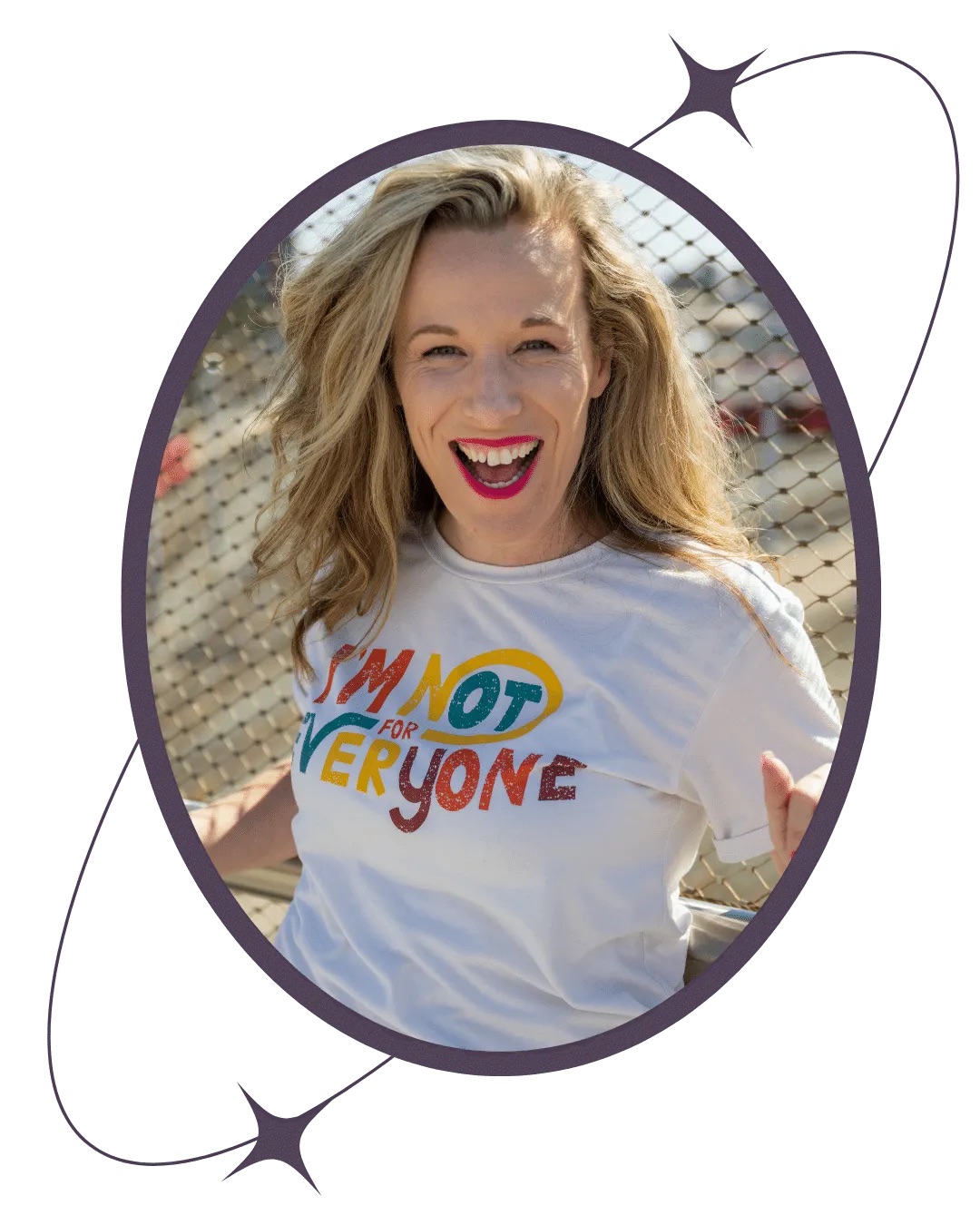

Helping Business Owners 40+ Go from Hiding to High-Impact on Camera | Confidence Coach | Fractional CMO | Podcast Host, Author
Kendra Losee, the driving force behind kendralosee.com, seamlessly combines 25+ years of digital marketing prowess with advanced mindset mastery and NLP techniques to empower business owners to rewire their mindset, master marketing, and claim their success.
As an award-winning marketer with a commanding grasp of digital and omnichannel strategies, she’s the trusted go-to professional who has shared her wisdom as a San Diego social media professor for more than a decade. Kendra’s co-authorship of “Digital Etiquette for Dummies” underscores her expertise. Her live-streaming finesse shines through 100+ captivating interviews with partners, including renowned universities.
With a degree from UCSD and an MBA from Purdue, Kendra’s dedication to knowledge led her to master Neuro-linguistic Programming, Timeline Therapy, and Hypnotherapy, forming a unique blend of marketing brilliance and mindset mastery. She’s ready to guide entrepreneurs over 40, helping them unearth their true worth, build confidence, generate leads, and cultivate purpose-driven, sustainable businesses.


