Jodi Krangle - How Audio Branding Can Transform Your Business
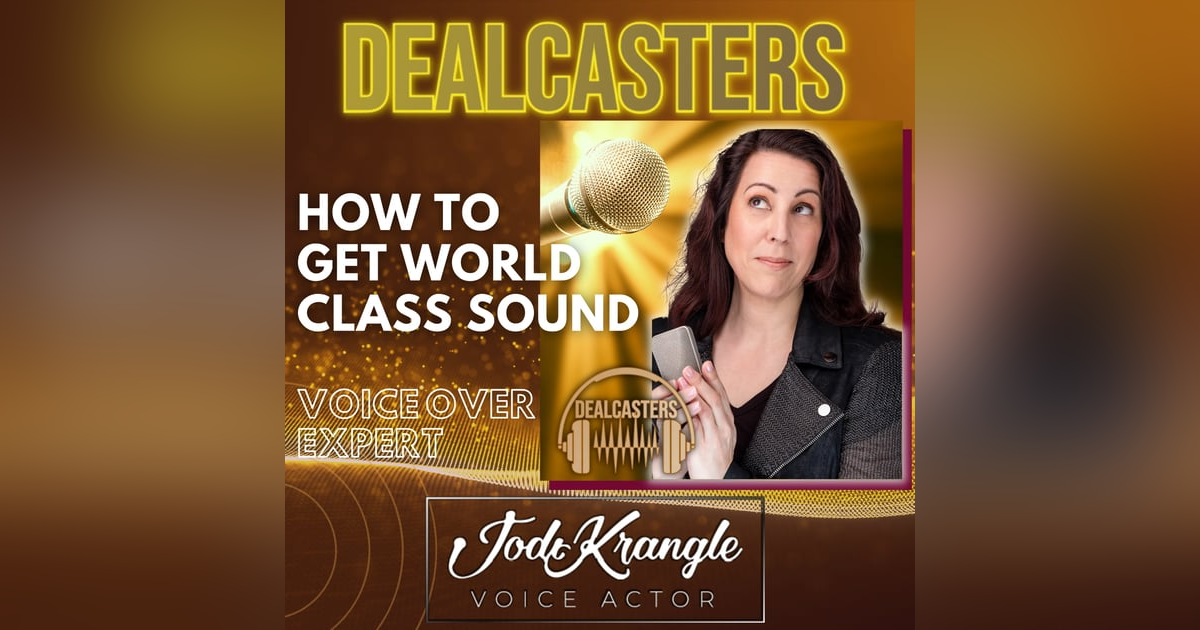


Are you struggling to find that voice for your brand or business? Have you ever considered being a voice actor? On this episode of Dealcasters, we are joined by one of the best, Jodi Krangle.
Jodi has voiced national and international commercial campaigns for companies like Bissell, Kraft/Capri Sun and Visit Orlando, narrated documentaries, corporate videos for Fortune 500 companies and has been the narration voice for shows on many TV Networks Worldwide.
Get ready to learn the power of voice for growing your brand.
This Full video episode available for free at: https://rebrand.ly/JodiDeal
All of the products discussed in this podcast can be found here: https://rebrand.ly/JodiList
All video episodes available for free at: https://dealcasters.live
Follow Dealcasters:
Jodi Krangle - How Audio Branding Can Transform Your Business
===
Chris Stone: [00:00:00] Struggling to find that voice for your brand or your business. Have you ever considered being a voice actor? Well, on this episode of Deal Casters, we're joined by one of the best Jodi k Cringle.
Jim Fuhs: Jodi has voiced a national and international commercial campaigns for companies like Thistle Craft, Capri Sun, and Visit Orlando narrated documentaries and corporate videos for Fortune 500 companies, and has been the narration voice for shows on many TV networks.
Worldwide.
Chris Stone: So get ready to learn the power of voice for growing your brand and hear the buttery, smooth sound of Jodi Cringle.
Jodi Krangle: It's so great to be here. T
Chris Stone: right? It's supposed to sound like that, isn't it? Right?
Jodi Krangle (2): Yeah.
Chris Stone: It's something to do with audio branding. Like maybe we, maybe we need sound effects, maybe effects.
We're not sound effects kind of people, but, uh, yeah. Sound [00:01:00] design,
Jodi Krangle: you never know, right? Yeah. Foley.
Chris Stone: Jody, thank you so much for joining us. This is, and I told you this and I meant it. This is a, there's a lot of people that are people's dream guests, you know, and, and there are like huge names, right? And people will talk about these huge names all the time.
But I love to have people, you're a huge name to me because, um, I, I love the fact that you have, you know, obviously you're a voice actor and you've done these phenomenal, uh, commercials that a, a lot of people probably. Aren't aware of is your voice even they're hearing your voice right now, and they're like, is that, is that familiar?
Or whatever. But I mean, you've done commercials for Dell, for bs, for HGTV. There's all of these brands that you have worked with, with your voice and I can't think of a better to promote, uh, yourself as a voice actor. Then on a podcast about audio branding. It's just like the most brilliant, um, sort of [00:02:00] thing there is.
And so thank you so much for joining us. And I, I, you know, I can't wait to, to get into this, but I'd, I'd love to maybe start if we could, for those, uh, here in the, uh, the, the car buying public on, on Amazon and those that are listening on Sure. On the podcast that we'll be putting out. How did you decide to be a voice actor?
What came about? Was it someone that said, oh, you have, you have a great voice for this, or was it something that you did and it clicked for you? What, what was that first moment for you when, when you decided to be a voice actor?
Jodi Krangle: Well, sound has always been a huge part of my life and, and singing in particular.
I've been doing that since, I don't know, before I could talk, probably something like that. My family's very musical, so we were raised that way, and I always kind of had it in the back of my mind that that was something I really wanted to do with my life. I didn't know what voice acting was. And when I decided, um, around 1995, I [00:03:00] decided to volunteer my time at the Canadian National Institute for the Blind.
So that, uh, was a really interesting aspect of behind the scenes that I had never seen before. And I didn't really know how all of this operated, but I was, we were actually using reel to reel tapes at the time. So it was interesting to me both as the technical aspect. The voicing aspect. And really what I was doing there was not really books, it was more magazines.
It was more the day-to-day of stuff who couldn't see were, were, you know, what they would listen to, to keep them up to date with what was going on. And it was a wonderful experience. I really enjoyed it and I promptly did nothing with it for many years, many years. Um, I, I was actually in internet marketing and SEO for a number of years.
I had a songwriting website called the Muses Muse that started in 95 and went until 2016. But when I started [00:04:00] that, uh, songwriting website, I was trying to figure out how to promote it with no money. Mm-hmm. So I learned a lot about internet marketing and the, the whole SEO thing from like very, from the very beginning of things.
And around 2007, I got really bored with the internet marketing and, and SEO for other people. I just kind of got, I, I, you know, Google was the only game in town by then. I was kind of, I was bored, you know, I was done. And because I was already self-employed, that thing that had been in the back of my head for all this time, the whole voiceover thing was like, Hmm, I think it's time.
I think it's time now, next day. That was my focus.
Chris Stone: Wow. And so is that, and, and from that point you said, I'm starting a business.
Jodi Krangle: Yep.
Chris Stone: For, for doing that. And that was, that was when, now
Jodi Krangle: that was 2007.
Chris Stone: I. October seven.
Jodi Krangle: Yeah.
Chris Stone: Okay. So at that point in time, podcasting was around, [00:05:00] but still was not anywhere near where it is now.
Right. So
Jodi Krangle: yeah, actually the songwriting website had a radio show for a little while. Do you guys remember Live 365?
Chris Stone: Yes, I do. Yeah.
Jodi Krangle: Yeah. So we had a radio show. It wasn't even on there, but it was the same era of that. And, um, we had a radio show that we produced, I think once a month for about 12 months. We had about 12 episodes.
Some of them were using real audio. It was that far back. Awesome. Uh, and it was, yeah, it was just like me and a co-host for a little while and then another fellow who uh, uh, hosted it for a while. And, uh, yeah, it was just a lot of fun. We were highlighting independent musicians, so it was basically a radio show.
With independent musicians who had given me permission to play their music over the internet and we just put it on the website. So yeah, that was my earliest podcast.
Chris Stone: Wow. Do you do, do you [00:06:00] have recordings of that stuff?
Jodi Krangle: You know, I don't know where they are. Yeah, it's, it's so far back now that they're still linked to from the website.
'cause the website is static and just sitting there right now. But, uh, I don't think it goes anywhere.
Chris Stone: Now. You were, you're a musician as well. Mm-hmm. And so you have, obviously that works into, you know, you having a heart for musicians 'cause you were one yourself and a singer Sure. And involved with in, in bands.
Uh, in bands yourself. So it seems like a perfect fit. Were you, um, were you doing any performing as a musician during that time as well?
Jodi Krangle: Yeah, every once in a while. Um, I, I've been with a band called Urban Tapestry since about now 94, I wanna say. Uh, we don't do much anymore. And, and of course now during Covid it's a little hard to do anything at all.
Um, but, uh, we did for a while. We had. One tape. Oh my goodness. One tape and [00:07:00] two CDs and uh, we toured, not really toured. I mean, when you say tour, that, that's kind of assuming that you're going over to many different places and playing in many different places over the period of like a month, right? No, no, no.
We did this from like 94 until probably like, you know, two years ago.
Chris Stone: Wow.
Jodi Krangle: So it's a long period of time. But we did do guest appearances at conventions all across the US in Canada, in Europe. We were in the UK and in Germany. And uh, yeah, it was a lot of fun. And I mean, I have really great memories from those performances, but every year I also perform, it hasn't happened, you know, recently obviously, but in, uh, a small music conference in Atlanta actually.
Um, uh, right near the airport every year. I've been, I [00:08:00] was doing it for 17 years or something like that. Um, one of the singers in a nine piece jazz swing band, and, uh, we're called Play It with Moxie and it's a lot of fun.
Jim Fuhs: So, so are you gonna come back and do that again? Is that in the plan? I'm
Jodi Krangle: hoping to, I'm hoping to.
I really don't know when it's going to resume. It's usually at, uh, January, uh, the, the beginning of January every year. And of course, last year didn't happen. Right. And I'm not sure if this year is gonna happen. It really, I. It depends on vaccination stuff, so we'll see. I don't know. Well, if it, if it
Jim Fuhs: does, let, let us know.
'cause you know, Chris and I can come be your roadies or something. Carry your microphone, whatever you need. Yes, exactly. Yeah.
Jodi Krangle: Well, yeah, with a nine piece band you can imagine we have roadies.
Chris Stone: Yeah. You know, your podcast is about audio branding. Mm-hmm. And I think a lot of people when they, when they think of audio branding, [00:09:00] it's kind of like the last thing they might, they might think about.
And it's like, uh, let me go buy, let me go license some free thing on PremiumBeat or story blocks and kind of like toss it, you know, into and underneath, uh, something. Um, so if somebody were watching, listening right now and, um, they were like, well, how do I, what is, how do I create an audio brand? For myself, for either my podcast or for my business.
And how important is, uh, is an audio brand, uh, to, uh, to someone's overall brand, not just logo, color codes and, and everything else. What, how, what would you say to someone that would say, you know what, um, can I just get music? How important is an audio brand for anyone's business?
Jodi Krangle: I think it's important for being memorable.
One of the things about sound is that it hits us really fast and really deeply, and it's an emotional [00:10:00] shorthand. It gives us that emotional context for what we're seeing. If all you're looking at is the, the visuals of your brand and your logo and all of that stuff, that's not bad. Certainly that's gonna help you become memorable, but it's not gonna be the whole picture.
If you think about the other senses and use them along with the visual, it makes more of an impact and it's way more memorable. And the key thing with audio, if you're going to actually have an audio brand is consistency and, and, um, you know, doing it over and over again, it's like you, you can't just, you can't just do it once and expect people to remember it.
So, uh, you know, repetition and consistency is kind of where, what you're going for. And, uh, you know, in a lot of cases people use this in advertising. So the idea being that the more times you hear something, the more you're going to remember it. [00:11:00] And if you see that with a visual and then you take away that visual and you've heard that thing often enough, all you have to do is hear it and you see that visual in your mind's eye.
Right. So that means that then your audio brand, whatever that happens to be, is translatable in any different language all across the world, right? Like think of Intel, think of McDonald's. These are brands that have used that kind of thing to their advantage, and now you don't need to see the logo of Intel when you hear that da, you know?
Oh my
Chris Stone: God. It was immediately when you said Intel. Yeah, it was, yeah, I was, yeah, it's
Jodi Krangle: there. It's all there. It's in your head, but it's because you saw it so often and heard that that sound associated with it in like every tech commercial you watched over 20 years or something like that. It's been huge.
And McDonald's, it's the same thing, right? It went from one song to a chorus to five notes from [00:12:00] that chorus. But we've heard it so often now that it's, you know. You know, da da da da da. Like, we know that song, right? That's it. Right. So, so these things are, and I think in a lot of aspects that the, the advertisers aren't necessarily thinking about this consciously until it works on their behalf.
And I think that's what's been happening, that we're starting to become, as these things are 20, 30 years out, we're starting to recognize that this is actually a thing. That this is a human behavior we can take advantage of, and it's time and start now, because you're gonna reap the benefits of that 20, 30 years from now.
Right.
Chris Stone: I love, I love how you talked about the repetition, and I'm, and, and Jim can attest, I'm, I'm very impatient and I like to move things around and I love to, you know, change things up and be fresh. Mm-hmm. But you're right in that if you're, if you're promoting yourself, um, there are [00:13:00] lots of people that for are seeing you and hearing you for the first time.
And, uh, your sound. It, you have to continue to get those impressions before, eventually when someone hears something as well as, as as sight, like you said. Mm-hmm. Multiple senses that they're gonna associate that sound with you. And that's what you want. You want, you want to be known and eventually liked and, and, and trusted, uh, in order for, for that business to happen.
And, and Jim and I, um, obviously do a ton of video. That's, that's what we do. But we always say, when people come to us and they say, you know, where do we start? You always start with the audio. Yeah. It's, it, it in, I don't care if you've got, you know, a, a huge Sony, uh, ZV one camera, mirrorless camera, and you've got all this great gear that, uh, you know, we're showing on, on, on Amazon and these really great.
Um, you know, things, it's like you have to work on mic technique, you have to. Mm-hmm. You don't [00:14:00] need to spend $600 if you, if if you got $600 to spend on a mic, you know, knock yourself out. But you should probably learn on something that's great and affordable for yourself.
Jodi Krangle: And it's your environment. Yes.
Yes. Your environment. What you're recording in is what's gonna make that microphone sound good. You can make a Okay. Microphone sound pretty decent if you have sound treatment around you.
Jim Fuhs: Yeah. Jody, we, we talked about that before. Mm-hmm. Uh, you know, we had you come on the show and we were talking about that, and you talked about how you have built.
You have kind of this like mini studio, I guess, which that we're seeing you in right now? It looks, yeah, I have a, a five by an re
Jodi Krangle: Yeah. Yeah. It's five by four, so it's not like a telephone booth. It's a little larger than that, thankfully. So I don't feel like I'm claustrophobic, but uh, but yeah, it is sound treated and the walls are pretty thick.
And what I love about this particular one is that it was custom made for me. So it doesn't have that dungeon look of all the dark foam that every single
Jodi Krangle (2): booth I've [00:15:00] ever looked at has.
Jodi Krangle: Right,
Jim Fuhs: right. You, you gotta have vibes, you know? Yeah. You gotta, yeah. You can see she's got her brand colors there, right?
I
Jodi Krangle: do. Yeah, I do. All of them are. Yeah. But, uh, there's another aspect to the whole audio branding thing, and that is that it needs to also reflect who you are. So your, your logo, your visual logo does that, your audio logo should carry through with that. So you don't wanna disconnect between those two things, or people aren't gonna trust you and they're not really gonna know why.
It's that disconnect. They won't understand why they're not getting it. So you gotta be careful with that too.
Chris Stone: Absolutely. Absolutely. So if I'm someone who has a limited budget mm-hmm. And I want to, um, I wanna do it either a podcast or start in a career because I have a really good voice, um, I'm asking for a friend, by the way, Joe.
And, um, I wanna create a, a, a sound proof [00:16:00] thing. Mm-hmm. Um, and I don't have a ton of money to spend and to have some, you know, professional studio person who can come out and do that. Mm-hmm. But it's gonna, it's gonna cost a lot of money. Where do you start with someone? Um, maybe it's a, a podcaster, uh, who started and, and has, you know, has some podcasts out there, but they're, they don't, they don't sound great because they're in a big room that doesn't have carpet in it, and that's where they're recording.
What are some sort of essential things that, uh, that someone who does either voice acting or podcasting, or even, you know, live streaming could do from a sound treatment perspective?
Jodi Krangle: Well, there are things that you can get for cheap from Walmart. Like, uh, you know, you could get yourself, um, like a, a movable, um, wardrobe.
You know, like one of those wardrobes that you could just put as high as possible and then maybe drape a, a moving blanket over it and just arrange a few of them around you, that would probably do really well. I know when I first started out, I was sitting down at a desk [00:17:00] that I had covered with a blanket and I had put, uh, Ikea curtain rods in on the ceiling in a square around me, put grommets inside moving blankets and hung them around me, and I could just push it aside when I wasn't using it.
So I, I, I, I did that for a number of years and it sounded just fine. You know, I mean, when you have the money and you wanna invest in what is your business, then yes. Right. You go ahead and you, you, you commission a booth or you get someone to sound, treat your room wherever you're recording and you get yourself some really good gear.
But before all that happens, you don't need to spend a ton of money.
Chris Stone: Yeah. And I, you know, all of course all of those items are available on Amazon as well. Um, so, um, I said Walmart,
Jodi Krangle: Ooh,
Jodi Krangle (2): right.
Chris Stone: Um, well that was before Amazon, but now I have, they haven't pulled us down yet, Jody, so, um, okay, good. I think, I think we're gonna be okay.
I [00:18:00] wouldn't wanna be
Jodi Krangle: responsible for that.
Chris Stone: No, but I mean, I, I think, um, I think that's the key and it's really the, the, the show that, that you're on today is, is really centered around trying to help people, you know, like bring on, uh, someone who we consider successful like yourself. Either, you know, thought leaders, entrepreneurs, um, you know, people of all walks of life.
Doesn't matter if you're in podcasting or if you're, you know, whatever, marriage counselor. Um, it, it is the mindset that a lot of people get stuck and they get stuck on the tech. The technology and they get stuck on things like this. Like, I don't sound good. Why don't I sound good? And then they think because they, they clicked a few YouTube videos that they have to buy something to sound good.
Mm-hmm. And if I buy this mic that this person has, I'm gonna sound like that person. And it's just not true. [00:19:00] And it, it's, you can sound like that person with. Like a fraction of the cost if you just understand how to talk into a microphone, how to speak into a microphone. A microphone that is affordable and like you said, some basic sound treatment things.
Yeah. You know, uh, why, why do we have a boom arm, you know, that's, that's holding up a microphone, suspended in a shock mount. Um, you know, this thing right here in front of me, uh, total cost $80.
Jodi Krangle: Yeah. But you don't wanna have a stand on the desk that you are recording from because Right. Every vibration, ev, every movement that even gets near that desk is going to translate into that microphone and you just don't want that.
So yeah, the arms are. Arms. I'm looking at the different, the arms are a, a, an important part. Yeah.
Jodi Krangle (2): Rock. I don't know which will, what's left, what's right. I don't know. Okay. I'm all [00:20:00] confused. Yeah. And it's, and I think, I think
Chris Stone: I, we, many people make it more complicated than it needs to be. And I'm, I'm guilty of this.
I'm guilty of, of, of speaking, you know, I, and I have, you know, like yourself, years of experience with, with audio. And so when someone asks me a question, I, I immediately start talking to them. Like maybe they know, um, you know, 15 plus years. Mm-hmm. Of, of, but I have, you have to go. No, listen. You know, let's, like what you just said, I think there's a ton of people that don't know.
When you get a microphone and it comes with a stand that sits on the, uh, sits on the desk or the table, like every time you tap. It's gonna be something that's gonna register in your Yeah. In your microphone.
Jodi Krangle: Yeah, totally. I mean, those
Chris Stone: are, those are little things that people don't realize, uh, you know, go record in a closet where your clothes are hanging.
Mm-hmm. And there's no bright things around. And then there's carpet. I mean, if you're not, you're not filming it, um, yeah. Doesn't matter. You're gonna sound, you're gonna sound 300% [00:21:00] better Yes. Than you would if you are out in the middle of your kitchen where there's all kinds of bright things. Or in front of your computer, right.
Where there's a glass screen that's bouncing back in front of you. Yeah. Which is another one.
Jim Fuhs: And Chris, you've even, you've even brought up too, right. Little things like people don't realize sometimes it could even be the cabling. Right. Cables go bad and they totally do. I'm sure that's something, Jody, that you probably check often, because especially with what you're doing, you can't afford to have anything.
Distort your audio.
Jodi Krangle: Yeah. Mo Gold. That's what they're called. Ah, go with the mo. Yeah. They're expensive. They are expensive. I'm not gonna lie, but they are definitely worth the price.
Jim Fuhs: Well, it's it's the whole investment thing though, right, Jody? Oh, yeah.
Jodi Krangle: Yeah. And besides you lay down those cords and you don't look at them for years, right?
Like, I don't, I'm certainly not the only one that does that. I mean, I lay them down and they're like, there, they're just there. [00:22:00] I'm never gonna change 'em. They're
Jodi Krangle (2): just gonna sit there. So they better be good.
Chris Stone: Yeah. And I, and, and if you buy great, uh, cables, they'll generally last forever. Mm-hmm. But, and, and the, the difficult part for.
For a lot of content creators is that they don't have the, the money for, uh, ami uh, gold cables. Yeah. Uh, you know, they're, well
Jodi Krangle: do what you have to, but Yeah.
Chris Stone: Yeah. And you know, I've got a, um, I've got a cable tester that I bought Oh, nice. That was like a, you know, like a $40 investment or something. Um, and so that if, if you ever notice a crackle or a pop or something that sounds like a bad cable, I mean, it's, you could test every cable that you've got plugged into your, your chain and figure out which one is, uh, is the culprit.
And, you know, most cables, I guess are, are Yeah. Supposed to have lifetime warranties. Mm-hmm. Anyway. Yeah. Even if they're, well, it doesn't do you
Jodi Krangle: any good if they've broken and or they're not working Right. And you need to replace them in your studio. It just, it shuts everything down. [00:23:00]
Chris Stone: I'm curious about the, the voice, uh, we're, if, if we could go back to the voice acting thing Sure.
A little bit, because, you know, I'm. It's a, it's, it's kind of a niche, uh, business. Right. Kinda. And so, so, and, and we're kind of in a niche business ourselves. Mm-hmm. And, and so, you know, and other people as well. So this applies to not just this in general, but I am, I'm curious, is there, I. Is there like a comm?
Is, is there a community of voice actors that sort of Oh, yeah. You know, work with each other? Is it, you know, 'cause you and I are kind of, we're in the, the pod fest and Jim as well are in the, in the pod fest community, family, yeah. If you will. Mm-hmm. And there's a lot of sharing of best practices and, you know, everybody just sort of working for the, the commonality, the common good of, of podcasting.
And I, I love the podcast, uh, community that Chris Zos, um, has going over there, but. Is, and it's not competitive. It's not like, yeah. You know, I'm competing against another podcaster who's talking about this.
Jodi Krangle: Yeah. In
Chris Stone: voice acting, is it, is, [00:24:00] is it similar to that? Is there a key? Very similar. Okay. It's actually
Jodi Krangle: very similar, which is why I so loved it when I came over into Chris's, uh, community there, because it reminded me of where I came from.
Uh, yeah. Voice actors are remarkably helpful and supportive of each other, and I think it's a, it's a different thing than the, uh, acting on film kind of deal because it's a lot less judgmental in a way, you know, if, if no one's looking at you, it doesn't matter what you look like, it only matters what you sound like that just.
For a lot of people and me, definitely it puts me at ease a lot more. You know, I'm not being judged on, am I too tall? Am I too short? Am I too thin? Am I too fat? Do I need to be blonde? Do I need, you know, blue eyes? You know, like what? I'm never gonna be those things. So, you know, what can I do? Well, if it's only your voice that's getting hired, then that is a lot more, I don't know.
It [00:25:00] almost seems more democratic to me, a strange thing because it's very, uh, it's very subjective, why you would get hired and why you wouldn't get hired. It's not only a matter of the talent you have, that helps definitely. But you have to sound like the voice that the writer was hearing in their head.
And if you don't, you're never gonna get the job. That's just the way it is. Hmm. So, and again, audio branding it is all about their audio brand. If you don't fit their audio brand, if your voice type doesn't match what they were thinking of for what their audio brand sounds like, then they're not gonna hire you.
And I'll work for some brands and I won't work for others. And I totally get that. So among us in the community, it's not a competition thing, it's a, oh, well, I'm not right for this, but maybe my friend Jen is, you know, or, you know, like this kind of thing. So it's, it's very, it's a very helpful and, [00:26:00] and kind and warm community.
And I love being a, a part of it.
Chris Stone: It reminds me like, uh, you know, we had Lois Kramer on who works with other keynote speakers, keynote speaker herself, and mm-hmm. She works with other keynote speakers and, um, you know, to tell them how to make money mm-hmm. And, and, and, and how to develop their, their structures and, and all of that.
And she, she said that the keynote, that she would do a keynote address to a bunch of keynote speakers. And I was like, oh my God. Like, can you imagine the judges? That's pressure, right? That is pressure. And she said, no. She said, everyone in that audience. Wants you to succeed. Yes. 'cause they're, they're the keynote speakers.
And I, and I thought to myself Yeah, yeah. Exactly the right way to be. Mm-hmm. And it sounds to me like that's, that's the way these voice actors are, is like, listen, you know, my voice is not for this, but, you know, I know Jody k crl, who, you know, just did something that's very similar, that what you're looking for.
She's awesome. So I imagine there's a ton of referrals [00:27:00] Yeah. Um, that you get. Um, and so from an outbound perspective, you know, when you're, when you're looking for more business, which is mm-hmm. You know, um, you know, could be easy or difficult, depending, you know, depending on the type of person you are, it's, it's not incredibly easy for me.
I, I love referrals because, you know, you know that that's kind of incoming, you know. Um, but, um, how, I mean, how does a, how does a voice, uh, a voice actor promote themselves?
Jodi Krangle: Oh, there are so many ways. I mean, you know, a podcast. You know, which you're already doing so good on you. Uh, but yeah, like a podcast helps being on LinkedIn and actually commenting on other people's posts.
It's not all about you posting, I think in social media. I think people forget that a lot of the time. Yes. And especially in a, in a business environment like LinkedIn. You need to help other people promote themselves as well as promoting [00:28:00] yourself. And when you like and comment on other people's posts, you are helping raise the awareness to anyone who might be interested in that content.
So the more that you can, it help promote other people, they'll promote you. It's not, you know, it's not something that, it's not like a, uh, you know, I'll do this, so they'll do that kind of thing. Right. It's just, just be
Chris Stone: a good human social. Just be a good human human. Exactly.
Jodi Krangle: Yes. Yeah, exactly. It's
Jim Fuhs: called social media.
Yes, exactly.
Jodi Krangle: But I think a lot of people forget that it's not only about you doing posts, it's also about you commending other people on their posts.
Chris Stone: It's so true. It's so many people. They just. And it could be just because they're a solopreneur and they just don't have time to lean into Twitter as much or lean in.
Mm-hmm. I mean, there's a, there's a gazillion things. Pick your
Jodi Krangle: social media then. Yes. Right? Yes. Yes. I'm on three. I'm on three. Those are the only ones I'm on. Well, okay. Unless you count Clubhouse. Sure. That's kind of a new one, but Yeah. Um, but yeah, you pick, pick the [00:29:00] ones that you know you are going to participate in and concentrate on them.
I'm not on Instagram. People have been telling me I need to be on Instagram for years and years and years, and I have just said, no, I'm sorry. I am concentrating on the ones I know I will be on. Mm-hmm. I just don't need another one right now. I'm not on TikTok either. I think
Chris Stone: it's smart because Instagram is very visual and is very difficult for a, you know, someone who's in the audio space to utilize Instagram in a, in a real creative, social way.
Yeah. It's, it's difficult. It's very visual. Yeah. And I know a ton of podcasters and they're, you know, they're doing audiograms and stuff here and there, but is any anyone unmuting and listening to your squiggly line image of your, uh, it's true. It's, it's, it's difficult to. You know, podcasting in general when you're trying to promote it in something that's inherently a visual, uh, medium.
Jodi Krangle: Yeah. I mean, I know [00:30:00] people who do it and who are doing it. Well, I, I'm sure that there is, that is the case. But for me, I just wanted to focus and I figure, you know, and, and some of them I'm spending less time on than I used to. So that actually is something of a relief to me, actually. Uh, and, uh, it's not all about social media.
It, it, the podcasting community really helps a lot as far as, you know, getting word out there, I guess. Uh, but the social media is something I use as a tool. I do outreach. I do like direct outreach to ad agencies and video production companies every now and again. And, you know, you just keep it short and simple and ask if they have a, a voiceover roster on their team, and if they would be interested in another person on their roster.
And that's, you know, keep it short and sweet. Right. And I have my podcast listed on the bottom of my signature and every [00:31:00] email I send, so, uh, yeah. And, and it's usually of interest to the people that I am promoting myself to. So they're all audio files.
Chris Stone: Well, and you've got, I mean, this is a, you've checked all the boxes for, uh, for a podcast.
And that is, you know, it, SEO has got to be off the charts for you. 'cause the name of the podcast is audio branding, uh, the Hidden Gem of Marketing. And so, like, it's, it's, I always tell podcasters when you're putting a podcast together and you have a, an idea for the name of your podcast, and they'll, they'll say, oh, I want to name it, uh, the name of my business, which is, you know.
Whatever, clever fracking fracture or whatever. Very clever, Jim says something clever. Yeah. But I say no. Think of your ideal listener, your ideal customer. The reason why you're doing the podcast mm-hmm. You is to be, uh, you, you love podcasting, which is, you know, uh, you know, obviously a, a great thing. Um, but you're [00:32:00] also doing this for your business.
So you want to, you, this is your, uh, a resume in a way. It's like a, these, this is social proof that, you know, you actually have a fantastic voice. And so if someone's looking for you and they're your ideal listener, they're gonna start typing audio. Chances are they're gonna start typing audio into a podcast, uh, search engine.
Mm-hmm. And this is gonna pop up audio branding. And so that just totally checks the box. It's big, it's bold and you know, you know what you're getting on this. And I mean, the guests that you've had. On here. I, I don't wanna make you pick your favorite child, but,
Jodi Krangle: um,
Chris Stone: yeah. What, what's, uh, what's been some of your favorite memories from, uh, from doing this podcast?
Jodi Krangle: Well, I have to say, uh, and I even mentioned it in my, um, preview or, or my trailer, uh, Steve Keller, who is the Sonic Strategy Director for Pandora and SiriusXM now and everything they own, [00:33:00] uh, they have a, uh, ad agency, maybe a little more than that. They're kind of like an all around sensory experience really for people, uh, called Studio Resonate.
And they do a lot of really interesting stuff. Um, he was telling me about a. Promotion that they did for Propel the, uh, the, um, Gatorade like drink. It's like an electric, an electrolyte drink. And they did, this is back in 2018, I believe so, um, before all the pandemic stuff, so people were in person. Uh, but yeah, they had DJ stations set up and they would have people taste the drink while they were listening to a sound and dialing in on an iPad, whether or not they wanted more salt or more sweet.
And it was actually changing how they were experiencing the taste of the drink. Wow. At the, at this promotion that they did. Yeah. So how awesome is [00:34:00] that? I mean,
Chris Stone: that's incredible. Yeah.
Jodi Krangle: He's a really interesting study in kind of like the perfect, uh, guest for my show because he's an ad guy, he's a psychology guy, and he's a musician.
So, uh, he's a guitar player, like a, a really good guitar player and, uh, and had, I think, was working in Nashville for a, a time before he actually got into all of this ad stuff and the psychology of it. And, but he talks about the power of sound all the time. And our discussion was really mind blowing. I even made the two, uh, the two parts of our episode into a six minute long video that is off of my website as well now.
Uh, that encapsulates basically a lot of what it talked about into like a really compact thing. It's a, a really interesting two-parter that I really enjoyed. I think that's episode 19. 19 and 20. You know, I've talked to sound [00:35:00] healers, a shamanic sound healer from Australia. Kay Doran is her name.
Chris Stone: So what does a sound healer do?
Healing something with sound, I'm guessing, but
Jodi Krangle: it's almost like reiki, you would almost think of it like vibrational, um, healing, right? Mm-hmm. So, uh, you know, with the use of drums and, and singing bulls and things like this, but there are certain tones that when we hear them, they just relax us. They just bring us back to our basics.
And that can be, it can put you in a meditative state, kind of like a SMR. Mm-hmm. Which is another thing that I've done podcasts on. And, and really I, when I started learning about it, I started learning about it because IKEA did a commercial that used A SMR in like 2016 or something like that. And I remember seeing it and listening to that and going, what the hell is this?
Why is she whispering? Why is she tapping on the lamp? That is so weird. What the hell? [00:36:00] But it was for college students. Right. It wasn't for me. I had no idea what was going on. Uh, now since I've done a podcast about that and you know, done the deep dive, I've become a total fan and I've probably watched something a SMR every night.
Chris Stone: Wow. It's, yeah. I can't, I, I, I run away literally. Um, from anything that does that, Jim will tell you, I'm, I am, uh, tweaked by just the smallest little thing. And I think it comes from years of being in bands and identifying, you know, notes and things. It could, yeah. And, and also just. Podcast editing and video editing.
Oh, I'm sure. Sure. I'm sure. So you have to identify certain things to go, okay, I need to pull this out. I need to, you know, pull in RX seven or whatever. Yes.
Jodi Krangle: However, there are different types of A SMR, so not all of it is mouth noise, for instance, if that's what's putting you off. Well, yeah. Well there's, there's [00:37:00] a lot.
One video
Chris Stone: I saw some guy Yeah. And he was like, miking up parts of his body. Yeah, no. Um, no, that would, yeah, I was like, that would
Jodi Krangle: gross me out too, so, uh, don't, don't worry. Yeah. Um, I actually did a podcast about this and I think it was called, this might Make You Really Uncomfortable, I think is the name of the episode.
And, uh, I actually do in the blog, because normally when I put these out, I put it in a blog format. I link to videos and links and things that people can check out while they're listening to the podcast player that's at the top. I. Uh, and then they can follow the links and watch the videos and see what all of this is about and decide for themselves.
So there is a lot of really interesting linking going on in that particular blog that you might want to explore and see if it, because everyone has what they call different triggers, right? So, um, I remember when I was a kid and I would watch a friend of mine sketch in a [00:38:00] sketchbook. She would just make cartoons and stuff like that.
Um, or draw anime. She was drawing anime. And I would watch her and I would be mesmerized. And it wasn't just the, the seeing of it, it was the hearing of it too. It was the scratch of the pencil on the paper and, you know, just knowing that she was making something from scratch, just putting that out there.
Right. That was fascinating to me. And I recognize that now as what they call the A SMR Brain Tingles. Right. Because it puts you in a meditative state. So there are, and this was like, you know, I might have been all of like 14 years old, right? Like, this is like way, way back. And so recognizing that, that affected me when I was watching the A SMR videos, I knew in a sense I had to sort of experience it to know what I didn't like too.
I knew kind of what I was looking for. So, you know, you, you have to sort of [00:39:00] experiment and see where your triggers actually are. 'cause they're different for everybody. One thing might completely disgust you and it might completely appeal to someone else.
Chris Stone: My son, uh, my oldest son loves sunflower seeds.
Okay. And he likes the sunflower seeds that have the shells Ah, okay. Um, on them. And so he does this thing where he puts one in his mouth and he moves his teeth to where he, he cracks it.
Jodi Krangle (2): Yeah.
Chris Stone: And, and the, the, the kernel or whatever pops into his mouth. And then, and that noise I hear like a mile away and it, it just, it, it tri, that's a trigger.
I, you know, when I hear that click, I'm like, that's a bad
Jodi Krangle (2): trigger. That's a bad trigger.
Chris Stone: I'm, I'm putting the cans on my ears and I'm like, I can't, ah,
Jodi Krangle (2): there are good triggers. Mm-hmm.
Jim Fuhs: We need, we need to find out what those triggers are for Chris. Jody, maybe you can send me a list one at a time.
Jodi Krangle: Like I'm, like I'm saying, if you go to the [00:40:00] actual podcast, like the blog, you can check out some of the videos and if you, if you watch some of those videos, one of them actually has a selection of three different a SM artists doing a bunch of different triggers.
So you might actually figure out one or two that appeal to you in that bunch. There's a, there's a few videos to, to look at though. But you know, I, I talk about all things sound and how it influences us in our daily lives and, and how we buy things. And I just find the whole subject matter fascinating, whether it's healthcare or voiceovers or podcasting or sound design and Foley, which was the latest podcast that just came out, uh, and, you know, all sorts of things in between.
This is so important in our lives, and yet when it comes to advertising and when it comes to a company promoting themselves, it's often the last thing that people think about. And I don't think it should be the last thing. It's important.
Jim Fuhs: Yeah, absolutely. Jody, you brought up something too, and I know you've been, uh, [00:41:00] involved with Clubhouse.
Mm-hmm. And so as an audio person, this is probably almost like, uh, I don't know, it was like Christmas in, uh, July, so to speak, when you've got not only, uh, clubhouse, but now even Twitter spaces. And, uh, Chris and I had a lot of fun last night doing a Twitter spaces during the NFL draft. I mean, we were Oh yeah.
Talking with other people and, you know, real time audio. But it's nice, right? 'cause it's just right. It's just your voice. You don't have to get ready, you don't have to be dressed up. And, uh, what do, what's your take on where the world of audio is going for, for creators in general?
Jodi Krangle: Well, I think it's becoming more and more important.
I mean, we have Google Home and Alexa and all of these things in our houses all the time now. And we're talking to them and they're talking to us. And companies who are not able to differentiate themselves in sound are not gonna be able to be found in Alexa or Google. Like, think about that. Right. How do you differentiate yourself when all you're doing is hearing, does Coke look the same as [00:42:00] Pepsi?
I don't know. I don't think so. I would hope not. But you know, like, do you experience the brands the same way when you're listening to them as you do when you're looking at them? We know they have different logos and they look different by the cans. What do they sound like? What's the sound difference?
That's gonna become more and more important. And I also think that sound allows us to do other things while we're experiencing sound. It's one of those things, you can't watch a movie, actually have your attention on a video and go into the other room and still, you know, unless you, you could hear the sound, but you can't be experiencing both and think you're gonna do something else.
You know, the visual commands our attention. It takes all of our active participation. And yet sound we can do in the background. We can learn, we can listen to podcasts while we're doing the laundry. We can take a [00:43:00] walk while we're listening to a podcast or a radio show or an audio book. All of these things you could be on clubhouse and take a walk and whatever.
You know, provided your wifi is okay, you know, like all of this is, all of this is possible. But the visual end of things commands your attention so much that first of all, it's tiring. 'cause we're all on video all the time. Mm-hmm. Watching things, looking on social media, all of this stuff, it's very tiring, it's exhausting.
And yet sound can slip into those cracks the way that water does in a glass of stones. Right. And you can just sort of experience the audio and get what you need from it without having it take over your life. And, and right now we need that.
Chris Stone: I think audio as well allows your brain to imagine. Yes. People ask me, you know, you know, sometimes you'll be hanging [00:44:00] out having a pint with friends or whatever, and somebody will say, well, you know, what's the scariest movie that you've ever seen?
And my answer is always alien Uhhuh. And the reason why is because you never saw the monster until the very end. And so you heard it, you heard the, all of the, you know, all of the like horrific things that were happening. And you heard it just running over somebody or, or whatever. And in my mind, it was the most terrifying thing.
Yeah. I could ever imagine. Yeah. But once you see it, it kind of like, okay, now I, now I see it. And it's not as terrifying as what I was imagining.
Jodi Krangle: Jaws is the same way, right? Yes, yes, yes. Yeah. I mean, the moment you saw Jaws, it wasn't quite as scary anymore. But the only way that you really understood how dangerous that creature was, was you saw, I mean, you saw the aftermath, but you heard that Donna.
Donna, right? Like that was mm-hmm. That sound, [00:45:00] you know? Right. That was your warning. So it's been in use a long, long time. And also, when you're talking about movies, if you watch a movie and you turn off the sound, you get the idea, you understand maybe what the sequence of events is, you know what's happening, but you don't get any of the emotional context.
Mm. And I think that's what sound does for us. It gives us emotional context. I know when I'm doing voiceover, if someone can give me the music that they're thinking of putting underneath what I'm speaking. Oh my God. That's like, ha ha, that's like, that's like my aha moment. That's like everything because it gives me the emotional context of the piece and it lets me know exactly where my vocal tone needs to go.
What kind of, um, you know, what kind of formality I need or don't need, what kind of, uh, lightness or heaviness of tone I need. All of these things are, they're given as hints in the music, [00:46:00] in the emotional context of that sound.
Chris Stone: So what you're saying, Jodi, is that you would never do the voiceover for deal casters 'cause we're just, uh, we're too aggressive.
Is that what you're saying to us right now?
Jodi Krangle (2): Not at all. You, you'll take our check. You'll Yeah. No, you're saying there's a chance. Gimme the music. Gimme the music. I'll make it work.
Chris Stone: No, it's, it, you know, you're in a, as a solopreneur, you're in, you're in the spot that I think a lot of other, uh, entrepreneurs wanna be in.
That is, you know, you're, if someone were to see what you've hear, what you've done mm-hmm. And see what you've done. Yeah. Right. I think people like myself ask, I wonder if I can afford her.
Jodi Krangle: You know, not everyone can
Chris Stone: Exactly Right. That, that I, that's, yeah, that's where you want to be. It's like, mm-hmm. This person has done these things for all of these brands.
I wonder if I can afford her. And I think that's where you want to be as an entrepreneur. Sure. [00:47:00] Absolutely. Yeah. Because you've, you've, there is a value for your services. There is a price for your services and you've earned that. And I, I think, you know, a lot of people want to be there. And if you're, if you're an influencer and you're listening or you're watching, you know, and everyone's like, you know, all of these brands and stuff are, are talking to, to us and talking to other people, it's like, this is the price.
This is what you get. It's worth it. So if, if somebody's trying to discount you down. That's not my price. This is my price. And so we're not for everyone. Yeah. And that's okay. And I, so I, I commend you on, uh, having something that, um, is, is valuable in terms of, uh, of your brand. And I think that's, that's where a lot of entrepreneurs wanna be.
Jodi Krangle: Well, thank you. I think also that artists need to keep in mind that starving artists should not be a thing. Amen. I'm just, I'm, I'm just putting that out there. Amen. I, if you wanna be able to create the art that's, that feeds [00:48:00] your soul and other people's souls, you need a roof over your head. You need to be able to afford meals.
Right. You know, and, and. I, I have always been upset by the idea that artists are not paid what they're worth. That upsets me. So I, I really feel strongly that artists should be asking for what they need and not assume, oh, you know, uh, like a, a lot of, a lot of people say, oh, well, I'm new. I don't really know this.
Well, if you're creating beautiful art or a beautiful piece of music and you're just starting, it doesn't matter. It's still a beautiful piece of art. It's still a, a beautiful piece of music or whatever it is you're putting out in there. It deserves to allow you a living, you know? And I think a lot of artists feel guilty charging money, and they should not.
Jim Fuhs: Do you think it's partially because I would say sometimes I feel like artists are giving people to begin with, and they, it's almost like they don't really think that they're worth what they [00:49:00] truly are. I, I think, like when you, when I look at you, Jodi, and what you've accomplished. You know, what people don't see is, you know, like Chris and I, we were ta Chris was talking about earlier, there's a lot of hard work that went into getting you where you are today.
There's hours and hours Oh yeah. That you'll never get back. And that's what I think people forget is like, you make it appear easy and natural because you worked at it.
Chris Stone: Yeah.
Jim Fuhs: And I think it's the same with these artists, right? They've done all this work to have that talent. I mean, I sure as heck couldn't do some of these things that these artists do.
And, uh, yeah. So I, I'm, I'm with you on that a hundred percent Right. People deserve
Jodi Krangle: Yeah.
Jim Fuhs: To get what they're worth.
Jodi Krangle: And we need to value their, what they put out there in the, into the world, because the world wouldn't be nearly as enjoyable a place without it.
Chris Stone: A hundred percent. A hundred percent. I, and that's it.
It's the musician mentality too. I mean, you talked about going on tour, you talked about, and so if you were, you know, you're a singer or you're a musician, you're sort of used to, um, you know, doing a bunch of stuff for nothing.
Jodi Krangle: [00:50:00] Yeah. Oh, musicians all the time.
Chris Stone: I mean, you're certainly not making any money from selling albums, cassettes, eight tracks or whatever,
Jodi Krangle: you know?
It's all streaming media now.
Chris Stone: Yeah, and it's so, it's like fractions of a penny for someone to access and be able to enjoy your art. And, um, I have a total respect for musicians because again, to Jim's point, they spent years to get to that point, uh, for you to listen to this work of art that they created.
Mm-hmm. They should be paid for that. Yeah. Um, you shouldn't want, want it for free. It's not like information on the internet. It's, it's something that, uh, you should want pay for. So,
Jodi Krangle: and you know, we all know how reliable information on the internet is.
Chris Stone: Oh, it's all true.
Jodi Krangle: There's a reason you don't pay anything for it.
Jim Fuhs: Jody, I, I, I do have a, a a question too for, for our, our listeners and our viewers. Sure. Um, [00:51:00] what would you recommend, like, even with what Chris and I do, how do you like, prepare your voice? How do you I don't keep it healthy. Maybe, you know, how do, is there, is it even possible to get more range into it, or is it like, as you get older, like, you know, so, you know, too sad, so bad.
I mean.
Jodi Krangle: Well, I'm not a vocal coach, so I will put that out there first.
Jim Fuhs: Right?
Jodi Krangle: Keeping yourself hydrated is really important, but also keeping yourself hydrated at least 20 minutes before you're going to do anything with your voice. Mm. Because your body needs time to absorb that liquid. It needs time to do what it needs to do with it.
So you can't just be sipping water while you're doing a project or on a podcast or, you know, or, uh, whatever you're doing, expecting your voice to perform when it hasn't had the liquid it needs already. Uh, so that's one thing. The other thing is, um, is just breathing. And I know we all know how to breathe.[00:52:00]
One would hope or we wouldn't
Chris Stone: be watching this. Are we gonna get a demonstration for that too, Jodi?
Jodi Krangle: Well, actually that ties back into the podcast a little bit because I just had a woman named Cynthia Jai on my podcast, and she is a vocal coach for CEOs. So she basically teaches people how to more effectively use their voice so that they sound like they should be in A-A-A-C-E-O, right?
So that they have more confidence in the voice that they're putting out into the world. And one of the things that she told me about was that people are not breathing properly a lot, A lot of the time they are sucking in air and and sucking in their stomach. They're tensing up as they breathe. And what you really should be doing is using the balloon method.
So if you're taking in air, your stomach should be going out. So if you're taking in air, your stomach should be going out, and as you're releasing air, your stomach goes back in. It's like, it's like inflating and [00:53:00] deflating the balloon, right? Yeah. Yeah. I can't, it takes some thought.
Chris Stone: I was gonna say, I'm, I'm sitting here trying to do that.
I, I'm having some trouble, Jody. I'm not gonna lie. It's not going out. But you learned
Jodi Krangle: that because, because it's, it's a tension in your body. A lot of people have learned to breathe the other way because they're tense. And so when you get used to that, that's just how you think it is. But that's not how it is.
So what happens when you breathe properly is that you get the resonance in all of the chambers of your body, including the chest, which is really one of the biggest ones that we need to use and don't use all the time. We always use from here up a lot of the time. And really to support everything you need the whole of your body to be a part of that breathing and breathing properly helps you do that.
Chris Stone: God, I just, I, you, I, I'd never think about it. I never think I know breathing [00:54:00] unless I'm, you know, swimming or something. Yeah. Where it's like you, you know, you have to figure out how to hold your breath if you go underwater, right? Yeah. But, uh, yeah, I never think about it. I, I absolutely never think about it.
We, we go live all the time. We're always doing podcasts, we're always doing that. And I never think about it. And it could be, uh, something that could relieve a lot of stress from definitely for myself personally, but I think a lot of people may be listening, viewing are, are thinking the same thing like. I have to, I just did it right there.
It worked. My stomach went out when I, when I breathed in and Okay. Yeah. Okay. You know, and I, I feel better already, Jody. No, but seriously, I, I, it's, it's something you have to be a little intentional about and Yeah. And really think about breathing and taking care of self-care is huge, right? Yeah. And so when you're in the business that you're in, and you know, more so than us, because, you know, we, our voice is a part of what we do.
Mm-hmm. Your voice is like, you know, it's what I do by Lloyds of London, right?
Jodi Krangle: Yeah, yeah, yeah. But there's [00:55:00] more that, uh, not, you know, uh, relieving stress basically is a really good thing. And for public speakers, this can work as well. Uh, but you know, anyone who uses their voice, anyone who needs to de-stress, just take a breath and let it out.
Like a sigh. Just have a sigh. Whew. Like when we let out a sigh, doesn't that just feel better?
Chris Stone: Yeah, it really does. It
Jodi Krangle: just does. Yeah. So that was another thing that Cynthia was telling me about one of the episodes, uh, when I promoted it, I actually talked about the power of a sigh, because that really is powerful.
It just, it relieves tension and stress and lets us concentrate. Right. Especially for public speakers, because when you're speaking in front of a crowd, you can kind of get really tense and like your voice speeds up and you're all, you know, you're, you're raring to go, but you just want you, you can't slow down.
And you, you know, and it all just becomes a bit much. And you want the audience to be as calm, listening to you and watching you [00:56:00] as as you want, you know, anyone to be as you hope to be. And it just makes the experience much more pleasant for everyone, all around
Chris Stone: God. That's so, that's so helpful. I mean, we talk so much about helping other people.
Speaking and it's, it's usually related to, um, the equipment and getting past that. And there is, you know, mindset is certainly a, a big part of it, you know? Mm-hmm. We, we touched on today, like, you know, your voice may not be for everyone. We, we talk about that all of the time. Yep. And being, you know, having that, that tough skin to realize that, you know, people are listening to me right now and they can't, they don't like my voice.
That's okay. I'm, I'm okay with that, you know, but I've been in bands for years. I'm, I'm used to being heckled, so that's okay. Yeah. I, you know, I, I'm, I'm, I have, I have a good time. But like, what you're talking about, I wanna add to, to the mix, right? It's like, take time to pause and breathe and [00:57:00] then. Start, you know, I think we were, we're just like, go, go, go, go.
Hit the button. Hit the button. You gotta go live, you gotta get the reps in. And, and it's like, yeah. You know? Okay. But before you do, breathe in. Stomach out. Yeah. Have a sigh. Yeah. And then hit the button.
Jodi Krangle (2): Yeah.
Chris Stone: You know? And, and don't hit your water.
Jodi Krangle (2): Don't forget your water. Yes. Can't forget the water.
Chris Stone: Oh, amazing, amazing.
Jim Fuhs: I I'll tell you that for, for most of this episode, I've just been mesmerized listening to her voice. 'cause it's just, you know, I mean, Chris, if, if you think my voice sounds good. Have you heard this voice?
Chris Stone: Well, I told, I told Jim, Jody, I told Jim, I was like, when, when, uh, when he told me, um, that, uh, that you were coming on the show.
Mm-hmm. I was like, Jim, you know, you're, you're putting yourself at risk because, you know, all of a sudden the buttery smooth sound of Jim Fs is, is being usurped right now in, you know, live on Amazon because, [00:58:00] uh, because Jodi has, has joined us. And, and I don't know, Jim, I just, I don't even know if I can say it anymore.
I'm fine with that.
Jodi Krangle: Okay. I'm not gonna be taking his jobs. I mean,
Jim Fuhs: you know. No, Chris, we're gonna have to start saving up some money just so we can get Jody. Yeah. We can't, our voiceover right.
We, we'll have to, we'll have to open up a 401k so we can afford Jody, but that's okay.
Chris Stone: Everyone ba make sure you check out audio branding, um, the Hidden Gem of Marketing Jody's, uh, podcast, which, uh, we touched on a number of, uh, of subjects and yes, it sounds phenomenal. I can guarantee it sounds, it sounds phenomenal.
So if you want to, uh, to definitely, I mean, like so many great gems that you've, uh, dropped, uh, today, Jody, we wanna be sure that everyone who's listening, uh, or viewing can get in contact with you. I know voiceovers and vocals, uh, uh, dot com is the spot. [00:59:00] Mm-hmm. You touched on the blog, which I think is the same slash uh, but slash blog.
It's just
Jodi Krangle: slash blog. Yeah. Got it.
Chris Stone: Um, and so that's where you can go and, and, you know, watch those videos, listen to the podcast. I mean, it's incredible, Jody, that here we are on Amazon and we still talk to people every couple of weeks that. Don't know that podcasts are free. Wow. And, and I understand that there are now some subscription services, so I don't wanna say all podcasts are free.
Um, but the podcast service on, on Amazon here, all you gotta do is download your Amazon music app, which is free. Mm-hmm. And you can get audio branding with, uh, Jody Crel, and it's free as a bird. And, uh, you get all kinds of, uh, great nuggets like, uh, like we were able to share with you today. This has just been awesome, Jody.
Thank you so much for this. Could I just mention
Jodi Krangle: one more thing? Oh, absolutely. One more thing. I can mention
Chris Stone: as many things as you want.
Jodi Krangle: Well, I just wanted to mention Clubhouse because I know that that's what I was gonna
Chris Stone: ask about. Yeah. Yeah.
Jodi Krangle: Because, [01:00:00] uh, I have a weekly discussion. Wednesdays at 2:00 PM Eastern.
On clubhouse called Audio Branding. Let's discuss the Power of Sound. And we just have an hour long conversation talking about maybe some of the topics I've brought up in the podcast, but it's co-hosted by a whole bunch of other people in the sound industries. So anyone from, um, sound and healing to sound designers and voice actors and podcasters and filmmakers and all of everything that has to do with sound.
And we just have a discussion and it just goes where it goes. Uh, I think, um, next week we have a particular theme, but you know, we talk about voice AI as well. There's all sorts of things that are Oh, cool. Yeah. Really fascinating discussions. And I, you know, I'm there, but I'm not always the, the, you know, the expert on stage.
There's like a bunch of people co-hosting with me who have expertise in. A whole number of different, uh, areas, musicians as well. [01:01:00] So yeah, it's just, it's a great conversation. So if anyone wants to join and if anyone wants to co-host at some point with me, they're welcome to reach out on Twitter or, or LinkedIn and uh, and they can reach me that way.
And through the, and that's, that's
Jim Fuhs: Wednesdays 2:00 PM Eastern?
Jodi Krangle: Yep. Yep.
Jim Fuhs: Alright. That sounds awesome.
Jodi Krangle: That's, that's when the podcast is released. It's released in the morning on Wednesdays, so, yeah.
Jim Fuhs: Okay. Awesome. Well, this has been amazing, amazing episode. Jody. Thank you so much.
Jodi Krangle: Happy to be here. This is great.
Love to have
Jim Fuhs: you back sometime if, if you'd like to come back again, I'm sure there's other stuff you'd like to talk about. I.
Jodi Krangle: I am always game anytime, guys, this has been fantastic and, and uh, and, uh, she was right. You're really good hosts.
Chris Stone: Oh, thanks so much, Jody. And for, uh, for those of you who have stuck around the whole time, we. Appreciate, uh, you, we appreciate, uh, everyone and, uh, as always, don't fear the gear.
Jim Fuhs: Thanks for listening to Deal Catchers. [01:02:00] Congratulations you've taken another step forward in your content creation journey. Please don't forget to hit the subscribe or follow button here in your favorite podcast player so you can be reminded every time we drop an episode,
Chris Stone: we'd love hearing from our listeners and viewers.
If you're wanting to watch our shows live on Amazon, feel free to follow deal casters live as well at deal casters. Follow us on Twitter or subscribe to our YouTube channel. Will we also include added content that you cannot find anywhere else? If you have questions
Jim Fuhs: about this episode, perhaps something you want us to review, you could also email us at deal casters.
Thanks again for listening and you know the deal. [01:03:00] Don't.
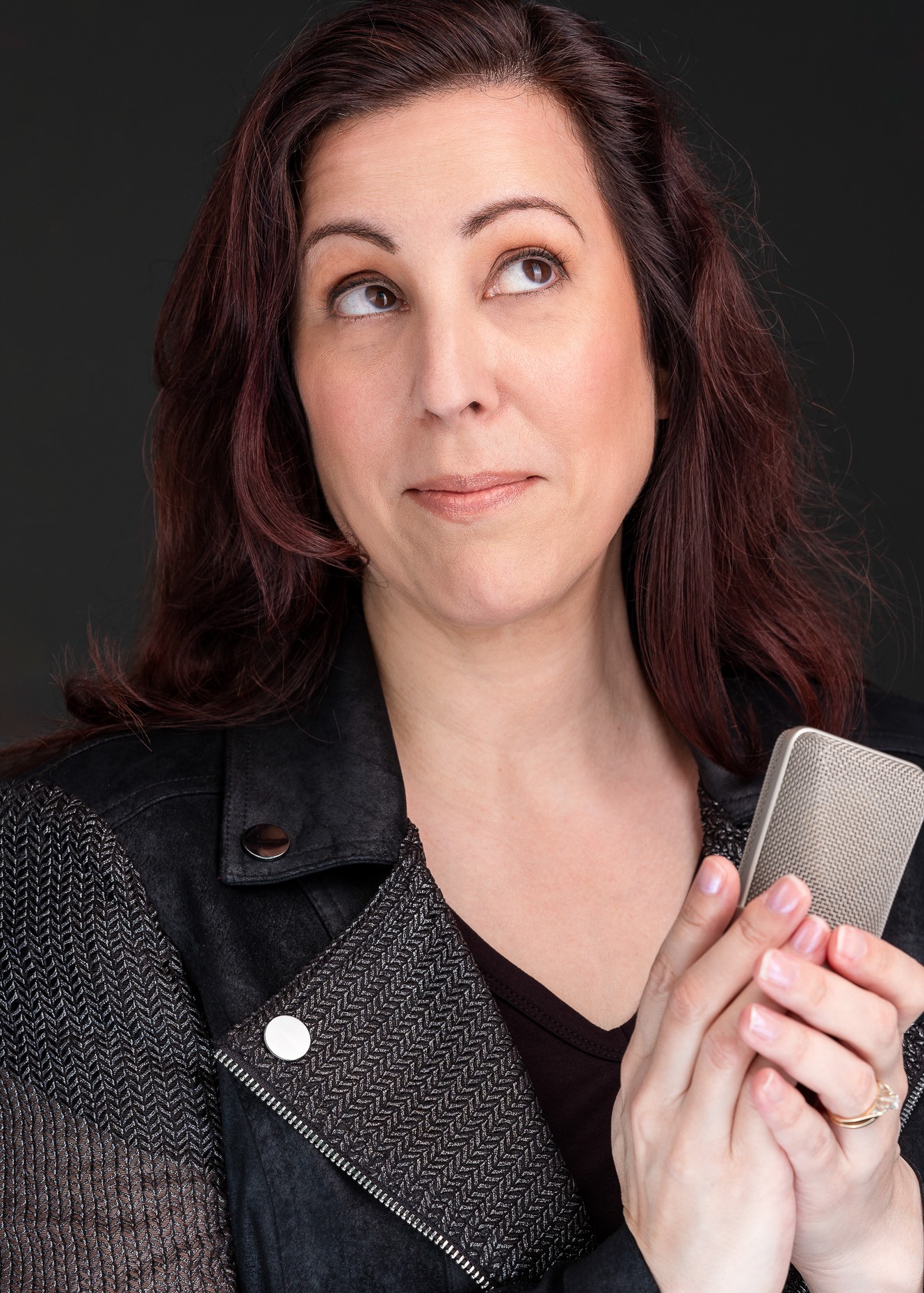
While collaborating with clients all over the world, Jodi has voiced national and international commercial campaigns for companies like Bissell, Kraft/Capri Sun and Visit Orlando, narrated documentaries & web/explainer videos and has been the narration voice for shows on both Slice Network in Canada and HGTV in the US.


