#96 Kyle Pertuis: Unlocking Leadership Potential and Cultural Growth


My guest on this episode of the podcast is Kyle Pertuis of Mindfit Coaching. Kyle and I have known each other for at least 25 years, first meeting in Lake Lure when he was in the hospitality business. Now he is a coach, and I was intrigued to hear what he’s been up to in the last decade or so, and what drove him to make such a huge career shift.
In this episode, we are catching up with each other after many years of not seeing each other, and along the way, Kyle offers many coaching insights that apply to many different domains. For example, he has some really useful distinctions on what makes a good team.
Here’s a summary of his biography:
Kyle Pertuis is the Founder and Head Coach at MindFit Coaching, Inc. in New Braunfels, TX. He is a seasoned Professional Executive Coach and Leadership Development Consultant with a 25-year track record in designing and facilitating programs to optimize strong organizational culture, business growth, leadership development, personal effectiveness, and employee engagement. Kyle’s coaching and consulting expertise have supported numerous Fortune 500 companies as well entrepreneurial start-ups.
Ultimately, his coaching style is rooted in his passion to support people with a values-based approach to creating positive and lasting change in their business and personal lives. As Founder of MindFit Coaching, Inc, he works primarily with leaders and their teams enabling them to maximize their highest potential and performance levels. For well over a decade Kyle has taught, trained, and certified over 1000 professional, executive, leadership, and life coaches.
Kyle says Simply Stated--Coaching is not a BUSINESS—it is a MINDSET and an enhanced level of communication to inspire, motivate and empower others to act!
This episode was a real treat for me to catch up with a longtime friend and colleague. I hope you enjoy this episode with Kyle Pertuis.
Intro 00:02
Lynn, Welcome to Creative spirits unleashed, where we talk about the dilemmas of balancing work and life. And now here's your host. Lynn Carnes,
Lynn 00:19
welcome to the Creative Spirits Unleash Podcast. I'm Lynn Carnes, your host. My guest on this episode of the podcast is Kyle Pertius of mind fit coaching. Kyle and I have known each other for at least 25 years, first meeting in Lake Lure when he was in the hospitality business. Now he is a coach, and I was intrigued to hear what he's been up to in the last decade or so, and also what drove him to make such a huge career shift. In this episode, we're catching up with each other after many years of not seeing each other, and along the way, Kyle offers a lot of coaching insights that apply to many different domains. For example, he had some really useful distinctions on what makes a good team. A conversation in this podcast that I really enjoyed. Now here's a summary of his biography. Kyle Pertius is the founder and head coach at mind fit coaching Inc in New Braunfels, Texas. He's a seasoned professional executive coach and leadership development consultant with a 25 year track record in designing and facilitating programs to optimize strong organizational culture, business growth, leadership development, personal effectiveness and employee engagement. Kyle's coaching and consulting expertise have supported numerous fortune, 500 companies, as well as entrepreneurial startups. Ultimately, his coaching style is rooted in his passion to support people with a values based approach to creating positive and lasting change in their business and personal lives. As founder of mind fit coaching Inc, he works primarily with leaders and their teams, enabling them to maximize their highest potential and performance levels for well over a decade. How has taught trained and certified over 1000 professionals, executives, leadership and life coaches. Kyle says simply stated, coaching is not a business, it's a mindset and an enhanced level of communication to inspire, motivate and empower others to act. So this episode was a real treat for me to get to catch up with Kyle as a longtime friend and colleague. And I really do hope you enjoy this episode. Kyle Pertwee, welcome to the creative spirits unleash podcast.
Kyle 02:25
Thank you. It's good to be here. Lynn,
Lynn 02:27
I am glad to be here. This podcast is going to be maybe a little different than some, in that we are, in a way, two long time friends that have not caught up in a while. Yeah, a long, long while, long while, and one of our thoughts about getting on the podcast together was our lives have taken a lot of different turns, and we've learned a lot along the way, and we were going to kind of just share those things in a conversation together so other people could hear it. Yeah, I love it. I'm curious for you, what would be the one thing in the last I'm trying to think how long it's been since we lived in the same town. But what has it been 15 years?
Kyle 03:11
Well, yeah, we we left Lake Lure in, oh, five when we launched in Greenville. So it's been 2020, years since we were there.
Lynn 03:20
And see, I still feel like you are such a part of my life here, because we used to see each other so much. Yeah, so in the last 20 years, what would you say is a change that you've made that I wouldn't be able to see on the surface, but that you know, has changed since I last got to see you all the time. Yeah, I
Kyle 03:41
Well, I think that the quick, very complicated answer is shortening the longest distance between my head my heart. I think when we made the choice to leave that area, there was just a lot of self exploration that I I needed to do, and dove into head first. And so I think on the surface, you wouldn't see reconnecting with core values and probably living into those more fully. Yeah,
Lynn 04:16
what do you think triggered that? What made you decide to do that
Kyle 04:22
good? There's a lot of things, you know, if I if I had to pinpoint, I think, I think they're just, I believe this to me, it was, it was my faith that said, Hey, you're not going in the right direction. And so there was, I don't like to use the word awakening, but there was an awareness of taking small moments to step back and look at things from a lens, other than being in the middle of whatever was going on in my life and really being able to, you know. Victor Frankel says it's that that gap between stimulus and response and really being able to capitalize on those small pauses and ask questions around, huh? Why is this happening? Or is that what I stand for? So I think there was some awareness that was influenced by a lot of a lot of different things, my family. Lynn, you, you directly and indirectly, raised some questions for me during a time that was challenging, and I think it allowed me to tap back into to wanting to rediscover who I really was, because I felt like I had lost some of that during that
Lynn 05:35
time. Yeah, yeah. Well, I mean, a lot of us can lose that, and you were in a business, the restaurant business, where one of the things that stunned me when I sat, and it might have been with you, but the number of decisions per day that are getting made in that business, and they're large and small. So I often think about leadership decisions as either being made, you know, something that matters in the next five minutes. Are we going to get this person a table, something that matters in the next six months? What are we putting on the menu, something that matters in the next six years? Should we build another location? You know, those kind of decisions I've I've never been in a setting where all the different types of decisions were being made in the same space, often at the same time. And sometimes I looked at it would be like, this is 100 decisions an hour or more. Yeah, right. And so it's not a wonder to me that you would kind of lose sight of core values in the bigger picture, because it's also a very interrupt driven business. So much stuff is coming at you at once. At once.
Kyle 06:44
Yeah, yeah. A lot, a lot of distractions. And I think hospitality for sure, from the outside, consumers just demand and what their expectations met. From the inside, you start to gain a different appreciation. And I would say that about any of those kind of full throttle businesses, like, yes, you know, healthcare, construction, education, to some extent. So I think there's a lot of nuances that are, that are so, yeah,
Lynn 07:11
yeah, there are. And one of the Have you watched the White Lotus series? No, oh my gosh, you have to go watch it, because the hospitality side. It shows you, sort of the consumer side and the hospitality side, the front of the house, the back of the house. And you just kind of get this whole different perspective. To me, of course, they're always putting extra drama and murders and such like
Lynn 07:35
that. Make for good watching without watching if they
Lynn 07:37
didn't include that. But also showed, you know, it kind of reminded me again. And I think this is true. Disney talks about the front of the house, in the back of the house a lot, but this is true of a lot of businesses, especially that are consumer facing. Where you're you're being, you're almost required to be two faced, you know, smiling at the front, bitching in the back, if you will, because somebody just made a ridiculous request or whatever. So how did you then, and how do you now reconcile those things of, you know, living to core values and being consistent and congruent, but also recognizing that you're serving clients still. Yeah, yeah.
Kyle 08:24
I think, I think when you are in the business, the way you describe being two faced is, if the intention is right, you're honestly trying to serve the individuals that are, that are your clients, right, that are that are paying the fare, but at the same time, you've got to serve the people that are making that happen, right? And so culturally, I think there's a balance in that if you're going to have a successful operation, and really in any industry, you understand the balance between that. The challenge is when it becomes form over substance, right? And it's, it's just kind of that, that very obvious, oh gosh, you know, they're such a great manager, they're such a great leader. And then the flip side is, well, you know, which version are you getting,
Lynn 09:15
right? And do we not, as humans, have a little bit of a bullshit detector that can tell us when somebody's really, honestly smiling and when they're just putting on a
Kyle 09:24
front Yeah. And the funny thing is, consumers can too, yeah. You know, when we're stuck in it, though, we just think we're pulling it off. And yeah, you're always going to be able to pull the wool over some people's eyes, but others, you know, it doesn't work. And that, again, that's the front and the back of the house, and so I think you see a high churn rate in that industry because of it. I think you see people that are can just move on to the next thing, that don't really commit to to the organization that they work for, because there's really no substance from mission, vision, values that connect people to a passion that they have for serving. Other people, right? Yeah. And I think that was a big challenge, because that's, that's really, I think, at my core, why I got into that industry, and whenever I started, probably in high school,
Lynn 10:13
yeah. Well, so, you know, I don't know that you and I have ever talked about this, but I'd be curious when you made the shift, because it was, it was kind of, was probably not sudden to you, but all of a sudden you were, you were you started mind fit coaching and and I'm trying to remember if you did that before you went to Greenville, or after, or when you moved to Texas. But take me a little bit through how you made that decision, and sort of what the what the birth of mind fit. Coaching was like,
Kyle 10:50
yeah. So we, we had opened the newest and largest location in Greenville and oh, five, right? And that was a massive undertaking. In fact, we moved down there in a short period of time. We had two kids. So now we're in October of Oh, eight. And I think for probably some some time, the whispers in the back of my ear or back of my mind were this, this is not the long term trajectory. You know when, when my partners would ask questions like, isn't this going to be great for you to be able to turn this over your kids to you? And I said, Hell no, it's not. There's nothing great about that, right? When you know you can answer, when you can have that hard line of an answer, you know in your core that this is not the right direction. So So in Oh, eight, our daughter was born. I think to me, that was probably one of the most eye opening moments where I really just said it's time for something different. Worked with a number of mentors, got some coaching, decided to give it an you know, another year, things continued to to go in directions other than what I felt like they should have. And so in oh nine i i basically left. And so I started mind fit coaching. No idea what I what I was doing at that point, that was probably October or so, but I knew I wanted to help people that felt stuck, and I didn't know what that looked like. I didn't know who I was going to work with. I took, probably, took, probably six months off, and just basically went into isolation and hibernation. And during that time, I read as many personal professional development books I can get my hand on. I did assessments for myself, strengths, finders, you know, all of those types of things, just to try to reconnect. I think I had April, took the my wife, took the kids back to Texas for a week, and I got the biggest sticky notes I could find and put them up all over our glass windows. And, you know, just kind of went through this self analyzation process. But I'll tell you one of the best exercises I ever did. I don't even know where I came up with it. I'm certainly don't claiming it to be proprietary, but I use it a lot for people. Is over the past, I think I went back two to three years. I made a list of the top 10 people who'd had the biggest impact or influence on me, and really dove into, what do they do? What was it about them? You know, energetically, what was it about them? Personality wise? What was it about the way they led themselves, that I was attracted to or that I that I really valued or appreciated? And I think seven or eight out of those 10 people, by the way, you were on that list. Were in some type of professional helping modality, whether it was coaching. I had reconnected with an uncle of mine that was a pastoral counselor, my running coach, and I had had a number of conversations deeper than just running executive leadership coaches, people in the personal development space that I had attended, you know, conferences with, and become friends with, as mentors. So I just kind of knew, then I was like, yeah, that's, that's the path. And so I took a, took a position as a a consultant with a small firm out of Chicago, and was traveling every week while I went and got a coach certification.
Lynn 14:25
I think that we ran into each other in the airport. Yeah, yeah, yeah. We did a couple of times at the end in terminal e at the far end, I look up and there you are running from one place to the other. I remember,
Kyle 14:38
yeah, and that airport is much more crowded now than it was.
Lynn 14:42
It's not the same as it was back in the day.
Kyle 14:44
Yeah. So, so, yeah, I did that for a year, got my coach certification, and probably, I don't know, it was probably April or so of of 2010 I said, I'm done. I'm not. I'm. Not going to travel like that for somebody else anymore, and just hung my shingle and never looked back. So that was, that was kind of how it evolved.
Lynn 15:10
Yeah. Well, isn't it interesting? I really love the sticky note exercise. I, you know, we probably use them together because, you know, I use those all the time, like they've been all over my glass walls, whether I was writing a book or trying to sort something out for myself. It's great way to move things around and so forth, but it's interesting how that kind of activity can give you a chance to like, if you can get that balcony view, sort out what's really going on and and what struck me as you were talking about your shift was how you wanted to help people who were stuck, because you yourself had felt stuck. Yeah. And the neat thing about being a coach that's been in business and and been in the world, you have a different perspective than having sort of an analytical or clinical approach. Yeah, it's a Been there, done that real world. I've, I've been in your shoes kind of spot, yeah. So as you look at the clients that you've worked with, how, what do they bring you? Like, how often do they even know they're stuck? In other words, how? What is the thing clients most come to you and say, Hey, Kyle, I'm hiring a coach, because how do they fill in that blank? Yeah,
Kyle 16:31
you know. And I think stuck is only defined by the individual in whatever capacity that that feels like for them, right? Sometimes it's stuck in their career. Sometimes it's stuck in relationships. I mean, it can be any combination of things and so, well, what we know to be true is that when people are looking for that outside perspective, it's because they're not seeing things clearly, right? It's kind of that that in the business versus on the business perspective. It's kind of in your head versus working on your life. And I think people, people know that they often want something different in their lives and want a different outcome. They're just not always sure exactly if they're willing to pay the price to get that outcome. They just want the outcome. So I don't know that there's a common theme. Probably now I don't do as much, one on one coaching. Those individuals are always looking at what we call the 2% tweak. And these are high performers, senior level positions, a lot of them even wrestling with do I want to take the next step? Do I want to become the next CFO CEO position? Do I want to start my own thing? And so there's a lot of those kind of questions that kind of, I think, at that level, they're high performers, they're they're excelling, they're successful. And there's that, that 2% tweak that can just really amplify whatever they go into next more confidently. And I liken it to you remember the reality show The Biggest Loser, and how they would come on and and so worked so hard for that first week, and they'd be able to lose 2030, pounds. Sometimes it's just like astronomical weight loss. And then you get down the week before the finals, and they've got to lose five pounds, and it's the hardest thing they've ever done, right, right? And so we kind of liken it to that same thing is, you know, you get to that level and you really want to optimize a game that's already pretty, pretty high performing. What are the things that that need to be focused on? And how are you thinking? What you know, what does it look like from a strategic thinking standpoint for you to really become more intentional with the way you're living out your life and how that shows up in your work.
Lynn 18:41
That is that little piece. I really like that language, the 2% tweak. And sometimes it's the half percent, yeah, working with people on the tip that are playing on the tip of the spear, you know, like you said, they've already accomplished a lot. We were talking about this yesterday, as it relates to water skiing and moving up in different passes and when you reach a certain level, I remember April Coble, who I have worked with many, many times, really phenomenal water skier and water skier coach, said it took her 10 years to go from the hard pass to the hardest past while she's at Ski School watching Kids go up 345, passes in a week. Yeah. And the low hanging fruit is there for them. But then that reaches this point where the differences of what makes that 2% difference, it's so subtle. And, like you said, so difficult, yeah. So when you're working with somebody on the tip of the spear, like that, and you said something else I thought was very, very sage, which is, to what extent are they willing to do it? How do you help them find the trade offs? Because a lot of times I find people are kind of stuck in an equilibrium. It's like, well, yeah, I want to lose weight, but I still also want to eat the chocolate. That's me, right? Is you're wondering who that might be, yeah, so how much chocolate Am I willing to give up to get where? Yeah, how do you help people cross that threshold and make the sacrifices
Kyle 20:12
necessary? Yeah, we had a shop teacher in high school that would say moderation. So simple, right? That's the key to life. I think it's we. We spend a lot of time helping people really anchor into core drivers, right? So what's, you know, there's a lot of talk and a lot of value in setting goals and a lot of ways to do that, right, but we try to lock into core drivers so people really understand at their core what it is that's moving them forward in their life with the things that they think are most important. And then from that, we start to identify routines, right? And so if your example, weight loss is really a driver, because deeper than that is I want to, you know, live into my 80s and have years with my family and my great grandkids, and we really kind of unpack why is that important? I lost my parents early, and whatever it is, then we say, okay, what are the routines that are going to support that? And I think people really paying attention to your routines, other than looking at how your calendar is color coded to make sure you don't miss appointments, takes a different level of thinking to really connect back to what are the routines I have in place in my life that are allowing me to support those drivers, and then for us, the goals come after that, right? Because then we're locked in. Those drivers are on, always aligned with core values of what's most important. And that gives us, you know, the the ability to check in at any time. Yeah, we can fool ourselves, we can break our routines, but we only have to answer to ourselves and God, you know so
Lynn 21:59
well that's so that's where I've seen a lot of mindset breakthroughs for people. One of the ways I define mindset is is it's along the lines of Carol. Carol Dweck work on fixed versus growth mindset, but I like the language of proving versus improving. And if you look at the definition of proving, most of the time you're proving to something external. Yeah. And so it goes with my this was, this is not what I do now, but there was a time when I was like, Well, if I don't eat it in front of anybody, does it count? Because they didn't see me cheat, you know? And like you said, you have to be accountable to yourself and to God, like you're actually not doing this for someone else. You're doing it for yourself. So you're only cheating yourself if you play that game. Yeah, and that's been a big shift for me. So what I'm curious about for you, well, first of all, how do you define mindset? How do you work with it? Because your mind fit coaching. I know you work with mindset a lot,
Kyle 22:57
yeah. I think the simplest answer to that is helping people think about their thinking, right? Um, it's interesting. We we don't often think about our thoughts. We might think about how we're feeling about something. We'll ask a kid to say, hey, I want you to think about your actions and why you treated Johnny that way. But let's get back to what's really driving that are you thinking about your thinking, right? And let's really lock in. Where are those, you know, fixed mindset versus growth mindset types of things. Where's the limited thinking holding you back? What does it take to see more opportunity or reframe some of those things? So I think going in inside, and I think again, going back to some of the flip chart, but, you know, sticky note kind of things. I think if we can make our thoughts visible, then it's there's a bigger opportunity and likelihood that when we can see them, we can start to sort through them almost as as more tangible, right? Well, I think when we can take what's intangible in our minds, or what we can shuffle through, filter through, and hide and put it on the table, or put it on a you know, in words, then we can look at that more tangibly and say, Huh, do I want to keep that? And if so, I'm going to file it back away. If I don't, it's going in the trash can. Yeah. So I think there's a combination of things around that to help people reconnect with mindset.
Lynn 24:23
I remember a coach years ago. This was when I was just starting to understand, I was deep in my banking career still, and I was just starting to understand the idea of a little bit of self awareness. And we were working on, we were in a room full of people. Not huge for him, maybe, maybe 10 people. And this woman that was a coach looked over at me. She goes, You know, you don't have to believe your thoughts. And what was interesting is that sent, obviously, I still remember it. I've had a lot of people coach me on a lot of things I don't remember. But I remember that moment because it hit me very deeply and in my. Emotions. Because I was like, well, the hell I don't, I mean, I have to, you know, it was like, I really, she really struck a nerve with me, because I thought she was 100% wrong. And it took many, many years for me to recognize that thoughts are chooseable.
Kyle 25:21
Yeah. Yeah. And there's so much power in that,
Lynn 25:25
right? Oh my gosh. That. Back to that Viktor Frankl quote you mentioned, you know, between the stimulus and response, there is a space and there is where you have your choice, yeah, and that we run through that moment so often, so fast, that we think we don't have a choice.
Kyle 25:41
Yeah, yeah. It reminds me of one of my favorite quotes from the legendary coach at University of North Carolina, Dean Smith, used to say, I think everything I say, I just don't say everything. I think there's so much wisdom in that, right? And being able to regulate and control that thinking as to what comes out is often what determines the way we show up as leaders and as people and relationship and all those other kind of things, right?
Lynn 26:12
Right? Well, and that that's, you know, soon, on the heels of that conversation, somebody, a different coach, said to me, it's as I as I was probably beating myself up over not doing something, right. And I was using the word should a lot. She goes, You know, it sounds like you're shutting on yourself, yeah. And again, just that sounds, you know, it sounds enough like the other word for you to kind of wake up and go, oh gosh. Why am I doing that? And who gave me those thoughts, right? Who decided that I should or should not. Yeah, you know, so there's, there's we have. As we grow up, we don't recognize all the pressures that were put on us to fit into someone else's mold.
Kyle 26:52
Yeah, well, and we don't, we don't, maybe even until a later point, realize that they weren't put on us. Those were just the things that we have hold, held on to, without ever challenging as we became adults,
Lynn 27:03
right, right? We just decided that was the way it is. We kept That's right, yeah, yeah. And, and I've actually helped many a client cross this barrier, which is you actually have the right to change that.
Kyle 27:19
Yeah, yeah. And I remember one of the things you said to me in in in one of our few sessions, you know, asked me. I don't remember what you asked, but it was something that led to my response being, I just feel like I'm being parented. You know, I'm a 3839 year old man, or however old I was at that point, I was like, I just feel like I'm being parented and followed around and all those things. And you just kind of say, you said, how that's interesting, because in order to feel parented, it means there's probably a certain level of parenting that you're accepting. And I was like, oh shit, you should have just punched those So, right? I mean, and that was a that was a reframe that said, Yeah, wow, that's there's so much truth in that. And I think people fall into that all the time, because it's easy when we're there to blame and put it on somebody else, instead of taking, taking the stand for what our role in that is.
Lynn 28:19
Well, and remember, as we're growing, as we're growing up, we're a lot of parenting buttons get installed on us, right, right? And it's, it's kind of helpful to keep us from running out in the street, or keep us on the straight and narrow to get through school or whatever, all the things that you know, your good parents decided to do for you. I wish we had a ceremony, sort of a rite of passage that would uninstall those buttons and say, Okay, now you're an adult, and you get to go act like an equal with other adults. Yeah, because so many times I work in corporate dynamics where I'm like, this is just a bunch of sibling rivalry, and they're calling the bosses like parents and and the bosses actually don't really want them to act that way, but they but they don't know how to interrupt it. And to some, they take advantage of it because it creates that power over differential that they like. Yeah, that's right. So when you're now, it says you said earlier, speaking of working with teams and so forth, it sounds like you aren't working with individuals as much you're working with teams. Tell me a little bit about how that's worked, yeah, so
Kyle 29:23
I don't know, seven or eight years ago, I realized that we probably were more in our sweet spot by working in groups and teams and leading those types of things. And so I love, I love the one on one work, but I limited it to five to seven a year. That just kind of was the number that felt right most of the time. Those were individuals that in were in some high level leadership capacity, or the business owner. And often it was really a hey, let's work together to understand what you think you really are looking for. I. And that will give me insight into the type of leader you are, how you approach things, what your perspective of the organization is. It may open some doors to have conversations with other people. And at the end of that six month period, we sit back down and say, Hey, here's some things that we feel like we can do to support you. Here's some, you know, other resources that may serve you better. Or we say, Yeah, this has been great. Let's continue. So, um, the the work from there really has come just kind of, because I love the energy dynamics of people in a room and helping them create the experience that they can benefit most from, right? And I think that's that's truly from in the world of learning and development. That's truly where organic growth comes from, and that just makes it that much more sustainable, right? I mean, people reach out and they want us to do something on strategic planning or on conflict management, or any of the things that people think they always need help with communication skills, those kind of things like, well, there's this thing called Google, and there's probably a billion books on any one of those topics. And if that's not enough, you can go buy micro lessons on Udemy or Coursera or whatever. What is it you're really trying to accomplish? And so trying to help them unpack what's really going on, and then leveraging the energy of the people that are in that room. Sometimes they're in intact teams. We do a lot with leadership teams, you know, 810, 12 people. Sometimes they're cross functional teams. Sometimes they're just leaders coming from different parts of an organization that that have common interest in on developing themselves in a certain area. But we, we really try to create an experience as opposed to a training, right? And I think that's, that's the difference,
Lynn 31:53
yeah, I'm big on the experiential piece as well. Because, you know, when I took over credit training at Bank of America many years ago, it was clear to me that the learning yield in the program was like a 10% learning yield, like lecturing, and it was, it was the way we'd all been taught. And there wasn't anything wrong with what they were doing. It just had a really low yield, yeah, and they told me I had to do the same thing in 10 weeks that they were doing in a year before. And I was like, well, that ain't gonna work, because we don't have enough hours in the day to get that so we have to do something different. And when we switch to more of a more experiential way, where people had to solve problems for themselves, and, most importantly, make a lot of mistakes along the way, which is how we learn and we you know, make mistakes. We sometimes take mistakes and say they're bad. It's like, no, they're good. That's how you learn. When we let people start making mistakes in an environment that said, Okay, figure it out, solve the problem, they came out so much better because they had the experience rather than something in their head. Yep, that's right. So now, when you're working with a team, you know, I've worked with a lot of leadership teams as well as, you know, I'm curious if you have noticed any one or two things that makes I mean, there's always a lot of lists that people have, but, but really, what makes a good team, like, what is a What's an essential nutrient or ingredient that a team must have in order to be an effective team? Yeah,
Kyle 33:26
I think there's an expectation that accountability exists. That's a huge piece, right? And so that. And then that leads into the second piece of communication that's not, not just used as a buzzword, it's it's open, it's honest, it's authentic. There's a level of resilience that exists without ego interfering. That resilience understands that vulnerability is as much of a strength as anything else. So I think if I had to give a quick answer, those, those two things I think stand out a lot with the teams that we work with.
Lynn 34:06
Okay, I got four. So you have to tell me what? Oh, yeah. So, vulnerability, what were the two? Yeah.
Kyle 34:13
So the accountability, and then the open and honest communication piece, right? And I think part of that were the other two, right? Okay, yeah,
Lynn 34:21
got it so accountability and communication, which is so essential, yeah, yeah. Do you have you run across teams that don't want to communicate with
Kyle 34:32
each other? Of course. I mean, people probably ask you this all the time. It's like, what's the number one challenge you see in corporate America? What's always communication? As long as it's humans involved, it's always, I mean, you know, you're, you're gonna always have that challenge because of the human element. And I think that's, that's not a book somebody reads to learn their communication style and automatically changes, right? We just put. The facade on it's it's the the the personality profile, stick somebody in a box, and because you're a D and this, then you get to act that way, that it's not necessarily the way it works. And then, oh, when Lynn walks in, I have to treat her differently, because she's an s in the box. And now I gotta talk differently, because I'll ruffle her feathers, right? If the if the mind is circulating that way, even if you have access to a tool that may temporarily solve a, you know, an interaction. But at the core, if you don't understand and see people and accept them the way they are, and establish a way to communicate around that, yeah, it's, it's going to be temporary.
Lynn 35:39
Yeah, I've run into the same thing on the Myers Briggs, with introverts and extroverts, and worked with cultures that actually were so introverted that they could not move effectively under pressure, because the introverts had to go think before they could work. So we had to work with okay, how do we help you actually show up with that kind of energy and still be able to think under pressure and, oh, by the way, extroverts, how can you put a pause in a meeting so that someone can actually have a chance to interject? Yeah, because you're so busy talking out loud and working things out, that's me. A lot of times I process out loud that the people that process internally never get a chance to say two things,
Kyle 36:23
yeah. And in that context, without the support of coaching or that external observation, people continue to go through the motions and have no awareness around the impact that it's having, right. Right? That's not a major change for an extroverted leader to close their mouth for 10 seconds while somebody processes something right? You don't need some magic special training or skill to do that,
Lynn 36:46
right? I will say, in my case, my team offered a very effective tool called duct tape. Yeah, yeah, on the table and and then if I would not shut up, somebody would push it towards me and be like, the next move is it's going on your mouth, but right now, we're just going to suggest you shut
Kyle 37:04
- Yeah, yeah. Well, and, and, I'm sure you've seen the ELMO tool, right? We started using this as well. So it's the, I don't have him sitting here because I've got my office packed up for moving it around. It's a, just a small Elmo doll, right? Okay, and when you find that individual that's rambling on a topic that's not, not doing anybody any good. Elmo gets pushed over and almost stands for everyone. Let's move on.
Lynn 37:28
Oh, cool, right, everyone. Let's move on. I love it, yeah. And that, see, both are done with, like, a form of humor that, like, it's like, I see you and I appreciate you, and we're not going to let your little blind spot keep us from being effective.
Kyle 37:44
That's right, and that's the expect, the expectation of accountability can be done in those types of ways. That's the nudge. Instead of popping somebody upside the head and saying, Lynn, be quiet. You talk too much. You let Colin Steve say something, right? Yeah, it's it can just be like the subtle, hey, here's the tape when,
Lynn 38:03
yeah, well, it's a nicer way than hitting, because the other ways I what I found is, if you hit somebody's mistake button, I call it, depending on what their history is and their triggers and so forth, you'll get a whole different set of behaviors that's just designed for them to feel okay about themselves, sure, instead of being on the team, and instead of trying to do what's right for everybody is they're so busy trying to do what's right for themselves, which is not have to look bad because they don't know. Thanks,
Kyle 38:30
yeah. Oh, and when that's reinforced, the self preservation gets deeper and deeper, and you have silos, and then you wonder why you're having challenges.
Lynn 38:37
That's exactly right. I've definitely run into that. So you also mentioned the term vulnerability. How have you seen people begin to open up to vulnerability? Because in the last it's really come about, I think, to a large extent. Thank goodness to Brene Brown's work of making vulnerability as strength. But I know back when I was in my corporate life, vulnerability was definitely considered a weakness, and you had to be pretty damn careful about showing any vulnerability, or you were just labeled as weak, and especially as a female in a male dominated environment, I had to watch out for that. So how have you seen what? What trends are you seeing on that front? Because you've been
Kyle 39:27
at this for a while. Yeah, I think the stigma around it will be around for forever, right? So I think leaders that that are really strong in how they connect with people, leaders that have incredibly high emotional intelligence and personal awareness and understand that authentic isn't just some word that we use, like transparency, it it's really being. Real, and when things suck and we're feeling low about it, that we share that in a way that's not not from a limiting perspective, but in a way that says this is where we are now, and at the same time, I know that we have the ability, the support, the resources to move through this, if we'll work together. And so I think sometimes the vulnerability, the willingness to be vulnerable in an organization, and not sometimes it's always, is their ability to be vulnerable with themselves in their personal lives, right? That's, that's typically where, where I think the breakthroughs happen these people willing to be vulnerable about how, you know, maybe I am a little more broken than what I what I show when I walk in the office. And how am I dealing with those things, instead of filing them away and acting like everything is great, right? It's kind of my, my, my social media environment that says everything's great, look at me when that's not the case.
Lynn 41:05
If we cannot buy into those. You know the Instagram story of the day where somebody's showing their Pinnacle and not showing their work? Yeah, and I'm in the middle of reading a book right now about it's written by tech Maynard. It's called starting in the middle. And he signed on to do the World Championship of cult starting, which is getting horses from not being ridden to being able to be ridden in a very short amount of time. And he signed on not being a cult starter. A lot of people who sign on, that's what they do professionally, but he was a horseman, but he takes you through in the book in a very vulnerable way, his self doubt, but also his passion to try to do it like I want to do it. I'm not sure I can. That balancing act to me, I tried to capture that for myself and dancing the tightrope when I wrote it, which is, I want to get back on the horse. I'm not sure I can. And I think, and the cool thing about the getting back on the horse metaphor, getting on any horse metaphor, is everybody uses it, whether they ride horses or not. You know, people have a failure in a sales presentation or, you know, whatever, and they're like, Well, I gotta get back on the horse. I gotta get back in there and do this again, right? But that the ability and as he's transmitting in this book to show the vulnerability of I have a lot to learn, and yet I'm still going to trust in myself enough to put myself under the scrutiny of all these people and try this thing that I'm not sure I can do to me. There's something magical about that, and I think it's what makes us be alive, rather than just exist.
Kyle 42:46
Yeah. Now I say confidence is equal to the number of promises that you keep to yourself, right? And so if that's the message he continues to reinforce, the confidence builds.
Lynn 42:56
Yes, yeah. I've not thought or thought of confidence that way. Say more about how you've come to that way of thinking about confidence.
Kyle 43:06
I just I, you know, we think about confidence is built in kind of that small, consistent series of steps that we take doing little things, right? And so for in that example, I'm not sure if I can do this, that's a great place to be right, because then the only expectations that should be imposed are the ones that you put on yourself, right? And so often we find ourselves trying to live into other people's expectations, and that may or may not be realistic. So I think it's, it's number one, knowing what you're setting out to do, and number two breaking it down as granularly as we possibly can so that we can make those consistent promises. I mean, my my morning routine, in my journal, I actually have a an entry that says, Today, my promise to me is, so what is it? Sometimes it's just smile more, right? Yep, um, but if I go back and look at that and say, did I keep my promise today, that's a reminder to me that nobody's going to do it for me, right? And sometimes I fail miserably, and other times I'm like, Yeah, I did. And because of that, tomorrow, we're going to focus on this, and this is going to be the commitment that I'm going to make. And so I think, I think confidence doesn't necessarily have to shine in just one particular area, right? So I could say I am confident that you do not want me to sing to you right now. Lynn, I am just 100% confident, not only right now, but ever so. That may be an inability, but it's also something I have no passion or desire to develop, right, right? And so I think confidence takes shape in a lot of different ways, but largely in the way we lead our lives and we the way we think about ourselves, all right. I mean, sure, you've done work with the confidence grid, where you kind of on the x and y axis you have on the left side that the that. Size access you have, you know, opinion of self, and then the bottom is opinion of others, and you kind of work through that. And the confidence really is having a high opinion of yourself and a high opinion of others, right? I think the arrogance comes in, and what we see is high opinion of self and a low opinion of others. And so I think confidence is fed in what we do every day. It's
Lynn 45:23
interesting because I hadn't, I have not thought about it being connected to the way you make promises to yourself. But you know, the thing about promises is there's a different energy to saying I'm going to promise myself to do something, versus I'm going to commit, yeah, and I saw this, actually, it was very interesting, because I was working with a company where we were doing little live interaction things where, you know, everybody would be watching two people role play. And I was like that the coach, as they would, they would role play and helping them learn a set of skills. And in this case, we actually we were using an actor in the role play, which was cool, because the actor was to respond as based on what the person was giving them, not based on anything pre conceived. But this way, the two people wouldn't like collude to make each other look good. So if they genuinely kind of hit the mark on what we were teaching, the actor would go with it. So there's this moment where the guy was asking for something, and the the actor was asking and the person promised it. And I hit time out, and I said, Now, did you notice him shift? Because the actor immediately relaxed and said, okay, everything is good. And I said, did you notice that happen? I said, it's because you promised. And the guy went white. And I was like, interesting. What is happening? He goes, I did not promise. I committed. And I said, and what's the difference between a promise and a commitment? And he goes, Well, I have to do a promise, a commitment I can get out of. And I thought, oh my gosh, you have just shown me something. Because what we had been trying to understand in this particular culture was they were having a lot of breakdowns, and we couldn't pinpoint where the breakdowns were coming from, and it was that very thing, commitment versus promise. They were actually not accountable to each other. Back to point, right? They They a promise he knew he had to keep, yeah, and so I was looking I was thinking about your your word, using promise, connecting to confidence, and if I promise myself to do something, breaking it down into small parts, that's the other key part. Yeah, because I think a lot of times I use the language, gulp, we try to get too much done at one time. And I've learned anything on this journey of what I call learning to balance under pressure. It is that you can only take the moment at the time. So if, the more you can thin slice things, the more you can do, yeah, so true, more you can take on.
Kyle 48:07
Yeah, that slow series of consistent steps, a slow series
Lynn 48:12
of consistent steps, and then you see a lot of changes. So right now, when you're like, you're in a new braunsch Now, right? Yep, where you are. Tell me about life in New Braunfels.
Kyle 48:22
It's awesome. So when, when we moved, we moved back in early summer of 17 you know, grew up in Texas. We had been in the Carolinas almost 20 years between North and South Carolina. Loved it, hated to leave. It just was the right thing at the time, my wife's father was here in New Braunfels. He was having some some medical issues. We knew when we came back, we wanted to be closer to family. That was the, really, the value driver of we need to be back. We've got aging parents and so forth. We knew we didn't want to be back in Dallas. We didn't want to be in, you know, Houston and New Braunfels was kind of still at the time, even though it had grown considerably, this sleepy little river town that was beautiful and had a lot of a lot of really unique pieces. And like I said, her, her dad was here, sister was here. So we, we landed hard and fast. I think we came home spring break, spent three days looking at houses, took the kids back to finish school, bought a house on FaceTime or whatever the app was at the time. And honestly, don't I don't think any of us believe we would have stayed if April's father had passed in that first year. We all it was a tough move. We love the Carolinas. We love the the community, the kids school, I mean, our church, all of those things seem to be, you know, just perfect. As with any transition, what you're leaving often seems to be the the greatest thing, and woe is me, and how are we going to figure this out? But a lot of really beautiful things came out of, out of the move. Have he lived almost three more years. April got to spend an incredible amount of time with him. Our kids transition very quickly. Both of our businesses just started growing. April really leaned into what she was doing on her side of the business. And you know when, when we, I think, realized we were going to stay we kind of had that dream to buy five acres on the river, and we did that about four years ago. So I think we love it here. Our kids call it home. They're they're incredibly connected in their school and our church and their camps, and it's just, you know, I couldn't think of a better place to to raise a family in the way that we wanted to do it. So we're right, you know, almost halfway between Austin and San Antonio. So we get the the flavor. In fact, they call this area Austin Tonio. Now, if you haven't driven through here, you'll know why I haven't.
Lynn 50:57
I've been down to San Antonio a fair bit, but I have not gone.
Kyle 51:00
It's, it's crazy the amount of growth that's experiencing, which is why we love our property even more, because we can be removed from it and then right back in the middle of it whenever we want.
Lynn 51:12
So you're on a you're on the Guadalupe,
Kyle 51:14
yeah, we're our property is just about a five minute walk from that
Lynn 51:17
you have, but you're high enough up that the flooding hasn't affected you.
Kyle 51:20
Yeah, yeah. We're, we're high enough, yeah. So yeah,
Lynn 51:24
believe it when they say that you don't want to put buildings in the floodplain. Yeah, right,
Kyle 51:30
yeah. It's, it's crazy. Even the homes that are along the river are high enough now, I think lessons learned over the last 50 years, when they've had to rebuild over time, and you can see the flood plains. But when it rises, it rises fast.
Lynn 51:45
Yeah, well, you know, during Helene coming down Highway nine, yeah, on the way into what used to be Larkins in the Lake Lure, there was a good half mile, if not more, of that river below the lake and edger dam that went over the road by, I don't know, 1520, feet. Yeah, that's just crazy. Luckily, the road actually held up. I mean, we one of the bridges washed the edges out a little bit, and it took them a couple of months to fix that. We were having to go around. But, yeah, you just really wake up to how high the water can come. Yeah, so. But how cool to to be that close on the river, and it does sound like you guys found a little piece of heaven, because I know when I was asked to move back to Texas from the Carolinas in Oh goodness, what was it? 92 I think they asked me to go to Houston. And I was like, I just can't I, I'm, I'm a girl from Wichita Falls, and I kind of know the Dallas Fort Worth area, but Houston is just beyond my capability. And besides that, you know, it takes an hour to get everywhere. I really don't want 30 minutes I can live with, but an hour I don't know if I can do. So they moved the Dallas area, and I was very happy there. But even then, it kind of outgrew me, and living in the big city and freeways. And now, of course, now that I live here in Lake Lure like, I don't even like having traffic lights. I don't like, yeah, right, you know, you know, this life, it's, it's much, you know, it's a much smaller, simple life. And I really like being able to be out on the land every day. Yeah, yeah, absolutely, yeah. So, so you mentioned April, and you have to give a shout out to what she's doing, because I follow her on Facebook, and it just looks incredible what she's doing.
Kyle 53:27
Yeah, she, she felt a strong calling, probably 11 years ago or so now, to start a community called Light beamers. And really, I think the premise behind that was to help help people tell their stories, and she focuses largely on female entrepreneurs, but helping them really connect more deeply with their stories, and using that to shine their light and empower other people. Light. Beamers. Lights. Beamers, yep,
Lynn 54:02
you know, I we came down to y'all place in Greenville for Christmas, for a Christmas party. Yeah, I remember, I don't remember what year that was, but I remember the seed of that was just being planted. Then I think she actually said, I'm thinking about doing this thing called Light beamers. So that struck me,
Kyle 54:23
yeah, that's, uh, that was probably about the same time, see, so we have seen each other more recently than we thought. I forgot
Lynn 54:30
about that for the Christmas party, but I don't know what year that was, but it was,
Kyle 54:35
yeah, it might have been 14 or 15, if she was thinking about it, yeah, it's probably 14 or 15. Yeah, um, yeah. And so it's, you know, as businesses do, when you start something, you don't, don't really know necessarily, exactly where it's going to go. And she's, I think, listened, and now it's, it's evolved into, she's produced three books that have been amazing, helping women's. Are their stories. She's in the middle of writing her first solo book, and has launched a number of things, but the the thing that she'll tell you she loves is what she calls the speakeasy, and it's really just a private, not so much private, it's it's a an academy, so to speak, to help people really tell their stories, to get out on and do so on bigger stages. And so I think she's running maybe three or four of those a year. Nine to 12 people come in. And, you know, it's a series of touches with her on a on a regular basis, a lot of writing and peer to peer type learning. And then at the end of that, they do a big three day type of retreat where everybody gets to share their story. You leave with all of your assets, from video to headshots. So when you leave that that program, you're walking out ready to, you know, put a speaker's kid out on on social media, or share it with whoever may be interested. So she's having a lot of fun with it, and we're actually working on some new things. She just, actually just held a writer's retreat this past weekend for a handful of women, which is, which is great to see people who want to, you know, tell their story in a book like you have, yeah,
Lynn 56:16
no, that's and actually, you know, at Mystic waters, we've started not for, not for huge groups, but for small groups and or even individual authors offering writing space for that very reason, because that whole idea of writing retreat, I didn't understand it when I first heard about it, and then I sort of came to realize it's almost like any promise you make to yourself, if you'll, if you'll put the time on the calendar and say, This is my writing retreat. I'm going to go write. Yeah. Then it doesn't really matter if what you write is any good, just write. It doesn't matter. Everything is a shitty first draft, as Anne Lamont says, right, yeah, on paper, and then
Kyle 56:54
you can edit it. Yep, that's right. It's right. It's how simple that first step is, right? That Zig Ziglar used to say, if you want to write a book, start writing. It's nothing complicated about
Lynn 57:04
- But, you know, I used to have this assumption around my art, which was every painting had to be a masterpiece, and if it was not good, you know, then I'm wasting paper. Yeah, and I can specifically remember the day that I said, No more of that. I'm going to just treat everything as an experiment, writing, art, everything. And I actually indulged and bought myself like a full package of water color paper, which was like a huge indulgence. And I was like, I can use all of this, and if I don't like any of it, guess what? I know where to buy more. That's right. And, you know, it was the same thing with the writing. It was like, You know what I threw away, probably 100,000 words that I never used, and some of it I've actually put back out, because I go back and I'm like, well, this isn't part of a book, but this is a good blog post, or this is a good other thing to share with somebody. But, I mean. But the thing about having someone in a group like what April's offering is it gives you sort of that moral support, like you said, that peer coaching and and space and, in a way, permission to write, which I think is super cool.
Kyle 58:17
Yeah, yeah. Speaking of your your artwork, your masterpieces. I still have one of
Lynn 58:21
those. Oh, I forgot about that. I did the painting of you in Dallas. Yeah, on the beach,
Kyle 58:28
yeah, from that picture. In fact, you titled it in step.
Lynn 58:32
Right in step. We're gonna have to find, I'm gonna have to put that out. I'm gonna see five. I think I've got an electronic copy of that, I may have to, oh, yeah, as part of the notes for this podcast,
Kyle 58:46
yeah, I occasionally will tell April, it's like, you know, I need to find a picture of Isabella, our daughter and I, like, in a similar type of photo, and send that to you and commission you to do another one. That
Lynn 58:59
would be cool, because I am going to start getting back into painting. I'm cleaning up right now. I'm cleaning my art studio, and I just keep getting these like what I've realized about both art and writing, frankly, is they start long before paper goes to or pen goes to paper, or brush goes to paper. Most of my paintings, they they gestated before birth, and like they float around in my eye, in my in my back, in the back of my brain, and then I have to put paint on paper. And what I'm remembering Now, going back, though, is, because I've done this many times over the last 25 years, as I've been an artist is I can't go back where I ended up. I have to go back at the beginning again. You know, I have to do some warm up activities and paint small and so forth. I can't go do like you see over my shoulder. These are all my paintings. People can't see this because we do this on audio, but I can't go into that level of painting. You. Uh, without a warm up. And I think that's a good reminder for anybody who leaves something and comes back. We see this at the ski lake all the time. Somebody go, oh, I ran 35 off. You know, it was five years ago, but I was read 35 off, and they come back in and they're like, I can't even run a pass. It's like, yeah, that's the way this works. You better break it back down. So, so you mentioned something way early. I want to pull this thread back, because you were talking about your transition, and as we wrap I want to give you a chance to share with people a couple of things that have mattered to you, and one of those would be books. You mentioned reading a lot of books. I know you're recommending books now. Do you have sort of a top of mind list of books that you recommend, or are you very specific to your clients? Like, are there few books like for me, the artist way? Interestingly enough, we're just talking about art for everybody, not just artists. Is one of the books I'll often recommend. But do you have any books like that that you just think, you know, people do? They need to read these books?
Kyle 1:00:59
The Bible.
Lynn 1:01:02
I love it. I say that that's
Kyle 1:01:05
I don't I think it probably, for me, is more situational. I've found it's, it's been interesting. I've, I've been doing some work, more work lately, with young professionals and emerging leaders. And it's amazing to me, at least the interactions that I've had with mid, 20 to late, 20 year old people, some of the interest that they have in older books, like somebody brought up the the fact that they were reading the magic of thinking big by David Schwartz. I don't know if you remember that one, but that's probably in the 50s or 60s, when it was without and so I think a lot of time people think about thought leadership as it applies to today. And you've got your Brene browns and Brendon Burchard and all of these people who are doing some great work in the world, but they're just, you know, massively exposed on stages and publicized and all those things, which is fantastic, but there's some real gold that goes back several 1000 years, if we'll be willing to look at it, right? So I tell people all the time. I was like, you know, nobody's really inventing anything new when it comes to the way we think and the way we lead. And so in a lot of ways, thought leadership, leadership is a lot like music, right? There's only a certain number of notes that every song is made with. And yeah, there's some sharps and some flats, and we can add those as enhancements. But outside of that, it comes down to what's your formula. And so, you know, I get asked that just about every time in an interview, what, what is it? And I, I don't know. I think the Bible, for sure, is, is one. I think, I think, you know, things like, as silly as it sounds, but Think and Grow Rich anything challenges the way that we think differently, even if it's something that that we know, I think there's always goal and always a nugget that we can pull from those those things.
Lynn 1:03:17
So I think that's so true. Do you have any particular fiction books you love.
Kyle 1:03:21
You know what? I am not a big fiction fan, really? Nope, I am. I struggle in high school to read anything I really, I mean, that's, that's just completely honest, if there was a cliffsnote version, that's what I took, because I knew what I needed to get, you know, get through the class. And I think probably my, my first real foray into even anything leadership development was a Les Brown book that my mom gave me whenever he was, like, one of the only ones on stage, and that was probably in the, you know, the early, mid 80s, maybe. And from there being, having spent some time in Dallas, you may know, price Pritchett and he made those little those little
Lynn 1:04:02
kinds. I have a stack of them over here.
Kyle 1:04:05
I've got the I've got the whole library. So if you're ever curious, I'll mail it to you. But I my mom had him laying around in her office for years when we were young, and I would pick him up, and I was just always blown away by the statistics and how he even create those. And it was, they seemed really interactive with how he kind of moved through story to so I'll pick those up periodically, just, you know, because he does a lot of work on mergers and acquisitions, and often clients that we're working with are dealing with those types of things. And yeah, I think, I think situationally, and for me, I probably have a library full of books that have 8090 pages read in them, some of them seven. I think somebody told me once that, you know that multi billion dollar industry that exists in personal professional development, and people spend so much money buying these books, and the average they read is about seven pages.
Lynn 1:04:56
I think that's interesting, because it's so interesting. Interesting that you're saying that as I'm going through, because we're going to be moving soon, and I don't want to move all the books, and I'm going to give a lot of my books away, and I'm very attached to them. I'm surprised at how much I don't want to give some of them away. Yeah, I asked myself the question the other day, how many of these have you read from cover to cover? And the answer is almost none. But then I grew and I realized there are a lot of places where I have them earmarked. I have a bookmark, I have a sticky note, I have something I've done to say that this particular nugget I did take away. Yeah, so yeah, it's going to be very interesting, because every time I get deep into this, I back away and I'm like, Oh, I'm a I know I'm a food hoarder, and I know I'm other thing hoarders, but I think I'm also a Book Hoarder, even though I don't read the
Kyle 1:05:47
books. Yeah, yeah. I know. I know my wife is for sure, and the invention of Audible is something that probably elevated my readership, even though it's now listenership. But as far as digesting knowledge, to me that's just especially traveling. I don't like to, you know, out throw books in a backpack. No one. Why are you even packing them? You're not going to open it, but being able to get on the on the phone and pull it up and listen to it audibly, I think I've probably read listened to much more than I ever would have before that. Well,
Lynn 1:06:20
that's what convinced me finally, to put my book out on a on a podcast. And now I'm actually, as we speak, working with getting the audible editor to take that those files, clean them up, and get them into audible format. Is, you know, it just has to be available that way. And I've gotten so much feedback that it was me reading it that helped, because of the because of the emotion that comes through. Yeah, you know, so that's been, that's been something. And I actually really love these podcasts. I have a big podcast listener. I'll go back and listen to ours and learn something, because these conversations, to me, are another way to learn in a way that wasn't available all that many years ago. And to me, it's almost like getting an MBA without having to go to class, because you're talking to people who have practical knowledge.
Kyle 1:07:11
Yeah. And it's real energy, right? I mean, the there's some true value in a real conversation, even if, if you're just observing it or listening to it?
Lynn 1:07:20
Yeah, absolutely. And with that, my, my closing question that I ask everybody, sort of is, you know, given that this audience is listening, and you know, we don't know who's listening, it's going to be some business people, it's going to be some water skiers. It can be some horse people, but a lot of the people that are here are, are interested in improving themselves, and often in working on being more balanced under pressure, that kind of thing. I think that's who this podcast attracts. So you know, given all the experience you've had with all your clients and so forth over the last years, and your just own personal journey, what would you want them to know, or what would you have them consider, maybe a question that you would have them ponder, what would you want this audience to know for the sake of their own life journey?
Kyle 1:08:10
I think the two hardest questions we ever have to answer, if we can ever answer them fully, are who are we and what do we want? Right? And as simple as that sounds, I think there's a lot of unpacking that goes on throughout our life, and I think it's the the acceptance and understanding that the journey is laid out, and for us to really embrace that and step into it, there's a choice every single day. I think the thing that I would say now looking back over the last, you know, 15 years or so, is that it's really never too late to start over. That sounds cliche, but I had been in hospitality for probably 20 years, if not longer, and when I made the decision to walk away from that partnership, I pretty much severed ties with everybody that I knew in that industry. Now, some of that was just out of out of fear and isolation and a lot of the emotion that I was dealing with at that time, maybe even some embarrassment, but when I started mind fit coaching, I knew that it was coming from something deeper than just me, having an idea about how to help people. And I think if we listen to that, and whatever faith people have, I think we've got to connect with something bigger than us. For me, it's God. And I would attribute my success in this to nothing more than that, right? I think we hear people. I was reminded by this, I'm doing a presentation thing this Thursday, and somebody was talking about, you know, people get so caught up and feel like they have to perform at a certain level to be accepted. And the reminder to me is, in my faith, I'm already accepted. Just go pray. Form, you know, and I think when you can carry that confidence into whatever you're doing, or how you're you're you're leading yourself and how you're supporting other people and creating opportunity and whatever it is, then, man, there's so much freedom in that right
Lynn 1:10:16
is because, instead of just believing you are actually acting as if it's true, because it is true. Yeah, the truth of the message, yeah,
Kyle 1:10:27
yeah. So that, this is a quote that I'm actually going to use on that point. If we don't believe something can happen, the picture is not ready to be taken much less developed, right? And so we've got to be able to see that. And sometimes, like your art, sometimes like, Nope, that's not it yet. Nope, that's not yet. I've got to throw 100,000 words away so I can get to the words that are going to really matter.
Lynn 1:10:51
Yeah, yeah. I it's interesting because, yeah, when I, when I had the insight that belief isn't worth anything unless you're acting as if you believe it. Like saying you believe it and living that you believe it are very different things, very different. It's like stepping off that cliff and trusting that you're you'll fly. Yeah? And it's interesting, because it was the falling off a horse that had me actually have to really put those things into perspective, because putting my foot in the stirrup the first time and believing I was going to be okay was only true when I swung that leg over, yeah, and, and I didn't just swing the leg over and then go off and run on a horse. You know, it took me 5060, horses and over 1000 rides before I ever ran on a horse, which was my dream. I want to run, but it took odd, a lot of little steps. And so I think that's the other piece. Is just taking it one step at a time, which you've mentioned several times in this conversation.
Kyle 1:12:02
Yeah, so, so important. And it's funny how God reminds us of those things, whether it's falling off a horse I had, I'd been skiing for 40 years of my life. I've never been hurt and blew my ACL a few years ago. And you know, of course, when something like that happens, we'll we're like, Oh no, I'm not gonna be able to run anymore. I'm not going to be like, yeah, step back, follow the process. And you know, my doctor patted me on the back and said, Hey, you spent several $1,000 on this process. Go use that knee. And you know, Oh, wow. I'm happy to say I conquered the Black Diamond that took my knee from me this past winter. So
Lynn 1:12:42
backing out. That's, that's your version of getting back on the horse is getting back exactly. Yeah, all right. Now, which ski resort did you do that at?
Kyle 1:12:49
We're, we're going to Park City a lot now, just because it's so easy to get out, yeah, I try to get up there two or three times a year. And we love it. And, yeah, I love it.
Lynn 1:12:59
That's fantastic. I love, I love snow skiing as well. We didn't get to see last year, but we were in Deer Valley the year before, right next door to Park City. So,
Kyle 1:13:07
yeah, it's that's changing too growing. Yeah,
Lynn 1:13:12
everything is changing and growing, yeah. Well. And back to the one of the words you've used early in this podcast is we all have to learn to be resilient. We all have to learn to be resilient. So Kyle, thank you so much for this catch up. I have thank you endlessly, and I feel like we could touch on so many, many more things, but I'm sure this is well enough to keep people satisfied for learning a little bit more about you and what you do and let me find out what you've been up
Kyle 1:13:41
- Yeah, yeah. Well, I appreciate you reaching out and and it's a great way to reconnect and share a little bit of our stories, right?
Lynn 1:13:49
Exactly, exactly. So for those of you listening, if you like this podcast, be sure and share it on all those platforms. Rate it. We love that. And if you'd like to continue following me, I have a newsletter called the coaching digest, and you can sign up on that at lynn@lyncorns.com see you on the next podcast. Thank you for listening to the creative spirits unleash podcast. I started this podcast because I was having these great conversations, and I wanted to share them with others. I'm always learning in these conversations, and I wanted to share that kind of learning with you. Now, what I need to hear from you is what you want more of and what you want less of. I really want these podcasts to be of value for the listeners. Also, if you happen to know someone who you think might love them, please share the podcast and, of course, subscribe and rate it on the different apps that you're using, because that's how others will find it. Now, I hope you go and do something very fun today.
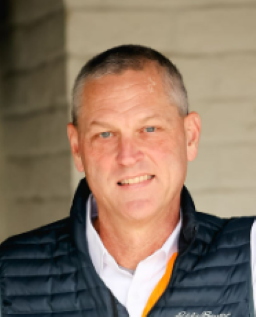
CEO MindFit Coaching Inc
Kyle Pertuis is the Founder and Head Coach at MindFit Coaching, Inc. in New Braunfels, TX. He is a seasoned Professional Executive Coach and Leadership Development Consultant with a 25-year track record in designing and facilitating programs to optimize strong organizational culture, business growth, leadership development, personal effectiveness, and employee engagement. Kyle’s coaching and consulting expertise have supported numerous Fortune 500 companies as well entrepreneurial start-ups.
Key areas of focus include:
• Equipping leaders to thrive in today’s dynamic landscape with our signature leadership experiences
• Bridging the gap between good and exceptional for high-performing teams.
• Supporting organizational and cultural growth by aligning culture, strategy and people
• Executive and leadership coaching to achieve breakthrough results and unlock potential
Kyle holds the designation of PCC (Professional Certified Coach) through the International Coach Federation. He is also a recognized Foundations Certified Coach through the Global Team Coaching Institute and holds the EMCC Global Individual Team Coaching Accreditation. For over seven years Kyle served on faculty, as a domestic and international Lead Trainer for the Institute of Professional Excellence in Coaching (iPEC), in support of their leading global coach’s training program.
Ultimately, his coaching style is rooted in his passion to support people with a values-based approach to creating positive and lasting change in their business and personal lives. As Founder o…Read More


