#40 Robyn Shiller: The Tiny Steps That Make Up Success
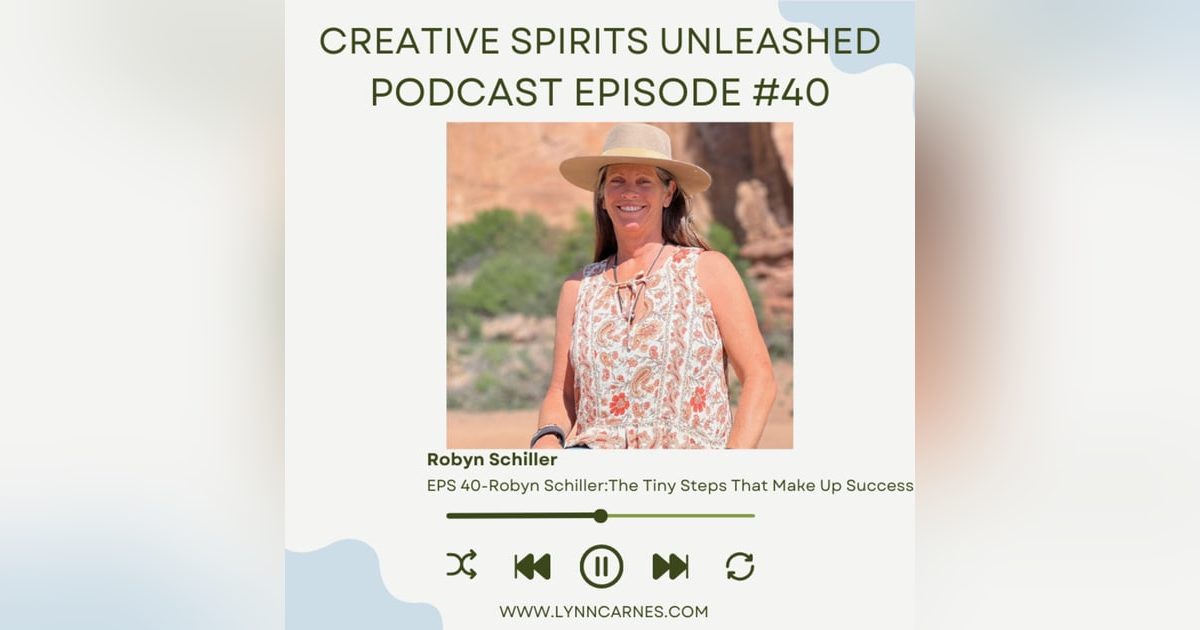


My guest for this episode is Robyn Schiller. It was two years ago that I reached out to her husband Warwick Schiller to be a guest on my podcast. He’s a very well-known horse trainer with an extensive video subscription library. Then, a year ago, I got to meet Robyn (and Warwick in person) at the Cactus Reining Classic. We visited after I had gotten to see Robyn ride her reining horse in the show. She mentioned that she used to be in the corporate world, in Human Resources, which definitely made me very interested to talk to her.
I invited Robyn on the podcast because there is always more to success than meets the eye – whether we are talking about her performance in the arena, or in the business that she and Warwick run together. Robyn is the behind-the-scenes force that get things done in their business. Soon, she will also be offering her wisdom alongside Warwick at a clinic they are doing in Australia titled Resolving Anxiety in Horses and Humans Masterclass. She previewed some of what she will be teaching in this podcast, especially about how our survival brain can get activated and what we can do about that.
One of the themes of this conversation was making the unseen visible to others. The magic is often in understanding that behind the slick surface, there is always more than meets the eye. Our conversation ranged among many topics, dancing between horses and humans and especially what we have in common and what we can learn from each other.
There is so much wisdom in this podcast – especially at the end – and if you come away with nothing else, you will learn how it’s the little things that add up to the big things.
Additional Topics
· Wife of Warwick Schiller joins the podcast to talk about her role managing successful trainer
· How to manage horse anxiety and human anxiety
· Understand the “Why” someone is doing something
· Horses don’t have problems, people have problems: It’s about listening to the horses
· How to work through mistakes
· Not everyone is ready for what Warwick will say to people
· What is the husband/wife disconnect
· What is your picture? Is it a disaster picture or the picture you want?
· Anticipation of success technique
· The power of visualization
· Why am I doing what I am doing? Am I doing it for the horse? Or doing it for myself?
· Horses look for the same thing people look for which is connection
· We are looking at horses needs; positive reinforcement works so much better
· Looking at the subconscious mind and the power of it
· Success is consistency mixed with a little luck, being at the right place at the right time
Guest contact information:
Website: warwickschiller.com
Facebook: https://www.facebook.com/Warwickschillerfanpage
The Journey On Podcast
Intro:
Welcome to Creative Spirits Unleashed, where we talk about the dilemmas of balancing work and life. And now, here's your host, Lynn Carnes.
Lynn:
Welcome to the creative spirits unleashed Podcast. I'm Lynn Carnes. Your host. My guest for this episode is Robin Shiller. It was two years ago that I reached out to her husband, Warwick Schiller to be a guest on this podcast. He's a very well known horse trainer and has an extensive video library, really huge things out on social media world and so forth. Then a year ago, I actually got to meet Robin and Warwick in person at the cactus riding classic. So we visited for a while after I had gotten to watch Robin do an amazing performance on her reining horse in the show. And she mentioned that she used to be in the corporate world. She was in human resources, which perked my ears up and made me very interested in talking to her. So we finally got that done in this podcast. Now, I invited her as well, because there's always more to success than meets the eye, whether we're talking about what I saw her do in the arena, or in the business that she and Warwick run together, or anything, frankly, that has a performance aspect to it. In this case, Robin is the behind the scenes force that gets things done in their business. It's the it's she's she used to do all the videos. Now she does a lot of the computer work, the marketing and so forth. And now is also beginning to offer her wisdom alongside Warwick, on a clinic they're doing in Australia and get this title. It's called resolving anxiety in horses and humans. It's a masterclass. She preview previewed some of what she's going to be teaching in this podcast. And it's really interesting how she drew parallels between how our survival brain of humans and that of horses can get activated and what we can do about that, and how we can resolve anxiety in ourselves and in horses. Another one of the themes in the conversation that I thought was fascinating was how we are about making the unseen, visible to others. You know, the magic is often in understanding that behind the slick surface, There's more than meets the eye. So we talked a lot about a different lot of different topics and kind of danced between horses and humans throughout, and especially about what we have in common and what we can learn from each other. There is so much wisdom in this podcast, especially at the end. And if you come away with nothing else you're gonna learn. It's the little things that add up to the big things. I would love to hear what you think about this conversation, all you have to do is go to the podcast page, on my website, there is a voicemail button there. We'd love to hear from you on what you think about this podcast, or ask me any questions, and I hope you share it with your friends and anybody you think would be interested. Enjoy this podcast with Robin Schiller. Robin, welcome to the podcast.
Robyn:
Thank you. Thank you.
Lynn:
Should I say Robin and Holden because I can see Robin is holding her puppy. So thank you for doing this. I think that this is I am a fan of pulling back the curtain on the difference between what we see and what we what goes on behind the scenes. And that's in everything like business performance, you name it. And in a way this podcast was getting to talk to you. I see several layers of that. One is you are a performance horse rider. I remember watching you at the cactus raining classic in March of 2021. And going Dang, I really want to be like her do that. Because it's now that I understand it. It's the most one of the most impressive things I've ever seen. So there's that, like what we see in a performance and what really goes into the making of that performance. There's also what we see in a business and what goes into the making of that business. And so you're kind of behind the scenes on work. Schiller's attuned horsemanship and I want to talk about it. You're gonna have to think is epic. It's attunement, right? Or tune? It's a tune,
Robyn:
dude. Yeah,
Lynn:
yeah, I love that word. I want to talk about that. But I'm thrilled to have you here. So what would you say is the most? What do you think? What do you think most people miss when they don't see everything? What do you think they're missing when they see just the pretty stuff?
Robyn:
Oh, there's lots of messy things. I think when you said that, you know the performance And then the business, there's a lot more messy stuff besides the business. Mostly because, for me managing my husband is not easy. It's actually the hardest job I've ever had. So, when I quit corporate and went to work for him, I had done that before throughout our marriage. But he was just a horse, you know, he was I say, just a horse trainer. But you know, he was he was only doing a small part of what he's doing now. So it was a lot easier to manage him back then. And because I was riding as well, you know, it was just a different dynamic than it is now.
Lynn:
So what are the different parts now? Because when you say just a horse rider, what that just means is we were focusing on, you know, or a horse trainer. Yeah, focusing on the training. But now you guys I know have this massive video library, which is not a small thing to manage. I've tried it before it looks ugly. It's one of those things where I look at it. Well, how hard can that be? We'll try doing it and you'll find out. Right? What do you have? What are the parts that you're managing now?
Robyn:
So the parts that I manage? Well, whoo. The parts that I manage Warwick for, you know, he stopped training for the public seven years ago. Because he was on the road, so much doing clinics, because of the videos. So maybe I'll back up and explain how that all transformed. So yes, when we moved back, I moved us back from Australia. So we had spent four years in Australia for a gazillion reasons. We moved over there a lot to do with the raining. We brought two stallions with us and wanted to make a go of it over there. But I, I realized four years in three years in that, you know, I was home sick. The business didn't work out the way we thought it was, for a lot of reasons. The raining was really small. And yeah, it mostly came down to being homesick. So moved, moved back here got my old job in human resources, I was an HR consultant. And so when Warwick got back, he had to start over because we had, he had given his business away to somebody, and it didn't feel right to come, you know, to solicit those customers again. So he kind of started over, he ended up working at a place called Go OR gates where the owner had jumping horses. So he had these big big thoroughbred and Warmblood horses, who had behavioral issues. And so work started, like kind of trading out, you know, board for working with these horses. And he started while we sat around in our rental house, we sat around the fire in the back when one night and kind of brainstorming ideas like what what can work business look like. And I and this was right when we had first gotten our iPhones, because we didn't have iPhones in Australia. And there were all these apps. And I'm like, we need to make an app like a horse training app. And work had a customer at the at the time, who was a marketing person. And so she talked him into starting or maybe it was his idea. I don't know exactly how that went. But he started putting videos on YouTube. And what his thought was, was just to, you know, show how easy it was. And if you had the thought process behind it, training a horse was easy. So he'd put up, you know, just little clips on YouTube. And soon that became where people wanted more information. And that's when the customer said you should start a video library. And I remember video and the first thing we did was how to clip your horse. You know, because that's, that's where we were at the time we were we were showing reining horses so we're like, Well, you know, people have you know, where do people have a lot of trouble clipping their horse you see the twitches come out, you see them drugged the horses, whatever. Clipping a horse is not that hard. If you have these thought process so anyway,
Lynn:
and for the non horse audience, we should describe what a Twitch is. Oh,
Robyn:
yeah. So Twitch, so we're talking about clipping the hair on their muzzle and in their ears. They do this for aesthetics only. It's actually not good for the horses. We don't do it anymore. You know, they need their whiskers and their, you know, naturally. They need that. Yeah. In fact, the FBI I think has banned clipping in a lot of countries. I don't know if it's here yet but they don't allow you know in Germany they do not allow you to clip your horse I saw a Twitch is a can look like a lot of different things, it can have a chain on the end of it or a rope. But basically what you do is you wrap this chain or rope around the horse's upper lip and squeeze it so tightly that they basically they shut down, they go into shutdown, they go into that, you know, the freeze response, where all those chemicals are flooding into their body where they can't feel anything, like if you were dying, or being attacked by something. And so it allows them allows you to clip them without them moving and hurting somebody or themselves or Yeah, yeah. So anyway, so that was our first video on that library. But so the video library started in 2012. And by 2015 2014, we had enough people that I quit my job and started managing that because Warwick had been doing it all himself. The first platform we had was pretty user friendly for that, like he just upload the video, there was really nothing to do other than upload the videos. Yeah. And do some, you know, haven't have a website and stuff. But then when when the numbers started going up, and the clinic started being more in demand, and it was like, Okay, we're gonna either have to hire somebody, or I'm gonna quit my job because I want to travel too. And so I quit my job when I went to work full time for the business. And that was in 2014. By 2015. He's like, why am I going to work every day training these horses when, you know, 80% of my stuff is the videos in the clinics. Yep. So he gave that up, which was a great decision. And then the video library and the clinics just really have continued to grow and grow and grow. COVID hit and then you know, the clinics kind of took a hit. But the video library didn't it went the other way.
Lynn:
I was gonna say the video probably really took off. Yeah, we grew in 25% in COVID, which is crazy. Wow.
Robyn:
Yeah. And now we're at this point where I'm starting to integrate a little bit of what I do into the clinics. In fact, we just, we just sold out a we're doing a resolving anxiety in horses and their humans masterclass, in Australia in a couple of weeks, and we, we said unlimited density, and we thought we'd get we thought if we were super lucky, we'd get 200 people. And at this venue, that's doable, you know, with parking and everything. In 24 hours, we got to 400 people. And so we had to stop
Lynn:
picking up. You know, I actually do believe it because, well, we'll talk about that in a minute. But yeah, so.
Robyn:
So all you know, he'll be working with the horses, and I'll be I'll be not working with the humans, but you know, describing what's helped me and my anxiety and all that I've studied, and you know what, there's a lot of commonalities in the horses. So, so yeah, that's going to be a really cool, that'll be our first time that we're doing something where I'm not just a little part of it, where I'm actually like, we're blended and like this is our thing. Instead of, oh, well, I'll take the first hour of your clinic, you know, which I've done before.
Lynn:
Well, that it's funny, because when we, when we met at the cactus training classic, and you mentioned your HR background that really perked up my ears, because I was really starting to make those connections of horse anxiety and human anxiety and they're not that different. You know, you mentioned horses going into shutdown. And I think about a lot of my corporate life and about myself in corporate life and how many people I see that are shut down. Yep. So is that the part you're doing?
Robyn:
Yeah, I'll be doing that I'll be doing the outwardly anxious. You know, I think my part is talking about the nervous system, because our nervous systems are the same. And then you know, the techniques that I have learned about that will help you more regulate your nervous system, the human part, but you know, and then work we'll talk about how to regulate the horses nervous system. Yeah. And then how they how they interact. Well,
Lynn:
they absolutely interact, because for anybody who hasn't gone to watch one of the videos for example, he's, I've seen several where somebody can handle hand an anxious horse to him, and the horse almost immediately settles down the second He holds the rope. And that's not an accident. Right? It's like that. And it is, um, did this ever happen to you in your corporate life where somebody was able to enter the room? Or do something that kind of caused everybody to kind of go? Okay, we're gonna live. And the opposite often often happens too,
Robyn:
but yeah, never had that you were there. Yeah, there's energies, right? I mean, the
Lynn:
energy. Yeah, yeah. And I remember we 20 years ago, we couldn't even talk about energy or whatever. He's considered. Whoo.
Robyn:
Yeah. Yeah, there's, there's times when I think, Man, I wish I could go back now and teach this to the corporate people. But I don't Yeah, I've played with that idea a lot. And I, I, yeah, it doesn't float my vote. I think I want to help the horse people. So
Lynn:
but you're doing it in a way here, because a lot of the people who listen to this are corporate people. Yeah. And that's a lot of what my journey has been is to have like these insights going Ding, ding, ding, ding, ding, when I would realize something, like what to do with, you know, y'all talk a lot about connection. But there's also the other side, which is a pushy horse, which is a lot like what we have in terms of corporate bullying, where we, we need an arsenal of tools to handle it when somebody pushes into our space. And instead, we, you know, a lot of times people don't know what to do, or they become bullies themselves, as opposed to just sort of using that drive and draw energy that y'all talk about.
Robyn:
Yeah, and awareness. Right. So Right. So if you can, at the very core, realize why somebody's doing that.
Lynn:
That's just Yeah, from fears. Yeah, it's from there. Yeah. But you go to Wall Street and work with people. And I've done a lot of work on Wall Street. Or you work with people who are in more aggressive type of jobs. I do a lot of work in hospitals. So a lot of times, that'll be with surgeons and people like that. Have these amazing, difficult jobs, and not to take anything away. But when you recognize that a lot of their behavior is actually coming from fear, then you don't get as intimidated. Right. Yep. So that's cool that that's what you're doing?
Robyn:
Yeah, I'm excited. It's yeah, really good.
Lynn:
So you're going to do that for the horse people so that? Horses, you know, I had a I have a guy I work with that said horses don't have problems. People have problems. The problem? And he's probably so and isn't that the truth is,
Robyn:
if all horse people understood that, I think that's what our you know, that's what our mission is now is that the horses are perfect. You know, it's us, and they have a lot to teach us. And if you'll listen to them, yeah, this is not a it's, it started out as horse training, and it's no longer horse training. Really. This is a this is self development.
Lynn:
Yeah. Well, that's what it's, I mean, just falling off a trail horse four years ago. That's what it's done for me is, it's made me realize that they can show me more about myself than almost anything I've ever done. Yeah. So how will it look? When you're in the clinic? Are you going to be out in the arena with him? Do you do a classroom? I'm just trying to picture how it works?
Robyn:
Yeah, we'll be in the we'll be in the arena. I'm not exactly sure how that looks yet. I think it'll be all good. You know, the first part of it, and yeah, we haven't really worked it out. Exactly.
Lynn:
Got a long plane ride to Australia to figure it out, or
Robyn:
hours. Ya know, for? Yeah. So. But yes, I will be in the arena, the horses will be later. But we'll probably set the stage with the human stuff at the beginning.
Lynn:
Yeah. I have a question about how to do that with human stuff. Like, is your audience kind of already ready for the message? Or what do you do to prime them? for that?
Robyn:
Well, that's a good question at the clinics. Absolutely. You know, they, they may not be subscribers who are watching, but they have followed Warwick or the podcast. Yeah, this one with 400 people, what I've seen just with the, you know, I get an email every time somebody signs up, and there are many, many, many names I do not recognize so. And Warwick is getting, he's getting solicitations for or he's asked for demo horses. And so people are sending them. Him ideas. Yeah. And he made the comment yesterday, he's like, a lot of these people are not ready, you know, just by their description of what's happening. He's like, I don't know that they're ready to hear what I'm going to say to them, you know, so, so I don't know that's going to be something we're going to have to we may in the lead up to it. You know, obviously would do some email introductions and maybe, you know, point them to a podcast or a video or something to break the ice. So so they have the option to not come like what they see because we haven't collected any money. We've just got actually had them sign up. So we kind of knew what we were dealing with. So we could prepare, you know, whatever if we're going to have handouts or whatever.
Lynn:
Yeah, well, what one of the things that I've learned on this part of the journey for myself on the human side, is that when we think we've made a mistake, our survival mode gets triggered. And, and it's not that we're dying. But our survival mode doesn't know that. Right? So I think a lot of the, you know, awful behavior we see in in the world and in companies and stuff is people just trying to cover up for their mistakes, which are part of the learning process. And they cover up for them as if they were dying, you know, they're in full fight or flight mode A lot of times fight mode. Yeah. And then that makes them really resistant. And I mean, I do a lot of change management. This is what makes it hard to change in companies is everybody's so busy doubling down on things, they don't even really like that much, but don't tell them they're wrong. Right. You know, and so how to, like, have somebody be open, like, you know, Warwick has been very open on his journey about saying, I'm learning. And not, you know, I'm not saying he never got triggered, because I'm sure he did into his mistake mode, but I call it but not me, you know, to keep staying open to keep learning. So that's the challenge you guys have is how to do that with people. Not only for their sake, but for the sake of their horses.
Robyn:
What's also nice about what we're what work does is he'll make a mistake in front of everybody and tell them that he's made the mistake, and they can see with the horse that the mistakes, you know, you can make mistakes, it's okay. It's not a life. And I mean, in some situations with a horse, you don't want to make a mistake, because it could be a precarious situation. But, but in a lot of what we do, making a mistake, the horse is very forgiving. They don't hold it against you don't remember it later, you know. So it's kind of a safe place to make mistakes.
Lynn:
And I think believably forgiving. Yeah, that when you
Robyn:
when you said that earlier about people covering up their mistakes, you know, they've just never right, they haven't been in a place where it's safe to make mistakes, or that mistakes are embraced. And that's just, you know, I guess not all environments are going to foster that. But that would be that'd be a great environment to be in if if you could make a mistake and own it and embrace it and not get, you know, written up for it.
Lynn:
Right. Well, that's, that's the hard thing, because so many companies they say, they say they don't have a perfectionistic mindset or a culture, but try making a mistake and see what people do. And I agree there are places, I don't want my surgeon making a mistake, right? I don't want my pilot making a mistake, or at least one that's you know, and but what's interesting in flying, you know, we watch, we watch way too much of that aviation disaster show or something. But most of the time, it's not one mistake, it's a stacking of mistakes, right. And I think that's often true with horses as well. A lot of times when things go really bad, it's that we've let a lot of things stack up. Yeah, absolutely. Without paying like the key word. You said awareness. Yeah. Yeah. So you all how will you guys decide? Or is that something you can even talk about to go through and decide, okay, who is ready to bring us a horse? I think I saw he's having one that's outwardly anxious, and one that's shut down?
Robyn:
Yeah. I'm not sure what he's, you know, that's that? I don't know. That's one of those things. I can't I don't know what's inside of his brain.
Lynn:
Yeah. And he'll, he'll, he'll know it. Probably because he's attuned to it. Yeah. Yeah. As to who will be the right person?
Robyn:
Yeah. Well,
Lynn:
I think it's super exciting to hear that you guys are going to bring more of that to bear because I do think it's the it is the human side as much as the horse side. And it's exciting to think that you're going to, you know, y'all are going to actually show up as a as a team. Yeah, yeah, should be great. How. So I'm going to just own up to something, my husband and I both work out of our house. And we're not a great team, unless we really work at it. Like we're both kind of two alphas. And so if the gears grind, you know, like, if they fit together, it's the most amazing thing in the world. And we can look at a lot of what we've created and realize we could never have done it without each other. But we do things more like as a track team, where we're like handing the baton off to each other. More, instead of being on a rowing team where the strokes have to be kind of equal. And we actually experience a couple of weeks ago, we went out and got on one of those kind of rolling boats where you row together. And sure enough, there was a lot we had two other people in the boat with us teaching us how to like sync it up. When we're out on our individual boats, we're just fine. So what's it like for the two of you working together? I mean, how often do you are and you don't have to share anything you don't feel like sharing But you buttheads. I mean, a lot of our neighbors know, Russ and I butt heads because it gets a little bit loud sometimes. Like, negotiate our way to the end of something.
Robyn:
Yeah, I mean, the, I think probably the biggest disconnect for us is what I just said, you know, I don't know what's inside his brain, he's more of the creative, and he's inside his head a lot. And he doesn't share that a lot. So that comes out in, when we're going out to shoot a video, he knows what he wants it to look like, but I'm on the other side of the camera, and I have no idea where you know, where he wants to start what he wants me to zoom in on what he you know, I'd, that's where it, that's where our friction comes in. And then it just ends up into, you know, I'm supposed to be a mind reader and a couple. So basically, you know, it's come to the point where I don't like to video, I don't like to take pictures. It's gotten better, because I have been able to ask, you know, okay, so what's in your head? What do you see? What do you what do you picture so I'm a little bit better at that. But we do have an employee who does most of the videoing. And then when Tyler's here, he's doing most of it. And, and then in that case, Tyler has his own vision as well. So I just leave that to them. That's, that's not my wheelhouse. I am not, I do better in everything. If I have a template to work from, I'm not crazy. So that
Lynn:
corporate organization too, because you know, you need templates for everybody to like coordinate when things start getting really big.
Robyn:
Yeah. So that's, that's the probably the biggest challenge for us. The other biggest challenge is that work really doesn't a understand the computer. He makes it work. And he does amazing, but he doesn't, he doesn't understand it. And he doesn't like it. And so if he had his his druthers, he had his outside. And we have an employee to do the things outside. But he, but he does things outside. So that's always that's always a you know, I'm trying to tell him, hey, that's why we have Kendall Yeah, you don't need to be going out there and digging, you know, fencepost holes. Yeah, but I know he likes it. And I know, you know. So there's that balance where, hey, we haven't put a video out in a little while. We need to get that done. And and, yeah, and that's just something I can't do, because I don't have the vision of what he wants it to look like.
Lynn:
Right? Well, it's and you know, it's, I, I've watched enough of his videos, and I've really Marvel because a lot of people are doing videos, especially in the horse world. But I don't know that I've seen anybody be as clear as he is. So all that whatever he's doing in his head seems to be paying off in that his videos, as simple as clipping a horse, like we talked about, or putting on a halter. You know, they're very clear. Yeah, he's
Robyn:
a he's a very good educator. Yeah. Good teacher.
Lynn:
Yeah. And he understands how to go back and get to the, to the basic piece, and explain it in a way that's very accessible for you know, because I'm, I'm a total newbie, and it was really helpful for me to hear how to, like, tie a halter and, you know, just some of the simple stuff like I told you, when I had my horses, I was like out there watching videos. I'd watch a video and then go try something and I needed somebody to break it down the way he did. Yeah. Yeah. And there's a lot in the unseen world.
Robyn:
We were in. We were in Utah, this last weekend doing a clinic and I videoed pretty much the whole thing. And that's the thing that struck me too. Like, he is so good at the details. He is so good at the little things that people don't see. And he makes them seen. And he made them and he makes them understood and and as you know, with anything, the basics are the most important thing. Like if you can perfect your basics, everything else is easy. And that is across the board.
Lynn:
Yes, that's true with you know, I work a lot in the Water Ski World. I work a lot, I play a lot. We we have a waterski like and a pro here and I have he and I've many times talked about the the need for the basics. And there's just a few really basic things that you have to do well, but most people are working on. Let's go faster. Let's shorten the rope and it's like, let's get really good at crossing the wake. Like, that's the essential, essential essential skill. And if you can't do that, nothing else is going to work. Right. And so yeah, but making the unseen scene Yep, is a gift. Because I think some of the best people that are masters of whatever they're doing, they actually are aware of the unseen in order to make it seem
Robyn:
exactly one of the best. So talking about reining horse trainers, a really good friend of ours that's been on the World Equestrian game. He's been on every Australian team. He's a master at that. He, he could make, he has made, you know, horses that are not very talented. And he will, he can show them to the, the best of their ability. Even more than that, like he can bring out more than that horse is really capable of. And when you ask him about it, he really has a hard time explaining it. It's, it's so innate, innate to him. It's beautiful to watch. If he ever got a baby's Jersey driver, you know, if you ever got a horse of that caliber, he would win everything. Yeah, because he is he is that talented. He just has never had, you know, unfortunately, and I don't understand why he just he hasn't had that the right horse yet.
Lynn:
Well, they're they're kind of few and far between, I'm starting to understand. Because I got to do for those who are listening, a friend of mine owns, jerseys, baby driver. And I've watched him since he was two, I've spent hours in the barn, when they were just when he had just been started. And he was just learning to stop. And if you haven't seen riding, if you're listening, go watch a YouTube video on on a sliding stop. And you can't believe a horse can do this. But
Robyn:
then he started that horse can do it better than most of them.
Lynn:
And that's what they saw from the beginning. He just he the horse innately knew how to sort of tuck him tuck his legs and his butt under and get a 20 foot slide. Yeah. And not only that, but you could actually tell he loves doing it. Because you see some horses, what same same owner had another horse that she's long since sold. But he did not want to be your trainer. And I mean, from the minute they brought him into the arena, you could just see him going. It was sort of like a if you sick, five year old, you know, going in the store, he's like, Well, I mean, don't make me that's how that horse was, as opposed to like kid in a candy store. Yeah. And so it's really good to have a horse that you love doing it. But it's that we have a guy in the Water Ski World is Nate Smith. And he's by far the best water skier by record of anybody and he don't think he can ever tell you what he's doing. But he and I've talked a lot about it. And the word that most resonates with him is feel. Yeah, yep. And it's because he can feel where he is in the course at all times. And I've been in the boat and watched him and I could see that he was it's almost crazy to imagine that it's almost like he's feeling his way through the course. So when he's making mistakes, there's not a little hitch in his brain that says, Oh, I made a mistake. It's more like what's next. Right? And I think the Masters all do that.
Robyn:
Yeah, I'm more of a I'm more of a on the back of a horse. I'm more of a feeler. I don't think my way through it to feel. And it's probably because I've been writing since before I could
Lynn:
walk. So yeah. Yeah. And for somebody like me who's really not truly learning to ride till I was 60. And I've seen a lot of like, things that can happen, right? Oh, my, my fear of danger interferes or did a lot. I'm getting much better at writing by feel. And learning them the value of having a clear picture. You know, when work does his videos, he actually says picture. Yeah. And or G and then you finally make a move. Yeah. And I think a lot of people have a picture of disaster. Yes, absolutely. Yep. And then they're trying to overcome the picture of disaster. And that's, I think, again, not just in horseback riding. I think that's true in sports. I think that's true at work. We drive in, going okay, is the basketball team is out about this. And did I get that report on time? And is that you're gonna backstab me today? And if you have that picture, somehow you tend to make that picture come true.
Robyn:
Yep. Yeah, we took picture the negative way more than we picture the positive, right. And that's fine. But survival. That's just that survival instinct. Right?
Lynn:
So do you have any tips or tricks in the in the work you do for teaching people how to find that, like being aware of the possibilities so that you don't have them happen, but to really find that path they want to take to see the picture as they want it to be?
Robyn:
Well, there's, there's a technique that I learned that I actually used at the World Equestrian Games that worked really well I learned it from from somebody when a good friend of mine named James Jane pike you
Lynn:
Yeah, she's what works podcast
Robyn:
too. But yeah, yeah, she, she came with us to wag We've known her for years now, and she has this exercise she calls anticipating success. And I know it's not her exercise, you know, it's out there that this is who I learned it from, and she calls it anticipate success. And so what you do is you, you know, settle your mind, and you bring up the feeling, the picture, kind of everything about the situation, 10 minutes after a successful completion of it. So in my case, where this worked, has worked the best for me. I was out in the warmup pen, at the biggest show in my entire life, you know, the World Equestrian Games, I was part of the Australian reigning team. And, obviously, by my voice, you know, I'm not Australian, but I am by marriage. So, so I had, I have the additional pressure of I'm not Australian, and I'm representing account, you know, a country that I married into, basically. So there was a little more pressure, I think, at least that I put on myself to prove that I was worth being there, you know, that I was worthy of representing this country. And, and we were on our own horses, which, you know, was a decision we made because we figured it was better to be on the horses that we knew then borrow a better horse, and maybe not be able to know it as well. But so this anticipate success technique. When I was out in the warm up pen, I was picturing coming out of the arena, handing my horse off to Jane, because you had to do this. And you had to go be interviewed. And so the picture in my head, the whole like, it was like a movie. No, I was out of breath. I was saying, oh my gosh, my horse has never been that good. I've never been that good. You know, you can see the sweat glistening. You can, you know, feel the you know, the heat coming off of us because it was North Carolina. It was hot. It was hot during that leg. You could hear the you know, the people clapping you could so I just pictured it in every way that I could have this been the most amazing ride I've ever had in my life. And we're at the World Equestrian Games. And it was almost freaky, how exact it turned out. We had the first go around had the best score we've ever marked. And it happened that way, you know, I came out is that he was so good. He was better than he's ever been that Odetta. You know, hand the horse off to Jane, she takes him off, I go to get the interview. And that's what I'm saying. And then it happened again, and that we actually did so well that we made it to the semi finals, which we never, ever thought would happen. And more marked an even better score in that. And I did the same thing. So yeah, it worked work to treat. So you can do that. And I've and I've used this in other ways with other people like just doing that, you know, play the movie of what it feels like, what it looks like, what it smells like, use all of your senses for 10 minutes after the successful completion of it. So if you're giving a big presentation, you know, picture people coming up and high fiving you or you know, yeah, just go into as much detail as you can. Does it always work? No, but it helps. You know, it's Yeah. I think that's a really good technique.
Lynn:
That sounds amazing. What, how does that compare to picturing a successful performance? Because you're describing the after performance? And, you know, I know, like, I'll give you a for instance, in waterskiing. A lot of people try to use picturing or visualization to do a water ski pass. The problem with waterskiing is it's about for a pro man, it's like 16 seconds in the course, for me, it's like 20 seconds. But when I'm skiing, well, it feels like I have two minutes. In other words, it everything slows down when I'm doing well. And then I'll tend to visualize it too slowly. And then when I get out there on the water, all of a sudden, everything feels too fast. And so you have to visualize accurately for that to work is the point.
Robyn:
So I used to try to visualize my raining run as well. And it never worked for me. And I say that. When I would visualize it, I would always visualize what went wrong. So I have to rewind and start over. So in that, in that instance, like, for me, visualizing the actual performance never went well. I always say I most To the time did well, you know, in the actual performance, but the visualization for me just didn't, I wasn't good at it. Because I was I was always thinking about what was going to go wrong. So it wasn't until I switched to this after the fact, one, that it really helped. So I choose to do that now. Other than, you know, rather than envisioning
Lynn:
visually, envisioning nothing, well, you know, I think our minds are so amazing. You know, there's, there's been research that, you know, you can do things like, one of the research things was on practicing the, the actual piano versus in your mind, you know, this one? Yes. Yeah. Yeah. Yeah, it's amazing. Well, and describe that. And if you know it, you probably can describe it better than I can.
Robyn:
I don't know, well, no, they've done studies where you will, and this is true with like weight training, and every year to so you can, you could actually just, well, your mind doesn't know the difference between something real or imagined. So you can imagine, I think the study was, you know, I don't I don't know all the details. But they, you know, they put a group who actually played piano for an hour every day. And then they had a group that actually just imagine they played piano for an hour every day. Maybe it's not an hour, I don't know exactly. But their practice time, yeah, the practice time were the same. And the people who just imagined it were, you know, at least as good as the ones who actually practiced it. So and, you know, so say you're laid up with an injury, and you can't physically do the thing that you need to do to prepare, you could actually, the studies have shown that you can actually just envision it. And it is, like you've done it the whole time. It's crazy.
Lynn:
It is crazy. And actually, you know, I remember hearing Josh Waitzkin on a Tim Ferriss podcast describe this. And I think he talks about it in his book, The Art of Learning. He was the kid and searching for Bobby Fischer. And so not only was he a chess master, but he was also a world champion, tai chi, push hands, Master, he had to be in a cast before the big world event that he went to. And so he practiced, and he was very strong at visualizing. And when they took the cast off, his arm should have atrophied. It did not right, it freaked the doctors add a little bit, because they're like, Wait, this can't be because, you know, I don't think science is catching up, or has caught up at all to what our minds are capable of doing. But they were like, how did how does your arm not atrophy? And he said, because I was actually practicing it the whole time. So he was able to go in and when?
Robyn:
Yeah, it's amazing. After that, I don't have those visualization skills. I'm sure I do have them. I just haven't practiced them enough.
Lynn:
Well, that's see that I love the way you just reframe that, because I think that's the power of our minds is, like I've seen, I've had clients that had been through really, really traumatic events, you know, either emigrating from a country where they were, it was war torn, and they got out kind of like what's happening in Ukraine now. Or they had a family trauma, you know, an unfortunate death or something. And they kind of spend the rest of their lives if they're not careful, trying to avoid the bad things ever happening again. And oftentimes, you know, bad things are still going to happen. Like, the question is, can you get through it, and what really has helped them is to realize they already have survived it. And so if they can see it, from that angle to say, you know, I can handle that. If it comes my way, I will be ready. Then when those pressures come, they don't seem nearly as intimidating. Yeah, but we have to shape our minds. We have to, we have we have to drive our minds sometimes, or else our minds will definitely drive us and as you said, it's that survival mode. Yeah. Which is what our horses will do as well. Yeah. Yeah. So now you you we've talked a lot about reining. But as I understand it, you are not doing that anymore. You've gone to new direction. Tell me about that. Yeah,
Robyn:
we have well, for for many reasons. It was Carrie Lake, Carrie lakes book that really started me thinking about it. And I believe the books called Think think like a horse. And there was a line in it. That said something to the effect of you need to you need to understand why you're doing what you're doing with your horse. Are you doing it for the horse? Are you doing it for yourself? And that got me thinking about why am I doing Oh, you know, why do I compete? Why? You know, I never it's just something I've done since I was five. So yeah, you know, I've competed my whole life. So it's just something that I did. And while I've always I believe I've always had the horses best interest to heart and always considered the horse you know, there was a when I read that I'm like, Oh, am I really considering the horse? You know, am I am I really? Do I really have the horses best interests at heart? And I think I do you know, when I compare myself to other people, but really I had to look at why, why are you doing this? And why are you doing the training? Because it's, you know, it's a pretty high level, it's probably the highest level Western sport without cows. You know, you add a cow in and then there's other things, but a whole new game. Yeah. But the training is very technical, and it's very high level, and you have to want to be a perfectionist, because that is something you know, you come out of that arena, and there's always something you could do better. There's never a perfect, there's just never a perfect run. Even the highest scoring run that there's ever been even Trevor after the NRBC I'm sure he came out and said, I wish this was better. You know, there's always something to improve. So I think that's probably one of the attractions of the event. But I think what really clicked for us was that you do see a lot of these reining horses, like raining is the epitome of obedience. You know, those horses, that's what this it's like, a showcase of how obedient can your horse be. And while there are horses that do enjoy it, like your friend's horse, that's, you know, I have, you know, they're some of my horses enjoy it, some of my horses don't enjoy it. And so and I didn't enjoy, I was getting to the point where if it has to be like, I don't want to have to make them perfect. You know, yeah, if I have to be out there in the arena drilling on them all the time. That's not something I want to do. I, in 2016, I had two horses that I was campaigning a lot that year, and, and work was on the road a lot. So I was keeping them going at home. And I felt like I had a really good process and plan and I did really well that year. You know, but I was keeping them going and getting them prepared. And I think the World Equestrian Games, you know, I felt like my horse, you know, I felt like I liked the level of preparation that I did. I felt like probably works horse, we put a little too much pressure on him. And they all react a little different, you know, some of them do the shutdown, some of them get anxious. We bought I bought a stud a year and a half ago, who was really shut down. Very nice. Very good at what he could do in the raining. But he'd had too much pressure put on him. And I paid a lot of I paid more money than I'd ever paid for a horse for this horse, thinking that I wanted to continue doing the raining. And when we got him home and started you know, kind of messing around with him and realizing how shut down he was and how you could tell that there had been things done to him that, like I have no interest of doing ever. And you'd put him in situations where he would freeze and just wait for whatever was bad thing was going to happen to him because he missed, you know, took a misstep. And so I just got to the point where going to the shows and seeing what was happening to the horses getting them ready to be the obedient you know, horse a horse. Yeah, I didn't. It just really turned me off. And yeah, honestly, you know, to see some of the big name guys in the warm up pen is really not fun. I saw I don't want to have to I don't want to have to see that anymore. Like it just it. It's yeah, I don't want to I don't want to participate in it. I don't want to see it. So yeah, it was you know, that was it was kind of it was a show last July. That was the straw that I saw the best guy in the world doing something to his horse that I thought was a pourraient. And then also, yeah, anyway, so it just kind of turned my stomach and I'm like, why am I doing this? I don't, this is not something I want. And I don't want other people to think that I support this. I just don't I don't want to do it. So So we picked a different event called grant writing where it doesn't have to be perfect and you know there Yeah, the the preparation for it. it as reining horses, they have the skills for it. There's a few other little skills that you have to teach them because in reining you don't you never taught. And in ranch riding, there's a lot of trotting. Yeah. So, so you had to practice that a lot. I've had to, I've had to teach Oscar how to trot. So funny. But there's a lot that was fun. You know, it's fun to teach them most of the different things. And there's a lot of obstacles so that, you know, it's giving them a reason to do it. With the reigning it's the only reason is to be obedient.
Lynn:
Yeah, it's funny, because just a simple thing, like in the arena while I was riding this winter, we had a few little like gates, you know, like a little rope gate and an obstacle that they had to walk on and stuff. My horse love that. Yeah, trotting and riding in circles, not so much. Yeah, you know, but if you ask him to go over to the gate, or you ask him to do something fun, like he really liked that.
Robyn:
And so, Oscar, my 18 year old that I showed at the World Equestrian Games that I have, he was Trank. Like, he's been arranger, since he's he was three. He had girls though. So he grew up with, with young girls training him and writing, I think has made him why he's 18. And still good. He's always been more comfortable in the arena, the trail riding that we've started doing has been it's taken a little while for him to get comfortable outside of the arena end of the trail. Now he loves it. Now he's, he's doing really well. And I can almost honestly, we just lie. As I said, we went to Utah, and we took the horses with us in trail road. And I, I feel as though I feel as satisfied as I would have felt after a horse show. So just going in trail riding was really cool. And, and we took the stud with us, and he actually has turned out to be the better trail horse. He's, he's our best trail horse, he loves it.
Lynn:
He loves those videos that you guys put out from Utah, everybody should go watch those even non horse people because you learn a lot about what to do with behavior, like him winning or nay, you know, at the mayor's Yeah, that wasn't even a problem. You know, but I know a lot of people probably including me would have said, Oh, you need to stop that. And all I was doing was speaking to them while he was still doing exactly what he was being asked to do, which is cut down the trail. Yeah. But what struck me because of my accident, which was on a trail, and I was in the mindset before I really got into this, I thought just trail riding was no big deal.
Robyn:
Oh, no way. It's actually you actually need more skills than Yeah, because trail riding, it can be very dangerous.
Lynn:
It's extraordinarily dangerous, especially if the horse isn't prepared and the rider isn't prepared. Yeah. You know, because you actually are taking them out on the trail with all I mean, I can't even tell you all the things we faced. Now that I've been out on the trail so many times, but everything from snakes to deers, to pigs to, you know, unexpected people to you know, and all of those things can cause horses to, you know, jump. Yeah. Run
Robyn:
10 ever, depending on how wide the trail is.
Lynn:
Yeah, that can be not good. Yeah, exactly. So it's not if anybody's ever said I'm just a trail rider for that's not true. Right. And, you know, especially if you take an arena horse out on the trail, which I also experienced at one point was recognizing that a lot of them are not prepared at all. Yeah. Yeah, so well, so. So you're opening gates and ranch riding? What else? What else? Yeah,
Robyn:
in the ranch trail, you open gates, you drag logs, you walk over bridges,
Lynn:
all kinds of basically that sound stuff. So if I was ever going to do any kind of thing, I think I would enjoy that as much because like, when I'm riding with my friends, they all know I want to be the one that opens or closes the gate from horseback. And I'm not always successful, because a lot of times I'm not that great of a trainer and they're, you know, I'm still I'm let me put it this way. I'm gonna, I'm gonna reframe that I am still learning as a trainer. And they haven't ever had to do that before. Yeah, so we're learning together. But it's fun to watch them start to get the game, you know what I'm trying to do? And they get it and you can see they want to help. Like, there's nothing more amazing than to have this huge animal under you go oh, okay, I get it. We're a team.
Robyn:
Yeah, Oscar pushes it with his nose. He's like, Here, I'll help you.
Lynn:
I have I have a horse that does that too. But when he you could see the moment it clicked. It's like, oh, this is what we want here. I'll just do it for you. Yeah. Which brings its own
Robyn:
its own, you know, consequences. So you know, in a, in a show situation, that's where they anticipate what you want. And you don't want them to have you know, exact judge. They're judged probably a little harsher if your horse is pushing the gate open.
Lynn:
Yeah, no, I would not want him to train him for that. But there's something about it. That's actually kind of cool just because it shows you that back and forth communicate Should Yeah. And to me, that's been the magical thing as well, is learning that they communicate more subtly. So for example, I'm sure people who haven't been around horses and her hearing you talk about being shut down. Well, how can you tell the shutdown horse? And when you start to learn that, then you start to go, oh, that now I know, I see us as a shutdown human. Hmm. Yeah. So and what really one of the biggest things you look for when you see a shutdown horse? What's the what are you seeing when you can say, I know that horse is holding a and basically,
Robyn:
basically, they just don't have any emotion. Their eyes are fixated, you know, they're just kind of like they're in lala land. And some people see that as Oh, they're bomb proof. No, they're not bomb proof, there's gonna be a big enough bomb that's gonna, you know, they're gonna come back. So if I'm talking about the, you know, the nervous system states, shutdown is at the very bottom. So if you're, if you're anxious, you can see that right, you can see that the shutdown comes where that anxiety has got to be pushed down, because it's either not acceptable, or it's not appropriate or whatever, at that situation. So you push that anxiety down and down and down and down to where it's suppressed now, but it will liberate itself at some point,
Lynn:
right? Because emotions are energy, and they have to, they're gonna come away, the stronger they are, the harder it is to hold them. So they'll come out in anger, they'll
Robyn:
come out in you know, crying, or then the anxiety becomes, you know, a panic attack or you know, you can't, yeah, and that's what the horses when we start bringing them out of their shutdown, you get to see all the anxiety. You get to see okay, I have to go through it. Yeah, yeah. And Warwick prefers, you know, he prefers the outwardly anxious ones, because then at least you know, what you're dealing with. And I would agree, you know, it's still it's a little bit uncomfortable, but it's, like he said, at least you know, what you're dealing with, when it's suppressed? You don't know what you don't know what you're dealing with. You don't know what it's going to look like when it comes to the surface. And it may be that huge explosion, that really hurts the writer.
Lynn:
Yeah. No, I actually worked with a horse this year, that was most of the time. Really a dream. And I mean, riding him, he was just like, his transitions were amazing. It was just amazing. But if the wrong set of horses weren't around, like it was always when he all of a sudden would kind of look up and go, Oh, wait, I'm all alone. And you know, he wasn't paying attention to me at that point. Yeah. And he would lose his mind. And I had almost no way of getting his attention back on me. Yeah. And I had several occasions where it almost felt like extremely dangerous, and he needed a fair bit of work around that, because I never knew when that was going to happen.
Robyn:
And you know, what you said, you know, he looked around. And he, you know, he looked around he felt alone. Yeah, people do that, too. Yeah, that's the first thing that people look for is the connection and that the IMI okay, how do I react? How you know? So just think about that, in the business, you know, in a business setting. Everybody's looking for that. Yeah, they are looking for that you can be that for people.
Lynn:
And the thing that people have to recognize is a lot of times if you feel like you're alone, you're not paying attention to somebody who's standing right there. Went ready to help you. Yeah. But in your panic, you can't see it. Yeah. And so you're not knowing how to reach for them. You're looking for something that has comforted you in the past. And so somebody that might be sitting right there. Yeah. And I think I think that's a lot of this kind of gets me teary because I think about how much time I wasted myself because I was that person. That flatlined, you know, my corporate life, which was almost 20 years, I truly had gotten to the point where I was just not emotional, except for it came out with me either in bursts of rage, or in crying in movies. And I thought I had everything under control. And I had nothing under control.
Robyn:
Yeah, and see, so I was on the opposite side, you know, being an HR, I feel like I was the person that that they could come to. And I've been now I think I was that for so long. That I don't want that anymore. You know, that? It's weird, because it's almost like, Warrick and I have have shifted our roles. You know, I spent the first you know, I don't know, 15 years of our marriage, and I was I was, he was the horse trainer, and I was the I was the corporate person who had the benefit, you know, I was the one. I was the breadwinner, basically, you know, I had the insurance I had all of that and And I would coach him, believe it or not, he was not good with people. He, you know, he was a little too direct, and he was a little too sarcastic. And he was, you know, a little too short tempered. And so I coached him for a long time, you know, maybe you could say it this way, maybe you can approach it this way. And then all of a sudden, I realized that we had, we had flipped roles, like he is the good one about that now, things come out of his mouth. And I'm, like, so proud of him. I feel like I couldn't say those things anymore. It's really interesting dynamic.
Lynn:
Well, I mean, he's definitely been on a journey where he actually got in touch with those emotions that he was stuffing, because I think he's described himself as shut down. Yeah, for sure. And when you start feeling that stuff, I know for myself. Like, I was so shut down, that I had a coach that told me I needed to start feeling and I was like, I don't know what you're talking about. And the one day, I finally felt something when I was standing on, like, second story balcony of a hotel. And I felt the feeling of falling, because I was scared to death of heights. And I was like, oh, that's what she means by feeling. So at least I started getting some kind of physical sensation that went with whatever the circumstance was, and I just played off of that to start feeling everything. And then you have to just own up to, you're going on a roller coaster. But the roller coaster doesn't have to run you like I there's like, well, what am I supposed to do when I feel really horrible? And what am I supposed to do when I feel really happy? And, you know, if I'm feeling really good? Does that mean the other shoe is about to drop? Yeah. You know, and I'd rather just kind of keep everything flatline. So that doesn't have to happen. So it's been a lot of work. I haven't done it in the public eye a lot, like work has done a lot to get there. But then when you get in touch with it, you have a different kind of like you were just describing, he can see it and other people he can feel for them as well.
Robyn:
Yeah, yeah. Yeah, it's
Lynn:
been a great, great transformation. But I also understand that idea of having to carry you know, I have a, I've had to help a lot of coaches who first start into this, they're like, it's really hard to like, work with people's problems. And I said, Well, you have to learn how to care. Without carrying. Yeah, I was taught that with a self awareness program. I taught for a long time, and I would leave going, Oh, my gosh, I've learned all these things about these people. And I tried to carry them home with me. And they said, no, no, no, you walk out in that parking lot. You put those problems down. Yeah, you can care about them. But you don't have to carry their problems with you. Yeah. And I'm sure that you all have to do a lot of that knowledge of working individually with people but still.
Robyn:
Yes, there's a lot. There's a lot of that. Yep. Well, and it's still a struggle. It's still a you know, the struggle for Warwick is that he wants to help everyone. Yeah. And that's not realistic. I mean, you know, I see it at the clinics. He's, he was better this weekend, but he will well, until the end. He, he just wants to help everybody. And that's a it's a good thing. But I think he's going to hit a wall. At some point, if he doesn't learn how to recognize, okay, this is the end of the day, you know? Yes. Like at the clinic this weekend, he stopped. He did well, he stayed on time. And he you know, typically he does three people for two hours. And it's never two hours. It's always, you know, two and a half hours. Yeah, this week, and he kept it really good. But at the end, you know, 40 people came up and wanted to ask him questions, and he just, he doesn't know when to say okay. I think part of that's passion, because he does want to help everybody. But and he he's not, he hasn't been doing it every weekend. If he continues, I think at that pace, he's going to get burnt out.
Lynn:
There's no doubt. Yeah. Yeah. So it's a difficult visit that
Robyn:
that's, that's my next, you know, my next challenge for him. To help him realize that if I can,
Lynn:
yeah, well, it's that managing of your own energy. And I go, I go back to drive and draw, right. Like it's putting, it's like, people are pushy, just like horses are, there's a place that you have to kind of put that boundary up and say, No, we're not. You're not coming in this close. Yeah, you know, I have I had a pushy horse that it took quite a bit to get him like when I was opening and closing gates. He'd want to like be right leaning over me. And when I finally realized, Oh, this is just not okay. And I had to get kind of firm with him, which is what you have to do withdraw. I was like, no, no, you're not coming in here. Yeah. I'm gonna pull this little lever up right here. And if you run into it, boy, I hate that for you.
Robyn:
But interesting, as you're saying And that I'm thinking works, you know, work has zero problems with the horses that way, but he doesn't see it with the people.
Lynn:
Yeah. And it's bringing it over. That's yeah. You know what, what I was amazed by? And it's probably because I had probably done it more with the people. And then when they started teaching it to me with the horses, I was like, oh, that's just like this with people. Yeah, the opposite way. Yeah. So but it's, it's so transferable, if you can for sure it right. But I actually know this, because I have a lot of friends that are amazing with the horses, but they hate conflict. They don't want to have to set boundaries. They don't want to have to say no. You know, with people, they're fine saying no, to their horse. Yeah. Yeah. So it's, I feel like that's one of the reasons I wanted to talk to you is I find that these parallels, as you've probably seen, are really profound. Because at the end of the day, we're talking about our needs and horses needs, and many of those needs stem from our, our survival mode. And I don't feel like we honor it enough. And so then it has to take over. Yes.
Robyn:
Yeah, I I'm speaking of learning from the horses, this my horse Oscar, there's been a number of times in the last couple of years where I've gone Oh, it's, it's like the smack the head situation where you're like, Oh, my God. Oscar is me. He's just showing me exactly. Like. So what I've learned with Oscar, that's this is just an example of how he's exactly like me. Oscar doesn't like to be told or corrected. Right? So he doesn't want to know what he's done wrong. He wants to do the right thing so badly, that when you tell him that he's done it wrong, or corrected him, it kind of takes away his spirit if you want. I don't know.
Lynn:
I said no, I say that, like crushes his soul, you know? Yeah.
Robyn:
So when I switched to praising what he did, right, oh, my gosh, the difference in him was unbelievable. In just five minutes. Like, when I made the realization, I remember, I can still remember the exact, we were getting ready for a show. And yeah, I had corrected him. And he just got, he got upset, and he got kind of anxious. And I'm like, wait a minute. And it dawned on me, I'm like, you don't like to be corrected. You don't like to be told what you're doing wrong, you'd rather be praised. And so in that same, you know, within five minutes, I went to Okay, I'm gonna give him something that I know he does, right. And I'm gonna do that. And I'm gonna tell him how good he is. And the minute I did that, it's like, of just a switch just flipped. And it was crazy. And it was then it was just even more crazy going, Oh, my gosh, just treat him like you want to be treated because he's you. And it's been there's been other situations where I'm like, Oh, he's exactly like me. It's just the same. We're the same.
Lynn:
I love that. But you know, there's such there's a deeper principle you're describing because I had that experience on the ski. Like one day, I went to go ski with this guy named sets Disher. And I was still a pretty new skier. And he had coached me before and when I got on the water, we get, we do the first pass, and he goes, I love how you did blah, blah, blah. Then we did another pass. And he said, You know what, I really love it. You know, I love this. And I'm saying, so after three passes, I kept getting better and better. And he hadn't given me any corrections. And he stands up on the back of the boat, and he goes, You know what, I don't think I need to tell you anything that you're doing wrong. I just need to tell you what you're doing right? And you just keep getting better. Like the things that you were doing wrong are going away. And I'm thinking, Okay, that is the key to management right there. And I've had this conversation so many times with coaching clients when they were struggling with this, which is, you know, tell them what they're doing, right. You're so worried about them failing that, are you failing as a result? You're all over? I mean, you're hitting that mistake button. Yep. Try the other thing and see what happens. Yeah, amazing how people self organize, if you know what you're doing, right. Yeah. So I think that's a major principle that we can all take away regardless of forces or people. Yeah, I agree. I love that story. I love that story. So your son Tyler works with you guys as well, right? Yeah, I think that's a mirror because you know, my daughter, Jennifer, it will be the producer of this podcast. Okay, so when this is done, we're actually on her, her software and she'll, you know, do the one that packages all that and I'm thinking because I've been on works podcast. Yeah, Tyler does that
Robyn:
that's that for us. He so he when he graduated from college with a business degree, he came home and worked for us for a year and then his best friend was in Hawaii in the Coast Guard, and what he was doing for us, he's like, I can be doing this from anywhere. So he moved to Hawaii, and continued working for us and then got involved with a rock climbing gym that was going to open. And so his time got, you know, less than less with us and more and more with them. And then when they opened, he started working for them full time. And then, which was great, because, you know, with us, he had a lot of autonomy, he made his own decisions, he made his own hours. And then he went to work for somebody, and it was own, because he really got a taste of what it's like to not have those things. And so he stayed with them for a year. And then he decided that he wanted to have more control over his life again. And so he he's come back to work with us full time again, which is great, because we may say, Yeah, we really do need him. So
Lynn:
Well, I had an insight, not unlike that myself. Because after working in banking for 20 years, and then I started my own firm. And then I started every now and then I'd get a client gig that was more like employment, or I'd be offered something, meaning that we expect you to be here this many hours has been in places, and so forth. And I've kind of figured out pretty quickly that I was unemployable. Yeah, I think I am too. i Yeah. And that probably has something to do with your history as well with the HR but my daughter is the same way. She's now she has her own business, but she helps me in a contract basis. And I don't think I could put out what I put out because I'm, I don't put out nearly as many videos as you guys do. But I put out videos, I'm doing a podcast, I'm doing the blog. I'm writing my fourth book right now, I wouldn't be doing any of that without somebody. Right? Helping me produce. Yep. You know, all that stuff because of this stuff that's behind the scenes. Yeah. So like going back to that beginning of the conversation of what's behind the scenes? What would what would you advise somebody who is aspiring to do anything that has a performance aspect to it? I mean, this could be our, you know, sport horses, companies, what would you advise them that has about how to deal with a messy stuff that they don't even see with other people, but that is always there.
Robyn:
Breathe.
Lynn:
Say more about that, well, I breathing
Robyn:
well, I think breathing allows you time to first come out of the, you know, fight flight area or whatever, you know, that where your brain goes offline, and you no longer think, you know, and you're just reacting. Breath allows you the time to come back to yourself and and, you know, put your brain back online and get the feel good chemicals going. And nobody knows you're doing it. You know, it's not something that you have to you could just be doing at anytime, you know, you got you can be doing a brick breath pattern. And anytime,
Lynn:
you know, yeah, to bring you into a box, great box breathing and nobody will know it now. Right. And actually, I've kind of figured it out. Have you seen Andrew Huberman talks about something called a physiological sigh? Have you heard
Robyn:
I haven't. So
Lynn:
Andrew Cheever, and it has a podcast totally worth listening to. He talks a lot about humor in labs, I have listened to some of those. Yeah. And I think I heard him do this one on one of the other podcasts, maybe Lewis Howes or somebody like that he talked to him. But the physiological sigh is a deep breath followed by another like gulp of air to kind of fill in the lungs. And then just to release, so it's kind of like a and he says that is actually resetting the oxygen carbon binocs. The oxeye ratio, maybe? Yeah. But if you think about it, that's not unlike when a horse blows. Right. And we all know, we all don't know this because I've heard people explain horse blowing in some very different ways. But generally, to me, that's like a, like a letting out of attention. Yeah, yeah, I hear a horse blowing out and when for people who aren't riding and but they've heard it's kind of like they when they go. Like that's like a sigh. Yeah, it's like a sigh and yeah, the physiological sighs kind of the same thing, I think, yeah, just resets. Hmm. And there's another one. This one I teach this one to almost all my clients. I can't do this in person. I call it the ribbon breath. And it's great for anxiety because you take his deeper breath as you can get in. And then the idea is to create a ribbon of breath that goes on the exhale as long as you can make it go. And I say shoot for 30 seconds. And but I do it in a distance. So like, if I'm sitting in a room and there's a wall over there, you know, I'll try to make it go 10 feet to that wall. Okay? So it's a really slow out breath. And then you can do two or three of those. If you're in a company and you're amongst other people, I suggest doing this in the ladies remember the men's room? Not in the office in front of people? Yeah, but it can really reset the monkey mind. Yeah. Which is just that. It's like when somebody's you know, a crazy drunken monkey bouncing around in your head. Now, do I remember hearing you do Kundalini?
Robyn:
I have. I'd spent probably almost two years. My sister in law during COVID. She was starting to get certified in kundalini. And then everything shut down. And she had to get her hours. So she started a zoom. Pool. So we did a zoom every every week. And then I liked it so much that I found another online person called Brett Larkin. And so I subscribed and she has a subscription based thing. So I did her. She's got tons on YouTube as well. Cool. And so I started doing it every day. And that was, that was really great. And then Warwick started doing some yoga with Adrienne. And we started doing it together in January, we did her we did a 30 day with Adrienne. And so I've kind of shifted over to just more yoga, like Yoga with Adriene. And then I just have a subscribe to this other app called Asana rebel and it's more of a of a yoga with a workout component. So it's more of a it's flow. It's yeah, there's there's a cardio, a little bit of cardio mixed in which I really like. So I've been doing that lately, but but the Kundalini Yeah, that was that got me through COVID I think,
Lynn:
Well, cool. Delaney. You're doing some pretty intense breathing, and they've got a lot of different breathing techniques.
Robyn:
Yeah. Breath of Fire. Yeah. Oh, yeah. Especially Yeah.
Lynn:
And what I think what I was really wanting for people to get when you say breath is just what a broad term breath can be, and how I mean, it's the one place our brains are both conscious and unconscious, goes to the subconscious. Yeah, it's our bridge. And I think I think I've read that maybe more of our decisions are made by our subconscious. And they're not correct. Yeah, like if we're trying to lose weight, and we find ourselves halfway down the ice cream bucket before you realize Yeah. So you know, being able to make decisions, I think moving more of it into not just our conscious mind, but our our wise conscious mind.
Robyn:
I've just found this guy on I love I don't know if you know, this podcast, LeAnn Rimes it's called holy human. Who names Yeah, yeah, the singer. It's called holy human, W H, O, Ll. Y. Hello. Well, she is amazing. And she had this this guy on recently shoot now I can't remember his name. But it's my it's my current rabbit hole. And he it's called the reality revolution, where he talks about alternate realities and Oh, really interesting about, you know, subconscious conscious. Yeah, really, who I'm gonna have to check into that. Let me if I can look it up what his what his name is, but her. Her podcast is amazing. She is on a journey. And I tell you what, she's amazing. She's going to be 40 this year, and
Lynn:
well, I'm really looking forward. I'm gonna I'm a bit you know, as you know, I'm a big podcast consumer as well as somebody Ryan
Robyn:
Scott is his name. Okay, Brian. It's season three, episode six. Okay. But she's had more. She's had Martha back on and she's had Gabby Bernstein just this just this season. But, you know, she does a lot of anxiety stuff. Because she's, she's, that's a big struggle for her. Yeah. Yeah. And she's got a lot of trauma and, you know, childhood, she was made to, you know, perform as a child. And
Lynn:
she was, I mean, she was so young. And I was actually in Nashville when she had just come out with a friend who was talking about the the grind of people trying to make it in Nashville. And he said something like, you know, he had a number of hosts like 400 people a day show up in Nashville expecting to make it big. And 400 get on a bus going home every day have making it big, disappointed. And, you know, we were trying to say, but does it talent win? And he said, Oh, no talent does not win. And we're like, but But surely, you know, look at LeAnn Rimes and he said, Oh, If you just knew all the connections of who'd heard that he knew, and, you know, I can't remember what they were, and those are kind of irrelevant, anyway. Right. But it's it's one of those things where it's like, we don't see the whole story, right. We don't know how LAN. And you know, one of the things that back to those, it's that idea of what's behind the story. One of my favorite people in our country music guys is Garth Brooks. And watching his Netflix documentary on the road, I'm on really showing that Hey, so what most people don't realize is Mr. One hit, you know, or Mr. Instant famous, actually failed the first time in Nashville. Okay, and had to go back to his hometown. And, and face everybody. With, you know, having not made it like he expected to, yeah, so it's, it's a sad thing, if we don't realize that everybody is I'm lifting in Robin can see this. My dog was trying to get up on the on the couch, and she can't do it by herself anymore. But it's it's a sad thing for people not to realize that nobody's an instant success, and nobody does it without lots of failures along the way. Yeah, one of my favorite podcasts actually, is how I built this. Have you heard that heard that one? Now. It tells the backstory of lots of businesses, like, you know, Stacy's chips, you know, or Stonyfield yogurt, or we work you know, which was just Apple, I have to actually listen to that a lot, super fascinated about the whole, that whole we work story, which was a lot of there was a lot of good there at first, but then a lot of puffing puffery and so forth. But every business has a moment or series of moments where things are such a mess, and they almost don't make it and then somehow they persevere. And I think that's what's most people need to realize,
Robyn:
yeah, we just found in failure, extremely lucky and in the right place at the right time. Because I mean, work. He, you know, he worked 20 years as a, as a horse trainer, and, you know, if you know, horse trainers, you know, they get paid about 10 cents an hour, you know, it's not that lucrative. Exactly ripeness, you have to do it, for the love of it. And it's a lifestyle really is what it is, you choose to do it as a lifestyle not to make money. And, you know, to be in the situation that we're in today that we just pinched, we just look at each other and go, Well, how did this happen? You know, it's crazy, crazy to think about what is coming our way. And you know, I think a lot of that is warrick's manifestation, but it's been luck, and in the right place at the right time. You know, we started a video library 10 years ago, when nobody had one. And now, you know, we just have so much content, and it's, you know, well, people are trying to do it now. And they're, you know, now we have a lot of competition, but we just, you know, we have a lot of experience and, and then with his new, you know, epiphanies and and journey and sharing that it's almost like he started in one place and is Edie, you know, got the following. And now he's moving people towards this other way of looking at it, which is really awesome.
Lynn:
That's the most powerful thing and it's, it's to me, that's like, I've watched this with my own growth. You know, I have some clients I've had for 20 years, but they wouldn't still be with me if I was the same coach. I
Robyn:
was right. You're saying yes, yes.
Lynn:
I've had to bring my you know, I'm, I'm transforming myself as we go. Yeah. But you know, back to that idea of luck. Are you familiar with Jim Collins? He wrote the book Good to Great. Yep. So I he was on another podcast I really love is the knowledge project with Shane Parrish. It's mostly business stuff. But Jim Collins, I think it was on that one talked about doing a study on return on luck. Because at the end of how I built this, for example, by always ask the question, how much of what you did was based on your great ideas of business and how much was based on luck? And the answers are all over the board. You know, some people are like, Oh, it was totally lucky. Right Place Right Time. Others are like, none of it was luck. I've worked so hard. Most people are somewhere in the middle. But what Collins point was, is yes, there's luck. But the return on luck is some people are primed to actually see the good news coming their way. And other people are not primed to see their opportunities. And so that whole idea of the mind again, what your what your filters are open to makes a difference. Yeah. And so I do think you guys came along at the right time. I mean, I found you know, I don't even think I was into horses when I saw my first work video, but I was like, That guy's explaining things really interestingly, and then pretty pretty soon you know, Facebook, of course, the algorithms figure it out and keep feeding it to you. But But, but I I kept seeking it out. Because like, when I got my horses, I wouldn't have dreamed of doing it without a subscription. You know, I hadn't had a subscription till then. Because it's like, well, I don't even have a place I can go try this stuff out. Right? You know, you go most of your friends, horses, they're like, What are you doing? Do something with them, right? So I do things. I'm the great friend with horses, I do things their way. But when when the horses were my responsibility, it's like, Okay, I gotta have help. Yeah. And not everybody can afford to have a trainer or beam him man to say, hey, what do I do? Yeah. So it's, it's a really wonderful service that you guys provide. And I think you guys do it really, really? Well. Thank you. Thank you. So we really appreciate that, you know, those of us who are out here in horse land. So well, so as we as we come to a close, one of the things that often asked is, if you think about, you know, what you're you, Robin Schiller are bringing to the world and what we've talked about what would you have as an either advice or a request of the people who are listening and mind you, this audience I have is everything from athletes, and you know, which includes water skiers, and there's horse people, and there's corporate people and entrepreneurs. But, you know, I think, I think pressure is pressure. And I think emotions are emotions. And, you know, the way we solve things are very similar survival is survival, what would you? What would you have for them?
Robyn:
I would say, to go to keep going to keep to keep being open about self discovery. I think really, at the end of the day, that's all you know, it's, that's what it's all about. Is is learning about yourself and learning. Yeah, I just think the more you can learn about yourself, and it will make you a better human being. And effect, that effect just ripples out. So I think if you can stay open to feedback and learning about what makes you you tick, and others tick. I think that's, yeah, you know, when work started down this path. I can see where people get divorced. Because, yeah, wander down. You know, I mean, he came, it literally happened in a weekend, he came home, he came home from a clinic and Expo, and told me that he'd had this spiritual awakening. And there's a decision point. Yeah, point in time. You're ever on board? Or you're, you know, like, this is where you hear oh, we just grew apart? Well, yeah, I can totally see that where yeah, one, one person has an awakening or an epiphany, or whatever it is, and they start diving down these deep rabbit holes. And man, you can either go with them, or you're going to grow in different directions. So yeah, I totally get it, I totally understand how that could happen now. So you know, you have to be open to that self discovery. And I think that that's probably the most important work we can do.
Lynn:
And it's and you you, when you had that experience. Sounds like you decided, You know what, I'm gonna learn more about myself as
Robyn:
well. Yeah. And not all, it's not always easy or pretty, or, you know, we've had some good assistance along the way, you know, we've had some therapists and had some other, you know, coaches and good friends. And yeah.
Lynn:
So, I mean, that's, that is the key, if somebody's done a journey of self discovery, is you cannot stand in a bucket, and lift yourself and lift the bucket up. Now. You have to have help. Yeah. And whether it's therapists or coaches, or, you know, some people, would you spiritual advisors. Yeah. You know, interesting, like, Alex. Well, and that's a whole nother topic, but I've gained a tremendous respect for the potential of psychedelics. I've not ever used them yet. But I see the benefit for people I've seen specially done
Robyn:
for Warwick and oh, yeah, it's really it's really, I think it's facilitated some of the opening that he's had and it to the point where I'm ready. I think I'm ready for that now.
Lynn:
That's, that's impressive. Yeah. Good for you. Well, you know, I don't think most people understand when we're shut down how sticky the emotions are and how strong the old neural pathways are. I mean, it is. It is such a reality that it's just almost impossible unless you do something that's perspective shifting to break those neural pathways to see a different way? Yeah. And especially if there's been any kind of trauma, and I've used that word very broadly. Yeah. Trauma doesn't
Robyn:
we all have trauma? We all have we had trauma when we were when we were birthed.
Lynn:
Exactly. And you know, actually, I was listening to Sebastian Junger talk about the British way of birthing, where they put the kids in the room by themselves, immediately. And that in and of itself is trauma. Right? Yeah. Because we're, if you were raised in a family, where you, your parents left you alone to cry in the room thinking that they were helping you learn to sleep, which we are, we're pretty much that's trauma. Yep. And, you know, so it's, it's things we can do to break out of it. And there's a lot of breath work, you can do you know, Holotropic breathing, which was founded by Stanislav Grof, who did a lot of LSD research and in the 50s, invented that method, and that particular method is a really good way to break up. A lot of those things. I don't know if y'all tried that. I
Robyn:
haven't work as Yeah, yeah. In fact, when he went to his Ayahuasca retreat, they did the Holotropic breathing, and he thought that he got more out of that than he did the actual plant medicine.
Lynn:
I think that's probably the case. I mean, I've led a lot of problems with with that. And it's, it's a pretty life altering experience that I don't even know how many times I've done it for myself. So that's probably been my psychedelic is, is having done that really deep breath work. Yeah. But I think that's incredible advice to ask people to, like, continue to be on the journey of self discovery, because the cool thing is, you'll never be bored. That's right. And if you're listening right now, and you're are bored, or you're feeling stuck, you know, there's a whole world you bet yourself that you don't know. And, you know, to me that the governing factor is are you willing to go through the messy stuff to get to the good stuff? Yeah. Yep. Because on the other side, there's some really good stuff. So, question for you. Are you out there at all on social media? Or is the best way for people to find you through checking out work? shiller.com with Yeah, I
Robyn:
mean, I have my own personal stuff. But I Yeah, it's all all through work.
Lynn:
mainly looking through work shoulder, so we'll have all of that information in the show notes of he's on Facebook, his Instagram, YouTube. Yeah. You've got your website and your video library and the podcasts the journey on Oh, yeah, the journey, which is Yeah, I have to say, of all the podcasts I've mentioned, it may be my favorite. And I'm so surprised by that. Because when wore it, he was on my podcast, what May of 2020. So just COVID was really talking soon after that, that he started. And I mean, we're talking skyrocketing past me amazing number of podcasts y'all put out and I love it. As a business person. I'm not listening just as a horse person. In fact, if you're a horse person and listening for horse tips, that's not your podcast.
Robyn:
No, it's not a horse training podcast, which is what we like. This is one of those places where I'm glad he didn't listen to me because my idea was to have a show like the Dr. Laura show where people call problems with their horse problems. And him solve it. And it totally it wasn't, it hasn't turned out to be that and I'm so glad because it's it's yeah, it's totally taken on a life of its own. It's been now that
Lynn:
that idea of the journey itself. And actually y'all are hosting in November. It's all full right now. Yep. A podcast Summit. I'm coming. By the way I'll see. I'm excited to I'm going to be there as a fan.
Robyn:
Well, and and yeah, we'll we'll talk about you participating in next year.
Lynn:
So I would love that. But it's going to be such a fun event for your listeners to get to, like meet their podcast guest, which I think takes things to a whole nother level. And yeah, I haven't. I haven't fully announced this from for my podcast book. But one of the things I want to do the book, I'm writing, dancing the tightrope, which is telling the story of me getting back on the horse, and what I've learned about pressure and fear and mistakes and failure. And there's a lot of stories with people in there. And I want to have all of them on my podcast to tell about the stories and how they helped lift me out of my bucket of fear. I was trying to get back on the horse. So it's fun to you know, the thing I love about doing this is that we just get to have amazing conversations like the one we just had. Yeah. So Robin, thank you so much for being my guest here. It's been such a delight. And I look forward to seeing you in November.
Robyn:
Thank you. Yes. Thank you for having me. You're welcome, everybody. If
Lynn:
you're listening to this, we'll see you on the next podcast and remember, like it, share it and spread it with your friends if you enjoyed this conversation. Thank you for listening to the creative spirits unleashed podcast. I started this podcast because I was having these great conversations and I wanted to share them with others. I'm always learning Hang in these conversations and I wanted to share that kind of learning with you. Now what I need to hear from you is what you want more of and what you want less of. I really want these podcasts to be a value for the listeners. Also, if you happen to know someone who you think might love them, please share the podcast and of course subscribe and write it on the different apps that you're using, because that's how others will find it. Now, I hope you go and do something very fun today.


