
Episodes

458
Nov. 10, 2022
458 Alexander Pushkin (with Robert Chandler)
For many Russian writers and readers, Alexander Pushkin (1799-1837) holds a special place: his position in Russian literature is often compared to Shakespeare's in English, Dante's in Italian, and Goethe's in German. In this episode, Jacke talks to Pushkin translator Robert Chandler (Peter the Great's African: Experiments in Prose) about the life and works of Russia's "greatest poet and founder of modern Russian literature." Additional listening suggestions: 169 Dostoevsky 150 "The Lady w...

457
Nov. 7, 2022
457 The Secret Life of Emily Dickinson's Editor (The Thomas Wentworth Higginson Story) | PLUS Making (Book) Dreams Come True (with Eve Yohalem and Julie Sternberg)
Thomas Wentworth Higginson (1823-1911) has become famous as the man who in 1862 encouraged young contributors to submit to his magazine - and who received in reply four poems from an unknown woman in Amherst, who asked whether he thought her verses were alive. Her name, of course, was Emily Dickinson, and Higginson recognized her genius immediately. But there was more to the Higginson story than just his relationship with one of America's greatest poets. He was also a member of the antislavery g...

456
Nov. 3, 2022
456 Maya Angelou
Best known for her autobiography I Know Why the Caged Bird Sings (1969), Maya Angelou (1928-2014) was a woman of many talents and accomplishments. In this episode, Jacke takes a look at the life and works of this incredible singer, dancer, songwriter, activist, poet, actor, director, documentary producer, and of course, memoirist. Additional listening: Learn more about one of Angelou's inspirations in Episode 300 Frederick Douglass and Episode 311 Frederick Douglass Learns to Read. Pro...

455
Oct. 31, 2022
455 Gustave Flaubert
Perhaps contemporary critic James Wood put it best: "Novelists," he wrote, "should thank Flaubert the way poets thank spring." In this episode, Jacke takes a look at the life and major works of Gustave Flaubert (1821-1880), the Frenchman from Rouen who redefined what realism - and prose fiction - could do. Additional listening: For the story of Jacke's trip through Tibet, with Emma Bovary as his trusty companion, try Episode 79 Music That Melts the Stars - Madame Bovary by Gustave Flauber...

454
Oct. 27, 2022
454 Emma's Pick - A Victorian Ghost Story
Happy Halloween! In this episode, producer Emma selects a classic Victorian ghost story for Jacke to read: "Eveline's Visitant" by the publishing powerhouse Mary Elizabeth Braddon. Additional listening suggestions: 270 "The Black Cat" by Edgar Allan Poe 450 "The Tell-Tale Heart" by Edgar Allan Poe 116 Ghost Stories! Help support the show at patreon.com/literature or historyofliterature.com/shop. The History of Literature Podcast is a member of Lit Hub Radio and the Podglomerate Network...

453
Oct. 24, 2022
453 The Autobiography of Malcolm X (with Dr Rae Wynn-Grant)
Jacke talks to Dr. Rae Wynn-Grant about her journey to becoming a wildlife ecologist and two classic works from the 1960s that helped inspire her: The Autobiography of Malcolm X (as told to Alex Haley) and Rachel Carson's Silent Spring. Be sure to check out Dr. Wynn-Grant's podcast Going Wild, brought to you by PBS Nature. Journey deep into the heart of the world’s most remote jungles, savannas, tundras, mountains, and deserts with wildlife biologist Dr. Rae Wynn-Grant as she studies wild ani...

Oct. 20, 2022
452 Charles and Mary Lamb | A Letter To My Transgender Daughter (with Carolyn Hays)
In this episode, Jacke takes a look at two topics. First, the story of Charles and Mary Lamb, whose children's book Tales from Shakespeare (1807) was published more than two hundred years ago and has never been out of print. Part of the literary circle that included Romantic-era luminaries like Hazlitt, Wordsworth, and Coleridge, the siblings dedicated their lives to looking after one another, even as they each experienced periods of madness that led, one horrific night, to the murder of their m...
451
Oct. 17, 2022
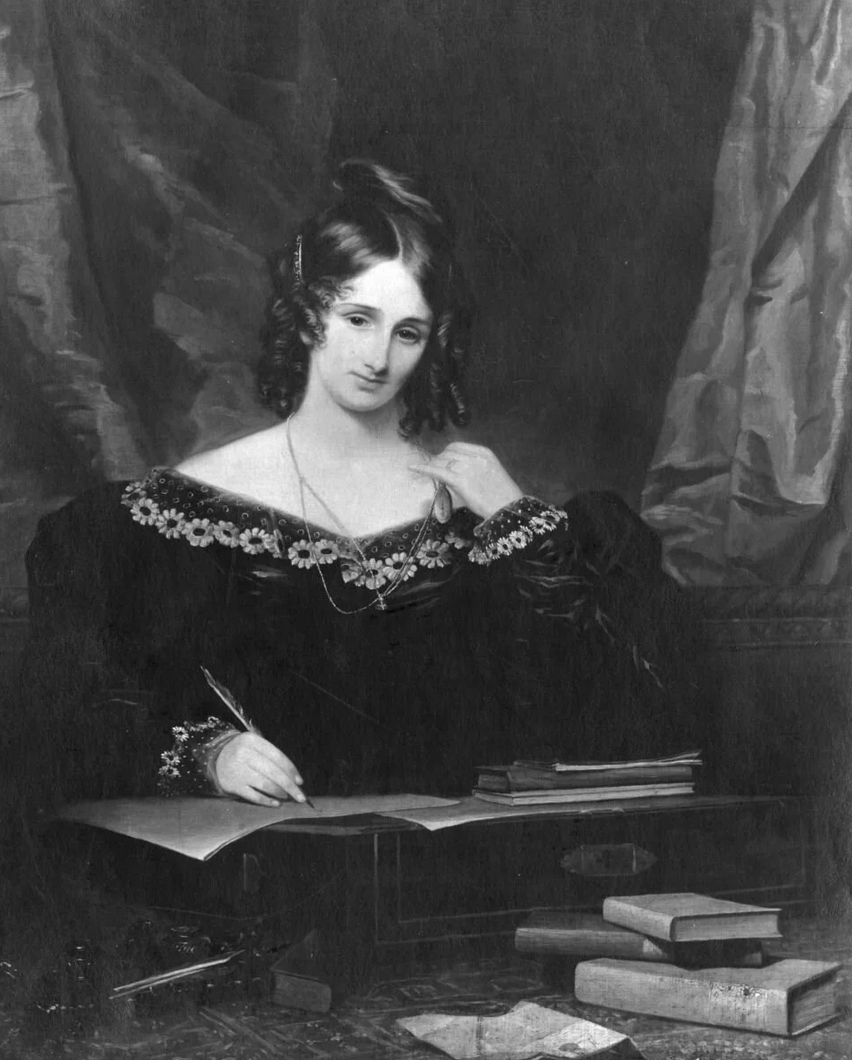
451 Mary Shelley
For more than two centuries, the author Mary Shelley (1797-1851) has been eclipsed by others: her famous parents William Godwin and Mary Wollstonecraft, her even more famous husband Percy Bysshe Shelley, and even her own creations, the "modern Prometheus" Victor Frankenstein and the creature that often (and erroneously) bears his name. But Mary Shelley deserves more attention than just as the young woman who married a Romantic poet and happened to write an indelible novel. In this episode, Jacke...

450
Oct. 13, 2022
450 The Tell-Tale Heart by Edgar Allan Poe
It's October! Time for dead leaves, spooky twilight, and little goblins running around in search of candy. And of course, the OG Mr. October, Edgar Allan Poe. In this episode, Jacke (finally!) accommodates the voluminous requests for an episode on Poe's classic story of guilt, madness, and horror, "The Tell-Tale Heart." Additional listening suggestions: 278 The Cask of Amontillado by Edgar Allan Poe (with Evie Lee) 276 Edgar Allan Poe Invents the Detective Story | "The Purloined Letter" 2...

449
Oct. 10, 2022
449 Method Acting and "Bad Hamlet" (with Isaac Butler)
We all talk about actors who use the Method, but do we really understand what that means? And how exactly has the Method changed the way we take in drama? In this episode, Jacke talks to theater expert Isaac Butler about his book The Method: How the Twentieth Century Learned to Act. And in a special bonus, Isaac also tells Jacke about the Shakespeare variant known as "Bad Hamlet." Additional listening suggestions: 338 Finding Yourself in Hollywood (with Meg Tilly) 288 The Triumph of Broad...
448
Oct. 6, 2022
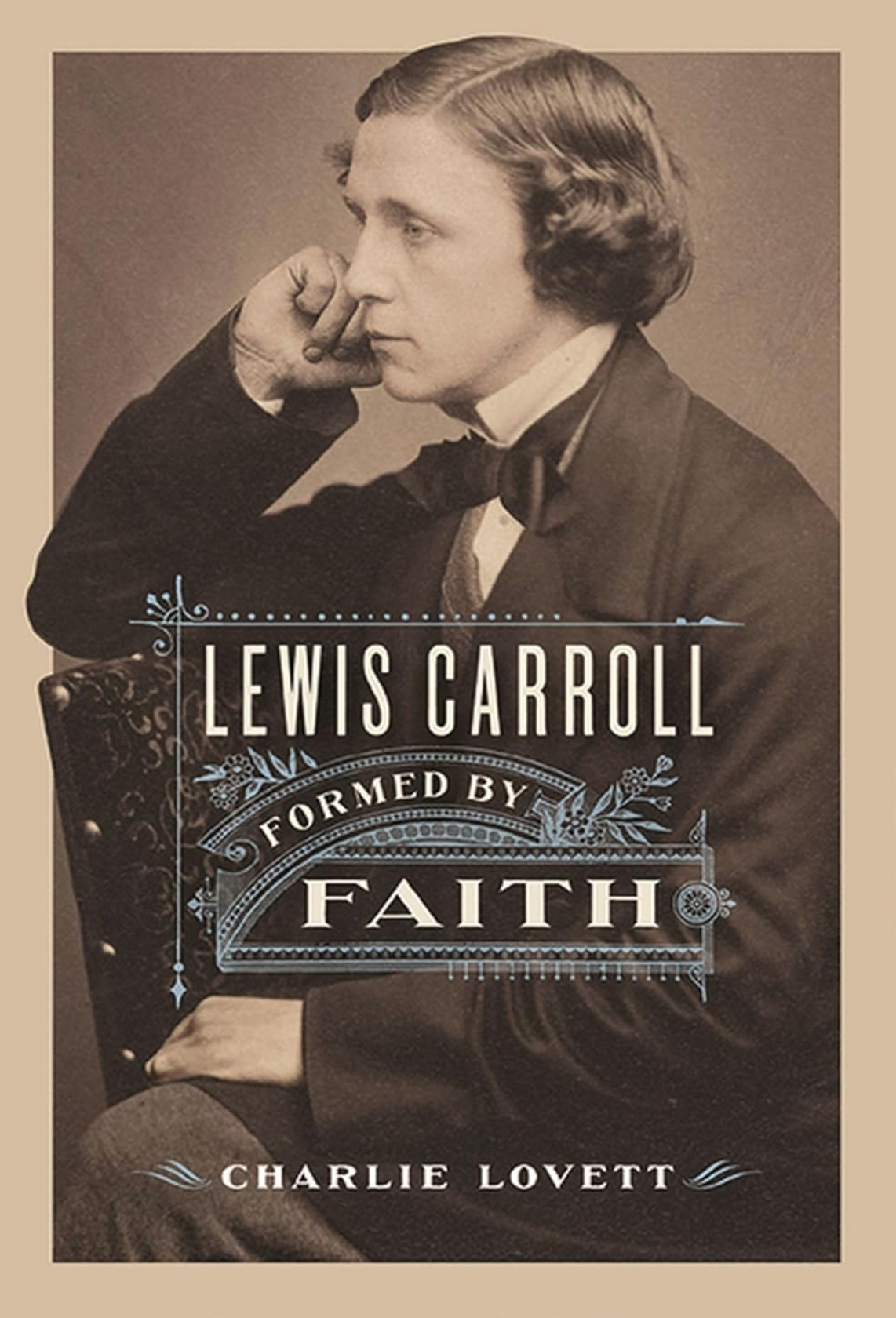
448 Lewis Carroll (with Charlie Lovett)
Although best known for his classic children's books involving Alice and her Wonderland adventures, Lewis Carroll (1832-1898) was a man of many talents and interests. In this episode, Jacke talks to Carrollinian scholar and biographer Charlie Lovett about his new book, Lewis Carroll: Formed by Faith. Additional listening suggestions: Beatrix Potter C.S. Lewis 373 Roald Dahl Help support the show at patreon.com/literature or historyofliterature.com/shop. The History of Literature Podcas...

447
Oct. 3, 2022
447 Lady Chatterley's Lover (with Saikat Majumdar)
D.H. Lawrence (1885-1930) started a firestorm with his 1928 novel Lady Chatterley's Lover, which was quickly banned around the world. But the novel eventually found its way into print, after winning numerous obscenity trials in the 1950s and 60s, and today it's widely available (if not always widely read). In this episode, Jacke talks to Indian novelist Saikat Majumdar (The Middle Finger, Silverfish) about Saikat's childhood, his journey to becoming a writer, and his admiration for Lawrence's cl...

446
Sept. 29, 2022
446 Percy Bysshe Shelley - The Early Years
Jacke takes a look at the early years of Percy Bysshe Shelley, from his idyllic childhood, to his rebellious student years, to his experiments in free love, radical politics, and Wordsworthian poetry. Works discussed include "Queen Mab," "Hymn to Intellectual Beauty," "Alastor, or the Spirit of Solitude," "Mont Blanc," "Mutability ["We are as clouds that veil the midnight moon"], and "To Wordsworth." Additional listening suggestions: John Keats More John Keats 306 Keats's Great Odes (with...

Sept. 26, 2022
445 What Would Cervantes Do? (with David Castillo and William Egginton)
As the author of what is generally considered the first and perhaps greatest novel of the modern era, Miguel de Cervantes and his masterpiece Don Quixote belongs on every shelf. But as two scholars point out in their new book, What Would Cervantes Do? Navigating Post-Truth with Spanish Baroque Literature the lessons to be learned from Cervantes go beyond issues of plot and character. In this episode, Jacke talks to Professor David Castillo and Professor William Egginton about using the example o...

444
Sept. 22, 2022
444 Thrillers on the Eve of War - Spy Novels in the 1930s (with Juliette Bretan)
The British spy novel was well established long before Ian Fleming's creation of James Bond in the 1950s. And while it came to be identified with the Cold War, thanks to Fleming and subsequent writers like John le Carré, thriller aficionados continued to look back to earlier authors for novels with a different set of stakes. In this episode, Jacke talks to scholar and journalist Juliette Bretan about the issues at work in the spy novels of the 1930s. With Europe in flux, what were the protagonis...

443
Sept. 19, 2022
443 Updating Bloom's Canon (with Bethanne Patrick)
In 1994, Harold Bloom's magnum opus The Western Canon took up the critical cudgels on behalf of 26 writers declared by Bloom to be essential. In this episode, Bethanne Patrick (aka the Book Maven), literary critic and host of the new podcast Missing Pages, joins Jacke to propose some additions to Bloom's narrow list. Additional Listening Suggestions: 83 Overrated! The Top 10 Books You Don't Need to Read 52 Recommend This! The Best 101 Books for College-Bound Readers 54 The Greatest Books ...

442
Sept. 15, 2022
442 Prince, Emperor, Sage - Bābur and the Bāburnāma (with Anuradha)
The warrior and leader known as Bābur (1483-1530) had the kind of life one might expect from the descendant of Timur (Tamburlaine) on his father's side and Genghis Khan on his mother's. Elevated to the throne at age 12, and thrown into a world of battles and defeats, he eventually founded the Mughal Empire in the Indian subcontinent. In his quieter moments, he wrote his memoirs (also known as the Bāburnāma), an astonishingly sensitive portrait of life, leadership, and the natural world. Generall...

441
Sept. 12, 2022
441 When Novels Were Novel (with Jason Feifer)
It's hard to imagine now, but there was a time when reading novels was not a common activity - and then, suddenly, it was. In this episode, Jacke talks to Jason Feifer, an expert on transformative changes in society, to see how the rise of novels (and the backlash against them) follow broader patterns of disruption, adaptation, and the entrepreneurial spirit. Jason Feifer is the editor in chief of Entrepreneur magazine, a startup advisor, host of the podcasts Build for Tomorrow and Problem So...

440
Sept. 8, 2022
440 Emma's Pick - "A Pair of Silk Stockings" by Kate Chopin
Today, Kate Chopin (1851-1904) might be best known for her groundbreaking feminist novel The Awakening (1899). But she was also an accomplished short story writer, publishing in national magazines like Atlantic Monthly and Vogue. In this episode, Jacke provides an annotated reading of producer Emma's latest pick: "A Pair of Silk Stockings" (1897) Chopin's story of a down-on-her-luck woman who receives an unexpected windfall and decides whether to succumb to the temptation of some luxury items. ...

439
Sept. 5, 2022
439 Poets' Guide to Economics (with John Ramsden)
Sure, we know poets are experts in subjects like love, death, nightingales, and moonlight. But what about money? Isn't that a little...beneath them? (Or at least out of their area of expertise?) In this episode, Jacke talks to author John Ramsden (The Poets' Guide to Economics) about the contributions made by eleven poets to the field of economics. What did men like Defoe, Swift, Shelley, Coleridge, Sir Walter Scott, de Quincey, Ruskin, William Morris, George Bernard Shaw, Hilaire, Belloc, and E...
438
Sept. 1, 2022
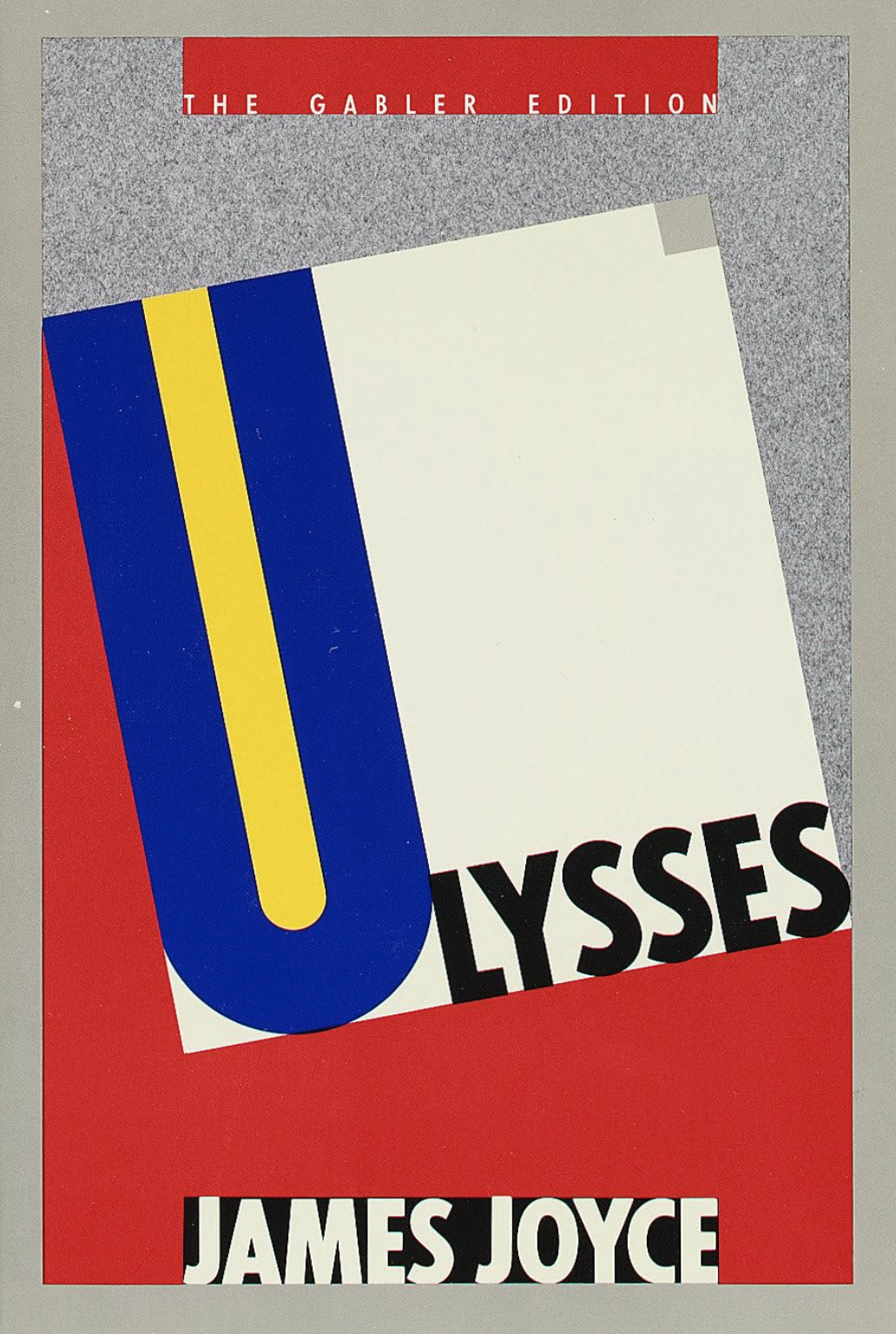
438 How Was Your Ulysses? (with Mike Palindrome)
In 1922, a writer for the Observer commented: "No book has been more eagerly and curiously awaited by the strange little inner circle of book-lovers and littérateurs than James Joyce's Ulysses." After declaring Joyce to be a man of genius, the writer said, "I cannot see how the work upon which Mr Joyce spent seven strenuous years, years of wrestling and of agony, can ever be given to the public." The objection then, or the fear, was that the book would wreak havoc on the morals of the general po...

437
Aug. 29, 2022
437 A Million Miracles Now - "A Bird, came down the Walk" by Emily Dickinson
Responding to a listener email, a heartbroken Jacke takes a close look at Emily Dickinson's astonishing poem "A Bird, came down the Walk." Additional listening suggestions: 120 The Astonishing Emily Dickinson 418 "Because I could not stop for Death" by Emily Dickinson 95 The Runaway Poets (the story of the Brownings) Help support the show at patreon.com/literature or historyofliterature.com/shop. The History of Literature Podcast is a member of Lit Hub Radio and the Podglomerate Networ...

437
Aug. 25, 2022
The History of Literature Presents: Missing Pages
The History of Literature Presents: Missing Pages

436
Aug. 22, 2022
436 The Lorax by Dr Seuss (with Mesh Lakhani)
He was born Theodor Seuss Geisel in 1904, but in the next 87 years, the world came to know and love him by his pen name, Dr. Seuss. Best known for his more than 60 books for children, including The Cat in the Hat, How the Grinch Stole Christmas, Green Eggs and Ham, and Hop on Pop, Dr. Seuss has sold more than 600 million books. In this episode, Jacke talks to Mesh Lakhani, CEO of Lola Media and co-host of the chart-topping podcast Better Call Paul, about his love of Dr. Seuss's 1971 classic work...