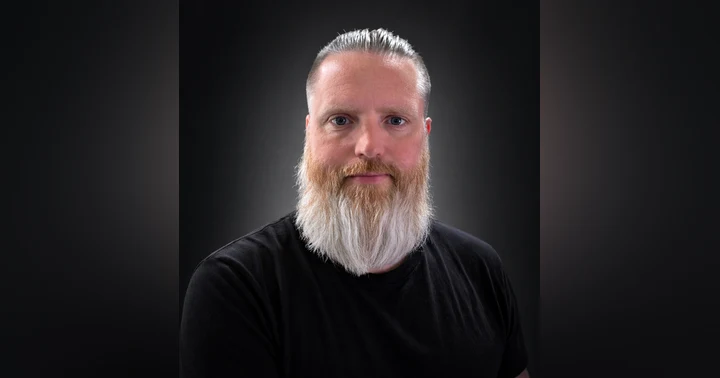
A Veteran’s Road To Shamanic Trauma Healing


We talk with veteran and shamanic trauma specialist Jeremy Chenvert, host of “The Shaman Stories Podcast” about how trauma can linger even when you “should be fine,” and how healing starts when the nervous system finally feels safe. We share concrete tools, hard-earned boundaries, and a grounded look at shamanic work, generational trauma, grief, and finding practitioners you can trust. In this episode we will talk about:
• Jeremy’s military background and the slow build of anger after deployments
• Why denial of PTSD is common even with real loss and exposure
• Limits of medication and talk therapy for some people, plus why they can still help
• Shamanic healing as work with trauma imprints and blocked energy flow
• Box breathing and grounding as a simple nervous system reset
• Small incremental change over big overhauls, plus unpacking the story around the wound
• Generational trauma and the ripple effect of healing forward and back
• Media diet, community building, and “find what is yours to do”
• How to vet safe practitioners, including plant medicine cautions and discovery calls
To learn more about Jeremys Offerings and to download a FREE Reiki Level 1 Course please visit https://www.pnwshamanichealing.com/
I’m looking to help our community grow! If you’d like to support the show, please visit https://www.buzzsprout.com/2628184/support . Supporters receive a special shout-out on an upcoming episode, and I would love to help promote your latest work or website to our audience. Let’s collaborate and get your message out there! You can see all my platforms, follow along and reach me here: https://linktr.ee/RecoveryCatalystPodcast
Thanks for listening to this episode of the podcast! If you enjoyed today’s conversation, please follow, or subscribe to the show so you never miss an update. Want to connect? Visit me at podpage.com/recovery-catalyst/
00:00 - Welcome And Guest Introduction
03:10 - Military Deployments And Hidden Trauma
11:05 - Rage, PTSD Denial, VA Meds
18:25 - How Shamanism Found Him
26:40 - Trauma Imprints And Energy Flow
34:55 - Resetting Fight Or Flight Simply
44:10 - Stigma, Religion, And Practitioner Abuse
51:55 - Generational Trauma And Ripple Effects
01:03:20 - Grief, Death Rites, And Moving On
01:10:45 - Entities, Protection Protocols, Staying Clear
01:16:35 - Finding Safe Help And Final Encouragement
Welcome And Guest Introduction
SPEAKER_01
Welcome everyone to the Recovery Calors Podcast. I'm your host at York. Welcome to my little corner of the world. Mental health struggles. The goal is very simple. It's a try to like any difficult topics. His name is Jeremy Jammer. He is a shamanic trauma specialist who specializes in the energetic roots and often go unaddressed. Jeremy has trained with Carubian shamans and specialized in entity extraction in South Africa. And he shares those insights weekly as the host of the Shaman Stories podcast. You can also find out more about his work at Pnw shamanichealing.com. Now I have personally worked with Jeremy. He has helped me through several sessions on my healing journey. And I speak from personal experience when I say I highly, highly recommend Jeremy. He has brought deep healing on an emotional level to me, on a physical level, and on a spiritual level. His work is definitely beneficial if you are struggling with PTSD, uh, depression, anxiety, trauma, addiction, any and all of that. He um he's very warm in his presence, he's very genuine and very authentic, which I believe you will hear in the interview as we go through it. But I highly, highly recommend if you are in some of these dark places to reach out to Jeremy through a free consultation call from his website and just get to talking with him and see if you two are a good fit. But I really truly believe um his work is very powerful
Military Deployments And Hidden Trauma
SPEAKER_01
because I have experienced it myself, and I'm still experiencing the changes which have all been positive. And so that's enough of me yapping, and now I would like to welcome Jeremy. Can you tell us a little bit about your story and what kind of led you down this path?
SPEAKER_02
Sure. So I was in the military, I was in the army from God, it's been a while now. 2005 to about 2012 is when I got out. I deployed twice to Iraq within that time. I went to Afghanistan once. All my tours were on average 13 to 15 months. We were actually one of the last units to go to Afghanistan and have the standard 12 to 15 month tour. Everybody but after us was doing nine months. Um, I was a what was called a Camo guy. So basically anything electronic within the vehicles, I would put in. So the radios, the GPSs, um, the IED jammers. I would even climb up on the roof and make sure that the TV worked for my first sergeant. You know, anything that plugged into a wall, basically, I had to take care of. And so because of that, I wasn't on the quote unquote front line. I wasn't, you know, breaking down doors, shooting people, but I still was on convoys, I went on missions, and things always happen around me, not necessarily to me. And so I came out of that thinking, well, I shouldn't have any problems. Nothing happened to me. You know, I didn't have to kill anybody, nobody shot at me. Never mind the fact that I lost friends down there. Um, people came back missing body parts. I saw, you know, tanks get blown up, I saw helicopter shooting into buildings. But, you know, I came out of with that mindset of didn't happen to me, I'm fine, like a lot of us do. And it really didn't affect me. It was kind of a compounding thing. So, like the first deployment, I feel I was fine, the second deployment, things got a little bit worse. But by the third deployment, when I came back, that's when I was very angry and I couldn't understand why. And it was more of an explosive rage. Like something small would happen, it would just set me off. You know, and my wife would be like, Oh, you need to go get help. It's probably PTSD. And again, I'm going with that mindset of, nah, nothing happened to me. Like it, there's no way I have PTSD. There's people with a lot worse things going on in the world. Nothing happened to me. I'm fine. And this went on for a few more months. Then finally I got to the point where I just had an explosive outburst where I my wife and I were arguing about something very minor, very small. And I just had so much rage, I just had to hit something, but I didn't want to hit her, right? I didn't want to do that. And so I went into the other room and just punched a hole in the wall. And then it was like, okay, I need to address this. And so I did the standard thing. I went to the VA. I was given pills to help, you know, calm me down. And all they really did was make me numb. I no longer had any emotions of any kind. And then when I did have an emotion, it was 10 times worse than not taking the meds. So I stopped taking the meds. I tried talk therapy where all they wanted to do was talk about, you know, talk about the same events over and over and over, but we wouldn't get to the cause of why am I so angry? Logically, I understood everything that happened. You know, I understood that these events happen when you're downrange. It wasn't my fault. You know, my part to play with it didn't cause anybody to get killed. All of these things logically. And there's nothing wrong with talk therapy. I, and we can get into that too, where I believe there's there's tears of healing, and we need to look at the mind, the body, the spirit, and the emotional level of a person. And for some people, that talk therapy is perfect, and I will never say don't do it. I will also say never take medication if that's what you need to get your head right in the moment, because it's there for a purpose. I just don't think we should get stuck on these medications. Then they usually cause more problems. But going back to it, um, yeah, I tried talk therapy, tried medication, that wasn't working. I then got, I'm here in Washington State, so it's legal to get marijuana. So I even had a medical license, went and I found that if I smoked a little bit each night, I was usually pretty calm throughout, but that only lasts so long. A couple years doing that and drinking, things were just getting worse and worse. I was still managing my job, still managing my day-to-day, but I wasn't living my life. And it wasn't until probably about 2018 things were getting really bad with my wife and I, and she was about to divorce me, take the kids and go. And shamanism just kept showing up for me. I was never raised in anything shamanic. My parents were kind of Catholic Christian, but we never went to church. And so I understood the concept of you know, God and religion, but it wasn't something I grew up with or cared, cared about, to be honest. But shamanism kept showing up in Facebook ads, um, like ads for courses on Udemy. It kept showing up on my Amazon recommended reading list. People around me were starting to talk about it, or they never did. And and you'll find when you talk to people about their journeys, this happens a lot. And so finally I was like, well, let me just get a book and see what we can do. And I got a book by a guy named Paul Francis. He runs a school out in England, and it was just introductory core shamanism, teach you how to do some basic journey work. And I read through the whole book. I'm like, this kind of makes sense. I wonder how I can learn how to do this. Turned out he had classes that were very well reasonably priced, took a couple of his classes, and then I just became hooked. I was I was journeying down to these other realms, working with my spirit guides, being shown things that I needed to be shown to work through my trauma and help clear things out of my energetic field. And then from there, I just had to learn more. I started working, I went through all of his stuff that he had, and then I was I thought there was a deeper way of doing it. And then I learned about the Quero shamans down in Peru. I did some training with them and became a Mesa holder, got initiated into their lineage, learned a lot more about energy work. I did some, yeah, I'm a master Reiki practitioner. I also was then running into clients that were having external forces that were attached to them. So like darker entities and darker energies. And I found a shaman in South Africa that I was training with for a while, learning how to work with that. And now I'm working at the quantum field level of just resetting people and removing these energies or imprints from trauma and just helping them reset themselves and just start living their life that they want to live. I know there's
Rage, PTSD Denial, VA Meds
SPEAKER_02
a lot there, and you can dive into either one of those parts, but that's that's my journey in a nutshell.
SPEAKER_01
And how are you doing today?
SPEAKER_02
I'm doing great. I mean, I I used to not be able to go do something as simple as go to Costco, right? Because there was too many people. Now it's like, yeah, whatever. We we went to a fair uh in a town here called Piallop, Washington State Fair. I mean, there was thousands of people there, no problem. Uh, we went to Orlando studios just a couple months ago with the kids, no problem whatsoever. Like it's there would be moments where you might have that emotion come up again or that feeling, but having the right tools in place, you learn how to process and you learn how to work through them quickly and efficiently. And so there's there's nothing saying that you're not allowed to have feelings. You can cry. We want feelings, we want to cry, we want to laugh, we want to be angry. But when we get stuck in these feelings, they become emotions, and then then we're no good to anybody because then we're always angry, we're always depressed, we're always anxious. And we don't want that. We just our feelings give us a they can be for protection, they can be for just in the moment letting things go as a release. So we want them, but we don't want to get stuck in them. Right.
unknown
Right.
SPEAKER_01
It's and we can't get out of that that loop. Yep, exactly. That that we run into problems. And you mentioned that you try to talk therapy and there's nothing wrong with it. Some people, it's what they need. And if you need that, then go get that. But what was it about shamanism that really drew you to that side of healing?
SPEAKER_02
So the the way I like to describe it to people is when we have trauma, whether perceived or real, it leaves what I what I was trained in, what I call that imprints within our energetic field. Now, within our our energetic field is basically just we are made up of energy. Like we are technically our energetic field, you know, working within this meat body. And whenever we have these imprints, it's like the best way I can describe it is like um traffic on a on a freeway system, right? When one of the off-ramps gets blocked up, the flow of traffic has to go different ways to get around that blockage. And it's the same thing with the imprints. And so our energy is not flowing as correctly as it should be. And so when we don't clear these imprints out of the energetic field, our energy can't flow. We can get sickness, diseases, um, depression, anxiety, all that good stuff. But talk therapy, again, it's just one layer. So sometimes working at the mind level can clear these imprints because the imprint isn't that deep, and that's great. And you're just you're good with it. Sometimes somatic releases, a somatic massage exercise, yoga, that can also do some really good release work and that can also release those imprints. For me, I was doing that. I was working out, I would, I did therapy. I mean, I could be argued I could have done more. I mean, I won't discount that, but for me, it was just, I was just stuck. Nothing seemed to be working, nothing seemed to be getting better. And again, I mentioned logically, I understood what my part to play in everything was, and that nothing was my fault, and that everything was okay and that I was perfectly safe. But energetically, I didn't believe that. And so working through the shamanic practices, I was able to release these imprints and allow my energy to flow. And it just gives you a reset. So when I do these clearings, I'm not we're not resetting the past, we're just resetting your triggers to how you react to it again. And so now when something new comes up, you're not going to act the same way. Or you you have a choice. You're now given a choice not to do the same patterns over and over.
SPEAKER_01
Now, where do you start um with resetting the nervous system? Because that's not an easy task or a simple task.
SPEAKER_02
Yeah, the first thing I do with any client or anybody that I'm working with is um I we start with this a process that's called decoupling. Um basically we're resetting that fight or flight. And the simple time tradition method of doing that is a simple box breathing. So you have you can just sit still and you'll breathe in to the count of four, you hold to the count of four, you breathe out to the count of four, and you hold to the count of four. And you do this for about one to two minutes. And I usually have people start with right before they go to bed and right when they wake up. So this allows them to kind of clear the day before they go to sleep, and then clear the night from any dreams, nightmares, anything that might come up for them while they're sleeping. And if you do this on a constant basis, you'll get to the point where when something happens and you're feeling anxious, you'll literally just be able to take a nice deep breath, and your body remembers, oh, this is what it's like to be safe. And as you exhale, all that tension just kind of leaves your body. And I do this with um with the shamanic technique where I am grounding them energetically as well to the earth and allowing the earth and them to sink together. So if you were doing this by yourself, you could simply go outside, sit on the ground, and do this breath work, and you'll you'll ground to the earth at the same time while you're doing this, and you just become more centered and more focused.
SPEAKER_01
And that's such a simple way to start. That's something anybody can do.
SPEAKER_03
Yep, exactly.
SPEAKER_01
And would you say sometimes when people are trying to find their way through trauma and to heal, sometimes they start too big or take on too much?
SPEAKER_02
Yeah, I mean I would say people I mean, just on anything, right? When people want to lose weight, they they jump all in and get the gym membership, throw away all the junk food out of their pantry, fill up the fridge, you know, buy the exercise equipment for thousands of dollars, and then they give up after a week because it's too much. Trauma is the same thing, right? It's these small increment changes is what makes things last. So it's it's starting with the grounding, starting with the nervous system reset, and then it's looking at your stories that you built on the trauma that happened because it's it's not about the trauma,
How Shamanism Found Him
SPEAKER_02
right? What happened happened. It's about the story you created around that trauma that is now dictating your life. That's really where you have to look and understand okay, I'm making this to mean this. Why? You know, did something happen to you as a child that caused this? You know, did one example I like to give is for what I call perceived trauma is say you're a six-year-old child, you're you're coloring on the dining room table, you're staying in the lines, your shading's on point. This is the best thing you've ever done. This is beautiful, and you can't wait to show your parents. You go running into the kitchen, and now what you don't know is that your parents are arguing. Uh, they're arguing over something silly, mundane. Maybe dad didn't pick up milk from the grocery store, and now mom can't make the dish tonight, or mom accidentally took out an extra 20 bucks to buy something nice and for the child, or whatever, it doesn't matter. And now there's not enough money to cover the electric bill, or they're going to go in negative. It's again, everyday things that happen, it's not a big deal. But they're just arguing about it because they're having a bad day. You come running in as a child trying to show this picture, and instead of them praising you and looking at it like they normally would and hanging it on the fridge and giving you all these accolades, maybe your dad looks at you and just says, Not right now, go back to the table. He didn't yell, he didn't scream, but you perceived it in that moment as not being good enough. Your drawings not good enough. And so now you have the story built around this perceived trauma of not being good enough or not being an artist. So now maybe you give up your dream of being an artist. And so that happens a lot to us, and we need to understand where these stories come from and understand what happened to us that caused us to create these stories. Whether real or not, it doesn't matter because it's real to you. And that's where people need to look at next. So it's again grounding nervous system reset. And I would say too, you can even go to a chiropractor, and going to a chiropractor and getting adjusted can help reset your nervous system. There's lots of science and data proven for that. Going to an acupuncturist can help your nervous system reset. So it's it's many different ways to get reset. And then figure out your story, and then you can slowly work on that story and try to understand it. And that's where usually I'll start working with somebody where I don't necessarily need to know the story, but we just go in and I look in through the energetic field through the chakras, and I just start clearing out the imprints from the energetic field, and then you start having that reset.
SPEAKER_01
Now you how do you talked about that child coming into to see their parents having an argument and they took on that belief that they weren't good enough, that they're not a good artist. Over time, if we keep getting those messages, how does that create illness or disharmony in our energy?
SPEAKER_02
So again, it's you're not living your life, right? You're these every time you get triggered by the same thing, that that imprint's getting a little bit bigger, a little bit bigger. Almost like, again, I use the traffic flow as an example, but you could even look at cancer, how a cancer cell will just multiply and get bigger, and then it takes up a lot of your energy and it makes you weaker and it makes you more susceptible to illness. It's the same thing on the energetic level can happen where these imprints get bigger and bigger, turn into affinities. And then from there, your energy is flowing less. It's just not flowing correctly. And we need our energy to make everything run. I mean, if we look at Tai Chi, there the whole concept of Tai Chi is moving the energy around and putting it where it needs to go and letting it flow. It's the same thing with just about every other metaphysical process out there. Reiki is all about putting energy into a person, letting it flow to where it needs to go for healing and resetting. But if you have these affinities or imprints there, that energy can't move and it just gets stuck. And so that just over time can just lead to depression, anxiety. You'll usually see that stuff first, especially if it's something as you know, wanting to be good enough, wanting to be enough, wanting to feel loved. If you don't feel like you're good enough for love from even your parents, you're not going to feel it from any relationship that you have down the road. And then you're just going to be stuck in this constant state of depression. And our minds, our words, they they shape our reality. And so if we constantly think we're not good enough, then why should we try applying for this job? Why should we try going on this date? Why would I ever think that I can do more than what I'm doing now? Then that leads to maybe an economic status, right? So now you're not trying for these higher jobs, you only make so much money, perhaps it's minimum wage, you can't afford the best kind of food that's out there. And so now your body's not getting the right kind of nutrients that it needs, and that can lead to sickness as well. It's it's such a multifaceted layered thing that one little story can cause all these issues down the road.
SPEAKER_01
Now why do you think with all these practices that have been proven to help like Reiki, like acupuncture, like like shamanic healing? Like chiropractic here. Why do you think with all these data and stories and people like yourself and other veterans and other people in first responder field, why do you think we're still not making any headway to acknowledging that it does help? Why do you think there's still like a stigma around it?
SPEAKER_02
Part of it, so that's a couple different layers too. So part of it, and I'm not trying to go against anybody's religion, but part of its religion. I have met a lot of vets where I'm like, yeah, just come, let's work, I can help you with this and that. Oh, this goes against my religion, you know, because in the Bible it says, you know, all this stuff is evil. Maybe if you if you actually go back to the original translation of it, that's they don't even really know what those words meant. And a lot of that stuff was just inputted in so that they could have something there. Um, but religion's a big factor for a lot of people on wanting to go down this road. The other factor is the perception of it. So, you know, you had like the 70s and the 80s, the whole new wage spiritual movement came into place. So when people think of Reiki practitioners or energy workers, they usually think of like some 40, 50-year-old woman who's all hippie and smoking weed all day. And again, nothing wrong if that's you. I'm not trying to out anybody, but that's really the perception, right? Same thing with tarot readers. It's usually some evil old
Trauma Imprints And Energy Flow
SPEAKER_02
lady that's going to curse you because she read your cards versus someone just that just runs it. And, you know, I know this is an audio podcast, but I'm just a dude with a beard. Like, if you saw me, you wouldn't think I was a shaman. You wouldn't think I was into any of this stuff, and I never was before. And so a lot of it's trying to break through that impression. And I will say it's it's getting easier. I've met a lot of veterans now who are doing this work, a lot of first responders who are open to it. A lot of them start through the plant medicine side, like they've tried everything else that they can think of, and they'll go do a trip down to Mexico, do ayahuasca or mushrooms, and then everything opens up for them. You know, that's that's okay to do too, as long as you make sure you have the right kind of facilitator. Right. And so it's it's getting there, but it's it's really a slow burn. And the biggest challenge I've run into is it's either too sounds too woo-woo or it goes against the religion. But if anything, if you were to do this work, it would enhance your religion because it would enhance your connection to source, God, insert whichever name works for you. I know Catholic priests who have been trained in shamanic work, and it it enhances their their connection.
SPEAKER_01
And I think that's an important piece that you mentioned that religion can be a barrier for some people because they can either be afraid of it, like you said, because they have maybe a misperception of this one particular person doing this work, or maybe they'll be taken advantage of in some way.
SPEAKER_02
Yeah. And and there there is that side too, right? There is the the darker side of spiritual workers. I mean, there are people who go to ayahuasca ceremonies and get raped. It's these things happen. There are practitioners, reikes, shamans, otherwise who put their hands on their clients in ways they shouldn't be. You don't need to touch anybody when you do this work. Anyone that tells you otherwise is lying to you. Like nobody needs to touch you. It this these things do happen, and there's some horrific stories out there for sure.
SPEAKER_01
I think that's important to say too, because like Reiki is hands-off, it's very gentle. Um acupuncture of the very small needles. Again, it's hands-on the ones it's very gentle work, it's not aggressive in any way. If you want to touch on something, I think it's it's kind of healer to elaborate on something and you say when we heal ourselves, we also heal seven generations before and seven after. And that's important because more than ever we hear about generational trauma. Can that can you expand on that statement and a little bit about generational trauma?
SPEAKER_02
Sure. Um this this one gets a little deep for people too, but um so we all have ancestral baggage, trauma, and we can never look at it in a way where we need to blame our ancestors. So our ancestors did what they had to do to survive in order for you to be here today. So we should always have gratitude and appreciation for our ancestors. That's not saying that, you know, if your father or mother did something to you that was horrific, or your uncle that you need to forgive them for everything. I don't firmly believe in that. I believe if you forgive somebody, you're taking away their responsibility. But you can still have gratitude for the fact that if it wasn't for them, you wouldn't be here today. And so we all have ancestors who did things that they needed to do in order to survive, and they picked up traumas from that. And sometimes that trauma gets carried down the line. It's like in our DNA, it just comes down with us. And so we might have some of these trauma trauma wounds from our ancestors that we just don't even know about, and that's causing our life problems today as well. Now, if we if we understand that, then we also need to understand that the things that we do today are also going to cause trauma down the line to our ancestors. And that's one thing when I'm working with people that sometimes it's hard for them to understand. Um, we all know somebody, or maybe we're that person ourselves who has gone down a healing journey. You know, maybe it's addiction. Maybe you were addicted to drugs or alcohol, and you're you're finally quitting, you're finally working on yourself, and then you don't understand why everybody around you isn't accepting of this and doesn't understand and isn't talking to you again. But what you're not remembering is that maybe you've tried this before. They're having a hard time trusting this one's gonna stick. Or perhaps when you're going through your addiction and your trauma, no matter how many times they came to take care of you or help you or talk to you, you push them away. Or you yelled at them, or you screamed at them, or you hit them. You inadvertently cause them trauma through your trauma. And so just because you're working on yourself doesn't necessarily mean they're going to accept it right away. But that being said, when you start clearing all of your trauma and working on yourself, it's like a ripple effect. So when you start working on yourself and some of that stuff is tied to ancestral ancestral trauma, you're clearing that trauma not just for you, but for all your ancestors behind you, all the way back to that original ancestor. And you're stopping all of your new ancestors, you know, your children, your grandchildren from getting that trauma. And then working on yourself even more stops your trauma from rippling down the lines as well. And so it's one thing I always tell people is you can only focus on yourself when you start your healing journey. You can't focus on your partner, your parents, or anybody else because they might not be ready for it yet. You can only focus on yourself. But the more you do, the more of a change you're going to create. They're going to notice it. They're going to come talk to you again. They might even ask you, you know, what are you doing to take care of yourself now? You look so much better. Your eyes shine brighter, your skin looks clearer. What, you know, what are you doing? And I've had it with my family where I started doing the shamanic work, and again, part religion right there was, oh no, that's crazy. We're not doing that. You, I don't know why you're even looking into this. That stuff's not good for you. Stay away from it. It's evil. And then years later, they're seeing me a whole different person, back to where I was before I was in the military, a better father, better husband, better, just better son. And now my parents, you know, my my father passed away, but my mom, she's still interested in it. I still do sessions on her. I've been teaching her how to journey. And my father, who has passed away, he's now on my spirit team, and he's always hanging out now and with me. And so it's like I've haven't lost him, even though physically he's not here. And that's it, it just changes the dynamic of everything.
SPEAKER_01
I like that you said that. You know, he's
Resetting Fight Or Flight Simply
SPEAKER_01
still here, he's still he's still hanging around.
SPEAKER_02
Oh, yeah. No, he comes, checks in on the grandkids. Like we have an ancestral altar in the house right when you walk in. So he's always just hanging out, checking in, doing his thing. There's no there's no space and time. So it's even if he were to reincarnate tomorrow, he's still here today just because of the way time works. Like it's it's a very time is so fluid, it's not what we think. It's not this linear thing, and then we're done. We're constantly reliving, we're constantly here to explore and play.
SPEAKER_01
As you were going through your healing journey, did the practices you learned and went through, did that help you with your grief as related to people you lost in your service or even in your family?
SPEAKER_02
Yeah, definitely. Um biggest example, like I mentioned, my father died. He actually passed away, I think we're going on three years now. But he had a basic a mini stroke. I f I'm in Washington State. I flew down to Georgia, but by the time I got there, he was already um in the incubator. He couldn't talk, he wasn't he wasn't really responsive. And so I got to talk to him a little bit. He tried to open his eyes every now and then. I think he knew that we were there, but eventually we just had to put him in hospice and let him go because there was just no recovering from it. But I had the honor of actually doing the death rites on him after he passed within the hospice. So I was able to make sure he wasn't stuck in his body. He wasn't going to be one of the stuck souls that doesn't know what's going on. I did the ceremony on him, was able to send him to the ancestral plane. And like I said, now he's part of my spirit team where he's always hanging out, giving me advice or guidance. So I haven't lost him. It is it's so hard to explain to someone who doesn't understand it that way, but it's it's like you should be sad. Like, no, I'm sad. I can't pick up the phone and call him physically or give him a hug. But at the same time, I know he's standing right next to me right now, just hanging out.
SPEAKER_01
Yeah.
SPEAKER_02
Or he'll he'll show up when I have a question and I'll get an insight, or he'll give me guidance. Like, he's not gone. If anything, we have a better relationship now than when he was alive. And with others, it's the same thing. I've I've gone to people's houses um most recently. There was a couple that they wanted to get married. He had an ex-girlfriend who died of a drug overdose in the bedroom, and she was still just hanging around. And they just they just her energy was just there. They just couldn't move on, and they just couldn't be truly happy. And he was just stuck in the grief of her as well, even though he was trying to move on. And so I went to his house, I called her energy body in onto my my cuya stones and did this the death rites on her, and then I moved her on, and then you know, gave him guidance on, you know, if you want to, you can bring her back, you can set up boundaries. You get to choose what you do with with people you know that have passed on. And but during that process, there's there's always messages that come up. And so I'll get a message from the the spirit and I'll let the client know, or the client will have a message, and then the spirit hears it. A friend of mine, his daughter died of a drug overdose, I think two years about a year ago, did the same thing for him. So it's it's really an honor to be able to do that because you're helping these souls not get stuck. And you're also helping the families understand that it's okay, that they've moved on, that they're in a good place. Now, I call it the ancestral realm, you might call it heaven. Either way is acceptable to me, but it's they're moved on and they're not stuck. A lot of times spirits get stuck here when it's uh unexpected death. So drug overdose, gunshots, things like that, where they're not planning on necessarily dying. It's just something sudden that happens.
SPEAKER_01
That must be what are those moments like now that you can show up for your family and your friends and do this work and bring others peace and comfort when you know you were struggling so hard.
SPEAKER_02
I mean, it it's what I'm supposed to be doing. I it's so hard to explain. It's like I mentioned it, shamanism was never on my bingo card for life. I worked worked in IT, I was very logical, I would plan things out, use spreadsheets, and then this stuff happened, and it was like, oh yeah, I've heard on conspiracy podcasts about ghosts or this and that, but yeah, whatever, it's not real. No, no, the stuff is out there and it's real, and being able to help others, I mean, it's it feels right. You know, it's better than sitting in some cubicle somewhere, tapping away at a keyboard. I'm actually helping people get through stuff, I'm you know, closing out those wounds, helping close out those ancestral burdens that people have, bringing back parts of their souls, getting rid of entities from people so that they can relive their lives, moving on spirits. I mean, it's such a wide range of stuff. It's never a boring day.
SPEAKER_01
No, it's what do you do for work, you know?
SPEAKER_02
It can be hard to just hard to succinct it into that elevator pitch, but it's yeah, it there's just so many, so many things that can be done with this work. It's more than just and I and I have no shade against Reiki practitioners. I just I did it and it was just it wasn't as engaging to me because a lot of times it was just pushing energy out versus let's dive deeper, let's figure out what's really going on, let's find what's going on. And you know, sometimes I'll work on a client and they're one of their ancestors will show up to me or they're they're spirit guides, and I'll describe these people to them and they know exactly who they are, and I have never met them before. You know weird things like that will just happen.
SPEAKER_01
And I I imagine when you're doing these healings, you have to support yourself and clear clear your own field. What are some ways that you are able to stay dedicated to this without feeling so drained or depleted?
SPEAKER_02
Yeah, and and that's a big one. I I found that more in Rikey than I do with this work. Um, and it could just be over time because I kind of did Rikey in between just learning how to journey to being initiated by the queer. But with you want to be what's called a hollow bone, where you just allow spirit, the energies flow through you and do the work. I can't take any um I can't worry about the outcome, is the best way to put it. Where if you come to me and say, hey, I need to work on something, okay, cool, let's go see what we can find. We'll track it, make sure it's there, and then we start clearing it. If I worry too much about the outcome of, I hope I'm doing this right, I hope Kat gets everything she wants, I hope she leaves me a good review, I hope, I hope, I hope. I'm now becoming distracted and I'm not fully in the moment. So now my own energy is leaking out into this session. And you're not getting the full value of the session because my energy is leaking into this. And my and again, my energy at this moment is just me hoping that this works, me hoping that this happens instead of knowing that it's going to happen. I'm changing reality with those words by just thinking that I hope this works versus, oh, this is gonna work. We're just gonna knock this out real quick. Um, when it comes to like entities and things like that, before every session, I do what's called opening sacred space. I call in the different archetypes from the different directions, I call in my ancestors, my guides, and I fully open up sacred space and it's like a protective bubble around me. Um I then have protocols for when I'm doing some of the darker extraction works, things like that. Like that. And then after every session, I do a quick scan on myself, over my office, over my house, over my property, and just make sure
Stigma, Religion, And Practitioner Abuse
SPEAKER_02
that nothing got through and that nothing's attaching to anything else. And it's it's a lesson I learned the hard way. But once I learned it, it's like, no, this these are my protocols, these are what I have to do before and after every session. Um, if you are an energy worker, say you do Reiki and you do have a hard time keeping your energy. One thing I learned to do was just say thank you, but no thank you while I'm in the session. And I found that that blocked out me taking on other people's stuff. I once did a remote session on somebody, and right when I started the session, I felt like I was super high, like I had taken some sort of drug, and I was like, What is going on? I felt drunk, I felt really high, I didn't understand what was going on. And I finished the session and then I texted the client and I'm like, Yeah, I just finished. Is everything okay? Because I felt really weird. She's like, Oh, I just took a muscle relaxer. I'm like, Great, thanks for telling me. But the minute I cut the session off, all of that went away and I didn't feel it anymore. But it's those things happen too. So making sure your clients aren't drinking or doing something they're not supposed to be doing during a session is always a must as well, too. But yeah, just if you just do the mantra thank you, but no thank you, that usually cuts off that too.
SPEAKER_00
That's that's a lot of heavy stuff that you're dealing with, you know, projecting your boundaries.
SPEAKER_02
It it is, but when you do it all the time, it just becomes routine. Um, I mean, I don't know if you have time for it, but the reason I do it is when I first started doing taking real clients, like I was I was basically working free with people, just learning how to do everything. Um, I had to write, um I basically had to write down what I did with each person that I was working with and turn it into my teachers to prove that I was doing the work. And one of my first clients, a friend of mine reached out and they're like, oh, she's got breast cancer, she's got a couple weeks to live. Can do you think you can do anything for? And I'm like, I don't know. Usually when there's only a couple weeks left to live, the best thing we can do for them is, you know, let them tell their story, clear as much as we can out of their energetic field so they don't take any of the stuff up when they pass on and when they get reborn, their trauma's cleared from this lifetime. You know, and you just kind of work with that person and help them get ready to move on. And they were okay with that. Like she was about to go to hospice, she was like, I got nothing else to lose, let's do it. And I had to work on her remotely because she was still in the hospital, but I did a couple sessions just trying to clear anything that might be there that you know, doing full to like seven chakra illuminations, just clearing everything out of there. And then I was like, well, let me also do what we call crystallized intrusions and just check your energy field. And, you know, I had already checked her for entities and she was clear, but these are usually like past life wounds that get stuck in her field sometimes too. And I just start clearing her, and then I get around to her chest, and I the only way I could describe it was like this evil cursed dagger that was in her chest. And so I took it out and I burned it in the fire and I let it go and thought nothing of it. And, you know, did my normal process, closed everything. She walked out of the hospital a week later, full remission. Didn't have any more cancer. It's I've never had a client like that again, so I don't want to say that's always going to be the solution.
unknown
Right.
SPEAKER_02
But that was like one of the, oh my God, this is amazing. Well, it turned out, yeah, I got rid of the curse off of her, but I didn't have my own protections in, so the curse moved over to me. Within two weeks later, I had a $10,000 damage to my car that wasn't my fault. And my wound at the time was finances. So that's how it was getting to me was trying to attack my finances. And I couldn't figure out what was going on. Finally, I had another friend who went through the training with me check me out. And she's like, Oh, yeah, you got this curse, let's remove it, took care of it. And almost within the next day, like the money problems I thought I had were gone. I was able to get the car fixed with no issue. Everything just worked out again. And I was like, Oh, this is a good lesson now. I need to put in these controls, these protocols. If I'm going to do this type of work, this is, you know, you have to set up these right kind of boundaries. Now, this isn't saying that everybody doing shamanic healing needs to worry about this stuff like I do. I deal with a lot more darker stuff than most people do. And so for me, I have to make sure I have the right protections.
SPEAKER_01
Has there ever been a situation that um called on a wider skill set than you have?
SPEAKER_02
Not recently. I I have no problem. Like, I have a lot of friends who do different modalities. I have a lot of different teachers. Um, at any time, if I run into something where I'm like, hey, I haven't seen this before, what do you think? I'll usually hit somebody up on WhatsApp and ask and see what they come up with. But pretty much the only thing that was ever out of my scope was the entity work. Was when I was trained by the Quirill, we didn't really get into the dark stuff. We got into more like ancestor pieces and elements and stuff. And one of my again, going back to my first days, my very, very first client that showed up to my office came to me and was like, Oh, I was told by a psychic that I have a demon and I need a shaman to exercise it. And I'm like, Yeah, sure, whatever, no problem. Because I didn't believe in those things. Well, she came to me and I started running through the process, and during it, she like dropped to her knees, started speaking in a deeper voice, like oh no, it was like freaking me that it was freaking me out, but I was like, you know what? I'm gonna keep going, I'm gonna keep going, and I just kept going and I just kept extracting with my crystal, kept working on it, and just kept going. And then I had her on the table to do the illumination process. This is when I was first taking people in person, too. Now everything's remote because this also is part of my boundary work of making sure it doesn't come in the house. And you know, I was working on her and she's like trying to cough up and like the smoke's coming out of her mouth that I could only I could see at that moment, and just kept clearing, just kept clearing. I got everything out, like it wasn't the way I do it now, it was a little bit more rougher than it should have been, but everything came out, and she actually reached out to me about three months ago, and her life's been great. She's got a new job, she's got a new relationship, you know, everything's going great with her, and she checks in like once a year now. But yeah, when that happened, I was like, I need to know more about this because there's way more going on. And that's when I found this other shaman in South Africa, uh, a guy named Obi. And this is all he does. All he does is extraction work. So I started working with him and learning from him, and he's got
Generational Trauma And Ripple Effects
SPEAKER_02
a mystery school, and I actually teaching that on the side, and we we teach others how to do this work and these extractions because the stuff's out there. If you're ready for it and you're willing to do it, it needs to be done. If you're not, that's okay. Like there's nothing wrong with regular clearings. People need that work too. But a lot of times I find if there's an entity there, no matter how much clearing you do on people, no matter how much talk therapy you do on people, it's not going to stick because this thing is just feeding off of those wounds. And so that's always the first thing I check for nowadays. And it's not to scare anybody or freak anyone out. It's they're not hard to get rid of once you know what you're doing. It's very simple, but it's these things do exist and they do cause people a lot of problems. I think a lot of suicides really do come from entities just messing with people's heads and really pushing them to let go.
SPEAKER_01
Where do these entities come from?
SPEAKER_02
They just not move on, or they there's many different facets of them. Um there's like sometimes there's souls that don't move on, that become darker over time. There's demons. There's if you want to believe in light and love, you have to believe that there's dark too. And so there's a balance to reality, there's a balance to the universe. So we have good entities and spirits out there, we have bad ones. Sometimes they start out good and get corrupted. Um, sometimes if they're around too long, the only way they can continue staying is through energy. And so they'll take energies of other spirits so that they can stay longer, and then that just kind of corrupts them more. When they get into us, they'll feed off of our wounds and they can enhance those feelings of anxiety, depression, sadness, anger, even more. Um, sometimes it's something as simple as a fire elemental, like I or an elemental. I had a fire elemental attached to me, and that was part of the reason why my anger was so uh volatile more than it probably should have been. It helped enhance my anger. And so there's elementals out there, there's spirits out there. Sometimes an ancestor will die and it didn't finish what it wanted to do, and it's just this part of it, this fragment that's nothing more than the emotion of wanting to fix something, can also attach to us. And that might feel like an ancestral burden, but it's really just a part of that ancestor that just needs to be taken out and moved on. I see that quite a bit too. It's that's what I say. That's there's multifacets to this work, and that's what I love about it because it's way more interesting than just sending somebody energy. You're I see people change in real time, they'll break down crying, they'll they'll start laughing out of nowhere, like they'll get messages during this work of what they need to work on. It's just it's amazing to see. And then seeing the shifts in people like months later when they when they check in with me again, it's like night and day for I'd say 99% of the people because you have to want to make the change as well. It it's not just me removing things. I like to say I'm not I'm not healing you, I'm just removing what's in your way. You are doing the rest. Right.
SPEAKER_01
No, and that's important distinction. Like you're would it be accurate to say you're kind of like the medium in between the two in in the healing world, kind of?
SPEAKER_02
Yeah, for them, I would say that's probably closest accurate. I don't only medium in in regards to being that middleman between the the person and the spirit realm. I don't necessarily talk to spirits or channel messages like a quote unquote medium does. I only that only happens to me when I'm in session. It's right, it's really interesting when that happens. But then again, you know, sometimes my my dad or somebody will show up and I'm I'm listening to them because it's for me, but I don't necessarily walk into Costco and see dead people and tell you what's going on.
SPEAKER_01
No, no, yeah, that is an important distinction to make. You don't specifically deal in the mediumship realm. You're just a medium to facilitate healing.
SPEAKER_03
Exactly.
SPEAKER_01
Um do some of the heavy lifting, and people can kind of start the healing from there.
SPEAKER_02
Yeah, and all of these things we can do ourselves, and that's one thing I try to tell people too is yeah, you can come to somebody like me, or you could honestly learn how to do it yourself, learn from somebody like me, or learn from somebody else that you trust that you vibe with. We all have these abilities that's we've just forgotten them. And that's the crazy thing is we've been disconnected from nature, we've been disconnected from what real reality is, and we're stuck in this materialism world where 99% of us are just trying to survive. We don't have time to think about our problems. We're just trying to get enough money to pay the bills, to take care of the kids, to make sure people have food, to work three jobs because inflation's driving us crazy and gas is six dollars a gallon now, like social media is driving us nuts. And that's another easy thing people can do for their nervous system. Either get off of social media or change what your feed is showing you. Stop trying to compete with everybody. Stop worrying about how this person's house is perfect and how this person can make a million dollars off of one video and you're not doing it. We're trying so hard to compete with all these people we don't know and don't need to care about, that that's also putting us in this state of fight or flight. Um, watching the news 24-7. It doesn't matter which channel you're watching, which political aisle you're on. Both sides are telling you the other side's going to kill us or take over or any number of things. And it's just it just drives you crazy. And there's nothing saying you can't keep informed, but don't get stuck, don't doom scroll. Go outside, go learn something, go read a book, turn off the electronics as much as possible. And this is coming from a guy who has a podcast, like, just turn it all off. Go into the woods, like do something for yourself. Find what is yours to do, is a quote that I like to say from a guy named Gordon White, who just recently passed away. But he he would always tell people, do what is yours to do today. So it's what can you do? What can you change? You know, do you even know who your neighbors are? Do you even know what they need? You're worried about some conflict in the Middle East or in China or South America, but you don't even know what what your neighbor's name is. And what you could be friends, you could be building a community, you could be making things better. We can change things at the local level easier than we ever could at some country way across the world. Now, that doesn't mean we don't pay attention to it. That doesn't mean we don't get upset when we see abuse or, you know, bad things happening. But there's being upset about it, and then there's constantly worrying about it to the point where you're not living your own life. You have to find a balance. And it starts with taking care of each other, taking care of your family, taking care of yourself. That's that's truly gonna help your nervous system.
SPEAKER_01
You gave us a lot of good concrete places to start, you know, the box breathing. You know, going outside, grounding yourself in grass, you know, building on your community, disconnecting, like having good like technology, shutting down the news, because you get desensitized to some of the images and the stories that you hear, and it can dysregulate your nervous system as well. Um like you said, most of us don't even know our neighbors' names either, you know, and that disconnection um we weren't really meant to be solitary creatures.
SPEAKER_02
No, and you see it today. I mean, just politics alone. I mean, if you're not a hundred percent in on everything somebody has to say on either side, I'm not saying one side's better than the other, right? Then you are completely wrong and you're a horrible person and you need to die, blah, blah, blah, blah. There's no communication anymore. All these people who aren't open to communication and having a civil discussion, that's their nervous system just being so out of whack. They're in that fight mode that they can't get out of it. It doesn't matter what you say to them anymore. And it's it's being pushed on us on purpose in order to keep us distracted, to not allow us to actually take care of each other. You know, and it's not some conspiracy of lizard people or this or that. It's if we're too busy fighting each other, we're not paying attention to what they're doing. And that's both sides, if you really look at look at it, and it's they're doing it to us on purpose. That's part of it.
SPEAKER_01
Yeah, no, they're creating the division on purpose.
SPEAKER_02
Yeah.
SPEAKER_01
And in the process of that, people are walking around, you know, anxious and depressed and you know, with unresolved comedy, and like you said, it's leaking out to those around us or communities or family or friends. I think I it would have been right to find what yours is to do. Is that correct? Would you say that's kind of um uh a phrase or quote you apply to your daily life?
SPEAKER_02
Oh yeah, yeah. It's because I I used to be that person on social media, posting all the memes, arguing with people, like watching the news, worried about everything.
Grief, Death Rites, And Moving On
SPEAKER_02
And again, what could I truly do about it? What good is me yelling at people online or posting some random meme? What does that serve? What does that help? It doesn't help with anything. It doesn't mean I have to agree with everything somebody says, but I can have a valid argument against. But just going on and immediately, oh, you're stupid, you're racist, you're this, you're that, you're that serves no purpose. And so it's and then it's also looking around, it's like, okay, well, we all know things are getting more expensive. We all know the healthcare system sucks. We all know the school system isn't great. What can I do about that for myself and my family? What is mine to do? Right. Well, I can grow some food, I have the ability to do that, I can homeschool my kids, I could, you know, build a community with my neighbors, and we can trade things and help each other out when we need to fix something. Like I know my neighbors. I got one guy, Wally, I can go to and he'll fix my tractor for me at any time. My other neighbor, Patrick. If I go out of town, he'll watch my animals for me and I watch his. Like we we know each other, we take care of each other. And it's, you know, that's mine to do. That's what I can do. I can take care of my mom, I can take care of my wife, my kids, my friends. These are things I can do and help with. You know, I can work on people and help them through their own trauma, their own grief. This is what I can do and what I can bring into the world. And so it's find what that means for you. It doesn't have to be this grand thing that everyone thinks it needs to be. It could literally just be being a better mom or parent than your parents were, taking care of your kids and raising them right to have respect for others and values and not, you know, freak out when something doesn't go their way and actually understand how to work through life. That's an important job, too. You know, or running a business that actually helps somebody, not just makes billions of dollars and pollutes the environment, or building something that helps the environment in your area. You know, that's what I mean by what is yours to do.
SPEAKER_01
I like that. I like that quote a lot. That's beautiful. It's simple, but it's very profound.
SPEAKER_02
Like I said, he recently passed away like a week ago. But he's a big uh magic practitioner. He's got a website in a community called RuneSoup. And so he teaches people a lot of different magical practices and stuff too.
SPEAKER_01
Now we did we did touch on something a little bit earlier, how it can be tricky to find um someone who has someone who's a legitimate energetic healer, and that sometimes I can keep people at bay from pursuing these um these approaches. What can you leave us with some so maybe some tips on what to look for in um really reliable um safe practitioners?
SPEAKER_02
I would say, I mean, number one, if they want you to take, I mean, it's it should be an obvious one, but it's not for some people. If they want you to take your clothes off andor touch you in places you're not comfortable with, I mean, that's already a number one. Um when I work with someone in person, the most I used to ever touch them would put my fingers on the back of their head. But even now, I don't even do that. I work remotely, even if they're in the room with me, because there's there's no reason to touch anybody. Um, so to me, that's always a number one is you shouldn't need to be touched. If they do, it should be a very limited spot where you're comfortable and they should be asking. I used to always ask, like, is it okay if I put my hands on the back of your head? You know, if they said no, then it's like, okay, I'm gonna do it this other way. Um, with any practitioner, even therapist, I would say make sure they actually understand what you're going through. There's nothing worse, in my opinion, as having someone try to work with you or on you who's never been through at least something remotely close to what you have and they've only read about it in books. You know, find someone that you can resonate with who understands the language you're saying. Now, that doesn't mean, like for myself, you know, I guess trigger warning, but I've never been raped, but I've been through trauma. So, you know, if you're someone who really wants to find someone who's worked through this because you've been raped, you know, find that person. There's nothing wrong with that. The the work can be still the work, but I mean more someone who's been through trauma, processed it, and been through the other side and help others do that. That's what you would want to look for. If you want to get more specific, you can get more specific. Um, if you're not comfortable with a male, you prefer a female, go find a female practitioner. That's okay. I've had that come up a few times where, oh, if you're not comfortable with me, no problem. Here's a list of names of some ladies I know that do the same kind of work. You know, please reach out to them. Every practitioner should be willing to do that as well. Because sometimes you just don't vibe with each other. And it's like, hey, I can't help you. Here's a couple people who I think you would fit in better with. And I say therapists should do the same thing. It it you have to let go of the ego of it has to be me and only me. I'm the only one who can do this work. And you should be able to see that in the person you're talking to. Now, some things like the entity work, there's only a couple of us that I know that can do the work the way I do it. We're training more, and once they go through their training, I'll be able to recommend them. But we just started their we just started up the school for the first round. And so we have like 10 people going through it right now as a pilot. So there's really only like two or three of us that can do entity work the way I do it. That would be my only caveat. If there are sometimes there'll be a specialist out there that this is all they do, and then that would make sense to go to them. Just like there's some guys who work with different types of spirits that I don't work with, like the gin. Um, I would recommend a different specialist for that, but there's always caveats to that. But yeah, just find someone you resonate with, you feel comfortable with, and that at least has gone through something similar that you have that truly understands what you're talking about and didn't just read it in a book.
SPEAKER_01
Because they can really guide you through what that's gonna be like for you. And they know what you're gonna go through and how to help you get through it, and plus it it's a safety thing too, you know. Um
Entities, Protection Protocols, Staying Clear
SPEAKER_01
sorry.
SPEAKER_02
Oh, I say in in regards to plant medicine, because you mentioned safety. That that one can be a little bit trickier, um, especially when you see all these retreats online. Um, I don't agree with half of those because a lot of them, if it's got like 50 people in one ceremony, I would get away from that. You you really don't want that many people there. Usually the facilitators aren't trained properly. You really want to make sure that they've been trained and that they understand the plant medicine and that they've been doing it a long time. Um, and that can be hard to find. I know a couple people that do it that I would personally recommend, but it can be difficult to figure those people out on the internet because the ones that you really want to go to usually don't have a website. You'd probably have to go down to Peru and actually find the one that's usually word of mouth. And I would say with that, I would get on like a Facebook group or something with plant medicine and just ask questions about where to go and who to talk to and get recommendations from people who have been there. Because the ones who have had bad experiences, they will talk about it and you would just need to pay attention to them.
SPEAKER_01
Yeah, the the when it comes to plant medicine, they're probably not advertising on Instagram, you know.
SPEAKER_02
You'd be surprised actually, but not the ones who you want to go to, but the all these like multi-million dollar retreats that are getting set up everywhere in Costa Rica and stuff where it's like swimming pools and luxury hotel rooms and these huge rooms to do the ceremonies in, where it's literally 50 people in a room with like one guy trying to run it with little helpers. That's that's not workable. Like a good friend of mine does ayahuasca ceremonies, and we have long conversations about it, and she she does a max of like eight. Even then it's her and her husband doing it, so they can tag team on it. But I've been in some ceremonies where sometimes people go a little nuts, and you gotta make sure you can handle that and been trained on it. Yeah, it it doesn't happen often, but it can happen, and yeah.
SPEAKER_01
No, yeah, you got you gotta know who's who you're trusting with these deep personal journeys.
SPEAKER_03
Yeah.
SPEAKER_01
Because once you ingest something, you know, it's in your system and you've kind of lost that control, so to speak, and you want to make sure you're in good hands that you're safe. And the other harm doesn't come to you. Are there any last words of um I don't want to say advice, but maybe any last words you have for us for anybody who's struggling with any sort of trauma or knowing where to go on their healing journey?
SPEAKER_02
Like I said, I the best advice I can give is start with the box breathing, get out into nature, get grounded, and then truly look at your life and what you want to change and what that change would mean for you. And then do what you feel comfortable doing to start with, whether it's just talking to a friend, getting therapy, you can reach out to myself, uh, find a Reiki practitioner nearby, another shamanic practitioner. There's a lot of us out there, there really is. Um but just I do a free discovery call so people can talk to me first for 15 minutes, make sure we're a good fit. Make sure, and I guess that would be another tip. You know, if you want to make sure you're a good fit with them by doing a quick chat or discovery call. If they're not willing to even do that, I mean they could be really busy, but usually, you know, it even a therapist will give you 15 minutes to talk to them first to make sure it's a good fit for both of you. So you don't want someone who's just taking your money just to do a service. You really want to get that communication going back and forth. But really the the the big thing is just you're not alone. It's not the end. Things might seem hard right now, but with these small incremental steps that you take, you'll be a different person even within six months to a year than where you were today. And you and some of you might not be exactly where you want to be in that six months to a year, but you're gonna get closer. And it's gonna get easier and it's gonna get better. And during that healing journey, sometimes you'll have to let certain people go that are close to you. And they might come back, they might not, but you have to take care of yourself. You have to work on yourself first. It's no different than the airplane where you put the oxygen mask on yourself. You have to take care of yourself first in order to help anyone else around you.
SPEAKER_01
Thank you, Jeremy. Um thank you for all the insight and the perspective and your experience that you shared with us today about your own transformation, how you help others transform. Um your journey is incredible. I know we barely scratched the surface on your services and you. Um, and for anyone interested in connecting with Jeremy, learning more about him and his services and his shamanic healing, um, as he stated, uh you can book a free 15-minute consultation call to see if he's the one who's a good fit for you. Um, if not, like he said, he has individuals he can recommend. Um, and that can be found on his website at PNWs shamanichealing.com.
Finding Safe Help And Final Encouragement
SPEAKER_01
And Jeremy, correct me if I'm wrong, but you're also on YouTube and Facebook.
SPEAKER_03
Yep.
SPEAKER_01
Uh you can be found there as well. Um, and what's the name of your podcast again? I'm sorry.
SPEAKER_02
It's the Shaman Stories Podcast. I interview people about their own healing journeys, and we talk about different modalities that they have discovered. So if shamanism doesn't seem appealing to you, like I've I've talked to Reiki masters, I've talked to people who've made up their own modalities, I've talked to people who talk to God, who talk to angels, who are mediums, who astrologers, um, yeah, basically anyone with a good story to tell at the healing journey I talked to.
SPEAKER_01
So check that out. That's the Shaman Stories Podcast with Jeremy Chenvet, um, his website, uh PNWS shamanichealing.com. He's on YouTube, he's on Facebook. Please check him out because there's a whole bunch of information that we couldn't even get into. Other modalities and courses that he offers. He offers a great eight-week course for veterans and first responders. Please check that out. Um great guy, lots of good information. Thank you for sharing your time with me today. And that's Jeremy. Uh very not I don't want to say informational because it sounds too you know, it sounds too formal. This is a very enlightening conversation. And I thank you for exploring um your journey with us and your healing and what you what you bring to this world and all the great tips and tricks um for all of us to get started on our own healing journey. As always, you can you can find me um on all major platforms, and the easiest way to connect with me in the show um is the link tree, which is in the show notes. All our links in one spot. And please remember you don't have to carry what you came from. Keep telling your story, and you never know who you will help. And we will see you all next time. And once again, thank you, Jeremy, so much for taking the time with us today.
SPEAKER_02
Thank you. It was a pleasure.
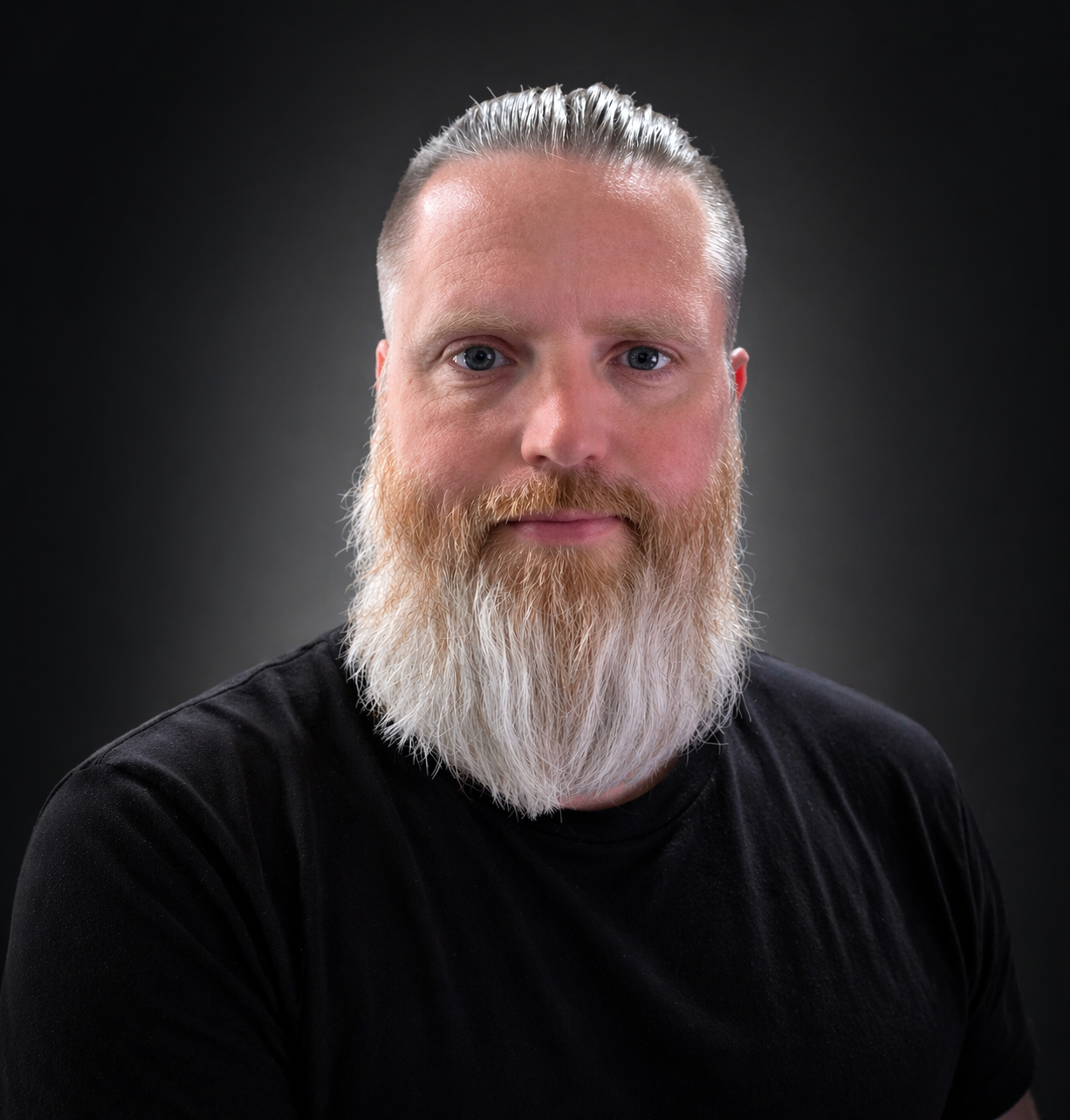
Veteran/Shaman
Like many people, I spent years searching for answers and trying to understand why certain experiences, patterns, and stories continued shaping my life. My own journey taught me that healing rarely comes from someone else fixing us.
It comes from learning to understand ourselves, releasing what no longer serves us, and reconnecting with the wisdom that has always been there.
My military service shaped my understanding of resilience, responsibility, discernment, and service. My later training in shamanic traditions, energy work, and transformational practices expanded my understanding of healing beyond the physical and helped me see the mind, body, spirit, and personal story as parts of one larger whole.
Together, those experiences became the foundation of Aldren Sanctuary: a place where people can be met with honesty, respect, and individualized support while they do the work of remembering who they are.