From Combat Medic to Creative Healing With Marie Henriksen

War stories are only part of a veteran's journey. Marie “Slider Babe” Henriksen joins us to discuss life beyond the uniform, covering the intersection of military trauma, medical discharge, and the reality of navigating chronic pain and addiction. In this episode, we explore: Navigating Disability: How a late diagnosis of hypermobile Ehlers-Danlos syndrome and hip dysplasia reshaped Marie’s identity and path to recovery.The Reality of Sobriety: Moving beyond coping myths to sustainable, long-...


War stories are only part of a veteran's journey. Marie “Slider Babe” Henriksen joins us to discuss life beyond the uniform, covering the intersection of military trauma, medical discharge, and the reality of navigating chronic pain and addiction.
In this episode, we explore:
- Navigating Disability: How a late diagnosis of hypermobile Ehlers-Danlos syndrome and hip dysplasia reshaped Marie’s identity and path to recovery.
- The Reality of Sobriety: Moving beyond coping myths to sustainable, long-term healing.
- Tools for Recovery: How Marie utilizes 12-step programs, Dialectical Behavior Therapy (DBT), and creative expression to reclaim her life.
- Building Community: Why "healing out loud" is central to the mission behind her book, More Me Than I Used to Be: A Journey to Freedom, and the Slider Babe community.
If you are living with trauma, disability, or the challenges of “starting over,” this conversation offers both validation and practical direction.
Please visit https://sliderbabe.com/ to learn about Marie, her podcast and her community.
At the 988 Suicide & Crisis Lifeline, we understand that life's challenges can sometimes be difficult. Whether you're facing mental health struggles, emotional distress, alcohol or drug use concerns, or just need someone to talk to, our caring counselors are here for you. You are not alone. https://988lifeline.org/
Want deeper insights on these recovery topics? Sign up for my newsletter to get exclusive resources and bonus thoughts delivered to your inbox: https://msha.ke/recoverycatalystpodcast
00:00 - Welcome And Guest Introduction
02:16 - Foster Care Trauma And Enlistment
08:52 - Army Strong Poem And Grief
14:00 - How She Writes And Why
17:18 - Medical Discharge And Chronic Pain
27:29 - Addiction Turning Points And Sobriety
35:30 - DBT Spirituality And A New Reality
46:23 - Publishing Vulnerable Work Despite Shame
56:08 - Building Slider Babe Community
01:07:14 - You Are Not Alone And Reach Out
01:20:44 - Where To Find Help And Support
Welcome And Guest Introduction
SPEAKER_00
Hello everyone and welcome to the Recovery Calice Podcast. I have a very special guest here today. She is not only a combat medic army veteran, she is not only an author, she is a podcast host, which encourages veterans and first responders to heal out loud. Marie focuses on recovery advocacy, speaking, podcasting. She writes about healing with faith, overcoming pain and resentment. And she does so for helping others through her Facebook group on Slider Babe, which is open to all for creatively healing out loud through community. I would like to welcome Ruby, Slider, Henriksen, to the show. Thank you for being here today.
SPEAKER_01
Thank you for having me. I'm excited to be here.
SPEAKER_00
I'm excited too, because one of my favorite group of guests is Equal The Veteran. And you are the first female veteran I've ever had on the show. Awesome. And I I love that. Because when I think of a veteran, it's someone who just is willing to give the ultimate sacrifice. And often without any appreciation or recognition. You know, you sign up to do one of the toughest jobs or to do it's the first responders. And then a job a lot of people can do. It's a very unique path to walk. And you know, I think that just is something a lot of us can't even fathom what veterans go through. The traumas, the addictions, the disabilities, the experiences. And so it's always very special to me when I have a veteran because of what you all go through, which we'll never fully comprehend if we don't go through it ourselves. And so I'd like to um kick it over to you.
Foster Care Trauma And Enlistment
SPEAKER_00
Um and have you introduce us a little bit to your your army career, what led you down that path. Um, I think you mentioned there's a poem that you might wanna read that kind of helps us lead into you a little bit.
SPEAKER_02
Yeah, yeah. So thank you for the introduction. Thank you for welcoming me, and I am honored to be your first female veteran. Um, yeah, as a as a veteran, there is a lot of stuff that that that we experience that many people don't. Um however, a lot of the same emotions and um and fears and insecurities and reactions, trauma responses are very similar to many other people. It's just a different a different reason for the same ex same uh responses, if that makes sense. You know, um, and so that's something that I've that I've kind of learned. Um but so I'll just give just a real quick overview. You know, my biological dad was actually in the army. I did not know that. Um, but my biological parents were both um addicts, alcoholics, and so I was raised in foster care, and my adopted dad was uh in the Navy. And um, this was way before I came around. And so other than and then my my my adopted mom's dad was was Army Air Corps and my adopted dad's dad was Navy, and so like there was some military, but it was like I I wasn't experienced in like I didn't have any experience with it, like nobody else in my family had joined the military, nobody was talking about joining the military, but I kind of um over the years I dealt with a lot of different types of traumas and in included, you know, some some neglect, some uh sexual abuse and rape. And um, I I dealt with a whole lot of stuff. And I also dealt with a lot of just not feeling like I belonged anywhere. I was stuck in the um the um what's it called? The survival mindset. And I was very much a chameleon for years, and I didn't really ever have anything for me. And I was always doing everything for somebody else. And so when I was getting ready to graduate high school, I knew that I needed to do something for me, you know. And I got in an argument with my dad, and he made the comment, you know, why don't you join the Navy or something? And I was like, fine, I will. And a week later I was in the army. So it was just this like this this spur of the moment thing, but it felt so right once I did it because I was like, okay, like like this is something that I get to do for me. Now I was grateful to do it, and there was a lot of trauma involved with it. And I never dealt with my trauma from before. I mean, like I joined the military at 18. I had just been been raped when I was 17. And so I was not in a good mindset when I went, and I was already in blooming addiction and alcoholism. And so joining the military, it was really amazing. It was, you know, um at oh, I can't remember what the book. It was the best of times, it was the worst of times, right? Like it really was. I had some amazing experiences, and I also went through hell, you know, deployment, alcoholism, addiction, you know, oversexuality, marriage and divorce, you know, I was I was a medic while I was deployed. And so there was a lot of things that were going on. And and I was lost for a very long time. And um, when I got out of the military, and I know we'll go into more details later, but but when I got out of the military, I got even more lost in my traumas because I got a medical discharge and I just had a lot of self-pity. And again, just didn't know where I belonged, didn't know how to find joy in life, and ran to the addictions. And I did that for years and years and years. Now I got sober back in 2017, and again, we'll probably go into more details there. But when I got sober, you know, I started processing through a lot of stuff that I didn't even know was going on because I was, I had, I was so self-manipulating, like like I would not accept that anything was actually wrong with me. And that was why I was running to the addictions because I was just pretending. And um, so when I got sober, a lot of stuff came out. And um over the years, God gave me this voice in writing. And um I've I've did writing off and on when I was younger, but I um started writing a whole lot when I got sober. And so as I have been doing the writing, it's helped me even process even more, and it's helped me find healing and joy. And so I've I've got this poem that I'm gonna read for you. And I wrote it a year ago. And this one, it it overviews my military service and kind of um an overview of my life altogether. So there's a little bit of stuff that's kind of uh mixed in. September is a hard month for me because um I lost two people within a week to suicide back in 2020, two battle buddies, one that I deployed with and one that took me under his arms when um when I first got sober and kind of like helped me in my sobriety. And so September is kind of a hard month. And then, you know, um now it's gonna be even harder because I just lost a friend last week, another veteran, but his was to a heart attack. And so September is a is a is a month of remembrance, and so it's also right before Veterans Day. And so um I had been asked to speak at vet at a Veterans Day um podcast, um, a couple of them last year. And so I was trying to think how do I share my story the best? And that's when this poem came. And so this poem's only it's it'll be a year old tomorrow, so it's kind of like brand new, you know. But I'm gonna share this poem. Um and yeah, so it's I I will give a trigger warning. There is some intense things that are being talked about in it. So it's called Army Strong.
Army Strong Poem And Grief
unknown
Okay.
SPEAKER_02
I joined to be all I could be, though I didn't know what was required. I had no idea that most of my life I would end up feeling tired. In the army, it was because I was busy every day. When I got out, my PTSD kept the sleep away. You see, I came in seeking to find escape from my past. Instead, I found more reasons to build a stronger caste. Before I joined the army, I faced adoption, abuse, and rape, yet I never dealt with them. I was in rough shape. I pushed my emotions down, not talking to anyone. Then my army time was more traumatic than was fun. At first, it was personal cheating, husband, divorce, harassment. I also put myself in situations of embarrassment. I ran to the alcohol and people for distraction. I quickly realized it was not the right attraction. Then there was Iraq where war can bring up drama. I got involved in a situation that caused another trauma. Then there were bodies and blood I was to face. A little boy shot for being in the wrong place. The men who drove over a bridge and didn't make it home, Aaron who died walking to Chow. Did she feel alone? Others shot or blown up, we put into our truck. We drove them to the helipad, lots of blood to clean up. We were always in danger. The mortars came a lot. I even know someone who on base was almost shot. Another section of trauma I had to face out there was our unit corruption. It was it was found in every layer. I didn't feel safe. Many in my unit were shady. I even found out a friend had killed his own baby. When my body gave out and I was grounded to the fob, I felt pretty crappy since I couldn't do my job. So when they discharged me due to my medical stuff, I lost the will to live and was feeling mentally rough. The addictions then got worse. I was stuck for many years. Most of my memories are covered in my tears. I know that there were good times, yet they didn't weigh as much. At least not until I received a spiritual touch. It took me getting sober to see both sides of things. I can see my service now from above as if with wings. Sometimes when I think of the experiences I had, I get lost in my emotions. I feel shame or mad or sad. The truth is that I know God watched me all along. I know what I experienced in the army made me strong. The physical muscles came and went within their time. The lessons I learned while I was in were new muscles that were mine. The military taught me how I can endure, suffer through hard things without walking out the door. I experienced fun times, traveling a lot. I learned to talk to others and personalities to spot. Reading between the lines is an ability I learned. Many scars and bruises I also rightfully earned. They remind me that I really pushed myself beyond where I thought I could go. Boy, was I wrong. My limits were only perceived by a close-binded me. I got through my hardest days. I now can see that even though I wanted to give up pretty often, God gave me strength and my ego, he did soften. One of the best learned lessons was camaraderie. We can't face this world alone. We need community. I always thought I was army strong, though my definition has changed. I thought it meant fighting alone, yet my thoughts have rearranged. I have learned to gain hope through humility. Asking for help from others is true resiliency. You see, the thing about my army time that I never liked is that I had a battle buddy always by my side. I tried to take this practice through my daily life. For when we lift each other, we can get through much more strife. When I tried to fight my battles in my head alone, I got lost in darkness and couldn't see the light that shone. It took others reaching out. Sorry, it took reaching out to others to find a different way. I learned how to keep those demons at bay. I had to get help to process, not just push them down. I learned how to smile and not just frown. As I continue healing, I'll keep reaching out my hands. So when the next person falls, I can lift them from the sand. One day soon, this long war of life will be done. For now, to be army strong, we must be an army of one.
SPEAKER_00
I love that. There's a lot there.
How She Writes And Why
SPEAKER_00
There's a lot there. How did it and you wrote this a year ago? About a year ago tomorrow. And so that was in the throes of uh of grief, I imagine, because September is is a is a is a month of remembrance for you. Yeah. So when you were writing that I'm curious, when when you're writing, is it do you get it all out at once, or is is it more of a you get like a little piece here, a little piece there, and then it kind of comes together, or is it like are you one of those amazing individuals that can just write these beautiful things like for a shot?
SPEAKER_02
So it honestly all depends. So uh just to just to give you an example, okay. It took me from twenty two thousand twenty twenty seventeen to twenty twenty four to write twenty nine poems. Okay. And those twenty-nine poems, sometimes I would write all of it all at once. Sometimes I would write just the little note and then come back to it 50 billion times. Sometimes I'd write half of the poem and then come back and write the other half. Sometimes I write the middle of the poem and then come back and write the top and then come back and write the bottom. Sometimes I write the whole poem out and then have to rearrange it because I'm like, this doesn't make sense. You know, sometimes I'm reading through and I have to change a word or or um a concept or or something, you know. So every poem is different. And then I go through these these cycles where I can't write anything at all, you know, for like months or even like a year where I don't write anything. And then we go from last year, my publishing my book. Okay. So I published my book in um, I think it was in May last year. Between May of last year and September this year, I have written almost 50 poems. Wow. It's like a book. Yeah. And I have another 20 that are that I've started, you know. And then I also, you know, I don't just write poems, I write blog posts and I write like little essays type things. And I'm working on a couple books and children's books. And so, anyways, it it just it goes through phases. But like my my book of me, I've been writing for the past almost 10 years, you know. So every, every situation is different. And some of them are this long. Like this is this is my longest poem, and it's written as a narrative. That's why it's so long, because I wanted it to touch on like every layer of my life. And then other poems are like little tiny short, you know, like one of one of my favorite short ones. I'll just share this with you. Unmet expectations, resentment, then frustration, then logic out the window. That's the way my brain goes. Then loop the loop, it goes around. Solutions to this can't be found. In it, I can't stop this mess. I'm going crazy, I confess. You know, like I I wrote that little one, and it's kind of like a rap song type thing. You know, I wrote that little one, but then I included it into a bigger poem later on. Yeah. So it just every time is different.
Medical Discharge And Chronic Pain
SPEAKER_00
When you were because you were medically discharged from the military, and that's not typically that's kind of I I imagine that's a difficult adjustment to make, you know. Um that wears on you in probably a lot of emotional ways, other than and I'm sure obviously there's a physical aspect of that, yes. What your disabilities are and when when you did you know it was gonna happen, or was it kind of a were you shocked that you were going to get medically discharged, or did you see it was coming?
SPEAKER_02
So um yes and no, both, you know. Um so when I joined the military, I did not know that I have a genetic condition called hypermobile L or Stanlow syndrome. I did not know. It was triggered slash made worse by my military service. I know that when I was younger, now that I know what the genetic condition is, I can see how it affected me even as a child because I always had issues with running. I never felt right running, or I would get lightheaded, or there's a couple different things. When I joined the military and I went to basic training, I immediately started having problems with my joints and my hips. I started having like massive hip problems. And then in Germany, which was my first duty station, in Germany, I got in a snowboarding accident where one of my hips kind of popped out and they had to put it back. And so I was having some issues there, pushing through, everything's fine. You know, I'm getting picked on all the time because I am not running well. You know, they're like, they're like, oh, you know, you're just lazy or or you're not strong enough, or it's your weight, or there was like all these reasons why they would give me why I couldn't keep up with people when running, you know, and then I get deployed. And when I was in Iraq, you know, I'm going out on missions all the time. We um are still doing PT on the days that we're not going on missions and we're running on rocks and we're running on mud and we're running on all of this kind of stuff. And then, you know, we're also I'm going on missions nearly every day for four months straight, where I'm wearing all of this heavy gear with all of the the armor and everything, right? You've got the sappy plates and and kevlar, and and I'm in this truck that's bouncing up and down, you know, and then you know, so it's like smashing my hips along the way. And then also just, you know, like with all the trainings and everything else that we're doing, it's like you have to drag people, you have to carry gear and and move around, and and then you've got the toxic exposure of Iraq, right? And so you've got all of this stuff that is is is damaging your body, and so I didn't know how bad everything had gone, but I had experienced struggles before. And so I kind of knew that something wasn't right, but I didn't know quite. But I was in Iraq for about eight months, and then I went home on leave. And when I went home on leave, the day after I rested and the adrenaline has kicked off, I'm no longer in Iraq, I'm no longer in danger, I couldn't get out of bed. My hips had completely given out on me. And I ended up um, I ended up staying home for a couple of weeks, and when I got back, they grounded me to the fob. And they um what they what they said was um you can you you're on a dead man's profile, which means, you know, um you can't run, you can't do um impact activities and stuff like that. And that means you can't go on missions because you can't protect yourself if you're if if it's something like that. And so they put me in physical therapy three days a week. And so I already started feeling crappy, you know, um, about it all. But then when I got back to the States, you know, there was hope, you know. Um, then the hope was, you know, hey, you know, we might be able to get you better. But then they're like, dude, you're not getting any better. We don't know that like they just called it bursitis and tendinitis. They didn't really do much research on on a lot of other stuff, you know. It took me, you know, um, how many years after the military, almost 20 years after the military to get at my actual diagnosis, you know. Wow. But um they told me that I could either get this really dangerous surgery, which could affect the stability of my hips, or I could get medically discharged. So I got to make that choice. And so I knew that it was coming at that point, but I didn't know how bad my body was. So it it it was very Much a shock because I I told you before that I dealt with um a lot of the sexual stuff when I was younger, and so my body was my worth. That's that was that was my trauma. My body is my worth. And now the military is like, hey, you can't stay in unless you get this really dangerous surgery, and uh, you're not gonna do this dangerous surgery, so you're not worth it to us anymore because your body really is your worth. And so it was, it wasn't um, it was it was validation that my body is my worth and and whatnot. And so that caused a lot of trauma for a long time because I'm like, okay, I can't even do something that I want to do on my own anymore, something that I felt strong and I felt powerful. But at the same time, I was also stuck in a lot of my emotional traumas and stuff like that. So that was kind of like the beginning of my medical stuff, was when I got medically discharged. But then I self-medicated for years. And yeah, because that's heavy.
SPEAKER_00
That's a lot. Like, I mean, your body's going, and L. Daniels, that's that's a connective tissue disorder. Is that correct? Yeah, that's very painful.
SPEAKER_02
So my my body makes a uh defective collagen. And so with that, um everything's kind of degenerating. And so, you know, it took multiple years, but but my issue was is, you know, I had the trauma, you know, the emotional trauma, which takes a toll on the ball body. And then you have the physical trauma of the military and how much work I put into, you know, into that. And then you have the toxic exposure. And then when I got out, I was lost in the drugs and alcohol for years. And so I beat up my body. So I had the genetics going on, I had the stuff that was out of my control, and then I had the stuff that I did. And so, so it just made things so much worse. But I was self-medicating for so long. And so my body didn't really start degenerating until I got sober. And then things kind of started slowly going down. But then, you know, 2019 to 2021, um, I was no longer using the drugs and alcohol, but I was I was using food and using food, and I got up to my biggest weight at 250 pounds, which also takes a toll on the body.
SPEAKER_03
Yeah.
SPEAKER_02
And so then um, when I started going through trauma therapy, processing through stuff so I wouldn't need the food anymore, I started losing weight, but my body started moving more than it was supposed to. Because at this point, everything's just stretched out more than it should.
SPEAKER_00
Oh, yeah.
SPEAKER_02
And so then it just started moving more and it's tore my hips apart completely because I also found out that I had hip dysplasia that nobody had diagnosed. And so everything's moving around and I've I've had to get both of my hips replaced already.
SPEAKER_00
Has it helped you at all?
SPEAKER_02
Oh, yeah. Yes, well, yes and no. So the hips themselves are okay, but while I was healing from that, they found a lot more damage. I have arthritis in my SI joints. I had uh um, I had to get a hysterectomy actually this year because I um had um uh uterine prolapse and but and bladder prolapse and so and pelvic floor dysfunction. So I had to get that done this year. I also have to wear um knee, ankle, and foot orthotics. So when I when I leave the house, when I'm around the house, I'm okay. But when I'm going to be standing or walking or being out, I have to wear their full-on orthotics that go from it's a metal plate that sits in my shoe and it's an orthotic shoe, and then it goes up and it's a big old knee brace connected to it. And so I have to wear those on a regular basis. So my hips themselves are okay, but I still have all of these other issues, and so um it's it's better journey.
SPEAKER_00
That is a lot. That is that is a lot to go through because those are those aren't like a sprained ankle. You know what I mean? Like these are and I'm trying to I'm trying to imagine you going through this, and at this point when you're discharged, you don't know you have the condition that you have. You don't know you have hip dysplasia, and you know, when you hear bursitis, oh it's just minor, it's like why can't I get over it? You know, and your body you had received all these messages growing up and through the military, your body was your worth. So where is your worth now if you can't work? You know, and it's you're in pain and it's storing all this trauma, and then on top of it you have addiction, um just trying to probably just get through the day, I imagine.
SPEAKER_02
Yeah. And pain meds, just pain meds. And that that that was the issue is the military was throwing the pain meds at me, and especially because I was in therapy this entire time, right? But I was very selectively honest, and so they didn't know how bad my my addictions were. They they had no idea, and so they were just throwing meds at me on top of it all.
SPEAKER_00
Yeah, and that's that's not a great plan either. Yep. And and what what was when you're going through this what was I don't want to say what was what was the bottom, I don't feel that's the right word. What was the point where you you you felt you had to make a change or something had to shift? You know?
Addiction Turning Points And Sobriety
SPEAKER_02
Um the the point where I feel like something had to shift was um so I had there there's a couple different layers that ended up happening. You're you're talking about with with with the addictions and and kind of making that change into recovery, correct? Yeah, yeah, yeah. So when I got out of the military, I was dating somebody and he was in the military with me, and we were living together, and but it was a very codependent alcoholic relationship, you know. Um, and I tried to go to school, like I got my associates, I got a certificate, and I started going for a bachelor's. Um, and as I was doing that, I just wasn't doing good. And I was taking it out on my fiance at the time. And there was a there was a big situation. One of them um I wasn't thinking clearly, and it I wasn't drunk at this time, but I had the drunk mindset, you know, that that I'm invincible. And at one point, I this is this is just one, this is this is about two years before my my bottom, but I had driven to go pick up my ex's kids. They were in California, I was in Arizona, so it was a nine-hour drive. I had driven all day to go there and picked up his four kids, didn't take a nap, and decided that I could just go and drove all night. As I was getting into the sunrise, there was a vehicle that was going too slow and other vehicles going side to side. I my reflexes were slow, slow. I did not see them in time. And so by the time I finally recognized that they were going so slow, I couldn't go left, I couldn't go right, and I just slammed on my brakes. But by that time I hit them really hard. Thank God they had a trailer. So they were in an RV connected with a trailer, and the trailer had a hitch that just broke and took the brunt of it. Oh we took a lot of damage, but that protected us. Like that was a God moment there, you know.
SPEAKER_03
Yeah.
SPEAKER_02
And his kids were were physically okay, and I was physically okay, but emotionally they were traumatized. I was traumatized, and the only way I know how to handle me being traumatized is go get drunk. So I'd also found out that weekend that my friend had passed away and that they were doing a wake for him. I had not seen this guy in over three years, but I used his wake as an excuse to ditch the kids and my ex and go get drunk.
SPEAKER_01
Yeah.
SPEAKER_02
And that was that was basically the beginning of the end when I'm like sacrificing the people I care about for my alcohol, you know, but I didn't even recognize what was going on then. And so then I also at that point, um, you know, me and my ex were already on the edge of splitting up, and we ended up um splitting up after that. That was that was kind of one of one of the last straws with with all of us, you know, with with everything. And so I decided to pull out financial aid, drop out of school, and move to Florida. So because I took the financial aid, I couldn't go back to school because they were holding my transcripts hostage. I mean, I could have, but I would have had to start over.
SPEAKER_03
Right.
SPEAKER_02
And so I was living in a college town and I decided to start working at a brewery. And so my life just became about the alcohol, the drugs, and the sex. That's all it was. It was everything that I was doing, you know, and it was for one of those means, you know. And I had a friend of mine that like I had gotten to the point where I was driving drunk. I had gotten to a point where I was um I was drinking almost every night, not every night, but but many times a week, you know, and it was 18 to 24 pack, you know, and I just I was kind of hopeless, but I didn't even recognize that I was hopeless, you know. And I had a friend of mine who I had I I drank eight beers and went to her house, drove, drove to her house, and she was just like, Marie, like I would drink one or two and I wouldn't be driving. She's like, you know that you're you're bordering on alcoholism, right? And I was, I I made the joke. I was like, nah, I am an alcoholic, you know, like like just joking. And then I was like, oh shit. I think I'm an alcoholic.
SPEAKER_03
Yeah.
SPEAKER_02
And so that was kind of like my my aha, like, oh, something's not right. And then I had a conversation with my sister where I recognized that a lot of my perspectives that I had about growing up in my family were kind of skewed. You know, like, yeah, we had issues in the family, you know, there was there was a lot of unhealthy family dynamics, but I was so tuned to the negative and and making assumptions. Yes, there was stuff going on, but not for the reasons why I thought or or whatnot, you know? And so it was she kind of helped me see that my perspectives were a little bit off. And then the final straw was I a friend of mine um was having a hard time, and I decided to get him drunk because that's how I deal with people, you know. I can't deal with your emotions, so I'm gonna get us both drunk so I don't have to deal with it. And I decided to drive drunk. Um, and I was driving him home and I almost got in a really bad accident. Like it would have it would have killed him. It probably would have killed me. Um I I was swerving so hard, I almost hit the guardrail and I overcorrected. And um, I'm going 70 in the fast lane as people are going 80, 90, 100 on the right in Jacksonville, Florida.
SPEAKER_01
Yeah.
SPEAKER_02
And I overcorrected, and I literally felt a divine hand grab the wheel and straighten it. Like God straightened the wheel as somebody went zooming by. My friend didn't have a seatbelt on, he was kneeling down in the passenger seat, he would have been dead. He would have in that moment, God put a picture of my future potential children in my face, and he told me, He's like, You are no longer risking people you don't care about or yourself who you don't care about. You just almost killed your friend. Like you need to make a change. And that was my last drink, and that was my my last drunk, and I got sober, you know, January 17th of 2017.
SPEAKER_00
Congratulations.
SPEAKER_02
Thank you.
SPEAKER_00
That's a that's not easy to come back from that's not easy to do.
SPEAKER_02
Yeah.
SPEAKER_00
And getting sober, as you know, is just the beginning of the work. Um one thing that uh sometimes people like, oh, you get sober, everything gets better. Nothing really gets better, you just have to learn how to deal with life. Um you try you really start to figure out why you drank in the first place or use in the first place. And it gets a lot more uncomfortable before it gets comfortable. Yeah. You know, it's not like there's a like a little bit of a pink cloud, like you're sober, you're feeling better, but then life hits and it's like Yeah, same stuff is here, you know you have to learn how to deal with it like an adult. You know, you can't go getting drunk every night. What was what was that like when you when kind of I wanna say like when when the addictions are stripped away? You know, you're still left with the physical pain. You know, you're still dealing with all this trauma. What was the next step for you after getting sober? Like how did you start to go through the all the trauma of the abuse, uh even going far back as um uh foster care? Like what was all that like trying to unravel? Like that's a lot to unravel.
DBT Spirituality And A New Reality
SPEAKER_02
So there is a lot, and I'm thinking of a couple poems. I'm gonna read one of them. Um, but I'll when I first got sober, they put me on antidepressants, right? Because I had kept myself, I had kept myself in this depressed state for so long, and I had been distracting and whatnot, and I didn't even know what was going on with me in my own body, physically, mentally, emotionally, spiritually. And so the the first step was doing my step work, you know, like like doing doing some 12-step work and and getting into finding spirituality. Those were kind of like the like the two steps is I needed to clear away some of the wreckage of my past, and I needed to to find a power greater than myself that could help me, you know, and I went through this spiritual journey within this, you know, um, and you know, I I learned how to um connect with Gaia and Mother Nature with the Native Americans. I learned how to meditate with the Buddhists, I learned some Mexican shaman, you know, theories and stuff like that. I learned how to praise with the non-denominationals, and I went back to my childhood religion where, you know, my I'm I'm a member of the Church of Jesus Christ of Latter-day Saints or Mormon. I was raised in that church, but I didn't really participate in it for a long time because of, you know, my resentments, my my anxieties. I put blame on people, you know, but I always kind of stayed connected as well, you know, and I was stuck in my addictions and felt like I wasn't worth it. And anyways, there was just a lot of stuff um that I had to kind of work through. But the the one thing about the Mormon church, the Church of Jesus Christ, Latter-day Saints, right? And and the way that I was raised is there was a lot of there was a lot of different inconsistencies. People failed me in the church, outside of the church, in my family, you know, neighbors, friends, people failed me. It however, the thing that I loved was that my parents had let me build a relationship with God and Christ. They did scriptures every day, they did prayers every day, they did what's called family home evening, they, you know, where it's a it's a family where you a family night where you do a lesson and an activity together. And they've really helped me build a relationship with God and Christ, you know, in that way that when I got sober, I remembered those lessons. And I had some amazing spiritual experiences over the years, even though I wasn't really active in the church, I still had stayed connected to it and I would get blessings or I would go to church sometimes. And and I had these really amazing spiritual experiences that they were there and they were so powerful, but I was just blinded and I didn't hold on to them. Like, like there are so many different God moments. And so when I got sober, it was about clearing away all of this stuff that had blinded me and seeing these blessings from a power greater than myself that were all around me the entire time. So it was changing my perspective of the things I went through. Yes, I went through hell. There was so many things that I went through. It was hell. And, and this is this is where it's so important. If you've never heard of dialectic behavioral therapy, I highly suggest getting into dialectic behavioral therapy because this was another thing. Along all of this, I was taking dialectic behavioral therapy, which is that idea of embracing the and, getting rid of the but, get rid of getting rid of never, always, can't, learning how to have radical acceptance, right? And so I learned during that first year, I went through hell, and there were some beautiful moments in my life, and there was a power greater than me that was watching over me the entire time that kept me protected. Because there's so many people who go through the things that I've been through who aren't here anymore, who choose not to be here anymore, or they are taken, or mentally they are gone. You know, there are there are so many people who don't make it through the stuff that I made through, and God helped me get through it all. And so that first year was was being able to see that, see the the beauty in the pain. And so um I want to read this poem, and it's called um it's called my reality, and so I need to get let me let me pull it up real quick, but um my reality, and this is this is where that this is what happened that first year, and I wrote this at six months sober, and it's on page 62. Uh, Kat was kind enough to order one of my books on Amazon, so she's reading along with me. So but um this is kind of where I was that first year, and then the second year was dealing with my trauma, starting my trauma, going into the psych unit and and really starting to move forward with that stuff, and then a journey of physical health and emotional health, but this this mentality change had to be the first thing, and so my my reality. In an alternate reality of days long past stood a broken little girl in a rock hard cast. No one really loved her. That was what she thought. In her mind, she was abandoned, left alone to rot. People all around her would pick on her or tease. Taking it all personal, she told her heart to freeze. Her pain grew even deeper when someone took advantage. So she knew she had to run her emotions, she must manage. The beginning was to fake a smile in every situation, becoming a chameleon so she could prove her station. Next were the addictions, manipulating, lying. Before she even realized it, no longer was she trying. It became a way of life, no effort left at all. To run or drink her life away was her only call. Going through the motions, not letting others in, she felt that to pretend was the only way to win. She saw glimmers here and there, never finding peace, running to wrong places to try to get release. The people she kept close, she loved as best she could. Most were lost just like her, clinging to falsehood. The ruin this was causing never crossed her mind. Her worth she had been walking on, so hope was hard to find. It took her long to realize her perspectives were all wrong. She was worthy of true love. She had been all along. With this simple knowledge, lines were surely shifted. The weights of old reality were slowly being lifted. The past provided lessons for healing to occur. She learned to focus on today, for the future was a blur. Now in the strange new realm, unfolding every day, stands a hopeful little girl, discovering her way. Vulnerable and open to learn humility, willing to make progress towards the day she's free. She fights a daily battle forgiveness to attain, for from her past reality, resentments do remain. She has to snuff the urges of building up more walls, especially when she feels she's had too many falls. She only knows the next right step is opening her heart to that holy power. He'll outline her part. He's watched her all along, providing her protection. She no longer tries to run from that connection. She does not thrive in chaos or causing a commotion. She can stand her ground, not hiding from emotion. The unknown, though a mystery, no longer is so scary. If the present is unpleasant, she knows it's temporary. She gets up if she falls and holds her head up high. She knows that it's okay if she needs to cry. Continuing this daily, her past no longer binds. And on anxieties of tomorrow, she can lower blinds. Not knowing what the future brings is but a tiny cost. The blessing of uncertainty she has no longer lost.
SPEAKER_00
What did that feel like? Six months into your sobriety writing that video. Powerful. Powerful. Was that the first thing you wrote in your sobriety? No.
SPEAKER_02
No, I wrote a few others before that. The power of thoughts is one of them. Um and that's a that yeah.
SPEAKER_00
It's like I couldn't even string it together a thought. Six minutes into sobriety, and you're writing like these beautiful full-peg poems. And that's there's a lot there. You know, there's a lot of heavy stuff there. It's it's uh one of my favorite lines was if the present is unpleasant, she knows it's temporary. That's that's a powerful line for anyone who struggled with anxiety or depression or PTSD or anything.
SPEAKER_02
Yeah, the po the poem that I wrote before this one was called The Power of Thoughts. And that was that was the thing, is I had to realize that my thoughts were controlling the heaven and hell I was living in. And so as I'm learning about, you know, like like like mindfulness and and and skills and dbt and and stuff like that, I'm learning that I have to shape my reality because nothing is good, nothing is bad, everything just is. And when you get sober, nothing gets better, nothing gets worse, it just gets different and you learn how to handle it better. And so that is what the step work and the dbt and and everything kind of did for me. This the spiritual practices that I'm doing, it helped shape that mentality. So yeah, if the pleasant is unpre is if the present is unpleasant, I know that it's temporary because I've had these wonderful moments of beauty and peace and joy in my life, and I get to see them now. I'm not hiding and I'm not running, and and I'm able to to not put myself in shittier situations with the drugs and alcohol.
Publishing Vulnerable Work Despite Shame
SPEAKER_00
Right. No, yeah, it's what when what when you started writing this book, I don't think you sat down and said, I'm gonna write a book. Like I don't feel like that happened. I think you I think from what from when it takes it took you almost a decade to write. I think it's a process from start to finish, every line comes together and every poem comes together to tell a story. You know, when you decided to to make this book to share very vulnerable subjects, you know, very traumatic subjects, experiences, thoughts, feelings. Was there a part of you that's like, oh no? Like I like I you know, I was like, No, I'm like, no, I can't do that. I'm not gonna do that.
SPEAKER_02
Yeah, so let me just tell you a little bit of the journey of how I got to the point of publishing the book. So in recovery, I've shared my story 50 billion times. 50 billion times. I got used to sharing my story to strangers, you know. But it was it was very contained, right? And it's like I know that I'm safe because these people understand what I've been going through. And that was my safety net, and that helped me because I had to learn how to speak. And um because the issue is is for so many years I was not speaking. I was very much, again, selective honesty. I'm gonna talk about this so you don't ask me about this, and very good at manipulating conversations. And um, anyways, so in my sobriety, some people are taught in their sobriety take the cotton out of your ears and put it in your mouth. Don't speak because you just need to listen. I needed to speak, even if I was bullshitting. I needed to speak because I was talking about my trauma. I was talking about what was going on with me, I was talking about the things that I hid. And so I started speaking. So that was kind of like the beginning of the actual getting it out there into the public was in the recovery rooms. And then I was writing. And in my writing, I would kind of like share it. I would write some blogs and put it online, you know, but but nothing really crazy. And it was mostly just private, you know, for my friends, family, you know, people who are in recovery. My first eight years of sobriety was about learning my truths, healing from my trauma, dealing with all the physical, mental, emotional, and spiritual stuff that I needed, you know, to to get to a place of get to a place of stability. And one of my poems, the name of the book is called More Me Than I Used to Be. Because that is what I feel like I was doing is I was becoming more me. I had I had lost myself so much that I didn't know who I was. And so More Me Than I Used to Be is another poem in here. And um it is about the idea that we are all a puzzle. We're all a puzzle. And God created this picture on the puzzle to be the way he desired, but we messed with it and we changed it up and we manipulated, we got rid of pieces, we forced pictures of ourselves in there and and we stole things from other people. And like, you know, it's even though I was a hoarder, I couldn't see that even though they were part of a puzzle, they didn't belong to me, the pieces that I was taking from other people and stuff, you know. And so, um, anyways, so I wrote that early on in my sobriety, but over these eight years, it was really me getting back to me. I didn't even sponsor until I was eight years sober because I was not in a good place mentally. In those eight years, I went to the psych unit twice and I had to do an intensive outpatient program and I got my hips replaced, and I had a, you know, um, a bunch of other things that were going on, you know. And while I was right before I got my hips replaced, was when I finally had gotten to the place. So this is 2023 now. 2023 is when I finally got to this place. So I was seven years sober at that point, but I finally got no 2023, six years. Six years, six years. So, anyways, so yeah, so in 2023, I'd finally got into a place where I was feeling a little bit better, but then all the physical stuff started happening, you know, and um, but at that point, it was I was breaking codependency, I was breaking a lot, I I had I had um set up emotional boundaries and I was feeling a lot better, and then I had to get my hips replaced. In the, in the in the psych or in the um the facility I was staying at, I got lost in bulimia. And I also got married. And there was like a couple different things that happened. So there was the good and the hard. And when I got out, I did an intensive outpatient program again, or uh my my first actual intensive outpatient program, which helped me to learn and grow even more. So, anyways, we now we move forward to 2024. Okay. Sorry. Between 2023 and 2024, I was eight months in the care facility. When I got out in 2024, is when I did the IOP. So then over the next couple of months, I am finally starting to feel freedom from a lot of the things that I had held on to. And I had this feeling, and God was just like, okay, Marie, it's time. Like I started sponsoring. So the beginning of 2025, last year, is when I started sponsoring, you know, and as I started sponsoring, I started really learning the other side of sharing the message with other people. Cause I had done a lot of service work over the years, but this was the first time that it was like I'm actually there sharing my story with someone, sharing my experience, strength, and hope to help them find recovery, even though I'd kind of done it, but it was just a different layer. And so then I just got this feeling. I'm like, you know, I God was just like, you need to share your message with more people. Like you need to. And I was like, okay, you know, and I finally felt more confident in myself because of all these layers that I had gone through. And so I had the idea to publish this book. And so I got, I got somebody who was um, it was, it was a oh, what's it called? Like we, I had a designer, a foot, a book designer, a book editor to kind of help me adjust it all. I kind of had like a general idea of what I wanted to do, and they kind of they kind of helped me out with it. But I I published this book and it was basically just the caveat to everything of where I'm at today, you know, um, because when I published this book, I had the feeling that I needed to share my story. And so I went and went on my first podcast. And being on that first podcast kind of just opened up the doors again to share, share my story. And so since then, I'm the co-host to that same podcast, doing our own podcast. And then I um I've been doing a lot more of these podcasts, interviews, and stuff like that. And so my point in all of this, right, is is doing this was not my choice. It was very directed by my higher power. And I had to overcome a lot of insecurities, especially because as I've been getting out there and sharing my story publicly, I have had people shame me for my story. And that has been hard. That has been very hard to deal with. But overall, I'm very grateful that I have done this because there's been more people that that I know resonate with what I have to say than have been offended by what I have to say, if that makes sense.
SPEAKER_00
No, yeah. I mean, I think whenever you put something so vulnerable out there, people are always gonna question it or criticize it or shame you for it, or they're always gonna have an opinion about your story, your experience, what you went through. And we're humans and it's gonna hurt because these are our this is our story, this is our journey, what we've been through, the good, the bad, everything. And you've been through some very delicate topics, you know, and you're putting that out there and people are gonna make fun of it because I think a lot of that comes when people don't understand it, they don't even try to understand it.
SPEAKER_02
I don't think it's that. I think it's they they literally are triggered in their own stuff.
SPEAKER_00
Oh, that could that's that's a good point, too.
SPEAKER_02
Yeah, like like it's it's it's something that they are uncomfortable with because of something either they've experienced or something they know somebody has experienced or something they've done. Usually it's that. It's it's not even the the misunderstanding. Yes, there are some people who misunderstand, but from my personal experience with some of the experiences that I've had, it's been somebody else who is traumatized and uh is triggered by what I have to say.
SPEAKER_00
That would that makes sense too. They haven't dealt with their own stuff. Yeah. So when you come out talking about yourself in a vulnerable way and putting words to some difficult topics, they're gonna be like, oh no, no, that's that touch is too close to home. Yeah.
Building Slider Babe Community
SPEAKER_00
I want to touch on briefly on um what inspired you to start your your Facebook group.
SPEAKER_02
So that was kind of it was kind of like a natural transition, right? So when I decided to publish the book, I also set up a company. And the company itself is called Story Code Ventures. And um, I've got a couple DBAs, but Slider Babe is my is is my everything that I do business under. So Slider Babe Publishing to get the book out, Slider Babe poetry and art, which is all of the um of my writing, and I also do photography. And so my writing, my photography, and my other art. And um so there's that, and then there's just slider babe in general. And with that title of Slider Babe, there's a couple different things that that happen. So as I have been, as I have been doing the podcasting and getting my story out there, I have been introduced to so many other people who are creative in their healing process or or building community. And so I kind of um I kind of started doing this this unofficial advocacy and networking thing because I'm like, oh, I know that you're doing this, this person's doing this, they could, they could benefit this and this and this. And and I I started like connecting people. And so that's where Slider Babe Recovery and Veteran Advocacy came from, was from the different people that I was meeting on the podcast. But also as I started, you know, uh getting myself out there, I started participating in more local nonprofits and veteran advocacy groups and recovery groups and stuff like that. And so I just started meeting so many more people and I started doing like individual advocacy and I started doing networking with all of these things, and I started, you know, um just speaking more and encouraging creativity to other people and creativity as in podcasting, speaking, writing, um, outdoor recreation, you know, podcasting, like anything that is something that utilizes your own creativity and imagination. And so I'm building this network and I'm advocating for others and I'm sharing the recovery um and and sharing sharing my own healing in different creative ways. And I was like, you know, I want to, I wanna set up a place for people to share what they are doing. You know, I've got a couple pages that I'm sharing what I'm doing, and I'm talking to all these people, and but I want to set up a place that's safe for other people to share their stuff. And so I've set up the slider babe community on Facebook. And the goal at some point is to make it like a Discord where it can be like a full-on huge community. But for right now, the Slider Babe um community on Facebook is where people can come on and there's a couple different layers with it. A, I want you to share your creative means. Like we had one guy that is shit, has has shared that he fixes up cars, and that is how he heals is is like he puts his efforts in creating cars and restoring them. And I, you know, I've got a lot of people who are using AI to do songs or poetry. I've got people who are doing art or they're using plants as their healing or podcasting or or all sorts of different things, music, you know, and so it's a safe place for people to come and share their creative outlets and also share advocacy programs. So programs that are involved with helping you heal from trauma and addictions, and veteran advocacy and disability advocacy and and programs that are are there to share, share the load and help you find that place, especially in the creative realm, to heal from your traumas and addictions. And then also if people have questions or if they need to vet, so it's a safe place for people to come on there and say, hey, this is what I'm struggling with. This is what I need support with right now. And so I'm I'm so grateful for it. It's just, you know, we just got started in November. So it's still brand new. It's not even a year old itself, but um, it's just a place. My so slider babe, the brand um is Slider Babe for everything that I'm doing recovery advocacy, veteran advocacy, networking, and all of my healing out loud. And the tag that I have for it is creatively healing out loud through community. And so my company, my podcast, my uh book, my um the slider babe community, all of this focuses on the aspect of helping people heal out loud, even if they don't physically have a voice to speak, but use some sort of means to heal out loud and find community.
SPEAKER_00
And that's it's you know, I think that's under under talked about sometimes is how important it is to not just heal, but to heal out loud, to not keep it because I I love A, but one of the things I hated was when I first started, you know, you don't talk. I'm like, that's the last thing you should be telling anybody is yes, you don't want them go giving advice and being sponsors and doing all that, but you want them to get used to speaking to people, making connections, building community. It's gonna be awkward, it's gonna be uncomfortable, but you're getting it out. And that's one thing that I think is so powerful and really we need to embrace a lot more is people talking about things, you know, and just sharing, like you said, whatever creative outlet there is, there's a thousand of 'em. Working on cars or music or painting or drawing or singing. And everybody has something creative they love to do. And it's I think it's beautiful that you created a community that you can they're open to all individuals who want to heal out loud creatively. That's a I think that's a beautiful community. Because there's that's such a wide gamut of it could be anything. And I love that that you're doing that.
SPEAKER_02
Can I can I read one more poem for you as you're as you're talking about this stuff? Sorry to interrupt you. Sorry, you can you can finish and then I'll read it. Sorry. No, I'm all set. I'm all set, that's all I wanted to say. So um I I the healing out loud, I wrote this poem and it kind of explains it. And so it kind of goes along exactly with what you're talking about. And so it's called Healing Out Loud. I wrote this one in August last year. Okay. Well, before I read this, I'll say I agree with you that I think that I think that some people have good means when they say don't talk, right? Yeah. Just listen and get help. Yeah. But the reality is it is very individualized. You know, it's very individualized. We have to find some way to speak, some way to share, you know, and like I just did on my podcast, we just did a live class with a lady. Her name is Erin Schulk, and she is a veteran spouse and disability advocate. And she did a class about witnessing your own or witnessing trauma.
SPEAKER_01
Right.
SPEAKER_02
And so it's about the importance of needing someone else to witness your trauma and you witnessing your own trauma. And it was just so important. But yeah, we have to find a way to get stuff out, even if it's just art therapy where you're just scratching and drawing, or even if it's, you know, going out and and throwing things, you know, like throwing darts or or something. You know, we have to, we have to get the emotions out some way and then find a way to share that. So writing, speaking, art, whatever it is. And so this is called healing out loud. I suffered in silence for far too long. I always felt that something was wrong. I kept all inside, was close to imploding. I then heard other voices and I started unloading. God loosened my voice that was locked inside. Other people showed me to let go of pride. I started learning to heal out loud, become more confident and feel more proud. I wrote and shared through poetry how I am more me than I used to be. I've shared my art to others around to show how I see beauty abound. Now, through speaking, the words keep flowing. There will never be a way of knowing just how many people my voice might touch. It's in God's hands. I know that much. I've been enjoying using my voice, sharing my story, and making the choice to no longer filter my faith or pain and remind others that hope does remain. I encourage others to heal out loud too. Whatever that looks like is between God and you. Don't suffer in silence. It's not very fun. Please find help from anyone. Address the fears that keep you frozen. You may find you have been chosen. Your healing out loud may help just one person when the doubts in their mind begin to worsen. Your healing may be the light that they need, the spark of hope, a faithful seed that pulls them from a dark abyss. When we heal out loud, it It won't go amiss. Thank you to all who were an example to me and sharing your voice, you helped set me free.
SPEAKER_00
I love that. I love that. Is there any I want to thank you for for taking the time to share your story, your poems, being so vulnerable and open about so many difficult topics. No matter how many times you you talk about it, there's always times where it's it's not easy to talk about. You know, I'm a complete stranger, you know. I wish you'd never met. So thank you for being so vulnerable and open and authentic with your story and sharing three beautiful poems and talking about the the the people that you've lost and why September is so challenging for you and your journey from from you know from foster care to military to being in the throes of your addiction to now having your own brand, you know, to building this beautiful community that came that you started out in wreckage, basically, you know, and you piece it all together to this beautiful kind of mosaic that you built. And
You Are Not Alone And Reach Out
SPEAKER_00
I I I like to ask people who've who've gone through addiction, who've gone through trauma, like if you if there's someone out there listening who's who's struggling, maybe a bad day or just really struggling in their sobriety or their recovery or their mental health, what what would you say to them?
SPEAKER_02
The biggest thing is it's a cliche and it's a cliche for a reason. You are not alone. The only way that somebody has to be, or the only way that somebody is alone in this life nowadays with with with how many resources are out there is if you choose to be. So you have to make the choice to reach out. People aren't going to come and pull you out of your addictions or out of your trauma. It's shitty, it sucks. It would be nice if we had somebody that was there and just like, oh, nope, we're just gonna pull you right out of it. No, we have to have these experiences and it's shitty and it's sucky. Okay. But it's up to you to reach out for help. You know, there will be a hand that is outstretched. There is about 50 billion hands that are outstretched around you, and you just have to reach out, you know, and it's not going to be perfect and and people suck, you know, people will fail you. That is like that is a guaranteed number one, people will fail you. And if you could recognize people will fail you, you can say, Oh, that's okay, because there's other people that can pick up the slack. And and that is that is the big thing. When you are seeking help, okay. There's another poem that I that I just wrote recently, but is it is that idea of, you know, that um I can't remember what it was called, but um, it's that idea that we have to reach out, but we cannot be we we cannot put too much weight on one chain link. Okay. If you notice a chain, it's got multiple links because it has to bear the weight, right? If you put all of your weight on one link, it will break. And so that's why you have to recognize that that people are are like the chain links. They will break. You have to have multiple people in that chain. And for me, I have to have multiple resources as well, you know, because I've got my my church support group. I I am one of those that I need a lot of extra help. Okay, a lot of extra help. And I struggle with feeling like nobody understands all of me because nobody does. And so that's something that that that my insecurity. And instead of just being resentful about it or just saying, oh well, I find ways to overcome that. And so I have a church support group, I've got multiple veteran support groups, I've got my sobriety support group, and I'm in a support group for therapy. And I also have all of my creative people. And so it's like I have to have somebody that can witness every part of my life and that can help me witness every part of my life.
SPEAKER_03
Right.
SPEAKER_02
And so again, I say you are not alone. There are resources out there, but you have to reach out to grab those resources, but they are there. There is hope. You may feel like there is absolutely no hope and and that that nobody is there for you, but I guarantee there are people that are willing to help you. And, you know, I don't give a shit what you call him. God can handle whatever name you call him. He's a big boy. He, she, it, they, whatever, right? Can handle whatever name. Recognizing that there is a power out there that wants you to live. There's a power that wants you to die. Trauma, addiction, negativity. That power wants you to die. Yeah, there is a power that wants you to live, and that power is there with you right now, even in your darkest moments, when you are sitting there alone, feeling like you can't even lift a finger, recognizing that there is a power that is with you that wants you to live.
SPEAKER_00
You are never, never truly alone. Yeah. Even when you think you are. And I think that's something powerful to take in your story is that you're never alone. There are times when you I'm sure felt very alone. Um, but as you shared with your experiences that showed you otherwise. Yes.
SPEAKER_02
Well, and that's the thing, is like when I got sober, I started looking back at all those moments that I felt alone. And it's like, but somebody called me that day. Oh, somebody came by, somebody was thinking about me, somebody reached out the next day. Like they're the and and that's the thing is a lot of people think that that God's gonna like magically fix everything. He's not because we have to have these experiences, but he will put somebody in our life or an experience in our life, you know, that that can help us find peace. And and uh somebody somebody said once, and I loved this, it was it was the best thing. God won't send an angel when a person will do because we are the angels. That the at the beginning of the book, my um my dedication is dedicated to my squad of angels on both sides of the veil. I have never walked this journey alone because you are an angel to somebody else, and and other people are an angel to you. So as I look back at all of these most difficult moments in my life where I felt nobody understood, there was somebody that reached out to me. There was somebody who followed a prompting.
SPEAKER_00
It's true.
SPEAKER_02
Somebody who, even if they didn't even know they followed a prompting, they still reached out, they were there. Somebody that gave me a little coin, or somebody that that gave me a smile, or somebody that that said hi to me, or somebody that that stopped to talk to me at the grocery store, or you know, it it didn't matter what it was, somebody was always there, or a long-lost friend I didn't talk to for years, or somebody I've got memory and cognition issues, and so I don't remember a lot of people or or a lot of specifics in my life, you know, in many ways. But somebody will call me after not seeing me for 10 years and be like, hey, I remember this one time we did this, or this one time you said this.
SPEAKER_03
Yeah.
SPEAKER_02
And it was just this beautiful God moment for God to show me that I am not alone.
SPEAKER_03
Yeah.
SPEAKER_02
So, anyways, in my sobriety, I am able to see that now. Back then I wasn't. And and I like to, I like to equate, I like to equate it to God dots, right? That that there's little dots, and I equate it to like all of the dots are connected by invisible spider webs. Okay. When you're walking in the forest, sometimes you walk into a spider web and it's just on your face and you're like, oh crap, and you and you're trying to get it off there, and there's that spider web. You didn't see it. And then other times you take a look and you're like, oh, I see this one strand of a spider web. And then other times you get to this point where there is this opening and there is the sun that just glistens off this beautiful, intricate spider web where you see every point that it was touching.
SPEAKER_03
Yeah.
SPEAKER_02
And that is what this life is. Is there are so many invisible spider webs that we don't see that God is watching over us and connecting us to each other and and all these beautiful moments that are connected to others. And if we can just take a step back and just let God light up the darkness, then we can start seeing that even in our darkest moments he was still there.
SPEAKER_00
Oh, that's true. All the times that we think we're alone, we we never really were alone. There's always there's always a hand making sure that we made it to the next day. And or never felt alone. And I love those moments when um it can be like, no, there was somebody watching out for me. Somebody did call me that day or text me or send me a card or message me. You know, there's there was somebody who got the nudge that was like, hey, reach out, or you know, just say hi or give a hug or a smile. And sometimes there's a complete stranger and they don't know how much you or I particularly needed it that day.
SPEAKER_02
And then you add on all of the squad of angels that you can't see, all of your ancestors, all of your family and friends and I like that squad of angels. Oh, yeah. Yeah, that's one of my poems in the book is called My Squad of Angels, and it talks about that, and it's so flipping powerful. If what if you if you can find a way to overcome your trauma and addictions and find a way to practice mindfulness and actually be in the moment, you will feel so much coming from the other side. Like I have felt my dad. My dad passed away last year, yeah, and I have felt him with me.
SPEAKER_01
Oh yeah.
SPEAKER_02
Many times. And it's like, so we have that squad of angels on both sides of the veil, our higher power and all of our ancestors and descendants and and all of that. And so it's just if you can just remember again, you're not alone.
SPEAKER_00
No, you're not. And uh I like to believe that they're always like I like to imagine, uh, specifically like my brother with like a a notebook, like writing down what I need. You know, you know, like I like to think he's taking notes, okay, she needs this today, and sending me like uh something to make me laugh or something, you know. I like to I like to I believe I'm with you on that that they are they are always working in our highest spirit, trying to help us out. And you know, they're working behind the scenes, as I like to call it. To try to, you know, help where they can to kind of adjust too and be like, no, you're you're really not alone. But again, like you said, you have to be in the right mind space, you have to be, you know, uh uh a little a little bit healed to to be able to get that space. Yeah, to see it, to feel it. And otherwise you're just not gonna be able to to access it. Um but when you can access it, it is a truly beautiful thing because it does illuminate your life in some very special ways.
unknown
Yeah.
SPEAKER_02
And it really helps in those in those dark moments.
SPEAKER_00
Yeah.
SPEAKER_02
You know, like this this is just one one experience here. Um, the day that I was raped, the man or I was with some of the there was three of them. I was with them, and then one of them drove me home, and he was still in the house, and I got a phone call from somebody that it was it was um my sister-in-law's grandpa, and he called me and he's just like, Hey, I just have a feeling that something's not okay, so I wanted to call and check in. Yeah, I didn't feel safe enough to tell him what was going on because the man was still in the house. Right. But I was able to know that I wasn't alone, so God didn't stop what happened. It was an experience that I had to go through, sadly, because of a fallen world and because of trauma responses and stuff like that. But He put somebody in my life to let me know that I wasn't alone in that darkest moment of my life, and it was beautiful. And that's that's that is that is what sobriety has given me is to see the the beauty in the pain.
SPEAKER_00
It is a beautiful gift of sobriety. And I want to thank you for giving us the gifts of of your time and your story today. And you've shared so much with us that um I think will resonate with a lot of people. I don't think you have to be a a veteran to to to access a lot of what you're saying. There's a lot here for everybody. And you know, I want to thank you for being so generous with your time, your energy, with your your your poems, your story, um and just showing up and healing out loud. You know? Thank you. So I want to thank you for that.
SPEAKER_02
Um thank you for being a safe space and and for doing this and sharing people's stories and for you know being vulnerable with your own stuff as well.
SPEAKER_00
Well, you know, I just if it I know it sounds like oh, but if it's it's it's really if if it he if it helps anybody, you know, or and if it helps somebody find your your Facebook group, find your book, um, you know, find recovery, find help. That's really at the end of the day what it's about for for me at least. Um you know, so if it reaches somebody, that's that's all my goal. That's that's that's a good day. Um and uh truthfully I think I get you know, it helps me in my own journey too. So um it's my pleasure, it's my honor to have somebody come and share their story on on my
Where To Find Help And Support
SPEAKER_00
show. So um I would like to give you an opportunity to share uh your website, anything else that you wanna you wanna share on to um to promote your brand, your book, your poetry, your art.
SPEAKER_02
Yeah. So um everything for about me, for me, all that stuff you can find at sliderbabe.com. So s l-i d e r b e sliderbabe.com. And um on that you can get a link to my podcast, you can get a link to my social medias, you can get a link to a networking and advocacy call with me. So I do individual advocacy. Um, you know, if you're struggling with trauma and addictions, it's basically unofficial sponsoring, is I will talk to you, share my own experience, strength and hope, help you find resources and just be someone that you can talk to. I do networking with businesses and nonprofits to get them connected to each other. And I do, I'll I'll help promote those organizations and stuff like that. And then, like the individual advocacy is completely 100% free. The the networking that I do, I do for free as well. But I do take donations in the form of people buying books so that I can donate my books. So my book itself, there's also a link on the website. There's a link for the book. My uh, you can either buy the book at one for 20 or you can buy five for 60 and four of them get donated. You can either take them and donate them yourself, or I will send you a signed copy and I will donate them myself. So, my goal, what I do is when I'm doing my individual advocacy or I'm networking with these um nonprofits and stuff, I like to be able to donate the book as I feel is needed. And um, I'm also working on getting my book into jails, institutions, and other other places as well. And so um when I do this networking stuff, you know, or the advocacy stuff, um, I I set up tables at different events and um I'll sell my book or I'll um I'll provide resources for people and stuff. And so you can buy books to pay forward and all of that stuff. So as I'm doing the networking with companies and whatnot, they'll buy a big chunk of books for me to either sell or donate. Because even though I'm not an I'm not a nonprofit because it's just me and I just got started a year ago, nothing that I do is for profit. I get my disability, you know, I don't need the funds. Everything that I make goes back into either paying myself back for what I put into it or going towards buying more books and stuff. So if you go to my website, you can either schedule a call to an ad advocate or for an advocacy call, you can schedule a call to network with me, you can buy books for yourself or you can donate them. And um I'm also working to get um I'm I'm working to get into the speaking space. And so with that, if you know of any um opportunities that that are looking for a speaker, you know, I'm willing to travel for if someone helps me with the travel, you know, um, and for the payments, what I'm going to be doing is charging the price of my book, like the retail price of my book, which is $22.95 or $23. They'll pay me that per person that's at the event. However, everybody at the event leaves with a book and it and it buys a book forward because they're about $11 for printing. Okay. So again, I'm not in this for the money. My goal is to spread the message of healing. And this is what keeps me sober. This is what keeps me alive, and that's how I'm really getting paid, quote unquote, you know. But my my whole goal is to encourage creatively healing out loud through community. And so my book, I'll show you guys. So this is my book. It's more me than I used to be, a journey to freedom. And this is all my own photography in here. And so I also sell my photography prints as well. And so in here, you'll get poems, you'll get some of my my photography in here. Um, but yeah, so that sliderbabe.com is where you can access everything. And um I'm open to all sorts of different collaborations and and opportunities right now. I'm working to get I'm working to get government contracted to be a traveling speaker too, which will be fun. That'd be that'd be me.
SPEAKER_00
That'd be amazing to get that done. Yeah. And I'm gonna have all that um in the notes as well, your website. Um, and I'm gonna put a link uh to the Facebook group too, um, so people can find that.
SPEAKER_02
Um yeah, and I also if you if you go, if you just look up um Slider Babe, there's gonna be three different things that'll pop up on Facebook. So one of them is the Slider Babe community, right? One of them is Slider Babe Poetry and Art, which is my stuff, and then one of them is Slider Babe Recovery and Veteran Advocacy and networking. And so that one is where if you have resources you would like to get out into the community, I will share them on there. So you can send me flyers and and stuff like that.
SPEAKER_00
Perfect. Okay. That's good. I'm glad you mentioned that there's three different ones. Yes. Um, so we'll get we'll get the links to those in the show notes. And yeah. And I thank you again for everything. And I know you're gonna continue to help a lot of people. Uh your community is growing um on Facebook. And yeah, so thank you again for Marie for everything. And we'll see everybody next time. Thank you.
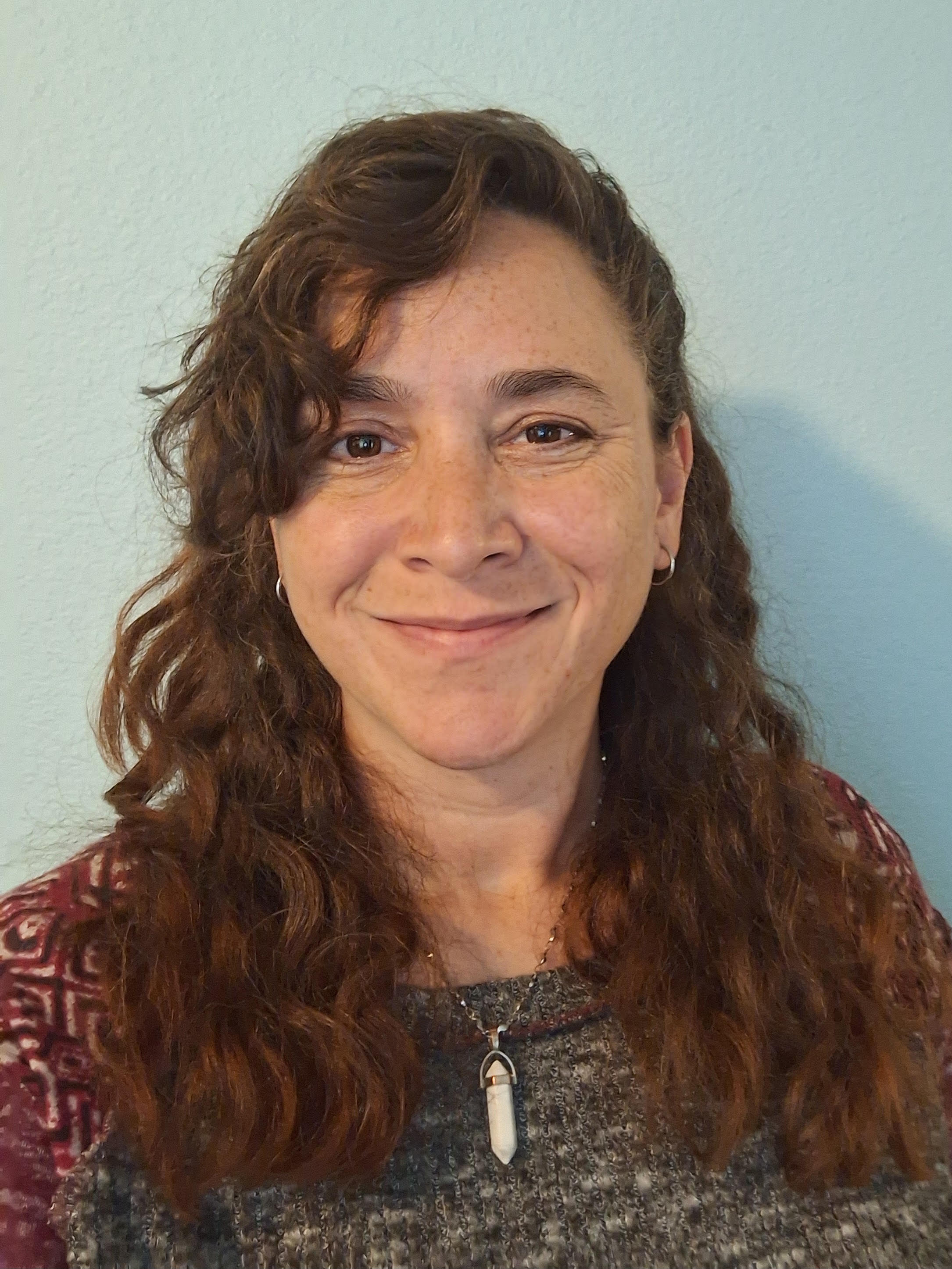
Author/Veteran/Podcast Host
Marie Slider Henriksen is a combat medic Army veteran who has experienced multiple traumas, addictions and disabilities. Marie focuses on recovery advocacy, speaking and podcasting. She writes about healing with faith, overcoming pain and resentments. She is a co-host on a podcast called coffee-talk-with-bryan-and-marie encouraging veterans and first responders to heal out loud, from PTSD to advocacy. She has recently created a Facebook group called Sliderbabe open to all for “creatively healing out loud through community.”