Sam Bird: Content That Connects
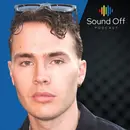
There are a million people online trying to crack the algorithm. Sam Bird might be better off because he never really tried.

 Apple Podcasts

 Spotify

 iHeartRadio

 Amazon Music
Sam is a comedian, content creator, podcaster and host of CBC’s Street Cents. He grew up around broadcasting, experimented with stand-up and acting, made a hockey comedy podcast, created branded content and worked behind a bar and at Starbucks while figuring out exactly where he fit in the media business.
Then this summer, something clicked.
A series of simple videos built around a Québécois character Sam had been doing for years suddenly found a massive audience. But the interesting part of Sam’s story isn’t that something went viral. It’s what he did with the attention once it arrived — and everything he had already learned before it did.
Sam and I talk about building an audience in a media world where your competition isn’t necessarily another creator or podcast. It’s everything else fighting for someone’s attention. We get into why Sam deliberately keeps much of his content lo-fi, why an iPhone and ten minutes of editing can sometimes outperform expensive production, and why creators need to recognize when something is connecting and move quickly without overthinking it.
Sam is also a second generation broadcaster - his father is Ted Bird who worked in Toronto and Montreal on legendary stations like CFTR, CHOM, CJFM and CJAD, K103, and others, is the host alongside Terry Dimonte of Standing By: The Terry and Ted Podcast.
We also talk about growing up in a broadcasting family, learning comedy, his work hosting CBC’s Street Cents, building Birdcore, negotiating brand partnerships, and the surprisingly useful lessons bartending taught him about managing a career with a dozen things happening at once.
Most importantly, Sam understands that building an audience doesn’t mean allowing the audience — or an algorithm — to decide who you become.
If you create podcasts, videos or anything else that requires people to give you their increasingly scarce attention, there’s a lot in this conversation worth stealing.
Follow Sam:
Tara Sands (Voiceover) 0:02
The Sound Off podcast starts now.
Matt Cundill 0:09
This week, I'm going to be speaking to, in alphabetical order, an actor, barista, bartender, broadcaster, content creator, influencer, podcaster, promotions coordinator, and producer. Although he doesn't do all that at once, but what you need to know is he hasn't even hit 30 yet. Sam Bird is someone you have likely encountered on your phone doing one of those aforementioned professions. He's the host of CBC Street Sense, and he's had a very viral summer when he created a series of TikTok videos featuring himself, his Quebecois accent, and the trip he took to the Maritimes. For context, both his TikTok and Instagram accounts went from 3,000 to 45,000 very quickly. It's 75,000 now. Sam is a son of Ted Bird, who has been on this show a few times to talk about his broadcast career and about the podcast he co-hosts with Terry Damonte. And now Sam Bird joins me from Toronto, where he is going to get asked the question I always ask every second-generation broadcaster: What was it like growing up in a household with both your parents involved in media on a day-to-day basis?
Sam Bird 1:27
I think it actually was quite a benefit for how my career sort of starting to pan out, and you know will pan out. Definitely, like when I was much younger, I would go to the studio with my dad, and I would watch you know him and Terry do their thing, and that was always really like inspirational. I think, and I realized that I liked that very quickly. And then, I mean, my mom she still works on the on the sales side of media, and I quickly knew that I did not want to do sales. You know, even though it was it was media, it was like the field that I do enjoy. I was like, yeah, I'm not gonna. I I don't want to be selling anything. I couldn't sell anybody a pencil, so it definitely helped me decide that okay, this seems to be the field that I know that I'm interested in, and it was good to have them in it as well, as opposed to them being you know completely different professions. I may have not been exposed to some of the things I was exposed to that helped me kind of get to where I am.
Matt Cundill 2:22
That's pretty good DNA, though. When you've got one on the performing side and one on the sales side, because I think you're also in a zone now where where you are making some sales,
Sam Bird 2:30
even though you think, "Oh, I don't like sales. Yeah, yeah. I think like subconsciously, it's it's kind of in there. I I don't actively think of myself as, you know, there's a lot of negotiation that's that started to happen in my career in terms of you know different like deals or contracts or stuff like that, but yeah, I'd say the DNA is mostly it's probably like 8020 performing and and then sales. My dad and I have the same sales negotiation skills. Like we, if someone is like, well, how how is 3000? We're like, okay, yeah, perfect, perfect. You know, we're never gonna come back, and yeah, we're both like that, my dad and
Matt Cundill 3:08
I. I kind of had this vision though of your dad negotiating that would be more like Furio from The Sopranos, where he just sort of sticks out a gun and says, "Give me $1,000.
Sam Bird 3:17
Yeah, yeah. See, that I didn't get. That I didn't get. Yeah, I my parents they're they're lovely. They say that all of their good qualities and none of their bad qualities. They're basically like yeah, all all of our bad qualities canceled out in Sam. So yeah, that's why I I could never do that when it comes to you know negotiating in that way.
Matt Cundill 3:40
You mentioned early off the top that you know my career, you know, having panned out so far, but you you have an idea about where you want to go with your media career. Where where is that?
Sam Bird 3:50
I think this day and age, there's so many different places to go, especially as like a young creator. I think that there's there are some creators who are solely acting, who don't have an online presence, who really want to pursue just acting-that's it. There are some creators who can make a career for themselves online, and I kind of want to do a mix of both. I'm doing a really good job right now online of creating presence for myself, but I also do enjoy so much of the acting aspect that's not online, so you know I also have have a podcast as well. So I I want to be able to kind of be able to do all three of those throughout my career, and I think that that's a real possibility now, just given the media landscape. So like my dream goal would be acting full time while also being able to do my online sketches with my friends and stuff like that, and posting funny clips, and also having a weekly podcast, like having an episode air weekly, I think that's something that I can clearly see for myself, and I think is kind of already starting to unravel. I do such a bad job at being in the moment and really. What's in front of me, and when I actually take a second to sit back and look at the things that I've done, I can see that okay, I'm clearly getting to where I would like to be. So,
Matt Cundill 5:12
but do you think do you think that in the moment and performing in the moment of which your dad, you know, Terry and Ted, they had to do that, they made a whole living off that thing, but here we are in an era now where we can edit, we can recreate, we have the ability to change, and outside of just doing you know a live stream, maybe that's not a necessary skill anymore. It's a nice to have,
Sam Bird 5:36
yeah, definitely, yeah, yeah. But I mean, makes you think like you know when they're they're live on the radio for five hours every day and they don't get to you know oh let's let's how can we say that differently or let's let's cut that out or something like that. It's like, and it's the same with live streams now. It's like okay you're you're in it. It's live. You know what I mean. You have to be so conscious of of how you're saying things and what you're saying and the order of which you're in the sequencing and stuff like that. So, yeah, that that is a skill that I think some people have like have adapted and have you know gotten that skill, but it does help to be able to edit and cut stuff up and you know skew it in a way that maybe is more digestible for an audience. I think,
Matt Cundill 6:21
and what a lot of people don't know that in the short time, and we say short time being about you know close to seven years now that you've dabbled in some form of media, you've done a lot. You've done we'll touch on some of it here, but you've done some film, you've done radio, you've done multiple podcasts now, and you've gone to school a couple different ways and held down different jobs as well, and it's sort of all part of the package. But what did going to McGill teach you about you know the psych and economics you were taking?
Sam Bird 6:49
It taught me that that wasn't for me. Definitely, I ended up going to McGill for psychology because I was playing football at John Abbott and I got a bad concussion, and I was just sitting at home all day, and I was going, "I wonder why my head is the way that it. I wonder why this concussion is, you know, just what's the science of it. So I was like, and at that time, I knew that I loved entertaining, I knew I loved performing, but I didn't see it as a viable option. So I was like, "Okay, well, there's not really something I can do in that field here in Montreal, so I guess I'll you know I'll do what everyone else is doing and just go to McGill and study you know at that time psychology because I was interested in the sports psychology aspect of it, but I quickly realized in some like I think it was my neuroscience class I was like what the hell am I doing here? So I dropped out of that, and then went into economics because during the winter break, my friend was at the Time Ryerson, now TMU for Sport Media, and after I dropped out of McGill, after like I dropped out from psychology, I was listening to a hockey podcast all the time with my friend, and I was like, "Let's start our own, and he said, "Okay, come to Ryerson, and we'll do one together. And so, at that point, that's when I really realized I was like, "Okay, I can actually just I don't have to stick to maybe just staying in Montreal and doing some sort of program at you know one of the big two universities. I can just go out and do other stuff that are maybe more up by alley.
Matt Cundill 8:21
Now, who did you do that show with? It was called Pressbox Chatter, right?
Sam Bird 8:24
Yeah, Press Box Chatter. I did that with Ryan Castellino, my buddy. You helped us tremendously get that started.
Matt Cundill 8:30
That's right. It's coming back to me now. Yeah, and I remember the episodes were short.
Sam Bird 8:35
Yeah, yeah, yeah. It was a 10-minute scripted hockey comedy podcast. We tried to model it after Weekend Update from SNL, so it was like a series of short audio skits that recapped, you know, the week that was in the NHL.
Matt Cundill 8:52
Yeah, you know, so many people were doing podcasts, and they were also going to TMU, and they were 90 minutes long, and they were talking about the Marlies or they were talking about the Leafs, and I kind of felt like I'd heard all that before, and I go, "Oh, this short thing's going to be interesting.
Sam Bird 9:05
Yeah, we had so much fun with it. We only did that one season. I think it was the season. It was the COVID season, so the year that the the Habs lost to Tampa in the finals.
Matt Cundill 9:17
No, it was also the year we beat the Leafs.
Sam Bird 9:20
Yes, yeah, yeah. So we had a lot of fun with that in the podcast. Yeah, it was fun at the time. You know, we were like, "Who else is doing this kind of podcast? You know, it took a lot of work. It was it was more than getting on the mic and you know, chatting with your buddy about bullet point notes. It was very very detailed and and stuff like that. But it was so much fun. I think it was quite rewarding for us as well. And now you know they they live forever online. We go back and listen to them sometimes, and we have a good laugh.
Matt Cundill 9:48
Yeah, and at the same time, and during this era, you're you're watching your dad go from you know doing live radio to also becoming a a content creator. You guys must have a lot to talk about, a lot of shop to talk about.
Sam Bird 10:01
I think so. Yeah, you know, like he'll come to me and talk about the technical aspects of social media and how do I edit this? How do I crop out the black borders on this video and stuff like that? And yeah, he is very. I'll notice that he posts a lot on social media, like almost anything that you know he's doing that day, he'll take a picture and post. I feel like I'm more strategic in terms of wanting to keep my feed a certain way, but yeah, I mean, he's both of us are the same in the sense of we don't care what people think about what we're posting. You know what I mean? I struggled with that so much of like, well, what are these people gonna think of this video that I made and this sketch? And you know, like, are they gonna think I'm not cool or are they gonna think it's cringy? And you know, just seeing my dad throughout his whole career, and then on socials, I was very quickly it dawned on me of who cares what people think as long as you are putting out something that you think is cool, that you think is creative or funny, and it's true to you. So, I mean, even without us talking about it, he taught me a lot about that when it comes to you know an online presence.
Matt Cundill 11:09
One of the things I didn't know about your dad is that he did stand up comedy, and how I found out was although I heard him on the radio, I heard him on a I think a Yuckyucks radio special, and he was doing comedy. I didn't know Ted did comedy, and then I do this podcast today, and I didn't know you've also done some comedy. That takes guts to get up and do a routine. So, how does one do that?
Sam Bird 11:35
Well, it's something that I've always wanted to do, and I think it's kind of it's one of those things that that was on my bucket list, and it it did take a lot of guts. Like it was really scary, kind of getting in front of a crowd, and then you know, is anyone going to laugh at anything? But I'd been thinking about it for so so long, and the way in which I finally did it was I signed up for a stand up class at the Second City, and that class has a show at the end of the semester, so you know. As soon as I hit sign up, I was like, "Okay, in eight weeks, no matter what, I'm doing stand up comedy. It was very much like a facing my fears kind of situation, and my dad, like, I mean, he heavily inspired me to to finally do it because it took him, he'd been doing a little bit, you know, when he was a bit younger, and then I think once he left radio was when he started to pursue it a lot more. And I'd always told myself that I want my parents to see me do stand up at least once in my life. Like I, it would be such a big regret if later down the line I had never had the chance to do stand up and have them in the audience, so that was another driving factor of you know kind of conquering that fear was having them in the audience. and And a few months ago, it happened finally, so that was really nice for me.
Matt Cundill 12:55
What's it like making content for another entity? So much of your day you spend doing your own, but I know you've also done some stuff with you know Kraft and Heinz, where you managed to get about 10 million views. What's it like doing content for someone else?
Sam Bird 13:10
It's interesting. It's hit or miss because a lot of the time the the brand has a clear mission, and it's up to the creator to kind of bring that mission to life through the form of content that an audience will like. So a lot of the times, some of the brand partners might not necessarily have a background in media. So when I'm making content that I know is going to be well received online, and there's feedback from the brand partners that are like, "Well, can you make it more like this or more like that? In the back of my head, I'm like, guys, but that's not going to work online. But you know, obviously, I that's where it gets tricky doing content for brands because
Matt Cundill 13:51
they're so much nicer. I hang up.
Sam Bird 13:53
Yeah,
Matt Cundill 13:54
like no, I don't think we're going to be doing this. We're going to have to move on.
Sam Bird 13:58
Yeah, well, I wish, but they're the ones paying me. So
Matt Cundill 14:01
I know, I know. But again, that's that sales aspect, right? That comes into it that you think you're not doing, but you really are doing it.
Sam Bird 14:09
That's true. Yeah, yeah. Then it's about you know me convincing them in our in our Microsoft Teams chat of why this why this 10 second video of you know me eating kraft dinner will help sell the product, so I guess that's true. I do have a bit of a sales mindset to me, but it is through my purest form of content.
Matt Cundill 14:30
This is the second week in a row on this show that we're going to ask this question. But what did you learn from bartending, and I guess also by extension your time as a barista at Starbucks?
Sam Bird 14:40
Oh, Oh, multitasking! Multitasking was a big one, and then you know a big thing with bartending as well. Aside from the obvious social aspect of dealing with so many different people who might be in you know different states of mind, so you got to be conscious of how you're talking to you know some people who are you know four drinks deep versus someone who is. Completely sober, the social aspect and multitasking are big, but also prioritizing. You know, if I have 10 drinks to make, and then I have a whole bar top full of people who are at different stages of their dining experience in the night, and then I have a server who needs me to you know go to this table and present and open a bottle, it definitely taught me a lot about prioritizing and and what needs to get done first and what can wait a little bit. And I feel like I've translated those skills into my everyday life as well. When it comes to you know what content do I need to to work on first, is there a certain brand that needs to be done before another? Is there did I commit to going to film something today with my buddies that you know I I have to readjust everything else for so I would say those are the big three that that it taught me and in terms of barista I I quickly learned that there's no such thing as too much caffeine because I was just drinking coffee all day every day at Starbucks
Matt Cundill 15:57
how'd you hook into Street Sense
Sam Bird 15:59
Street Sense was through our senior producer, she found me online when there was a vacant host position, and I had been posting, you know, my own content. I had been posting for Kraft Heinz at that time. I was posting a little bit on YouTube as well, and there was a vacant host position on Street Sense, so an email landed in my inbox, basically saying, "You know, would you be open to having a conversation? And I learned from a recruiter to always say yes to a conversation. So I said yes, and I was at a good place at Kraft Heinz. I felt, you know, I had a good routine, great coworkers, great culture, but this seemed like an opportunity that I had to to look at no matter what. So I did, and then one thing led to another, and yeah, I I quickly no, well not quickly, but I you know I left craft and I I went on the street sense.
Matt Cundill 16:50
I'm going to ask the boomer question. I'm not a boomer. I'm Gen X, but I'm going to ask the boomer question. What time is this show on?
Sam Bird 16:56
Well, it's all digital. Like it's all on YouTube, Instagram, TikTok. So you know we post. I think about around 430. You can usually expect a video 430 in the afternoon. You can expect a video on YouTube or TikTok or Instagram. It depends on on the day. The platform differs, but usually around that time is when we're posting.
Matt Cundill 17:16
I mean, Street Sense has this very long DNA, and I didn't know the show was still going. I remember watching it in in 1991. I was in college, and Jonathan Torrance was hosting it back then. You know, I was down in the Maritimes at at that point, and and he lives in. You know, I think he lives somewhere around around the basin of it. But tell everybody what Street Sense is about now. What kind of videos are you making?
Sam Bird 17:43
Street Sense is a an online show to target Gen Z and help them with financial literacy. So we do all sorts of challenges: a $5 lunch challenge in the city, you know, a $10 thrift this outfit challenge. But it's all about trying to help Gen Z, you know, be more financially literate, and we do it through challenges, we do it through skits, we do it through little explainer videos as well, and trying to you know appeal to Gen Z, and hopefully they they take some stuff away from that. And we have gotten comments of like, hey, I tried this $5 lunch, you know, today on campus, and what do you guys think? And so,
Matt Cundill 18:24
what can you do for millennials? They're the ones who started most of this. I mean, I personally, I don't tip standing up. That's my thing. I don't tip standing up. That's my thing. That's how I save money.
Sam Bird 18:34
Yeah. What is it? My girlfriend has a has a rule when it comes to tipping. Of I think it's the same. Like if she's not sitting down for the service, then she won't tip.
Matt Cundill 18:45
Simple, huh? I mean, at Subway, you get to the end, and they want to tip it. Like, dude, we made it together, you know? Yeah, and and they wanted they want to tip like again. I'll just go back to the barista for a sec, but I can't tip you. You haven't even started to make it.
Sam Bird 19:00
Yeah, that's true.
Matt Cundill 19:02
This is all logical to me, and has skipped a couple generations.
Sam Bird 19:08
Yeah, I get nervous now when I'm at the counter, and I'm like, oh, I okay, 5% But I was just in Portugal, and in Europe, it's like you know, you don't you don't tip, you just pay what the amount is. So when I got back, I I was I was in the flow of of not tipping, and then I think that's slowly started to fade away. So now I I overthink it when I'm at the counter. But yeah, I I got some T-shirts made a few days ago, and at the T-shirt printing store there was a tip option. I was like, well, this is already expensive. Why? And again, I'm only getting the shirts tomorrow. I don't know what they look like. So
Matt Cundill 19:47
it's just because people do it. That's why it's just there because people do it. And how was Lisbon and Porto, by the way? What did you learn as a Canadian on vacation?
Sam Bird 19:56
Oh, that there's a lot of other Canadians there. Yeah, it was awesome. Porto was really nice. I didn't end up getting that that sandwich that you it was a sandwich you suggested, right?
Matt Cundill 20:08
Yeah, franchisinia can't pronounce it, but I will put it in the show notes of the episode. It looks just like like a hot chicken sandwich that you would find in Quebec. I found a lot of the food in Portugal, some of the most renowned sort of snack food to be very much like we have here in Quebec.
Sam Bird 20:26
Yeah, it was very tasty food. All of it everywhere we went. The food was delicious, and I try to stay away from gluten because it it gives me a tough time, hurts my stomach. But in Portugal, I was fine to eat the gluten, and I think all but one day I was okay eating gluten.
Matt Cundill 20:44
Isn't that shocking? Like I go to Spain and I eat everything, and then I come back to North America and my body starts getting mad at me again.
Sam Bird 20:53
Yeah, yeah, makes you think.
Matt Cundill 20:55
Check the ingredients on the packages, people.
Sam Bird 20:58
Exactly. Yeah,
Matt Cundill 21:00
that wasn't the only trip you did this summer. You also went to the Maritimes. Tell me about your trip to the Maritimes.
Sam Bird 21:06
Yeah, well, we went to see my grandmother and some family on my dad's side in New Brunswick in Fredericton, New Brunswick. My grandmother is-I want to say she just turned 93, so we wanted to get a family trip out there. And my older sister flew in from Paris with her husband, which was awesome. So, yeah, just a family trip. My girlfriend Sham came as well, which was really nice. So she got to meet everybody, and I was meeting some people for the first time, or at least for the first time since I was like four years old. But we wanted to do, you know, an East Coast trip to see to see Grammy, and Sham and I drove from Toronto to Montreal, and then the next day, Montreal down to Fredericton.
Matt Cundill 21:45
And you made content along the way, I gather.
Sam Bird 21:48
Yes, yeah, yeah, yeah. I made content that is that has quickly started to change my life.
Matt Cundill 21:53
Well, first of all, let's start start with the idea. So, did you have this, you know, this character in mind, this idea in mind to do this, and or did it just play out because you started driving up Highway 20 towards New Brunswick?
Sam Bird 22:08
This, I mean, I've been doing a French Canadian accent for forever. You know, I'll be with friends, or I'll be with my mom or my sister, and I'll just like break into the accent randomly. And so it was when we were driving through Quebec City that we saw a road sign for a town called Saint Louis Zuhaha, which I thought was just ridiculous. And then I was like, interesting. And you know, driving through Quebec, I just I had the accent in my head always. Like it was never, it was not strategically planned to become this whole thing. And so the next time we saw one of those road signs, I asked Sham if she could film me really quick, and I just like improvised some sort of quick line in the accent, and then it just like it blew up. So, as someone who has always wanted to make content that does you know go viral, I was like, okay, this is my chance to latch onto something that can quickly grow because as as creators, like I know so many that put out content and it doesn't hit. Next one doesn't hit. Next one doesn't hit. So when you have one that hits, you're like, okay, there's an appetite for this. I need to latch onto it somehow, and then keep doing something in that vein. So you know, any opportunity I got on that trip to continue doing that accent somehow, I did, and it just it kept it kept hitting, and it it wouldn't miss. So that's kind of how it it came about. It was very random, it was very random, and it was not planned, but it worked.
Matt Cundill 23:35
I think we look at that and go, "Oh, he must have just thought that up off the cuff. But no, this is a character that's been, you know, in the works for many years, and then it's right place, right time, executed well, so it resonates. And now looking back, we're a few months past that. Why does it resonate?
Sam Bird 23:54
I think it resonates because people have a certain relationship to Quebec, or I've been stopped in the street, and I've had people say, "Oh, my roommates are from Montreal; they love your videos. Or my boyfriend is from Quebec, or his family's from Quebec. They all talk like that. Like, so I think it it definitely helps that I actually do have a bit of a French background, so I was able to do the accent because it sounds you know legitimate, and people have been like, "Oh, I've heard Quebec people talk like that, and even some Americans have been like, "Is this really what Quebecois people sound like? So I think it works because there's already an existing like
Matt Cundill 24:34
template.
Sam Bird 24:35
Yeah, exactly. Yeah, people are like, "Oh, I know that. I I've heard that accent. I'm just doing it in a different way now, and I use like you know the audio pitch change as well, which I think people like. And I put the character in these random situations too. So, oh,
Matt Cundill 24:51
I'm glad you mentioned that because I wanted to ask that, and that's the audio pitch change. Why does that work?
Sam Bird 24:58
It works because I think. The internet is there's so many different ways to make people laugh, and a lot of the content that I laugh at, I do see a lot of that pitch change with it. It's a I think it's a very Gen Z and even younger. What's the generation after Gen Alpha? Is that it?
Matt Cundill 25:17
Yeah, I think we're going to Alpha after this.
Sam Bird 25:20
I think my sister's alpha, but that generation I think likes the like just pure stupidity of the online world, and I think that that pitch change is part of it. Because I could very well do just that character talk like this, and there's nothing that change in in the way he say the word. But once you start adding like the classical music in the background and the change of which the speed of which I'm saying one thing.
Matt Cundill 25:46
Yeah, I just think sometimes English people wish that it would just slow down, and it's actually slowing down, and it's actually something is coming to reality. I notice I go to the hardware store. I'm dead. I am dead at the hardware store, a grocery store. I've got mastered right. Most of my French was on the phones at Sho. That's all night radio talking to drunk people. No problem. I go to the hardware store. I'm finished, and I just wish they would sort of pitch down and slow down.
Sam Bird 26:14
Yeah, yeah, yeah. But no, it's it's too quick. Even now, I'll have conversations with people in French, and it's it's still too fast.
Matt Cundill 26:23
I'll remind everybody you're on vacation, going to see your family in the Maritimes. But how quickly did you know you needed to make another?
Sam Bird 26:31
I think within a day, within a day on TikTok, like the notifications wouldn't stop. So I was like, oh, damn, okay, well, I'll keep this going. And the good thing is that it doesn't take much to make these videos. It's as long as I say like four to six lines, I'm good, and I'll I'll incorporate it. I'll like integrate it into whatever we're doing. So you know we rented these scooters and we went you know scootering in like on the trail in New Brunswick, and I was like, okay, this is an opportunity to to do something, so I don't force it too hard. I don't like plan it out, but I I try to integrate it into whatever we're already doing as an activity.
Matt Cundill 27:10
Yeah, you drove like a Quebecer with a scooter on a trail. You know, you're passing and then you're you're a corpse. You know, 20 miles up the road. It was yeah, that was great,
Sam Bird 27:21
thank you. Yeah, that was a fun one.
Matt Cundill 27:24
And by the time you get back from your trip, is that when the offer started coming in for a little bit of you know to work as an influencer just based on this character?
Sam Bird 27:34
Yeah, after the trip, for sure. I think once I had started to put maybe like eight to 10 of them out. They started to come in, which is nice. And I had also been getting a few opportunities. Like people had reached out to work, you know, with this Kibekua character, but also people had reached out to work with me as Sam, which is really important to me because I don't want to just be this Quebecois guy. I have a lot more to me, and so the fact that these were both happening at the same time was awesome. But yeah, I'd say specifically the the Kibekwa character was when I got back. When people started to see like, wow, these videos are getting millions of views. You know, I had an influencer agency reach out because that's like someone that can help out with brand deals as well. So yeah, it was all pretty quick, but it definitely took you know yeah I guess eight to 10 videos to come out and that's when it it really started to roll. There are people listening to this who are like, well, what tools does he use to make this? So, what are you using? It's so simple. I shoot on my iPhone. I try to keep it as lo-fi as I can. I don't attach a microphone or anything-it's just iPhone audio, and then I I put it in TikTok and I edit on TikTok. I change the pitch there. I add a sound there. I add those little white crossovers in the videos. It's all on TikTok. It takes me like 10 to 15 minutes to really get get into a sweet spot. But like that's that's it. For example, I'm shooting a video tomorrow that I have to get to a client midday, and I can start. You know, if I have to get them to video at noon, I can comfortably start shooting at 930 and not be worried about will I get it to them on time because I I keep it so lofi. People on the internet love to see lo-fi stuff. Sometimes I think they they scroll past the very high quality ads or the high quality stuff because you know TikTok and Instagram they just want to they want to see the the quick stuff that'll give them a laugh.
Matt Cundill 29:33
I had a client say we need to make our reels look more professional, and I'm like, have you seen what's out there? There are Gen Z people holding lav mics and thinking, well, I don't know why they're. I do know why they're holding lav mics because they don't know what to do with their hands. But in terms of looking professional, yeah, let that go. I think
Sam Bird 29:52
for some people it works. Like some people, I mean, it depends. I got this big following by doing content that stayed low. I think some people have gotten big followings by doing content that happens to require having a lav mic or having a higher quality camera. So it's if your audience is sticking with you based on a formula that you've started with, you know I can understand why they would stay with that formula. I just don't happen to need to have all the fancy, fancy pants stuff for my formula.
Tara Sands (Voiceover) 30:21
Sound design of the Sound Off podcast is inspired by Megatrax, the sound of entertainment, providing music and sound effects for radio, podcasts, and media professionals. Megatracks is your one-stop shop for library and custom tracks. Start your music search now At Megatracks.com, the Sounding Off newsletter delivered free to your inbox, featuring Matt's media hacks, hot takes, and retakes. Sign up now at SoundingOff.news.
Matt Cundill 30:54
So you got started really on TikTok, got the hit there, and then I saw it on Instagram, and you can put it in a few more places, but where do you take a video like that after TikTok and Instagram?
Sam Bird 31:08
You could put it on like YouTube Shorts. That's what I do. I have my podcast page on on YouTube, so I'll just-I mean, the page is really dedicated to the podcast, but I don't feel like starting a brand new YouTube page just to post the you know Quebec content, so I just started throwing it on the podcast page as well. But those are, in my opinion, those are are the big three, and then Facebook as well. I just kind of when I post it on Instagram, it's automatically linked to my Facebook, so it posts there automatically as well. I've seen the most success though with TikTok and Instagram for sure.
Matt Cundill 31:42
Is there a bad place to put it? Hmm.
Sam Bird 31:45
Is there a bad place to put it? I trying to think of of applications with like feeds. I don't know, like maybe threads. Like remember when threads had a moment?
Matt Cundill 31:56
I'm still on threads.
Sam Bird 31:58
Yeah. I see. I I'm not on Threads. I don't know much about Threads.
Matt Cundill 32:03
I don't think you should be on Threads, especially if you're hitting, you know, big and wide on on subject matter. I think Threads is for you know podcasters to talk about podcasts and for people to talk about needle point and stuff like that.
Sam Bird 32:17
There you go. Then Threads would be a bad place to post it. I think it does well on on Twitter. Like I don't post them on Twitter, but I've had people send me the videos that these you know random pages are posting, and they're posting my videos, and those are doing pretty well. So I'm like, okay, that's good, but I don't go out and post on there.
Matt Cundill 32:36
Tell me about your show, Birdcore.
Sam Bird 32:39
Yeah, Birdcore. That's my podcast that I host with my girlfriend. I started it back in 2023 at school when I was at TMU because they had a station called Spirit Live, and Spirit Live was like the school radio station. So I had been heavily influenced by podcasters who were doing interview style. So, for example, I really I like Theo Vaughn. I love the way that he interviews. I love the fact that he has people who are in the media scene, like actors and you know directors and whatnot. And I also love how he's had like he had someone who worked at a morgue. He had someone who worked you know border control. It's like okay, so he's he's expanding outside of just having creative people on the show, and I like the way that he interviews, and I also like the fact that he does episodes where it's just him talking to camera, and he has his producer there sometimes that he will refer to. So when I started listening to him, his podcast heavily was when I was like, man, I I can and I want to do this, especially with having a dad who was so well versed in talking on a microphone. So I started it back in 2023 at school, and it was very interview style, very conversational. And then after I graduated, I was like, "Damn, well, where am I going to do the show now? So I took a hiatus, and then I brought it back last May with two of my buddies, we like rented a studio for 20 episodes, and we did those 20. And then after that, I was like, "Damn, where am I going to do the podcast? So I took another hiatus, and then eventually, when I moved into my apartment I'm in now, I started it again with Sham, and it's been like flying ever since then. So to really answer your question, Verdcor is is a conversational interview slash sometimes solo podcast where we talk about you know anything and everything. If we talk if we have a guest, it's solely focused on that guest, and we'll try to integrate different you know relative pop culture stuff and get the conversation going there. If it's a solo episode, Sham and I are kind of just recapping our week in the most you know entertaining way we can, while also answering some guest questions or sorry, some fan questions that came in online. But all in all, I really think it's an excuse for me to get on the microphone and just I almost consider it like a stand-up set with no audience. Well, that was the origins of podcasting, really, because there were a lot of comedians who would do podcasts just so they could try out their stuff. How do most people consume the show? YouTube. YouTube is where people watch it the most. That's where I see the highest numbers. But it's also on Spotify and it's on Apple Podcasts. Those are the three platforms it's on. But I definitely see the most success on YouTube because it is video. It's it's a video podcast as well, and I really try to decorate the set. So there's always something that catches the eye.
Matt Cundill 35:31
Yeah, I sometimes wonder though if you take all the time spent listening on both YouTube and then against your Apple and Spotify, that it could possibly come out even. I know you know for older podcasts and older targeted podcasts, the ratio is like 15 to one. But you know that I find that people will start here, go here, listen here, and come back to either the audio or the video.
Sam Bird 35:54
I'm sure there are people too. I'm sure there are like a lot of people who consume it via Spotify and Apple. I just don't know who those people are because I know who's watching on YouTube. Yeah,
Matt Cundill 36:04
that's the thing with with our with RSS feeds. We don't really know anything beyond an IP address and a download. I get it. YouTube's great too because there's comments.
Sam Bird 36:14
Oh yeah, it's awesome. Yeah,
Matt Cundill 36:16
I meant to ask earlier. Actually, have you had any negative blowback from you know the Quebecois character that you that you do.
Sam Bird 36:23
I think I've had one or two comments from Quebecois people that are like, you know, why are you making fun of us in a way? But I'm not. I don't feel like I'm making fun of anyone. I feel like I'm, you know, utilizing the accent to to be in fun funny situations. So I've had like two of those, and then I've also had two or three recently where it's like, oh, it's it's how long you gonna melt this for, or oh, it's getting old. But that's one person out of you know 400,000 views that is saying it's getting old. So I'm like, okay, I think I think the majority is still liking it, and I'm still liking it. So,
Matt Cundill 37:05
yeah, you know, I find it. This goes back to you know any form of media that you you give to people for free that people complain about it. If people are commenting and complaining about it, you know it's resonating, whether it's good or bad.
Sam Bird 37:17
Yeah, absolutely. Better to have you know some haters and no haters.
Matt Cundill 37:22
Yeah, the comments field. You take that with a grain of salt. It's good. It's good, but you know, again, sometimes you just have to move on, right?
Sam Bird 37:30
Yeah, and I've been so grateful that 99.9% of the comments are all so positive, even when I'm doing stuff that might be like brand deals, because I feel like when an audience sees a brand deal, they're like, "Oh, like you sold out, or they just don't like to see ads. But my audience has been like, "Yo, sponsorships! That's amazing! Get your bag! Like, so I'm like, "Oh, awesome.
Matt Cundill 37:54
What do you think the best sports media job is out there, or what is a sports media job you would like to have?
Sam Bird 38:01
Sports podcasting, I think. Maybe I'm biased because I love podcasting.
Matt Cundill 38:07
You know, you could start one any time, right?
Sam Bird 38:09
Yeah. Well, I mean, I five years ago I had one. It
Matt Cundill 38:13
takes a lot of work, though.
Sam Bird 38:15
It does. Yeah, you gotta be so tapped in with the sport, and then you got to know how to talk about it in a way where people will want to listen too.
Matt Cundill 38:23
It's funny because I mention that only because, like, oh, would you like the top job at Hockey Night in Canada, or would you like to work at SportsNet, or is there, you know, RDS, or there's no actual physical corporate brand out there. You went right to, I just want my own podcast, and I will start it, and I will build it on my own. And as we say here at the Sound Off Media Company, and apologies for those who are listening on Apple and not necessarily consuming this on YouTube. Let's build your media empire. I get it. Would you cover a team or would you cover a league? It depends. If if it were, for example, I would never
Sam Bird 39:00
say no to being, you know, someone like like a a James Duffy or a career like Cabbie Richards had, or you know, I think about the states like a guy like like Paul Bissonette, like those guys, like Spit and Chicklets is a huge. It's the reason. It's the podcast I listen to, which ultimately led to me moving to Toronto and going to school and doing all of this, so that's I think why I'm I'm heavily influenced by sports podcasts. But you look at a guy like Cabby Richards; he was out in the field all the time doing live stuff with athletes. Like that is a career that I think that's a sports you know a sports media job that I would love. James Zethy, he leads the panel a lot of the time. Like Jay Onright, that's such a sick job. I, you know, one that I don't think I could do would be like being on a panel at intermission, just talking about one particular game. I would want to cover it all if I'm out, you know, in the field or at. Desk, but if I were doing a podcast, I feel like I'd be more focused on one team. But then again, that could change. You know, I could change my mind in an hour about that. So,
Matt Cundill 40:12
yeah, that you know, you'd mentioned the panel not being very interesting. I find any sports radio that talks about you know breaking down the second power play line, or who's going to center the fourth line to be just boring?
Sam Bird 40:26
Yeah, I don't know if I don't know if I could if I could do it.
Matt Cundill 40:30
I can't listen to it, so I know I can't do it. What scares you about today's media, if anything at all?
Sam Bird 40:37
Whoa, that's a good question. What scares me about today's media? I don't know if "scared" would be the right word to use in this situation for me, but I there's a lot of competition out there. There's a lot of people who you are competing with for views. There's a lot of people who can steal what you're doing, and maybe that takes off. Who knows? So that's why I say I don't know if scared to be the right word because I know competition's out there, and that's that's natural, but using that as like a fuel to make sure that I'm working as hard as I can and outworking everybody is really big for me. I guess I don't know the extreme ins and outs of AI, but I know that you know people are scared of that, and I know that particularly in film and TV, that whole community is so against AI, like filmmakers and actors and everyone are very you know opposed to it. But I I think there's all sorts of advancements happening all the time with that stuff. So I know that there are a lot of jobs at stake. I think I'm fortunate enough where that is not something that would happen to me because audiences like authenticity and real people, but I know that I have friends who are in positions that AI might, you know, come and take their job. So,
Matt Cundill 41:50
yeah, well, some of that's already happening. The AI stuff is is I don't think we know enough yet. But you mentioned competition. I'm glad you mentioned this because I'll go back to you know Terry and Ted, their competition was the other radio stations that are performing at that moment. In podcasting, people were like, "Well, they're my competition. So I don't think they are your competition. I think because this content is on demand, people can watch it wherever. Therefore, the competition would be all the stuff that people have to do today. But if you're comparing yourself to another creator, I almost think that both the creators are going up against an algorithm. Do you think about algorithm and stuff like that, or do you just not going to let that rent space in your head?
Sam Bird 42:33
Sometimes I do, and only really in terms of what time of the day to post.
Matt Cundill 42:39
What time is a good time to post. We all we're all looking for the secrets.
Sam Bird 42:43
Yeah. Well, according to my Instagram analytics, my audience is most active as of like 6p.m. So I try to post, you know, a little bit before that, so that it's on their feed by the time you know they finish work and they're on the the train and they're on their phone. That's the only algorithmic category that I I consider. I think, but then again, the algorithm is not chronological anymore. At least on well, actually, I don't know about on any platform. Maybe on on Twitter or Facebook, but like TikTok and Instagram, the two that I rely on the most, the algorithm is not chronological. So in theory, I could post at two a.m. and I would still be fine, but I mean, I know as a as a media consumer, my algorithm is very curated to to what I like, which is, I mean, I would prefer it that way, but then again, that could just glue me to my phone for God knows how long. But I kind of like the way the algorithm is set up. I think it it also means that my audience's page is curated a certain way. So again, if I post at two a.m. they're going to see no matter what. You know what I mean?
Matt Cundill 43:50
Yeah. Do you take any active breaks from your phone, or sort of understand? Ah, I'm a little too deep into this. I'm going to turn off the phone for a bit.
Sam Bird 43:59
Yeah, I do. Yeah, I use this app that blocks Instagram and TikTok between like certain times of the day. What's that app? It's called Opal. O P A L. Opal. It's it's good. There's so many like different apps or little like gadgets now that that do that. I know there's Brick as well, which is like a physical device where you have to, like you have to tap your phone as if like you're paying for something and you're tapping it, and then it locks those apps. And the only way to get those apps open is to tap the phone again. So a lot of people tap it and then go put the brick in another room. So if they really want to use those apps, they got to get up off the couch and go to the other room and tap the app again. So I feel like I I know when to take breaks, but then again, so much of my work now is through my phone, so I have to remember that as well. You know, I whether it's emails or or keeping on top of you know replying to comments or like I never go on my phone and just scroll. Like doom scroll, like that's never been my thing because I I put out content. So
Matt Cundill 45:06
yeah, that that's such an excellent point. And people who who scroll all day say, "Well, I wish I was doing more for my brand, or "I wish I was doing more. I said, "I think you need to pick a lane. You need to be a content consumer or a content creator when you pick up your phone.
Sam Bird 45:20
Exactly. Yeah. Exactly.
Matt Cundill 45:23
I use, by the way, on my Chrome. I've got a Chrome extension called News Feed Eradicator that just cuts the news feed for Facebook, Twitter, LinkedIn, even. And you can you actively have to go in and break it in order to to get in there. You can still respond to your messages and stuff, but it will block you from falling into that scroll pit.
Sam Bird 45:44
It's scary. I'll be on the on the bus or on the the subway, and like every single person is glued, like looking down at their phone. I remember the first time somebody was watching TikTok in the Atwater Metro, and they were flipping it. And this is about five years ago, and I thought, "Oh, we're doomed. Yeah, well, you were right. Ugh. Yeah, I try to bring a book if I can. What are you reading these days? I'm reading this book right now called Martyr, which is it's a Persian book. It's a it's about this guy, and I used to read a lot of like self help. Like I, when I first started reading, I guess during COVID, I mean, I've I knew how to read before COVID, but when I first really started picking up books, I was reading like Atomic Habits and How to Talk to Strangers. I read The Psychology of Money, which I should probably read again these days, and then again and again. But yeah, a lot of nonfiction, and then recently more fiction. So, I think reading fiction is good for the brain, you know, just you you stay curious, kind of thing. And but nonfiction has been great to just help me as a person. I think.
Matt Cundill 46:52
What's some nonfiction that you really enjoy, or maybe there's a character or a biography that you read that you were like, oh, that's interesting.
Sam Bird 47:00
I actually really liked. I read Gucci Mane's biography, Gucci Mane, the rapper. His was really good. He talked a lot about his life, and he talked about you know like getting started in a in the rap game, and then how it kind of took him down a dark path. And he started drinking a lot of like codeine and cough syrup, and he just started to get away from the art and get more, like invested in you know some of the bad stuff, and then he kind of got back on track. And he was he created this label, and he was signing all sorts of different artists and different rappers. And then he ended up in prison. And then he spoke a lot about his time in prison and how that's when he really decided to turn his life around. He got in shape, and then you know he got out of prison, and then was putting out more music and was just healthier and stuff like that. So it was interesting to see like that aspect of of his life. And then I also read, I mean, a lot of rappers. I read the biography of Rick Ross as well, which was fine. And then I'm literally looking at my books right here, the subtle art of not giving a fuck, which was a good one by Mark Manson, and then yeah, a few others here. Like I read Colin Jost's book, which was great. He's hilarious, so reading his was was a good laugh. And a lot of these people that I think worked really hard to get where they are, I want to read those books because I want to I want to kind of tap into their mind and get inspired by them in a way.
Matt Cundill 48:25
It's 902 as we are recording this in the morning Eastern time.
Sam Bird 48:30
What is the rest of your day like? The rest of my day involves a shoot at 11, from 11 till about five. I'm helping a buddy with. He started this like series on YouTube, and it's the second episode. So I'm actually going to play a Quebecois tarot card reader. So I'm going to do that, and then think I'm going to a comedy show tonight. And you? I just do this all day. Nice. Thanks for for letting me do the 8 a.m. slot. Oh, I should probably make these things earlier, yeah, I understand. I just you can't sort of do this and just sort of say, oh, it's from eight a.m. to four. I'm available. You're gonna, especially if you want to interview somebody in Australia. Oh wow, yeah. Are you doing that today? Are you interviewing someone in Australia?
Matt Cundill 49:14
Next is going to be Jay Nacos from Coleman Insights. Will be next.
Sam Bird 49:18
Nice,
Matt Cundill 49:19
and we're gonna talk a lot about what we talked about, which we didn't get into. You know, the video versus audio versus you know how people consume and what matters, et cetera, et cetera. So, and mental health-that's
Sam Bird 49:31
a big one.
Matt Cundill 49:32
Sam, it's been great talking to you. I don't think I've seen you since St. Patrick's Day float in 2005, maybe in a parade.
Sam Bird 49:42
It's a long time. Holy smokes!
Matt Cundill 49:46
Good to see you. You're doing you're doing fantastic, man.
Sam Bird 49:48
Thank you, Matt. I appreciate it. Thank you so much for having me. Means a lot.
Tara Sands (Voiceover) 49:56
Another Sound Off Media Company podcast.