How Impact Craters Could Have Reversed Venus’s Rotation—The Surprising Science

 Spotify
 Apple Podcasts
 Youtube Music
 iHeartRadio
 Spreaker
 PocketCasts
 YouTube
 Goodpods
 Amazon Music
 TuneIn
 Overcast
 JioSaavn
 Castro
 RSS Feed
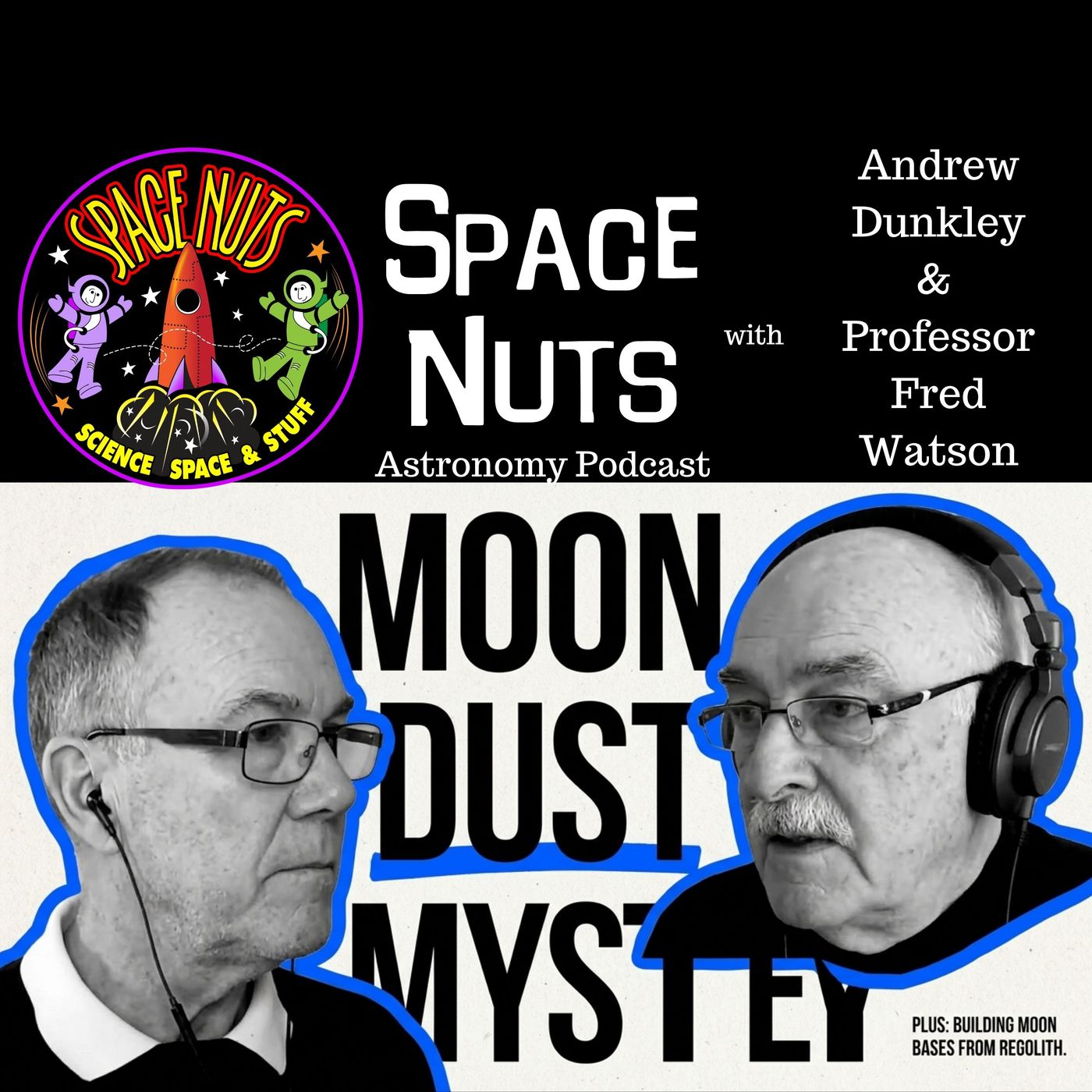
 In this episode of Space Nuts, Andrew Dunkley and Professor Fred Watson explore fascinating topics ranging from the mysterious double moon dust implications and Venus's unusual rotation to updated protocols for announcing extraterrestrial evidence. They also delve into the intriguing potential of moon dust as a record of extinct civilizations and future lunar construction solutions, all while reflecting on the universe's expansion and the search for intelligent life beyond Earth.
Main Topics:
The concept of moon dust remnants potentially indicating alien megastructures or extraterrestrial artifacts.
The recent research explaining Venus's peculiar retrograde rotation and the impact hypothesis involving a large impactor.
Updated protocols from the International Academy of Astronautics (IAA) for credible extraterrestrial life detection announcements.
The potential for lunar surface dust, especially 'technograins,' to harbor evidence of past civilizations.
Technological prospects for lunar infrastructure, including 3D printing using moon dust and the economics of relocating materials to build lunar bases.
The discussion of the universe's expansion, dark energy, and the likelihood of future scenarios like the Big Rip, Big Crunch, or indefinite expansion.
The importance of rigorous verification for scientific claims and the dangers of misinformation, especially on social media.
Timestamps:
00:00 - Introduction to extraterrestrial moon dust and alien artifacts
02:14 - New findings on Venus's rotation and impact theories
03:52 - Updated protocols for announcing extraterrestrial evidence
10:37 - Moon dust as remnants of alien civilizations
24:17 - Future lunar habitation and construction using moon dust
33:00 - The challenges and possibilities of lunar infrastructure
44:00 - The expanding universe: dark energy, Big Rip, and Big Crunch
55:30 - The nature of time before the Big Bang and current theories
58:38 - The potential for observing lunar sunsets and corona phenomena
67:41 - The inevitability of future lunar sunset observations
69:12 - Closing remarks and climate of scientific inquiry
Resources & Links:
Research on Venus's Rotation by ETH Zurich
Declaration of Principles for Search for Extraterrestrial Intelligence
Phys.org Moon and Space Mining articles
Space Connect Article on Extraterrestrial Protocols
The Bright Side - Moon Dust as Building Material
NASA - Artemis Program
The European Geosciences Union Conference Vienna
Connect with Professor Fred Watson:
LinkedIn
Twitter
Keep questioning and exploring — our universe is full of mysteries waiting to be uncovered.
Become a supporter of this podcast: https://www.spreaker.com/podcast/space-nuts-astronomy-insights-cosmic-discoveries--2631155/support.
0
00:00:00.000 --> 00:00:02.760
Anna: From the farthest reaches of the galaxy to
1
00:00:02.760 --> 00:00:05.680
the red dust of Mars. You're tuned in to
2
00:00:05.680 --> 00:00:08.390
Astronomy Daily, your daily briefing on, um,
3
00:00:08.440 --> 00:00:10.240
the universe. I'm Anna.
4
00:00:10.320 --> 00:00:12.640
Avery: And I'm Avery. Today on the show, an
5
00:00:12.640 --> 00:00:15.240
interstellar comet has just revealed it's
6
00:00:15.240 --> 00:00:17.600
older than our sun by billions of years.
7
00:00:18.080 --> 00:00:20.520
Perseverance scores its most impressive
8
00:00:20.520 --> 00:00:22.960
organic detection yet on Mars. And
9
00:00:22.960 --> 00:00:25.640
Europe's dark matter detective turns its gaze
10
00:00:25.640 --> 00:00:28.200
to the heart of our own galaxy and delivers
11
00:00:28.200 --> 00:00:30.240
the most stunning portrait ever made.
12
00:00:30.800 --> 00:00:33.480
Anna: We've also got a controversial plan to dump
13
00:00:33.480 --> 00:00:35.880
the world's largest space station into the
14
00:00:35.880 --> 00:00:38.800
Pacific Ocean, raising some very pointed
15
00:00:38.800 --> 00:00:41.640
questions. Plus, an asteroid that killed the
16
00:00:41.640 --> 00:00:44.240
dinosaurs may have kept underground life
17
00:00:44.240 --> 00:00:46.879
burning for 8 million years. And
18
00:00:46.880 --> 00:00:48.650
astronomers have just found that a, uh,
19
00:00:48.800 --> 00:00:51.680
famous nebula has a long lost twin
20
00:00:51.680 --> 00:00:52.240
sibling.
21
00:00:52.400 --> 00:00:55.106
Avery: It's Thursday, the 26th of June,
22
00:00:55.254 --> 00:00:57.940
2026, and this is Astronomy
23
00:00:57.940 --> 00:00:58.340
Daily.
24
00:00:58.660 --> 00:01:00.700
Anna: We start today with one of the most
25
00:01:00.700 --> 00:01:02.900
remarkable findings in the short but
26
00:01:02.900 --> 00:01:05.100
extraordinary history of interstellar
27
00:01:05.100 --> 00:01:08.020
astronomy. The comet known as 3i
28
00:01:08.420 --> 00:01:11.060
Atlas, which swept through our solar system
29
00:01:11.060 --> 00:01:13.740
last year and captured the imagination of
30
00:01:13.740 --> 00:01:16.460
scientists worldwide, has now revealed
31
00:01:16.460 --> 00:01:18.820
something almost impossible to wrap your head
32
00:01:18.820 --> 00:01:21.780
around. This comet is older than our Sun.
33
00:01:22.450 --> 00:01:25.050
Avery: Much older, potentially. Two new papers
34
00:01:25.050 --> 00:01:27.170
published in the journal Nature this week,
35
00:01:27.170 --> 00:01:29.570
using data from NASA's James Webb Space
36
00:01:29.570 --> 00:01:32.130
Telescope, report that 3i
37
00:01:32.530 --> 00:01:35.490
Atlas carries a chemical fingerprint unlike
38
00:01:35.490 --> 00:01:38.290
anything found in our own solar system. And
39
00:01:38.290 --> 00:01:40.530
that fingerprint points to an origin between
40
00:01:40.610 --> 00:01:42.770
10 and 12 billion years ago.
41
00:01:43.090 --> 00:01:45.730
Anna: To put that in perspective, our sun is about
42
00:01:45.730 --> 00:01:48.530
4 1/2 billion years old. So this
43
00:01:48.530 --> 00:01:50.490
comet may have been drifting through the
44
00:01:50.490 --> 00:01:52.970
galaxy for more than twice the lifetime of
45
00:01:52.970 --> 00:01:55.390
our entire Sol solar system before it
46
00:01:55.390 --> 00:01:57.230
happened to pass through our neighborhood.
47
00:01:57.470 --> 00:01:59.790
Avery: The key evidence comes from isotopes,
48
00:01:59.950 --> 00:02:02.910
specifically the ratio of two forms of carbon
49
00:02:02.910 --> 00:02:05.710
and a type of water molecule called semi
50
00:02:05.710 --> 00:02:08.510
heavy water, in which some of the hydrogen
51
00:02:08.510 --> 00:02:10.510
atoms carry an extra neutron.
52
00:02:10.830 --> 00:02:13.110
Astronomers using Webb's near infrared
53
00:02:13.110 --> 00:02:16.110
Spectroscope found that 3i Atlas
54
00:02:16.270 --> 00:02:19.110
has far less carbon 13 relative to
55
00:02:19.110 --> 00:02:21.710
carbon 12 than anything in our solar system.
56
00:02:22.140 --> 00:02:24.780
And carbon 13 builds up in the universe over
57
00:02:24.780 --> 00:02:27.660
time as successive generations of stars are
58
00:02:27.660 --> 00:02:30.580
born, live, and explode. Less carbon
59
00:02:30.580 --> 00:02:33.580
13 means an older origin, one from
60
00:02:33.580 --> 00:02:36.020
a time before many stars had even had the
61
00:02:36.020 --> 00:02:37.020
chance to die.
62
00:02:37.340 --> 00:02:40.100
Anna: The semi heavy water signature is equally
63
00:02:40.100 --> 00:02:42.860
telling. That kind of water tends to form in
64
00:02:42.860 --> 00:02:45.420
high radiation environments, cold,
65
00:02:45.500 --> 00:02:48.260
massive star forming regions that were far
66
00:02:48.260 --> 00:02:50.960
more common in the early universe. And taken
67
00:02:50.960 --> 00:02:53.680
together, the Webb team concludes this comet
68
00:02:53.680 --> 00:02:56.400
formed during what astronomers call cosmic
69
00:02:56.400 --> 00:02:59.360
noon, when star formation across the universe
70
00:02:59.360 --> 00:03:01.040
was at its absolute peak.
71
00:03:01.360 --> 00:03:04.000
Avery: Lead researcher Martin Cordiner of NASA's
72
00:03:04.000 --> 00:03:06.640
Goddard Space Flight center described it as a
73
00:03:06.640 --> 00:03:09.240
unique opportunity to study an ancient object
74
00:03:09.240 --> 00:03:12.240
from the distant galaxy, probably predating
75
00:03:12.240 --> 00:03:15.200
our sun and solar system. His words. On
76
00:03:15.200 --> 00:03:17.680
one hand, we get direct insight into that
77
00:03:17.680 --> 00:03:20.640
distant time and place, and on the other, we
78
00:03:20.640 --> 00:03:23.540
learned something about how our own solar
79
00:03:23.540 --> 00:03:24.300
system may be.
80
00:03:24.700 --> 00:03:27.380
Anna: A companion study from the European Southern
81
00:03:27.380 --> 00:03:30.060
Observatory's Very Large Telescope found
82
00:03:30.060 --> 00:03:32.580
complementary evidence in the comet's carbon
83
00:03:32.580 --> 00:03:35.100
and nitrogen isotope ratios, further
84
00:03:35.100 --> 00:03:37.580
cementing the picture of an ancient, cold,
85
00:03:37.580 --> 00:03:39.660
alien origin. 3i
86
00:03:40.060 --> 00:03:42.980
Atlas, it seems, is a genuine relic from
87
00:03:42.980 --> 00:03:44.700
another era of the universe
88
00:03:44.700 --> 00:03:47.660
Avery: entirely, and it's on its way out. The
89
00:03:47.660 --> 00:03:49.900
comet is now departing our solar system,
90
00:03:50.140 --> 00:03:52.630
never to return. But the data it's left
91
00:03:52.630 --> 00:03:55.470
behind will be studied for years, perhaps
92
00:03:55.470 --> 00:03:56.150
decades.
93
00:03:56.630 --> 00:03:59.270
Anna: We stay in the realm of ancient chemistry,
94
00:03:59.430 --> 00:04:02.310
but this time a little closer to home, just
95
00:04:02.310 --> 00:04:05.110
40 to 250 million km
96
00:04:05.110 --> 00:04:07.630
away, depending on where Mars and Earth
97
00:04:07.630 --> 00:04:10.150
happen to be in their orbits. NASA's
98
00:04:10.150 --> 00:04:12.590
Perseverance rover has just delivered what
99
00:04:12.590 --> 00:04:15.230
scientists are calling the most robust
100
00:04:15.230 --> 00:04:17.910
organic detection made in Jezero Crater.
101
00:04:18.499 --> 00:04:21.059
A new study published in Science Advances
102
00:04:21.459 --> 00:04:24.099
reports that the rover's SHERLOCK instrument,
103
00:04:24.339 --> 00:04:27.099
a laser based spectrometer on the end of the
104
00:04:27.099 --> 00:04:29.779
robotic arm, has detected complex
105
00:04:29.939 --> 00:04:32.939
macromolecular carbon in two mudstone
106
00:04:32.939 --> 00:04:35.939
rocks at a site called Bright angel in an
107
00:04:35.939 --> 00:04:38.459
ancient river valley called Neretva
108
00:04:38.459 --> 00:04:38.979
Vallis.
109
00:04:39.459 --> 00:04:41.899
Avery: The paper's own summary describes it as, and
110
00:04:41.899 --> 00:04:44.259
I'm quoting, the most robust organic
111
00:04:44.259 --> 00:04:47.060
detection in Jezero Crater. That thus far
112
00:04:47.060 --> 00:04:49.860
and the only detection of macromolecular
113
00:04:49.860 --> 00:04:52.580
carbon on a natural rock surface on Mars.
114
00:04:53.060 --> 00:04:55.700
That's macromolecular, meaning large,
115
00:04:55.780 --> 00:04:58.780
complex carbon based molecules, the kind that
116
00:04:58.780 --> 00:05:01.580
on Earth are associated with biology. But we
117
00:05:01.580 --> 00:05:02.660
need to be careful here.
118
00:05:03.060 --> 00:05:06.020
Anna: Absolutely. The researchers are very clear
119
00:05:06.020 --> 00:05:08.740
that detecting organic carbon on Mars
120
00:05:08.740 --> 00:05:11.660
does not mean life. The SHERLOCK instrument
121
00:05:11.660 --> 00:05:14.460
cannot distinguish between carbon produced by
122
00:05:14.460 --> 00:05:17.300
biology and carbon produced by geology
123
00:05:17.380 --> 00:05:20.280
or delivered by meteorites. What it can
124
00:05:20.280 --> 00:05:22.840
do is show that the chemical ingredients were
125
00:05:22.840 --> 00:05:25.400
there, and in this case, they were there in
126
00:05:25.400 --> 00:05:27.960
abundance. Hundreds of individual
127
00:05:27.960 --> 00:05:30.320
detections across just two rocks.
128
00:05:30.720 --> 00:05:33.040
Avery: What makes this particularly compelling is
129
00:05:33.040 --> 00:05:36.000
the location these mudstones are at. Bright
130
00:05:36.000 --> 00:05:38.680
angel connected to Naret Va Vallis, the
131
00:05:38.680 --> 00:05:40.760
ancient river channel that fed Jezero
132
00:05:40.760 --> 00:05:43.760
Crater's western delta billions of years ago.
133
00:05:43.760 --> 00:05:46.600
This was a water rich environment, exactly
134
00:05:46.600 --> 00:05:49.040
the kind of place where on Earth you would
135
00:05:49.040 --> 00:05:51.500
expect to find microbial sheltering in
136
00:05:51.500 --> 00:05:52.060
sediment.
137
00:05:52.460 --> 00:05:54.740
Anna: One of the two rocks examined is the now
138
00:05:54.740 --> 00:05:57.620
famous Chayava Falls, the very rock
139
00:05:57.620 --> 00:06:00.180
that caused such excitement last year with
140
00:06:00.180 --> 00:06:02.540
its distinctive leopard spot markings.
141
00:06:02.940 --> 00:06:05.900
Finding complex macromolecular carbon in
142
00:06:05.900 --> 00:06:08.900
it adds yet another Intriguing layer to the
143
00:06:08.900 --> 00:06:11.500
mystery. The other rock showed organic
144
00:06:11.500 --> 00:06:14.500
carbon associated with carbonate and sulfate
145
00:06:14.500 --> 00:06:16.980
minerals, both of which can be connected to
146
00:06:16.980 --> 00:06:18.460
biological processes.
147
00:06:19.090 --> 00:06:21.330
Avery: The researchers also note this is the first
148
00:06:21.330 --> 00:06:24.170
detection of this type of complex carbon in a
149
00:06:24.170 --> 00:06:26.770
mudstone on Mars outside of Gale Crater,
150
00:06:26.930 --> 00:06:29.810
where the Curiosity rover operates more than
151
00:06:29.810 --> 00:06:32.050
three and a half thousand kilometers away.
152
00:06:32.450 --> 00:06:34.450
That suggests the conditions that allowed
153
00:06:34.450 --> 00:06:37.290
organics to form and survive may have been
154
00:06:37.290 --> 00:06:39.970
widespread across Mars, not just in one
155
00:06:39.970 --> 00:06:40.930
localized area.
156
00:06:41.330 --> 00:06:43.810
Anna: The samples Perseverance has collected are
157
00:06:43.810 --> 00:06:46.530
still sealed in its sample tubes, waiting for
158
00:06:46.530 --> 00:06:49.290
a future Mars sample return mission to bring
159
00:06:49.290 --> 00:06:51.670
them back to Earth. When they arrive in a
160
00:06:51.670 --> 00:06:54.470
laboratory, scientists will be able to run
161
00:06:54.470 --> 00:06:56.670
tests orders of magnitude more
162
00:06:56.670 --> 00:06:59.030
sophisticated than anything a rover
163
00:06:59.030 --> 00:07:01.670
instrument can perform. That's when the real
164
00:07:01.670 --> 00:07:02.990
detective work begins.
165
00:07:03.390 --> 00:07:05.950
Avery: Microlensing works by detecting the tiny
166
00:07:05.950 --> 00:07:08.070
brightening of a background star when a
167
00:07:08.070 --> 00:07:10.990
foreground star and any orbiting planets pass
168
00:07:10.990 --> 00:07:13.190
in front of it. Acting as a gravitational
169
00:07:13.190 --> 00:07:16.030
lens. It's a powerful technique for finding
170
00:07:16.030 --> 00:07:18.350
cold, distant planets that are otherwise
171
00:07:18.350 --> 00:07:20.670
invisible. And to do it, you need an
172
00:07:20.670 --> 00:07:23.470
incredibly crowded starfield, which, as it
173
00:07:23.470 --> 00:07:26.150
turns out, is exactly what the galactic bulge
174
00:07:26.150 --> 00:07:26.630
provides.
175
00:07:27.030 --> 00:07:29.430
Anna: The Euclid Image already contains
176
00:07:29.590 --> 00:07:31.830
51 known planetary systems.
177
00:07:32.150 --> 00:07:34.869
Scientists expect it will also help confirm
178
00:07:34.869 --> 00:07:37.510
and measure the masses of around 60
179
00:07:37.670 --> 00:07:40.590
previously detected but poorly characterized
180
00:07:40.590 --> 00:07:43.350
exoplanets. And when Roman comes online
181
00:07:43.350 --> 00:07:45.990
and begins repeatedly monitoring the same
182
00:07:45.990 --> 00:07:48.910
field, the two data sets together will give
183
00:07:48.910 --> 00:07:51.730
us the most complete picture yet. Yet of how
184
00:07:51.730 --> 00:07:54.210
many planets exist throughout the galaxy.
185
00:07:54.530 --> 00:07:56.370
Avery: For Australian and Southern Hemisphere
186
00:07:56.370 --> 00:07:58.690
listeners, you're in an ideal position to see
187
00:07:58.690 --> 00:08:00.850
the galactic center in the night sky. Right
188
00:08:00.850 --> 00:08:03.050
now, it's high in the winter sky in the
189
00:08:03.050 --> 00:08:05.650
constellation Sagittarius. And under dark
190
00:08:05.650 --> 00:08:08.090
skies, away from city lights, you can see the
191
00:08:08.090 --> 00:08:10.050
glow of the bulge. With your naked eye,
192
00:08:10.210 --> 00:08:12.930
you're looking at the very region Euclid just
193
00:08:12.930 --> 00:08:13.650
photographed.
194
00:08:14.210 --> 00:08:16.570
Now, a story about endings and the
195
00:08:16.570 --> 00:08:18.610
complications that come with them. The
196
00:08:18.610 --> 00:08:20.370
International Space Station has been
197
00:08:20.370 --> 00:08:22.760
continuously inhabited for more than 24
198
00:08:23.150 --> 00:08:25.750
years. It's hosted astronauts from 22
199
00:08:25.750 --> 00:08:27.830
countries, conducted thousands of
200
00:08:27.830 --> 00:08:30.230
experiments, and served as humanity's
201
00:08:30.230 --> 00:08:32.830
permanent foothold in low Earth orbit. But
202
00:08:32.830 --> 00:08:35.590
its time is running out, and NASA's plan for
203
00:08:35.590 --> 00:08:38.030
how to retire it is now under scrutiny from
204
00:08:38.030 --> 00:08:39.550
some unexpected quarters.
205
00:08:39.950 --> 00:08:41.870
Anna: The plan, in brief, is
206
00:08:42.590 --> 00:08:45.510
starting in 2028, the ISS will
207
00:08:45.510 --> 00:08:47.950
begin a, uh, gradual orbital lowering.
208
00:08:48.350 --> 00:08:51.190
In mid-2029, NASA will launch
209
00:08:51.190 --> 00:08:53.650
a SpaceX built in deorbit
210
00:08:53.650 --> 00:08:56.210
vehicle and attach it to the station.
211
00:08:56.530 --> 00:08:59.010
That vehicle, fitted with 46
212
00:08:59.010 --> 00:09:01.690
Draco thrusters, will then push the
213
00:09:01.690 --> 00:09:04.210
entire structure out of orbit in a
214
00:09:04.210 --> 00:09:06.730
controlled re entry, targeting a
215
00:09:06.730 --> 00:09:09.330
splashdown in the remote South Pacific,
216
00:09:09.570 --> 00:09:12.450
near a location called Point Nemo.
217
00:09:12.930 --> 00:09:15.850
Avery: Point Nemo is the most isolated spot on the
218
00:09:15.850 --> 00:09:18.690
planet, more than 2,600 km
219
00:09:18.690 --> 00:09:21.280
from the nearest land. It's already known as
220
00:09:21.280 --> 00:09:24.280
a spacecraft cemetery. Russia's Mir station
221
00:09:24.280 --> 00:09:26.360
ended its days there, along with hundreds of
222
00:09:26.360 --> 00:09:29.160
other spacecraft. NASA chose it precisely
223
00:09:29.160 --> 00:09:31.520
because it minimizes the risk to any human
224
00:09:31.520 --> 00:09:34.440
population. But a leading ocean conservation
225
00:09:34.440 --> 00:09:37.040
organization says that calculation misses
226
00:09:37.040 --> 00:09:37.760
something important.
227
00:09:38.400 --> 00:09:41.360
Anna: The Ocean foundation based in Washington
228
00:09:41.360 --> 00:09:44.320
D.C. says the deorbit plan, and
229
00:09:44.320 --> 00:09:47.320
I'm quoting, raises serious concerns for
230
00:09:47.320 --> 00:09:50.220
ocean health that the space community has not
231
00:09:50.220 --> 00:09:53.020
adequately grappled with. The organization's
232
00:09:53.020 --> 00:09:55.620
president Mark Spalding, says there is a
233
00:09:55.620 --> 00:09:58.460
quote, troubling structural gap in
234
00:09:58.460 --> 00:10:01.460
international law that the ISS de orbit
235
00:10:01.460 --> 00:10:03.060
throws into sharp relief.
236
00:10:03.620 --> 00:10:06.180
Avery: The legal gap he's referring to is this.
237
00:10:06.500 --> 00:10:08.940
The 1972 Space Liability
238
00:10:08.940 --> 00:10:11.260
Convention requires that if a country's space
239
00:10:11.260 --> 00:10:13.980
debris falls on another nation's territory or
240
00:10:13.980 --> 00:10:16.420
damages another nation's property, the
241
00:10:16.420 --> 00:10:18.740
launching country must pay compensation.
242
00:10:19.240 --> 00:10:21.720
But international waters and the ocean floor
243
00:10:21.720 --> 00:10:23.920
beneath them, um, are not a nation's
244
00:10:23.920 --> 00:10:26.120
territory. There's no equivalent protection
245
00:10:26.120 --> 00:10:27.240
for the deep sea.
246
00:10:27.560 --> 00:10:30.440
Anna: And this isn't a small amount of debris.
247
00:10:30.520 --> 00:10:32.440
The ISS weighs roughly
248
00:10:32.520 --> 00:10:35.400
450,000 kilograms.
249
00:10:35.640 --> 00:10:37.720
While much of the structure will burn up
250
00:10:37.720 --> 00:10:40.480
during re entry, denser heat resistant
251
00:10:40.480 --> 00:10:43.320
components, including pressurized modules,
252
00:10:43.400 --> 00:10:46.040
structural beams and hardware are expected
253
00:10:46.200 --> 00:10:48.920
to survive and reach the seafloor. The
254
00:10:48.920 --> 00:10:51.540
exact quantity and composition of what will
255
00:10:51.540 --> 00:10:53.860
sink is, according to critics,
256
00:10:54.020 --> 00:10:55.540
insufficiently studied.
257
00:10:55.860 --> 00:10:58.060
Avery: The concerns have now drawn the attention of
258
00:10:58.060 --> 00:11:00.180
the U.S. government Accountability Office,
259
00:11:00.180 --> 00:11:02.380
which has issued a report highlighting the
260
00:11:02.380 --> 00:11:05.020
issues. The Ocean foundation is calling for
261
00:11:05.020 --> 00:11:07.540
NASA to conduct a full environmental impact
262
00:11:07.540 --> 00:11:09.980
assessment before proceeding with the re
263
00:11:09.980 --> 00:11:12.500
entry, currently planned for around 2030 to
264
00:11:12.500 --> 00:11:15.340
2031. There's still time, but not
265
00:11:15.340 --> 00:11:17.620
unlimited time to address these questions.
266
00:11:18.250 --> 00:11:20.810
Anna: It's a fascinating tension. The very
267
00:11:20.890 --> 00:11:23.490
success of the ISS program, the
268
00:11:23.490 --> 00:11:26.410
sheer scale of the structure humanity built
269
00:11:26.410 --> 00:11:29.170
up there is now what makes disposing of
270
00:11:29.170 --> 00:11:31.770
it so complicated. And this case,
271
00:11:31.850 --> 00:11:34.810
as legal experts have noted, is likely to
272
00:11:34.810 --> 00:11:37.450
set precedents for how we handle the growing
273
00:11:37.450 --> 00:11:40.330
number of much larger orbital platforms
274
00:11:40.490 --> 00:11:42.250
expected in the coming decades.
275
00:11:42.570 --> 00:11:45.130
Moving on to our next story. Today,
276
00:11:45.960 --> 00:11:48.680
66 million years ago, a 10
277
00:11:48.680 --> 00:11:51.680
kilometer wide asteroid slammed into
278
00:11:51.680 --> 00:11:54.440
what is now the Yucatan Peninsula of
279
00:11:54.440 --> 00:11:57.240
Mexico with a force equivalent to
280
00:11:57.320 --> 00:12:00.120
billions of nuclear weapons. The
281
00:12:00.120 --> 00:12:02.860
impact triggered Megatsunami, a uh,
282
00:12:03.000 --> 00:12:05.560
global firestorm and a years long
283
00:12:05.720 --> 00:12:08.600
impact winter that blotted out the sun
284
00:12:08.680 --> 00:12:11.560
and wiped out roughly three quarters of
285
00:12:11.560 --> 00:12:13.810
all species on Earth, including
286
00:12:14.450 --> 00:12:17.450
every non avian dinosaur. It
287
00:12:17.450 --> 00:12:20.210
is the most studied extinction event in
288
00:12:20.210 --> 00:12:20.530
history.
289
00:12:21.090 --> 00:12:22.970
Avery: But new research from the University of
290
00:12:22.970 --> 00:12:25.610
Glasgow has uncovered a remarkable footnote
291
00:12:25.610 --> 00:12:27.930
to that catastrophe. While the surface of the
292
00:12:27.930 --> 00:12:30.210
Earth was plunged into darkness and death
293
00:12:30.610 --> 00:12:32.730
underground in the shattered rocks beneath
294
00:12:32.730 --> 00:12:35.250
the crater, life may have found a way,
295
00:12:35.490 --> 00:12:38.170
and not just briefly. The new study suggests
296
00:12:38.170 --> 00:12:40.580
it found the way for 8 million years.
297
00:12:40.740 --> 00:12:43.580
Anna: The Chicxulub crater, the scar left by
298
00:12:43.580 --> 00:12:46.420
that asteroid is buried beneath layers of
299
00:12:46.420 --> 00:12:49.060
sediment and ocean in the Gulf of Mexico.
300
00:12:49.140 --> 00:12:51.792
But it still spans nearly 200
301
00:12:51.928 --> 00:12:54.820
km in diameter. When the asteroid
302
00:12:54.820 --> 00:12:57.220
hit, the immense heat it generated
303
00:12:57.380 --> 00:13:00.340
fractured the bedrock and superheated water
304
00:13:00.340 --> 00:13:02.820
trapped in the rock, creating a vast
305
00:13:02.980 --> 00:13:05.460
hydrothermal system beneath the crater.
306
00:13:05.780 --> 00:13:08.180
A network of hot water flowing through
307
00:13:08.180 --> 00:13:09.930
porous shattered rock.
308
00:13:10.320 --> 00:13:12.880
Avery: Hydrothermal systems like this are well known
309
00:13:12.880 --> 00:13:15.240
on Earth at, uh, mid ocean ridges and
310
00:13:15.240 --> 00:13:18.240
volcanic vents. They host entire ecosystems
311
00:13:18.240 --> 00:13:20.200
of organisms that live completely
312
00:13:20.200 --> 00:13:22.720
independently of sunlight. Bacteria,
313
00:13:22.800 --> 00:13:25.400
tube worms, crabs, and more, all
314
00:13:25.400 --> 00:13:27.640
powered by chemical energy from the Earth's
315
00:13:27.640 --> 00:13:30.400
interior. The question for scientists has
316
00:13:30.400 --> 00:13:33.160
always been, how long did Chicxulub's version
317
00:13:33.160 --> 00:13:34.320
of this system survive?
318
00:13:34.960 --> 00:13:37.400
Anna: Previous estimates based on computer models
319
00:13:37.400 --> 00:13:40.160
from the early 2000s suggested about 2
320
00:13:40.160 --> 00:13:43.160
million years. The new study, led by Dr. Ann
321
00:13:43.160 --> 00:13:45.000
Marie Pickerskill of the Scottish
322
00:13:45.000 --> 00:13:47.360
University's Environmental Research center,
323
00:13:47.600 --> 00:13:50.200
used advanced argon. Argon dating of
324
00:13:50.200 --> 00:13:52.840
potassium rich feldspar crystals collected
325
00:13:52.840 --> 00:13:55.400
during a 2016 drilling expedition to the
326
00:13:55.400 --> 00:13:58.160
crater's peak ring. The result? The
327
00:13:58.160 --> 00:14:01.040
system remained active for at least 8 million
328
00:14:01.120 --> 00:14:03.920
years, four times longer than anyone had
329
00:14:03.920 --> 00:14:06.640
previously estimated, and the longest impact
330
00:14:06.720 --> 00:14:09.000
generated hydrothermal system ever
331
00:14:09.000 --> 00:14:09.680
documented.
332
00:14:10.410 --> 00:14:12.810
Avery: To be clear, this doesn't mean complex life
333
00:14:12.810 --> 00:14:15.090
was thriving underground while the dinosaurs
334
00:14:15.090 --> 00:14:17.290
went extinct. Above, we're talking about
335
00:14:17.290 --> 00:14:19.770
microbial life, bacteria and other
336
00:14:19.770 --> 00:14:22.090
microorganisms sheltering in the warm,
337
00:14:22.170 --> 00:14:24.890
chemically rich porous rock, shielded from
338
00:14:24.890 --> 00:14:27.090
the radiation and temperature extremes at the
339
00:14:27.090 --> 00:14:29.770
surface. But even that is extraordinary,
340
00:14:30.330 --> 00:14:30.890
and the
341
00:14:30.890 --> 00:14:33.210
Anna: implications extend beyond Earth.
342
00:14:33.450 --> 00:14:36.130
Mars has endured countless asteroid impacts
343
00:14:36.130 --> 00:14:38.450
over its history and may have once had liquid
344
00:14:38.450 --> 00:14:41.190
water. If the same dynamics applied there,
345
00:14:41.270 --> 00:14:43.270
and there's no reason to think they wouldn't
346
00:14:43.510 --> 00:14:46.110
then. Even as Mars became cold and dry on the
347
00:14:46.110 --> 00:14:48.750
surface, underground hydrothermal systems
348
00:14:48.750 --> 00:14:50.990
could have kept microbial life viable for
349
00:14:50.990 --> 00:14:53.510
millions of years. The Chicxulub finding
350
00:14:53.510 --> 00:14:55.750
makes that possibility more credible than
351
00:14:55.750 --> 00:14:56.070
ever.
352
00:14:56.550 --> 00:14:58.830
Avery: We close today with a story that's part
353
00:14:58.830 --> 00:15:01.590
astronomy, part cosmic detective work.
354
00:15:01.590 --> 00:15:04.310
And we'll admit it a little bit poetic.
355
00:15:04.870 --> 00:15:07.750
Somewhere between 4,000 and 5,000 light years
356
00:15:07.750 --> 00:15:10.590
away, in the constellation Gemini, there's a
357
00:15:10.590 --> 00:15:12.070
supernova remnant called
358
00:15:12.070 --> 00:15:14.070
IC443.
359
00:15:14.470 --> 00:15:17.190
Astronomers gave it a more evocative nickname
360
00:15:17.190 --> 00:15:20.030
long ago, the Jellyfish Nebula, for its
361
00:15:20.030 --> 00:15:22.670
billowing tentacle like filaments of glowing
362
00:15:22.670 --> 00:15:23.110
gas.
363
00:15:23.590 --> 00:15:26.310
Anna: It's one of the most photographed nebulae in
364
00:15:26.310 --> 00:15:29.230
the sky, a favorite of astrophotographers the
365
00:15:29.230 --> 00:15:32.030
world over. Its soft, wispy tendrils of
366
00:15:32.030 --> 00:15:34.190
light are, uh, the expanding shockwave from a
367
00:15:34.190 --> 00:15:36.460
star that died in a spectacular explosion
368
00:15:37.170 --> 00:15:39.970
somewhere between 3,000 and 30,000 years ago.
369
00:15:40.290 --> 00:15:42.570
It's beautiful. It's well studied, and
370
00:15:42.570 --> 00:15:44.290
astronomers thought they knew it well.
371
00:15:44.690 --> 00:15:46.570
Avery: But new research has revealed that the
372
00:15:46.570 --> 00:15:48.770
Jellyfish Nebula has been hiding something.
373
00:15:49.170 --> 00:15:51.490
Lurking right there in the bright glare of
374
00:15:51.490 --> 00:15:54.050
the Jellyfish itself, Barely visible against
375
00:15:54.050 --> 00:15:56.810
it, is a second supernova remnant connected
376
00:15:56.810 --> 00:15:59.610
to IC443 by a bright
377
00:15:59.610 --> 00:16:02.370
filament of gas. Astrophysicists are
378
00:16:02.370 --> 00:16:04.400
calling this the first. First confirmed pair
379
00:16:04.400 --> 00:16:06.560
of sibling supernova remnants ever
380
00:16:06.560 --> 00:16:07.120
identified.
381
00:16:07.760 --> 00:16:10.600
Anna: Two massive stars, born from the same cloud
382
00:16:10.600 --> 00:16:13.120
of gas and dust, lived out their lives in
383
00:16:13.120 --> 00:16:16.080
relative proximity, and then both died in
384
00:16:16.080 --> 00:16:18.960
supernovae, leaving behind these two glowing,
385
00:16:19.039 --> 00:16:21.800
expanding shells of debris. The fact that
386
00:16:21.800 --> 00:16:23.840
their remnants are still connected by that
387
00:16:23.840 --> 00:16:26.480
filament of gas tells us the two explosions
388
00:16:26.480 --> 00:16:29.000
happened close enough in space and time to
389
00:16:29.000 --> 00:16:30.080
interact with one another.
390
00:16:30.740 --> 00:16:32.700
Avery: What makes the discovery particularly
391
00:16:32.700 --> 00:16:35.100
striking is not just what was found, but
392
00:16:35.100 --> 00:16:37.740
where it was hiding. The second remnant had
393
00:16:37.740 --> 00:16:39.860
been there all along, but the Jellyfish
394
00:16:39.860 --> 00:16:42.020
Nebula's own brightness had been obscuring
395
00:16:42.020 --> 00:16:44.700
it, like trying to see a faint star right
396
00:16:44.700 --> 00:16:47.060
next to the Full Moon. It took careful
397
00:16:47.060 --> 00:16:49.380
analysis to disentangle the two structures
398
00:16:49.380 --> 00:16:51.700
and recognize the second for what it was.
399
00:16:52.260 --> 00:16:54.540
Anna: It's a reminder that even some of the most
400
00:16:54.540 --> 00:16:56.860
familiar objects in the sky can still
401
00:16:56.860 --> 00:16:59.300
surprise us. That even after decades of
402
00:16:59.300 --> 00:17:01.740
observation, the universe has a habit of
403
00:17:01.740 --> 00:17:04.320
tucking secrets away in plain sight,
404
00:17:04.560 --> 00:17:06.640
waiting for us to look a little more
405
00:17:06.640 --> 00:17:07.200
carefully.
406
00:17:07.280 --> 00:17:09.240
Avery: And for observers in Australia and New
407
00:17:09.240 --> 00:17:11.920
Zealand, the Jellyfish Nebula is in Gemini,
408
00:17:11.920 --> 00:17:14.080
which sits low on the northern horizon in
409
00:17:14.080 --> 00:17:16.720
winter evenings. While the nebula itself
410
00:17:16.720 --> 00:17:19.600
requires a telescope, it's a wonderful target
411
00:17:19.600 --> 00:17:22.560
for astrophotographers. And now, when you
412
00:17:22.560 --> 00:17:24.520
photograph it, you can tell people you're
413
00:17:24.520 --> 00:17:26.800
looking at two nebulae for the price of one.
414
00:17:26.960 --> 00:17:29.640
Anna: And that's our universe for today. An
415
00:17:29.640 --> 00:17:32.320
ancient interstellar traveler, older than the
416
00:17:32.320 --> 00:17:35.320
Sun. The strongest hint yet that Mars once
417
00:17:35.320 --> 00:17:38.200
had the chemistry for life. The most detailed
418
00:17:38.200 --> 00:17:40.760
portrait ever made of our galaxy's crowded
419
00:17:40.760 --> 00:17:43.200
heart. The ISS's complicated
420
00:17:43.200 --> 00:17:46.040
farewell. A crater that kept life burning
421
00:17:46.040 --> 00:17:49.010
Underground for 8 million years, and a, uh,
422
00:17:49.120 --> 00:17:50.920
nebula that turned out to be twins.
423
00:17:51.080 --> 00:17:53.440
Avery: The universe keeps delivering. Make sure you
424
00:17:53.440 --> 00:17:55.225
subscribe so you never miss an episode.
425
00:17:55.225 --> 00:17:55.370
Anna: And subscribe.
426
00:17:55.600 --> 00:17:57.400
Avery: And if today's show sparked something for
427
00:17:57.400 --> 00:17:59.760
you, leave us a review. It genuinely helps
428
00:17:59.760 --> 00:18:00.680
the show reach more
429
00:18:00.680 --> 00:18:03.040
Anna: listeners, find us at astronomydaily
430
00:18:03.280 --> 00:18:06.200
IO Follow us Astrodaily Pod on
431
00:18:06.200 --> 00:18:08.320
all your socials, and we'll see you right
432
00:18:08.320 --> 00:18:09.360
back here tomorrow.
433
00:18:09.360 --> 00:18:11.200
Avery: Until then, keep looking up.


