PREVENTING FUTURE REGRET



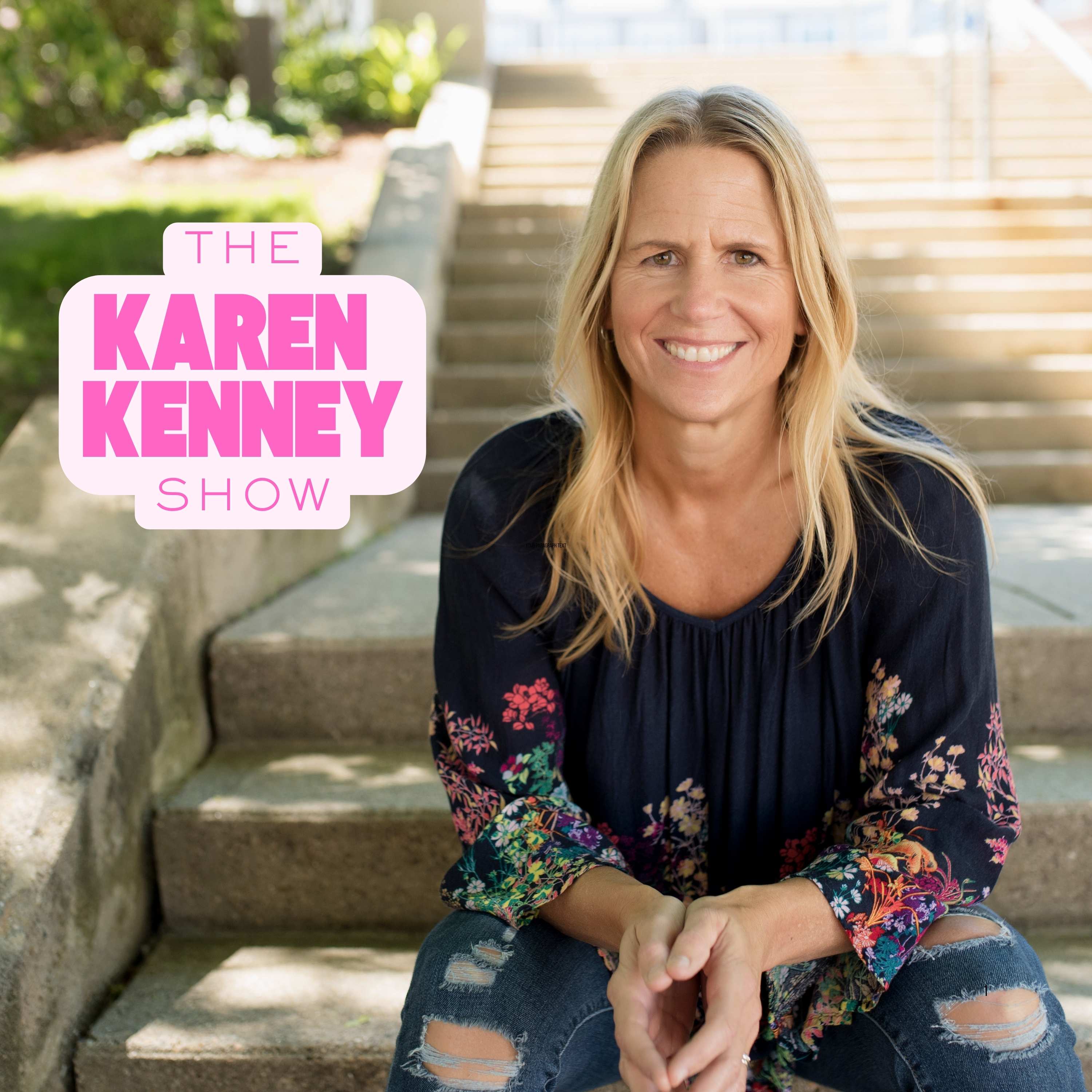
On this episode of The Karen Kenney Show, I talk about regret.
You know, the stuff we wish we hadn’t done, the chances we never took, and the future regret we can possibly prevent - if we’re willing to get honest and take some action.
I break down these three types of regret and share how a little self-awareness, self-forgiveness, and courage can help us make peace with the past and do better moving forward!
I also share how I’m using this in my own life as I write my book and invite you to look at what you don’t want to regret later on, too… whether it’s a relationship, a dream, a creative project, or how you’re showing up in the world.
My hope is that this episode will help you to start writing a kinder, truer, more beautiful chapter in your own life story - one conscious choice, one brave step, and one prevented regret at a time. ❤️
KAREN KENNEY BIO:
Karen Kenney is a writer, podcaster, certified spiritual mentor and coach. She’s known for her dynamic storytelling, her sense of humor, her Boston accent, and her no-bullshit approach to spirituality, self-development, and transformational work.
She’s has been a yoga teacher since 1999, and a Thai Yoga Massage practitioner since 2008. She’s a speaker, workshop + retreat leader, and a certified Gateless Writing Instructor. She’s also the host of The Karen Kenney Show podcast.
KK works with clients individually in her 1:1 program THE QUEST and in her personalized HEART-TO-HEART DAY via Voxer. She also leads a group program and community called THE NEST.
CONNECT WITH KAREN:
Website: http://karenkenney.com/
Podcast: https://www.karenkenney.com/podcast
Facebook: https://www.facebook.com/karenkenneylive/
Instagram: https://www.instagram.com/karenkenneylive/
YouTube: https://www.youtube.com/@KarenKenney
It's the Karen Kenney show. Hey you guys.
Karen Kenney:Welcome to the Karen Kenney show. I'm super duper excited to
Karen Kenney:be here with you today. We know what. I'm not excited about all
Karen Kenney:this snow. I'm ready, you guys. I'm just ready. I'm ready for
Karen Kenney:winter. Viola. Okay, whining done, and I'm back okay. Today
Karen Kenney:we're going to be talking about regrets. Regret, regret, regret.
Karen Kenney:How many of us have just walked around in life carrying some
Karen Kenney:regrets that we're just like, oh man, you know that that that is
Karen Kenney:just so not soothing. But we have good news for today,
Karen Kenney:because we're gonna dive into this. I've been thinking about
Karen Kenney:this for a bunch of different reasons, and I've been wanting
Karen Kenney:to talk about regrets again, because I did an episode like
Karen Kenney:God, like six years ago. I think it was episode 69 and I just
Karen Kenney:called it on regret. So I've talked about this before, like,
Karen Kenney:a really long time ago, but I have a lot. I have some newer
Karen Kenney:thoughts. I have some newer thoughts. And you know what I
Karen Kenney:always say in my podcast episodes? I mean, not on every
Karen Kenney:single one, but what I often say is I reserve the right to change
Karen Kenney:my mind, and that when I'm smarter, I'll hopefully do
Karen Kenney:better. When I know better, I'll hopefully do better, but I
Karen Kenney:reserve the right to change my mind. I reserve the right to
Karen Kenney:grow. I reserve the right to go like, Oh yeah, I've learned
Karen Kenney:better. I've learned more better. I love using bad grammar
Karen Kenney:sometimes. I've learned more better since then, I've been a
Karen Kenney:smarter I've been a smarter person since then, okay, but I'm
Karen Kenney:thinking about regret for a bunch of reasons. Number one,
Karen Kenney:you just cannot be in this political climate right now and
Karen Kenney:not hear a bunch of people saying how much they regret
Karen Kenney:voting for Donald Trump. So there's that daily, that daily
Karen Kenney:thing of all the bro podcasters, a lot of the bro comedian
Karen Kenney:podcasters saying, Oh, I didn't think he was actually going to
Karen Kenney:deport a bunch of people. So yeah. Number All right, that was
Karen Kenney:bad impression. But number one, you just hear that a lot going
Karen Kenney:on. Also, I have some decisions to make in my life. And one of
Karen Kenney:the things I always ask myself when I have multiple options is,
Karen Kenney:I mean, there's different ways of coming to decisions, of
Karen Kenney:course, but one of the things I often ask myself is, Will I
Karen Kenney:regret this? Well, will I regret this thing I'm about to say or
Karen Kenney:do or whatever post. You know, sometimes you gotta, you gotta
Karen Kenney:think about it. Also. There's a so right is certain. Right is
Karen Kenney:right when we are working on a project, not all of us, but a
Karen Kenney:lot of us, right, a lot of different people will kind of
Karen Kenney:put on their walls like things that are inspiring them,
Karen Kenney:especially like, imagine you're writing a historical period
Karen Kenney:piece. So you might put pictures of people in their old timey
Karen Kenney:clothes or places. Like, if you're writing about the Africa,
Karen Kenney:you know, the Savannah, or you're writing about the
Karen Kenney:pyramids, or like, whatever you're doing, right? You might
Karen Kenney:put things on the wall that inspire you, that motivate you,
Karen Kenney:that bring you to that time again, whatever it is. Well, I
Karen Kenney:have a piece of paper on on my wall. That's part of like my
Karen Kenney:writing wall, which, right now I don't have a bunch of things up.
Karen Kenney:I'm always kind of surrounded by my history, like I have a
Karen Kenney:picture of my mother on my desk. You know, there's remind my
Karen Kenney:mother's back there. Me, little me. So there's always reminders
Karen Kenney:for me around here. But I keep this particular piece of paper
Karen Kenney:because I said it to my sweetie. I said this quote to my sweetie.
Karen Kenney:It wasn't a quote at the time. I was just talking, but he
Karen Kenney:reminded me of it one day a wicked long time ago. And so I
Karen Kenney:wrote it down, and I printed it out, and it basically just says,
Karen Kenney:and it's about my book, right? My book that I'm writing, it's,
Karen Kenney:I don't ever want to regret not writing it. I don't ever want to
Karen Kenney:regret not writing it. And that quote in particular is really
Karen Kenney:the hot beat of what we're going to be talking about today. And
Karen Kenney:this is going to make sense in a minute. So stay with me. Okay?
Karen Kenney:And then fourth of all my, one of my fourth reasons right, is
Karen Kenney:that it's like, how do I talk, whether you call it spiritual
Karen Kenney:teams or loving intelligence, or divine intelligence, or the
Karen Kenney:universe, or, you know, whatever. Sometimes when my
Karen Kenney:brain starts to think about talking about a thing, you just
Karen Kenney:see it. You just start to see it. It's like when you were a
Karen Kenney:kid and you, you know, all of a sudden we're driving in the car,
Karen Kenney:and you got bored, and one of you is like, let's play punch
Karen Kenney:buggy. Well, as soon as you tell your brain and you start to
Karen Kenney:focus on trying to see little Volkswagen buggies, what do you
Karen Kenney:do is you start to see them, right? So it's not surprising to
Karen Kenney:me, as I've been thinking about talking about regret, that all
Karen Kenney:of a sudden I get an email from somebody Jesse. It's, well,
Karen Kenney:talking about regrets. And I was like, okay, that's the sign. I
Karen Kenney:got it, got the memo, got it right? And like, here we go.
Karen Kenney:Okay, so I want to go back to my previous episode, Episode 69
Karen Kenney:because the reason why I wanted to do this episode is that
Karen Kenney:there's another regret, and it's, it's, let's just call it,
Karen Kenney:I call it a preventative, right? It's a preventive regret. You.
Karen Kenney:And this I did not talk about in my previous episode, so I wanted
Karen Kenney:to share this one with you, because I find it wicked
Karen Kenney:helpful, and I thought maybe you will too. Okay, so on Podcast,
Karen Kenney:episode number 69 on regret, I basically talked about, I said
Karen Kenney:there's two main types of regrets that people encounter in
Karen Kenney:their lifetime. One of them stems from decisions made or
Karen Kenney:actions that we took that we are now not proud of, right, things
Karen Kenney:we did, things we said, decisions we made, actions we
Karen Kenney:took that we're not proud of. And, you know, we wish we could
Karen Kenney:take them back. Okay? And I said the second kind of main regret,
Karen Kenney:or type of regret that we have is an action that we didn't take
Karen Kenney:or didn't do, and what I realized is that both of those
Karen Kenney:are focused on the past. It's us now looking back, right, and
Karen Kenney:saying, like, oh shit, like, I wish I hadn't said that or done
Karen Kenney:that. And it could be anything from, you know, maybe you just
Karen Kenney:were irritable that day, and you spoke out of turn, and you said
Karen Kenney:something hurtful, and you made, you made somebody cry, or you
Karen Kenney:upset somebody, all the way to something like a major life
Karen Kenney:decision, where you got a divorce and now you wish you
Karen Kenney:hadn't, or whatever it is, right? This being human, we have
Karen Kenney:1001 ways to make mistakes and to fuck up. And, you know,
Karen Kenney:there's that thing they say, and 12 step programs, like,
Karen Kenney:sometimes you got to ask yourself before you do
Karen Kenney:something, am I really just hungry or tired or lonely or I
Karen Kenney:just need, I need support, or whatever it is right before I do
Karen Kenney:this thing? But we don't always have the self awareness in that
Karen Kenney:moment to know, like, hey, this thing I'm about to do, or this
Karen Kenney:thing I'm about to decide to not do, like, show up for my kids
Karen Kenney:basketball game, or I'm not going to pay my bills on time,
Karen Kenney:or I'm not going to X, Y and Z, whatever that I'm not going to
Karen Kenney:keep my word, whatever it is. Like I said, there's 1001 ways
Karen Kenney:that humans, we can screw things up, but those are all like now,
Karen Kenney:things in the past that we can't do anything about. Okay, so when
Karen Kenney:I was thinking about these two main things, bringing them back
Karen Kenney:up in my mind, I realized, oh, there's a third kind of regret.
Karen Kenney:And Jesse also talked about this, hit on this in his email,
Karen Kenney:which I thought was fantastic. So number one, let's just
Karen Kenney:revisit these. There's the regrets in the past, right?
Karen Kenney:These are the ones that you can't do anything about. They
Karen Kenney:happened years ago, or they happened last week. And what's
Karen Kenney:done is done, you know? And they say in, I think it's an AA, I
Karen Kenney:know it's in the 12 step, you know, kind of recovery programs,
Karen Kenney:but they say you can't build a better past, right? And this is
Karen Kenney:my way of saying, like, what happened happened. You know,
Karen Kenney:that whole saying, it is what it is, it is what it is, the thing
Karen Kenney:went down, you did the thing, or didn't do the thing, right? You
Karen Kenney:can't do anything about it. And this is when we have to, like,
Karen Kenney:go into the realms of like, you know, self awareness, first of
Karen Kenney:all, like owning it, like, yeah, this was something that I
Karen Kenney:participated in, did and said, and I wish I hadn't. I have to
Karen Kenney:accept that, that I was doing the best that I could at the
Karen Kenney:time, or I wasn't do the best that I could, and I actually was
Karen Kenney:being a dick. And looking back now with some maturity and some
Karen Kenney:insight, and now I'm so whatever your thing is, right? Maybe
Karen Kenney:you're a person who became sober, or whatever the thing is,
Karen Kenney:and you're like, Okay, and this is the realm of like, self
Karen Kenney:awareness, self acceptance and self forgiveness, right? And
Karen Kenney:then with with the knowledge, I think we're how we kind of ease
Karen Kenney:the sting of regret, is that we actively work right to do
Karen Kenney:better, right? Not just say, Oh, I wish things were different.
Karen Kenney:No, you do something about it. Okay, so that's it. These, those
Karen Kenney:are the ones you can't do anything about. Then you have
Karen Kenney:the ones that you can do something about, right? So you
Karen Kenney:might be sitting there and saying, like, I was kind of
Karen Kenney:harsh with that person, or Oh, I was impatient, or oh, I wasn't
Karen Kenney:really paying attention, and they felt not seen, not heard,
Karen Kenney:not loved, blah, blah, blah, I didn't do my best as a father,
Karen Kenney:right? But hey, I'm still alive. Like, I can't go back and change
Karen Kenney:my kid's childhood, but I can. I can make amends, right? I can
Karen Kenney:make things right. I can, like, acknowledge my part in things. I
Karen Kenney:can say I'm sorry, and I can actively work on myself to do
Karen Kenney:better moving forward. Can't go back and change the past, but at
Karen Kenney:least I can still try my best to do something about it. Now,
Karen Kenney:whether or not people want to
Karen Kenney:accept your apology or to allow you to make amends or want to be
Karen Kenney:in a relationship with you again. You don't have any
Karen Kenney:control over that, but at least you've come to a place of
Karen Kenney:awareness enough that you're like, I fucked up. That wasn't
Karen Kenney:great. I can do better, and I'm gonna actively work on being
Karen Kenney:better, doing data better, thinking better, saying better,
Karen Kenney:right? All of that. And I often tell this story. I have told it
Karen Kenney:so many times, but I tell. It, because I think it's a really
Karen Kenney:simple, but also a funny and humor is a really great way to
Karen Kenney:help us to change without shame, to realize that, you know, we're
Karen Kenney:all human, and we all do wacky things. But so one of my
Karen Kenney:teachers, aknaron, tells a story about, you know, a couple that
Karen Kenney:were dating or whatever, and, you know, the guy said to the to
Karen Kenney:the girl like, about her dog, like, Oh, your dog's ugly. I
Karen Kenney:can't imagine who would ever say that. I don't think any dogs are
Karen Kenney:ugly, but let's just imagine he looks at this dog. Well, I
Karen Kenney:people have said to me not about bunchy but about our old pug,
Karen Kenney:Quincy. Quincy, Magoo. Clancy. We called him Clancy too,
Karen Kenney:somebody when we walked past him on the street in downtown,
Karen Kenney:conquered once made a comment about how ugly is what he was.
Karen Kenney:And I was like, Oh, my God, you poor soul, if you think this dog
Karen Kenney:is ugly, you fucking don't even get out. You have no clue. He's
Karen Kenney:the cutest thing ever. He's a little black pug. He was the
Karen Kenney:cutest Okay, and I'm back, but let's just say somebody said
Karen Kenney:something mean to your dog. Okay, this is the story that he
Karen Kenney:tells. The guy says something mean about the dog that couple
Karen Kenney:breaks up, he moves away, and then later he realizes that was
Karen Kenney:not a kind thing to do, like I could do better. Now, whether
Karen Kenney:that person has moved on, or that dog has died, that person
Karen Kenney:doesn't want to talk to you, whatever the situation is, you
Karen Kenney:might not be able to go back and do anything about the past, but
Karen Kenney:what you can do, ashwaran says, is every dog you meet going
Karen Kenney:forward be incredibly kind to them, and that's how we heal it,
Karen Kenney:right? Healing doesn't happen in the past. Healing happens in the
Karen Kenney:present moment, doing better, making amends. It happens in the
Karen Kenney:present, like in the here and the now. So we have these things
Karen Kenney:that you cannot go back to in the past and change. You have
Karen Kenney:the things that you can going forward, do something about, and
Karen Kenney:now we have number three, and this is the one I'm excited to
Karen Kenney:talk about. This is the so you have the ones you can't do
Karen Kenney:anything about, the ones you can do something about going
Karen Kenney:forward, and now we have number three, the ones you can prevent.
Karen Kenney:This is the one that you actually have some good control
Karen Kenney:over. And this points back to that quote I was telling you
Karen Kenney:about, about my memoir, about my book, where I said I don't ever
Karen Kenney:want to regret not writing it. Here's the thing, I can prevent
Karen Kenney:that regret by actually writing the damn thing right? And that's
Karen Kenney:what I'm actively doing, is I don't want to have a regret. So
Karen Kenney:what am I doing is I'm actively writing the book. So I want to
Karen Kenney:share this with you, because you have to know what's yours to do?
Karen Kenney:I always say, Don't not do what's yours to do. Do the thing
Karen Kenney:that is yours to do, whether that's like, I use this example
Karen Kenney:before, where so many people come up to my sweetie and
Karen Kenney:they'll be like, I've always wanted to play guitar. He's
Karen Kenney:like, Well, you have a guitar at home. And they're like, yeah.
Karen Kenney:He's like, you're not dead yet. You still have time. Your
Karen Kenney:fingers still work, right? So it's like we have so many things
Karen Kenney:that we can prevent if we are willing to right, if we're
Karen Kenney:willing to maybe be uncomfortable because we're new
Karen Kenney:at something, and we're going to suck at it, and we have to be in
Karen Kenney:beginner's mind, and we have to be a learner, and our ego
Karen Kenney:doesn't like that, because adults get weird about being not
Karen Kenney:good at things. You know, adults get weird at not like we're
Karen Kenney:afraid to look stupid, we're afraid to be made fun of. We're
Karen Kenney:afraid to not be good at things. Little kids don't care. Little
Karen Kenney:kids when they play. Think about when you were little kid. Most
Karen Kenney:of us, I mean, I didn't like to color outside the lines, but I
Karen Kenney:was a wicked good color inside the line, so I didn't stress
Karen Kenney:about it, right? I just did it. But most of us, like you, ever
Karen Kenney:do a cat wheel before, no show me, and then you try, and you
Karen Kenney:don't care if you fall and you all laugh and you have fun. We
Karen Kenney:get older and we become way more self conscious, right? So here's
Karen Kenney:the thing, if we are willing to have self awareness, if we're
Karen Kenney:like, meaning like you, have to be self aware enough to know
Karen Kenney:that if I don't do this thing, I will regret it. Like somebody
Karen Kenney:says, I've always wanted to run a marathon, or I've always
Karen Kenney:wanted to write a book, or I always wanted to, like, donate
Karen Kenney:blood, or I always wanted to say I'm sorry. Like, there's a fact.
Karen Kenney:You know, we can't spend the whole show talking about 1000
Karen Kenney:and million in one ways, right? That that you might have things
Karen Kenney:that are on your heart and on your mind, that you feel called
Karen Kenney:to do, that you feel excited about, that you feel curious
Karen Kenney:about, whatever the language is, right? And you're like, I don't,
Karen Kenney:I don't want to, I don't want to regret this. Well, you don't
Karen Kenney:have to, right? There's a lot of things that are in our control,
Karen Kenney:right? Like, go out and vote, you know, say the damn thing
Karen Kenney:like, start the project, whatever it is, right, start
Karen Kenney:doing better. Start showing up at your kids games or recitals.
Karen Kenney:Start studying at night instead of watching TV, X, Y and Z. I
Karen Kenney:want to go back to school, whatever the thing is, right,
Karen Kenney:you can probably prevent a lot. Of things, not everything,
Karen Kenney:especially when it comes to relationships, right? It takes
Karen Kenney:two to tango. You, if you if you don't want to divorce, but your
Karen Kenney:partner does, you can't control that ultimately, right? So it's
Karen Kenney:like, what is mine? What is mine that I can prevent? Right?
Karen Kenney:What's my control? What's in my control? And you have to have a
Karen Kenney:little bit of courage, right? You have to be willing to let
Karen Kenney:yourself be vulnerable enough to want a thing, right, to want to
Karen Kenney:go after a thing or pursue a thing, or learn a thing, or
Karen Kenney:whatever, because a lot of times you know people around you will
Karen Kenney:talk you out of your dreams. And that's a whole episode for
Karen Kenney:another day. But one of the things that Jesse said that I
Karen Kenney:loved, he said, you know, and it's the same thing that I ask
Karen Kenney:myself. I say, Oh, am I going to regret this if I don't do this
Karen Kenney:right? But he says, I asked myself this question all the
Karen Kenney:time, am I going to regret this in the future? And if the answer
Karen Kenney:is yes, I get in front of it immediately. And so he was
Karen Kenney:giving the example of how he always wanted to run, I don't
Karen Kenney:remember the exact number, like, 100 mile race, and his wife,
Karen Kenney:Sarah was like, This is crazy. And he's like, Sarah, you know?
Karen Kenney:She's like, What about your knees and later down the road or
Karen Kenney:whatever? And he's like, I'm not living for later. He goes, I'm
Karen Kenney:living for now. And I asked myself, well, I regret not doing
Karen Kenney:this. And he goes, and I knew that I would, so I signed up and
Karen Kenney:I did the race and blah, blah, blah, you know? So here's what I
Karen Kenney:know, not doing a thing is going to absolutely, probably
Karen Kenney:guarantee you the outcome that you don't want. No if it's
Karen Kenney:really on your hat to do it and you're really curious about it
Karen Kenney:and you really want to pursue it, and you don't, it's like you
Karen Kenney:can prevent, you know, when smoking the bear used to say
Karen Kenney:only you can prevent forest fires, well, only you can
Karen Kenney:prevent future regret. And again, it's you have to be self
Karen Kenney:honest, you have to be self aware, you have to have a little
Karen Kenney:courage, you have to get a little like pep in your step, a
Karen Kenney:little Mojo. You got to be a little brave, right? But we can
Karen Kenney:have a different outcome. Regret does not have to be the thing.
Karen Kenney:It does not have to be the ending of your story. I always
Karen Kenney:like it, you know? I know that they're not all happy endings,
Karen Kenney:but I'm like, if we can have a happy ending, right, why
Karen Kenney:wouldn't we want to pursue it for ourselves and others? And
Karen Kenney:that's the thing you can have a better ending story than. Well,
Karen Kenney:now I regret it. I wish I had I wish I hadn't right. So things
Karen Kenney:we can't do anything about, things we can do something
Karen Kenney:about, and then ones we can prevent, things that we can
Karen Kenney:prevent. And so this is an opportunity to just, I'm going
Karen Kenney:to keep it simple, right, just amending it. I'm ending the
Karen Kenney:podcast right now. But just ask yourself, you know, are there
Karen Kenney:some things in my life that I've wanted to do that I know that I
Karen Kenney:need to do some apologies, I need to make profess my love,
Karen Kenney:like start a business, whatever the thing is, right? Only you
Karen Kenney:can prevent future regret, so it's got to be on you. But
Karen Kenney:that's a powerful thing. So I hope this has been helpful to
Karen Kenney:you in some way, when you think about these different kinds of
Karen Kenney:regrets. And I hope you're writing a beautiful ending to
Karen Kenney:your own story, right? You are the author. You are the author
Karen Kenney:of your own life story. And certainly, there are a lot of
Karen Kenney:chapters, and there are a lot of plot twists and things that
Karen Kenney:happen, awful things sometimes that we can't prevent. Not
Karen Kenney:everything is preventable, but the things that we can prevent,
Karen Kenney:like, why not? Why not get in front of it? As Jesse says, why
Karen Kenney:not do something about it? So this is my little love letter
Karen Kenney:from my hat to yours. I hope it's helpful in some way, and I
Karen Kenney:hope you're hanging in out there, right? It's it's tough
Karen Kenney:time to be a human like being human, I just said to somebody
Karen Kenney:the other day, this being human is so fucking hard sometimes,
Karen Kenney:and there's a lot going on in the world, but just know that I
Karen Kenney:am beaming love. I am blasting love from my heart to yours, and
Karen Kenney:I hope you can feel it coming your way, and that you know that
Karen Kenney:you're not alone in all of this, and you know that there's people
Karen Kenney:around you, and people maybe you have never even met yet in real
Karen Kenney:life, that actually care about you. So wherever you go out in
Karen Kenney:the world you guys, may you leave yourself and the people
Karen Kenney:and the animals and the places and the planet better than how
Karen Kenney:you found them wherever you go, may you and your love and your
Karen Kenney:energy and your presence be a blessing. Bye. Hey. Thanks so
Karen Kenney:much for listening to the show. I really love spending some time
Karen Kenney:together. Now, if you dig the show or know someone that could
Karen Kenney:benefit from this episode, please share it with them and
Karen Kenney:help me to spread the good word and the love. And if you want to
Karen Kenney:be in the know about all of my upcoming shenanigans, head on
Karen Kenney:over to Karen kenney.com/sign, up and join my list. It'll be
Karen Kenney:wicked fun to stay in touch. Bye. You.