Aug. 15, 2026
History-Making Black Cambridge Professor Found Dead After Accusations Of Plagiarism

 Apple Podcasts
 Spotify
 Castro
 RSS Feed
 British police found 41 year old Dr. Jason Arday unresponsive in his South London home on Friday, just weeks after the young professor resigned his position with the prestigious Cambridge University. When he was named professor of sociology back in 2023 at the age of 37, he became the youngest black professor in the University’s history. He soon became the subject of questions and scrutiny for some of his published work and his seemingly remarkable personal backstory where Arday claimed he was non verbal until age 11.
See omnystudio.com/listener for privacy information.
00:00:11
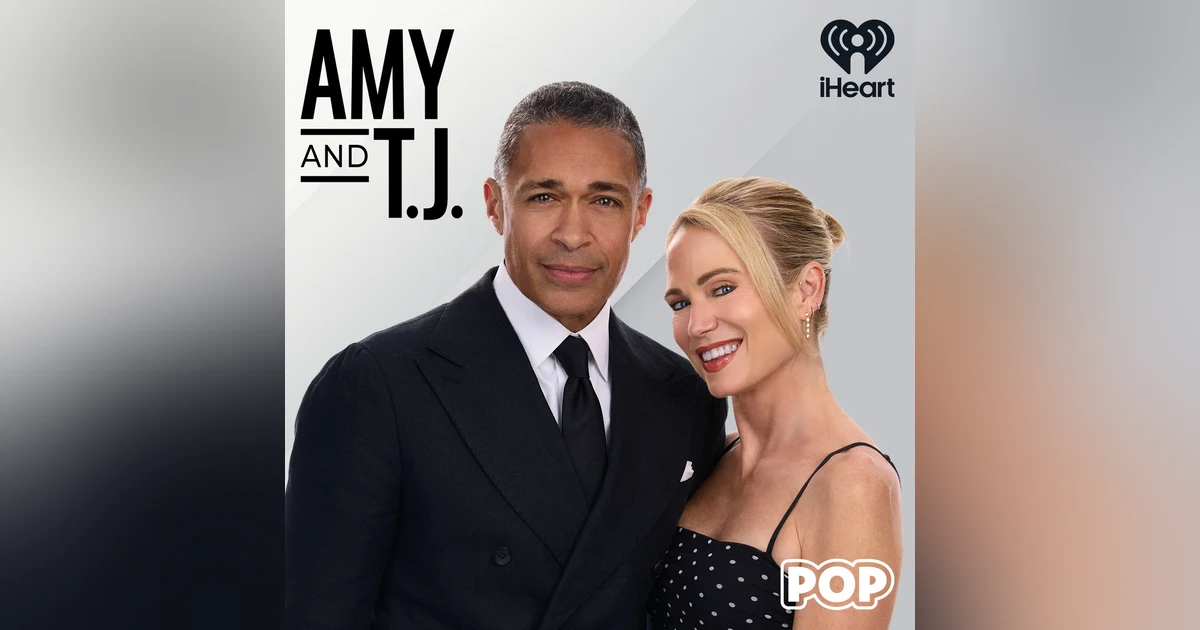
Speaker 1: Hey there, folks. It is Saturday, August fifteenth, and he had one of the most prestigious positions at one of the most prestigious universities in all the world. He resigned from that position just ten days ago. This morning he's dead and with that, Welcome to this episode of Amy and TJ. A tragedy from start to finish in this story, Robes, it is sad what has happened, but it's sad what happened beforehand, and it's sad the conversation that is happening around this. This has been a controversial story that's been making headlines over the past couple of weeks.
00:00:50
Speaker 2: You know what, It's ugly and tragic. I feel like that might be the best way to describe it. And there are lessons to be learned and changes that need to be made on multiple fronts given this tragedy.
00:01:04
Speaker 3: But this was a.
00:01:06
Speaker 2: Story that had so many elements of the first and redemption and overcoming and inspiration, and everyone wanted to get swept up in the beauty and inspiration of this story. And then the dark turn it took that ended with this young man that did have so much promise. It ended in his tragic death and unnecessarily so it it's a hell of a story and.
00:01:36
Speaker 1: It sounds like Ropes. He was pushed to this by an incredible public attack and scrutiny, some which is certainly warranted and deserved and we should be okay with. But this went to another level to where now this professor Jason Arday, forty one years old Cambridge professor who became the youngest black profess sir in the history of that storied university at the age of thirty seven, has now passed away. Just found out getting word of this, Robes yesterday morning. His body was found at a home in London. Now, based on the statement from his family and everything that's coming out, I think we are okay and it's fair to say, Robes, he took his own life. Yes, that's what his family certainly suggesting in their statement.
00:02:25
Speaker 3: Yes.
00:02:25
Speaker 2: And when you hear what led to this death, it all the pieces of the puzzle fit at table story. Yeah, he was found on responsive, Yes, and police officially said his death was not suspicious. And then you put that together with the family statement and yes, it's fair to say that the pressure, the shame, the scrutiny just was too much for him to bear, and.
00:02:51
Speaker 1: This has been going on.
00:02:52
Speaker 2: Robes.
00:02:52
Speaker 1: He resigned August fifth from Cambridge, but his name had been in headline certainly weeks leading up to that, because in Romes, we know this is everything in academia, plagiarism, research, research papers, plagiarism is everything. So he got all kinds of heat. Folks were reviewing, doing official reviews of his previous work. Plagiarism was found. They had instances in some cases, Robes, They're not just talking about one or two. I was talking about in some cases hundreds of incidents they found that were similar, very similar to or identical to stuff they found in other work. He of course pushed back and said absolutely not. He got some support from some universities at the time, but Robes, this thing got going. And then what you had here in the US, what has our debate been about? And they jumped on it. D freakin' IDEI said.
00:03:46
Speaker 2: He was underqualified and there were plenty of other candidates who had much I guess much. They were more tenured, they had better resumes, they.
00:03:59
Speaker 3: Were more quality.
00:04:00
Speaker 2: According to many colleagues or people who were on that level, who say he just wasn't ready yet for this position, and there was a rush to put him in that position because they wanted to diversify their teaching staff. How many what was it's a very low percentage of black professors at Cambridge. So the claim was that you laugh because it's kind of like a duh. But in an effort, according to the critics, to bolster that they were so willing and so quick to just to not scrutinize his credentials, to not scrutinize his work, to not scrutinize this backstory that many people say now he either embellished or completely lied about in terms of just his overcoming and some of his athletic feats there are just it looks as though he padded and distorted and embellished his not only his resume, but his backstory and and then certainly his published work.
00:05:01
Speaker 1: And so yeah, you got a thirty seven year old getting this gig over obviously a bunch of folks who thought they were more qualified or have some issue with him and see him as Look, he became a star, certainly a star there in the UK, but he was an international star. Bro this had not happened before this as a young black man. And by the way, his backstory included overcoming autism. His backstory included being nonverbal. He said till he was eleven, couldn't read or write until he was eighteen. His backstory was incredible of Ghanaian immigrant parents, and.
00:05:32
Speaker 2: So the university was peddling this story. They were promoting him. He was doing the talk shows, he was on television. Look at this man who has overcome so much. He was giving hope to parents who have autistic children, all sorts of things. That he got so much attention, not only because of how young he was, but because of what it took to get him where he was.
00:05:55
Speaker 1: Ro So you just said, he got so much attention, and with that comes scrutiny, and there was a lot of it. And the racial argument you might be able to make, which is a legitimate one, Robes, is that they really came after him because he's black, to really try to take this guy down, tear him down. There's a level of scrutiny and criticism that he got. Then his white counterparts would not. There have been plenty of stories of plagiarism and folks doing this stuff and in academia. Fine, but Robes, the problem here is that if you had the scrutiny and the criticism that came was not okay. But now it can be justified because there are things that were found that were wrong. You know what I'm saying. They like, we can justify how we treated him because it turns out parts of what we were saying were right. That's the wrong conversation in my in my opinion, Robes, we've been talking about this recently, and we need to make this a theme of our world. Accountability does not have to come with cruelty. You can hold him accountable, You can ask these questions. This dude was destroyed online and we.
00:07:02
Speaker 2: See what the result was. And this is important for anyone who thinks it's okay. And I think that's such an important point to make. People can be wrong, They can be found to have lied, cheated, stolen, whatever. It doesn't mean that in turn, in response, we can sit from our couches or our non glass homes and just hurl hate and spew awful words of just cruelty. Because we say this all the time. Words are weapons. Words matter. Words have.
00:07:39
Speaker 3: Horrific impact on folks.
00:07:42
Speaker 2: What you write, what you comment, all of that people read, they hear they absorb and you see what happened.
00:07:48
Speaker 1: Here in this case, and roabes this university. I had to go back and do a little research here. But Cambridge, I mean, I have the understanding Cambridge Oxford, right, have a general idea if I proceed is but this is the university of Stephen Hawking of Sir Isaac Newton, Kings and queens, including the current king of the King of England. This is his alma mater, if you will right mind is University of Arkansas, or it's to Georgia. He's got Cambridge is his alma mater. That's the countless monarchs and royalty have come through this place. I didn't realize this nugget Robes came. It was created because of some beef that professors in Oxford got into. Some of those professors said, the hell with it, We're gonna go over here and start our own university. So what you have is Cambridge is just a spin off of Oxford, is what This is an incredible university. A black kid with his background at that age getting that spot was something worth celebrating. But Robes, it's not just him, but the university is getting what by all accounts robes some pretty fair criticism for how they pushed him him to the front and didn't scrutinize what seemed to be some obvious things that need to be screwed up.
00:09:06
Speaker 2: Yes, and now, of course everyone is doing the Monday morning quarterbacking, but I do think that it absolutely needs to be answered, and yes, Cambridge needs to acknowledge what they did and their part in all of this, because, look, we can get into some of these claims, but specifically even the fact that he was nonverbal he claimed until he was eleven and wasn't able to write, I believe until he was eighteen, writer read until he was eighteen. A lot of folks who know autism, who actually are affiliated with the university say that right there should have raised a red flag because there is no documented situation or incident or specific case where that would even be possible or plausible.
00:09:49
Speaker 1: They say he would be a medical miracle like this doesn't happen. There is no medical literature that has anything like this happened so real, that's not just a while that's rare or wow, happened before.
00:10:02
Speaker 2: So how do some of the smartest people in the world, with all of the most incredible research and researchers available who already are well versed on this subject. How did they not say, we might need to look into that.
00:10:17
Speaker 1: Because he did have some legit parts of his background that were impressive, and they thought they had a we got one.
00:10:25
Speaker 3: Oh, I wanted to believe that.
00:10:27
Speaker 1: Yes, Robes to the point that they put some things to the side. This isn't our criticism of them, this is their own. This is every This is professors at the university Robes. Within months of him being selected, they sent letters saying, hey, heads up, might want to take a look at this. They've known about this, Ropes, it's there. So it seems they they, like you said, they want.
00:10:51
Speaker 2: To believe, and they paraded him and I in that way, like they said, see look at him, see look at us. And they preferred the story and the image versus actually looking into And that is a university. That is any business's responsibility. When you're hiring someone, you gotta check the resume, you got to check the sources, you got to check all of that. That's part of the due diligence of hiring someone. And then you put them up on this pedestal and you parade them around to local media and to international media, and you're patting yourself on the back and you're putting him up as a shining example.
00:11:30
Speaker 3: Meantime, you haven't properly vetted.
00:11:32
Speaker 1: Him pro they before you even get to the vetting, they said he shouldn't have gotten the job because of his resume. He just didn't have He didn't stack up like a thirty seven year old from what I've seen of his background. Okay, I agree with that, but I also leave room for a diversity of experiences that make him qualified. I'm okay with that, and I would love for schools to do more of this consideration. I got no problem with that part. But Ropes, you go to the next part of it. Okay, he's not qualified. But I'm listening to you for saying you want to hire him. You didn't look into this or this or this or this, Ropes, we run marathons. What's the first thing before I even looked at a research paper if we were on this hiring committee. He ran thirty marathons in thirty five days, is his claim.
00:12:25
Speaker 3: Okay, six hundred miles in six days, like this.
00:12:29
Speaker 1: Is ro That was a that's a separate thing. He's talking like two, this would make him one of the most elite runners the world has ever known.
00:12:36
Speaker 3: And that is exactly how it was said.
00:12:39
Speaker 2: And I look, I gotta believe that someone in Cambridge is a marathon er.
00:12:45
Speaker 3: I know there aren't many of us. What are one percent of the world has run?
00:12:48
Speaker 1: They don't, they're doing research paper the world has.
00:12:51
Speaker 3: Run one marathon.
00:12:53
Speaker 2: Someone says they ran six hundred miles in six days. That two might be a medical miracle in addition to him overcoming autism and not being verbal for the first eleven years of his life.
00:13:05
Speaker 1: Oh yeah, that record. I'm trying to think a man set that record and he only one man has ever done that in the history of the world. Only one woman has and she only did it like in the past years.
00:13:18
Speaker 3: Yes, yes, yes, it is an anomaly. It doesn't happen. It's not something that you would ever see.
00:13:24
Speaker 2: And if you did see it on a resume, you might want to check that out, like that absolutely was their job. And so to your point, if he didn't have the academic credentials that one would assume one would need to become a professor at Cambridge, then yes, if he brings an experience, a background, and has value in these other incredible feats to inspire and continue to teach students. You might want to make sure those other things that you're latting they are saying off set his academic experience, they sure as hell better be true, And turns out they weren't, and.
00:14:07
Speaker 1: There were a number of things. Robes. The Times of London did an analysis of a twenty fifteen thesis of his said they found countless incidents of identical or nearly identical lines from previous work from another research agressed.
00:14:22
Speaker 2: As in it wasn't hard, it was almost it was very easy for them to quickly realize what was going on.
00:14:28
Speaker 1: Cambridge at first defended him and then they launched an investigation Robe because they said they had new information and that's what led ultimately. And I should mention this as well. One of the research and maybe this was part of the problem. One of the researchers who's been the loudest, a former researcher at Cambridge robes, he's the wrong message.
00:14:45
Speaker 3: He's a racist, he's.
00:14:46
Speaker 1: The wrong message. I don't want to go that far nice stuff out because but he has put out some views Robes and some research that can only be viewed as racist, essentially saying that black people are intellectually inferior. I would say that is absolutely, that's racist. And when you push that, push him on that point, he would come back and say he is based on science and he is against wokeism and all. So he's that guy. So if he's been bringing up things about this professor, he's not the right. Even if he's right, he's the wrong messenger.
00:15:18
Speaker 2: Because he was very easy at that point to have this man his name is Nathan Kaffness, when he's the one shouting from the rooftops that doctor r Day is not qualified for this job and he is railing against DEI. At the same time, it was easy for Cambridge to say these are smear campaigns, this is a this is an attack based on, you know, his racist beliefs, and so it was easy to diminish what he was saying and put him in a different category and basically kind of negate anything he was saying because.
00:15:50
Speaker 3: He was biased.
00:15:52
Speaker 1: Yeah, that was no. Some of his stuff is pretty shocked.
00:15:54
Speaker 3: Yeah, it's I looked a little bit into it. It is actually appalling.
00:15:59
Speaker 1: But again roj no mindter what mistakes and missteps that were made by Cambridge. We want to assign responsibility. There's a young man dead right now, and is that a matter of I mean, look, if he lied, if he cheated, that is wrong and he should be held accountable for that. I don't know how we go about doing those things Robes without now this public assault that people are subjected to online, and then you throw in some politics, throw in race and es. It apparently was too much. It's just there is no way to defend Robes if he cheated his way, there's no way to defend how we hold him accountable for doing so. And there's no way Robes to defend how Cambridge in the role they have played in all this. So you started at the top. You're like, there's so much blame and responsibility and stuff to go around. We all fail.
00:17:01
Speaker 2: That is so true. And look, yes, to your point, he should be held accountable. Yes, and he was, and he resigned and he stepped down in shame and humiliation and it.
00:17:14
Speaker 3: Just didn't stop.
00:17:15
Speaker 2: At what point how much is someone supposed to pay for the harm they caused? And yes, there should have maybe been I don't know what else should have or could have happened, or at least maybe lessons learned here. But certainly I think we can all agree he didn't deserve to pay with his life.
00:17:32
Speaker 1: We will let you hear now really ominous words that we got from him in his resignation letter. Will also let you hear from his family. And yes, we are hearing from Cambridge University.
00:17:55
Speaker 2: Welcome back everyone to Amy and TJ. We are talking about doctor Jason in our day, the youngest black professor. He became a professor at the age of thirty seven at the esteemed Cambridge University.
00:18:10
Speaker 3: He is now dead.
00:18:12
Speaker 2: After he was exposed I guess so to speak for embellishing his past history but plagiarizing some of his work. And so, yes, he resigned from Cambridge ten days ago and now unfortunately it appears he has taken his own life.
00:18:32
Speaker 1: Now the resignation letter. We'll let you hear the family's statement as well. But this was his resignation letter. He started saying it was profound sadness that he was writing to resign. He said, though sadly the years since my appointment have been marked by an unrelenting level of public scrutiny and personal attack. While criticism is an inevitable part of academic life. What I have experienced has gone far beyond scholarly disagreement. The relentless accusation, speculation, and public commentary have taken in a profound toll on me and on those I love. I can't again ropes how much space, how much grace, how much dignity do we give people that we feel have done something wrong? And this is just I don't know. I see the evidence out there against him. I have questions about marathons and all this stuff. He has denied any wrongdoing rose, but this stuff is how do we do this? People? Just a public attack to the point that he killed himself. Okay, let's just say what it is. And others could argue, well, he did it because he knew he was a liar and he was just trying to not take responsibility. Is that true as well?
00:19:37
Speaker 3: I don't think they both my futriots, they both could be true.
00:19:40
Speaker 2: He went on to write, I have tried to continue because I believe deeply in the values of higher education, in rigorous scholarship, and in the transformative power of universities. I have tried because of my students, my colleagues, and the countless people who have written to tell me that my journey gave them hope. But there comes a point when the personal cost becomes too great. I have a family. I want to be present for them. I want to reclaim some peace, some privacy, and some semblance of an ordinary life. I no longer wish to feel as though I am living under a constant spotlight, where every aspect of my life is subject to public examination and judgment. It's sad because in this resignation level he talks of a future, and to know what happened just a few days later is just gutting. He went on to say, for my own well being, for my family, and for those who have stood by me throughout this difficult period, I have concluded that the only way to bring this chapter to an end is to step away. This decision should not be interpreted as a loss of faith in scholarship or in the values that first brought me to Cambridge, nor should it be mistaken for an acceptance of the narratives that have surrounded me. It is simply the decision of someone who has reached the limits of what any person should reasonably be expected to endure.
00:21:05
Speaker 1: Yeah, we uh Yeah, it sucks to read that.
00:21:09
Speaker 2: Now.
00:21:10
Speaker 1: Yeah, you get there, and we have been there, and we have been there to the point that the thoughts crossed our minds about taking our own lives because you wanted to stop.
00:21:20
Speaker 3: You just one piece.
00:21:21
Speaker 1: You just please leave me alone, make this stop. And it's an onslaught and it's a narrative that you can't get back. People are saying things about you that you can't stop, you can't control. You have it's gone. Your reputation is gone.
00:21:34
Speaker 2: When your reputation is gone, whether it's true or not, whether some of it's true and some of it's false, it is almost impossible to reclaim. It is overwhelming. And when you're in the midst of it, when you've lost it all, how do you get it back?
00:21:51
Speaker 1: And he is saying in that letter of Roes, he's laying out and yes, a lot of that completely made sense to us from where he was, but robes that point on August fifth, he goes from August fifth to August fourteenth. August fourteenth is when he was found dead again less than ten days later. His family did put out a statement as well, saying that Jason was subjected to a campaign of sustained abuse for more than three years since he accepted the role at Cambridge by those who would leave no stone unturned in their quest to undermine him. Called it a campaign of misinformation. It was too much for Jason, who was a gentleman who always wanted to see the best in everyone. We are in shock at the loss of this amazing father, partner, brother, uncle, and son said they're not going to be commenting any further farther in ropes. They said they want to stop the campaign of harassment which has been waged against Jason and his family for too long. I don't know, babe, it is you can call people out, we say, call people out, even that is in some way sounds aggressive or even violent, calling people out, like there is a there's a thing or a duty or responsibility you have. You can have these discussions and how do we handle people now in this age of social media robes that do something wrong, we are they must be stopped and their lives must end according to us, the Twitter model.
00:23:16
Speaker 3: This is the epitome of cancel culture.
00:23:19
Speaker 2: People people make mistakes, People make lots of mistakes, people embellish, people lie, people pad resumes.
00:23:26
Speaker 3: And obviously none of that is good.
00:23:29
Speaker 2: We it's not anything that's that's applauded. Obviously, there needs to be consequences when folks make bad decisions. But at what point losing your job, losing your reputation, at what point is that enough? At what point do you have to keep piling on and keep accusing and keep.
00:23:50
Speaker 3: Criticizing. It's it's heavy, heavy, heavy. And his book just came out this week.
00:23:56
Speaker 1: Yes, yeah, Simon Schuster made the decision when all the was going on that it was going to come out on schedule. I don't know how they feel about that now. It feels icky. Obviously they couldn't see or foresee something like this, but they decided they were moving forward. Nothing's been proven, Nobody, no academic institution has come out and says we have found this and we are stripping him of this master's we're stripping him of this degree. So I don't know, but they made a yep, we are moving forward, and now here they are. They have a book on their hands that they put out from this guy in the midst of all of this, and he just killed himself.
00:24:30
Speaker 2: Great and Unfortunate Things is the name of his book. And you mentioned just his resume. I mean he has a degree in education, two master's degrees, PhD. I mean.
00:24:43
Speaker 3: He was a learned man. And look, we don't know exactly what was true and what wasn't.
00:24:49
Speaker 2: But at this point that Cambridge needs to just go over their policies and they're vetting and all of that, but it's not something that I mean, how much or do they need to.
00:25:02
Speaker 3: Investigate.
00:25:03
Speaker 1: They knew they messed this up. Yeah, right, they knew they did.
00:25:07
Speaker 3: And I'm.
00:25:09
Speaker 1: You know, you could even argue maybe their hearts were in the right place, right, And I do Roles, I am very much into this idea and we're talking about this with women just the other day. There is a diversity of education. There is a diversity of good attributes that contribute to a Cambridge or a business or whatever it may be, that go beyond just what you see on paper from education or resume. That's okay.
00:25:35
Speaker 2: Absolutely it enriches university to have different viewpoints, different backgrounds, different levels of experience, not just about your degree or what university you went to or what paper you published, but also, yes, I love that a diversity of experience that you can bring to the classroom that will enrich kids' lives.
00:25:58
Speaker 1: Curious supposed to just be a mariattocracy, Robes, and under that measure, we are always going to be behind. I mean, right, Robes, your people got a four hundred year head start in this country over mine. We're still playing ketchup and a lot. That's just true. So how do you balance things out, Robes? But this sucks. Cambridge did so much damage to the cause of diversity by being in a rush, possibly to put in a guy. So now what does everybody who's antid I get to say, ce ce ce c. So now every four star general, everybody who is an elite professor that's black on a campus, everybody who has gotten an elite position in business, we can just look at them and say they're not here because they earned it. This is an is an awful story for the cause, Robes, for the laws of diversity. This hurts because he is not representative of everything and everybody. Obviously they're gonna use this.
00:27:06
Speaker 3: As an individual.
00:27:08
Speaker 1: Biprofile example of see what happens when you have these policies. See what happens when you do this. The university put out a statement just saying they're saddened by the tragic news and send out their quote heartfelt sympathies to his family. But Rose, this was a hot story for weeks and this is how it ends, or maybe this doesn't end here. I don't know.
00:27:27
Speaker 2: It's it's an awful ending. When you saw the headlines late yesterday, you just your heart sank. It's just awful. It was the worst possible outcome. There's always I think you and I both believe this. There is always an opportunity for people to learn and grow and evolve and take something like this and make it. Make it. There's a silver lining he could if it given enough time. What could he have done? How could he have redeemed himself? What could his messaging have been? And how maybe in his worst, darkest moment he actually could have truly inspired people. He really could have said, hey, now I have hit rock bottom and let me admit all of this and here's why, and here's what I learned.
00:28:08
Speaker 3: And it could have been a wonderful story.
00:28:10
Speaker 2: But he wasn't given the chance because he just couldn't get out from underneath all the hate that was piling up and piling up from piling Ok, how.
00:28:18
Speaker 1: About this Robes. I just thought about it you were talking. Is there any chance he gets the job if he is the son of Ghanan immigrants who has multiple degrees, multiple masters, and a PhD. Forget that he had autism, Forget that he ran the marathons, Forget that he was non verbal until he was eleven, Forget that he couldn't read and write until he was eighteen? Like did he need that stuff? Would Cambridge have given him the time of day if he didn't have the extracurriculars? If you will?
00:28:50
Speaker 2: Right?
00:28:50
Speaker 1: And so we tell kids in high school, right, you got to get.
00:28:52
Speaker 3: Some out, You got to stand out.
00:28:54
Speaker 1: Is that what happened here?
00:28:56
Speaker 2: I believe so, because they said there were other Actually there were two women I believe who were black, who were up for that same position, and they were more qualified, but they chose him. And it is largely believed because of that incredible back story, that incredible personal story that he described.
00:29:15
Speaker 3: But yes, there have been plenty of people in his past who have come out.
00:29:19
Speaker 2: Teachers, people who worked with him, who knew him when he was younger, and they just completely disputed his account.
00:29:24
Speaker 3: And I think that's what's so remarkable.
00:29:26
Speaker 2: Did he not think the people who knew him who he was growing up around, wouldn't come out and say, dude, you were laughing, joking talking what you were absolutely verbal. Yes, he was in different classes, and he certainly had a learning disability. I think that was absolutely verified. But it's interesting to me that he never imagined anyone from his past would come out and refute what he was saying.
00:29:49
Speaker 1: Just that start to finish. It was sad, but that's the updates on the story that'd been making headlines this week. We appreciate you as always, we're spending a little time with us on behalf of my idear Amy Rope. I'm t J. Holmes. We'll talk to you also
00:30:03
Speaker 2: Then mhm
Speaker 1: Hey there, folks. It is Saturday, August fifteenth, and he had one of the most prestigious positions at one of the most prestigious universities in all the world. He resigned from that position just ten days ago. This morning he's dead and with that, Welcome to this episode of Amy and TJ. A tragedy from start to finish in this story, Robes, it is sad what has happened, but it's sad what happened beforehand, and it's sad the conversation that is happening around this. This has been a controversial story that's been making headlines over the past couple of weeks.
00:00:50
Speaker 2: You know what, It's ugly and tragic. I feel like that might be the best way to describe it. And there are lessons to be learned and changes that need to be made on multiple fronts given this tragedy.
00:01:04
Speaker 3: But this was a.
00:01:06
Speaker 2: Story that had so many elements of the first and redemption and overcoming and inspiration, and everyone wanted to get swept up in the beauty and inspiration of this story. And then the dark turn it took that ended with this young man that did have so much promise. It ended in his tragic death and unnecessarily so it it's a hell of a story and.
00:01:36
Speaker 1: It sounds like Ropes. He was pushed to this by an incredible public attack and scrutiny, some which is certainly warranted and deserved and we should be okay with. But this went to another level to where now this professor Jason Arday, forty one years old Cambridge professor who became the youngest black profess sir in the history of that storied university at the age of thirty seven, has now passed away. Just found out getting word of this, Robes yesterday morning. His body was found at a home in London. Now, based on the statement from his family and everything that's coming out, I think we are okay and it's fair to say, Robes, he took his own life. Yes, that's what his family certainly suggesting in their statement.
00:02:25
Speaker 3: Yes.
00:02:25
Speaker 2: And when you hear what led to this death, it all the pieces of the puzzle fit at table story. Yeah, he was found on responsive, Yes, and police officially said his death was not suspicious. And then you put that together with the family statement and yes, it's fair to say that the pressure, the shame, the scrutiny just was too much for him to bear, and.
00:02:51
Speaker 1: This has been going on.
00:02:52
Speaker 2: Robes.
00:02:52
Speaker 1: He resigned August fifth from Cambridge, but his name had been in headline certainly weeks leading up to that, because in Romes, we know this is everything in academia, plagiarism, research, research papers, plagiarism is everything. So he got all kinds of heat. Folks were reviewing, doing official reviews of his previous work. Plagiarism was found. They had instances in some cases, Robes, They're not just talking about one or two. I was talking about in some cases hundreds of incidents they found that were similar, very similar to or identical to stuff they found in other work. He of course pushed back and said absolutely not. He got some support from some universities at the time, but Robes, this thing got going. And then what you had here in the US, what has our debate been about? And they jumped on it. D freakin' IDEI said.
00:03:46
Speaker 2: He was underqualified and there were plenty of other candidates who had much I guess much. They were more tenured, they had better resumes, they.
00:03:59
Speaker 3: Were more quality.
00:04:00
Speaker 2: According to many colleagues or people who were on that level, who say he just wasn't ready yet for this position, and there was a rush to put him in that position because they wanted to diversify their teaching staff. How many what was it's a very low percentage of black professors at Cambridge. So the claim was that you laugh because it's kind of like a duh. But in an effort, according to the critics, to bolster that they were so willing and so quick to just to not scrutinize his credentials, to not scrutinize his work, to not scrutinize this backstory that many people say now he either embellished or completely lied about in terms of just his overcoming and some of his athletic feats there are just it looks as though he padded and distorted and embellished his not only his resume, but his backstory and and then certainly his published work.
00:05:01
Speaker 1: And so yeah, you got a thirty seven year old getting this gig over obviously a bunch of folks who thought they were more qualified or have some issue with him and see him as Look, he became a star, certainly a star there in the UK, but he was an international star. Bro this had not happened before this as a young black man. And by the way, his backstory included overcoming autism. His backstory included being nonverbal. He said till he was eleven, couldn't read or write until he was eighteen. His backstory was incredible of Ghanaian immigrant parents, and.
00:05:32
Speaker 2: So the university was peddling this story. They were promoting him. He was doing the talk shows, he was on television. Look at this man who has overcome so much. He was giving hope to parents who have autistic children, all sorts of things. That he got so much attention, not only because of how young he was, but because of what it took to get him where he was.
00:05:55
Speaker 1: Ro So you just said, he got so much attention, and with that comes scrutiny, and there was a lot of it. And the racial argument you might be able to make, which is a legitimate one, Robes, is that they really came after him because he's black, to really try to take this guy down, tear him down. There's a level of scrutiny and criticism that he got. Then his white counterparts would not. There have been plenty of stories of plagiarism and folks doing this stuff and in academia. Fine, but Robes, the problem here is that if you had the scrutiny and the criticism that came was not okay. But now it can be justified because there are things that were found that were wrong. You know what I'm saying. They like, we can justify how we treated him because it turns out parts of what we were saying were right. That's the wrong conversation in my in my opinion, Robes, we've been talking about this recently, and we need to make this a theme of our world. Accountability does not have to come with cruelty. You can hold him accountable, You can ask these questions. This dude was destroyed online and we.
00:07:02
Speaker 2: See what the result was. And this is important for anyone who thinks it's okay. And I think that's such an important point to make. People can be wrong, They can be found to have lied, cheated, stolen, whatever. It doesn't mean that in turn, in response, we can sit from our couches or our non glass homes and just hurl hate and spew awful words of just cruelty. Because we say this all the time. Words are weapons. Words matter. Words have.
00:07:39
Speaker 3: Horrific impact on folks.
00:07:42
Speaker 2: What you write, what you comment, all of that people read, they hear they absorb and you see what happened.
00:07:48
Speaker 1: Here in this case, and roabes this university. I had to go back and do a little research here. But Cambridge, I mean, I have the understanding Cambridge Oxford, right, have a general idea if I proceed is but this is the university of Stephen Hawking of Sir Isaac Newton, Kings and queens, including the current king of the King of England. This is his alma mater, if you will right mind is University of Arkansas, or it's to Georgia. He's got Cambridge is his alma mater. That's the countless monarchs and royalty have come through this place. I didn't realize this nugget Robes came. It was created because of some beef that professors in Oxford got into. Some of those professors said, the hell with it, We're gonna go over here and start our own university. So what you have is Cambridge is just a spin off of Oxford, is what This is an incredible university. A black kid with his background at that age getting that spot was something worth celebrating. But Robes, it's not just him, but the university is getting what by all accounts robes some pretty fair criticism for how they pushed him him to the front and didn't scrutinize what seemed to be some obvious things that need to be screwed up.
00:09:06
Speaker 2: Yes, and now, of course everyone is doing the Monday morning quarterbacking, but I do think that it absolutely needs to be answered, and yes, Cambridge needs to acknowledge what they did and their part in all of this, because, look, we can get into some of these claims, but specifically even the fact that he was nonverbal he claimed until he was eleven and wasn't able to write, I believe until he was eighteen, writer read until he was eighteen. A lot of folks who know autism, who actually are affiliated with the university say that right there should have raised a red flag because there is no documented situation or incident or specific case where that would even be possible or plausible.
00:09:49
Speaker 1: They say he would be a medical miracle like this doesn't happen. There is no medical literature that has anything like this happened so real, that's not just a while that's rare or wow, happened before.
00:10:02
Speaker 2: So how do some of the smartest people in the world, with all of the most incredible research and researchers available who already are well versed on this subject. How did they not say, we might need to look into that.
00:10:17
Speaker 1: Because he did have some legit parts of his background that were impressive, and they thought they had a we got one.
00:10:25
Speaker 3: Oh, I wanted to believe that.
00:10:27
Speaker 1: Yes, Robes to the point that they put some things to the side. This isn't our criticism of them, this is their own. This is every This is professors at the university Robes. Within months of him being selected, they sent letters saying, hey, heads up, might want to take a look at this. They've known about this, Ropes, it's there. So it seems they they, like you said, they want.
00:10:51
Speaker 2: To believe, and they paraded him and I in that way, like they said, see look at him, see look at us. And they preferred the story and the image versus actually looking into And that is a university. That is any business's responsibility. When you're hiring someone, you gotta check the resume, you got to check the sources, you got to check all of that. That's part of the due diligence of hiring someone. And then you put them up on this pedestal and you parade them around to local media and to international media, and you're patting yourself on the back and you're putting him up as a shining example.
00:11:30
Speaker 3: Meantime, you haven't properly vetted.
00:11:32
Speaker 1: Him pro they before you even get to the vetting, they said he shouldn't have gotten the job because of his resume. He just didn't have He didn't stack up like a thirty seven year old from what I've seen of his background. Okay, I agree with that, but I also leave room for a diversity of experiences that make him qualified. I'm okay with that, and I would love for schools to do more of this consideration. I got no problem with that part. But Ropes, you go to the next part of it. Okay, he's not qualified. But I'm listening to you for saying you want to hire him. You didn't look into this or this or this or this, Ropes, we run marathons. What's the first thing before I even looked at a research paper if we were on this hiring committee. He ran thirty marathons in thirty five days, is his claim.
00:12:25
Speaker 3: Okay, six hundred miles in six days, like this.
00:12:29
Speaker 1: Is ro That was a that's a separate thing. He's talking like two, this would make him one of the most elite runners the world has ever known.
00:12:36
Speaker 3: And that is exactly how it was said.
00:12:39
Speaker 2: And I look, I gotta believe that someone in Cambridge is a marathon er.
00:12:45
Speaker 3: I know there aren't many of us. What are one percent of the world has run?
00:12:48
Speaker 1: They don't, they're doing research paper the world has.
00:12:51
Speaker 3: Run one marathon.
00:12:53
Speaker 2: Someone says they ran six hundred miles in six days. That two might be a medical miracle in addition to him overcoming autism and not being verbal for the first eleven years of his life.
00:13:05
Speaker 1: Oh yeah, that record. I'm trying to think a man set that record and he only one man has ever done that in the history of the world. Only one woman has and she only did it like in the past years.
00:13:18
Speaker 3: Yes, yes, yes, it is an anomaly. It doesn't happen. It's not something that you would ever see.
00:13:24
Speaker 2: And if you did see it on a resume, you might want to check that out, like that absolutely was their job. And so to your point, if he didn't have the academic credentials that one would assume one would need to become a professor at Cambridge, then yes, if he brings an experience, a background, and has value in these other incredible feats to inspire and continue to teach students. You might want to make sure those other things that you're latting they are saying off set his academic experience, they sure as hell better be true, And turns out they weren't, and.
00:14:07
Speaker 1: There were a number of things. Robes. The Times of London did an analysis of a twenty fifteen thesis of his said they found countless incidents of identical or nearly identical lines from previous work from another research agressed.
00:14:22
Speaker 2: As in it wasn't hard, it was almost it was very easy for them to quickly realize what was going on.
00:14:28
Speaker 1: Cambridge at first defended him and then they launched an investigation Robe because they said they had new information and that's what led ultimately. And I should mention this as well. One of the research and maybe this was part of the problem. One of the researchers who's been the loudest, a former researcher at Cambridge robes, he's the wrong message.
00:14:45
Speaker 3: He's a racist, he's.
00:14:46
Speaker 1: The wrong message. I don't want to go that far nice stuff out because but he has put out some views Robes and some research that can only be viewed as racist, essentially saying that black people are intellectually inferior. I would say that is absolutely, that's racist. And when you push that, push him on that point, he would come back and say he is based on science and he is against wokeism and all. So he's that guy. So if he's been bringing up things about this professor, he's not the right. Even if he's right, he's the wrong messenger.
00:15:18
Speaker 2: Because he was very easy at that point to have this man his name is Nathan Kaffness, when he's the one shouting from the rooftops that doctor r Day is not qualified for this job and he is railing against DEI. At the same time, it was easy for Cambridge to say these are smear campaigns, this is a this is an attack based on, you know, his racist beliefs, and so it was easy to diminish what he was saying and put him in a different category and basically kind of negate anything he was saying because.
00:15:50
Speaker 3: He was biased.
00:15:52
Speaker 1: Yeah, that was no. Some of his stuff is pretty shocked.
00:15:54
Speaker 3: Yeah, it's I looked a little bit into it. It is actually appalling.
00:15:59
Speaker 1: But again roj no mindter what mistakes and missteps that were made by Cambridge. We want to assign responsibility. There's a young man dead right now, and is that a matter of I mean, look, if he lied, if he cheated, that is wrong and he should be held accountable for that. I don't know how we go about doing those things Robes without now this public assault that people are subjected to online, and then you throw in some politics, throw in race and es. It apparently was too much. It's just there is no way to defend Robes if he cheated his way, there's no way to defend how we hold him accountable for doing so. And there's no way Robes to defend how Cambridge in the role they have played in all this. So you started at the top. You're like, there's so much blame and responsibility and stuff to go around. We all fail.
00:17:01
Speaker 2: That is so true. And look, yes, to your point, he should be held accountable. Yes, and he was, and he resigned and he stepped down in shame and humiliation and it.
00:17:14
Speaker 3: Just didn't stop.
00:17:15
Speaker 2: At what point how much is someone supposed to pay for the harm they caused? And yes, there should have maybe been I don't know what else should have or could have happened, or at least maybe lessons learned here. But certainly I think we can all agree he didn't deserve to pay with his life.
00:17:32
Speaker 1: We will let you hear now really ominous words that we got from him in his resignation letter. Will also let you hear from his family. And yes, we are hearing from Cambridge University.
00:17:55
Speaker 2: Welcome back everyone to Amy and TJ. We are talking about doctor Jason in our day, the youngest black professor. He became a professor at the age of thirty seven at the esteemed Cambridge University.
00:18:10
Speaker 3: He is now dead.
00:18:12
Speaker 2: After he was exposed I guess so to speak for embellishing his past history but plagiarizing some of his work. And so, yes, he resigned from Cambridge ten days ago and now unfortunately it appears he has taken his own life.
00:18:32
Speaker 1: Now the resignation letter. We'll let you hear the family's statement as well. But this was his resignation letter. He started saying it was profound sadness that he was writing to resign. He said, though sadly the years since my appointment have been marked by an unrelenting level of public scrutiny and personal attack. While criticism is an inevitable part of academic life. What I have experienced has gone far beyond scholarly disagreement. The relentless accusation, speculation, and public commentary have taken in a profound toll on me and on those I love. I can't again ropes how much space, how much grace, how much dignity do we give people that we feel have done something wrong? And this is just I don't know. I see the evidence out there against him. I have questions about marathons and all this stuff. He has denied any wrongdoing rose, but this stuff is how do we do this? People? Just a public attack to the point that he killed himself. Okay, let's just say what it is. And others could argue, well, he did it because he knew he was a liar and he was just trying to not take responsibility. Is that true as well?
00:19:37
Speaker 3: I don't think they both my futriots, they both could be true.
00:19:40
Speaker 2: He went on to write, I have tried to continue because I believe deeply in the values of higher education, in rigorous scholarship, and in the transformative power of universities. I have tried because of my students, my colleagues, and the countless people who have written to tell me that my journey gave them hope. But there comes a point when the personal cost becomes too great. I have a family. I want to be present for them. I want to reclaim some peace, some privacy, and some semblance of an ordinary life. I no longer wish to feel as though I am living under a constant spotlight, where every aspect of my life is subject to public examination and judgment. It's sad because in this resignation level he talks of a future, and to know what happened just a few days later is just gutting. He went on to say, for my own well being, for my family, and for those who have stood by me throughout this difficult period, I have concluded that the only way to bring this chapter to an end is to step away. This decision should not be interpreted as a loss of faith in scholarship or in the values that first brought me to Cambridge, nor should it be mistaken for an acceptance of the narratives that have surrounded me. It is simply the decision of someone who has reached the limits of what any person should reasonably be expected to endure.
00:21:05
Speaker 1: Yeah, we uh Yeah, it sucks to read that.
00:21:09
Speaker 2: Now.
00:21:10
Speaker 1: Yeah, you get there, and we have been there, and we have been there to the point that the thoughts crossed our minds about taking our own lives because you wanted to stop.
00:21:20
Speaker 3: You just one piece.
00:21:21
Speaker 1: You just please leave me alone, make this stop. And it's an onslaught and it's a narrative that you can't get back. People are saying things about you that you can't stop, you can't control. You have it's gone. Your reputation is gone.
00:21:34
Speaker 2: When your reputation is gone, whether it's true or not, whether some of it's true and some of it's false, it is almost impossible to reclaim. It is overwhelming. And when you're in the midst of it, when you've lost it all, how do you get it back?
00:21:51
Speaker 1: And he is saying in that letter of Roes, he's laying out and yes, a lot of that completely made sense to us from where he was, but robes that point on August fifth, he goes from August fifth to August fourteenth. August fourteenth is when he was found dead again less than ten days later. His family did put out a statement as well, saying that Jason was subjected to a campaign of sustained abuse for more than three years since he accepted the role at Cambridge by those who would leave no stone unturned in their quest to undermine him. Called it a campaign of misinformation. It was too much for Jason, who was a gentleman who always wanted to see the best in everyone. We are in shock at the loss of this amazing father, partner, brother, uncle, and son said they're not going to be commenting any further farther in ropes. They said they want to stop the campaign of harassment which has been waged against Jason and his family for too long. I don't know, babe, it is you can call people out, we say, call people out, even that is in some way sounds aggressive or even violent, calling people out, like there is a there's a thing or a duty or responsibility you have. You can have these discussions and how do we handle people now in this age of social media robes that do something wrong, we are they must be stopped and their lives must end according to us, the Twitter model.
00:23:16
Speaker 3: This is the epitome of cancel culture.
00:23:19
Speaker 2: People people make mistakes, People make lots of mistakes, people embellish, people lie, people pad resumes.
00:23:26
Speaker 3: And obviously none of that is good.
00:23:29
Speaker 2: We it's not anything that's that's applauded. Obviously, there needs to be consequences when folks make bad decisions. But at what point losing your job, losing your reputation, at what point is that enough? At what point do you have to keep piling on and keep accusing and keep.
00:23:50
Speaker 3: Criticizing. It's it's heavy, heavy, heavy. And his book just came out this week.
00:23:56
Speaker 1: Yes, yeah, Simon Schuster made the decision when all the was going on that it was going to come out on schedule. I don't know how they feel about that now. It feels icky. Obviously they couldn't see or foresee something like this, but they decided they were moving forward. Nothing's been proven, Nobody, no academic institution has come out and says we have found this and we are stripping him of this master's we're stripping him of this degree. So I don't know, but they made a yep, we are moving forward, and now here they are. They have a book on their hands that they put out from this guy in the midst of all of this, and he just killed himself.
00:24:30
Speaker 2: Great and Unfortunate Things is the name of his book. And you mentioned just his resume. I mean he has a degree in education, two master's degrees, PhD. I mean.
00:24:43
Speaker 3: He was a learned man. And look, we don't know exactly what was true and what wasn't.
00:24:49
Speaker 2: But at this point that Cambridge needs to just go over their policies and they're vetting and all of that, but it's not something that I mean, how much or do they need to.
00:25:02
Speaker 3: Investigate.
00:25:03
Speaker 1: They knew they messed this up. Yeah, right, they knew they did.
00:25:07
Speaker 3: And I'm.
00:25:09
Speaker 1: You know, you could even argue maybe their hearts were in the right place, right, And I do Roles, I am very much into this idea and we're talking about this with women just the other day. There is a diversity of education. There is a diversity of good attributes that contribute to a Cambridge or a business or whatever it may be, that go beyond just what you see on paper from education or resume. That's okay.
00:25:35
Speaker 2: Absolutely it enriches university to have different viewpoints, different backgrounds, different levels of experience, not just about your degree or what university you went to or what paper you published, but also, yes, I love that a diversity of experience that you can bring to the classroom that will enrich kids' lives.
00:25:58
Speaker 1: Curious supposed to just be a mariattocracy, Robes, and under that measure, we are always going to be behind. I mean, right, Robes, your people got a four hundred year head start in this country over mine. We're still playing ketchup and a lot. That's just true. So how do you balance things out, Robes? But this sucks. Cambridge did so much damage to the cause of diversity by being in a rush, possibly to put in a guy. So now what does everybody who's antid I get to say, ce ce ce c. So now every four star general, everybody who is an elite professor that's black on a campus, everybody who has gotten an elite position in business, we can just look at them and say they're not here because they earned it. This is an is an awful story for the cause, Robes, for the laws of diversity. This hurts because he is not representative of everything and everybody. Obviously they're gonna use this.
00:27:06
Speaker 3: As an individual.
00:27:08
Speaker 1: Biprofile example of see what happens when you have these policies. See what happens when you do this. The university put out a statement just saying they're saddened by the tragic news and send out their quote heartfelt sympathies to his family. But Rose, this was a hot story for weeks and this is how it ends, or maybe this doesn't end here. I don't know.
00:27:27
Speaker 2: It's it's an awful ending. When you saw the headlines late yesterday, you just your heart sank. It's just awful. It was the worst possible outcome. There's always I think you and I both believe this. There is always an opportunity for people to learn and grow and evolve and take something like this and make it. Make it. There's a silver lining he could if it given enough time. What could he have done? How could he have redeemed himself? What could his messaging have been? And how maybe in his worst, darkest moment he actually could have truly inspired people. He really could have said, hey, now I have hit rock bottom and let me admit all of this and here's why, and here's what I learned.
00:28:08
Speaker 3: And it could have been a wonderful story.
00:28:10
Speaker 2: But he wasn't given the chance because he just couldn't get out from underneath all the hate that was piling up and piling up from piling Ok, how.
00:28:18
Speaker 1: About this Robes. I just thought about it you were talking. Is there any chance he gets the job if he is the son of Ghanan immigrants who has multiple degrees, multiple masters, and a PhD. Forget that he had autism, Forget that he ran the marathons, Forget that he was non verbal until he was eleven, Forget that he couldn't read and write until he was eighteen? Like did he need that stuff? Would Cambridge have given him the time of day if he didn't have the extracurriculars? If you will?
00:28:50
Speaker 2: Right?
00:28:50
Speaker 1: And so we tell kids in high school, right, you got to get.
00:28:52
Speaker 3: Some out, You got to stand out.
00:28:54
Speaker 1: Is that what happened here?
00:28:56
Speaker 2: I believe so, because they said there were other Actually there were two women I believe who were black, who were up for that same position, and they were more qualified, but they chose him. And it is largely believed because of that incredible back story, that incredible personal story that he described.
00:29:15
Speaker 3: But yes, there have been plenty of people in his past who have come out.
00:29:19
Speaker 2: Teachers, people who worked with him, who knew him when he was younger, and they just completely disputed his account.
00:29:24
Speaker 3: And I think that's what's so remarkable.
00:29:26
Speaker 2: Did he not think the people who knew him who he was growing up around, wouldn't come out and say, dude, you were laughing, joking talking what you were absolutely verbal. Yes, he was in different classes, and he certainly had a learning disability. I think that was absolutely verified. But it's interesting to me that he never imagined anyone from his past would come out and refute what he was saying.
00:29:49
Speaker 1: Just that start to finish. It was sad, but that's the updates on the story that'd been making headlines this week. We appreciate you as always, we're spending a little time with us on behalf of my idear Amy Rope. I'm t J. Holmes. We'll talk to you also
00:30:03
Speaker 2: Then mhm