July 2, 2026
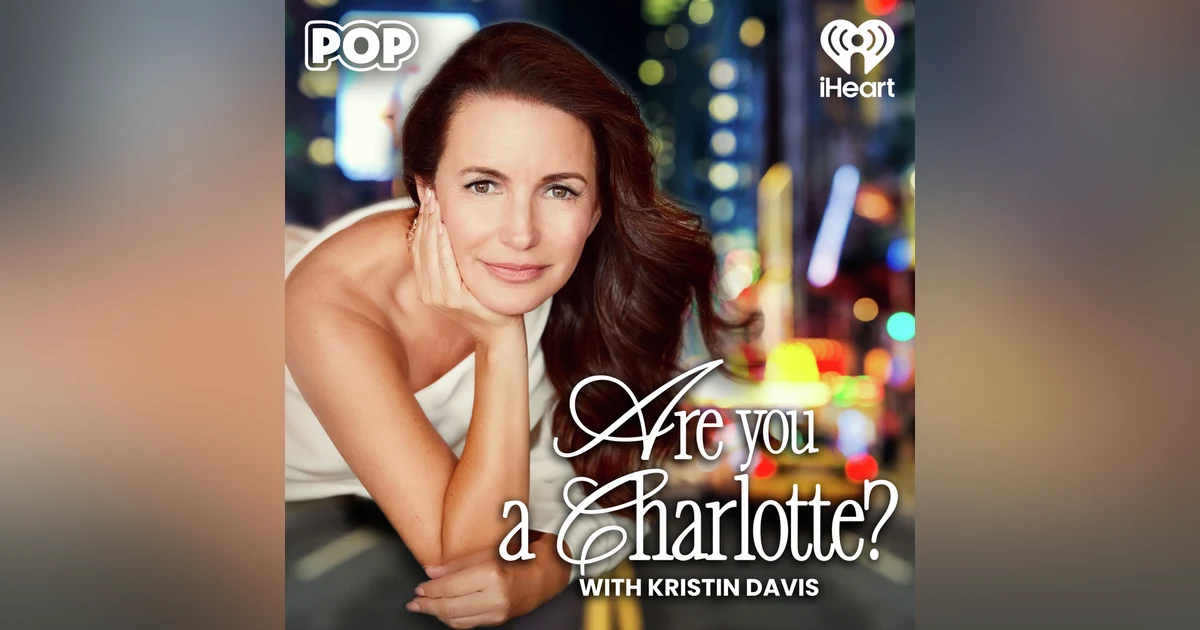
And Just Like That…it happened to her.

 Apple Podcasts
 Spotify
 Castro
 RSS Feed
 In this special episode, we’re allowing for a time jump, as Kristin sits down with Kelly Rizzo as she shares the heartbreaking reality when life imitates art.
The night before her beloved husband Bob Saget passed away, she found herself at home watching the premiere episode of And Just Like That.Although she didn’t know it then, the following morning she would learn the similarities between her own life and that of Carrie Bradshaw.
See omnystudio.com/listener for privacy information.
00:00:01
Speaker 1: Hi, I'm Kristin Davis, and I want to know, are you a Charlotte. Well, this is a special, special, interesting, different episode that we're going to do of our year Charlotte with Kelly Rizzo. Kelly it was married to Bob Sagett, who I knew, not really well, right, so we've never met, but I know that you have a very very interesting story about unfortunately Bob's horrible, horribly untimely passing. And I just want to say, yes, I did know Bob.
00:00:32
Speaker 2: I knew Bob for.
00:00:33
Speaker 3: Two reasons to hear, okay, okay, so excited.
00:00:36
Speaker 1: One is Stay mos Okay, who I did a play with. And you know, Bob was such a huge part of his life that like, you know, you would just like on the.
00:00:45
Speaker 3: Phone with him, you know anything.
00:00:46
Speaker 1: Yeah, yeah, So there was this stay Moost connection.
00:00:49
Speaker 3: And then and I'd known John.
00:00:51
Speaker 2: I known John before we did the play of the play.
00:00:53
Speaker 1: I want to say it was like twenty twelve maybe, okay, like a while ago.
00:00:57
Speaker 3: And then also stand Up for.
00:01:00
Speaker 1: Pitts, which is Reka Cory's foundation for pitbull I yes, yes, Bob would often come and do comedy for free for the benefit, so sweetly and so funny, and he'd be on the red carpet and cracking jokes, and you know, he had just had such a beautiful way about him, and you know, he was so different than his you know.
00:01:23
Speaker 3: Full House character.
00:01:24
Speaker 4: Honestly, Yes, yes, people were very surprised people could find.
00:01:28
Speaker 1: Out about the real Box exactly exactly. But I think the thing that was similar about and I didn't really watch a lot of Full House. I was always so surprised by how people would react to John as well. He had I think, energetically similarities, you know.
00:01:43
Speaker 2: Which is true.
00:01:44
Speaker 1: I think for a lot of actors, right, Like the character is very different, but energetically very similar. Like even if he was telling the most X rated joke, you know, he's so joyful.
00:01:54
Speaker 4: He was very lovable and cuddly yea, and he still loved hugging people, you know, just like Danny Tanner exactly.
00:02:00
Speaker 3: Yes, yes, we'll put, we'll put.
00:02:01
Speaker 1: So he was he was just a force and it was just so so sad and I felt for you so much when he thank you. I mean, it's just so shocking, you know, you just don't feel like that can happen.
00:02:12
Speaker 3: But yeah, it was.
00:02:13
Speaker 4: Yeah, it's still and I can go right back to that moment and in an instant of just how shocking it was. And that's why I was so excited to be able to chat with you about this, because I had such a special, intrinsic, unique moment of my life that tied in with and just like that, I mean Sex and the City of course. And by the way, you had an episode recently where you were talking to your guest and they're like, I've seen the whole series through like five times, and I.
00:02:46
Speaker 3: Was like, five times, that's amateur. And that's what everyone said on Instagram too. I was like, Oh, it was so funny.
00:02:56
Speaker 4: But yeah, so you know, obviously that was such a big part of my life, but to then have it tie in so interestingly too and just like that, I was like, We've got to talk about this because it was so unbelievable just how it happened. And it was a really strange life imitating art type situation that actually happened to me right right, which.
00:03:21
Speaker 1: Is you know, it's like, I think I've been told that I sound like a victim about and just like that, so I'm not going to do that, but I do want to say one of the things about and just like that that we wanted to do and I do think we did, is to talk about things that start to happen to you when you are lucky enough to live past fifty. Yeah, and you know, people maybe didn't want to see that. I don't know, but I do think it's really real. And I think for many people that I see and meet and run into, you know, they have some connection, they want to tell me, you know, this happened to me, and that happened to me, and you know, I think it's important to tell those.
00:04:01
Speaker 4: It's so important. And that's why, you know, I'd never really thought about grief before or death until I lost Bob, and then it kind of became almost all I was talking about. And then you realize when it's something that becomes so normalized to you, it's still not normalized to other people. And talking about grief and death was still and has been still very kind of taboo, which is so sad, right, which because it happens to everybody, it's like we're all going to experience it in one way or another. And it just became so normalized for me. And so it is interesting then because I just two days ago went back and rewatched those episodes because I hadn't seen them since the day before, not even the.
00:04:48
Speaker 3: Day before, hours before pop my.
00:04:50
Speaker 1: Got okay, so let's tell our listeners this story because it's it's so crazy to me.
00:04:55
Speaker 3: It is really crazy, right.
00:04:57
Speaker 4: So, Kelly was a fan, you know, obviously had grown up on Sex and the City since I was in college, and I hadn't seen it so many times and it.
00:05:09
Speaker 3: Was such a big part of my life and loved it, loved it, loved it.
00:05:11
Speaker 4: And then I had just started watching and just like that because it was you know, season one, episode one, and I think I'd been putting it off because I'm like, okay, I want to really dig in when I can give it some proper attention. And Bob was out of town doing he was on tour. He was in Florida, and he had done one show the night before, and then he was doing a show that night. And this was now January eighth, twenty twenty two, and I was lying in bed with COVID.
00:05:44
Speaker 3: I felt awful. I had the worst sore throat.
00:05:47
Speaker 4: I was just miserable, and I'm constantly texting Bob like I don't understand, like I should be getting better by now, and he's like giving me all these instructions of you know, what meds to take and you know what to do and a lot of it. I'm like, yeah, okay, I'm I'm an adult. I know I should take Adville or whatever. But you know, so we're going back and forth and he's like, why don't you just watch something that makes you happy tonight and makes you feel comfortable and just he's like, i'll be home tomorrow, just you know, watch a comfort show. And I was like, well, that's usually sex in the city. I was like, no, no, no, wait, I haven't and just like that's out now.
00:06:22
Speaker 3: Oh no. So I told him.
00:06:23
Speaker 4: I was like, I'm going to watch this and he's like, great, that's perfect. Take some meds, relax, watch that in bed. So that's what I did. I watch the first episode and sorry spoiler alert, Big dies right, and I remember feeling so devastated for Carrie because you know, this character, like he's been in everyone's life for twenty five years. And I'm like, oh, like that's awful. And I had already started comparing Bob to Big in certain ways and in the good ways. You know, they're both very tall, dark, handsome, love cigars, you know, this kind of.
00:07:04
Speaker 3: Cooler, cooler than life persona, just very.
00:07:09
Speaker 4: Smooth and suave, and so, you know, Bob was kind of like my mister Big in a sense. And so I'm watching this and I remember thinking like, oh, my husband's a little older, and it just kind of hit me. I was like, oh, that would just feel so awful, And I remember just feeling gutted, like for her, but also putting myself in that position, like what would that be like? And I remember just like crying and being so sad and you're like, oh, it's probably is not good for my sore throat, but whatever, I'm into it now totally. And then I start watching the second episode where it's the funeral and what she's experiencing. And I got to tell you when I just rewatched it and I saw it was Michael Patrick King who wrote that, I'm like, how much this man must have known about grief or what that process is like, because he nailed it so perfectly.
00:08:05
Speaker 2: That's nice to hear, thank you.
00:08:07
Speaker 4: I mean, it was just just the feeling and how you have to have your friends sleep in bed with you.
00:08:12
Speaker 3: And just you you know, it was just on point.
00:08:16
Speaker 4: Thank you. Anyway, So I'm watching that second episode and just being like that would just.
00:08:21
Speaker 3: Be so awful, Like, oh, how sad to have your husband pass away?
00:08:25
Speaker 4: Yeah, but thinking so vividly remembering being like, oh, thank god, that's not me. Thank God, it's not me at least that's not me. But one day when that happens to me, now I have some sort of frame of reference of, you know, what that might be like. And then going to sleep that night feeling so heartbroken for these characters that you're seeing on TV that you know I've loved for so long, and then being like, oh, but that's not me. My husband is safe and in his hotel room, just finish this incredible show that he was so proud of and so happy with, And then waking up the next morning and can't get a hold of him, and then obviously finding out that time wise, he probably passed away a few hours after I actually watched that and had those thoughts so so sad, it's just so crazy, But it didn't really dawn on me until then I went back, even maybe a couple months later, because obviously I didn't watch TV for.
00:09:29
Speaker 3: A long time after that, and I was like, I think I want to go back and watch.
00:09:35
Speaker 4: Watch more of that and watch the several episodes after that, and just like that, and then it all came back to me.
00:09:42
Speaker 3: I was like, oh, oh my god, that's what happened. I watched that right before Bob passed.
00:09:48
Speaker 4: And then I started watching the episode, you know, with with Charlotte and carry where they're going through the boxes and stuff, and I was like I had to do that, you know, and I was like, this is my life now.
00:10:02
Speaker 3: It was just so surreal and just so weird.
00:10:04
Speaker 1: My question is I mean, it's it is. It's amazing to hear that. I mean, I'm horribly sorry that you had to go through this obviously, but then the fact that you were in it and you could get like that you've been watching it and you were trying to empathize and thinking, I'm so lucky I'm not there. I mean, this is really why we do what we do, right, to try to have real you know, and to empathize.
00:10:26
Speaker 2: It was real, Like to empathize is such a beautiful thing. You know.
00:10:31
Speaker 1: You're trying to think like, oh, that's so sad for her, and how would I feel? And I'm so happy that my husband's safe, you know, but does anyone ever really safe?
00:10:37
Speaker 5: No?
00:10:38
Speaker 2: Right, no, unfortunately no.
00:10:40
Speaker 1: But it's such an interesting thing to think about the connections that you can make through what we do, right, and that's why we do it, the connections. But then, you know, did you feel like it helped you later on to recognize things like I did feel this or you know, she when I because you talk about his closet as all of these things, like what.
00:11:07
Speaker 3: Was there a help in that connection?
00:11:09
Speaker 4: A thousand percent? And that's interesting that you asked that, because I hadn't really thought about that, Like did seeing that portrayed whether you know it's a TV show or if it was a documentary, it almost doesn't matter because you're still seeing real, you know, actual portrayals of somebody had gone through that at some point.
00:11:27
Speaker 3: To even come up with that idea for sure.
00:11:29
Speaker 4: So because when it happens to you and then all of a sudden, you know you're a widow, and you know, in my case, I was forty two at the time, and I didn't really know other widows, or if I did, I didn't sure, no, like dig deep into that world because it didn't apply to me yet, right, you know.
00:11:50
Speaker 3: So it's kind of almost free.
00:11:52
Speaker 2: It's very personal and internal.
00:11:54
Speaker 1: Yeah, in a lot of ways, which is not necessarily all that helpful, right, but it's really hard to be with someone in their grief.
00:12:00
Speaker 2: You can try, but it's hard, exactly.
00:12:02
Speaker 4: And you know, until you've lost somebody like I had never really lost anybody close to me, and anyone who has, like then it's like you're in the club, like you get it. And I didn't get it before got it. And so when I saw anybody, like when I met Widows after that, I felt so not alone, like, oh my god, there's other people who get this, because you feel so alone in this really weird world. But then rewatching it again, being like, oh my god, I literally felt all those things that Carrie was feeling, like when she went into the closet, and when I rewatched it, I realized that she was like hugging his suits, and I'm like, I did that. I remember like hugging Bob's suits and seeing them all lined up so perfectly, just like bigs were, and like I remember like smelling them and being like, oh my god, like he's never coming home to this stuff, and it was just so s such a bizarre feeling, but then seeing it, you know on TV, I'm like, okay, like I'm not crazy for feeling this, or I'm not crazy for experiencing this.
00:13:09
Speaker 2: No, not at all yet at all.
00:13:22
Speaker 1: Grief is hard to even touch in terms of portrayal.
00:13:27
Speaker 2: Or you know, any of it.
00:13:29
Speaker 1: It's such a very unique and everyone obviously has their own version of it, right, but especially like sudden sudden loss like you experienced, it's just horrible, like you have no preparation whatsoever. And that's the interesting part of this story for me is that there's no way. It's not as though he were sick. It's not as though you had had some kind of health warning or anything like that. Right, so in some ways this was your only preparation in a weird way, meaning like what time of the time and everything, and you really trying to empathize with Carrie, which is so sweet, Like that's the connection to that we have with our viewers that you know, you guys are like.
00:14:09
Speaker 3: Oh, I felt so bad for her.
00:14:11
Speaker 2: You feel that in a different way going to suck for her.
00:14:14
Speaker 4: I don't need to worry about that, right, you know, until five hours later. But what the show also did very interestingly was the use of humor as well. And that's something I learned from Bob so much, was that, you know, that's part of why he became a comedian because he had so much death in his life. He had so much death, and you know, darkness and comedy helped him. And even since I knew him, there would be people, you know, friends of his that he was losing all the time, and he would call their wife or call their family and like make jokes to them like the day they died. Like, you can't do that, you can't joke with somebody death. And he's like, yeah, you can, and you should, right, I mean, I guess in the right way.
00:15:05
Speaker 3: I mean, if you should exactly. It was like he had a way about it.
00:15:10
Speaker 4: Yeah. But then I remember in some of those episodes, you know, like they're like Miranda was trying to make a couple jokes here, yeah, and sometimes they didn't land And I was like, oh, like if I like that would have landed for me because I would have appreciated the joke.
00:15:25
Speaker 3: Yeah, I know, people don't you know.
00:15:27
Speaker 1: No, No, It's very very unique, and I think that's also what's so hard about portraying it. Or connecting to it is that each version is going to be different, right. I oh, I remember the story and I don't remember did did do you know?
00:15:38
Speaker 2: Did Bob know? Roy London? He was a really great acting teacher.
00:15:41
Speaker 3: We had sounds so familiar. I feel like there was.
00:15:44
Speaker 2: A connection, but I can't remember what it was exactly. But Roy used to tell the story about.
00:15:49
Speaker 1: He would coach people for big films and you know, like break down the script with them and talk about things to do and one and he his thing was like not to have any rules or parameters around how you responded in the moment, and to have freedom on the set that you were going to do what you felt the character needed to do and not be shut down by the director or anything like that. Right, there was a scene I can't remember who it was, but it was some big movie star person in a film where someone died and he wanted them to I believe, stand up on a table or something something odd, right, And the director was like, no, no, you can't do that. And he told the actor to say, well, this is what happened to me when my dad died. This is what happened to me, this is what I did, and that that would and.
00:16:39
Speaker 3: It was true or wasn't true.
00:16:40
Speaker 1: It wasn't true, It wasn't true, but it was because every version of grief is its own thing, and you don't even understand when you're in it what you're feeling or saying or doing or you know what I'm saying. You're in an alternate universe that you didn't expect to be in, especially in the situation with bub where it's a sudden bam, you know, like life has changed dramatically from one hour to the next hour. And I think that's important to remember and sometimes really hard when you're trying to portray it on screen, right because you're trying to connect and you want it to seem real. Obviously it's not real, right, we're acting. But I know that Sir Jeska and Michael Patrick really really wanted to tell the story and had been talking about it for a long time, and it was a huge risk obviously. I mean, there are people who are still upset with us about this. You don't have saying that they did not want Big died right away, yeah, and just that he died. In general, they just don't want their characters to die.
00:17:34
Speaker 3: I get it.
00:17:35
Speaker 2: I get it, But I did feel like.
00:17:38
Speaker 1: It's just a very very relatable thing that women go through.
00:17:43
Speaker 5: It's real, especially I mean if he was a few years older, they had they were together a long time, but you had a heart attack, and like what's more relatable than that.
00:17:54
Speaker 3: Either it happened does us or someone we know. I mean, I'm sure you.
00:17:59
Speaker 4: Know you know somebody who lost their husband suddenly to a heart attack or something like. It's so common that and it's interesting to see then what the characters do with it. But like, as you mentioned, I would never have thought that I could have if you would have told me a day before, by the way, you're gonna lose your husband tomorrow, and like you're gonna be making jokes the day he died. But been like, absolutely not, that's awful. And I remember I was at my house in a house like there were a ton of comedians over at my house that day, and you know, Jeff ross Is, They're like like making jokes, and like I start, I actually like smiled. I mean, I'm devastated in sobbing ninety nine percent of the day. But then he'd say something funny and then I would laugh, and then I would attempt to say something funny back, and that's just life, Like, you can't plan.
00:18:52
Speaker 2: It now, you can't plan it.
00:18:54
Speaker 1: Also, those were Bob's friends, right, so they're gonna have that similar sense of humor to him, and they're gonna understand that that what he would want them to do for you in that moment, you know. Yeah, And I think I think that's beautiful. I think that's beautiful. And I think people are complicated, and you can't put yourself in a box or put other people in a box and say, oh, well, this wouldn't happen, or this would happen.
00:19:14
Speaker 2: You don't even really know.
00:19:15
Speaker 4: No, it's there's so much of it that happened that I never would have guessed. And then it really truly dawned on me, as I mentioned just a few weeks ago when doing my podcast, and I'm like, I want to tell this story because I had mentioned it to somebody in passing and they're like, wait, that's crazy, Like you watched that episode a couple hours before Bob Di.
00:19:38
Speaker 3: I'm like, yeah, oh, it's crazy, that's insane. And then part of me is like, well.
00:19:45
Speaker 4: Maybe it doesn't you know, seem as big of a coincidence to other people like, oh, you just happen to be watching the show, but I'm like, no, it was. It was very intense. And then the memory I had from that when I went back and watched was just so like that happened to me just hours later. It was just so crazy.
00:20:02
Speaker 3: It is crazy.
00:20:03
Speaker 1: It gives me kind of like chill type feelings. But also I do feel like, like, in a weird way, sometimes things are sent to us at different times that are going to help us. You know, that's like my woo woo side.
00:20:14
Speaker 4: But you know, like, no, it's so true. Yeah, and never since then, you know, it's whenever I'm just trying to be cozy and comforted. You know. That's why I've gone through the season so many times, is because it's always been my comfort show. Even before Bob passed, Like he would know, he'd be like.
00:20:33
Speaker 3: He's like, oh, all right, I want to turn out Sex in the City again. I'll watch it with you. Oh yeah, go ahead, And.
00:20:38
Speaker 4: I'm like and he's like, you've seen it so many times.
00:20:41
Speaker 3: I'm like, I don't care.
00:20:42
Speaker 4: Yeah, And so still it just makes me, you know, feel so comforted, and.
00:20:48
Speaker 3: That even though.
00:20:51
Speaker 4: Having that memory of you know, well, that was an unpleasant memory. It's still it still was strangely comforting in a way too.
00:21:00
Speaker 3: And then I'm so glad.
00:21:01
Speaker 2: I'm so glad.
00:21:02
Speaker 1: I mean, I think it's comforting to think that anyone has gone through anything when you're in a horrible situation, right, even if it's a fictional somebody.
00:21:09
Speaker 4: Yeah, you know, yeah, and that's what's interesting. I'm like, yeah, okay, that was fiction. But as I mentioned, like somebody came up with it, it was and it was done very, very perfectly where I'm like, that was thank you my life to at.
00:21:26
Speaker 1: I'm sorry, though, I'm sorry. It's like such a mixed thing.
00:21:29
Speaker 4: You know.
00:21:29
Speaker 1: It's like on the one hand, you're happy that the work reached someone in a powerful way, and then on the other hand, I'm just sorry that you went through them.
00:21:35
Speaker 3: Well, thank you.
00:21:36
Speaker 4: But you know, at this point now, it's yeah, I just I just love talking about Bob all the time, and that's never changing. And you know, I just tell people all the time, I'm like, he's never going anywhere, Like I'm going to talk about him all the time.
00:21:50
Speaker 3: I don't care if people get sick of it.
00:21:52
Speaker 4: It's been so therapeutic to always be sharing him because then I find out, like, look, I talked to you today, You're tell me things about Bob that I didn't even really know. And so there's always memories or things that I'm still learning about him because I'm always still talking.
00:22:10
Speaker 2: About Wow, that's amazing.
00:22:12
Speaker 4: Yeah, it's because so many people either knew him personally right or had some sort of connection to him, even if they're I mean, he got all the time. I'm sure you know in ways that you do too, but he would have people come up to him saying like I didn't have a dad and you raised me like that type of thing, like very powerful stuff, and so I still get that.
00:22:33
Speaker 3: All the time. You know.
00:22:34
Speaker 4: Now they kind of transfer that on to me, which I'm just very proud to even have that connection at all.
00:22:41
Speaker 3: So, yeah, people live on.
00:22:43
Speaker 1: I mean, death is a really crazy thing because like, on the one hand, it is very final, and on the other hand it's not.
00:22:49
Speaker 2: You know, people's.
00:22:50
Speaker 1: Energies and spirit and what he created when he was here.
00:22:54
Speaker 2: Powerful, very powerful. Yeah, so many people, Oh, thank you, you're welcome.
00:22:59
Speaker 1: I mean, you know, I didn't know him well, but he was always you always knew if Bob was at an event you were at.
00:23:04
Speaker 2: Let me put it that way.
00:23:06
Speaker 3: He stood out, he did six four. He stood out like a sore thumb. And he's right. He had a very special energy. He did. He did and always wanted them.
00:23:14
Speaker 2: Was very warm and so funny and just but sweet.
00:23:18
Speaker 1: You know, he was sweet. He had a sweetness about him. Oh yeah, yeah, yeah he was. And it's it's interesting to see that kind of continue on. And you know that, like even with my boyfriend now, like people ask me all the time, like is.
00:23:36
Speaker 3: It weird that you still talk about Bob so much? Like reckon okay with that, And I'm like, he loves it.
00:23:42
Speaker 4: He's very comfortable with it, strangely, and I'm so grateful for that because it is not.
00:23:47
Speaker 3: Always the case. Sure, And I was so worried about that. I can only imagine how.
00:23:52
Speaker 4: Am I going to find somebody who's confident enough to know that I'm always going to be talking about Bob, Like that's got to get weird for somebody.
00:23:59
Speaker 3: And he's like, not weird about it.
00:24:01
Speaker 4: That's amazing.
00:24:02
Speaker 3: Did he know Bob? Yes? Not super well, not like a stamos, I don't think, because that would be we're tired. I mean, was the last holdout on Brecon.
00:24:17
Speaker 4: Every all of Bob's friends, his his daughters like love Breckon, like everyone, but for some reason, John was a little like interesting of all people, I don't want you to have a new boyfriend, you know.
00:24:30
Speaker 3: He was a little a little sensitive about it.
00:24:34
Speaker 4: And then finally he's like, all right, I'll meet him, and then they know now they love each other. I Reckon always loved John, but so he's like, all right, he's great.
00:24:43
Speaker 3: Fine.
00:24:44
Speaker 4: But yeah, they were friendly and respected each other and really liked each other. Like I remember I would be sitting on the couch with Bob watching watching TV or series, and Brecken would come on.
00:24:57
Speaker 3: And be like, oh, Brecken's in the show. I love Brecken. Oh that's nice. Yeah. But then it wasn't much more than that.
00:25:02
Speaker 4: Like I met him a couple of times.
00:25:04
Speaker 2: But it was I feel like I've met Breckin.
00:25:07
Speaker 3: Oh my god, I know, but I can't probably.
00:25:09
Speaker 1: I mean, I mean, he's just one of those people who's been working for so long, he's.
00:25:12
Speaker 4: Been around for so long.
00:25:13
Speaker 2: Part of me, I'm just like, where, when, how what? I'm not sure.
00:25:17
Speaker 1: It's not like Bob Ware like you. I mean, I have very vivid memories of It's like.
00:25:22
Speaker 3: Six degrees of Christ.
00:25:23
Speaker 1: I know. Well in world, if you've made it for any length of time, you know what I'm saying.
00:25:28
Speaker 3: You have been in La ever since.
00:25:31
Speaker 2: I moved here in ninety one.
00:25:33
Speaker 1: Okay, but then I ended up getting sex and city, going back and forth, you know, for years and years.
00:25:37
Speaker 3: So you were here too, like you would be here all.
00:25:39
Speaker 2: Right when we were on hiatus.
00:25:41
Speaker 1: Ok yeah, yeah, yeah, Like I bought my house after the first season, okay, yeah, and I remember sir was like, why are you doing that?
00:25:48
Speaker 3: I said, because it's.
00:25:49
Speaker 2: Very calm there and I can rest.
00:25:51
Speaker 1: Are you the only bicoastal No, No, there were Michael Patrick was here as well, and Darren Star was here as well, and acting wise. Yes, So I think when we started, Kim had a house here, but then I think she sold it, and then I think Chris had a house here. I mean, we were a lot of us went back and forth.
00:26:12
Speaker 3: It was so weird.
00:26:13
Speaker 4: I saw him in a grocery store parking lot, like yeah a few weeks ago, oh wow, or maybe a couple months ago, and part of me wanted to be like, oh, I think it was like the same week I recorded my podcast about Wow, right, but I was.
00:26:26
Speaker 3: Like, oh, I'm not going to bother him, but what are the odds?
00:26:31
Speaker 2: You know, Yeah, that's interesting.
00:26:32
Speaker 3: I know that was crazy.
00:26:33
Speaker 4: That is crazy, but yeah, it's it's been such a ongoing therapy session to always be able to talk about Bob so good. I'm grateful to you that you gave me this opportunity even like it really kind of dive into it more, you know.
00:26:51
Speaker 3: Yeah, definitely.
00:26:52
Speaker 1: I mean I think I think, first of all, I think reef is super fascinating and we do not talk about it enough. And second of all, I love Bob so in Bob's memory.
00:27:02
Speaker 4: Well, and I think talking about grief in a way that makes it not so scary or heavy, like when you can joke about it, or when you can thrown things that are a little bit more lighthearted, or like, you know, tie my grief into a TV show, Like there are ways that make it more palatable. Which is why I'd started doing my podcast originally, was because I'm like, I want you know, it's called comfort food, Like I want it to be comforting and not dark and sad and scary and where people don't want to.
00:27:33
Speaker 3: Listen to something that's about.
00:27:36
Speaker 4: Death because they're like, well that sounds awful, right, It's like, okay, how can we make it more relatable and not so heavy.
00:27:42
Speaker 1: I just feel like it's such a service because the fact that our culture has decided like okay, we're we're not gonna this is random the morn I'm going to say, but you know, our culture is like we're not going to talk about it. But obviously it's a part of life. So it's a part of every day life basically, right. And then also the other day, I was listening to this podcast about the industry.
00:28:02
Speaker 2: I'm not going to say the name of it, but they were talking about how there have.
00:28:07
Speaker 1: Been this bidding more for this Jane Fonda movie called The Correspondent, which is a book, a very much loved book, and this guy who's he's quite a big reporter in our industry, and he was like, I mean, that's crazy, Like it's Jane fondas she's eighty something, and I was just like, this disrespect was so cutting and it's so wrong headed of our whole culture right to discount people who are older, because there's so much wisdom people who are older, and there are other cultures who honor that, and we are so wrong headed about death in general and aging in general.
00:28:43
Speaker 3: Like there's so much to.
00:28:44
Speaker 1: Be learned, to be proud of, to own and share, you know, for the young people to learn things. And I mean Jane fond is beloved like right, obviously not by all the men in our industry, but you know by those of.
00:28:58
Speaker 3: Us with good sense.
00:28:59
Speaker 4: You know, do you think it's gotten better though, I feel like it's gotten I don't know.
00:29:04
Speaker 1: I think it's really up and down, right, I think that that that I think in some ways, like with the Devil Wears product right too, which is super exciting and did way huge numbers, and they're all like, oh, we can't believe it, which is every time a female driven movie is successful, they're like, we can't believe it.
00:29:22
Speaker 3: Who what a thought? Exactly exactly?
00:29:24
Speaker 1: They this master movie exactly, do well exactly. And then I saw something else on Instagram about I don't know how old and Hathaway is or Emily Blunt, but I mean they're grown women, right, And then Merrill, of course, you know, it's just a joy. And there's a lot of statistics about older women buying houses, single women buying houses, all of the things, All of those statistics are going in the right way, right, And I think that the thing that's interesting is that I do feel like culturally and in terms of advertising and things that are getting made, like it's still really hard to get a film made that you know about, Like, it was not easy for us to make it, just like that, right, Everyone thinks that it was, But it wasn't.
00:30:07
Speaker 2: You know, it wasn't like.
00:30:08
Speaker 1: Here crazy, you don't have twenty million dollars an episode, go have fun, wasn't It wasn't that easy because we weren't trying.
00:30:14
Speaker 3: To recreate the other show.
00:30:15
Speaker 1: We're obviously at a different time in our lives, and we wanted to write about that. That was our purpose, right, So a new perspective, Yeah, right, I think it's a mixed bag, right. I think sometimes there's wonderful things that happened, like Devils Part of two, or like Jane Green lighting a movie you know that has a bidding war. It's amazing, right, But I don't think it's prevalent.
00:30:34
Speaker 4: Yeah, I will say I've noticed, even if it's trickling in little by little, there is a bit more because you mentioned the aging thing that there are more people coming out and being like, no, I'm not doing like Drew Barrymore. I saw a hip of her yesterday. She's like, I'm not doing anything right. And so many more people now are kind of jumping on that bandwagon and saying like, hey, it's not you know, weird to not do stuff to your face or to whatever. This should be the norm.
00:31:06
Speaker 1: And then right, I think that we need to take the shoulds out because I think that's part of what goes wrong, but the thing that's interesting.
00:31:14
Speaker 3: Or that if we do see it, then we shouldn't be like, oh, that's so strange. She decided not to do.
00:31:21
Speaker 1: Something, for sure, for sure, But I also think a lot of this is driven by clickbait and by social media, because even if Drew's going on our show and saying I've made this choice, that doesn't mean that there's not going to be all kind of posts about like, look out terrible she looks you know, it's ridiculous. And then there are other people who are going to criticize people that they feel like they've done too much work.
00:31:41
Speaker 3: You can't really win, you're still in the it's hard to win. Situation.
00:31:45
Speaker 4: Yeah, that's a good point because I guess in that industry, no matter which way you go, you're going to have people.
00:31:52
Speaker 3: Just want to be trolls. We want to comment, we want to say.
00:31:56
Speaker 1: The mean thing because we have now, you know, a platform for everything, right, So there's platforms for people dissecting your face, you know, every day or whatever.
00:32:05
Speaker 2: It's very interesting, very interesting.
00:32:07
Speaker 1: It's interesting if you can get a little space from it, you know what I'm saying, get a from it.
00:32:12
Speaker 3: God bless us all I know.
00:32:13
Speaker 1: And the truth is right, if you're lucky enough to be older and healthy, isn't that what's important?
00:32:22
Speaker 4: Yeah, And that's you know, part of you were just even mentioning, you know, Double Warre's pradact like they're like, they look amazing, Meryl looks amazing, Like let's celebrate that, and you know, have any negativity around it. But at the same time, you know, that was another really big thing with my whole loss of Bob was everyone was like, I'm so sorry for you. You got robbed. It's not fair, Like, no, I'm so grateful I had him for six years, and I can't be like, it's not fair that I didn't have him longer.
00:33:03
Speaker 1: I don't think life is fair, right, I think that's just a crazy idea anyway, right.
00:33:09
Speaker 4: Like to focus on the gratitude further, sure how much time we did have together or how much time you get to be on this planet.
00:33:16
Speaker 1: And I'm saying to even have come across him so that you could have that joy. I mean not everyone gets that, you know at all? Right, So yeah, it is hard though. I think with loss it's it's hard. You can't be holding yourself up to an unrealistic expectation that you're going to be living in the gratitude every moment either, right, Like you need to give yourself freedom to have all the feelings you eat or anything.
00:33:42
Speaker 4: Yeah, right, it's so true. Different topic, but it's still in the same world. Another thing from Sex and the City that had such an impact on me that I use in my everyday life because there's a big thing with me where you know, I never had kids and people always want to talk about that, you know, like, oh, well why didn't you have kids?
00:34:16
Speaker 3: Did you not want to have kids?
00:34:17
Speaker 1: Yea?
00:34:18
Speaker 4: I mean, you know, it's a huge conversation, especially nowadays, the whole like child free by choice thing and.
00:34:26
Speaker 3: When I had met Bob.
00:34:27
Speaker 4: I was still kind of on the fence about having kids, like do I or do I not want to? I was like, I don't think I want to, but uh, I don't know. And then I meet Bob. And when we met, I was thirty seven and he was sixty, so you know, big age gap. And he was at the point where he's like, I have three adult children. I don't think I want kids anymore, but let's not take it off the table completely. So we were dating for a little bit and then I was about to move to LA and right before that, he said we have to talk. He's like, I, I'm not doing the kid thing again.
00:35:04
Speaker 3: I just can't.
00:35:04
Speaker 4: He's like, I don't want to be seventy pushing a stroller. And I was like, I don't blame you, you know, like I get it. Yeah, And he said, but I want you to understand before you move out here, like that's a choice you're going to need to make, Like if you want to have kids, I don't want to take that from you, so.
00:35:25
Speaker 3: You know, you need to think about that.
00:35:29
Speaker 4: And I remember thinking and at that time, and of course I had seen the episode before, but I remember watching the it was in season six. It was one of the Alexander Petrovski episodes. But Charlotte and Carrie were playing with Brady at the park.
00:35:49
Speaker 3: Okay, don't remember, but okay, and.
00:35:53
Speaker 4: You know, Charlotte was like, you're a baby person, and she's like, I don't think I'm a baby person. You know, Alexander Petrovski didn't want kids. Yes, And Charlotte goes, but how could you give up a baby for a man you hardly know? And she goes, why would I give up a man for a baby I hardly know I want?
00:36:13
Speaker 3: Wow?
00:36:14
Speaker 4: And I like that line has stuck with me so much. Again, Yes, I know it's TV show, but it's so true. And then I remember applying that logic to being like, wait, I'm going to give up Bob, like this wonderful man for like a baby I hardly know I want.
00:36:34
Speaker 3: And so since then, whenever it comes up, I.
00:36:37
Speaker 4: Always say like, well, you know, like that line in the city, And then I do that line all the time and everyone's like, I love that's so true.
00:36:43
Speaker 3: Like that.
00:36:45
Speaker 1: It's very good. I wonder who wrote that line. It was a Juicy line because Jerry Juicy line. Yeah, I do think there is also culturally, this just tremendous pressure on everyone. Do you have children? Goodness, it's crazy town. It really is such a big thing. And I don't think anyone should force anyone or put any pressure. And this whole idea that all women secretly wanted or.
00:37:10
Speaker 6: Whatever, that's just not true, right, But I thought, should they as the whole shooting thing, I thought I would because that's I should.
00:37:20
Speaker 3: That's what you're supposed to do, right, well, you're supposed to have it. So I was just like, well, I guess I will, because that's what you do, right.
00:37:27
Speaker 1: I know.
00:37:27
Speaker 2: It's kind of nuts.
00:37:28
Speaker 1: You have to really carve out the idea that you don't have to. I went through this myself before I adopted my kids. I really was unsure. I was very unsure for quite some time. I waited so long to try to be sure. But then I did have like a weird deeper need, you know, like I had to really sit down and think it through in a deep way, like.
00:37:49
Speaker 2: Why, why, what do I want? What is it about it?
00:37:53
Speaker 1: You know? I had to dissect it because I didn't necessarily want to get married, so it wasn't I didn't want the picture perfeclah blah blah. But then I had to think about, like what is it about the children? And it was a different element and it was.
00:38:05
Speaker 2: Like the unknown. There's an unknown.
00:38:07
Speaker 1: I mean in the same way when you meet someone and fall in love, there's an unknown.
00:38:10
Speaker 4: Like what will you make another I can't plan any we know it's going to happen.
00:38:14
Speaker 1: Exactly same with children, and it kind of a slightly different way right in like a I did feel like a deeper calling to it, which is why I eventually then pursued it. But there was a long time where everyone around me would be talking about getting pregnant and I would just be like, you know.
00:38:30
Speaker 4: But see that's what's even more. But see that's what's even more. I don't want to say impressive, but more like meaningful and deep meaningful to me about what you did because you were like I want to be a mother, Like I want to be a mom. It's not like I want to have the baby and be pregnant for the Instagram photos or this or that, like right, like were some people they're like, I want to meet the man and then have the baby, because then it's like that's the perfect.
00:38:58
Speaker 1: Life, right And Charlotte wanted that. I mean, I play a character who wanted that. She really did, and I had to really dig deeply when I was playing her to make it deeper than that. In real you know, she didn't have social media, right we started, you know, nineteen ninety eight, seven, nineteen ninety seven actually, But you know, because some people really deeply, deeply have that vision for themselves, right, Like they have a vision and maybe it is affected by how they grew up or by society or whatever, but it is their true vision. So I think that that needs to be honored as well. I think the question is always, you know, like how where are people coming from about what they want? Is it from a deep place? Is it from a social pressure place? You know, because those are the people who then sometimes are really unhappy when they do get that thing.
00:39:45
Speaker 3: Well exactly.
00:39:46
Speaker 4: Yeah, So I'm saying to do it your way, yeah, because you felt a calling to it, and not because like, oh I'm going to check the boxes that society says you should.
00:39:56
Speaker 3: Right, You're sad.
00:39:58
Speaker 4: It's so silly like nowadays, even when people have a certain wedding, I'm like, are you doing that because you truly want the wedding or you want to show the pictures on Facebook and Instagram.
00:40:08
Speaker 3: I know, you know, oh if.
00:40:11
Speaker 4: There was I mean, of course every people weddings existed before social media, but nowadays with how they're structured, like if there was no social media, A lot of people nowadays, especially with like how much they cost and everything.
00:40:24
Speaker 3: It's like, let's just we just want to be married.
00:40:27
Speaker 4: Let's just a lope.
00:40:27
Speaker 3: Who cares? We don't need the pictures, you know.
00:40:30
Speaker 2: I do know, I do know.
00:40:31
Speaker 3: I think it'll be interesting.
00:40:33
Speaker 1: I have my oldest is fourteen and she doesn't have any social media.
00:40:37
Speaker 3: Fourteen and old the other eight eight.
00:40:39
Speaker 1: Fourteen, And I'm wondering because there is this kind of turning away from it all now, you know, not across the board, but like they're young people who just don't want to bother with it, you know. And I wonder if it's going to come full circle and it will be interesting for us who had a lot of life before it, right, like a ton of life, and then now life has been greatly changed it in terms of all the things you're talking about the pressures and how things are presented versus how they really are, right, Like I also think these things when I see, you know, things on social media and I'm like, hmm, you know, I don't think that's really how that thing, yeah, actually is.
00:41:15
Speaker 4: But when you have experience and you've lived some life and like I've been married twice, so I've had the divorce and I've had the loss of a spouse and so you know, I've had all these experiences now where you know, when you see somebody who's like twenty five and they're like, I'm just going to do this and do that, I'm like, Okay, take your breath.
00:41:36
Speaker 3: I'm telling you that how it always goes. It's hard to.
00:41:40
Speaker 2: Tell them though, right, right, it's hard.
00:41:43
Speaker 1: And then yeah, but also they have to go do it, you know, they have to go do it right because how else are they going to learn things? Right? I mean?
00:41:50
Speaker 2: Yeah, it is really it is really interesting when you.
00:41:52
Speaker 1: Have gone through a lot of life and then you want to try to share it, and then you I think there is such great things to be had from different generations having kind of deep conversations about these things right when they when they want to, when the time is right, and maybe they'll listen, maybe they won't, but it's super interesting to share our thoughts and our feelings and their expectations, like because they're living such a different life than he did.
00:42:20
Speaker 3: It's like going back.
00:42:21
Speaker 4: You want to be able to be Like I wish I was eighteen and I would have listened. I would have been like, hey, grandparents, tell me what I should and.
00:42:30
Speaker 3: Shouldn't do, but we would never do that. We would never listen.
00:42:34
Speaker 1: Had a lot to tell me, and I did not listen to them. And it's okay because I never would have left the house if I had listened.
00:42:43
Speaker 2: Exactly exactly right, that's exactly right.
00:42:46
Speaker 3: But they but they.
00:42:47
Speaker 1: I think what they did tell me and what I feel like got transmuted or whatever you would say, was about work, hard work, ethic things like that, which I feel like Also culturally, we're kind of in like a weird thing about it because I think things are so much less linear than they used to be. It's not like you can do the certain things you're supposed to do and have it necessarily work out right. It's much more chaotic now. So I think that sometimes what we I'm older than you, but what I received from the generations before me was about kind of that if you really apply yourself and work really really hard that things are going to work out for you, right. I don't know if people feel that way now because the world is so different.
00:43:27
Speaker 4: Well, yeah, now you have social media where you could be eighteen years old and have a TikTok account and start making millions of dollars from TikTok tomorrow, and then kids see that and they're like, oh, I'll just do that, right, But.
00:43:41
Speaker 1: Then my fear for that for that because it is super interesting and it's real, right, It's not like it's not a.
00:43:47
Speaker 3: Real job, is it.
00:43:50
Speaker 1: It can be real, right, It's not gonna be real for everyone who wants it, just like.
00:43:53
Speaker 3: Can be real for anyone, but not everyone exactly.
00:43:56
Speaker 2: But also then my question is where's it going to go?
00:43:59
Speaker 1: Right, because let's say that you hit that you're one of those people who hits as a content creator.
00:44:04
Speaker 2: What happens next? Like, what are you going to do with that? Is it going to last? Are you going to save that money? Probably not? I don't know.
00:44:11
Speaker 3: I don't think that way. It's probably like what happened to a lot of child actors.
00:44:16
Speaker 2: Yes, yes, good analogy, yes, which is scary.
00:44:20
Speaker 4: They get really I mean, granted, the era of child actors, let's say, in the seventies, eighties, nineties, is different than today because of social media, right, But you know, they get so big and then they burn out and then there's a lot.
00:44:38
Speaker 1: Of issues that follow with that, for sure, And that's exactly what I worry about.
00:44:41
Speaker 2: That's exactly what I worry about.
00:44:43
Speaker 1: That there because there's also no network or like structure for content creators, right, Like they're just kind of on their own, you know, whereas if you're a child actor, not that this always worked out, but your parents were supposed to be around and stuff, right, yeah, and now supposed to be yeah, now didn't always work out in the past, and they're supposed to be saving your money for you and all those things, right. But content creators, I don't think anybody's overseeing them in any way, which is really interesting to think about, like what's going to happen?
00:45:10
Speaker 4: But I think there's some law that you know, and I'm sure anyone can do research on this, but I remember hearing about it very recently that for people who put their children in videos, like content creators who put their children in videos, and money is made from that, like some money has to go, oh good to the kids, and then there also might be some sort of laws about like time wow us you know, everything that happened after that was named Ruby Frankie right on YouTube where she's monetizing off her kids and these kids are like working twenty.
00:45:46
Speaker 3: Hour days on YouTube.
00:45:48
Speaker 1: You know.
00:45:48
Speaker 4: I think because of her specifically, that's they made some laws about that.
00:45:54
Speaker 2: Wow.
00:45:54
Speaker 4: Good yeah, good, because I mean, who know, it's still so unregulated. I mean it's been it's been a new you know world in business for the last ten years and my line of work, and it's interesting to see, you know, because it was a wild West for so long.
00:46:10
Speaker 3: I feel like it still is.
00:46:11
Speaker 4: It still is, Okay, it's just slightly you know, there's certain regulations if something sponsored, you have to say it's sponsored, things like that. But I feel like not everybody does not definitely not okay, and I do.
00:46:24
Speaker 3: Yeah, I'm always scared.
00:46:26
Speaker 2: I'm so scared.
00:46:27
Speaker 3: Yeah, I'm scared. I'm like, what if, you know, the FCC, like they're only watching me.
00:46:32
Speaker 1: I mean, I don't think they're only watching anyone, but I do think that you can get flagged at any time, right, like, like if you're not always like I'll.
00:46:39
Speaker 3: Be the one I'll be the first one who gets in trouble.
00:46:42
Speaker 1: Oh no, people are getting in trouble. I've heard of people getting in trouble. People just don't know about it. I mean, I think that, but more reason, I don't necessarily think it's the creator's fault.
00:46:54
Speaker 2: I think it's lack of clarity from the brands.
00:46:58
Speaker 3: You know.
00:46:59
Speaker 4: I see that's the thing because I've had several brand deals where I'll say like, well, aren't I supposed to put hashtag? And they're like, well, the brand's not requiring it, And I'm like.
00:47:09
Speaker 3: I know, weird, right, isn't that straight? But I still it's all over the place.
00:47:14
Speaker 1: Some people used to put ad in the corner, do you remember, like oh, and now you never see that. You never see that, And now sometimes you'll see hashtag partner right, like and that's interesting, But I don't know. But you're supposed to put it at the top like sponsored, yeah, but not of your pay partnership and tag yeah. Nice.
00:47:32
Speaker 4: I always get so scared that I'm going to get in trouble, so I always go above and beyond.
00:47:36
Speaker 3: I'll be like, OK, you're.
00:47:38
Speaker 1: Better safe than sorry. Yeah, But I don't think everyone's doing that, and I think sometimes that's what's really gray about it, is like if you're watching content that is actually advertising but you don't know it, that's weird.
00:47:50
Speaker 4: Yeah, well, I mean that's not supposed to happen so much that I'll see I'm like, I'll be and as the content creator, who's to this. There are times where I'm watching something and it's not until the end of the video I was like, this.
00:48:05
Speaker 3: Whole thing was sponsored. I didn't even know.
00:48:07
Speaker 1: It, you know, right, I know, I know, I know, I'm I'm unclear on all of it, right, But but I'm also just really like I don't want to do things where it's not clear.
00:48:18
Speaker 2: Because I don't want to be the problem.
00:48:21
Speaker 3: You know. Well, uh, you know.
00:48:24
Speaker 4: It's still kind of the wild wild West where it is.
00:48:29
Speaker 3: Yeah, it is.
00:48:30
Speaker 1: It is the Wait you have a podcast, tell us all the different things you do.
00:48:33
Speaker 3: It's super interesting.
00:48:34
Speaker 4: Oh gosh, it's so funny when Bob to like people would say to Bob, like, oh, what did your wife do? He would say the most random thing, because like, sometimes I don't even know what I do, Like, you know, when you start doing all these different things, like what do I do?
00:48:46
Speaker 3: But he would be like, she's a chef. I'm like, I'm not a chef. You can't tell people I'm a chef.
00:48:50
Speaker 4: That's funny though, Like I was like me, you cannot tell people I'm a chefer. He'd be like, she's a she's a travel journalist. And I was like, I'm not a journalist. You can't tell people I have like, you know, degrees that I don't have. I know. He was, He's like, what do you want me to say? Just give me the script anyway?
00:49:08
Speaker 3: So then did you give him the script? And did he do it?
00:49:10
Speaker 4: He's he tried, he would try, I would try anyway. So yeah, you know, I've always done a food and travel content creation for years, for over a decade now, like before it was really even a thing. And then after Bob passed, I had all these people coming to me, just not even really asking advice, but just kind of being like I remember after he passed.
00:49:38
Speaker 3: Two weeks later, I.
00:49:39
Speaker 4: Went on my first hike, and you know, I hadn't been sharing anything on social media, but I posted one thing of just the mountain and just saying, like, got outside today, and I had all these people being like, my mom just passed away last week and you just inspired me to go outside and I'm like, glad, like I don't know what the heck I'm doing, Like, don't follow my lead. I'm new to this game, you know. But I started getting all.
00:50:01
Speaker 3: These people coming to me. I was like, Okay, maybe I'll share a little bit more, and then I'll share a little bit more.
00:50:06
Speaker 4: And then it kind of became a thing where people were like, this has been helping when you talk about this, that's great. So then I started the first season of Comfort Food, which was you know, the podcast a couple of years ago, and it was really just interviewing people just sitting like this talking about grief and death, like you know, whoever my guest was, It's like, tell me about the loss you had, and let's talk about that while eating my guests favorite comfort food.
00:50:35
Speaker 3: Oh that's fun. To make it a little easier. Sure, And.
00:50:40
Speaker 4: I did a full season of that, and then I took a hiatus and then I just came back just recently. But I'm like I've grown since then, and I don't just want to talk about grief anymore.
00:50:51
Speaker 3: So now it's all different topics.
00:50:53
Speaker 4: You know, some solo episodes like My Bob and mister big episode where that was you know, grief in a sense and loss. But then you know, I have topics where I'm talking about romance scams or you know, I had one talking about like.
00:51:10
Speaker 3: Red flags and relationships. You know, it's all over the place.
00:51:12
Speaker 4: But the overall theme is something comforting at the end that people can take from it that hopefully can be helpful.
00:51:19
Speaker 2: That's nice.
00:51:20
Speaker 3: That's so nice.
00:51:21
Speaker 2: Thank you, thank you for joining us, Ken, Thank you so much.
00:51:24
Speaker 3: For having me.
00:51:25
Speaker 4: This was such a treat and I can't believe.
00:51:27
Speaker 3: I got to talk about sex and just like that with you. So such a dream.
00:51:32
Speaker 4: So thank you for having me, Thank you for coming
Speaker 1: Hi, I'm Kristin Davis, and I want to know, are you a Charlotte. Well, this is a special, special, interesting, different episode that we're going to do of our year Charlotte with Kelly Rizzo. Kelly it was married to Bob Sagett, who I knew, not really well, right, so we've never met, but I know that you have a very very interesting story about unfortunately Bob's horrible, horribly untimely passing. And I just want to say, yes, I did know Bob.
00:00:32
Speaker 2: I knew Bob for.
00:00:33
Speaker 3: Two reasons to hear, okay, okay, so excited.
00:00:36
Speaker 1: One is Stay mos Okay, who I did a play with. And you know, Bob was such a huge part of his life that like, you know, you would just like on the.
00:00:45
Speaker 3: Phone with him, you know anything.
00:00:46
Speaker 1: Yeah, yeah, So there was this stay Moost connection.
00:00:49
Speaker 3: And then and I'd known John.
00:00:51
Speaker 2: I known John before we did the play of the play.
00:00:53
Speaker 1: I want to say it was like twenty twelve maybe, okay, like a while ago.
00:00:57
Speaker 3: And then also stand Up for.
00:01:00
Speaker 1: Pitts, which is Reka Cory's foundation for pitbull I yes, yes, Bob would often come and do comedy for free for the benefit, so sweetly and so funny, and he'd be on the red carpet and cracking jokes, and you know, he had just had such a beautiful way about him, and you know, he was so different than his you know.
00:01:23
Speaker 3: Full House character.
00:01:24
Speaker 4: Honestly, Yes, yes, people were very surprised people could find.
00:01:28
Speaker 1: Out about the real Box exactly exactly. But I think the thing that was similar about and I didn't really watch a lot of Full House. I was always so surprised by how people would react to John as well. He had I think, energetically similarities, you know.
00:01:43
Speaker 2: Which is true.
00:01:44
Speaker 1: I think for a lot of actors, right, Like the character is very different, but energetically very similar. Like even if he was telling the most X rated joke, you know, he's so joyful.
00:01:54
Speaker 4: He was very lovable and cuddly yea, and he still loved hugging people, you know, just like Danny Tanner exactly.
00:02:00
Speaker 3: Yes, yes, we'll put, we'll put.
00:02:01
Speaker 1: So he was he was just a force and it was just so so sad and I felt for you so much when he thank you. I mean, it's just so shocking, you know, you just don't feel like that can happen.
00:02:12
Speaker 3: But yeah, it was.
00:02:13
Speaker 4: Yeah, it's still and I can go right back to that moment and in an instant of just how shocking it was. And that's why I was so excited to be able to chat with you about this, because I had such a special, intrinsic, unique moment of my life that tied in with and just like that, I mean Sex and the City of course. And by the way, you had an episode recently where you were talking to your guest and they're like, I've seen the whole series through like five times, and I.
00:02:46
Speaker 3: Was like, five times, that's amateur. And that's what everyone said on Instagram too. I was like, Oh, it was so funny.
00:02:56
Speaker 4: But yeah, so you know, obviously that was such a big part of my life, but to then have it tie in so interestingly too and just like that, I was like, We've got to talk about this because it was so unbelievable just how it happened. And it was a really strange life imitating art type situation that actually happened to me right right, which.
00:03:21
Speaker 1: Is you know, it's like, I think I've been told that I sound like a victim about and just like that, so I'm not going to do that, but I do want to say one of the things about and just like that that we wanted to do and I do think we did, is to talk about things that start to happen to you when you are lucky enough to live past fifty. Yeah, and you know, people maybe didn't want to see that. I don't know, but I do think it's really real. And I think for many people that I see and meet and run into, you know, they have some connection, they want to tell me, you know, this happened to me, and that happened to me, and you know, I think it's important to tell those.
00:04:01
Speaker 4: It's so important. And that's why, you know, I'd never really thought about grief before or death until I lost Bob, and then it kind of became almost all I was talking about. And then you realize when it's something that becomes so normalized to you, it's still not normalized to other people. And talking about grief and death was still and has been still very kind of taboo, which is so sad, right, which because it happens to everybody, it's like we're all going to experience it in one way or another. And it just became so normalized for me. And so it is interesting then because I just two days ago went back and rewatched those episodes because I hadn't seen them since the day before, not even the.
00:04:48
Speaker 3: Day before, hours before pop my.
00:04:50
Speaker 1: Got okay, so let's tell our listeners this story because it's it's so crazy to me.
00:04:55
Speaker 3: It is really crazy, right.
00:04:57
Speaker 4: So, Kelly was a fan, you know, obviously had grown up on Sex and the City since I was in college, and I hadn't seen it so many times and it.
00:05:09
Speaker 3: Was such a big part of my life and loved it, loved it, loved it.
00:05:11
Speaker 4: And then I had just started watching and just like that because it was you know, season one, episode one, and I think I'd been putting it off because I'm like, okay, I want to really dig in when I can give it some proper attention. And Bob was out of town doing he was on tour. He was in Florida, and he had done one show the night before, and then he was doing a show that night. And this was now January eighth, twenty twenty two, and I was lying in bed with COVID.
00:05:44
Speaker 3: I felt awful. I had the worst sore throat.
00:05:47
Speaker 4: I was just miserable, and I'm constantly texting Bob like I don't understand, like I should be getting better by now, and he's like giving me all these instructions of you know, what meds to take and you know what to do and a lot of it. I'm like, yeah, okay, I'm I'm an adult. I know I should take Adville or whatever. But you know, so we're going back and forth and he's like, why don't you just watch something that makes you happy tonight and makes you feel comfortable and just he's like, i'll be home tomorrow, just you know, watch a comfort show. And I was like, well, that's usually sex in the city. I was like, no, no, no, wait, I haven't and just like that's out now.
00:06:22
Speaker 3: Oh no. So I told him.
00:06:23
Speaker 4: I was like, I'm going to watch this and he's like, great, that's perfect. Take some meds, relax, watch that in bed. So that's what I did. I watch the first episode and sorry spoiler alert, Big dies right, and I remember feeling so devastated for Carrie because you know, this character, like he's been in everyone's life for twenty five years. And I'm like, oh, like that's awful. And I had already started comparing Bob to Big in certain ways and in the good ways. You know, they're both very tall, dark, handsome, love cigars, you know, this kind of.
00:07:04
Speaker 3: Cooler, cooler than life persona, just very.
00:07:09
Speaker 4: Smooth and suave, and so, you know, Bob was kind of like my mister Big in a sense. And so I'm watching this and I remember thinking like, oh, my husband's a little older, and it just kind of hit me. I was like, oh, that would just feel so awful, And I remember just feeling gutted, like for her, but also putting myself in that position, like what would that be like? And I remember just like crying and being so sad and you're like, oh, it's probably is not good for my sore throat, but whatever, I'm into it now totally. And then I start watching the second episode where it's the funeral and what she's experiencing. And I got to tell you when I just rewatched it and I saw it was Michael Patrick King who wrote that, I'm like, how much this man must have known about grief or what that process is like, because he nailed it so perfectly.
00:08:05
Speaker 2: That's nice to hear, thank you.
00:08:07
Speaker 4: I mean, it was just just the feeling and how you have to have your friends sleep in bed with you.
00:08:12
Speaker 3: And just you you know, it was just on point.
00:08:16
Speaker 4: Thank you. Anyway, So I'm watching that second episode and just being like that would just.
00:08:21
Speaker 3: Be so awful, Like, oh, how sad to have your husband pass away?
00:08:25
Speaker 4: Yeah, but thinking so vividly remembering being like, oh, thank god, that's not me. Thank God, it's not me at least that's not me. But one day when that happens to me, now I have some sort of frame of reference of, you know, what that might be like. And then going to sleep that night feeling so heartbroken for these characters that you're seeing on TV that you know I've loved for so long, and then being like, oh, but that's not me. My husband is safe and in his hotel room, just finish this incredible show that he was so proud of and so happy with, And then waking up the next morning and can't get a hold of him, and then obviously finding out that time wise, he probably passed away a few hours after I actually watched that and had those thoughts so so sad, it's just so crazy, But it didn't really dawn on me until then I went back, even maybe a couple months later, because obviously I didn't watch TV for.
00:09:29
Speaker 3: A long time after that, and I was like, I think I want to go back and watch.
00:09:35
Speaker 4: Watch more of that and watch the several episodes after that, and just like that, and then it all came back to me.
00:09:42
Speaker 3: I was like, oh, oh my god, that's what happened. I watched that right before Bob passed.
00:09:48
Speaker 4: And then I started watching the episode, you know, with with Charlotte and carry where they're going through the boxes and stuff, and I was like I had to do that, you know, and I was like, this is my life now.
00:10:02
Speaker 3: It was just so surreal and just so weird.
00:10:04
Speaker 1: My question is I mean, it's it is. It's amazing to hear that. I mean, I'm horribly sorry that you had to go through this obviously, but then the fact that you were in it and you could get like that you've been watching it and you were trying to empathize and thinking, I'm so lucky I'm not there. I mean, this is really why we do what we do, right, to try to have real you know, and to empathize.
00:10:26
Speaker 2: It was real, Like to empathize is such a beautiful thing. You know.
00:10:31
Speaker 1: You're trying to think like, oh, that's so sad for her, and how would I feel? And I'm so happy that my husband's safe, you know, but does anyone ever really safe?
00:10:37
Speaker 5: No?
00:10:38
Speaker 2: Right, no, unfortunately no.
00:10:40
Speaker 1: But it's such an interesting thing to think about the connections that you can make through what we do, right, and that's why we do it, the connections. But then, you know, did you feel like it helped you later on to recognize things like I did feel this or you know, she when I because you talk about his closet as all of these things, like what.
00:11:07
Speaker 3: Was there a help in that connection?
00:11:09
Speaker 4: A thousand percent? And that's interesting that you asked that, because I hadn't really thought about that, Like did seeing that portrayed whether you know it's a TV show or if it was a documentary, it almost doesn't matter because you're still seeing real, you know, actual portrayals of somebody had gone through that at some point.
00:11:27
Speaker 3: To even come up with that idea for sure.
00:11:29
Speaker 4: So because when it happens to you and then all of a sudden, you know you're a widow, and you know, in my case, I was forty two at the time, and I didn't really know other widows, or if I did, I didn't sure, no, like dig deep into that world because it didn't apply to me yet, right, you know.
00:11:50
Speaker 3: So it's kind of almost free.
00:11:52
Speaker 2: It's very personal and internal.
00:11:54
Speaker 1: Yeah, in a lot of ways, which is not necessarily all that helpful, right, but it's really hard to be with someone in their grief.
00:12:00
Speaker 2: You can try, but it's hard, exactly.
00:12:02
Speaker 4: And you know, until you've lost somebody like I had never really lost anybody close to me, and anyone who has, like then it's like you're in the club, like you get it. And I didn't get it before got it. And so when I saw anybody, like when I met Widows after that, I felt so not alone, like, oh my god, there's other people who get this, because you feel so alone in this really weird world. But then rewatching it again, being like, oh my god, I literally felt all those things that Carrie was feeling, like when she went into the closet, and when I rewatched it, I realized that she was like hugging his suits, and I'm like, I did that. I remember like hugging Bob's suits and seeing them all lined up so perfectly, just like bigs were, and like I remember like smelling them and being like, oh my god, like he's never coming home to this stuff, and it was just so s such a bizarre feeling, but then seeing it, you know on TV, I'm like, okay, like I'm not crazy for feeling this, or I'm not crazy for experiencing this.
00:13:09
Speaker 2: No, not at all yet at all.
00:13:22
Speaker 1: Grief is hard to even touch in terms of portrayal.
00:13:27
Speaker 2: Or you know, any of it.
00:13:29
Speaker 1: It's such a very unique and everyone obviously has their own version of it, right, but especially like sudden sudden loss like you experienced, it's just horrible, like you have no preparation whatsoever. And that's the interesting part of this story for me is that there's no way. It's not as though he were sick. It's not as though you had had some kind of health warning or anything like that. Right, so in some ways this was your only preparation in a weird way, meaning like what time of the time and everything, and you really trying to empathize with Carrie, which is so sweet, Like that's the connection to that we have with our viewers that you know, you guys are like.
00:14:09
Speaker 3: Oh, I felt so bad for her.
00:14:11
Speaker 2: You feel that in a different way going to suck for her.
00:14:14
Speaker 4: I don't need to worry about that, right, you know, until five hours later. But what the show also did very interestingly was the use of humor as well. And that's something I learned from Bob so much, was that, you know, that's part of why he became a comedian because he had so much death in his life. He had so much death, and you know, darkness and comedy helped him. And even since I knew him, there would be people, you know, friends of his that he was losing all the time, and he would call their wife or call their family and like make jokes to them like the day they died. Like, you can't do that, you can't joke with somebody death. And he's like, yeah, you can, and you should, right, I mean, I guess in the right way.
00:15:05
Speaker 3: I mean, if you should exactly. It was like he had a way about it.
00:15:10
Speaker 4: Yeah. But then I remember in some of those episodes, you know, like they're like Miranda was trying to make a couple jokes here, yeah, and sometimes they didn't land And I was like, oh, like if I like that would have landed for me because I would have appreciated the joke.
00:15:25
Speaker 3: Yeah, I know, people don't you know.
00:15:27
Speaker 1: No, No, It's very very unique, and I think that's also what's so hard about portraying it. Or connecting to it is that each version is going to be different, right. I oh, I remember the story and I don't remember did did do you know?
00:15:38
Speaker 2: Did Bob know? Roy London? He was a really great acting teacher.
00:15:41
Speaker 3: We had sounds so familiar. I feel like there was.
00:15:44
Speaker 2: A connection, but I can't remember what it was exactly. But Roy used to tell the story about.
00:15:49
Speaker 1: He would coach people for big films and you know, like break down the script with them and talk about things to do and one and he his thing was like not to have any rules or parameters around how you responded in the moment, and to have freedom on the set that you were going to do what you felt the character needed to do and not be shut down by the director or anything like that. Right, there was a scene I can't remember who it was, but it was some big movie star person in a film where someone died and he wanted them to I believe, stand up on a table or something something odd, right, And the director was like, no, no, you can't do that. And he told the actor to say, well, this is what happened to me when my dad died. This is what happened to me, this is what I did, and that that would and.
00:16:39
Speaker 3: It was true or wasn't true.
00:16:40
Speaker 1: It wasn't true, It wasn't true, but it was because every version of grief is its own thing, and you don't even understand when you're in it what you're feeling or saying or doing or you know what I'm saying. You're in an alternate universe that you didn't expect to be in, especially in the situation with bub where it's a sudden bam, you know, like life has changed dramatically from one hour to the next hour. And I think that's important to remember and sometimes really hard when you're trying to portray it on screen, right because you're trying to connect and you want it to seem real. Obviously it's not real, right, we're acting. But I know that Sir Jeska and Michael Patrick really really wanted to tell the story and had been talking about it for a long time, and it was a huge risk obviously. I mean, there are people who are still upset with us about this. You don't have saying that they did not want Big died right away, yeah, and just that he died. In general, they just don't want their characters to die.
00:17:34
Speaker 3: I get it.
00:17:35
Speaker 2: I get it, But I did feel like.
00:17:38
Speaker 1: It's just a very very relatable thing that women go through.
00:17:43
Speaker 5: It's real, especially I mean if he was a few years older, they had they were together a long time, but you had a heart attack, and like what's more relatable than that.
00:17:54
Speaker 3: Either it happened does us or someone we know. I mean, I'm sure you.
00:17:59
Speaker 4: Know you know somebody who lost their husband suddenly to a heart attack or something like. It's so common that and it's interesting to see then what the characters do with it. But like, as you mentioned, I would never have thought that I could have if you would have told me a day before, by the way, you're gonna lose your husband tomorrow, and like you're gonna be making jokes the day he died. But been like, absolutely not, that's awful. And I remember I was at my house in a house like there were a ton of comedians over at my house that day, and you know, Jeff ross Is, They're like like making jokes, and like I start, I actually like smiled. I mean, I'm devastated in sobbing ninety nine percent of the day. But then he'd say something funny and then I would laugh, and then I would attempt to say something funny back, and that's just life, Like, you can't plan.
00:18:52
Speaker 2: It now, you can't plan it.
00:18:54
Speaker 1: Also, those were Bob's friends, right, so they're gonna have that similar sense of humor to him, and they're gonna understand that that what he would want them to do for you in that moment, you know. Yeah, And I think I think that's beautiful. I think that's beautiful. And I think people are complicated, and you can't put yourself in a box or put other people in a box and say, oh, well, this wouldn't happen, or this would happen.
00:19:14
Speaker 2: You don't even really know.
00:19:15
Speaker 4: No, it's there's so much of it that happened that I never would have guessed. And then it really truly dawned on me, as I mentioned just a few weeks ago when doing my podcast, and I'm like, I want to tell this story because I had mentioned it to somebody in passing and they're like, wait, that's crazy, Like you watched that episode a couple hours before Bob Di.
00:19:38
Speaker 3: I'm like, yeah, oh, it's crazy, that's insane. And then part of me is like, well.
00:19:45
Speaker 4: Maybe it doesn't you know, seem as big of a coincidence to other people like, oh, you just happen to be watching the show, but I'm like, no, it was. It was very intense. And then the memory I had from that when I went back and watched was just so like that happened to me just hours later. It was just so crazy.
00:20:02
Speaker 3: It is crazy.
00:20:03
Speaker 1: It gives me kind of like chill type feelings. But also I do feel like, like, in a weird way, sometimes things are sent to us at different times that are going to help us. You know, that's like my woo woo side.
00:20:14
Speaker 4: But you know, like, no, it's so true. Yeah, and never since then, you know, it's whenever I'm just trying to be cozy and comforted. You know. That's why I've gone through the season so many times, is because it's always been my comfort show. Even before Bob passed, Like he would know, he'd be like.
00:20:33
Speaker 3: He's like, oh, all right, I want to turn out Sex in the City again. I'll watch it with you. Oh yeah, go ahead, And.
00:20:38
Speaker 4: I'm like and he's like, you've seen it so many times.
00:20:41
Speaker 3: I'm like, I don't care.
00:20:42
Speaker 4: Yeah, And so still it just makes me, you know, feel so comforted, and.
00:20:48
Speaker 3: That even though.
00:20:51
Speaker 4: Having that memory of you know, well, that was an unpleasant memory. It's still it still was strangely comforting in a way too.
00:21:00
Speaker 3: And then I'm so glad.
00:21:01
Speaker 2: I'm so glad.
00:21:02
Speaker 1: I mean, I think it's comforting to think that anyone has gone through anything when you're in a horrible situation, right, even if it's a fictional somebody.
00:21:09
Speaker 4: Yeah, you know, yeah, and that's what's interesting. I'm like, yeah, okay, that was fiction. But as I mentioned, like somebody came up with it, it was and it was done very, very perfectly where I'm like, that was thank you my life to at.
00:21:26
Speaker 1: I'm sorry, though, I'm sorry. It's like such a mixed thing.
00:21:29
Speaker 4: You know.
00:21:29
Speaker 1: It's like on the one hand, you're happy that the work reached someone in a powerful way, and then on the other hand, I'm just sorry that you went through them.
00:21:35
Speaker 3: Well, thank you.
00:21:36
Speaker 4: But you know, at this point now, it's yeah, I just I just love talking about Bob all the time, and that's never changing. And you know, I just tell people all the time, I'm like, he's never going anywhere, Like I'm going to talk about him all the time.
00:21:50
Speaker 3: I don't care if people get sick of it.
00:21:52
Speaker 4: It's been so therapeutic to always be sharing him because then I find out, like, look, I talked to you today, You're tell me things about Bob that I didn't even really know. And so there's always memories or things that I'm still learning about him because I'm always still talking.
00:22:10
Speaker 2: About Wow, that's amazing.
00:22:12
Speaker 4: Yeah, it's because so many people either knew him personally right or had some sort of connection to him, even if they're I mean, he got all the time. I'm sure you know in ways that you do too, but he would have people come up to him saying like I didn't have a dad and you raised me like that type of thing, like very powerful stuff, and so I still get that.
00:22:33
Speaker 3: All the time. You know.
00:22:34
Speaker 4: Now they kind of transfer that on to me, which I'm just very proud to even have that connection at all.
00:22:41
Speaker 3: So, yeah, people live on.
00:22:43
Speaker 1: I mean, death is a really crazy thing because like, on the one hand, it is very final, and on the other hand it's not.
00:22:49
Speaker 2: You know, people's.
00:22:50
Speaker 1: Energies and spirit and what he created when he was here.
00:22:54
Speaker 2: Powerful, very powerful. Yeah, so many people, Oh, thank you, you're welcome.
00:22:59
Speaker 1: I mean, you know, I didn't know him well, but he was always you always knew if Bob was at an event you were at.
00:23:04
Speaker 2: Let me put it that way.
00:23:06
Speaker 3: He stood out, he did six four. He stood out like a sore thumb. And he's right. He had a very special energy. He did. He did and always wanted them.
00:23:14
Speaker 2: Was very warm and so funny and just but sweet.
00:23:18
Speaker 1: You know, he was sweet. He had a sweetness about him. Oh yeah, yeah, yeah he was. And it's it's interesting to see that kind of continue on. And you know that, like even with my boyfriend now, like people ask me all the time, like is.
00:23:36
Speaker 3: It weird that you still talk about Bob so much? Like reckon okay with that, And I'm like, he loves it.
00:23:42
Speaker 4: He's very comfortable with it, strangely, and I'm so grateful for that because it is not.
00:23:47
Speaker 3: Always the case. Sure, And I was so worried about that. I can only imagine how.
00:23:52
Speaker 4: Am I going to find somebody who's confident enough to know that I'm always going to be talking about Bob, Like that's got to get weird for somebody.
00:23:59
Speaker 3: And he's like, not weird about it.
00:24:01
Speaker 4: That's amazing.
00:24:02
Speaker 3: Did he know Bob? Yes? Not super well, not like a stamos, I don't think, because that would be we're tired. I mean, was the last holdout on Brecon.
00:24:17
Speaker 4: Every all of Bob's friends, his his daughters like love Breckon, like everyone, but for some reason, John was a little like interesting of all people, I don't want you to have a new boyfriend, you know.
00:24:30
Speaker 3: He was a little a little sensitive about it.
00:24:34
Speaker 4: And then finally he's like, all right, I'll meet him, and then they know now they love each other. I Reckon always loved John, but so he's like, all right, he's great.
00:24:43
Speaker 3: Fine.
00:24:44
Speaker 4: But yeah, they were friendly and respected each other and really liked each other. Like I remember I would be sitting on the couch with Bob watching watching TV or series, and Brecken would come on.
00:24:57
Speaker 3: And be like, oh, Brecken's in the show. I love Brecken. Oh that's nice. Yeah. But then it wasn't much more than that.
00:25:02
Speaker 4: Like I met him a couple of times.
00:25:04
Speaker 2: But it was I feel like I've met Breckin.
00:25:07
Speaker 3: Oh my god, I know, but I can't probably.
00:25:09
Speaker 1: I mean, I mean, he's just one of those people who's been working for so long, he's.
00:25:12
Speaker 4: Been around for so long.
00:25:13
Speaker 2: Part of me, I'm just like, where, when, how what? I'm not sure.
00:25:17
Speaker 1: It's not like Bob Ware like you. I mean, I have very vivid memories of It's like.
00:25:22
Speaker 3: Six degrees of Christ.
00:25:23
Speaker 1: I know. Well in world, if you've made it for any length of time, you know what I'm saying.
00:25:28
Speaker 3: You have been in La ever since.
00:25:31
Speaker 2: I moved here in ninety one.
00:25:33
Speaker 1: Okay, but then I ended up getting sex and city, going back and forth, you know, for years and years.
00:25:37
Speaker 3: So you were here too, like you would be here all.
00:25:39
Speaker 2: Right when we were on hiatus.
00:25:41
Speaker 1: Ok yeah, yeah, yeah, Like I bought my house after the first season, okay, yeah, and I remember sir was like, why are you doing that?
00:25:48
Speaker 3: I said, because it's.
00:25:49
Speaker 2: Very calm there and I can rest.
00:25:51
Speaker 1: Are you the only bicoastal No, No, there were Michael Patrick was here as well, and Darren Star was here as well, and acting wise. Yes, So I think when we started, Kim had a house here, but then I think she sold it, and then I think Chris had a house here. I mean, we were a lot of us went back and forth.
00:26:12
Speaker 3: It was so weird.
00:26:13
Speaker 4: I saw him in a grocery store parking lot, like yeah a few weeks ago, oh wow, or maybe a couple months ago, and part of me wanted to be like, oh, I think it was like the same week I recorded my podcast about Wow, right, but I was.
00:26:26
Speaker 3: Like, oh, I'm not going to bother him, but what are the odds?
00:26:31
Speaker 2: You know, Yeah, that's interesting.
00:26:32
Speaker 3: I know that was crazy.
00:26:33
Speaker 4: That is crazy, but yeah, it's it's been such a ongoing therapy session to always be able to talk about Bob so good. I'm grateful to you that you gave me this opportunity even like it really kind of dive into it more, you know.
00:26:51
Speaker 3: Yeah, definitely.
00:26:52
Speaker 1: I mean I think I think, first of all, I think reef is super fascinating and we do not talk about it enough. And second of all, I love Bob so in Bob's memory.
00:27:02
Speaker 4: Well, and I think talking about grief in a way that makes it not so scary or heavy, like when you can joke about it, or when you can thrown things that are a little bit more lighthearted, or like, you know, tie my grief into a TV show, Like there are ways that make it more palatable. Which is why I'd started doing my podcast originally, was because I'm like, I want you know, it's called comfort food, Like I want it to be comforting and not dark and sad and scary and where people don't want to.
00:27:33
Speaker 3: Listen to something that's about.
00:27:36
Speaker 4: Death because they're like, well that sounds awful, right, It's like, okay, how can we make it more relatable and not so heavy.
00:27:42
Speaker 1: I just feel like it's such a service because the fact that our culture has decided like okay, we're we're not gonna this is random the morn I'm going to say, but you know, our culture is like we're not going to talk about it. But obviously it's a part of life. So it's a part of every day life basically, right. And then also the other day, I was listening to this podcast about the industry.
00:28:02
Speaker 2: I'm not going to say the name of it, but they were talking about how there have.
00:28:07
Speaker 1: Been this bidding more for this Jane Fonda movie called The Correspondent, which is a book, a very much loved book, and this guy who's he's quite a big reporter in our industry, and he was like, I mean, that's crazy, Like it's Jane fondas she's eighty something, and I was just like, this disrespect was so cutting and it's so wrong headed of our whole culture right to discount people who are older, because there's so much wisdom people who are older, and there are other cultures who honor that, and we are so wrong headed about death in general and aging in general.
00:28:43
Speaker 3: Like there's so much to.
00:28:44
Speaker 1: Be learned, to be proud of, to own and share, you know, for the young people to learn things. And I mean Jane fond is beloved like right, obviously not by all the men in our industry, but you know by those of.
00:28:58
Speaker 3: Us with good sense.
00:28:59
Speaker 4: You know, do you think it's gotten better though, I feel like it's gotten I don't know.
00:29:04
Speaker 1: I think it's really up and down, right, I think that that that I think in some ways, like with the Devil Wears product right too, which is super exciting and did way huge numbers, and they're all like, oh, we can't believe it, which is every time a female driven movie is successful, they're like, we can't believe it.
00:29:22
Speaker 3: Who what a thought? Exactly exactly?
00:29:24
Speaker 1: They this master movie exactly, do well exactly. And then I saw something else on Instagram about I don't know how old and Hathaway is or Emily Blunt, but I mean they're grown women, right, And then Merrill, of course, you know, it's just a joy. And there's a lot of statistics about older women buying houses, single women buying houses, all of the things, All of those statistics are going in the right way, right, And I think that the thing that's interesting is that I do feel like culturally and in terms of advertising and things that are getting made, like it's still really hard to get a film made that you know about, Like, it was not easy for us to make it, just like that, right, Everyone thinks that it was, But it wasn't.
00:30:07
Speaker 2: You know, it wasn't like.
00:30:08
Speaker 1: Here crazy, you don't have twenty million dollars an episode, go have fun, wasn't It wasn't that easy because we weren't trying.
00:30:14
Speaker 3: To recreate the other show.
00:30:15
Speaker 1: We're obviously at a different time in our lives, and we wanted to write about that. That was our purpose, right, So a new perspective, Yeah, right, I think it's a mixed bag, right. I think sometimes there's wonderful things that happened, like Devils Part of two, or like Jane Green lighting a movie you know that has a bidding war. It's amazing, right, But I don't think it's prevalent.
00:30:34
Speaker 4: Yeah, I will say I've noticed, even if it's trickling in little by little, there is a bit more because you mentioned the aging thing that there are more people coming out and being like, no, I'm not doing like Drew Barrymore. I saw a hip of her yesterday. She's like, I'm not doing anything right. And so many more people now are kind of jumping on that bandwagon and saying like, hey, it's not you know, weird to not do stuff to your face or to whatever. This should be the norm.
00:31:06
Speaker 1: And then right, I think that we need to take the shoulds out because I think that's part of what goes wrong, but the thing that's interesting.
00:31:14
Speaker 3: Or that if we do see it, then we shouldn't be like, oh, that's so strange. She decided not to do.
00:31:21
Speaker 1: Something, for sure, for sure, But I also think a lot of this is driven by clickbait and by social media, because even if Drew's going on our show and saying I've made this choice, that doesn't mean that there's not going to be all kind of posts about like, look out terrible she looks you know, it's ridiculous. And then there are other people who are going to criticize people that they feel like they've done too much work.
00:31:41
Speaker 3: You can't really win, you're still in the it's hard to win. Situation.
00:31:45
Speaker 4: Yeah, that's a good point because I guess in that industry, no matter which way you go, you're going to have people.
00:31:52
Speaker 3: Just want to be trolls. We want to comment, we want to say.
00:31:56
Speaker 1: The mean thing because we have now, you know, a platform for everything, right, So there's platforms for people dissecting your face, you know, every day or whatever.
00:32:05
Speaker 2: It's very interesting, very interesting.
00:32:07
Speaker 1: It's interesting if you can get a little space from it, you know what I'm saying, get a from it.
00:32:12
Speaker 3: God bless us all I know.
00:32:13
Speaker 1: And the truth is right, if you're lucky enough to be older and healthy, isn't that what's important?
00:32:22
Speaker 4: Yeah, And that's you know, part of you were just even mentioning, you know, Double Warre's pradact like they're like, they look amazing, Meryl looks amazing, Like let's celebrate that, and you know, have any negativity around it. But at the same time, you know, that was another really big thing with my whole loss of Bob was everyone was like, I'm so sorry for you. You got robbed. It's not fair, Like, no, I'm so grateful I had him for six years, and I can't be like, it's not fair that I didn't have him longer.
00:33:03
Speaker 1: I don't think life is fair, right, I think that's just a crazy idea anyway, right.
00:33:09
Speaker 4: Like to focus on the gratitude further, sure how much time we did have together or how much time you get to be on this planet.
00:33:16
Speaker 1: And I'm saying to even have come across him so that you could have that joy. I mean not everyone gets that, you know at all? Right, So yeah, it is hard though. I think with loss it's it's hard. You can't be holding yourself up to an unrealistic expectation that you're going to be living in the gratitude every moment either, right, Like you need to give yourself freedom to have all the feelings you eat or anything.
00:33:42
Speaker 4: Yeah, right, it's so true. Different topic, but it's still in the same world. Another thing from Sex and the City that had such an impact on me that I use in my everyday life because there's a big thing with me where you know, I never had kids and people always want to talk about that, you know, like, oh, well why didn't you have kids?
00:34:16
Speaker 3: Did you not want to have kids?
00:34:17
Speaker 1: Yea?
00:34:18
Speaker 4: I mean, you know, it's a huge conversation, especially nowadays, the whole like child free by choice thing and.
00:34:26
Speaker 3: When I had met Bob.
00:34:27
Speaker 4: I was still kind of on the fence about having kids, like do I or do I not want to? I was like, I don't think I want to, but uh, I don't know. And then I meet Bob. And when we met, I was thirty seven and he was sixty, so you know, big age gap. And he was at the point where he's like, I have three adult children. I don't think I want kids anymore, but let's not take it off the table completely. So we were dating for a little bit and then I was about to move to LA and right before that, he said we have to talk. He's like, I, I'm not doing the kid thing again.
00:35:04
Speaker 3: I just can't.
00:35:04
Speaker 4: He's like, I don't want to be seventy pushing a stroller. And I was like, I don't blame you, you know, like I get it. Yeah, And he said, but I want you to understand before you move out here, like that's a choice you're going to need to make, Like if you want to have kids, I don't want to take that from you, so.
00:35:25
Speaker 3: You know, you need to think about that.
00:35:29
Speaker 4: And I remember thinking and at that time, and of course I had seen the episode before, but I remember watching the it was in season six. It was one of the Alexander Petrovski episodes. But Charlotte and Carrie were playing with Brady at the park.
00:35:49
Speaker 3: Okay, don't remember, but okay, and.
00:35:53
Speaker 4: You know, Charlotte was like, you're a baby person, and she's like, I don't think I'm a baby person. You know, Alexander Petrovski didn't want kids. Yes, And Charlotte goes, but how could you give up a baby for a man you hardly know? And she goes, why would I give up a man for a baby I hardly know I want?
00:36:13
Speaker 3: Wow?
00:36:14
Speaker 4: And I like that line has stuck with me so much. Again, Yes, I know it's TV show, but it's so true. And then I remember applying that logic to being like, wait, I'm going to give up Bob, like this wonderful man for like a baby I hardly know I want.
00:36:34
Speaker 3: And so since then, whenever it comes up, I.
00:36:37
Speaker 4: Always say like, well, you know, like that line in the city, And then I do that line all the time and everyone's like, I love that's so true.
00:36:43
Speaker 3: Like that.
00:36:45
Speaker 1: It's very good. I wonder who wrote that line. It was a Juicy line because Jerry Juicy line. Yeah, I do think there is also culturally, this just tremendous pressure on everyone. Do you have children? Goodness, it's crazy town. It really is such a big thing. And I don't think anyone should force anyone or put any pressure. And this whole idea that all women secretly wanted or.
00:37:10
Speaker 6: Whatever, that's just not true, right, But I thought, should they as the whole shooting thing, I thought I would because that's I should.
00:37:20
Speaker 3: That's what you're supposed to do, right, well, you're supposed to have it. So I was just like, well, I guess I will, because that's what you do, right.
00:37:27
Speaker 1: I know.
00:37:27
Speaker 2: It's kind of nuts.
00:37:28
Speaker 1: You have to really carve out the idea that you don't have to. I went through this myself before I adopted my kids. I really was unsure. I was very unsure for quite some time. I waited so long to try to be sure. But then I did have like a weird deeper need, you know, like I had to really sit down and think it through in a deep way, like.
00:37:49
Speaker 2: Why, why, what do I want? What is it about it?
00:37:53
Speaker 1: You know? I had to dissect it because I didn't necessarily want to get married, so it wasn't I didn't want the picture perfeclah blah blah. But then I had to think about, like what is it about the children? And it was a different element and it was.
00:38:05
Speaker 2: Like the unknown. There's an unknown.
00:38:07
Speaker 1: I mean in the same way when you meet someone and fall in love, there's an unknown.
00:38:10
Speaker 4: Like what will you make another I can't plan any we know it's going to happen.
00:38:14
Speaker 1: Exactly same with children, and it kind of a slightly different way right in like a I did feel like a deeper calling to it, which is why I eventually then pursued it. But there was a long time where everyone around me would be talking about getting pregnant and I would just be like, you know.
00:38:30
Speaker 4: But see that's what's even more. But see that's what's even more. I don't want to say impressive, but more like meaningful and deep meaningful to me about what you did because you were like I want to be a mother, Like I want to be a mom. It's not like I want to have the baby and be pregnant for the Instagram photos or this or that, like right, like were some people they're like, I want to meet the man and then have the baby, because then it's like that's the perfect.
00:38:58
Speaker 1: Life, right And Charlotte wanted that. I mean, I play a character who wanted that. She really did, and I had to really dig deeply when I was playing her to make it deeper than that. In real you know, she didn't have social media, right we started, you know, nineteen ninety eight, seven, nineteen ninety seven actually, But you know, because some people really deeply, deeply have that vision for themselves, right, Like they have a vision and maybe it is affected by how they grew up or by society or whatever, but it is their true vision. So I think that that needs to be honored as well. I think the question is always, you know, like how where are people coming from about what they want? Is it from a deep place? Is it from a social pressure place? You know, because those are the people who then sometimes are really unhappy when they do get that thing.
00:39:45
Speaker 3: Well exactly.
00:39:46
Speaker 4: Yeah, So I'm saying to do it your way, yeah, because you felt a calling to it, and not because like, oh I'm going to check the boxes that society says you should.
00:39:56
Speaker 3: Right, You're sad.
00:39:58
Speaker 4: It's so silly like nowadays, even when people have a certain wedding, I'm like, are you doing that because you truly want the wedding or you want to show the pictures on Facebook and Instagram.
00:40:08
Speaker 3: I know, you know, oh if.
00:40:11
Speaker 4: There was I mean, of course every people weddings existed before social media, but nowadays with how they're structured, like if there was no social media, A lot of people nowadays, especially with like how much they cost and everything.
00:40:24
Speaker 3: It's like, let's just we just want to be married.
00:40:27
Speaker 4: Let's just a lope.
00:40:27
Speaker 3: Who cares? We don't need the pictures, you know.
00:40:30
Speaker 2: I do know, I do know.
00:40:31
Speaker 3: I think it'll be interesting.
00:40:33
Speaker 1: I have my oldest is fourteen and she doesn't have any social media.
00:40:37
Speaker 3: Fourteen and old the other eight eight.
00:40:39
Speaker 1: Fourteen, And I'm wondering because there is this kind of turning away from it all now, you know, not across the board, but like they're young people who just don't want to bother with it, you know. And I wonder if it's going to come full circle and it will be interesting for us who had a lot of life before it, right, like a ton of life, and then now life has been greatly changed it in terms of all the things you're talking about the pressures and how things are presented versus how they really are, right, Like I also think these things when I see, you know, things on social media and I'm like, hmm, you know, I don't think that's really how that thing, yeah, actually is.
00:41:15
Speaker 4: But when you have experience and you've lived some life and like I've been married twice, so I've had the divorce and I've had the loss of a spouse and so you know, I've had all these experiences now where you know, when you see somebody who's like twenty five and they're like, I'm just going to do this and do that, I'm like, Okay, take your breath.
00:41:36
Speaker 3: I'm telling you that how it always goes. It's hard to.
00:41:40
Speaker 2: Tell them though, right, right, it's hard.
00:41:43
Speaker 1: And then yeah, but also they have to go do it, you know, they have to go do it right because how else are they going to learn things? Right? I mean?
00:41:50
Speaker 2: Yeah, it is really it is really interesting when you.
00:41:52
Speaker 1: Have gone through a lot of life and then you want to try to share it, and then you I think there is such great things to be had from different generations having kind of deep conversations about these things right when they when they want to, when the time is right, and maybe they'll listen, maybe they won't, but it's super interesting to share our thoughts and our feelings and their expectations, like because they're living such a different life than he did.
00:42:20
Speaker 3: It's like going back.
00:42:21
Speaker 4: You want to be able to be Like I wish I was eighteen and I would have listened. I would have been like, hey, grandparents, tell me what I should and.
00:42:30
Speaker 3: Shouldn't do, but we would never do that. We would never listen.
00:42:34
Speaker 1: Had a lot to tell me, and I did not listen to them. And it's okay because I never would have left the house if I had listened.
00:42:43
Speaker 2: Exactly exactly right, that's exactly right.
00:42:46
Speaker 3: But they but they.
00:42:47
Speaker 1: I think what they did tell me and what I feel like got transmuted or whatever you would say, was about work, hard work, ethic things like that, which I feel like Also culturally, we're kind of in like a weird thing about it because I think things are so much less linear than they used to be. It's not like you can do the certain things you're supposed to do and have it necessarily work out right. It's much more chaotic now. So I think that sometimes what we I'm older than you, but what I received from the generations before me was about kind of that if you really apply yourself and work really really hard that things are going to work out for you, right. I don't know if people feel that way now because the world is so different.
00:43:27
Speaker 4: Well, yeah, now you have social media where you could be eighteen years old and have a TikTok account and start making millions of dollars from TikTok tomorrow, and then kids see that and they're like, oh, I'll just do that, right, But.
00:43:41
Speaker 1: Then my fear for that for that because it is super interesting and it's real, right, It's not like it's not a.
00:43:47
Speaker 3: Real job, is it.
00:43:50
Speaker 1: It can be real, right, It's not gonna be real for everyone who wants it, just like.
00:43:53
Speaker 3: Can be real for anyone, but not everyone exactly.
00:43:56
Speaker 2: But also then my question is where's it going to go?
00:43:59
Speaker 1: Right, because let's say that you hit that you're one of those people who hits as a content creator.
00:44:04
Speaker 2: What happens next? Like, what are you going to do with that? Is it going to last? Are you going to save that money? Probably not? I don't know.
00:44:11
Speaker 3: I don't think that way. It's probably like what happened to a lot of child actors.
00:44:16
Speaker 2: Yes, yes, good analogy, yes, which is scary.
00:44:20
Speaker 4: They get really I mean, granted, the era of child actors, let's say, in the seventies, eighties, nineties, is different than today because of social media, right, But you know, they get so big and then they burn out and then there's a lot.
00:44:38
Speaker 1: Of issues that follow with that, for sure, And that's exactly what I worry about.
00:44:41
Speaker 2: That's exactly what I worry about.
00:44:43
Speaker 1: That there because there's also no network or like structure for content creators, right, Like they're just kind of on their own, you know, whereas if you're a child actor, not that this always worked out, but your parents were supposed to be around and stuff, right, yeah, and now supposed to be yeah, now didn't always work out in the past, and they're supposed to be saving your money for you and all those things, right. But content creators, I don't think anybody's overseeing them in any way, which is really interesting to think about, like what's going to happen?
00:45:10
Speaker 4: But I think there's some law that you know, and I'm sure anyone can do research on this, but I remember hearing about it very recently that for people who put their children in videos, like content creators who put their children in videos, and money is made from that, like some money has to go, oh good to the kids, and then there also might be some sort of laws about like time wow us you know, everything that happened after that was named Ruby Frankie right on YouTube where she's monetizing off her kids and these kids are like working twenty.
00:45:46
Speaker 3: Hour days on YouTube.
00:45:48
Speaker 1: You know.
00:45:48
Speaker 4: I think because of her specifically, that's they made some laws about that.
00:45:54
Speaker 2: Wow.
00:45:54
Speaker 4: Good yeah, good, because I mean, who know, it's still so unregulated. I mean it's been it's been a new you know world in business for the last ten years and my line of work, and it's interesting to see, you know, because it was a wild West for so long.
00:46:10
Speaker 3: I feel like it still is.
00:46:11
Speaker 4: It still is, Okay, it's just slightly you know, there's certain regulations if something sponsored, you have to say it's sponsored, things like that. But I feel like not everybody does not definitely not okay, and I do.
00:46:24
Speaker 3: Yeah, I'm always scared.
00:46:26
Speaker 2: I'm so scared.
00:46:27
Speaker 3: Yeah, I'm scared. I'm like, what if, you know, the FCC, like they're only watching me.
00:46:32
Speaker 1: I mean, I don't think they're only watching anyone, but I do think that you can get flagged at any time, right, like, like if you're not always like I'll.
00:46:39
Speaker 3: Be the one I'll be the first one who gets in trouble.
00:46:42
Speaker 1: Oh no, people are getting in trouble. I've heard of people getting in trouble. People just don't know about it. I mean, I think that, but more reason, I don't necessarily think it's the creator's fault.
00:46:54
Speaker 2: I think it's lack of clarity from the brands.
00:46:58
Speaker 3: You know.
00:46:59
Speaker 4: I see that's the thing because I've had several brand deals where I'll say like, well, aren't I supposed to put hashtag? And they're like, well, the brand's not requiring it, And I'm like.
00:47:09
Speaker 3: I know, weird, right, isn't that straight? But I still it's all over the place.
00:47:14
Speaker 1: Some people used to put ad in the corner, do you remember, like oh, and now you never see that. You never see that, And now sometimes you'll see hashtag partner right, like and that's interesting, But I don't know. But you're supposed to put it at the top like sponsored, yeah, but not of your pay partnership and tag yeah. Nice.
00:47:32
Speaker 4: I always get so scared that I'm going to get in trouble, so I always go above and beyond.
00:47:36
Speaker 3: I'll be like, OK, you're.
00:47:38
Speaker 1: Better safe than sorry. Yeah, But I don't think everyone's doing that, and I think sometimes that's what's really gray about it, is like if you're watching content that is actually advertising but you don't know it, that's weird.
00:47:50
Speaker 4: Yeah, well, I mean that's not supposed to happen so much that I'll see I'm like, I'll be and as the content creator, who's to this. There are times where I'm watching something and it's not until the end of the video I was like, this.
00:48:05
Speaker 3: Whole thing was sponsored. I didn't even know.
00:48:07
Speaker 1: It, you know, right, I know, I know, I know, I'm I'm unclear on all of it, right, But but I'm also just really like I don't want to do things where it's not clear.
00:48:18
Speaker 2: Because I don't want to be the problem.
00:48:21
Speaker 3: You know. Well, uh, you know.
00:48:24
Speaker 4: It's still kind of the wild wild West where it is.
00:48:29
Speaker 3: Yeah, it is.
00:48:30
Speaker 1: It is the Wait you have a podcast, tell us all the different things you do.
00:48:33
Speaker 3: It's super interesting.
00:48:34
Speaker 4: Oh gosh, it's so funny when Bob to like people would say to Bob, like, oh, what did your wife do? He would say the most random thing, because like, sometimes I don't even know what I do, Like, you know, when you start doing all these different things, like what do I do?
00:48:46
Speaker 3: But he would be like, she's a chef. I'm like, I'm not a chef. You can't tell people I'm a chef.
00:48:50
Speaker 4: That's funny though, Like I was like me, you cannot tell people I'm a chefer. He'd be like, she's a she's a travel journalist. And I was like, I'm not a journalist. You can't tell people I have like, you know, degrees that I don't have. I know. He was, He's like, what do you want me to say? Just give me the script anyway?
00:49:08
Speaker 3: So then did you give him the script? And did he do it?
00:49:10
Speaker 4: He's he tried, he would try, I would try anyway. So yeah, you know, I've always done a food and travel content creation for years, for over a decade now, like before it was really even a thing. And then after Bob passed, I had all these people coming to me, just not even really asking advice, but just kind of being like I remember after he passed.
00:49:38
Speaker 3: Two weeks later, I.
00:49:39
Speaker 4: Went on my first hike, and you know, I hadn't been sharing anything on social media, but I posted one thing of just the mountain and just saying, like, got outside today, and I had all these people being like, my mom just passed away last week and you just inspired me to go outside and I'm like, glad, like I don't know what the heck I'm doing, Like, don't follow my lead. I'm new to this game, you know. But I started getting all.
00:50:01
Speaker 3: These people coming to me. I was like, Okay, maybe I'll share a little bit more, and then I'll share a little bit more.
00:50:06
Speaker 4: And then it kind of became a thing where people were like, this has been helping when you talk about this, that's great. So then I started the first season of Comfort Food, which was you know, the podcast a couple of years ago, and it was really just interviewing people just sitting like this talking about grief and death, like you know, whoever my guest was, It's like, tell me about the loss you had, and let's talk about that while eating my guests favorite comfort food.
00:50:35
Speaker 3: Oh that's fun. To make it a little easier. Sure, And.
00:50:40
Speaker 4: I did a full season of that, and then I took a hiatus and then I just came back just recently. But I'm like I've grown since then, and I don't just want to talk about grief anymore.
00:50:51
Speaker 3: So now it's all different topics.
00:50:53
Speaker 4: You know, some solo episodes like My Bob and mister big episode where that was you know, grief in a sense and loss. But then you know, I have topics where I'm talking about romance scams or you know, I had one talking about like.
00:51:10
Speaker 3: Red flags and relationships. You know, it's all over the place.
00:51:12
Speaker 4: But the overall theme is something comforting at the end that people can take from it that hopefully can be helpful.
00:51:19
Speaker 2: That's nice.
00:51:20
Speaker 3: That's so nice.
00:51:21
Speaker 2: Thank you, thank you for joining us, Ken, Thank you so much.
00:51:24
Speaker 3: For having me.
00:51:25
Speaker 4: This was such a treat and I can't believe.
00:51:27
Speaker 3: I got to talk about sex and just like that with you. So such a dream.
00:51:32
Speaker 4: So thank you for having me, Thank you for coming