
When Books Went to War Free Book: A Summary


Chapter 1 What's When Books Went to War Free Book by Molly Guptill Manning
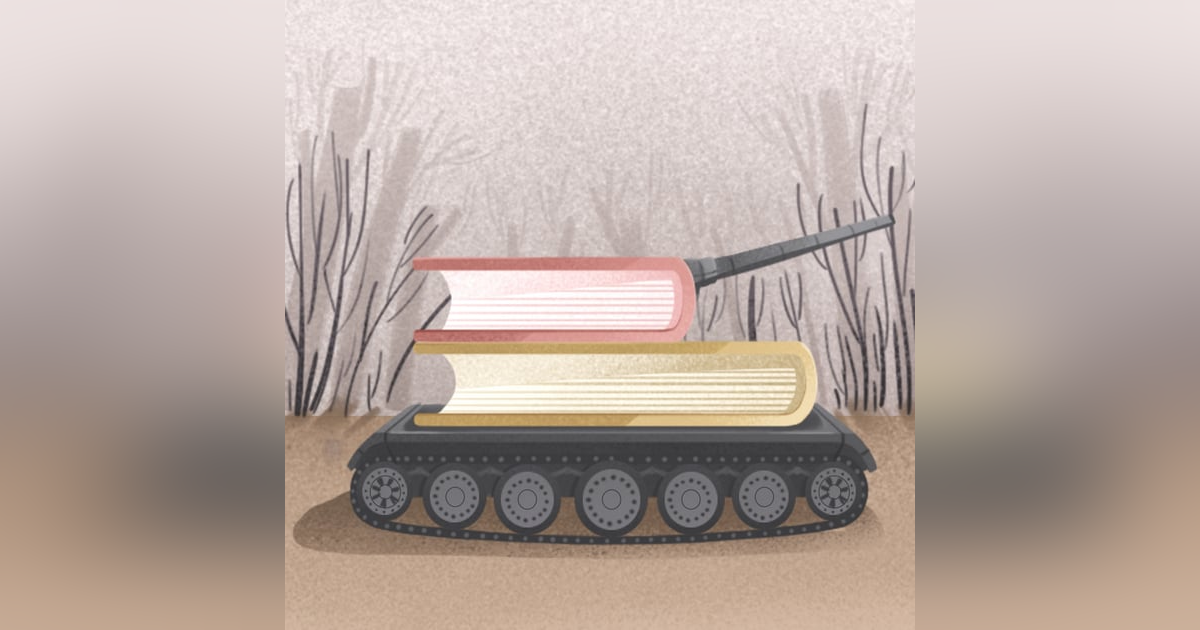
"When Books Went to War" by Molly Guptill Manning is a non-fiction book that explores the impact of books on American soldiers during World War II. The book focuses on the efforts of the Armed Services Editions, a program that mass-produced popular books and distributed them to soldiers serving overseas. Manning delves into how these books provided comfort, entertainment, and intellectual stimulation to soldiers during the war, contributing to their morale and emotional well-being. She also discusses the challenges faced by the program, such as censorship issues and the logistics of distributing books to millions of soldiers. Overall, the book sheds light on the power of literature during times of conflict and its ability to provide solace and escape in challenging circumstances.
Chapter 2 Is When Books Went to War Free Book A Good Book
Opinions on the quality of a book can vary from person to person. However, "When Books Went to War" by Molly Guptill Manning generally receives positive reviews. It explores the role of books during World War II and the impact they had on troops. Many readers find it to be an interesting and informative read. Ultimately, whether or not it is a good book depends on your personal interests and preferences.
Chapter 3 When Books Went to War Free Book by Molly Guptill Manning Summary
"When Books Went to War" by Molly Guptill Manning is a non-fiction book that tells the story of how books played a significant role in boosting the morale of American soldiers during World War II.
During the war, the US government and various organizations recognized the importance of reading material for soldiers serving overseas. They believed that books could provide solace, comfort, and intellectual stimulation to the troops, helping them cope with the difficulties of war. As a result, a massive effort was launched to collect, publish, and distribute books to soldiers.
Manning chronicles the creation and implementation of the Armed Services Editions (ASEs) program, which was responsible for producing lightweight paperback books specifically designed for military use. The ASEs were small-sized, waterproof, and could fit in a soldier's pocket. These books covered a wide range of genres, from classics to contemporary fiction, non-fiction, and self-help titles.
The book sheds light on the immense logistical challenges faced by the ASEs program, including sourcing books, printing, shipping, and distribution. Manning brings to life the stories of the people involved in this massive undertaking, such as librarians, publishers, and soldiers, through extensive research and interviews.
"When Books Went to War" also explores the impact of books on soldiers' lives. Manning emphasizes how books became a source of escapism and a way for soldiers to temporarily forget the hardships of war. Reading provided soldiers with a connection to home, intellectual stimulation, and a sense of normalcy. Additionally, books were often used as tools for education and training, helping soldiers acquire new skills and knowledge.
The book also touches upon the censorship and propaganda efforts during the war, as well as the effect of reading on soldiers' decision-making abilities and post-war reintegration into civilian life.
Overall, "When Books Went to War" tells the inspiring and little-known story of how books became an integral part of the American war effort during World War II. It highlights the power of literature to provide comfort, entertainment, and intellectual nourishment in times of strife and showcases the tremendous impact that books can have on individuals and society as a whole.
Chapter 4 When Books Went to War Free Book Author
Molly Guptill Manning is the author of the book "When Books Went to War: The Stories that Helped Us Win World War II," which explores the role of books in boosting morale and providing escapism for soldiers during the war. The book was released on October 23, 2014.
Apart from "When Books Went to War," Molly Guptill Manning has not written any other published books as of now. Therefore, "When Books Went to War" is her only known written work.
In terms of editions, the best edition of "When Books Went to War" would typically be the latest edition available. However, as of now, there is only one edition of the book, which is the original edition released in 2014.
Chapter 5 When Books Went to War Free Book Meaning & Theme
When Books Went to War Free Book Meaning
"When Books Went to War" by Molly Guptill Manning tells the story of how books played a vital role in boosting morale and providing comfort during World War II. The book explores the impact of the Armed Services Editions (ASEs) – small, lightweight, and durable books that were specially designed for soldiers – on the lives of servicemen and women.
The meaning of the book lies in the recognition of the power of literature to provide solace and a sense of normalcy in times of war. It also highlights the importance of intellectual engagement and the role of books in sustaining the spirit and mental well-being of soldiers.
Through various personal anecdotes and accounts, Manning portrays how books became a form of escapism for soldiers, transporting them to different worlds and offering respite from the harsh realities of war. The book also underscores the significance of literacy and education in enhancing the lives of servicemen and women.
Overall, "When Books Went to War" celebrates the transformative power of books and pays homage to the organizers, publishers, and authors who played a pivotal role in bringing literature to the frontlines, enriching the lives of those who served their countries during World War II.
When Books Went to War Free Book Theme
The main theme of Molly Guptill Manning's book "When Books Went to War" is the power of literature and the role it played in the lives of soldiers during World War II. The book explores how books provided comfort, entertainment, and escape for soldiers, helping to alleviate the harsh realities of war. It also highlights the efforts of the Armed Services Editions program, which distributed millions of pocket-sized books to soldiers overseas, enabling them to access literature even in the most challenging of circumstances. Overall, the book celebrates the transformative power of books and their ability to provide solace and hope amidst the chaos and turmoil of war.
Chapter 6 Other Accessible Resources
- The official website of the book: https://www.mollyguptillmanning.com/when-books-went-to-war
- Goodreads page for the book: https://www.goodreads.com/book/show/20821451-when-books-went-to-war
- 3. Amazon page for the book: https://www.amazon.com/When-Books-Went-War-Paperbacks/dp/1328497674
- Barnes & Noble page for the book: https://www.barnesandnoble.com/w/when-books-went-to-war-molly-guptill-manning/1119851702
- New York Times review of the book: https://www.nytimes.com/2014/11/16/books/review/when-books-went-to-war-and-war-at-letters.html
- NPR article about the book: https://www.npr.org/2014/12/01/367403785/how-america-s-soldiers-fought-an-enemy-many-didnt-know-they-had
- The Guardian article about the book: https://www.theguardian.com/books/2014/nov/07/when-books-went-to-war-paperbacks-ww2-molly-guptill-manning-review
- USA Today article about the book: https://www.usatoday.com/story/life/books/2014/12/06/when-books-went-to-war-paperbacks-from-hell/20012707/
- Historical novel society review of the book: https://historicalnovelsociety.org/reviews/when-books-went-to-war-the-stories-that-helped-us-win-world-war-ii
- Library Journal review of the book: https://www.libraryjournal.com/review/when-books-went-to-war-the-stories-that-helped-us-win-world-war-ii
Chapter 7 Quotes of When Books Went to War Free Book
When Books Went to War Free Book quotes as follows:
- "Books are our allies in times of darkness, our comforters in times of despair, and our teachers in times of uncertainty."
- "In war, books became a beacon of hope, reminding soldiers of the world they were fighting for and the beauty that still existed."
- "Books had the power to transport soldiers to another time and place, offering them a momentary escape from the horrors of war."
- "The act of reading became a form of resistance, allowing soldiers to hold onto their humanity and maintain their sanity."
- "Through books, soldiers were able to connect with the larger world, realizing they were not alone in their struggles."
- "The book became an essential tool for soldiers, providing information, entertainment, and a sense of purpose."
- "Books transformed the barracks into libraries, creating spaces for intellectual growth and camaraderie among the troops."
- "Books were not just a luxury; they were a necessity for soldiers, reminding them of the values they were fighting to protect."
- "The act of sharing books created a sense of community and unity among soldiers, giving them a shared language and common experiences."
- "Books became a symbol of resilience and hope, reminding soldiers that even in the darkest of times, the power of the written word could prevail."
Chapter 8 Similar Books Like When Books Went to War Free Book
- "The Book Thief" by Markus Zusak - This book offers a unique perspective on World War II, narrated by Death itself. Set in Germany, it follows Liesel Meminger as she discovers the power of words and their ability to both harm and heal during the war.
- "The Diary of a Young Girl" by Anne Frank - A haunting memoir that captures the experiences of Anne Frank, a Jewish girl hiding from the Nazis in Amsterdam. This powerful firsthand account showcases the resilience of the human spirit and the tragic impact of the war on innocent lives.
- "All the Light We Cannot See" by Anthony Doerr - Set in both France and Germany during World War II, this Pulitzer Prize-winning novel intertwines the stories of Marie-Laure, a blind French girl, and Werner, a German orphan recruited into the Nazi military. A beautifully written and emotionally gripping story that explores the power of bravery, compassion, and love amidst the chaos of war.
- "The Guernsey Literary and Potato Peel Pie Society" by Mary Ann Shaffer and Annie Barrows - This charming historical fiction novel is set in post World War II England. It follows the story of Juliet Ashton, an aspiring writer who receives a letter from a stranger living in Guernsey—the island occupied by Germans during the war. The correspondence leads to unexpected friendships, revealing the impact of literature and the resilience of human connection.
- "The Nightingale" by Kristin Hannah - Set in France during World War II, this gripping tale follows two sisters, Vianne and Isabelle, as they navigate the brutalities of war. Vianne's struggle to protect her family and Isabelle's involvement in the French Resistance shed light on the often-overlooked contributions of women during this period. "The Nightingale" is a moving and powerful story of sacrifice, survival, and the strength of the human spirit.
