
The Whole-Brain Child Free Book Review: A Comprehensive Summary


Chapter 1 What's The Whole-Brain Child Free Book by Daniel J. Siegel
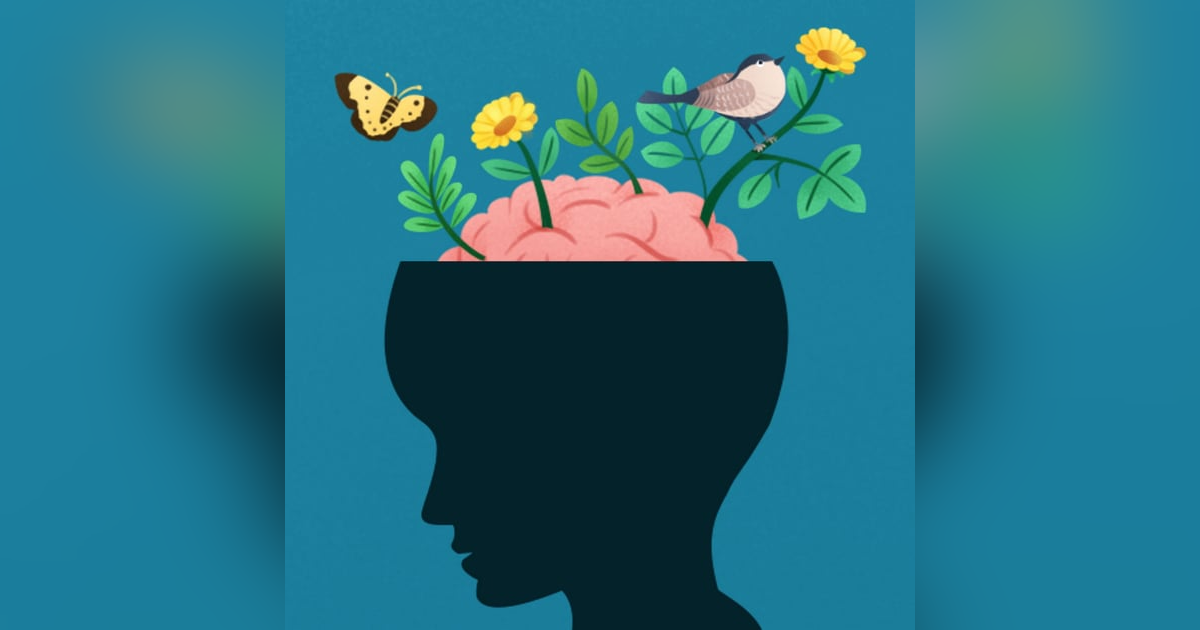
The Whole-Brain Child is a book written by Daniel J. Siegel, a clinical professor of psychiatry at the UCLA School of Medicine. It explores parenting strategies to help children develop emotional intelligence, resilience, and overall well-being. The book focuses on understanding how the brain develops and works in children, and offers practical tips and techniques to help parents navigate common challenges such as tantrums, power struggles, and meltdowns. It also emphasizes the importance of integrating both the logic-driven left hemisphere and the emotion-driven right hemisphere of the brain to promote healthy growth and optimal functioning. Overall, The Whole-Brain Child provides insights and strategies for parents to cultivate a balanced and connected approach to raising emotionally resilient children.
Chapter 2 Is The Whole-Brain Child Free Book A Good Book
Yes, "The Whole-Brain Child" by Daniel J. Siegel is generally considered a good book. It offers valuable insights into child development and provides practical strategies for fostering healthy brain development in children. The book combines scientific research with real-life examples, making it accessible and relatable to parents and caregivers. Many readers find it to be an informative and helpful resource for understanding and supporting their children's emotional and cognitive growth.
Chapter 3 The Whole-Brain Child Free Book by Daniel J. Siegel Summary
The Whole-Brain Child, written by Daniel J. Siegel, is a book that offers parents practical strategies and explanations for understanding and helping their children's emotional struggles and behavioral challenges. The book combines insights from neuroscience and psychology to provide a comprehensive approach to raising emotionally intelligent children.
The book begins by introducing the concept of the "upstairs" and "downstairs" brain. The upstairs brain represents the logical thinking and reasoning abilities, while the downstairs brain represents the instinctive and emotional reactions. Siegel explains that when children experience intense emotions, their downstairs brain becomes activated, and they are unable to access their upstairs brain for rational thinking. The book provides strategies for helping children integrate their lower and upper brains to promote balanced emotional development.
Siegel also discusses the importance of understanding and addressing "flipping lids," which refers to a child's inability to control their emotions and behaviors due to their downstairs brain overpowering their upstairs brain. The book provides tools and techniques that parents can use to create a safe and supportive environment for their children to learn self-regulation skills.
The Whole-Brain Child also delves into the importance of storytelling and narrative in promoting a child's emotional well-being. Siegel emphasizes the use of storytelling to help children make sense of their experiences and emotions, facilitating the integration of their thoughts and feelings.
Furthermore, the book explores the concept of "mindsight," which refers to the ability to perceive and understand one's own and others' internal worlds. Siegel provides exercises and activities for parents to develop their own mindsight and help their children develop empathy and self-awareness.
Overall, The Whole-Brain Child emphasizes the importance of nurturing a child's emotional intelligence and offers practical strategies for parents to guide their children's emotional development. It provides readers with a blend of scientific research and practical tips to help parents create a harmonious and emotionally resilient family environment.
Chapter 4 The Whole-Brain Child Free Book Author
Daniel J. Siegel is a clinical professor of psychiatry at the UCLA School of Medicine and the founding co-director of the Mindful Awareness Research Center at UCLA. He is also the executive director of the Mindsight Institute, an educational organization that focuses on the development of mindsight, which is a fundamental human capacity for empathy, insight, and integration.
"The Whole-Brain Child: 12 Revolutionary Strategies to Nurture Your Child's Developing Mind" is one of the books written by Daniel J. Siegel. It was co-authored with Tina Payne Bryson, a psychotherapist. This book was first published in 2011, with subsequent editions and translations.
Apart from "The Whole-Brain Child," Daniel J. Siegel has written several other books, focusing on various aspects of the brain, mind, and relationships. Some notable works include:
- "Mindsight: The New Science of Personal Transformation" (2010)
- "The Developing Mind: How Relationships and the Brain Interact to Shape Who We Are" (1999)
- "The Yes Brain: How to Cultivate Courage, Curiosity, and Resilience in Your Child" (2018)
- "Parenting from the Inside Out: How a Deeper Self-Understanding Can Help You Raise Children Who Thrive" (2003), co-authored with Mary Hartzell
In terms of editions, "The Whole-Brain Child" has been released in multiple versions, including hardcover, paperback, audiobook, and e-book. The best edition depends on personal preference and format preference.
Chapter 5 The Whole-Brain Child Free Book Meaning & Theme
The Whole-Brain Child Free Book Meaning
"The Whole-Brain Child" is a book written by Daniel J. Siegel and Tina Payne Bryson. It explores the science of brain development in children and offers practical strategies for parents and caregivers to understand and support their child's growth.
The book emphasizes the importance of integrating both the logical, rational left hemisphere of the brain, and the emotional, creative right hemisphere. Siegel argues that children need to develop their whole brain to regulate their emotions, form healthy attachments, and navigate challenges effectively.
"The Whole-Brain Child" introduces twelve key strategies that parents can apply in various situations to help their children develop integrated brains. These strategies include activities such as name it to tame it, which encourages children to identify and express their emotions verbally to promote emotional regulation, and connect and redirect, which emphasizes the importance of emotional connection before addressing behavioral issues.
Through providing science-backed information and practical advice, "The Whole-Brain Child" aims to empower parents and caregivers to nurture their child's brain development, enhance their emotional well-being, and strengthen their parent-child relationship. Ultimately, the book promotes a holistic approach to parenting that understands and supports the whole child.
The Whole-Brain Child Free Book Theme
The theme of the book "The Whole-Brain Child" by Daniel J. Siegel is the importance of understanding and nurturing the developing brain of children. The book explores how different parts of the brain work together and the impact of early experiences on brain development. It provides practical strategies for parents and caregivers to help children develop emotional intelligence, resilience, and healthy relationships. The overarching theme emphasizes the power of integrating communication and understanding between the right and left hemispheres of the brain for optimal child development.
Chapter 6 Other Accessible Resources
- eBook Websites: Websites like Amazon Kindle, Google Books, and Project Gutenberg offer free eBook versions of "The Whole-Brain Child" that can be accessed on various devices.
- Podcasts: Several podcast platforms, such as Apple Podcasts, Spotify, and Stitcher, offer episodes dedicated to discussing "The Whole-Brain Child" and its concepts. Examples include "The Parenting Junkie Show" and "Happier with Gretchen Rubin."
- YouTube: Many channels on YouTube have uploaded videos summarizing the main ideas and techniques from"The Whole-Brain Child"for free. Some recommended channels include "Psych2Go" and "Mindful Mamas."
- Online Articles: Various websites, such as Psychology Today and The Gottman Institute, have published articles related to "The Whole-Brain Child" and its strategies. These articles can be accessed for free by searching for the book's title along with relevant keywords.
- Audiobook Websites: Platforms like Librivox and Audiobooks.com provide free audio versions of "The Whole-Brain Child," allowing you to listen to the book's content without paying.
- Social Media: Search hashtags related to "The Whole-Brain Child" on social media platforms like Instagram, Twitter, and Facebook. This can lead you to free resources, such as quotes, tips, and discussions from people who have read or are familiar with the book.
- Online Forums and Support Groups: Participating in online forums or joining parenting support groups on platforms like Reddit or Facebook can provide you with free access to discussions and insights related to "The Whole-Brain Child."
- Online Blogs and Personal Websites: Bloggers and individuals passionate about parenting often write about "The Whole-Brain Child" on their personal websites. Exploring these blogs can provide you with free information and interpretations of the book.
- TED Talks: Daniel J. Siegel, the author of "The Whole-Brain Child," has given multiple TED Talks that touch upon the concepts covered in his book. These talks can be found for free on the official TED website or YouTube.
- Online Library Catalogs: Check your local or regional library's website to see if they offer online access to "The Whole-Brain Child" as an eBook or audiobook. Many libraries provide free digital borrowing services for their members.
Chapter 7 Quotes of The Whole-Brain Child Free Book
The Whole-Brain Child Free Book quotes as follows:
- "The whole-brain child is one that can successfully integrate the different parts of his or her brain, allowing for better emotional regulation, decision-making, and overall mental health."
- "Every time we meet a child’s needs, we are building their brain."
- "One of the best ways to help your child's brain develop is by engaging in playful interactions and allowing for creative expression."
- "Emotions are not the enemy of logic; they are an essential part of the thinking process."
- "When a child is upset, their rational brain is offline. It is vital to help them calm down before trying to engage in problem-solving or discipline."
- "By connecting with our child's emotions and validating their experiences, we can help them develop a sense of self-worth and emotional resilience."
- "Children need stable, loving relationships to develop healthy brain connections."
- "When we model healthy communication and conflict resolution skills, we teach our children how to develop strong emotional intelligence."
- "Sleep is crucial for brain development, emotional regulation, and overall well-being. Make sure your child gets enough rest."
- "Remember, a child's brain is still growing and developing. Be patient and understanding as they navigate the ups and downs of childhood."
Chapter 8 Similar Books Like The Whole-Brain Child Free Book
- "Educated: A Memoir" by Tara Westover
This captivating memoir follows the author's journey from growing up in a strict and abusive household in rural Idaho to eventually earning a PhD from Cambridge University. Westover's courage and resilience in pursuit of education offer a powerful exploration of the transformative power of knowledge and the importance of critical thinking.
- "Sapiens: A Brief History of Humankind" by Yuval Noah Harari
In this thought-provoking book, Harari takes readers on a captivating journey through the history of humankind, examining the key developments that shaped our species. From the Cognitive Revolution to the Agricultural Revolution, Harari offers a fresh perspective on the story of human evolution and prompts reflections on our present and future.
- "Becoming" by Michelle Obama
In this intimate and inspiring memoir, former First Lady Michelle Obama invites readers into her life, sharing her triumphs and challenges. Offering a unique perspective on grace, resilience, and the power of education, Obama's story is a testament to the transformative potential that lies within each of us.
- "Thinking, Fast and Slow" by Daniel Kahneman
Drawing on decades of research in psychology, Nobel laureate Daniel Kahneman delves into the human mind, exploring the two systems that drive our thought processes – the fast, intuitive system and the slow, deliberate system. Through compelling insights and real-world examples, Kahneman illuminates how our minds make decisions and reveals the cognitive biases that influence our judgments.
- "The Coddling of the American Mind" by Greg Lukianoff and Jonathan Haidt
In this eye-opening exploration, Lukianoff and Haidt examine the rising trend of "safetyism" and the impact it has on the mental well-being and intellectual development of young people. Drawing on psychological research and personal anecdotes, they present a compelling argument for the importance of embracing discomfort and engaging in critical thinking to foster resilience and intellectual growth.
