
The Happiness Curve Free Book: Unlocking the Secrets to Lifelong Fulfillment


Chapter 1 What's The Happiness Curve Free Book by Jonathan Rauch
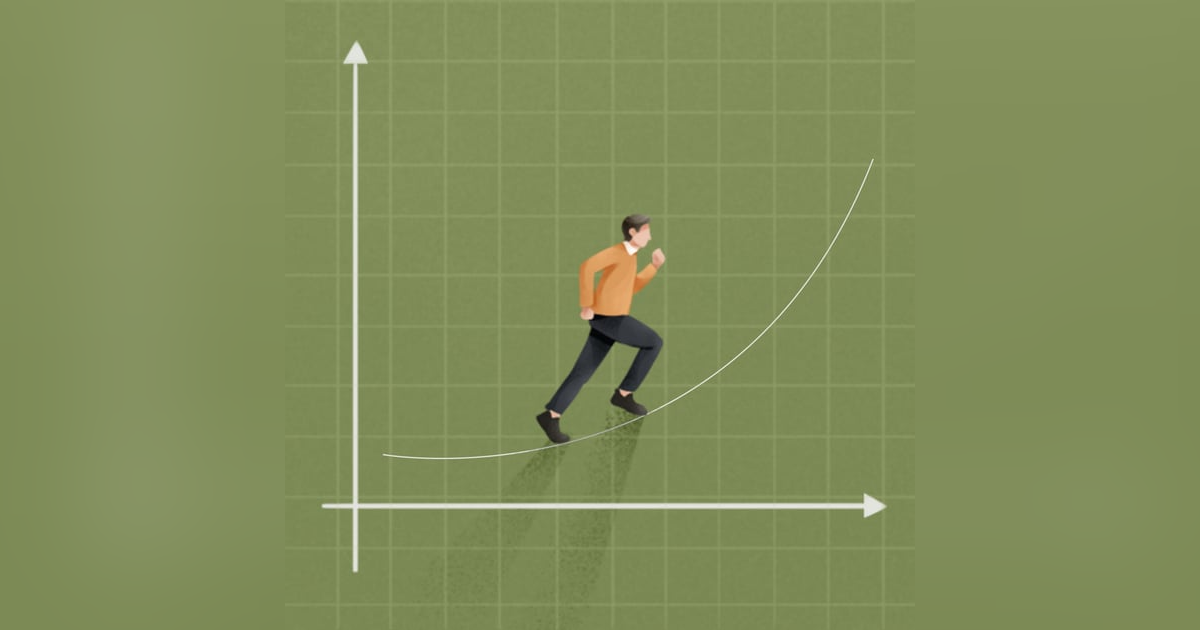
"The Happiness Curve: Why Life Gets Better After 50" is a non-fiction book written by Jonathan Rauch. It explores the science and psychology behind the U-shaped pattern of happiness throughout a person's life. The book suggests that happiness tends to decline in one's 20s and 30s, reaching its lowest point around midlife, and then gradually increases again after the age of 50. Rauch combines research from various fields such as neuroscience, economics, and psychology to explain why this curve exists and how it can be understood and navigated by individuals. He also explores the societal factors that contribute to the dip in happiness during midlife and offers strategies to improve well-being during that phase of life.
Chapter 2 Is The Happiness Curve Free Book A Good Book
"The Happiness Curve: Why Life Gets Better After 50" by Jonathan Rauch is generally well-received and has received positive reviews from readers and critics. It explores the idea that happiness tends to follow a U-shaped curve, with a dip in midlife followed by an increase as we age. Rauch offers thought-provoking insights and draws on various research and personal anecdotes to support his claims. If you are interested in understanding the science of happiness and how it relates to different stages of life, this book may be worth considering. However, I would recommend reading reviews, summaries, or excerpts to get a better sense of whether it aligns with your interests and expectations.
Chapter 3 The Happiness Curve Free Book by Jonathan Rauch Summary
The Happiness Curve, written by Jonathan Rauch, explores the concept of the happiness curve and how it affects people's lives as they age. The book provides an in-depth analysis of why happiness tends to decline in midlife and then increase again in later years.
Rauch begins by discussing the common assumption that happiness should be a constant state throughout life. He argues that this is not the case and that the happiness curve is a natural, universal phenomenon. He draws on numerous studies and interviews with individuals from various cultures and backgrounds to support his claims.
The author explains that the happiness curve typically follows a U-shape pattern, with happiness reaching its lowest point in the mid-40s or early 50s. This dip in happiness can be attributed to a combination of factors, including external circumstances such as career and family pressures, as well as internal factors like changes in brain chemistry and life evaluation.
However, Rauch suggests that this midlife slump is not permanent and that happiness levels tend to increase as individuals enter their later years. He explores several reasons for this, including a better understanding of personal goals and priorities, increased emotional resilience, and a sense of gratitude and acceptance.
Rauch also explores the role of social connections in happiness, emphasizing the importance of maintaining and nurturing relationships throughout life. He offers practical advice on how to cultivate and strengthen social ties, even in the midst of busy schedules and other obligations.
The book concludes by discussing the implications of the happiness curve for society as a whole. Rauch suggests that understanding and accepting the natural ebb and flow of happiness can lead to more realistic expectations and better overall well-being. He also proposes that society should create policies and support systems that acknowledge and address the challenges faced during midlife.
Overall, The Happiness Curve offers a fresh perspective on the concept of happiness, highlighting the natural fluctuations that occur throughout life. It provides valuable insights and actionable advice for individuals who may be navigating their own midlife struggles and seeking ways to improve their overall happiness and well-being.
Chapter 4 The Happiness Curve Free Book Author
Jonathan Rauch is a journalist, author, and a senior fellow at the Brookings Institution, a prominent think tank in Washington, D.C. He has written extensively on various topics including public policy, politics, and culture.
"The Happiness Curve: Why Life Gets Better After 50" is one of his notable books. Released in 2018, it explores the concept of a U-shaped happiness curve, where people tend to experience a dip in well-being in midlife but can regain happiness later in life. The book incorporates research from social science, economics, and psychology, providing insights into the trajectory of happiness throughout the lifespan.
Apart from "The Happiness Curve," some of Rauch's other books include:
- "Gay Marriage: Why It Is Good for Gays, Good for Straights, and Good for America" (2004): This book argues in favor of same-sex marriage and explores the benefits it brings to both the LGBTQ+ community and society as a whole. It was a groundbreaking publication on the topic.
- "Kindly Inquisitors: The New Attacks on Free Thought" (1993): In this book, Rauch defends the importance of free speech and critiques the rise of political correctness. It has been widely regarded as a significant work in the field of free speech advocacy.
While all of his books have received critical acclaim, "Kindly Inquisitors: The New Attacks on Free Thought" is often considered his best work in terms of editions. It has experienced multiple editions and continues to be widely read and discussed.
Please note that the availability and popularity of editions may vary, and opinions on the best book may differ among readers.
Chapter 5 The Happiness Curve Free Book Meaning & Theme
The Happiness Curve Free Book Meaning
"The Happiness Curve" is a book written by Jonathan Rauch, in which he explores the phenomenon of a U-shaped curve that depicts changes in happiness levels throughout a person's life. Rauch argues that people tend to experience a dip in happiness during midlife, commonly referred to as a "midlife crisis," before experiencing a rise in happiness in later years.
The book delves into the factors that contribute to the happiness curve, including social, biological, and psychological changes that occur during different stages of life. Rauch draws on research from various fields, such as psychology, neuroscience, and economics, to provide a comprehensive understanding of why happiness levels fluctuate over time.
One of the main themes of the book is the importance of understanding the natural fluctuations in happiness, as well as debunking the myth that happiness declines irreversibly with age. Rauch argues that midlife is a period of transition and self-reflection, in which people reassess their goals and values, often leading to increased happiness in later years.
Overall, "The Happiness Curve" aims to offer insights and strategies for navigating the challenges of midlife and finding renewed happiness and fulfillment in later stages of life. It provides hope for those experiencing midlife discontentment and encourages readers to embrace the changes that come with aging, emphasizing that happiness can be regained and even increase with age.
The Happiness Curve Free Book Theme
The theme of "The Happiness Curve" by Jonathan Rauch is the discovery and understanding of the happiness curve, which explores how happiness and life satisfaction tend to follow a U-shaped pattern throughout a person's life. The book examines the reasons behind this curve and offers insights and advice on how individuals can navigate and find happiness during different stages of their lives. It delves into the factors that contribute to the dip in happiness during midlife and offers strategies for overcoming it and rediscovering happiness in later years. The book also emphasizes the importance of social connections and finding purpose as key elements in increasing happiness and life satisfaction. Overall, the theme of the book is centered around understanding and finding ways to navigate the natural fluctuations in happiness that occur throughout a lifetime.
Chapter 6 Other Accessible Resources
- The Happiness Curve Free Book Website - The official website for the book, where you can access free resources, bonus content, and additional information about The Happiness Curve: http://www.thehappinesscurve.com/
- Jonathan Rauch's Website - Jonathan Rauch's personal website, which provides updates, articles, and resources related to The Happiness Curve: http://jonathanrauch.com/
- Amazon - The Happiness CurveFree Book page on Amazon, where you can find reviews, ratings, and additional information about the book: https://www.amazon.com/dp/B078SYNCLL
- Goodreads - The Happiness Curve Free Book page on Goodreads, where you can find reviews and discussions related to the book: https://www.goodreads.com/book/show/36563963-the-happiness-curve
- Twitter - Jonathan Rauch's official Twitter account, where he shares updates, quotes, and related resources about The Happiness Curve: https://twitter.com/jon_rauch
- Facebook - The Happiness Curve Facebook page, where you can find updates, discussions, and engaging content related to the book: https://www.facebook.com/thehappinesscurve/
- YouTube - Jonathan Rauch's YouTube channel, where he shares interviews, talks, and related videos discussing The Happiness Curve: https://www.youtube.com/channel/...
- Podcasts - Search for podcasts that have interviewed Jonathan Rauch or discussed The Happiness Curve. Some popular podcast platforms include Spotify, Apple Podcasts, and Google Podcasts.
- News Articles - Use news search engines like Google News or Bing News to find articles written about The Happiness Curve. Many media outlets have covered the book and Jonathan Rauch's research.
- Interviews and Talks - Look for video or audio interviews where Jonathan Rauch discusses The Happiness Curve. These can often be found on media platforms like TED Talks, podcasts, or major news websites.
Chapter 7 Quotes of The Happiness Curve Free Book
The Happiness Curve Free Book quotes as follows:
- "The happiness curve is a universal human experience. It is not a sign of personal failure or societal decline, but rather a natural and necessary adjustment to the challenges of midlife."
- "Society places too much emphasis on the pursuit of happiness, often leading to unrealistic expectations and chronic dissatisfaction."
- "Finding happiness in midlife requires a shift in perspective – learning to accept and embrace the inevitable ups and downs of life."
- "One of the key factors contributing to happiness in midlife is the cultivation of social connections and meaningful relationships."
- "Overcoming the happiness curve involves making intentional choices and implementing positive strategies to improve well-being."
- "Rather than constantly striving for happiness, it is important to find contentment and fulfillment in the present moment."
- "Cultivating gratitude and practicing mindfulness can significantly impact happiness levels in midlife and beyond."
- "The happiness curve is not a permanent state but a temporary phase, and it is possible to rediscover joy and purpose in later life."
- "Embracing vulnerability and being open to seeking support and guidance can help navigate the challenges of the happiness curve."
- "By reframing setbacks and failures as opportunities for growth and learning, we can emerge from the happiness curve with newfound wisdom and resilience."
Chapter 8 Similar Books Like The Happiness Curve Free Book
Book Recommendation:
- "Many Lives Many Masters" by Brian L. Weiss: Since you've already read this book, I would highly recommend it to others. Dr. Brian Weiss takes readers on a captivating journey into the realm of past-life regression therapy. Through his personal experiences with patients, he explores the notion of reincarnation, the healing power of past-life memories, and provides an enlightening glimpse into the spiritual dimensions of our existence.
- "Man's Search for Meaning" by Viktor E. Frankl: This profound memoir delves into Viktor Frankl's experiences as a Holocaust survivor and renowned psychiatrist. In this extraordinary work, Frankl explores the human capacity for finding meaning and purpose even in the most adverse circumstances. Providing valuable insights and techniques for personal growth and resilience, it is an essential read for anyone seeking to find greater fulfillment in life.
- "The Alchemist" by Paulo Coelho: This timeless allegorical tale tells the story of a young shepherd named Santiago on his quest for his personal legend. Filled with wisdom and enchanting storytelling, Coelho's masterpiece encourages readers to embrace their dreams, listen to their hearts, and pursue their destinies. It is a book that resonates deeply, inspiring readers to discover their own paths and live authentically.
- "Sapiens: A Brief History of Humankind" by Yuval Noah Harari: In this thought-provoking exploration of human history, Harari provides a compelling narrative on the evolution of our species. From the emergence of Homo sapiens to the formation of complex societies, Harari examines the key developments that have shaped the course of humanity. This insightful book challenges readers to rethink their perceptions of civilization, society, and our place in the world.
- "Quiet: The Power of Introverts in a World That Can't Stop Talking" by Susan Cain: In this insightful and empowering book, Susan Cain sheds light on the power of introverts and challenges the perception that extroversion is the ideal personality type. Drawing on extensive research and personal anecdotes, Cain explores the unique strengths of introverts and provides practical advice on embracing their inherent qualities. This book serves as a valuable resource, encouraging introverts to celebrate their true selves and inspiring others to appreciate their qualities.
