
Discovering Global Connections through Vermeer's Iconic Objects
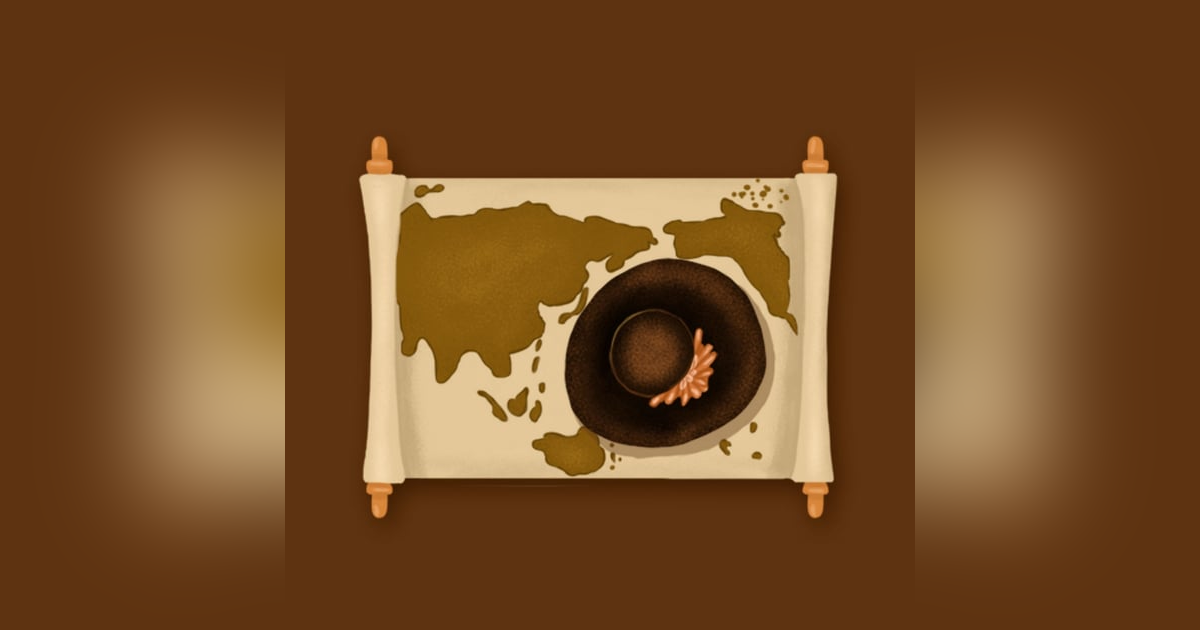


Chapter 1 What's Vermeer's Hat Free Book by Timothy Brook
"Vermeer's Hat: The Seventeenth Century and the Dawn of the Global World" is a book by historian Timothy Brook. It explores the global connections and exchanges that took place during the 17th century (also known as the Dutch Golden Age) through the examination of several of Johannes Vermeer's paintings. The book uses Vermeer's artworks as a starting point to delve into various aspects of the global world during that time, including trade, exploration, and cultural exchange. It provides insights into the interconnectedness of different regions and societies during this period, highlighting the influence of global forces on local societies and vice versa.
Chapter 2 Is Vermeer's Hat Free Book A Good Book
Yes, "Vermeer's Hat: The Seventeenth Century and the Dawn of the Global World" by Timothy Brook is generally considered to be a good book. It has received positive reviews for its engaging storytelling and exploration of the global connections in the 17th century, as seen through the paintings of Dutch artist Johannes Vermeer. The book delves into the cultural, economic, and political aspects of that time period, offering readers a unique perspective on the interconnectedness of the world.
Chapter 3 Vermeer's Hat Free Book by Timothy Brook Summary
"Vermeer's Hat: The Seventeenth Century and the Dawn of the Global World" is a book by Timothy Brook that explores the connections between the Dutch painter Johannes Vermeer and the global interactions of the 17th century. The book takes a closer look at Vermeer's paintings and delves into the historical context of the time period.
The book begins with the analysis of Vermeer's painting "Officer and Laughing Girl" and examines the various objects depicted in the painting to understand their significance. Brook uses these objects, such as the exotic Turkish carpet and the Chinese porcelain bowl, as a starting point to explore the global connections the Dutch Republic had during this time.
Throughout the book, Brook takes the reader on a journey through various locations, such as China, Japan, North America, and the Ottoman Empire, and explores the economic, political, and cultural exchanges that were happening between these regions and the Dutch Republic. He uncovers the impact of global trade routes, advancements in navigation, and the rise of capitalism on the interconnectedness of the world.
Brook also discusses the role of the Dutch East India Company and the Dutch West India Company in facilitating these global connections. He highlights the Dutch Republic's position as a major maritime power and the impact it had on the world during the 17th century.
Ultimately, "Vermeer's Hat" argues that Vermeer's paintings can be seen as windows into a wider global world. The objects depicted in his paintings were not just mere decorations but symbols of the global reach of the Dutch Republic and the connections it had with other parts of the world.
Overall, "Vermeer's Hat" offers a fascinating perspective on the global interactions of the 17th century and how they are reflected in the art of Johannes Vermeer. Through an exploration of Vermeer's paintings and the historical context of the time period, Timothy Brook provides valuable insights into the dawn of the modern global world.
Chapter 4 Vermeer's Hat Free Book Author
Timothy Brook is a well-known Canadian historian and sinologist. He was born on January 6, 1951, in Toronto, Canada. Brook received his Bachelor's degree from the University of Toronto and his Ph.D. from Harvard University.
One of Timothy Brook's notable works is the book "Vermeer's Hat: The Seventeenth Century and the Dawn of the Global World." It was first published in 2008 by Profile Books in the United Kingdom and by Bloomsbury Press in the United States. The book explores the global connections and cultural exchanges that took place during the 17th century through the lens of the artwork of the Dutch painter Johannes Vermeer.
Apart from "Vermeer's Hat," Timothy Brook has written several other books that contribute to the fields of history and sinology:
- "Quelling the People: The Military Suppression of the Beijing Democracy Movement." Published in 1998, it focuses on the 1989 Tiananmen Square protests in Beijing, China, and the subsequent military suppression.
- "The Confusions of Pleasure: Commerce and Culture in Ming China." Published in 1998, it examines the consumer culture of the Ming Dynasty in China.
- "Mr. Selden's Map of China: Decoding the Secrets of a Vanished Cartographer." Published in 2013, it delves into the exploration of China by the English lawyer and Oriental scholar John Selden.
These are just a few examples of Timothy Brook's extensive body of work. In terms of editions, it would be subjective to determine the "best" edition of his books. Different editions may vary in terms of additional content, revisions, or new introductions. It is recommended to refer to the latest edition or the edition that suits individual preferences.
Chapter 5 Vermeer's Hat Free Book Meaning & Theme
Vermeer's Hat Free Book Meaning
"Vermeer's Hat: The Seventeenth Century and the Dawn of the Global World" by Timothy Brook is a book that explores the connections between the paintings of Dutch artist Johannes Vermeer and the global trade networks of the 17th century. The book takes its title from a specific painting by Vermeer, "The Girl with a Pearl Earring," which features a woman wearing a fashionable hat that was likely made with beaver fur from North America.
The main argument of the book is that the Dutch Golden Age, represented in Vermeer's paintings, was intimately connected to the rise of global trade and the establishment of a global network of exchange. Through the analysis of various Vermeer paintings and the objects depicted in them, Timothy Brook uncovers the stories of the people and the goods that traveled across continents during this time period.
By examining the objects and backgrounds in Vermeer's paintings, such as a vivid blue and white Chinese porcelain bowl, a Turkish carpet, or a map, the reader gains insights into the impact of global trade on the daily lives of ordinary people living in the Dutch Republic. These objects serve as windows to explore the interconnected world of the 17th century and the economic, social, and cultural exchanges that made it possible.
The book highlights how the rise of global trade during this period shaped the development of the Dutch Republic as a leading economic and cultural power, as well as the lives of individuals involved in the trade. It also emphasizes the often overlooked role of non-European cultures and societies in these networks of exchange.
Overall, "Vermeer's Hat" is a book that explores the cultural exchanges and connections forged through the global trade networks of the 17th century, as witnessed through the lens of Vermeer's paintings. It seeks to shed light on the historical significance and meaning behind these connections and how they continue to shape our understanding of the world today.
Vermeer's Hat Free Book Theme
The main theme of "Vermeer's Hat" by Timothy Brook is the interconnectedness of the world during the 17th century, as depicted through the exploration of various objects and their global implications.
Throughout the book, Brook uses Johannes Vermeer's painting "Officer and Laughing Girl" as a starting point to examine various objects depicted in the painting and their significance beyond the Netherlands. Each object, such as a Chinese porcelain bowl, a Turkish carpet, or a silver coin, represents a different part of the world and serves as a catalyst for exploring the interconnections between different cultures and economies.
One of the main ideas the book explores is how these objects and the trade networks they represent shaped the global economy of the 17th century. Brook highlights the role of Dutch merchants and their extensive trade routes that linked Europe, Asia, and the Americas. He reveals the vast impact of this trade, from the exchange of goods to the movement of people and ideas.
Another theme in the book is the cultural exchange and cultural diffusion that occurred as a result of these trade networks. Brook explores how objects traveled across vast distances, bringing with them new ideas, technologies, and cultural practices. For example, the Chinese porcelain bowl in Vermeer's painting reveals the cultural fascination with exotic goods, as well as the Dutch influence on the global ceramics industry.
Additionally, the book explores the impact of colonization and empire-building during this period. Brook examines the role of European powers, particularly the Dutch, in establishing colonies and asserting their dominance over various regions. He explores the consequences of these actions on the indigenous populations, as well as the economic and geopolitical implications.
Overall, the main theme of "Vermeer's Hat" is the interconnectedness of the world during the 17th century, as evidenced by the global trade networks and cultural exchange. Through the exploration of various objects, Timothy Brook reveals the complexity of this interconnectedness and its impact on societies, economies, and cultures around the world.
Chapter 6 Other Accessible Resources
- Google Books: Vermeer's Hat can be accessed for free on Google Books. Users can read the full text of the book online or download it as a PDF.
- Gutenberg Project: Vermeer's Hat is also available for free on the Gutenberg Project website. Users can read the book online or download it in various formats.
- Open Library: Open Library provides free access to Vermeer's Hat in digital format. Users can borrow the book for a limited period or create an account to access it anytime.
- Internet Archive: Vermeer's Hat can be found on the Internet Archive, offering a free digital version of the book that can be read online or downloaded in various file formats.
- Librivox: Vermeer's Hat is available as a free audiobook on Librivox. Users can listen to the book online or download it in mp3 format.
- Project MUSE: Many universities and educational institutions have access to Vermeer's Hat on Project MUSE. Users affiliated with these institutions can read the book for free through their library's subscription.
- JSTOR: JSTOR offers access to Vermeer's Hat for users with a JSTOR account, which can be created for free. The book can be read online or downloaded from the platform.
- Academia.edu: Vermeer's Hat can be found on Academia.edu, where researchers and scholars often share their works. Users can access and download the book for free by creating an account.
- ResearchGate: Researchers and academics using ResearchGate may find Vermeer's Hat available for free download from other users who have uploaded the book. An account may be required to access the document.
- Public Libraries: Many public libraries have digital lending services, such as OverDrive or Libby, where users can borrow Vermeer's Hat as an ebook or audiobook for free with a library card.
Chapter 7 Quotes of Vermeer's Hat Free Book
Vermeer's Hat Free Book quotes as follows:
- "Vermeer's Hat tells the story of how six objects changed the world, revealing the global connections that shaped the modern world."
- "Vermeer's Hat is not just a book about art, but a fascinating exploration of the interconnectedness of different cultures and societies."
- "Through the examination of seemingly ordinary objects, Vermeer's Hat takes us on a journey across continents and centuries, illuminating the vast networks of trade and exchange that defined the early modern world."
- "Brook's meticulous research and engaging storytelling make Vermeer's Hat a captivating read for anyone interested in history, art, or the complexities of global interconnectedness."
- "Vermeer's Hat challenges our assumptions about the isolation of different cultures, showing how the world has always been interconnected, even in the age of exploration."
- "By focusing on specific objects, Vermeer's Hat allows us to see the larger patterns of global trade and cultural exchange that shaped the modern world."
- "Vermeer's Hat offers a fresh perspective on familiar historical events, showing how objects can reveal untold stories and shed light on forgotten connections."
- "Brook's ability to weave together multiple narratives and strands of history is masterful, making Vermeer's Hat a truly enlightening and thought-provoking read."
- "Vermeer's Hat serves as a reminder of the power of objects to transcend time and place, connecting us to the past and to different corners of the world."
- "Vermeer's Hat is a testament to the interconnectedness of human history and the ways in which objects can reveal the complexity of cultural exchange."
Chapter 8 Similar Books Like Vermeer's Hat Free Book
- "The Underground Railroad" by Colson Whitehead: This powerful novel follows the journey of Cora, a young slave who escapes her plantation and embarks on a treacherous odyssey towards freedom. Colson Whitehead masterfully blends historical events with elements of magical realism, creating a compelling narrative that explores the brutality of slavery and the resilience of the human spirit.
- "Educated" by Tara Westover: This memoir is a remarkable tale of self-discovery and triumph over adversity. Tara Westover chronicles her upbringing in a strict and abusive household in rural Idaho, where she was denied access to formal education. Despite the obstacles she faced, Westover eventually escapes her oppressive environment and goes on to earn a PhD from Cambridge University.
- "Sapiens:A Brief History of Humankind" by Yuval Noah Harari: In this thought-provoking book, Harari takes readers on a captivating journey through the history of our species. From the emergence of Homo sapiens to the development of complex societies, he explores the factors that have shaped human evolution and questions the future of our species in an increasingly interconnected world.
- "The Immortal Life of Henrietta Lacks" by Rebecca Skloot: This non-fiction book tells the compelling story of Henrietta Lacks, an African American woman whose cells were taken without her knowledge or consent, becoming the foundation for numerous medical breakthroughs. Skloot deftly delves into the ethical implications surrounding the use of Lacks' cells and sheds light on the injustices faced by marginalized communities in the field of medicine.
- "The Warmth of Other Suns: The Epic Story of America's Great Migration" by Isabel Wilkerson: Taking a departure from "Caste," Wilkerson's earlier work is a meticulously researched and deeply moving account of the Great Migration. Through the stories of three individuals who left the South for the North and West during the 20th century, Wilkerson paints a vivid picture of the social, economic, and political implications of this mass movement of African Americans. The book offers a profound exploration of racial tension, identity, and resilience in America.
