


Six Months, One Mission: What We Built Together + The Legacy of Our Children

 Apple Podcasts Apple Podcasts
  YouTube YouTube
  Spotify Spotify
  iHeartRadio iHeartRadio
  Amazon Music Amazon Music
  Overcast Overcast
  Castro Castro
  RSS Feed RSS Feed
  Deezer Deezer
  Gaana Gaana
  PlayerFM PlayerFM
  JioSaavn JioSaavn
  TuneIn TuneIn
  RadioPublic RadioPublic
  Audible Audible
  Castbox Castbox
  Pandora Pandora
  Podcast Addict Podcast Addict
  Spreaker Spreaker
  Podchaser Podchaser
 Key Takeaways
- Oryne Stewart Sr., producer from The Leon Thomas Group, joins host Deneen L. Garrett to celebrate the first six months of WOC Live in an unscripted, Mr. Rogers-style neighborhood format.
- The conversation shifts into an honest dialogue on modern parenting, addressing entitlement, financial literacy in the Apple Pay generation, and the difference between access and earning.
- Using physical cash instead of digital payments helps teach children the real value of a dollar and builds foundational financial discipline.
- Allowing children to fail forward—such as letting them experience natural consequences—is an essential act of love that fosters resilience and self-sufficiency.
- Five past guests surprise-joined the live broadcast from locations around the globe, including Portugal, Copenhagen, and a college campus in Miami.
Six Months, One Mission: What We Built Together + The Legacy of Our Children with Oryne Stewart Sr.
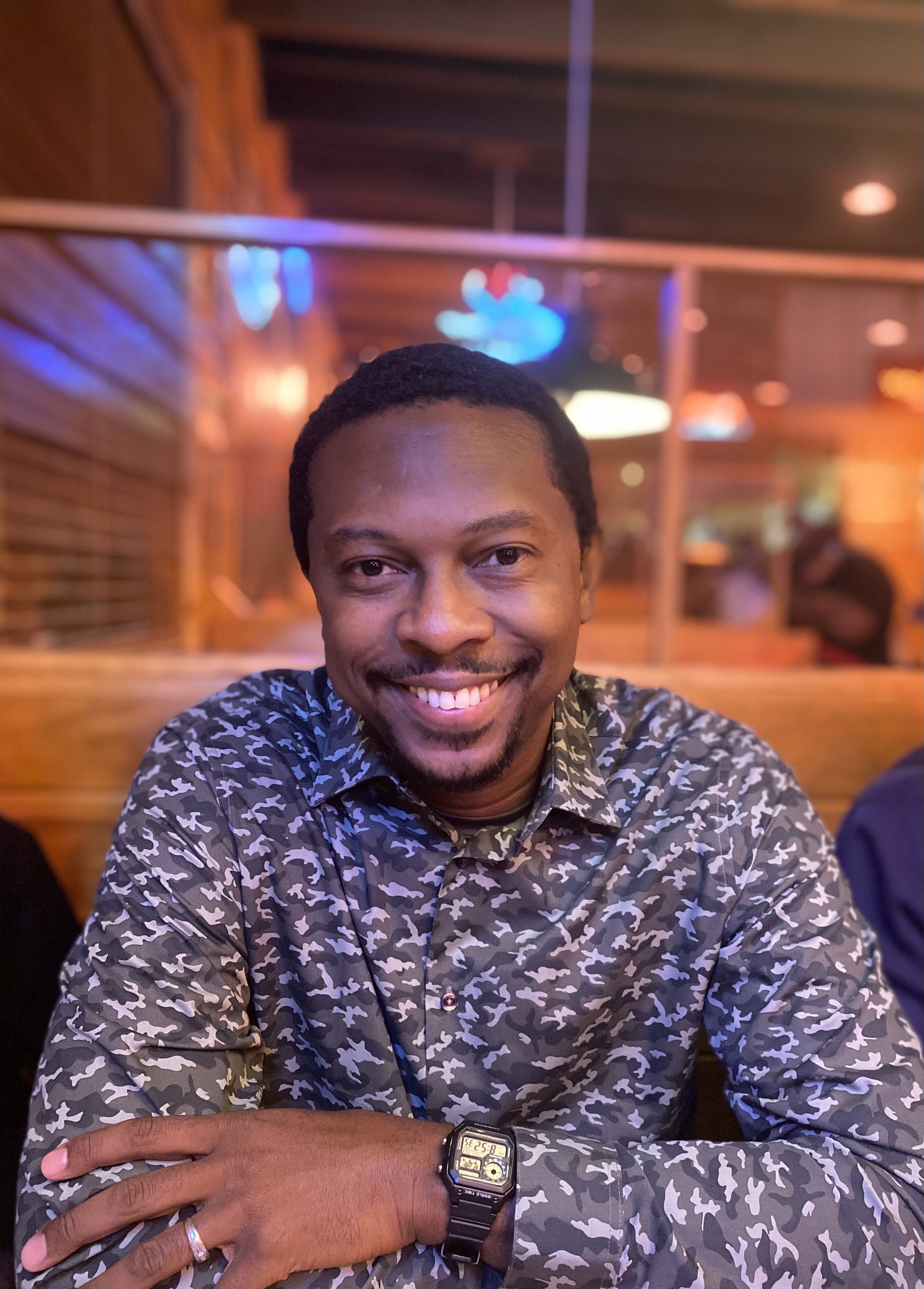
Oryne Stewart Sr., producer from The Leon Thomas Group, joins Deneen L. Garrett to close out the first six months of WOC Live — freestyling through the season, unscripted, Mr. Rogers-style, as guests from the WOC Live neighborhood popped in throughout the hour.
Deneen and Oryne reflect on what WOC Live set out to build back in March versus what it's become, then shift into an unplanned but overdue conversation about parenting — sparked by May guest Violette Omotosho — digging into entitlement, financial literacy in the Apple Pay generation, access versus earning, and why letting kids fail is a form of love. Along the way, five past guests surprise-joined the live show: Santana Inniss (calling in from Portugal), Dr. Connie Y. Bell, Nicole Seabrooks (mid-celebration for her twins' 17th birthday), Tanya Spencer (calling in from Copenhagen), and RIMIDI (mid-relocation on a Miami Dade College campus).
In This Episode
- Six months, one mission: what WOC Live set out to build vs. what it became
- Parenting in the entitlement era — money, access, and the generational pendulum
- Why cash (not Apple Pay) teaches kids the real value of a dollar
- Letting kids fail forward — from Richard Branson's forest test to "become a resource, not the source"
- Five past guests surprise-join live, calling in from Portugal, Copenhagen, and a college campus mid-move
- A tease: something big is coming for WOC Live before the next season
Guests Who Joined Live
- Santana Inniss — Founder & Executive Director, The Glow Initiative (Glowi) | glowi.org | Guest Profile
- Dr. Connie Y. Bell — Transformation & Operations Executive; Founder, Beyond the Bell Collective™ | Guest Profile | LinkedIn | Instagram: @divamom2u
- Nicole Seabrooks | Guest Profile
- Tanya Spencer — Speaker, Bad-Asshery | Guest Profile | fckbeingstuck.com | YouTube: @fckbeingstuckcoaching
- RIMIDI | Guest Profile
Join the Movement The Dream Lifestyle™️ Collective is our weekly newsletter for Black women 50+ who are ready to dream boldly, decide intentionally, and drive their vision → deneenlgarrett.com
Women of Color: An Intimate Conversation is a Top 20 Women's Empowerment Podcast, ranked in the Top 5% of 4M+ podcasts worldwide, with 200+ episodes and counting.
Subscribe · Leave a Review · Share with a woman who needs this today.
Host: Deneen L. Garrett is a Cultural Alchemist and Media Architect helping Black women 50+ dream boldly, decide intentionally, and drive their vision. Catch WOC Live every Thursday at 1PM ET on YouTube @DeneenLGarrett. Learn more at deneenlgarrett.com.
September episodes are TBTs.
Frequently Asked Questions
Who is Oryne Stewart Sr. and what role does he play in this episode?
Oryne Stewart Sr. is a producer from The Leon Thomas Group who co-hosts this unscripted episode alongside Deneen L. Garrett to celebrate the first six months of WOC Live.
What parenting topics are discussed by Deneen L. Garrett and Oryne Stewart Sr.?
The hosts discuss modern parenting challenges, including entitlement, financial literacy for the Apple Pay generation, the importance of teaching kids the value of cash, and why letting children fail forward is crucial.
Which past guests made surprise appearances during the live show?
Five past guests surprise-joined the broadcast: Santana Inniss, Dr. Connie Y. Bell, Nicole Seabrooks, Tanya Spencer, and RIMIDI, calling in from various locations including Portugal and Copenhagen.
What is WOC Live?
WOC Live is a weekly live show hosted by Deneen L. Garrett every Thursday at 1 PM ET on YouTube, centering Black women and Women of Color through intimate, empowering conversations.
Swell AI Transcript: f1c653ba-0764-481d-8928-5cf8602da03e-original.mp4
00:00 00:56 Deneen L. Garrett:
And one man, one mission. And today, we close out in celebration with a twist. Stay tuned to find out. Let's go. All right, so today, my producer from the Leon Thomas Group, Oren Stewart Sr., and I are closing out the first six months freestyling, sharing our thoughts and talking parenting. We're doing it Mr. Rogers style, so keep an eye out. Seven guests from the Women of Color Live! neighborhood have been invited, so we'll see who pops in. So welcome to Women of Color Live, the live version of Women of Color, an intimate conversation, a top 20 women's empowerment podcast. Oren, let's get it going.
01:00 01:00 Oryne Stewart Sr.: All righty.
01:00 01:01 Deneen L. Garrett: Hey, hey.
01:01 01:02 Oryne Stewart Sr.: How are you?
01:02 01:04 Deneen L. Garrett: I'm good. How are you?
01:04 01:06 Oryne Stewart Sr.: I'm doing well. I'm doing well. Good to see you.
01:06 01:15 Deneen L. Garrett: No, good to see you. And thank you so much for your contribution for these six plus months. You have been keeping us going and it's been an amazing journey.
01:16 01:19 Oryne Stewart Sr.: It's a pleasure. It is a pleasure. I appreciate it. It's a joy working with you.
01:20 01:28 Deneen L. Garrett: Oh, I appreciate that so much. And so, hey, you're on the screen. So we want to hear from you. We want to hear your thoughts. How has the experience been for you?
01:29 02:56 Oryne Stewart Sr.: It's been amazing. Like you mentioned before, you and I get a chance to chat post-show. We speak with your guests for a minute. But even when they leave, you and I chat for a second. And I really have to give you kudos because so much of your planning and preparation well before record time, go live time, It shows, you know, I think I was mentioning to you before I love the fact that you are one who has a script right you're able to follow the script stick to the script. And the question that you set up for your guests are really really good, you know, I love it when they are. taking back and they're like, huh, I like that question. Let me think on that for a second. That's always great. Right. You're getting your Oprah on type of thing. You know what I mean? So it's a plus, but no, it's been a joy, uh, working with you, you know, here at the Leon Thomas group, me as a freelancer working with Leon, um, it's really been, uh, a blessing because to be able to see more people cross our path and we'd be able to help them bring their dreams to reality and really be able to put themselves in a position to engage in conversation with others, but really inspire. So your show, I would say, is an inspiration for many. As I tell you all the time, I'm taking notes. Me having a house full of women and a couple guys. I have three daughters and for my wife. So it's a whole lot going on over here. So it really helps out to be able to gain some pointers from a lot of the women that you have on your show. And it's inspiring.
02:57 03:19 Deneen L. Garrett: And I love that. I love that. Because you know what? That's exactly what we're here for, right? We center and empower women of color. We also have a free newsletter built specifically for Black Women 50+, the Dream Lifestyle Collective. So for you to say that, and you're not the targeted audience, means a lot. It means a great deal. And it lets me know that I'm doing something a little right. So thank you.
03:19 03:36 Oryne Stewart Sr.: Yes, indeed. You sure are. You sure are. And I think, hold on. I heard a- Uh-oh. Is that a doorbell? Yeah, it is a doorbell. I think we have some guests here for us. OK. Who do we have here? We have Dr. Connie here. We have Nicole Seabrooks, both of us. OK. What am I supposed to do? Bring everybody on.
03:36 03:38 Deneen L. Garrett: Yeah, why not? It's a party.
03:38 03:40 Oryne Stewart Sr.: It is. It is. Yes, indeed.
03:41 03:44 Nicole Seabrooks: Hey. Hey, ladies. Hey.
03:44 03:45 Oryne Stewart Sr.: Hello, hello, hello.
03:45 04:04 Nicole Seabrooks: How are you? I just wanted to pop on. I told you I wasn't going to not pop on. It's my kid's birthday, so I'm in the middle of festivities, but I wanted to pop on and just say thank you so much for having this platform and allowing us to be on it. You do great work, and I hope you continue to do this great work.
04:05 04:20 Deneen L. Garrett: Aw, thank you so much. And that means a lot, because as she said, her twins turned 17. And so they're celebrating today. But she thought enough of me and the platform to show up. So I appreciate you, Nicole. And tell the babies, happy, happy birthday.
04:20 04:22 Oryne Stewart Sr.: I will.
04:22 04:25 Deneen L. Garrett: Thank you so much. Good to see you, too. Thanks for stopping by.
04:26 04:26 Oryne Stewart Sr.: All righty.
04:27 04:45 Deneen L. Garrett: And I have to shout out Dr. Connie as well, because she moved some things around to be here. So, I mean, you don't know how much that means to me, right? That is huge for you to take your time. First of all, you're working. And then moving some personal things around, I mean, that's huge.
04:46 05:23 Dr. Connie Brooks: Thank you. I had to show up and say congratulations to the Women of Color podcast. What an incredible milestone. You have a powerful platform here that amplified voices, experiences, leadership, and I would say the brilliance of women of color. So may you continue. creating meaningful conversations, inspiring others, and building a community where we feel like we're seen, heard, valued, and empowered. I just wish you the best, and I hope the podcast continues to grow and impact success, as well as keep using your voice specifically to educate, elevate, and inspire us.
05:24 06:16 Deneen L. Garrett: Thank you so much. And you know what? I actually do have something huge. That's about to pop off. Um, won't be able to share today, but for those who are watching, no, sorry, but for those who are watching, you gotta make sure, you know, keep following me so you can find out what's going on, but it is huge. It is really taking things to the next level because Dr. Connie, we're not just celebrating six months. I'm celebrating six plus years of being a podcaster, having a podcast, And to see it go on to the different levels that it's gone to, right? And like I said, this next level is huge. And my word for this year has been expectancy. And I've said from the beginning, I'm expecting the unprecedented and the unexpected and it's happening. Those things are happening and it's beautiful. And I thank you for being a part of it. You're welcome.
06:16 07:21 Dr. Connie Brooks: I wouldn't be anywhere else but here with you, my girl. I really, you know, I look at the women of color podcast. I think it represents something bigger than simply like producing episodes. Like what I see is it, value is in creating like a dedicated platform for women of color. We can tell our stories, share expertise, discuss leadership and entrepreneurship, which I really love, and address experience that, you know, that may be receive a limited audience. But like you said, now you're expanding this audience because we don't have just women here. We have here as well. Right. And, you know, what really stands out about this particular podcast and what has been able to to accomplish in terms of visibility, voice, community, again, providing that space for women to be recognized, not only for what they've overcome, but for what they know, how they lead, how they create and contribute. So I think that distinction matters. And I just appreciate, again, you having this platform and allowing me to be a part of it.
07:22 08:40 Deneen L. Garrett: Oh, thank you. That means a lot. And so Orin had mentioned something earlier. He said something about getting my Oprah on. And what I love about that is it actually relates to when this started. Like, Dr. Connie, I don't know if you know, but it started as a panel. So I had created a panel for Out and Equal when we were, you know, where we used to be, where we both retired from, when I was in diversity and inclusion for one of my segments. And year two, you know, the room was full. The fire marshal probably wanted to close us down because we had people sitting on the floor, standing against the wall. And I said, I'm like, you know, I'm about to get my Oprah on or whatever. So for him to say that, he didn't know, right? He wasn't there. So here we go. And you're putting it out there, right? You're putting it out in the universe for this to even go bigger and greater and swell and do all the things, Dr. Kanye, that you said that this does, which you recognize on what you recognize for it as well. And you share with your family members, right? You got a notebook that you're keeping notes in because that's what I did it for. That's why I'm doing it right. And I'm locked in on growing it and making sure that it's impacting as many people as possible.
08:40 08:53 Dr. Connie Brooks: Well, I'm locked in too, so I'd be like stalking you on LinkedIn and everywhere else. And I'm like, where is she today? Who is she talking to? And what can I get out of this message? Yes. I'm totally locked in.
08:53 09:09 Deneen L. Garrett: Oh, and I'm so glad you are getting something out of it, right? Because I mean, we talked about your book last time and learning a lot about you, what you're doing, the moves that you're making, right? So I'm learning from you as well. Oh, I hear another comment.
09:09 09:10 Tanya Spencer: What's going on?
09:10 09:29 Deneen L. Garrett: Wait a minute. Those who are watching, tap in. Drop a comment. Let us know you're out there because we want to respond to you. We want you part of the celebration because that's what we're doing today. We're teaching because we're always teaching. and empowering, and we're also having fun and celebrating. So who we got now?
09:29 09:30 Oryne Stewart Sr.: We have Santana's in here with us.
09:30 09:41 Deneen L. Garrett: Oh, Santana's back. OK, so I have to say this, right? So Santana gets the first person award because she actually showed up first. And we had to put her out like, girl, I'm back.
09:45 09:46 Santanna Innis: I was early.
09:46 10:34 Deneen L. Garrett: He was. He was. And we love that, right? We love that for my sister, who is tapping in from Portugal, y'all. So again, these women, yes, she is tapping in. And I love it because we're not just in the US. We're global. This podcast is global. So as a matter of fact, I received something from one of the numerous podcast sources a top, like we'll just say within a top 80 in, where was it? Philippines. And then, um, one other country. And I forget now we've been global for a long time, but for this company to send an email to, to point out that, Hey, you're in the top four in this country, in these two countries. So that's, that, that means a lot. That's huge. We're all over.
10:36 10:40 Santanna Innis: Well, don't let me interrupt. I want to hear what you were talking about with Dr. Connie. We go way back.
10:40 10:41 null: Yeah. Yes.
10:41 10:42 Deneen L. Garrett: Good Lord, we do go way back.
10:44 10:48 Dr. Connie Brooks: 2010, around 2010, 2011, we've known each other.
11:02 11:34 Deneen L. Garrett: And so that's beautiful. And so, Santana, this is your third appearance. Dr. Connie, you're the second, OK? My alumni, OK? So this is Santana's third appearance. Do you have a punch card? Yes, so you can get rewards. Yes, let me work on that. WOC, real quick. All right, so Santana, so you're still in Portugal. OK, you're still holding down, and we love that. So tell us about your, why did you show up today?
11:36 13:07 Santanna Innis: I showed up because I have big love for you, Deneen. And this podcast and this space, I think for listeners that are, you know, if you're watching this video or you're tuning in on a podcast streaming platform, and you might be wondering, is Deneen the way that she seems on the podcast in real life? And the answer is yes. Danine is good peeps. So I so value not only the community that you build here, but I think also knowing that we share the value of collaboration and community and mutual support. I know if I need something, I'd be like, yo, Dane, and you know, if you need something, you can reach out to me. And so that mutual support, we're just maximizing our joint hustles. And sometimes they overlap, sometimes they don't. But I think that's part of the real beauty of this space in this community that you create. It's built in your image and I think there's a lot of stuff on the internet where you see creators get really big and then you hear some kind of scandal. They're not the way they seem. That's not going on here. So that's what made me show up. You sent an email like 50 seconds ago. I was like, yes, drop the link to this. I'll roll through.
13:09 13:19 Deneen L. Garrett: And you know what? She's right. It was a last minute thing. The idea just came to me the other day. And I'm like, hey, let's do this. And so we see who showed up for us so far.
13:20 13:37 Dr. Connie Brooks: Well, I think a lot of us do have a deep, deep, deep love for women of color podcasts. And that's because we know you and what you personally have put into this platform. So I think the opportunities that you give women in terms of information is phenomenal.
13:38 16:34 Deneen L. Garrett: Oh, and so I have to shout out Favor, who is checking in from Nigeria. So like I said, we're global, honey. And then Favor is a male. So look, again, impacting not just women, right? We're impacting men as well. And I love to see that. And Favor has been rocking with me for a minute as well. And Santana, he loves your vibes. And you are right. I love it. And so, you know, okay, so I want to say that. So last week we had Rachel Pierre on and Rachel has a company, um, in basically her company helps French speaking, um, executives, people in corporate to be able to communicate better with folks who are in French speaking countries, they're doing business. Right. And so she helped me to understand some of the, so Santana, you know, we talk about, um, language as well because they speak Portuguese in Portugal. And so when Santana was on his last time, we were kind of talking and I shared how I learned, I had, I thought that this, I don't know how we would call it, but I thought that this, I'll just say a format or a way of saying something. I thought it followed Spanish rules. Right. And so Obrigada is thank you. And Spanish, when you're saying certain words, if you're speaking to a woman, you add an A. If you're speaking to a man, it's an O. And pretty much most words are with O because patriarchy mask, all of that, right? So, but I learned after maybe saying obrigada and try to figure it out for like the fifth, sixth time, someone told me, oh no, as a woman, it's always, ah, obrigada. So with the A on the end. So I learned that, right? And so, I bring it up because when speaking with Rachel, she also helped me to understand the difference between, or that there is a difference between speaking a language and being bilingual. And I'm like, well, girl, what's the difference? And so the difference is, and my understanding from it, and oh, you can tap in as well, but my understanding from what she said is, when you're bilingual, it's just automatic. It's here. You've locked it in. You've done the things to lock it in, whereas when you're speaking it, you do what I do, which is, OK, now how do I say this? What's that sentence? You're just speaking that language. You're not bilingual. I committed to signing up for a course in Spanish, not to learn, not a Spanish speaking course, but a dance course. So I'm looking for, in Metro Detroit, I'm looking for a dance course, and she suggested bachata, but I'm looking for an instructor who teaches it in Spanish. So, like I said, I'm learning as well, right, from you all, so yeah. I love that.
16:34 16:35 Oryne Stewart Sr.: That was good what she mentioned. Yep.
16:36 16:46 Deneen L. Garrett: So Tana, tell us a little bit about what you're going on. Because as you said, you reach out for support, and you tagged me in on something on LinkedIn the other day. Share with us a little bit about that.
16:47 19:57 Santanna Innis: Yeah, thank you. So right now is Black Philanthropy Month. A lot of people don't know that. Yeah. Obviously, there's not a lot of representation, or you don't at least see it in the, in the same ways that you might see other folks of other ethnic backgrounds show up in certain spaces in the nonprofit sector. So I run and founded a nonprofit called Glowy, which is working to eradicate the coaching access gap for marginalized women and the nonprofits that serve them. So nonprofits in the US are having a hard time generally, all the anti-DEI stuff that's going on, budget cuts, federal funding cuts, all that jazz. So Glowy is a nonprofit that serves other nonprofits. So we'll go in and we'll provide coaching programs to staff and to constituents. For staff, this is critical, lifeline, capacity building. A lot of the nonprofits that we work with report feeling more resourced, less close to burnout, more energy, more ability to show up and sustain and be in the work that they're doing. Yeah, so right now is Black Philanthropy Month. It's every August. It was started to bring awareness to folks that are either, you know, Black-run, Black-owned, Black-benefiting nonprofit organizations or philanthropic missions. So that could be, you know, Black funder collectives, for example. But right now, because I'm Black, Glowy is featured in the Black List, which is a list of Black-run, Black-owned, or Black-benefiting nonprofit organizations. So if you're thinking like, wow, I would really love to support a Black-owned, Black-benefiting, or Black-run nonprofit organization of any kind, You can go to thebackblackmovement.org, and O put that up, or Denine put that up, some links to share, to see. Glowy is one of them, and our fundraising platform is actually matching, 5% match. So every donation, they're kicking in an extra 5%. that comes through for any folks that are on the blacklist and that platform. So that's kind of what the post was about, how much nonprofits are struggling, especially those serving marginalized communities because of the attacks on DEI, how difficult it is for all of us to get funding. Yes, Glowy, but lots of other black-owned, black-run, or black-benefiting nonprofits in the month of August.
19:57 20:13 Deneen L. Garrett: Well, thank you for sharing that because I had never heard of Black Philanthropy Month until this month. Dr. Connie, had you heard of it before? Nope, not at all. This is my first time, so thank you for educating me. Right? That's what I'm saying. Okay, so let's see. I heard another bell. Who else we got?
20:13 20:15 Oryne Stewart Sr.: It should be. Tonya's with us. Let me bring on the screen.
20:18 20:27 Deneen L. Garrett: Hi. Hi. Okay, so I'm laughing because we have another international checking in. Tanya is checking in from Copenhagen.
20:28 20:29 Dr. Connie Brooks: Wow.
20:32 20:33 Deneen L. Garrett: Hello, hello.
20:34 20:39 Tanya Spencer: Good evening to our middle of the day or wherever you are in the world.
20:40 21:03 Deneen L. Garrett: Right, exactly. So you and Santana are evening because she's in Portugal. And the rest of us, we're 1 o'clock, 12 o'clock, middle of the day. Middle of the day. All right, so Dr. Connie, thank you, Tanya, for tapping in. And we'll come back to you. But Dr. Connie, what's been going on with Beyond the Bell Collective?
21:04 21:53 Dr. Connie Brooks: So right now, we're working on a series. It's called Shades Beyond the Boardroom. And so it represents my own evolution, like taking experiences in leadership, business, scholarship, entrepreneurship, and life. period and having conversations with women about not what comes after your title, what comes, we talked about this before on your earlier podcast, what's beyond your title, your position or your accomplishments. So who are you beyond the boardroom and what's your next move and what purpose and what's your legacy? So the idea is to have this series of conversations podcasts like meetings or webinars, and then we're going to end with an in-person event in Vegas at the end of September, where we will build our legacy blueprint. And so that's what we're working on right now.
21:54 22:24 Deneen L. Garrett: Very nice. OK, I love it. I love it. All right. So again, those who are watching, tap in. We want to hear from you. Yes, it's even in Nigeria as well. So Faber has tapped in. And Faber and I have connected. So here's the power of social media, right? Actually, I think the power of social media has impacted me and Tanya for sure. That's how we connected on LinkedIn. Faber, we connected on LinkedIn. Santana, I'm not sure where we first connected, but was it social media?
22:24 22:26 Santanna Innis: I pitched you.
22:26 22:27 Deneen L. Garrett: You did what, girl?
22:28 22:30 Santanna Innis: I pitched you. I sent you a colon pitch.
22:31 23:25 Deneen L. Garrett: You let me on your podcast. I love it. Here you are. And again, third time. OK, three feet. Three people are Santana, all right? And so we have Dr. Connie, we have Tanya. So this is their second appearance. Again, they're all alumni. But OK, the other reason why I was laughing when Tanya popped on is because of what Tanya has, her business, what she has going on, bad ashery. So in her coaching, blunt being stuck. So you can add in the blank from the beginning of what that might be. fck yes i love it so tanya tell us what's been going on with that lately or anything you want to share with us oh actually when i came to
23:26 24:55 Tanya Spencer: talk about was, yeah, our meeting. And just the whole thing that, you know, as women leaders, we want to, oh, let's strategize and let's plan and let's bump, bump, bump, and everything has to go in order and everything. And sometimes you just have to just walk into a room with openness. So in How We Met, we, in another leader's post, we're resonating and commenting on each other's comments and then we connected and we've been in Facebook groups together and you know and all this and through an evolution but it wasn't planned it wasn't strategized it was an openness to Just what I would call a soul heart openness. It doesn't always have to be so cut and dry, which is good. I'm not going against cut and dry. But sometimes you just need to be open and have your heart open and your soul open and things will come out of it. Not by timetable. by a higher timetable. And that's, you know, I think that's beautiful. So I just wanted to add that to the conversation. I appreciate that.
24:57 26:15 Deneen L. Garrett: Yeah, I definitely appreciate that. And so there is a little bit of a interference. Tanya, there's like some static choppy, but I did pretty much hear what you were saying. And what you were pretty much saying how things are organic, how we We connect with one another. You and I, in particular, we're on LinkedIn. We're commenting. We're in Facebook groups. And it just becomes a relationship, which is pretty much what this is about. And that's what I love about my alumni. And that's why I continue to reach out to you all. It's not like I'm a relational person, relationships. When I was incorporated, someone has said, oh, you're a networker, queen of networking. No, not networking. relationship building because it's about a relationship. It's not transactional for me. It's about just staying connected right over the years, whatever. However, we can just be connected. Hey, how you doing? What's going on? You know, Santana pretty much said that again. Dr Connie, you know, we've known each other. We met in corporate space and look where we are now. Tanya, you're on the other side of the world and we are here together because it's a sisterhood. We're looking out for one another. We have each other's backs. We're in community and social media helped us to be able to do that.
26:18 26:32 Dr. Connie Brooks: It does. I love what you've talked about, like networking, because I think from my perspective, I think networking might get you into the room, but relationships determine what happens after you're in the room. So I think specifying relationships as more critical, I think that's important.
26:33 28:25 Deneen L. Garrett: Yeah, absolutely. And then, and I will say this again, I wasn't one, I was kind of like anti-networking because it's not transactional for me. Now, mind you, transactions will come up when you have relationships, right? That's part of it as well. But it's not that I'm not connecting with you just because I want something in return. And for me, that's how I kind of view networking. Now, I will say networking does have a purpose because sometimes it is just a transaction. So everything does have a place, and it all depends on what you're trying to accomplish. But still, I'm going to lead with a relationship, right? When I go places, meet people like, OK, I was in Martha's Vineyard a few weeks ago. And let me tell you, Black people, be there in August if you ever want to go. You were going off, because I'm going off all the time. Maybe after 4th of July to the beginning of September. But let me tell you, it was such a beautiful thing. We were hey, hi, I mean, just constantly. And I shared this with some women. And I've said it in different settings and before. It's like, we all have been in spaces where it's only a few of us. And I'm like, hi, and you might get that, like, hi. And I'm like, girl, it's only three of us, like, hello. And so I started thinking, but on Martha's Vineyard, it was nothing at all. Everybody was like, hey, hi, all of that, right? It was just so much love. And I thought about it. I'm like, well, it may be less about us individually and more about the space that we're in. During that time on Mother's Vineyard, we felt safe. We were amongst our people. So we were comfortable to say hey to one another. Whereas in other spaces, sometimes folks are like, well, I don't know. I don't want nobody to think this and the other about me. So I don't know, girl, you on your own. I don't know. But that's just my perception. I want to jump in. Yes.
28:26 29:37 Tanya Spencer: If I'm not too staticky. Because what I was talking about before was that what you're bringing and what you are deciding how I'm showing up in any space. What's the attitude? What am I giving to this space? And then it will meet you back. Not 100% all the time, but if you're coming with a lot of attitude like this, then you cannot be surprised what the universe and other people will give you back. If you're snarky, And me, we will come back. And then what do you do? You go back to your friends and your family and be like, we talked about what you brought. And you need to be responsible how you show up. So then it's also something that I decide. I decide to come with openness. I decide to be responsible for how I show up. And then if someone gets at it, How do I want to be known? How do I want to see myself in the mirror when I'm done at the end of the day?
29:48 29:49 Deneen L. Garrett: Absolutely.
29:49 29:51 Santanna Innis: And I mean what you're saying, right?
29:51 31:02 Deneen L. Garrett: Absolutely correct. It is about how you want to show up. It's how you want people to know you. And it always is you, right? And everything we talk about, like every episode that we've had a conversation, whatever we were talking about, it all boils down to you. what you want for yourself, how you want to show up for yourself. Yes, show up those ways that you want and you cannot be responsible for how a person reacts to you. It is about how you show up, right? And so, you know, the scenario that I gave, I showed up like, hey, hi, like, Y'all know how I am. Like, hey, how you doing? I wasn't getting that back. So there is going to be times where you will give that, right? And you won't get it back. And you know what? And it's OK. You just keep it moving, which is what I did. I just kept it moving, right? Because we talk about tables. We talk about rooms. Not every table is meant for us. Not every room is meant for us. And that's OK, right? It could be saving us from something, right? So it might have been great that those women didn't necessarily embrace me in those scenarios, because maybe I didn't want to be around them anyway. And it made room for these people over here who actually wanted me in the room at the table.
31:03 31:42 Dr. Connie Brooks: But I think you're very right. One thing you have to be is very intentional about how you want to show up in these spaces. When I think about entering a room, I don't want to enter a room simply thinking about what I need to be met or to gain. But I also want to say, what am I bringing into the spaces? Am I bringing value into these spaces? Am I creating connections? Because I think some of us come into the spaces very closed off. And like you said, it's transactional. It's like, what can I get? What can I have? What can I have? Versus also balancing that and what presence, what your presence will contribute to someone else in that room.
31:43 31:48 Deneen L. Garrett: Absolutely. So we're going to say goodbye to Santana. Thank you so much for popping in.
31:48 31:49 Oryne Stewart Sr.: Good to see you.
31:49 31:51 Deneen L. Garrett: Thank you for having me. Three keys.
31:52 31:55 Oryne Stewart Sr.: Take care.
31:56 33:11 Deneen L. Garrett: I love it. I love it. I love it. All right. Let's see. I'm just so excited. It's a wonderful day, right? It's a good time. We're celebrating one another, sharing what we have going on. So we can kind of shift into parenting. So that's something that Orin and I had planned to discuss. And it came up when we had Violet. So Violet was a guest. Violet might have been in, oh, Violet was definitely in May, right? Because that was our mother month. And Tanya, I think I mentioned Violet to you because you, I think, were part of June. And I mentioned Violet because Violet I didn't know this until that time, until the conversation. She was born and raised in Sweden. Her family is from Uganda. So I knew she was Ugandan, and I met her in Toronto. I didn't know her being born in Sweden. So that was another element that I learned. And I just love that, right? It's just beautiful. We're everywhere. We show up. We're everywhere. And we move around. And then I'm reflecting with the languages. I'm like, OK, well, she speaks at least three languages, possibly four. We didn't get into that. But I mean, Sweden and then England. Or no, did she say they speak English? Actually, I don't know.
33:11 33:19 Oryne Stewart Sr.: She didn't speak on that. I just know she was mentioning about Swedish and then since moving to Canada, then Uganda. Yeah. Yeah.
33:19 33:28 Deneen L. Garrett: Okay. Okay. I just know she was saying how she wanted something that was somewhat similar to Sweden and that's why she chose Canada.
33:28 33:29 Santanna Innis: Yeah.
33:29 34:37 Deneen L. Garrett: So that was it. But anyway, she is a mother and she was talking about how, you know, taking her kids and how that was important as well as where she chose to move to. And so that prompted Oren to say, hey, you know what? We started talking about parenting. And I'm like, you know what? Let's do an episode where we kind of talk about parenting. So we're going to kind of jump into that. And I'm going to lead it off with while I was on Martha's Vineyard, there was a conversation. And it was some parents saying how our kids are entitled. And so they're talking about, I think it would be Gen Z, because in their 20s, and they were talking about how they're entitled. This mom was saying how with her son, like he thinks he knows everything. And so that's kind of like what the conversation was about. And what I threw out there is I'm like, you know what? Our kids, we gave to our kids without expecting anything in return or they didn't earn it. Right. So us, a lot of us who have kids in their 20s, we gave to them as opposed to them actually earning that thing. So we can start there.
34:38 35:49 Dr. Connie Brooks: So when you talk about our kids being entitled, woo. And so I think for me, I'm seeing it more in the brands than in the money. But there's a little bit of spark there in the kids as well. But you also have to think about what we created for them. Because at least in my generation, many of us worked really, really hard. Because we wanted our kids to have opportunities, comfort, access to things that we didn't have access to, or we didn't have opportunities for. But sometimes in trying to make their lives better, we unintentionally removed some of the struggle that taught us resilience, gratitude, and responsibility. So I think the question is, why are they entitled? Or maybe it's also like, you know, how do we get them to, our children to be more without allowing them to put like a value on it? So like, we can, how would you get them to do more, right? But value less, right? Cause they, right now they, it's nothing like for one of my grandsons to text me and say, Nana, can I have these shoes? And then I go look, I'm like 300 something dollars. I still don't buy myself $300,000.
35:49 35:55 Santanna Innis: It's the audacity, right?
35:56 36:30 Deneen L. Garrett: No, and you know what? And I'm going to say this, here's another reason why they don't is because they're not dealing with cash. We're not giving them $20 and you know, you hand somebody $20 once it's gone, it's gone. They don't know that. Right. Cause they're using the car. Yeah. The phone, whatever they're using means that are like beyond that. So they don't really know like, Oh, I can't afford that per se. Right. Cause I get that credit card and a credit card has a limit. So they just continue to spend, spend, spend. So that's another thing as well. They don't have cash to be able to understand the value of money.
36:30 37:02 Dr. Connie Brooks: So they have no sense of financial literacy at all. My grandson is seven. So they were here. They come here after school and stay till my daughter comes and get them. So she came and we were sitting there talking and I guess he was ready to go. And he says, I'm going to take your keys and I'm going to leave. And I was like, well, you can't drive. And he was like, yeah, I just need to take my mom's keys. He said, I'm going to go to Walmart. They love Walmart. He said, I'm going to go to Walmart. And I said, well, you don't have any money. He said, well, I'm just going to take her phone and use Apple Pay.
37:03 37:05 Santanna Innis: Yeah, yeah.
37:05 37:50 Dr. Connie Brooks: It's like you're seven, what do you know about Apple Pay? It's like, like you said, they have no idea what cash is. The second part of that is that, you know, there was a time in my life where I didn't treat money, I didn't, I call it respecting money. And I can't remember who has a program, but there's a financial literacy program. And to get you back on track, they recommend that you take X amount of money and you put it in cash and you put it in Apple Pay. And you spend only from the envelope. And when it's over, it's over. But that's extremely helpful. Getting me back on to financial track, right? And so because like seeing that having to be, it's like, oh my God, it's almost, it's only five more dollars in there. You will curve your spending, right? You reduce it based on what you have available. They have no idea what's there. They don't care. Nope.
37:51 38:39 Deneen L. Garrett: Nope. Yeah, they think it's infinite. And it reminds me of, and I don't know if you remember when Ralph de la Vega, you know, years ago when he's talking about when the phones just, you know, the iPads and all that first came out. Yeah. And like swiping stuff. And I think his nieces or nephews, something about, they went, they were trying to use the microwave and the, and the kids wanted to swipe it, but it is. That's just an example, pretty much. We're not specific to finances, but it's still an example of how they've been raised, what they've been raised on. It's like what we put in front of them, what we gave them access to, how we're raising them. That's how they think things are supposed to act and function.
38:39 38:41 Oryne Stewart Sr.: I want to just jump in.
38:43 40:07 Tanya Spencer: To say the obvious, that every generation is a reaction to the generation that's before. Raising our son, we're like, oh, bubble wrap, bubble wrap, bubble wrap. Because my generation got spanked through that bubble. There was no bubble wrap, and I got spanked. other extreme of like, oh, do not speak to your child, do not raise your voice to your child, provide, you know, Like, coming from an impoverished kiddo background, no, we gotta make sure that, you know, my kid is in boarding school right now in Denmark. I mean, it sounds worse than it is, but like, it's still boarding school, right? Like, and so, like, almost like the pendulum went from, you know, oh, from being spanked to like, here, you can never suffer, you will never suffer, you will have all the money, you know, And my child also now is just cause his dad all the time, like a couple of times a week. It was like, I mean, you know, $10, $20. He uses a bottle of shampoo per shower. I talk, I talk about that at my house all the time. They run through, uh,
40:14 44:21 Oryne Stewart Sr.: What do you call it? Uh, yes, they run through those things. Yeah. You know, if I could chime in the one word that I like to say that I think that the generations of today lack is awareness and it goes back to, um, and I always for shock value, I use the term, I say our generation failed in parenting, but here's what I mean when I say that. Uh, and I think Dr. Connie, you were talking about it. Um, and also like you said, more to your grandchildren, it's where we were in the knee. You said it, we reward them. without anything that they've actually put forth an effort to earn it. Now, mind you, not in a form of where they have to do something to get it, but we just automatically give it to them, where, I'll just say my generation, raised in the 70s and the 80s, and then a little bit into the 90s, it was where you didn't even think to ask your parent, let alone your grandparent, like Dr. Connie, you said, for a $300 pair of shoes. You either had to go cut some grass, you had to do something to earn it. So the generations of today, you know, for my wife and I, we're raising, and I can't say raising, Majority of them are upwards to 20 plus at this stage of the game, but that entitlement is something that where the expectation of whatever I want automatically is just is they think that it should be as soon as they want it versus it's where no, doesn't work like that. I say to my wife all the time, you know, where we're on the fifth kid, but each one of our kids, we've given a car. I always tell her, nobody bought me a car, you know, you know, her grandfather gave her a car. But I say, when it comes to the more children that you have, what will you think about? What does that look like in regards to positioning them that you're not setting them up? putting them up for a sense or form of failure by them having no idea of what does it really take to earn, you know, what does hard work look like, what does failure look like, what is, what really comes from, or either how do we obtain successes by bumping our heads, stumping our toe, meaning like, you know, metaphorically speaking, this generation, as soon as they have any sense or form of adversity, not all, I always say not all, not all, but many, They fold. I mean, I think about, I have three kids that are in college. How many times, they don't call me, they know, because I'm going to give it to them a different way. But my wife's phone rings daily throughout the night, mom this, this didn't work. And I'm saying to myself, whenever I get a chance to talk to them one on one, I say, stop calling your mother. Figure it out. Try first. Become your first. Move us to a place of becoming a resource, not the source. I always say God is the source. We are resources. So if we don't understand that, if we don't move ourselves out of the way of being their source, you know, for some when you're not there anymore, then what? So if they don't figure out how to do some things for themselves, I think about it in regards to in the next 10, 15 years where technology is moving. so fast on the yearly basis, what will they know to do for themselves? How will they know to think, process, go back to the word awareness? It's kind of scary when you think about it. So when you say your grandson is seven, if automatically he thought, I'm taking my mom's keys. I'm going to Walmart. You're like, where are you going, my man? He's like, I'm going to Walmart. What are you going to get? Oh, you don't have any money. Oh, yes, I do. I got my mom's phone. Autopay. You know, to think about how quick he was answering your questions, it shows that he's already processed that. It already makes total sense to him. But we know it from a different angle of saying, yo, man, it doesn't work that way. Now, mind you. To him, it does. But it's a component that I think that we have missed in teaching that it doesn't happen so automatic. So when they get to an age of where they have to really figure it out, like my first. I'll say it this way, my oldest daughter just moved out a couple of weeks ago. And I'm excited for her for the fact that she now has to figure out how much things cost. You know? That everything now costs. Your lights, your water, all of those things. You cannot just come in the house and leave lights on. You know, you just can't. All of those type of things. Shower gel is what I was thinking about, Tonya, when you were talking about shampoo. They run through some shower gel in here. I say to myself, how in the world is it that you go through shower gels just in a two, three.
44:21 44:22 Dr. Connie Brooks: They're not paying for it.
44:22 44:30 Oryne Stewart Sr.: I was going to say they're not paying for it. They have to pay for certain things. They don't know.
44:31 44:52 Dr. Connie Brooks: I was thinking when you said awareness, so part of it is, you know, the, the awareness in terms of their lack of awareness and what the real is, their awareness and what's what's available or what standards are. So when when I was growing up, my worldview view was my block, because we couldn't go off the block. You can talk about right now they have Facebook.
44:52 44:53 Santanna Innis: Oh, yeah.
44:54 45:22 Dr. Connie Brooks: So their worldview, their awareness of what's available out there is way bigger than anything that we've experienced or I've experienced in my life. That adds to that complexity of, you don't know anything about money, but now you know everything about what's available to you. I don't need money to get there. My mama doesn't need money or my daddy doesn't need money. I just need access to it.
45:23 46:01 Oryne Stewart Sr.: I just need access. If we can all chime in on that. That access component is what into dr. Connie when you said about awareness awareness does look different to them, but it's the access I'll speak for myself. I could have never thought that my mother or father's Account, money, pocket, wallet, purse. I had access to it whenever I wanted to. It would have never crossed my mind. You know what I mean? Like if it was something that I wanted, I just wanted it. I had to wait around till my birthday. I had to wait around till Christmas. But for them, it was literally you had to wait, or either you had to go figure it out. You had to say, you know what?
46:01 46:27 Dr. Connie Brooks: Like on my good grade or something like that. You had to do something for it. You had to do something. You owned it. You owned it. Absolutely. So I know that Dr. Connie and Tanya, they're going to have to hop off. I do, but I just want to, again, just wish you just great success. I just am loving what you're doing with Women of Color Live. And I just want to say keep doing it because you are blessing a whole bunch of women and men out there.
46:28 46:31 Deneen L. Garrett: Thank you. Good to see you, take care.
46:32 46:46 Tanya Spencer: Dr. Connie said it so well. So yes, I'm very much agreeing and I'm feeling blessed that I've had a chance to meet you and be here with you and with the both of you. And yeah, thank you so much for everything that you're doing.
46:47 46:47 Oryne Stewart Sr.: Yes, ma'am.
46:47 46:49 Deneen L. Garrett: Thank you. Thank you for being here.
46:49 46:51 Oryne Stewart Sr.: Good to see you, take care.
46:51 46:57 Deneen L. Garrett: All right. So I thought Dr. Connie was going to say that he was about to call an Uber or Lyft, because they do that.
46:58 46:59 Oryne Stewart Sr.: Yes, they do. Yes, they do.
46:59 47:02 Deneen L. Garrett: So he doesn't know about that just yet. He doesn't have an account yet.
47:03 48:04 Oryne Stewart Sr.: What you know is funny, though. Look, but when you say doesn't have an account yet, that's the interesting thing. We are now giving out kids, and they can have access to it. Pass a bank account, Cash App, Zelle, right? They have their own accounts of where to them, they do think about it from a standpoint of saying, I have money, I have resources, and I love the fact that you touched on access. Access is what for this young person of today, they think about it in regards to your money is my money. You know what I mean? Like whatever you have, I have. Versus I love how Shaquille O'Neal always says, I'm rich, not y'all. He says in reference to his kids, I'm the one that has the money. He says, y'all not. You don't even have access to what it is that I have until you come home with a degree, so to speak. So those are the things that where if we don't recognize it, and begin to make some adjustments, I would say. I don't know what the future is going to look like, because they're definitely not thinking about it in regards to working for it in the same way that we had to.
48:05 48:44 Deneen L. Garrett: But you know what? Okay. So here's the deal. So we have to, we have to own it because we did that. And I think you were saying how, right. And I think you were saying how you with the different generations, because they also were saying how, well, my parents, they, this, they, that yes. Then we decided we don't want our kids to have to go through what we went through. So we just gave, give, give, give, give, give, right. And at the same time, they still are paying attention. We still are teaching them some things, right? I mean, those things are happening. An example that I had given, and this is my, and I said, they're always paying attention, right? And I, in the woman, she was talking about her son. I said, there's going to be a day when your son is going to step up and do something that shows you, oh, he was paying attention.
48:45 48:50 Oryne Stewart Sr.: Yeah, that's so true. Can you speak on that? If you don't mind, speak on that a little bit in regards to with you and your son?
48:51 49:46 Deneen L. Garrett: Yeah, absolutely. So my son, actually, he was younger. I think he was in elementary school at the time. And I was preparing for a promotion. And so with my son being a single mom, I share in him, this is what I'm doing. I want x, y, z. This is what I'm doing to get there. I would talk him through the things that I would do. And so I was working on this promotion. I picked him up, and I showed him. I said, oh, I had this cartoon created for my interview tomorrow. So the interview, I had to do a presentation. And so I took it a step further, and I had this cartoon created. And the cartoon had three different scenarios that were in alignment with what I was presenting on. So I showed it to him. He's like, you know what? I guess you do have to put in the work to get what you want. So he recognized that then. And I'm not saying that he necessarily from that point on.
49:46 51:05 Oryne Stewart Sr.: That's big, though. That's very, very huge. Let's touch on this for a second. For him to articulate it, for him to be able to speak to what it was that he locked in, and he noticed it. Now, mind you, it registered for whatever age and stage he was at in life at that time. But that was a seed planted. And he was able to articulate it to you as his mom, saying, I see you. I see what you're doing. I see what it requires. And I will assume whatever it is that he's doing now at whatever age he's at, you probably can see it now, thinking back to that moment of application, so to speak, you know, even if it's small I think sometimes we have to pay attention and I actually have to kind of put myself out there a little bit. I sometimes forget to pay attention to the little things of where my kids or my, my young adults are, are making strides. My wife has to remind me sometime that, uh, and I, and I look, look, as I hate to want to give a props on this, but I will say like, give them a break a little bit because they're finding their way. Cause sometimes it's not that I'm expecting them to understand it the way that I understood through my experiences, but then let's be real, you know, lived experience. Sometimes we are thinking, you know, where, where, where is your grind? Where was your hustle? But like you said, they have ways of where they let us know if we pay attention. And I love the fact that you said he pointed that out at what you said he was in elementary school.
51:05 51:07 Deneen L. Garrett: That's big.
51:07 51:07 Oryne Stewart Sr.: That's big.
51:08 52:59 Deneen L. Garrett: That was big. And so, you know, you said like what he's doing today. And so here's another thing that's interesting too, about what he's doing, what he's doing today. He was like a seed planted still back then. Actually before then, he was younger when we were living in Las Vegas. So I moved to Las Vegas because I had always wanted to be in events, right? And I may have shared this on one of the episodes, but they used to have a Budweiser Superfest in Detroit, right? And it went to different places. Yeah. And I'm like, oh man, I want to do this. I didn't know what it was. Right. I just know I wanted to do that. I wanted to be in the midst of that. And so at some point I'm like, okay, it's events. It's like event planning. So what better place to go for events than Las Vegas? Right. So moving to Las Vegas was still with my company, but then I had the opportunity to volunteer with our volunteer organization. And so with the volunteer organization, I started doing the things that I wanted to do as an event planner. Um, and we ended up going to Boston for the 100 year anniversary of the telecom organization. Right. And, um, and they talked about, well, when we came back, my son said he wanted to create a, uh, design a, um, a park. And I'm like, okay, cool. And I mean, he even started like sketching the park out, blah, blah, blah. But fast forward, at another event, that's exactly what they were gonna do. Wow. Create a park, right? But we weren't there at that time, but I shared all that with him. But fast forward to today, my son got a degree in event planning. So in hospitality, tourism, event planning, from a seed that I planted back then, again, he probably was about seven.
53:00 53:16 Oryne Stewart Sr.: Yeah. Yeah. Right. We are such our children's first teachers, uh, good and bad. Right. But, but if to kind of speak to that, you know, and I'm talking about more out there, first teachers by what they see, you know, we all, I mean, what's the old saying, you know, we're going to follow what we see, not only what you tell us to say.
53:16 53:17 Deneen L. Garrett: Yes, yes, yes.
53:18 54:40 Oryne Stewart Sr.: So for you to share that and, and, and salute to your son, because to believe that things are possible, that sometimes aren't just your regular nine to five and the only way. And I love that. And I'm glad we touched on that today, because I was actually going to ask you that question, tying it into Violet, in reference to what had you to move to Vegas. So thank you for sharing that without you even knowing that was going to be a question I wanted to ask you. Because those are those moments where when our children get older, they have ways of where they'll mention to us something that they recognize that we did, that they were kind of along for the ride. but that we'll see it in their life and in their lived experience to say, wow, okay, good and bad, but that is a good one right there where he was able to recognize, wow, mom believed in herself and she stepped out on faith and she really tested the waters to see if it was something that she could do. And I love the fact that you mentioned, you just saw something that was like, I wanna do it. That goes back to whatever age you were, that was still the kid in you that believed and had an imagination That I think sometimes as adults, we lose it, right? We forget that we can still dream. We forget that we can still believe. Using your term, but we know it's a Nike, just do it just like you have your podcast. We have to really believe in ourselves and believe that we have things that are obtainable. And I just want to say this real quick. What we have to stop doing is measuring them next to someone else.
54:41 54:42 Deneen L. Garrett: Oh, for sure.
54:42 56:32 Oryne Stewart Sr.: You know, that's what I said. Like, and I like the fact that you say like Nike, just do it. Let it be what you do and let it reach whatever level and capacity that it's meant to reach. You know, just real quick, I'll say this. I always think about Dave Chappelle and how Dave Chappelle's father had spoke to him about this, this venturing into comedy. And he was like, you know, You're not going to be able to be successful. What are you going to be a starving artist? And his dad, and I think his mom as well, were in education. And he said, Dad, if I can make what you make as a professor doing comedy, I'm successful. Yeah, his dad sat back and said, Oh, son, go do your thing. Because who amada to get in a way is if you can do what it is that you do, and you see it similar to me doing what I'm doing. And if you've been able to see that I've been able to provide and take for you to take care of you, you can do the same. So I just kind of wanted to tie that in, you know, ever so often sprinkle a little bit of gems for people to realize like all we have to do is sometimes just do it and allow our children to see that it's obtainable and it's something that can be met with just grit. Go back to that word. I think you heard me say that earlier. Adversity and failure. Failure is such a key to success that going back to the parenting part that I think that what we started doing is we started putting a blanket over it. We started making it seem like It's not a part of the, it's not par for the course, right? It's not a part of what we need to experience and endure to get to success, it's failure. So I just wanted to throw that in real quick. From a parental standpoint, that is one thing. And I think the term that I was saying earlier that I use ever so often for shock value is that we have failed at times in being parents by not letting our kids experience the adversity that we know we had to experience to find what lived in lives within us.
56:32 56:32 Deneen L. Garrett: Yeah.
56:33 56:35 Oryne Stewart Sr.: To be birthed out. So yeah, that's good. Yeah.
56:35 56:43 Deneen L. Garrett: I mean, even going back, like when you were saying that, and even a little bit earlier, I'm thinking about, oh, OK, so you want to touch that hot thing? Go ahead. Touch it.
56:44 56:45 Tanya Spencer: I've burned myself a handful of times.
56:47 57:17 Deneen L. Garrett: Yeah, OK. As long as it's not too detrimental, let them. And I also, every now and then, I reflect on, I was reading a book, and it was about or by Richard Branson, and Richard Branson is Virgin Air, all the things, right? And he talked about how his mother She would take them somewhere, a forest, and just leave them. And leave them.
57:17 57:24 Oryne Stewart Sr.: How do you know? His story is amazing, but keep going. She would leave them out in the forest, and they had to find their way home.
57:24 58:52 Deneen L. Garrett: They had to find their way home. And this man is a billionaire. You know what I'm saying? He started this, he started that, so on and so forth. So the bottom line is, let your kids experience life, and you yourself, right? Those who are watching, listening, Let your kids experience life and you as well, right? Experience life, live it, do it, get out there and make things happen for yourself. So we are like at the end. And so I do want to shout out, I want to shout out the women who have been part of this for the six months, right? Because again, Because of them, we're here. So Cheryl Pullens, Kaylin Fahey, Gia Warren, Dr. Sharu Chopra, Dr. Brandi Peer, Santana, who joined us today, Kayla James, Trish Lindo, Linnell Baker, who texted and like, oh, things came up and I wasn't able to join. Muji Bakomsang, Violet Omotosho, Remedy, Tanya Spencer, who did tap in, Nicole Welch, Dr. Connie Y. Bell, who, of course, she showed up and showed out. You. Damara West, Danielle DeSere Corbett. Uh-oh. Nicole Seabrooks, who took time, even though she's celebrating her twin's 17th birthday. So she took time to be here with us. Dr. Domenica McBride, Isi Meeman Aladejobi, and Rachel Pierre. And we got another doorbell. OK, so who did we get?
58:52 58:55 Oryne Stewart Sr.: Two people popped in.
58:55 58:56 Deneen L. Garrett: So let me pop in.
58:56 58:59 Oryne Stewart Sr.: Oh, hey, girl. Yes, indeed.
58:59 59:05 Deneen L. Garrett: Hi. Listen, I was not saying thank you. Oh yeah.
59:05 59:08 RIMIDI: We got to let me mute myself.
59:10 59:37 Deneen L. Garrett: Okay. I was just saying thank you to all of you all who have been part of this, um, part of the six months of live and remedy. You, you know, you're, you're old school alum. You're a three Pete as well, showing up for the third time. So she's not new to this. She's true to this. So thank you so much for stopping what you were doing, because she has a lot at the same time as well. So she just wanted to pop in to show her face, to show love. So thank you.
59:37 59:39 Santanna Innis: Yes, indeed.
59:40 59:41 Deneen L. Garrett: And she's on mute.
59:42 01:00:48 RIMIDI: Okay, you got. Yeah, yeah, because I'm actually in a public space today. I had to bootleg pivot, you know? Yes, and I learned that from you this year. I know first of all, hi, Oren. Hey, how are you? It is such an honor and a pleasure, y'all. I'm like feeling like flustered because like I said, and like you said, yes, I was live. I am in a public space. I'm at Miami Dade College. My headphones are not allowing me to be on this without the echo. So I apologize, but I really wanted to make sure I got over here. So I told the people in my life, like, hey, we're going over here. Wow. So we're going to end a little bit early and then we're going to go over there. And I was still talking. It was one fifty six. I hope they're still there. So I'm glad to know that y'all are here and it's always an honor to connect with both of you and you, Deneen. I believe one of my biggest supporters and I'm just happy to be obliged to anything for you. I love you. You know that. Oh, thank you.
01:00:49 01:02:30 Deneen L. Garrett: So you know what? So here's the deal. Actually, the echo wasn't her, but we echo when she's- Yeah, you're not echoing, Remedy, it's us. Yeah, it's us. It wasn't you, Remedy, it was us. But you know what? So, okay, I am kind of almost in tears because this really means a lot. When you do stuff and you do it for other people and for them to to realize and recognize what you're doing and then to give it back to you. I mean, that means so much. Like I said, I've been doing this for six years and I've just been like grinding, just doing it. And it's growing, my God, it's just so amazing how things are just turning out so well. And most importantly, the impact and like, we're impacting women of color, but we're not just impacting women of color, we're impacting men. Favor is, you know, he's been tapped in the whole show, right? Another male friend of mine has been texting me. You're here showing up for me. You know, we've had men in the past and we'll have men as well, but we are impacting lives, which is the reason why I created this. I created this to give a platform for a specific group to use their voices and it's expanded and it's growing even more. And like I said earlier, something great is about to happen. I'm just waiting before I let it go. But so I'm thankful for everybody that showed up. I, you know, said all the names of our of the guests that we've had in our first six months. We're taking a break in September. However, there will be like throwbacks. Remedy one, your episode is one going to show up in September. So that's what's going on. So still stay tuned.
01:02:30 01:02:33 RIMIDI: My episode is showing up in September? It's going to come back again.
01:02:34 01:02:36 null: I love that.
01:02:37 01:03:34 Deneen L. Garrett: Oh, OK. Yes, it's going to come back. And so pretty much in September, what's going on, I'm taking a break. But I still will not be invisible. I'm laughing because my friend is texting me. They want to be known as more than a male friend. So figure out who you are and let us know that later. But anyway, so there still would be some throwbacks, right? And there still would be some scheduled posts. So I'm not gone, gone. I'm just not going to be pretty much engaging because I'm taking a break, taking a break. So again, I appreciate everybody who's watched, everybody who's listened. Definitely appreciate my guests. For sure, appreciate the Leon Thomas group, production, producing us, and Orin Stewart Sr. specifically. And so, oh, before we say goodbye, what are your parting words?
01:03:35 01:04:49 Oryne Stewart Sr.: Wow. I didn't even think you were going to give me the mic, right? I just want to say congratulations to you. Keep doing what you're doing. Keep inspiring people. We won't just say women. People in general, because it's men, women. It's also probably young people as well that are getting a chance and are going to get a chance, right? to experience you on other levels, but just keep doing what you're doing remedy as well for you. You ladies are doing things in spaces that are so important when you really think about it, but that the fact that you're even stretching it out to like Like you say, call me from the background to come on, right? And then having others show up because we're women of color live is women of color live. But to be able to say, you know what I'm willing to bring, and I want to bring a male on and get his perspective, get his two cents of an opinion to add, that says a lot. That says a lot. Because a lot of times when we create spaces of such, sometimes we separate it. But we have to remember that we do so much more and are more effective together, right? So just salute to you, Denine. Keep doing what you're doing. We're here to aid you through production and whatever else we can do here at the Leon Thomas Group. It is a joy. It is a pleasure. And your rest, your time of rest, is well needed. So make sure you take care of yourself during that time.
01:04:50 01:05:31 Deneen L. Garrett: Thank you so much. And so I'm going to go ahead and end there. I do want to say before I do end, I want to just thank those who showed up with us today, right, who came into the Women of Color Live neighborhood. So we had Santana, because she was the first to actually check in. We had Dr. Connie. We had Nicole. We had Tanya. And we had Remedy and Tanya coming, checking in from Copenhagen, Tanya, Santana checking in for Portugal, because we're global. We're global, y'all. So that reaches as far and wide. And it's because of all of you. And I thank you. And see you, see you in October.
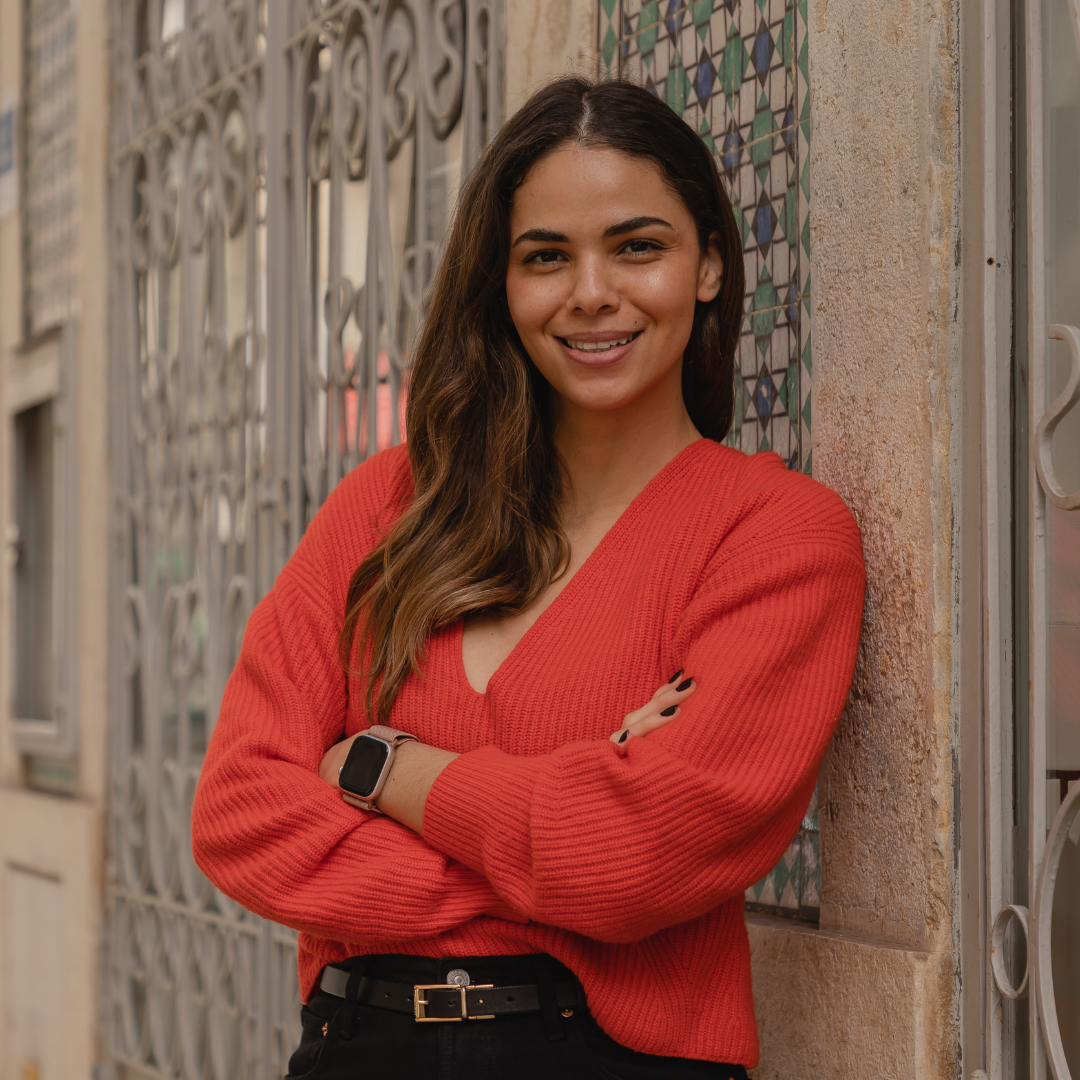
Found & Executive Director, The Glow Initiative (Glowi)
Santana Inniss is the Founder and Executive Director of The Glow Initiative (Glowi), an innovative social impact organization and 501c3 charity on a mission to end barriers in access to professional coaching for women in need and the nonprofits that serve them. As an Afro Latina corporate drop out, Santana understands just how difficult it is for marginalized women to get access to the support they need to soar. She's dedicated to opening doors for women.
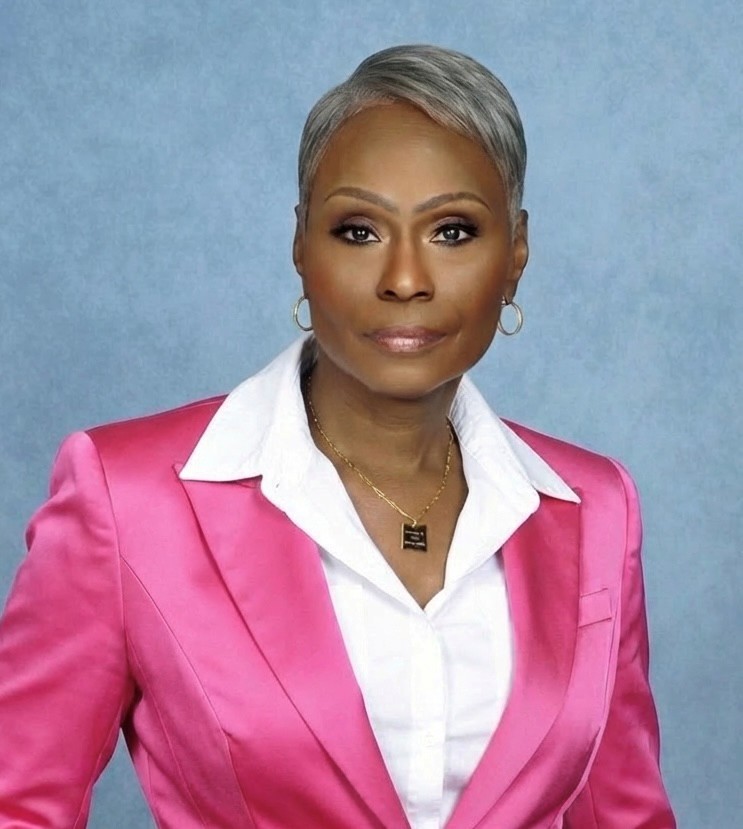
Transformation & Operations Executive | Customer Experience, Risk & Governance Strategy | Speaker & Published Author
Dr. Connie Y. Bell is a transformational executive leader, doctoral mentor, and author who operates at the intersection of leadership, risk governance, and human resilience. As Senior Vice President of Security Risk, Global Incident Response, and Fraud Detection & Analytics at Teleperformance, she leads global strategies that protect organizations from evolving threats while advancing ethical, accountable leadership practices in complex environments.
In addition to her corporate leadership, Dr. Bell serves as a doctoral chair and professor, where she mentors emerging scholars and executives through the rigor of dissertation research and the discipline of strategic thinking. Through her work, she has become known for bridging academic excellence with real-world application, developing leaders who are not only knowledgeable, but transformative in their impact.
She is also the founder of Beyond the Bell Collective™, schedule to launch later this year, a platform dedicated to doctoral coaching, leadership development, and amplifying voices through scholarship, storytelling, and media. Her work empowers high-achieving professionals, particularly women and underrepresented leaders to move from stagnation to strategic clarity and completion.
As an author of the forthcoming memoir Shades of Strength, Dr. Bell brings a deeply personal dimension to her work. A breast cancer survivor and advocate, she draws from her lived experiences to challenge traditional definitions of strength, emphasizing that true leadership requires not only endurance, but intentional wellbein… Read More
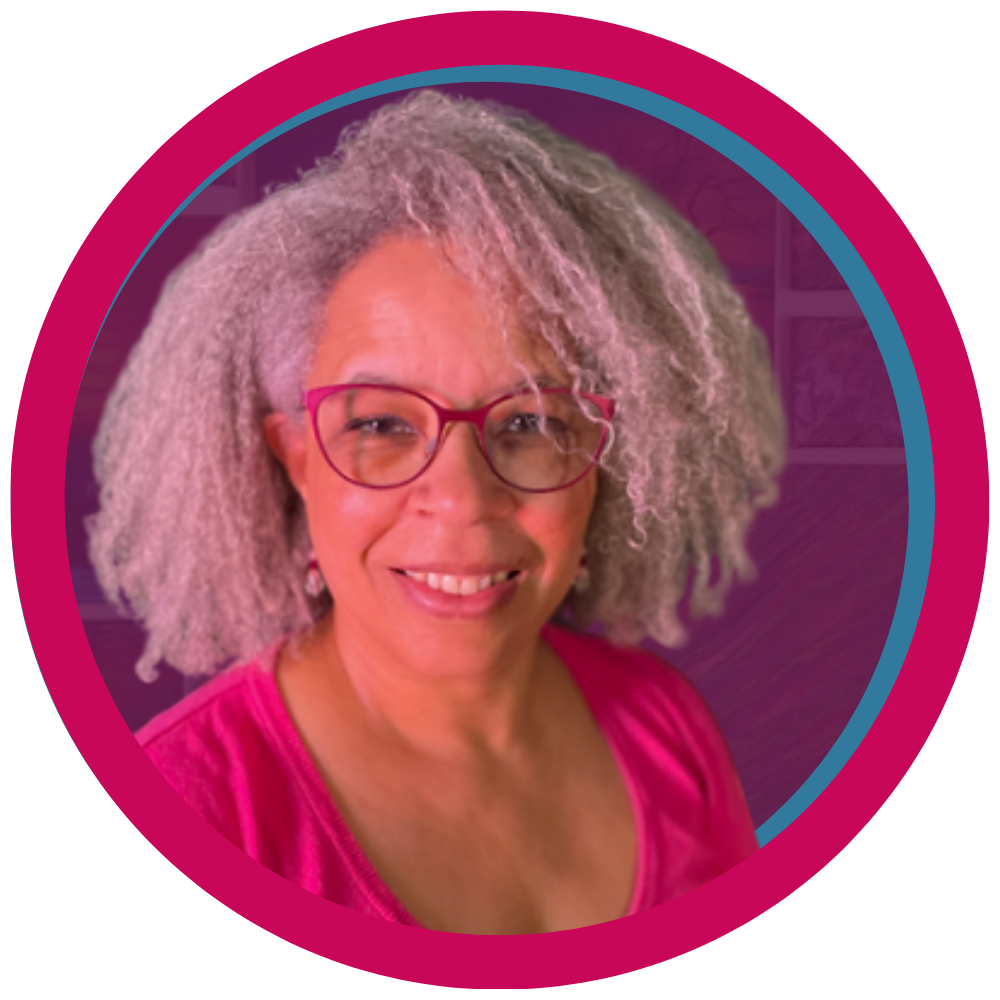
Speaker
What if the way you communicate your leadership is the very thing holding your career back?
Tanya Spencer works with women leaders to change that—by making their value visible. In male-dominated environments, too many capable, qualified women are still overlooked for promotions and opportunities.
Her work is shaped by experience at the highest stakes—from conflict zones to corporate leadership—alongside authoring two books and training over 6,000 professionals.
She is the founder of F🤬ck Being Stuck Coaching and creator of programs like Dare to Influence, where she turns complex power dynamics into clear, practical ways to communicate your value.
Through her work, Tanya helps you build influence, increase visibility, and own your voice—without overthinking, overexplaining, or shrinking yourself.
It’s what she calls Bad-Asshery.
Manager / Mom
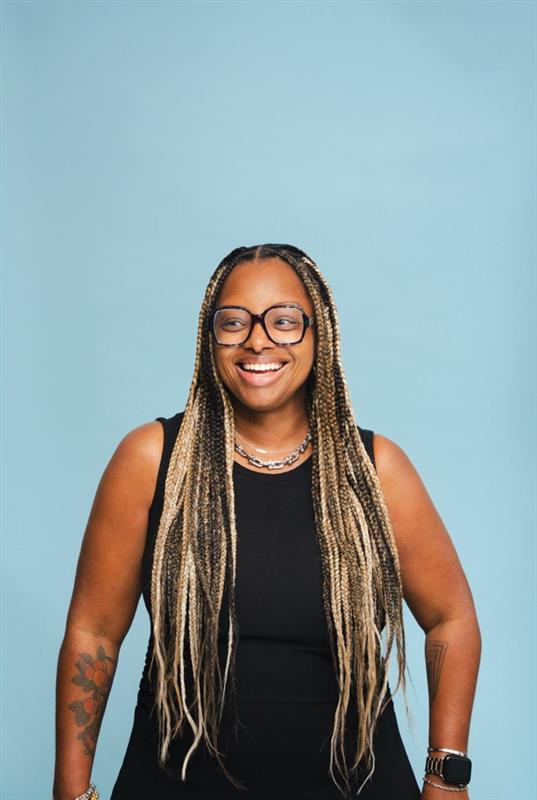
I’m 47 years old and a proud mom of twin girls who will turn 17 this year. I’ve spent more than 16 years in retail management, and in 2020—after my mother passed—I made the decision to return to school. Her passing, while deeply painful, became a turning point: it felt like a rebirth and reawakened my creative side.
Today, I work at Tiffany & Co. as a Manager, Repair Services, overseeing the Finishing Department, Silversmith team, and Washout team. If I had to define my life in a few words, I’d say I’m a creative, strong, fun, and passionate woman of color. I’m driven by achievement and by developing my teams, and I welcome feedback—applying it when it helps me grow.
This year, I’ve been intentional about stepping outside of my comfort zone and exploring what’s next. I’m focused on elevating my life in every area and continuing to grow into the next version of myself.
Podcast Producer