Episodes
Feb. 23, 2026
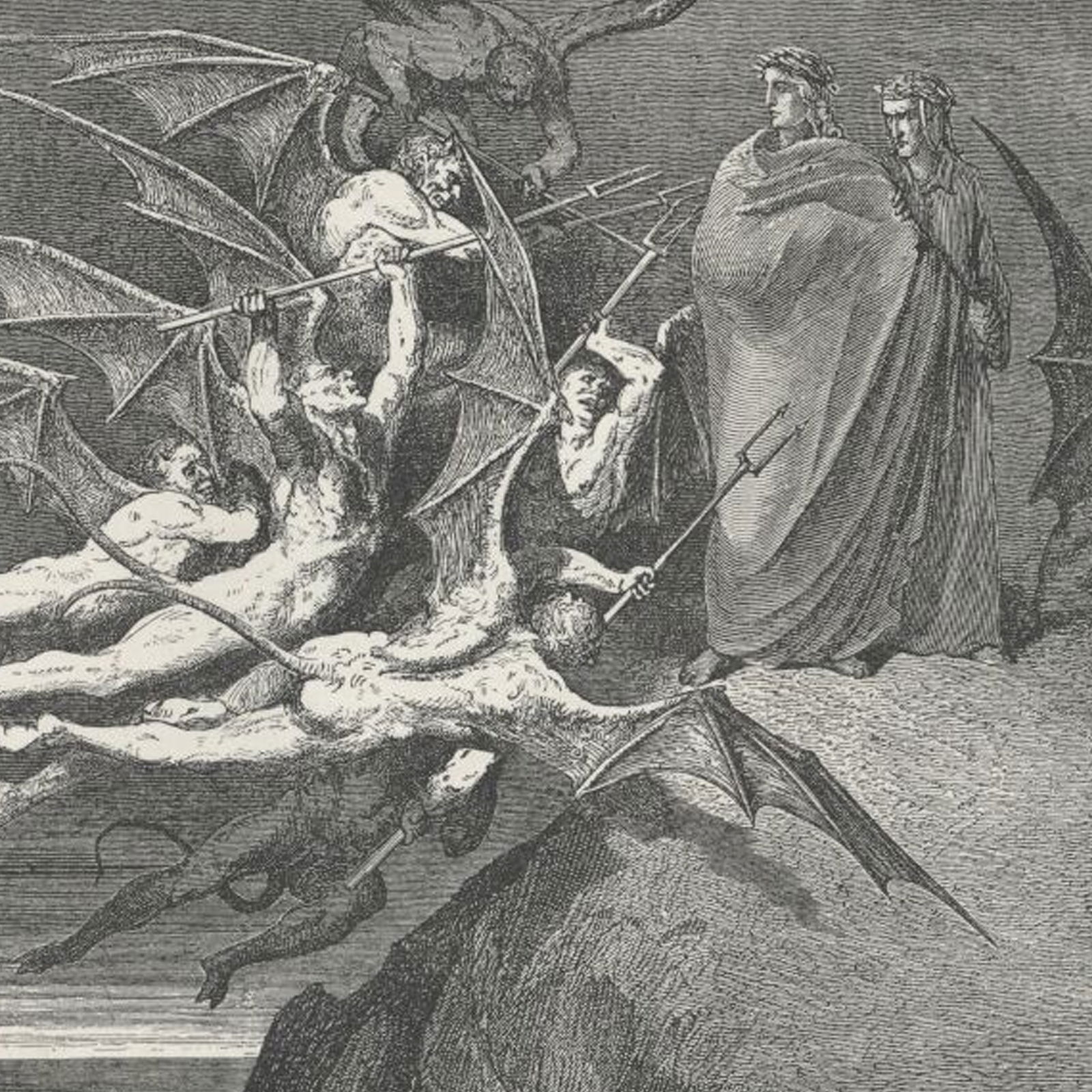
Dante’s Passionate Intellect: The Divine Comedy’s Journey of Desire – Prof. George Corbett
Prof. George Corbett presents Dante’s Divine Comedy as a transformative “journey of desire” in which the passionate intellect—shaped by Virgil (reason) and Beatrice (grace)—leads the sinner from the dark wood of sin and ignorance through Hell and Purgatory to the ordered love and beatific hope of Paradise.
Guest: Prof. George Corbett
Feb. 20, 2026
Edith Stein and Thomism – Dr. Robert McNamara
Dr. Robert McNamara presents Edith Stein and Thomistic personalism as a unified vision in which the human face reveals the mystery of the person as both substantial “what” and subjective “who,” integrating Aquinas’s account of rational nature with phenomenological insights into consciousness, interiority, and personal encounter.
Guest: Dr. Robert McNamara
Feb. 19, 2026
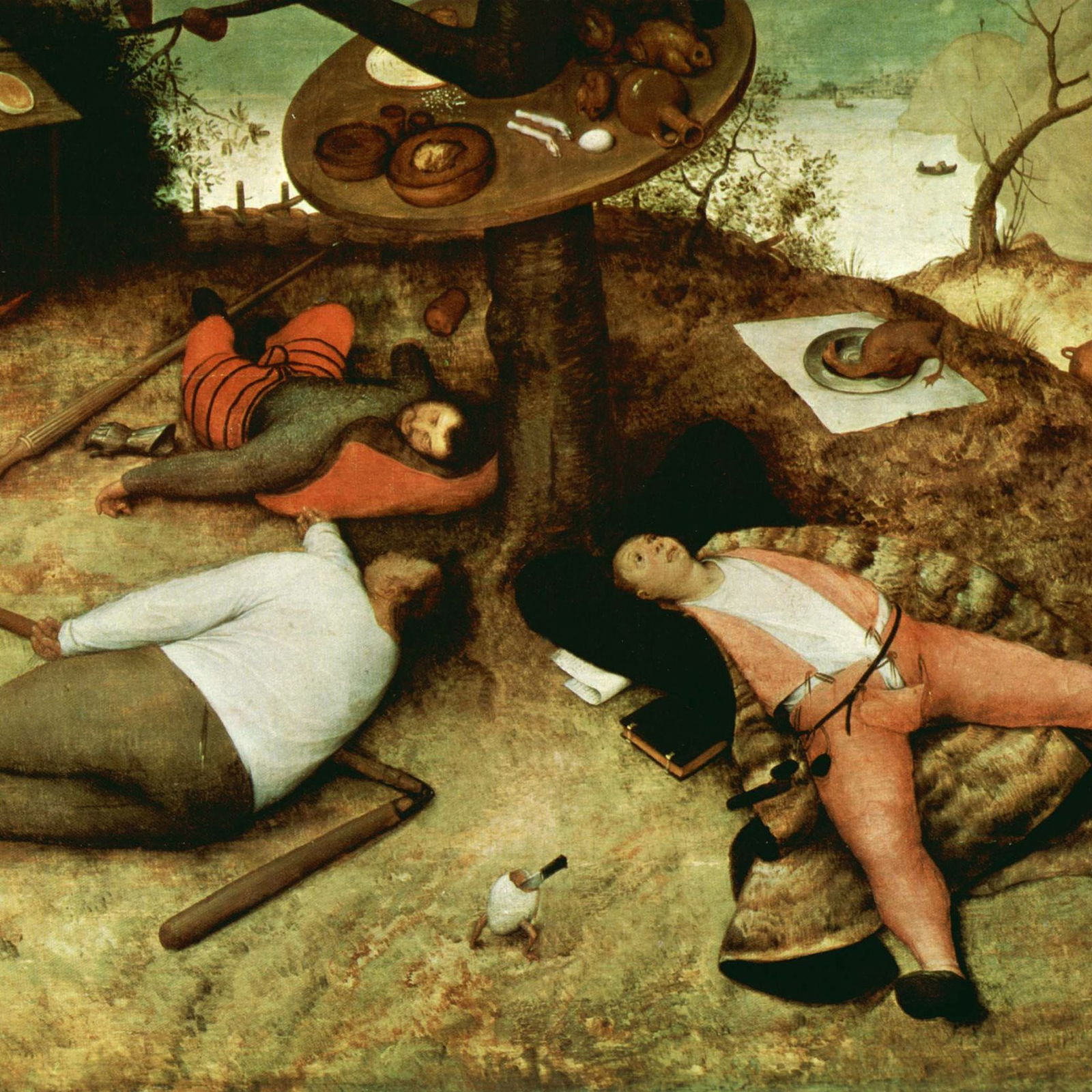
How to Avoid Being Unhappy: Gluttony and the Proper Place of Food and Alcohol in the Good Life – Prof. W. Scott Cleveland
Prof. W. Scott Cleveland explains how food and alcohol can either undermine or promote true happiness, arguing that gluttony is a disordered desire for the pleasures of eating and drinking that disrupts health, friendship, and virtuous living rather than their proper role in a flourishing, festal life.
Guest: Prof. W. Scott Cleveland
Feb. 18, 2026
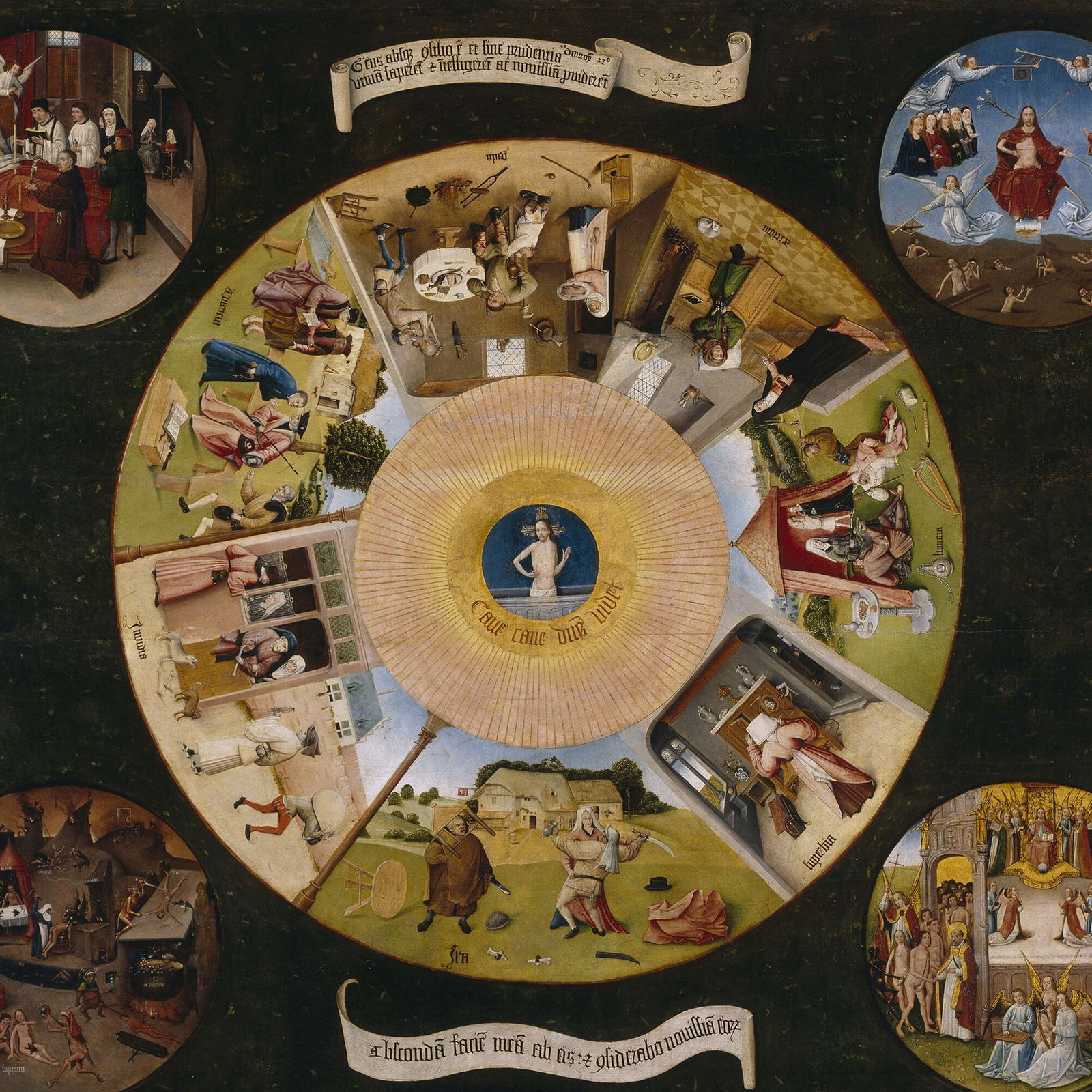
The Terrible Covenant of Sloth: Boredom and the Resistance of Joy – Dr. R.J. Snell
Dr. R.J. Snell argues that the real epidemic behind student anxiety, boredom, and frenzied achievement is not laziness but sloth—a refusal of responsibility and a sadness at the divine good—that resists joy, commitment, and genuine happiness.
Guest: Dr. R.J. Snell
Feb. 17, 2026
Money, Pleasure, Influence and the Key to a Happy Life – Fr. Gregory Pine, O.P.
Fr. Gregory Pine shows how money, pleasure, and influence all fail as ultimate goals and argues that true happiness comes from living in accord with our nature as creatures made for communion with God through the theological virtues of faith, hope, and charity.
Guest: Fr. Gregory Pine, O.P.
Feb. 16, 2026
Do We Really Have a Bill of Rights? – Prof. Jerome Foss
Prof. Jerome Foss argues that what Americans call the “Bill of Rights” is not a true bill of rights but a set of constitutional amendments best understood within a Federalist—and broadly Thomistic—vision of law, liberty, and the common good that resists reducing politics to individual rights talk.
Guest: Dr. Jerome Foss
Feb. 13, 2026
John Henry Newman's Critique of Liberalism: Lessons from the Aristotelian Tradition – Prof. Joshua Hochschild
Prof. Joshua Hochschild shows how St. John Henry Newman’s lifelong “struggle against liberalism” is best understood as an Aristotelian critique of false views of knowledge, in which liberalism reduces religion to private sentiment and denies the knowability of first principles, rather than as a merely political or ecclesiastical stance.
Guest: Prof. Joshua Hochschild
Feb. 11, 2026
The Types of Miracles and the Possibilty of Demonic Miracles – Fr. Anselm Ramelow, O.P.
Fr. Anselm Ramelow explains how, in a Thomistic framework, miracles are graded by how they surpass nature and why only God can perform the highest-level miracles of creation and resurrection, while finite spirits—including demons—can produce lesser “signs” that must be carefully discerned.
Guest: Fr. Anselm Ramelow, O.P.
Feb. 10, 2026
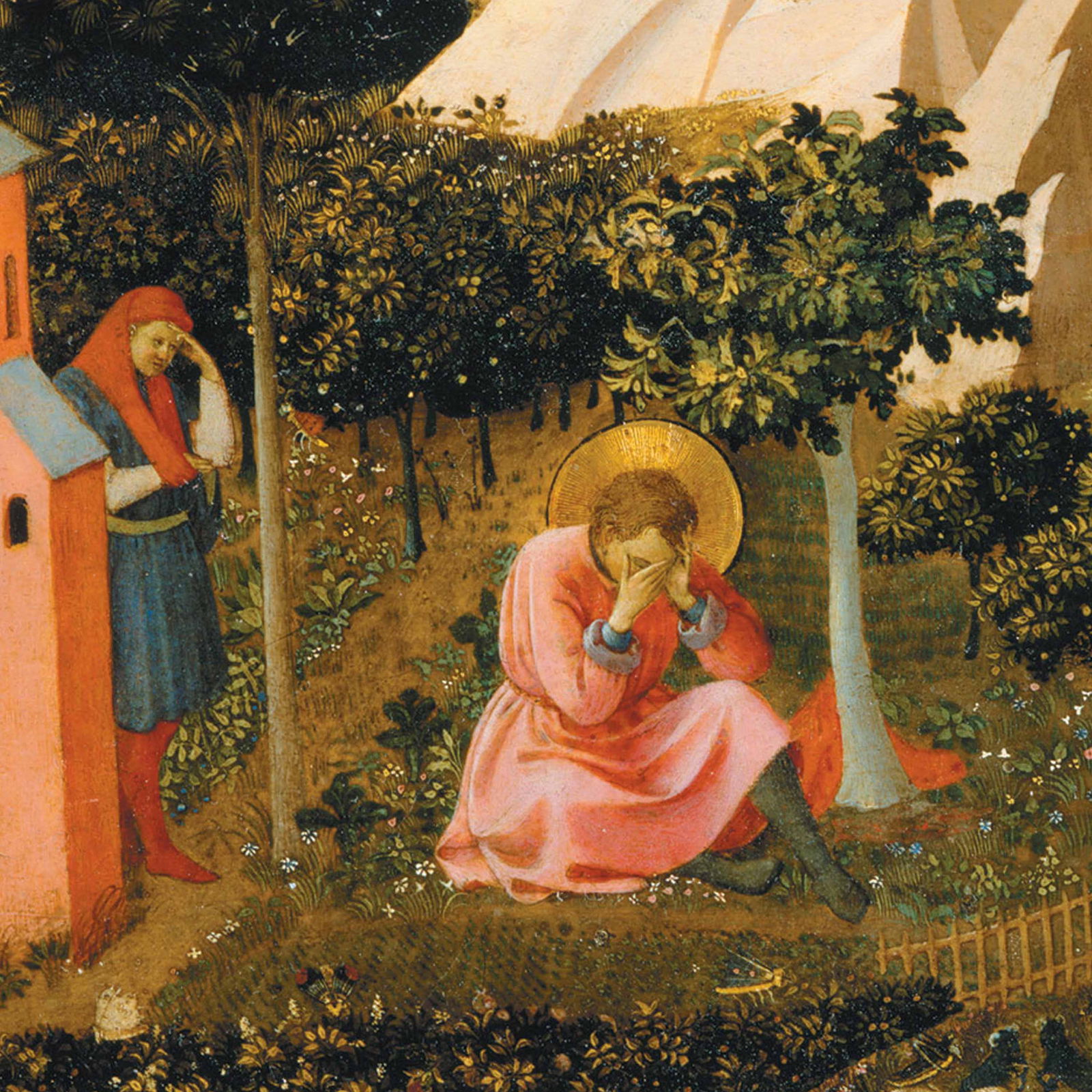
Fire on the Altar: A Lecture on St. Augustine – Prof. Chad Pecknold
Prof. Chad Pecknold shows how St. Augustine’s Confessions should be read as a Catholic, sacramental account of conversion in which the “altar of the heart” is turned toward God and united to Christ’s Eucharistic sacrifice, rather than as a merely emotional, garden-conversion memoir.
Guest: Prof. Chad Pecknold
Feb. 9, 2026
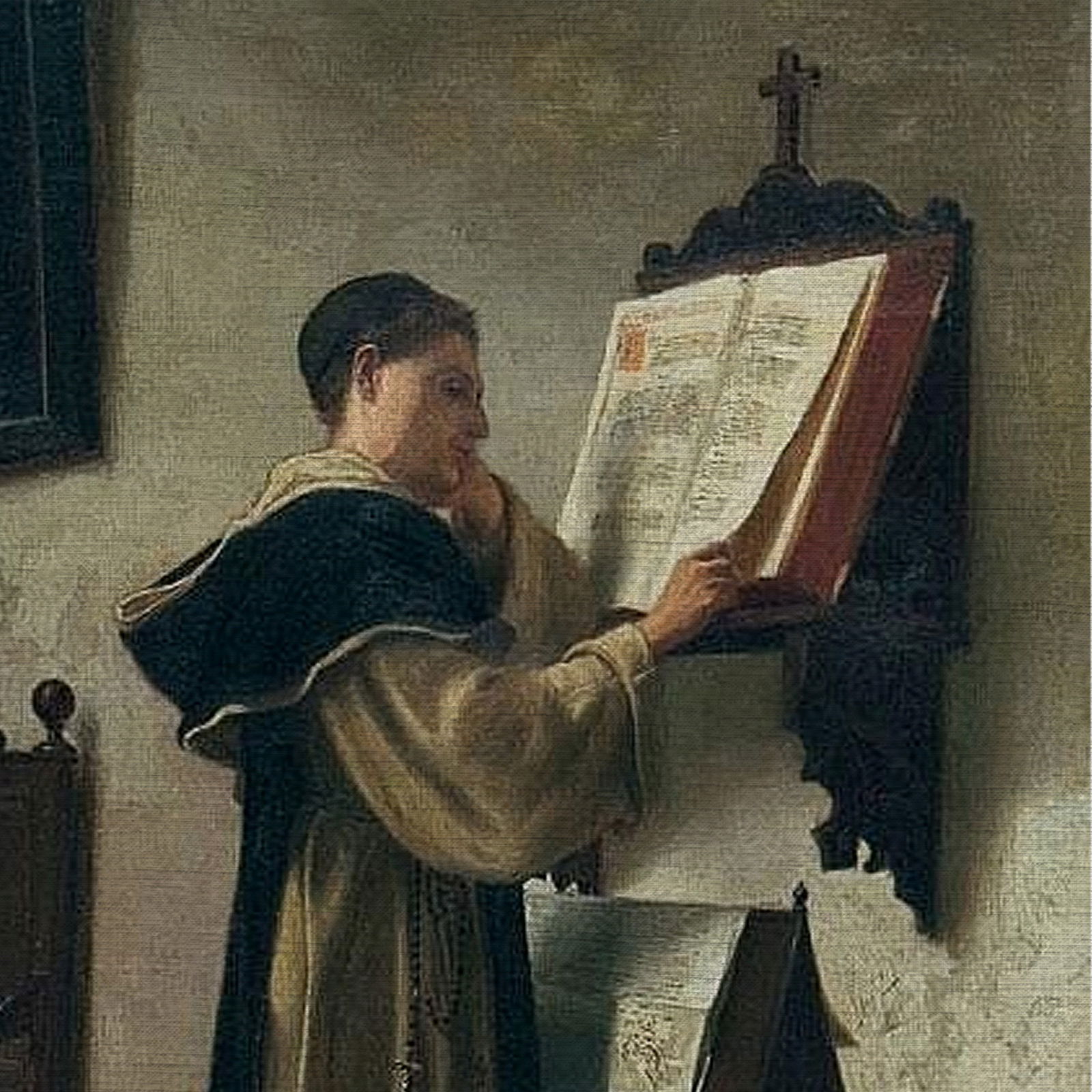
Dominican Mystics of the Rhineland – Fr. Irenaeus Dunlevy, O.P.
Fr. Irenaeus Dunlevy introduces the medieval Dominican mystics of the Rhineland and, in dialogue with Aquinas and Pseudo-Dionysius, shows how their often strikingly apophatic language about abyss, detachment, and “ground” can be critically integrated into a Trinitarian, Eucharistic vision of Christian mystical union.
Guest: Fr. Irenaeus Dunlevy, O.P.
Feb. 6, 2026
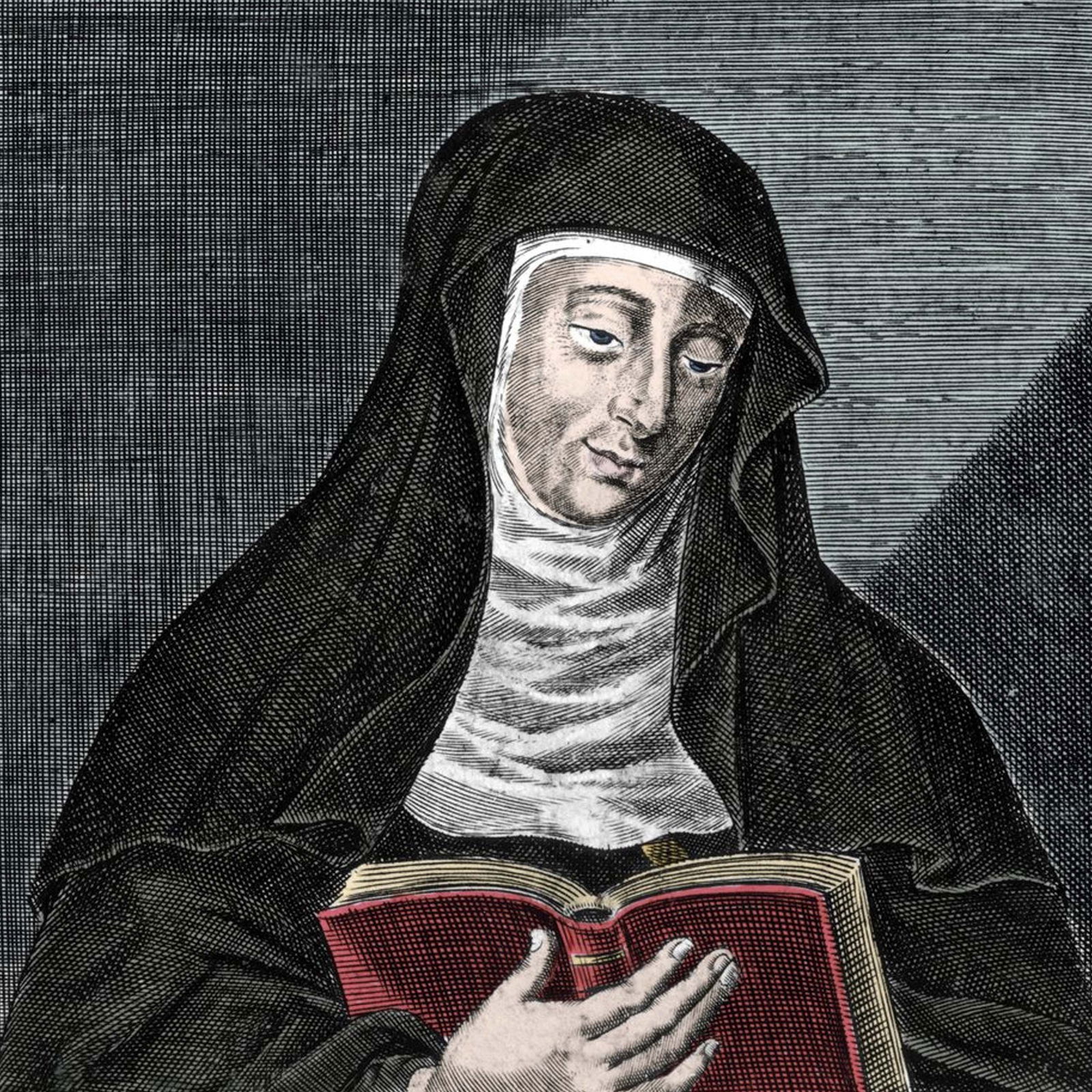
Catholic Women in the Arts & Sciences: An Underappreciated Tradition – Dr. Bronwen McShea
Dr. Bronwen McShea uncovers the rich but often forgotten history of Catholic women in the arts and sciences, showing how figures from late antiquity through the early modern period—nuns, scholars, patrons, and university professors—have long made serious intellectual and cultural contributions within the Catholic tradition.
Guest: Dr. Bronwen McShea
Feb. 5, 2026
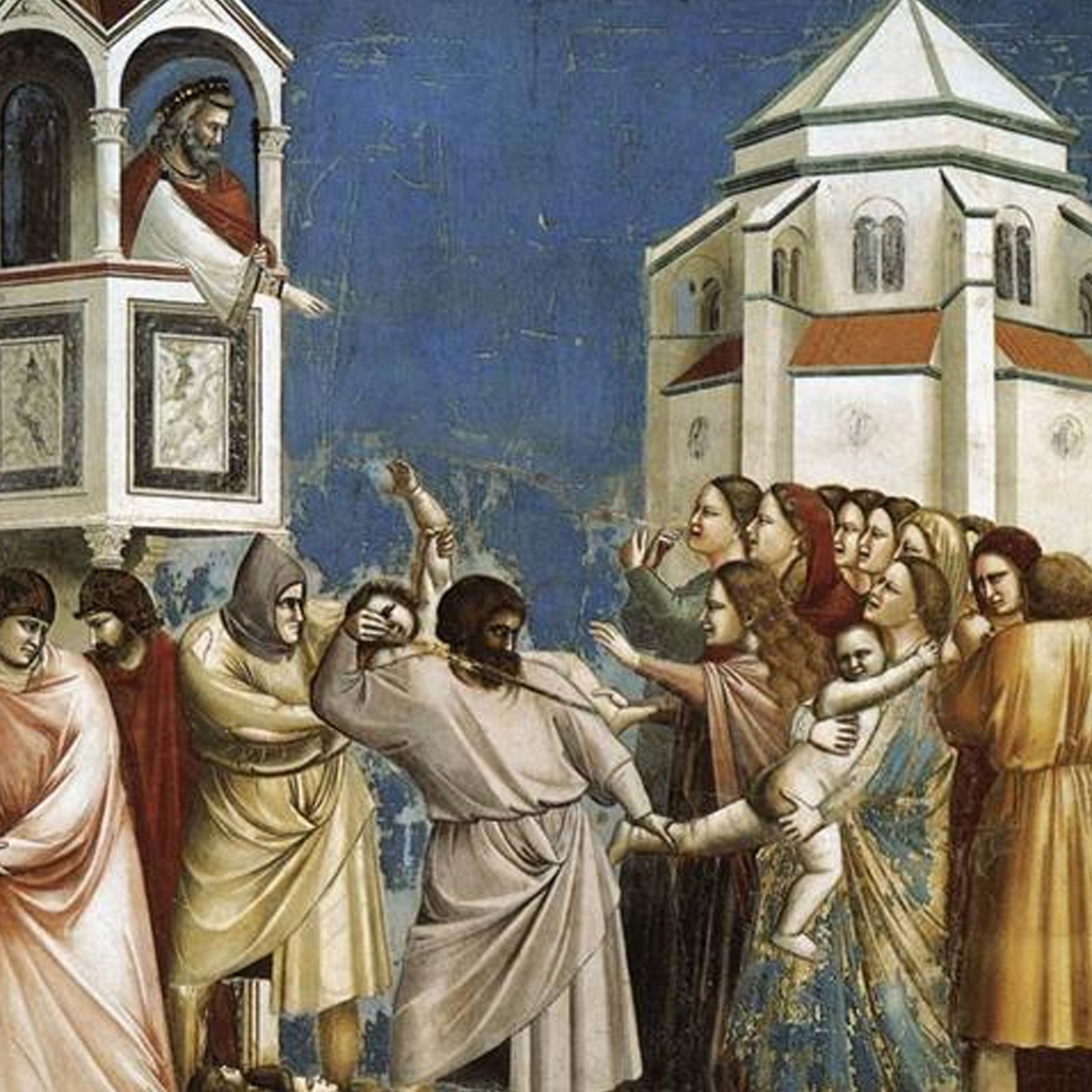
The Natural Law Ethics of Killing – Prof. Christopher Tollefsen
Prof. Christopher Tollefsen argues from a Thomistic natural law perspective that it is always morally wrong to intend the death of an innocent human being, contending that this absolute norm binds both private individuals and public authorities alike.
Guest: Prof. Christopher Tollefsen
Feb. 4, 2026
Catholic Ethics in the Modern World – Prof. Marshall Bierson
Prof. Marshall Bierson contrasts Thomistic Catholic ethics with utilitarian and Kantian moral theories by arguing that the good is fundamentally an activity of loving persons rather than a state of affairs like aggregate happiness or an abstract form of rational nature.
Guest: Prof. Marshall Bierson
Feb. 3, 2026
The Scopes Trial & the Myth of Warfare between Science & Religion – Prof. Kenneth Kemp
Prof. Kenneth Kemp reexamines the Scopes “Monkey Trial” to show that it has been mythologized into evidence of a supposed war between science and religion, arguing instead that the real conflicts concerned constitutional law, educational policy, and competing theological and philosophical visions within Christianity.
Guest: Prof. Kenneth Kemp
Feb. 2, 2026
My Life Exploring the Solar System and Worlds Beyond – Prof. Jonathan I. Lunine
Prof. Jonathan I. Lunine recounts his life as a planetary scientist, tracing how early inspirations from Carl Sagan and the space race led to his work on major NASA missions exploring the solar system and distant worlds, from Voyager and Cassini to Juno and Europa Clipper.
Guest: Prof. Jonathan Lunine
Jan. 30, 2026
Creation vs. Creationism – Fr. Dominic Legge, O.P.
Fr. Dominic Legge distinguishes the classical Catholic doctrine of creation from modern creationism by showing how a robust Thomistic account of God as the transcendent cause of all being avoids conflict with evolutionary science while deepening our understanding of what it means for the world to be created.
Guest: Fr. Dominic Legge, O.P.
Jan. 29, 2026
Vocation of a Catholic Scientist – Prof. Karin Öberg
Prof. Karin Öberg reflects on her journey from atheism to Catholicism and explains how the vocation of a Catholic scientist and professor involves uniting rigorous scientific inquiry with the Catholic intellectual tradition in order to contemplate God through creation and to renew the life of the university.
Guest: Prof. Karin Öberg
Jan. 28, 2026
What Contemporary Culture Needs to Learn from Thomas Aquinas – Prof. Michael Dauphinais
Prof. Michael Dauphinais explains what contemporary culture needs to learn from Thomas Aquinas, arguing for a metaphysics of communion in which God, family, Church, and society are not locked in competition but share common goods that make each more fully alive.
Guest: Prof. Michael Dauphinais
Jan. 27, 2026
Flirting with Happiness: Aquinas on the Good Life – Fr. Alan O'Sullivan, O.P.
Fr. Alan O’Sullivan unpacks Aquinas on the good life, explaining why wealth, power, fame, and pleasure cannot be our ultimate happiness and how true beatitude is found in virtuous activity ordered to God.
Guest: Fr. Alan O'Sullivan, O.P.
Jan. 26, 2026
Does God Exist? How Do I Know? The Five Ways of Aquinas – Fr. Irenaeus Dunlevy, O.P.
Fr. Irenaeus Dunlevy introduces Aquinas’ Five Ways, showing how arguments from motion, causality, contingency, gradation, and teleology lead from everyday experience to the rational conclusion that God exists as first mover, first cause, necessary being, supreme perfection, and intelligent governor.
Guest: Fr. Irenaeus Dunlevy, O.P.
Jan. 23, 2026
John Paul II on the Value of Human Life and Euthanasia – Prof. Christopher Tollefsen
Prof. Christopher Tollefsen explains John Paul II on euthanasia, showing how the Pope’s vision of human life as a sacred gift, bearing God’s image and destined for eternal friendship with Him, rules out any claim to a right to kill oneself or others.
Guest: Prof. Christopher Tollefsen
Jan. 22, 2026
St. Thomas Aquinas on the Beatitudes – Fr. Anton ten Klooster
Fr. Anton ten Klooster explores St. Thomas Aquinas on the Beatitudes, showing how they map an ordered, grace‑filled path of virtues and gifts that lead from imperfect happiness in this life to perfect union with God in the next.
Guest: Fr. Anton ten Klooster
Jan. 21, 2026
Engaging Politics as a Catholic – Dr. Jan Bentz
Dr. Jan Bentz explores what it means to engage politics as a Catholic, calling believers to critical thinking rooted in truth, a both‑and logic that resists polarization, and a discerning love of nation that remains ordered to the common good and eternal beatitude.
Guest: Dr. Jan Bentz
Jan. 20, 2026
Understanding Anscombe’s Absolutism – Prof. Marshall Bierson
Prof. Marshall Bierson unpacks Elizabeth Anscombe’s moral absolutism, arguing that questions like “Why is it worse to kill one innocent person than to let five die?” rest on a grammatical confusion that obscures the absolute wrongness of intentionally killing the innocent.
Guest: Prof. Marshall Bierson