Philosophy Episodes
Jan. 7, 2026
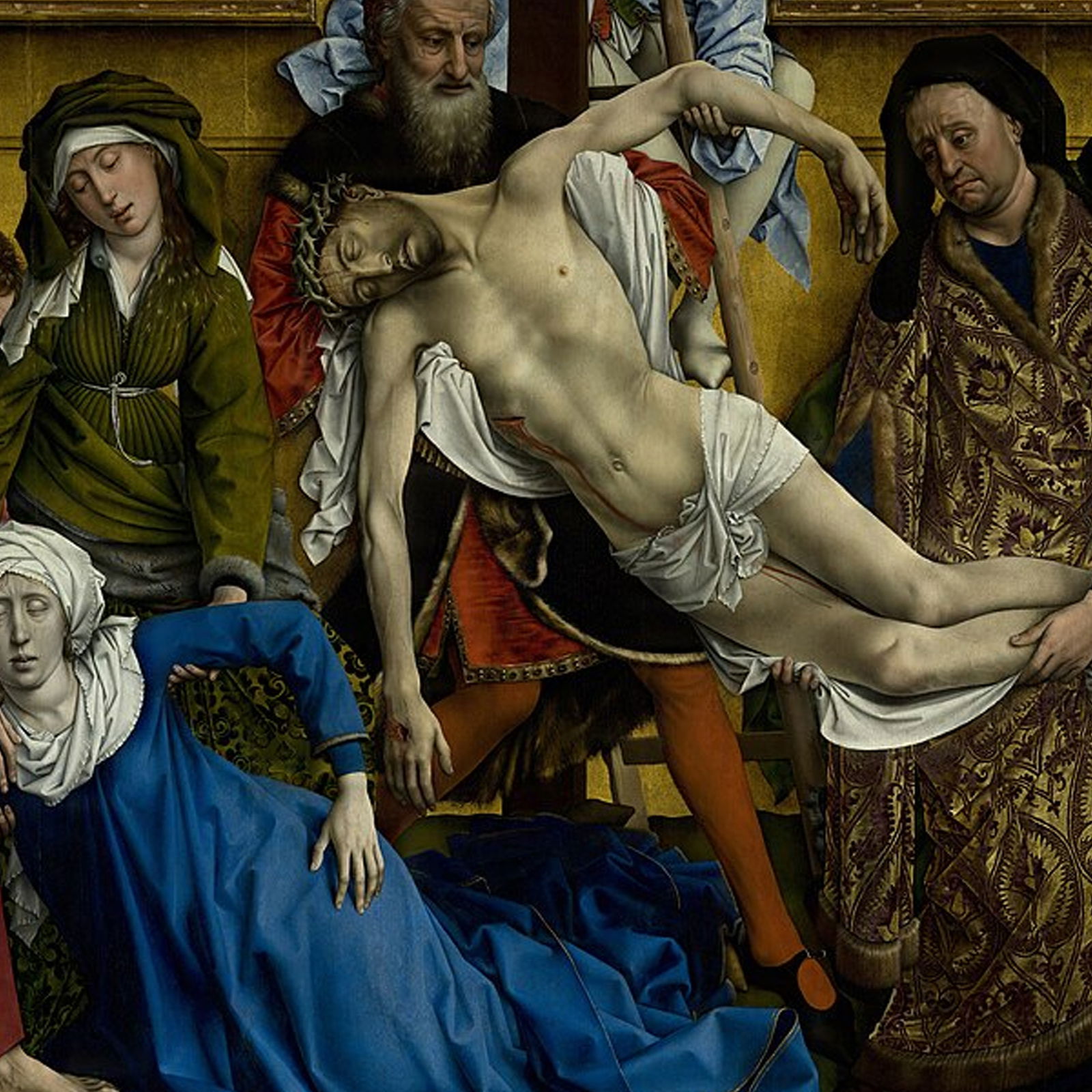
The God of Love and the Reality of Evil and Suffering – Prof. Chris Baglow
Prof. Chris Baglow explores how the God of love can allow evil and suffering by showing that a world created for freedom and love—not as a deterministic machine—necessarily entails the risk of physical and moral evils, yet opens a deeper path of redemptive goodness.
Guest: Prof. Christopher Baglow
Jan. 6, 2026
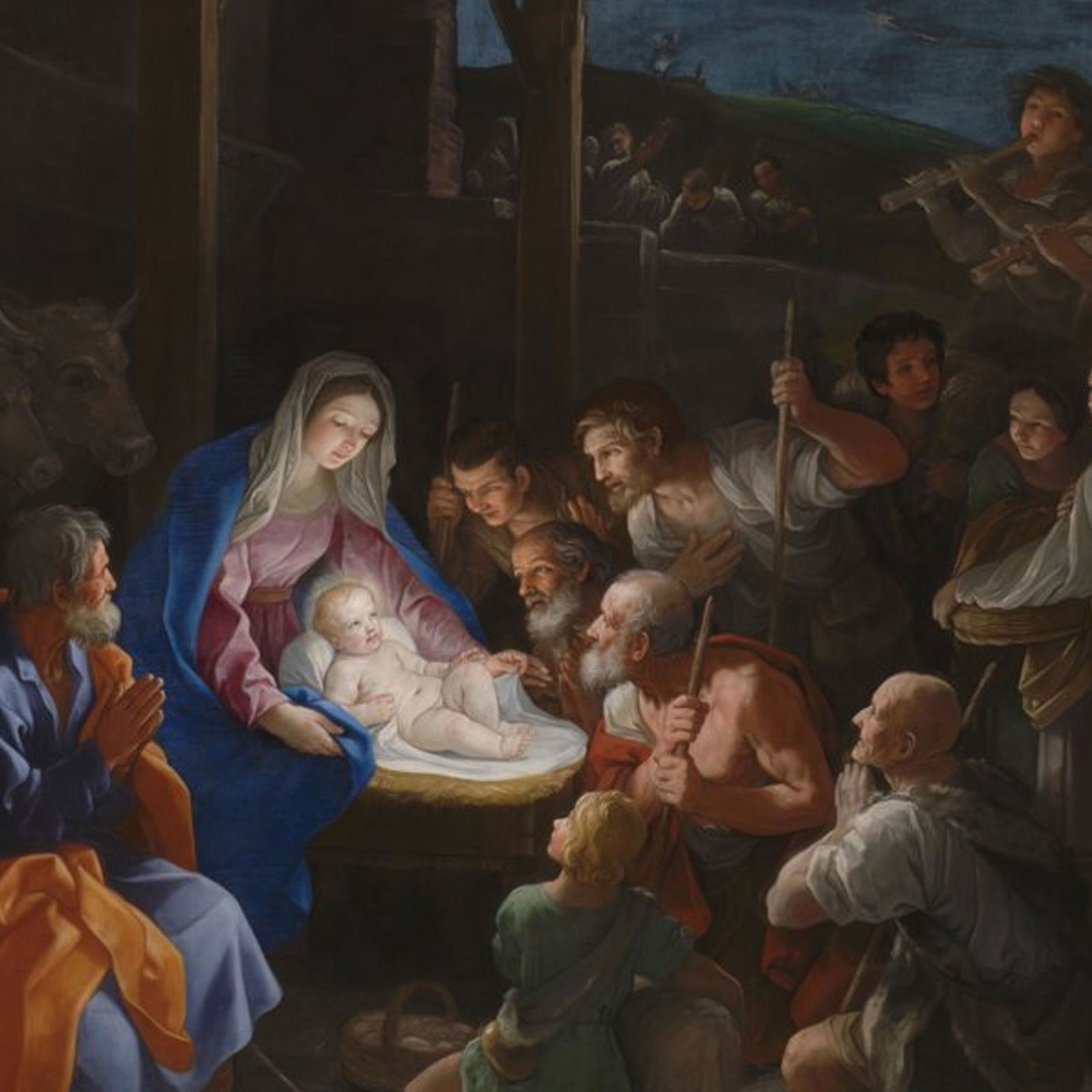
Christ Fully Reveals Man to Himself: What Christ's Humanity Says about What It Means to Be Human – Prof. Paul Gondreau
Prof. Paul Gondreau explores how Christ’s concrete, fully human life uniquely “fully reveals man to himself,” showing that every human person and all of history are teleologically ordered to him as the final Adam and measure of authentic humanity.
Guest: Prof. Paul Gondreau
Jan. 5, 2026
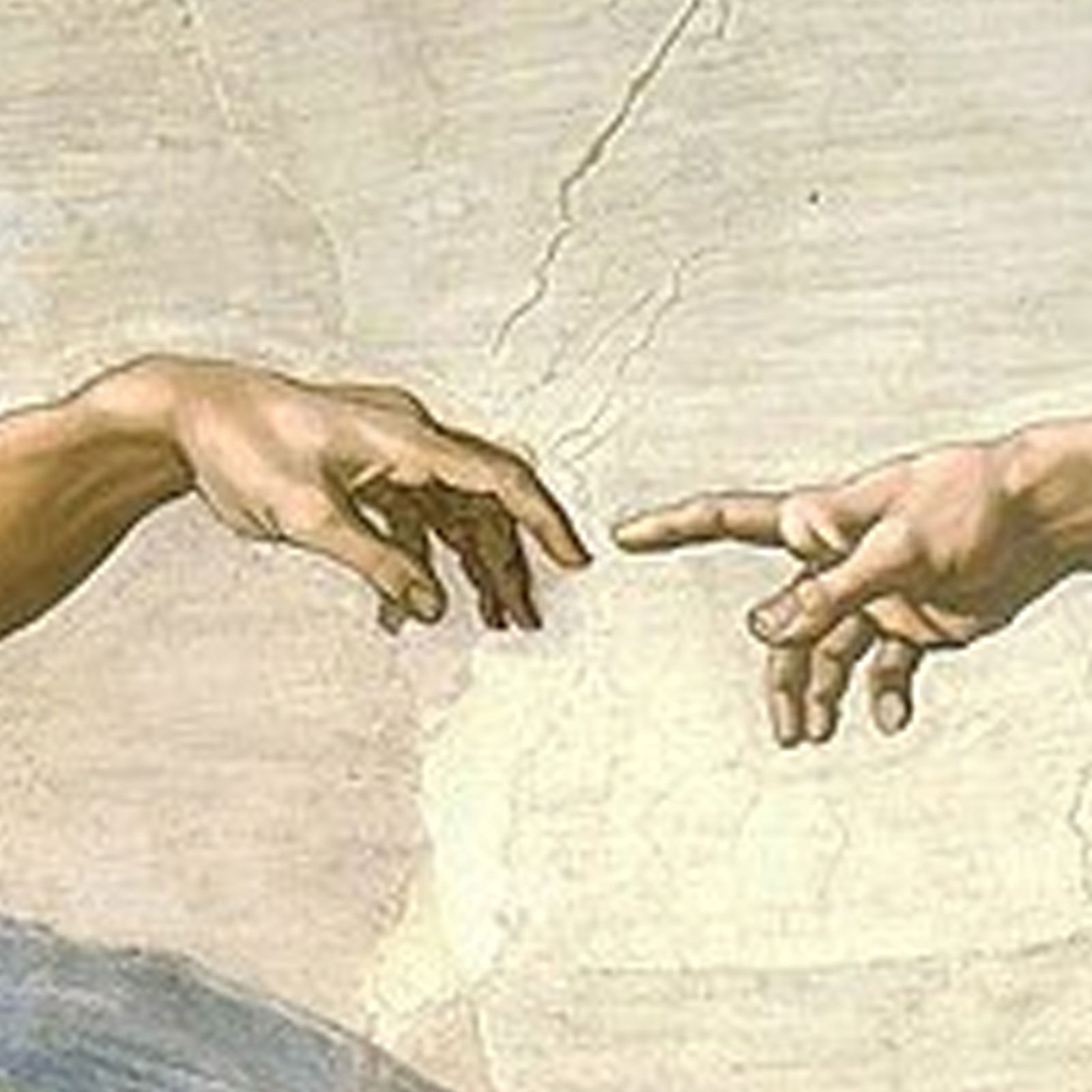
Creation as Relation: An Existential Consideration – Dr. Robert McNamara
Dr. Robert McNamara explores how creation is not a distant event but our very act of existing here and now, so that each person’s being is itself a continuous relation of absolute dependence on God that can be freely understood, accepted, and joyfully affirmed.
Guest: Dr. Robert McNamara
Jan. 1, 2026
Do We Make Morality, or Discover It? An Examination of the Basis of Natural Law – Dr. Erik Dempsey
Dr. Erik Dempsey explores whether we make morality or discover it by unpacking Aquinas’s three natural inclinations and arguing that they ground objective, inescapable moral obligations rather than mere social conventions.
Guest: Dr. Erik Dempsey

Dec. 31, 2025
Seeking Friendship in the Virtual Age – Prof. John Cuddeback
Prof. John Cuddeback reflects on why many students feel relationally unsatisfied in a hyper-connected world and shows how reclaiming embodied presence, intentional discernment of a few trustworthy friends, and technology-limited, silence-friendly communal spaces can restore the depth, vulnerability, and shared pursuit of the good that real friendship requires.
Guest: Prof. John Cuddeback
Dec. 22, 2025
The Disappearing Man: Body, Soul, and the Question of Who We Are – Dr. Paul LaPenna
Dr. Paul LaPenna uses the dramatic case of a man in a coma from autoimmune brain disease to show that personal identity endures despite severe loss of abilities, arguing from neurology and Thomistic philosophy that a human person is a unified body–soul substance whose soul grounds changing traits over time.
Guest: Dr. Paul LaPenna
Dec. 16, 2025
Why is Thomism so Fixated on Predestination? – Fr. Cajetan Cuddy, O.P.
Fr. Cajetan Cuddy explains that Thomism is “fixated” on predestination because this doctrine lies at the speculative and practical center of the Thomistic vision of reality, uniting its key philosophical principles and theological convictions about God, creation, grace, and salvation in a single, coherent account.
Guest: Fr. Cajetan Cuddy, O.P.

Dec. 15, 2025
What is predestination? – Fr. Dominic Legge, O.P.
Fr. Dominic Legge explains predestination as a profoundly hopeful Catholic doctrine rooted in God’s eternal, loving plan to give grace and lead rational creatures freely to the supernatural end of the beatific vision, drawing especially on Saint Thomas Aquinas and Saint Augustine.
Guest: Fr. Dominic Legge, O.P.
Dec. 12, 2025
Does Nature Make Laws? – Prof. Raymond Hain
Prof. Raymond Hain examines whether nature “makes” laws by exploring classical and contemporary accounts of natural law, arguing that human moral norms arise from our rational participation in the ordered structure of life and the universe as understood in both philosophy and Catholic thought.
Guests: Prof. Raymond Hain , hai
Dec. 11, 2025
'The greatest of all God's works': Justification in Catholic Theology – Prof. Matthew Thomas
Prof. Matthew Thomas explains why justification—God’s transformative act of making sinners righteous in Christ by grace through faith and incorporation into the Church—is, for Aquinas, greater even than creation, and explores how Catholic teaching on faith, works, and grace can address Reformation-era controversies and open paths toward Protestant–Catholic reconciliation.
Guest: Prof. Matthew Thomas
Dec. 10, 2025
Can Divine Providence Be Known Through Natural Reason? The Classics' Response – Prof. Carlos A. Casanova
Prof. Carlos A. Casanova argues that a properly understood Aristotelian–Platonic metaphysics of form, final causality, and nature allows human reason, without biblical revelation, to infer a governing divine intellect that orders the cosmos and human history in a providential way.
Guest: Prof. Carlos A. Casanova
Dec. 6, 2025
Is Free Will an Illusion? – Prof. Joshua Hochschild
Prof. Joshua Hochschild argues that free will is not an illusion but a real, rational power by which human beings participate in God’s causality, and that the supposed “problem of free will” arises from a reductive modern picture of causation and human nature rather than from the classical Aristotelian–Thomistic framework.
Guest: Prof. Joshua Hochschild
Dec. 4, 2025
Happiness and Virtue: Can it be Good for You to Be Bad? – Prof. Thomas Osborne
Prof. Thomas Osborne argues that, on an Aristotelian–Thomistic account of human nature, it is never truly good for you to be bad, because vice damages your very being as a rational, social creature ordered to common goods and ultimately to God.
Guest: Prof. Thomas Osborne
Dec. 3, 2025
Virtue and the Meaningful Life – Dr. David McPherson
Dr. David McPherson argues that human beings are “meaning-seeking animals” and that an adequate neo-Aristotelian ethics must see the virtues as constitutive of a meaningful life ordered to strong goods such as the noble, the sacred, and love of God and neighbor.
Guest: Dr. David McPherson
Nov. 19, 2025
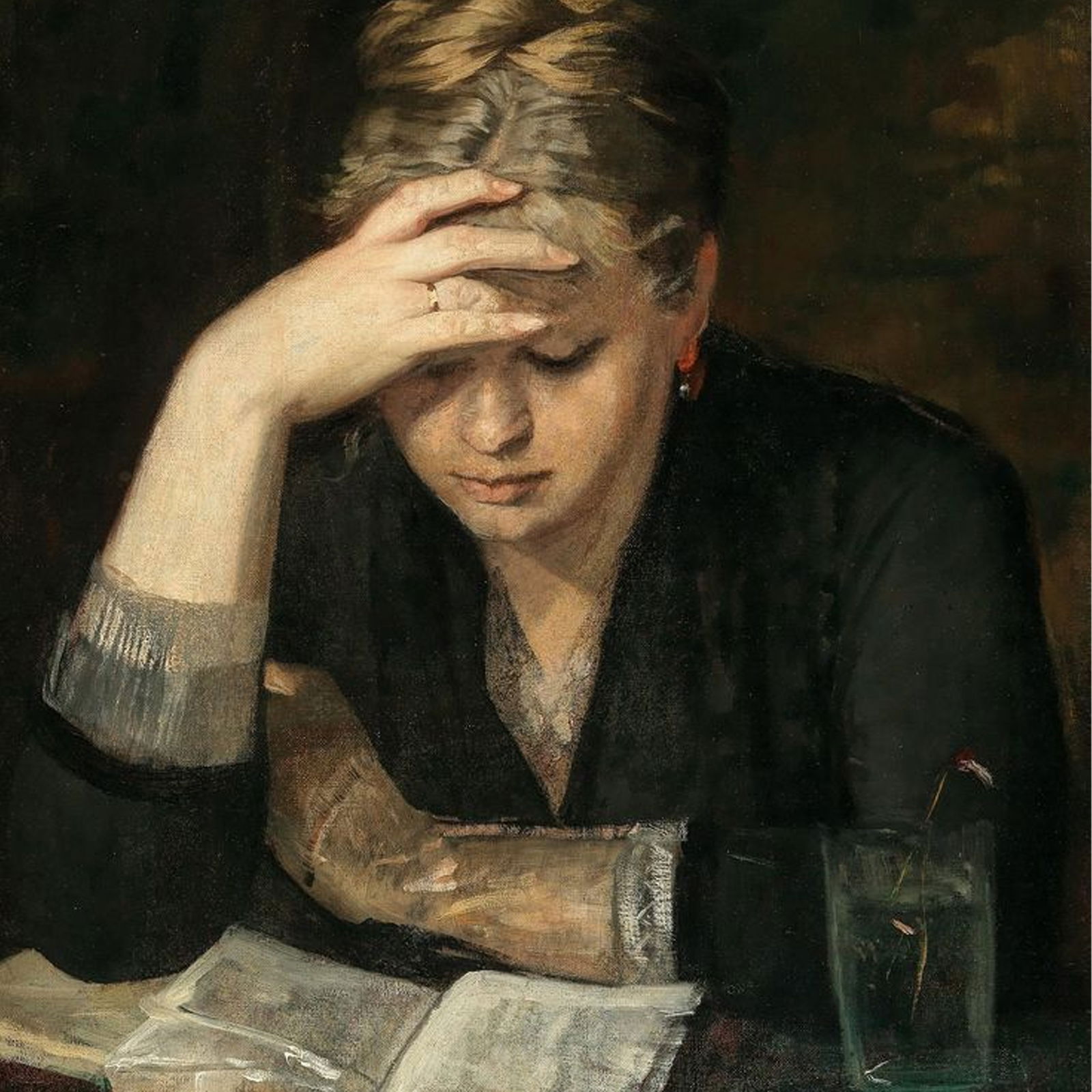
A Feeble Plant in the Breeze: Personal and Social Forms of Acedia – Prof. Carl Vennerstrom
Prof. Carl Vennerstrom explores personal and social forms of acedia, tracing its origins from ancient monasticism to contemporary life and illuminating how distraction, restlessness, and identity crisis threaten fulfillment and virtue in the digital age.
Guest: Prof. Carl Vennerstrom
Nov. 17, 2025
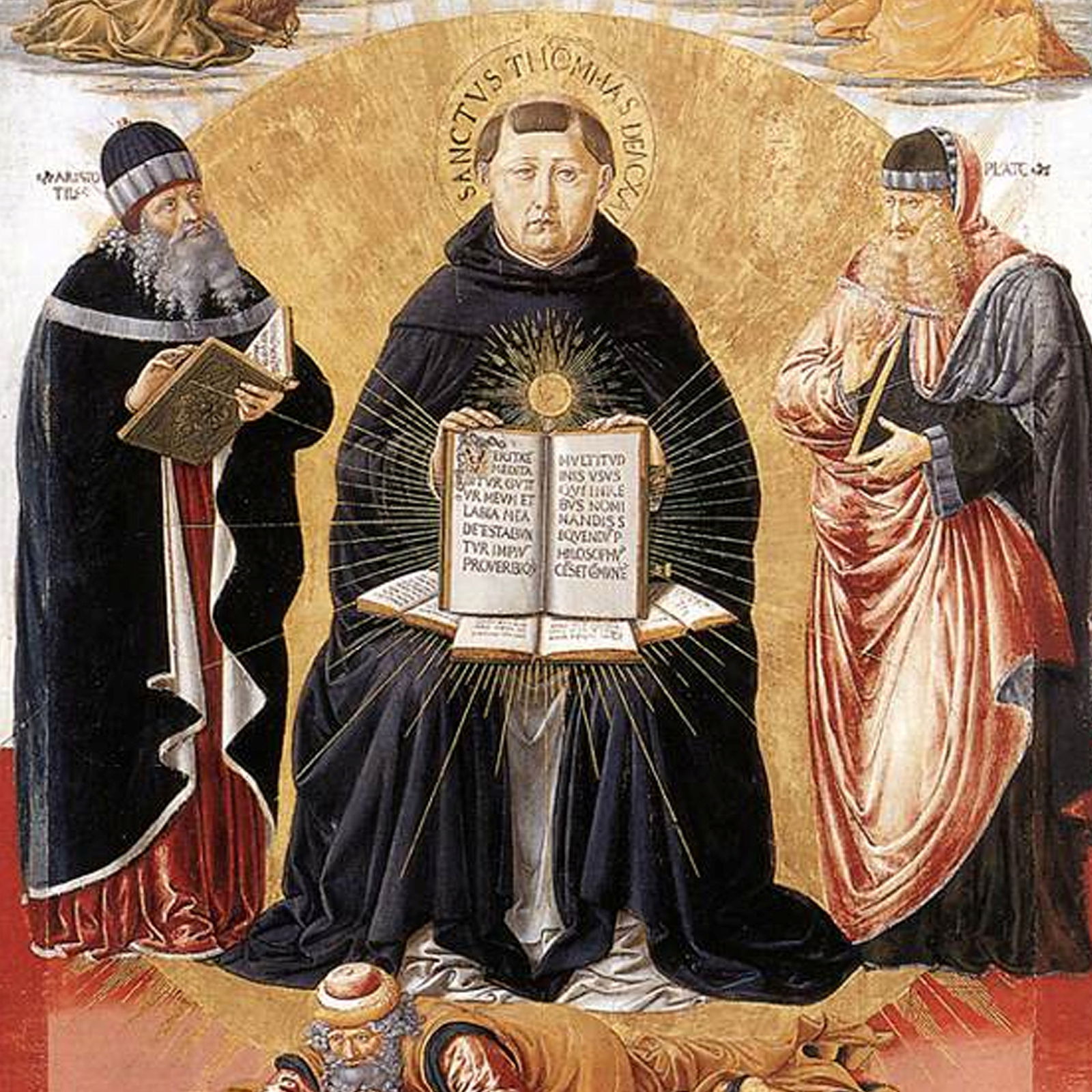
Aquinas and Newman on the Pursuit of Wisdom and Happiness – Prof. Jennifer Frey
Prof. Jennifer Frey’s lecture compares Aquinas and Newman on the pursuit of wisdom and happiness, showing how a true liberal education cultivates philosophical habits and interior freedom by uniting the quest for knowledge, meaning, and the common good.
Guest: Prof. Jennifer Frey
Nov. 14, 2025
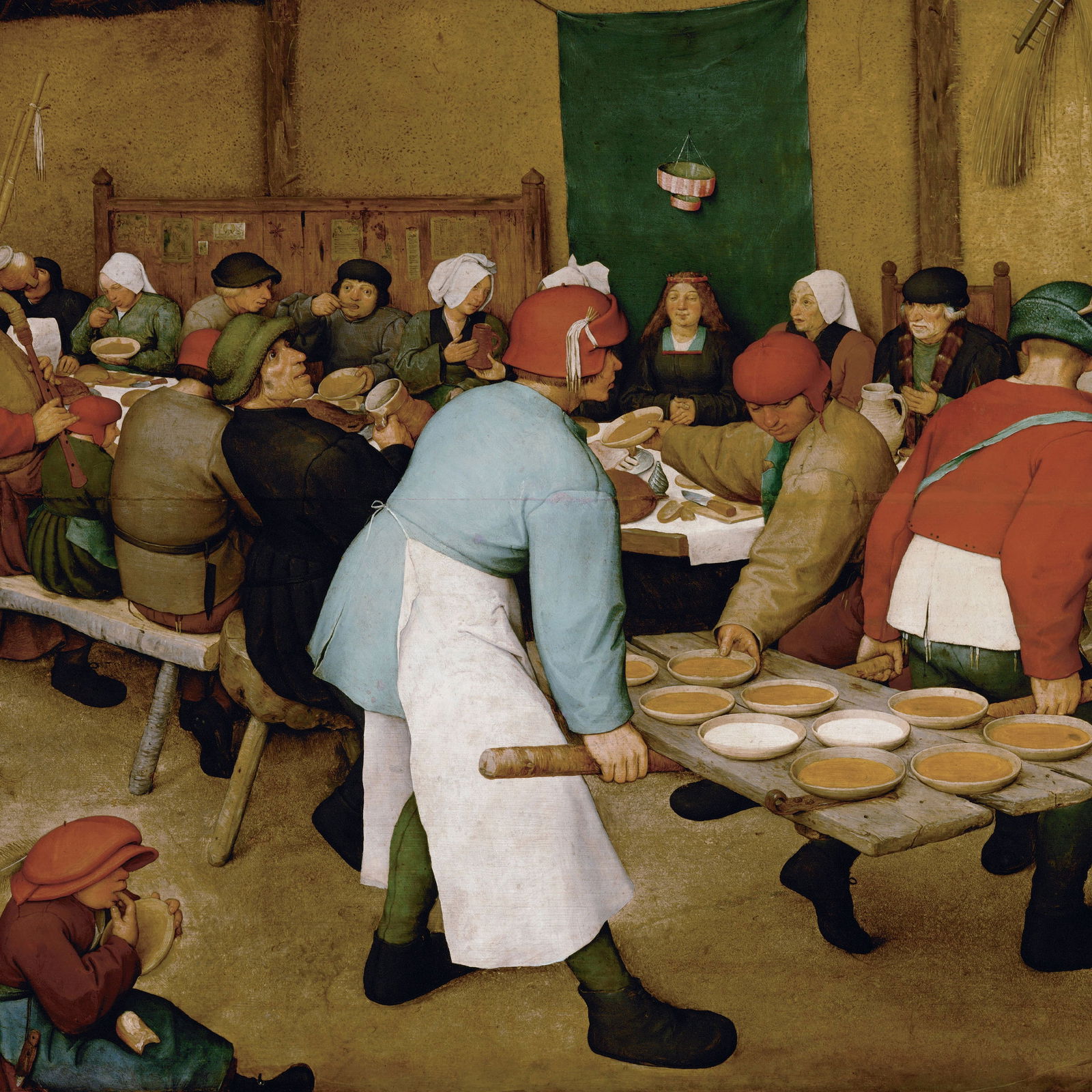
Minimum Wage vs. Just Wage: A Thomistic Clarification of Catholic Social Teaching – Dr. Michael Krom
Dr. Michael Krom uses Catholic social teaching and Thomistic ethics to explain the difference between minimum wage and just wage, emphasizing that justice, moral duty, and human need—not just legal or economic policy—should guide compensation for workers.
Guest: Prof. Michael Krom
Nov. 13, 2025
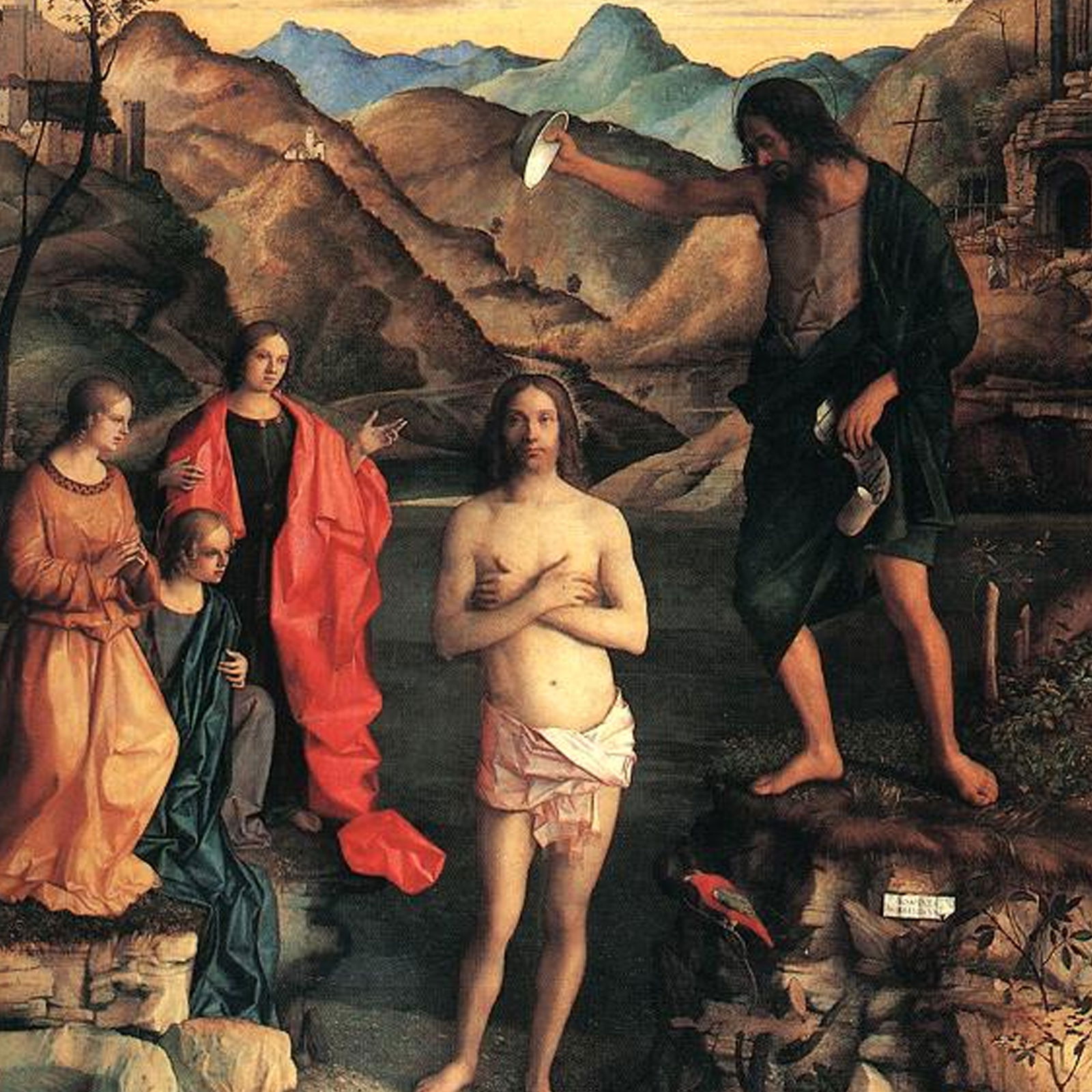
Would St. Thomas Baptize and Extraterrestrial? – Dr. Edmund Lazzari
Dr. Edmund Lazzari uses Thomistic philosophy and sacramental theology to analyze whether extraterrestrial intelligences could be baptized, exploring questions of nature, the soul, salvation, and God’s freedom to grant grace beyond the human species.
Guest: Dr. Edmund Lazzari
Nov. 11, 2025
Does AI Have a Soul? – Dr. Edmund Lazzari
Dr. Edmund Lazzari critically assesses claims that artificial intelligence systems might possess souls, arguing from Thomistic philosophy and computational neuroscience that AI lacks genuine abstraction, intentionality, and the ontological requirements for immaterial intelligence.
Guest: Dr. Edmund Lazzari
Nov. 10, 2025
Neuroscience and the Soul – Dr. William Hurlbut
Dr. William Hurlbut explores the profound questions raised by neuroscience, biotechnology, and artificial intelligence, emphasizing that the human soul—understood as the organizing principle of embodied, personal, and purposeful life—remains irreducibly distinct from animal, mechanical, and computational processes.
Guest: Dr. William Hurlbut
Nov. 7, 2025
Astrology: Why Did Medieval Philosophers Study It? – Fr. Ambrose Little, O.P.
Fr. Ambrose Little explains why medieval philosophers studied astrology as part of natural science, showing how its connection to astronomy, cosmology, and causal mechanisms shaped intellectual inquiry, yet warns that modern astrology lacks scientific legitimacy and poses spiritual risks.
Guest: Fr. Ambrose Little, O.P.
Nov. 6, 2025
Theology True Science of God or Poetical Musing – Prof. Christopher Malloy
Prof. Christopher Malloy argues that theology, properly understood as a classical science, involves intellectual habits of certain knowledge through causes grounded in faith, integrating poetry and philosophy to guide believers toward truth and beatific union with God.
Guest: Prof. Christopher Malloy
Nov. 5, 2025
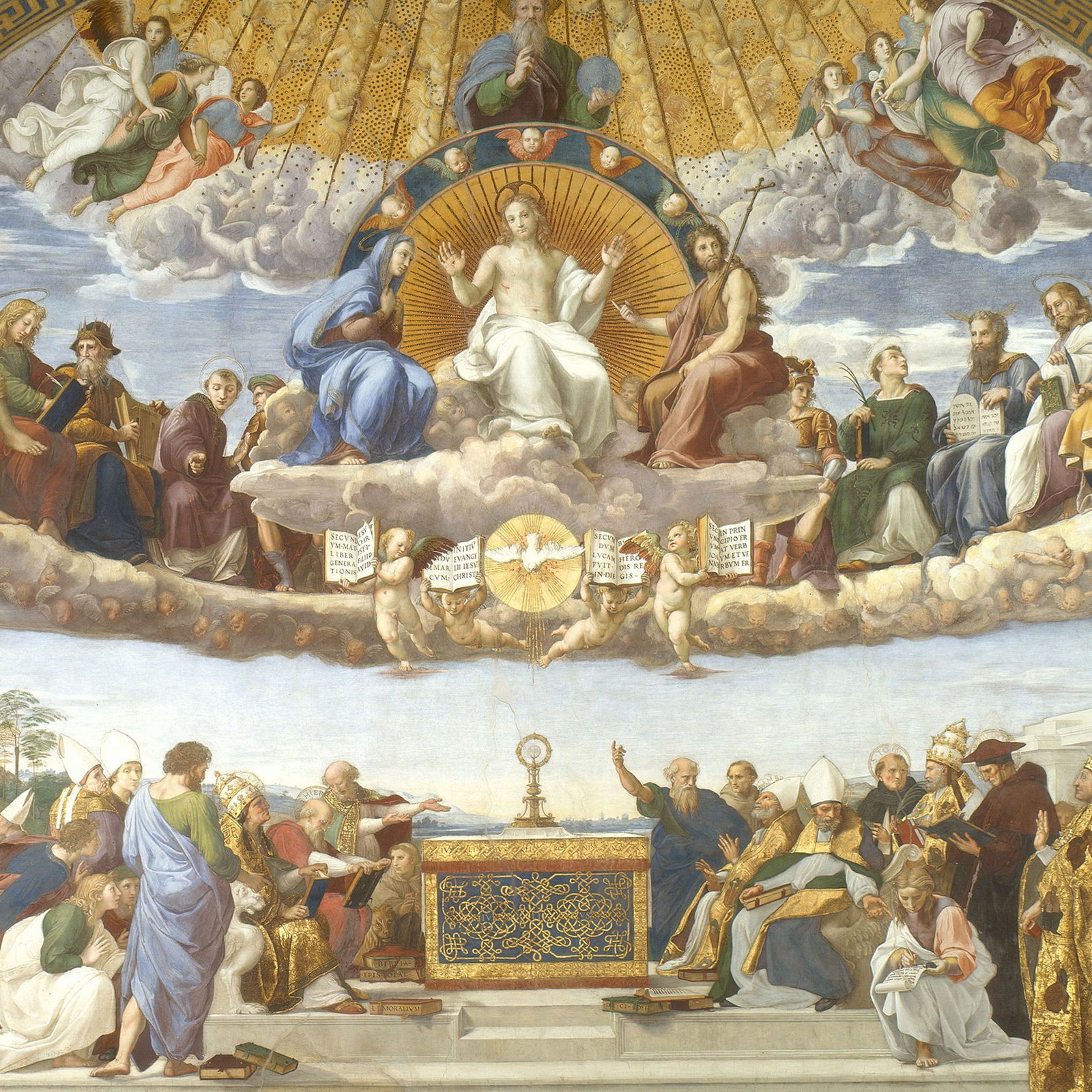
How to Know God? Philosophical Wisdom and Divine Revelation – Prof. Michael Dauphinais
Prof. Michael Dauphinais explores how Thomas Aquinas integrates philosophical wisdom and divine revelation, showing that genuine knowledge of God arises from both reason and the transformative experience of Christ’s incarnation and the Holy Spirit.
Guest: Prof. Michael Dauphinais
Nov. 3, 2025
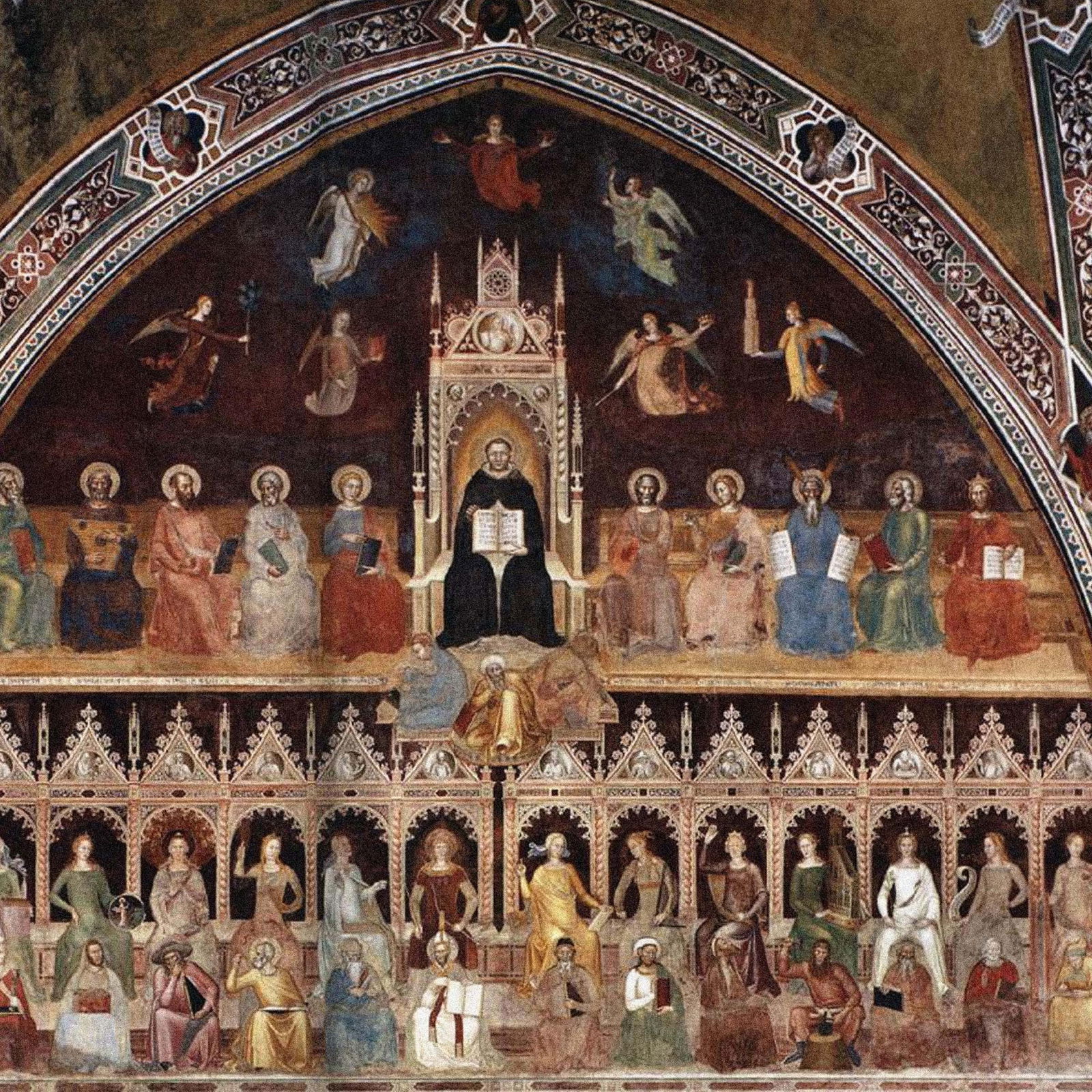
Thomas Aquinas on Intellectual Memory – Fr. Philip-Neri Reese, O.P.
Fr. Philip-Neri Reese examines Thomas Aquinas’s theory of intellectual memory, tracing how Aquinas navigates conflicting authorities and ultimately defends the preservation of intelligible species in the possible intellect.
Guest: Fr. Philip-Neri Reese, O.P.