

 Apple Podcasts
 Spotify
 Youtube Music
 #47 | NCC 2025, Passive House and AI with Ben Walsham
Ben Walsham (founder of Arkata) returns to the show to unpack the chaotic rollout of NCC 2025, the reality of high-performance design in volume building, and why building physics hit differently in tropical climates. From AI-driven workflow automation to deep-dive window frame science, this episode cuts through regulatory confusion to focus on building healthier, higher-performing homes.
What We Cover in This Episode
-
The NCC 2025 Maze & State Rollouts: Decoding the staggered adoption timelines across Australia, the logic behind the national pause leading into 2029, and why jumping straight to NCC 2025 makes strategic sense for Class 1 residential builds over NCC 2022.
-
Passive House Goes Mainstream: Insights from the Thrive Passive House conference, including how major volume builders are finding the ~2 ACH airtightness sweet spot and proving that solar orientation beats expensive product specs every time.
-
Tropical Building Physics & Mass Traps: Calling in from Malaysia, Ben breaks down how heavy uninsulated blockwork converts homes into thermal batteries that radiate heat all night, and what modern construction must relearn from traditional vernacular architecture.
-
AI Beyond the Chatbot: Moving past conversational AI and using code-executing agents (like Claude Code) to automate tedious design workflows—turning a 30-minute window schedule task into a 5-minute background execution.
-
The Math of Window Frame Fractions: Why dividing windows into small sections with extra mullions tanks your U-values, and how minimalist picture-frame layouts dramatically improve real-world energy ratings.
Useful Links
Thank you to our sponsors Enduro Builders and Climasure
Join the mailing list here!
Thanks for listening. Happy healthy building!
Jess Kismet (01:59.09)
Hello and welcome to the Building Sciology Poddie where we talk about better buildings to live and breathe in. My name is Jess Kismet, and I am your host. Today on the show, we have a second appearance by Ben Walsham. He's the founder of Arkata and the second ever guest on this podcast. He's back for more, and Ben has levelled up in a pretty big way since January 25 when we had our first chat. His business Arkata has gone from strength to strength since then. Plus, he got married, launched his new podcast, CentriPHuge, and.... is about to become a dad for the very first time!
Today we're catching up on life, deep div deep deep diving into building science and bringing out the best of Ben's very sharp brain. Ben, welcome back to the show.
Ben (02:41.773)
Thank you so much for having me on again. It's a privilege.
Jess Kismet (02:45.234)
That is my pleasure. About to become a baby daddy. A girl dad. You haven't you haven't made that news public. So I'm pretty stoked to be the one to bring the news to the to the crowd.
Ben (02:51.349)
A girl daddy, yep, that's right. my goodness.
No.
Ben (03:01.899)
Yeah, it was gonna happen and I thought, hey, why not do it on Jess's podcast? mean, what a place to do it. yeah, I'm stoked to be here. So, yeah, it is appropriate. We're going full circle today,
Jess Kismet (03:09.15)
I feel it's appropriate.
Jess Kismet (03:16.2)
Yeah. Yeah. And she's literally due any minute, right?
Ben (03:22.261)
Yeah, probably within the next three to five weeks I reckon. yeah, I estimated due date or ETA as you will was like the 6th of September but I think it might be a little bit before that. Who knows? I don't know. I've heard it's not an exact science so they can give us dates and it might not happen so. But no, she's going well. Everything's healthy, everything's good. So yeah, I'm excited, pumped. I don't know.
Jess Kismet (03:37.395)
Mm-hmm.
Jess Kismet (03:41.66)
No, it's not. Yeah.
Jess Kismet (03:51.39)
Scared. Yeah. Well that's awesome to hear and I think Yeah, I think you'll be a really great dad. So I mean, how has marriage and fatherhood shifted your perspective on your job? On homes, health, comfort, building performance? Has it has it had any impact on how you feel about what you do day to day?
Ben (03:51.392)
nervous, scared, all of the above really. So, no, it's a great chapter to embark on.
Ben (04:02.477)
Thank you. I appreciate that.
Ben (04:18.229)
I'll be blunt and say no. It has only really made my conviction just much stronger. So I'm going to go probably harder at it. And yeah, I've never been sort of more convicted in kind of what I do. Never been more obsessed with like what I do. Yeah, like it's like I use that word that way because it kind of is an obsession now and I love what I do. So yeah, look, it doesn't change.
Jess Kismet (04:29.758)
Mm-hmm.
Jess Kismet (04:36.542)
Yeah.
Jess Kismet (04:44.541)
Hm.
Ben (04:47.841)
doesn't change anything yet. Like I was saying, just makes me way more convicted and sort of way more aligned with what I actually want to do. I'm going to invest in a air quality monitor because now it gets way more personal, right? Like I can kind of deal with not having the most perfect air quality but do I want that for my daughter? Not really. So yeah, like how do we sort of...
Jess Kismet (05:00.37)
Yeah. Mm-hmm.
Ben (05:14.221)
make our homes better? Like that's just the question I always ask myself.
Jess Kismet (05:18.619)
Yeah. How do we make the planet better for our kids and our living environment better for our kids? It's a big driver for a lot of us.
Ben (05:21.645)
Hmm Yeah, I like yeah Yeah, like I don't know having a kid is quite an optimistic thing, right? It's like an optimistic action that you hope that the world will be better place in the future and so That's just what I do every day. Like that's why I try and do what I do and Yeah, just to have an impact, know, and like I was saying just obsessed right now. So
Jess Kismet (05:33.094)
Mm.
Jess Kismet (05:47.454)
It gets like that. So let's talk about the NCC because I'm getting asked a lot, and I always refer people to you because it's been a while since I dabbled in the NCC stuff on a day-to-day basis. So I keep across most stuff, but the 2025, I haven't had a lot of brain space to dive into it. And I know that you have had a little more time than me. So because this is what you do day-to-day. So
Could you give us a bit of a rundown on what's happening with NCC 2025 nationally, state to state? and particularly for us here in South Australia, we had a 10-year kibosch on the code, which has now been moved back. And everyone's confused. So could you give us a bit of a rundown, please, on what the go is?
Ben (06:39.565)
Well, for starters, NCC is absolutely my favourite topic.
Jess Kismet (06:47.048)
Ha ha ha.
Ben (06:49.385)
It is a mess and that is a big problem that we have in the industry is that it is a confusing mess and when the professionals are in it every day are also confused and we're not confused but we understand it, we get it, we have to work so hard to get through it.
Jess Kismet (07:06.846)
Mm.
Ben (07:07.123)
It's not good, right? Because it gets implemented inconsistently, gets policed inconsistently, all those kinds of things. And you can, as a, a big builder or someone, a big company trying to operate across all these jurisdictions. It's just, it's just difficult and it makes you unproductive. So we have a, the, the bigger answer to your question is we do have a major problem. And on the 10 year pause, think South Australia did that and everyone took note of that.
and the entire national sort of cohort has then been like, okay, we need to fix this problem, which is now what we're moving towards of this modernization or simplification of the national construction code. And that has effectively paused us until 2029, which is when we start to get all of these details provided to us. And that doesn't help us in the short term. Overall though, it will help us in the long term. So I think that
Jess Kismet (08:06.59)
Mm-hmm.
Ben (08:07.049)
There hasn't been any real word on the South Australian particular pause beyond that. again, the government that brought the pause in don't really have a plan because they're not going to be here in 10 years time. It's going to be up to you and I to like sort of solve, resolve those kind of problems. yeah, it's inconsistent and it's a challenge. Even with the dates that have been brought in, I've got various links that I can provide so that you can share these to your viewers.
Jess Kismet (08:23.737)
Jess Kismet (08:33.682)
Mm-hmm.
Ben (08:36.287)
Victoria, you know, they're already using NCC 2025. So from 1st of May, 2026, you could use it. There's a lot of changes for the commercial sector in that code change. Not so much for the residential change, although there's a few bits and pieces. Again, I can provide a bit more of a deeper article that I've provided. Even HitBeHype as well have another great article so I can provide some links to those as well. WA, yeah, yeah, I'll do that.
Jess Kismet (09:01.596)
That'd be great. I'd put them in the show notes.
Ben (09:04.831)
Then there's WA who are from the 1st of May 2027. Tasmania also from the 1st of May 2026 so they're already working under NCC 2025. South Australia for your viewers is from the 1st of May 2027 so we have until next year to wrap our heads around that one. Queensland is from the 1st of May 2027 so yeah there is solid dates on when all these things get brought in. Obviously each state then has their own
Jess Kismet (09:24.359)
Okay.
Ben (09:34.446)
carve outs and changes and things to be aware of. So seeking understanding as early as possible is always the best way and speaking to someone who knows the NCC and can guide you on where to go is always best. think like many people on your podcast since my first appearance have said like the NCC is the worst way you can build legally which over time increases as we sort of get better as an industry at building better homes and buildings.
Jess Kismet (09:58.332)
Mm-hmm.
Jess Kismet (10:04.254)
Mm-hmm.
Ben (10:05.025)
But best practice is always so much further and is a much, almost sometimes say is easier to go for. Like once you have an understanding of how to do these things well, like the NCC minimums are not an issue for you because you're just building to those best practices anyway. So that's always ultimately the best outcome is to just go beyond them. Like don't worry about where that code level sits. Let's just push beyond and yeah, we'll have some code things to sort of sort out, but you know.
Jess Kismet (10:19.176)
Mm-hmm.
Jess Kismet (10:26.738)
Mm-hmm.
Ben (10:33.983)
over time we sort of move towards that higher outcome anyway. But yes, unfortunately the NCC is challenging. There's no two ways to put it unfortunately and that's where as an industry we're bringing things together to hopefully be a lot more simpler because I think it can be for sure.
Jess Kismet (10:54.66)
Mm mm. Well that was the point of the pause in South Australia, wasn't it? To give the or was it or there was or th the there was an overhaul or the No, there was a national pause. There was a national pause and the point of that was to allow AI or something to to s to simplify and streamline the way it was written. Is that
Ben (11:05.068)
Yeah.
Ben (11:14.637)
Yeah, so that's part of that. That's all part of it. How can we use AI to make things better? It's interesting because if we do that, we probably end up, that's about something that looks like a passive house, right? In terms of simple building design and construction, we probably end up at a place where that's what best practice is. So yeah, we just need to sort of...
Jess Kismet (11:33.244)
Yeah.
Mm-hmm.
Ben (11:44.321)
get our, put our boots up and go for it really. But yeah, the NCC is a challenge but I can provide lots of links to further information for each jurisdiction and yeah.
Jess Kismet (11:56.914)
That would be very useful. Wouldn't it be nice if if all the builders just built to best practice and didn't worry about the code? Well we you might be out of a job then.
Ben (12:04.469)
Yeah. Yeah, but I even said that at the beginning of Arkata I said if in 10 years time I could close Arkata because I'm no longer needed, then the job is done. Like we have done it. Like that's why I have my mission. That's why I started in this place is because there's a problem. And so if I can be out of a job, then we've solved the problem. And that would be incredible because we'd all be living in homes that are healthy and comfortable. That would be incredible.
Jess Kismet (12:15.472)
Yeah. Hmm.
Jess Kismet (12:24.03)
Mm.
Ben (12:33.163)
Right, so I've always said that. That was something I said very early on. If I could make myself redundant, then that's great. You know, it is what it is, but we're here, so there's still a problem to solve.
Jess Kismet (12:33.746)
Yep. Mm-hmm. I agree.
Jess Kismet (12:46.694)
I've said the same thing. Mm. I've said the same thing. Wouldn't it be great if one day we were both out of jobs and doing something else? Not techn Not really. Universe, I want my job.
Ben (12:56.973)
I don't know what I would do if I didn't have this job because I freaking love this. Maybe I would go back to just being an architect I guess and just practice actually designing. We'd find another way to be involved in the industry. They're not getting rid of us that easy.
Jess Kismet (13:02.344)
Yeah. Yeah, same.
Jess Kismet (13:08.349)
Yeah, we would just we'd find another way. We'd level up, we'd find another way to to stay here. Yeah, for sure. For sure. now I I'm a bit confused because before you said the the pause, you said something about twenty twenty nine, but South Australia and a lot of other states are getting this twenty twenty five code next year, twenty twenty seven. Make that make sense. but what was twenty twenty nine? What was that reference?
Ben (13:31.595)
Mm-hmm. Yeah, look, the diets are always challenging.
Jess Kismet (13:38.002)
Yeah.
Ben (13:39.47)
That's the overall, like the big national pause. So basically we won't get NCC 2028, likely. We'll get 2025 and that'll be the last code change. Yeah, 25 will be the last code change until we've had this simplification and like we've gone through the whole rebuild of the way the national construction code works. Cause that's what it is. There's five, yeah. Sorry.
Jess Kismet (13:44.007)
Okay.
Jess Kismet (13:48.56)
Okay, so we're getting twenty five but not twenty eight.
Right.
Jess Kismet (14:02.598)
Right. So because is that because twenty twenty five was pretty much written by the time that pause happened?
Ben (14:12.685)
Yeah, it was pretty much ready to go. So everyone was like, yep, we're going to have 2025 as the last code iteration until we basically have this new framework in place that will then, we will then pick up everything else again. I think the South Australian pause to the code was kind of the first, they were the first movers on this. And then the national sort of pause has been like, no, let's just like do it all together. look, I mean, we were coming out of COVID, we had NCC 2022.
Jess Kismet (14:14.48)
Okay. All right. That makes sense.
Jess Kismet (14:31.974)
Mm.
Jess Kismet (14:36.733)
Mm-hmm.
Ben (14:40.587)
The seven star change for a lot of builders was like a big, change. You know, in South Australia, as you know, like a lot of builders were building to three, four, five star homes. And so for them going from three, four, five stars to seven stars is a huge jump. wouldn't, a lot of builders think they were going from six to seven. They were not. They were going from like a deem to satisfy sort of tick box assessment to seven stars because seven stars is pretty much equal across the deem to satisfy.
Jess Kismet (14:45.062)
Mm.
Jess Kismet (14:52.198)
Mm.
Jess Kismet (15:03.494)
Mm. Mm-hmm.
Ben (15:09.983)
and seven star outcomes, whereas back in 2019 when we had six stars, Deem to Satisfy, which is just your tick box exercise, was a lot, lot lower than six stars. lots of, and Verification's also another one I don't like to talk about, but is there as well. And so a lot of these builders were, yeah.
Jess Kismet (15:12.285)
Yeah.
Jess Kismet (15:22.0)
And verification.
Jess Kismet (15:26.106)
Mm. Mm. I did it for seven years. It was the only was the major way I I got I got assessments through the building code and it was, yeah, two, three stars sometimes back in the twenty sixteen code. And then I was around when it switched to twenty nineteen, which upped the game a little bit, made things a little bit harder, but it's good to hear that they're more aligned now because they were not before. The three ways.
Ben (15:35.266)
Mm.
Hmm.
Ben (15:48.876)
Yeah, they're much more aligned. I mean you still do get variation between them, which I mean at the end of the day they're different methods so that you can expect some kind of variation. But to be like three or four star different to the six star standard was pretty poor. you know some builders that I've spoken to that see a seven star rating and the specs that go with that and they're like, wow we didn't think seven stars would be so much. I say to them, hey look actually
Jess Kismet (15:59.11)
Mm.
Jess Kismet (16:05.736)
Pretty bad.
Ben (16:17.845)
we need to acknowledge that you were never at six stars to begin with. You were at four or five stars and now you're making the jump to seven stars because you want to do better for your clients. Like you want to deliver a better home. That's awesome. But let's just remember that you're actually making a bigger jump than you think you're making. And so that's the conversation I've had with a lot of builders, especially in South Australia that have gone through that process of up skilling and becoming seven star builders and beyond. And yeah, it is a
Jess Kismet (16:21.702)
Mm.
Jess Kismet (16:28.722)
Mm-hmm.
Jess Kismet (16:35.422)
Yeah.
Ben (16:47.703)
tough challenge to go from that, go to that jump when we sort of consider what the old codes were like. And I think, yeah, over time, like I'm quite optimistic. I think we will get to a place that a good outcome can be done through the code. But yeah, that's the big thing is currently we're going through this process of modernizing and simplifying the construction code. And so 2025 will be the last version we get until that has been done.
Jess Kismet (16:51.39)
Mm-hmm.
Jess Kismet (17:11.08)
Mm-hmm.
Ben (17:15.821)
And 2029 has been sort of that target date of having it all sort of wrapped up really. And we've gone through a couple of like peer sort of review processes at the moment. Again, I can provide another document that has a really good insight into some of those components that will be changed. Like there's five sort of key components that they're talking about. I don't remember them off the top of my head, but they're quite interesting to read through. So I can provide that information for you as well.
Jess Kismet (17:15.847)
Okay.
Jess Kismet (17:44.56)
That would be great. Thank you for clarifying all of that, Ben. it's it's been I've been asked many times and I don't I've haven't been able to answer. So now I feel like I've got a better grip on it. And hopefully the listener does too.
Ben (17:54.094)
Look, I I posted this on LinkedIn not too long ago, but I am working across 2019, like the NCC 2019, NCC 2022, and NCC 2025. Like I'm working across three code iterations and it's a real challenge. I just, yeah, just, I don't think it needs to, obviously it doesn't need to be like that, but it is like that at the moment. And it's tough. yeah, you always, it's always...
Jess Kismet (18:10.141)
Well
Ben (18:24.301)
mean, it's confusing. That's just what it is, unfortunately.
Jess Kismet (18:26.852)
Yep. And you said that the Victoria's already got twenty five. They got that this year, in twenty six.
Ben (18:32.811)
Yeah, that was a big industry surprise that they actually pushed through and actually made it a thing.
Jess Kismet (18:37.116)
Yeah. They got blindsided a little bit. Yeah. But they can apply to use twenty twenty two.
Ben (18:45.197)
They can apply it to use 2022 under section 10, which is a form they can fill out. But they have to sort of prove and showcase that they've done considerable amount of design and work on the project under the previous code. So it is possible to go back to 2022. Although, again, I will link to my article on this. My argument is actually, it's actually better for you not to do that.
Jess Kismet (18:58.504)
Mm-hmm.
Jess Kismet (19:06.354)
Mm-hmm.
Ben (19:15.149)
because NCC 2025, 2022, sorry, NCC 2022 had a, we're in year 2026.
Jess Kismet (19:19.679)
What year are we in again? my goodness.
Yeah.
Ben (19:29.229)
Like the NCC 2022 had some really, yeah, you should, yeah, yeah, you should. Do you remember when I was doing like, when 2022 was a thing, like when we were talking about the transition to 2022, I had a presentation that I was going around to Architects Giving in South Australia that was named NCC 2022 in 2024.
Jess Kismet (19:29.342)
I might do a funny reel of this discussion and just like pick out all the years that we've been mentioning.
Jess Kismet (19:46.316)
Ben (19:57.582)
So this has been an ongoing joke I have had for a long, time because now we're in 2026 and we're talking about NCC 2022 and NCC 2025. And then next year, maybe you could go to some of your clients in South Australia.
Jess Kismet (19:58.044)
Yep. Yes, I remember that.
Jess Kismet (20:03.462)
Mm.
Jess Kismet (20:11.388)
Yep. And twenty twenty eight being
Ben (20:16.493)
talking about 2025 in 2027. Like it's, you're doing it again. Like we're doing it all over again. Like it's so that's crazy. but no, my argument for like a lot of Victorian builders and architects is actually to just scrap NCC 2022 and just go straight to 2025 because it is actually a better code. It's a, it's a better code. And a lot of the issues that NCC 2022 brought into our world.
Jess Kismet (20:22.365)
Yes.
Jess Kismet (20:25.97)
Yeah. Yeah.
Okay.
Jess Kismet (20:37.917)
Mm-hmm.
Jess Kismet (20:45.094)
Mm-hmm.
Ben (20:46.765)
are actually resolved. Like a lot of them are resolved and refined and just made better. Like NCC 2025 is just fundamentally, objectively a better code than NCC 2022. And to be honest, that can be applied everywhere. Like even in South Australia, it's actually better maybe just to go to 2025 and sort of just skip 2022. Like that has been kind of my thoughts on it where like you could just skip 2022 and just go straight to 2025 and you'll be fine.
Jess Kismet (20:57.583)
Mm-hmm. Mm-hmm.
Jess Kismet (21:06.344)
Mm-hmm.
Yeah.
Ben (21:14.913)
because not much changes, but a lot of clarity happens. And that's where the key difference is there in residential,
Jess Kismet (21:19.803)
In residential.
Jess Kismet (21:23.867)
In residential class one. Yep.
Ben (21:25.729)
Yes, don't, yeah, commercial's not my sort of wheelhouse, so I don't tend to talk too much about commercial.
Jess Kismet (21:33.404)
Yep, just wanted to clarify. So let's go to the other the other topic we love to talk about is passive house. So you were at the recent Thrive Passive House conference. you've been to a couple of these now? two or three. two? Yep. Yep, awesome. What were your main takeaways from this year?
Ben (21:36.075)
Hahaha
Ben (21:42.615)
Mmm.
Ben (21:46.039)
That was my second. Yeah.
Ben (21:55.404)
I had lots actually. think this year was a really good Thrive event. Last year was also really good as well but this year was fun. For me the biggest one was we had volume builders in the room. So we had Metricon, Keaton and Fraser's Property. Fraser's Property group or yeah Fraser's Property. And all three of those are big builders that
Jess Kismet (21:59.518)
Mm.
Jess Kismet (22:11.454)
Mm-hmm.
Jess Kismet (22:18.386)
Yeah.
Ben (22:23.009)
have a very specific clientele or customer segment that they target. Keaton is retirees and often they sell some of the homes but they also keep some of the homes. Then there's Metricon who obviously is just a volume first home buyer, second home buyer, third home buyer type of builder. And then Fraser Property Group, I don't have a lot of knowledge on them but again they play in that same space as Metricon and for me that was the biggest part.
Jess Kismet (22:41.586)
Mm-hmm.
Ben (22:52.011)
was we had volume builders in the room and I think a lot of people who have been to many more Passive House conferences were probably as happy as I was like to see that Passive House is in the mainstream and we're talking volume builders actually sort of experimenting with Passive House. So that was like one of the biggest ones for me was that part and they had some really valuable insights from you know air tightness has a sweet spot to it. The HRV and the ventilation sort of come
Jess Kismet (22:55.068)
Mm-hmm.
Jess Kismet (23:09.042)
Mm-hmm.
Ben (23:20.279)
part and part with that, which was really cool. That was Fraser Property Group, that their insights were really, really great. That the cost effectiveness of air tightness sort of has a bit of a sweet spot, and their sort of sweet spot and their experimentation was about two air changes per hour. Then, know, Metricon sort of showcased that the fundamentals of good design actually really matter. Who would have thought that?
Jess Kismet (23:22.258)
Mm-hmm.
Jess Kismet (23:36.819)
Yeah.
Jess Kismet (23:46.776)
Mm. Yeah. Passive solo, do you mean?
Ben (23:49.152)
good fundamental design like passive solar, like using the sun to your advantage, you know having good natural pathways for ventilation actually help make a home more healthy and comfortable. So that was like great because probably everyone in that room kind of knows that but obviously we gear our suburbs towards volume and not really good design and so that's where Metricon may be taking a step back or these these volume builders might take a step back and recognize that
Jess Kismet (23:55.526)
Mm.
Jess Kismet (23:59.219)
Mm-hmm.
Yeah.
Jess Kismet (24:06.301)
Mm.
Ben (24:18.623)
where their cost premiums come from is actually in the design phase and not so much the like sort of specification and the construction. And then that sort of was like kind of echoed in the Keaton project as well. They kind of picked the worst building out of all of the buildings in this suburb to do Passive House on and it cost them a premium to do and they had to change the design, they had to change like all these things and it ended up being quite challenging for them to do. But
Jess Kismet (24:27.006)
Mm-hmm.
Ben (24:47.239)
This is like the first step. you know, we have many more steps to go and I think like it's awesome that they're even in the room sharing their feedback. Like that's incredible. It's a vulnerable action because you know, you're up there, you're in the arena trying to do things differently and set a new standard. So yeah, hats off to them for actually like being there. I think it's super inspiring and hopefully they make it like a big thing on their socials and where...
Jess Kismet (24:49.915)
Mm-hmm.
Ben (25:16.781)
HIA, obviously they're going to be quite big in those spaces.
Retrofits, like that was another one. Lots and lots of retrofit. We had the Retrofit Month as well. Then we had sort of the Retrofit Handbook that's going to be developed. I think that's going to be bloody awesome. I'm keen as to sort of see what that looks like. Yeah, like there was just a lot of great things and yeah, the retrofits I think are really, really important. You know, we have a lot of homes that are existing that need help and deep energy retrofits just make a whole lot of sense.
Jess Kismet (25:26.653)
Yeah.
Jess Kismet (25:33.746)
Mm-hmm.
Jess Kismet (25:43.11)
Mm. Mm.
Jess Kismet (25:51.598)
Mm. Mm. Yeah, my two biggest takeaways for those as well. The Metricon I've heard they were on the Sustainable Builders Yak podcast a few months ago. And so this was the second time I've seen them put their hand up and say, We're doing this. We wanna do better. and I was surprised. I was very surprised. Because, you know, to hear them on the podcast is one thing, but to see them put themselves in a room full of passive house professionals and put it out there that they were gonna do it, was
Ben (26:00.813)
Hmm.
Jess Kismet (26:21.52)
It was i admirable, like I respect that. and now we watch them do it, put their money where their mouth is. And set the example. and I I I really love that. And then the retrofit stuff, yeah. I think there's huge amounts. I haven't done a EnerPHit project yet. I had one that was teasing me but it hasn't this client hasn't come come through yet. Maybe I should give her a call.
Ben (26:49.687)
Follow up. Fortune's in the follow up.
Jess Kismet (26:49.784)
But I while I was hey? Follow up. Yeah, yeah, yeah.
Yeah, yeah. World's worst saleswoman right here. I as I was sitting there, I was feeling really, really inspired 'cause I've just bought a place, as you know, in the tropics, in in far north Queensland. And I was sitting there thinking, my gosh, I think I'm gonna like I started modelling my house in the passive in in sketch in design PH while I was sitting there. 'Cause I was like, I'm gonna see if I can get it to to comply with the EnerPHit standard. I haven't have
Ben (26:58.208)
You
Jess Kismet (27:24.377)
I haven't there yet, but I started while I was sitting in the room. And I thought while I'm at it, I got out one of my current projects and just thought I would see what would happen to the numbers if I changed the climate zone.
Ben (27:25.677)
Mm-mm.
Jess Kismet (27:38.566)
And this project is currently in Adelaide, and I just changed the climate zone from Adelaide to Cairns. And the heating dem the cooling demand, heating demand went to zero. Cooling demand went from like six cubic kilowatt hours per square meter per annum to a hundred and eighteen or something like that, just by changing the climate zone. And the overheating was like seventy percent, humidity was like seventy kilograms. Well forget the metric of that now, but
just just by changing that climate in the software package just shows you how extreme what what extreme differences we've got here in Australia and what we have to what we have to manage when we design between climate zones. and speaking of the tropics, you've been spending a bit of time in Malaysia lately. So how is this awesome.
Ben (28:24.141)
Mmm.
Ben (28:30.603)
Yes, I'm here right now actually. That's where I'm calling in from.
Jess Kismet (28:34.992)
Awesome. International another international guest. How has this how has your time in Malaysia changed your thoughts on building performance? Like what are buildings like there?
Ben (28:37.547)
Hahaha!
Ben (28:46.253)
Actually, this overlaps a lot with the first question we chatted about, the fatherhood and the marriage part and the changing perspectives. Again, it kind of hasn't. It's only made me more convicted and more a bigger believer but also a bigger action taker into what can we do.
They also have a problem here as well. Rooms are comfortable only when the air conditioner is on. rooms, if they're not air conditioned, they're outside of those comfort bands that you would sort of expect a comfortable room and home to be in. But then they have like the ability to put solar panels all over the roof and run the aircons all day. but then if you're going to air condition the home,
Jess Kismet (29:16.753)
Hm.
Jess Kismet (29:23.73)
Same in cannes.
Jess Kismet (29:28.518)
Mm.
Jess Kismet (29:36.275)
Mm-hmm.
Ben (29:38.968)
Well, you may as well make it airtight and sort of unsusceptible to mold and moisture issues, which is again another problem that they have here. all of those physics problems are the same. They just manifest differently because you're in a different climate with different attributes. And so it's similar to what your experiment was with moving a house from Adelaide to Queensland sort of did. You know, we're dealing with the same problems. something I've sort of like joked about before.
Jess Kismet (29:46.397)
Mm-hmm.
Jess Kismet (29:55.505)
Hm.
Jess Kismet (30:04.19)
Mm-hmm.
Ben (30:08.269)
which is probably not too far from the truth, is I could pick up a town, because they do a lot of it, they've been developing a lot, and there's townhouses, and I see these townhouses, I'm like, my god, that's like a townhouse development you could see in Adelaide or you could see in Melbourne. And you could pick up the design and plonk it into Melbourne. All you have to do is change it from thermally massive construction, concrete and bricks and cinder blocks and all that kind of stuff, to timber frame.
Jess Kismet (30:23.528)
Mm-hmm.
Ben (30:36.663)
construction and the design is the same like it's the same like single glaze aluminium You know all those kinds of things they do use tint on the windows, which is great So there is some solar heat gain coefficient being manipulated, but yeah, it's it's the same problem and The Malaysian sort of vernacular architecture is pretty much like you know going back hundreds of years ago is pretty much the same as a Queenslander on stilts
Jess Kismet (30:40.798)
Mm-hmm.
Jess Kismet (30:47.964)
Uh-huh.
Ben (31:05.569)
They have like really deep eaves and verandas, sort of timber louvers, lightweight construction, stilts. It's the same as a Queenslander. so I always find it super interesting, like, you know, philosophy and mathematics that like all these different, you know, going back in history, all these different people who had no communication with each other, all kind of like came to the same answer. So philosophy, mathematics, then...
Jess Kismet (31:06.302)
Mm-hmm.
Jess Kismet (31:32.402)
Mm-hmm.
Ben (31:35.252)
architecture, okay they're designed with the climate and like the way they shield from their sort of natural habitat is they all came to like a similar answer and so I always find that super super interesting that we've sort of yeah gone away from this like climate first thinking and instead we just put heat pumps on everything you know driving around Kuala Lumpur there are apartment buildings with
Jess Kismet (31:56.158)
Ben (32:01.127)
walls of heat pumps on one facade. Like it's an elevation just of heat pumps and it's incredible. It's ugly and it's the only way these occupants can stay like at all comfortable in that building. yeah, they have the same problems again just manifested slightly differently and so that again sort of has helped me understand that it's not just Australia that faces these problems like it's it's there's a lot of places in the world that have these problems.
Jess Kismet (32:05.106)
Yeah, wow. That's ugly.
Ben (32:30.385)
You know, even traveling in China, hotels are the same, like, you know, things like that. yeah, my perspective, I guess, has kind of like just been broadened, but I have that same sort of like, we're here to do something positive, like, and we're gonna help do that through sort of what we both do every day. So.
Jess Kismet (32:35.603)
Mm-hmm.
Jess Kismet (32:47.812)
Yeah. Yeah. Yeah. It's definitely challenging t switching to the tropics. What you're saying about Malaysia is very similar to Cairns. You're mentioning the heavyweight like blockwork buildings and the how they must be air conditioned all day every day to be comfortable. Then there's also the Queenslander style buildings that also need to be air conditioned all day every day. And there's these two very different constructions, and neither of them are comfortable. So somewhere along the line, no one no one's thought
Ben (33:12.077)
Yeah
Jess Kismet (33:18.405)
on a broad scale, how to fix the comfort problem, but they're very focused on, rightly so, the flooding issues and the cyclone issues. Well the typhoons. Mm, of course. It's human life. Mm.
Ben (33:26.315)
And these are important issues, like there things that we should be doing as well, there's also the holistic part of living in a home that's also comfortable is also something that's positive to a human life. Yeah, I remember this was a really distinct sort of memory when I was here in Malaysia in the past. I only just got here on Monday, but...
I remember sort of we were out all day and we went into like a family member's home and I kind of just like had this like real nerd moment because I'm just like my god I just know what the problems are in this house and because the sun had been hitting straight away you just know right from your experience your expertise all that kind of stuff but and then obviously I'm trying to talk to whoever will listen to me as well like that's where I'm like I'm having a moment
Jess Kismet (34:07.358)
It's like straight away I can tell. Yeah. Yeah.
Ben (34:21.749)
where like all of a sudden I'm like, can I talk to you about this problem? Can I talk to you about this problem? And then eventually you run out of people to talk to, right? But then my wife is stuck with me listening to me talking about these things. like the house had been left all day by itself and it was like closed up. And the sun had been just like basically pounding this house, know, roofs, walls, windows, et cetera. And because the walls are like, you know,
Jess Kismet (34:35.774)
Ha ha ha
Jess Kismet (34:41.213)
Yeah.
Ben (34:51.661)
300 400 thick and they're just solid mass. It's just brick or block work and concrete That yeah that those walls are just absorbing so much Thermal energy throughout the day that as soon as the Sun goes down It radiates inwards because that's where we then get home and turn the aircon on and because of that We're actually absorbing all of that heat into our like into us like that. It's all radiating inwards
Jess Kismet (34:53.693)
Yeah.
Jess Kismet (34:57.304)
Mm. core filled concrete, yeah.
Jess Kismet (35:14.77)
Mm-hmm.
Ben (35:20.641)
and I could feel it on the walls, was like, yes, feel how hot these walls are, right? And so there's no insulation. Yeah, every room has turned their aircon on because that's what we gotta do. Super high ceiling, so there's lots of volume for this aircon to also cool. And it just...
Jess Kismet (35:26.119)
Mm. The aircon's working over overtime to try and cool that down.
Jess Kismet (35:34.91)
Mm.
Jess Kismet (35:39.9)
Yeah.
Ben (35:40.214)
And that is day in, day out. And there's no reprieve from that here in Malaysia. You don't have like a winter period where this dynamics change. It's just constant every day. And so these walls are just like, you, your phone never lose, imagine your phone never losing charge. Like that's what these walls are basically experiencing is they're fully charged all the time. And it's just super uncomfortable. I went in there and I was hotter inside than I was outside. And that's.
Jess Kismet (35:45.022)
Mm.
Mm.
Jess Kismet (35:58.118)
Yeah.
Jess Kismet (36:06.054)
Mm. It's like Yeah. Yeah.
Ben (36:06.225)
reversed of an Australian home where I'm colder inside the house than I am outside the house. You know, my brother and sister have just moved into a rental property in Adelaide and it is exactly like that. They're colder inside the house than they are outside the house. And in this instance, I was hotter inside the house than outside. So we, the same things, we're just obviously in a reversed fashion. And so yeah, like these things, they can be solved because we've solved them and we know how to solve them. So it's like,
Jess Kismet (36:17.246)
Mm-hmm.
Jess Kismet (36:23.581)
Yeah.
Jess Kismet (36:33.01)
Mm-hmm.
Ben (36:34.869)
Let's do it. Like, how do we do it?
Jess Kismet (36:37.528)
Mm-hmm. Mm-hmm. Well, I guess these are the kinds of topics you talk about on CentriPHuge on your in your podcasts. So tell us about how that was born and what what what it what it's all about.
Ben (36:46.517)
Yes. I really, really like Marcus Strang and Alex Slater. They're both absolute legends of the game. Yeah. And when I moved over to Victoria and Melbourne, I ended up sort working in the HitV Hype office for a bit. So I got to know Marcus quite well. And then I sort of switched co-workspace and went into this one...
Jess Kismet (36:54.27)
Toploaks. Both have been guests on this show. Go back and listen to their episodes.
Jess Kismet (37:09.895)
Mm-hmm.
Ben (37:14.477)
a little bit more sort of central and Brunswick and turned out that I actually sort of joined this co-work space and it's five minutes away from Alex Slater's house and so I started catching up with him as well and then I was like we should all three of us catch up and get a coffee and whatnot and so we did that a few times and one day we were kind of just all like should we start a podcast? Should we just record our conversations? And we were all just like yeah hell yeah let's do that because we end up like with these weird wacky conversations that kind of just like go
Jess Kismet (37:22.953)
Mm-hmm.
Jess Kismet (37:34.506)
Ha ha
Ben (37:43.54)
everywhere and anywhere and it's just so much fun to just like yeah just talk about whatever we kind of feel like talking about so that's kind of been the idea of CentriPHuge like the name obviously was just like kind of just came to us and it's like just stuck really we
Jess Kismet (37:43.944)
Mm-hmm.
Jess Kismet (38:01.394)
So CentriPHuge with a pH.
Ben (38:04.141)
Yeah, so Passive House is what kind of like is our common ground and then we sort of have like we all like talking about philosophy which is a pH and you know like we could do like different things like that so anything kind of with like a pH but also like we just like to have fun which is spelled P-H-U-N so it's like we're just kind of like having a bit of fun with it like I don't know it's yeah according to Alex Slater yeah who's a who's an absolute comedian on his own
Jess Kismet (38:14.184)
Mm-hmm. yep.
Jess Kismet (38:24.03)
According to Alex Slater.
Ben (38:32.397)
But so we're just kind of having a little bit of fun with it. It's not something serious at all like and who knows what it might turn into. We have no idea. We have no goals with it. It's just something a little bit, yeah, a little bit fun, not too serious. Maybe just a different take on the industry's way of talking about things and sort of, yeah, just having our own conversations. And if someone wants to tune in, that's pretty awesome, but you know, it's not necessary,
Jess Kismet (38:32.435)
Yeah.
Jess Kismet (38:50.898)
Yeah.
Jess Kismet (38:57.406)
Three absolute top notch building science geeks talking. I love it. I love it.
Ben (39:03.733)
We've got nothing on your podcast though. You're awesome and amazing. Maybe we should have you on for a chat.
Jess Kismet (39:10.942)
So are you gonna have guests on yours? Or are you just gonna have the three of you? Yeah.
Ben (39:14.765)
Yeah, I think we want to, yeah, yeah. I think we should and we will, yeah. Yeah, cool, all right. We'll sign you up, we'll lock you into a calendar slot. And that's again, like we have no schedule on it as well. Like that's also another part is like, we're kind of just like on a WhatsApp chat group and we're like, hey guys, should we organize one for this week or like, so, and now I'm in like, I'm in Malaysia currently.
Jess Kismet (39:19.986)
Well I'm keen. Count me in.
Done. Sorry.
Yeah.
Jess Kismet (39:36.734)
Ha ha ha.
Ben (39:39.597)
So we're gonna sort of switch over to Zoom. So we're gonna have like cameras and we can like sort of change it up and do all that kind of stuff as well. yeah, again, who knows where that might go.
Jess Kismet (39:46.854)
Yeah. Yeah, stay flexible. Yeah. No, that's that's really awesome. The more people talking about this and putting on the sound waves, the better.
Ben (39:51.789)
Hahaha
Ben (39:56.653)
Yeah.
Jess Kismet (39:59.228)
So, I mean, as I said at the beginning, you've come a really long way and I met you I can't even think how many years ago now. probably I don't know, six.
Ben (40:07.437)
Lots. I think it would have been probably 2019 or 2018 I reckon. Probably 2019.
Jess Kismet (40:14.17)
So six, maybe seven years ago. and you were an architect working for a volume builder, graduate architect who, you know, had an interest in sustainability but didn't know how to make it your career. W and we crossed paths and now here you are. You've just learnt so much in the last few years and you've you've made an entire business out of it for yourself and we've talked about the podcast and you know, crossing over climates and
deep dives into the NCC and you come so far. Looking back w at the difference like from from now to when I met you or when you graduated arch from architecture, what is the difference like what was your biggest aha moment, do you think, along that along that way?
Ben (41:04.941)
There's been lots of moments, lots and lots of moments. I always reflect back on what kind of triggered my curiosity, which was the story of me in a $1.5 million townhouse while I was working as a graduate architect of architecture and helping get a lot of these projects and townhouses approved and getting the engineering, doing the energy report, like doing all...
Jess Kismet (41:25.662)
Mm.
Ben (41:32.088)
coordinating these projects from sort start to finish with my, with the architect that I worked under. And yeah, I always sort of remember that moment when I went into this home that was, $1.5 million pre-COVID and walking up a three story townhouse to sort of really kind of feel the same that I did in my own 50 year old home that I sort of went home to every night.
Jess Kismet (41:38.654)
Mm-hmm.
Jess Kismet (41:57.35)
Mm.
Ben (41:58.798)
And not really feeling any different like in terms of yeah sure it's got some nice finishes, but Generally like it's kind of the same and not much has changed And you know I remember flexing the windows a single glaze aluminium windows And I was like I went home and kind of did the same on my own windows. I was like what are we doing here like is are we Yeah, we what are the clients paying for obviously they're getting a beautiful well-constructed home because that's what we did we did
Jess Kismet (42:07.75)
Mm.
Jess Kismet (42:17.214)
What are we paying for here?
Ben (42:28.461)
great construction and did everything as we needed to. But yeah, was just these things that were just little seeds that drew me into the curiousness of what we're doing. And that then led me on to the sustainability. Well, I always had a passion in sustainability, but it was more of a curiosity to go back to that train of thought. And that's just what spiralled me into here.
Jess Kismet (42:39.038)
Mm-hmm.
Ben (42:55.757)
in a way and then I think I met you at that sort of moment in time and I remember you sort of coming, you did appear at the right time, was meant to be like these things are always meant to be but I remember like meeting you and you're talking about this like platform that helps you know architects or designers sort of quickly iterate different systems and ratings and things like that and I was like ratings like
Jess Kismet (42:56.946)
Yeah.
Jess Kismet (43:01.138)
Yeah. I appeared at the right time. Yeah. Yeah.
Jess Kismet (43:21.086)
Mm-hmm.
Ben (43:22.061)
what's a rating and then we sort of went down that path and then this path and then I think like I was like alright I'm ready to like look for a new job and I kind of want to work in sustainability and then I think I found a job that you advertised for and I hit you up and you sort of got me in and then kind of just went from there. So like
Jess Kismet (43:33.96)
Mm-hmm. Mm-hmm. Yep.
Ben (43:41.102)
And then when I was in Victoria, I had a similar experience where I moved into this really old home, like weatherboard, sure the shack, I always called it a weatherboard shack because that's kind of what it was. You could just put it next to the river, the Murray River, and it would be the same. And this is about 50, maybe 100 years old, this home, and again, it's super cold, all this kind of stuff. But then I moved into a 2019 pretty much brand new apartment.
Jess Kismet (43:58.738)
Mm.
Ben (44:09.773)
you know, a few months later, six months later. And again, I was like, there is zero difference between this and a home that's a hundred years old. Like condensation, cold, hot in summer, you know, not that great of indoor air quality. So it's like all the same, like same things. And I was just like, again, like this is why I do what I do. And because we're still sort of butting up against the same problems. So it's not...
Jess Kismet (44:16.766)
Mm. Mm.
Jess Kismet (44:32.413)
Mm-hmm.
Jess Kismet (44:37.149)
Mm-hmm.
Ben (44:38.197)
There has been a few of those moments that I am super grateful for, like meeting you and obviously having these sort of like physical visceral moments in an actual home and sort of being able to compare them and having the sort of curiosity, be able to like look beneath the surface of those. But it's just been a process of continual evolution. Really just being curious, like following the passion, asking why, like that would be like my biggest...
Jess Kismet (45:00.166)
Mm.
Ben (45:06.613)
maybe piece of advice to a younger self is just be curious and follow that passion because that's where it's led me to and I'm super grateful for that.
Jess Kismet (45:11.838)
Mm.
Jess Kismet (45:15.747)
Mm. Yeah, I think you're a naturally curious cat. You're a curious cat anyway.
Ben (45:23.533)
I am... Like, why is there a Batman here? But... I'm like, there's a Batman here.
Jess Kismet (45:25.596)
Be and and and clever.
Hey, I had noticed Batman. I wasn't gonna mention if you're watching on the YouTubes or on Spotify video, you'll see that Ben has a Batman in his background. But if you're on the audio waves you won't know, but now they all know. I wasn't gonna mention it.
Ben (45:35.245)
Yeah, it's pretty cool. But now they know. Now everyone knows. can picture what it might look like if they don't see.
Jess Kismet (45:46.206)
Just go check it out on YouTube. and speaking of how clever you are, you've been using AI in all sorts of fancy ways in your business. Can you tell us a bit about what you've been up to with that? 'Cause I'm I'm I can use an AI chat, that's about it.
Ben (46:07.91)
How long do we have?
Jess Kismet (46:10.398)
Well, as long as it takes I guess. T try and keep it keep it keep it di keep it to the the succinct version.
Ben (46:15.525)
Ben (46:19.935)
Okay.
Ben (46:24.469)
Yeah, that has been my curious obsession for sure. How do I use AI effectively in my business has been the question I've been asking myself. Because it's here, it's not going away. And yeah, it is an unlocker of probably an incredible amount of productivity that we do need as a society, not just our industry, but generally our society as well.
One of the breakthroughs for me in thinking about how to use AI was actually getting out of the chat interface. The chat interface is great, but it's also what I personally found, and this might not be true for everyone, but I found that when I was talking with AI through the chat interface, I would often find myself...
Jess Kismet (47:03.762)
Mm-hmm.
Ben (47:19.309)
talking and not doing a lot of stuff, like not doing anything. I would be just talking about something and then you'd close it and you'd kind of move on. And I was just like, this kind of feels like a bit silly. Like I kind of am talking through things, but then nothing kind of gets done. And then you talk about something else and nothing gets done. And you kind of have this, I sort of noticed this like illusion of like doing stuff. Like I was like, I feel so good. I'm like doing something, but I'm not like actually doing anything. And it's only until I really
Jess Kismet (47:26.566)
Mm.
Jess Kismet (47:42.686)
Pro yeah, productivity. Yeah.
Mm-hmm.
Ben (47:49.398)
was like, how is that solvable? Like how can I move past that? Then I sort of found Claude code and like actually having this AI sort of agent thing do stuff for me. Like it can actually do stuff on your computer. And the way computers work is just code. Code is how computers work and that's what AI agents are really good at is like writing code and executing code. And I was just like, that was the big unlock for me.
Jess Kismet (48:08.744)
Mm-hmm.
Jess Kismet (48:16.75)
Mm-hmm.
Ben (48:19.115)
because everything kind of in business is like really at the bottom of it is just code. that has been like kind of the eye-opening moment and the aha moment of that particular process was how to like embed it into the business and doing things for me. And it was taking it out of that chat interface. without sort of going, I don't want to overwhelm and like going down too much of a tangent, but like...
Jess Kismet (48:24.766)
Mm-hmm.
Ben (48:47.625)
ask yourself like how can I actually move my AI surface area to not be in a chatbot and how do I move it into a place where I can actually do stuff with it? And that was like the first step for me was Claude code and like actually using that. So from there, like I was like, my God, I can actually code stuff now. So I went from this place of never being able to code anything to a place of being able to code stuff, which opens up the amount of possibilities that we have. Like I like to think of it as like a
Jess Kismet (48:57.286)
Mm.
Jess Kismet (49:10.749)
Mm-hmm.
Ben (49:16.871)
new frontier kind of thing where we have three components. have firstly like domain expertise, like you and I have that and other professionals listening to this have their own expertise and domain. Then we have like use cases and data. So we all generate data through our day to day sort of jobs. So you make a decision for a client or you present an option for them. Like that's a data point.
Then all of a sudden we have the ability to code. So don't have to go to someone who knows how to code to build something. You can actually just use an AI agent to do that. And then those three things combined to create this sort of new world that I look at things like how can I then apply it to my business and turn it into this sort of new world mechanism. So long winded answer, I'm saying that the way business sort of changes.
Jess Kismet (50:00.029)
Mm-hmm.
Ben (50:08.174)
I'm happy to chat with anyone who wants to chat about this thing. So you can reach out to me. My email is ben at arcata.com. So ben at arcata.com. yeah, I would love to chat with anyone who ever wants to chat about it. But as an example,
Jess Kismet (50:25.278)
Mm-hmm.
Ben (50:28.832)
I like to write window schedules for my clients and people who get their reports so they know, okay, this spec goes to this window and this spec goes to this window. It's like a nice schedule. The only problem with that is they take a little bit to write when they're manually done. So that was actually the first thing that I built a bit of code for. And all I have to do now is run, this piece of code at two CSVs.
Jess Kismet (50:37.862)
Mm-hmm.
Ben (50:54.166)
and then it can merge them and create my window schedule and then it produces the window schedule. And that was a process that might've taken me 30 minutes to an hour depending on how many windows and how complex the design was. It now takes five minutes. And that's huge because now it's better, more consistent and it looks great. So like I always sort of recommend like, yeah, the first step is actually taking that AI workspace out of chat and into like your own computer.
Jess Kismet (50:59.837)
Mm-hmm.
Jess Kismet (51:08.563)
Mm-hmm.
And looks great in your report. Mm.
Ben (51:22.338)
And then the next step is actually just automating something that is tedious. Something that's tedious but it's like low that like, you it doesn't matter. It doesn't have to be perfect. It can be anything. But just doing that, then your brain is like, wow, okay, I can see what I can do now. And then you sort of start to like map out all these other projects that you have, which is what I've been doing. Cause it doesn't stop at the first one. I'll tell you that. But yeah, the Windows Schedule One was like such an eye-opening experience of like,
Jess Kismet (51:22.942)
Mm-hmm.
Jess Kismet (51:26.547)
Mm-hmm.
Jess Kismet (51:33.224)
Mm-hmm.
Jess Kismet (51:38.515)
Mm-hmm.
Jess Kismet (51:42.654)
Yeah, doesn't s yeah.
Ben (51:52.611)
what possibilities do we have now in front of us that we didn't have before? That makes the way that we deliver our work better, but also has more reach and more use case for everyone that's also involved in that process. So yeah, that's been the big thing is AI helps with a lot of stuff and yeah, taking it out of that chat space is really critical.
Jess Kismet (52:20.464)
Yeah. We might have to hit you up. Get some coaching from you 'cause I'm still I'm still a baby AI user. and I know, you know, AI
Ben (52:29.004)
I was thinking I should start a service line for like AI consultancy because yeah, I've gone down the rabbit hole and it's like, it's really effective. I'm actually even, you know, so much so that I've bought myself like the little AI supercomputer and now I run the AI sort of locally. Well, I don't have it yet, but I will run the AI locally because one of my biggest concerns is
Jess Kismet (52:34.536)
Maybe, yeah.
Jess Kismet (52:38.504)
Yeah.
Ben (52:55.51)
You see it in LinkedIn and Instagram and again, this is amazing that we're doing this kind of stuff because we need the productivity boost. But I do worry that our industry and maybe other industries, they become dependent on Claude and Anthropic or OpenAI and ChatGPT. Like what happens if one day they're not there? Like do we then lose all that productivity? So for me, like the next step beyond that, again, this is multiple steps down the path, but it is actually sort of like taking ownership of the AI as well because it's possible to do it.
Jess Kismet (53:09.662)
Mm, mm-hmm.
Jess Kismet (53:24.254)
Mm-hmm.
Ben (53:24.704)
in your own computer or on your own hardware as well.
Jess Kismet (53:29.052)
Yeah, wow. Wowie. I know that is not building science related to anyone who's confused as to why we're talking about AI, but it is it's science related and it's business related. So I'm sure there are many, many business owners out there listening to this. and so that is why that is why it's relevant and really interesting and very relevant. Very yeah, very relevant to our society right now and our work. so what are your plans moving forward for Arkata then, apart from developing your own
Ben (53:36.789)
It's science related though.
Ben (53:41.314)
Yes.
Jess Kismet (53:58.758)
IO I and
Continuing to grow that.
Ben (54:01.942)
lots. No, went, I'm, lately I've been really pumped with some of the, with all the outcomes we've been achieving through Arkata I sort of thought about this at the beginning, but a lot of those earlier years or the first two years, so I'm in my third year now, were about, just setting up the systems and getting it.
Jess Kismet (54:06.173)
Yeah.
Ben (54:30.454)
like getting the sort of offer, like hitting that mark of where the value is and where we can sort of make great outcomes. And I kind of knew like I'm not going to get much feedback until later on when these homes starting to get built. And that's what we're starting to see now is like these homes actually being built and you know, eventually people will live in them. So it's an exciting time because a lot of those that work we did previously is now starting to get built, which I went to a house, you know, a couple of weeks ago.
and it was just awesome to see these decisions that we make early and then a builder executes on site. Just seeing those things come to fruition is just so rewarding. So yeah, it's a super exciting time. But the big thing for me, the next step is actually going to be hygrothermal modeling. So I've signed up with the Proclimer courses to do the WUFI training and to really upskill myself into that space because
Jess Kismet (55:10.206)
Mm.
Jess Kismet (55:19.166)
Mm-hmm.
Jess Kismet (55:23.379)
Mm-hmm.
Ben (55:27.948)
That really is the third piece. You've got Passive House, NatHERS then I think Hygro Thermal capability and actually doing the moisture assessments is the final piece for me as a professional. that's obviously for now there's always another piece later on. But that's the big one for me I think is going to be that moisture. So that's something we'll be offering moving forward. And to be honest, like similar to my other services, I tend to just bundle all these things in and
Jess Kismet (55:38.716)
Mm-hmm.
Yeah.
Ben (55:56.93)
they just become you're delivering high performance. You're coming to me for high performance and I'm helping you deliver high performance. I don't sort of like say, yeah, we can add this on and add this on. Generally my strategy and the business model has been I've un-delivered all together and we just deliver the outcomes that you're looking for. So that's going to continue to happen. And then the last piece for me, like the super exciting piece is like the Malaysian space. So, you know, meeting architects locally, starting that conversation here about how can we help.
Jess Kismet (56:00.414)
Mm-hmm.
Jess Kismet (56:05.918)
Mm-hmm.
Jess Kismet (56:12.776)
Mm-hmm.
Ben (56:26.712)
you know, are the problems in the supply chain or the processes that we have and how can I help like, is there anything I can help with? Like how can we move forward and sort of, you know, build a passive house but also, you know, just more healthy, comfortable homes is super exciting as well. and I also forgot to say, yeah, I'm becoming a dad soon. I'm not sure if we talked about that.
Jess Kismet (56:45.618)
Very exciting and I cannot wait.
Jess Kismet (56:52.69)
Yeah, we did. I said at the very start. Yeah. I'll scrap that bit out. okay. I'm very excited to see where you go from here, Ben, because you've come so far already with and you've done it with such professionalism and energy. And yeah, you're very, very valuable consultant.
Ben (56:53.906)
Okay, yeah. I know, I'm just joking.
Ben (57:17.474)
Thank you Jess. I mean like I was saying before, I owe a lot to you because you helped me sort of unlock this path. So we were meant to meet that day and work together for a bit and then remain good friends. So yeah, I appreciate you a lot. So thanks for having me on again.
Jess Kismet (57:26.706)
Yeah.
Jess Kismet (57:32.23)
I appreciate you. I appreciate you too. Appreciate you too. Final question I ask everybody, you know what it is. What is the one most important thing you've learned in your career that you want the listener to know? And I forget what it was for the first time we had this chat, but do you think it would have changed since then? Maybe I should look it up.
Ben (57:48.822)
I can't remember either. no, I should have done my homework a more. Yeah, interesting. I wonder what that answer would be.
Ben (58:01.784)
Hmm.
Jess Kismet (58:07.102)
Pulling up the transcript.
Ben (58:11.767)
Are you gonna tell me or shall I answer first? What was the question? Sorry, repeat the question again for me.
Jess Kismet (58:15.378)
No, you go, you answer.
What is the one thing you want the listener to know that you've learnt in your career?
Jess Kismet (58:27.07)
Actually I don't think I asked this question. I think I started asking this question after we had our chat. That this was introduced as my final question later.
Ben (58:31.886)
Yeah, because you were just figuring things out when you were finding your feet and now you're firing.
Jess Kismet (58:37.262)
I was just finding my feet when we head out.
So now you get to answer. Add your wisdom to the pot.
Ben (58:44.822)
Okay.
I might actually just go like super technical and say that when I learnt in the Passive House course that the WERS database is kind of like a fixed value of u values even if the window is really big or if it's really small and actually that's not true right so the the frame fraction might be bigger or is going to be bigger when the when the window is small and there's less glass you have more frame
Jess Kismet (58:51.134)
Mm-hmm.
Ben (59:15.906)
So the U-value performance is actually different. coming back to that whole NatHERS is designed around scaling energy efficiency to 200,000 homes a year. We have these sort of like simplifications and it really sort of made sense to me that this like building physics and science is like is a thing and the WERS and the NatHERS space is about scaling those systems out to as many homes as possible.
Jess Kismet (59:19.464)
Mm-hmm.
Jess Kismet (59:44.328)
Mm-hmm.
Ben (59:45.868)
And so that was a really light bulb moment for me because I kind of didn't really ever sort of think about that. And so that was like the big thing for me is that, if you're designing sort of single pane, well not single pane, but like simple windows, you're gonna get a better U-value out of those. Rather than like big windows with like lots of mullions and transoms and like splitting windows up into different smaller sections actually punishes you. You're better off just having like a sort of a picture frame window.
Jess Kismet (01:00:07.697)
Mm-hmm.
Ben (01:00:14.592)
And now I see so much beauty in intentional, simple windows rather than big expanses of glass. And that's something that I've really like sort of reflected on a lot since I learned that because it kind of had shifted the way I kind of think about that. And so when I do optimize in NatHERS it's not something I just think about as like...
Jess Kismet (01:00:25.246)
Mm-hmm.
Jess Kismet (01:00:33.95)
Mm.
Ben (01:00:40.558)
what's the U-value in SHGC? It's like, why are we splitting this window up so much? Can we just make it a bit simpler? It's something I now sort of think about. And so that would probably be my most nerdy answer to that question. I don't know why it just came to my mind, but...
Jess Kismet (01:00:48.03)
Mm-hmm. Mm-hmm.
Jess Kismet (01:00:54.61)
That is it's it's a unique answer and I I appreciate it because there's so much misunderstanding about how windows work, even between single glazing, double glazing, triple glazing, people think that double glazing is one level of performance and there are thousands of levels of performance of different of different double glazing assemblies. So thank you for shedding a little bit of light on windows. It was really
Ben (01:01:14.67)
Hmm.
Ben (01:01:19.224)
But my more philosophical answer would be just to be curious. like, yeah, just follow where that obsession is and be okay with sort of going down a rabbit hole. Who knows where it might take you.
Jess Kismet (01:01:32.584)
Yep.
Thanks, Ben. It's always a pleasure talking to you.
Ben (01:01:38.368)
No, my pleasure. Thanks for having me on again.
Jess Kismet (01:01:41.862)
No worries. Bye.

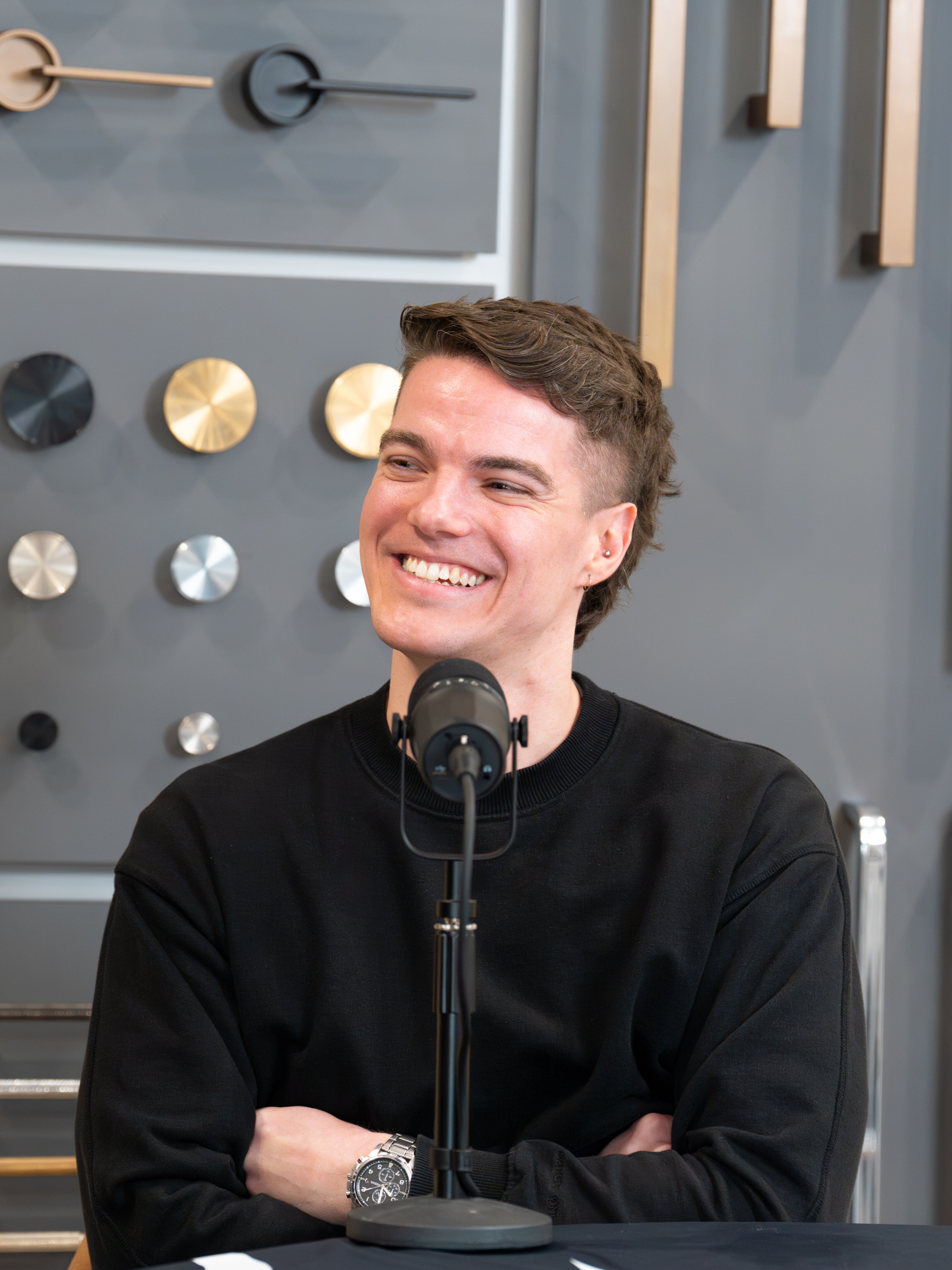
Founder & Energy Efficiency Consultant
I’m Ben, and my intent is to help lift industry understanding, expectations, and outcomes, so that better buildings become normal, not exceptional.
Most buildings don’t underperform because people don’t care.
They underperform because decisions are made without a clear understanding of how buildings actually behave.
When performance is treated as an afterthought, compromises are locked in early and those compromises affect comfort, health, energy use, and resilience for decades to come.
My work exists to change that.
I believe that building performance should inform design, not be checked at the end. That energy efficiency is not a constraint, but a design input. And that better outcomes come from clarity, not complexity.
Raising expectations doesn’t make projects harder. It makes trade-offs visible, decisions informed, and outcomes intentional.
Better buildings are not achieved through compliance alone. They are achieved when designers, builders, and homeowners understand what matters, why it matters, and how to act on it early.
That is the work I’m here to support.