Using the Law to Fight Addiction with Attorney Mark Astor


We talk with attorney Mark Astor about what families can do when addiction or severe mental illness hijacks a loved one’s decision-making and the stakes keep rising. We break down how civil legal tools can create safety, accountability, and time for treatment without turning crisis into punishment.
• Mark’s path from prosecutor to behavioural health crisis intervention work
• Why families feel trapped between jail and doing nothing
• How the Marchman Act and Baker Act differ in purpose and outcomes
• Emergency temporary guardianship and what control can look like
• The ethical line between protection and autonomy
• Why high-potency marijuana can fuel psychosis and complicate recovery
• What evidence courts require and why hearsay can sink a case
• How we think about addiction, treatment fit, enforcement, and the “honeymoon phase”
• Concerns about fraud in the treatment industry when new funding appears
• Why free education through books and short videos can change outcomes
To connect with Mark and his team or schedule a free consultation please visit https://mentalhealthaddictionlawfirm.com/ or call (561)419-6095
To connect with show please visit https://linktr.ee/RecoveryCatalystPodcast
Thanks for listening to this episode of the podcast! If you enjoyed today’s conversation, please follow, or subscribe to the show so you never miss an update. Want to connect? Visit me at podpage.com/recovery-catalyst/
00:00 - Opening And Why These Laws Matter
03:00 - Mark’s Prosecutor Years And Burnout
11:30 - Losing Everything And Starting Over
20:30 - Building A Crisis Intervention Law Firm
28:20 - Civil Court Tools To Save Lives
36:45 - Marijuana Potency And Rising Psychosis
44:40 - What Families Need To Prove
52:10 - Picking Treatment Centers That Work
57:30 - Rights, Criticism, And Funding Pitfalls
01:00:10 - Advice, Free Resources, Where To Start
Opening And Why These Laws Matter
SPEAKER_02
Read the word. Now, when I started doing this work in 16 and I was focusing on the Marchman Act, that statute's been on the books since 1993. But when I started talking about it online, I was getting calls from people. When did you pop this a brand new law? When did this happen? Well, it's been on the books for 16, 20, you know, 20 odd years, and nobody knows about it.
SPEAKER_00
I'm Kat York, and this is the Recovery Catalyst Podcast. Welcome to the space dedicated to the real hopeful journeys of recovery from addiction, trauma, and mental health. I believe that by approaching these heavy topics with curiosity instead of a quest for a cure, you can find deeper understanding and life. My guest today is Mark Astor, a legal expert who sits at the crucial intersection of law and mental health, helping families navigate the complexities of crisis intervention with compassion, and purpose. Mark Astor is a partner with his wife, Kadra Simovich Astor at Astor Simovich Law, where they lead a legal team dedicated to helping families in crisis due to mental health disorders, substance abuse, and failed recovery efforts. With a practice focused on crisis intervention, Mark Astor, his wife, and their team are known for using the law not as a shield, but as a tool for healing. From securing emergency guardianships and navigating involuntary treatment laws, like Florida's Baker Act and the Marchman Act, to work closely with clinical teams and family systems. Mark helps families regain control of a loved one's condition, friends, or safety, autonomy, or future. Their work sits at the intersection of law, medicine, and mental health, making them a valuable resource and how legal systems can be leveraged to support recovery and long-term stability. And today we are going to be talking about when love requires action. Legal tools, families, don't know exist. And while legal action, when done ethically and compassionately, can be one of the most loving decisions a family ever makes. And with that, I will welcome Mark.
SPEAKER_02
Thanks for having me.
SPEAKER_00
Thank you. So this is a big topic, and from what I was reading, um, your law career is is decades
Mark’s Prosecutor Years And Burnout
SPEAKER_00
long.
SPEAKER_02
Yes, I'm I'm old. Thanks.
SPEAKER_00
You're not old, no, I didn't mean old. I didn't mean old.
SPEAKER_02
Okay, I look in the mirror every day and I'm like, I got a hold. So good. Hopefully a little wiser though.
SPEAKER_00
You didn't start here. You started on the opposite side of the courtroom.
SPEAKER_02
Well, I started I started in the criminal arena. I spent um I mean, I was a student intern in the the Palm Beach County State Attorney's Office in 1993, and I knew uh five minutes into my first real trial, because as an intern, I could try cases that I was supposed to be in the courtroom. Um and I and they ended up hiring me. Um so I was full-time from 1994 to 1999, where I tried um about 200 jury trials from everything from petty theft to capital murder, which is a ridiculous amount of trial work in a very in that kind of kind of time frame. That's a lot of trials in a very brief period of time.
SPEAKER_00
That's insane. You're saying five years and like 200 trials. That's insane.
SPEAKER_02
Yeah, I was in trial all the time. Almost every almost every week I was always in trial. I was there to try cases, and that's where I cut my teeth, and I wasn't there to just collect a paycheck. I wanted a I wanted to become a good trial lawyer. And the way to do it is to try more cases.
SPEAKER_00
And what what was the turnaround for you where you decided to kind of switch switch avenues with your career?
SPEAKER_02
Well, I think after five years, and especially, you know, cat the last 18 months where I was in a felony trial division and I was always in trial. And they were it was for they were first and secondary felonies, which are very serious crimes. And so I always had either the victim of a violent crime or I had the family of a decedent if it was a murder case. And um, so I took that responsibility very seriously because you well, you can't sort of unring the bell, you can get a family some justice and closure. And that was a good that was a that was a feeling I you know that really motivated me to work very hard. So I typically worked late at night and on weekends, but towards the end, I was just I was really tired. I mean, it was that's for every hour you're in the courtroom, there's probably about four hours of preparation for that one hour. So, you know, you do the math if you're in trial for a week or two weeks. That's a lot of prep work. So um I left and I did some criminal defense work. Um, I worked in a family business and I was totally miserable. I made a lot more money, but I was really miserable. Um, I got div I got married at 34, I was divorced at 35, so had a very brief, you know, one-year marriage. And um it set me on a bit of a tailspin in terms of figuring out, you know, was I really happy? And I decided I wasn't. And so it really up until about 10 years ago, 11 years ago, when I started the law firm, um, I I was I spent a lot of time, energy, and money on trying to figure out my life.
SPEAKER_00
That's that's a hard place to be. I mean, a lot of people would equate money with happiness, like, oh, he's making all this money.
SPEAKER_02
Oh, I had all the material things. Uh, and eventually what happened was because I was unhappy, the universe took it all, took it all away. All of it.
SPEAKER_00
What was that like for you? What was that moment for you like?
SPEAKER_02
Um I don't know. I mean, I so to to maybe fill in some blanks here for some of the folks are gonna watch this. I had spent a year in DC. So in 2004, I I went to DC. It was not it was right after my divorce, and I really, really wanted to go back to school. So I went back to school, got a master's in law. Um, I also worked on a presidential campaign for a whole year. So that was an amazing experience. Um, but unfortunately, the candidate I worked for didn't win, so I had to come home. In 2012, uh, 13. Yeah, I I ran off to California for three years. I I ran off to I think I'm not sure if I was running away from Florida or running to California, but at run I did. Um and I spent three years there, just enjoying the bachelor life, yeah, um, and failing the California bar exam. I failed it twice while I was out there. After three years, I I ran out of money, I had to come home. So um I studied for the California bar one final time. I sat down at the local library here in Boca Ratome, where I live, studied for the bar exam, flew back, took it, came home, and eight weeks later found out that I'd gotten within a percentage point, but still failed it. And I said, okay, maybe I'm not supposed to be in California. So it was my ego was bruised too, because I'd spent at that point about a year studying for the California bar exam. And I think I studied full-time for the Florida bar for about three weeks and passed it first time. So I was very frustrated. And then and then I met somebody that completely changed the course of my life. So I got invited to a breakfast meeting down in Coral Gables, which is about an hour and a half south of where I live. So it was a 7:30 minute. So I was up at like four o'clock in the morning to get there. And I truthfully, I wasn't even going to go, but for some reason, Kat, I had a really strong feeling in my gut that I needed to go to this. And um it turned out to be the right decision. The guy that was speaking, his name is R. John Robbins, and he founded a company called How to Manage a Small Law Firm. What they do is they teach lawyers the one thing that no law student in any law school anywhere in this country learns. And that is the business side of practicing law. And I watched him speak to a group of about 20 lawyers, and of course, they were very rude to him because I mean, let's be honest, most lawyers are arseholes anyway. Sorry for the language, but it's that's okay, you're fine. That's why nobody likes us, because most lawyers are obnoxious, right? Um, and they have, you know, they know everything, even the stuff they don't know, they know that too. And of course, you know, he spoke to them about the business side of practicing law, which obviously none of them knew about because they'd never learned it in law school, but yet they challenged him. Well, I had a different attitude because I came from came from uh my dad was an entrepreneur. My dad left school at 14, and my mother left school at 16. So me going to law school was a very big deal.
SPEAKER_01
Right.
SPEAKER_02
Um, because nobody had ever even finished high school. And but my dad was an entrepreneur, he built businesses. Some worked, some didn't, some made money, and towards the end of his life, some did not make money, and he lost a lot of money. But I really that the idea of being an entrepreneur or a lawyer really resonated with me. And long story short is I begged, I'm after the conversation, you know, his his thing, I begged him for a job and he uh ended up hiring me. So I spent a year there learning all about the business side of practicing law. But what I didn't realize when I went to work for his company was at their very core, they are a personal growth company for lawyers. And if there's any profession that needs personal growth, it is most certainly the legal profession. Um and they believe that financial growth must be preceded by personal growth. And I learned two very important things there for the year I spent there. Number one, I had to take, I had to take 100% responsibility for my life, both personally and professionally. That's why I was broke and why I had nobody special in my life, really, since I'd gotten divorced. Um, and the other thing is I had to find a group of people that I could help so I could reignite that passion for being a lawyer again. And I had close family members and friends, cat, who had these issues. So in February of 2016, without any money, I sat back down in the very same library I'd studied for the bar exam, and I opened up my law firm. And I called as many people as I could fit into an Excel spreadsheet, said, Hey, yeah, this is what I'm doing. You've got to remember, I hadn't lived in Florida for three years. I hadn't practiced law in probably close to five. And so I had, you know, I just called as many people as I could. I would meet with them for coffee or lunch or whatever it was. I had very cheap business cards made at VistaPrint and I ran around to treatment centers handing out my business card. And it took 14 months before anybody called me with a behavioral health case because nobody knew me. And there was and nobody had ever opened up a law firm doing just this kind of work. Now, since then, I have a little competition, people have been trying to copy me, you know, stealing stuff off my website and trying to do what we do, but um, because of my background of the criminal justice system and the other behavioral health laws that I operate under, I mean, they're they're trying, but they're not able to do what we do. Um, but I'm okay with that because there's there's more people than I can possibly help.
Losing Everything And Starting Over
SPEAKER_02
So if if other lawyers are out there they want to help people, I I support that. Um in any event, so in the meantime, um, I took other kinds of cases because I had bills to pay. I took my first case was a student athlete here in Central Florida, got himself in a bit of hot water with a female student. I took criminal cases, I took family law cases that I co-counseled with a friend from law school because I didn't know much about family law. Um and 11 months in, my father unexpectedly passed away. So I had to scramble to pay for a funeral. That was fun. Um and by the end of that year, I had enough to get a small executive, like a, you know, like a regis, an office, an executive suite, which ironically we still have. And um in seven, 2017, I met my wife, my now wife. Um, and ironically, she actually had lived in Massachusetts for a dozen years with husband number one, where she had her children. And she came back down to South Florida after she after she got divorced. And my wife is a brilliant, brilliant lawyer, and she had a background in guardianship. And you know, guardianship is is traditionally had had always been used for elderly people. And if you speak to lawyers, if you speak to an estate planning lawyer, they'll probably tell you we can't do what we do. Nobody you can't do guardianship for people with behavioral health issues. Um, my wife literally wrote the book on how to use guardianship for behavioral health patients, and so um we worked together for the next seven years, um, eight days a week, you know, 25 hours a day, and we did everything sales, marketing, meeting with clients, drafting pleadings, running to core, all of that stuff. And it's only been the last three years where the business really took off, where we've hired staff, and we are now a team of 15 people, which is great, which means I can sit here and I don't have to stress about the phone ringing because I have other people that answer the phone. But it has taken us 10 and a half years to get here, and I've worked very hard and been able to support my family. And so my wife and I finally got married two and a half years ago. Uh back when I met her in 2017 and said to her that I would never get married again, that I was a confirmed back after my prior bad experience. But it turns out, Kat, that that the marrying my wife is the single best decision I've ever made. And the second best decision is not even a close second. So um I couldn't have done this without her. So um, that is the reader's digest version of my life. I really 60 in January, and I would tell you without question, I did not get my act together either professionally or personally, until about 11 years ago, right? When I finally decided it was time to put my big boy pants on and go and do my own thing. Yeah, but it's been a grind. Um, but we're very successful. We do this better than anybody else, and um, we help families from all over the country who have adult children, you know, with a long history of drug use, treatment that doesn't work, they're probably med non-compliant. Um they probably don't go to treatment, they're in denial. They've probably been a guest of the state through either the criminal justice system or the mental health system, and maybe even an overdose. And they call us to fix that problem, and that's what we do.
SPEAKER_00
And these are very complex issues that you're dealing with. These aren't, you know, this isn't like petty crime. You're dealing with complex, you know, um, mental health issues, substance abuse issues. And there's obviously, I think we can agree there's a gap in the system, you know, to help people who struggle with uh mental health and substance abuse. And sometimes, from what I've seen, that more harm can be done to individuals if they're just thrown in jail, thrown in prison. Um now, would you say a goal of yours is to keep people out of prison as far as like if they need help versus just kind of like throwing them away?
SPEAKER_02
Yeah, so you know, Kat, when I was a prosecutor back in the 90s, we didn't have what we now call diversionary courts. So we didn't have drug court or mental health court or veterans' courts. We didn't have courts where certain individuals with, you know, if they were either a veteran or had a behavioral health issue where we could where we could sort of direct them out of sort of the the conveyor belt to jail and prison and into treatment, right? The idea being you complete the treatment, the charges get dropped, and then you can, you know, hopefully, because you're getting treatment and you continue with it, right, you're not going to come back. That's the goal here, right? Um, but in the 90s, when I was prosecutor, we didn't have those diversionary courts. And the mandate, even today, uh in Florida, is to punish first and rehabilitate second. Well, if somebody keeps coming back, which folks with behavioral health issues do, if they're untreated, if they keep coming back and there's nowhere else to send them, then invariably there's no choice. They just lock them up for as long as they can. What up, you know, there's nothing else that can be done. So that's what we did back in the 90s. We locked people up. Now we still lock people up today in Florida, but we've gotten better at handling behavioral health issues. But you know, I tell every family if you've got a love one with an issue, there are some there are options available. Number one, they can make the decision to go to treatment. Well, if they've got a long-standing behavioral health issue, they're not going to go to treatment. And if they do, they're not going to stay. They're not going to take their medications. They're probably in complete denial. Their life is in chaos. So if they can't make the decision to save themselves, because that is part and parcel of the disease, right? I tell families as if their mind had been hijacked or kidnapped. If they can't make the decision to save themselves, well, who's going to do it? Well, one option is the state, and the state can do it one of two ways. The criminal justice system, as you correctly pointed out, or the mental health system. And in my experience, the state does not do a very good job of taking care of people who have behavioral health issues, either through the criminal justice system or the mental health system. Well, if they can't save themselves and the state does a lousy job, so we don't want the state stepping in, then is the family ready to make the commitment, right? Which is where I step, I come in, right? I use the civil process, civil end of the judicial system to get the family authority to make the decision that their loved one cannot make. And that could include anything just as simple as getting an emergency order to pick somebody up, get them off the streets, and get them into a place of stability for 72 hours, followed by let's put them, let's put them into treatment for three months, which we can repeat. To I need access to the medical records. I want to control their finances so I can pay their rent, make their car payment, also so they don't take their money and you know blow through it. But I might also want to be able to have access to the medical records so I can see what's going on. I might want to restrict their ability to travel so they don't get on a plane on leave, which can happen and has happened. Um, right? All those types of things. You know, what do you really want? How much control do you want? And are you ready to make the commitment? Because if the family's not ready to make it for a myriad of reasons, right, well then this is going to continue. It's a progressive disease and it will eventually destroy your loved one and your family with it. But you but the families that are watching this cat, they know that because they're experiencing it every day. It's why the mom and dad are fighting, it's why the siblings have moved moved out because they can't stand to be around it.
SPEAKER_00
Yeah. And you pointed out uh you said something that I that I like. Um their brain has been hijacked by either substances or mental health or both.
SPEAKER_01
Yeah.
SPEAKER_00
And getting them on, like you said, like this conveyor belt to prison in and out, in and out is only causing more harm, trauma, worsening their condition. And so and so you step in when the families are so they say they've had enough, they can't do it, and you get access um to figure out the best course of action for this individual. And what is I imagine it's kind of a fine line. Like, what is where does the line draw between like control versus protection? You know, and what is it? I mean, that's is that feels like a is that like a more of a gray area as far as like how do you slowly bring the person back into control of their lives?
SPEAKER_02
Well, so what I mean it depend it lois two favorite words, or it depends. So, I mean, the what the work that we're doing, Kat, is very much a um a shield, meaning we're doing it to try and help them. And sometimes making the decision for them to go to treatment to be med compliant and those other things that are we associate with recovery is part and parcel of protecting them. Now, you know, if we're doing we're if we're filing for guardianship, which we sometimes do, that's going to involve a lot more control, right? Access to medical records, ability to control their finances, the restrictive ability to travel, who they spend time with, where they live, those types of things. But not every case warrants that. Sometimes, and this really
Building A Crisis Intervention Law Firm
SPEAKER_02
applies with the Marchman Act, we're just simply getting an order that says, Mark is going to treatment for the next three months. But mom and dad don't get access to my medical records unless I agree to it. They don't get control of my money or restrict my ability to travel, right? It's it's a very narrow form of relief. It's an order that says I'm going to treatment. And if I don't do what the order says, well, there are consequences for that. There's accountability, and that probably involves a conversation with the judge, which is a little bit different from you're going to treatment. It's probably going to involve you, you're either going to treatment or you're going to jail, but you're not, you don't walk away from this. Because at some point somebody has to make the decision for this person, and there has to be some accountability for them, and there has to be a safety net for the family. There has to be someone they can go to, like a judge, to say, Your Honor, Mark's not doing his treatment. If Mark doesn't do his treatment, this is going to continue, and he might die. So we need to protect him from himself. And at some point, if I stay in treatment long enough, that's clinically appropriate, three, six months, the light bulb typically goes off. Oh, okay, I get it. Now I'm thinking clearly. You're right. I need treatment. Thank you for saving me. I'm back. But it doesn't happen overnight, cat. Recovery's a journey, it's not a destination. And I do not have a magic pill, but I'm the catalyst. I get it all, I get you on that road. Now we've got to stay on it.
SPEAKER_00
Yeah.
SPEAKER_02
That's what I do.
SPEAKER_00
No, and that's I I imagine that's a heavy, that's a heavy weight to carry sometimes.
unknown
Um
SPEAKER_02
It is, but when you see it happen, it's really quite remarkable. That's that's the feeling, right? That's the good feeling. And I love also building my business, because if I build my law firm, I can help more people.
SPEAKER_00
Yeah. Is there is it harder to get help for someone with with with say um a mental health disorder or substance abuse? Is it differentiate?
SPEAKER_02
Yeah, you know, that's such a good question, Kat. Um, you know, so when I started doing this work back in in early 2016, I would tell you that my focus was really on people who had substance use issues, typically alcohol, some type of other recreational type of substance. It wasn't until my I met my wife in 17 that I realized there was a you know different option here. I mean, I was really just taking criminal cases, and I was taking, you know, those primary substance use cases, and I was using the Marchman Act to get those people into treatment. Right. Um, and and we while we started doing some guardianship work, I can't tell you that it was a lot. Most of the cases were marching acts. But two things really changed the kind of cases that we get. Number one was COVID, and number two was the legalization of marijuana, which I would tell you has been an unmitigated disaster from a behavioral health standpoint. I'm sure the as I, you know, whenever I post stuff like this on my my YouTube channel, I get a lot of people saying, Oh, I, you know, I want to be free to do whatever I want. Listen, you could if you want to sit inside your house all day long and smoke and you know, fry your brain, good luck to you. But it's a very different conversation when you're doing that and you have mom and dad and people that love you that want to save you from frying your brain.
SPEAKER_01
Yeah.
SPEAKER_02
So our cases took this big shift from these sort of recreational drug type type cases to you know primary mental illness.
SPEAKER_00
You mentioned marijuana and living in Massachusetts, it is legal, and now they're trying to get it back on the ballot to reverse that because of so many reasons.
SPEAKER_02
Yeah, and I and I I appreciate that. It's interesting. I was reading an article about a couple of months ago, Kat, where in Colorado, one of our more liberal states, they have you know, they legalized marijuana. It's interesting. My wife and I were in Denver about a year ago for a conference, and everywhere we went, we could smell weed. It's just the whole place. Smelled like a giant bong. I mean, I mean, I'm not being critical, I'm just telling you what happened. And New York was the same way. It's smelled the weed everywhere we went. Um, and now what's happening is that they are having a serious problem in in Denver, especially in Colorado, because the because the the marijuana of today is not the marijuana of the 80s when I grew up in England. It's really potent stuff. And now they're having a mental health crisis in Colorado. And guess what? They don't have the funds to help all these people and get them treatment. So you have a whole bunch of people running around who to have severe mental illness that's been fueled by this new legalized marijuana. And they, if they don't have financial resources or health insurance, guess what? They're not getting any help.
SPEAKER_00
Right.
SPEAKER_02
No, that's that's a good note. That's horrible. I think it's terrible. You know, I think a lot of the states were very short-sighted. They said, Oh, okay, listen, we can make a lot of money from this legalized marijuana. Yeah, yeah, but look at look what's happened. You've it's like you detonated a nuclear bomb. The fallout is horrendous.
SPEAKER_00
No, I lived, I live near literally in like a three-mile radius, three of them. And um, you can go into a store and you it's like getting punched in the face with like the smell of weed, and I'm like, this is insane. And it's like you like you pointed out, it's become more dangerous. It's not like the the marijuana that was found in the 60s or the 70s. It's very high octane, it's mixed with things, it's lace, you don't really know where it's coming from. Um you know, it's very, very dangerous. Like you said, it exacerbates existing mental health issues.
SPEAKER_02
Correct. And if there's any predisposition, guess what? It's like pouring gasoline on a fire. And you know, it's interesting. One of the things I I I've we've observed, and and a good friend of mine who's a forensic psychologist who works a lot of these cases with with me has uh has indicated is you know, uh the the first time that somebody experiences psychosis, it's a bit like getting a concussion, right? The second time you experience psychosis is much easier. It's like the second time you get a blow to the head, it's much easier to get concussed. The damage from the first time is is still there. And so what happens is that somebody goes into psychosis and it can take a significant period of time to get them out, months. And if they have even a slight relapse, they slip right back in.
SPEAKER_00
Right.
SPEAKER_02
So I mean it's a problem. It really is.
SPEAKER_00
Now with weed being legalized in in some states, not all, does that now I I forgive me, is is it legal in Florida where you are?
SPEAKER_02
It is for medicinal purposes. But getting a getting a medicinal card is a is a joke. I mean, it might as well be recreational at this point.
SPEAKER_00
Yeah, you just go online and yeah, it's very it's very, very basic. Does that make your your what you do harder when when when marijuana is legalized?
SPEAKER_02
Well, I just think we're seeing a lot more mental health cases, Kat, and and it's really it's really narrowed down the number of facilities that we work with. I mean, I can think of there's only three facilities that I work here that I would work with here in Florida as a general rule, and maybe a fourth if we're in a pinch. Um, but these are facilities that can handle a primary mental illness case and a primary substance use case, because typically you're both, right? When I first started doing this, you know, back in 16, you had facilities that were licensed for primary substance use, and they could do mental health issues secondary. Well, that's no longer the case. I mean, you have to be able to handle a primary mental health case. And, you know, and sometimes it's it's chicken or egg, what came first? Sometimes I don't know the answer to that, and sometimes it doesn't matter. I just got to get them into treatment and let the clinicians figure out what came first and the appropriate way to treat it. I'm not a clinician, I'm not and I don't pretend to be one, but I can help you to get your lobby into treatment and keep them there long enough in a clinically
Civil Court Tools To Save Lives
SPEAKER_02
appropriate facility.
SPEAKER_00
Why why do you think that some maybe some family systems don't know that there are these resources, but like your law firm out there to help them?
SPEAKER_02
Yeah, I you know, I think that's a good that's another great question, Kat. I mean, I I think people, first of all, the the laws that we have here in Florida, especially the Marchman Act, and and the way we apply them is really unique to Florida. I was just in California two weeks ago, and I was talking to somebody out there who who works, um, who places people into treatment, and he said, we have nothing like this here. We're not even close in California. And I was, you know, I've talked to a lawyer in Pennsylvania. Again, even getting guardianship. So we have we have our main guardianship statute, and we also have um sort of a subset of that, is you can also, as an add-on, file for emergency temporary guardianship. So instead of taking four to six weeks to get a guardianship, I can get you into court within two to four days and get you a temporary 90-day order. Now, here in Florida, I don't need an expert. I don't need a clinician to come with me. I could just put, I might just put one of the parents on to testify. Well, in Pennsylvania, you need an expert to come in and testify, even to get a temporary guardianship. Well, how does the doctor do the assessment? You're dealing with somebody who's living on an who's for all intents and purposes, living in a different universe, who says there's nothing wrong with them. Why would they waste any time speaking to the doctor? They're fine. So the assessment never gets done, and then the parents never get temporary guardianship. It does the case doesn't go anywhere. So here in Florida is a great place to bring somebody or get somebody here, not just because we have great treatment, but I have laws that enable you to get control of the situation and get them into treatment and keep them there long enough. And then they can go back home and continue with treatment when they're stable and able to appreciate their need for treatment. But otherwise, you know, so so a lot of people outside of Florida don't know that we have these amazing laws and we have great treatment down here. Part of my mission, Kat, has been to spread the word. So I love talking to people like you who are gracious enough to have me as a guest. But I also put out a ton of content. I put out three videos a day. I have 1,200 videos on YouTube. Um, I just wrote a book all about the Marchman Act, and folks go to my website, they can download it for free, or they can for a few dollars go buy it on Amazon if they want to, you know, the paperback version. So my mission has been to spread the word. Now, when I started doing this work in 16 and I was focusing on the Marchman Act, that statute's been on the books since 1993. But when I started talking about it online, I was getting calls from people. When did you pop? It's a brand new law. When did this happen? Well, it's been on the books for 16, 20, you know, 20 odd years, and nobody knew about it.
SPEAKER_01
Yeah.
SPEAKER_02
So I very rarely get a call now saying I never heard of the Marchman Act. Now they call and say, Oh, I didn't know there was a law firm who did this and only this, because even my competition is sort of dabbling in other stuff. Well, that's fine, but I'm not a jack of all trades, right? I don't believe in that um for any profession, but especially for the legal profession. So families will find me, and I will tell you, Kat, most of our clients who are families, mums and dads, are not in Florida. There, I've had clients from Hawaii, in California, I've had calls from Oregon, the Midwest, all the way up that new, you know, that New England corridor where you live, you know, New York, New Jersey, you know, Mass. Um, so and I'm actually bought up there, so I we do get some calls from up there too. But part of what I do is saying, hey, you know what? I'm here in Florida, I can help you, and I can figure out how to get your loved one down here so we can get them assessed and stabilized and they can begin treatment, and then they can go back to wherever they came from and finish up there. So bringing awareness to to the solution is it's definitely an uphill battle, and ten and a half years you know, in we're doing better, but again, people just don't know about what we do. So I'm grateful to you for helping me to spread the word a little bit. Thank you for that.
SPEAKER_00
Well, I'm grateful to you for being here because I can't even it would take two hands to tell you all the people who've lost to to drug addiction, mental health, you know, you know, suicide. And so anything that helps get the word out there that there are options available for families, because families so often with addiction feel helpless and burnt out and just torn apart. Yeah.
SPEAKER_02
By the time they get to me, they're exhausted. You know, they've been dealing with it for a long time, they're tired, and they probably spent money already, and maybe it's on treatment that didn't work for whatever reason. And and there's a myriad of reasons why treatment doesn't work. They maybe even they went down some type of legal pathway, and for whatever reason, again, they say what doesn't work, whatever that means, right? So um, folks are tired. You know, the the one question I ask every family that I ever speak to is when was the last time that you had a good night's sleep? And they invariably give me the same answer. They don't remember the last time they had a good night's sleep because every night they go to bed wondering if they're gonna get that phone call. They're frightened and they're tired and they're looking for answers.
SPEAKER_00
That that's a terrifying place to be because you just because when when you're when you're dealing with an individual who has substance abuse and mental health, it's not long when when homelessness will follow. You lose your job, you lose your friends, you lose your community support, and then they just go off the radar, and then it's like and I mean what do you do? And I guess that would be my question. Are you if you're are you able to deal with a situation where someone is homeless? Is that or is that just yeah?
SPEAKER_02
I mean, sometimes we have to go find them. I mean, if there's a family there that has the you know the ability to get somebody into treatment and they have resources, and you know, I mean, we use county facilities sometimes if we have to, but yeah, sometimes we have to go find somebody. You know, it's interesting when I first started doing this work and I filed the case, the clerk, you know, would say, Where is this person located? If you if you can't give me an exact address, we won't accept the case. So it never got to a judge. I have a retired cop on staff and a team of investigators, and they're really good at finding people. And so what started to happen is I said to the clerk, if you I said, Look, I know they're in the county, so we have jurisdiction. I said, just do me a favor. I said, I'll find the person, get the get this file in front of the judge. Let me worry about finding them. I'll find them, I'll get you an address, but I need a court order because if I don't get a court order, I can and I find them, I that the law enforcement's not going to be able to grab them. I need that court order for order for the police to have the ability to grab them and get them to a place of safety. And now these days, you know, I mean they know I'll we'll go find them.
SPEAKER_00
So And what are the requirements for some of the things that you're that when when a family comes to you that they need to have when they call you? Is there a certain are there certain requirements?
SPEAKER_02
Well, I mean, obviously, you know, as lawyers, I gotta worry about making sure I can prove the case, right? I have to make sure I have you know sufficient evidence, but I'm also governed by rules of evidence and substantive law and procedure. So, you know, part of our triaging of a case is when a family calls us, it's not just asking, you know, what's been going on and how long and what have you tried. The the bigger picture, or the bigger issue is how do you know what's this has been going on? Because sometimes, you know, like you said, Kat, folks are not, maybe they're not living at home, maybe they are on the streets. And, you know, parents are saying, well, you know, they're using, or there's this, or there's that. And the question I ask is, how do you know? Right? And it's not because I'm trying to challenge them, it's it's because I'm trying to make sure I have evidence and that I can prove the case. Because if they're gonna say to me, well, you know, so-and-so told me, and so-and-so is not willing to come in as a witness, that that statement that somebody told you is not gonna be admissible. It's not gonna come in. The court's not going to accept that. It's gonna get excluded. So I got to make sure that we have evidence and that we can present that evidence to the court. Do we have witnesses? Right? Have they have they made admissions? Have you seen them using? Have you found evidence in the house? Maybe it's empty bottles if they're an alcoholic, maybe there's pills, maybe there's you know evidence of marijuana use in the house, right? Maybe they have been involuntarily committed to a state, you know, to either a county facility or a state hospital on more than one occasion. So we have a history of mental health issues, and we have a tr we
Marijuana Potency And Rising Psychosis
SPEAKER_02
have a history of not taking medications and getting arrested and being out in the streets. Okay, now we have now we have a case that we can present. So we've got to make sure we can we can prove the case. And if we can't, you know, my team knows we don't have enough evidence here. So let's talk about a different option because maybe either maybe the legal option is just not the right fit, right? And if we can't help you, my team will tell you we can't help you. Here's a different option. Sometimes an intervention is a great option, and I'm a fan of interventions. Um, if it's done by somebody who's actually qualified to do it, not somebody who took an eight-hour course online and then says they're an interventionist. You know, I mean somebody who's got a master's degree or a doctoral degree and has thousands and thousands of hours of experience doing this, right? Right, who's actually a real clinician who can do the intervention, not a you know, here today, gone tomorrow interventionist. And, you know, that's fine. It's not that's just not for me. Right. If you want an interventionist, I'm gonna give you somebody that is actually qualified to do a real intervention. And sometimes an intervention cat can be a very gentle way to get somebody into treatment, and I can still do what I need to do to make sure they stay. Because it's going to treatment and they're staying in treatment, right? And if you go and leave and go and leave and go and leave, well, then you're gonna continue going and leaving, and the family's gonna continue getting frustrated and tell me the treatment doesn't work.
SPEAKER_01
Right.
SPEAKER_00
Now now, how do you run into issues where sometimes it is the wrong treatment facility? And how do you find the right treatment facility?
SPEAKER_02
Well, so when it comes to treatment, there's sort of two ways that they come to us. A family will typically say to us, Oh, I'm working with XYZ treatment center. Okay. I mean, I know I know for the most part, if the if if if it's a facility that I'm gonna work with, right? I mean, here in Florida, there's there's not that many good ones left because the bad ones were all shut down a couple of years ago. So I I sort of know who the who the good players are. If they say, Well, look, I'm working with this treatment center, okay, that sounds good. I'm okay with those guys. They do a good job. Okay. Or let's say they come to me and they say, Well, I don't have a facility. I can make a recommendation, or if you want, I can refer you to the one of the two clinicians that I like to work with and say, Hey, why don't you call Dr. So and so? Have a conversation with him about where he thinks is is clinically appropriate. And you can hire him to find the right place to do sort of an initial assessment and to sort of case manage, to be there with us on the journey. And some families will do that. That works well for them because now they have a whole team around them. Again, you're gonna have the resources to do this, Kat. But you know, I if it's a facility, you know, one of the things my wife and I spend a lot of time is doing, not just in Florida, but you know, we were in California and we were in Utah, is going to facilities, visiting facilities and seeing them and meeting with the clinical team. I want to know who these people are, right? If I haven't seen the facility and you want, I'm not gonna refer you to a treatment center I've never been to. I mean, I'll refer you to one I like to refer to facilities. One, I know the folks that work there. We have a history with them. They I know they do good work, right? And it's also it's located in a county that's friendly to this kind of stuff because not all counties do a great job with these cases, in which case it might exclude certain causes of action. I may not file one case, but I might file another one because I know that the facility, there's very limited resources. I'm gonna be stuck using a county facility that's gonna do a lousy job for me, which means I'm not gonna get the result from the client. And at the end of the day, my goal is to get their loved one into treatment and keep them there long enough. And if I can't do that, then maybe we need to figure out a different path to get a successful outcome. Because I really want to get this right the first time.
SPEAKER_00
Right. I imagine because for a lot of these families, it's not the first time they're trying to deal with this. By the time they've come to you, as you've stated, they're exhausted.
SPEAKER_02
Well, by the time they come to by the time they come to me, yeah, I'm sort of the last portal core. I'm the 911 of the legal profession.
SPEAKER_00
Right.
SPEAKER_02
You know, um, that that's typically what happens. So um, you know, so normally there's a history. It's it I do get calls where people have not been, you know, in treatment yet, but it's not very often. It's normally they've been in and they've, you know, for whatever reason the treatment didn't work, they were in, they were out, or you know, a lot of the time there's sort of this. I call it the honeymoon phase. And what I mean by that is they'll go for seven to ten days, and then as soon as the hard work starts, they bounce, they leave, right? They all of a sudden they they had to go to group or they had to do a one-on-one with a therapist or clinician and start to talk about what's really causing these problems, and they don't want to have that conversation, and then you know, things go south, so they leave. Yeah, and they they go through this phase of in and out, in and out, and and then when the parents call me and say, Well, you know, treatment doesn't work. Well, okay, what does that mean it doesn't work? Right? Right. It does I mean, look, if you send someone to treatment over and over again for seven to ten days, then yeah, it's it's almost certainly not going to work, and you're gonna continue to deal with this. So part of the triage process is finding out like what's worked, why did it work, what hasn't worked, and why didn't it work? Okay.
SPEAKER_00
And that's these are very complex issues that you're dealing with. I mean, because each person comes with their own individual set of circumstances and backgrounds and history. And I'm curious, like, I'm curious, have you seen it where when you're working with an individual who's really struggling to get them into treatment, that they that they've been appreciative, not only of what you and your firm have done, but their family, like where they understood.
SPEAKER_02
Yeah. Yeah, I have. I've seen a couple. I had one person actually, after I put her into treatment and kept her there, she referred her boyfriend to me. Um, yeah, I've had it where I'm like, you know, I'm the devil incarnate, right? And then three months later, six months later, it's like a totally different person. Right. And that's why I tell families, because sometimes they'll say, Well, they'll say, Mark, you know, I've tried talking to, you know, this person about going to treatment and they're in denial. And my response is, yeah, I know it looks like them, sounds like them, and it walks like them, and it's the proverbial duck. But it is not them that's running the show. Their mind has been hijacked by their disease, and the disease is going to fight like hell to go to not to go to treatment, because if you go send them to treatment, the disease could, in theory, go into remission, or as we call it, recovery. So, yeah, right, that's what's running the show. So don't think of this as your loved one, even though it looks like them. Think of this as the disease. In order to get your loved one back, right? And they will materialize, but it will take time. We gotta get them into treatment. We gotta, you know, start working on their mind, their body, their spirit, all of that stuff, but it's going to take a little time, right? I tell every family plan for a year, not necessarily needing me for a year, although sometimes we're on a case for a year, cat. We may not be actively working and billing the kit, you know, the file, we're there in the background, where there is the safety. If the court needs us, we come. And hopefully we're not needed. But sometimes, sometimes a relapse is part of the recovery journey. Sometimes the person does use again. Sometimes they do experience psychosis again. Sometimes they do walk out of treatment. Okay, how do we handle that? What are we going to do? Because it can't just say, oh, well, you know, it doesn't work. No. You know, recovery is a bit like the stock market. It goes up, it goes down, it goes up, it goes down, right? Good days, bad days. Good days, relapse. Good days walked out of treatment. But over time, if you stick with the stock market, the trajectory is up. That's recovery. Over time, recovery happens.
What Families Need To Prove
SPEAKER_02
But you gotta stay the course, right? You put your money in the stock market, it goes down, you can't say, well, stock market doesn't work. Nobody gets rich. If you stick to it long enough and you keep putting money in, right? And you so you keep working the recovery process, the result comes invariably.
SPEAKER_00
No, I mean your recovery is not, it's not a one size fits all, and it is it is it is not no, it's not a cookie cutter, and you're gonna I not everybody, but a lot of people do relapse, go back out again. So it's not the trajectory isn't just you start, you get sober, and then it's all the way up. It's it's up and down, as you stated. And I I am curious, like when you when you hear when you see a success story, when you see a client and they're they're really getting the help they need, they're really applying themselves. What is that like for you and your firm to see that?
SPEAKER_02
Well, it's that it's that reward, right? It's that rewarding feeling, it's that that feel-good feeling. It's really it's a really special feeling. And um, that's why I do the work.
SPEAKER_00
And that's because I was because I was looking on on your on your on your TikTok channel, and you have a lot of great videos up there, which is another great resource for people.
SPEAKER_02
Yeah, I I post like two or three videos every day, uh, Kat, and I and I base them on my experience.
unknown
Right.
SPEAKER_02
Because because look, anybody can go you can go read the Mar the Marchman Act Statue, you can go read the Baker Act Statue, probably read it every bit as well as me, if not better.
SPEAKER_01
Right.
SPEAKER_02
But but I've spoken to thousands of families over the years. I would venture to bet it's probably close to 10,000 families over the years. I've learned a thing or two. And we filed, I think we're, you know, way over a thousand cases that we have filed of all sorts. I mean, all over the state of Florida. Um, and you learn a little bit about how the system really works. And how does it work in Miami Dade compared to, say, Orlando or Tallahassee or Tampa? Right? How does it work? Because it works different in every county. Well, if you've, you know, if you've never filed cases in most of those counties, well, then you'll never know how it works, right? Why why why would I maybe not file a case in one county and I would in another? Or why would I file a different case in that county? I mean, there's reasons for that, and that just comes from knowing how the different counties handle things.
SPEAKER_00
No, I'm listening to you talk about all these logistics, and I'm like, all these tabs are opening in my head, like, oh my god, like just from like counties, and I'm like, this has got to be so it's so complex that talking to you, I don't think people really can realize how complex it is.
SPEAKER_02
And it is. That's that's why you probably if you're going to try to get a loved one into treatment, you know, I get families all the time, not all the time, maybe that's not the right word, regularly who say, Oh, I'm just gonna go to the courthouse and file this myself. Okay, let me know how that works out for you. One out of ten is gonna get somebody into treatment, and that one person, if their loved one leaves, is not going to be able to get them back in because they won't know how to enforce the court order. And you know, if you're filing for Marchman Act or Guardianship, um for guardianship, you're gonna need a lawyer because you the guardian has to be represented by counsel. But you know, these are these are are complicated, and your loved one is going to get another a lawyer, an attorney appointed to represent them. Well, if you don't have a lawyer and your loved one does, and it's somebody who's very experienced handling those cases, what are your chances of actually winning that case somewhere between slim and none? I'm not saying it can't be done, I'm not saying I haven't seen it done, I'm saying it's very, very few and far between. So if you want to get it right, why not make that commitment and get it right the first time?
SPEAKER_00
Right. No, I mean I I wouldn't even know where to begin, which is why I'm thankful that there's there's individuals like you who are out there. And from what I'm from hearing from you, you're kind of a pioneer in this field, you know, focusing solely on what you do. And sometimes, you know, as you as you say that people are trying to kind of just kind of steal your model, like what you do. And I'm curious, have you ever faced criticism for what you do for the kind of work that you do? Do people have pro like, oh, you're doing too much of this, you're you know, too controlling or you're enabling.
SPEAKER_02
Yeah, sometimes if I post a video about you know criticizing the whole marijuana thing, well now these days it's kratom and more gas station uh you know, opioids, people get upset. Well, you know, it's draconian what you're doing, it uh you know, you're taking away people's rights. Yeah. I'm like, yeah, I'm taking away their rights for a very brief period of time so I can save their life. And then I'm gonna give them back. They can have their rights. But if we don't, at some point there has to be a balance between their rights and our ability to save them. Right. Surely we are civilized to the point where we can we can see the distinction, right? Which is why we have a judicial process, it's why we have a judge review these things, right? Are we not at the point where we can make a decision to save somebody who can't save themselves? I think we are, and I think it's okay to take away those rights for a period of time and then give them back, right? It's not a permanent thing, it's not forever, right? Somebody ends up overdosing and dies, that's forever. Yeah, a family's destroyed, that's forever. So for a brief period of time, we're gonna take away some rights because they're not capable of exercising those rights anyway. So, what are they really missing here?
SPEAKER_00
No, and I and some I sometimes, you know, being in 2026, I'm still surprised that we are where we are, not having the resources available or not even knowing about firms like yours that do this work. It's it's mind-blowing that you would think that I thought by now would be farther along in how we approach individuals and help individuals. And um seems sometimes we get even farther away from where like we should be, you know, in in terms of helping them and having the resources for them.
SPEAKER_02
Yeah, that um I that is a long conversation maybe from today, cat.
SPEAKER_00
No, no, yeah.
SPEAKER_02
You would you would think in this country in 2026 we would have the resources to take care of everybody and make clinically appropriate treatment available to everybody. I do know, and there was there's been some um there's been quite a bit of news about, I guess, Robert Kennedy Jr., who is you know the health and human services sector, has been openly saying, you know, we're gonna throw millions of dollars at this problem to make treatment available to everybody. And I think that sounds great. But as we have seen in states like Minnesota and New York and California, not to get critical or political, when you throw throw money at a problem, what happens? You get all kinds of charlatans and thieves coming out of the woodworks stealing the money. Look what happened in COVID. How many people you know who had legitimate businesses were filing for COVID relief so that they could keep their businesses running, so they could pay their employees. And then, you know, there was always this one charlatan who came along and was able to defraud the government, went out and bought a Lamborghini, right? So, I mean, for every one, you know, 10 honest people, right, there's going to be that one charlatan who's gonna steal. And that's the problem. You know, the government's like, oh, here's a bunch of money. Yeah, but who's getting it? Some guy that opened up a treatment center five minutes ago. When I first started doing this work, cat, I used to get calls two or three a day. Oh, I have a treatment center. Why don't you come and come and visit us? Okay, I'll I'll come and see it. I was pretty naive. You know, you go, uh, give me your address. It was an office building
Picking Treatment Centers That Work
SPEAKER_02
with some guy sitting in an office. I'm like, where's the treatment center? Oh, it's down the street. These guys are right. And then we, you know, we had a federal task force here for two years, cat, cleaning up the industry, and 90% of these guys got went out of business or got arrested. So um that's the only concern I have is can we administer the money properly to people that can actually use it and and it gets to it gets to families who don't necessarily have the resources to pay for good treatment. If we can do that, I'm all for it. But if it's going to invite more thievery, then I think we're just throwing more more good money off to bed. And unfortunately, there's always gonna be somebody out there who's gonna take advantage of the situation.
SPEAKER_00
Yeah, especially when it comes to addiction and and mental health, I feel like there's always somebody out there who's trying to, you know, take advantage of, especially the families, um, the only situation, because it is such a delicate time for for people and challenging time. And as I'm listening to you talk and I hear the how you started and where you are now, I wonder like what your definition of success would be today versus years ago when you first started out in law.
SPEAKER_02
Well, I think from a from a business perspective, it's success is the ability for me to not only put food on the table for my family, but for me to make sure that my 15 staff members can put food on the table for their families, I think from a business perspective, right? I mean, the idea is you know, we grow a business, my staff get to live their best life, they get to, you know, take care of their families, right? And we do that by helping other people's families, right? So the focus is help the families, grow the business, hire more staff, help more families, right? It's a very cyclical thing. So the the focus is on the mission first. That feeds the business. So I think from that perspective, you know, I or I guess on a personal level, I you know, I got married two and a half years ago, remarried, I have two amazing stepchildren, I have a brilliant, you know, amazing wife, um, and I'm very happy, probably the happiest I've ever been. And so I think for me that's that's success, right? I mean, I don't I'm not one of these people, I mean, I like material things as much as the next person, but I don't need I don't need a yacht or a private jet. I mean, and I'm not poo-pooing those. If that's what you want, hey, great, go out and get it.
SPEAKER_01
Yeah, yeah.
SPEAKER_02
My material wants are I don't need everything. I'm I have a you know, I have a I have a I live a good life, and I'm gonna continue to do that and give away as much as I can and help as many people as I can, and that's sort of my mission.
SPEAKER_00
No, you can tell like just by talking to you how important of a mission this is to you.
SPEAKER_02
It is. It's you know, I always tell people, Cat, by saving other people's families, I ended up saving my own.
SPEAKER_00
That's gotta be such an enriching. I'm trying to imagine what that would feel like, just when you when you see when you're working with a family and you see like their son or daughter come out of treatment and they're slowly rebuilding back their life, like what that's gonna feel like for you and your staff. Um to to see that and be a part of that, be like to know you had a hand in that. You know? It's gonna be such a beautiful feeling.
SPEAKER_02
It is. And my heart breaks for the families that for whatever reason can't make that commitment, or we start treatment and then they stop, they start, they stop, right? They that is frustrating because I know where that's going.
SPEAKER_00
Right. And but there's no doubt you you've helped at this point, probably thousands of people with what you and your firm has done.
SPEAKER_02
Well, I I like to think we've helped a lot of people. Not not all of those people became clients. Some of those people just, you know, read a book, read one of my books, or looked at a video. Right. Or listened to a podcast that I did with somebody like you, Kat, who, you know, was gracious enough to have me on as a guest. Right. Don't underestimate what the what this comp uh how important this conversation is for us. Because, you know, the one thing I love about social media is we put it out there and it's out there forever. Maybe a mom listens to this 30 days from now, or a year from now, or five years from now, right? And they say, Wow, thank goodness for that podcast, changed my life.
SPEAKER_00
So it's very important.
SPEAKER_02
This is this what you're doing is is is powerful. It's important. It's important for people like you and me to have these conversations.
SPEAKER_00
It is, it is. You know, and I um you know many years ago, you know, I had lost uh my my my brother to an overdose. And um that's what kind of sparked all this. And to me, it's always been about if there's one person who can hear it and not feel like they're lost or alone or a family is lost and alone, then that's and that's it for me. That's really the goal. And um I I love social media in the sense that um it gets a bad name, but uh you know you don't really know like the extent of the positive effect you have on people.
SPEAKER_02
You know, uh think about it, right? I make a video, three-minute video. What what are what are it really? I mean, if we would get in terms of dollars and cents, did it really cost me anything? No, maybe three minutes of my time. Then I upload it to you know, Facebook, LinkedIn, Twitter, you know, the usual. What did that cost me? I mean, nobody sent me a bill, right? Didn't cost me anything. And how long is it out there for? Potentially forever, right? Right. So, you know, six months from now, five years from now, you know, mom's watching, you know, a video I made for three minutes, you know, when I was sipping, having my coffee one
Rights, Criticism, And Funding Pitfalls
SPEAKER_02
morning. Yeah, and it changes the direction of her life and somebody else and her family's life, and it didn't cost me anything. So I think we can all afford to give a little bit away, especially when it doesn't cost anything. So that's my reason for doing the social media stuff because it doesn't really cost me anything, and it could really change the direction of somebody else's life.
unknown
Yeah.
SPEAKER_00
Why wouldn't you do it? Yeah. And once it's out there, it's out there. And um I love it, I love what you're doing.
SPEAKER_01
Thank you.
SPEAKER_00
And I I I have to ask you one final question because you've been so gracious with your time with me here today. To the families out there who may be in these difficult positions, if they have a son or daughter, loved one. Um what's your like suggestion or piece of advice to them?
SPEAKER_02
Well, I I think I think pick up the phone and have a conversation with us. I mean, I mean I'll be able to help you, but you know, um, I may have a resource for you. Um, or if you don't want to talk to us because not everybody wants to call the offer, um I mean go to the website and I can give that in a second. But on under resources, I have this brand new book I just launched. It's and actually, if you so you can either buy it on uh Amazon as a paperback, but if you go to the website, you can download it for free. And it's I think it's nine chapters, but it's written, and also there's there's video. So after every chapter, I recorded video and I had it. That cost me money to do it, but it was worth it, right? Because the quality of the video and it's me talking about what you just read. And I mean, go down, go down on, you know, go and download the book for free, right? And watch it at night when you're you know in bed instead of watching you know TV or something. So you can go download the book or watch a you know, watch a podcast that I'm on, or you know, look at the videos. There's 1200 of them on YouTube, they're all free. So and I tell every every you know, when I make a video at the end of it, I say, listen, if I haven't made a video about what's going on in your family, post in the comments. And I read them all, cat. And I'll make it, I'll make found I've on several occasions I've made a family post and said, Oh, you know, I can you make a video about this? Yeah, next day I made them a video, right? Put it up on YouTube, right? I'll make you the video. So if you're watching this and they're like, Oh, he didn't, you know, he didn't make a video about this issue. Let me know. Post in post post in the comments because I'm gonna bother, I'm gonna share this on my social media too, so everybody else gets to see it on my end.
SPEAKER_00
Oh, thank you. I appreciate it.
SPEAKER_02
You're welcome. But post in the comments, right? Let us know. I'll make you a video. Yeah, why not? And I'm more trying to help you.
SPEAKER_00
And you know, and I did, I did go to your website and I did you know download that, download the book you're talking about. And one thing I want to say is that somebody immediately reached
Advice, Free Resources, Where To Start
SPEAKER_00
out and emailed me.
SPEAKER_02
Yes, you know, and they will do that.
SPEAKER_00
And I just wanted to say, like, and I felt bad. I'm like, oh my gosh, if I do it. No, it's okay.
SPEAKER_02
That they're they know to call.
SPEAKER_00
And you know, and I was like, I and I I love that because so often, like you said, lawyers get a bad name. And you know, it was just nice to be like, oh wow, like that's like an actual person. It wasn't automated. No, it was like it was nice.
SPEAKER_02
It's not automated. No, I have real people that work for us.
SPEAKER_00
Um I love that. I I love I I I love what you're doing, and I'd like to give you an opportunity to tell people where they can find you, your website, anything that you want to share.
SPEAKER_02
Thank you. So, Kat, the main website is mental healthaddictionlaw firm.com. That's mental healthaddictionlaw firm.com. Or if they just Google my name, you know, Mark Astra Attorney, you should find me with no problem. Or just actually go to YouTube, probably put my name and you'll find just you know all those videos there.
SPEAKER_00
And you have uh a lot of videos up on TikTok, you're on X and LinkedIn.
SPEAKER_02
Yep, I Facebook. I put all these videos up, I try to put them on all those social media platforms when I upload them.
SPEAKER_00
Yeah, and I and I and I urge people to to go take a look because there's short videos, but there's a lot of information that can be helpful to to anyone who's struggling or doesn't even know what to do, and just good information to have in general. Um I think it's good to have. And I want to thank you, Mark, for sharing your experience, you know, your story with us, um, and for all the work that you, your wife, and your firm are doing. I think that's I think it's wonderful. And you know, I'm gonna have all your links in the show notes uh for your website, for the um your social media links. So please go follow Mark, give him a listen, go check him out, give him a call. He's here to help. He wants to help. Everybody there wants to help at your firm. Um and again, I love hearing from everybody. So if anybody has any feedback, you want to connect, uh, my contact will be in the show notes. Feel free to reach out. Um until next time, uh stay well, and I look forward to catching up with you next time.

Attorney
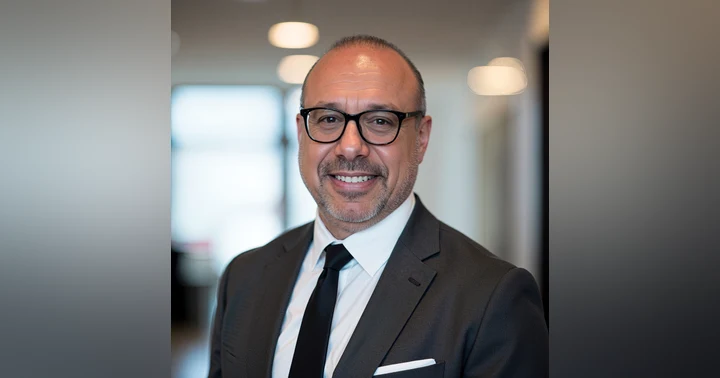
Mark Astor is a partner at Astor Simovitch Law, where they lead a legal team dedicated to helping families in crisis due to mental health disorders, substance use, and failed recovery efforts. With a practice focused on crisis intervention, Mark Astor and his team are known for using the law not just as a shield—but as a tool for healing.
From securing emergency guardianships and navigating involuntary treatment laws like Florida’s Baker Act and the Marchman Act, to working closely with clinical teams and family systems, Mark Astor helps families regain control when a loved one’s condition threatens their safety, autonomy, or future. Their work sits at the intersection of law, medicine, and mental health—making them a valuable source on how legal systems can be leveraged to support recovery and long-term stability.