How To Stay Sober By Building A Life You Want


We talk with Dr. Larry Smith about how addiction can start young, hide behind achievement, and keep us trapped through an inner voice that promises relief while stealing our lives. We also lay out the daily practices that keep him sober for 26 years and why purpose and connection matter more than chasing the absence of cravings.
• His first experience with alcohol at age 11 and the sudden shift from euphoria to shame.
• How prescription drugs and weekend drinking evolved into substance abuse.
• The “resume versus reality” gap and how addiction fuels loneliness in relationships.
• Gratitude as a trainable skill that changes mindset under stress.
• “Recovery is not the absence of craving but the presence of purpose” and what purpose looks like now.
• Why self-worth collapses in addiction and how people rebuild through small actions and amends.
• The role of medication assisted treatment and why it should support, not replace, human connection.
• The warning behind his novel 2084 and the risk of reducing recovery to what is measurable.
To learn more about Dr. Larry Smiths recovery and published works please visit: https://www.drlarrysmithauthor.com/
To connect with show please visit https://linktr.ee/RecoveryCatalystPodcast
Thanks for listening to this episode of the podcast! If you enjoyed today’s conversation, please follow, or subscribe to the show so you never miss an update. Want to connect? Visit me at podpage.com/recovery-catalyst/
00:03 - Welcome And The Purpose Lens
01:46 - First Drink At Eleven
06:04 - What Parents Miss In That Moment
13:14 - Daily Practices That Keep Him Sober
22:50 - Purpose Over Cravings
30:04 - Medication Assisted Treatment And Its Limits
40:37 - Connection As The Real Antidote
47:55 - Endurance Sports As Recovery Training
54:03 - Writing Books To Spark Better Questions
01:00:31 - What To Say When Someone Is Struggling
01:03:35 - Closing Thanks And Ways To Support
Welcome And The Purpose Lens
SPEAKER_02
Hello everyone, and welcome to the Recovery Catalyst Podcast. I'm your host, Cat York. Welcome to my little corner of the world, where I invite guests to talk about their journey to recovery, either from addiction, trauma, mental health challenges, or a combination of any and all those things. My goal is to shine a light on these difficult topics through the lens of curiosity rather than cure. The truth is recovery is a very individual journey, and no two paths are the same. In this episode, we'll be talking about how recovery is not necessarily the absence of craving, but more as the presence of purpose. And to do that, I have invited Dr. Larry Smith. Dr. Larry Smith is a recovery advocate with 26 years of sobriety and the author of Johnny and Me, Facing the Voice of Alcohol within. Larry speaks openly about addiction, and the inner voice that keeps many people trapped. His message is simple and powerful. Recovery is not the absence of creating, the presence of hurt. His upcoming novel, 2084, conspiracy explores a chilling and important question. What happens when pharmaceutical companies control addiction treatment in absence-based recovery disappears? Dr. Larry Smith, welcome.
SPEAKER_00
Thank you for having me, Kat.
SPEAKER_02
Thank you for being here. I'm excited to talk to you. Um
First Drink At Eleven
SPEAKER_02
you're talking about important things, and I would love to get started perhaps with a little more background about your journey through um through recovery.
SPEAKER_00
Okay. You want me to get started right from the very beginning, I guess. So so here I go. It's it it started at uh age 11. And um there's alcohol around our house, nobody really drank that much, but uh one evening my parents had some guests over, and um I noticed there was a bottle of white rum in the kitchen and it was unguarded, and so I wondered what it would like to be to get drunk, and um looked around and said, should I do this or shouldn't I do this? And it decided, okay, here we go. So I I took the bottle of white rum, guzzled four or five mouthfuls, uh, and uh it tasted horrible, it was burning down in my gullet, was the most awful thing that I had tasted, but then all of a sudden something wonderful happened, it just spread throughout my entire body, and I thought I had died and gone to heaven. Says, this is the best day of my life, this is the best feeling of my life. I really I love this. Um, and I felt so good that I had to go and tell my friends about it. So, of course, I figured my parents wouldn't uh wouldn't like this. So I said, I'm going down the street to see my buddy. And uh they they said, Oh yeah, okay, okay. So as I was going down the back lane, I noticed this feels really good, but you know, I'm having a little trouble walking. And uh the friends are coming, uh, or are my friends over there, they're they're seeing me drunk and they're wondering, what the heck is wrong with you? And it's just I thought it was the most wonderful thing, but within a period of what an hour, the best day in my life had become the come the worst day of my life, and of course, the inevitable happened. I threw up a low, uh came home, they told me uh just go straight to bed, don't talk to anybody. So I threw up on my the guests' shoes, uh and I don't remember much outside of my parents screaming at me and then my sister sticking up for me, and the next morning there was hell to be paid. And of course, I um uh was very remorseful, and I declared something a lot of alcoholics and people uh who overuse alcohol say, I'm never gonna do that again. And for 30 years I wanted to find the feeling of if I could get drunk but avoid all the negative effects of alcohol, then that would be a good thing. So that's where the journey started, and it took me into mainly prescription drugs, codeine, valium, that type of thing, anything that would give me that effect. It was basically the down. I didn't like how the the way I felt, anxiety, what have you. I'm a very quiet person, uh, wasn't sure of myself. So I basically I used that to calm calm my nerves. And of course, the developing adolescent brain, uh, age 11, 12, 13, uh, you're putting that in your system is the worst time you could possibly do it. And I know it's part of our society. So that's basically where I started um uh my journey. And by the time, yeah, early teens, the the weekend alcoholic uh type of thing, and then pilfering uh Valium from my mom and my sister, because back in the 70s they were handing out Valium like uh like candy. And then uh I got into codeine, would be the um first year of university, had a sore throat, wasn't feeling good. I said, I gotta get to school. I mean, I was very, very athletic. Um uh I was I was studying hard at school, but I said, no, I I really need to feel better here. So basically, what I did is I found some 222s, I don't
What Parents Miss In That Moment
SPEAKER_00
know how many I took, but it gave me such a great buzz. The pain in my throat went away, my head cleared up, and I said, This is this is beautiful. Now I now I can concentrate. And unfortunately, from then for about the next 20 years, I was taking it daily. I just switched to Tylenol because the aspirin was hard in the stomach. So uh through university years, early career years, it's the two two lives. I'm one is I'm showing the world how how much I can study. I was taking physical education, science, and then eventually I got into chiropractic. Uh, did very well, uh, and I was also playing sports most of my life. In my younger years, football, hockey, baseball, and then in university years, I got into gymnastics, uh, competed at the university level, and um it was you know really good times, but it's the resume you see on someone's resume versus what's going on behind it. And I'm sure you heard all those stories. You don't see the the throwing up, you don't see the humiliation, getting into trouble. All you one sees is what you uh uh you put on the resume. So basically, I won't say it's leading a double life. I I used to think that now I think it's more as compensating for uh well, I wasn't feeling good um inside about myself, even though the outer outer world thought I was doing well, I wasn't. And this showed up in relationships. I had um I had close friends, uh and a lot of them were some most of them drank, some some of them didn't. But I found as uh as far as relationship uh with females, I was too afraid to show them how I really felt, and that um it catches up to you and it can be very lonely. Uh yeah, I wanted a relationship, but uh I'm glad I didn't have too many, or if I when I did, uh they didn't last very long because they would they wouldn't want to be around me when I was drunk. So it's kind of a sad thing when you're uh I finally sobered up at age 41 and going out on the first date. How am I supposed to act without alcohol on me? Well, you know, like what do you what do you talk about? And it's I guess there's shame involved, but you know, really, I think maybe a lot of people have gone through that. Uh but fortunately I read the I met the right person. Uh she's direct and straightforward, but she listened to me very kind and compassionate, and I've been with her ever since we've been together now for 26 years. She uh was just um I met her at my office, and she lost her husband from suicide um just you know uh the previous year, and I was just coming out of a rehab, and we just wanted to uh be friends, have have friendship, somebody uh we could talk to. And that was a big part of my recovery as well, because I did the treatment, uh, I did the support groups, uh, but having a person I could talk to on uh on a daily basis was um uh basically you know what it what a gift. And we still talk like that. And uh as I'd say, Lori, she's my biggest fan and harshest critic. I can't get I can't get away with anything. And it's a good thing. So there's a a little bit about the background. Um uh I kind of glossed over a few things, but you kind of get the picture of you know where it started.
SPEAKER_02
Can I ask you going back to that moment when you were a child and you had your first drink? When your parents um you know came down on you pretty hard, it sounds do you Do you think in moments like that parents should meet the their child with how do you think a parent should meet their child if they find them you know drunk for the first time at such a young age?
SPEAKER_00
Okay, well um I guess finding out why did you why did you do it? It says was there something going on with you? And they're both very they were very lovely people, they've both uh they're gone now, but um to them, somebody getting drunk, this is like the worst thing in the world. How dare you, you know, moral failing, just not acceptable for an adult, never, never alone a child. But if I could go back then, as you got drunk, was that just experimenting, or is there something going on that you feel the need to do this? Just yeah, um that would have gone a long way into um into helping at that point in time, but it's that era, and it says, I guess I'm making excuses for them, but they really had no clue. Is this you don't do it end of conversation? So if it would have been find out why are you doing this, and in fact, I had friends, why do you feel the need you need to get drunk all the time? And um, I think in today's world, we're starting to look at that and into the reasons why you're doing it, and you you stand a chance if you if you know why you're doing it, because there are healthy ways um you can teach you how to cope with uncomfortable feelings. And we're human beings, everybody's gonna get uncomfortable feelings, we're all gonna get trauma, we're all gonna suffer death, divorce, uh you know, relationship difficulties, career difficulties. Uh bad stuff does does happen. Life is messy, but life is also beautiful because that's when I've met um a lot of wonderful people is through the messy times. There have been very uh every step of the way, there's been somebody kind, cat, who's been able to help me, hold my hand through it. And uh that's why I want to give it back and saying, no matter how far down the scale you've gone, man, there is there is hope. Just share, share with somebody you trust. Here's how I'm feeling. So I guess the kind of roundabout way, I guess if we would have had those conversations back then when I was 11 years old, there might have been a different outcome. But I don't regret it because uh I think I needed to go through that to really discover who I was. Yeah.
SPEAKER_02
No, and you're right, in that time frame, you know, addiction was looked at very differently. Um, there's a lot of shame around it, a lot of misunderstanding too. Um your parents, I'm sure, were scared too. Maybe didn't even know what to do. Um that is scary. You know, probably seeing your I'm sure, you know, young child drunk. And you know, so your first reaction is probably going to be to lash out, you know. Like, oh my goodness. Um And I'm I'm glad you're here today to talk to us. Umber twenty-six years at uh I know it's only done one day at a time, but a lot of days put together. You know, and I'm sure in those twenty-six years you've encountered hardship life on life terms. Um What would you say keeps you grounded day after day, keeps you pursuing recovery and you know, away from that lifestyle?
Daily Practices That Keep Him Sober
SPEAKER_00
Uh it's a good question. Um out of treatment, they gave us what was called an aftercare plan. Here are the things you need to do every day to stay sober. And of course, it's the number one is connecting with others. So coming out of treatment, they would want you to go to your support group, uh, you know, three days a week, five days a week, whatever it's gonna be, but you have to commit to it. Um secondly, eating three meals a day. At that stage, it was um they don't didn't really care what you were doing, as long as you're getting food in your system because you know the old thing hungry, angry, lonely, tired. Um, if you're getting food in your in your belly, then you don't have the drop in blood sugar. And I still have to do it to this day. Um I need to have snacks in between meals and just have a high metabolism. I've always exercised a lot. So, yeah, you got the food, you got the exercise, you got connecting with other people. And then I start each day now with um, I picked this up during COVID, was I decided to start journaling. Every single day I journal, and then I have two meditation books I read. Um, it's kind of the two opposites. One is from an atheist, it's called Beyond Belief, and the other is from uh Marianne Williamson's uh she's her take on the Course in Miracles. So I'm kind of getting it from both perspectives. I know it's kind of bizarre, isn't it? So uh I'm doing that. Um and then actually each day while walking the dog, I have uh a certain routine I go through with my senses. I got this from a counselor. What are five colors I see in the environment? I'm looking red, blue, green, black, white, yellow. So it gets me looking out there. What am I hearing? I'm hearing my footsteps, I'm seeing the I'm hearing my breathing. I'm hearing a robin, I'm hearing a uh a chickadee. Oh, that's kind of that's kind of cool. The truck driving by, uh, a kid hollering from from next door. It gets the ears going. What am I smelling? And even with my diminished sense of smell, oh, fresh grass, I love it. And how's my inside body feeling? Oh, my ankle's still sore. This is going on so that way you're you're going within the world instead of with me. I'm here fighting the battles of the world in my head. And then after that, just describe what I think of the environment environment. So again, you're you're looking at things in detail rather than just walking around being in your own head. And I've really struggled with that my whole life is living my life there. And thirdly, um, gratitude lists. Uh, 20 things uh that I am grateful for, and I don't allow myself to do the rotten memorization of just to get it done. I try to make them unique as much as I can every day. And I heard about this years and years ago, and I started doing it. I was in, it was either a half iron man or an iron man, and I was really struggling. Legs are aching, I'm just not feeling well, and just feeling, oh, I don't know if I can do this. So wait a second, what am I grateful for? And then all of a sudden, I started to see the wonders of the world. Uh, my fellow athletes were sort of encouraging each other. I'm in beautiful scenery. Uh, I know I can get to the finish line. I've got somebody meeting me at the finish line. I've got my partner and I've got my dog there. Oh, this this is great. I've got a home to go home to, and then just kept going on and on and on. And then by the time I had finished, I'm going, smack myself. You got nothing to worry about. Your legs are a little or just a little bit sore. Just go, go, go do it, buddy. And so I have used that, and there are times too, we we all go down, and sometimes we we don't want to deal with it. But when it becomes such a habit, I think we can train ourselves, even in the worst times, to start, you know, what's one thing I'm grateful for? That's that's what it starts with. So I did that when I was in treatment, and and I'm going, you gotta be kidding me. You tell me one thing I'm grateful for. I hate everything. I don't like the people, I don't like the counselors, I don't want to be here. Uh I'm going through withdrawal. I uh I just so and I just found it was just absolutely um incredible. How dare you ask this? Can't you see how much I suffer? Uh so those are some of the things that I'm using to um to keep in front of it. And then another thing, too, is um I decided to do writing that um I published a book in 2007, Embracing the Journey of Recovery. And that was basically it's just to get my story out. The whole reason being I was a closet um uh alcoholic addict, and then also I felt like a closet recovery person, didn't want anybody to know. What will people think? People did know, people I shared with are really cool, and of course, there's gonna be some who are pointing the fingers and they still do it, but it's it's it's a it's a minority, and I really don't care about that anymore. So I wrote that, but I really didn't have time to pursue it because I was practicing chiropractic full-time. But people asked when I retired in 2023, what are you gonna do? And I thought, oh, I think I want to redo my book, redo something, uh, you know, just go a little bit deeper. And that's where uh I got the idea of uh doing the writing. And I was during COVID, and I had a person on advertising advertising on Facebook. He was uh an author himself, and he was doing a little bit of tutoring. So he said, you know, take a have a 15-minute uh interview, and we'll see if we click, and then if so, uh we'll go through a series of six uh six lessons. Uh we'll talk, I'll give you assignments to do, you show me your writing. And it just turned out to be just a lovely relationship. I took two sets of lessons, and it was just lovely having a mentor uh opening my eyes and ears and uh and other senses out. So back to uh what I'm doing to keep sober is the writing has become very important. And then the writing led into doing podcasts, it just connecting with others. Like here, I'm excited. I know I'm excited because I was just a little bit nervous again. It's like when I'm playing a hockey game where I was doing a race, I'm going, you know, I'm nervous, but I'm excited. That's a good place to be. So I was told that uh even at big events in life, that's what you feel, and you're in the right place. So I told everybody that. So that got me, that keeps me connected with others, and a lot of people have been mentoring others during their journey. That hasn't been my journey, uh, mainly because as a chiropractor for 36 years, looking after people every day, I don't want to be on the phone helping somebody after. I I I want to be have my own time, and I've sort of kept it that way. So uh I help in my own way, just not some of the traditional routes. And by doing it by uh writing, doing it by talking, trying to help others, and by getting the message what people have been contacting me and uh asking for help. You know, what do you think? Where should I go? And it's uh really how do they say heartwarming when people reach out like that. So I've received a lot, so therefore it's I don't say it's a duty. I I enjoy doing it and I love doing it. So it's not really a duty, but um I want to give as as much as I have received because that's that's how life works. And um, so those are some of the things that I am doing to keep on top of it, and also remembering, too, all it takes is one drink, one pill, one lapse, and all that is uh goes away. In fact, I still have dreams that I'm using, and it goes, it's very interesting, Kat, because you know what happens is I'm dreaming that I'm using, and the first thing I'm saying is, well, I'm gonna go back to my meeting, I'm not gonna tell them. Because I can't waste all these times, all these years can't go down to waste. And then I'm trying, I'm in, I'm in a treatment center, and I'm trying to get out and I'm trying to con my way through. So all of these um dishonest thoughts uh and uh horrible feelings come out, and when I'm waking up going, where did that come from? So the beast is still in there, I recognize it, um, but it doesn't control me. So I think if you go look at it from that point of view and I talk about it without letting it control me, I think you know that's where I want to be. Because you can't just say, Does does it ever bother you? Well, maybe. a little bit. Maybe a little.
SPEAKER_02
I I want to commend you because you know all these things that you're doing, the gratitude list, uh the physical fitness, the Iron Man, um the community work, helping others, the writing. You know, all this is these are these take an immense amount of energy and effort. And there are things that as you as you know you you would not be able to do if you were drunk or using. You know, but that doesn't make them any easier at times. You know? Um and I want to touch on your quote because I think it ties into the things that you do to stay grounded and sober every day.
Purpose Over Cravings
SPEAKER_02
Which is that recovery is not the absence of craving but the presence of purpose.
SPEAKER_00
What would you say you define as your purpose today now that you're sober okay my purpose today number one is to be authentic, be uh who I truly am and you know recognize um where I am in the world. I've been granted the gift of being able to have an education to have a profession where I worked for for decades to be able to to help others but also recognizing too that I have been helped myself so uh as I went back to duty but there's more than duty it's it's love doing it because I love doing it every day. So yeah purpose is comes down to it's serve others uh of course but I think you can do it in several ways. Now that the career's over how do I connect with people and maybe help them out a little bit it's through like I see through the writing through the podcast and then being there for family because growing up I wasn't available a lot of the time and I feel shamed towards that is but there's a lot of family events where I spoiled them because of my my drinking and my outrageous behavior. So now another gift is with um I never had uh bio kids of my own Lori has four uh we have family gatherings and the kids have all accepted me we have there's two grand grandchildren and you know what's the most important thing you know I got a a grandpa hat on Father's Day and just it brings tears to my eyes this is one of the the best things ever so I think is to accept the gifts one has been given and I think is when having hardships reach out you know turning lemon into a lemonade and you can't do it overnight either if you're feeling crappy and you're feeling horrible you just can't put a smile on your face you have to be real you have to feel but at the same time reach out when you're down there and um ask for help. And I still have to do that. It's not natural for me. I'm as I say I'm not an outgoing person but if you get on me on to a topic like we're talking about today or we're talking about sports then I can talk for a long time. So as far as purpose uh yeah what am I today was uh talking to you and then to keep my body moving I'm gonna be running afterwards and then um as it's um uh on Thursday we're picking up Lori's daughter from the fair where there's a family gathering this weekend. So it just keeps me honest keeps me happy and I'd say between Lori and I since I won't say our advancing years but we're not 29 anymore or 39. Right um we need to keep each other honest and and help each other through and I think the kids kind of laugh at us and they look at us like we're Laurel and Hardy with the way we pop into each other. So um that's the purpose too is you you know try to enjoy every day. I ran into the neighbor just before went on the podcast with you here as a lovely man with his three legged dog and uh just uh a lovely chat only just for a couple of minutes and says you know what we got today that's that that's all we got we don't know how long we're gonna be here so enjoy it man.
SPEAKER_02
No that's true and I um when you talk about these things like during the grandpa hat you know and talking with your neighbor and going for your run you know these are things again that when you're when you're drunk or hung over you can't really enjoy and you don't find the beauty in or the gratitude because you're you're sick or you're thinking about the next time you're gonna be able to to take that drink. And I love that you found this purpose in sharing your story and helping others and being a grandpa which I think is beautiful.
SPEAKER_00
Um why why do you think so many um you know addicts alcoholics they struggle with finding their purpose I think probably inner self-worth I'm not worth it I hurt and I I haven't really taken inventory of the of my assets because everybody I've met and I'm sure you have as well I've met a lot of people who have feelings of self-worth and when you start to get to know them they've got a lot going for them I've not not met a person who hasn't had something very worthwhile to contribute. In fact some of them that I know who have been uh you know dragged themselves up from the from their bootstraps they're living wonderful lives now so why are they feeling this way I think they've been beaten down by the beast. Yeah beaten down uh in my case it was from a a a uh being called Johnny all you need to do is take this drink all your feelings will go away all where all all it's doing is suppressing the real person underneath so I think once we get the real person there uh repair what's been done in the past I think there's a lot to do going forward and I've met people in treatment they've been through some serious stuff you know serious assaults upon themselves or somebody was drunk and they killed somebody I mean that's uh pretty serious issues how do you overcome that a day at a time accept your responsibility what do I have to do uh legally and what do I have to do morally and then move on from there. There are a lot of terrible things that we do when we are drinking and using and uh it can happen to anybody at any times but having said that um I think it's uh imperative that people know man they've got something to offer and those are some of the you know the the the the greatest rewards of finding that I didn't think I could do that or I I never knew I was capable. And it just still amazes me because I I I still run into every day hearing about stories of people doing amazing things and helping others. So that's why you're going back to presence of purpose it's the scientific community is talking about uh you know reducing overdoses which is good reducing deaths that's good reducing cravings but what we're talking about this is recovery that's not recovery. Yes you can't do it when you're dead and yes it's nice when you don't have cravings but it's got to be more than that because otherwise flat affect why are we living yeah we're not drinking or using but man what are you looking forward to I mean I'm watching uh the World Cup in soccer I'm seeing these people excited for all the various countries I'm going yeah yeah you want to have that type of enthusiasm enthusiasm in life doesn't have to be for football but um what what are you excited about? Get to see the grandkids today oh I'm taking my
Medication Assisted Treatment And Its Limits
SPEAKER_00
my daughter dancing I'm taking my son to football uh you know that type of thing and these are all little things that I think um even I when I was you know drunk that I would take for granted you know like it would be more like oh I have to and now it's like I get to you know I get to do these things I get to show up for my kid and be there for my family when they need me.
SPEAKER_02
I get to show my best self not just me you know struggle busting through the day.
SPEAKER_00
You know isn't it love lovely and people actually actually they probably ask you for advice.
SPEAKER_02
Yeah they're actually not afraid to talk to me because I'm not like you know snapping at them and defensive and sarcastic. Yeah I mean the hardest thing for me one of the hardest things for me was when I got sober is to realize how um you know mean I could be um like I didn't realize how how verbally mean I could be um and you know so now something I try to do I try to watch my words a little bit more careful you know and try to tread lighter because as addicts and alcoholics you don't often understand the damage we're doing until it's done. You know and um you know part of what helped me was the community of of my my my my friends in recovery. Um and you touched on something that I think is a very tricky subject which is you know cravings and you know we focus a lot on getting rid of the craving and I think you have you're onto something by saying that we focus too much on that versus recovery. You know and as we talked about briefly before the meeting I had I was given the neuroxome shot years ago when I was yeah um yeah the neuroxome shot for the now it's a yeah and um you know and I I didn't it didn't react well to me. And you know I'm wondering where do you think the line is there a place for pharmaceutical companies to help addiction treatment or do you think that at this point you know they've they've made it worse when you take into account you know the the opioids and the benzodiazepines and all these drugs that have caused catastrophic damage. Yeah. I mean where is do you think there's a place for pharmaceutical I I think there is.
SPEAKER_00
I think um it's just that the emphasis has gone too far is that this is the only way. And I got a friend of mine in recovery he was an addiction doctor for as many years as I was a chiropractor and his uh philosophy is keep as many paths to recovery open as possible. Use them all. If you need help with cravings then medically assisted treatment no no matter if you're doing suboxone sublicade uh whatever that is fine but then when the cravings are gone now what do we need to do to pro to progress with recovery are we going to take this for a month six months a year what have you and this is where we run into trouble the answer uh the open end is they should take it for as long as they need it. That's where I have trouble. What does that mean? Does that mean one month or does that mean forever without having to do the work because you tick the boxes no cravings um no overdoses you're working but how really is your life have you worked on yourself? So I think that's where the problem is so I say yes there is a place and that's actually why I wrote 2084 because I was sensing that too much reliance on medically assistant treatment and we're kind of pushing things that have been working to the side versus in reality we can be using both. Yeah and I had an interview was it back got 2007 2008 those treatments weren't weren't uh around when I was um in recovery which was 99 2000 and he was uh person who was interviewing me as a specialist um he he was saying how much easier it would have been to have been to go through with all the withdrawal and how horrible I was feeling and the cravings if I had those treatments and I said to him which blew his mind was I don't know if I would want to take that because what got me sober and what got me connected was having to reach from my heart to another person's heart and say I'm hurting can you help me and that is where the magic took place because I was forced to maybe with not having the craving or not being that desperate I wouldn't have got there. And it's a it's a philosophical question and I can't even answer for it for myself. So I'm not gonna tell other people what they should or shouldn't be doing but I do know for recovery we should be looking back you know what have we done how have we harmed others how can can we make amends to those people can we forgive ourselves can we ask for forgiveness and then again purpose what am I going to do with my life with this new information so I think that's where the recovery lies and that's where we find out we're helping each other. If it's just a matter of taking uh a treatment a medical treatment then where is the desire to grow and if you're you're if you're not growing where's the recovery so I don't know if uh yeah I I think I've answered that there for you so yes there definitely is is a place but that's why I wrote 2084 so I I could see it being slowly erased because they can't they're measuring what they can measure and they can measure decreased cravings they can measure lack of overdoses they can measure that but how do you cat how do you measure spiritual transformation how do you measure grace you can't so that's where I see and I I drive Lori crazy because I get onto rants when they're talking about the one side of the story and she she thinks that I I hate all these things I said no I don't it's just that their voice is being amplified and we have um all sorts of people um who could really help and that's where uh with 12-step groups or even non-12 step groups a lot prefer to be anonymous for a lot of reasons but unfortunately with that people are not taking advantage of something that could really help. So I I really truly believe that there's lots of different ways to recovery uh medication is one of them if you're using it as part of a whole program I have no problem with that in fact being a chiropractor I I didn't prescribe medication but I would be sending people uh to their physicians because I think you you need hip help here I can't I can't help you but it's the key word is judicious use if it's used properly when it's indicated rather than you know the quick fix don't have time here take this yeah work on it so that's where I stand.
SPEAKER_02
No I think that's important. I think it's important to have a balance um because also when you get pharmaceutical companies involved you know there's an exchange of of of money and the one thing I've always liked about recovery is it's accessible to everybody. You know there was no cost on it. And I think it creates almost like a class system in recovery which is now if you medically need it for some reason that's fine but if it's just to reduce cravings I think that's a slippery slope. Um because what happens if if it stops working you know you know where's your because you gotta have something to fall back on that's really gonna support you like your community your recovery programs count counselors whatever and I I'm curious when you when you started writing this book um the people around you that knew what was their kind of take on you writing this book kind of going down this path.
SPEAKER_00
Oh you're talking about 2084? Yes yes yeah well uh the reason I started it is I was five ten years into it and there was a his mentor of mine he was actually in the treatment center and he was one of the lecturers and uh really respected him had lots of time in uh and we were at a meeting once and I could see he was really agitated and he goes Larry I'm just getting so fed up this is because I think that the uh addiction recovery business is being um taken over by the pharmaceutical companies and I had no idea what he was talking about I had no idea what medications what medications all into I all I know is I'm working this and that's when I started researching into it I'm going oh and then it became more and more into into the in in in the news and then of course then when you go through the opioid crisis what a disaster that was um so that is basically how it started and um it was uh Neil is the name of the person and uh he uh planted the seed but I really didn't act on it till years and years later when I kept on seeing something's eroding here because we're we're only talking about one way of dealing with the problem and I've just it's it's almost like oh recover well yeah that's okay but you know here's where it's really at it just there seemed to be a bias uh uh mind you I'm sensitive to that uh as well but uh so that's basically how it started and I I love what you said going back a minute there how you know pharmaceutical companies measure success you know by what they can measure like how do you measure spiritual growth how do you measure you know emotional maturity um showing up for your family how do you measure integrity trust things like that um by being able to show up and I think those are important to keep into account too because um yes you you're reducing the craving but have you grown exactly you know and I like I like this book because I think it it it I it starts asking some questions.
SPEAKER_02
Um you know because the last thing I would want to see is
Connection As The Real Antidote
SPEAKER_02
um these recovery programs kind of fall by the wayside or start getting a bad name or start getting say they don't you know start turning the like start going the scales the other way for them. And do you do you think we're close to that or do you think it's just something we need to have on our radar?
SPEAKER_00
Well I wrote the book as a as a warning and I even had the I still remember in the in 2084 the conversation between the um drug drug salesperson and uh uh and a person is basically they were saying this is the science here's what we can prove here's the metrics and you know what I've got a cousin who's in a 12 step group and you know what she's really done well with that and I give her credit for it. But you know what we can't measure that but here's what we can measure the science is good we've done a lot of work why don't we just use this and so when you're looking at it from that point of view it's it's almost sounds ethical. Yeah but it's slowly that's where I I think we're on the borderline and as I say I don't want to come across as there's no use for medicine which I've made my point clear on that but at the same time there's a lot of money to be made.
SPEAKER_02
Yeah yeah no and that's what I worry that um you know sometimes recovery is from pharmaceutical companies not looked at I don't want to say as serious but it's not really looked at with the depth that it needs to be looked at with you know um there is a time and a place for medication as we both can agree it just I I think recovery is um it can be such a beautiful thing because a shot isn't gonna teach you how to interact with people better. It's not gonna teach you how to apologize or own up you know it's you know it reduced the cravings but you could still be miserable.
SPEAKER_00
Exactly it's it's like the old saying the dry drunk stop put the plug in the jug or uh and still and still be miserable. So I think that's try to to to embrace it all everything has its place but that's why I'm writing this because I want to have conversation started and especially from somebody who may not agree with me in fact we may disagree I want to have a conversation with you. I want to have a conversation okay well how can we work together? What's your goal? Well I want to stable up so do I I want people to live better so do I well how can we work together on this and I think if we did it that way uh humanity uh would would be the benefactor. Have you talked to anybody who's who's used anoraxone to um oh those the suboxone yeah yeah the suboxone yeah I have had several and they're uh basically are um they are wondering either they've stopped it or when they should stop it, be it six months or a year or two years. But I've asked them why I'm not worried about the people I've talked to is they're already working a program. Yeah they're already trying to pick up the pieces they're helping others they're they're working on it um and it's uh I am not worried about those it's the ones that were just taking that I don't see because they're not in the requirement Recovery goofs. I won't see them. I had a few when I was in practice I knew were doing that. And I have to say it probably was better than nothing because I knew a handful of people come in to see me, they can fight it. They knew I was in recovery. And the doctor gave me uh medically assisted treatment, it's helping. But I just saw how it was affecting them, it was affecting their family, it was affecting their jobs. And I was quietly suggesting there are other there are other ways uh that you you you can get there. And I mean I wouldn't push on it because it's not it's not my place. So I think suggestion is the best way. The more you tr try to tell somebody what to do, uh at least it's for me, if somebody tells me to do something, I won't do it. Right. Suggest.
SPEAKER_02
Yeah, you want the power of suggestion.
SPEAKER_00
Yeah.
SPEAKER_02
And also um, you know, lead by example. You know, sometimes if people see recovery in motion um and they see you working a good program, they see the benefits of that, they you can lead them, you know, to recovery rooms. And I think sometimes, you know, the recovery rooms get maybe a bad rap. Um because it was just people whining or telling drunk stories, you know. Um when really, you know, when I was first in recovery, that they saved me. You know, I mean, they really no one wanted to be around me. And you know, I didn't want to be around me, you know what I mean? Like, um and I'm pretty sure my dog didn't want to be me.
SPEAKER_00
No, that that's bad if you talk to me.
SPEAKER_02
Yeah, that's bad. And you know, so I think with with these drugs that reduce cravings, yes, there's a place, but I don't I don't want to see it replace human connection.
SPEAKER_00
Well, exactly. And you hit the word there, connection. That's that that's it, that's exactly it. And this is where my heart soars every day when I can connect, you know, even with a neighbor for two minutes, connect connected with them. Um, and it's um that's what you have to do every every day. Without that, what what is life about? And I can as I can say before, some of the the worst times of my life, you know, you're going going through my parents dying, or I'm going through things that have really gone wrong. There has been somebody when I'm on the bottom, what a lovely, lovely person who helped me, or people help me. They're there holding my hand to to help me get through. And it doesn't take much sometime. Holding of a hand, a pat on the shoulder says, Come on, let's we we can do this. So you just you you said the word connection, and I think heart to heart, my heart to your heart, your heart to another person, my heart to another person. That's that's where it's at, man.
SPEAKER_02
Especially now, I think, in this really digital age and AI and all this stuff, you know, I think you know, the absence of connection affects everybody, but especially those who struggle with addiction. Um you know, and I worry sometimes we've I mean that's another topic entirely, but that we've become so disconnected from each other. And I what I don't want to see is just one more thing taking away from that connection, you know. Um because like we need that more than ever. And um you know, and I look I look forward to I know this book isn't out yet, and it comes out August 18th of this year. And um I do want to touch on something that I think is which I think is super cool that you do you know, your fitness, your endurance, um, the Iron Man. Um you know, and I think that's incredible that in recovery you you you found this. And what is that what does that mean to you to be able to do these extreme fitness basically?
Endurance Sports As Recovery Training
SPEAKER_02
The Iron Man's what is that how does that feel for you?
SPEAKER_00
Well, it's something that I always wanted to do while I was using and well I did it to a certain extent. I did marathons, uh uh, but I I could never do anything like an Iron Man because I knew that the drinking and the drugging did not allow me to do to do the training. My body could not possibly recover. So it's like doing the fitness things, but having 10-pound weights in your ankles. You're getting to the finish line, but it's it's so difficult. So when you are now straight, you're now putting proper things into your body, you have proper support, you have proper connection. It's I I went from well, I really oh I wish I could do that. I think I can. I really think I can. Okay, well, I need a coach. Who am I gonna ask? I need people to train with. Well, who am I gonna ask? So very humble, and I'm asking the people, do you think I can do this? Oh, yeah, you have to be smart about it, but I but I I've watched it. Well, my swim isn't that good, and my I need to be stronger on the bike. And what do you think? It says, Well, you can take swim lessons, you know, join join master swimming, which I still do to this day. I don't compete anymore. Those days, days are behind me, but it's just a matter of finding the right people and then fitting that into the recovery program because when I left treatment, I was criticized by my peers, maybe rightly so, maybe not, that I was spending too much time on running and too much on triathlon. So Larry, being the smart guy that he is, decided to ask a counselor who happened to be a marathon runner. So he gave me here's here's your here's your recovery program, here's your fitness program, and you're not gonna be racing this year because it's too soon. I want you to wait a year. That will be reasonable. I want you to work on your program first, but you can still run, and then we'll we'll build it. And I kept in touch, and I was I was um I was honest with them, and then uh I had to speak with the medical doctor as well. I said, Is this okay with you? He says, Yes. And he says, but I still don't trust you with the the drugs you're using, so we're gonna do urine tests on you every so while which was a great thing. I said, Well, what if you um don't you think I might be able to outsmart you? He says, Well, you can for a while, but eventually you'll screw up, and that's and that's what happens. And then, do you want me to go down that road? As then I would have to report you to your college, and then you would lose your license, and we don't want to go there, do we? It says, No, no, no, no. But I just had to ask the question. So, yeah, talking to the health professionals, talking to fitness people, and changing in here. And I did half Iron Man for about five or six years still because I really didn't think I was good enough to do it until finally my swim coach says, Larry, you've done enough of these half things, sign up. Yeah, just do it. I know you can do it, it's not going to be easy. And it's probably one of the things I'm most happy about doing is uh, you know, the finish line. I did a lot of marathons, which is always great to finish, but to finish at an Iron Man, and you know, 2.4 mile swim, 112-mile bike, and a 26-mile run, like that's that's that's a lot. And as I have no special I I have no special talent. Like a lot of the people, 90% of us out there are just like you and me, deciding we want to do it. And you know, why? I don't know. We just we just want to do it. And like I say, there's 10% of the elite, but they're in a different category. Yeah. But but you're you're all part of the club. So it's just to be able to do it and have the self-discipline, you know, you're working all day and then you have to go for a three-hour bike ride. It takes a lot of uh dedication. And I have to say, is as much as I miss those days, I I don't miss those days because my my body couldn't handle it. And it's there's only so much you can do. I mean, some do it, but not many. It's at my age and and and older, there's still people doing it, but it falls off. You know, age 50, you get started to talk about 60, it really body starts breaking down. And then also, too, is when you're doing this, you're also missing out on other things in life as well. But for the the period that I did it, I think it was it was just enough. And it's just something I just as you can tell, I just get so excited talking about it. And then when I see people running down the street in my neighborhood, I'm always way to go, way to go. You're doing uh I don't tell them this, but they're doing way better than I can. And just no matter how slow or what shape or size, there's way to go. Yeah, it just uh it warms my heart. And I'm seeing a a young father pushing two kids into strollers, and I'm going, Oh, this is just awesome. So I I pass on the encouragement.
SPEAKER_02
And I know I know the audience can't see right now, but you are visibly smiling as you're talking about you know, this fitness journey that you've been on. And Ironmans are not are not any joke. I have no aspiration to do that, although I'll tell you that. I'm a terrible swimmer and even worse runner. But um, you know, fitness has been an important part of it's a non-negotiable for me when I get up every morning to do some sort of fitness at the gym. It gets me out in the community, meeting people. Um, it's something that I I take my son along with too. And I think fitness is a is a um it goes hand in hand with recovery because you know, you're pursuing a goal, right? And you're getting stronger not only mentally but physically. And I I I love that you incorporated fitness into your journey um to the degree that you have, which is very admirable. I know people who do iron things and I watch them train and it's it's it's unbelievable to me. Um and we had one in our area a couple years ago. I remember seeing them like run and swim, and I was just like it's amazing to me what we can do when we're truly operating at our best selves, you know. And um you know, I'm really excited. Do you think you have any more books uh coming
Writing Books To Spark Better Questions
SPEAKER_02
out?
SPEAKER_00
Like, do you see any more books after well I I I've started just uh the basic uh outline for another one. Um it's it's it's in the works, but I've got Johnny and me, and I've got uh 2084 of the Neuronks on Conspiracy uh that I've basically uh just got out. So I will do it. The reason I did 2084 is I was so stressed about Johnny and me. I started writing because I found writing was reducing stress. And then I realized this is really good stuff, I've got to keep doing it. So yeah, I'm doing it now. It's almost as a stress relief just to get me out of the uh the focus. It's the uh there's the writing, then there's the editing. Of course, I just despise editing. It's just it's it's it's hard. And then when I when I finish it, you take it to the real editor, and she starts taking out words, and I nearly cry. Oh I have all these, just you can't have this, and just brings tears to my eyes. Well, that was my favorite. No, you can't have it here. Really? And it just so yeah, I think there is there's more books. Right now, I am doing um like short stories. I like to put on uh Substack. I've just been my my latest hobby. Uh uh 500 to a thousand words. Just I wrote a story about the grandpa's hat. Um how how that came about. Um and uh the things such as that. So I'll keep with the writing and whatever happens, happens. It's just um I'm kind of going with the flow. And uh when you're in a state of flow, things do flow. Uh otherwise by force and say from 8:30 to 9, I'm going to write. When the body or my mind doesn't feel like it, I just I don't do it. Yeah. So uh so to answer your question, yeah, I there hopefully will be a few more, but there'll be writing to be sure, because um I've three years into retirement and I had no idea I would become uh uh an author, a writer. I was gonna finish a book, but that didn't necessarily mean I was gonna keep doing it. But now I'm getting so much joy from it. And then podcasts have been kind of a spin-off, and I'm like, you know, what a cool way to connect with people. Look at we're three hours, three time zones across. Uh and uh here we are talking. And I'm doing it last week I'm doing the podcast with somebody from India. It's 8 30 in the morning, he's like 10:30 at night. I'm going, this is so cool. I really I like it because back when I was um drinking, I mean, I would never consider anything like this, too. Is because the life is uh my my life is so revolved around where do we get my fix? Yeah.
SPEAKER_02
And what do you uh we know we know what you're writing? Are there are there any books you enjoy reading? Is anything you're gonna do?
SPEAKER_00
Look at my look at my bookshelf here. I'm into Michael Crichton right now. So medical thrillers. I was into Robin Cook for a long time. Uh Daniel Suarez, he wrote a book called uh Damon, and then Daniel Kella, he's an emergency room doctor in um in Vancouver, he writes medical thrillers as well. Uh, but I really got into the dystopian Margaret Atwood genius, just absolutely fantastic. The handmaid's tale, uh, and now the testaments, like that's the kind of stuff that uh I I really get a kick out of because it's just it's so real, it's scary. And uh I like the writing, and I always ask myself, you know, how do they do that?
SPEAKER_01
Yeah.
SPEAKER_00
I talked to my authoring coach, uh Jack, and I'm saying I'm watching some of these TV series. It says, they're just amazing. It says, How did they do it? It's just like you're doing. They refine and refine. And also remember, too, there's probably about 10 of them working on one episode at the same time. Yeah. Uh yes, they're they're brilliant, but they work like crazy addits. So all I say with you is just keep refining. And it's you're not doing it to become famous, doing it because you like it. But if you can appreciate it, it's like um playing sport with elite athletes. It's like I got to do Iron Man with people with elite athletes. I mean, um they're way ahead of me, but they still had to do the same distance. And also, I got to at one time play hockey with the NHL Oldtimers, and I was on the ice with some of the best people in the world. You know, it's Dale Howerchuk, who is one of the best players in the world. May he rest in peace now, but uh I'm pinching myself going, how do they get on here? Because it was a community, it was a community game. They had people from the community playing with the professionals against another team of charity, but just to be there to see how people at that level go. And it just for my every four or five strides, they were doing one. It was just easy. But you know what? They love playing with people like me because they they they got they got a kick because I was enthusiastic. No, yeah, that's like I mean, they saw they saw me score a goal. He's pointing, you know, the the man's name is Jack Valcat. He's pointing at me, and uh, I don't know how I scored, but I but I scored, I made a good play, and I go, Oh my god, I just scored. Like this is so goal. I'm playing with NHL players, but it's just like you're not at their level, but they it's like playing with the big boys. I like that from a young age. You know, playing football. I was uh a lot of older kids in the neighborhood, and they let me play with them. So that's writing is the same thing. I'm looking at all these great authors. Okay, I can't be like you, but you know what? I'll just stay in my lane, do my thing, I'll I'll I'll work out uh and I'll get hints. And um as I say, I'm not doing this, uh, I don't have to make a living from it. I'm doing it because I I love it and I want to help others.
SPEAKER_02
So and that's and I think that's beautiful, is that you and you're still reaching people, you know, you're still affecting people with your writing. Yeah, you know, because you never know, you know, who exactly you're gonna help with it, you know. And I think that's one of the beautiful things about writing as it is about podcasts, you don't know the true effect of um how many people you've helped. Um and I think your book is is I really look forward to reading your book when it does come out. Um and I I do want to ask you if what what when you see someone struggling, you know, with addiction or they don't think they can get out of the space that they're in.
What To Say When Someone Is Struggling
SPEAKER_02
Um what what do you what do you say them? It's often something that you say to them.
SPEAKER_00
Okay, first of all, you have to relate to them that there is hope. Secondly, you are not alone. Many people have been through this, it it feels bleak. Sometimes the less said the better. And just remember that the story isn't over. Your story's not over. There's more to come. I mean, I did that when I was in chiropractic practice, people in pain. I says, you know what, we're gonna get you through tonight, and tomorrow morning you're gonna see me. Are you okay with it? I go, Yeah, whatever you can do. They come back and say, you know, doc, I was in severe pain, but for two hours I didn't have pain. That gives me hope. So the same thing is with addiction. You know, talking to you really helped for about a minute or two. I didn't feel scared anymore. Do you think maybe I I I I could maybe get an hour in of not being scared? I says, I know you can. So we'll start meet them where they're at. This is the true meaning of meet them where they're at. Is uh, you know, you can't promise uh you know a beautiful life, but let's just break it down into small parts. How do we get you through the next day? Because that's what was shared with me when I phoned somebody at three or four in the morning thinking I was gonna die. And just and the man talked to me. Ironically, his name was Bill W. So there's a big irony there. So um I remember that. And and like you say, is you don't know how your words are going to affect somebody. They can remember it uh a month later, a year later, three years later. So I think that's um something, yeah, you're you're definitely as the message of hope. And sometimes less said the better.
SPEAKER_02
Yeah, I like that. And just just knowing, I think sometimes, at least for me, even when I was beginning in recovery, just realizing someone noticed me in the rooms. Um you know, it felt good to be seen sometimes. You know, just to know that somebody saw me and was willing to come over and say hi to me. You know, just realizing someone wanted to talk to me. You know, it was like was comforting and and here you are doing you're uh you're hosting podcasts. Here I am. And you know, so I love that. Just get keep it simple and give somebody some hope and let them know they're not alone. Exactly.
SPEAKER_00
Yeah. Well, while you were you were wanting people to notice you, I was hiding in the back so they wouldn't ask me to speak. I was getting behind tall people. So if I sit if I if I sit here, then they're not gonna pick me to talk because I'm really too afraid to talk.
SPEAKER_02
Oh yes, yes. I I learned quickly on that if I hid they would find me. Um, you know, and um but yeah, I th those first days of recovery, it's so important to know that it does get better.
Closing Thanks And Ways To Support
SPEAKER_02
And um, I want to thank you, uh uh Larry, for joining us today.
SPEAKER_00
Um, it's been so much fun having the conversation.
SPEAKER_02
Um I really enjoyed our conversation, and I look forward to to your book, um both your books. I have I have not read Johnny and me, which uh we didn't touch on, but it is um your website uh will be in the show notes, and then I'll have links to to connect with you to to pre-order your book uh 2084, which comes out August 18th, and it will have um uh a link to uh Johnny and me there and to learn more about Larry, uh, which you should you should go learn more about about Larry. And you have a newsletter you can sign up for as well, and there's some great information on his website, which will be in the show notes. And of course, I want to thank everyone for tuning in for listening. And if you head over to my link tree, you know, also found in the show notes, you can send me a message, share your questions, or if you're able, um make a small contribution. And if you do contribute, I would be thrilled to uh give you a shout out and a helping hand on the show and help promote your latest project, book, or podcast, as well as put um your name on my website and a link to your your project or what you're working on. Um but obviously the best way to help out is to listen, like and subscribe. So thank you. And thank you again, Larry, for sharing your time with us today. Absolute pleasure. And a lot I wish you'll many, many years of being a grandpa. Um you know, and walking your dog and running. Um I think it's the best thing we can hope for in recovery, is just many years of health and happiness and joy and gratitude. So thank you for everything today. Really appreciate you.
SPEAKER_00
Appreciate you.
SPEAKER_02
Thank you.
Doctor/Author
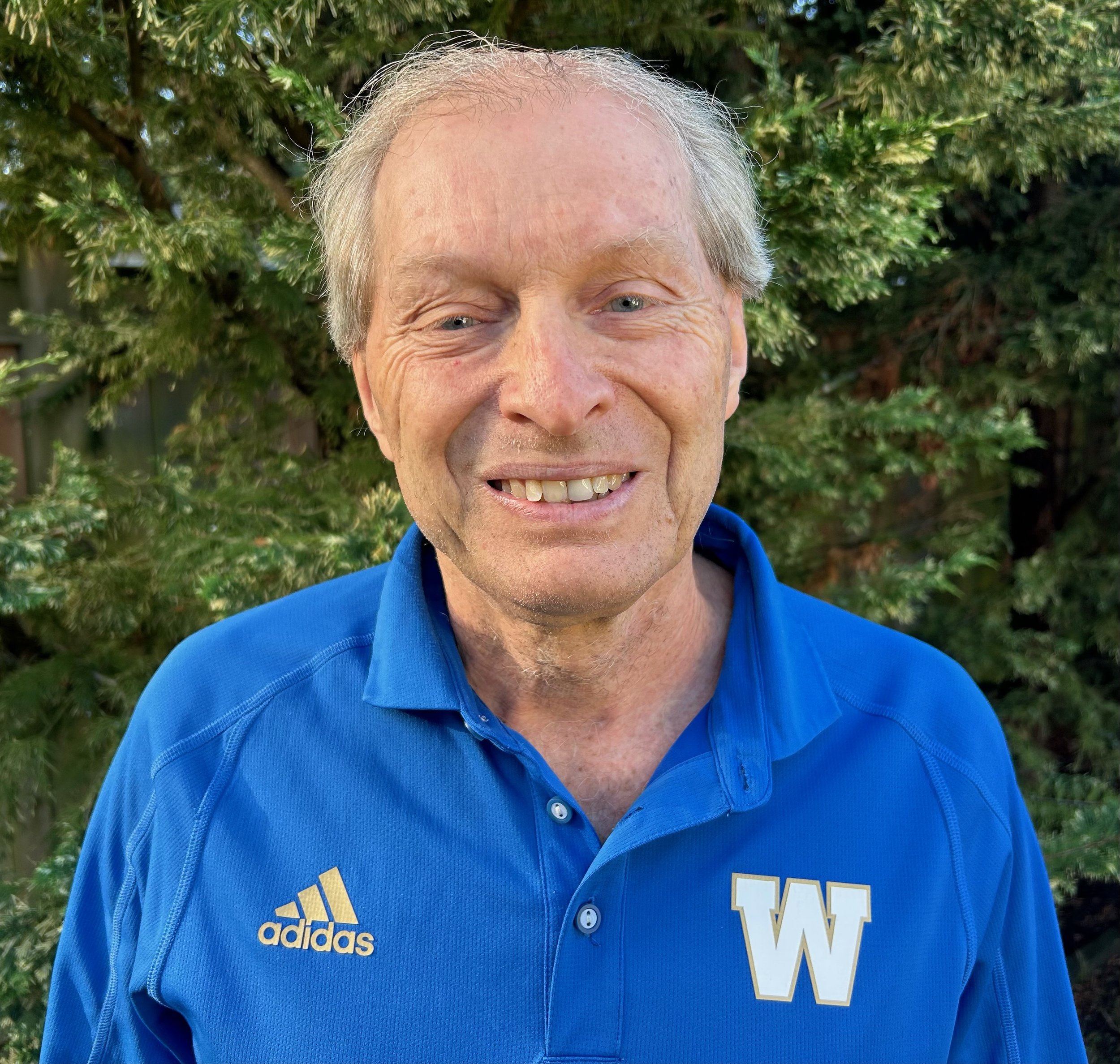
Dr. Larry Smith brings authenticity, vulnerability, and hard-won insight to conversations about addiction and recovery. Sober for 26 years, Larry combines lived experience with practical guidance about how people rebuild their lives after addiction.
In Johnnie and Me: Facing the Voice of Alcohol Within, he personifies alcohol itself, revealing the manipulative inner voice many people struggle with every day. His earlier book, Embracing the Journey of Recovery: From Tragedy to Triumph, explores the hope and disciplines that sustain long-term sobriety.
His new medical thriller, 2084: The Neuroxone Conspiracy, imagines a future where pharmaceutical companies control addiction treatment and abstinence-based recovery disappears, raising urgent questions about freedom, choice, and the future of recovery.
In conversation, Larry's style is direct and compassionate. He offers practical insight for families, sober-curious listeners, and those in the trenches. His message is simple: two things change lives—knowing you're not alone, and knowing there is hope.
Larry is also a three-time Ironman Canada triathlon finisher and has completed 17 marathons. He often draws parallels between endurance training and the persistence required for long-term recovery.