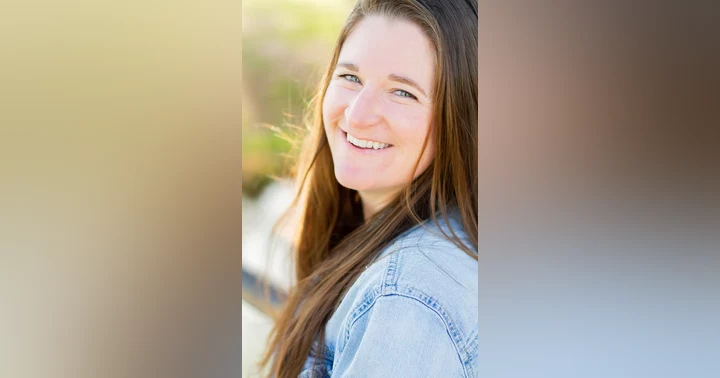
How To Heal After A Toxic Relationship with Heather Melville


Have you ever caught yourself asking, “Was it really that bad, or am I overreacting?” That question is often the first sign that gaslighting has taken its toll. In this episode, I’m joined by relationship coach Heather Melville, founder of Healthy Relationships, to discuss the messy, non-linear reality of healing after leaving an emotionally or physically abusive relationship.
We break down what “toxic” truly looks like—from the exhaustion of walking on eggshells to the quiet erosion of your own reality. Heather shares insights on navigating the shame and isolation that often follow a breakup, and we discuss practical, body-based tools for reclaiming your self-worth—including solo travel, creative outlets, and the power of movement—to help your nervous system shift out of survival mode.
Whether you’re in the thick of it or further along in your recovery, this conversation is a reminder that you don’t need to be “fully healed” to move forward. We challenge the myths of recovery and explore what it really means to build safe, respectful, and resilient connections.
What’s one sign of healthy love you want in your life now?
To learn more about Heather and her coaching services please visit: www.healthyrelationships.info/
Thanks for listening to this episode of the podcast! If you enjoyed today’s conversation, please follow, or subscribe to the show so you never miss an update. Want to connect? Visit me at podpage.com/recovery-catalyst/
00:01 - Welcome And Why Hope Matters
01:13 - Heather’s Story And Why She Coaches
06:49 - What Makes A Relationship Toxic
11:15 - Gaslighting And Losing Your Reality
16:40 - Support After Leaving And Shame
18:50 - What To Say Instead Of Judging
20:33 - First Steps To Start Healing
24:34 - Nature, Krav Maga, And Creativity
34:36 - Building A Coaching Style That Fits
44:15 - Healthy Love Still Has Conflict
52:10 - Breaking Cycles And Generational Trauma
56:30 - Bus Life And Living Authentically
58:47 - Quotes That Reframe Your Power
01:02:19 - Where To Find Heather And Workshops
Welcome And Why Hope Matters
SPEAKER_01
Welcome back to the Recovery Catalyst Podcast. I'm your host, Kat York. This is the space where we get real about recovery, addiction, sobriety, mental health, and honestly all the messy things in life. But most importantly, we talk about hope and healing here. Today's guest, Heather Melville, is the absolute perfect person to speak to that. Her mission is to guide women as they heal from toxic relationships, helping them find lasting self-worth, confidence, and healthy connections. She's been there or where you still might be. She's done that. She's ditched the toxic X and built a life and a love that finally feels good. And with that, I would like to welcome Heather Melville to the show. Heather, welcome.
SPEAKER_00
Thank you. Thank you for having me, Kat. I I'm excited to be here. I'm excited to have you.
SPEAKER_01
We have some really important things to talk about today. Um and I would like to start with uh maybe you telling us a little bit about you.
Heather’s Story And Why She Coaches
SPEAKER_00
Ooh, a big, a big book I could write about myself, basically. Um, well, you know, I am a relationship coach and I focus on toxic relationship recovery. And I know we talked about like what is that background, where does that come from? And I I will say I do have a very long story of all of the different careers I've gone through. Um I have a bachelor's degree in lighting design for theater. I also have a bachelor's degree in electrical engineering, which was the job I was doing right before I transitioned to being a relationship coach. I'm still part-time engineering, uh, just because it feeds my logical side, my mathematical brain side. Um, and so what really got me into coaching is I don't necessarily want to sound boastful, and I hope this comes off as humble, but um, my innate gift to make people feel safe to be vulnerable. And I mean, I this is something I've always known about myself because I will just walk up to somebody and have strangers tell me their life story. And right, and part of it is me, you know, being the empathetic, curious person I am, and I always ask questions and like to know people, like to know their story, but they just feel safe to be vulnerable around me, to, you know, and they I guess they feel a level of confidence in what I have to share and my own experience. Uh so just knowing that about myself, knowing that I do like to talk, uh, I often say the joke that uh I can have a conversation with anybody, even a tree, if it would talk back to me, and actually probably don't even need it to talk back to me. Uh I can carry on the conversation just fine. But I also have this burning desire to help everyone. And it really, it really stems in relationships because I have really seen that. I mean, what are we here for, right? If not to connect with each other. You we see like so many medical studies, scientists say that we are social beings and you know, locked away and in solitude, we struggle. We saw that with COVID, right? So relationships are like the backbone of life. And and I can see it even in my own perspective that if one of my relationships is not doing well, if it's struggling, or we just had a huge fight, it throws off everything else in my life. Everything else is struggling. And so I just see the importance of relationships. And I want to see everyone in the world be healthy and in a loving, fulfilling relationship. Because I can only imagine the utopia that would come from that if we were all in healthy, fulfilling, satisfying relationships that allowed us to be our authentic selves, which is made of love. So that's the burning, driving desire. But why I focus on toxic relationship recovery, one, it is very prevalent. You and I were talking about, you know, toxic relationships, such a big buzzword these days. And now realizing like so many of us have experienced that, but it's also what I went through. And I wanted to, part of my healing journey was to share what I learned and to reconfirm a little bit of what I did because I didn't have, I didn't have Heather, a coach named Heather, helping me through. I was just, you know, round around in the dark, you know, trying to find little clues of how to help myself feel better and feel confident in myself and be ready for love. You know, so that's where the inspiration really comes from.
SPEAKER_01
And that is, I have to say, like I was looking at your your Instagram before we started talking. And, you know, it is a really, you seem like a very joyful person, you know, like a really just joyful, like fulfilled human being who's living a life that makes her very happy. And I think that shines through in in your in your content. Seems very authentic, very it gives a very clear picture of who you are as a person.
SPEAKER_00
Oh, I I really I appreciate that, and it makes me feel more empowered that you know people are seeing the energy I'm I'm I don't know if I'm trying or I just naturally am trying to give off, you know.
SPEAKER_01
And I th well I think I I at least from where I sit, I think you you give off a very natural energy. And when when I see someone who who is exuding those qualities, you know, and is a is a healthy um relationships coach, uh helping women recover, you know, that tells me there's um you know a story there that you went through a lot of things to get to that point. You just didn't wake up and you were this person one day. Right. That there was there was a journey to get to that. And and you mentioned that um you know you didn't really have there wasn't like a you to help you through this. Right. So as you as you're recovering from from your from this abusive, toxic relationship of of eight years, which is a substantial amount of time, who did did you did you have anybody in in your life, any coach or um counselor or a trusted friend? And the second part of that, or the first, how we want to answer it, is how did you know it was it was toxic and abusive to you?
SPEAKER_00
Well,
What Makes A Relationship Toxic
SPEAKER_00
I'll start off with the the toxic and abusive part of it. Um it's it's interesting, right? Because I have this kind of mentality of my entire life is balance. I think the key to the universe is balance, everything is balance, and part of that uh comes from like comparison, right? We're told to not compare ourselves to anybody else. But when we're in a struggling position, oh, well, everybody, you know, there are other people out there who have it worse than you. So you want me to compare only when I'm feeling down about myself. And this actually popped up in my relationship. I would, I would feel it was physically abusive, not all the time, but uh enough times more than once is already enough, is too much, right? Uh and definitely mentally and emotionally abusive. Um, the fun buzzword that's going around as well, and I say fun being kind of not necessarily fun, is gaslighting, right? And a lot of people are like, what is gaslighting? Well, basically it's somebody undermining your reality. They're uh doing all of these tactics to manipulate you, to make you think that what you think happened actually didn't happen. You're and that your emotions aren't valid. And so many times, oh, that's not what I said, you're taking it the wrong way, you're overreacting, and you know, so that's the gaslighting, right? And I I experienced a lot of that. And so when I would say things like, you know, I don't see other relationships being like this, I would be gaslighting. Well, you shouldn't compare our relationship to any other, da-da-da-da-da, you know, like those kind of things. And so I started to really see, and again, actually, when I had just got out of my relationship, toxic was not a common term with relationships. And only since, you know, diving into this world have I seen, oh yeah, check that box. Yep, gaslighting, check that box, lack of respect, check that box, no support, constantly being controlled, manipulated, uh, blame shifting, feeling ashamed, uh, physical abuse. Yep, check all of those boxes. Oh, I guess I was in a toxic relief. But the one thing that the way that I will describe it when I describe it to my clients or in some of the workshops I hold, it's basically a relationship where you don't feel safe to be yourself, safe to ask for what you really need. And and there's, you know, there's a caveat there, right? That some of us go into relationships already, not being able to ask for what we need. And this comes up in those people-pleasing habits, those codependency things that come from childhood, and that's a whole nother Pandora's box, which I do work with my clients on. But still being in a relationship where you just don't feel like you can be your authentic self. Feel like you have to dim yourself, feel like you're walking on eggshells, even if it's not physically abusive, just the I can't express my frustration, my feelings, my emotions without it blowing up in my face and constantly feeling the need to keep the peace. That's kind of how I describe a toxic relationship. Now, I mean, again, there's variations, right? There's spectrums, and maybe, maybe people out there aren't experiencing the physical or even the gaslighting, but just feeling like if you speak up and say something, it's gonna throw the whole dynamic off and it's gonna ruin the day. So you don't speak up, you don't say things, and then you start questioning yourself. Maybe you feel you're a little delusional. You're like, well, did it really happen that way? Am I really overreacting? So that's that's how I define toxic relationship. And again, I didn't, I mean, I knew I knew the physical part was rum. I I knew that other people were not being hit like I was. I knew that, you know, my so even my friends and family experienced a little bit of the residue of that toxicity because my previous partner was kind of toxic to them. And so, you know, just many of those ass avenues, I'm seeing that it was it was a toxic relationship. And your second part was as far as having people to rely on, like a coach or a mentor during my healing.
Gaslighting And Losing Your Reality
SPEAKER_00
And I will say I didn't have a specific person. I never coaching was so fairly new, or it just wasn't a word that was in my reality just yet. Um, I did have kind of like, you know, my friends and family who were absolutely elated that I finally left the relationship. Lots of uh, lots of moments of what were you thinking? Why did you stay so long? And then when I would reveal a little bit of some of the toxicity of it, they were even more so judgmental. So it's actually, and this is why this is part of the root reason of why I wanted to be a coach, because oftentimes after a relationship like that, our friends and family can actually make it worse, make us feel even more ashamed, even more judged. Because from the outside, they don't see the one who we are and some of our own patterns that have really attracted such a toxic partner. And they also don't see that this isn't just me, you know, settling and and missing red flags. It's also it becomes very ingrained in our in our chemistry of our brain. And I I talk about this too, and the reason I talk about it is to alleviate some of that shame, thinking, yeah, yeah, why was I so stupid not to see these red flags? But our brain gets used to it. Our brain is constantly trying to keep us safe and it's constantly just processing so much information. So it likes these habitual things, it likes to be conditioned, and a toxic relationship is no different. It like we we do get conditioned in that sense. So it gets harder to walk away. Um, so I didn't, yeah, I didn't have a mentor or coach. I had some friends who, you know, were really accepting of who I was, accepting I and and I lean on some of my best friends who had a few of my friends have been my friend for almost two decades, which is crazy to say two decades. But um uh they were always supportive, even during the relationship, even when they experienced some of the toxicity from my previous partner as well. And it in the end was no different. And I I definitely am very grateful that I had them there. And and and unfortunately, they too had been in toxic relationships, maybe not the physical part, but so they they partly understood. But I will say, you know, kind of those those big name brand people like Tony Robbins was out and uh listening to a lot of his content was helpful. And so, yeah, no real coach or mentor. It was just me kind of navigating, you know, having a little bit of support from the community I had around me, the the people I had around me, but uh no real mentors or coaches, unfortunately. And and if I had a chance to do it all over again, I would hire a coach because you know what you can heal in in four years may take you eight to do on your own. And this is this is actually me giving timeline because it's almost been it's almost been uh eight years since I've been out of that relationship. So it's like, gosh, if I could have just cut that in half, you know.
SPEAKER_01
Well, no, no, yeah, and it's hard. Um, because like you said, the conditioning that happens and there's shame and there's guilt and there's there's there's confusion, you know, there's a lot of um, like you said, gaslighting. It's not like you just you break free and all the damage is undone. Right. You know, and and you touched on something that I think is important, and that's when you were able to finally break free from this relationship. You had, I'm sure, very well-meaning, intentioned friends and family, like we all do, and they say things that may not be helpful to you or to me or to whoever in the moment, like why'd you stay, you know, all these questions. And I guess what I'd like to ask was what things should friends and family be saying to someone who has left relationship instead of like kind of these questions that are just kind of unfair to ask.
SPEAKER_00
Right. And a little bit almost almost in a way underlying saying you're an idiot. Yeah, exactly. Well, and and see that's the thing too, right? Is the and this is why I will I'll go into saying as a coach, I don't coach friends or family. Um, because I have a direct impact in your life. Also, I have direct benefit from how your life shapes out. And knowing you before you come to me with something you'd like to work through in coaching, I already have an opinion of your life, of what you should be doing, how you should be handling things. I know your patterns, I can see all of those things. So I'm not coming to you as a coach who can then help you find the solution yourself. In fact, I'm very biased and trying to push you into the solution I already know you should be doing. So, and and I think that's the same thing when it comes to friends and family
Support After Leaving And Shame
SPEAKER_00
helping you in any situation. The key here, and it's it's kind of like it's kind of like what I would think if I've been asked if I would ever write a book, and I'm sure it's down in the line one day, uh, you know, whenever I decide to do it. And the the book is called Get Curious. But that's what I would advise for friends and family, is get curious, because curiosity doesn't come with judgment. It comes with just trying to understand what were you feeling? You know, how how did you feel during that time? What stopped you from leaving? And and even asking the question of being open and saying, what can I do to help you? What will help you? And and maybe the person won't know, right? Won't know. I don't know what I need help with. I just need help, you know? But it's just, it's just not coming in with judgment because we've all made mistakes. We've all chosen poor partners, all had those moments of, what were you thinking? And later on being like, yeah, I don't know. I must have been on quaaludes for the past 10 months, just out of my mind, crazy. But and so that's the big thing is really coming into it with not trying to tell the person you were wrong, they were wrong for what they do, for choosing that relationship, because they already know. They are already feeling it, they're already feeling the guilt. And I mean, I don't know the involvement of friends and family in other people's relationships, but if you really think about it, we're all in this kind of web where every relationship affects the other kind of thing. And like I said previously, I know that my family and friends experienced the toxicity of my previous partner and the relationship in their own way as well. So I already had immense guilt that I put those people I love through this relationship, through having to watch me be, you know, suffering through this relationship and experiencing it. And and they too had to experience their own way of walking on eggshells, right? Because I I again I really commend my friends and family for
What To Say Instead Of Judging
SPEAKER_00
putting up with it and and still, you know, because it's it's a hard situation to be in, to see your friends suffering and knowing that it's this relationship that they need to walk away from. But like, how do you approach that without without the person reacting and then basically cutting you off because they are still stuck in that toxic relationship, in that toxic mindset, you know? So again, it just comes down to being compassionate, being understanding, understanding that we all just want connection, we all just want love, and a lot of our inner childhood wounds, another fun buzzword, play out in our relationships. And usually it's a way for us to kind of finally work through them, but a lot of times we don't have the awareness to be like, oh, this is coming from childhood. Oh, I get it. Let me stop this pattern in its tracks, right?
SPEAKER_01
Yeah, so no, you're you're right. And I think I think because it it is a tough situation for family to see someone that we care about struggling and suffering and what is an unhealthy relationship. And the best I think I like your your suggestions is to get curious, ask questions, just offer support, not necessarily even ask like um question like open-ended questions, be like, hey, how are you? What can I do? Right, you know, or I'm proud of you, or um, you know, something that is more uplifting. Because when you were walking away from that relationship, which comes with its own pain, its own grief, because it is a loss, even if the relationship was unhealthy, it's still a loss on some level.
First Steps To Start Healing
SPEAKER_01
And, you know, so what was what was that first step for you, like when you're out of the relationship, you know it's completely over for you. What was it like one of the first things that you did to start your healing journey?
SPEAKER_00
Well, it's you know, I I've been asked uh something similar, most mostly like how did I get out of it kind of thing. But I started to kind of delve into my own experience and realizing that I'd been slowly walking away from the relationship two years before I finally did it. And and I actually have started to think that that's probably the point I really started the healing process a little bit, even though I was still in the relationship, those moments that he would try to trigger me or, you know, do some physically abusive things or or try to really reel me in for some emotional manipulation, I could start to see a change, a shift of how I reacted. Um and so I, you know, I I always talk about like what what are some of those those moments that got me out of it. And and my big thing, I always tell everybody everybody should go solo traveling. Travel somewhere solo. And the reason being is not only is it a great time, you meet a lot of people because you're not stuck with who you're with all the time. And not worried about that, but you meet yourself because when you step off that plane and you're in a country where the signs, street signs, are not necessarily in your native language, and you need to figure out to get from here to the hotel or to find whatever it is you want to do, it's all on you. There's nobody to be like, hey, what do you think? What route should we take? I don't know. Should we do this? Should we do that? It's all on you. And that resilience, that courage. So I had an experience like that. I lived in Germany for six months doing electrical internship, electrical engineering internship while I was still with my previous partner. And I noticed that change of like, oh, I am not weak and hopeless and low self-esteem. I have courage. I have resilience. I am empowered. I have strength. I can do things on my own. You know, so that's where it really started. But the moment afterwards, after the relationship ended, um, I just, it was like I'd been crushed by an elephant and he finally took his foot off of me. I felt so free. So like, but then what was interesting, and you mentioned it before about the confusion part, right? Because, like you said, it is a loss. This eight years of your life is gone. The relationship that you had hanging on these eight years is now over. And so you're like heartbroken, but then like at the same time extremely relieved and realizing that you don't have to maintain this crazy, insane relationship standard of calling them and talking to them for four hours a day and making sure that they don't think you're off cheating because they have some delusional crazy things, and that's a way to control you. So it's it's all of that. It's all of the confusion of like, I'm happy to be out of it, but I was, but now what do I have to show for the past eight years? A relationship that I want to forget, you know. Uh please remind me what what your specific question was, because I don't know if I really touched on it. Oh, no, no, you answered it.
SPEAKER_01
You answered it was um, what was like the one of the first things that you did to begin your healing? And you answered it in a beautiful way, which was you know, it had you had started leaving two years prior. Like the seed was kind of already starting to to to take to take fruit as you were already starting to walk away.
SPEAKER_00
Well, I'll give you I'll I'll give you some more specifics actually.
Nature, Krav Maga, And Creativity
SPEAKER_00
Um one thing that was very helpful, and and the reason I the reason I had gone back to saying it was two years because I had already started doing these kind of practices. But the one thing that really helped was I'm a big outdoor person. Um so being out in nature, just kind of like having a space to really think about things, no other person around. And and it's like a it's like being in the support of friends, right? I call the trees my friends, like you know, just that support of like they're not sitting there judging me, they're just in life as well. We're all connected, you know, and then you kind of go into the spiritual side. But that was one thing. The other thing for me specifically, and I really didn't again after all of this, I started to realize what my healing process was because I was like, okay, well, let me tell others what helped me, right? And and then reading all these books, I was like, oh, I did that. I didn't realize that was helping me heal. But one of the things I did was I started doing Krab Maga, which is the uh Israeli uh fighting combat thing, and it's uh it's not really about like, you know, like trying to undermine your opponent, it's really, and I I highly recommend it to pretty much any woman because if we're living in this kind of dangerous world for us, these are some techniques we need to know about. And it's just about if you're being attacked, how to get out of it, how to how to maneuver and run away. But by doing that, one, I was releasing a lot of anger, a lot of pent-up anger, a lot of resentment, you know, throwing punches and really getting in my power, feeling powerful in myself, especially for those who have experienced the physical part of abuse. It's like taking back, it's like almost going through those moments when they hit you and hitting back. But thankfully, you're not actually hitting them, you're just taking out your energy. So that was a very cathartic release that I didn't realize was so helpful until after the fact. And the other, the last thing is creativity. And I mean, there's so much information about creativity, but I just finished reading uh a book called The Radiant Life Project by Kate King. I really like Kate King. Uh, she also did another one that I just finished reading, it's called uh Mend It or Move On, all about toxic relationships. Highly recommend uh for anyone, really. But um, she talks about how creativity really helps kind of heal us, helps, helps reform the mind, reform some of those neural pathways, uh, because it it gives you that chance to see what happened and be more creative in the solutions for yourselves. And and there's so many avenues when it comes to creating. And we think that there's only specific things like this is the only way that people are creative, but no, creating anything, anything and everything is really creative. And a lot of people, they have this thing where they're like, no, I'm not really a creative person. Yes, you are. You are a creation meant to create. It's just somebody somewhere along the line told you to either stop or that you were wrong or whatever. And so you shut that part of yourself down. Doesn't mean you haven't been creating this whole time. You just now identify as somebody who's not creative. But there's so many things. And for me, I mean, I've always been an artsy person, love crafts. Um, I grew up sewing with my grandma and painting. Um I love the paint by numbers. Uh, I love the new, the new stuff now, the paint by diamonds. That is like, that's like perfect for my brain because it's logic meets creativity, and it's just such such a wonderful, like, oh, I could zone out and do that for hours. But I really started getting into the my creative side again, doing those paint by numbers. I I'm a big cook, haven't always been, but I love to just create new, well, not create new recipes, right? I'm I'm not that great of a cook, but I love to find new recipes and create those, you know. So just really finding my creative side and and finding every avenue just to get me going, getting and and it's also getting back to yourself. Because a lot of the times in in any relationship, we lose ourselves. We we think that in order for the relationship to be successful, we have to let go of the I, let go of the me, and emerge into the we. And it's all about what's good for the relationship, not necessarily what's good for me, but we misalign with that because what's good for me is actually also good for the relationship because I show up better in the relationship. So that's where we get misaligned. But, anyways, we tend to lose ourselves, and especially in a toxic relationship, a lot of my hobbies, my dreams were and goals were set aside or diminished or you know, told to be stupid. Uh, I I have always been a big theater person, and that was ridiculed in the relationship of going to plays, even though it's something so powerful for me. But so it's getting back to yourself. That's what creativity helps with. So those are the things that really helped on my healing journey, the few things that I started doing initially.
SPEAKER_01
And because you you're a uh you're an electrical engineer, and you also were something else prior to that. That was in the light.
SPEAKER_00
Yeah, I was uh I I was in theater, so originally I had gone to school to be an actor. I realized that I had stage fright, and the stage fright came from the fact that I was pretending to be something else. So I guess it's like a roundabout circle, realizing that yeah, I can be on stage, I can be in front of an audience, but I have to be able to be myself. Otherwise, I I don't I don't feel good. But uh, and then I train, I I still loved theater and fell in love with the you know back scenes, the tech side, the lighting design. And and it's funny because I didn't really I have been reflecting on it lately that uh I loved lighting design. I still do. I love being in the theater, love being on ladders, creating the lights for everything, love being in the the tech world where you have all the techies and we have tech weekend, and it's just us locked in the theater, getting this show ready and all of these ideas coming together to create such a beautiful image that can impact people. So I loved it, and I realized that my previous relationship actually stopped me from going further for many reasons. Uh, one was financial, but uh, and so it's like you kind of reflect and see, ah gosh, I I lost myself in some of those relationships.
SPEAKER_01
How is your creative as your would you say your creativity has also um shown through in your in your electrical engineering now, now that like it's you've feed up that energy to to focus and to be free and to explore that. Do you think it's carried over into your into your other profession?
SPEAKER_00
I think so. Um engineering is its own interesting world as it is creative, but within guidelines. You can't overcome some of the physics, you know. It's it's that, it's black and white at some point, but then at some other times it is creative. Um, the previous job I had was kind of restrictive when it came to creativity, but that's where I kind of realized my gifts that moved me into relationship coaching is because I love creating a PowerPoint. I love speaking, yeah, right? I could do that all day. I love using colors and and looking at like the format and how you know what catches the eye and all of that. But I also really love talking. I love talking to people and giving speeches and and teaching and uh I mean I again I love I love talking I I almost as much as I love listening. Uh I think they're about equal. But um, but yeah, so you know, there was room for creativity in my previous engineering degree, not as or not degree in my previous engineering job, um, but not as much as I would have liked my new current engineering side venture, a lot more creativity. So you're absolutely right. I think once I opened up the you know creativity box, now I had much more to grab from and much more ways to kind of sit here and create my own life. And how much fun is it for you?
SPEAKER_01
Because I I was looking at your um because your your coaching style, it seems very inclusive, it's not rigid at all, seems very creative, very um free-flowing almost in a way. I don't want to be like there's there's no guidelines whatsoever, because I think there are, but it seems like it's very all-encompassing, like it it it touches on you know, emotional and physical and and financial, and and it touches on a lot of different parts of of a woman's life. Right. And when you were starting or starting to think about becoming a coach, did you have an idea of what you wanted your coaching to be, or was it was it a was it a process to get to what you wanted your style to be like?
SPEAKER_00
Well, I I in the beginning actually I didn't even know. I was like, okay, yeah, I want to talk to people, I want to listen to people, I want to help. That was basically it. And then starting to realize, because you know, a lot of what coaching talks about is coming from your own experience. You know, because we're not sitting here in school learning all of the psychological theories, although I do that on my own, anyways. Um
Building A Coaching Style That Fits
SPEAKER_00
I basically have my PhD and all the books I read. Um, but no, so so I was trying to realize, okay, well, what have I experienced? What do I want to help? What do I see? What's the problem in the world that I want to help fix? And that's where I went to toxic relationship recovery. But as far as like my approach, you're absolutely right. It is very much free-flowing. And sometimes that can be hard for me because if I have a client who, you know, wants to see the linear progress, wants to see, okay, this is step A, this is step B, this is step C, which part of my brain works that right way, right? As an engineer. But as my innate, like intuitive, kind of helping, empathetic view, it has to be free-flowing because I'm meeting the client wherever they are, if that's right after the toxic relationship, if this is the second or third relationship that has been toxic for them, if they've been out of it for a couple of years, but they're scared to date and have no idea where to start, don't believe in love anymore, don't believe in themselves. So I'm meeting everyone at different places. And so my approach has, I can't have a step-by-step because like maybe that I'm meeting them right when they're ready to date. Well, if I had an approach, okay, well, basically let's learn about dating in the in this current world of dating apps and how your profile reflects, you know. So it's it's very much free-flowing and and meeting them where they are. And I've often heard it described as like a dance, you know, dancing with your client of what where are they at today when we're having our session? Is there something they're ruminating over or they're fine today? They they've made some progress, but what's the next step to keep them going in the right direction? You know, so you're right, it's very free-flowing. I try to be a little logical, and and and you're absolutely right too, as well. I like to do different approaches, like, yeah, the somatic breat breath work is important, meditation, you know, and then also the physicality of exercise and and having like a holistic approach, because we have to. That's the only way we improve. Because if your finances are so just like rotting and just a horrible mess, and you can't get control of it, that's gonna affect every area of your life. And that's the same way I view relationships, right? That, like, if your relationships are bad, odds are other areas of your life are suffering as well. So, you know, in my approach, I do touch on all of that. Now, I'm not saying like I'm a financial advisor, so let me tell you about which stocks to invest. Although I have my mind, you know, I do, I do my own thing, I dabble in that, I read in that as well. But uh, but yeah, I I do try to be very, very open and free-flowing because I when I when I've had to like be stringent and follow, it just doesn't work as well. You know, it's like I'm forcing an outcome rather than letting it be available.
SPEAKER_01
I don't I don't know if if and like if if you come out of like an abusive relationship trying to force like anything, force a structure. Um I I don't know how well that would that would fare.
SPEAKER_00
You know, I think it would I think it would depend on the person too, right? I mean, they always talk about like, oh, you've got your logical people and your creative people, which I think is total bullshit. I think we have both sides of us. It's just which side feels more comfortable and natural for you. And that's why I I because I'm sitting here telling you, I'm an engineer, but also I'm a creative. Like, what? How does that work? Um, but you know, and then and like you said before, like you mentioned about like does your engineering improve because you've opened the creativity? That's the same thing with science, right? Somebody had to create these solutions or these approaches to find the solution, and that in itself is creation. Um lost my train of thought. Let me see if I can capture it.
SPEAKER_03
Let me see. Let me see.
SPEAKER_00
Yeah, so you know, some people might do better with a structure, and that's where, again, my coaching would be like, okay, well, let's let's give you a structure. If that's what you enjoy, let's do it. If that's what's gonna make sense to you and help you feel safe and comfortable to do the harder, deeper work of understanding your own patterns that led to a toxic relationship. And I I I hope that we understand the way I say that is not to blame somebody or shame somebody into believing that the toxic relationship is their fault, but we do attract certain people based on our own patterns, or we we try to mitigate some of our previous wounds by using the current relationship, and it ends up being a reflection of what we've already experienced. You know, so there's so many facets of that, but like that's deep work that takes a safe and comfortable environment to be that vulnerable, and sometimes structure helps with that.
SPEAKER_01
No, absolutely correct. Like, and you don't want to take away all the safety nuts at first either, you know, because then that that can be jarring to an already kind of over-stimulated, overworked nervous system. Yeah, exactly. We don't we don't wanna that's um you can have episodes upon episodes about that. Oh yeah, about the poor nervous system, what it goes through. And I I'd love I love to ask you, like when you're when you're working with a woman and she's you know, she's slowly uh healing and kind of finding herself and what brings her joy and is inspiring her creativity or venturing out on her own, doing things for herself, whatever that looks like. What what does that feel like for you when you look back on you know your journey from from from from an abusive relationship to where you're now? What does that feel like for you in that moment when they celebrate like a good day or a good day or any any win at all?
SPEAKER_00
It feels like it's it's my win as well, in the sense that it's like I guess uh it's hard to explain without going into my spiritual beliefs, but like it's like me having the experience of another way, another win, you know, another way to move forward from a different perspective. And but I don't I don't think it's like, oh yeah, look what I did for her. It's look what she did for herself just by us being together and sharing these moments together, you know. And so it it it really lights me up and it again always reminds me of why I do this, why I want to do this so badly. Yes, I want, you know, my own something that I've built myself that I don't have to dictate when I do things, like I don't have somebody telling me my schedule and stuff like that, but more so because like gosh, it's so happy to see other people happy. You know, they they always talk about that somebody who's unhappy is gets mad when they see somebody happy. But somebody who's happy, when they see other people happy, they're happy too. Like, you know, when I go and see a couple and they're being affectionate and they're smiling with each other, it doesn't make me feel mad, right? Partly because I'm also in my own relationship. But even when I was out of it, it was like, oh, good for them. You know, they have found a connection, they're having a happy, joyful moment, you know. I can find some joy in seeing somebody else's joy. And so that's that's that feeling for me when when and actually just recently happened a uh a client um had a really good date, and it was just like, yes! Oh being love exists and you deserve it.
SPEAKER_01
Well, I feel like sometimes like when we get out of these like really tough patches, we're like begging the universe to give us something just to like you know help us believe and like oh it's still out there for me, I still have it, or you know, like there's you know, there's still like a chance for me to to have that I don't want to say happy ending, but like a meaningful, healthy relationship. Right, you know, and like especially now it's so complicated dating and and all and all its things, social media and all that all that stuff. And so the fact that your client had had a a meaningful date, a good date, is a huge win. Right. And you know, and that's that's a beautiful thing. And you touched on something in the beginning of us talking, which was that if we all were living like our best lives and our living our authentic lives, how happy we would all be, and how that would bleed over into literally every part of our lives and our personal and professional. And I I and I think that's a beautiful thing to think about is if we're all just able to be us and live in a healthy relationship and just have a you know, kind of like a little butterfly flapping its wings through our lives, like how happy we all would be and the world would just kind of resonate at a much more positive frequency.
SPEAKER_00
Right. Yeah. Yeah.
Healthy Love Still Has Conflict
SPEAKER_00
Yeah. And and and I mean like that's the the other thing I always like to stress too as a healthy relationship coach and and having my own healthy relationship. Healthy relationship doesn't mean there's no conflict. It doesn't mean that there's going to be no challenges, no struggles, you know, no issues. I so I I I don't know if I've mentioned but I am happily engaged in my relationship. We've been together for I think almost almost seven years. It was pretty it was pretty right out of the gate kind of thing which I was fighting. But um you know we have a very healthy relationship we have arguments. We have uh times where we're upset with each other and actually there are plenty of times where I have been triggered from previous toxic relationship patterns and it helped me work through. And that's that's the big takeaway is you don't have to be fully healed to move into the next relationship. In fact there's no I almost think that even me we will never fully be healed. There will always be something we are having to heal from work through some trigger some pattern that we have to break through. And I feel like it's just lifelong. I know they talk about it right everybody's like oh it's a lifelong journey well it it really is because it's part of our growth and the school of thought I come from is actually from Tony Robbins and he talks about the six basic human needs that we all have and one of them is growth. And he constantly says if you are not growing you are just dying so that and that's the same thing with healing. We will always be having to work through there's always going to be a moment where we lose our strength we lose that that pause to respond and react instead and then we have to pick up the pieces from our reaction. So that's that's the underlying message is that you don't have to be fully healed to find a healthy relationship. In fact the healthy relationship will help you heal more because you will be in a safe place to explore some of those things that you have kept hidden that you have suppressed that you haven't worked through that maybe you didn't even know were there and there have been plenty plenty of moments in the past seven years for me where it's like shoot I did not know I still needed to work through that I did not know that was a trigger for me.
SPEAKER_01
So and then for those that are interested in in learning more about you you do offer a a strategy call.
SPEAKER_00
Yeah that's just it's just a call to see one if you like my energy or not right because you're gonna be hanging around with me. If you don't like me then we're not gonna work we're not gonna work well together. But it's it's no strings attached I'm not a pushy salesperson kind of thing. In fact that just gives me the ick you know I'm here to help you right I'm here to help you in any way I can and if I don't think I can then I'm not gonna sit here and sell you on something that I just don't believe in because I won't show up in the best way I can because and that won't be beneficial. So it's just a little call to see where you're at what's been stopping you from getting where you want to be and how I could potentially help you in that. That's all it really is. And isn't that isn't that just like a beautiful conversation to have no pressure no strings just like two women talking like you know sharing sharing back and forth stories of the shit we've been through well I think that and I think that creates like um it it helps I don't want to say for every woman but it it can help uh some bring the guard down a little bit and well and and I think like I like I told you before that you know perfect strangers come up to me and tell me the life story. I think partly it's because I don't realize but I share share my life story as well. So they're like oh she's sharing hers I'll share mine and I think that's nice because it's like oh I'm not alone. Yeah and I think that's that's one of the biggest challenges afterwards because like we were talking about before you know with the friends and family not understanding what we've been through we already felt alone in the relationship because one of the tactics of a toxic relationship is to isolate you right and so we already felt alone now we're out of it we still feel alone and now we don't even have a partner and you know we've got our friends and family who are sitting there judging us and don't know what it what it felt like. So now I'm even more alone and that's where this this thing I'm trying to build is to meet those women and say you're not alone in fact you're so not alone that these are becoming common words which is so upsetting but let's fight back let's stop this in its tracks actually that reminds me of one of the profound thoughts I had before I broke up with my previous partner. And it was if so it was eight years right and and and eight years in the dating world and and this is where it's interesting and I I I love to go even on a side tangent about what dating really is and how we put so much expectation into that but you know and for dating there is an outcome right there's generally an outcome either you guys are going to stay together or you're not and if you're gonna stay together a lot of the traditional thought process is you get married and have kids which is something I still want not everybody wants that but it's something I want. And so I'm sitting there on walking on my hike in nature and I the thought pops in okay we're eight years so we're probably gonna need to get married and and my first thought was God if we had a wedding and I invited my family when that the whoever is ordain is you know doing the ceremony says uh and if anybody should object please now I I think everybody would stand up everybody would be like no don't do this you are stupid so it's like well I can't have the wedding okay and then it's like if we somehow got past the wedding and we had kids how do I explain to my daughter that this is not okay treatment for her but it's okay treatment for her mother or if I had a son this is not how you treat women but it's okay for your father to treat your mother like this like how how do I do that and I was like I can't I can't perpetuate that because then what relationships would my kids have and they would just continue this cycle. So it's like I don't want to be I'm not a martyr in any way but it's just like it's my duty to stop these toxic relationships in their tracks because if we don't stop them now it's going to pass on to our kids in some way and it will just be a continual cycle.
SPEAKER_01
No you're correct and the sooner that we can break these cycles the sooner that you know they stop and you know we don't there there is a thing as far as generational trauma and generational cycles that need to be broken. And we all have them I know some people think that's just like buzzwords but it it really is true and it really does carry down until someone says you know enough is enough.
SPEAKER_00
Right? Because you can you can even see it in your own you know upbringing right whatever your parents didn't work through is what they then pushed onto you based on the way they treated you the patterns and everything and then you then had some trauma wound from that and now you it's like if you don't work through that and have kids you're you're that's gonna resurface in the way you react versus responding. So yeah totally on on board with the generational trauma I totally believe it. Is
Breaking Cycles And Generational Trauma
SPEAKER_00
there is there any uh we we touched on your on your coaching is there anything else that you have in the works that that you're working on that you wanted to talk about um well if people really want to know who this weird uh somewhat joyful person is I am currently talking to you from a custom built shuttle bus that me and my fiancee built into an RV that we live full time and have been for the past three years. So it's and it's really cool like we we we sit here and admired every day and we built it from the ground up from scratch like it was the shuttle bus was previously used for like healthcare transportation and stuff had the original seats had a handicap whiff that was 500 pounds oh my god that we both removed together thank god I go to the gym but um and it's and actually it's funny because I like to use it in part of just my message that one building something together with your partner is a huge reflection of how the relationship functions can you build something together can you be so stressed out and and just at your wit's end and still maintain a loving relationship granted you scream at each other you cry a little bit but can you come back to each other and can you continue to work on a project versus just saying fuck it let's sell this bus it was a stupid idea you know like so really finding something that you can build with somebody to really like show you what the relationship can and is um that was something very powerful and then the next step is living in it right so it's about I'm sitting here trying to do a quick calculation it's about so six by 21 yeah so it's um hundred and 120 square feet that he and I live together for three years. So can you be around your partner every day in only 120 square feet that'll really show you is this somebody you can be with. Yeah and that's right and I I love this example but it that's also kind of I think what the one of the and I don't want to say benefit because you know or one of the positive outcomes of COVID is it helped us really dive into our relationships. Okay we're stuck together for the next two three weeks not going to talk to anybody else can't go anywhere like how can we really be together and we did see we saw a rise in like breakups but we also like saw you know these couples finding strength and actually me and my fiancee at the now um we were together during that time so that was actually a big proving ground for me is like can I be with this person even though I didn't really want a relationship right after this toxic relationship and you know so it really was a validation of yes I I can be with this person. So yeah for for listeners if they want to know that I'm even crazier I am I am even crazier but uh it's the life I have dreamt of it's the life I live and right now I'm I'm sitting looking at at the window and I just see big trees I'm up in a mountain and trying to build the life I really want and and that's that's the big takeaway with everything is realizing that we're only here for so long and do we really want to sit here spend it you know doing things that other people think we should be doing rather than the things we want to do. As long as it doesn't harm anybody right or harm ourselves. Right.
SPEAKER_01
Right well that's that's beautiful and I love that just like I I just know you just seem like such a cool person like to like even outside of just coaching you just seem like a really genuine person to like because you have this beautiful post on your um on your Instagram and it's um it was something is the one me dancing yes yes yes and
Bus Life And Living Authentically
SPEAKER_01
I love it because it wasn't like dance like nobody's watching dance like you don't care what they think even if they are right you know and I think that's such I think that's a beautiful I think it's a better way to view the you know beautiful saying than you know pretend nobody's watching it's just be weird and do it anyway let them watch.
SPEAKER_00
Right. Yeah because you know you're still gonna get judgment I get judgment even now people my family are still like what are you thinking getting an engineering degree and not now you're not even doing that like I get it all the time but it's like at what point am I living for other people instead of myself well you're allowed to grow and change and evolve and yeah and unfortunately I I have yet to find the way to can convince others of that and now I'm like why do I need to convince them what is it that I need see so I'm I'm on my own healing journey all the time. I'm still trying to learn things about myself trying to stop some of these patterns of people pleasing in their tracks.
SPEAKER_01
I think that makes you almost I think that makes you a very good coach because it's like you're practicing what you're you're trying to help other women with.
SPEAKER_00
Yeah yeah and I and I had worried previously like that oh well I have to be this guru this person who has five PhDs for people to listen but actually I realize that people listen to others who have been through what they've been oh she if they can see themselves in me then they are more likely to be receptive of whatever it is I have to say or help them through is there is there is there any last words I feel like you'd have some really cool last words of wisdom to share with us okay uh it's funny because sometimes people ask this on on other you know podcasts and stuff and and sometimes I'll go on a blank you know because I have I actually right now next to me uh I have my my uh OneNote calendar thing which is like a godsend to me it's where I keep everything notes my schedule information everything all of my creativity and so I actually have like all of these notes of of some of those most powerful right powerful sayings um and then I I go on a blank and I forget it but um I will say my favorite and it comes
Quotes That Reframe Your Power
SPEAKER_00
from Dr. Wayne Dyer who I really wish I had known of before he passed away not that I would have gotten the chance to meet him but it just I he and I seem very aligned as well he he was also a funny guy so I'm like damn if only he was phenomenal he was oh yeah I I love his stuff I I have in uh in our car I have uh excuses be gone the CDs and I just re-listened to him over and over again because it's just so powerful so enlightening and but anyways one of the things he says in that is don't underestimate your power to change yourself and don't overestimate your power to change others and the reason I love that one so much is because that's what I really focus on. You know people may think oh it's gonna you know it's a coaching session is just a place for me to vent and bitch about how awful my ex was well yeah sure we'll do a little bit of that but that doesn't change how you feel that doesn't change how you show up in relationships that doesn't change how you you sh feel about yourself and how you live your life my focus is on what you do have power to change which the only thing is yourself. Now you can influence others through the change they see in you but that's never guaranteed and that's not something to hold your breath about you know so it I just yeah I love that quote uh oh and it it's very much in line with my other favorite quote by Eleanor Roosevelt which is no one can make you feel inferior without your permission and it really yeah right it really dives into the idea that our emotions happen within us. And I love I love this is a huge lesson for me to still continuously work on because guilt is one of the hardest ones to overcome right you have your family or friends guilt tripping you of why don't you come visit or this, that and the other and and then you get mad at them and you blame them and you say they're awful or whatever. But in reality they're doing something that now you're experiencing that guilt within yourself. And at some point you have the power to change and be like I'm not gonna let them make me feel guilty. I'm not gonna let them pull me in. I know that that's what they're trying to do or maybe not maybe if we go down you know the ladder of intent the positive ladder of intent and see that they just want to be around me blah blah blah. But yeah so I just I love those two things of really focusing that change only comes from within and the only power we have is to change ourselves and not saying that we need to that we need to be fixed or broken or that we're incomplete or that you know change is required but it is part of our our journey here in life is to grow and to expand and and to change things that don't serve us anymore.
SPEAKER_01
Well thank you for that Heather that's a beautiful way to I think that there's a beautiful way to wrap this up is those two beautiful quotes one by Wayne Dyer who is an amazing human being wrote so many good books and I know his I think his family still keeps his Instagram yeah I I I need to follow him actually just because you know I I I'm an architect of my own uh change and so I I really am careful about on Instagram what I follow what f shows up on my reel because you know you're absorbing that too as far as consumption goes.
Where To Find Heather And Workshops
SPEAKER_00
So yeah I I agree with you I'm gonna have to I have to make sure I'm following him and would you like to tell anybody where they can find you where they can basically anytime so healthy relationships is the brand um so healthyrelationships dot info is the website healthyrelationships dot coach is Instagram and then healthy relationships coaching is Facebook. I know it's it's kind of variation but if you type in healthy relationships I'm sure you'll land in in where I'm at also uh I always do well always is the wrong word um often more often than not like once a month about I do workshops free workshops uh with any anything you're dealing with I know we we had mentioned boundaries we didn't get to touch on them today but I talk about boundaries what they are and how to really get back to them and invoke them I talk about needs I talk about rediscovering yourself which I'm currently working on a little nice little um workshop worksheet package for for people who want to kind of do the work on their own um so yeah definitely look me up on Eventbrite as well because then you'll you'll get more time with me in the in-person where you get to see me weird and that unfortunately my video's not on but I'm waving my hands in the air I'm talking like so you get to experience that in the workshops as well.
SPEAKER_01
No and I'm gonna have all those links um in the show notes as well um so people will be able to won't have to remember anything. I'll have all those all that contact information in there. So um Heather is definitely going to be easy to find and you you've been an actual you've been an absolute joy to to talk to today. A nice little bright spot uh and I love I love how you're living your best life your most authentic life I think it's I think that's an example that we all can learn a lot from you know just following whatever whatever your compass is whatever your north is and um so I want to thank you for sharing uh your story so vulnerably so honestly with us today about your coaching you know how you walk through life and I think there's uh a certain energy that you carry that is very contagious in a very good way and I appreciate that I want to thank you for taking the time and putting yourself out there and like I love how when you talk like I feel like there's always like a laughter to like you talking um you know like it just feels like you know it just feels like a very genuine joy that you carry. So thank you for sharing that with us today.
SPEAKER_00
I appreciate it and I'm glad that I could share and with that um we will catch you all next time
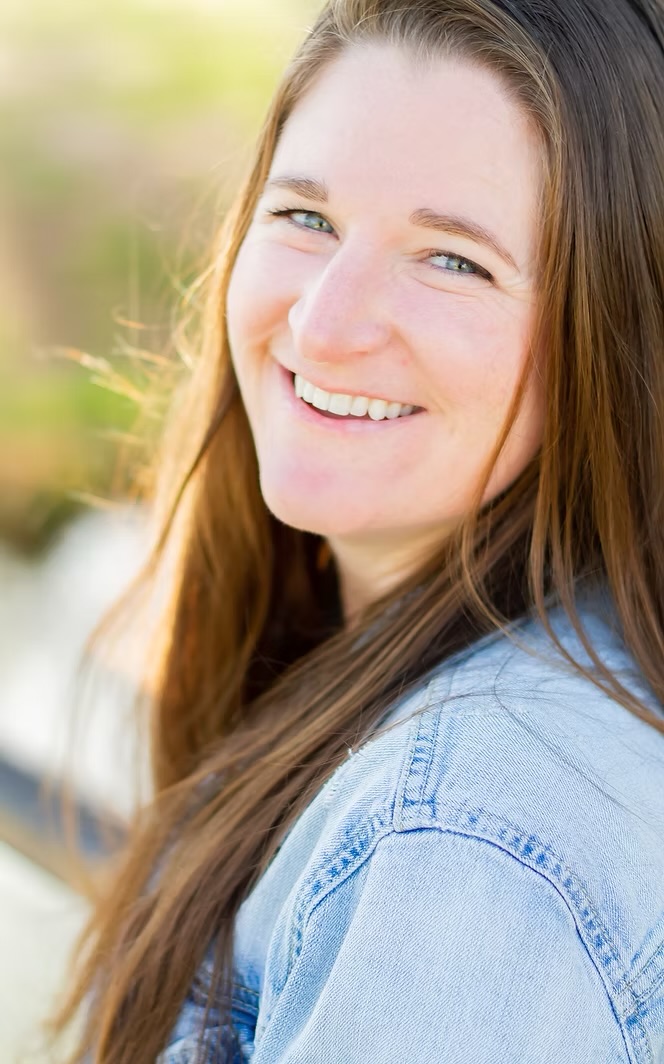
Relationship Coach//Hypnotherapy Practitioner.
I know what it’s like to lose yourself in a toxic relationship — and to wonder if you’ll ever feel like you again.
That’s why I started Healthy Relationships Coaching: to help women rebuild their confidence, self-love, and hope for healthy love. Also, because I saw the pain, caused by lack of self love and unfulfilling relationships, that so many around me and across the world were suffering from. I am dedicated to helping women heal, love and thrive, just like I do.
Throughout my own personal healing and growth journey, I began to build an extensive and deep understanding of relationships, through experience, training, and reading. I became certified in coaching from the world’s foremost coaching program led by Tony Robbins and Cloe Madanes. And I am currently enrolled to become a Neuro-Linguistic Programming (NLP) and Hypnotherapy Practitioner, reflecting my dedication to delivering deep impactful transformations through various modalities and on all levels.
I advocate for a balanced approach to well-being by growing and improving all areas of life physically, mentally, emotionally, financially, and spiritually.
I practice this approach in my own life physically:
yoga
hiking
running
weigh lifting
swimming
surfing and
any and all sports involving a ball!
Mentally, I am constantly growing my knowledge and understanding:
with a goal of reading an average of 20 books a year on various subjects
by learning to play the guitar and working towards becoming fluent in a second language. Right now I am doing Spanish,… Read More