Grief Without Shame


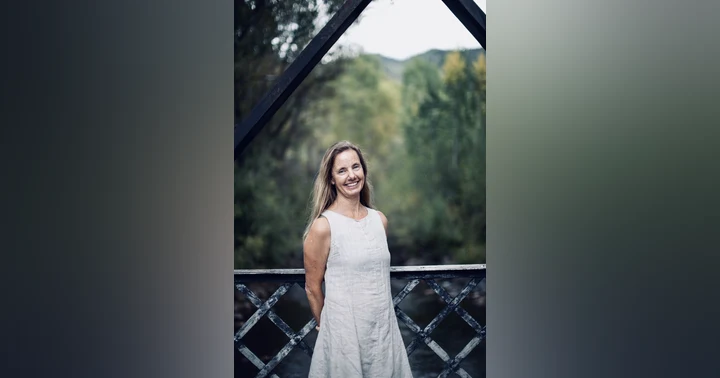
We sit with the raw truth of losing someone to addiction and the extra burden of shame that families carry in silence. Katie Rizzo shares how she uses poetry and community to keep Nicholas’ story alive while pushing back on stigma and broken systems.
• Nicholas’ anxiety, addiction, and the five to six year family battle
• Shame around overdose death and why secrecy protects the problem
• Al‑Anon as a tool for families and the idea of being a loving witness
• ICU withdrawal, relapse realities, and what happens after 30 to 60 days
• Prescription opioids, benzodiazepines, and incentives that shape care
• The Trimesters of Grief and why poetry can hold what prose cannot
• Kratom risks, gas station drug access, and why “legal” is not safe
• Words for grieving parents and for people using drugs who feel beyond help
To learn more about Katie Rizzo and to Pre-Order Trimesters of Grief Please visit katierizzo.com
Find all our socials, resources, and latest updates in one place: linktr.ee/RecoveryCatalystPodcast
Thanks for listening to this episode of the podcast! If you enjoyed today’s conversation, please follow, or subscribe to the show so you never miss an update. Want to connect? Visit me at podpage.com/recovery-catalyst/
00:00 - Welcome And Grief Voicemail Prompt
03:32 - Nicholas’ Story And The Family Fight
06:46 - Shame Stigma And Finding Al-Anon
09:34 - ICU Withdrawal And Why Rehab Fails
14:08 - Prescriptions Profits And System Betrayal
20:37 - Writing Poetry To Survive Loss
25:55 - The Trimesters Metaphor For Grief
31:30 - What Real Support Could Look Like
40:54 - Remembering David And Nicholas With Love
54:38 - Kratom And Gas Station Drug Risks
58:33 - Benzos Opioids And Fentanyl Reality
01:03:03 - Advice Quotes And Closing Resources
Welcome And Grief Voicemail Prompt
SPEAKER_02
Welcome back to the Recovery Catalyst Podcast. I'm your host, Kat York, and thanks for listening. Now, before I dive into our interview today, I wanted to put a question out there to my audience. Um, in the show notes, you're gonna find a link where you can send me a voicemail or a text message. And I would love to know how grief has impacted you or affected you and how you walk through life. It does not have to be related to addiction, and it will remain anonymous. But grief impacts us all very differently. And I would just be honored to hear how grief has touched your life, affected you, and how you moved through this world, and maybe even see the world now. Today's topic will be touching on grief quite a lot. My guest today is Katie Rizzo. Katie Rizzo lost her firstborn son Nicholas on September 17th, 2024 to addiction. The first few months of her grief, as with any grief journey, are tense. There was a period of numbness followed by showing which she felt mirrored pregnancy. And she learned how to walk with grief alongside her in hopes to share her story and Nicholas' story to help others who have lost someone they love to addiction and to try to remove that stigma around grief, especially when it comes to addiction. Katie's memoir, The Trimesters of Grief, will be released October 6th. She is trained in biology and psychology. She's earned a master's degree from Yale University. She completed MSII at the University of Colorado School of Medicine. She's taught at local public high school for 15 years and lives in Arizona with her husband and their two dogs. Her book is available for pre-order on Katie Brazotriz O.com. And those links and other links to connect with Katie on social media will be in the show notes. This is a very special episode as shared before I lost my brother to addiction. And so this episode was very it was tough to get through. But I think what Katie has created is truly beautiful. And with that, I would like to welcome Katie. Hi.
SPEAKER_03
Hi.
SPEAKER_02
How are you today? Is there anything that I missed that you'd like to add?
SPEAKER_03
No, that was beautiful. Thank you. Um, oh that was really nice. I'm I'm doing all right. How about you?
SPEAKER_02
I'm good. I'm this nice warm day today, especially in Arizona, I imagine. Yeah. So that was a very brief intro. Um is there, would you like to give us a little bit of more background about you, kind of what what brought you on today?
SPEAKER_03
Okay.
Nicholas’ Story And The Family Fight
SPEAKER_03
Um well, I am a mom of three kids, and um I was a high school teacher. I really saw myself as a mom first and a feminist, but I loved being a mom. Um, I loved being a teacher too. And as our three boys grew up, uh our oldest one, his name was Nicholas. Um, it was pretty obvious that he was struggling with anxiety, and um he had, you know, all the the signs of somebody who would who was struggling with addiction. We kind of saw that after high school. But during high school, he chose to take two of my classes, um, AP Bio and Honors Anatomy. Uh he he was just a really, you know, the light of my life. All three of my kids have been at the lights of my life. Um, he went to college and he got really bogged down in his addiction. Um Nicholas was addicted to pot, which I think is controversial, but I don't know why that is. He also um really had a pretty strong love affair with benzodiazepines and opioids. Um and, you know, the the family disease of addiction just got to to our family, and we struggled with it for a good five to six years. Um, and then uh unfortunately we lost our son to it. So that is kind of why I'm here and I'm excited to talk to you about the shame that comes with addiction and maybe hold a light up to it so that maybe maybe we stop treating it so much as a personal failing and what it really is, which is a poisoning of the brain.
SPEAKER_02
No, and I I first want to say, you know, um I am sorry about the loss of of your son. Um because this was relatively recent, just in 2024. Yeah. And so that is um, not that there's a timeline on grief, but that is still very, very fresh grief, I imagine. Um and thank you for sharing it, you know, being so brave and I don't want to say strong, but so courageous to to share this this message and to um create something so beautiful, the book that you've made about this. And and you touched on something that I think is is very important. Um that you know, your your son was still your son, he was not, you know, so often we lose someone that we love to addiction, it's they're stigmatized as just an addict.
SPEAKER_03
Yeah.
SPEAKER_02
You know, and that's how did that what was that journey like for you going through that?
Shame Stigma And Finding Al-Anon
SPEAKER_03
You know, uh it's interesting. I I'll get to that question. It's interesting because I just I've since this happened, like lots of moms and dads will call me who who I know who their kids are going through addiction, and they are like, please don't tell anybody, but I need to talk to you. And I feel so torn because I'm like, why are you calling me? I lost. Like, I am not what you want to be, but I do get it because there is this you you uh in addiction, there's just so much shame, and you don't want anyone to know. And I think to get back to your question, how I got to a place where I could talk about it is first I went to Al-Anon, which as you know is um a 12-step program for people who love people who have um are struggling with alcohol or drugs. So Al-Anon did help. I mean, I remember going into my first Al-Anon meeting. Um Nicholas had been in a car accident while he was high, and my husband and I walked into the room and I just prayed that nobody saw us go in. I didn't want anyone anyone to know that we were a family of somebody who had a hole in their heart that they needed to fill with pills and alcohol. And I think, you know, through the years of going through Al Anon, I came to terms with that it isn't a failing on Nicholas's part, and it isn't a failing on my part that we're all human. And this these drugs really are poisoning kids' brains, people's brains, and it's not willpower that they're lacking, it's an it's a a real support on getting free from them. And I don't I know that there's a lot of good programs out there, but I don't think we've hit on the real thing that's gonna help people, you know, like with diabetes, we know it's insulin. Um I don't know. I I know that Nicholas struggled, and I know he was so embarrassed and he would have done anything to break free, but I he was hurting. And that hurt ended up, you know, it it it got him.
SPEAKER_02
And that's and I think that's something to that we as a society need to try to understand is that at some point this stops becoming fun for those that are struggling with addiction.
SPEAKER_03
Yeah, yeah. It really eats
ICU Withdrawal And Why Rehab Fails
SPEAKER_03
you alive. It it became a monster that I mean, it put Nicholas in intensive care for six days. It's he was trying to come off the, I think mostly the benzodiazepines, but also the oxycodone. Um, with he had swelling of the brain and rhabdomyelysis, where his muscles were eating his own muscles. Um, but you know, it was just amazing to me. Here he is in ICU. He got to a point where he didn't know who he was. And the best we could do is say, hey, now you need to choose, even though you're hurting so much wanting these drugs, your body's, you know, crying out for them. Now you need to go to rehab and just kind of white knuckle through it for a little while. That's it just seems insane to me that that's that's what we've decided. I feel like the only people who win in this game of addiction are the people who are making the drugs, the insurance companies, the rehab companies. So these are all big companies, but the individual people are just there are a lot of people suffering. The year Nicholas died, there are 80,000 people in the US who died from overdose, which is equivalent to one commercial airliner going down every day.
SPEAKER_02
That's heartbreaking.
SPEAKER_03
I yeah. And if you think about all the parents who love the people on those, on those planes going down, I mean, there are a lot of us. Oh, when Nicholas passed away, I could just like I I'm so embarrassed to say this, but I was so ashamed. I was like, oh, people are gonna drive by our house and think, oh, that's the family that couldn't keep their kid alive. And maybe they'd be right. But I think I've had to come to terms with the fact that it wasn't just us, it was society, it was our medical system, it was how we treat people who are struggling with addiction. People who are have addiction come from families that love them. And I had to hear that from people in grief groups, and it was the most freeing thing for me to hear a mom say, My child was loved, he was an he had addiction, but he came from a family that loved him, and we still love him. Yeah.
SPEAKER_02
Because your your son, first and foremost, what was your son, yeah, you know, and he was a human being and he should be you know treated and remembered with that with dignity and respect and compassion. And because the truth is it could it could happen to any of us, you know.
SPEAKER_03
Yeah, the policeman who brought me Nicholas's phone and computer, they were held for a while. Um, but he said that in his experience with people who are have an addiction to opiates and benzodiazepines, that if you do them for eight days or more, it's almost impossible for anyone to get off of them. And it I I wonder like if I had tried them for eight days, I'm not going to, but you know, um, I've heard that methamphetamine is almost impossible to get off of. I've looked up the stats for people who go to treatment for um opioids, and the relapse rate is between 70 and 90 percent. So if you think about that, if if you're if you were going to a business and you're saying, hey, here's you know, $50,000, and they'd say, okay, I'll I'll take the $50,000, but there's only a 10% chance of you getting anything in return. I don't know that you would you'd give them your money. And yet that's what we did with with Nicholas's rehab over and over, you know, giving money, hoping for some kind of relief. I think the one thing he wanted in his life was for us to be proud of him. And I it this this beast of addiction just kept pulling him under.
SPEAKER_02
Yeah. And that's that's probably one of the most accurate descriptions I've heard of addiction. Um, you know, uh a beast pulling the person under.
SPEAKER_01
Yeah.
Prescriptions Profits And System Betrayal
SPEAKER_02
And um, you know, I had a guest on my show once ago, and he was a former uh DEA agent. And um he was trying to work with pharmaceutical companies to get programs uh to help those struggling with addiction. You know, he was on the other side of trying to help people who are struggling get resources they need to free themselves of this. And he says most times you couldn't even get them on the phone. You know, they just didn't want to um, they just didn't want to have that conversation with him to actually help. And to him, that was the bigger problem than than the sh than the what you find on the street were the pharmaceutical companies.
SPEAKER_03
Yeah, I um I can't agree more. Uh Nicholas ended up passing away from you know, prescription grade, um oxycodone and benzodiazepines of Xanax. Um I he got some of it from a doctor who was prescribing it to him, and I think he got some of it on the street. I think that he was he had tried fentanyl and I think it scared him. Yeah. Um, and so I think he thought that, you know, oh, these are prescriptions, these are safe. And I there's that's just not true. Yeah. No.
SPEAKER_02
And you know, uh, it's it's hard to it's hard to I think at this point even trust doctors sometimes. Um because you you want to, right? You want to believe they're doing right by by yourself and your son, and then they're kind of you know contributing to a larger problem, which is yeah.
SPEAKER_03
Well, I mean, yeah, I mean I tried to get the doctor who was prescribing Nicholas, you know, three years of he he kept all of his pill bottles, so um, but he was prescribing what's legally required. I don't know. I my my dad who's 85, he just had um lung cancer and he was in the um hospital. He was in Denver at Anchutz Medical Center, which is a really prestigious medical center. And after he was done, they were giving him, you know, some kind of opioid for the pain before he even woke up. And I was like, you know, I just had a son die from an addiction to this. So is there any way we could just wait until my dad wakes up? And yeah, like he might, I mean, he probably will be, but you know, they they didn't they didn't listen to me. But um, my sister had had um knee surgery and they found her doctor prescribed a non-addictive, non-opioid painkiller. And I think it's called Juvenix, and I tried to get it from my dad, but they wouldn't, and but his doctor, his lung doctor kept saying, Oh, yeah, that's a great drug. I love it, but we don't have our hospital doesn't have an agreement with that drug company at this hospital, so I can't prescribe it here. And he could prescribe it outside of the hospital, but not inside of the hospital. So it does start to feel like we're valuing the drug companies and their profits over people. And one thing that is keeping them going, I think, is just the stigma and the shame. Because if if everybody hides who's become addicted, and the families are incredibly ashamed, you know, what's wrong with my family that my son has to fill his system with such a a poison. Um, if we're all quiet about it, then it just keeps happening. Yeah. I mean, uh if that that analogy of the the plane going down, one plane load going down every day. All those parents right now are in the shadows not talking. And I am a part of a bunch of grief groups. Um, there's one called Lit Um Love in the Trenches. It's for parents who have lost a kid to addiction. And I'm amazed at how frozen people are. And parents who don't tell anybody what their child died of uh would rather that, you know, you could think the worst, but just don't think that they were, quote, an addict. Um, or they don't tell anybody that their child's dead. They're like, nope, we're just we're gonna kind of keep going and nobody's gonna know. Um and I think that needs to change too, because I think once we start seeing the number of people out there who have been affected by somebody overdosing, I think we'll be less likely to allow this to continue.
SPEAKER_02
No, and I I think you're I think you're correct. Um because I I've watched um I my my my brother passed away from addiction about 20 years ago. And um I I've seen what that's done to my mother, um, you know, losing a child. Yeah. And I I've seen the shame and the and the guilt, the guilt I can't even imagine, um, of what goes with even talking about how he passed. Yeah. Um, and the rumors and people gossip, and I'm like, you know, and 20 years later, I don't know how much progress we've made in supporting parents or siblings or or anybody who's who's lost uh someone they love to addiction. I don't I thought by 2026 we would be better at this.
SPEAKER_03
Yeah, you just gave me the shivers. Yeah.
SPEAKER_02
And um, you know, one thing that I do wanna I do wanna you know commend you on is that you have found an outlet to help not only you know process your grief, but you try to create something through this unbearable loss.
Writing Poetry To Survive Loss
SPEAKER_02
Um and what has that been like to you to to find an outlet such as poetry to to go through this difficult phase?
SPEAKER_03
I feel like I stumbled, I feel very lucky. Well, first of all, I feel lucky that I found Al Anon because when this happened, like my community really stepped in, and you know, one of my friends flew right in and kind of helped take over and kept saying, you know, this is not a referendum on you or your love or your family, or it it's about just how terrible addiction is, and that was really important. But um I had been taking a lot of writing classes, and so when this started, I started just writing things down, partly because I was afraid that my brain was had turned to mush and I was forgetting things, and also because things that were said to me were just so outrageous, you know, like Nicholas is gone. I just my brain was like I could not process that. So I started writing things down and I was journaling, and about six months in I found that I had to. Like just like sentences weren't the structure I needed. The structure I needed were like little short paragraphs without really good grammar. And they looked like poems. And I was like, okay, this is great. This is what I need. Um, and I just kept writing them and I kept posting them on the internet like like I just wanted to scream to the world like Nicholas was here and he mattered. And I wanted people to know about him. Um so poetry really started becoming important to me, and I felt like I was talking with him and to him. I felt like I was talking for him. Um, we have two other boys, and I kept worrying that they would be embarrassed, like, oh, I lost a brother and now my mom's gone off the deep end. But they they both have been really encouraging, and I don't know if it's because they too needed somebody to shout from the rooftops like Nicholas was here, he died of a of an addiction to pills, and it doesn't mean he wasn't a good person, and it doesn't mean we weren't good brothers. So I don't know. I I feel like it's been really important for all of us.
SPEAKER_02
What was it like to kind of take the the the the judgment of your writing off of of yourself during this process? Like just to allow whatever was able to come out of you to come out.
SPEAKER_03
I feel like this process has been a lot of removing my ego. Like for a long time I really wanted to be the perfect family, you know. I grief, like the most important thing was losing Nicholas, obviously, but and there was also grief of losing me, of who I was. I was like a good mom who, you know, loved her kids. And how could that person be me if I had lost a kid to pills? So this has been a really interesting time where I just I've become a lot less interested in kind of the Instagram version of me, or I really want to be real. And I um that lit group, Love in the Trenches, we have a um a writing group once a month. And to sit in in a Zoom room with a bunch of moms who have lost their kids and listen to their words, it just that's like real. And and I I'm here for that. And that's what I that's what's important now.
SPEAKER_02
That that is what's important, and I think it's a beautiful thing um that has come out of the tragedies, is that you know you've created a space for yourself and other women who are mothers who are who are struggling with the loss of their child to to addiction.
SPEAKER_03
Yeah. Well thanks. Yeah. I just it it what you said before, I can't believe in 2026 that we're still dealing with addiction and loss with with what how we're doing it, you know, shame and you know, oh judgment. Yeah.
The Trimesters Metaphor For Grief
SPEAKER_02
And I think I like I like the analogy that you made about um your unique comparison to grief to the stages of pregnancy. Um, and I I I liked that. Like that was really powerful because so many of us who've lost someone, you know that phase of like nausea, not feeling well, um, you know, you can't eat, you can't sleep. And that I think is a very accurate representation of what the initial shock of grief can do to your to your body and to your mind.
SPEAKER_03
Yeah. And then there's also like the second trimester where you're like where everybody's moving on, and you know you've got this thing growing inside of you. And then the the third trimester where you just have to show it to everybody. I became a crazy person, and you know, we do this exercise class called Body Pump, which is silly, but I had to tell every single one of our instructors that our son had died. And if somebody at the grocery store said to me, How are you doing? and they looked like they were at all curious, I would tell them I really needed people to know that that this had happened. And um, I found this really great author and musician, Nick Cave, who lost two of his sons to suicide, and he talked about asking grief to live outside of his body and not live right inside of him. And so I kind of saw that as my call to delivery. And every day now I I think about my grief being something that like a little, a little being next to me. And if things aren't going well, I'll have to check in with it and be like, okay, what is it that my grief needs? People say, like, oh, grief's a wave, and I don't know, maybe it's a wave, but I feel like grief's like this little orangutan who sometimes can sleep really peacefully, and other times it will just tear the room up. So I think the beauty in thinking about grief as being kind of like the trimesters of pregnancy is that it's something that Nicholas and I made together, right? Like his love and mine, we made this thing together and it's real.
SPEAKER_02
Were there were there moments as you were writing that you you felt you felt maybe a connection to all the time.
SPEAKER_03
And I they have this thing called autonomic or automatic, I don't know what if it's autonomic or automatic writing, where you are writing as if you're the the person who's gone. I don't feel like my poems are that, but I do sit down every morning and I write and I think about him. And um just recently we were in Mexico and there were these big waves, and we went out in them, but you know how you have to go under a wave instead of fighting it and letting it knock you down? I feel like my poetry has become that. Like I can go underneath the waves and kind of be a part of the grief rather than just being on the surface and letting it kind of knock me over.
SPEAKER_02
And that can be uh that's it's not it's not always easy to do, you know, because while you're dealing with this, you know, you still have two other sons.
SPEAKER_03
Yeah.
SPEAKER_02
You know, you're still a wife, you still have other responsibilities, so it's not always easy to just prioritize your grief.
SPEAKER_03
Right. I don't yeah, I I agree. And um, I don't know, I feel like in our society, there's like shame and and stigma for addiction, and there's shame and stigma for grief, right? Like you guys, everybody needs to go out there and live their best life and you know, live your potential. What if you're just supposed to live?
SPEAKER_02
Yeah. No, and sometimes I wonder, like those who struggle with addiction, that the world sometimes is just too loud for them. You know, the like all the noise, because the world can be if you have a particularly sensitive nervous system, um it can just be. I mean, we're always inundated with something. Um for sure. And sometimes I wonder if sometimes it's just too much.
SPEAKER_03
It is. I think for Nicholas, he was very anxious and insecure. I don't think there's any there's never any reason, right? Like anxiety is just what it is. But yeah, I think that I would be really interested if you have a solution to how we should help people who have addiction. I have some ideas, but I feel like we're in the dark ages.
What Real Support Could Look Like
SPEAKER_02
I I think one thing that I'm by no means an expert, but from my own experience, I think that we need to, and you touched on it earlier, stop forcing kind of like a one-size fits-all solution. Um like AA is a beautiful program, but it may not reach everybody. Um, and rehabs have a very high relapse rate, and that's if you can get into and afford them. Um, I I think it comes down to just something a lot simpler, which is talking to people, you know, disconnecting more from our screens, connecting more like human to human, um, not being afraid to ask difficult questions, not being afraid to sit with somebody who's hurting. Yeah. Um, you know, and I think that's just from where I see it, because I think so often some people who struggle with addiction, they they don't have the words, but they just want someone there. You know? Um and like because I can look back at pictures of my brother when he was deep into his addiction, and I can see like on his face, he was exhausted. You know, like I can see it now. Yeah, me too. You know, not for brother, but for Nicholas, yeah. Yeah, no, and it's like, well, what if we just took more time to just sit with somebody and just like you know, maybe maybe we don't have the answer, but maybe we just sit with them so they're not alone.
SPEAKER_00
Yeah.
SPEAKER_02
And you know, I think rehabs just uh as well meaning as they are, I think they unfortunately are are they fall short in in some ways because after the 30, 60 days, what then what comes next?
SPEAKER_03
Yeah, it's just yeah, Nicholas at the end he was kicked out of his for um well, he was pick kicked out of inpatient because his insurance was doing a review and they didn't pay soon enough, and that was crazy and terrible. But then he was in outpatient and he got kicked out for um not participating. So I get it. That's hard.
SPEAKER_02
That's hard. That's hard too. I mean, he wasn't ready, you know.
SPEAKER_03
He was showing up. I'm like, dude, like, and and I probably understand, you know, you don't want to have a group where everybody's being resistant, but he was showing up. So I don't know. I I feel like it the only thing I can think about that would have helped Nicholas is if he would have had a really long period of time, maybe living, you know, in the woods or something with a whole group of people with a community, maybe like a year even, um, where he could be drug-free, where his brain could just heal. Because it was so obvious that those pills just it was such a poison. Like you could just see him wake up and you could see him want, you know, he was like for two or three hours he'd fight it so hard. And then, you know, by noon, you were like, Well, there's no hope. He's he's gonna give in.
SPEAKER_02
Yeah. And and I think that's an important piece that people need to hear too. It's not like the the person struggling wakes up and says, Oh, I'm gonna wake up and ruin my life today. You know they're waking up fighting from the time they give up, you know.
SPEAKER_03
Yeah, and if you think about it on a physiological way, because you know, every time you do that drug, you increase the number of receptors you have in the brain. So that at the end, you know, Nicholas had you know billions of receptors for opioids and for his benzodiazepines. And, you know, how do you fight that kind of craving? So at the end, you know, here he was wanting just a little relief every day from feeling just absolutely at the bottom.
SPEAKER_02
Yeah. And I don't believe anyone wakes up and says, you know, I want to be an addict today. I don't think that's anybody's goal. No. Um, I think it's a symptom of something, like you said, like a deeper hole, like a piece missing. I don't think it's I don't think it's a flaw. I think we gotta start looking at it as a flaw. Yeah, yeah. You know, because I think that I think that puts people in a box that they just don't fit in.
SPEAKER_03
Like so, what would you tell parents? So I probably get maybe one phone call a month since Nicholas died of a parent who's like, oh hey, you know, we know each other socially. Please don't tell anybody, but my son or daughter is really struggling. And, you know, what are what should I do? And I'm always like, first of all, I look at you know, my track record isn't very good. But also, I don't know what to tell them. I'm like, it's just you're in a fight for your life, your kid is fighting for their life, and this devil or this whatever you want to call it, um, this monster, it's it's it's something. And I don't I don't know what kind of tools to give them. I always say, you know, join Al-Anon, it's great, but really Al-Anon is there to help you try to take care of yourself. It's not gonna help your loved one.
unknown
No.
SPEAKER_03
So what advice would you give them? It's just such a bad our medical system is so bad that they they haven't figured this out, or our society is so terrible that we haven't figured this out.
SPEAKER_02
No, I mean, I think I think and I understand, you know, a parent reaching out wanting to keep it quiet to protect their their child's um, you know, any judgment coming on their child or them. But I think they have to try to find someone they can they can talk to that's trusted. Because what you would I think the more you hide it, the bigger it is the worse it is. Yeah. Um, and even if that's like, and then maybe you don't want family to know, maybe you talk to like I don't know, like like a priest or even um you reach out to maybe someone um like a mental health facility, even just to get like a free some free information, like words to use when you're talking to the addict or what you could do, but for a parent to try to hold it all, you know, there has to be there, I think there has to be a support for the parent who's trying to help. And Al-Anon is wonderful. But you know, again, they're there for for for for to help the the family member struggling with the addict, um, you know, with their with their um to get through that. But I think I think they have to really kind of bring light to it and let people in and have just honest conversations, like my my son or daughter is struggling, and I don't want to lose them.
SPEAKER_03
Yeah.
SPEAKER_02
Um you know, and that's scary to some people because a parent's first first, you know, reaction is no, I want to protect my child from any shame or judgment, or yeah. Um and that's and that's valid. That's that's valid.
SPEAKER_03
The other thing I find really interesting, and I I don't know, I don't know why this is, but the opioid crisis is is really only here in Northern America in the US. I I don't understand why that is either.
SPEAKER_02
I I think it has a lot to do with like um just on conversations I've had with like different counselors and things. It's a lot of it is um, you know, the disconnect that people feel from one another. Um, just the pa the pace of how we live here in North America. Um, some of it on like kind of like this so-called hustle culture, like you never get more fast enough. Um, you're always behind, you're you're you're never doing enough. There's no there's no rest. You know, we're not encouraged to rest, we're encouraged to to to do do do. And that's I don't think we weren't meant to be like that. I don't think, I mean, I could I could be wrong, but I think that we force people to just try to do way, especially now, the pressure on people. Oh my goodness. You know, I think it's just I think it's too much. Young and old. I don't think there's you know, I wouldn't want to be a teenager right now.
SPEAKER_03
I wouldn't either. No, yeah.
SPEAKER_02
And um, you know, with your with your book coming out, because it's not out yet, it is available for pre-order.
SPEAKER_03
Yeah, it should be it's available on
Remembering David And Nicholas With Love
SPEAKER_03
on um for pre-order as an audiobook, and within the next few days it should be available for pre-order as a regular hard on book or or Kindle.
SPEAKER_02
Now, will you be doing um like tours and events with your book?
SPEAKER_03
Um, I don't know yet. Right now we're kind of I'm focusing on podcasts. Um, it will be interesting to see what I do. I don't know. Do you have any recommendations?
SPEAKER_02
Oh, I mean, well, I I mean I think for some reason I could picture you like doing like because you mentioned like the grief groups and love in the trenches grief group. I could imagine you doing like these smaller, like intimate settings in like a coffee shop, um like something just very intimate, like intimate like um kind of settings where you get to where you get together and you you share like about your son and your in your book. Uh not not and I'm not a publicist or anything like that, but I feel like I just I I feel like I could see for some reason that being really powerful.
SPEAKER_03
I would love it. Yeah, that's a good idea.
SPEAKER_02
Or even like virtual readings or like virtual. Um yeah, I don't know why. I feel like even like settings like readings in parks or like um, you know, like outside for some reason. I get like a good feel like having it outside. Um I would love that. You know, I feel like that would be really pretty. Um maybe your dogs could join in. Um I feel like that you know, that could be like it could just be really feel more like uh like a connection versus just like a like a forced, you know, right um book tour, you know, because I don't think that's the the vibe that you're going for.
SPEAKER_03
No, I don't know, you're right.
SPEAKER_02
No, I think you're I think yours is and there's nothing wrong with those uh at all, but I don't think that's that's your aim here.
SPEAKER_03
Yeah. Yeah, I agree. I think my aim is connection and to try to help others see kind of how human everyone is, and try to give everybody a little bit of extra grace and maybe extra time and space.
SPEAKER_02
And and I think then that's that is a that's a beautiful goal. Um and I I I believe that I always believe that whoever needs to find a particular book or song or art piece will always find it, you know, that it's it's always gonna land with who it needs to land with.
SPEAKER_03
Oh, I love that. I'm so glad I did this podcast. That was really nice. I love that. That's beautiful. Yeah.
SPEAKER_02
Well, I I do that too. I I and I know it sounds like no, no, no, there's a whole science side. Like, yeah, sure. But I just I I don't know. I just I like to believe the universe kind of yeah, you know, like is gonna guide whoever needs your work to. Your work, yeah, and your journey and your story. And um, you know, and I believe there's a lot of parents out there, especially who are deeply hurting, um, siblings too, um, that are deeply hurting, and that the more we do talk about this, and not only grief, but the fact that you've created something from this, and that you've established, you know, you've maintained a connection to your son Nicholas, which I think is is gorgeous, is is tragic, but I think it's gorgeous.
SPEAKER_03
Yeah, you know, Billy Bob Thornton, he says that he lost his brother, and you lost your brother too. He said that he's at any one time he's 50% happy and 50% sad. And I think that is true, and I think it's gonna always be true. And I want us to develop a new word for people who are living with grief, so that when people say, How are you? you can say that because saying I'm fine, I don't know, I just feel like it kind of almost denies the grief, right? And so it'd be nice to be able to just own it with a word. Yeah.
SPEAKER_02
No, I I remember I've seen that clip um a couple of times of him talking about his brother, and um, it's a very powerful clip. And so if anyone wants to look that up, it's um but you're right. I mean, our are is because most people don't want to hear how you're actually doing, you know, because then they're like, oh what now what do I say? Yeah um, you know, so I feel people who are you know, any one given day, your grief can be one can be different.
SPEAKER_03
So I have a question for you. Can you tell me one thing about your brother? Like a good thing about him?
SPEAKER_02
He uh he loved oh god, he was he was so many things. Um but the thing I loved so much about him is that he had such such a tender heart. Um he would I remember back when I was a kid, because there was a big age gap between us, um, and he moved out. He would always come back for for to check on me. He'd bring me I don't know if you remember, but years ago at CVS you could make like these greeting cards off the machine.
SPEAKER_03
No, I didn't know that.
SPEAKER_02
Yeah, I used to be able to like make personalized greeting cards, and I had this vision of him getting out of his car, walking up with like balloons and a card. Um, and he was just he was always just there, and he was just always so so sweet and so so gentle. And he was just this he loved nature, he he was an avid fisherman, and you know, but he just had such a tender heart for he never stopped, even when we would fight, he was always a big brother. I needed him, he was there. And he just had this this if there was one thing I could hear again, it would be his laugh, you know. Yeah, this beautiful, big, boisterous laugh, and I absolutely adored it. Um it's true, and he used to call himself like the favorite out of the four of us, um you know, because like to kind of be a little bit of a bigger brother and kind of twist my tail. Uh you know, you know, but he he was always just such a tender, like loving, sweet person. And I think that's what hurt me so much when people when he died, was people like, oh, you know, he died by drugs, we're not surprised. Yeah, you know, it's like yeah, but he walked through this world feeling a lot, and when you feel a lot, you you know.
SPEAKER_03
Yep, but I hear you. What was his name?
SPEAKER_02
Uh David. David. I love it. What was one thing about your son?
SPEAKER_03
Hmm. Well, something you said, you said he was your bigger brother. This isn't a great memory, but it kind of is. He when he was in the hospital with swelling in the brain and he couldn't remember anyone's name, he even his own. I said, Who are you? And he said, I I'm the bigger brother. And so if he stripped everything away, that's who he was. And I I think that's he really loved his family, and he used to say, family is everything, and he really wanted to make us proud for a while when his addiction was a little bit under control. I just remember he would call and you know, he would say all the things that he he was excited about in life. Um he was somebody who just really dreamed big and he was very sensitive, like your brother. And I just think the world was too much. And when you start numbing, yeah.
SPEAKER_02
And I think we have to, you know, I think sometimes with with people who are um um who are more sensitive to to this world, um you know, using language like oh tough enough, or um, you know, I think that's that's that's that's not you're kind of telling them there's something wrong with them. Yeah, you know, like you know, um and I think sometimes it's just it's hard to get the get people who walk through this world feeling so much the right tools they need.
SPEAKER_03
Um you know, I something something I'm yeah, sorry. Something I'm really glad I learned in Alan is the saying of to be a loving witness. For a long time, I think I fought with him about drugs and was like, you know, I tried everything. Um, but it for a long time it was like I have the answer, and you don't understand that your addiction is hurting you, like almost like I was better than him. And then I think I just learned to be a loving witness, and I'm really grateful that I had Alan because by the end I got to say the right kind of words instead of you know being judgmental. It was I got to say things like, Well, you know, you're stealing that's your the addiction that isn't you, and I know the real you, and I love the real you, and I'm really grateful I got to say those things before he died.
SPEAKER_02
Yeah, and I and I and I I'm glad you got to say those words too. Um because I think you know he probably needed to hear them, you know. And you know, that he for him to know that you knew that he was struggling, that he wasn't inherently like uh, you know, trying to cause harm in any way. Um because I I think that's very rarely the case of anyone struggling with addiction to try to cause harm.
SPEAKER_03
Yeah, but uh but I think that that is what the drugs do. I every time I look back, or if I get a phone call from a parent who's like, oh my god, he's stealing, he's doing this, like uh we didn't raise him to be this way. Maybe he has multiple personalities, voila, which maybe they do, I don't know, but I just think that's true that addiction just is just a monster and it's gonna wreak havoc and their personality is just not gonna shine.
SPEAKER_02
No, no, and I think sometimes um, you know, as like you've explored your grief through poetry, sometimes that could be an avenue for those dealing with addiction. Um like you said, your son sat in that sat in the group but wasn't able yet to participate. Um maybe art therapy would have been better for him, or um, you know, sound therapy.
SPEAKER_03
Yeah, or like learning the guitar, something.
SPEAKER_02
Yeah. Yeah. Because let's face it, sometimes it's not easy to sit in a group with people you don't know and just spill your guts.
SPEAKER_03
Well, also, I feel like Nicholas did not know why he was doing them. I could be wrong, but for a while he was like, Oh, I think I'm doing this because you and dad never took me to a soccer game, which is ridiculous because Nicholas played soccer all the time and Nick and I took him to every single game, and we were like, What are you talking about? Like, like you're gonna have to pick a different thing because that one is just ridiculous. Like you can say something else. But I I feel like he was like searching, like he's like, there isn't there wasn't like this capital T trauma. Maybe there were some little T traumas, but there wasn't something where he could say, like, here, this is this is the thing. Yeah, I just I honestly believe these things are just that addictive that I don't know, that it just it's gonna it's gonna take your person and pull them out to the ocean, and it's really impossible to get them back.
SPEAKER_02
Oh, it it it is, and um especially when um you know we're still in a society where it's it's not encouraged to to say you're struggling. Yeah. I mean there's pockets of people who will ex will understand, but um you know, I think that it's it's it's incredibly difficult for those who are struggling, and again, it's no fun for them, and I won't emphasize that it is not fun for them.
SPEAKER_03
Right. Exhausting was a good word.
SPEAKER_02
Yeah, and I'm sure your son on a on a daily basis was just you know exhausted.
SPEAKER_03
Yeah, it's like going to war for six years, yeah. Yeah.
SPEAKER_02
No, no, that's that's no fun. That's no
Kratom And Gas Station Drug Risks
SPEAKER_02
fun.
SPEAKER_03
You know, one thing we didn't touch on, and I really wanted to make sure that I talked about is um Kratom. I don't know if you've talked about it on your show a lot.
SPEAKER_02
I haven't. I have heard of it. I've heard of it.
SPEAKER_03
So they're at the end, Nicholas was clean, and I he was his rehab was letting them go to a pot shop to get tobacco products, but they weren't allowed to sell them anything that had pot in it or anything else. But they were allowed to do herbal remedies like Kratom. And that's an opioid, and it's also highly addictive. And since Nicholas passed in a bunch of my grave groups, I've met moms who have lost their kids to Kratom only.
SPEAKER_02
Kratom is is very uh very dangerous. Um yeah, I don't even know why we've allowed that. Um, and thank you for bringing that up because it is it is highly addictive. Um is very dangerous, even in small quantities. Yeah, um, it's very, very difficult.
SPEAKER_03
Um that's and you can buy it at a gas station. So yeah, any gas station, yeah.
SPEAKER_02
There was a drink that was out and I forget the name of it, and it had Kratom in it. Um, and you could just like you had to show like an ID to get it. I'm like, you sh you're just selling it at a gas station like it's like a sprite. Like, yeah, it's this is you know, this is dangerous.
SPEAKER_03
I know. Somebody called it gas station heroin, and I think that's a pretty accurate description.
SPEAKER_02
It's like when you see, and this is another thing that that drives me nuts, is like when you go to a gas station and you see THC. Yeah, I'm like, you don't even know what's in that. It's not third-party tested, you have no idea who made that. Um who knows what kind of other substances are in that. Um not saying anything it's the legalization of of marijuana, it's just I think we gotta crack down on certain things like Kratom and gas station THC. Yeah, yeah. That's not that's not helping. That's not helping to make it so accessible um to underage, because then you you risk underage individuals um getting hooked on things while their brains are still developing, and that's right. That's what you don't you don't want it at all, but especially with younger individuals. Yeah. Um so yeah, thank you for touching on that because I haven't talked about that yet.
SPEAKER_03
Um well um I know two moms whose sons passed away and that was what was in their systems, and um I hadn't heard about it, and then I went back and and was like, oh, I think that's what Nicholas might have been taking when he was in rehab because they were allowed to do that.
SPEAKER_02
And I think sometimes um, you know, people use Kratom for um to try to get off of other drugs. Um but what it does, I think, long term is it um it has that opioid um kind of feel to it. Yeah. And and I think long term, if it's not monitored, especially um I mean ultimately there is no safe dose, but I think ultimately it ends up acting like an opioid.
SPEAKER_03
Yeah.
SPEAKER_02
And that's that's extremely dangerous. And then if you start mixing alcohol on top of all these things, yeah, you know, that's just asking for um, you know, I remember I had a doctor one time and I was 15, I was struggling with anxiety.
Benzos Opioids And Fentanyl Reality
SPEAKER_02
Mind you, I was 15. And he, I was 15 years old. I'm sitting in the pediatrician's office with my mother, and he he writes me a prescription for Xanax. I'm 15. And he goes, Go home, give your give your daughter one of these, a glass of wine, have her take a bath, she'll feel better.
SPEAKER_03
My mom's like, just evil. She's like, Are you out of your mind? Yeah, exactly. Yeah, but she's 15. Like, you know, I feel like with benzodiazepines, like that was kind of Nicholas's drug of choice. And at the end, it was obvious that it was killing him. And I called the doctor who was prescribing it to him. And the nurse answered, and I said, you know, he's he's addicted to this. You have to stop. It's been three years. And the nurse said, Oh no, no, this is not addictive. What? I know, I know. It's almost you can't believe it. I wish I would have audio taped it. I was like, it's addictive, it's killing him. He's in the ICU. You have he he you cannot, and you know, he was 24 at that time or 25, almost 25. So there was nothing, you know, he was an adult.
SPEAKER_02
That's yeah, no, it's they know better. Um, no, it's I remember I had a shoulder surgery, and the first thing they prescribed me was like oxycodone. I'm like, yeah, can I just take ibuprofen? Or like, you know, why are we going to try? Why are we going to because there's other ones that are you know, like tramadol, yeah, you know, ones that are not as highly addicted. Now, obviously, I'm not a doctor, I'm not saying go by what I'm saying, but you know, I think I think I don't think opioids should always be the first line of yeah, you know, um, and like you you noted when you were in the hostel with your father, um, that you patients and their families need to be listened to.
SPEAKER_03
Yeah.
SPEAKER_02
You know, um, because there it sounds to me on several different levels that you know your family was let down by systems that were were supposed to were supposed to be in place to help you.
SPEAKER_03
Yeah. Um our society really does value profit over people. It feels that way to me at least.
SPEAKER_02
I I I get that feel, um quite a bit. And um it's I I don't quite know how to fix it, but I know that there has to be a tipping point at some point where we're just like this is enough. Um because the epidemic is not getting any better.
SPEAKER_03
Right.
SPEAKER_02
Um, we're not seeing it swing the other way or we're seeing less. Um, especially when you get drugs like fentanyl entering the scene. Right. Where it takes literally, you know, what two milligrams, which is like two grains of you know, sugar to end your life. Yeah. And that's um yeah, I I don't I don't know what the answer is, but I know that we have to do better by those that are suffering and their families.
SPEAKER_03
Um I think that's a beautiful title. You should write a book. We have to do better by those who are suffering.
SPEAKER_02
We do. And I I I I I I I I I think you I think you you've outdone me by writing your book, um, which I think is going to um I think it's gonna land and make an impact. Um I just have a good feeling that um oh good that it's really going to help a lot of people. And um is it are there any, do you anticipate maybe a little too soon, but do you think you'll have any follow-up books?
SPEAKER_03
I don't know. Yeah, I think it's too soon to say, but um I really hope that the moms and dads of kids who have lost the kid who are hiding in shame um feel like they are seen.
Advice Quotes And Closing Resources
SPEAKER_03
I really can't. I mean, I wish I could take you to one of my grief groups where um we have a dad right now who has fallen off and nobody can get a hold of him. And it's just it's a really lonely place to be when you feel like you've let your kid down and you can't tell anybody about it because it's just so horrific.
SPEAKER_02
Yeah. And that that is a deep apparent losing a child is a deep, deep pain. Um, and and to anyone who's listening who's in that you know, unimaginable grief of having lost a child to addiction um as someone who walks that path, what would you say to them?
SPEAKER_03
Well, I'd say get yourself in a grief group. There are lots of them out there. They're um compassionate friends is another really good one. Um and I would say that Brenea Brown is right and that shame is kind of cured by by talking about it and telling people about it. And I think the the more you hear other parents and see other parents, and you can like I once I we went to a grief group in Sweden for parents who had lost their kids to addiction, and I could give all those other parents a lot of grace and see them as good parents and that they had tried their hardest. And once I could kind of do that for them, it was easier to do it for me.
SPEAKER_02
It's hard to give yourself the same grace that you would that you would give others.
SPEAKER_03
Yeah.
SPEAKER_02
Um, because we're we are our biggest, yeah, our biggest, we are our biggest critic. Um and if you could say anything to anybody who who's struggling with addiction, what would you say?
SPEAKER_03
I would say find help immediately. This is a life or death situation, and that I know that your brain is telling you that you have this and that you can manage it and you can't. And it's the drugs that have poisoned your brain, and it's not you, and there's nothing to be ashamed about. And just fight.
SPEAKER_02
Yes, that's that's yes, you're don't give up. You are you are worth it.
SPEAKER_03
Yeah.
SPEAKER_02
You're worth it. We need you here and you're worth it.
SPEAKER_03
Yeah, no matter how many terrible things you've done, because I know Nicholas felt bad. About the car accidents and the stealing and the lying. And you know, as a mom who lost a kid, none of those matter. I don't care at all about them. I I would do anything to have him back. Exactly.
SPEAKER_02
And you know, I I well, I'm happy that your book is coming out. I am sorry that, you know, the the book was was a was a product of you losing your Nicholas. Um I am sorry because I, you know, as many people as you'll help, I I'm sure having him back would be what you would want more than anything.
SPEAKER_03
Just like you with your brother, yeah.
SPEAKER_02
Oh man, yeah. I yeah, I I like to think he he pops into visit once in a while. Um you know, I like to think that.
SPEAKER_03
Well, maybe David and Nicholas both met and were like, hey, we gotta get Katie and Kat together.
SPEAKER_02
I don't I don't doubt it. I don't doubt it. Um I think I think even on the other on the other side, I think he's still being a big brother. Um they both are, that's what I like to think.
SPEAKER_03
Yeah.
SPEAKER_02
Um and so um one last question for you.
SPEAKER_01
Okay.
SPEAKER_02
Is there do you have any quotes that have helped you through this time or phrases?
SPEAKER_03
Oh yeah, I have a ton. Um you know Pema Chodron.
SPEAKER_02
Yes, yes, I love her.
SPEAKER_03
I I love her too. She has one that says, um, experience life without a storyline. And that's been very helpful to just experience it and not try to make it fit into any frame. And another one she has is compassion is not a relationship between the healer and the wounded, it's a relationship between equals.
SPEAKER_02
Those are both beautiful. She's the best. She is the best. I love her books. Me too. Thank you for sharing those. And thank you for sharing your time today with us. Um thank you. And you know, talking about your son Nicholas and your your grief journey and the difficult path that your family walked with with addiction and the rehabs and hospitals and doctors, um, and for you know, shining a light on something that needs a light shown on it. Um I'm grateful that you you're you you were able to step into this and really create something that uh is much needed. And I hope that you continue to write if it if it calls to you. And you know, I want to encourage everyone to to follow Katie on um check her website out. It's a beautiful website, by the way. It's a gorgeous website. Oh thank you. Uh Katierizzo.com. It's R-I-Z-Z-O.
SPEAKER_03
And her book is available for pre-order now on Audible, you said it's anywhere um books are sold, but just the audible portion is today um on June 12th. But I think by Monday uh the whole thing should be available for pre-order.
SPEAKER_02
Okay, okay, and you can and Katie is also on Instagram, Facebook, TikTok, and LinkedIn. I'm gonna have all the links um in the show notes. But please check her book out, read more about her journey, um, about her son. You may even see some cute pictures of her dogs. Um and um you know where to find me. Um, I'm on all major platforms. All my all my links will be in the link trace. If you want to connect with me, you can follow me on Threads or Facebook for updates. Uh, and until next time, you know, please remember this you don't have to carry what you came from and keep telling your story, keep getting out there because you never know who you're gonna help. And Katie is a good reminder of that. And we will see you all next time.
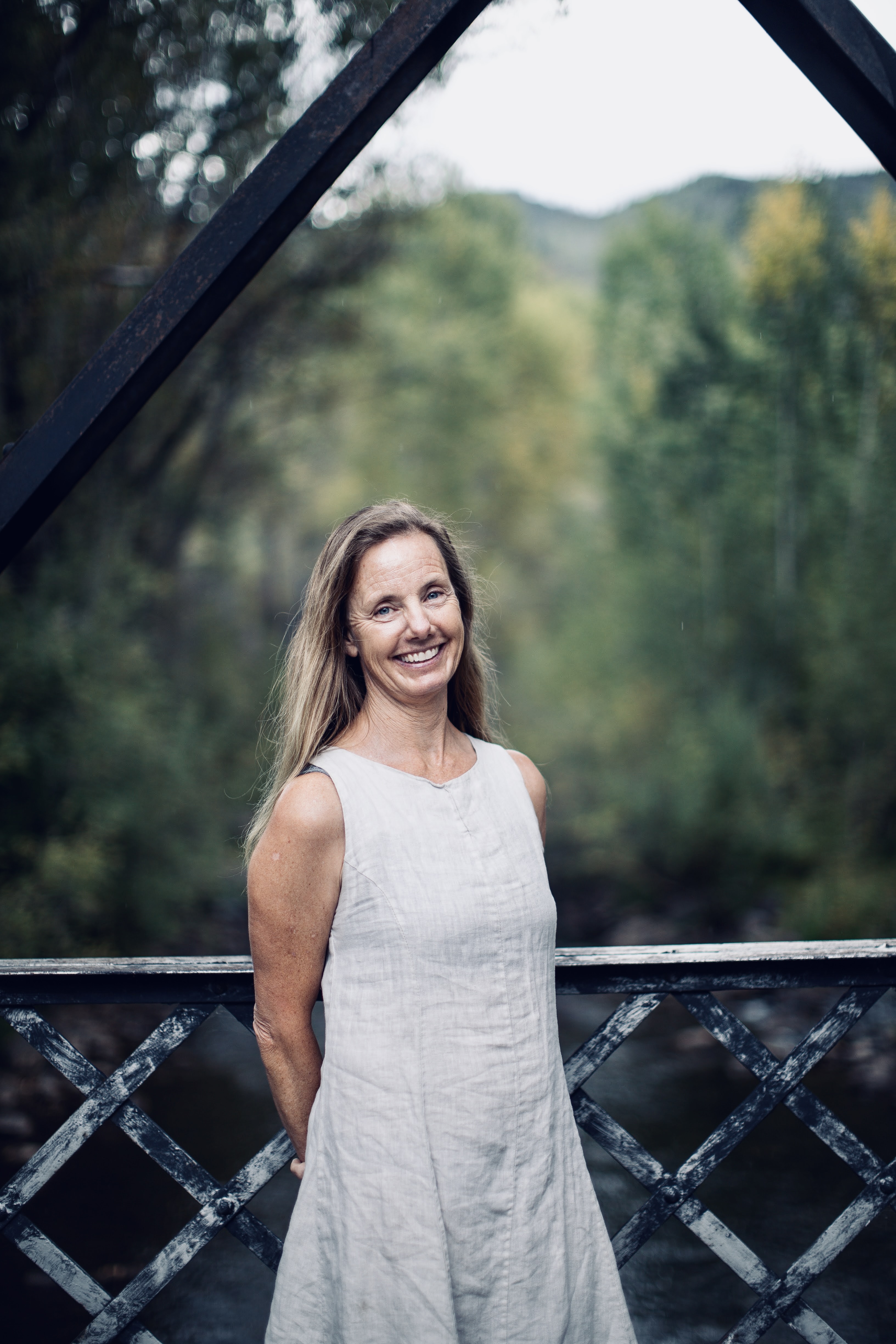
Author/Poet/Teacher/Mom
On September 17, 2024, Katie Rizzo lost her firstborn son to addiction. She found that grief mirrored pregnancy. The first few months she had nausea as grief moved in. Then there was a period of numbness, followed by “showing” where she wanted everyone to know. She began writing poetry—something she had never done before—as a way to speak to him across the veil. Then when it got really unbearable, Nick Cave wrote a piece on asking grief to sit beside you, which was her call to delivery. Now she can walk with grief alongside and hopes to share her story to help others who have lost a kid to anything like addiction that is stigmatized, and to help anyone lost in grief.
Katie Rizzo’s memoir, The Trimesters of Grief, will be released on October 6 by Koehler Books, with Blackstone Publishing handling audio licensing.
Trained in biology and psychology, Rizzo earned a master’s degree from Yale University and completeda MSII at the University of Colorado School of Medicine. She taught at her local public high school for over fifteen years and lives in Arizona with her husband and their two dogs..