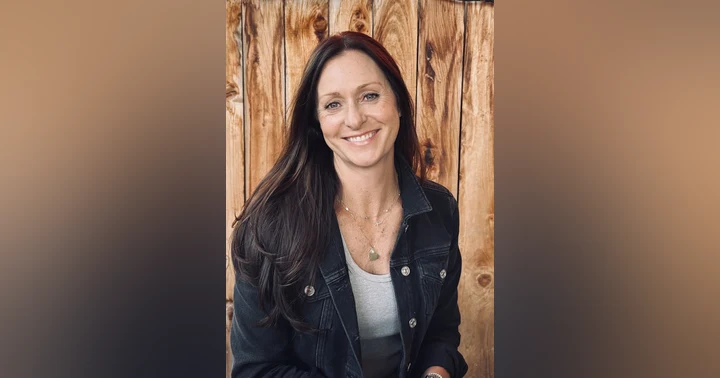
Better Communication Can Protect Kids During Divorce



Shannon Darrow is a divorce coach and mediator, and the host of In Between Them — a podcast featuring honest conversations with adults about what their parents' divorce shaped, broke, and built in them as children. Her desire is to bring to light all of the impacts children suffer from their parent's divorce so parents can become aware and do better
In this episode we discuss:
• Shannon’s path from law school to corporate life to divorce coaching and mediation
• Why adult children can recall small divorce moments with lasting pain
• The unintended ways kids become the victims of parental conflict
• Why talking about divorce like the weather minimizes grief and loss
• The “kids are resilient” idea as a way adults avoid accountability
• Divorce grief compared to death and why it can reopen for years
• When mediation helps most and why post-judgment mediation can work
• Money triggers, court escalations, and how kids get pulled in
• Small actions that help children feel safe and considered
• Why badmouthing the other parent breaks trust with the child
• How divorce history shows up later in adult relationships and marriage
• Regulating ourselves so our kids are not living inside our stress
You can tune into Shannon Darrow's podcast and learn more about her professional services through the following link onward-mc.com/
Shannon can also be found on Instagram @Inbetweenthempod
Thanks for listening to this episode of the podcast! If you enjoyed today’s conversation, please follow, or subscribe to the show so you never miss an update. Want to connect? Visit me at podpage.com/recovery-catalyst/
00:00 - Welcome And Why This Topic Matters
01:32 - Shannon’s Path Into Divorce Work
03:35 - Curiosity After Divorce And Healing
07:35 - What Adult Children Still Remember
12:10 - Divorce Talk And The Resilience Myth
16:05 - Divorce As Ongoing Grief For Kids
19:05 - When Mediation Helps Most
22:50 - Money Triggers And Kids Seeing Everything
25:40 - The Small Acts That Create Safety
30:10 - Why Badmouthing Backfires With Kids
38:40 - How Divorce Echoes Into Adult Love
44:10 - Self Regulation In High Conflict Co-Parenting
50:15 - Making Two Homes Less Brutal
57:25 - Support, Communication, And Flexibility
01:01:40 - Where To Find Shannon And What She Reads
01:05:00 - Resources, Links, And Closing Thanks
Welcome And Why This Topic Matters
SPEAKER_00
Hello everyone, and welcome to the Recovery Catalyst Podcast. I'm your host, Kat York, and welcome to my little corner of the world, where I invite guests to talk about their journey to recovery to get it from addiction, trauma, mental health, or a combination of any of those things, or even other things. My goal is to try to shine a light on these difficult topics through the lens of curiosity rather than cure. And today we are taking a ever so slight left turn and going slightly off topic just a bit to talk about something that is often not talked about enough. Today we are joined by Shannon Darrell. Shannon is not only a divorce coach and mediator, but the host of In Between Them, a podcast featuring honest conversations with adults about what their parents' divorce shaped, broke, and built in them as children. Her desire is to bring to light all of the impacts children suffer from their parents' divorce. So parents can become aware and do better. And with that, I will welcome Shannon.
SPEAKER_03
Thank you so much.
SPEAKER_00
Thank you for being here, and thank you for the work that you're doing, not only as a podcast, so as a mediator and a divorce coach.
Shannon’s Path Into Divorce Work
SPEAKER_00
Um these are big things that you're big topics and that you're working with that you're talking about. And where did this all start with you as far as wanting to go down the path of being a divorce coach and a mediator? How did that become your path?
SPEAKER_03
Well, it's it's a long story, so I'll make it short. Um I I uh I actually went to law school and then I I really wanted to do kind of transactional law, so I didn't want to do litigation or anything like that. And um then kind of a tragic, untimely passing of my grandmother, who I was very close to, uh, right around the time I took the bar after I graduated law school. And so, needless to say, I didn't pass the bar the first time I took it. Um, and that just kind of set me on a different path. Obviously, then I had to get a job and, you know, start paying back my law school loans and all of that. And so I took a sales position in the golf industry and oddly enough, was then there for 20 years. And um it was, you know, it evolved over different iterations over the 20 years, but that um was kind of my career and and my leap into corporate America. And about halfway through that, I got I was married briefly, got uh pregnant, had a baby, and then got divorced with a three-month-old child. And divorce was not something in my family. So it wasn't something that I had a lot of familiarity with. It wasn't something where I'd watched a lot of people go through it. And then as a, you know, mother of a baby and um someone navigating that process was really difficult. Um, so I'm now 13 years past that point of my life.
Curiosity After Divorce And Healing
SPEAKER_03
And in that 13 years, there was a lot of um what I would say, kind of dovetailing back to your intro, which I loved what you said was we're here about curiosity versus a cure. And I feel like all I started doing was asking questions. It was questions about how do I not mess up my kid? You know, I got divorced when he was so young. What do I do there to kind of um shield him, protect him, help him thrive when he's already kind of dealing and living with that piece of his life that's difficult. Um, and then it was my own healing after, you know, a difficult situation and also um the ongoing nature of my divorce was incredibly difficult. And so I, you know, like anything, you find yourself a magnet to people who are similarly situated. And so over the course of my life, I've had people say, hey, you know, my friend's getting divorced or my sister-in-law's getting divorced, or my brother, and can they talk to you? And um, and so I just found myself kind of talking it out with a lot of people that were going through different things. And um, and then really discovered that there was this coaching piece within the divorce world. So it's kind of taking a little bit of my legal, you know, my legal education, my familiarity with the process, and then, you know, kind of helping people step through it. And um, and then probably as I navigated the coaching, I started to go, gosh, why do people always go to a lawyer? Do they realize that you could actually go through mediation? It costs less, it's gonna be quicker. Um, in a lot of cases, you can be creative so you can come up with your own, your own kind of framework around what your divorce and what your life for your children essentially is going to look like. And if you mediate it out and agree on it, then most likely the court is gonna sign off on it. So you're able to live in a way that reflects a little bit more your family dynamic than this more standard approach that is taken through the legal process. Um, so I was doing all of that. I became certified in mediation and high conflict mediation and did a bunch of child custody work so that I could really understand that piece of it. And I just um it is super rewarding. Um, but it left me going, wait a second, still these people are not paying attention to what their kids need. And that's really how I ended up in the podcast is just going, people do not understand what divorce does to kids, not at the kid level. And I realize we can't, we can't do it all at the kid level, responding to everything the kid says and does and needs. Um, but there is a power and a and a connection, getting into what it is that they are experiencing. And so I realized I can't go talk to a bunch of like 12 and 15-year-olds. So the next best thing was to just kind of talk to adults who would be willing to share their stories and see if I could come at that experience through that lens. Um, and so that's what brought me here and what brought me to you. And um, so I feel very fortunate to be uh hearing people's amazing stories and really, you know, just to your point, getting really curious about what it is kids are experiencing so that you can make a difference. We're not gonna stop people from getting divorced. But if we can mitigate the impacts that happened to kids because of it, then I feel like we're making some progress.
SPEAKER_00
No,
What Adult Children Still Remember
SPEAKER_00
I I I agree with you. And one thing that stands out to me like when I listen to your podcast is how much the guests are able to tap into what happened to them so long ago. I mean, you're talking 10, 20, sometimes even more years removed, and they can tap into specific painful events from the divorce, during the divorce, after the divorce that shaped them in a way that they can't that they didn't recover from, like that need wasn't. And I'm curious, like what when you're when you're interviewing, you know, these individuals, what is it like for you as someone who's navigated the legal part and now like you're kind of in this, you know, you're hearing about it all these years later, like, oh my god, like what is it like for you to hear these stories from from adults recounting their childhood grief?
SPEAKER_03
You know, it's it's so many things, you know. Like personally, it's I I have one reaction personally that is very um it's inspiring to me. It's also devastating to me. I, you know, I look at it like the children are unintended victims. So I look at it like I did this to my own child, you know. Um, and I also see how parents are trying to figure it out. Um, they're trying to survive. But probably ultimately what I look at it is if I brought a child into this world, then I am responsible for everything I could possibly do to make their life the best and to give them the greatest chance to thrive in whatever way that is for them. So if I get divorced, which is just, you know, it is a thing that happens, I then have a greater responsibility to make sure that I don't break my child further. And I feel that there's such a breakdown in that awareness, in that ability. Um, and so, you know, there's so much in that. I think what I when I listen to all of these people talk to me, number one, I mean, like you said, what they can pinpoint, what they can remember is it's amazing to me. It's so profound sometimes. What the smallest story, the smallest incident actually did to someone and the lasting effect that it had. And that's kind of my, I think one of my biggest um goals is to shed light on those unintended impacts. Because we kind of know some of the big things that kids struggle with in divorce. It's, you know, pretty hard to miss, but there's so many little things that parents do within that specific dynamic of a family that really changes the course of kids' lives. And it can be things that they do overtly, things that they don't even realize they're missing, things they do to other people that that that then impacts that child. Um, the influence of step parents. I mean, that's a huge one that I knew that was a big deal. My son has, you know, one of I think God's greatest gifts in giving us the stepfather. However, I think that there are many people that don't understand the sheer impact of what that additional person into a child's life and or the in and out of those people, you know, um, be it good people, bad people, but then the coming and going. I mean, I could go on and on. I I think listening to them ultimately, though, um shed so much light on communication as the biggest key to me is if people would just communicate, if they would just talk, if they could just listen and hear, you know, what kids are feeling, not saying that you that you defer to a child, but just taking into consideration that they are acutely aware of many more things than we give them credit for. And if we could just tune into that a little bit, um, I think it would go a long way.
Divorce Talk And The Resilience Myth
SPEAKER_00
One thing that uh is always kind of concerned me when people talk about divorce is they talk about it like it's the weather. Like, oh, he and she are getting a divorce, and like it's just like small talk, like it's not a big life change, like it's not a big family systems change, a big disruption, a loss, a transition. Where do you think that comes from? As far as like when it just became so like oh, it's like to shrug it off, and where do you think that comes from?
SPEAKER_03
Well, you know, my opinion probably, and that's such a great question because it's probably part of the root of the problem, you know. Um the cynical side of me thinks that that makes it easier for people to do it. So if we just talk about it like it's the weather, like I have friends who've done it and family members, and my parents were that way. Like the more I can demystify it, the more I can make it normal, then it's not that bad what I'm doing. And so I think I think it's similar to, and I know that we do want children to be resilient. We want people to be resilient, but I I really believe the more we tell divorcing parents that kids are resilient actually allows them to feel that it's not that bad what they're doing to their kids. I feel like it's a little bit of a get out of jail free card, like, okay, I might be destroying my child's stability, their life, their predictability, their routine, everything, but they'll bounce back, you know? And yes, they will, but you know, that's not what we are raising them. We we want them to be resilient because of they have this stable home and they are able to go out into the world and feel things that are hard and they come back here. We we don't want them to be resilient because they overcame their family, you know. And so I feel like in the same way they talk flippantly about divorce, I think also it's that like kids are resilient. I'm getting divorced, like it's all right. It will just find our new normal and we'll move on. And and in doing that, it really shifts the focus away from what this child, what children are really going to now have to live with. Because a lot of times, and in, you know, probably most cases, no matter which way a parent goes, parents get to have like a next chapter, I would call it. They can get remarried, they can just live their life independently in the way that they want. They can, you know, they can totally pivot and change everything, but their children are always going to have divorced parents. There's no next chapter for them. And so I think it also is something where it allows the it allows the parent to like really accept, like, oh, I get to focus forward. What am I gonna do now? How am I gonna reinvent myself? How and it's not to say that that's not all super healthy, right? But in doing so, you can't forget that your children now are going to be dragged through whatever you decide to do with your next chapter, you know.
SPEAKER_00
Yeah. And that's that's important because you know it is, especially if the marriage is not healthy for anybody. You you look forward to a new chapter, a healthier chapter. But sometimes in that, as you as you said, the children are kind of overlooked. You don't want to defer to them to decision making, but you wanna not just move forward and forget that for them, it's it's an ending, it's not necessarily a new beginning.
Divorce As Ongoing Grief For Kids
SPEAKER_03
Right. Right. I talked to someone um who was on my podcast and she said to me, I don't understand why we don't treat divorce like death when it comes to children. And she said, When we when we like in school, take that for example, you know, a person loses a parent, the school rallies around that child, there's grief groups, there's a grief counselor, people come in and they really support that child. And everyone's a little bit hyper-vigilant around how are they, what are they, you know, how are they coping? And when children's parents get divorced, to your point, it is an ending, it is a death to that family unit the way that they know it. And it is a grief. And when this woman was saying this to me, she said the divorce grief, the divorce wound opens up over and over and over because you have all these different phases that parents can go through, except for the rare bird, where people are amicable, where people really put themselves completely second and really do everything to make sure that kid feels the least amount of impact possible. And it that does happen. It is possible. Um, but to this woman's point, she was just like, you know, I'm not saying that divorce is worth worse than death. I think they're somewhat equal, but one of them keeps happening over and over, and the child keeps feeling it over and over in all these different life circumstances. And so why are we not more aware, more supportive as a community, just kind of treating it the same that we do when children lose a parent? And I thought that was a really profound way to look at the fact that we we don't, kids don't get that kind of support from a broader community that they do when they lose a parent. And that's an interesting gap, probably.
SPEAKER_00
I was getting goose wumps when you were talking about it, because from the standpoint of it's a it's like a wound that keeps reopening. Um because the child or children don't get a say in what the divorce is gonna happen. You know, the choice is taken away, and so and so often in these legal proceedings, like they're they're their voice is taken out of what they would prefer, and sometimes they're too young, especially like in the case of your child who was an infant, you know, they they don't have a voice, but then I I I feel sometimes even as they get older, they express a wish, it's just it's just dulled down through because the parents, the communication is disintegrated, they're fighting, there's a whole bunch of you know ugliness happening. And I'm I'm
When Mediation Helps Most
SPEAKER_00
curious if you think that or or if you have seen, I should say is a better question, mediation to kind of alleviate some of that. Um, like when you take when you're able to take the courtroom out of it and you're able to just sit down without the pressure of a courtroom or a judge and and all that. Have you seen that play out better?
SPEAKER_03
So, in my experience, most of my mediations that have been divorce related for whatever reason have been without children. So I think that that's been interesting that people who are getting divorced who don't have children tend to seek out less acrimonious ways to get divorced. They just kind of want to be divorced. It might still be contentious. There's still assets, there's still a lot of times there's pets that, you know, people do shared parenting for pets. Um, but my my experience has been I've coached a lot of people through um with children, and I have mediated like post-judgment custody things. So people that are like, I've been living, we've been living five years post-judgment. Our child has now entered an age that's very different than the age at which we got divorced. So our parenting time or certain aspects of our agreement made a lot of sense when our child was seven and now they're 12 or 15, and life looks very different. And they don't want to go back to court. They are in a place where they're still, they're able to communicate. They're still, they don't love each other. Like they don't want to be in the same room. They don't really want to be kind of working this through, but they know they don't want to spend $10,000 in legal fees. So a lot of people in those cases will come to me and say, we just want to talk through these two issues that we have. These are the two things that are they keep rearing up and we keep hitting heads, and we need to get past this so that we can kind of move forward. And it's not worth the cost for us to go to court and do anything like that. And that is where I see a lot of success for people with kids in mediation because what I would call that um in contract law, in in in law, there's something called the cooling off period. And people hear about it where it's like you sign, you sign an agreement, but then you get like this time to think if you want to change something. So it's almost like that buyer's remorse on things. And I often think that the you know, there's probably a two to three year period after people get divorced where they really can't think straight. They can't think well, they can't think outside of survival or anger or whatever. Whatever those emotions are, but then you start to get outside that window and people start to see a little more rationally, a little more clearly. And so if all of a sudden then you find yourself in a disagreement in those post-judgment years, it makes it a better opportunity to mediate it out. And so I do see a lot of success there for people. So if people were willing to say, hey, or, you know, if it was written into judgments, hey, if we can't come to terms in the years following this, we have to go through mediation before trying to go back to court. It allows everyone a calmer place and a less costly place. Um, and sometimes the cost alone drives up people's tension and reactivity. And so maybe
Money Triggers And Kids Seeing Everything
SPEAKER_03
you were able to work it out, but because one person went to a lawyer, now everybody's up in arms and it didn't need to be that way. And I talked to a woman yesterday who said um years later, kind of talking about how those wounds reopen. Years later, she was like in college, she thought. She had visited her dad. She made a comment to her mom about how her dad now lives in this kind of beautiful house, like a little further out from where they all grew up. And the next thing she knew, her mom was back suing her dad because she felt like, wait a second, this guy must have more money than he let on. So now that he's in, and and the the girl in the situation was like, everything was kind of calm. I made this comment, which I didn't think that my mom would then take my dad back to court. And now here she is dealing with her parents back in court, and she carried the weight of it, was all because I made a comment of like my dad's in this nice, beautiful house that I enjoyed going to. Like she couldn't even say that. And so just it's amazing how these things continue and how kids bear this burden the whole time, whether it's feeling the weight of the conflict, or in this case, maybe actually even stirring the pot, even though that's not what she intended to do.
SPEAKER_00
That's crazy to me. So just one comment that he moved on as a nice home and we're back in court. Yeah.
SPEAKER_03
But I think when you when people are so tied up in child support and alimony, and we make money such an issue within these two people, any change to someone's circumstance. I've seen it where one party gets a new car and all of a sudden the other party is going, well, if they could buy a new car, then they must be doing better than they said when we last filled out paperwork. When in reality, maybe the person's been saving for it and budgeting for it, and it's, you know, it's a lease payment, it's a it's a car payment that is hard for like you know, you know what I mean? The circumstances could be so not what they look like, but yeah, and and so no matter what the trigger is, you have these children that are seeing it all inside of it. And um, that's you know what I've realized too, again, going back to you saying what people are able to share. Kids are more aware of anything that more than we could ever imagine. And so when you think about what they're hearing, when you think about what they're seeing, what they're experiencing, it's it's so broad.
The Small Acts That Create Safety
SPEAKER_03
They are hearing, seeing, feeling everything, you know.
SPEAKER_00
It makes me so sad to um because in a divorce, I I don't I don't want to think that people's intentions are to you know not listen or to not see the child. Um but I don't I often wonder sometimes how much like you said, people or parents realize how much their children are seeing or hearing, even if they're not in the same room, you know, and excuse me, and the messages they're receiving from the parent they're not living with. You know, because then the the painful subject of like visitation um and not showing up because there was certain there was a certain episode about where this this um this this young man his father didn't show up to the baseball game or he wasn't in the line. Um to like to like and that like made me so sad because here he is all these years later and he's still recounting like how painful that was for him that his father didn't like shake his hand or hug him at the end of that game.
SPEAKER_03
It's I think that what um gosh, there's so many things that I think become very clear. Um but one of the things that I would say is that there are such little things parents can do to make their kids feel loved and okay. And yes, it could literally be showing up to a kid's activity and just letting the kid see that you're there. Maybe you don't even talk to them, you know, it's it's it's at the end of a kid's performance or something, being able to stand next to their parent and equally say you're proud of this child. You know, it's it's allowing it's it's having a place for them in your house. Even if you have a one bedroom, make a little area for your kids so they feel like there's something for them at your place. You don't have to have a grand, huge house. They don't have to have their own room, but it's something carved out for them. It's it's like kids just want to feel like they're being thought of, that they're being considered. It nothing has to be a grand gesture, you know. It's kind of like if you took your kid to Switzerland versus you put a tent up in your backyard, I think the child is going to feel the same. I don't think it actually matters how grand a gesture is for a kid. And and also kind of like you said, what they notice, what they see, it's also being aware that they actually are aware. So validating, recognizing, acknowledging, communicating, and not in big ways. You don't have to go, you know, so overboard in communicating with a kid about things that maybe are not age appropriate. But that doesn't mean you act like nothing's happening. It doesn't mean you act like they couldn't possibly be aware. They could like you don't have to say much. A kid reads body language, a kid feels tension, a kid feels, oh, we don't like this person, you know. People don't have to say anything. And it's really giving them the um the confidence in themselves and the appreciation that their brain is working in their head, and so we can at least acknowledge something and not leave them to sit there and fill in gaps, decipher for themselves, determine what's going on, because then they're filling it in with a bunch of information that isn't right and isn't true and probably doesn't need to be in their head, you know, and we could easily give them little answers that just let them go on with their, let them go on with their day, their childhood, whatever. Don't bog them down with trying to have to figure out all these adult puzzles.
SPEAKER_00
No, and
Why Badmouthing Backfires With Kids
SPEAKER_00
and you have you asked this question uh sometimes on your podcast, and I and I like it. You asked them your guests what like what would have helped you was the one thing that would have helped you get navigate your parents' divorce better. And could you could you talk about what the usual answer like usually is?
SPEAKER_03
Well, what actually astounds me every time, almost every time, the answer usually is communication and communication to the child, um, or between parents that communication was better, and or it kind of goes hand in hand with I just wish they wouldn't have talked badly about each other. And I have talked to people who after divorce have been in not great situations, who have been, you know, in the projects, who have been in on welfare, who've been in shelters, who've just, you know, before their parent was able to kind of recover, um, they were not in great situations, or people that ended up with grandparents, or whatever the the case may be. And almost every time I think they're going to say something like, I wish my life was not so scary, I wish my life, you know, I wish not for this abuse, I wish, and they always come back to communication and that their parents didn't talk badly about the other. And I just think, wow, they like how simple that is, you know, and and and and what a through line it is with all the stories. Yes, sometimes kids or adults say something a little bit different from that, but I would say it, you know, without tracking it statistically, I feel that at least 80% of the time, kids are just saying those two things.
SPEAKER_00
That's that's powerful.
SPEAKER_03
Yeah, because it's so easy to fix, it's in everyone's control, you know, and it actually, I believe that parents all have different capacities to parent. I believe that they have different capacities in conflict and all of that. However, people are able to communicate in small ways, and people are able to stop talking about someone else. Like those are not hard things. Um maybe there's levels of communication that can help people heal in different ways that not everybody has the capacity for. But at the end of the day, if we're saying what is the easiest thing to do, just don't talk about your the kid's other parent to them. Yeah, it's probably not, you know, you be because it's not saying don't talk about how much you hate that other parent. It's just saying, talk about it to your friends, talk about it to a therapist, talk about it elsewhere, get it out, say whatever you want. But when you're in front of your children, just button up and you don't have to then kind of flip-flop and say, Oh my gosh, that other parent is so amazing. They do such great things. You don't have to say good stuff. Yeah, you just have to say nothing or have fun at your dads, have fun at your mom's, you know? Leave it at that.
SPEAKER_00
And it can just be neutral. It doesn't need to be yes, yes. Do you think when when parents do kind of like that mudslinging kind of do you think that shuts down the communication between the parent and the child as well?
SPEAKER_03
Yes. Well, I, you know, I think I have read about it being called the boomerang effect or different things, but yes, I I think that's kind of the biggest misconception is that the parent who is doing the talking badly or poorly of the other parent, I don't think they actually realize how much that is impacting their relationship with their child. And in in actuality, I think a lot of times they think it's solidifying their relationship, that it's making that relationship stronger. And it's actually breaking down so much. And a lot of cases, I think you may not see that because in a lot of cases, the parent who's talking poorly about the other isn't necessarily a bad parent. They're not like they might be real a really great mom or dad in a lot of ways. And there's just this piece because they can't let go of what happened. And there's other, you know, layers in there, which why they are not able to stop from doing this. But if you just take a step back, they look like a really good, stable parent. And so I think in a lot of cases, what ends up happening in these situations is that child grows up, and then that's when they really want to break away from that parent because that is their stable home. Um, but then, but and because they feel that they can't say anything, like they can't say, hey, mom, can you stop talking about dad in this way? It's really hard for me. They just kind of suppress, suppress. But then when they can get separation from that parent, I think they take the first opportunity. So I see a lot of these kids tell me stories of how I graduated high school and I was out the door. And I, when I came back to visit as an adult, I didn't stay with that parent because of what they would constantly say. So I either stayed in a neutral place or I stayed with the other parent, you know? And so I see a lot of breakdown in that relationship where they're talking. It's not always having the impact that they think it's having. It's almost like it's quelling something within that parent and doing a lot of damage that they don't realize.
SPEAKER_00
Well, sometimes I think sometimes in divorces, like when people are talking so poorly about the other one, you forget that the that the other parent is half of that child. Yes. So when you're saying something bad about that parent, I often wonder if it gets internalized, is there something bad about me?
SPEAKER_03
I think it it's um from what I've experienced and people I've talked to who have literally said exactly that, um, to what I've read and research, it's significant. And I don't think a child, I don't think a child always realizes that that is how they're taking it in. I think they realize that and reflect on that a little bit later. But I have spoken to people who they it was actually made very clear to them, you are so like your dad. And then they would proceed to say things and they wouldn't say it that I don't like you because of this. It would just be that parent has made some a child very aware that wow, you're a lot like your dad. And then you know, on another day, they're gonna rip their dad apart. So that's I mean, there's only one connection to be made there for that child, you know. So I think it's overtly a lot of times, but I think other times kids, kids know they're half of that parent. And so when a parent is ripping on that parent, they're um very subconsciously then processing, what does that mean about me? Or maybe they like this piece of that parent, and then the parent is ripping that up. So they're like, Well, I I think that's good about my dad that he likes to talk to everyone or whatever, and mom's trying to say that, like, oh, he never shuts up type of thing. And so it's like, well, he seems to be really friendly, you know, and so there's just there's there's every emotion, every piece, every characteristic behavior is like another layer that can be in some way picked apart, you know, made a strength, made a weakness, made a failure, made a success. It it's just when you decide to rip on that parent, I think that there's no end to it. Yeah.
SPEAKER_00
And and I have to wonder what the messages
How Divorce Echoes Into Adult Love
SPEAKER_00
that that sends to the child, either consciously or subconsciously, how that impacts them approaching relationships in general after that divorce. You know, not only from the the traumatic experience of the divorce, but from hearing those messages that oh, you're so much like your dad or your mom in this negative way, and hearing it maybe, oh, this mom this parent doesn't want me as much anymore. Well, maybe I can't find a partner that will want me as much because I have this.
SPEAKER_02
Yeah.
SPEAKER_00
Have you heard um uh individuals on your podcast who have stayed away from relationships?
SPEAKER_03
Like how it's impacted that uh I don't know if I have heard them say they have intentionally stayed away, um, but I definitely think that people if they if they aren't able to, for whatever reason, dig into some of this in their young adulthood, which most aren't, um it comes to light very acutely in their marriage. And you know, a lot of these people I would say um have a first marriage that ends, but then they see it's like the light switch comes on and they see all of the connections, and then also if they have children, they're also looking at it like, okay, now I'm getting divorced. So I see all the connections and how I got here, but now I have to do this different because I have this child and I don't want them to have my scenario. So the way that they approach divorce is different. Um, I think a lot of people heal after a divorce, their first marriage, and go on to have a successful second marriage. Um, I've seen people struggle with relationships constantly, but what I see there is people that really didn't have the either the ability or the um support in self-reflection. So there seems to be, which makes perfect sense, an obvious thread between people who really dig in and kind of turn inward to what did I experience? What did that create in me? And how can I proceed? Versus people that are still almost living in that story, if that makes sense. Um, it's like their identity is just stretched from that time versus saying, I know who I am, I know what happened to me, and I'm going to kind of do different and use that as um you know, use it as blessings and gifts to not do something again going forward, whether it's for themselves or in how they raise children.
SPEAKER_00
I I love how um you speak about that, how they can take that that pause maybe after a marriage didn't work and be like, okay, what isn't healed in me? And what can I do better going forward versus just repeating this? Okay, stopping that pattern.
SPEAKER_03
Right. Yeah, and I you know, go ahead. No, no, that was I I think that um what is interesting to me is there's a lot of that. Um even if you're from a family that did not get divorced, for example, just a dysfunctional family or people that stay together, there's a lot of we'll stay together for the kids type of thing. And I think it all seems to have different ripples, but there's not you don't get out of it without some scars. And so I think that anyone who can look back and go, how did I get here? Especially if it has ended in, or if their first marriage has ended, that reflection on what happened here, you know, I think matters a great deal. Um, and I have I I think that yes, divorce is kind of like the obvious one. So you're like, well, my parents got divorced, so let me unpack that type of thing. But if you're like, well, my parents weren't divorced, but I'm now in a marriage that blew up, maybe I should unpack a little of what went on in my childhood because just because my parents didn't get divorced doesn't mean that I saw or heard or learned things that didn't help me get into a healthy relationship for myself. And so it's it's much broader, I think, but there's definitely through lines through a lot of it that I think um If you have the ability to self-reflect at any point, you're most likely going to fare better in any relationship than
Self Regulation In High Conflict Co-Parenting
SPEAKER_03
if you don't.
SPEAKER_00
Yeah. No, and these are, I want to thank you again for these big topics that you that you speak on and the work that you do with mediation and co-parenting coaching, the divorce coaching. I mean, these are big topics, and you're dealing with very complicated individuals and situations. And I have to wonder, you know, what what what do you do to kind of like take time away for you to kind of manage like all this stuff that you're you're taking on and the podcasts and how do you make time for you away from these things?
SPEAKER_03
Well, you know, that's such a great question because I think it I think for me the podcast is actually the gift I have found in my healing. And it's weird because people's podcasts do sit with me. So there are people I talk to where even days after I talk to them, I still feel what I still feel the conversation. I think about them. I think about them as children, you know, and um, but I also then am grateful that they shared because if children like them that experienced what they experienced can, if people can hear this, maybe there's less of that, you know. Um but what I would say is, you know, to be really honest, I think I worked so hard to heal from my own divorce and the self-reflection and the journey that I went on. Um, you know, I was super fortunate to be remarried and have a husband who allowed me, who, who loved me unhealed and allowed me to heal because I had no idea what I really had to tap into. Um, and I think that, you know, being in a high conflict divorce situation with a young child is, I mean, talk about the level of reactivity that I was operating at for a very long period of time. I think that actually, and and figuring out how to come through that and how to not live in that state. Um, and probably a lot of the my motivation was my child. The more I could not live in that state, the less he was in that state. Um obviously I'm only one part of the issue, but the more I could heal, the stronger I could be, the calmer in my body I could be, the better I was, the better mom I was. And so I think that's what brought me to here and being able to do this is that um I had to work on regulating my own system so much that now when I help people, when I talk to people, um, I definitely feel triggers. I definitely, you know, can relate in a lot of ways, or I get frustrated with people because I'm like, ah, you're making this so much harder. And it's your kid that's bearing the brunt of this. Like you don't have to be, you don't have to be fighting like this. Like it's literally pointless, you know? And when I realize too how you only get your kid for 18 years. So whatever your divorce navigation looks like, whether, you know, in my case it's pretty much all 18 years, but for a lot of people who whose parents get divorced when they're 12, 14, 16, you only have a couple more years with that child under your roof. And it's like, what are you gonna do with that? Are you gonna spend it fighting? Like fighting with the other parent, which ultimately is unraveling the stability for your kid, or can you just save face and and you know, try and put on a good front for a little bit of time to get your kid through this? You know, I talk to a woman who's doing it beautifully for her daughter, and she's like, that doesn't mean I don't get in the car after I've spent time with her and her dad and scream and cry. And, you know, she's like, I feel all those feelings, but I don't let my daughter see that. I know that her childhood is more important than my feelings, angst with her dad. So she worked really hard. And, you know, not everybody can do that. I realize that, you know, that was a really hard thing for me. Um, but I also do realize the fact that I wore that emotion a little too a little too outward, um absolutely impacted my son. You know, I think there are ways now I look back and I'm like, that wasn't worth it. Or I could have done that. I could have showed up better. I could have, you know, realized the bigger picture a lot sooner, which would have mitigated some of what my child felt and carried. Um I can't control what another person was gonna do in a situation, but um, I could control my vibration, you know, in a way that because kids feel that kids especially, I think, feel that with a mom, but I think they feel that with anyone they're bonded to. So, you know, kids can be very bonded to a dad and can feel the same thing. Like dad doesn't feel good right now, so I'm not gonna feel good right now, and I don't know why, but I don't, you know, and so um, yeah, so I think it's just my own the gift in my own healing is what has enabled me to not um not carry it all so that it tears me down and actually carry it in a way, like carry it forward, you know, help people get it out so that we can try to make a difference.
Making Two Homes Less Brutal
SPEAKER_00
Yeah, what I like what you said there is that you're not telling parents to not have moments where they express their frustration, just don't do it in front of the child. You know, we're still a human, we're still gonna cry and scream and you know, have our moments in the car and whatever that is.
SPEAKER_03
But you want to shield the the child from you know that kind of that breakdown, you know because I think kind of going back to the divorces like the weather, I think that um we should be able to say as easily that it sucks, you know? Like I mean there I don't care even the best situation after the fact, I'm pretty sure that everybody would like to raise their kids together. I think that is the point, right? Right. We don't have kids so that we raise them, so they have to live in two separate places. Like that is not anyone's intent. Sometimes it's a better situation, sometimes it's at least peaceful. Um, but in most cases, it is the most abnormal way to live your life. And I think that parents forget to put themselves in that perspective. If you are a person who's ever had to travel for work, if you're a person who's ever had to kind of jump in between places, it is not a calm, peaceful way to live your life. If you always have to pack for the next trip, always have to pack, or you're in between two places and you're always leaving something at that other place, even you left something at your work, you don't want to go back and get it. You know, it's that realistic awareness around what we're asking children to do, I think is really where we need to be coming from in recognizing that it sucks. It is not the way anyone wants to live. So recognizing at least that, and then saying, now what I'm asking of my child is hard.
SPEAKER_00
Yeah.
SPEAKER_03
So how can I make it better for them? You know, and that better is gonna look different for everyone. Right. And not everyone can do as much better as they would like to. Like we said, you can't control the other party, you know, you can't control everything around a child, but ultimately it's those little things, it's those little moments, it's the little care, concern, hearing, listening, being aware that kids need. They don't need grand gestures, they need to feel heard and and they need to feel they they need to feel like they matter, right? Yeah. I mean, at the end of the day, that's all a kid ever wants is to feel like they have an opinion. That doesn't mean they get to choose, but they have an opinion. And let's honor their opinion and teach them young that like your opinion matters to the conversation. It may not be the driver, it may not be where we end up, but your opinion and your feelings matter to us because we love you, you know.
SPEAKER_00
No, and that's that's important. You I think because divorces as as as rough as they can be, there's still an opportunity there, I believe, to teach the child or children how to handle conflict, how to handle big emotions, big transitions. And you kind of teach them how to either what to do or what not to do. And you know, I think we as a scientist, my personal opinion, is that we just need to sometimes in these moments pause before we make these big like statements like um, oh, it's just a kid that doesn't know what they're talking about. Um, because that always drove me insane. Um, because they may not be able to articulate it the way we we would as adults, but they can still say it in their own way, what they're feeling, what they like, what their wishes would be. And you're right, it it may not end up the way they want it to, but at least they got heard and like, okay, you know, I feel safe, like I'm okay, somebody listened to me.
SPEAKER_03
Yeah, yeah. I I think role modeling and teaching them is our greatest responsibility because back to kind of the point we said in the beginning is they are completely aware, they are observing everything. So if I can role model that yes, you know, in like kind of the example we were saying, yes, I do not like your other parent. But for you, I can stand next to them and talk to you. I can show you because if you're a kid, you probably know that I don't like your other parent. But if I can show you that I can coexist and be around people that I don't particularly care for, right? That is a huge thing to role model because if you just look at life in general, there's a lot of people in the world we have to deal with that we don't like, right? Right. And so teaching them that in a way that is like about their other parent and you're showing up for them is like, I can do a hard thing for you. Yeah, you know, and I and I think modeling in any way as we navigate, you know, could it I go back to communication. If you can role model good communication about hard things, is there a better gift you can give your kid? You know, and so I think, yeah, and and yeah, I just I I think that we are still always their parent, even though this is a sucky situation, you know, from the reality of it. Every day we get an opportunity to do good for them. Right. And if we even in the heart, in the hard, you have a great opportunity too, to show them what to do in the hard. And I think if people could look at it like, this is not how I envisioned my life, this is not how I envisioned raising children, but I have now an opportunity to show them how great I can be and how good this situation can still be for them because I love them and I'm willing to do anything for them. At least, at least if you approach it that way, you're you're getting the best out of the worst, you know? Exactly. And that's that's that's your responsibility at the end of the day. You had this kid. So you you're responsible for making them as good as you can possibly do. Yeah.
SPEAKER_00
And you've said a lot of beautiful,
Support, Communication, And Flexibility
SPEAKER_00
a lot of beautiful things here today. You left a lot of left a lot of wisdom on us that um I don't think a lot of parents are able to seek out when they're in the middle of these difficult situations. And what is what is one piece of advice or tip that you would like to leave with everybody today if they are going through a divorce and they have children involved?
SPEAKER_03
I think the I think the I think the biggest thing, which I think not everybody's able to do, so I recognize that, is get support. So I think therapeutic support is always, even if it's for a short period of time, I think that having if it's for mom, if it's for dad, if it's for both, if it's for kids, like I just think seeing where there might be a need for therapeutic support is always going to be critical where it's possible. But aside from that, I think that communication in whatever way people can do it, in whatever way feels like you're honoring the age of children, but you're also not treating them like you said, like they don't know anything, like they don't matter, like they have no opinion, see nothing, feel nothing, hear nothing. Communicating with them in some way, acknowledging that you are going through this too, and you have thoughts and feelings, recognizing that what they say may not impact the outcome at all. But knowing that you've given them the gift of later in life being able to say, Oh, they asked, they asked me what I thought. They I was able to tell them that I didn't like the way that they were doing this, or I wished this could be different, or whatever. Um, I think is I think is mitigating layers of complicated, I was never heard as an adult. Um and I think ultimately realizing kind of going back to the mediation side of things, parents can always agree on what is best for their children outside of whatever they've agreed to in court. If parents can agree that, like, hey, we didn't, this wasn't part of our judgment, but our kid needs this and we both agree on it, or maybe we change something, but we see the benefit in it, we can just do that. So you can make adjustments for your kids if you agree on them later on. You don't have to live so structured in the way that you agreed to 10 years before, you know, or it or life changed and something is different. Um, and you can get that out of communicating to kids. And so I just think that it's validating them and acknowledging that they may not say it in an adult professional way, but they can communicate what they're thinking and feeling and what they need in their ways, and it's worth listening to I I love what you're saying because it comes down to such uh, you know, I feel just basic human things like communication, support, listening, um being quiet when necessary.
SPEAKER_00
You know, you're not you're not talking complicated, you know, concepts here that are just never heard of. You know, these are things that if you institute them with the help of even someone like yourself, like a mediator, um, to take that pressure off of yourself to communicate correctly, or so you just you just don't have any kind words at the moment, you know, that there's there's there's that is a form I consider that a form of support, um, you know, not just for yourself but for the family as well, because you're like, okay, I need help, I need support in this situation.
Where To Find Shannon And What She Reads
SPEAKER_00
And you know, I want to give you um an opportunity to tell people where they can uh where they can find you. And also I would love to hear um what you're reading, like what you like to read.
SPEAKER_03
Um, well, people can find me. And and you know, what I want to start by saying is thank you for acknowledging like my mediation and coaching and the podcast because they do go, they kind of all overlap. Um, kind of the two spawned the third. Um, and I feel that my podcasting actually helps me communicate with people who are trying to do better. So it's funny how it all lives and breathes together. Um, but they're all it's all very different, talking to people at very different stages. So I I appreciate you bringing all of that. Of course. Um my website is onward slash m or sorry, oh my gosh. Onward hyphen MC slash hyphen. So um, so yeah, onward hyphen MC. That has all of my mediation coaching and it also has um stuff about my podcast. So if someone listening was like, hey, I have got a great story that I would love to share, you can find my um contact information for the podcast on that as well. And then I do stuff really just on Instagram, um, in between them, pod and onward underscore MC. Uh, both of those, you know, I try to grow to get the message out. Um, so you know, those are the two places. Um as far as books I'm reading, oh my gosh, I read like usually reading three books at a time, one on Audible, and then I say one upstairs in my house and one downstairs in my house. Um I, you know, it's funny. The book that stuck with me recently because I watched the movie then with my family was Remarkably Bright Bright Creatures. Okay. It's it's a beautiful story. You will cry. The movie is as beautiful as the book. The dip is slightly different, but um from for a not in-depth kind of self-reflecting, gritty book, um, and just a beautiful story, it was wonderful. Sally Field plays the creat uh the creature. She plays the woman, uh the main character in the movie, and it's just it's a beautiful story. But I would definitely read the book before the movie. Okay. Um and then, you know, I actually I was just talking to someone the other day about a book, two books I read by the same author. One's called Essentialism and the other one's called Effortless. Um, those were books that I wish I read 30 years ago. I think that it would have changed my life, made me more present, made me more productive, just many different things. It's very much just kind of daily life living, but um it's things where if you knew that stuff sooner, you would be teaching your child that stuff sooner and then they would be more efficient and just kind of, you know, kids are present, but um, but I just think you know, parenting from a present perspective is a much better way to parent. So um I loved those books too.
Resources, Links, And Closing Thanks
SPEAKER_00
And I will put those, um, I will find links to those and put those in the show notes as well, as well as a link to your to your website onward-mc.com. And you also have a great um, it's a free download, like five miss things to avoid for a divorce. And so please check that out. And you also offer a um discovery call, so um, please go check that out. There's nothing lost on the discovery call. Something lost, you know. Um and thank you for tuning in and thank you for all that you're doing. And I hope someday um I could see I could see you personally writing a book somehow in some way. I don't know about like your story or like just the stories you've heard or like lessons. I I just feel like I could envision you writing a book.
SPEAKER_03
Not that you need more to do, but like I could it is it is on my radar. I just don't know which angle, but I do, you know, I have a couple sweaters that I feel like this is the kind of sweater you sit and like write a book in with your coffee. And so I do, you know, keep those sweaters handy and decide to start writing.
SPEAKER_00
I love I get like when you say that, I get like I don't know if you've ever seen the movie like uh Funny Farm with um Toby Chase. Oh, probably forever ago. When he's sitting and he's like at the window and he's at his typewriter. And just like when you said like having the sweater, I just felt like because he bought the house to write this book. So I can envision you like the.
SPEAKER_03
I feel like anytime you see somebody writing, they're always in like a big, kind of ugly but amazing, thick sweater.
SPEAKER_00
No, I I I see that. I see that. Like I feel like there's always like pockets in them too.
SPEAKER_02
Yes, yes, yes, because you got you know, you might need pens or paper or something.
SPEAKER_00
You need all the accessories. Yeah, all the accessories. So thank you, Shannon. Um, once again, your podcast is in between them. I highly recommend giving that a listen. Find her on Instagram, the website. Um thank you to everybody for tuning in and listening to to my little my little show here. Uh I can't do it without you. Um my link tree will be in the notes if you want to send me comments, questions, learn about ways to support the show, even be a guest. And I want to thank everyone for listening. And Shannon, of course, for taking the time to be here and all you do with your podcast and your mediation. Um I I firmly believe you are making an impact um in a very positive way on this topic. So thank you for giving um giving a voice to those who may not have had it when they needed it.
SPEAKER_03
Well, thank you. And thank you for thank you for helping me get the message out broader. So I appreciate it. And it's been wonderful having you on my podcast and having this conversation. I just I really appreciate you know your openness. So thank you.
SPEAKER_00
Oh, absolutely, Shannon. I have a beautiful rest of your day, and we'll see everybody real soon.
unknown
Okay.

Podcast Host/Mediator/Divorce Coach/Mom
Shannon Darrow is a divorce coach and mediator, and the host of In Between Them — a podcast featuring honest conversations with adults about what their parents' divorce shaped, broke, and built in them as children. Her desire is to bring to light all of the impacts children suffer from their parent's divorce so parents can become aware and do better.