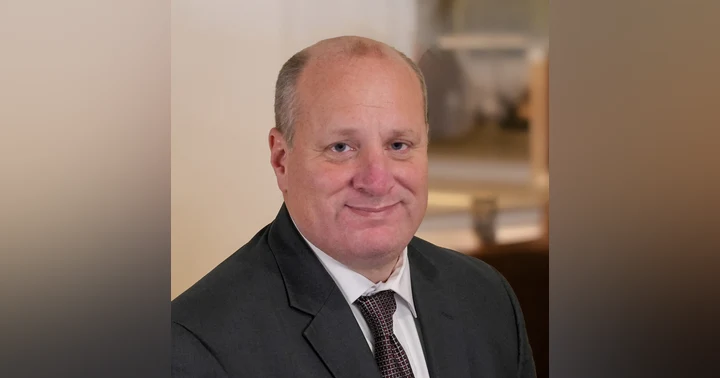
Trauma Surgeon’s Guide to Burnout & Mental Health with Dr. Daniel Eiferman


What happens after the operating room doors close? For most, it’s not the heroic scene depicted on screen—it’s the weight of high-stakes decisions and the pressure to remain unshakeable.
In this episode, Cat York sits down with trauma surgeon, educator, and author Dr. Daniel Eiferman to discuss the hidden emotional reality of surgery. Drawing from his book, Cut Open: A Surgeon’s Stories of Resilience, Loss, and Growth, Daniel shares an honest look at the profession and provides actionable strategies for navigating the mental health challenges common in healthcare.
In this episode, we cover:
- Building Psychological Safety:How to build trust quickly in high-stakes healthcare teams by being the first to drop your guard.
- Physician Burnout Recovery:Understanding "pervasiveness"—how to prevent one bad day from poisoning your entire outlook.
- Interrupting Negative Spirals:Practical tools for managing loss aversion, including peer support and compassionate self-talk.
- Resilience vs. Post-Traumatic Growth:Moving beyond "getting back to normal" to becoming wiser and more grounded through the challenges you’ve lived.
Resources:
Connect with Dr. Eiferman and explore his free resources for healthcare professionals at integritysurgery.org/
If this conversation resonated with you, please subscribe, share it with a someone who needs to hear this, and leave a review. Your support helps more people find the resources they need.
Thanks for listening to this episode of the podcast! If you enjoyed today’s conversation, please follow, or subscribe to the show so you never miss an update. Want to connect? Visit me at podpage.com/recovery-catalyst/
00:00 - Welcome And Guest Introduction
01:04 - A Painful Origin Story In Medicine
04:34 - Mentors Inner Circle And Peer Support
08:25 - Why He Chose Surgery
12:20 - Building Trust Fast In High Stakes Teams
20:35 - Listening Skills Burnout And Mental Health
24:30 - Self Talk Complications And Finding Meaning
38:50 - Resilience Versus Post Traumatic Growth
45:10 - Writing Publishing Life Outside The OR
48:45 - Where To Find The Book And Closing
Welcome And Guest Introduction
SPEAKER_04
Hey everybody, welcome back to the Recovery Catalyst Podcast. I'm your host, Kat York, and this is the space where we explore addiction, recovery, and the resilience required to navigate life's hardest times. My guest today is Dr. Daniel Eiferman. A trauma surgeon, an educator, and a dedicated leader in high-stakes medicine. His new book, Cut Open, A Surgeon's Stories of Loss, Resilience, and Growth.
unknown
Dr.
SPEAKER_04
Eifferman challenges the traditional medical culture of silence. He draws on years of experience as a Castle Connolly top doctor to offer rare insight into how clinicians and all of us can process trauma, lead teams to adversity, and find growth in the aftermath of difficult decisions. Let's dive in. Dr. Daniel Eiferman, thank you for joining us today.
SPEAKER_00
My pleasure. Thanks for having me. Please call me Danny.
SPEAKER_04
Danny? Okay. Um,
A Painful Origin Story In Medicine
SPEAKER_04
so tell us a little bit about what brought you to being a surgeon.
SPEAKER_00
How did you Yeah, so I'm a pretty uh upfront and blunt guy. I I would love to sit here and tell you this story of, you know, uh most people say, you know, I I wanted to help people or whatever, but I I'm gonna tell you the truth here, Kat, and that is um my parents went through one of the worst divorces in state history. That was an illegal document. Wow. And uh my dad was a doctor, he was a uh and he was not a nice man uh at all. And we actually haven't spoken in 30 some years. And in the midst of the divorce, when things were awful, you know, court case after court case, fight after fight, I came home one day, and I I swear to you, there was a gift basket that was like taller than me, you know, saying, Thank you so much, Dr. Eiferman, who was my father, and all that. And here's the fact you know what I said, I was 11 years old. I said, if you can be that much of a jerk and people think you're that awesome, I'm doing that. And that actually started me down looking into going into medicine uh and things like that. Surgery came later, but that was actually one of the driving forces when I was a young kid, if you can believe that story.
SPEAKER_04
No, I mean I can see that because if you see your dad getting this huge gift basket, people the adoration, the appreciation, the gratitude. I mean, when you're that young, that had to be so impressionable.
SPEAKER_00
It was it was decently impressionable, like I said, things were rough at that time. I was like, how can somebody see this person in such high esteem? Yeah, when I, their son, know the truth. And I was like, I think I'm gonna look into that profession. So that's actually what started me down my road to medical school. Surgery came later uh from some experiences that I had in medical school. Uh, but that's what actually started me down being a doctor. Wow.
SPEAKER_04
Now, uh, because you're a doctor and he was a doctor. I'm curious, how did did your how was your dynamic when you became a doctor? Did it ever even out for you two? Or did it was it just always oh well?
SPEAKER_00
I mean, he and I didn't speak, haven't spoken since I was 15. So there is no evening out uh uh to be done. I did not go to the same specialty uh that he did. Uh but other than that, no, I that was one of the probably stronger mental health decisions I ever made for myself was um this is a person who doesn't make me feel good about myself, you know, doesn't support me, puts it, puts me down. Uh, and even though this person got labeled dad or parent, whatever you want to, uh if that person's not good for you, uh, then I made the what I thought was a time was a difficult choice in retrospect. Now it seems like an easy choice of like, I'm not going to surround myself with people who don't have my best interest in mind. Uh and so there has been no reconciliation. That was May 25th, 1993.
SPEAKER_04
Well, yeah, well, you knew you knew at a young age what was good for you, and I think that says a lot of things.
SPEAKER_00
So I had some good people in my life, you know, outside that that helped steer me in the right direction.
SPEAKER_04
Yeah, and I mean you gotta have who were some of your mentors or people that kind of helped guide
Mentors Inner Circle And Peer Support
SPEAKER_04
you.
SPEAKER_00
Well, the the best person in my life, I was raised by somebody who's not my mom or my dad. Uh, she started raising me when I was two weeks old. Wow. Uh her name was Nan. Uh in fact, I just talked to her last night. Uh, and she uh she taught me about um giving to others to find happiness, and it wasn't uh fame or money that led to happiness. Uh and she adopted me into her family and really uh put me on the right path. Uh and so that was a it was a really it's a really special and wonderful relationship. Like I said, I was two weeks old uh when she started raising me, and we're still close to the state like that. I spoke to her last night.
SPEAKER_04
That's powerful that you guys still maintain that relationship all these decades later.
SPEAKER_00
And also, like when people tell me about um blood is thicker than water, you know, if you've ever heard that that term or something like that, I say, I don't know, your your family is your I talk about in my book, you have to have an inner circle. Those are the people who care about you so much that they're willing to hurt your feelings if they need to, uh, but they always have your back, and you've got to have that inner circle uh in there. And those sometimes come with labels mom, dad, cousin, brother, sister, spouse. Uh, and sometimes they don't. Yeah. Would you say would you say having people like that in your life kept you grounded when you're going through uh I I would say sane uh would be would be the and as you know you kind of go through each level of life, you know. I've been doing surgery now for a while, those are the people that come to my mind uh right away, but those are the people who pick you up when it when it gets hard and and tells you you're not abnormal for feeling the way uh that you do. And um, you know, nobody can do nobody can do these jobs alone. And if there's one thing that I've learned in terms of resilience and and and picking people up, nothing helps more. Nothing helps more than when it's a peer who does what you do. They can pick you up more than anybody else can. Uh and so I I I'm out there beating the beating the drum of the you know, pick your colleagues up, because I always tell people when I had my worst complication of my life, uh, which is about it was almost 10 years ago now, my wife of now 26 years, 16 years at that time, yeah, not in healthcare. And she knew that I was sad and wanted to help, but it didn't make as much of a difference to me as when I spoke to other surgeons and explained the complication and how I went wrong and what I did. And so having those peers around you that formed that invaluable. Yeah, I don't think you can be successful without it.
SPEAKER_04
No, and I like that you highlighted that that doesn't always have to be family, it can come from yeah, just yeah, it can be a teacher or a friend or really a colleague up here.
SPEAKER_00
Yeah, it's people you have a connection with, and we don't have a connection with everybody, but when we get a connection with somebody, that's when we can build trust.
SPEAKER_04
Yeah, not trust is very important, especially in the field that you're in. As you said, you don't do this alone.
SPEAKER_00
Uh no, but I would I would I would correct you. It's important in every field. Name a field that that that trust isn't that isn't important in. Uh so yes, sometimes the stakes of what I do can be a little bit higher. Uh, but no, trust is is the linchpin, it's the building block uh of everything, in my opinion.
SPEAKER_04
What what made you because you said you didn't start out as a surgeon. What made you what made you veer into that in that direction?
Why He Chose Surgery
SPEAKER_00
Yeah, you you want a good story? Sure. So I went to medical school to be a primary care doctor. I wanted to sit and talk with people like like we are right now and uh help them navigate you know the trials and tribulations of life. So I was one idealistic medical student. And uh another gentleman and myself, we started a uh or we resurrected a homeless shelter medical clinic uh where we were, and he went every Tuesday and I went every Thursday and really tried to make a difference in these people's lives. And do you wanna know when I learned Kat about chronic problems? What they're chronic, uh they're they're really difficult. Uh and I was getting a little frustrated not being able to see kind of the the fruits of labor. And then I rotated on surgery, and this woman got hit by a drunk driver, and she got what's known as a pneumothorax, the so-called collapsed lung. Okay, and they asked me, Hey, do you want to put the tube in? You put a tube in to get their lum to re-expand. Do you want to know what happened when I put that tube in? What she got better. And I was just like, I'm doing that. Um so it's kind of antithesis, like I'm a very much a play the long game, you know, don't go for the short-term stuff. Uh, you know, I hate social media and things like that that give us quick, but as a career, uh surgery can be very rewarding in that you come in with one problem, and I can, you know, you have appendicitis, I take your appendix out, you feel better, you go back to the quality of life that you had before. Uh, that can be pretty rewarding. Yeah.
SPEAKER_04
I and and I I imagine you have to have some specific qualities to be a surgeon. This isn't for everybody.
SPEAKER_00
Uh I think that that's true, but I think that's again, I don't think surgery is all that special. Um, you know, I don't I couldn't be an electrical engineer or a chemical engineer. Um so uh, you know, there's a lot of people say they couldn't be a classroom teacher, you know. And so uh yeah, I do think that there's probably a phenotype of of people who go who go into surgery. Um but I don't think it's anything that that special or that different. Okay.
SPEAKER_04
I've always viewed surgeons just like almost as like atop this kind of hierarchy, just because of what they do, it's so delicate, you know.
SPEAKER_00
Uh yeah, I mean there are certain surgeries that certainly are delicate. I I would just say this the stakes can be a little bit higher, but not every not every surgery is high impact, intense, life is on the line, things like that. And it's like anything else, you know, the more you you do it. Um and I think also if you saw kind of what's behind the curtain or you know how the sausage gets went, it's like, oh, that's all there is to it. It's like, yeah, that's all there is to it. Uh but it's it just took a lot of training to get, you know, it's four years of medical school and then five years of of a lot of late nights and lack of sleep.
SPEAKER_04
I remember one time I was going in to get my um my surgery, my rotator cup surgery. Uh-huh. And they they were wheeling me into the um the or and for some reason like my dot the surgeon had um his Spotify playlist on.
SPEAKER_02
Yeah. I don't know why that I was like, oh my god. I felt like I was like, you guys listen to music while you're doing people ask that although do you listen to the or listen to music?
SPEAKER_00
I was like, all the time. Are you kidding me? When it gets too quiet, that's when it gets a little weird.
SPEAKER_04
I just remember, like, yeah, well, he's a person too, he's gonna listen to the music.
SPEAKER_00
Totally. In fact, it's very common for the be like, what music we listen to? Like, if something's not on,
Building Trust Fast In High Stakes Teams
SPEAKER_00
like the circulating nurse will put it on for you.
SPEAKER_02
I love that.
SPEAKER_04
Now, what is now you got you you spoke about trust uh with within every field. And what are some ways that you build trust with your team?
SPEAKER_00
Yeah. So you've you've hit upon one of my favorite subjects that I I just love to talk about, and that is building trust. And especially if you take like what I do, there are certain times where in order to do a surgery, you need an anesthesiologist, you need a surgeon, you need a patient, you need a circulating nurse, and you need a scrub tech. And you don't always get everybody that you know, or the day team goes home, or you get the night team, or it's an emergency. And so I talk a lot about like how can you form trust quickly with people you first met? And this is my little, I mean, not my pearl, but this is what I espouse out there. And that is be the first person in the room to drop your guard and show your vulnerability. So, for example, I'm very quick to be like, you know, hey cat, nice to meet you. I realize you know we haven't met before, worked together before, but don't worry, you can't screw this up any worse than I already have at some point before. Now I don't expect perfection anymore. Now I'm a now I'm a human being, and if there is a goof up or a slip up, like I understand we work together, and you will find that I usually use the number 95% of people. If you drop your guard first, they will reciprocate and drop their guard with you. And now we're real, we're authentic, we can form a connection together, and we can build trust. And I always throw out there this one caveat this doesn't always work. There are a few X number of people who will use your vulnerability against you, and those people have a name. Those are called assholes, okay, and and you want to avoid them. And I and I can't tell you how or when to predict that they're gonna come. Yeah, but in general, most people, if you're like, okay, I got it, this is a real person over there, and all that stuff. So that is my if you do that and drop your guard, that is the beginning of building trust. Yeah, the second thing I will say, and doctors are horrible at this, and I would even say surgeons are even worse, and I can't exactly say I'm doing a great job right now on this podcast, but the way to build trust is learn to be a great listener. You being a podcast host, are great, you give right say you give body language, feedback, and all that stuff, you ask interesting and probing questions, and what you're saying to me is I am interested in what it is you have to say. You are worth my most valuable asset, my time. And on the flip side, our core need is we want to feel valued. That's what human beings need. We want by being a great listener, what you're uh de facto saying is you are worthy of the most important thing I have, my time, and I value what it is that you have to offer. If you can be learn to be a great listener, you will build trust. And doctors suck at it. There's some there's some study out there that I saw that a doctor interrupts their patients like every seven seconds.
SPEAKER_04
Really?
SPEAKER_00
Yeah. I said that to my friend one time who I felt was interrupting patients. I was like, you know, a doctor interrupts a patient every seven, eight seconds. He goes, I can beat that. I was like, no, that's not what we were going for.
SPEAKER_03
I don't know if this I don't know if you want, I don't know if that's a flex. I don't know if that's what you want to do.
SPEAKER_00
Correct. I I this did not go the way that I was uh was expecting it to. Uh, but if you can really learn to be a great listener, uh you'll build trust. You put those two things together, you're gonna create a good environment where your team's gonna function at a high level.
SPEAKER_04
And do you believe that having those principles of trust and communication and vulnerability have not only helped you in your profession but in your personal life? Do you believe it's carried over outside as well?
SPEAKER_00
100%. Absolutely. Uh, and that's how I feel like I have gotten my inner circle of people. Uh, the people that when the cards are down or things aren't going well, you know, those are the people that I can again know that I can drop my vulnerability and say, Hey, you know, I wasn't on my A game today, or I didn't make a good choice. And instead of them berating me or telling me how stupid I am, or how could you make that mistake? Let's say, yeah, and and I'll and I'll pick you up, buddy. So yeah, I think it's successful in both your personal and your professional career life.
SPEAKER_04
Do you why do you think that sometimes, especially in the medical field, it's hard for doctors to listen? Do you think it's a time constraint?
SPEAKER_00
It's just uh so there's no so first of all, I think my answer might surprise you. Uh, in general, we were never taught. Uh we were never taught how to be great listeners. We were taught like how to do a history and physical and you know all the questions you need to ask. You know, I still remember being a first-year medical student. I had, I think, 15 minutes to ask an 120-point questionnaire and do all the physical exam findings that go along, you know, with them. Uh, but I don't think anybody ever sat down to me and said, Dan, this is how you be a great listener. You know, this is how you know you sit down and really hear what it is the patient has to say. They're not interested in what their white blood cell count is or what their CT scan shows. They want to know are they gonna be able to walk again? They're gonna want to go watch their kid play football, you know. And those are skills that uh I think we're getting better in medical education. I don't know, but uh, I think that's why we suck at it. Um the lack of vulnerability thing, I I think people I think want their doctor to come off as all confident. I know what's going on, you will get better. And in the short term, that does make people feel better. But in the long run, especially when things don't go well, you'll actually build more trust by saying I don't know. You know, here's my here's what I think is going on, you know, here's the risks and benefits. I can't guarantee you that this is gonna go go the right way. I'll certainly do my best and I'll stand by you the entire time. Uh but the at least the stereotype is you want the person who walks in and says, Nobody better than me. I'm the best. Uh and uh I actually don't think that that's a winning strategy.
SPEAKER_04
No, because then it's it appears you know everything in that there's no room for error and that you can't.
SPEAKER_00
No room to hear a dissenting opinion, or what if you had something to speak up to say, or what if somebody else said, Hey, did you ever think about this? And if you're closed off to that, uh then it's unlikely you're gonna get the best the best result. Uh but those are the two reasons. I don't think we're ever taught to be great listeners, and I think that there's this stereotype that a lot of people try to live up to of the bravado, the the all-confidence, you've come to the right place. Yeah, I will get you better. Uh and again, in the short term, um, I do think, you know, it's like, wow, that person's great, I've you know, and all
Listening Skills Burnout And Mental Health
SPEAKER_00
that stuff, but I don't know if it's a long-term winning strategy.
SPEAKER_04
Like when I hear you, when I hear you, when I hear you speak about doctors, one thing that I that kind of replaced for me is like, are there any resources for for the medical profession in general to manage these heavy weight that you guys get to carry?
SPEAKER_00
We've gotten a lot better about that. There's a lot of peer support networks that have been set up. Um, you know, there tends to be uh you know, counseling immediately available when like a some sort of traumatic, you know, uh an on-table death or you know, a young child, or you know, something like that. Uh we've gotten better um in that domain um for for all healthcare professionals, uh, I would say.
SPEAKER_04
That's that's that's reassuring to hear because sometimes it, you know, the way things change, you just you don't know if you hear so much about burnout from yeah, that's that's that's the word out there.
SPEAKER_00
You know, you you had brought up, you know, there is definitely the whole idea of time, you know, that there is some hospital systems do set up an expectation of, you know, you're gonna see this many patients, you know, this hour, or and you know, generate this much revenue uh per day. And yeah, I do think that goes through some people's minds. I would like to spend an extra 15 to 20 minutes. I do think. That contributes to people feel like they're just on the hamster wheel, you know, yeah, you know, going round around. I'm not really in one of those fields per se, like you know, where I'm just seeing cranking out clinic patients, you know, one after the other. But yeah, the whole physician burnout thing is out there. Um, you know, physician mental health, and unfortunately, there's even a lot out there on on you know, physician suicide and things like that. So I I think we're getting better. Uh I really do. Um, but uh let's just say I think we've certainly made some advances.
SPEAKER_04
That's that's nice here, because it doesn't only when things aren't going right with the physician, it doesn't only just carry over to the patient and their practice, but it carries over to their personal lives or families.
SPEAKER_00
Oh, so I mean you've de I mean there's there's yes, that is very well documented. Uh that's called um it's called pervasiveness. So because I did a bad surgery today, that means I'm a bad surgeon, which means I'm a bad doctor. Well, if I'm a bad doctor, I'm probably not a very good husband, I'm probably not a very good dad, I'm probably not a very good fan, and that one thing invades into the other aspects of your life, and it could start a very negative thought spiral.
SPEAKER_04
Yeah, and that's why I'm happy that we're like you said, that we're making progress as far as resources.
SPEAKER_00
Uh I think so, although this is I'm very into this. You know, I'm I'm out there trying to be peer supporters and things like that. Uh, so I read this stuff, but uh the answer is I think so.
SPEAKER_04
Yeah. Well, you you would be on the front lines to to know better than me, and I I certainly hope that we are, because you want the people that help take care of you to be taken care of.
SPEAKER_00
To be, you know, yeah. It's uh it's so funny you say that. Like there used to be this big thing about surgeons and sleep. And like, do you have the right to ask me like how much did I sleep last night before before I perform your surgery? I was like, let me tell you something. I can operate on you just fine after being up for 24 hours, but nobody asked me, did I have a fight with my wife last night? You know, or my kids, you know, what about with my kids, you know, or something like that? That stuff definitely like you can't just isolate them. They're they do they do spill over.
SPEAKER_04
How do you isolate like or compartmentalize like when
Self Talk Complications And Finding Meaning
SPEAKER_04
something bad happens? Like, how do you clean the slate when you walk into the OR to do what you have to do?
SPEAKER_00
Um I think there's a a number of different ways. The the thing that I try to espouse the most, um my guess is you might chuckle a little bit, but I I've just coined it learn to talk to yourself nicely. Uh, a lot of us don't talk to ourselves very nice, and I have spent years, maybe decades, learning to talk to myself nicely. And what I mean by that is yeah, I have complications and I take them hard. Um, and I'm sad and um you know, I try to think back, you know, what could I have done differently? But I also have the other guy on my other shoulder that says, you know, uh, I've helped a lot of people. And uh when I helped those people, maybe you know, I made their spouse's life better, and I made their kids' life better, and maybe they were a teacher and I made their classroom better, or they were a coach and I made their team better. And I say, all right, yeah, Danny, this one didn't go the way that you wanted it to. Okay, we're gonna have to accept that. But I have the tools and skills to make a lot of people's lives better, so let's go in there and do that uh for this person. Uh and so that's the I think that's the the attitude that we have to take uh in order to do that, because you have to accept that the only surgeon who doesn't have complications is the one who doesn't operate. So if you're gonna do this job, some bad things are gonna happen. How do we overcome them? Uh and so I have some other nice little tools. Like I keep a nice book. In fact, I printed something from my nice book today. Somebody wrote me a really nice email. Oh, I like that uh today uh about um uh that his daughter was uh was a mentor, that I served as a mentor for his daughter, uh, and how much he appreciated that. And I keep it over there in my nice book. Uh and so it's like, okay, when things don't go the way that I want them to, as your turn, let's clean the slate a little bit, let's get back up on the horse, uh, and let's get better. Let's be better than we were.
SPEAKER_04
Is that is that part of what inspired you to write to write your book?
SPEAKER_00
Uh a little bit. My my book was my idea. I mean, I I worked on it for like well over a decade. Uh was I read I had this horrible complication in 2016. I was about six years into practice. That's how the book starts off. And uh there's this quote uh by a physician named Victor Frankel. He was a psychiatrist, and he also happened to survive uh the atrocities of World War II. And this was his quote. He said, suffering ceases to be suffering the moment it finds meaning. I found meaning in writing my book and talking about resilience and but talking about what surgery taught me and life lessons from it. And now when I like read an Amazon review or somebody sends me a nice email, something like that, it's like I made a difference in that person's life. That has meaning to me. So that's really what did it for me was I I found meaning in some of the harder things that I went through. Uh, and even though, like I said, a lot of those cases didn't not go the way that I wanted them to, uh, I found some way to have some meaning in them. And that's where the book came from.
SPEAKER_04
And and it how does because like you we're gonna make mistakes, it doesn't matter what profession you're in. And unfortunately, yours is a higher stake profession where mistakes are probably frowned upon as though they just don't happen. And you said you just said it, you know, yeah, the surgeon who doesn't make mistakes is a surgeon who doesn't operate.
SPEAKER_00
That's the only one.
SPEAKER_04
You know, and how do we talked a little about how support has gotten better. Have we gotten better about talking about the mistakes and complications that happens in in the surgical culture?
SPEAKER_00
Um yes and no. Um, we still have in surgery what's known as MM conference, morbidity and mortality conference. And that is where you know when something goes wrong, you list it on there, and then you go up and you stand up in front of a group and say what happened and what didn't uh and that that could still be a little tough on the soul, uh, you know, with comments that are made. Why didn't you do this? Why did you wait to operate, or why why did you operate, or uh, you know, what was the thought process here? Those those most people I think will say aren't helpful, uh, but necessary for quality improvement programs and and things like that. Um what I would like to see the shift towards is um those who understand that mistakes are part of the process are more likely to progress to mastery than those who just try to constantly avoid mistakes. And so if we can have that mindset, and that's the idea behind teaching programs like I'm like you make a mistake, I fix, you learn, we all learn together. But you have to accept that mistakes are part of the process and they're necessary to grow, and that's tough. Um because nobody wants nobody wants to screw up. You know, most people who go into this are here to make people's lives better.
SPEAKER_04
Yeah. No, and like you said, when you first got into certain like when you first got to fix that collapsed lung, you saw that that person's life get better instantly.
SPEAKER_00
Yes, it was awesome. I still remember that was 30 years ago now, I think, 20 years ago.
SPEAKER_04
Because surgery can do some amazing things.
SPEAKER_00
Yeah, no, I mean that is don't get me wrong, the lows are low, but I mean that you know, you get a picture of somebody walking their daughter down the aisle who said, you know, never thought I would see this day, you know, uh things like that. Yeah, you don't think that that makes you feel good about you know the sacrifices uh that you do for sure. Uh so it's not all, it's not all lows. It's just the unfortunate part, the way that our brains are wired is that losses hurt us about two and a two and a half times more than wins do. So when something goes bad, you need two or three wins in a row just to feel good about yourself. And so if you get behind the eight ball a little bit, you can really begin to get down on yourself.
SPEAKER_04
Yeah, that's that and then I didn't realize that we take losses two and a half times harder.
unknown
Yeah.
SPEAKER_00
Yeah, there's some great uh, in fact, if if you're bored sometime, uh, or you it's in my book as well, but there's some great um experiments done on loss aversion, on how much our brain tries to steer us away from loss because it hurts us so much more than gains do.
SPEAKER_04
When you when you finally when you finished your book, you said it was a dead a decade-long project for you. You said it was very kind of healing, kind of cathartic for you.
SPEAKER_00
Yeah.
SPEAKER_04
What was it like when you're like you're holding the book and you're reading it, and you're like, you know, this is for lack of a better term, like your life's work. Like, what was that like for you?
SPEAKER_00
So I'll be honest with you. There was a piece of it, like, even though I try even in the book, I have a chapter on being internally motivated, intrinsically motivated, and not worrying about um uh you know awards and extra. I was like, what if nobody reads it? Uh so there was a little bit of uh there's a little bit of like, wow, I just put like my my heart and soul in there, and I will tell you, uh I really got a kick out of this the other day. Uh I went to read my reviews. And in general, very fortunate they've been very good. But just to show you how our brain works, there's one person out there, I think she goes by Kaylee or Haley or something, who absolutely just ripped my book apart. One star review. This should have been a podcast. He doesn't even talk about surgery, you wouldn't even know this guy was a doctor. Wow. And all that stuff. And this is like in like 25 other like five-star reviews. Which one do I remember? The bad one. Yeah, the bad one. It's just the way I so uh yeah, I was a little nervous. Uh about put like I said, I put a lot of my uh I put a lot of my soul uh into that when I I laid bare a lot of vulnerability in there. So there's people that want to, you know, hold it against me, and they could. Um so a little bit of nervousness, but in general, I would tell you, I was proud of myself.
SPEAKER_04
Uh well, I mean, in your defense, your book is called Cut Open. Yeah. Surgery Stories of Loss, Resilience, and Growth. So I'm not sure what that person was was hoping for.
SPEAKER_00
Yeah, if you're bored, go to go to good. It's not on Amazon, but it's on it's on Goodreads. Uh yeah. It's like, okay, clearly you did not like my book.
SPEAKER_04
Uh I had a bad day.
SPEAKER_00
Yeah, I will tell you something though, though. It's an interesting, I'll never forget this. In medical school, I told you earlier I was one idealistic medical student, you know. And a professor asked me one time, he said, out of 20 patients that you see, how many do you think are gonna have a profound impact on their life? I was so I would have been 23 at this time. I was a second-year medical student, and I said, 19. And he goes, Well, congratulations. You got the number right, but in reverse, is that the odds are you're probably making an impact on one in 20. And uh, I was a little disappointed at the time, but now, like if I give a lecture, if one person comes up to me and talks to me afterwards, I consider that a success. You know, and if one person said, hey, your book really meant something to me, or chapter whatever spoke to me, then it's like that man, and that's enough for me. And whoever Haley or Cayley or whoever gave me the one star, it's like, okay, uh, it's fine, I'll move on.
SPEAKER_04
Well, you never know how much that one that is how much that one person how much is gonna ripple on.
SPEAKER_00
So, I mean, that's what I hope for. Again, that's one of the things I talk about that when I operate on a patient and I can make their life better and maybe make their family life better and their community's life better. That's a really virtuous web to weave. Yeah. And that can, you know, it's like, okay, I you know, I did good today.
SPEAKER_04
No, I mean, I and I I mean I love the title of of your book. Um, because I think cut open can it doesn't necessarily mean like cutting, you know.
SPEAKER_00
Yeah, the idea was for the double, you know, the idea was to try to you know get the surgeon edge. Um uh get the but yes, though I can't take credit for it. My original title, the publisher looked at and said, Um, do you think maybe we could um brainstorm with you a little bit? I was just like, you hate it, don't you? It's like we don't love it. I was like, okay, let's just move on. We don't love it. Uh well, we're not saying that, but we think we could wordsmith it a little bit. I was like, what, you want to keep the and and uh uh that's about all that's left over from the original title.
SPEAKER_04
Now, do you have uh you you mentioned that you had the one bad review? Um what has been the reception like amongst your like your community and your peers about about your book?
SPEAKER_00
It I mean it's been pretty positive. Uh I think uh I think it's really helped people understand the idea of trust and and um pulling the you know opening the curtain and seeing behind uh there. I think that that uh I think that that makes a difference. Uh I think I spend a lot of time in there like trying to give little pearls of what actually leads to professional and personal satisfaction. Uh you know, and it's not your corner office with your fancy title uh and your bigger salary. Uh and so I think uh I think that's made a difference. I think it's made a difference to the uh like to the trainees, the people who are coming up who haven't quite graduated yet. So um outside of that one one-star review, if they didn't like the book in general, they didn't tell me. Uh so um, yeah, it's it's been nice. Uh and I, you know, these are the these are the conversations that I like having because I feel like it comes off as sincere or authentic, which is one of the main elements of of building trust, versus just saying, you know, it was all you know uh rainbows and butterflies.
SPEAKER_04
No, and that's life isn't all rainbows and butterflies.
SPEAKER_00
Correct. Let's talk about this. This is sad, this is hard. I maybe maybe I made a bad choice for myself. You know, am I in the right field? Yeah, these are hard things to go through.
SPEAKER_04
Now, one of the words in your title is is resilience. Yeah. And and sometimes
Resilience Versus Post Traumatic Growth
SPEAKER_04
I feel like that word is equated with endurance. Like, how much can you endure? Yeah. You know, how much like do you think specifically in your field that surgeons are are often viewed upon as having just like endless amounts of resilience and endurance? Like, because you said you know, you could be up for 24 hours, you know, and it's that's not it's not really that big of a deal for you.
SPEAKER_00
Um I'm not sure about the answer to that. When in terms of endurance, I do think that people just like um like surgeons do tend to work a lot, uh, and work a lot of hours, uh, and still tend to show up the next day. I was using the word resilience, not in terms of endurance, but I have this curve and this talk that I give where it says you're functioning at this level right here. Bad thing X happens, whatever it is. It's surgical complication, a breakup, whatever you want to call it. You're now functioning at this level down here. Okay. Resilience is the term to say that you got back to the level that you were at before the bad thing happened. So that you've recovered. Now, I actually go on to say most people know that, and most people know what PTSD is, the post-traumatic stress disorder, and that is when you don't get back to your level of functioning after something bad happens. I like the word resilience because I actually want people to do better. I want them to have PTG, which is post-traumatic growth. So resilience just gets me back to the level of where I was. I want to be we want to be better than that afterwards. But the idea of resilience is getting back to the level that you were functioning at before the thing, before bad thing happened.
SPEAKER_04
And how how how much you can get back to the middle ground, the balance out there.
SPEAKER_00
Correct. And most and most people can. Most people can get back to that. Um most people would describe it as a bell-shaped curve. Uh there's some people who PTSD, difficulties in mental health, substance abuse, things like that. And then, but there's also the equally small amount of people who go on and get better afterwards. We need to shift that curve to more people into growing and moving forward.
SPEAKER_04
And do you do you believe that you know whatever losses that you've incurred or difficulties you've incurred in your life have have helped your resilience? I mean, in the moment it never feels like that.
SPEAKER_00
Yeah. Um I think the answer to that question is yes, because I have good people in my life uh that help guide me and say, when this bad thing happens, that does not define who you are. They help me um, you know, they do keep you humble, but that also helps me go on to that you know, to that PTG level of things where I can um bounce back. And then it comes back to if you can learn to talk to yourself nicely, then when these bad things happen, I'm nihilate. They still hurt. Like there's I always tell people when they come and say, There's nothing I'm gonna say that's gonna make you feel better right now. Okay, you know, you wish that this was a different outcome, you feel like you violated the trust of the patients or their family. That's not gonna get better instantaneously. Yeah, there's gonna be a mourning or a grieving process, right? But eventually you'll move on to acceptance. And the way that we get to acceptance is that we overcome those negative thoughts and some of the things that I was talking about before with saying, you know, this one didn't go the way I wanted it to, but I'm gonna get back on top and go help the net. And that's when bad things still happen. That's the that's what I do today.
SPEAKER_04
And like for when when when you do you because you're an educator as well.
SPEAKER_00
Yeah, I am. I'd like to think so, or I hope so.
SPEAKER_04
I think you are. And when you when you're advising like young c young clinicians who are getting into these high pressure fields, and you tell them things like, you know, you got trust and be vulnerable and communication, do they kinda what is their reaction to you?
SPEAKER_00
Um I think a lot of it is relief because one of the biggest things that I have found uh when I talk to people, give them peer support, if you just tell them that how they're feeling is normal, that brings a gigantic amount of stress release because you think you're an alien and that you're the only person who's ever felt this way. And then when somebody goes and validates your feelings, like, let me guess, you're questioning your judgment, you don't feel very good about yourself, you're wondering if you're good enough to do this. They're like, Yeah, how did you know that? I was like, Because I was you once, I was, you know, uh, you know. Like we don't just magically come out of the womb and we get to be, you know, staff surgeons. I went through all the training as well. You don't think those thoughts went through through my mind? That's the number one thing. And once they're like, oh, so everybody goes through this, I'd be like, Yeah, everybody goes through this. Welcome to the club. Uh that's what I found.
SPEAKER_04
And that must give them what the relief, like the opportunity for growth as well, because they're not feeling like they're in a pressure cooker.
SPEAKER_00
Well, it lets them know everybody goes, and then you still come out on the other side because they're like, Can I do this? Am I gonna make it through? Do I have what it takes? Like, listen, almost everybody experiences what you're talking about right now. And yes, you could still go on and have a career and all that stuff. This is part of the process. It's hard. Nobody talks to you about it. No, but it exists.
SPEAKER_04
Do you think there will be another book for you in the future?
SPEAKER_00
Uh uh so I keep telling myself no, but I really um I'm really trying to do more. I think I would like to write
Writing Publishing Life Outside The OR
SPEAKER_00
a book on listening and healthcare. That's my current topic uh today. There's a lot out there on listening. I don't know how much there is specifically on how to build trust and healthcare, but I keep telling people um 2036. That's about how long I turn out one book every 10 years. 2036, I like uh right now. So, and I've lost a phenomenal amount of money on the book as well, doing my own publishing and marketing and things like that. So, right now I've I'm taking a lot of notes. Uh, I'm developing some lectures, but I haven't sat down and written anything.
SPEAKER_04
And probably I could see I I could see another book in your future once you're able to kind of well, the biggest thing that's gonna happen, I'm gonna be an empty nester next year.
SPEAKER_00
This is my last year of kids in the house. People ask me how did I get the time to to um write a book? I say, well that was easy. I bought my car my kids' cars, and then all of a sudden I didn't have to drive them to gymnastics practice and baseball and swim and all that stuff. So I do think they'll potentially have a little bit more time uh than they're they're rising seniors, the twins are this year. Um so but we'll see what the next what the next chapter is. It's it's a lot of work. The only thing harder than writing a book was publishing the book. I've heard that that can be that can be a six editor, and I I had a great people that I worked with, but you know, but I also self-published, which made it a little bit harder.
SPEAKER_04
No, I I had I had someone who self-published, and he said it was just it it's it's it has its own hurdles.
SPEAKER_00
You know, every comma, every semicolon, uh, you know, all that stuff. It just it just took a lot of time. Uh, but we'll see. Uh right now I I'm enjoying having the book out there. Uh I like giving talks and being invited and seeing new places and talk to interesting people.
SPEAKER_04
Now what do you when you're not writing, when you're not working, what do you do to just for fun?
SPEAKER_00
How do you Yeah? We're a sports family. We have sports on in the house, or we're going to a sporting event. Either the kids are playing, we're watching. You know, last week was vacation. Uh, my son and I hit two different major league ballparks. We try to go a different one every year. Um so the World Cup was great to us, but we're uh uh what do you call it? We're a sports family. Um I I don't know what'll be on tonight, probably baseball because that's all it's on in the summer, uh right now. But going to games, watching games, talking about games, fantasy, you know, all sports, all that stuff. But we're we're a sports family.
SPEAKER_04
You gotta have that.
SPEAKER_00
Uh when you when you work at Ohio State, where I have been for the last 16 years, like when in Rome, do as the Romans. We play football really well here. And it makes it makes it a lot of fun. You know, we own we have season tickets and all that, so it's fun.
SPEAKER_04
Well, it's it's nice, it's a nice balance, and um sports can be you can kind of let loose a little bit.
SPEAKER_00
Well, it's a great escape, you know, just to get up in the game, and then when it's over, I can go I can go back to life. But we love to share that with each other as a family. Uh all that's fun.
SPEAKER_04
And yeah, I we have we have hockey around here where we are, and um that's what we do. We love to go to the hockey games. Yeah. And um I I think it's just I think it's just a nice to do something with your kids and just you're allowed to be a little silly at the games.
SPEAKER_00
And we have hockey in Columbus, Ohio, just nobody knows we're an NHL team.
SPEAKER_04
Nobody knows.
SPEAKER_00
It's best kept secret.
Where To Find The Book And Closing
SPEAKER_04
I would like to offer you the opportunity to tell people a little bit um about like your website, your book, anything that you want to share.
SPEAKER_00
I I appreciate that. If you enjoyed hearing uh the my book is uh is on Amazon. I have a website called integritysurgery.org. That's integritysurgery.org. There's some free uh stuff on there about how to stop negative uh thought spirals, uh some other podcasts and stuff that I've done, but the book has uh each chapter comes with take-home messages because I tell people the human brain can only hold seven pieces of information at a time. Uh that's why phone numbers were made seven digits. And it's just 12 chapters with an introduction and a conclusion, about a two-hour read, 130 minutes, and each chapter comes with some take-home messages, and they're just what I've learned from surgery and things that hopefully can help you know people uh in the professional and personal life. Uh so uh I hope you'll enjoy it. I also I really enjoy giving talks and speaking. I have my own leadership class here uh at the guy, and that's I enjoy uh being in front of groups, getting to know people, talk to them, make a connection. So uh I'm out there on LinkedIn as well, as well as my website, uh, and that's the book.
SPEAKER_04
Well, thank you, Dr. Eiferman, for being here with us today. Uh it was a pleasure um to hear, especially I love how you touched on trust and community and vulnerability and listening. And these are all they sound so simple, but putting them to use is there there's two parts of every decision.
SPEAKER_00
There's the decision and the execution. Sometimes one is easier than the other. I always tell people sometimes the decision to operate is really easy. Pulling it off is hard. Sometimes it's it's the opposite. Yes, those words are easy to say. The execution is hard. Yeah.
SPEAKER_04
Well, I I have to read your book. I have to read your book.
SPEAKER_00
Just only me a one-star review.
SPEAKER_04
Like I would not, I would not do that. I would not do that too. I feel like I feel like I would love to see like patients like handing this book to like their doctors.
SPEAKER_00
So I will tell you, it has been cool. A couple patients have read the book, and one even brought it to the clinic for me to sign. That was cool. Oh, I love it. I wanted to I wanted to see my own book. I was just in the airport yesterday, flying home. Yeah, my goal was to see somebody reading my book in an air, but that hasn't happened yet.
SPEAKER_04
I love that.
SPEAKER_00
That would probably be like you'd probably the poor person is reading their book and you're just like, Well, I was gonna come over and be like, hey, I heard the guy who wrote that's a real jerk or something like that, but but I I haven't been able I haven't gotten to pull that off yet.
SPEAKER_04
Oh my god, I hope you get to pull that off. I hope so too.
SPEAKER_00
Uh but it hasn't happened yet.
SPEAKER_04
Well, thank you, Dr. Eiferman. It's been a pleasure. Um, and I'm gonna put all the links in the show notes to upgrade your website, your book, uh, so people can reach you, um, reach out, learn about you, learn about your book. And um, I really hope that this is the first of many books for you. And the process is not as painful the second time around.
SPEAKER_00
Well, thank you for having me. It's been a real pleasure to be here. Thanks so much. Well, thank you so much.
SPEAKER_04
Everyone for listening to the Recovery Catalyst Podcast today. Once again, I'm your host, Kat York. And if this episode hit home for you, do us a favor, hit subscribe, and share this episode with a friend who needs a little more hope today. Let's keep that conversation going. And just a reminder, Dr. Eifferman's book, Cut Open, A Surgeon's Stories of Resilience, Loss, and Growth, can be found on integritysurgery.org. So please visit it, check it out, and we'll see y'all next time.
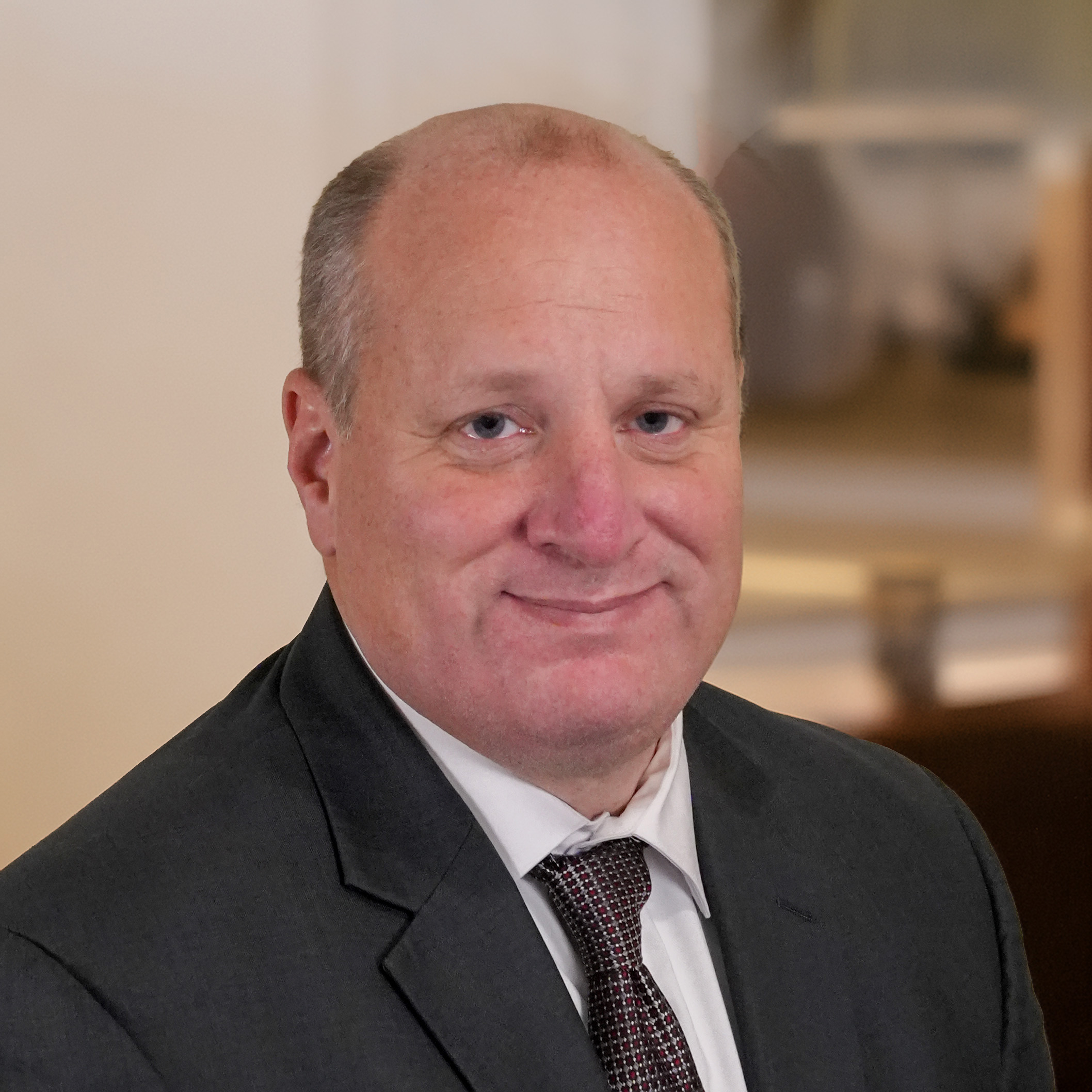
Surgeon/Author/Professor
Dr. Daniel Eiferman is a trauma surgeon, educator, and healthcare leader who has spent his career operating at the intersection of high-stakes medicine and human resilience. In his new book, Cut Open: A Surgeon’s Stories of Loss, Resilience, and Growth, he pulls back the curtain on the emotional realities of surgical practice, from complications and difficult decisions to the leadership and mindset required to keep moving forward. Drawing on decades in the operating room and academic medicine, Dr. Eiferman offers rare insight into how clinicians process failure, rebuild confidence, and support one another in one of the most demanding professions in the world.
Daniel Eiferman, MD, MBA, FACS, is a tenured professor of surgery at the Ohio State University and a Castle Connolly Top Doctor since 2018. A trauma and acute care surgeon known for his candid teaching style, he helps clinicians build resilience, lead teams, and navigate the emotional side of high-stakes medicine.