When Tarot Meets Tort Law: The Idaho Defamation Case That Put the Paranormal in the Dock
In an age where social media can amplify a whisper into a worldwide accusation, the recent $10 million defamation verdict in Boise offers a sobering case study in how law, free speech and paranormal belief can collide. At the centre of the case was Professor Rebecca Scofield, chair of the history department at the University of Idaho, and Ashley Guillard, a Texas woman who claimed psychic insight into one of the most harrowing crimes in recent American history: the 2022 Moscow, Idaho student murders.
This case is not only about reputational harm. It is about the limits of belief, the responsibilities attached to public speech, and the legal consequences when unverified accusations become viral narratives.
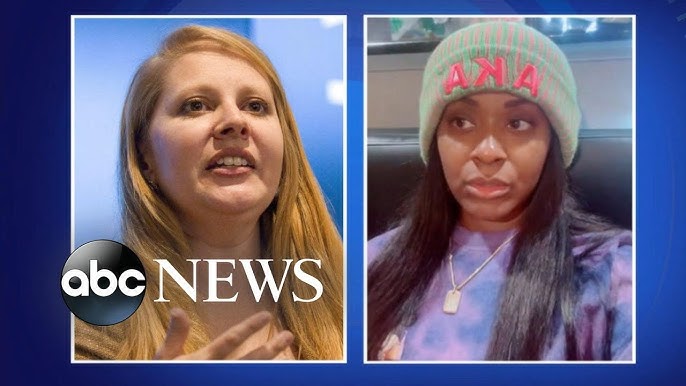
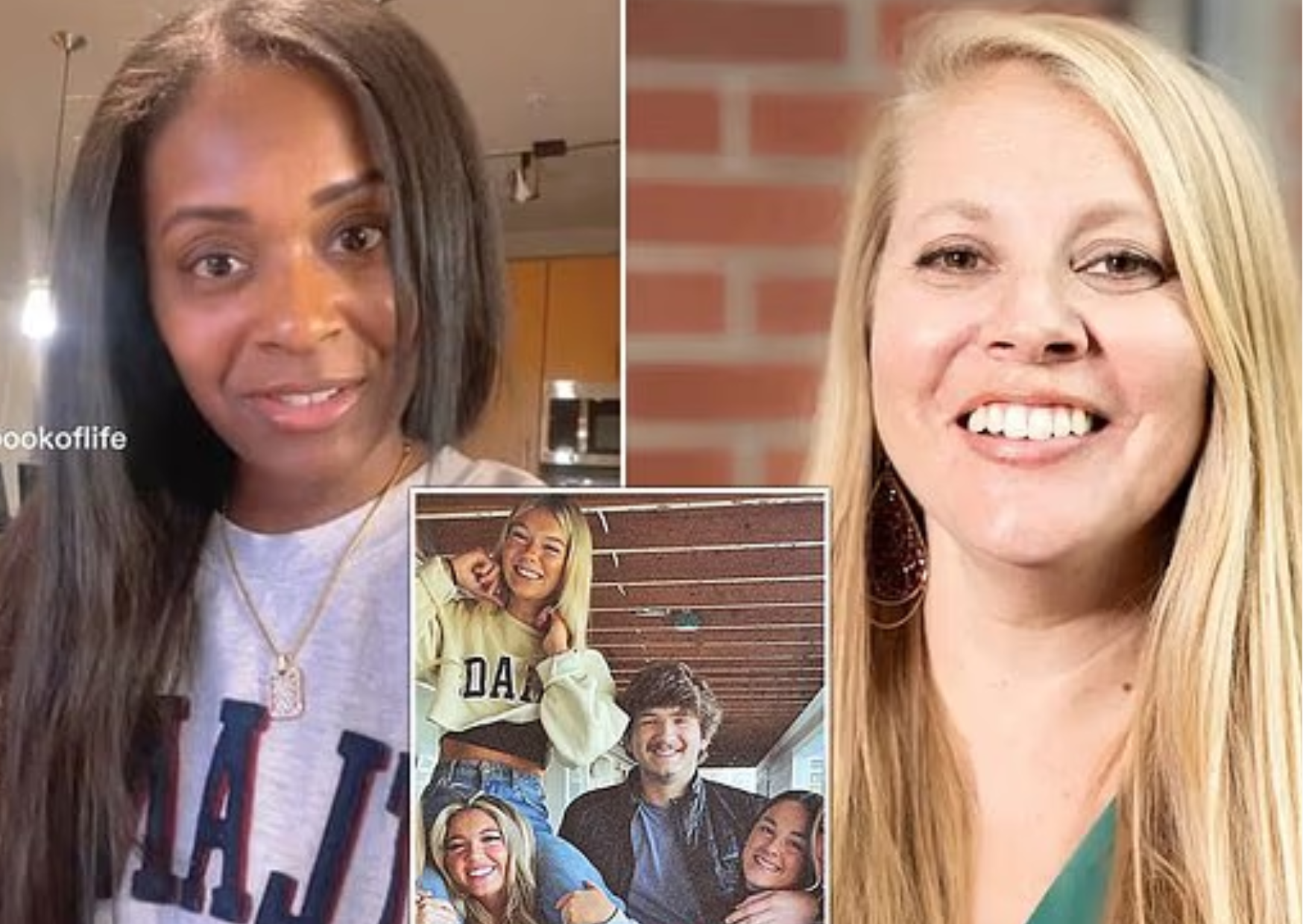
(Left of image, Proffessor Rebecca Scofield. Right of image, Ashley Guillard)
The Murders That Shook a Community
On 13 November 2022, four University of Idaho students were fatally stabbed in an off-campus house in Moscow, Idaho. The brutality of the killings stunned the quiet college town and attracted international media attention.
In late December 2022, Bryan Kohberger, then a PhD student at Washington State University, was arrested. In June 2025, he pleaded guilty in a deal to avoid the death penalty and is now serving four life sentences without parole in Idaho’s maximum-security prison.
But in the crucial weeks between the murders and Kohberger’s arrest, fear and speculation filled the vacuum.
It was during this period that Ashley Guillard entered the public conversation.
A Psychic Theory Goes Viral
Approximately two weeks after the murders, Guillard began posting a series of TikTok videos in which she accused Professor Rebecca Scofield of orchestrating the killings.
Guillard testified that she believed she possessed psychic abilities and had used tarot readings, numerology and other spiritual methods to “investigate” the murders. According to her, these readings led her to Scofield.
Without any evidence, Guillard alleged that Scofield had had an affair with one of the victims and had ordered the killing to conceal it. She posted photographs and contact details of the professor online. Over time, the accusations grew more elaborate and detailed.
In total, Guillard created 112 videos about the University of Idaho murders, continuing until August 2025 — even after Kohberger’s arrest, police statements clearing Scofield, and the issuance of cease-and-desist letters.
Guillard maintained throughout that she genuinely believed her statements were true. She described her departure from a federal HR role and the start of her “spiritual journey”, explaining how she trained herself to read tarot cards through online videos. She insisted her readings were a form of opinion and that she did not need documentary evidence to exercise free speech.
But the law sees things differently.
The Legal Framework: Defamation and Responsibility
Defamation law protects individuals from false statements presented as fact that cause reputational harm. In June 2024, Chief U.S. Magistrate Judge Raymond Patricco ruled in favour of Scofield on liability. The 2025 jury trial was solely to determine damages.
The seven-member jury deliberated for under two hours before awarding Scofield $10 million:
$7.5 million in punitive damages (to punish and deter)
The remainder in compensatory damages (covering economic losses and emotional suffering)
This award exceeded even what Scofield’s attorneys requested in closing arguments.
The ruling sends a clear message: even if framed as belief or spiritual interpretation, public accusations presented as factual claims can meet the legal threshold for defamation.
The Human Cost
Throughout the four-day federal trial in Boise, Scofield testified about the severe impact the accusations had on her life. She described developing intense anxiety, PTSD and nerve pain. Expert witnesses, including her therapist, supported these claims.
She told the court there was a moment when she felt she had “lost ownership” of her face and name — that her identity had been detached from her body and handed over to an online narrative beyond her control.
Her family avoided attending a vigil for the murdered students for fear of attention or backlash. Her professional standing was damaged. The emotional toll was profound and prolonged.
Guillard, representing herself, denied causing harm and suggested any disruption to Scofield’s life was her own choice. The jury clearly disagreed.
Where Law and the Paranormal Intersect
This case highlights a fascinating and troubling intersection: the clash between subjective belief and objective legal standards.
Guillard argued that tarot readings are opinion — “opinion at best”. However, when those opinions take the form of repeated, specific allegations of criminal conduct against a named individual, they cross into potentially defamatory territory.
The legal system does not assess whether tarot readings are spiritually valid. It assesses whether statements are false, presented as factual, and harmful.
Freedom of speech protects belief. It does not protect demonstrably false accusations that damage another person’s life.
The Broader Implications
This verdict joins other significant defamation rulings in Idaho in recent years, reinforcing the principle that online speech has real-world consequences.
In her statement following the verdict, Scofield said the decision sends “the clear message that false statements online have consequences in the real world for real people”.
At a time when social media allows individuals to build platforms quickly and broadcast unverified claims to global audiences, this case serves as a warning. The line between commentary and accusation matters. Spiritual conviction does not override evidentiary standards.
Conclusion: Belief vs Responsibility
The Idaho case is not a referendum on spirituality or paranormal belief. It is a case about responsibility.
When tragedy strikes, communities seek answers. But in the absence of verified facts, speculation can morph into reputational violence. The law exists, in part, to protect individuals from precisely that harm.
The jury’s decision underscores a vital principle: even in a digital age saturated with opinion, the real-world impact of words remains legally and morally significant.
Tarot may deal in symbols. The courtroom deals in consequences.

Host, author and producer
Hi I’m Michelle.
Teacher, podcaster, history and paranormal enthusiast and woman who wears many hats and spins many plates including dog whisperer- as you will often find Archie my dog- joining me during podcast recordings where he promptly falls asleep clearly not as enthusiastic about the subject as I am. It does mean his dulcet snoring can often be heard gently in the background- his contribution as occasional co- host needs a little work.
I live in Oxford in the United Kingdom and I love travelling and exploring historical sites throughout the UK for its history and haunted activity. One of the best gifts I ever received was English Heritage vouchers to use to explore various different historical sites. I had the best summer that year. (For friends and family possibly reading this please note that hint for future gift ideas!)
I started this podcast as an adventure through some of my passions. It has been immensely exciting getting to know lots of other people around the world who have these same common interests. I’ve been humbled by the encouragement and support from strangers and people who have become new friends! I truly could not do this without you.
This isn’t something I have done before and I’m learning everything as I go along - from equipment, to editing, to even creating this website. I’m loving it though- it’s a lot of work - but worth every second. Thank you for being patient as I learn and improve along the way. I have big dreams of where to take this podcast and community I hope we build here. If you wish to support that dream and this c…Read More

Dread, Shadows, and the Stories We Tell Ourselves: Gothic Literature and the Supernatural